2026 Top Vibration Compactor Trends and Innovations to Watch?
As we look toward 2026, the Vibration Compactor industry stands on the brink of significant transformation. Industry expert John Smith states, "Innovation drives efficiency in every layer of construction." This perfectly captures the essence of upcoming trends. State-of-the-art technologies are reshaping how vibration compactors function, enhancing both power and performance.
New designs will focus on operator comfort and ease of use, reshaping user interactions. For instance, advancements in vibration control technology promise to reduce fatigue and improve precision. Electric models are also emerging, responding to demands for greener machinery. Yet, challenges remain. Transitioning from traditional methods requires retraining and adaptation.
The evolving landscape calls for reflection on how these changes affect our practices. Will the industry adapt quickly enough? As we embrace innovation, it's crucial to consider both the potential and the pitfalls that accompany it. Balancing progress with practical application will define the future of Vibration Compactors.
Key Innovations in Vibration Compactors Scheduled for 2026
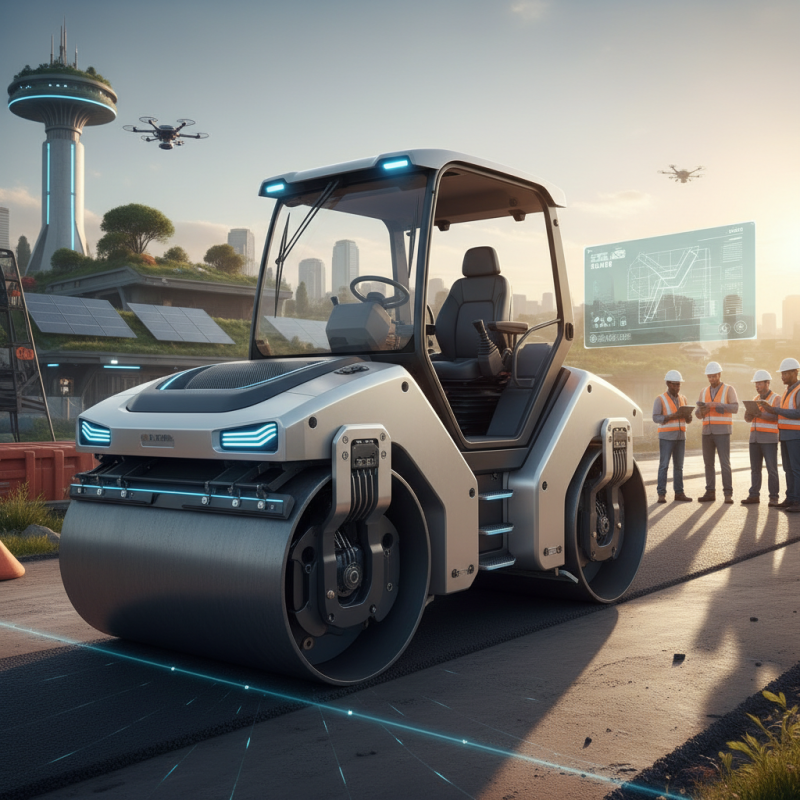
The vibration compactor industry is evolving rapidly. Innovations for 2026 promise to enhance performance and efficiency. One key trend is the integration of smart technology. Intelligent systems can optimize compaction based on soil conditions. This adaptability ensures better results in various terrains.
Another exciting development is the focus on sustainability. New compactor designs use eco-friendly materials. They reduce fuel consumption and emissions significantly. Hydraulic systems are becoming more efficient too. They provide consistent power while minimizing waste. These changes reflect a growing concern for the environment.
Challenges persist in implementation. Not all operators are trained in advanced technology. There’s a learning curve that can slow down adoption. Additionally, the initial investment for these machines can be daunting. Companies must balance costs with expected benefits. Despite these hurdles, the push for innovation remains strong. The future looks promising for vibration compactors. However, reflections on current practices are essential for progress.
2026 Top Vibration Compactor Trends and Innovations
In 2026, the vibration compactor market is expected to witness significant advancements in technology and design. The following chart illustrates the anticipated adoption rates of key innovations in vibration compactors over the next few years, highlighting their impact on efficiency, environmental sustainability, and operator safety.
Emerging Technologies Impacting Vibration Compactor Efficiency
The vibration compactor industry is seeing exciting advancements. Emerging technologies are transforming equipment efficiency. Innovations in materials and design are leading the way. Manufacturers are experimenting with lighter materials, which can enhance mobility and ease of use. This shift has the potential to reduce operational fatigue for workers.
Automation is another key trend. Smart sensors are being integrated into compactors, allowing for real-time data monitoring. These sensors can detect soil conditions and adjust the compaction force automatically. This adaptability leads to more consistent results and could save time on job sites. However, reliance on automation raises concerns about operator skills in the long run.
Sustainability is also on the radar. There is a push for eco-friendly energy sources to power vibratory compactors. Solar technology is being tested, but its viability remains under scrutiny. Additionally, implementing these innovations may result in higher initial costs. The industry must balance future benefits with current financial challenges experienced by contractors. These evolving trends merit careful consideration as the landscape continues to shift.
2026 Top Vibration Compactor Trends and Innovations to Watch
| Trend/Innovation |
Description |
Impact on Efficiency |
Expected Adoption Rate (2026) |
| Smart Control Systems |
Integration of IoT for real-time monitoring and adjustments. |
Increased precision and reduced fuel consumption. |
75% |
| Eco-Friendly Technologies |
Use of sustainable materials and reduced emissions. |
Lower environmental impact and compliance with regulations. |
60% |
| Enhanced Vibration Mechanisms |
Development of advanced vibratory systems for better compaction. |
Higher compaction density and reduced number of passes. |
70% |
| Telematics Integration |
Real-time data collection for tracking performance and maintenance. |
Improved operational efficiency and reduced downtime. |
65% |
| Modular Design |
Components designed for easy upgrades and custom configurations. |
Increased versatility and extended equipment lifespan. |
50% |
Sustainability Trends in Vibration Compactor Design for 2026
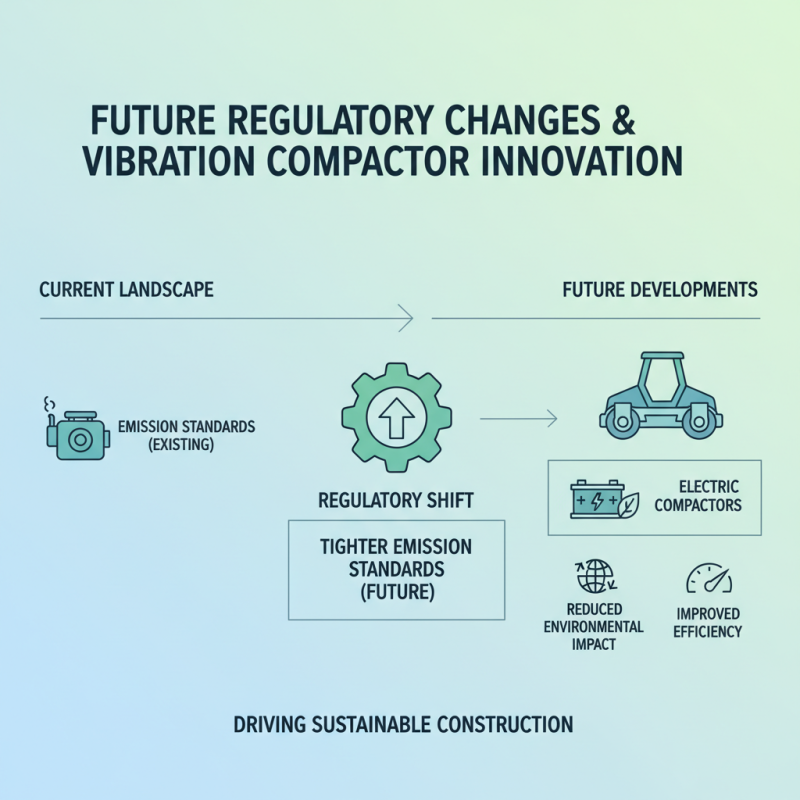
The design of vibration compactors is evolving, focusing on sustainability. In 2026, we expect a rise in eco-friendly materials. Many companies are exploring recycled metals and biodegradable composites. These materials reduce environmental impact. They also comply with stricter regulations on waste and emissions.
Recent industry reports indicate that nearly 40% of construction firms prioritize sustainable equipment. This trend sparked innovations in energy efficiency. Vibration compactors are now designed to consume less fuel while maintaining performance. Newer models boast up to 30% lower fuel consumption. However, challenges remain. Manufacturers must balance performance and sustainability without compromising on power.
Incorporating smart technology is another key trend. These compactors may feature sensors that track energy usage. Data collected can help companies optimize operations. Yet, not all firms fully utilize this technology. Some still rely on outdated methods. Continuous improvement is essential. Embracing these advances may determine success in the competitive market.
Market Demand Shifts and Their Influence on Compactor Features
Market demand for vibration compactors is evolving. Factors such as sustainability and efficiency are driving this change. According to a recent industry report, nearly 70% of construction professionals prioritize eco-friendly equipment. This trend influences the integration of innovative technologies in compaction machines.
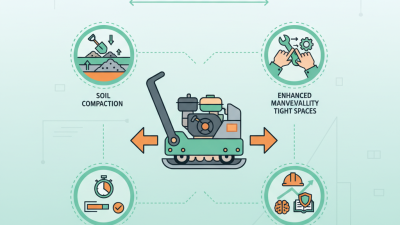
Users are also looking for versatile features. The rise of urban development necessitates compactors that can operate in tighter spaces. Compact size and maneuverability are now essential. Latest data suggests that 55% of operators want machines with improved handling and adaptability. These features not only enhance performance but save time on different job sites.
However, not all manufacturers meet these demands consistently. Some machines still lack user-friendly interfaces. Others may not fully embrace advanced connectivity options. As the market shifts, companies must reassess their designs and technology. Feedback from operators can guide them in making effective improvements. Embracing change can be challenging but is vital in staying relevant.

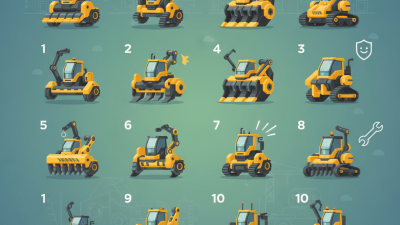
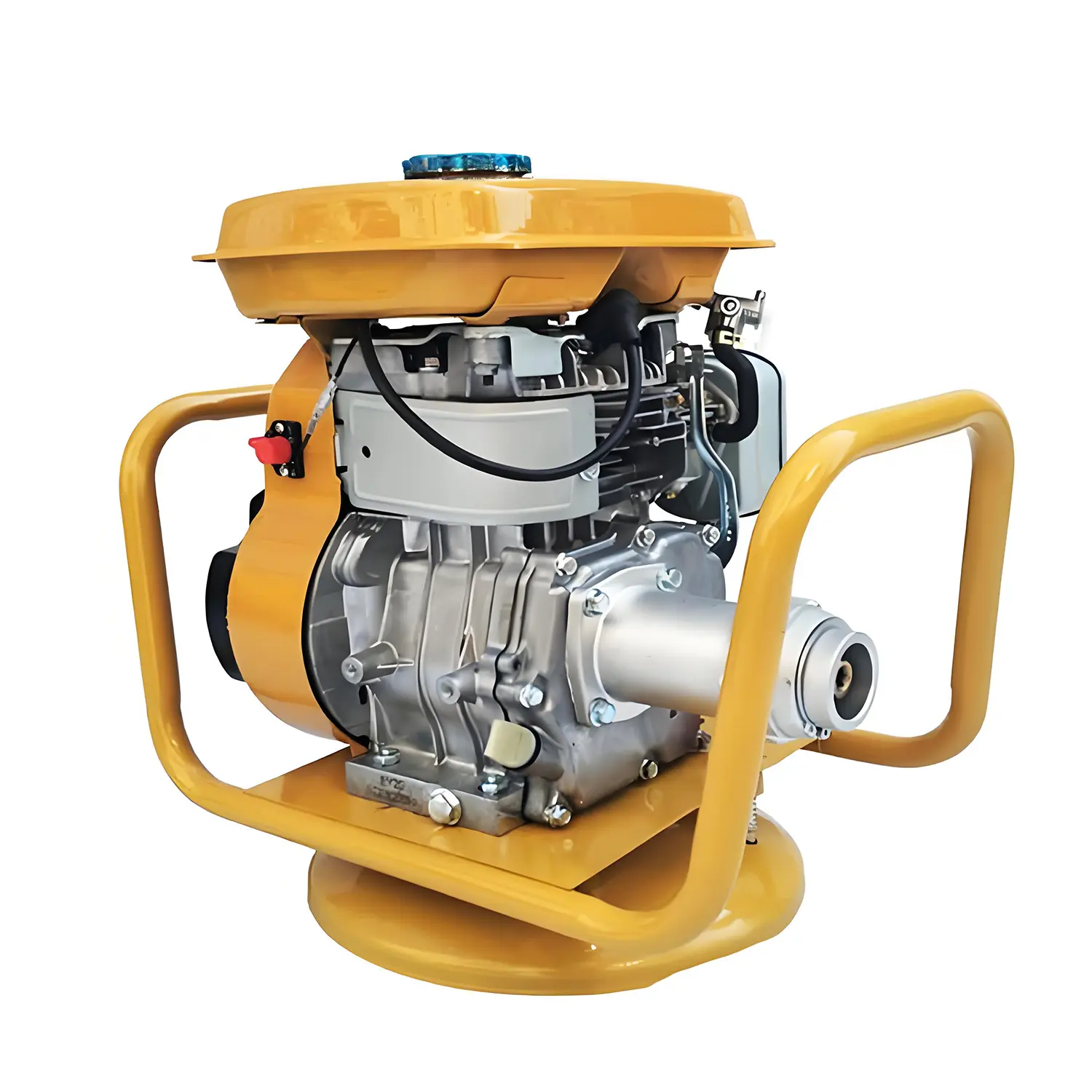 Internal Vibrator
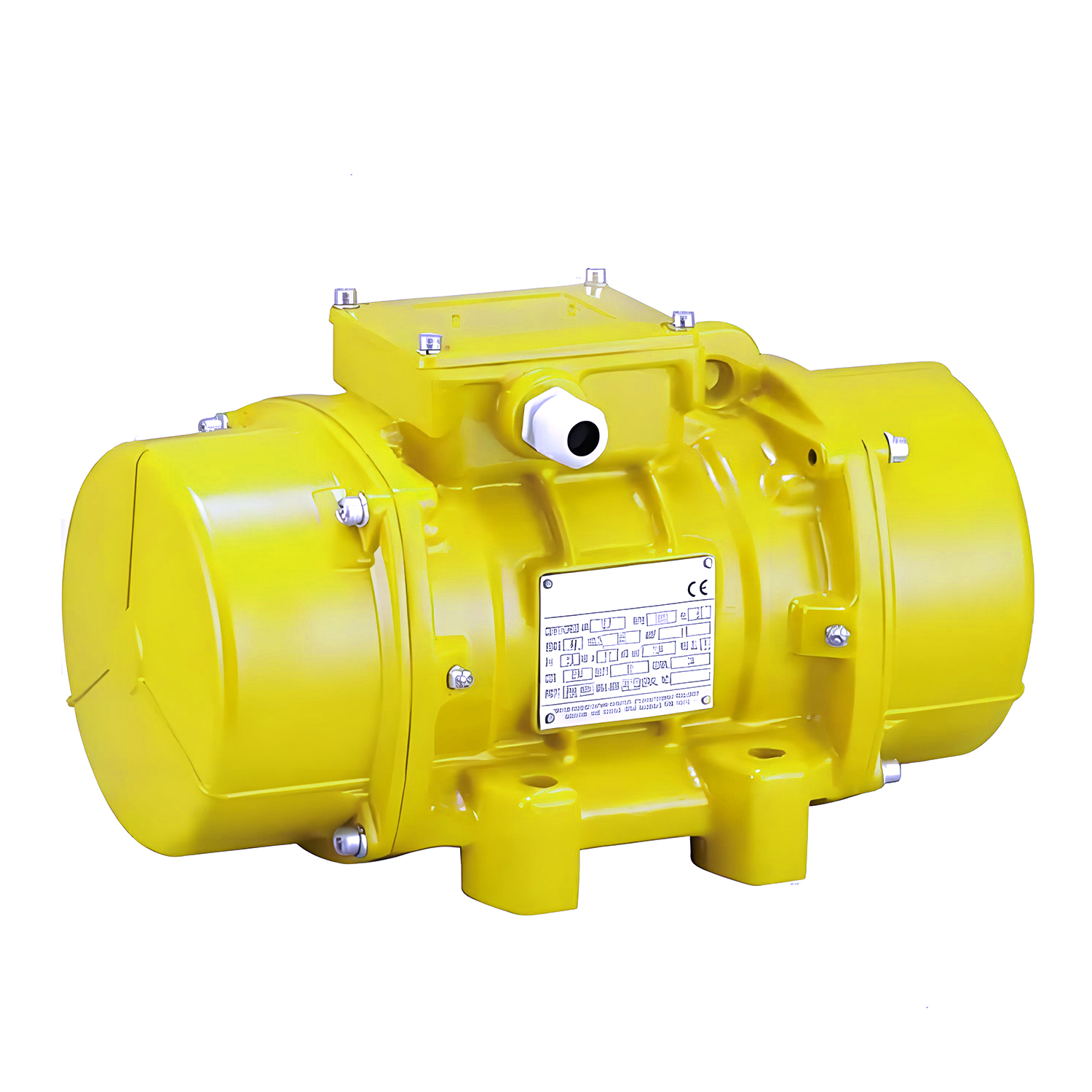 External Vibrator
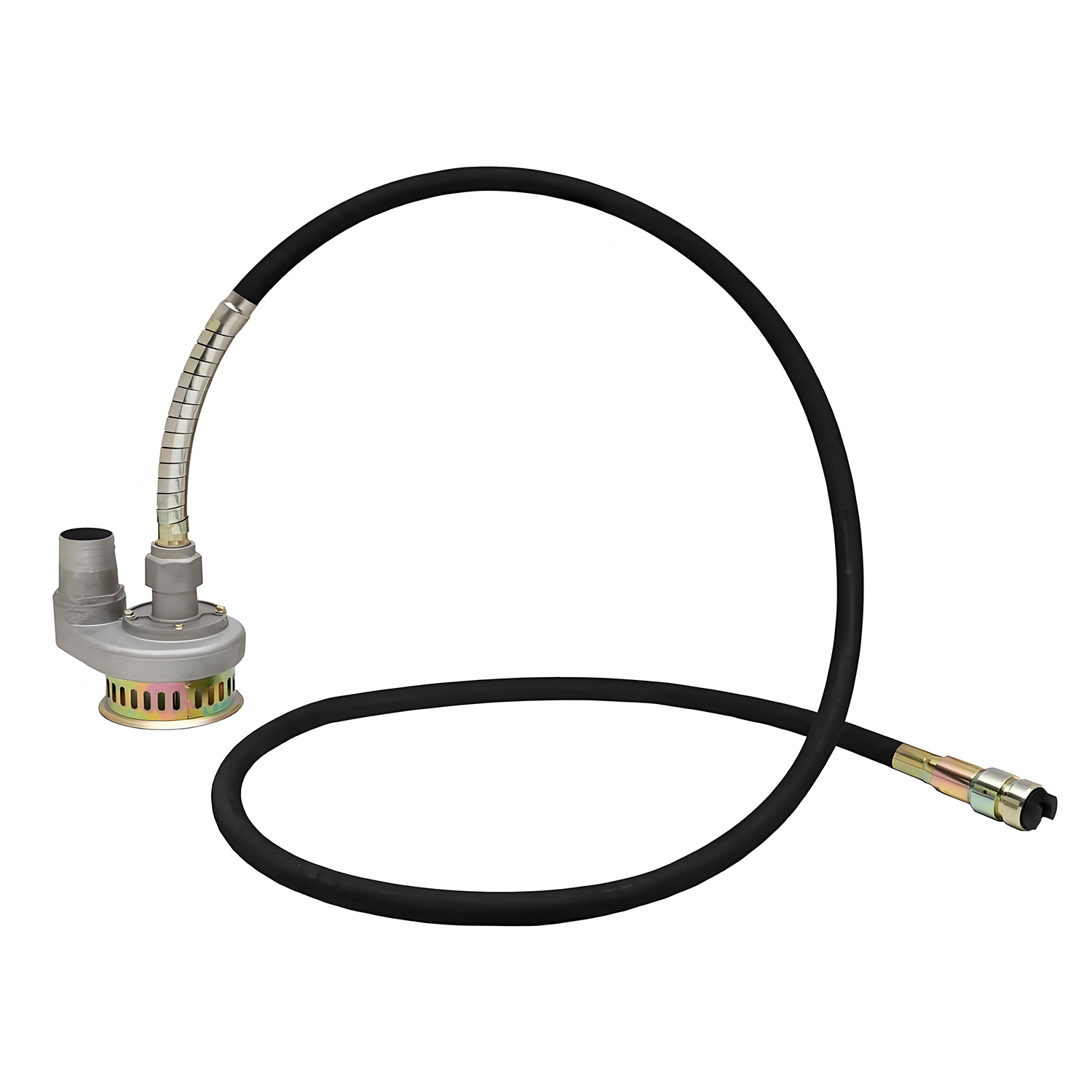 Submersible Pump
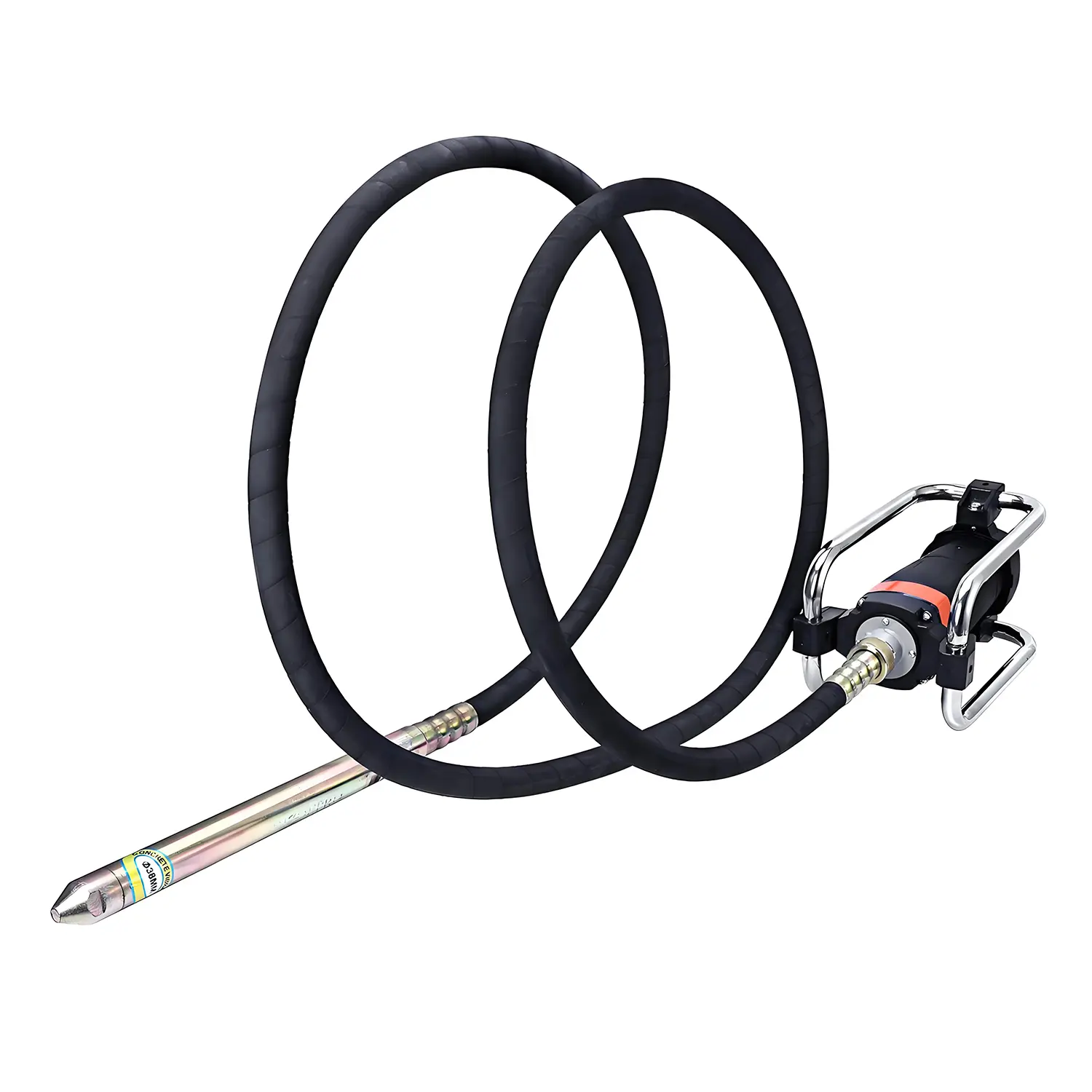 Eccentric shaft
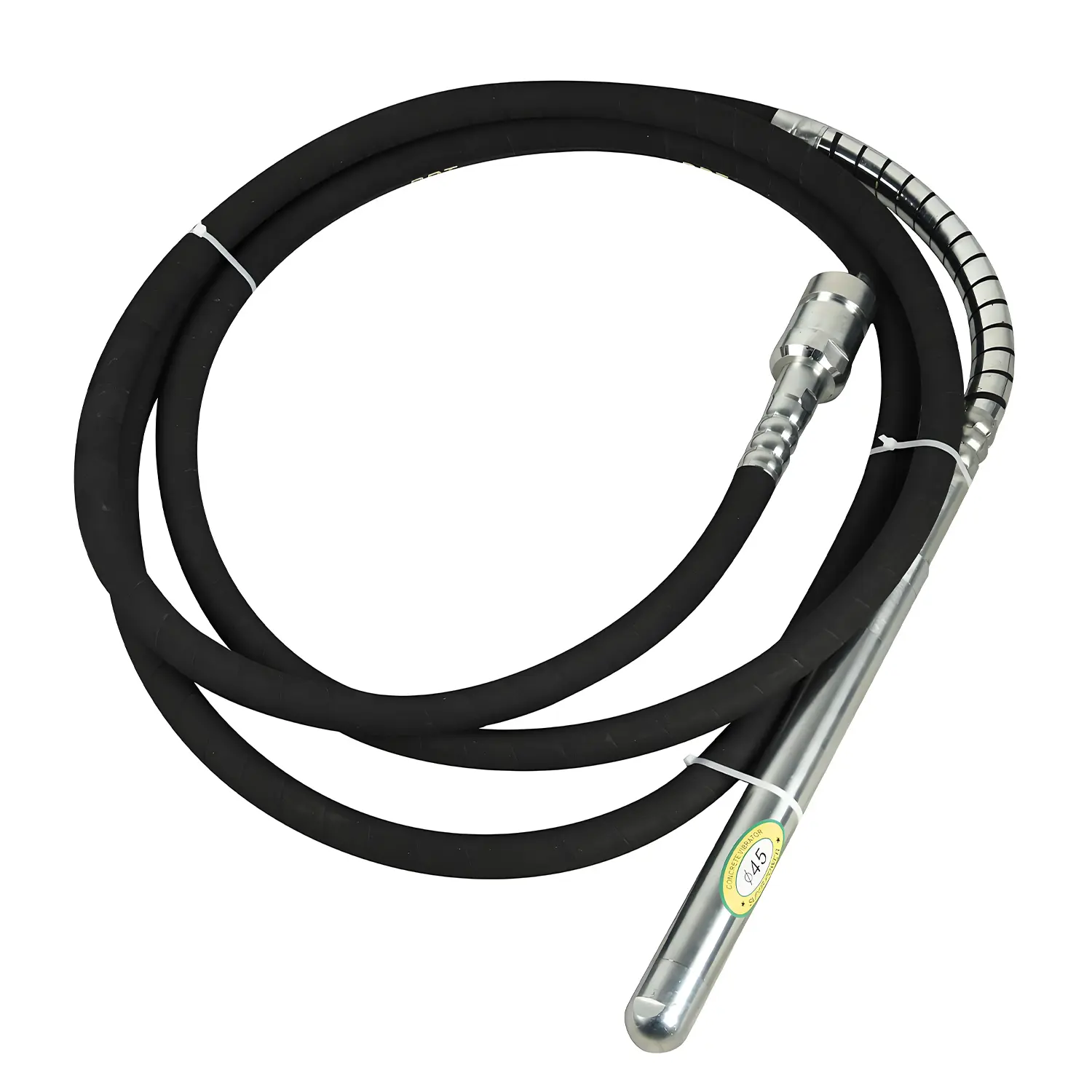 Pendulum shaft
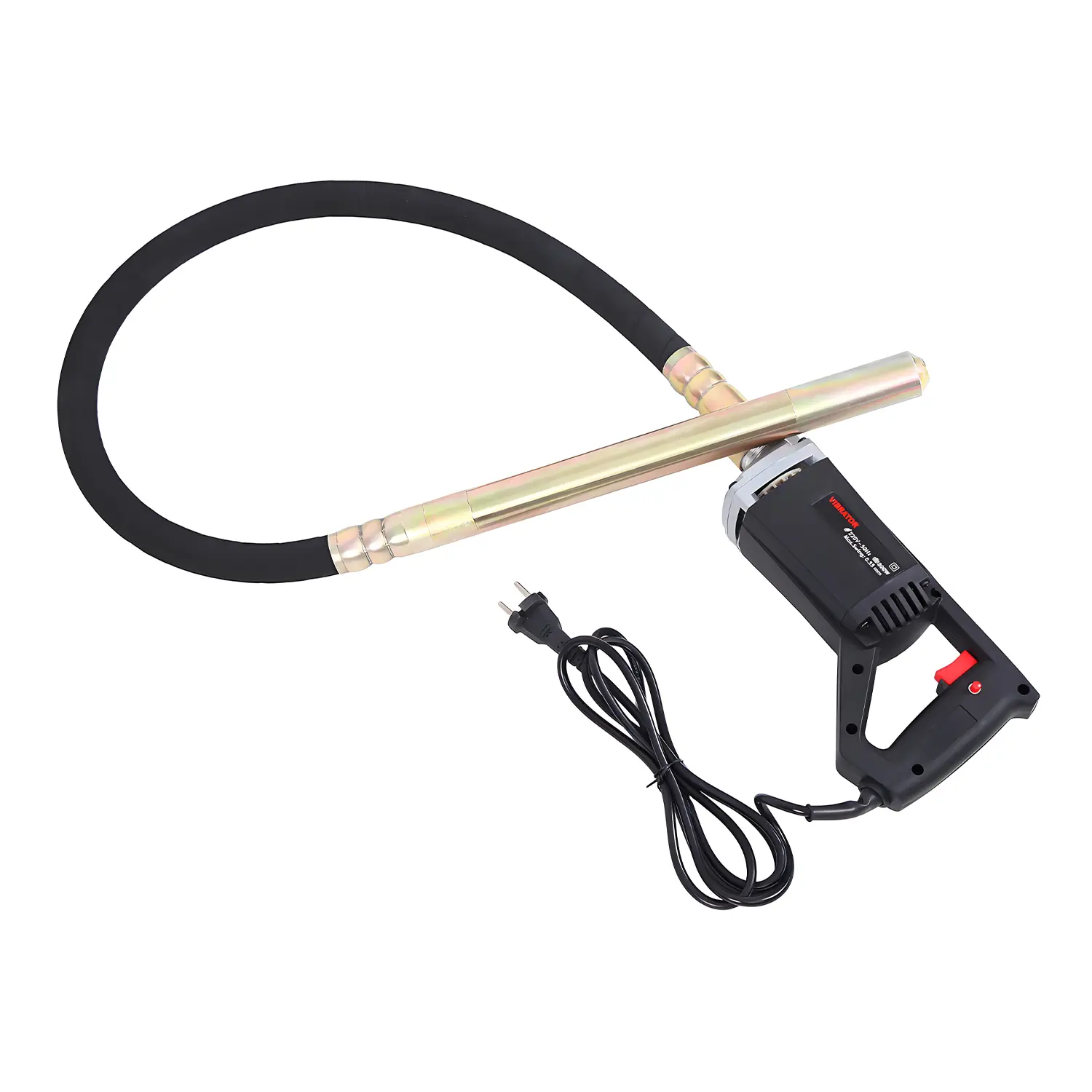 Portable vbrator shaft
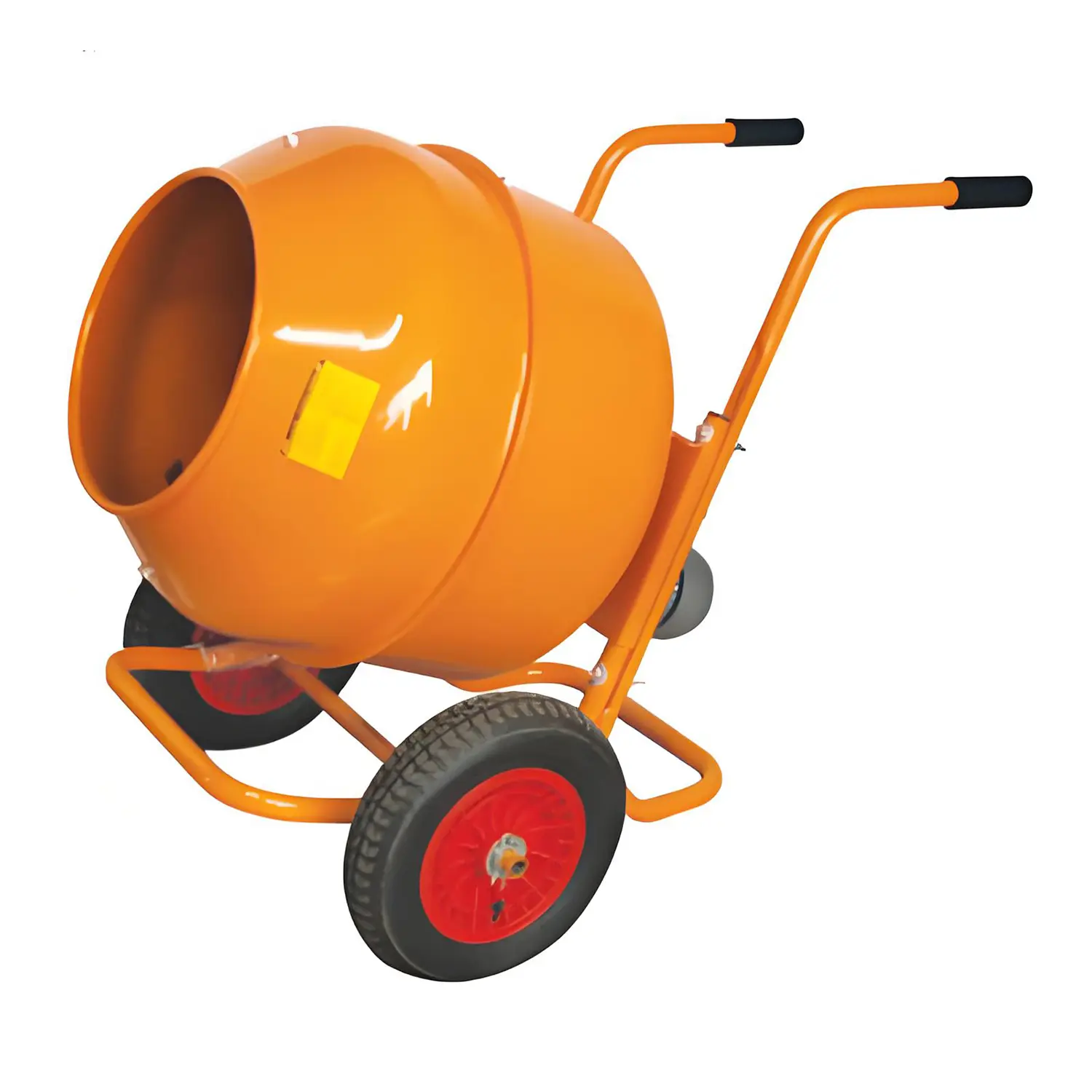 Portable concrete mixer
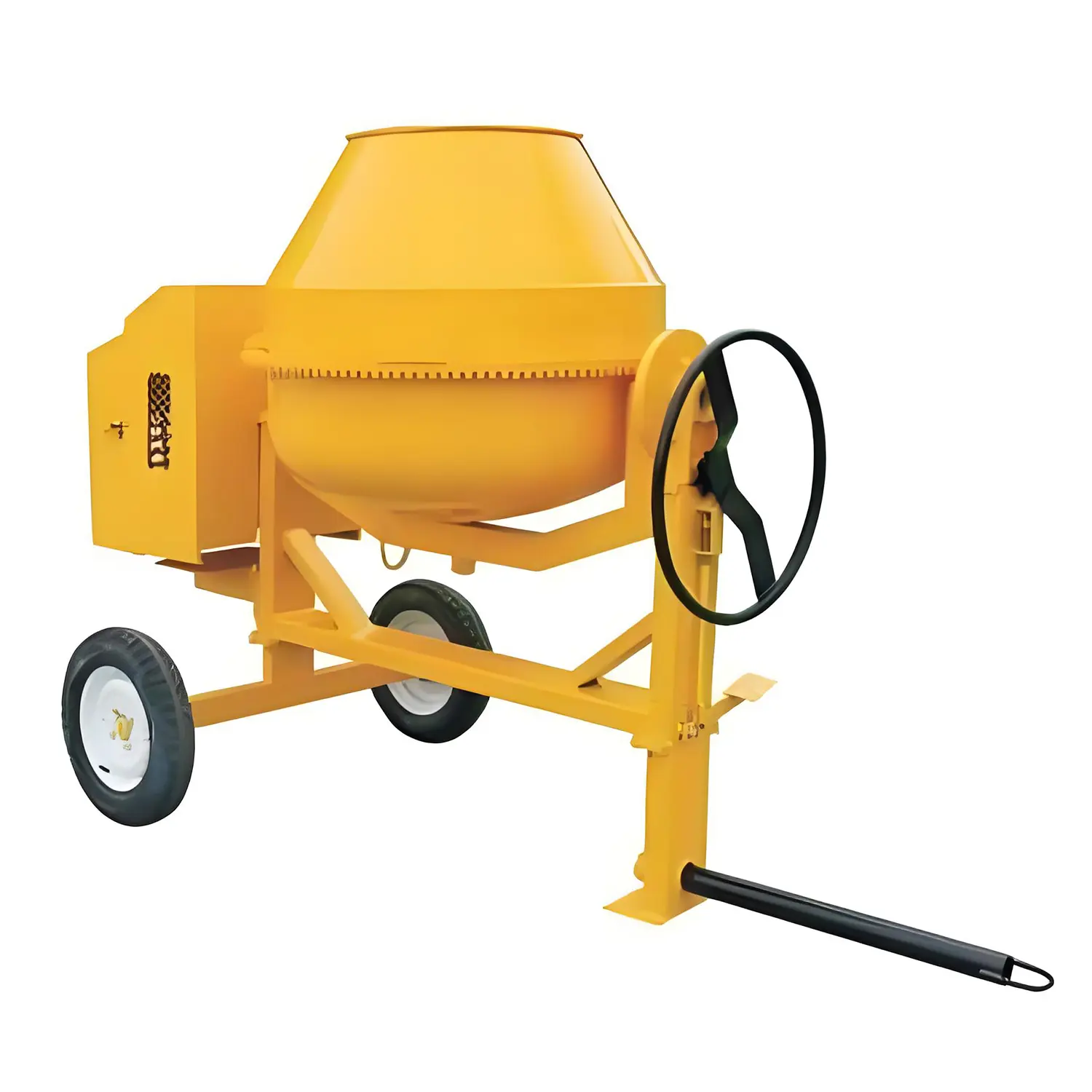 Vertical concrete mixer
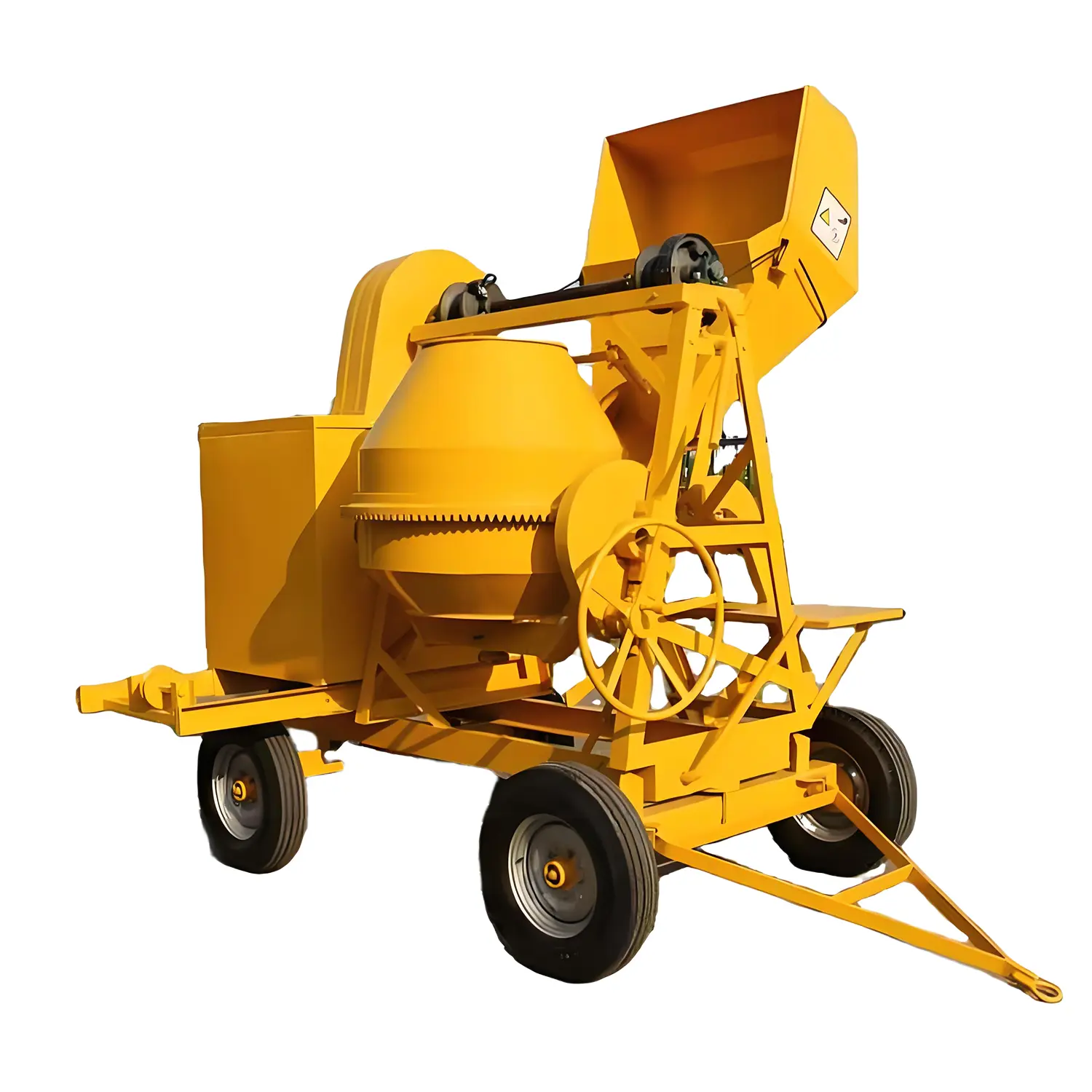 Hydraulic concrete mixer
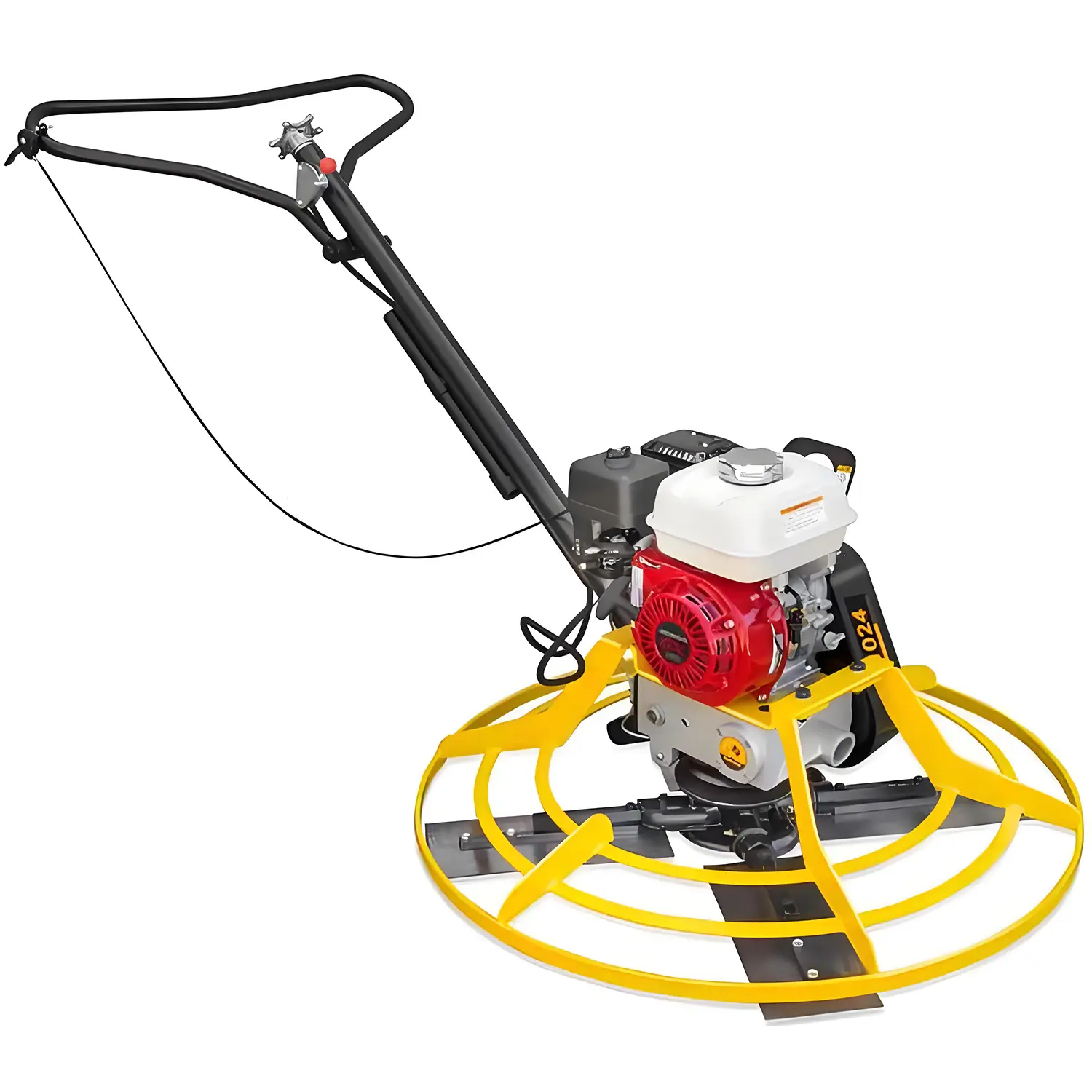 Walk behind power trowel
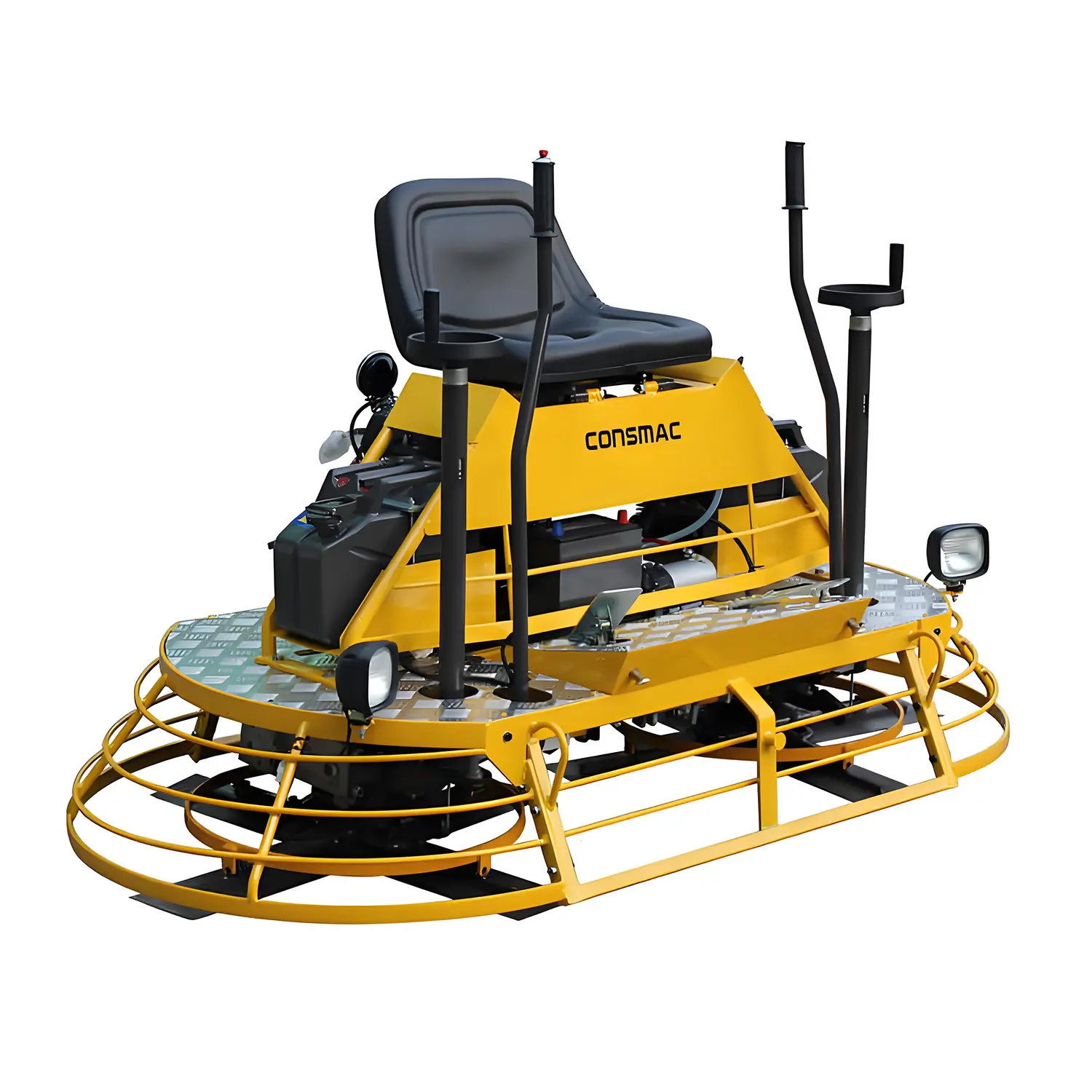 Ride on power trowel
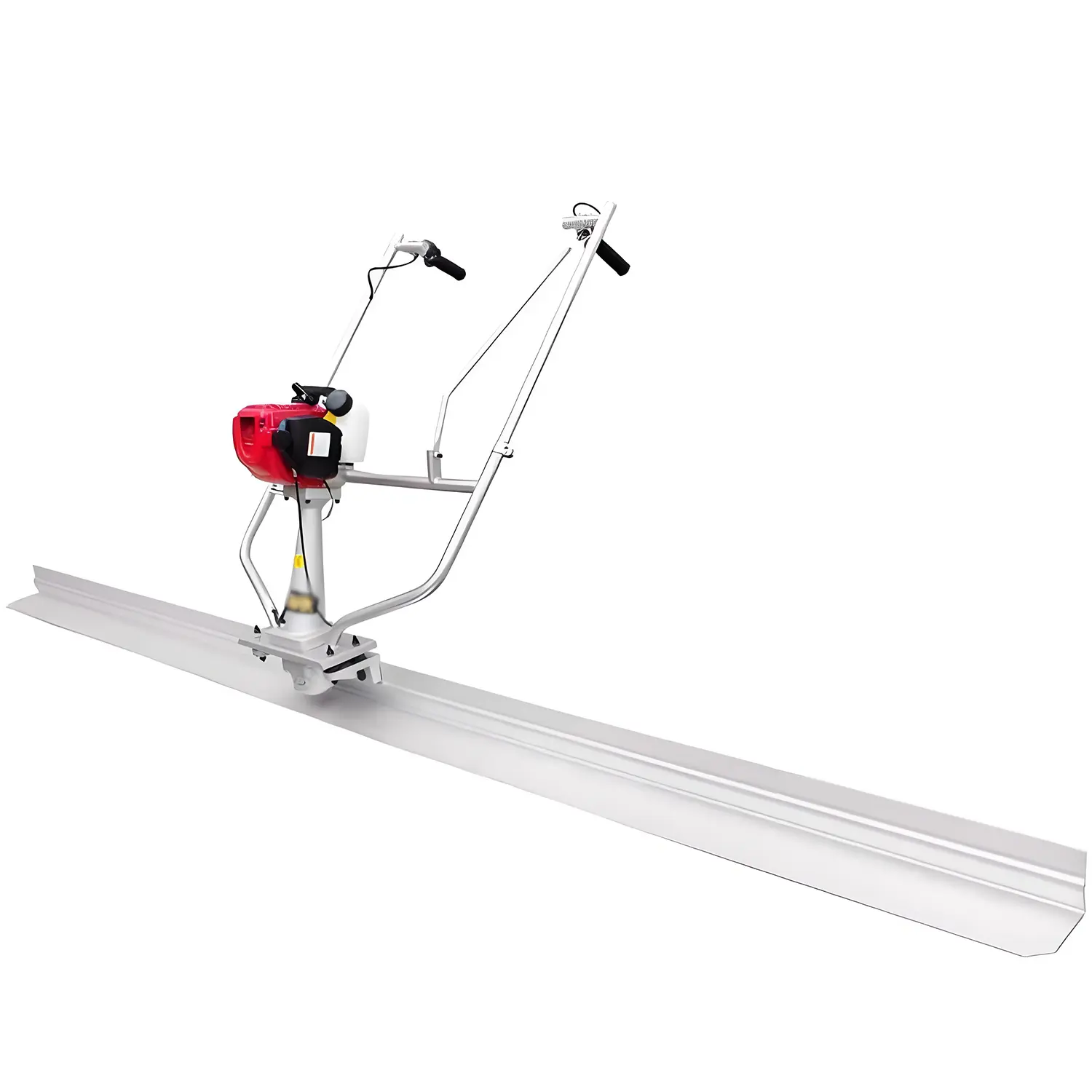 Concrete screed
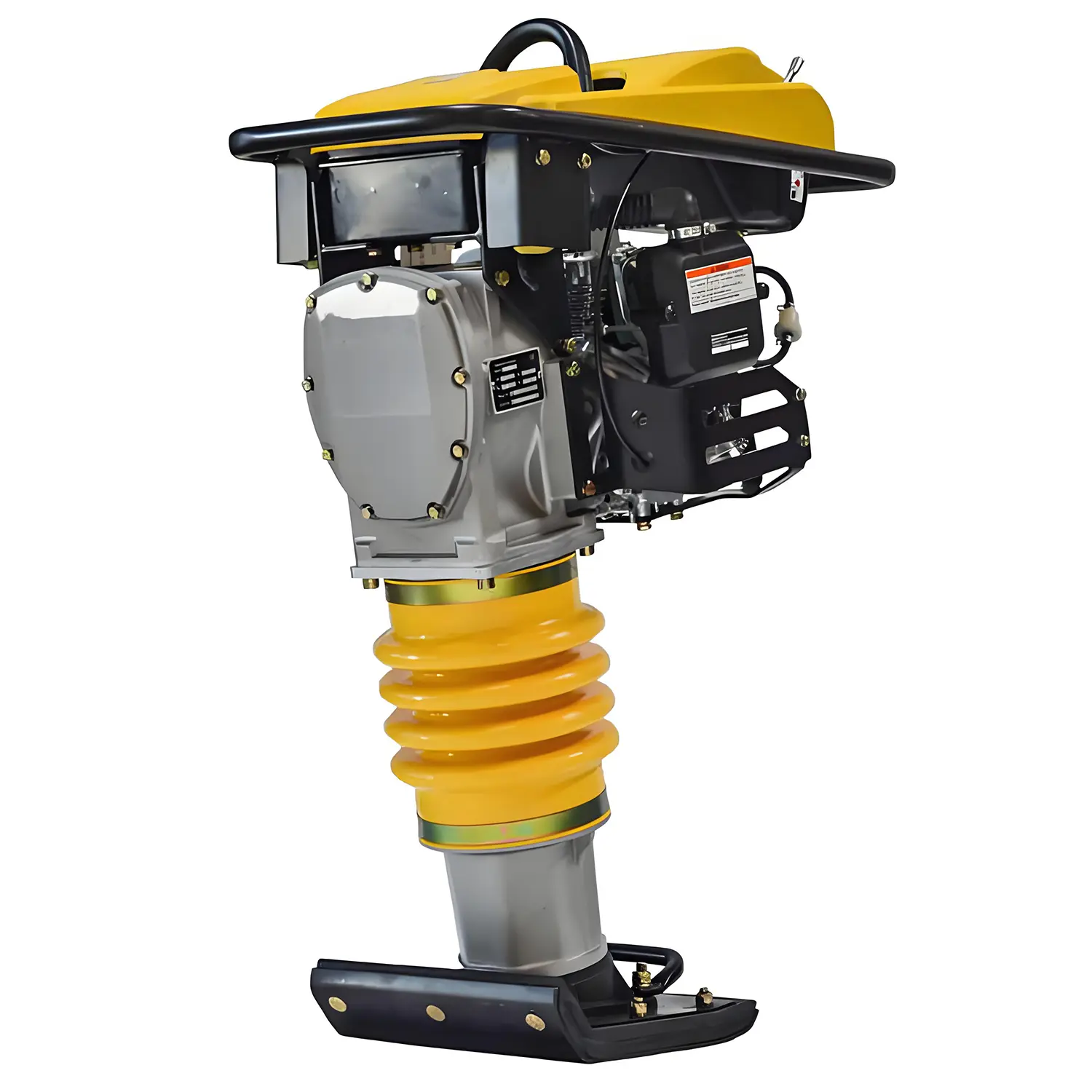 Tamping rammer
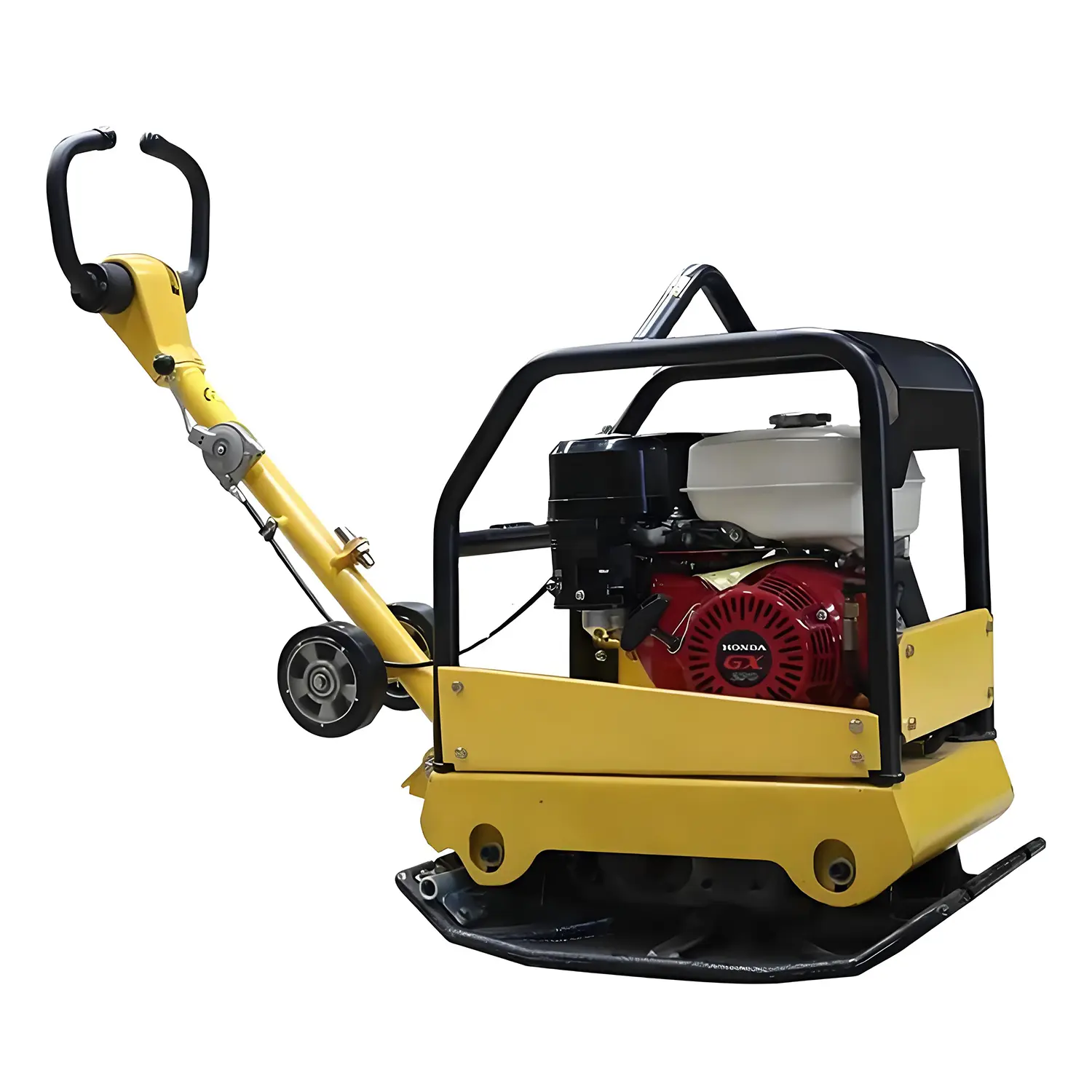 Plate compactor
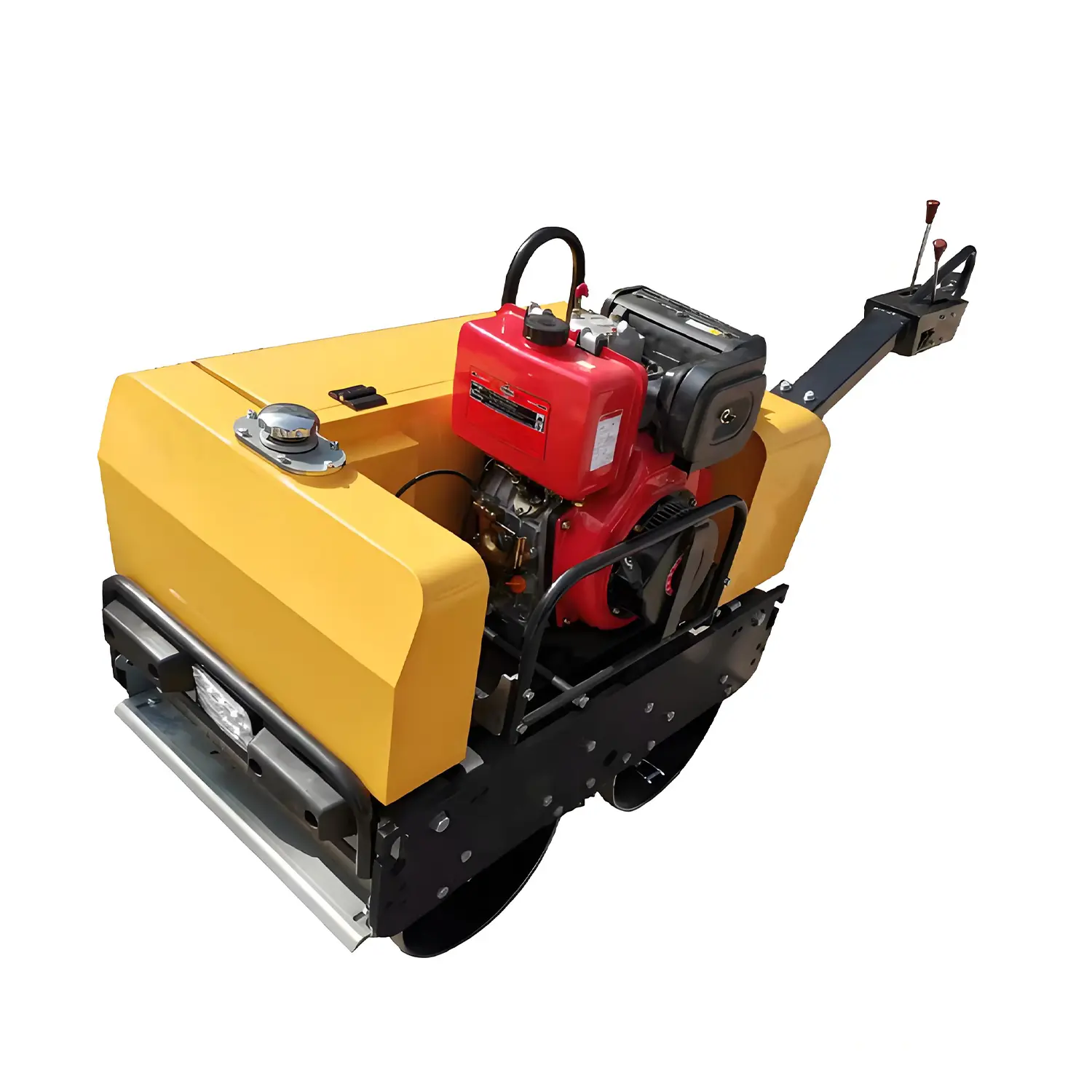 Vibratory roller