Best Concrete Vibrating Machine for Efficient Construction?
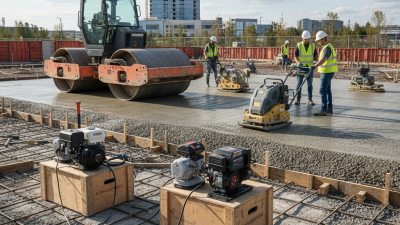
In the world of construction, efficiency is key. A reliable Concrete Vibrating Machine can make a significant difference in the quality of your work. Whether you are leveling concrete slabs or pouring foundations, the right equipment matters. It ensures a smooth finish and reduces the risk of air bubbles, which can compromise structural integrity.
Many options exist on the market, but not all vibrating machines are created equal. Some may lack durability or power, leading to unsatisfactory results. Choosing the best model requires careful consideration of your specific needs and the job at hand. It's essential to assess the machine's capabilities and read reviews from other users. Trustworthy sources can guide your decision-making.
Investing in a high-quality Concrete Vibrating Machine can save time and improve overall project outcomes. However, selecting a product just for its brand name or price can lead to regrets. Take time to research and reflect on your requirements. A successful construction project often hinges on the right tools at your disposal.
Understanding Concrete Vibrating Machines and Their Importance
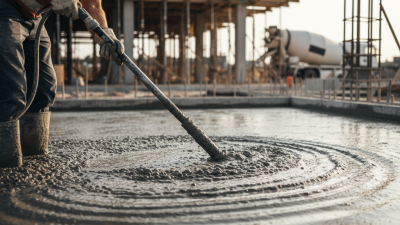
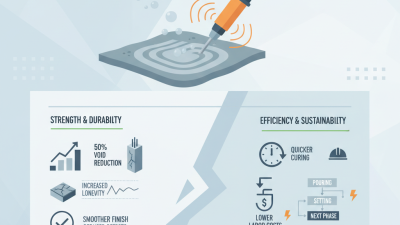
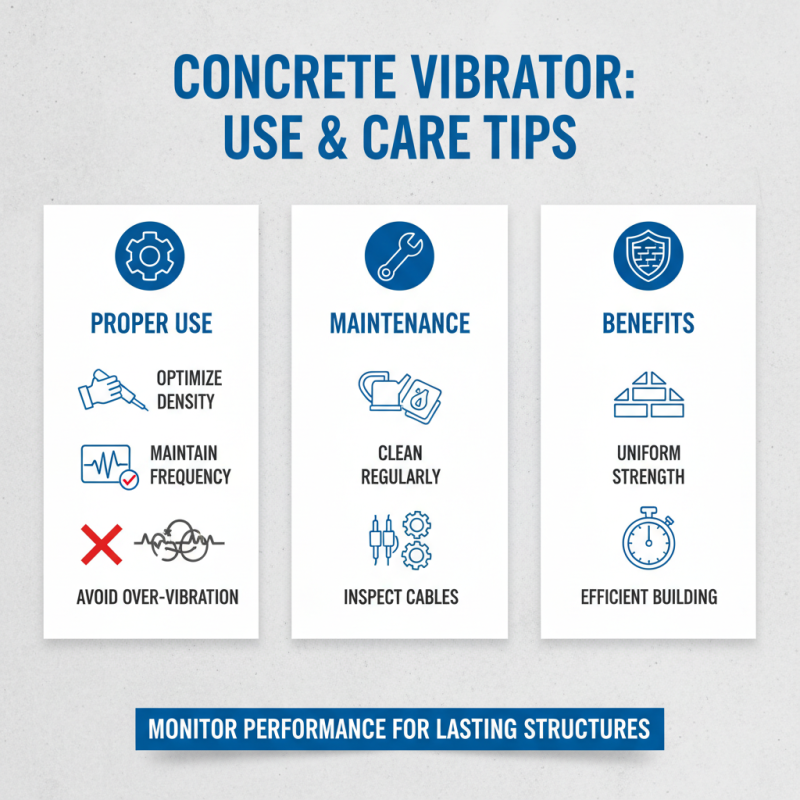
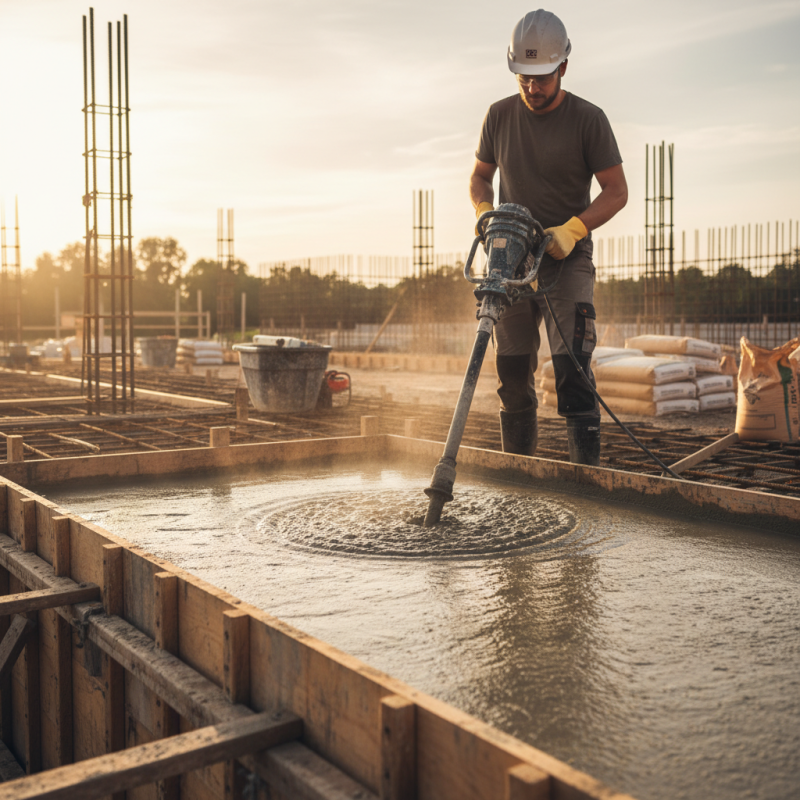
Concrete vibrating machines play a crucial role in construction projects. They ensure proper compaction of concrete, thus enhancing its strength and durability. Vibrators eliminate air pockets, which can weaken the finished structure. Without effective vibration, surfaces might be uneven or prone to cracking. Many professionals highlight the importance of using the right equipment to achieve optimal results.
Understanding how these machines function is essential. They consist of a vibrating motor that creates vibrations to distribute concrete evenly. This process is vital, especially in large pours, where consistent quality is needed. Many operators may struggle with timing and technique, leading to uneven concrete density. Practicing proper use can significantly improve outcomes in various applications.
Safety and efficiency are paramount in construction. Proper training on vibrators helps prevent accidents. Some inexperienced operators might overlook vibration settings, affecting the overall project quality. Recognizing common errors is part of the growth process. Continuous learning in this field ensures better practices for future projects.
Concrete Vibrating Machine Efficiency Analysis
This chart illustrates the efficiency rates of different types of concrete vibrating machines. As seen in the data, high-frequency machines demonstrate the highest efficiency, making them ideal for efficient construction practices.
Key Features to Look for in a Concrete Vibrating Machine
When selecting a concrete vibrating machine, key features significantly impact efficiency and results. One critical feature is vibration frequency. Machines with adjustable frequencies allow operators to tailor vibrations based on the mix and environmental conditions. Studies show that an optimal frequency range can reduce air bubbles by 30%, resulting in stronger concrete.
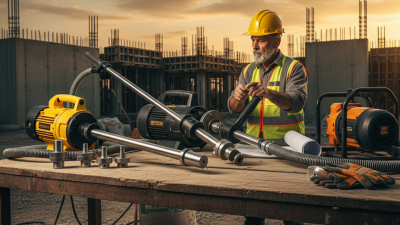
Another essential aspect is the type of vibrator head. High-quality heads improve the penetration depth and concrete consolidation. According to construction benchmarks, units with a larger head diameter can cover more area, reducing work time. However, a larger head is not always better. In tight spots, a smaller head is more effective.
Durability cannot be overlooked. A robust machine resists wear from harsh materials. Reports indicate that up to 20% of vibrating machines fail prematurely. This often stems from poor material quality or design flaws. Investing in reliable machines ensures consistent performance but may require higher initial costs. Balancing these factors is crucial for long-term efficiency.
Types of Concrete Vibrating Machines: Pros and Cons
When selecting a concrete vibrating machine, understanding the types is essential. There are three primary types: internal vibrators, external vibrators, and form vibrators. Each comes with distinct advantages and limitations. For instance, internal vibrators are effective at consolidating concrete. They can penetrate deeper layers, ensuring a uniform mixture. However, they require skilled operators to avoid damaging the concrete.
External vibrators, on the other hand, are mounted on forms. They work on the surface of the concrete. This method is less invasive but may not achieve the same level of compaction in deeper sections. Data from the Concrete Foundations Association indicate that external vibrators are often preferred for larger construction projects. They can reduce the risk of air bubbles, improving structural integrity.
Form vibrators deliver a unique approach to the task. They vibrate the molds or forms, delivering consistent results. Despite their efficiency, they sometimes lack the power needed for heavier concrete mixes. In many cases, contractors need to adjust their approach when using this type. The choice of a concrete vibrating machine can significantly impact project efficiency and quality. Understanding these pros and cons is vital for making an informed decision.
Top Brands and Models of Concrete Vibrating Machines in 2023
When it comes to selecting a concrete vibrating machine, 2023 offers various models with unique features. Many professionals rely on specific brands known for their durability and performance. Key specifications include vibration frequency, amplitude, and power rating. Assessing these parameters is crucial for ensuring efficient concrete consolidation.
Some popular models emphasize lightweight designs combined with high power. This combination aids in maneuverability and effectiveness. Advanced technology in these machines helps achieve better results with less energy. Users report a noticeable difference in concrete quality when proper vibrating techniques are employed.
However, not every model suits all job sites. Some might overlook power requirements, leading to suboptimal results. Vibration intensity should match the concrete's characteristics for ideal outcomes. Users should also consider maintenance aspects; neglect can lead to failure or less effective operation. Engaging in discussions with experienced contractors can further clarify the best choices for specific applications.

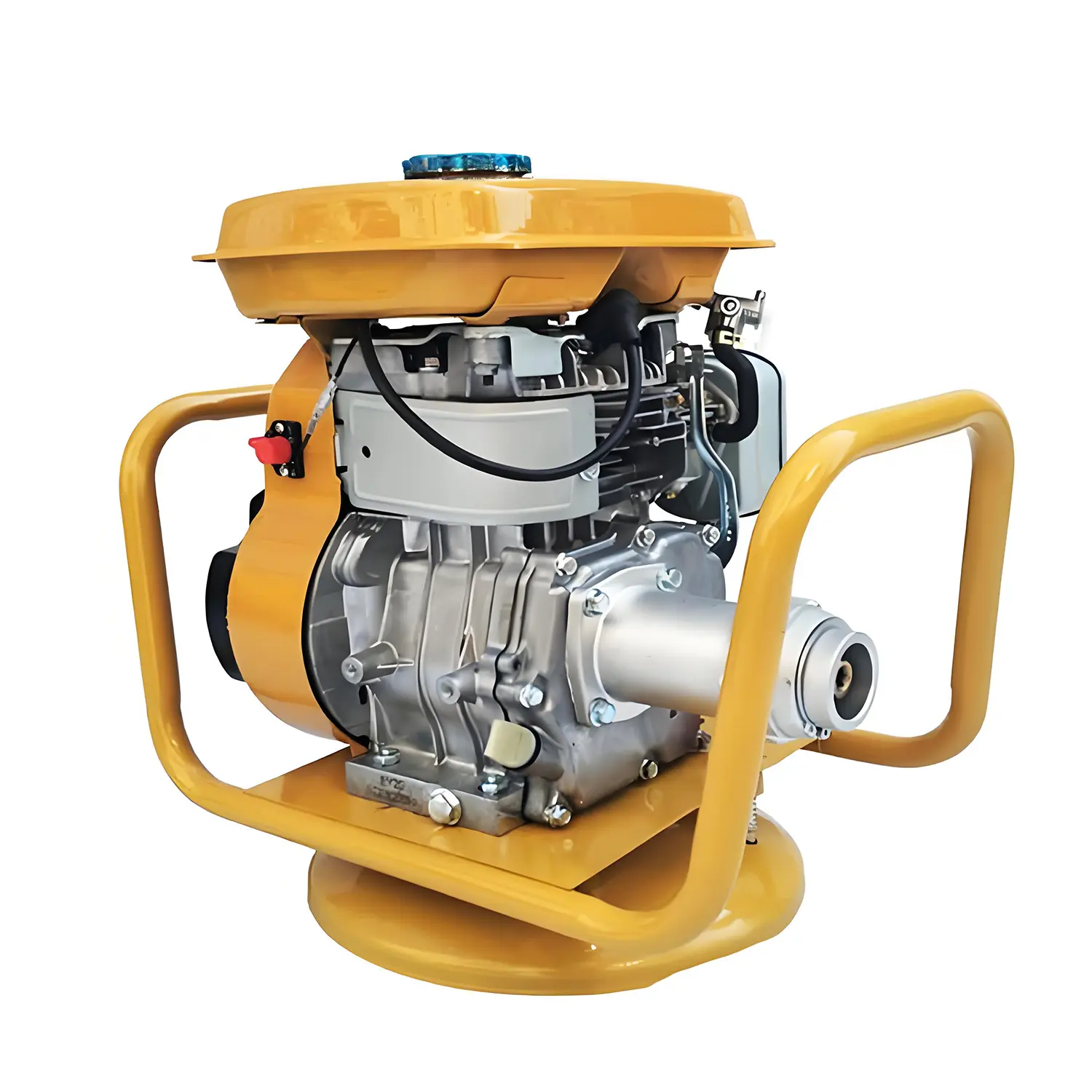 Internal Vibrator
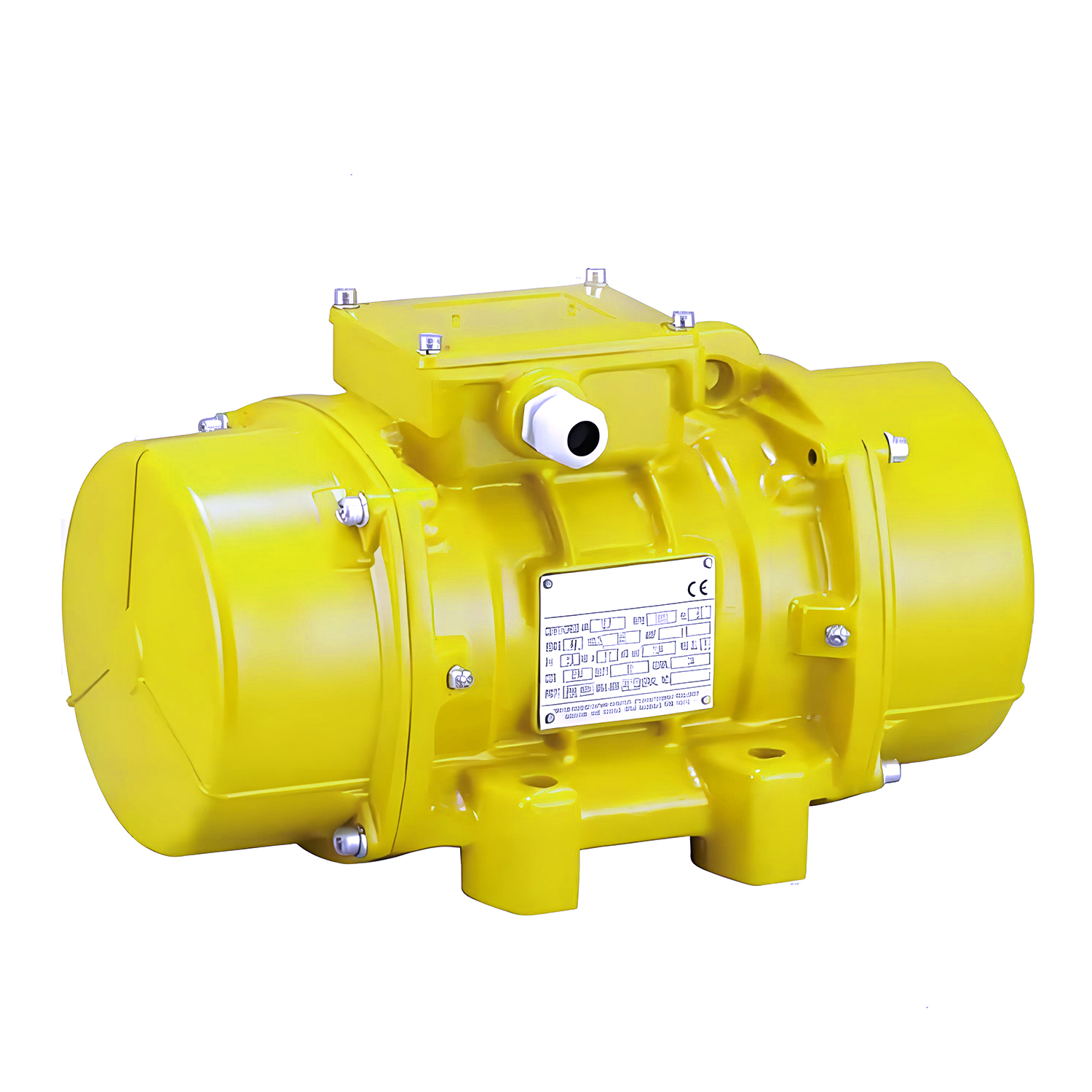 External Vibrator
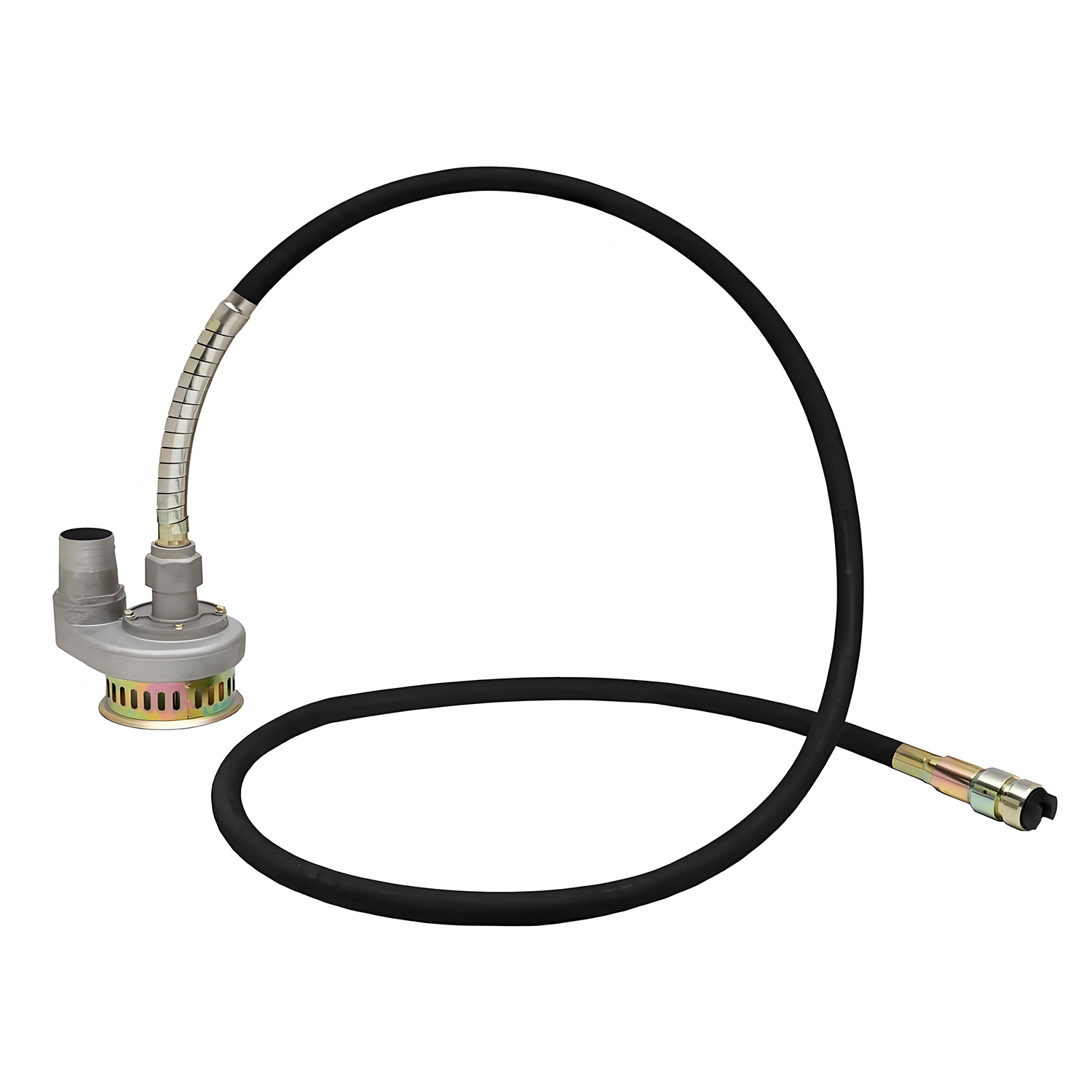 Submersible Pump
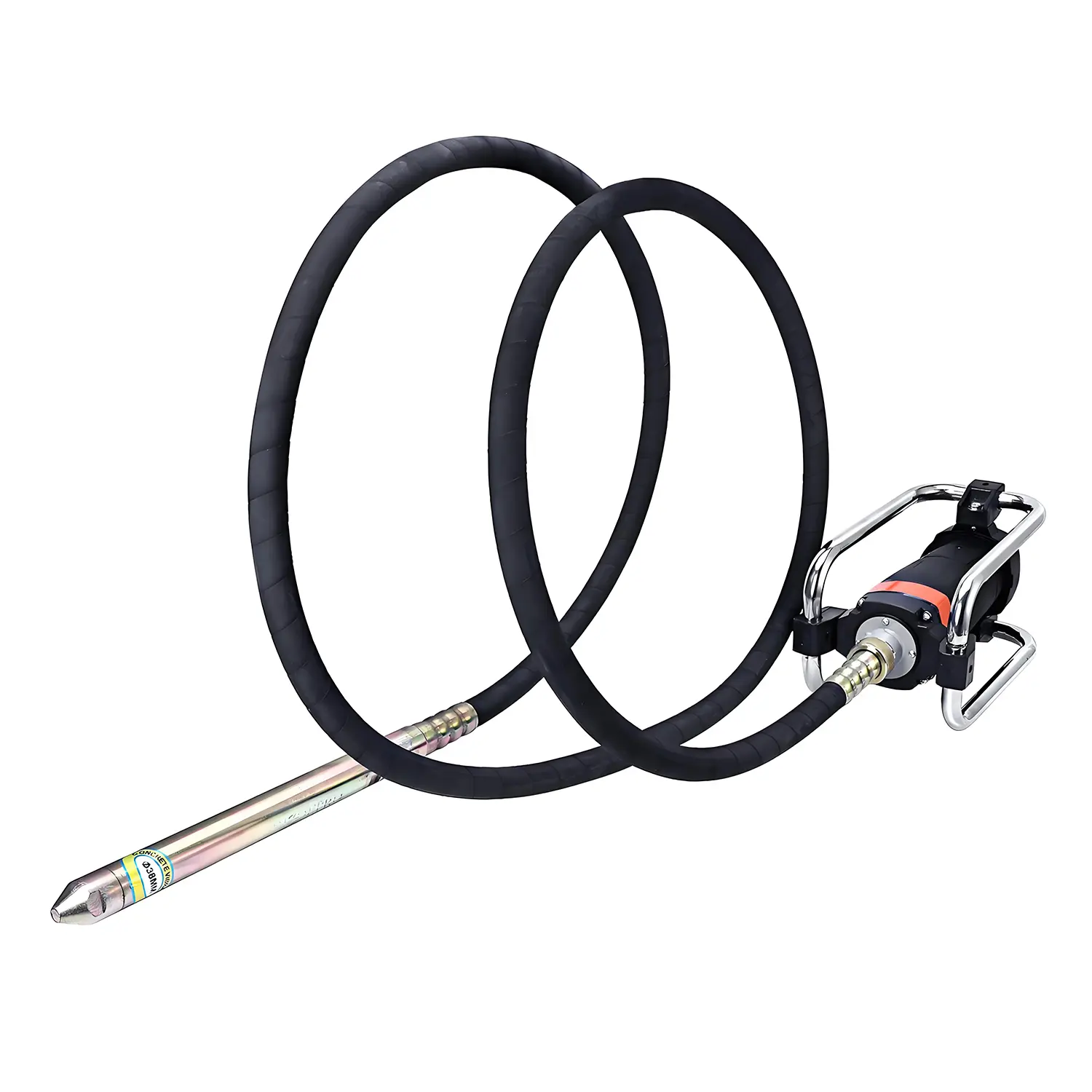 Eccentric shaft
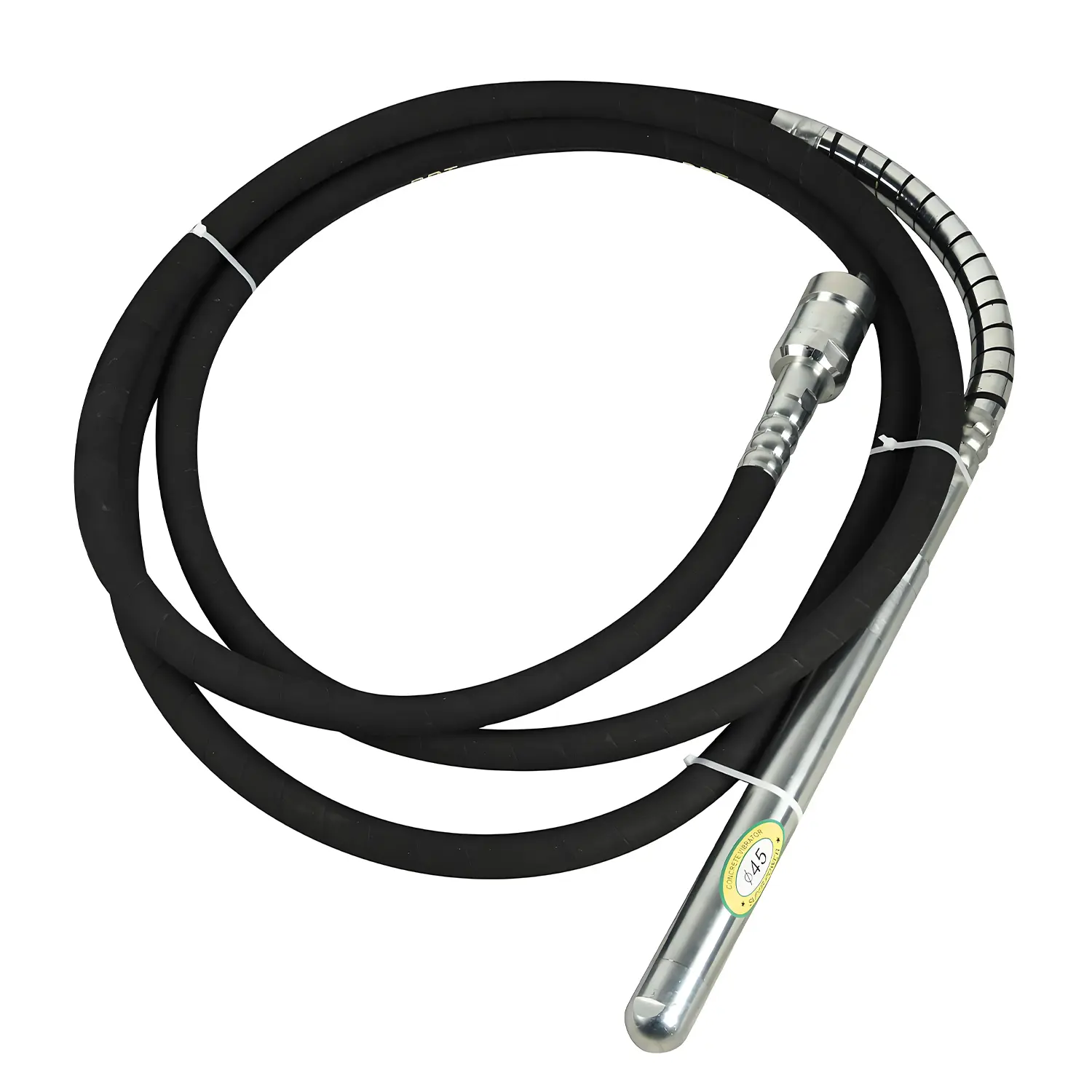 Pendulum shaft
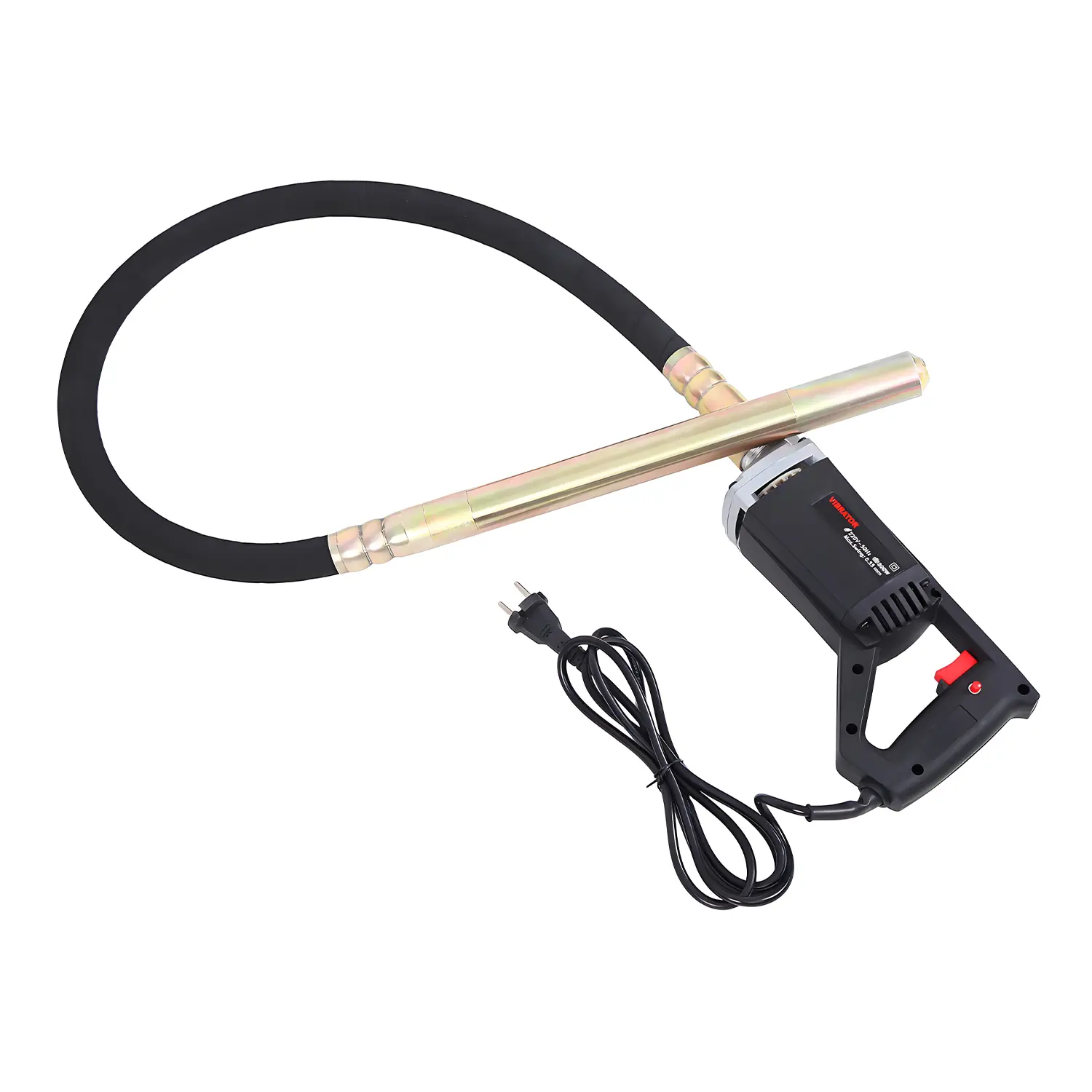 Portable vbrator shaft
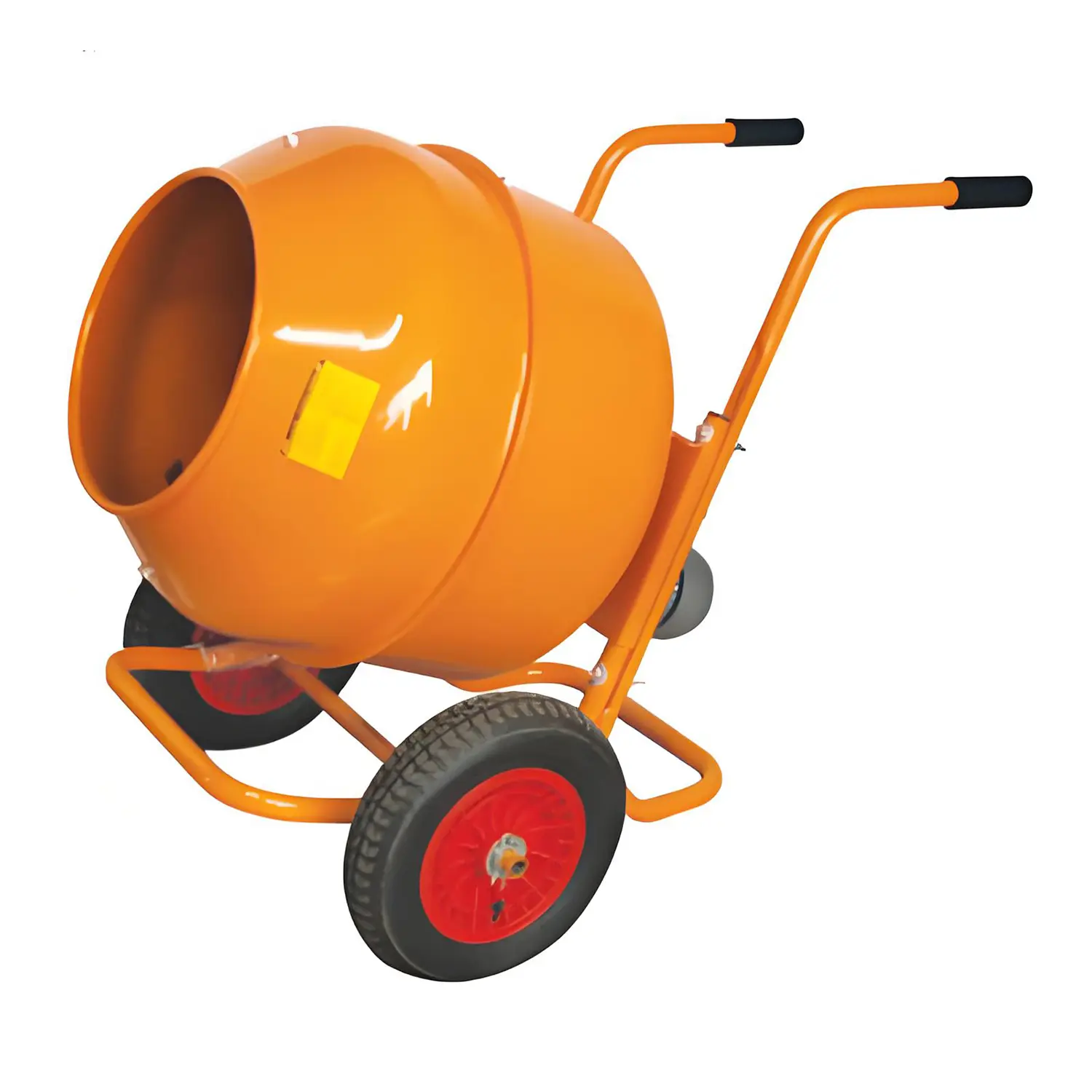 Portable concrete mixer
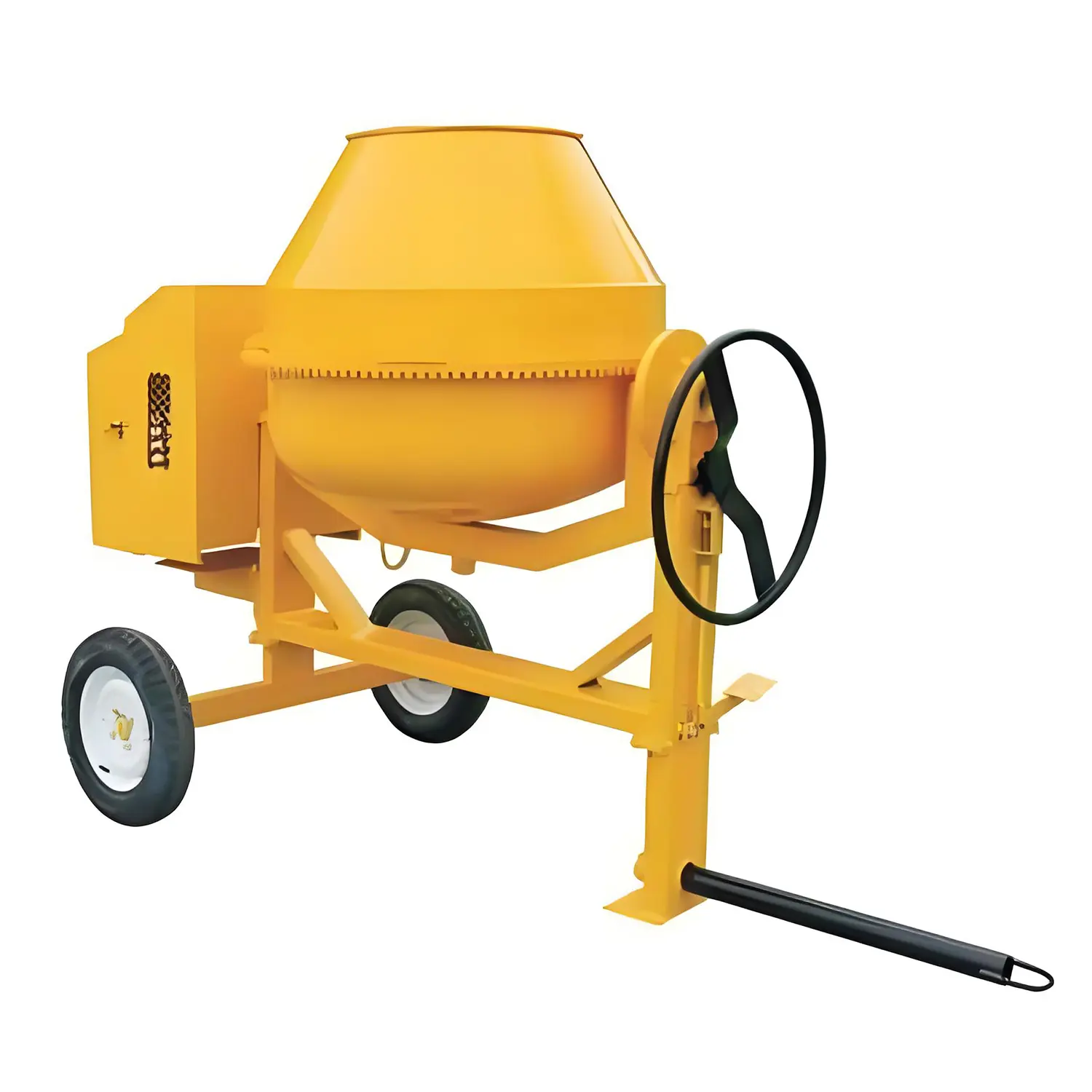 Vertical concrete mixer
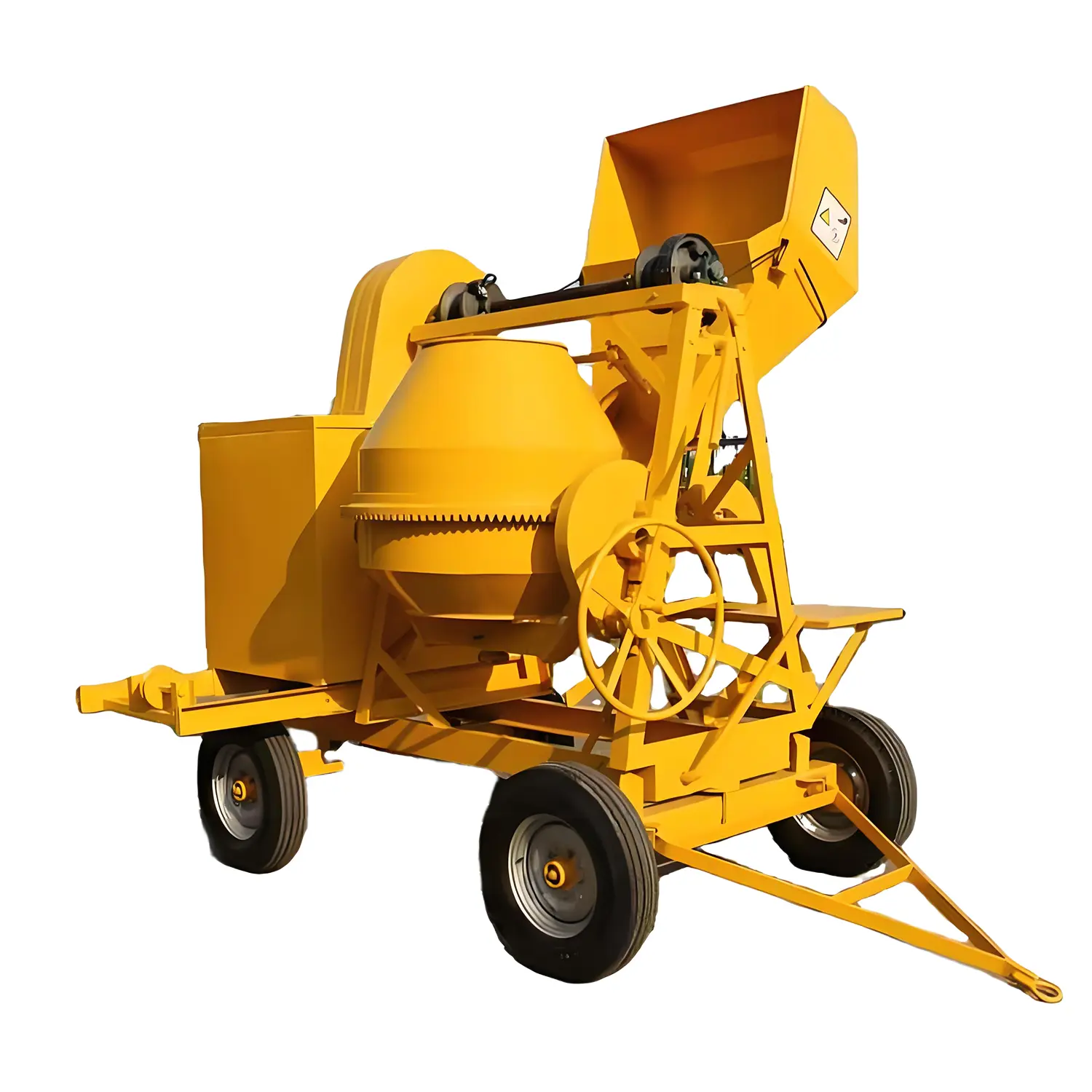 Hydraulic concrete mixer
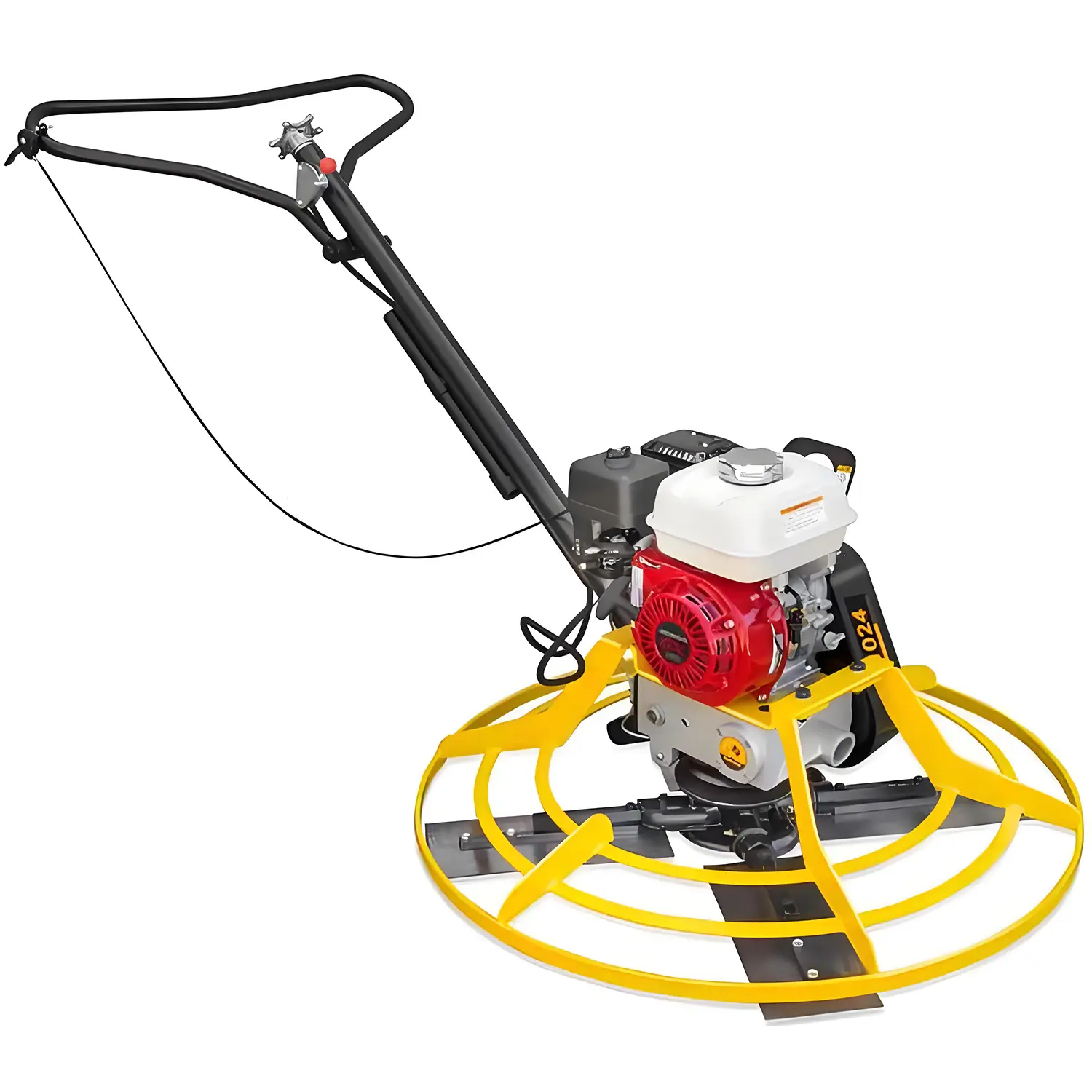 Walk behind power trowel
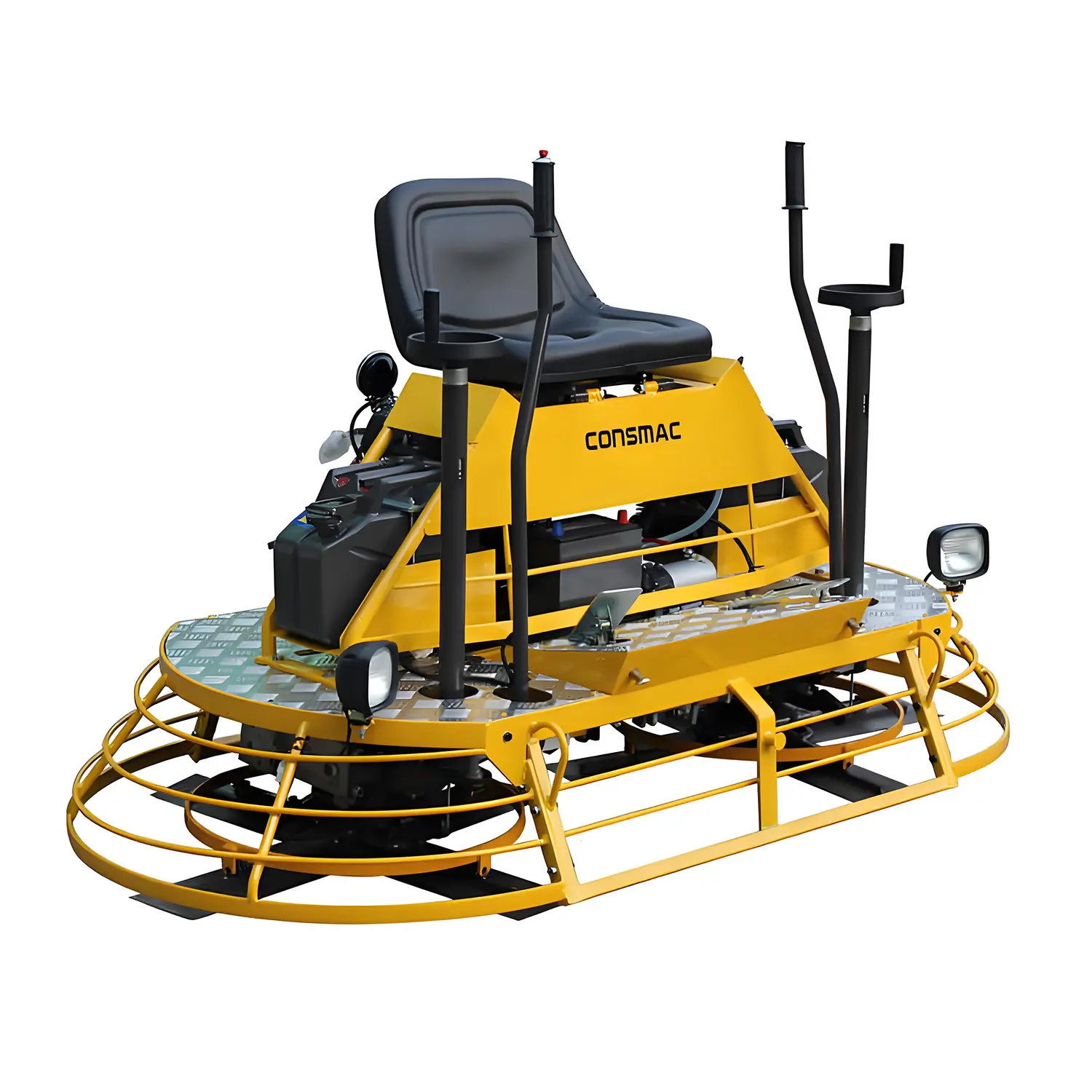 Ride on power trowel
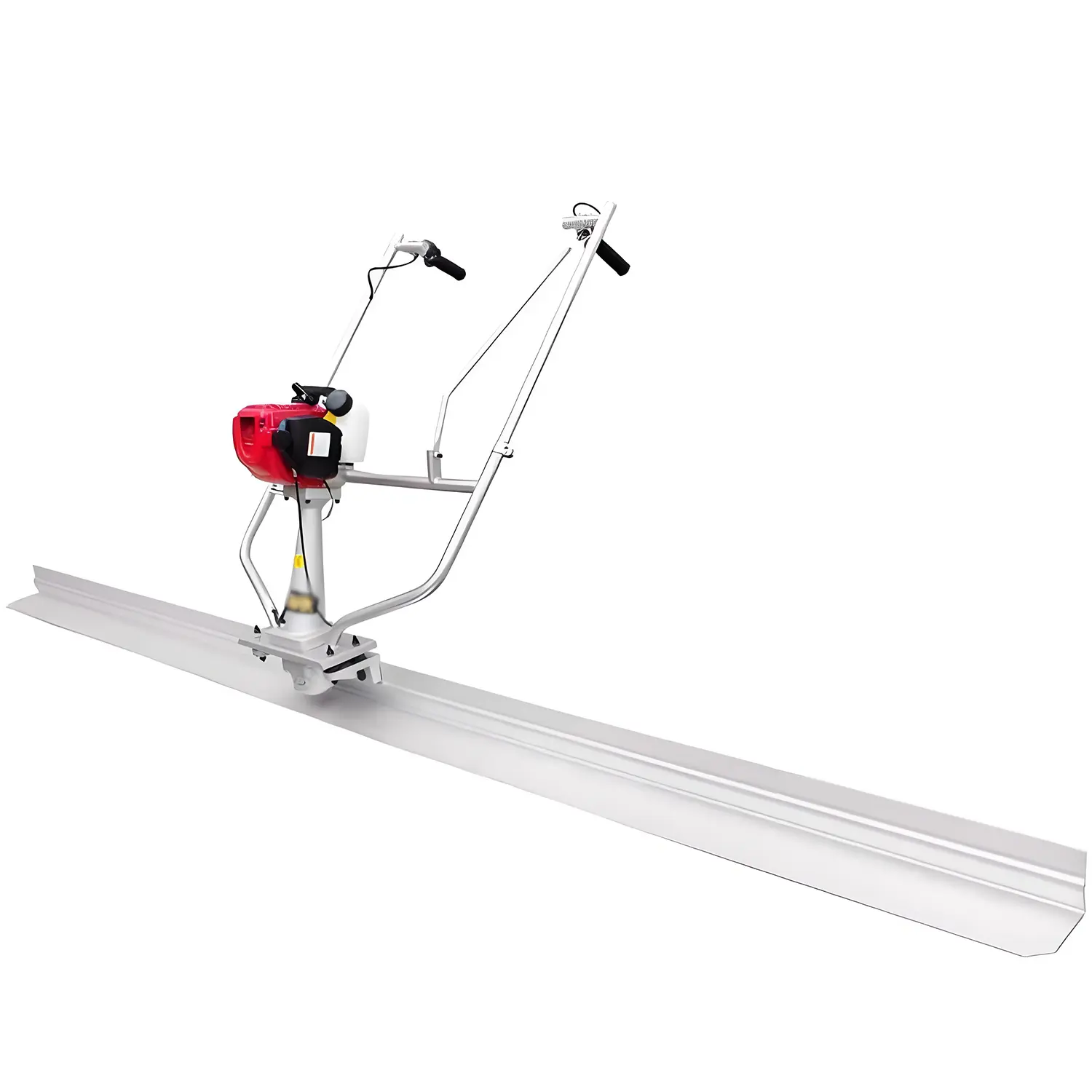 Concrete screed
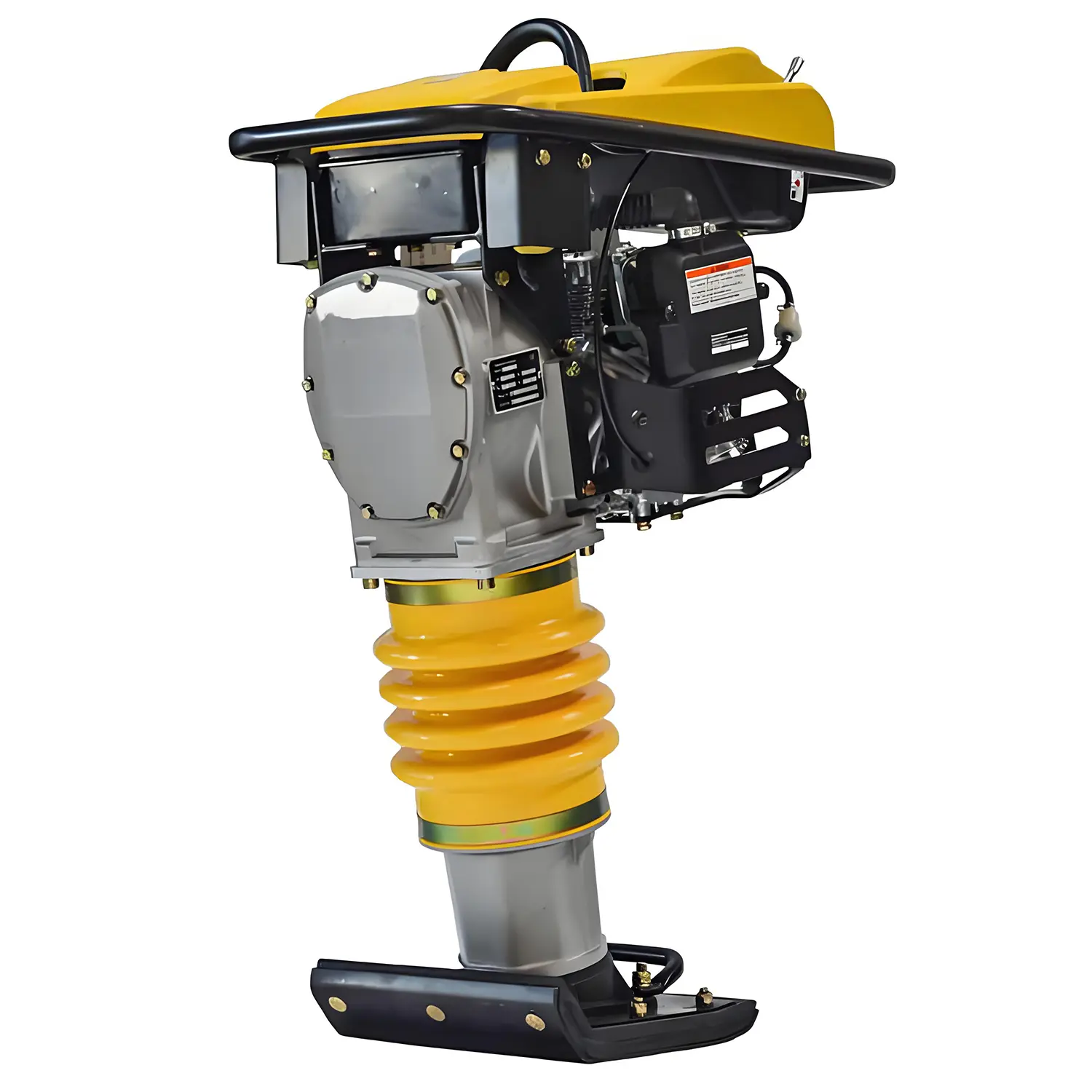 Tamping rammer
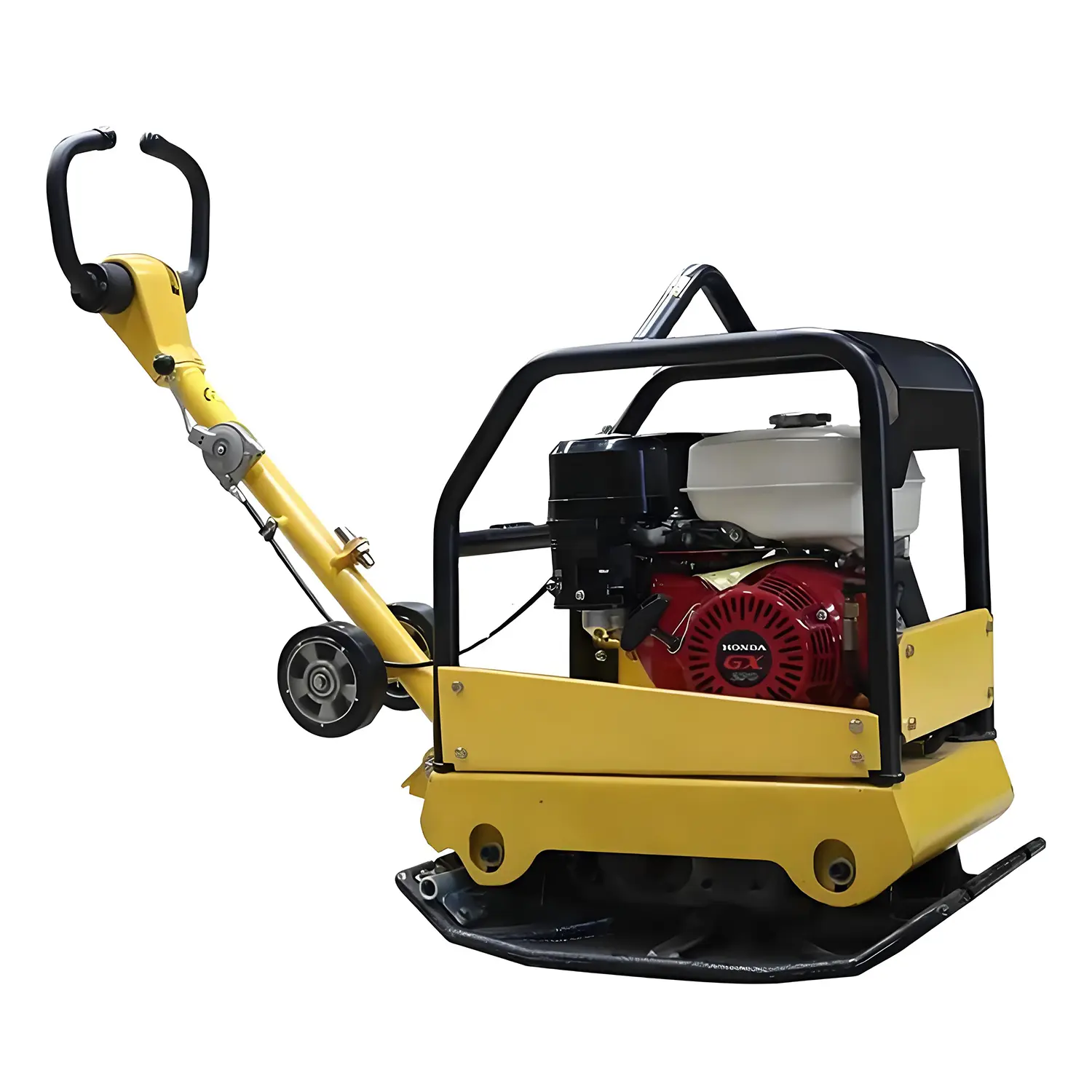 Plate compactor
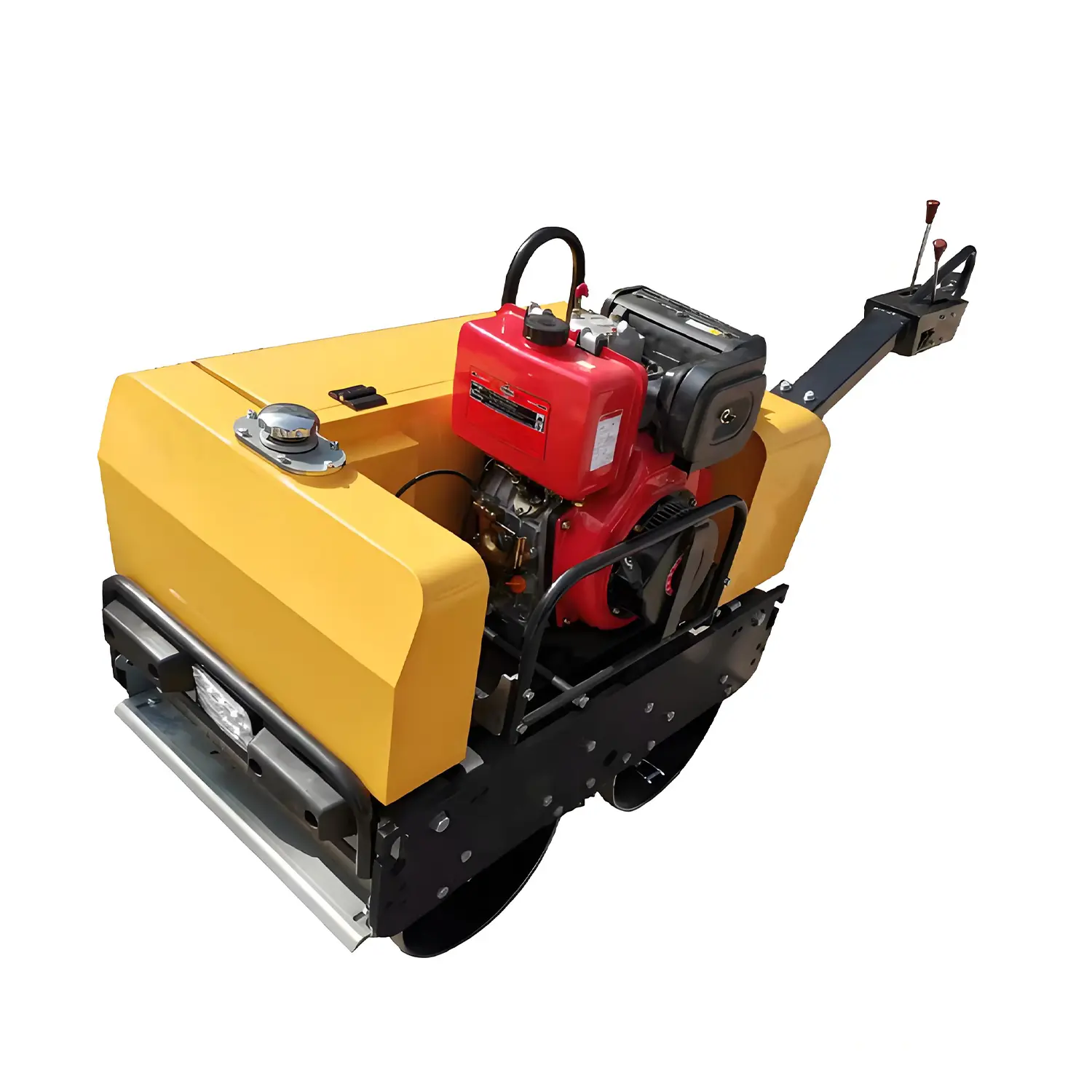 Vibratory roller