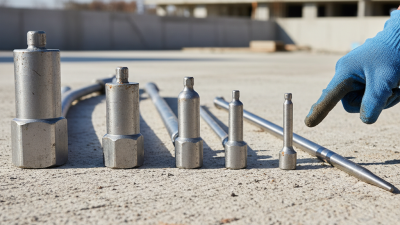
Best Concrete Vibrating Machine for Efficient Construction?
In the realm of construction, efficiency is paramount. A key player in enhancing this efficiency is the Concrete Vibrating Machine. According to Dr. William Harris, an expert in construction technology, “A good Concrete Vibrating Machine can make the difference between a strong structure and a weak one.” This insight underscores the importance of selecting the right machine.
Concrete Vibrating Machines eliminate air bubbles. They ensure solid and uniform concrete structures. However, choosing the best machine can be challenging. Many models flood the market, each with varying functions and capabilities. Not all machines deliver the same results. Professionals must evaluate their specific needs, materials, and project requirements when selecting a machine.
Indeed, a perfect choice may not exist. Operating a Concrete Vibrating Machine requires skill and understanding. Misuse can lead to poor outcomes. Construction teams must be trained adequately. Despite advancements, there are still common mistakes in usage. A reflection on these mistakes can lead to better practices. Every project is an opportunity to improve and adapt.
Understanding the Importance of Concrete Vibrating Machines in Construction
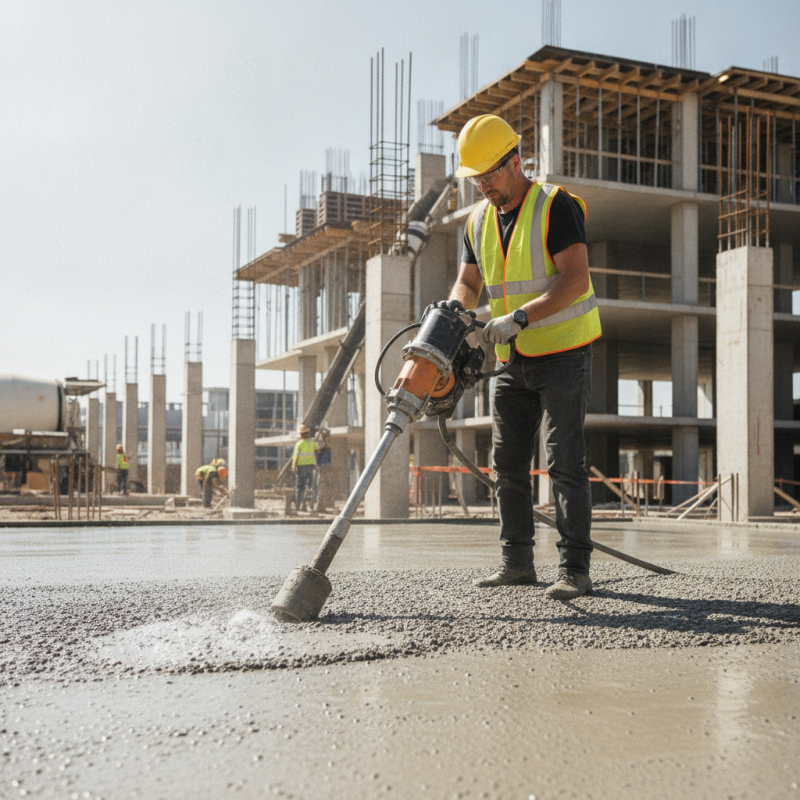
Concrete vibrating machines play a crucial role in modern construction. They ensure uniformity and eliminate air pockets in freshly poured concrete. This process enhances the strength, durability, and overall quality of the structure. Studies show that proper vibration can increase concrete compressive strength by up to 30%. Such improvements are critical for meeting engineering standards and safety requirements.
Inadequate vibration leads to numerous issues. Air pockets can weaken concrete, making it prone to cracking. This results in costly repairs and compromises structural integrity. A survey conducted by the American Concrete Institute revealed that nearly 25% of construction failures relate to improper concrete placement and handling. It underscores the necessity for effective vibrating machines.
Despite advances in technology, many construction projects still face challenges with vibration techniques. Some workers do not fully understand the importance of consistent vibration. Training and education on proper usage are essential. Industry experts recommend regular maintenance of vibrating equipment to ensure peak performance. Investing in skilled operators can also make a significant difference in achieving optimal results.
Types of Concrete Vibrating Machines and Their Specific Applications
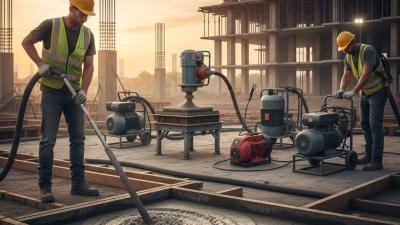
Concrete vibrating machines are crucial in construction. They enhance the quality of poured concrete by eliminating air bubbles. Different types of machines serve varied applications, each with unique benefits.
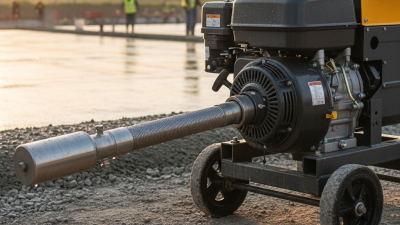
There are two main types: internal and external vibrators. Internal vibrators work directly within the concrete mix. They are ideal for large pours and help achieve uniform consistency. According to the American Concrete Institute, using an internal vibrator can increase strength and durability by 15%.
External vibrators, on the other hand, are mounted on the formwork. They are more suitable for thin slabs and ensure a smooth surface finish. Notably, studies suggest that using external vibrators can reduce the need for extensive finishing work by up to 30%. Each machine’s selection depends on the specific project needs. Reflecting on these options, it is vital to assess the intended application carefully to choose effectively. Testing different methods may reveal unexpected challenges, emphasizing a trial-and-error approach in selecting the right equipment.
Key Features to Consider When Choosing a Concrete Vibrating Machine
When selecting a concrete vibrating machine, several key features demand careful consideration. The frequency of vibration plays a crucial role in performance. Reports indicate that optimal vibration frequency ranges between 10,000 to 15,000 vibrations per minute. This range helps in effectively eliminating air bubbles and ensuring a dense concrete mix.
Power is another important factor. A vibrating machine with adequate power helps avoid mix segregation. Many professionals recommend a machine with a power output of at least 1,000 watts. This ensures that the vibration reaches all parts of the mix uniformly. The size and shape of the vibrating plate also impact efficiency. For example, larger plates cover more area, speeding up the construction process while ensuring better compaction.
Portability is often overlooked but is essential for job site efficiency. A lightweight machine facilitates easy transport and maneuverability, saving time and labor costs. Additionally, operators should consider the noise level of the equipment. Machines operating above 85 dB may require hearing protection; choosing a quieter option can improve the overall working environment. Reflecting on these features can lead to better investment decisions in construction machinery, enhancing both productivity and safety on site.
Concrete Vibrating Machine Efficiency Comparison
This chart compares the vibration frequency of different concrete vibrating machines. Higher frequency typically results in better concrete compaction and improved construction efficiency.
Top Brands and Models for Efficient Concrete Vibrating Solutions
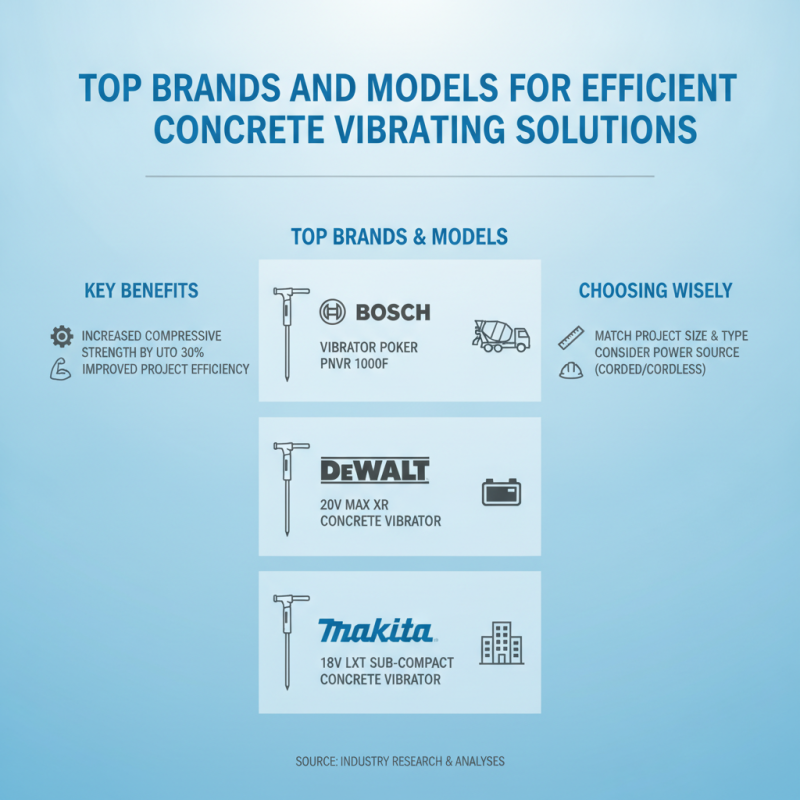
When it comes to concrete vibrators, choosing the right machine can significantly impact project efficiency. Research suggests that well-vibrated concrete can increase compressive strength by up to 30%. This highlights the importance of selecting a model that suits specific project demands.
Top models often feature high-frequency vibration capabilities. These allow for precise consolidation, reducing honeycombing in concrete. A study by the American Concrete Institute shows that inadequate vibration can lead to increased porosity, ultimately affecting durability and longevity. Vibrating machines with adjustable settings provide flexibility for various concrete mixes and conditions.
Electric and pneumatic options both bring distinct advantages. Electric models are often quieter and require less maintenance. Pneumatic machines, however, are more powerful and suitable for large-scale projects. Both types have seen advancements in design and efficiency. A recent product comparison showed that machines with ergonomic features reduce operator fatigue, leading to improved productivity. Investing in the right solution is essential for sustainable construction practices.
Maintenance Tips for Prolonging the Life of Concrete Vibrating Machines
Maintaining concrete vibrating machines is essential for ensuring their long-lasting performance. Regular checks can prevent minor issues from becoming major problems. Every week, inspect the machine for wear and tear, especially on the rubber parts. They can wear out, causing ineffective vibrations.
Cleaning is another vital step in maintenance. After use, make sure to remove concrete residue from the machine. A simple water rinse can help, but be thorough. Caked-on materials can impair the performance, leading to inefficient vibration.
Lubrication is key to keeping moving parts functioning smoothly. Use the manufacturer’s recommended oil for best results. However, keep in mind that over-lubrication can attract dirt and debris. This creates additional issues, requiring a balance in maintaining the machine. Not all operators realize the importance of these maintenance steps. Regular attention can significantly extend the life of a concrete vibrating machine.
Best Concrete Vibrating Machine for Efficient Construction
| Model |
Power (W) |
Frequency (Hz) |
Weight (kg) |
Vibration Amplitude (mm) |
Price ($) |
| Concrete Vibrator A |
1800 |
50 |
5.5 |
0.5 |
300 |
| Concrete Vibrator B |
1500 |
60 |
6.0 |
0.4 |
250 |
| Concrete Vibrator C |
2000 |
50 |
7.0 |
0.6 |
350 |
| Concrete Vibrator D |
1700 |
55 |
5.0 |
0.45 |
280 |
| Concrete Vibrator E |
1600 |
65 |
6.5 |
0.55 |
320 |
Maintenance Tips for Prolonging the Life of Concrete Vibrating Machines
- Regularly clean the machine to prevent dust and debris buildup.
- Inspect the power cord and connections for any signs of wear or damage.
- Lubricate moving parts as per the manufacturer's recommendations.
- Store the machine in a dry place to avoid rust and corrosion.
- Check and replace worn-out components immediately to maintain efficiency.

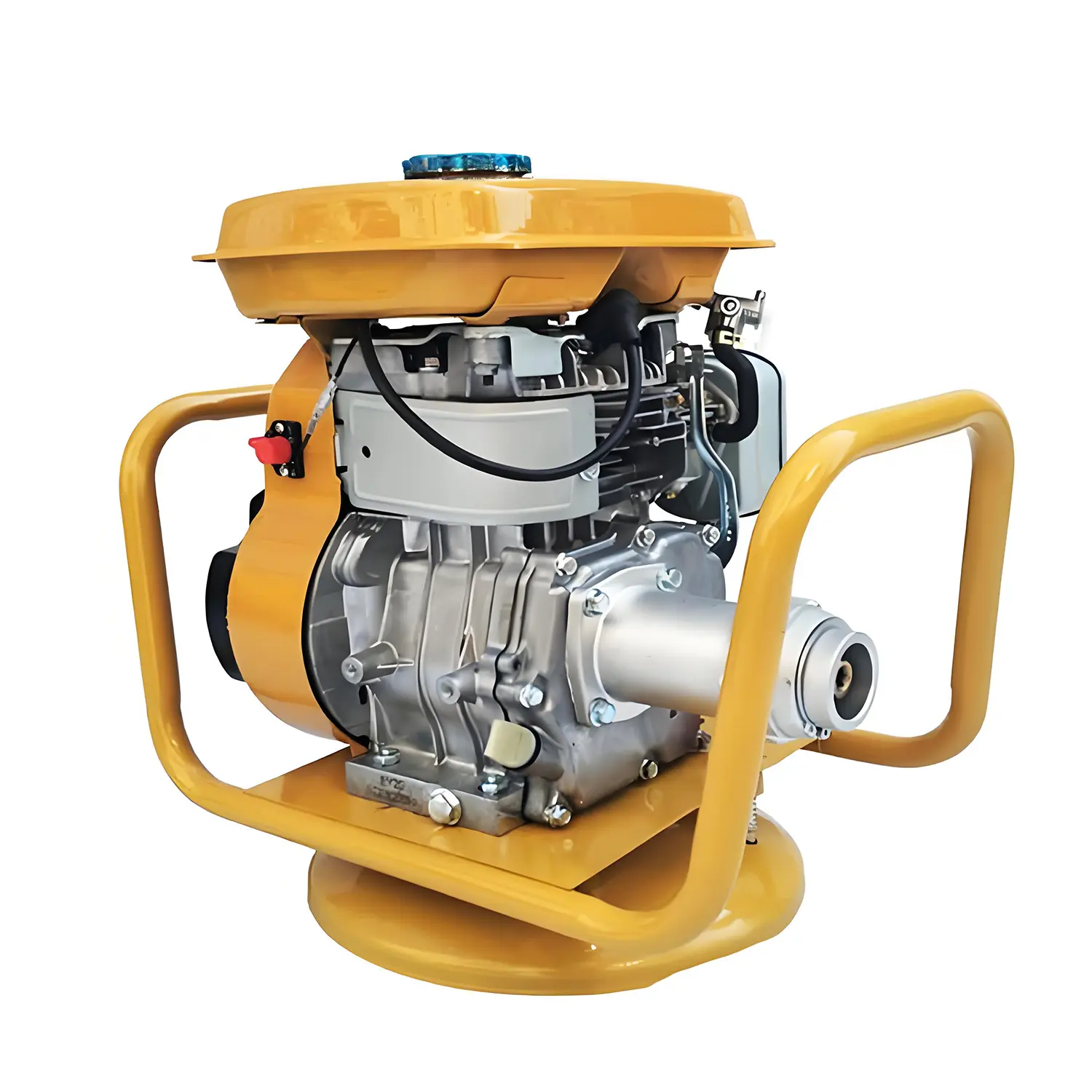 Internal Vibrator
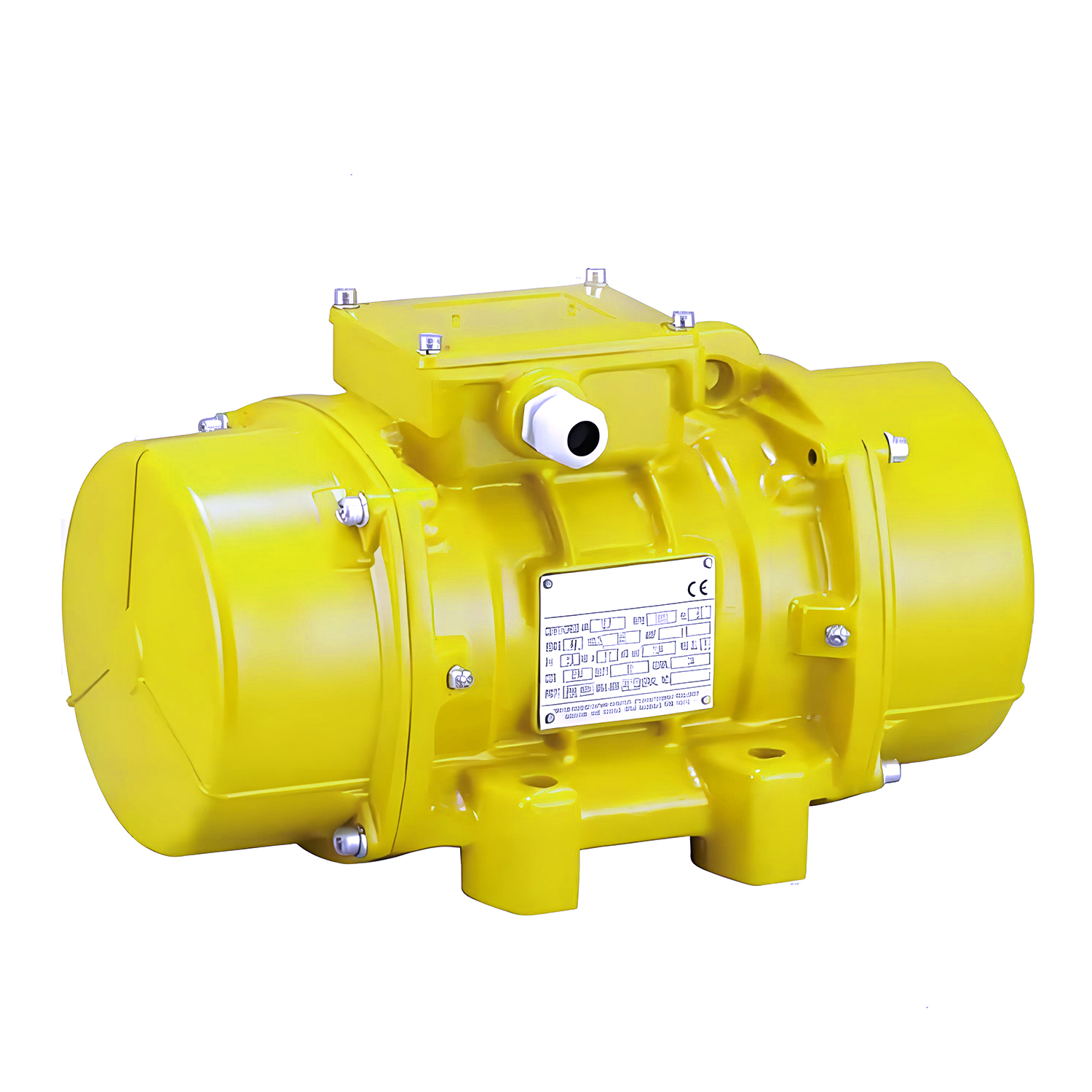 External Vibrator
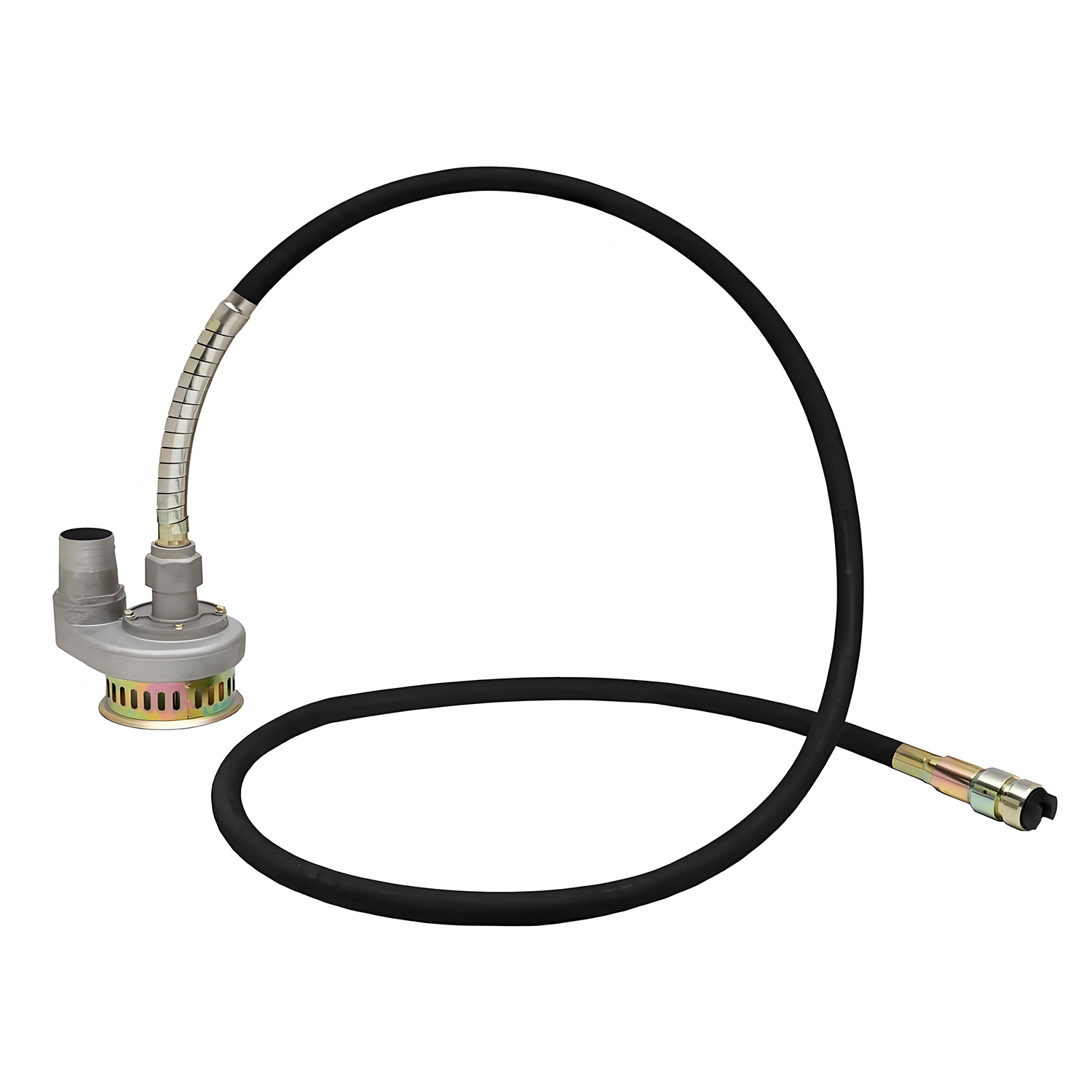 Submersible Pump
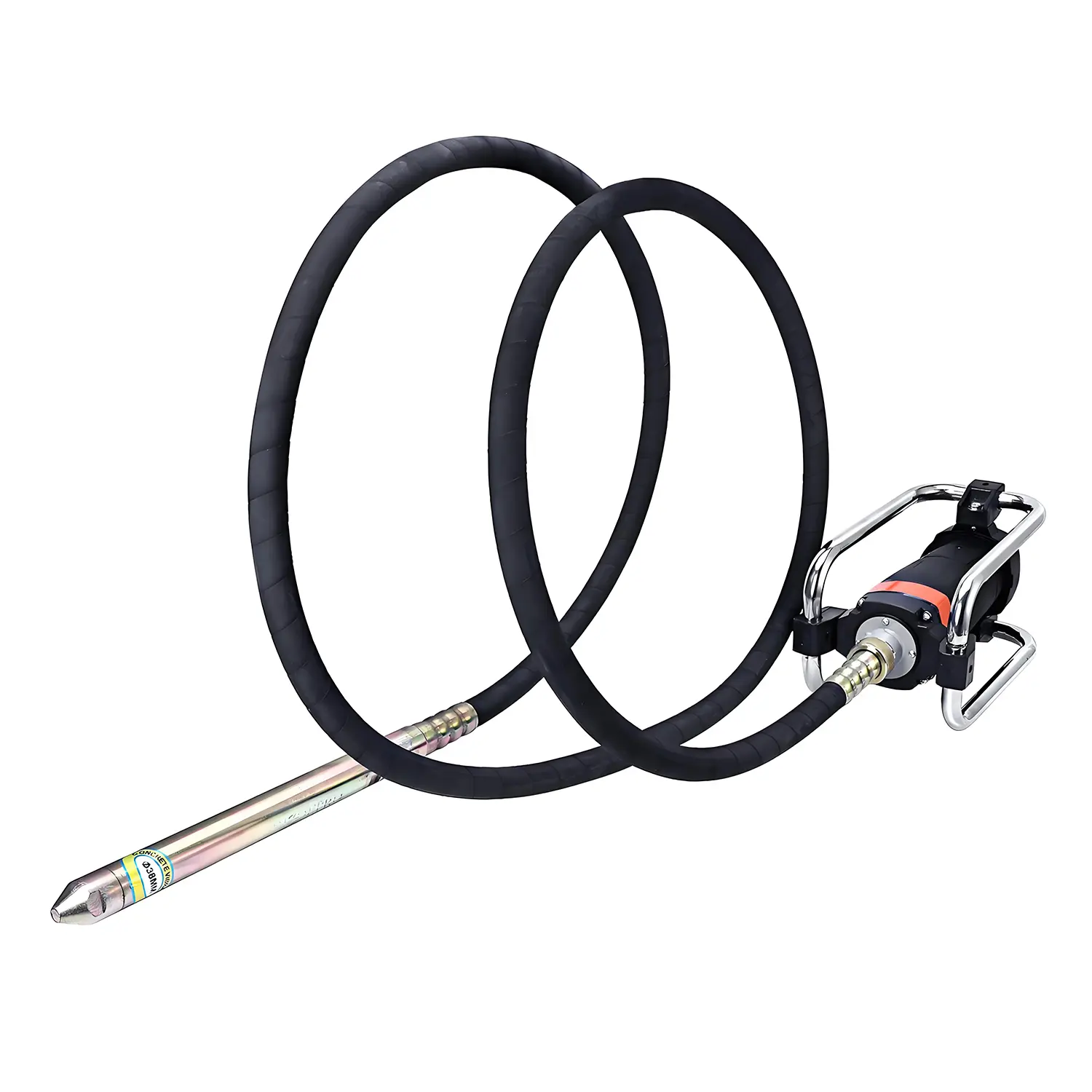 Eccentric shaft
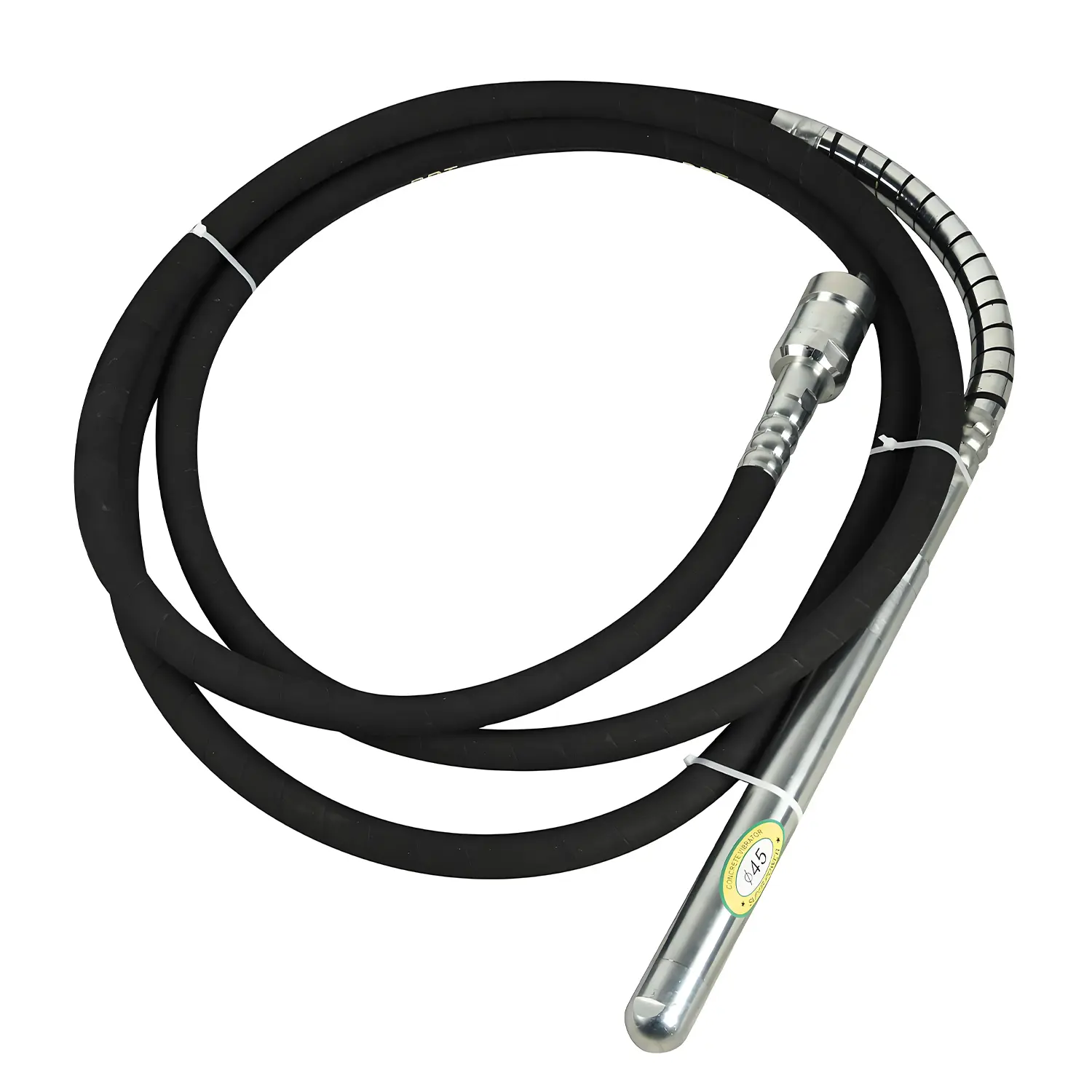 Pendulum shaft
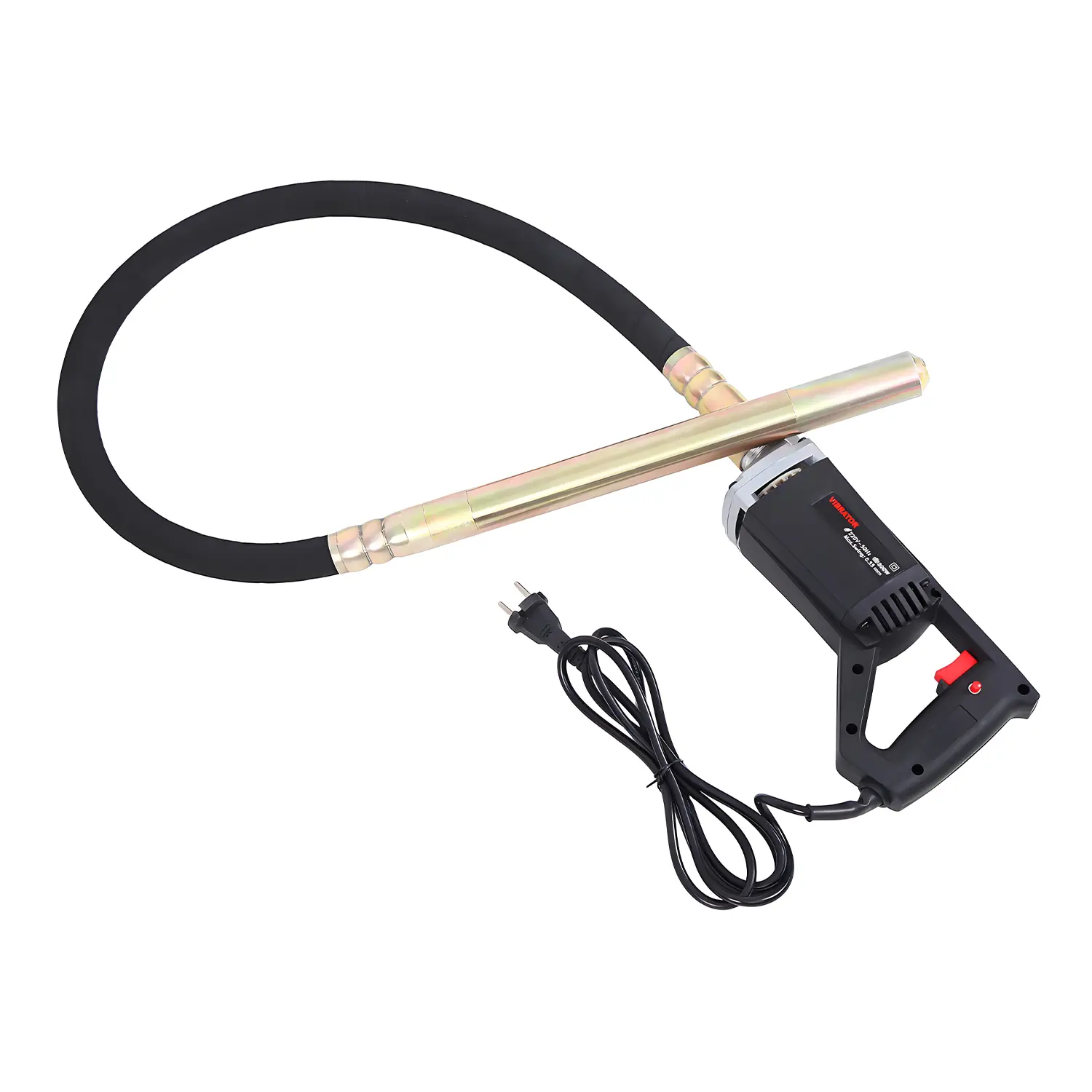 Portable vbrator shaft
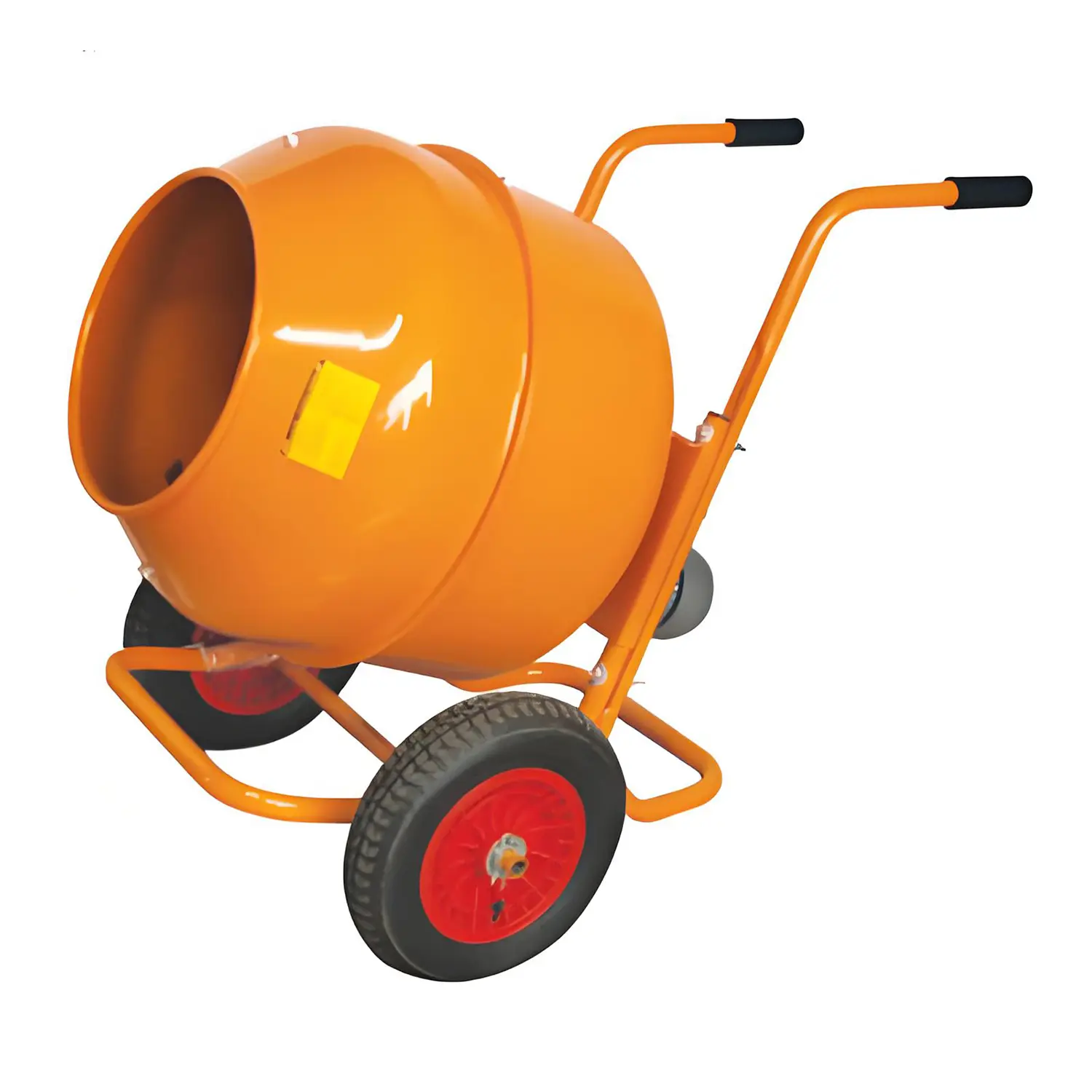 Portable concrete mixer
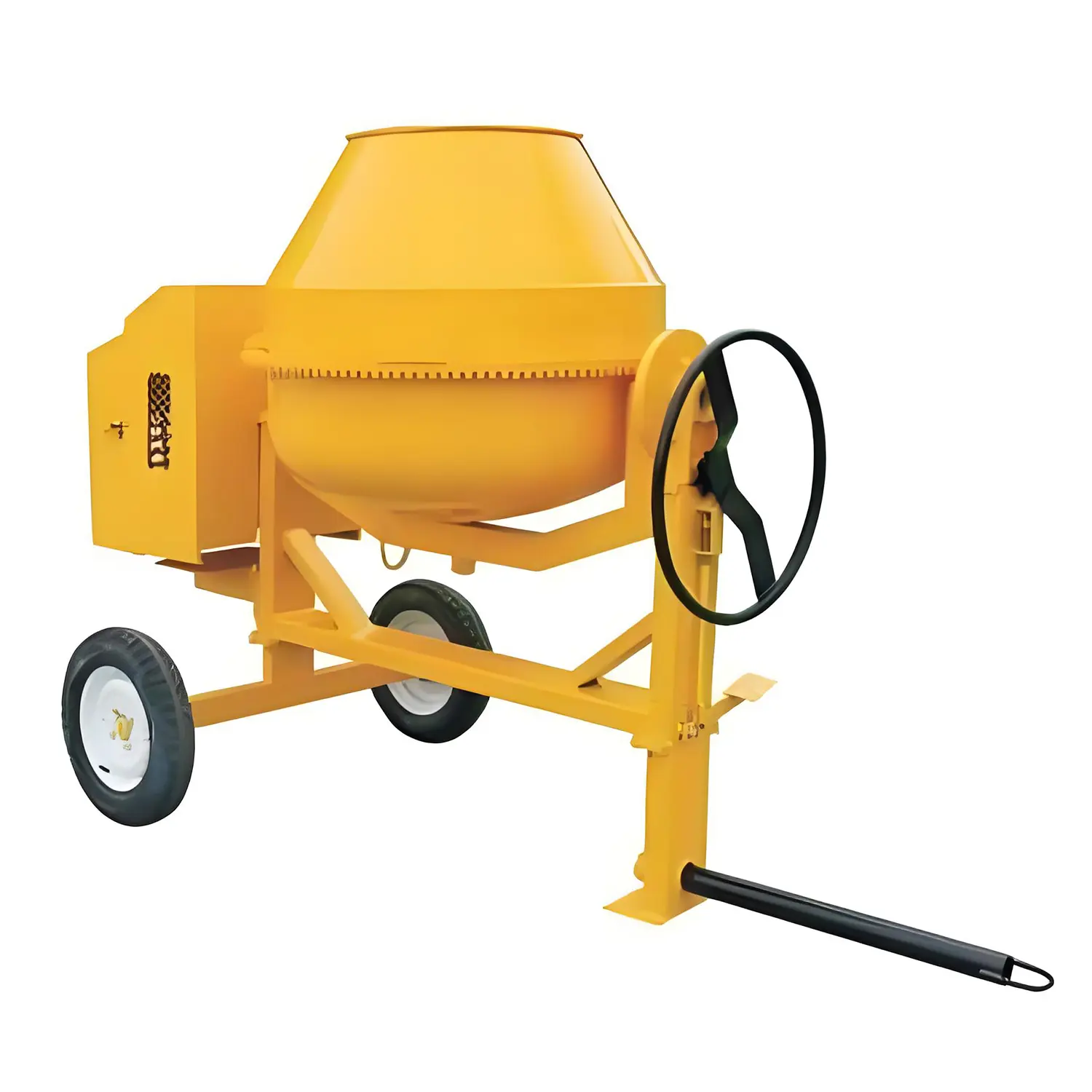 Vertical concrete mixer
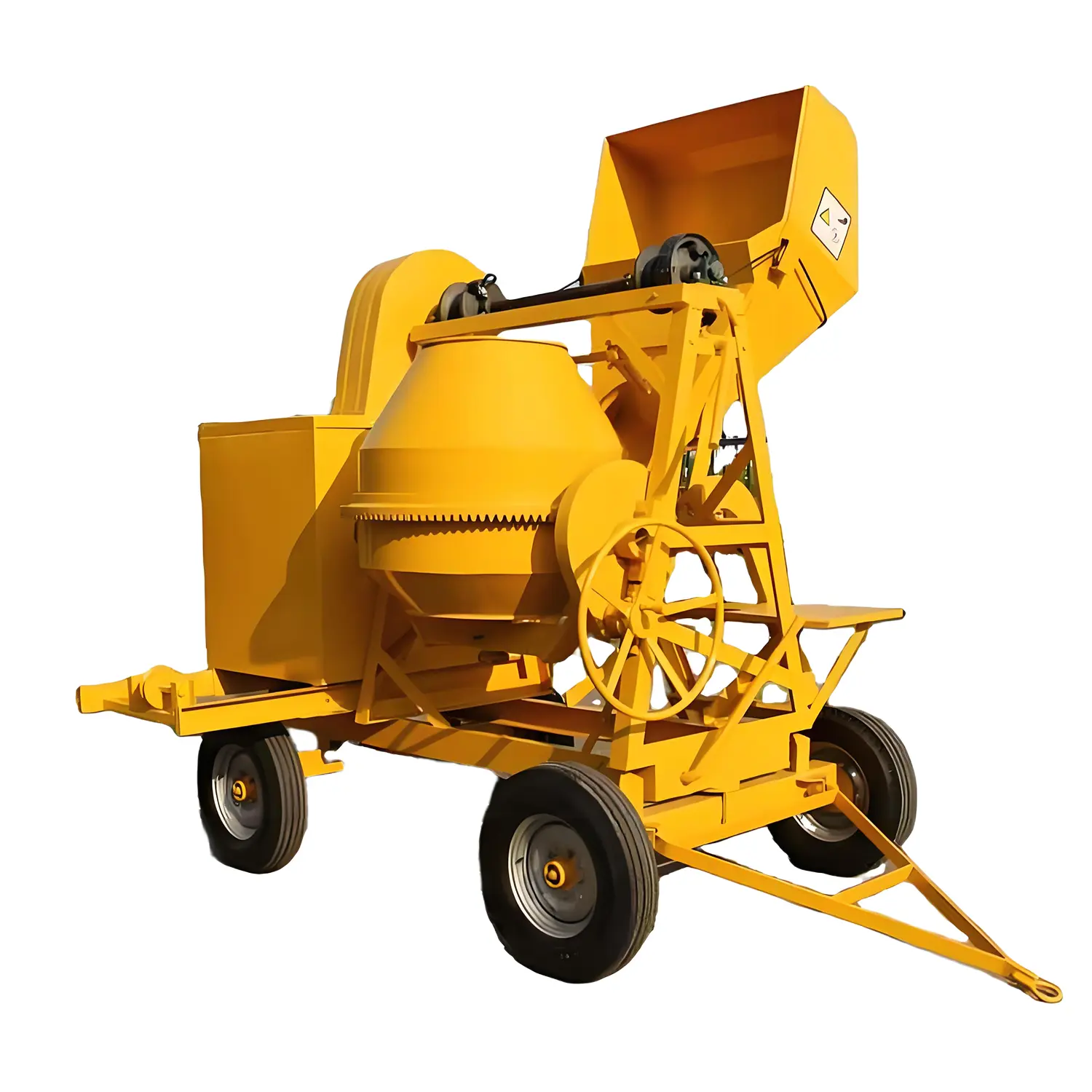 Hydraulic concrete mixer
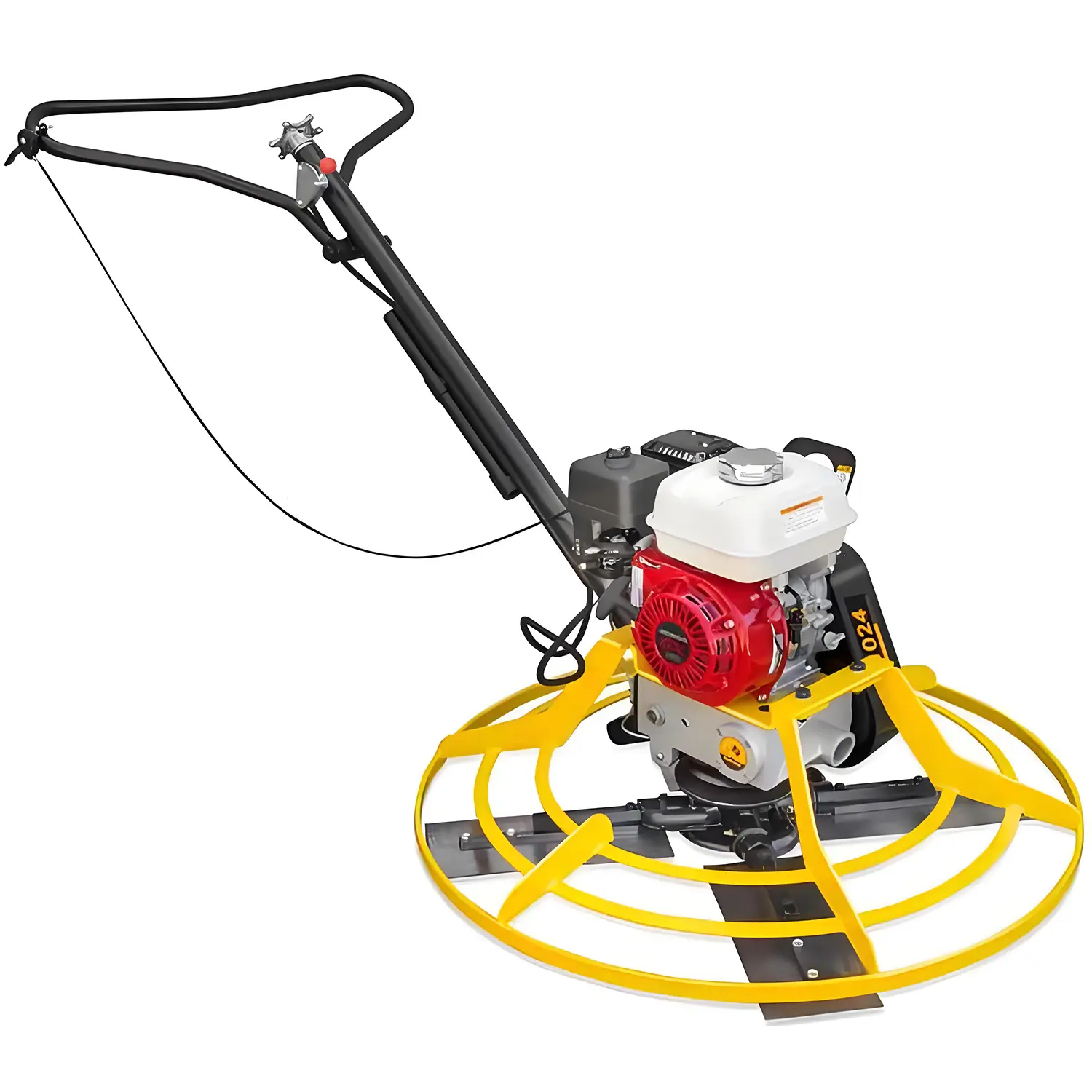 Walk behind power trowel
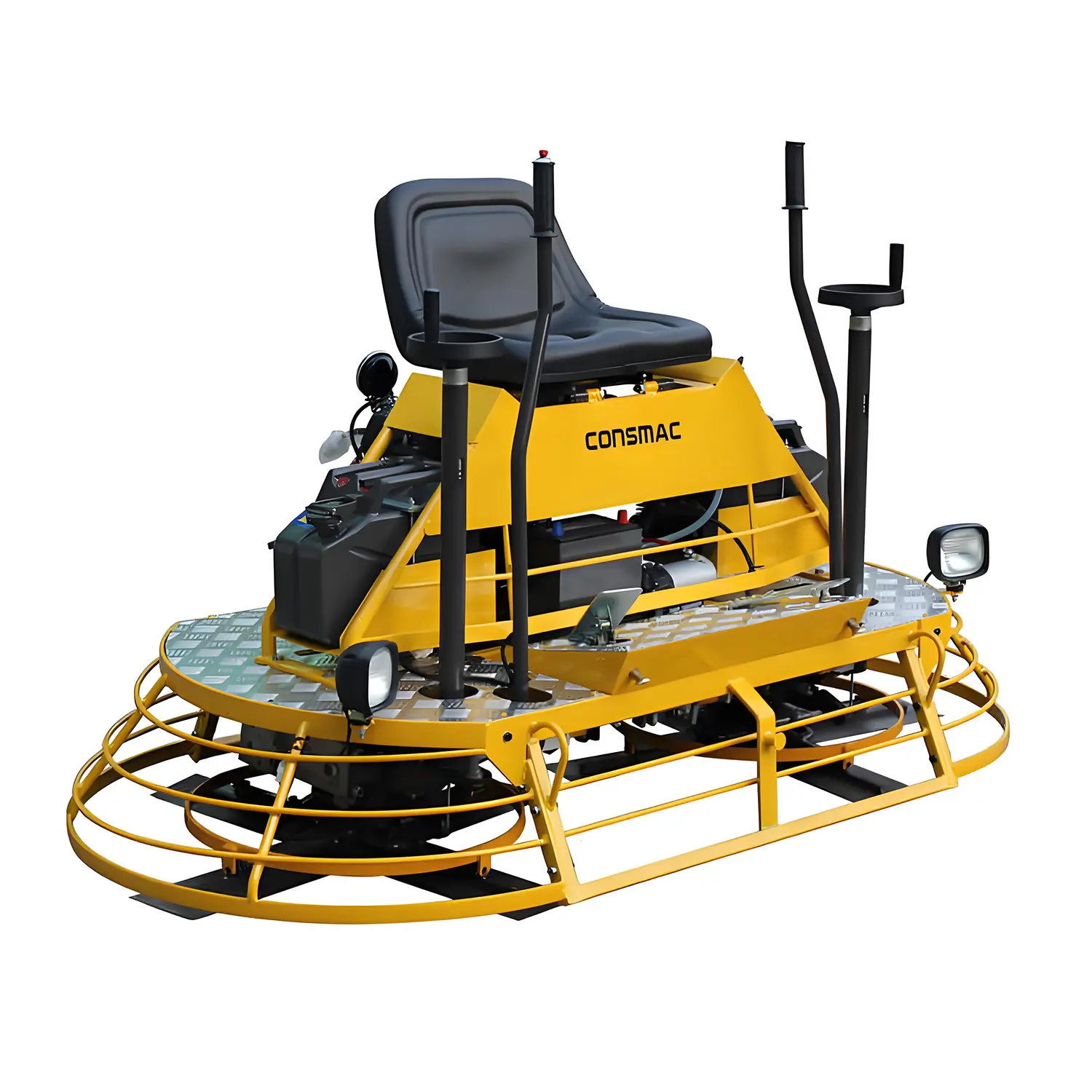 Ride on power trowel
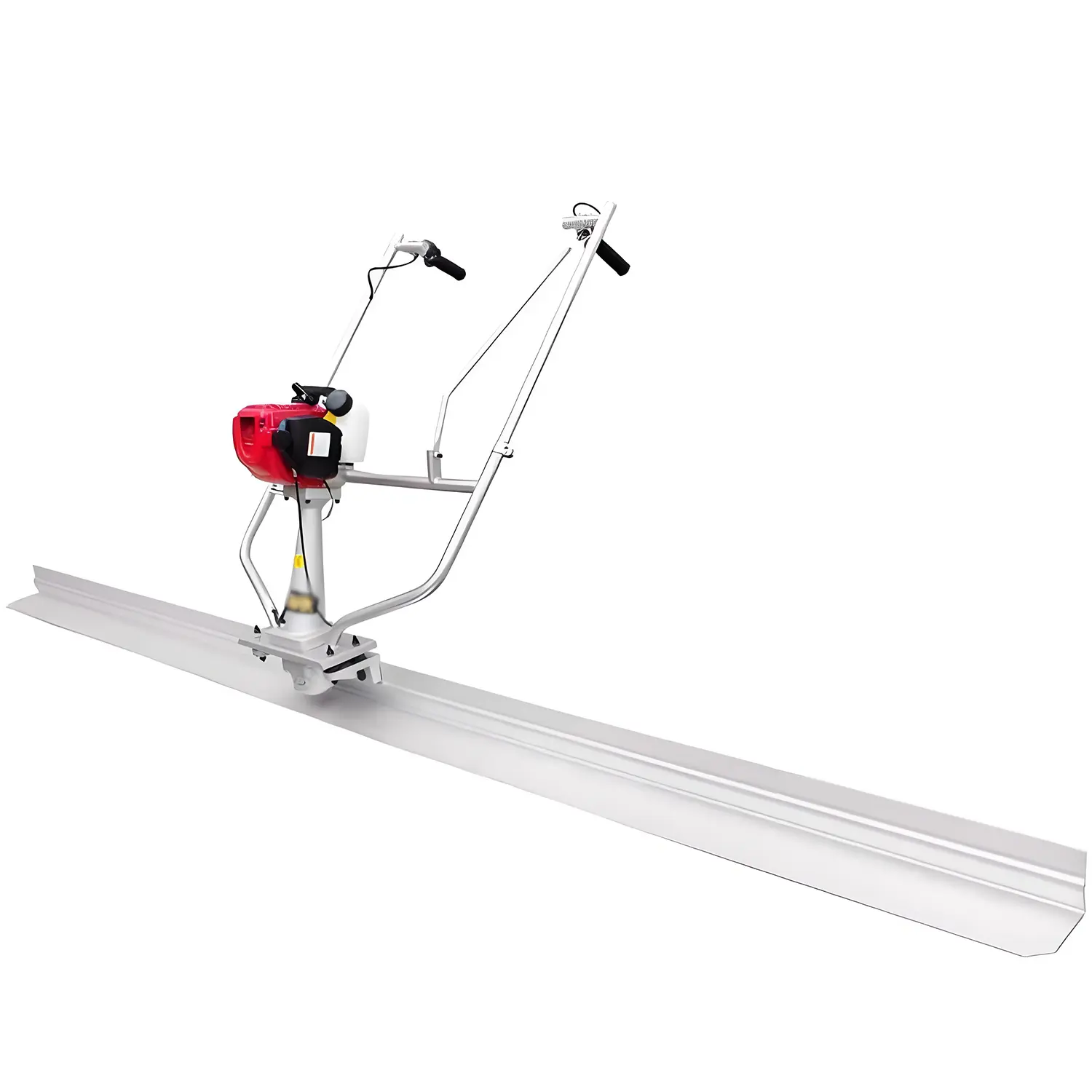 Concrete screed
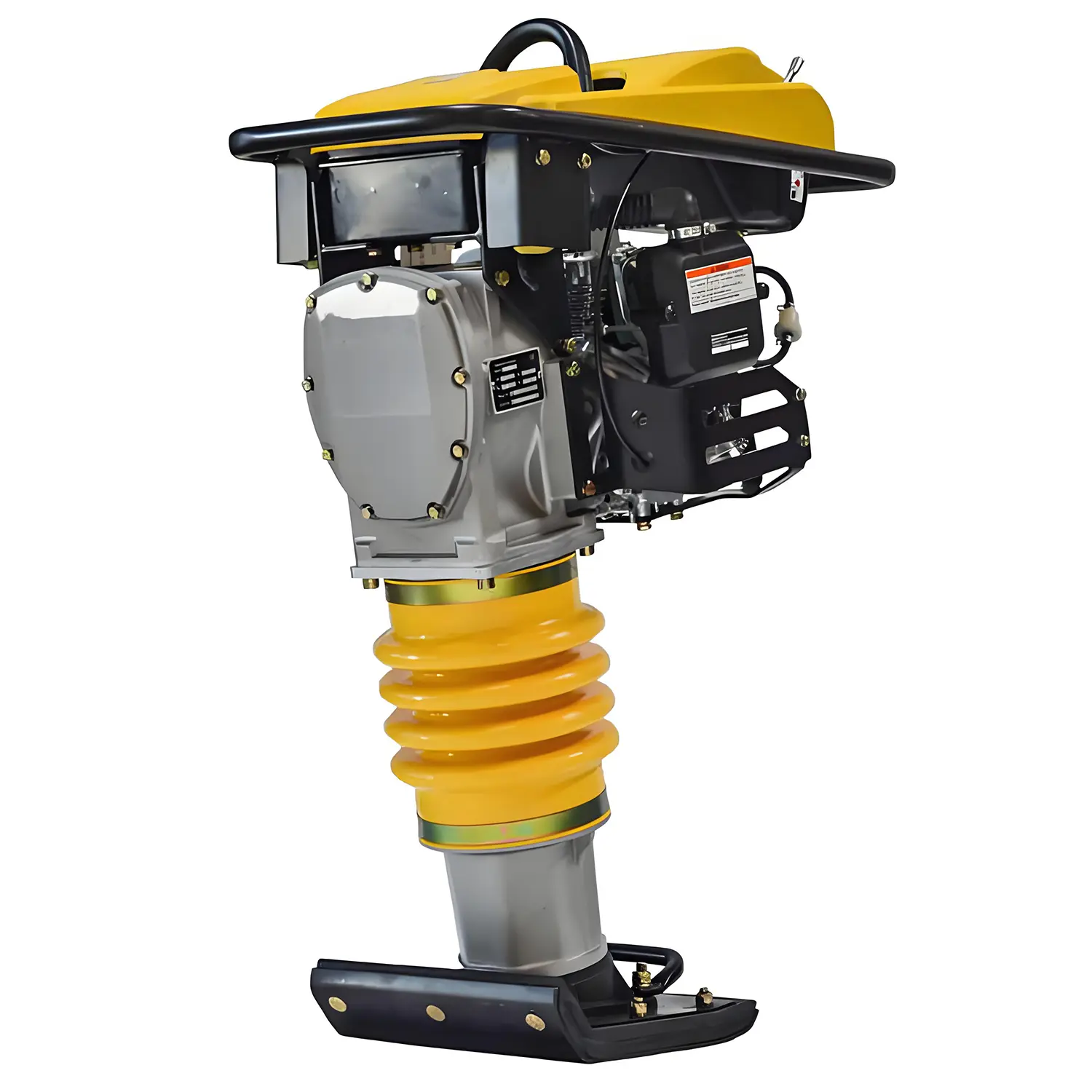 Tamping rammer
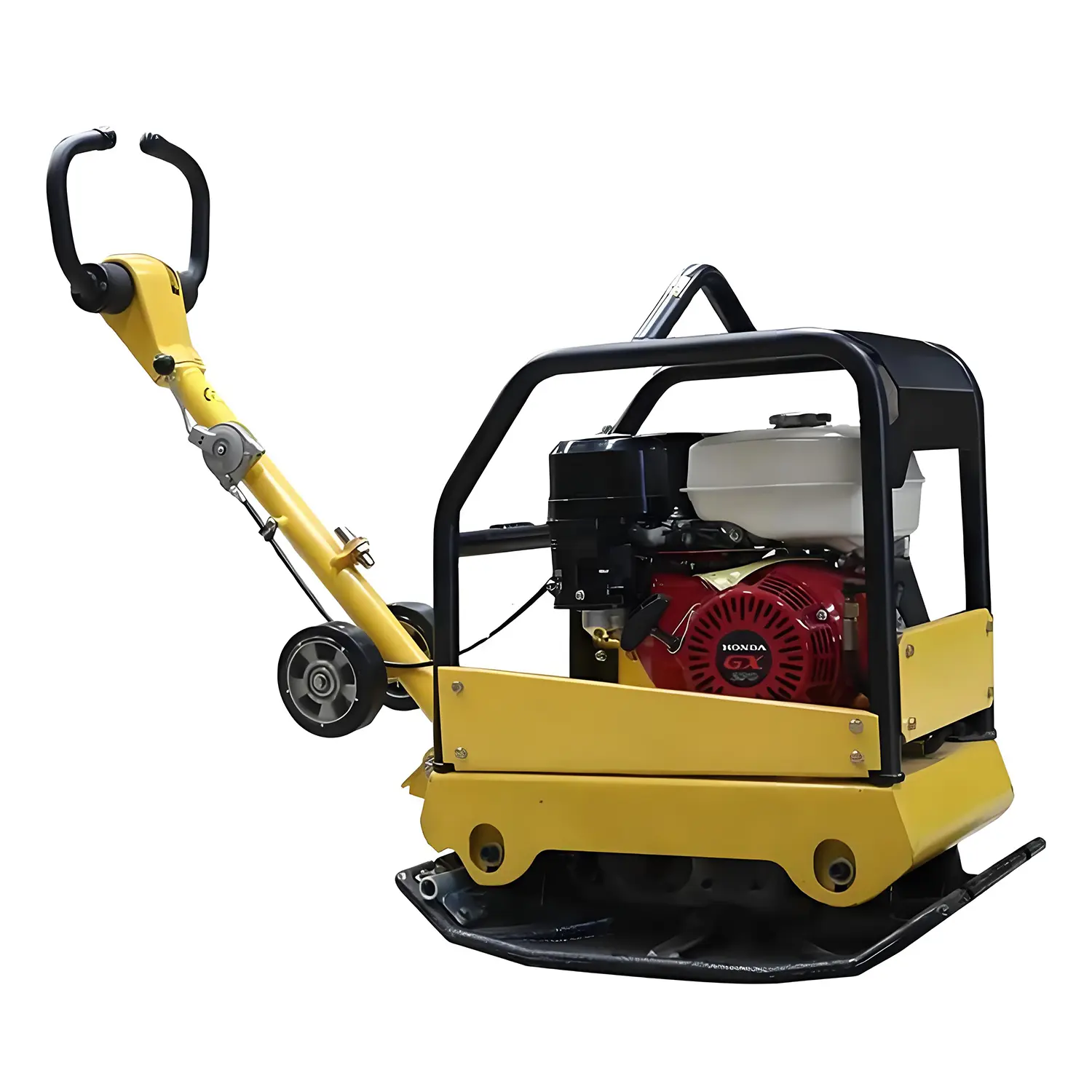 Plate compactor
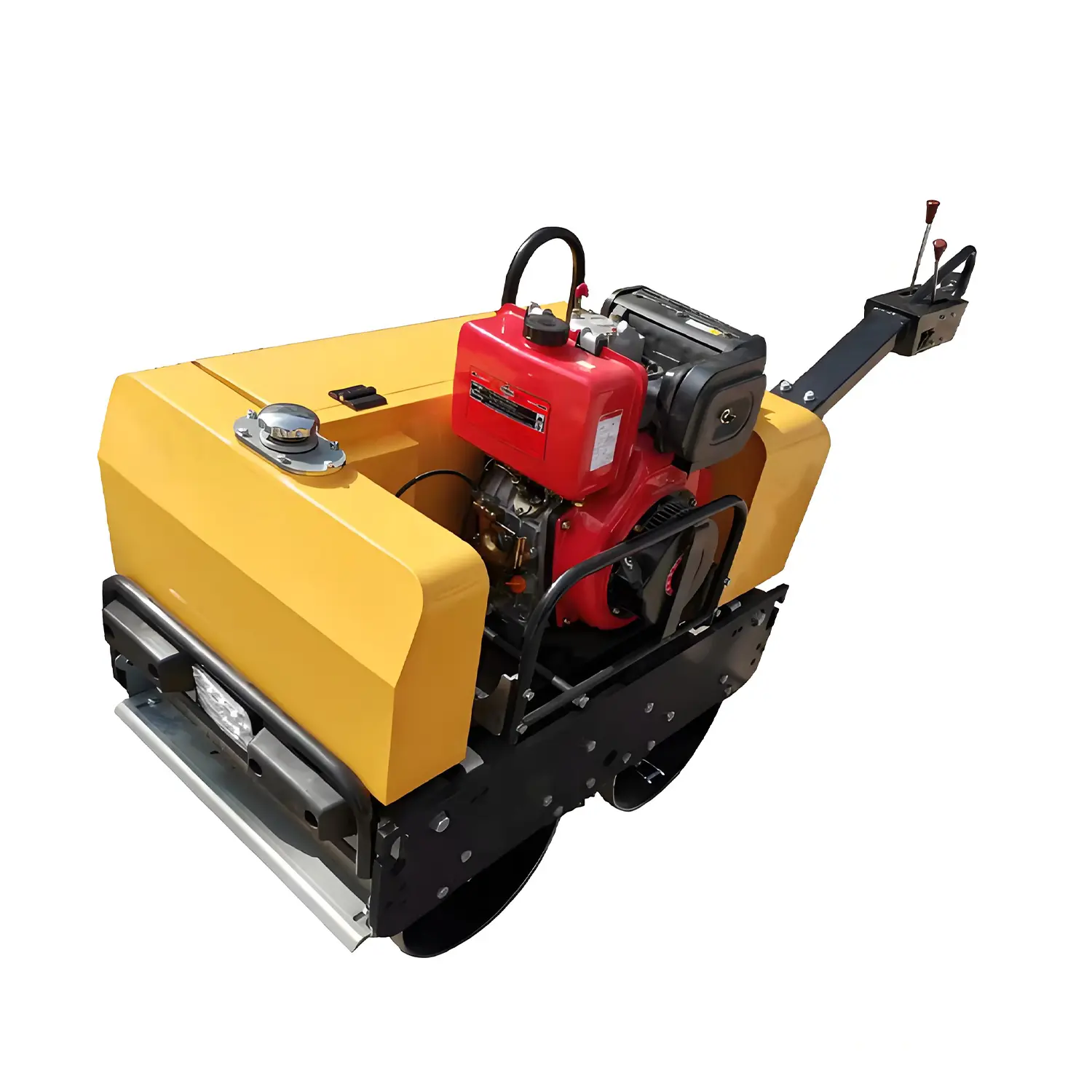 Vibratory roller