2026 Best Concrete Vibrators for Efficient Construction?
When it comes to construction, efficiency is key. Concrete Vibrators play a crucial role in ensuring that concrete sets properly. With the right tools, you can enhance the quality of your work. In 2026, the concrete industry evolves, necessitating a review of the best vibrators on the market.
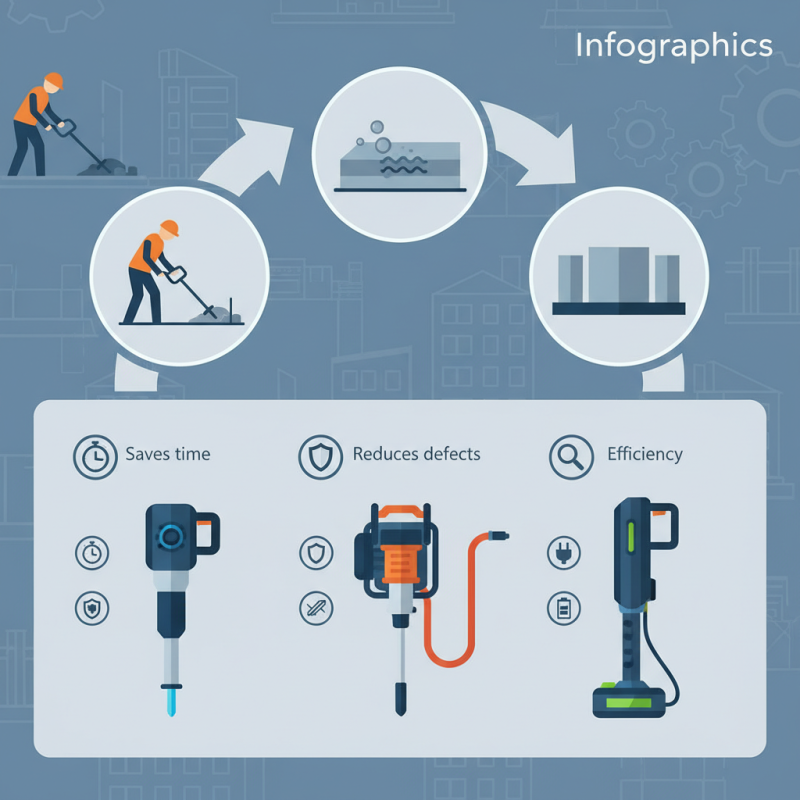
Selecting the right Concrete Vibrators can be challenging. There are various models with differing features and capabilities. It's essential to choose one that fits your specific needs. An effective vibrator not only saves time but also reduces the likelihood of defects. However, picking a device without understanding its specifications may lead to poor results.
The importance of Concrete Vibrators extends beyond just performance. They contribute to the overall integrity of structures. A good vibrator reduces air pockets, which can compromise strength. In this guide, we will explore the best options available, each with its strengths and weaknesses. Consider your project requirements carefully before making a decision. Understanding these tools is vital for any construction professional.
Overview of Concrete Vibrators and Their Importance in Construction
Concrete vibrators play a crucial role in construction. They help ensure the proper distribution of concrete in molds. This process prevents air pockets and voids, which can weaken the structure. Properly compacted concrete leads to stronger, more durable results. When concrete is not adequately vibrated, it can result in surface imperfections. These issues may require costly repairs down the line.
Using a concrete vibrator requires a certain level of skill. The operator must understand the right technique to use. Over-vibrating can lead to segregation of the materials. This affects the concrete's final strength and appearance. Each project has its unique specifications. Understanding these factors is essential for achieving quality results.
Choosing the right type of vibrator is important. There are surface vibrators and internal vibrators, each with specific applications. Knowing which one to use can impact the overall efficiency of your work. Professionals need to stay updated on the latest trends and technologies in vibrators. Continuous learning ensures that they can offer the best solutions for their projects.
2026 Best Concrete Vibrators - Performance Comparison
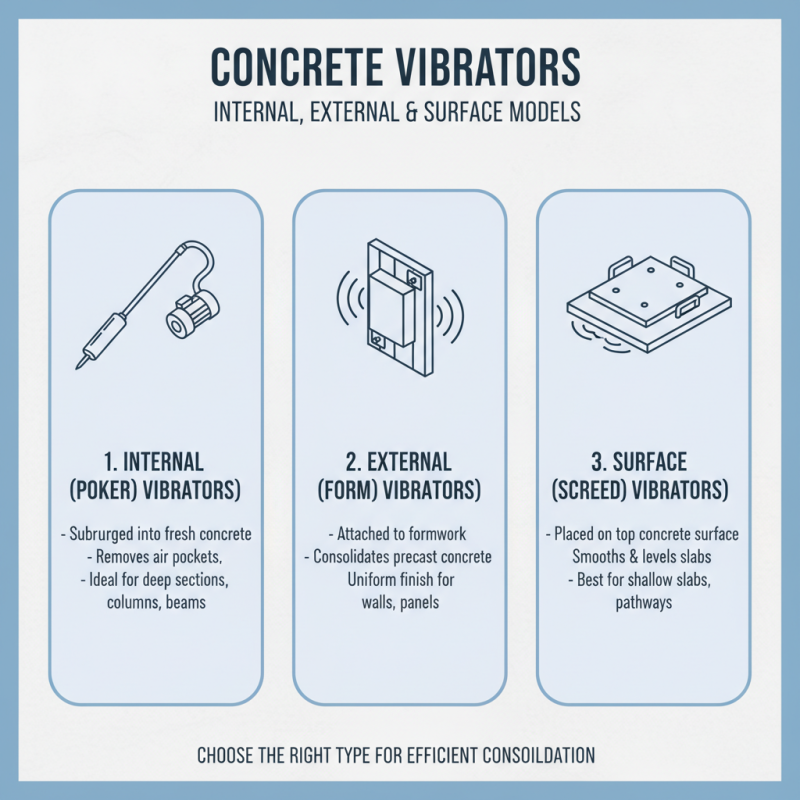
Types of Concrete Vibrators: Internal, External, and Surface Models
In construction, selecting the right type of concrete vibrator is crucial for achieving efficiency. Concrete vibrators come in three main types: internal, external, and surface models. Each type serves a unique purpose and provides specific benefits depending on the application.
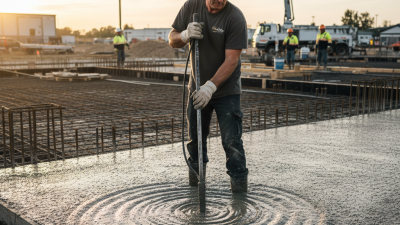
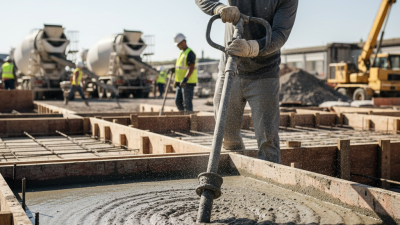
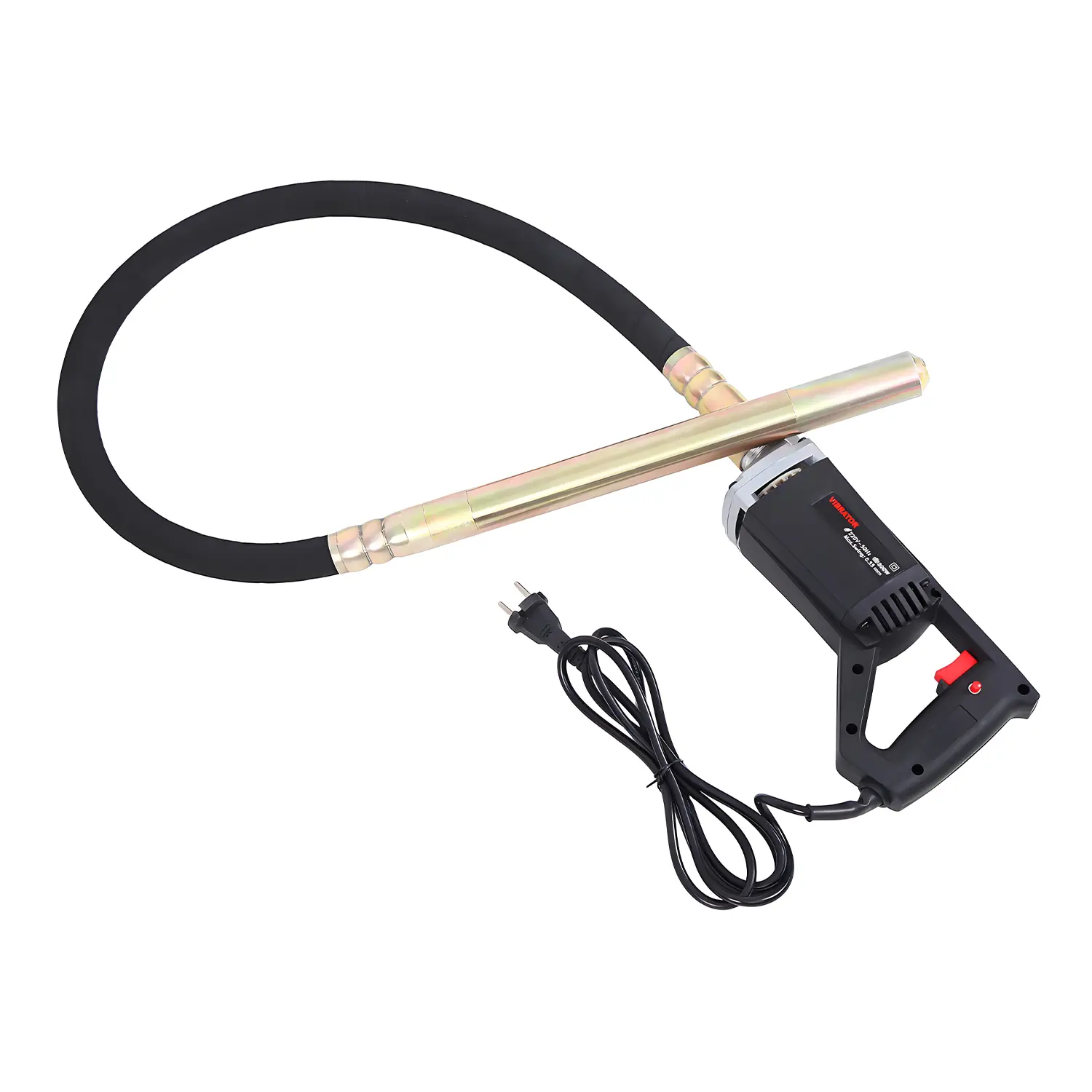
Internal vibrators are ideal for larger pours. They penetrate deep into the concrete, facilitating proper consolidation. Their design allows for the elimination of air bubbles, ensuring a denser finished product. However, using internal vibrators requires practice. Operators must understand depth and vibration duration. Misuse can lead to unintended results, such as over-vibration, which weakens the structure.
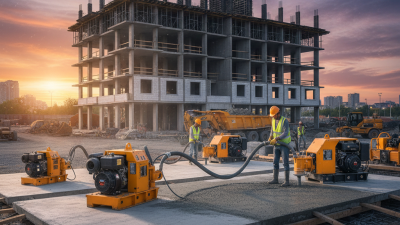
External vibrators, on the other hand, attach to forms or molds. They send vibrations through the concrete without direct contact. This makes them useful for delicate forms. Yet, their effectiveness may vary based on the mix design. Surface models are typically employed for finishing work. They help to eliminate surface blemishes and improve overall aesthetics. However, they may not significantly enhance internal density if the mix is too stiff. Each type has its strengths and weaknesses. Understanding these distinctions helps contractors choose the right model for their project needs.
Key Features to Consider When Choosing a Concrete Vibrator
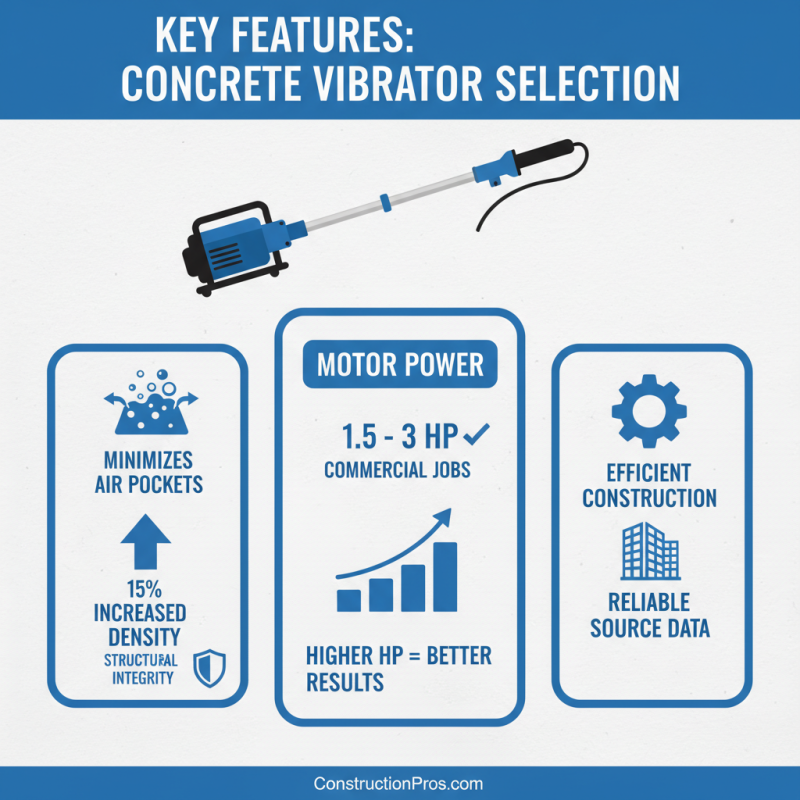
When selecting a concrete vibrator for efficient construction, several key features stand out. Motor power is crucial. A vibrator with a higher horsepower generally produces better results. For instance, data shows that vibrators with 1.5 to 3 HP power are effective for most commercial jobs, minimizing air pockets and voids. A reliable source highlights that effective vibration can increase concrete density by up to 15%, ensuring structural integrity.
The type of vibrator also matters. Internal vibrators are ideal for deep-set applications, while external ones suit surface work. The American Concrete Institute recommends choosing a vibrator based on the concrete mix. For example, a mix with larger aggregates requires a more powerful and often heavier vibrator. Weight and portability can affect ease of use. Operators may struggle with heavier models, which could lead to fatigue over time.
Additionally, consider vibration frequency. Higher frequencies can lead to better consolidation but may not be necessary for every application. The optimal frequency is often between 10,000 to 12,000 vibrations per minute for standard concrete. In practice, contractors must balance efficiency with user comfort, sometimes compromising on one to achieve the other. Knowing these details can help professionals make informed decisions that impact project outcomes.
Top Brands and Models of Concrete Vibrators for 2026
When it comes to concrete vibrators for 2026, the focus is on efficiency. These machines play a crucial role in ensuring that concrete settles properly in molds. Proper vibration eliminates air pockets, leading to stronger structural integrity. Many models are available, but some stand out in terms of performance and user satisfaction.
Popular choices often include electric and gas-powered vibrators. Electric models are generally more user-friendly, perfect for indoor jobs. On the other hand, gas-powered vibrators excel in outdoor conditions, where mobility is key. Users appreciate features like adjustable speeds. It’s vital to factor in weight, especially for larger projects. Heavier models might offer more power but can be cumbersome.
Maintenance is another significant aspect. Cleaning and regular checks on these devices can enhance their longevity. However, it's not always easy to ensure they are well maintained. Issues like overheating or worn-out parts require attention. Users sometimes overlook this, leading to costly repairs. In 2026, attention to detail will separate the good from the great in concrete vibrators. Keeping an eye on both usability and durability is essential for contractors aiming for excellence.
Best Practices for Using Concrete Vibrators for Optimal Results
Using concrete vibrators effectively can significantly enhance the quality of your construction projects. Proper application is key to avoiding common pitfalls. Start by ensuring that the vibrator is thoroughly immersed in the concrete. This helps eliminate air pockets and ensures even distribution of materials.
Utilize a gentle, up-and-down motion. Aggressive manipulation can lead to segregation of concrete components. Control the depth; too deep can damage the mix, while too shallow might not achieve the desired density.
Timing is crucial when using concrete vibrators. Vibrate the concrete as soon as it is poured, but be cautious not to overdo it. Excessive vibration can lead to a problematic concrete mix structure. Monitor the process closely to identify any inconsistencies. The goal is to create a smooth, cohesive mass without compromising the integrity of the components. If issues arise, reflect on your technique. Are you allowing enough time for the concrete to settle? Small adjustments can lead to substantial improvements in your final results.

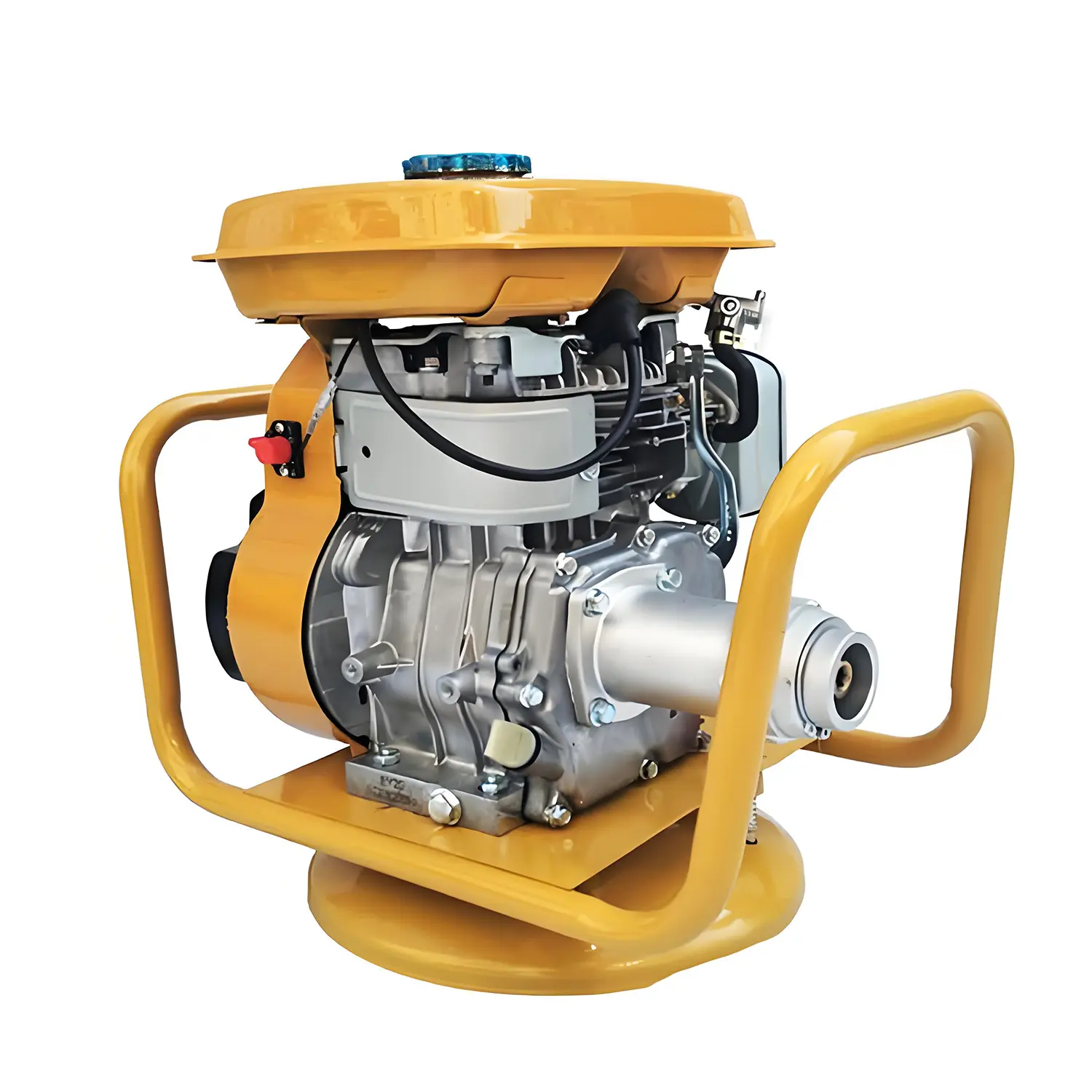 Internal Vibrator
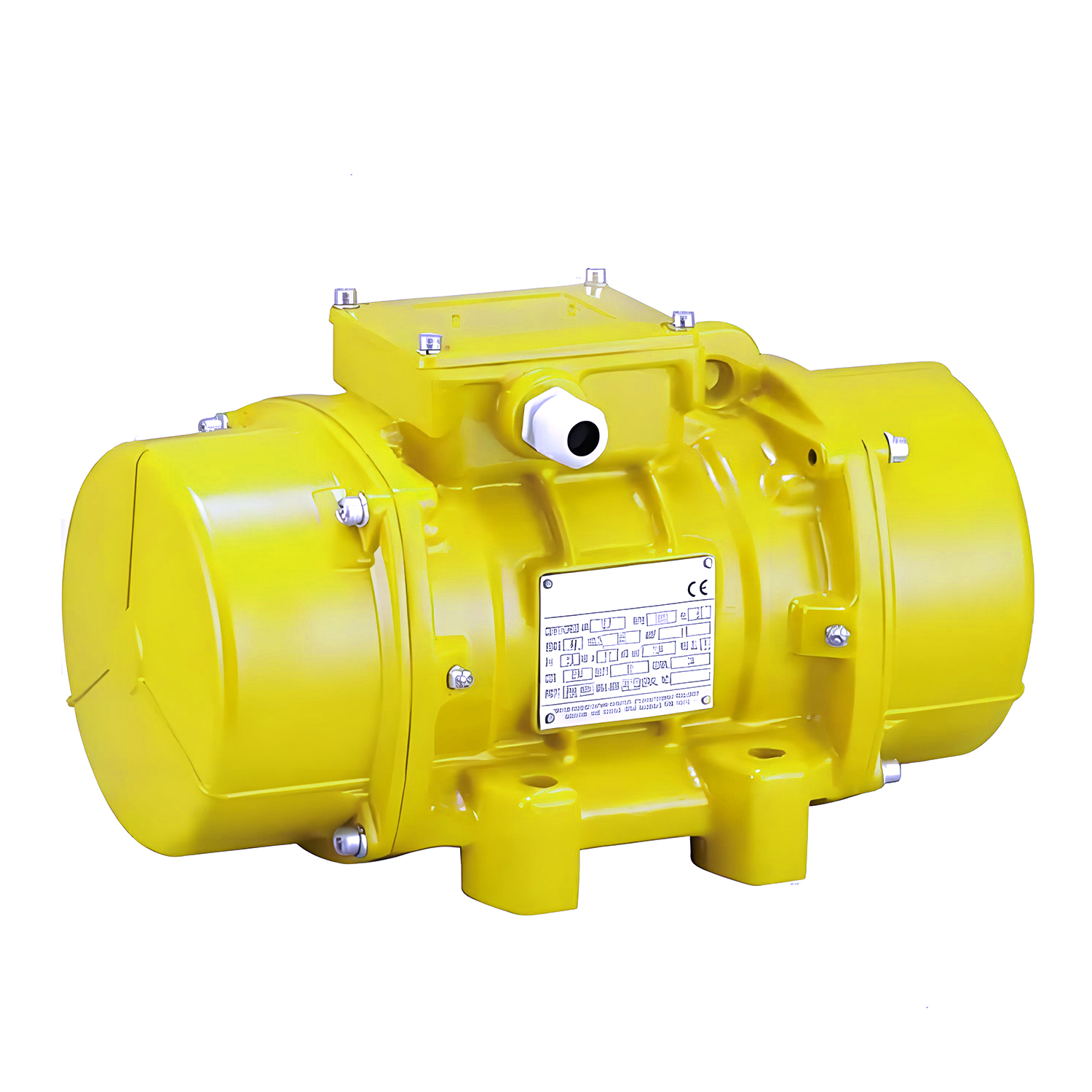 External Vibrator
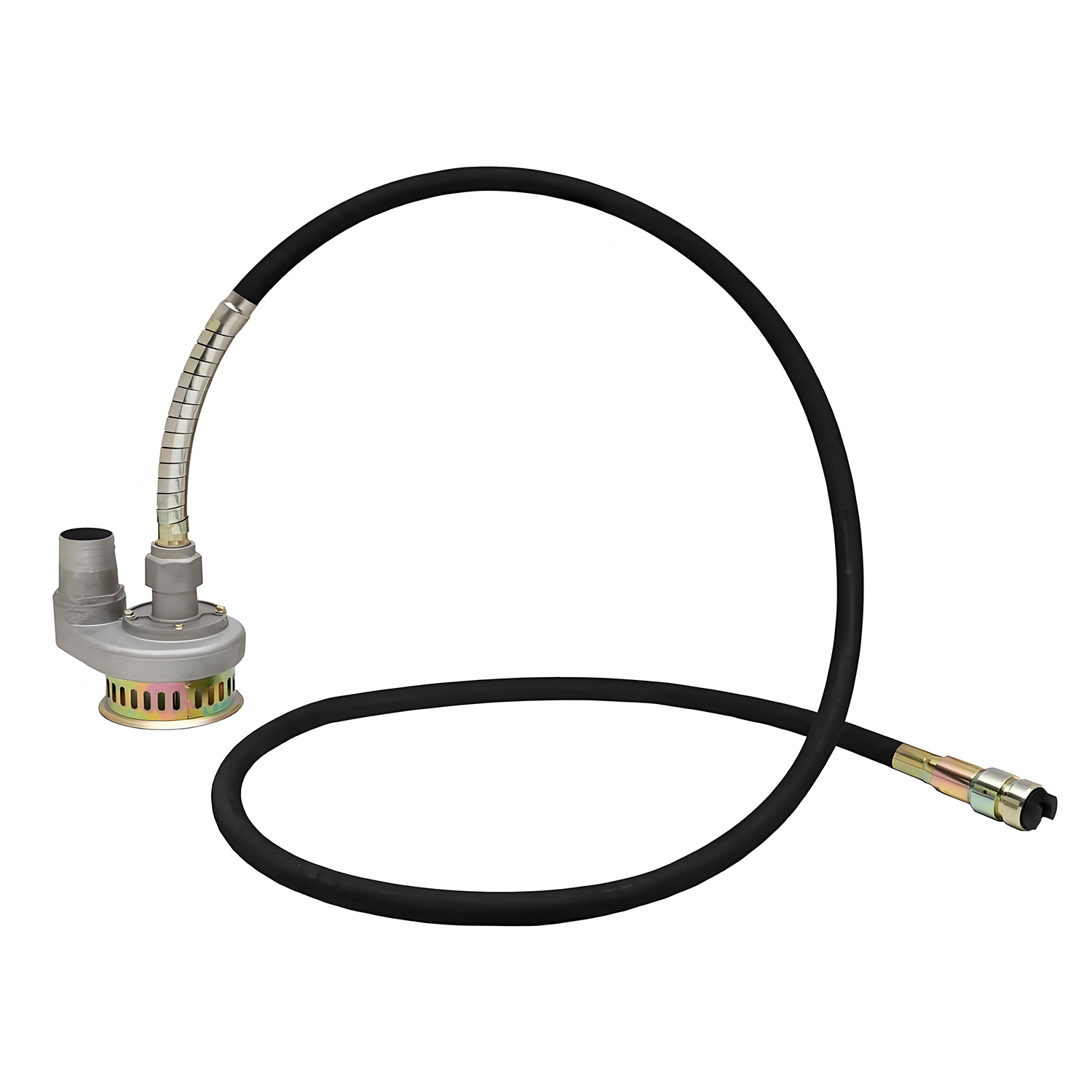 Submersible Pump
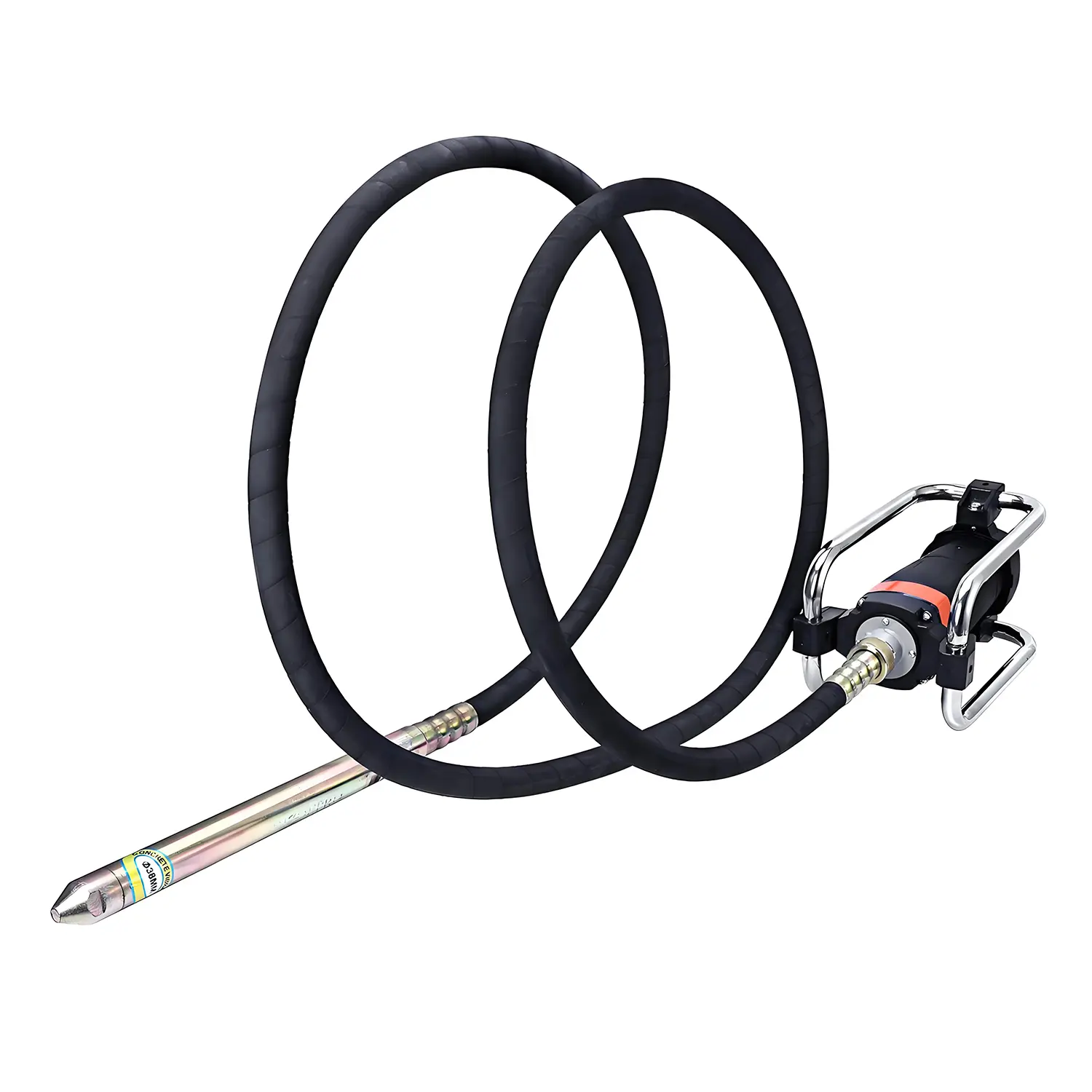 Eccentric shaft
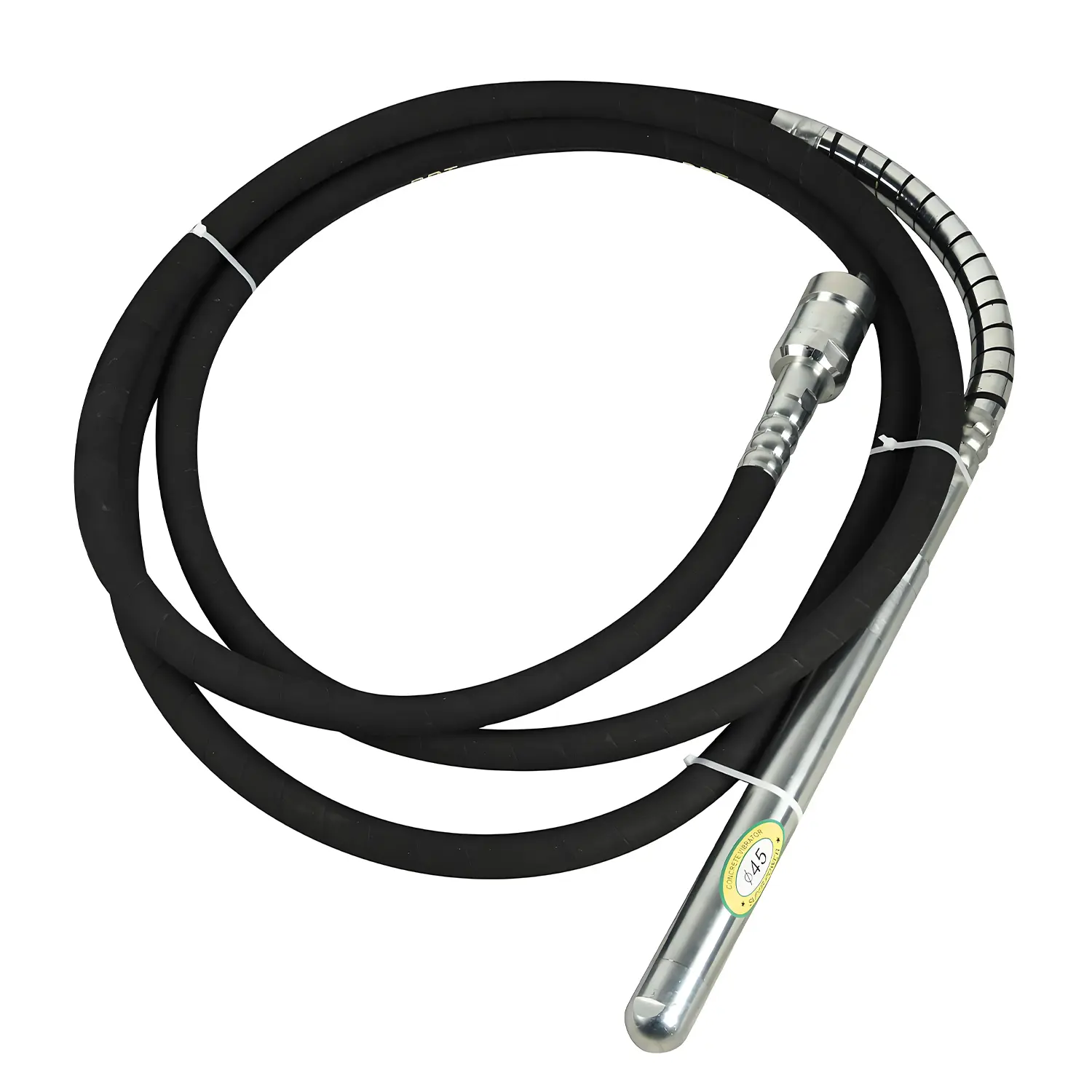 Pendulum shaft
 Portable vbrator shaft
 Portable concrete mixer
 Vertical concrete mixer
 Hydraulic concrete mixer
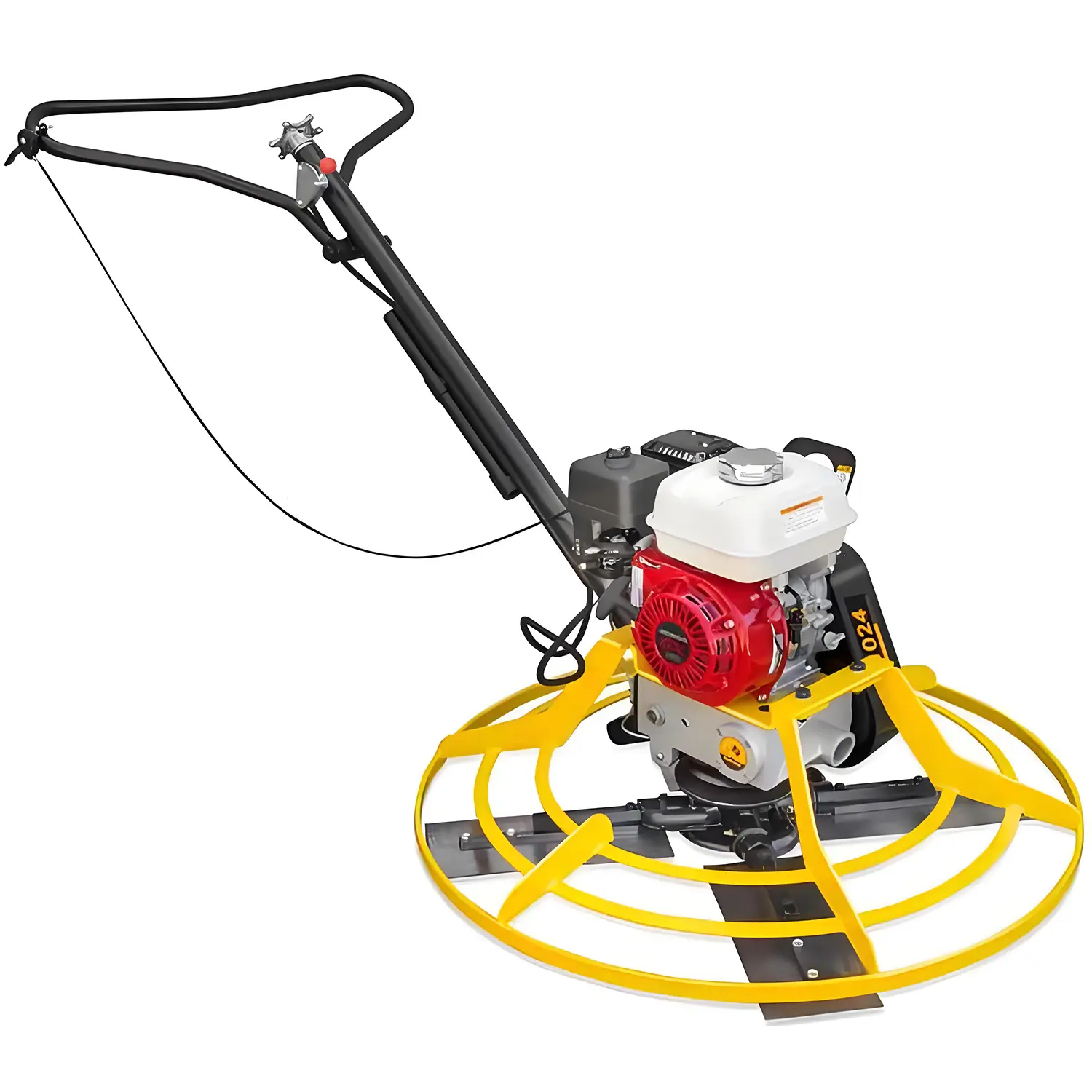 Walk behind power trowel
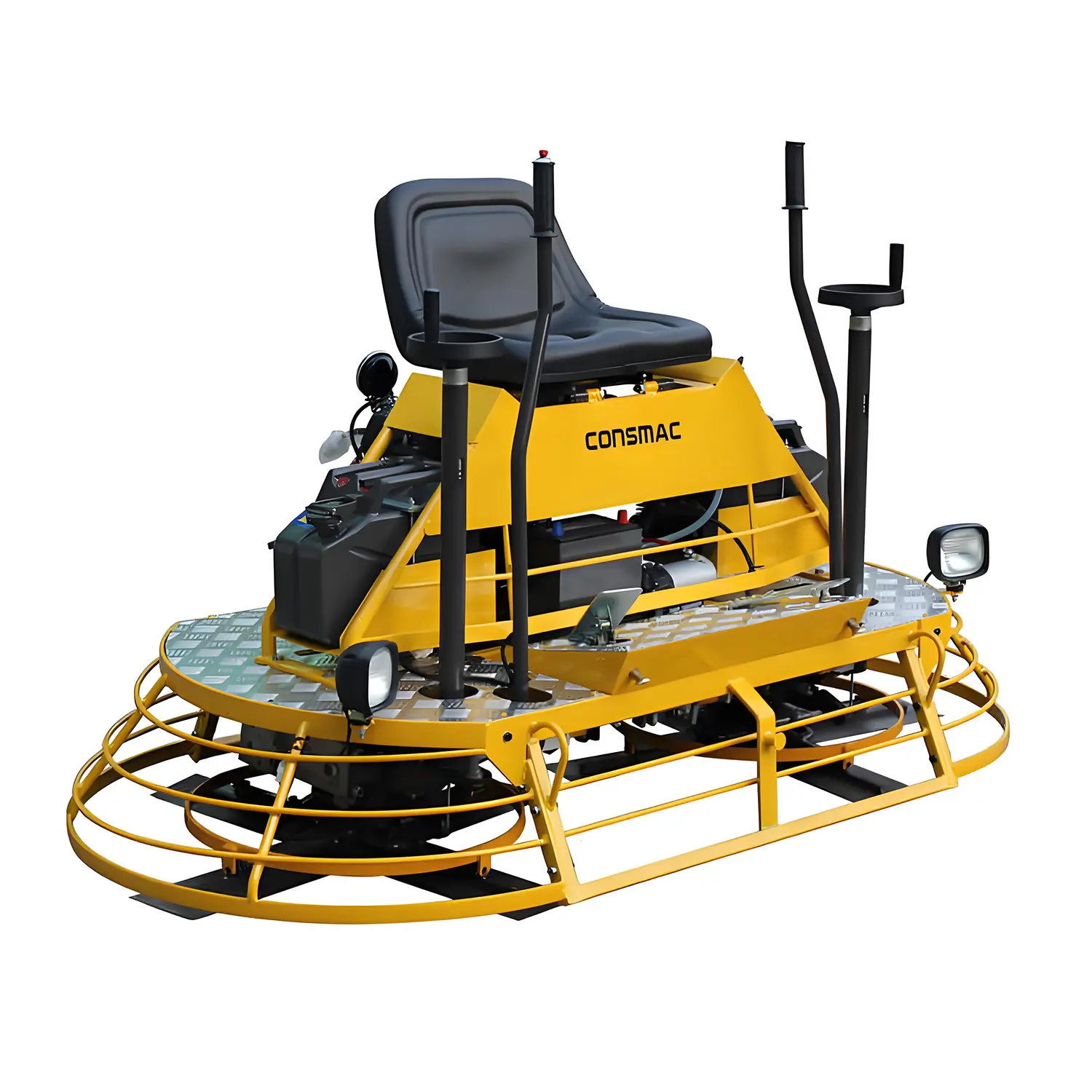 Ride on power trowel
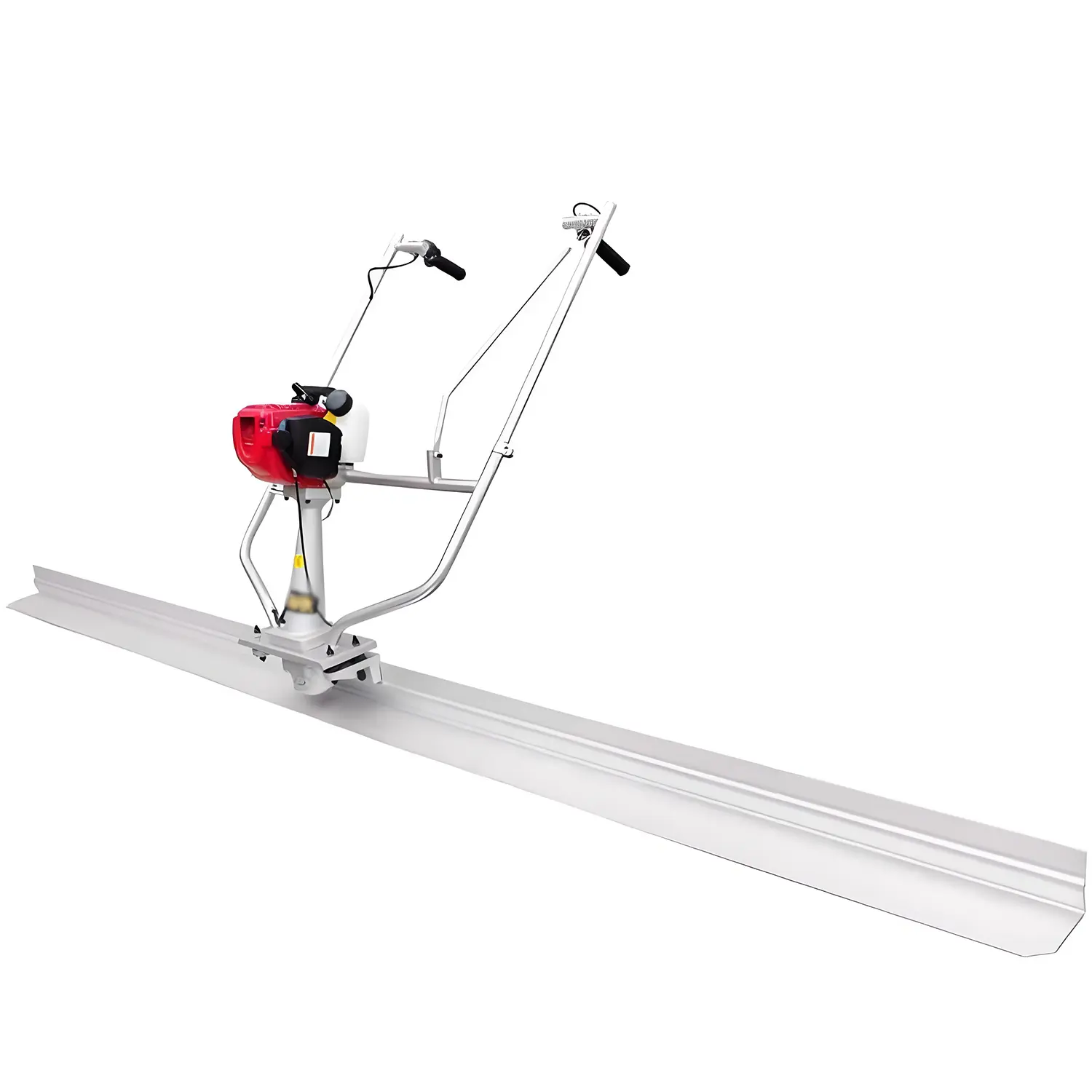 Concrete screed
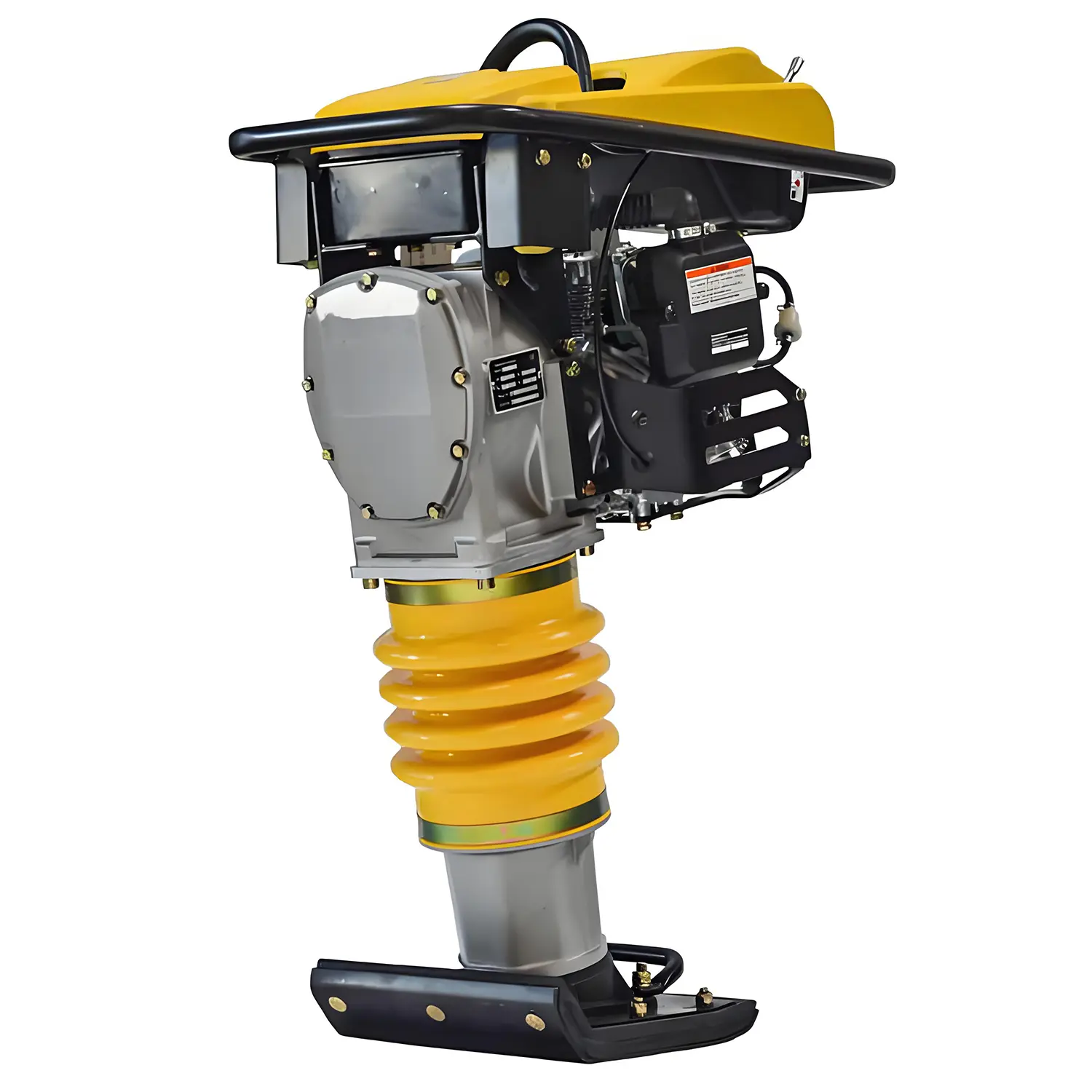 Tamping rammer
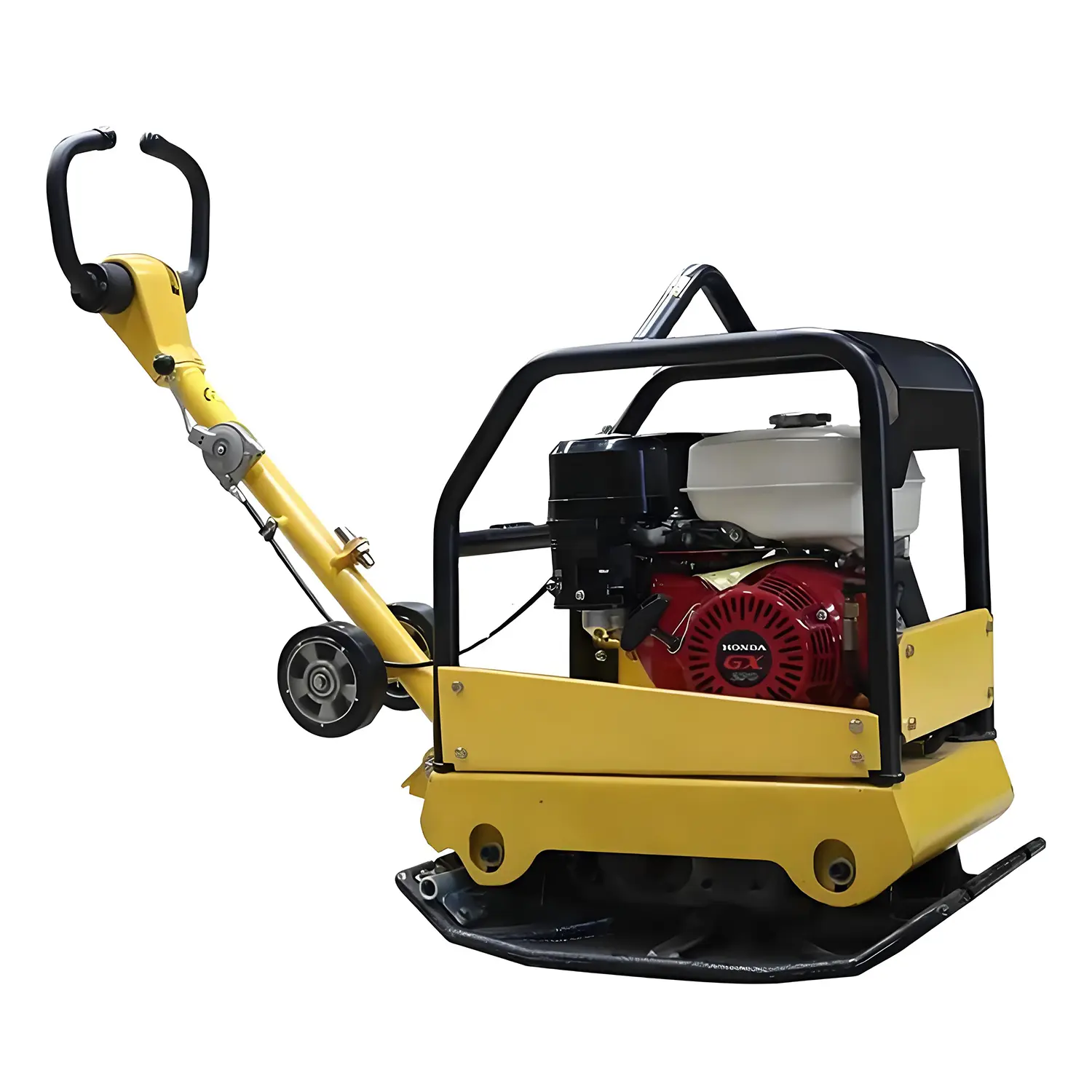 Plate compactor
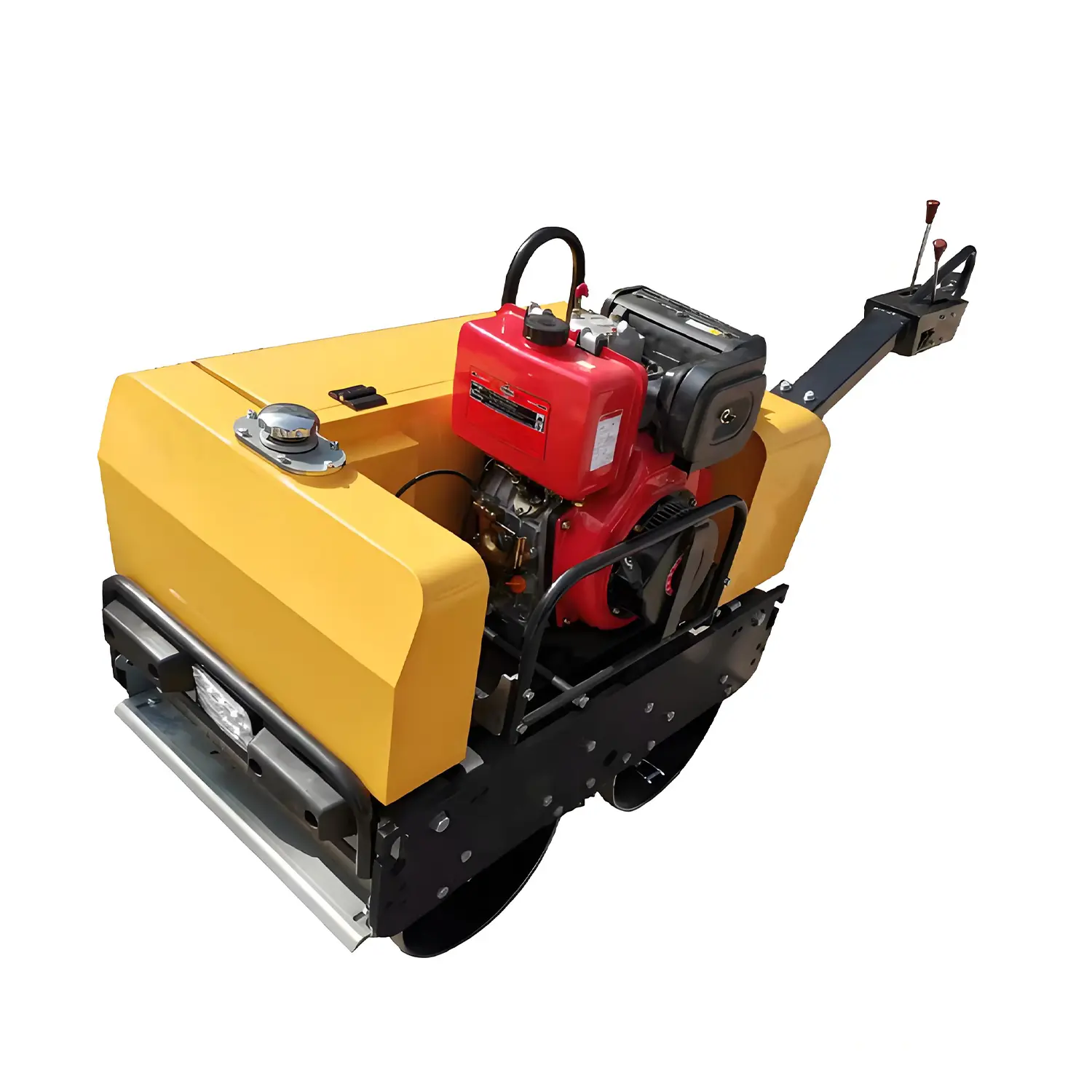 Vibratory roller