Best Roller Compactor for Global Buyers in 2026?
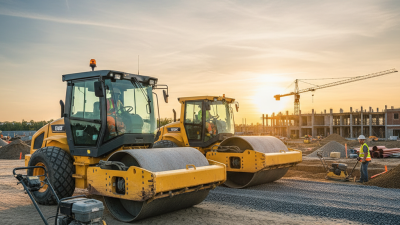
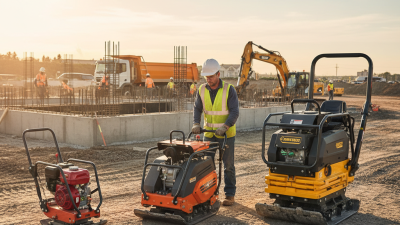
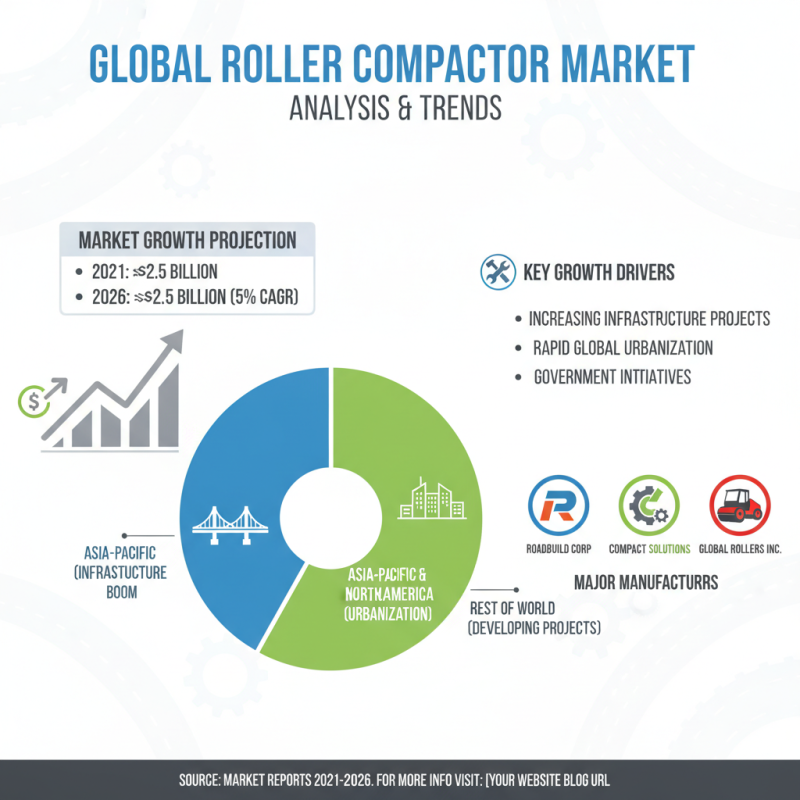
The demand for Roller Compactors is on the rise globally. Recent industry reports indicate that the global market is expected to reach USD 3.5 billion by 2026. This growth is driven by increasing construction activities and the need for sustainable compaction solutions. Roller Compactors play a crucial role in ensuring the stability of soil and asphalt in various projects.
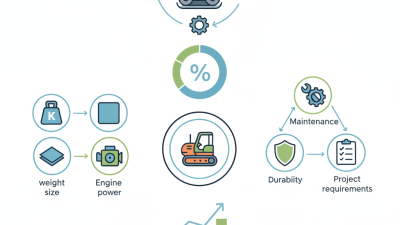
In many regions, particularly in Asia and North America, construction projects are becoming more complex. Roller Compactors now feature advanced technology for better performance and efficiency. However, selecting the right model can be challenging. The wide variety of specifications, sizes, and functionalities creates confusion among buyers. They must consider durability and adaptability to different soil types.
Despite the progress in Roller Compactor technology, there are still gaps in user knowledge regarding maintenance and operational best practices. Ensuring proper use can maximize performance. Misuse or inadequate training can lead to suboptimal results. Buyers need reliable resources to navigate these challenges effectively.

The Rising Demand for Roller Compactors in the Global Market by 2026
The global demand for roller compactors is on the rise. In construction and infrastructure projects, these machines play a crucial role. They ensure soil stability and improve material density, critical for long-lasting structures. As urbanization expands, the need for efficient compaction solutions has grown substantially.
By 2026, we expect significant advancements in roller compactor technology. Innovations may enhance their energy efficiency and operational precision. However, challenges persist. Many local markets still lack access to the latest models. This could affect project timelines and quality.
Cost remains a concern as well. Higher-end models often come with steep price tags. Companies may hesitate to invest without clear ROI. Addressing these issues is necessary for meeting the increasing global needs. The roller compactor market has the potential to evolve, but stakeholders must navigate these complexities carefully.
Best Roller Compactor for Global Buyers in 2026
| Region |
Market Size (USD Million) |
CAGR (%) |
Key Application Sector |
| North America |
450 |
5.2 |
Construction |
| Europe |
380 |
4.8 |
Road Maintenance |
| Asia-Pacific |
600 |
6.5 |
Infrastructure |
| Latin America |
250 |
4.0 |
Civil Engineering |
| Middle East & Africa |
200 |
3.5 |
Mining |
Key Features of Top Roller Compactors: What Buyers Should Look For
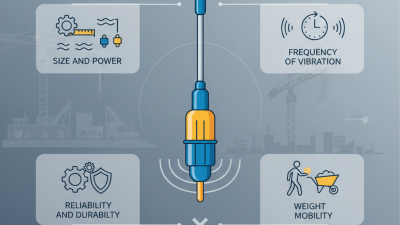
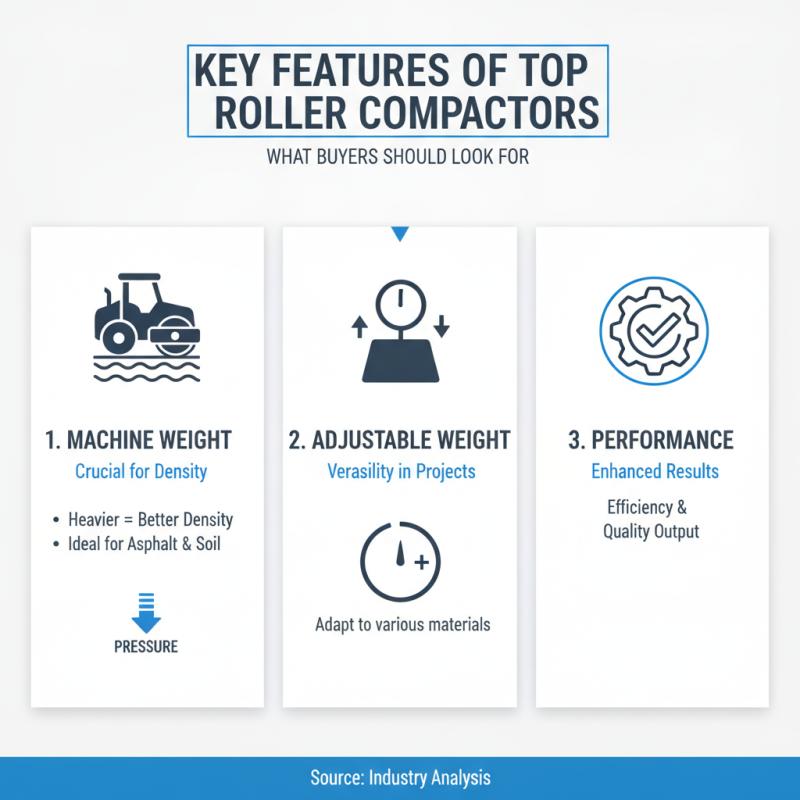
When choosing a roller compactor, buyers should focus on essential features that enhance performance. First, the weight of the machine plays a crucial role. Heavier compactors tend to provide better density, especially for asphalt and soil. Look for models that offer adjustable weights. This feature allows for versatility in various projects.
Another important aspect is the vibratory system. A high-quality vibratory mechanism can greatly improve compaction efficiency. Consider compactors that provide adjustable amplitude settings. This adaptability helps in managing different material types. Effective vibration not only enhances compaction but also reduces the risk of air voids.
Tips: Always assess the ease of maintenance. Regular upkeep ensures the longevity of the machine. Furthermore, prioritize user-friendly controls. Operators should be able to handle different functions without confusion.
Lastly, pay attention to the drum type and width. Different projects require specific drum designs. A wider drum may cover more ground quickly, but a narrower one offers precision in tight areas. Balancing these factors is vital for any buyer aiming for efficiency.
Impact of Technological Advancements on Roller Compactor Performance
Technological advancements significantly enhance roller compactor performance. These machines now feature improved hydraulic systems, leading to better control and efficiency. Moreover, the integration of real-time data analytics allows operators to monitor performance closely. With advanced sensors, compaction levels can be adjusted instantly. This results in uniform compaction, reducing the risk of future structural issues.
The materials used in roller compactors have evolved too. Lightweight yet durable materials ensure increased mobility and ease of handling. However, these innovations come with challenges. Operators must adapt to new technologies and keep up with evolving maintenance requirements. Inexperienced users might struggle with high-tech interfaces.
Moreover, while automated features improve performance, they can lead to over-reliance. Operators may miss crucial signs of machine wear. This could result in unexpected downtime. Balancing technology use with hands-on experience will be vital for success in the future compaction landscape. Embracing these advancements while remaining grounded in traditional skills will define the best practices of tomorrow.
Cost-Benefit Analysis: Roller Compactors vs. Traditional Compaction Methods
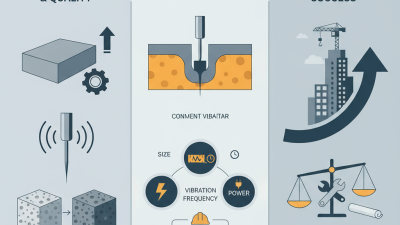
As the construction industry evolves, people are increasingly turning to roller compactors for effective soil and asphalt compaction. Compared to traditional methods, roller compactors provide several advantages, including efficiency and precision. They can achieve better density with less effort, saving both time and labor costs.
When choosing between roller compactors and traditional methods, consider the initial investment. Roller compactors often require a higher upfront cost. However, their long-term benefits, like reduced operational costs and improved output, can offset this investment.
Tips: Always evaluate the project's specific needs. Not every job requires a roller compactor. Sometimes, traditional methods might be more suitable. Make sure to analyze the project's scale and scope closely before deciding. Using the right method can lead to significant savings.
Cost-Benefit Analysis: Roller Compactors vs. Traditional Compaction Methods

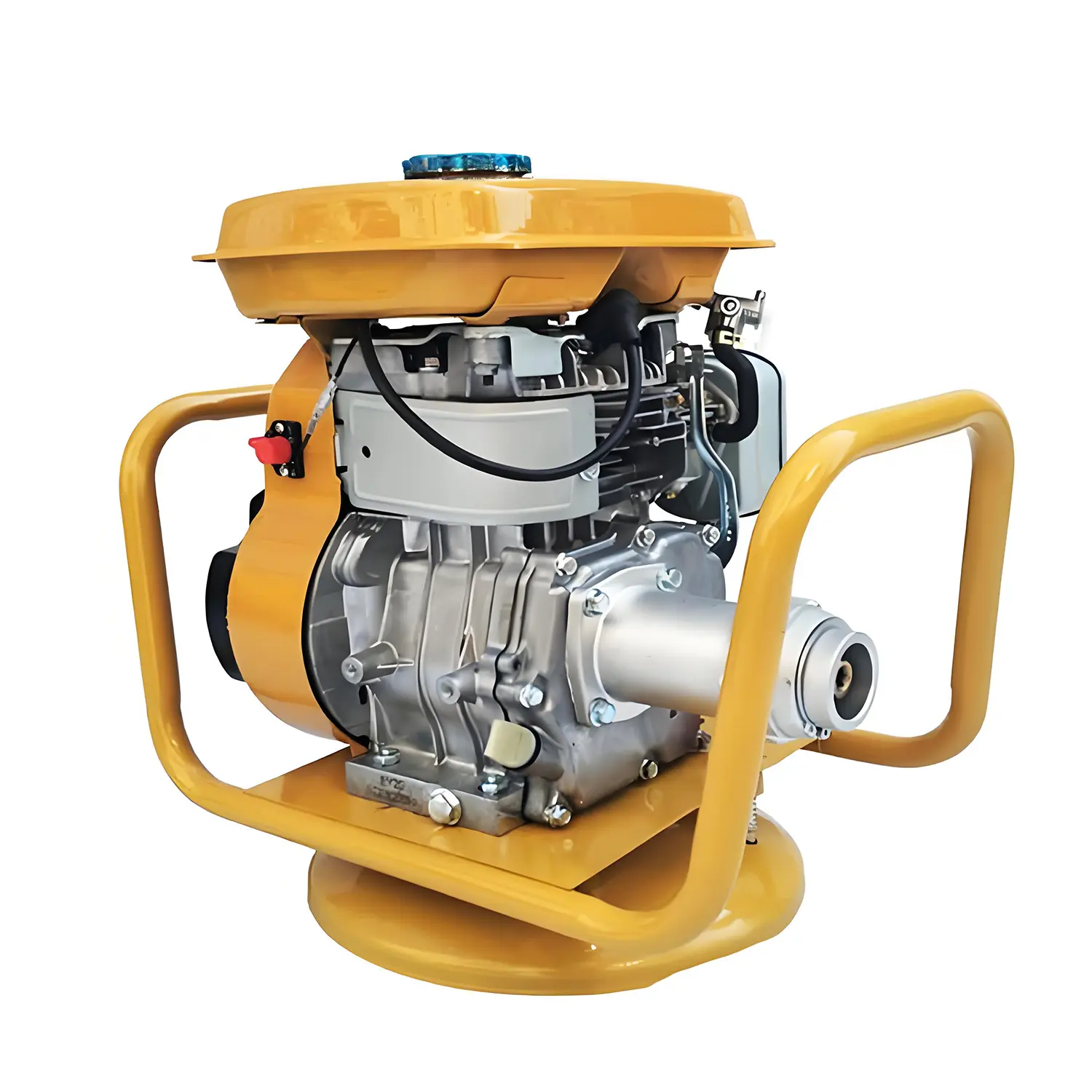 Internal Vibrator
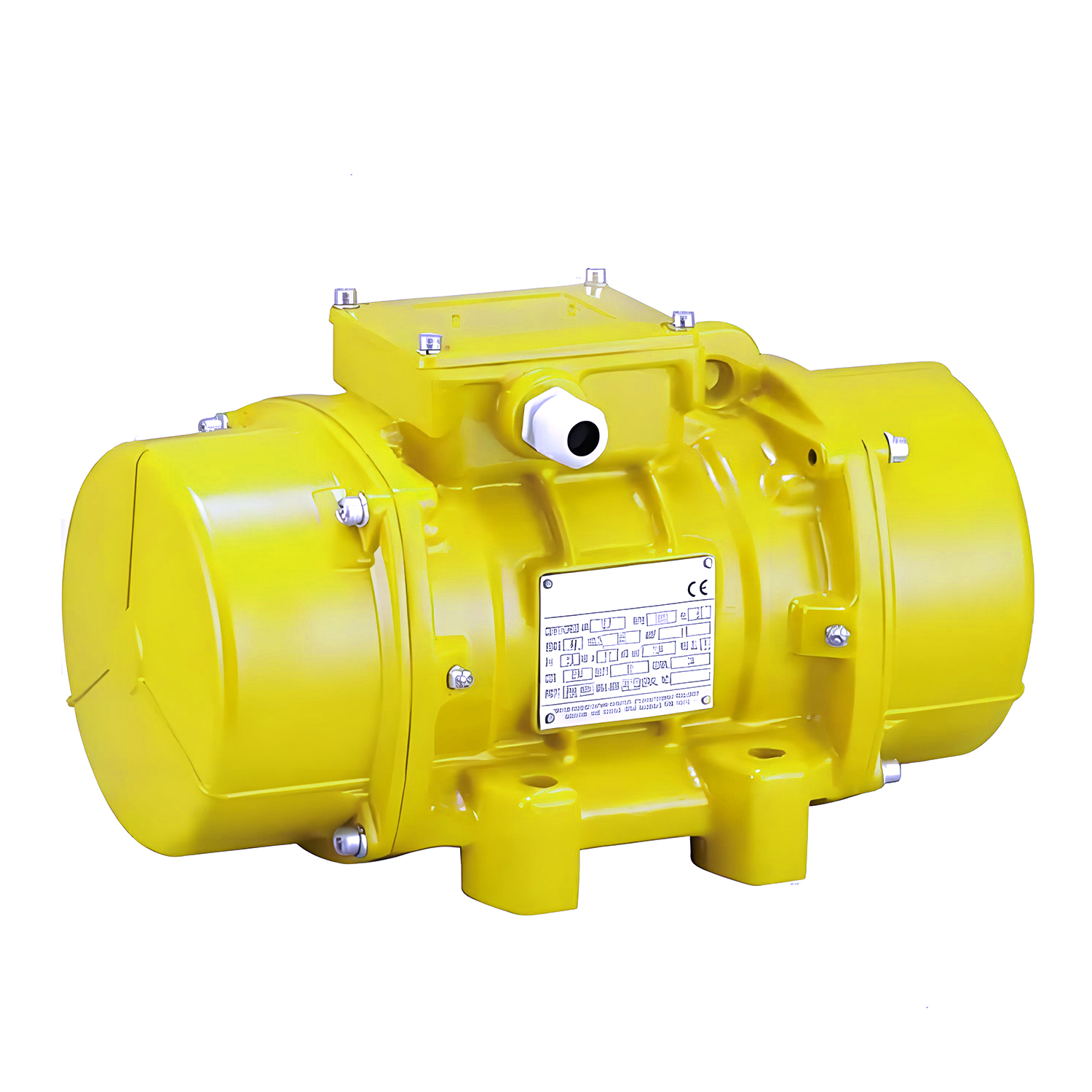 External Vibrator
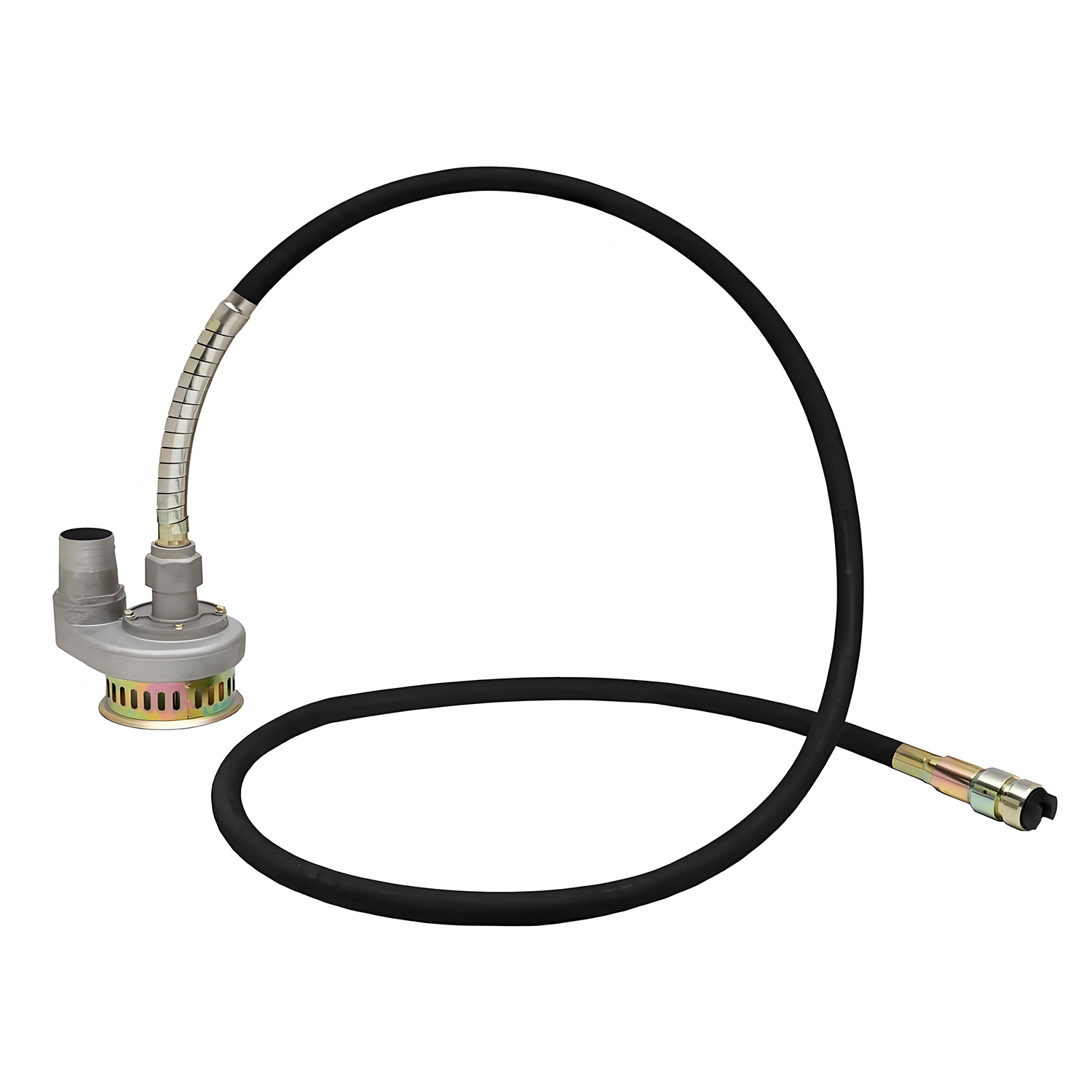 Submersible Pump
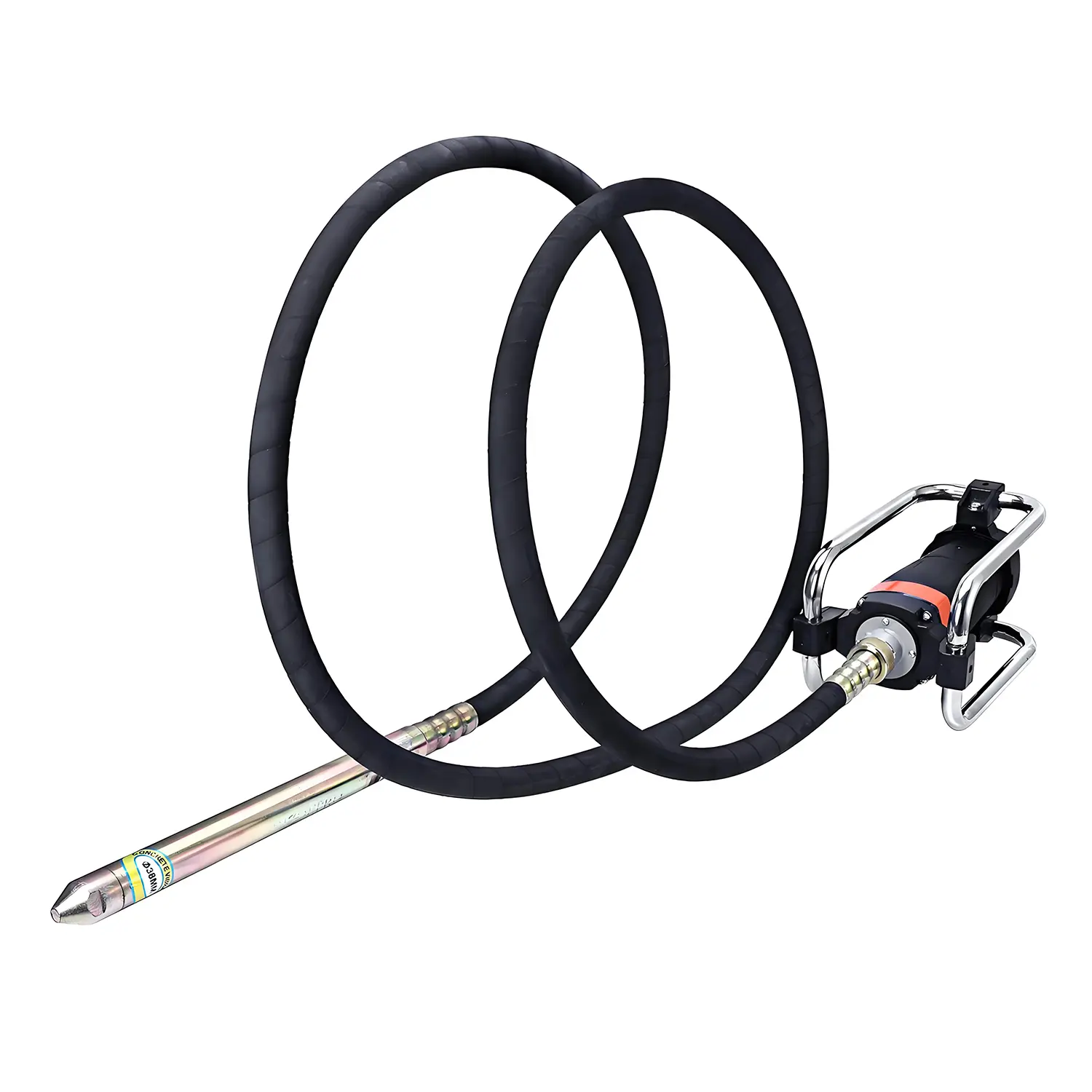 Eccentric shaft
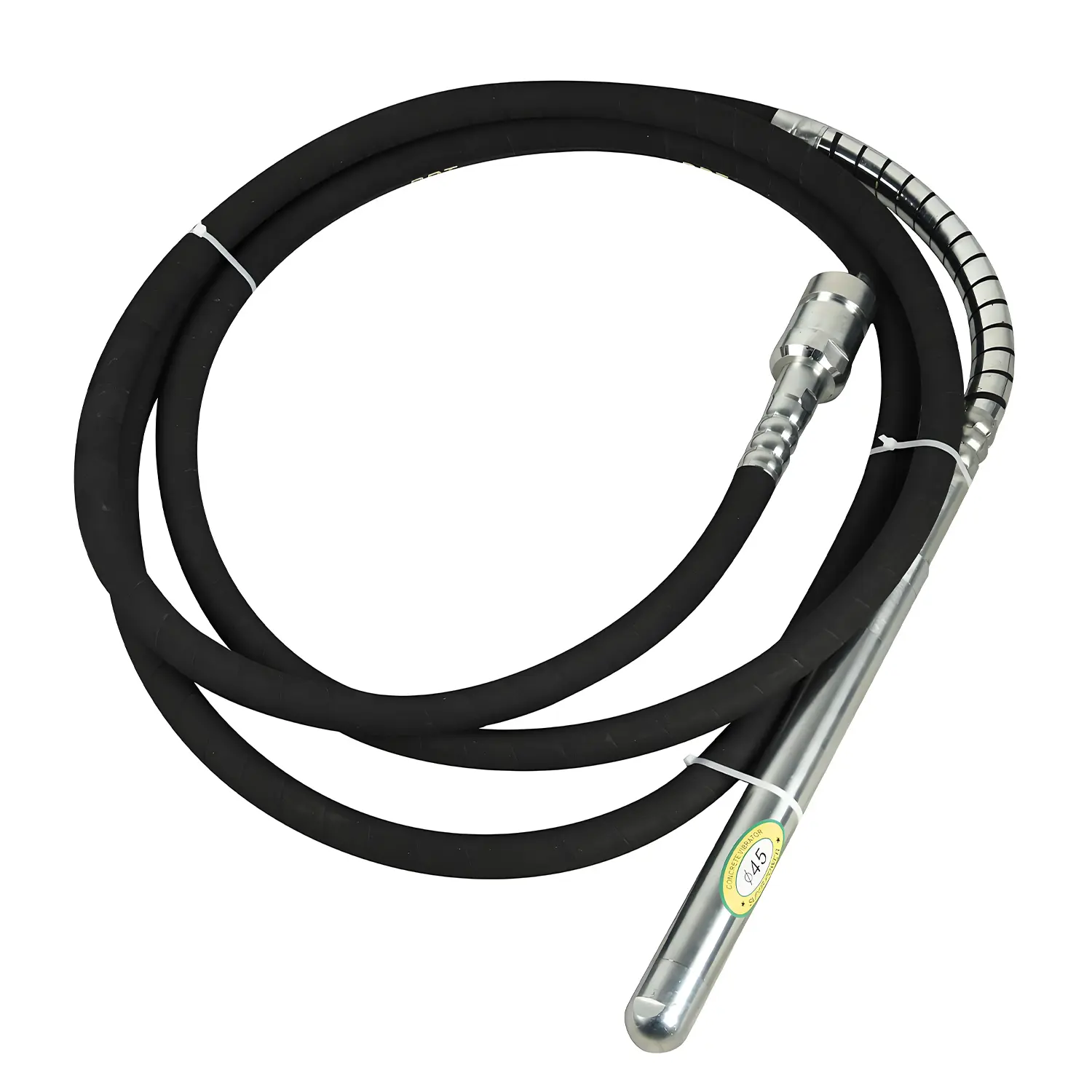 Pendulum shaft
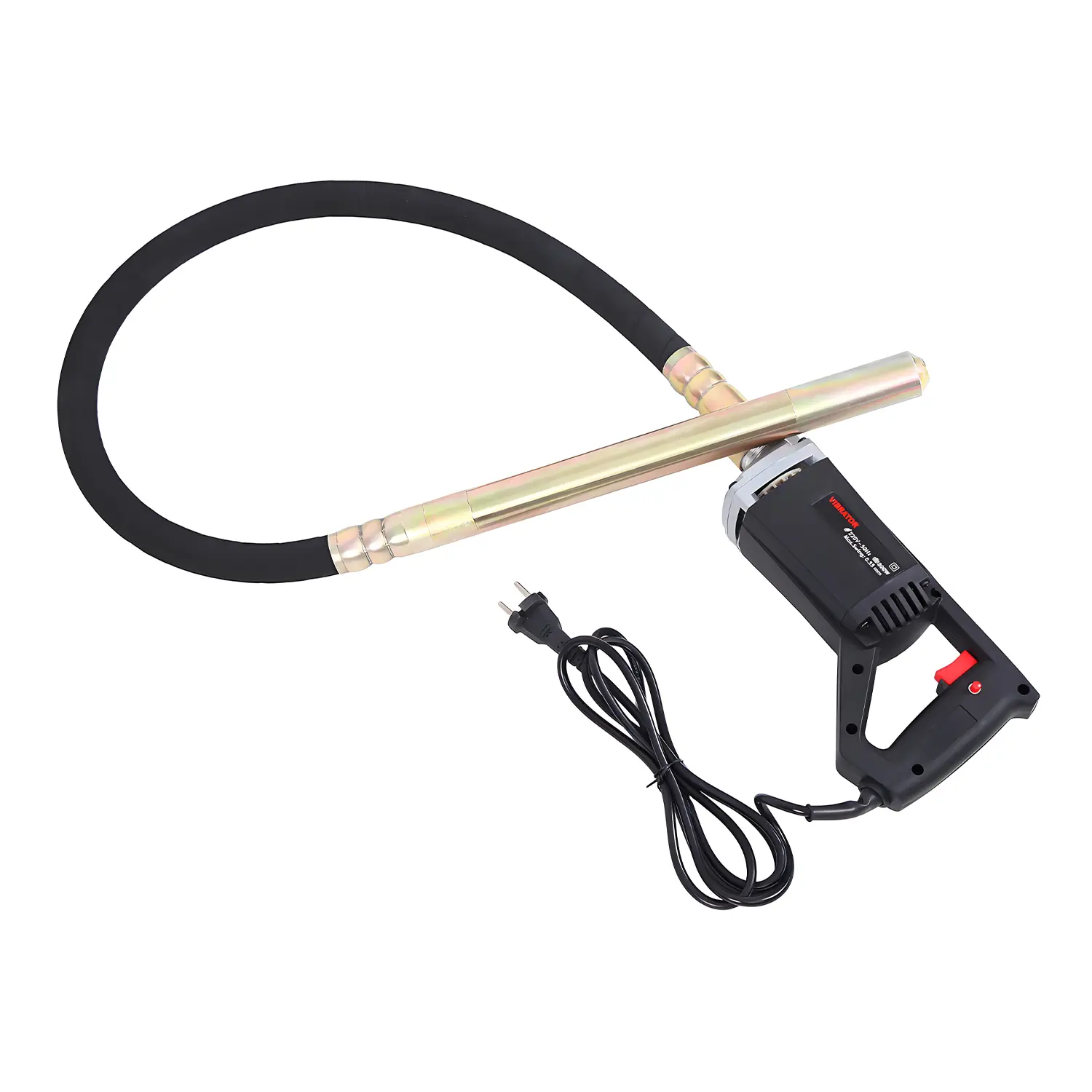 Portable vbrator shaft
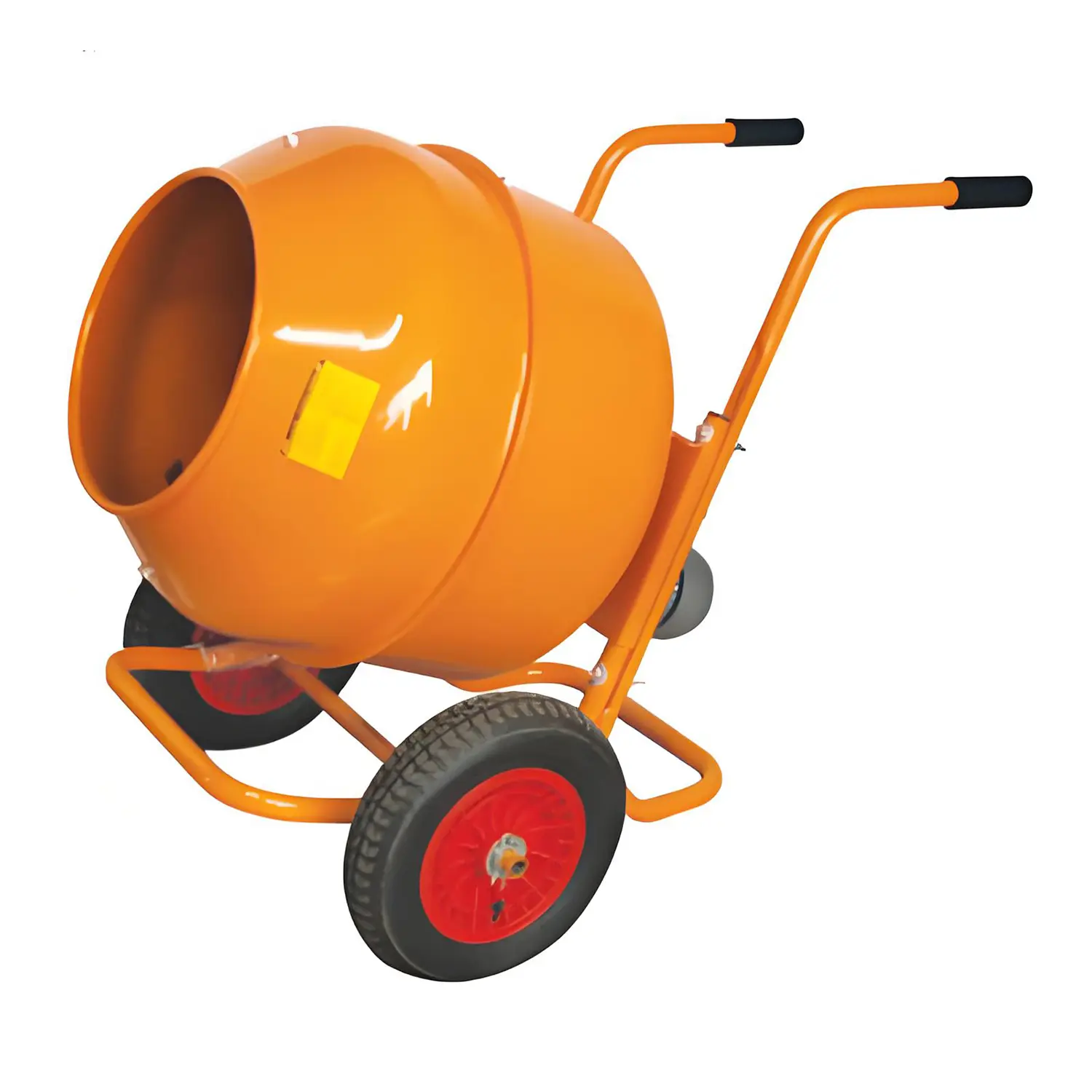 Portable concrete mixer
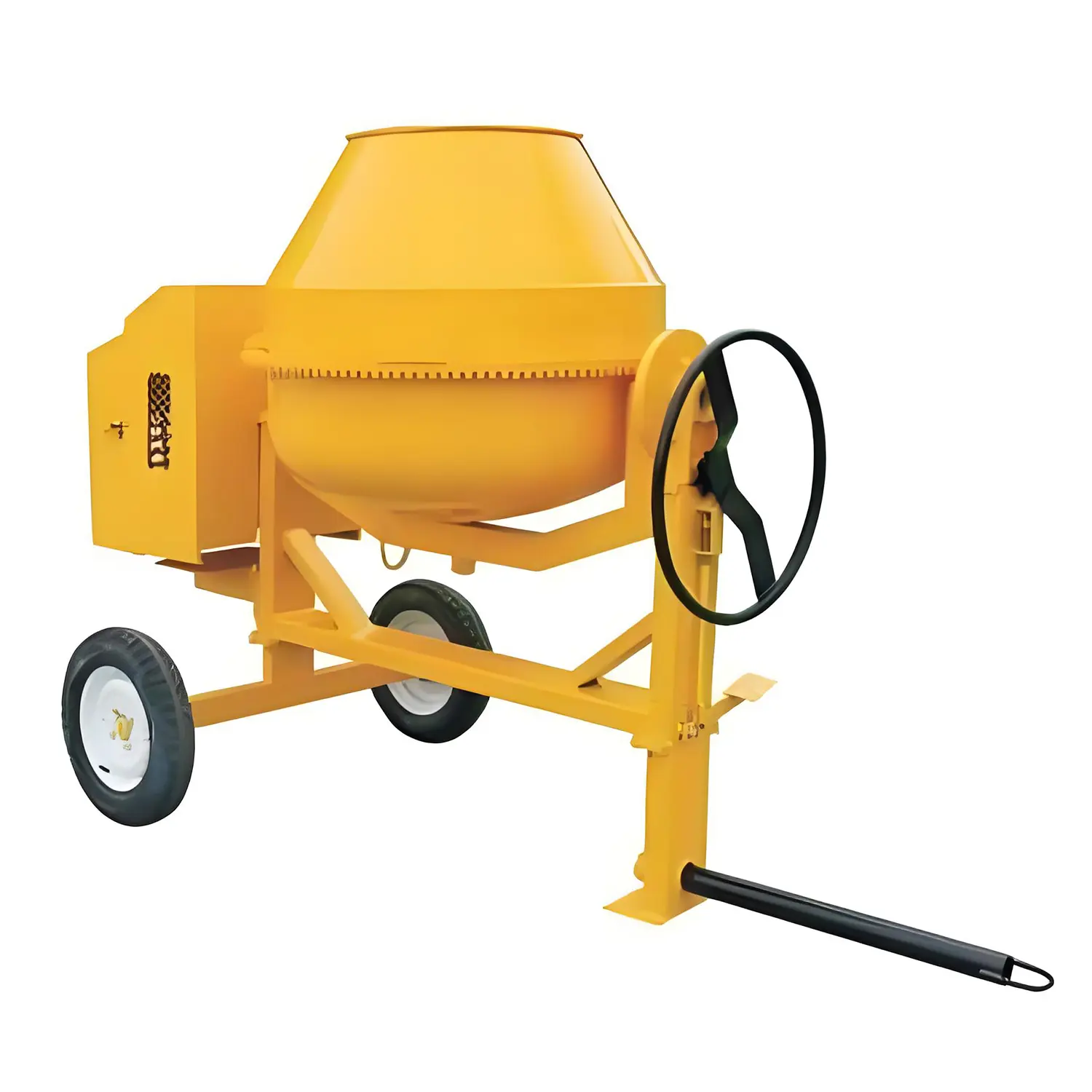 Vertical concrete mixer
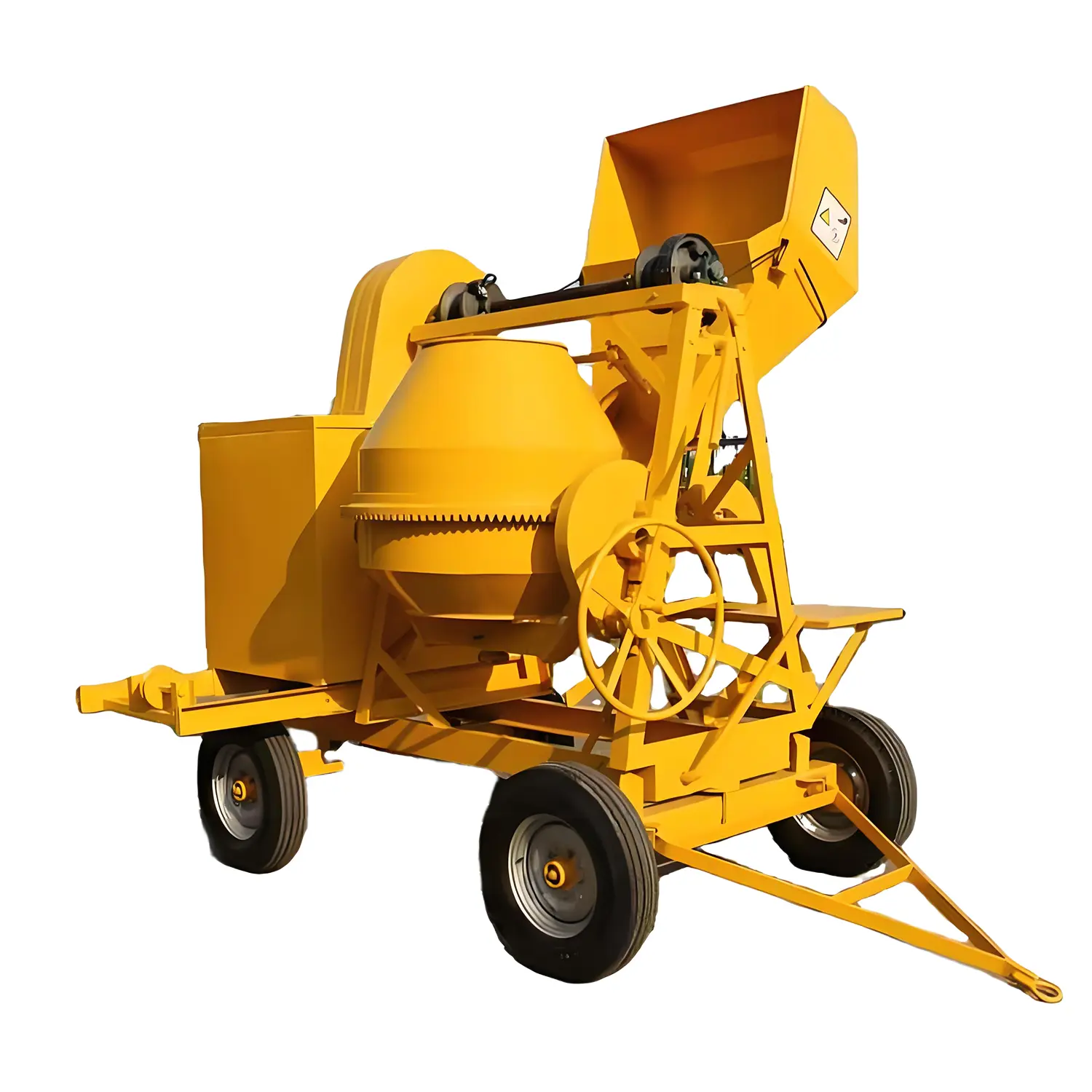 Hydraulic concrete mixer
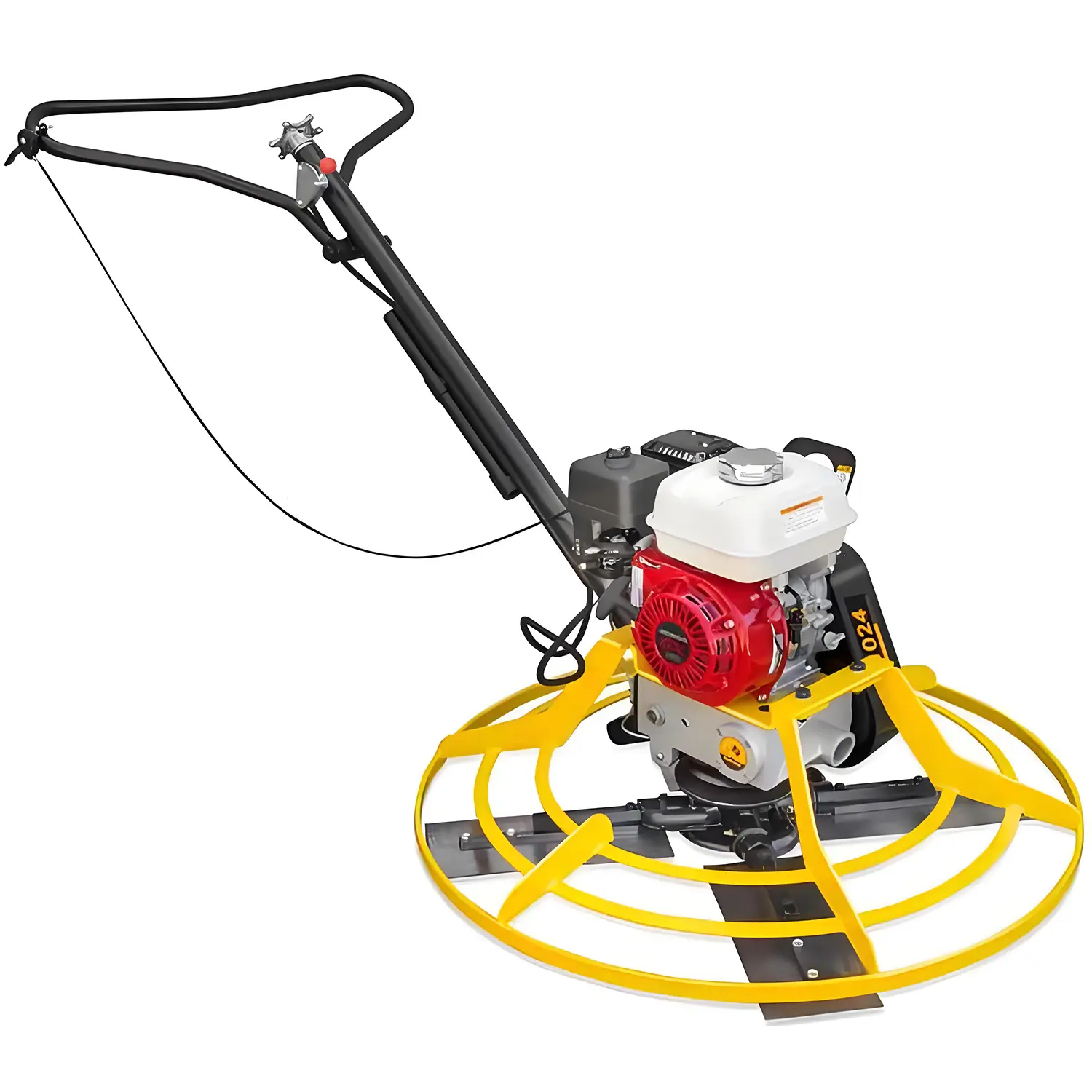 Walk behind power trowel
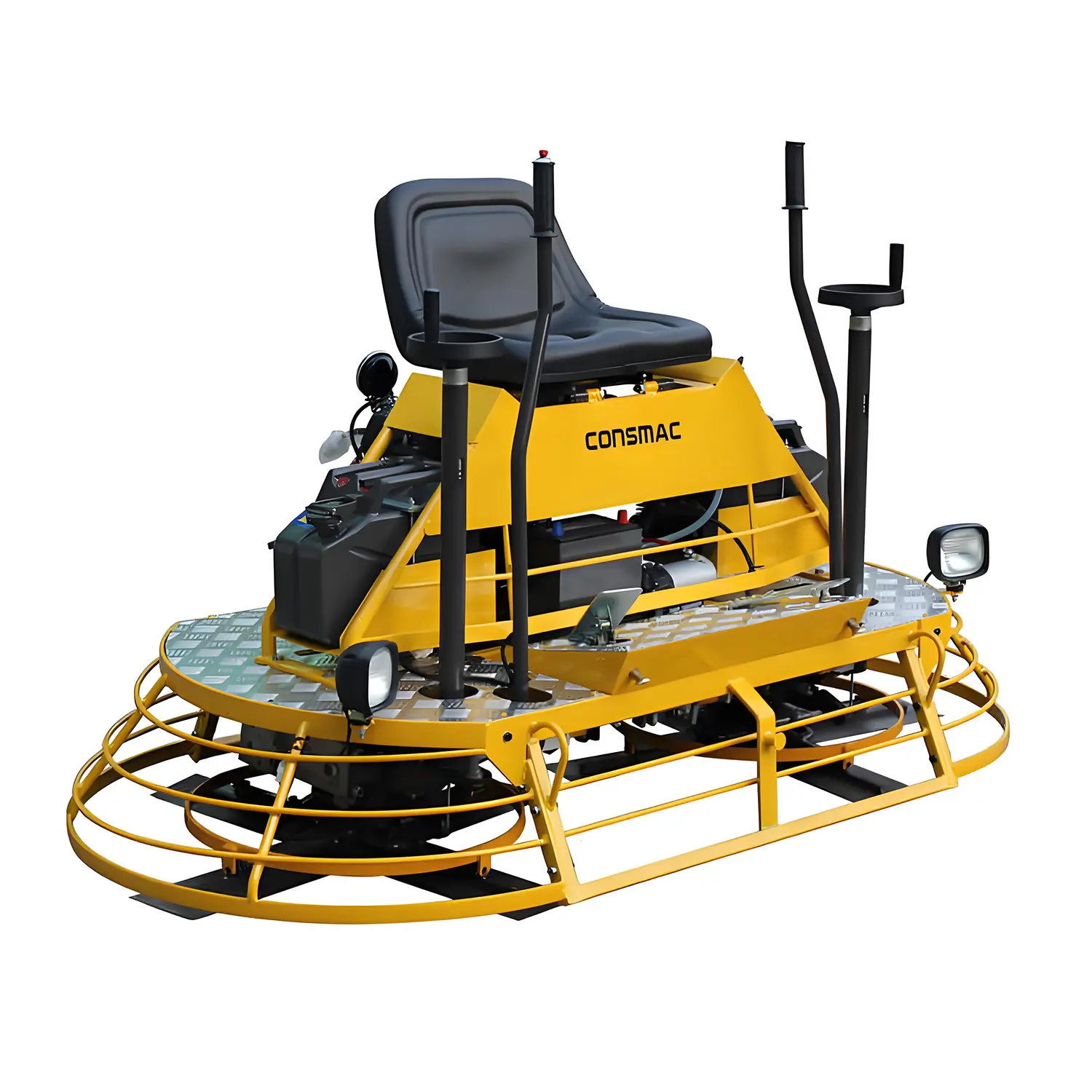 Ride on power trowel
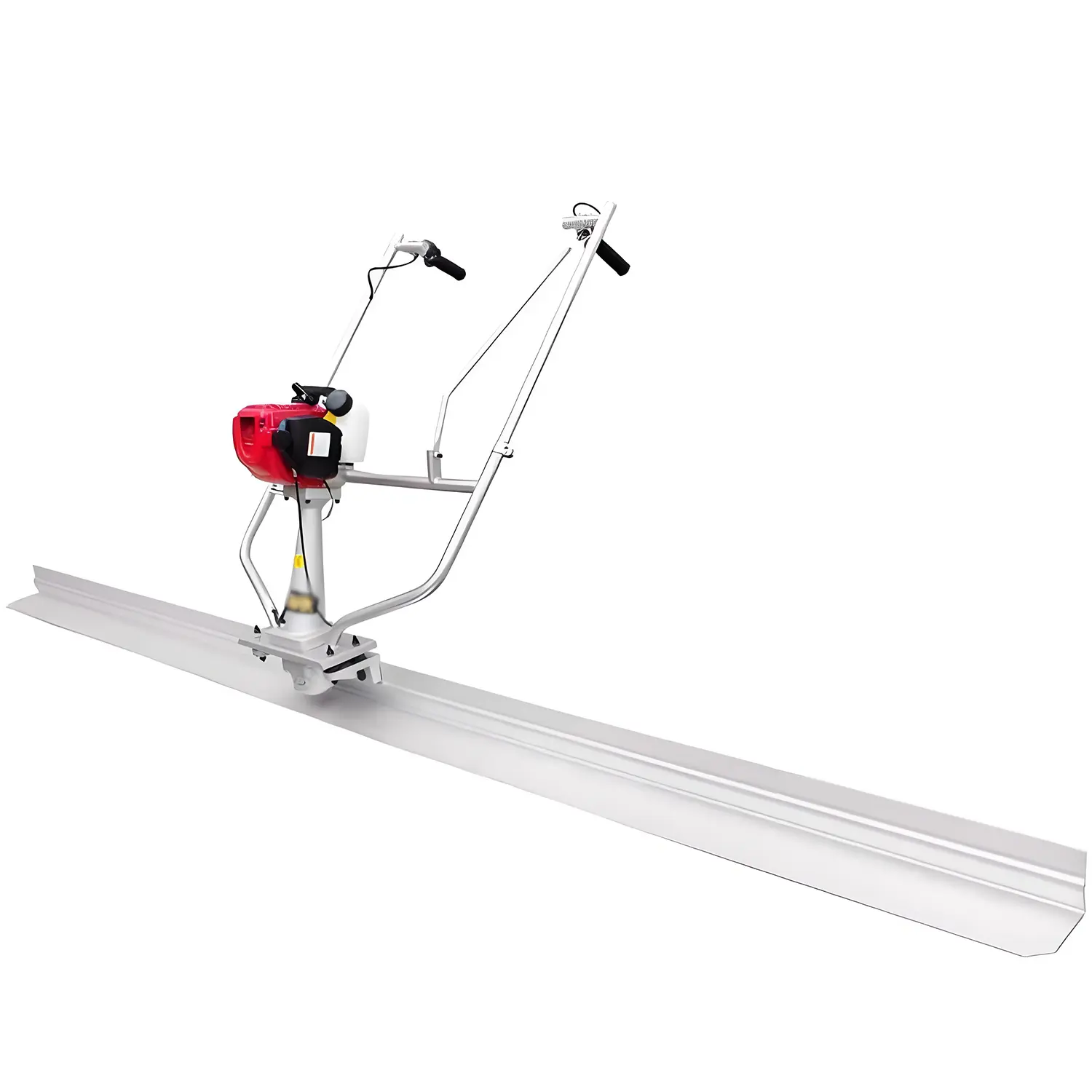 Concrete screed
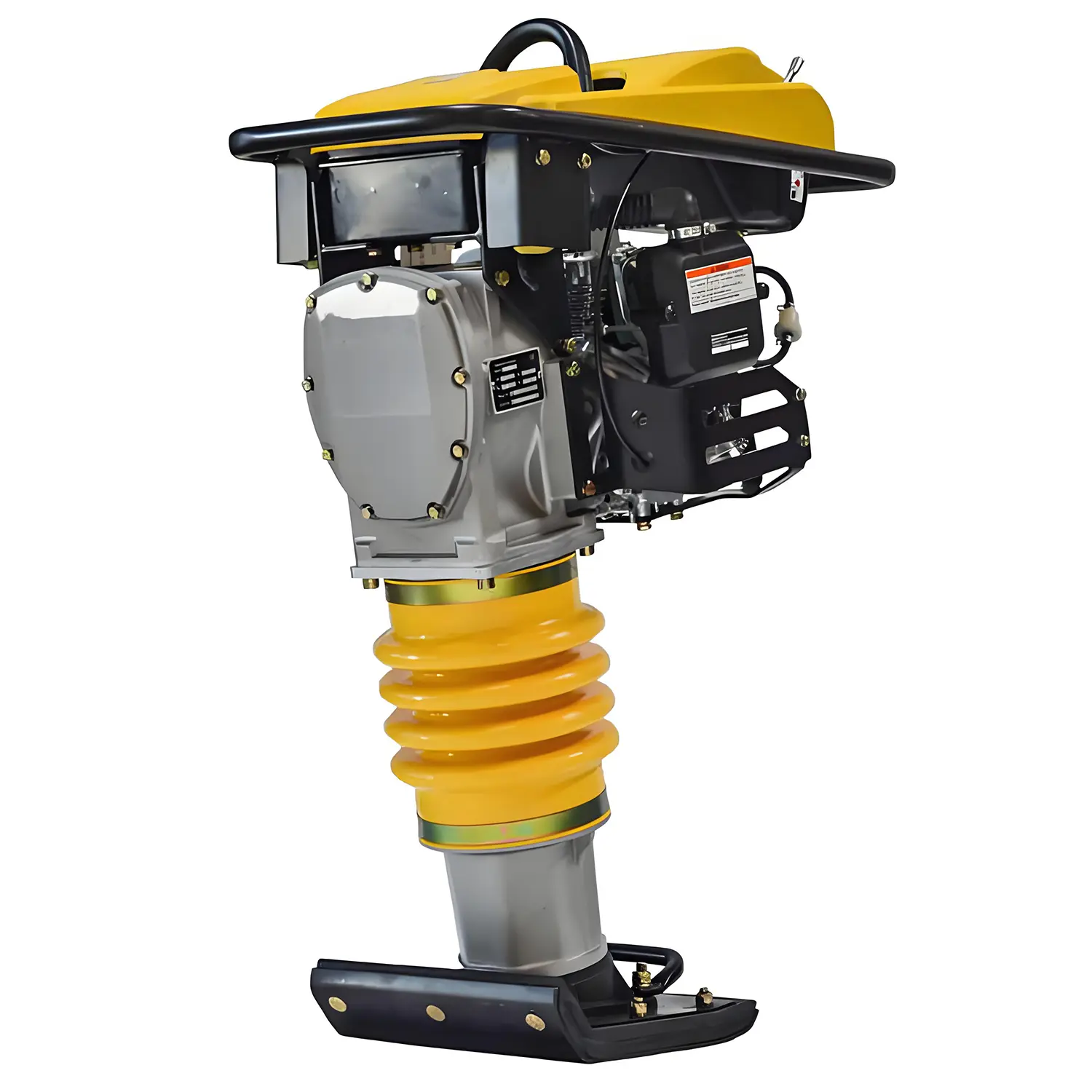 Tamping rammer
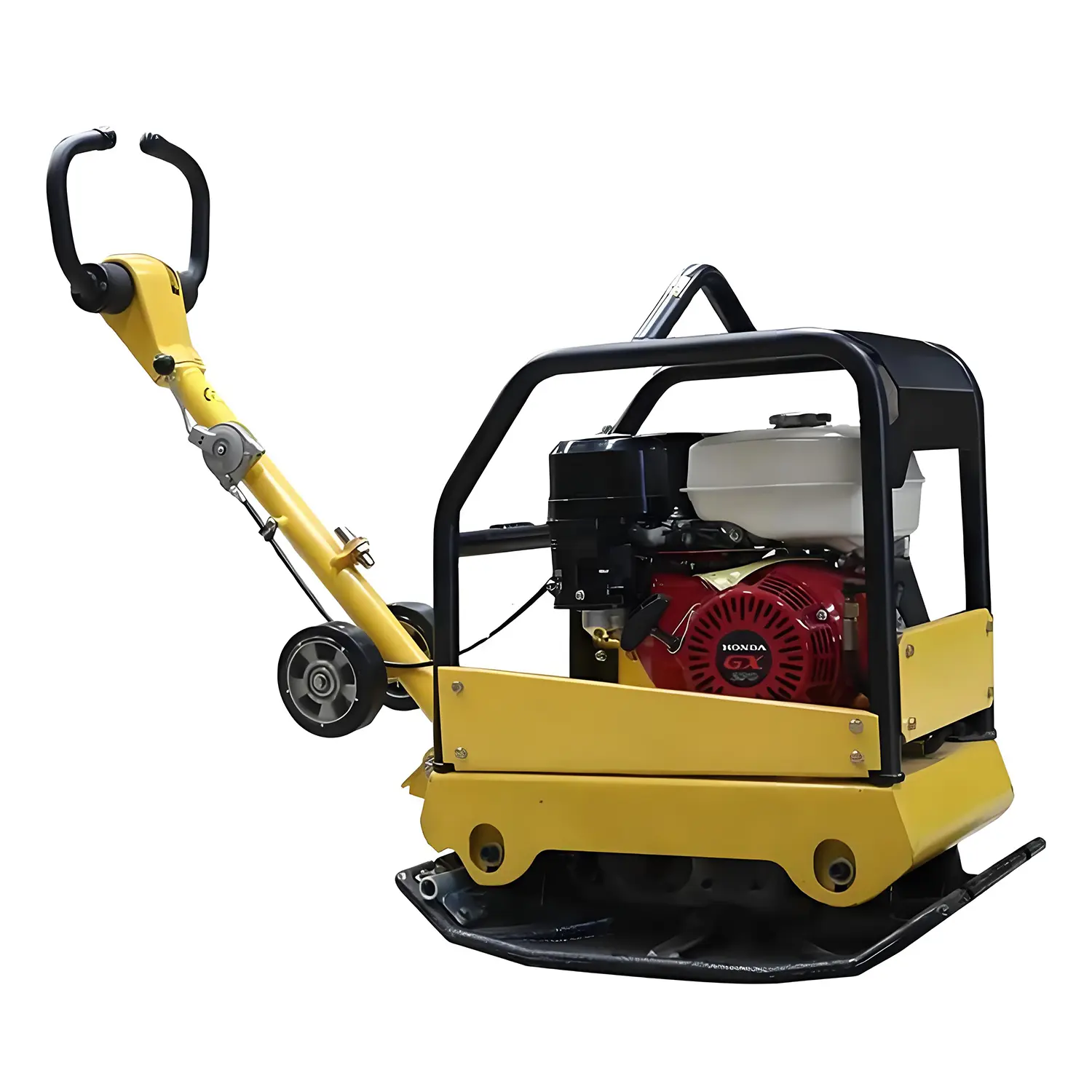 Plate compactor
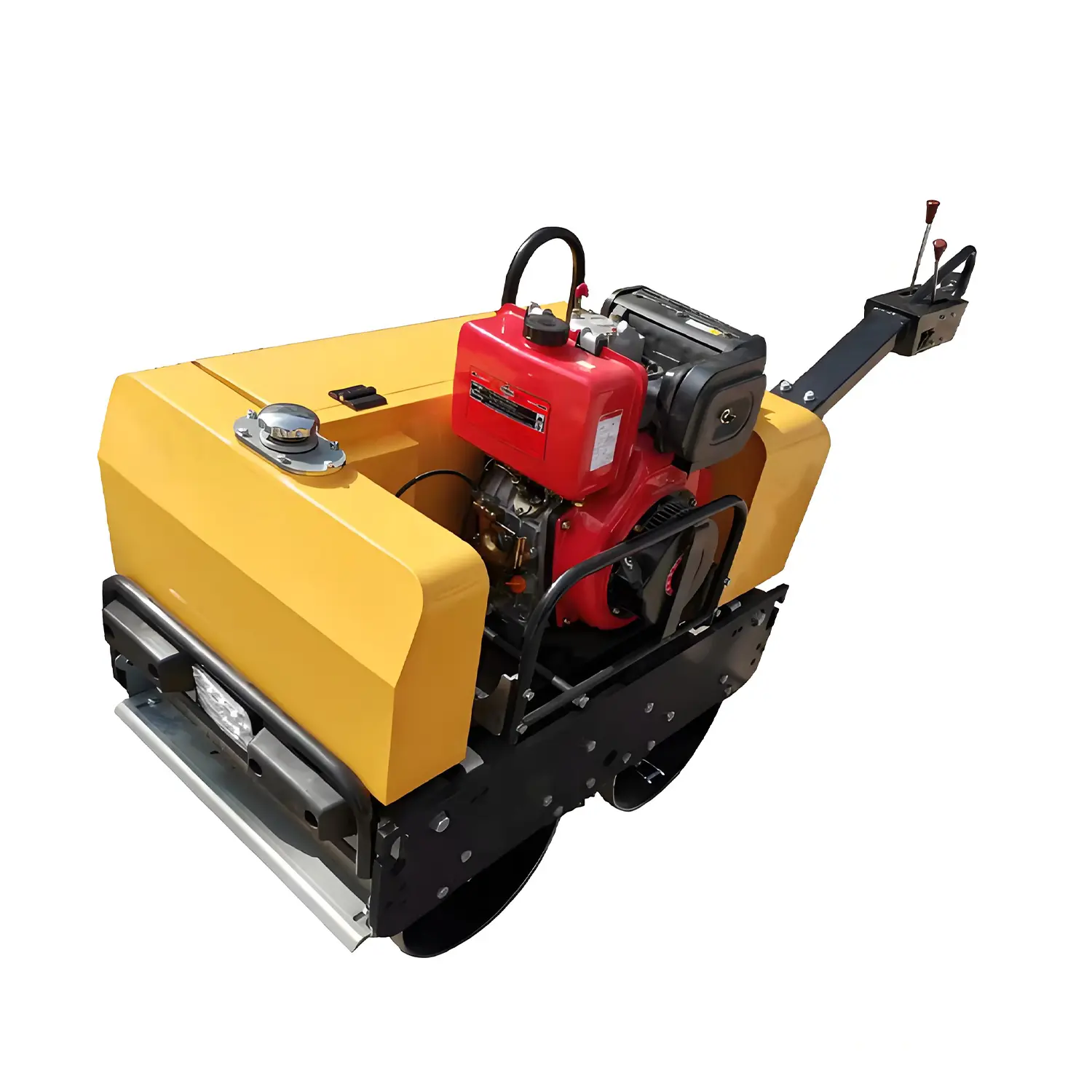 Vibratory roller