How to Choose the Best Compactor Equipment for Your Needs?
Choosing the right compactor equipment can significantly impact your project’s efficiency and success. John Smith, a leading expert in construction machinery, once stated, "The right compactor equipment makes all the difference in job performance." Understanding your specific needs and the types of compactor equipment available is crucial.
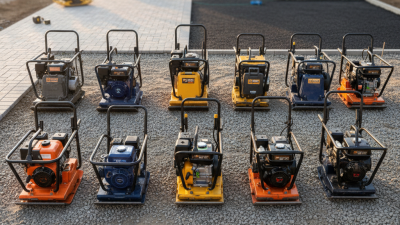
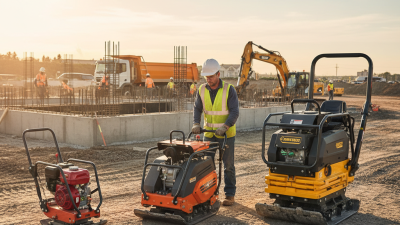
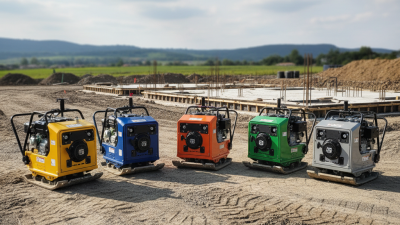
Different projects require different equipment. For example, vibratory plate compactors are perfect for leveling asphalt. However, if you’re working on a larger site, a heavy-duty roller may be necessary. Selecting the wrong type can lead to inefficiencies and even project delays. Consider your project scale and material types before making a decision.
Budget is another key factor. High-quality compactor equipment can be an investment, but it ultimately saves time and money. However, be mindful of options that may seem cheaper but lack reliability. Reflect on your priorities. It’s essential to ensure that the compactor equipment you choose aligns with your project goals and site conditions to achieve optimal results.
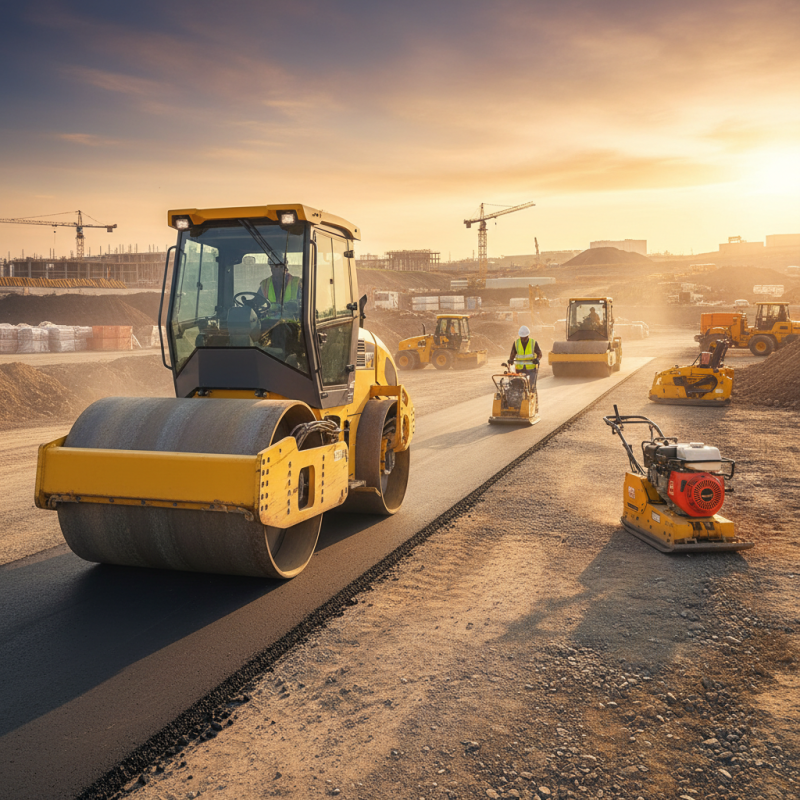
Understanding the Different Types of Compactor Equipment Available
When considering compactor equipment, various types serve different needs. Some common types include static compactors, portable compactors, and hydraulic compactors. Each type has unique features that cater to specific requirements. For example, static compactors are ideal for permanent sites, while portable options benefit those in temporary or changing locations.
According to a recent report by the Global Waste Management Market, the demand for efficient compaction solutions has risen, with a projected growth of approximately 5.5% annually. This growth underscores the importance of understanding the differences among the equipment types. Hydraulic compactors typically handle heavier materials but may not be necessary for lighter, everyday tasks.
Choosing the right compactor involves weight capacities, material types, and operational costs. Analyzing how often you'll use the equipment is essential. Overcomplicating your choice may lead to unnecessary expenses. A detailed assessment of your project needs can eliminate guesswork. Ensuring a balance between capacity and frequency of use can be challenging but is crucial for efficiency.
Key Factors to Consider When Selecting Compactor Equipment
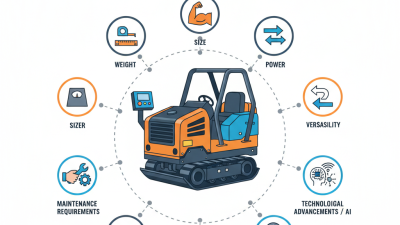
Choosing the right compactor equipment is crucial for efficiency. Understanding key factors ensures you make the best decision for your operations. One significant factor is the type of material you need to compress. Different machines are designed for specific materials like soil, waste, or asphalt. According to the American National Standards Institute (ANSI), equipment needs vary based on material density and moisture content.
Additionally, consider the machine's operational capacity. Your project's scale can dictate whether you need a small, portable unit or a larger, more powerful machine. A report by the Construction Equipment Association notes that size discrepancies can lead to inefficiencies. If a machine is too small, it may fail to compact effectively. Conversely, an oversized machine could lead to unnecessary wear or damage to the material.
Safety features play a key role in compactor selection. Machines must comply with industry safety standards. Many compactors today offer features like automatic shut-off and vibration monitoring. A study by the Occupational Safety and Health Administration (OSHA) highlights that safe equipment reduces workplace injuries by up to 30%. It's essential to balance your needs for efficiency and safety when selecting equipment for your operations.
Compactor Equipment Features Comparison
Evaluating Capacity and Size Requirements for Your Compaction Needs
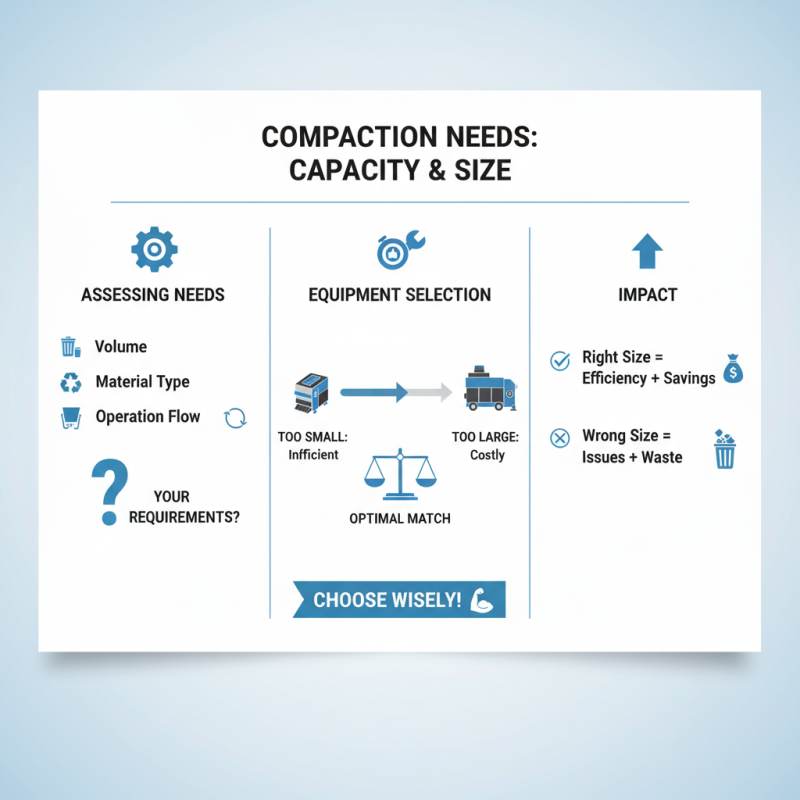
Selecting the right compactor equipment involves serious consideration of capacity and size. The compaction method you choose must align with your operational needs. Too small a unit might not handle the volume, while an oversized model can lead to unnecessary costs and inefficiencies. Understanding your specific applications is essential when assessing capacity.
For instance, if you are dealing with construction debris, you need a larger compaction force to minimize volume effectively. On the other hand, when compacting lighter materials, a smaller unit could suffice. Evaluating the available space where the compactor will operate is also crucial. You might find yourself with a fantastic machine that simply doesn't fit into your operational environment.
Many overlook the need for adjusting to changing project requirements. Compaction needs can shift over time. So, choosing equipment with some flexibility in capacity can be vital. Often, users must weigh their options carefully to avoid future regrets. This balance between immediate necessity and future adaptability is challenging but necessary.
Assessing the Budget and Cost-Effectiveness of Compactors
When considering the right compactor equipment, budget is a primary factor. A report from the Environmental Protection Agency (EPA) indicates that waste management costs can be reduced by up to 30% with efficient compaction. Investing in the right equipment can provide long-term savings. However, initial costs can be high. Choosing an economical option while ensuring effectiveness is crucial.
Tips: Assess your waste volume regularly. Understand the type of materials you deal with. This will help in selecting the right compactor without overspending.
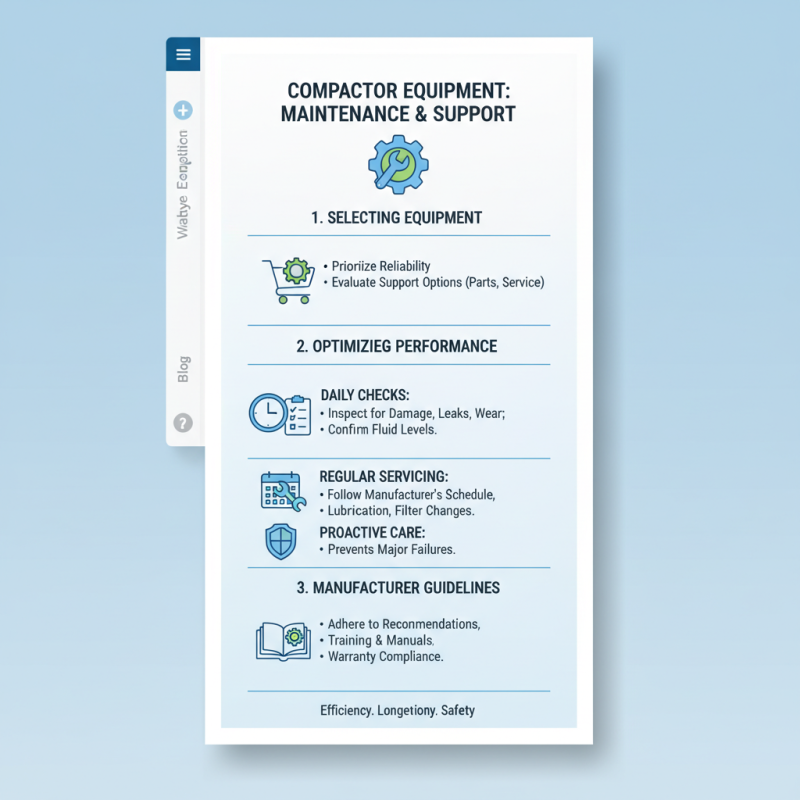
Cost-effectiveness is measured not only in purchase price. Maintenance and operational expenses also matter. According to industry statistics, maintenance can account for 15% to 20% of overall equipment costs annually. Investing in durable equipment may save you money in the long run. However, not every heavy-duty model is necessary for every job.
Tips: Research warranty and support services. This can reduce future maintenance worries. Always factor in total lifecycle costs, not just upfront expenses.

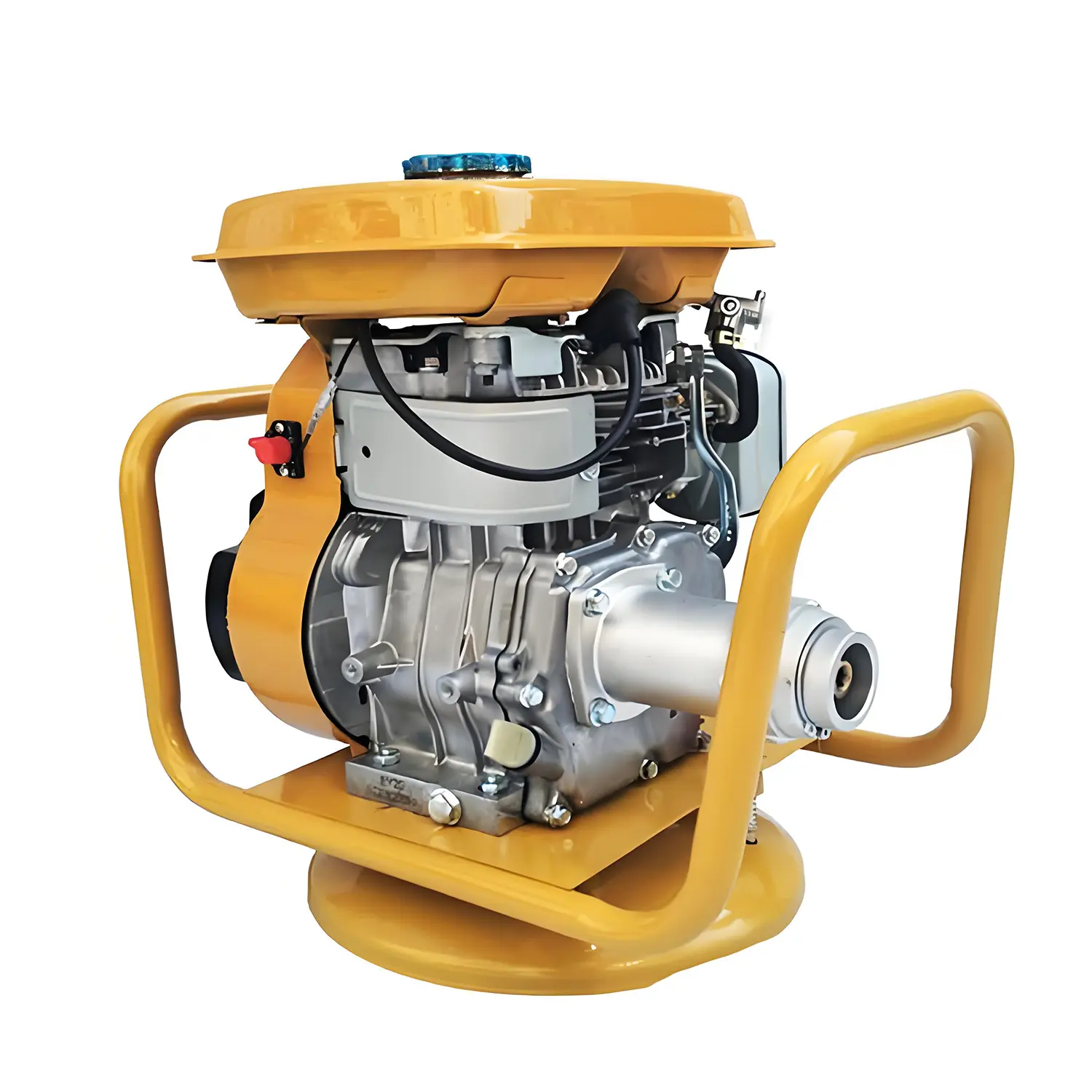 Internal Vibrator
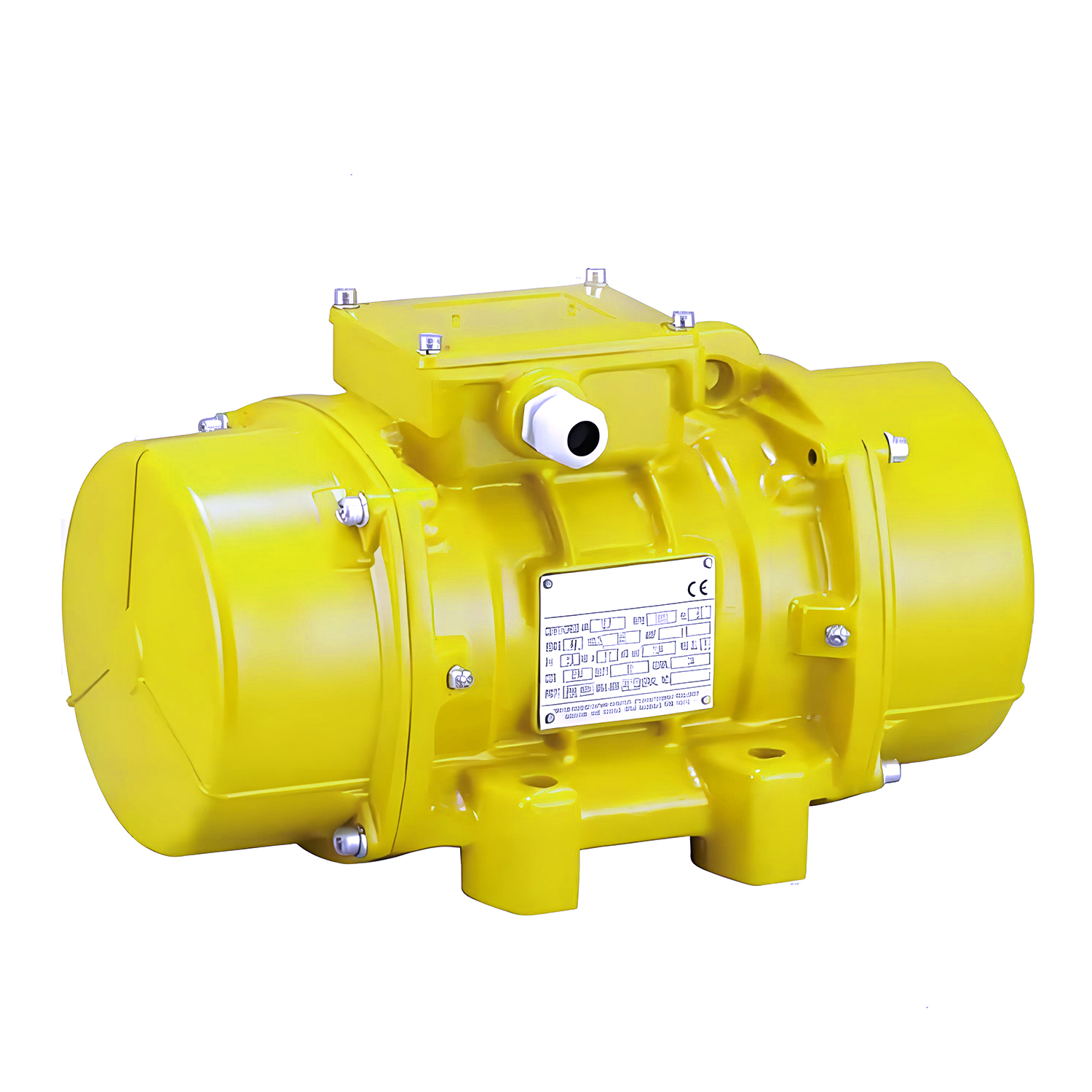 External Vibrator
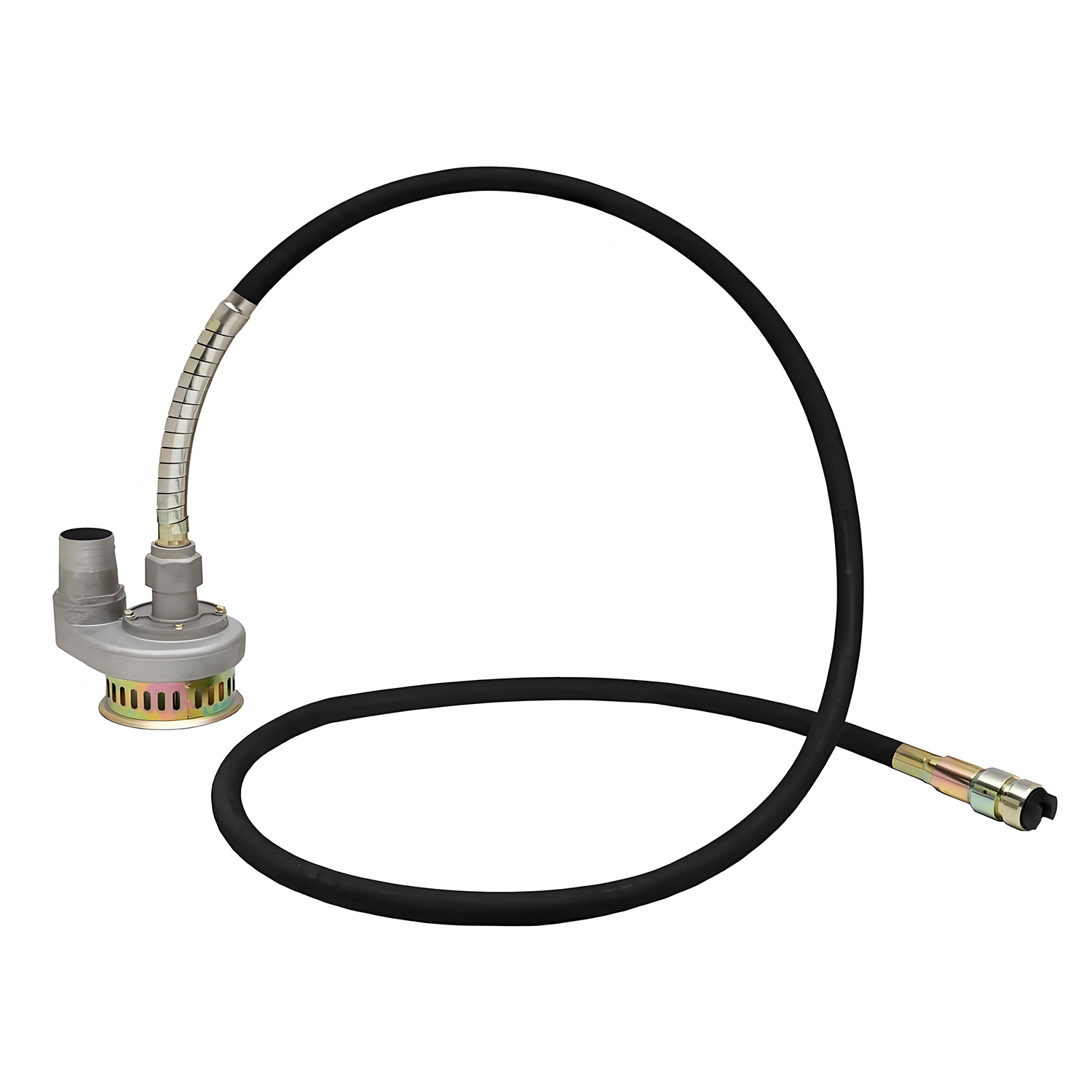 Submersible Pump
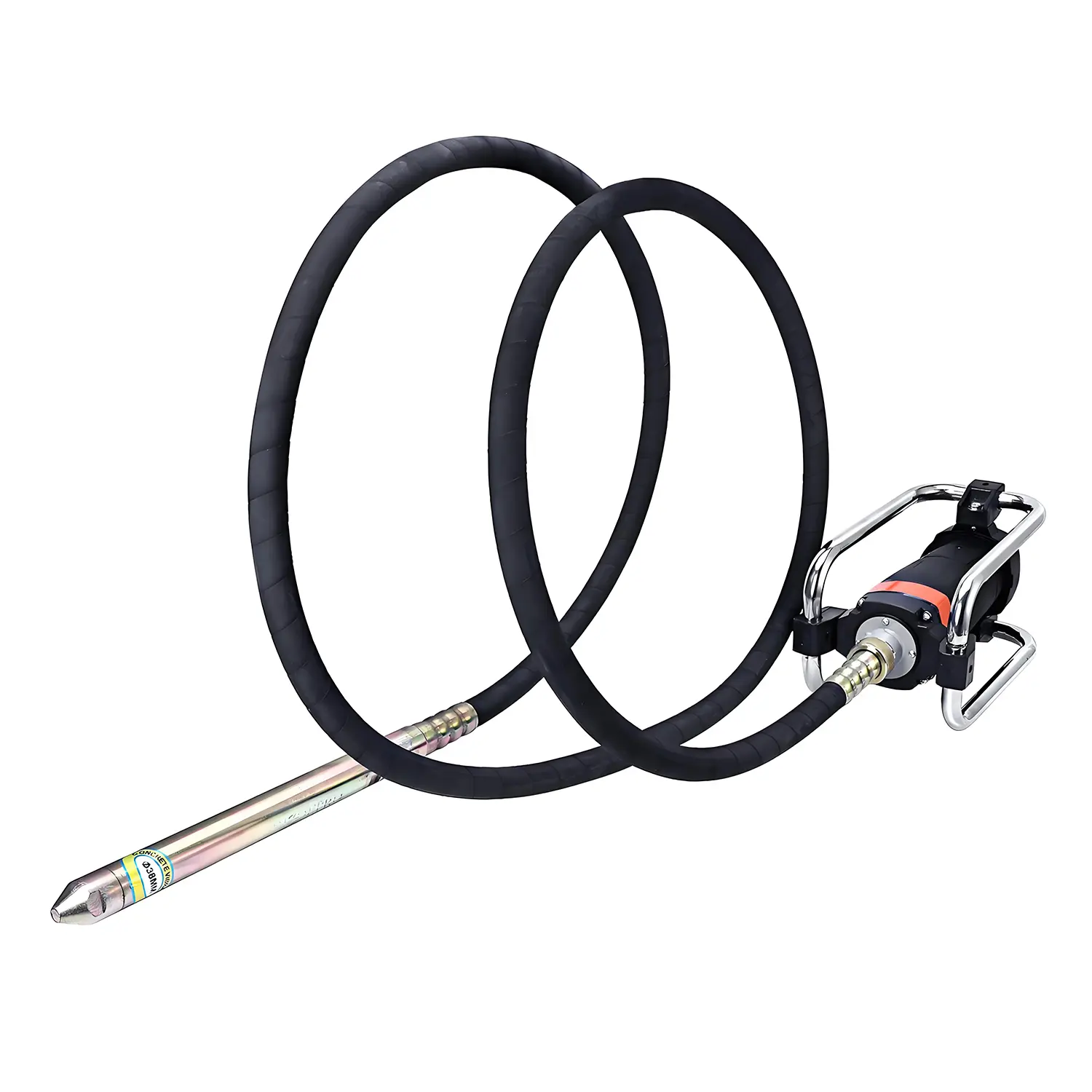 Eccentric shaft
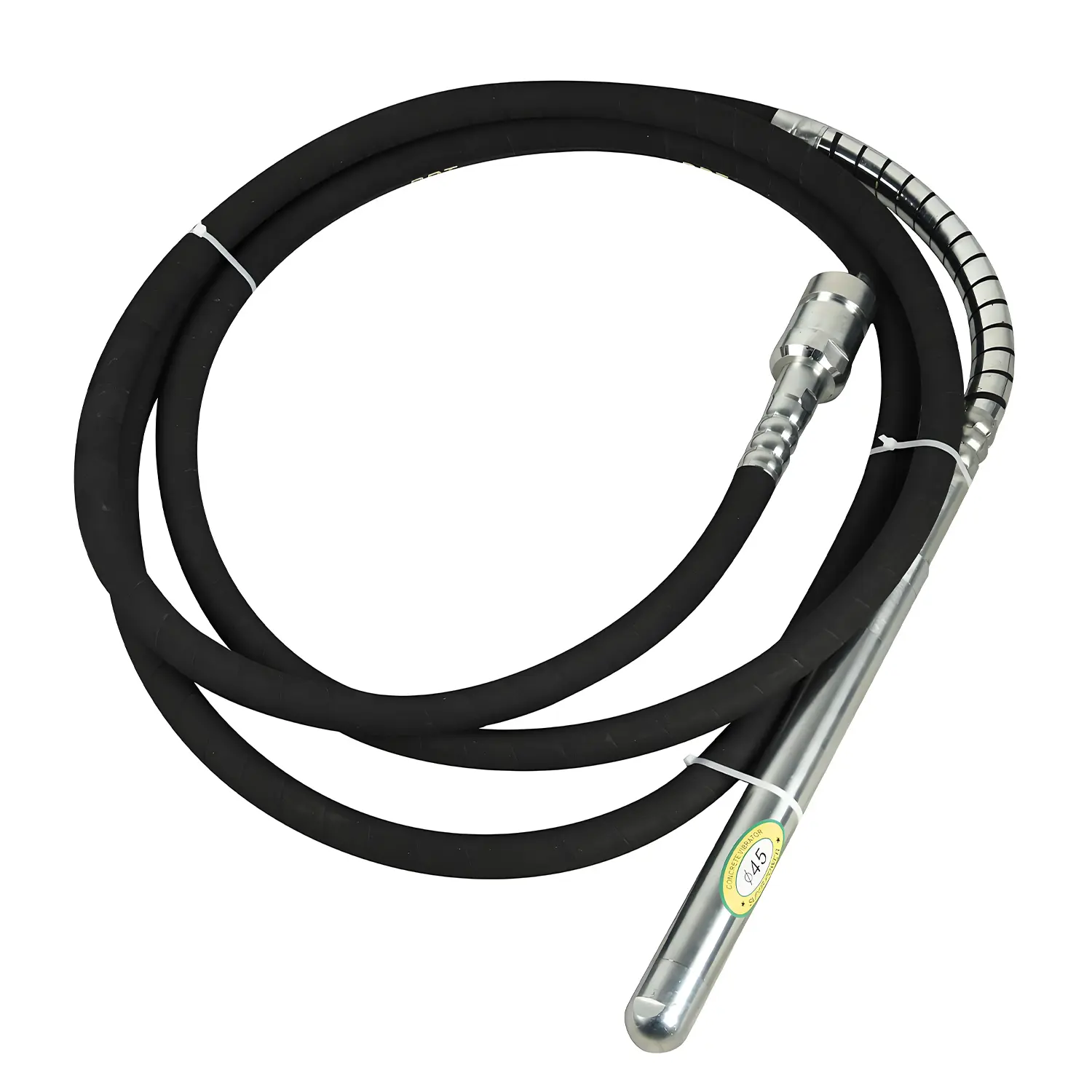 Pendulum shaft
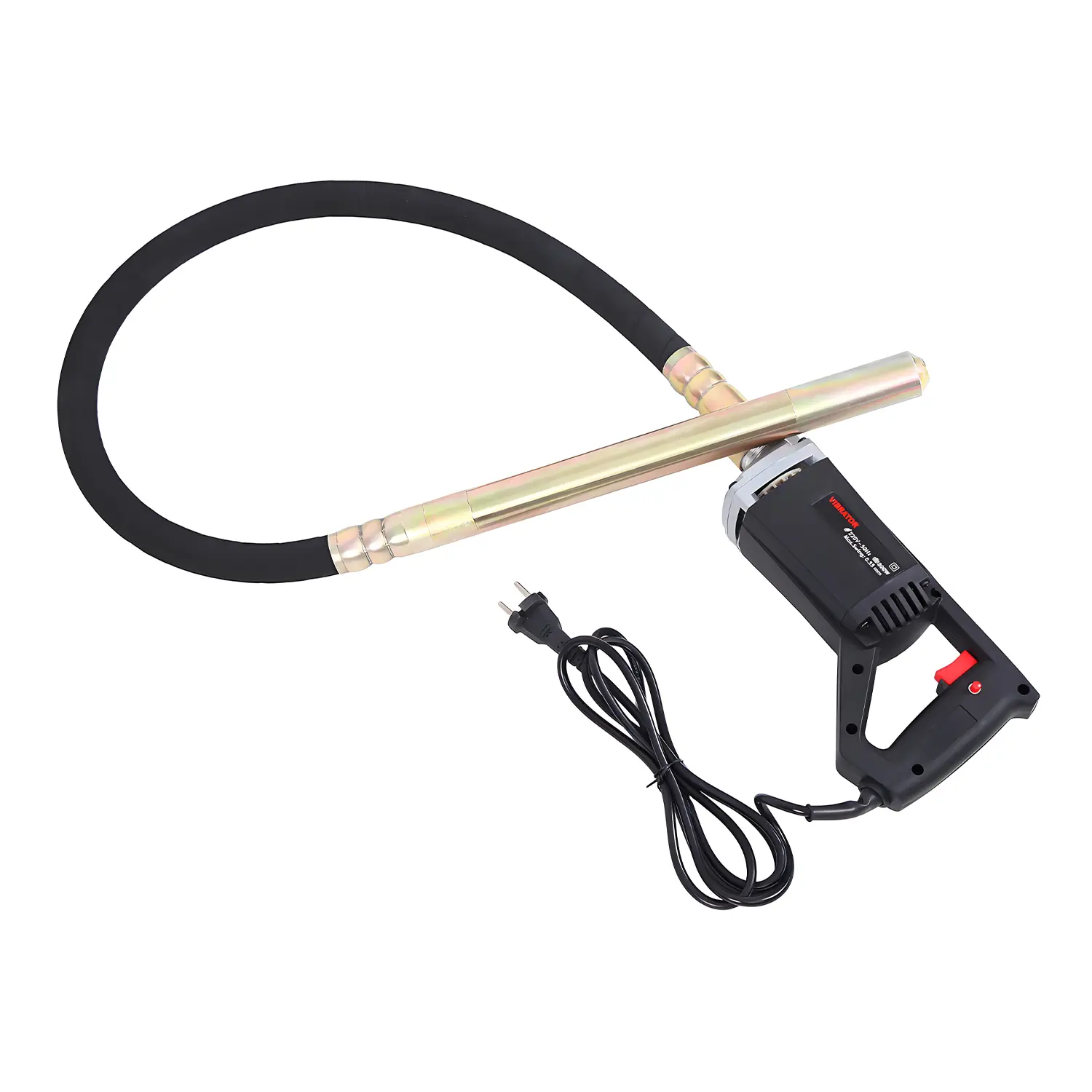 Portable vbrator shaft
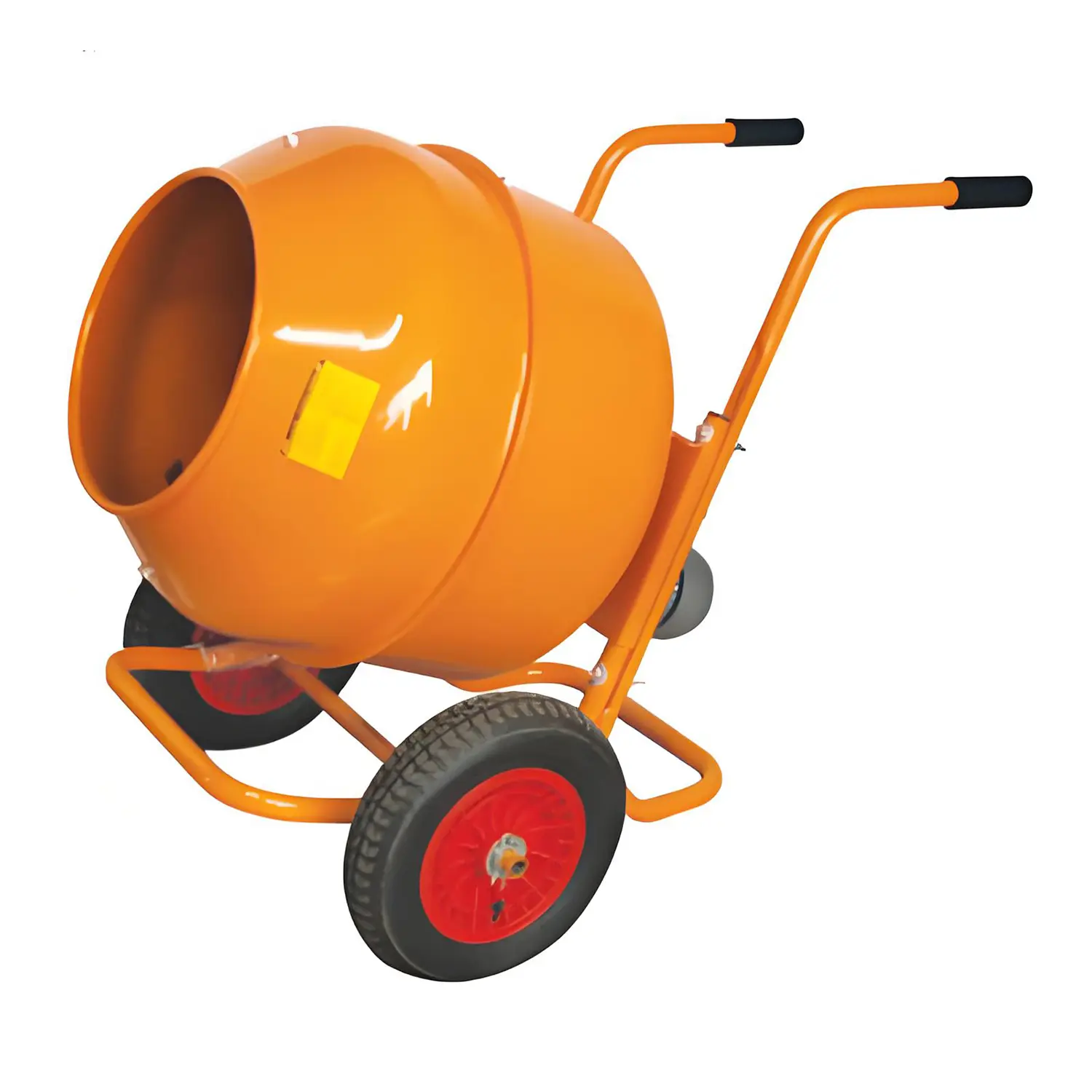 Portable concrete mixer
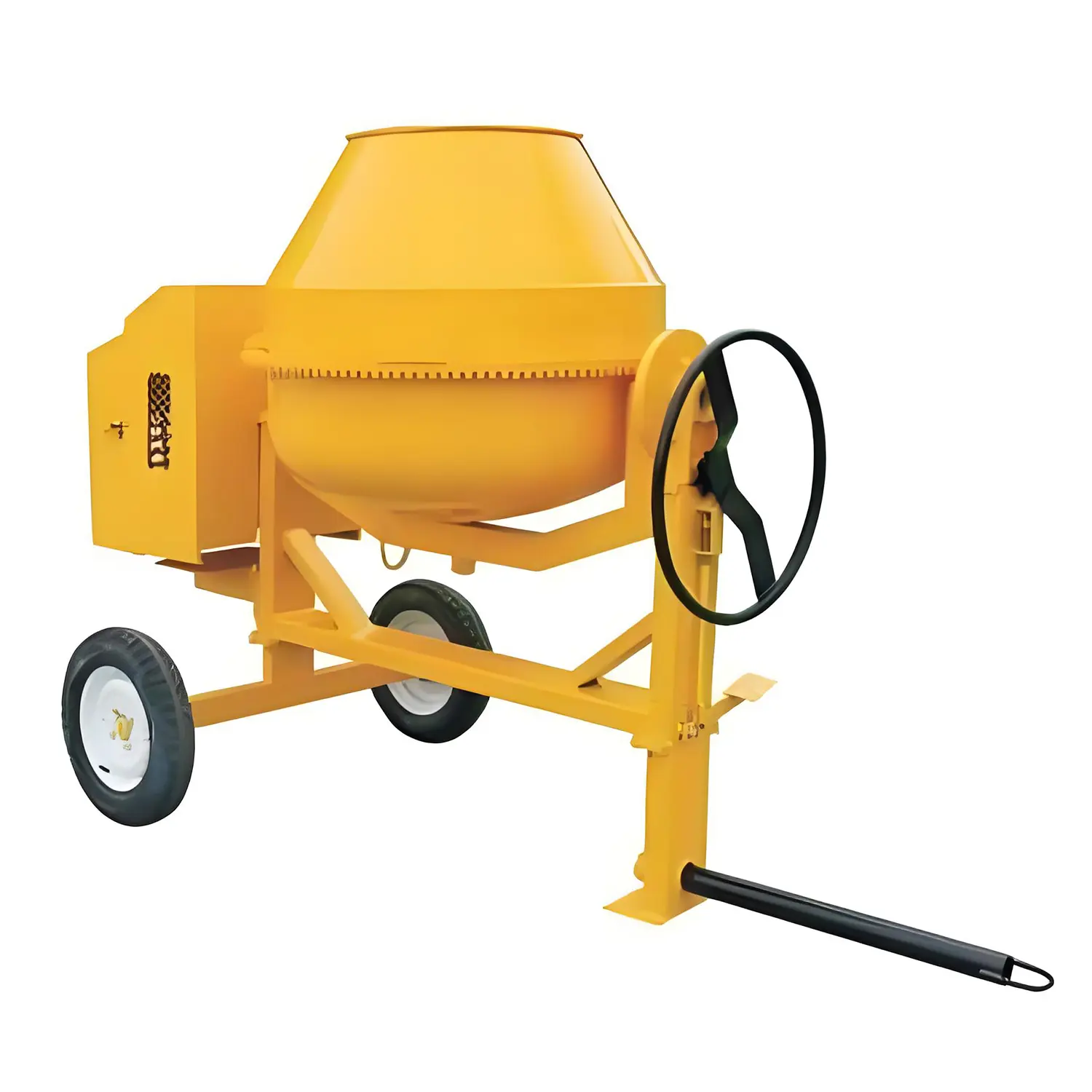 Vertical concrete mixer
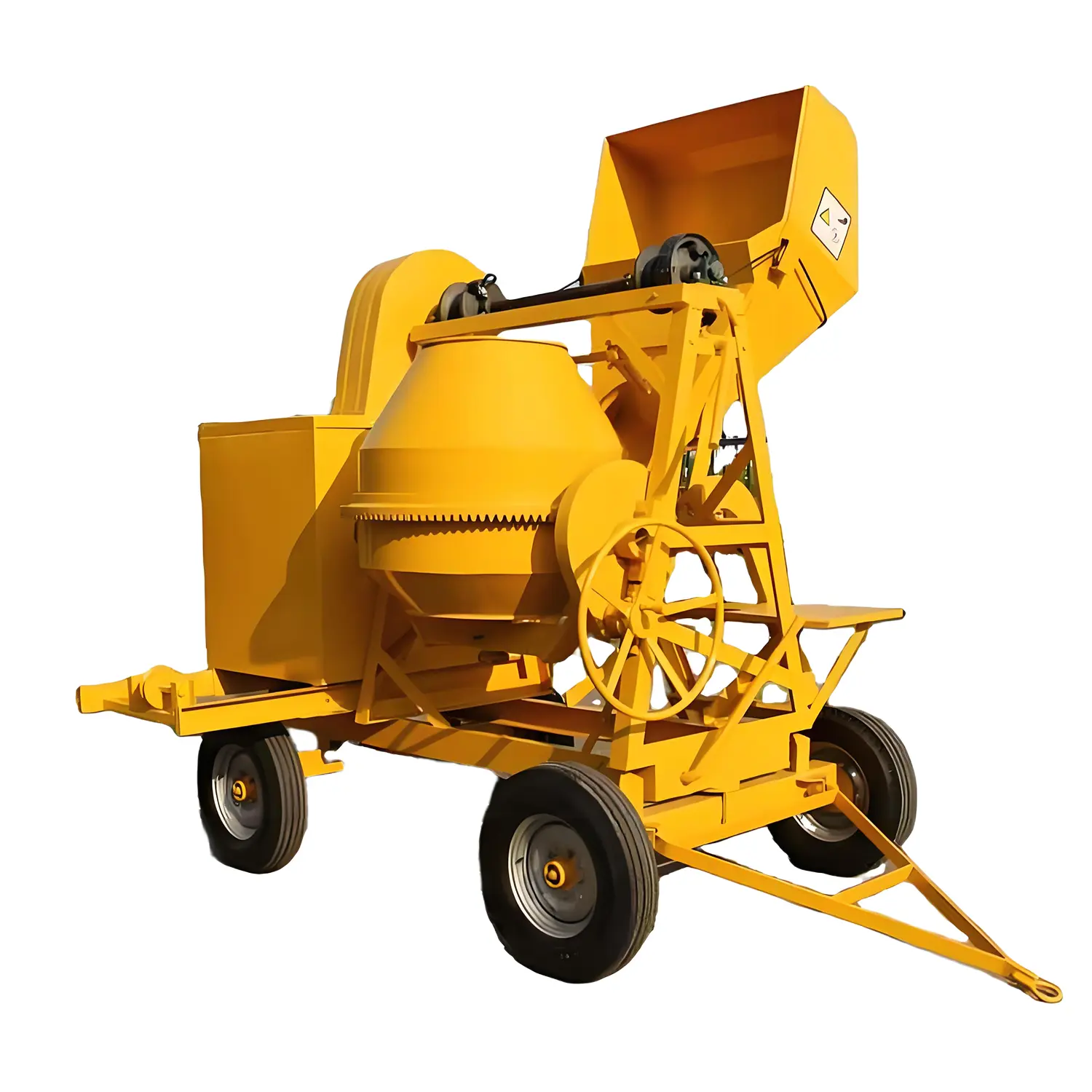 Hydraulic concrete mixer
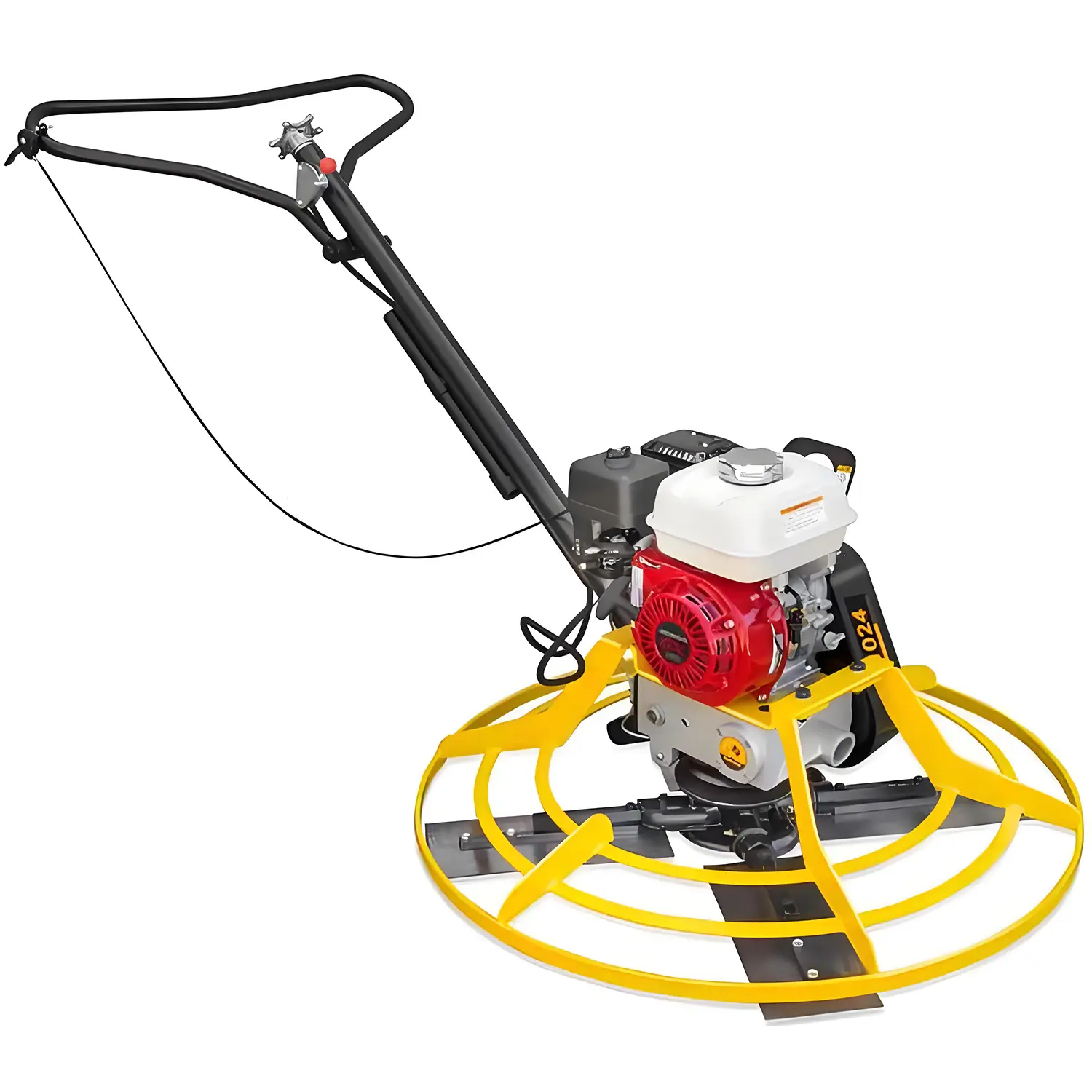 Walk behind power trowel
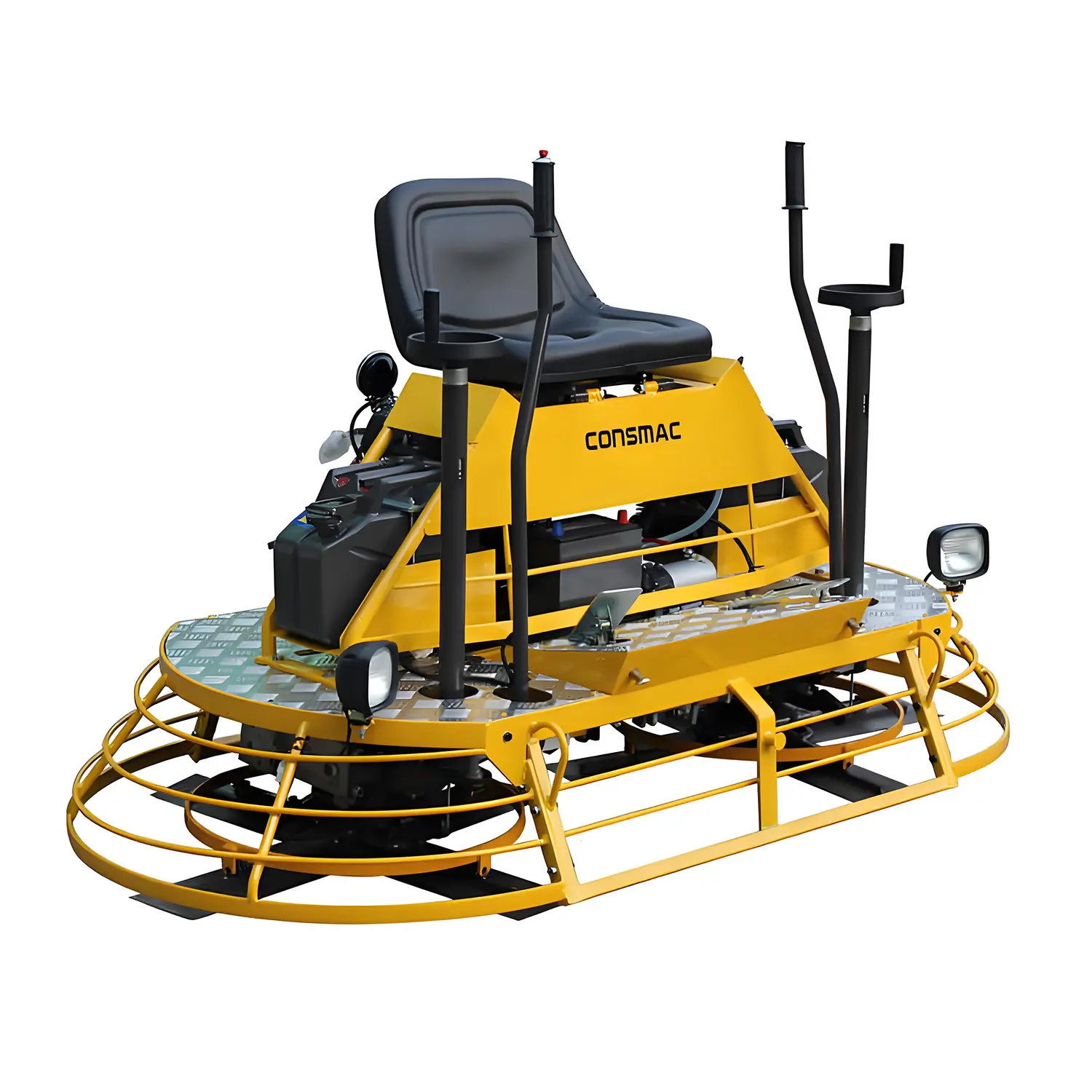 Ride on power trowel
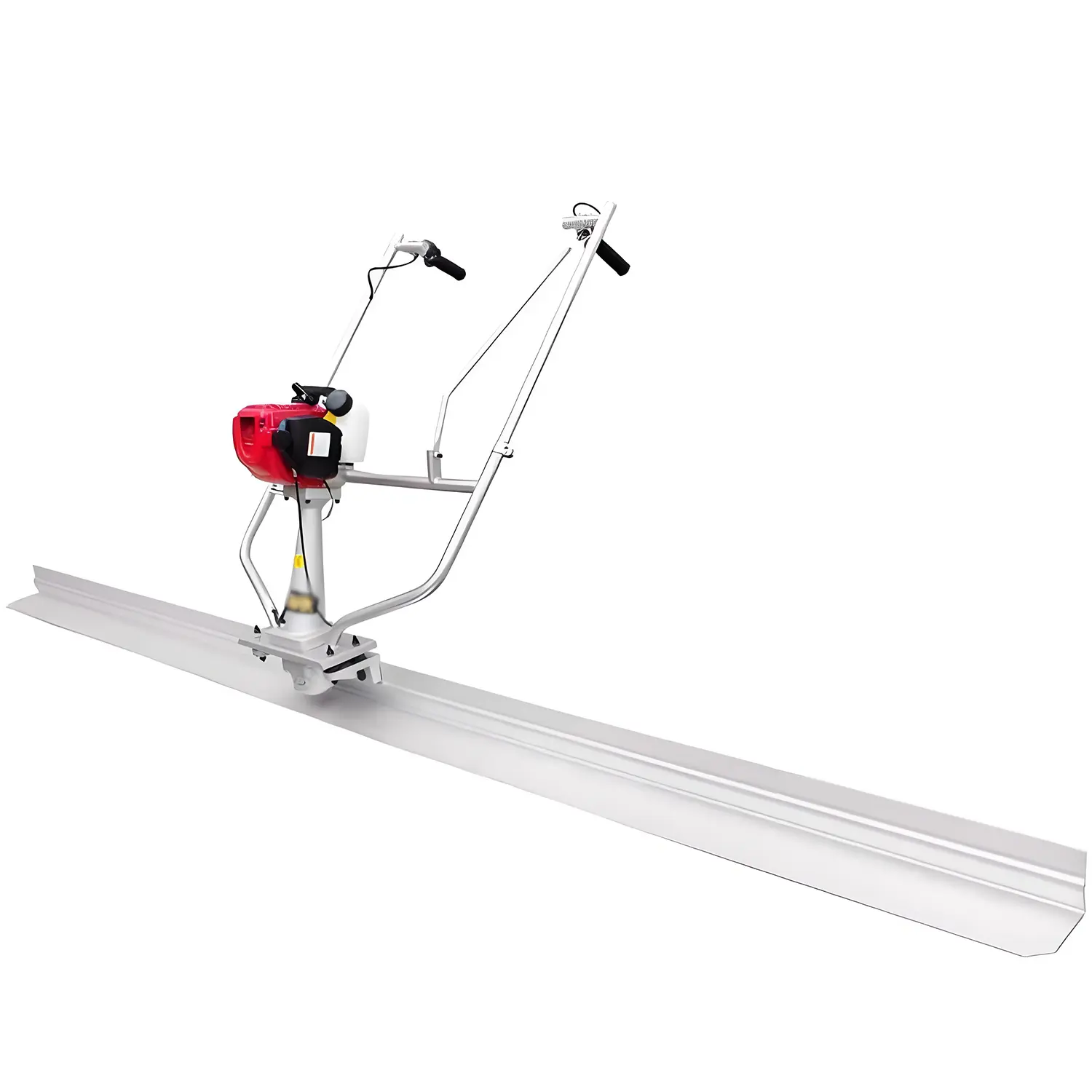 Concrete screed
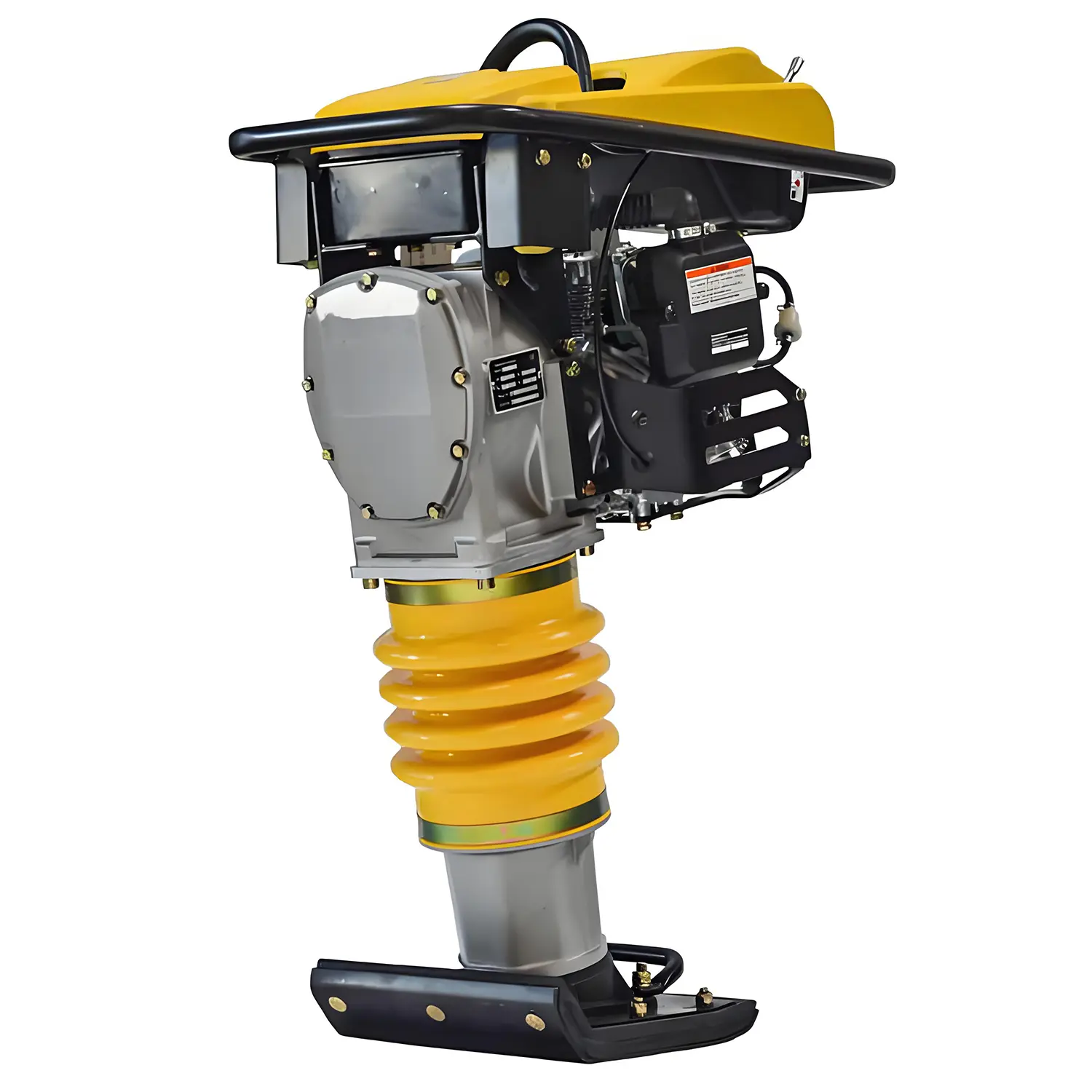 Tamping rammer
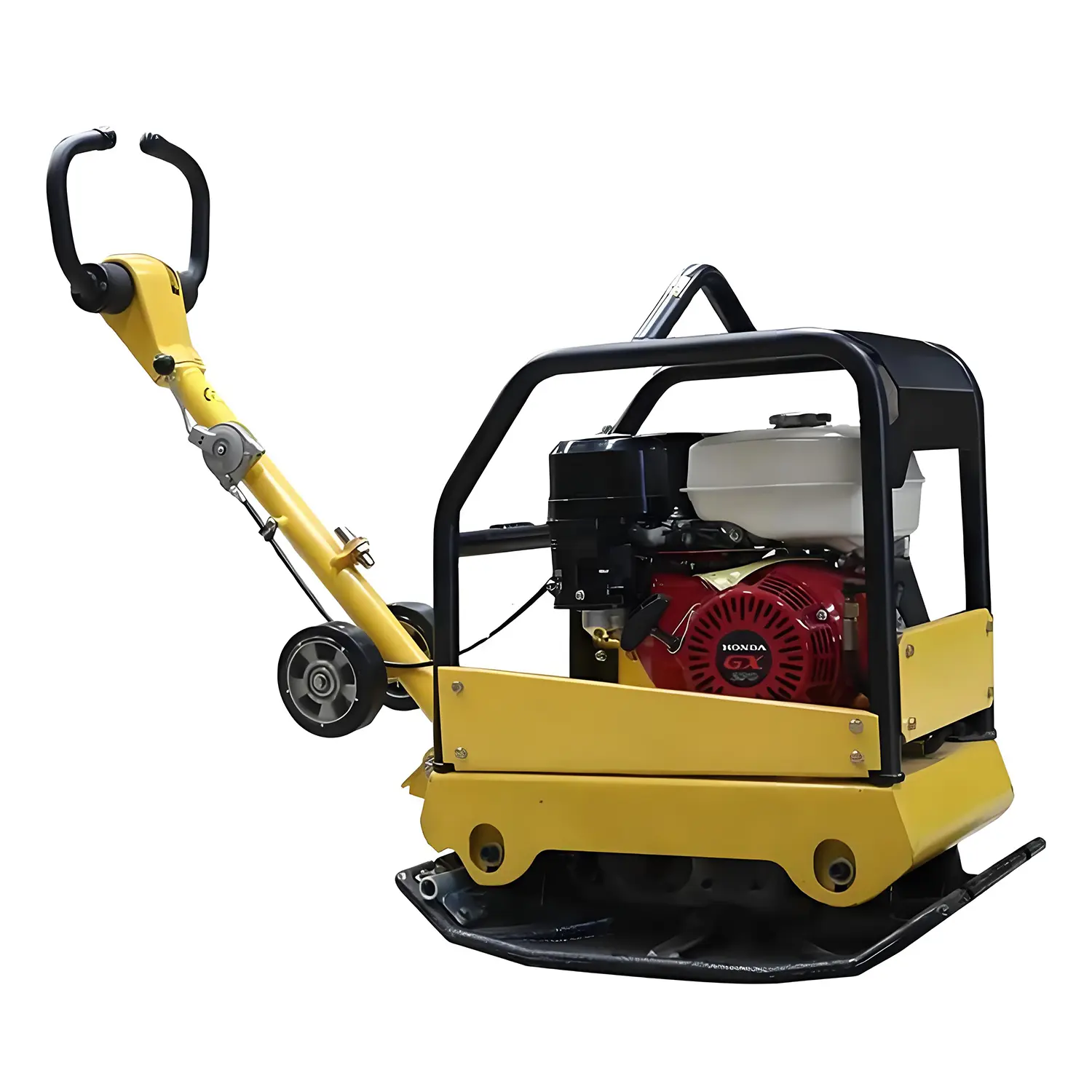 Plate compactor
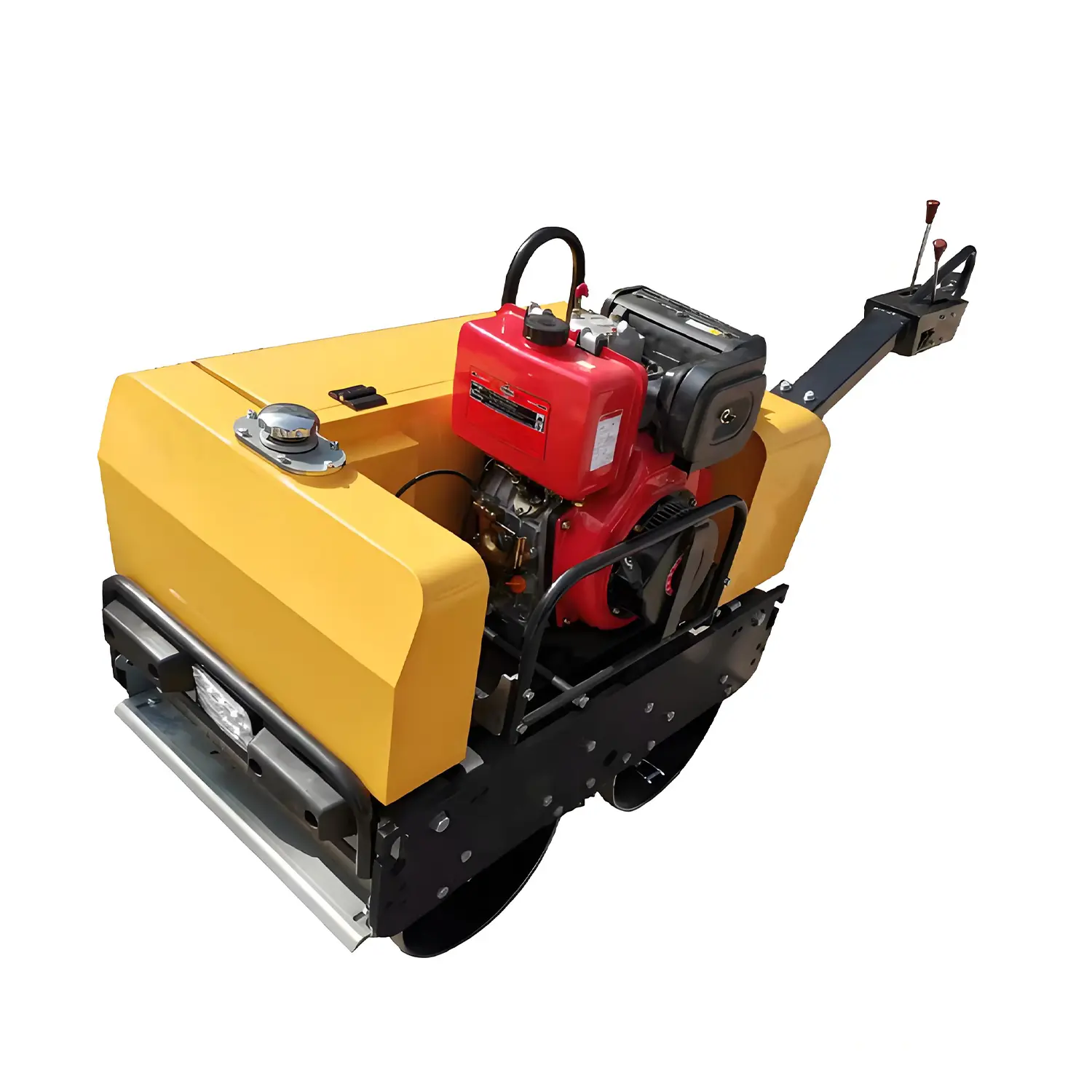 Vibratory roller