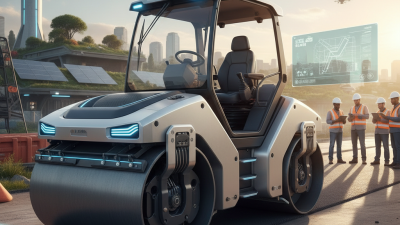
Top Compactor Equipment Tips for Efficient Waste Management?
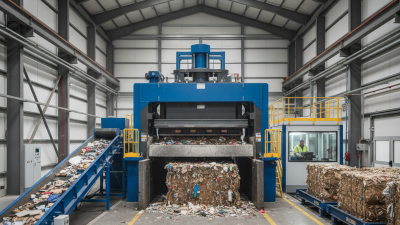
Efficient waste management is crucial for sustainability in today's world. According to the Environmental Protection Agency (EPA), around 292.4 million tons of trash were generated in the U.S. in 2018 alone. This staggering amount underscores the need for innovative solutions, such as Compactor Equipment, to improve waste processing capacity.
Compactor Equipment plays a vital role in reducing waste volume. By compressing materials, these machines can significantly decrease the space required for storage. A report from the Solid Waste Association of North America (SWANA) suggests that compactors can reduce waste volume by up to 80%. This reduction not only saves storage costs but also minimizes transportation expenses.
Investing in the right compactor can enhance efficiency but requires thoughtful consideration. Many facilities struggle to select appropriate models that fit their unique needs. Understanding the specific requirements of your waste stream is essential. Neglecting this can lead to inefficiencies and suboptimal results. Industry experts suggest regularly reviewing operational conditions to ensure ongoing effectiveness in waste management practices.
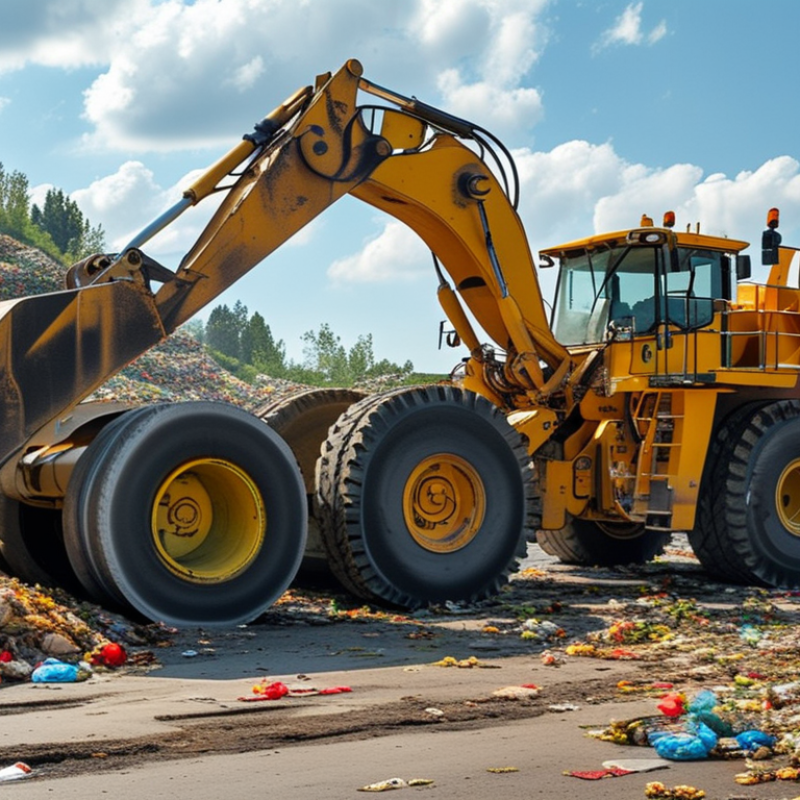
Understanding the Role of Compactor Equipment in Waste Management
Compactor equipment plays a crucial role in waste management. These machines significantly reduce the volume of waste, making disposal processes more efficient. According to the Environmental Protection Agency (EPA), compacting waste can reduce its volume by up to 90%. This reduction not only saves space but also cuts transportation costs.
Efficient waste management is about choosing the right compactor. Various types exist, each suited for different materials and waste types. For example, vertical compactors are perfect for light to medium waste, while horizontal compactors are ideal for heavy, dense materials. Proper selection is essential for maximizing efficiency and minimizing environmental impact.
However, using compactor equipment comes with challenges. Maintenance is often overlooked. Neglect can lead to breakdowns, increasing operational costs. Data shows that regular maintenance can extend machine life by about 30%. Therefore, investing time and resources in upkeep is critical for long-term efficiency. Addressing these aspects ensures better waste management practices and sustainability efforts in communities.
Types of Compactor Equipment for Different Waste Materials
Selecting the right compactor equipment is crucial for effective waste management. Various waste materials require specific types of compactors. For example,
general waste is commonly processed with standard static compactors. These units can reduce waste volume by up to 75%, enhancing disposal efficiency.
When dealing with recyclable materials, balers are essential. Studies show that using balers can improve recycling rates by 20%. They compress recyclables into manageable bales, making transportation easier. In contrast,
food waste necessitates specialized compactors. Food waste compactors can minimize odors and pests, creating a more sanitary environment. Their efficiency is notable, achieving a volume reduction of about 50%.
However, selecting the appropriate compactor can be challenging. Choosing a model incompatible with waste types can result in operational inefficiencies. Regular maintenance is necessary to ensure optimal performance; neglect can lead to breakdowns. These factors underscore the importance of careful planning and consideration in waste management practices.
Key Features to Consider When Choosing Compactor Equipment
When selecting compactor equipment for waste management, key features are critical. Consider the compaction ratio first. This ratio indicates the amount of waste a compactor can compress. Generally, a higher ratio leads to reduced transportation costs. According to a recent industry report, effective compactors can create ratios of 4:1 to 10:1, significantly minimizing landfill space use.
Efficiency is another crucial factor. Choose a model that offers automatic controls. Automatic features can optimize operations, saving time and labor costs. For example, a compacting cycle can take as little as 30 seconds with efficient equipment. Real-time monitoring technology is also an advantage. It allows for adjustments based on load size, helping prevent overloads. Research shows that proper load management can enhance equipment lifespan by up to 30%.
Tips to enhance waste management efficiency include integrating compactor training programs. Operators familiar with equipment tend to improve performance. Regular maintenance is essential too, as it prevents unexpected breakdowns and costly repairs. Reviewing operational data frequently can reveal patterns that lead to better decision-making. This data-driven approach can enhance sustainability by aligning practices with environmental benchmarks.
Top Compactor Equipment Tips for Efficient Waste Management
Best Practices for Operating Compactor Equipment Efficiently
Operating compactor equipment efficiently is crucial for effective waste management. According to the EPA, waste generation in the United States reached 292.4 million tons in 2018, highlighting the need for efficient compacting solutions. Proper operation not only reduces waste volume but also lowers transportation costs.
One best practice involves regular maintenance checks. Keeping equipment in good condition is essential. This minimizes downtime and ensures consistent performance. A report from Waste Management Journal indicates that neglected compactors can lead to a 20% decrease in efficiency. Additionally, operator training is vital. Well-informed staff can identify and address issues promptly, preventing costly repairs.
Understanding load types is also important. Different materials compact differently, impacting efficiency. For example, wet waste requires different techniques compared to dry waste. A study showcased that optimized loading methods could enhance compaction rates by up to 30%. However, even experienced operators can overlook these factors. Mistakes in loading can lead to increases in landfill costs and operational inefficiencies.
Building a habit of reviewing and adjusting practices based on specific waste types can lead to better outcomes. Operators should embrace the idea of continuous improvement to achieve superior waste management.
Maintenance Tips for Prolonging the Life of Compactor Machinery
Maintaining compactor machinery is essential for optimal waste management. Regular inspections help identify wear and tear. Check hydraulic systems often. Look for leaks and tighten loose connections. These small actions can save costly repairs. Scheduling a consistent maintenance routine prevents unexpected breakdowns.
Cleaning compactors is another crucial task. Dirt and debris can affect performance. Make it a habit to remove waste buildup around the machine. Pay special attention to the compaction chamber. A clean machine operates more efficiently. It also reduces the stress on its components.
Operators should be trained on proper usage techniques. Misuse can lead to mechanical issues and accidents. Encourage team members to report any irregular sounds or performance drops. Communication can help catch problems early. Reflections on daily operations can improve the overall effectiveness of the machinery.
Top Compactor Equipment Tips for Efficient Waste Management
| Tip Category |
Maintenance Tips |
Frequency |
Estimated Impact (%) |
| Daily Operations |
Check hydraulic oil levels |
Daily |
5% |
| Weekly |
Inspect seals and gaskets |
Weekly |
10% |
| Monthly |
Clean compactor and surrounding area |
Monthly |
15% |
| Quarterly |
Lubricate moving parts |
Quarterly |
20% |
| Yearly |
Schedule a full inspection by a technician |
Yearly |
30% |
| As Needed |
Replace worn-out parts |
As Required |
25% |

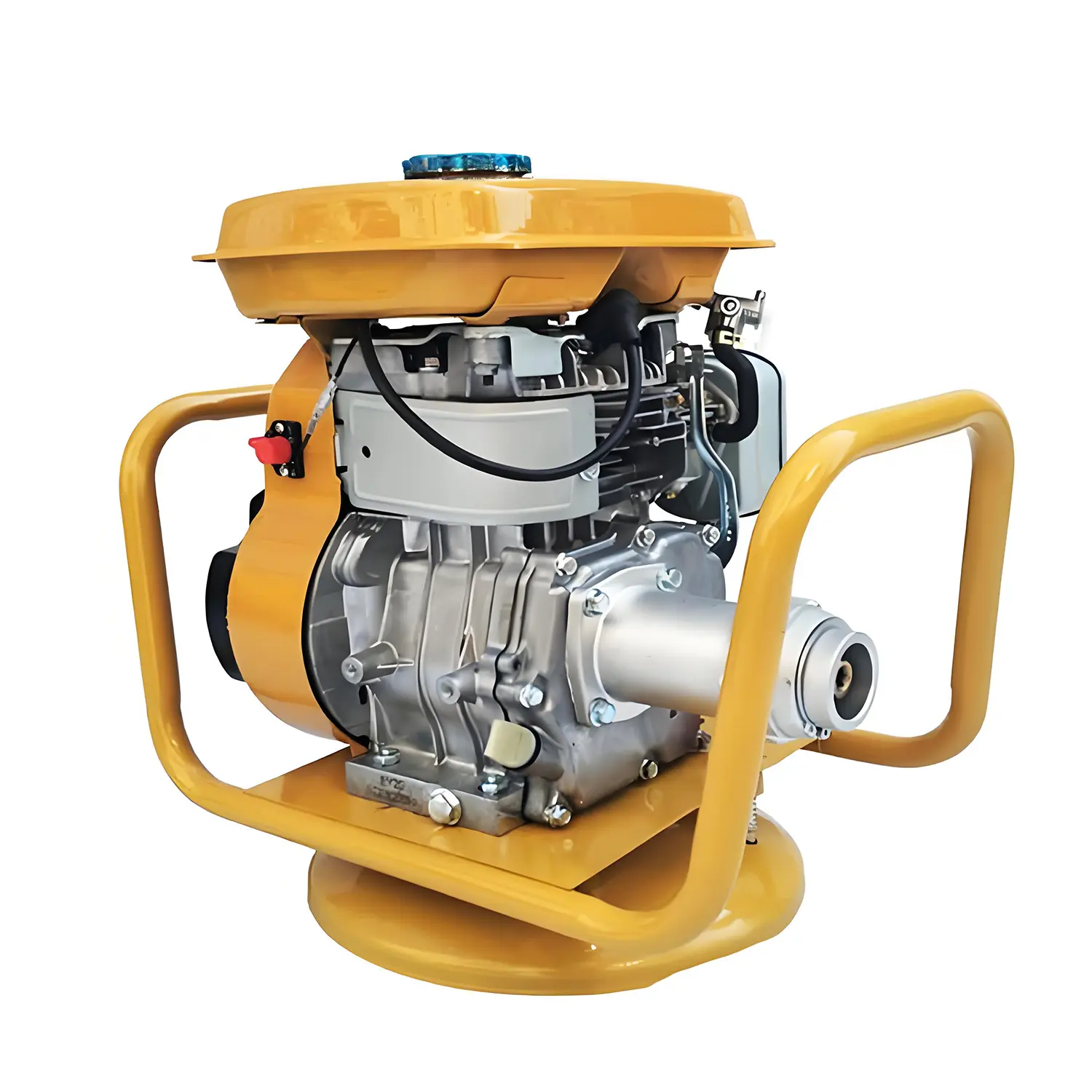 Internal Vibrator
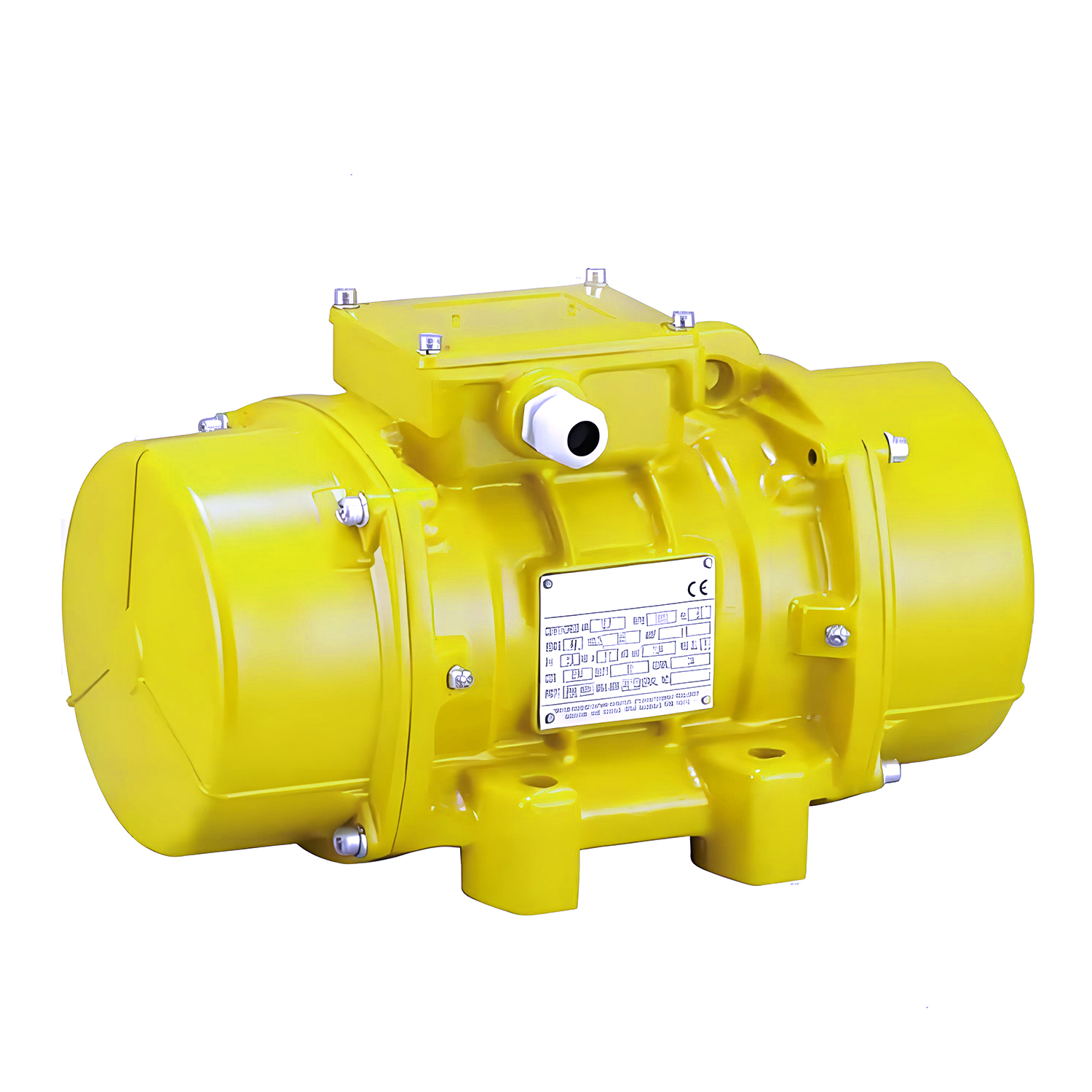 External Vibrator
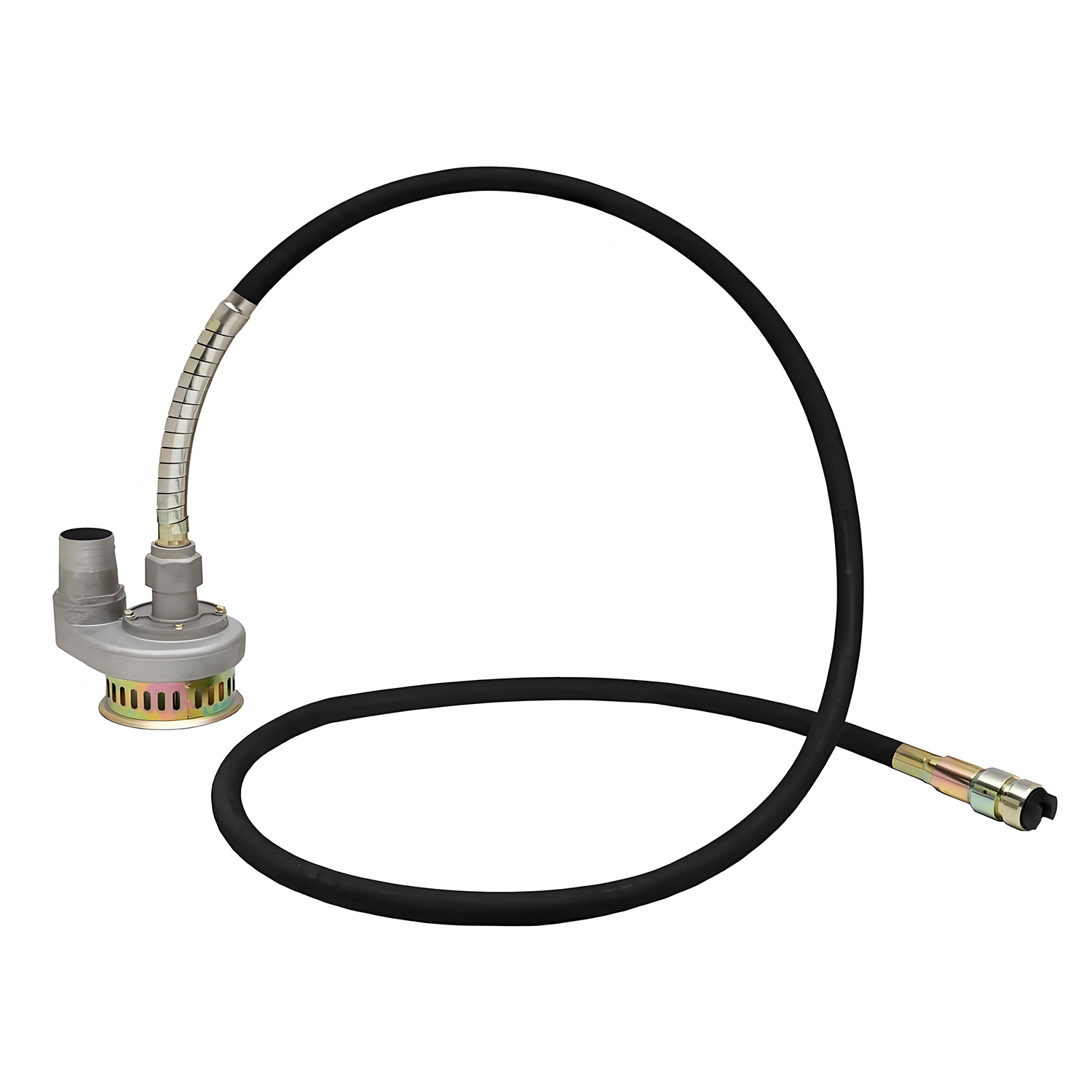 Submersible Pump
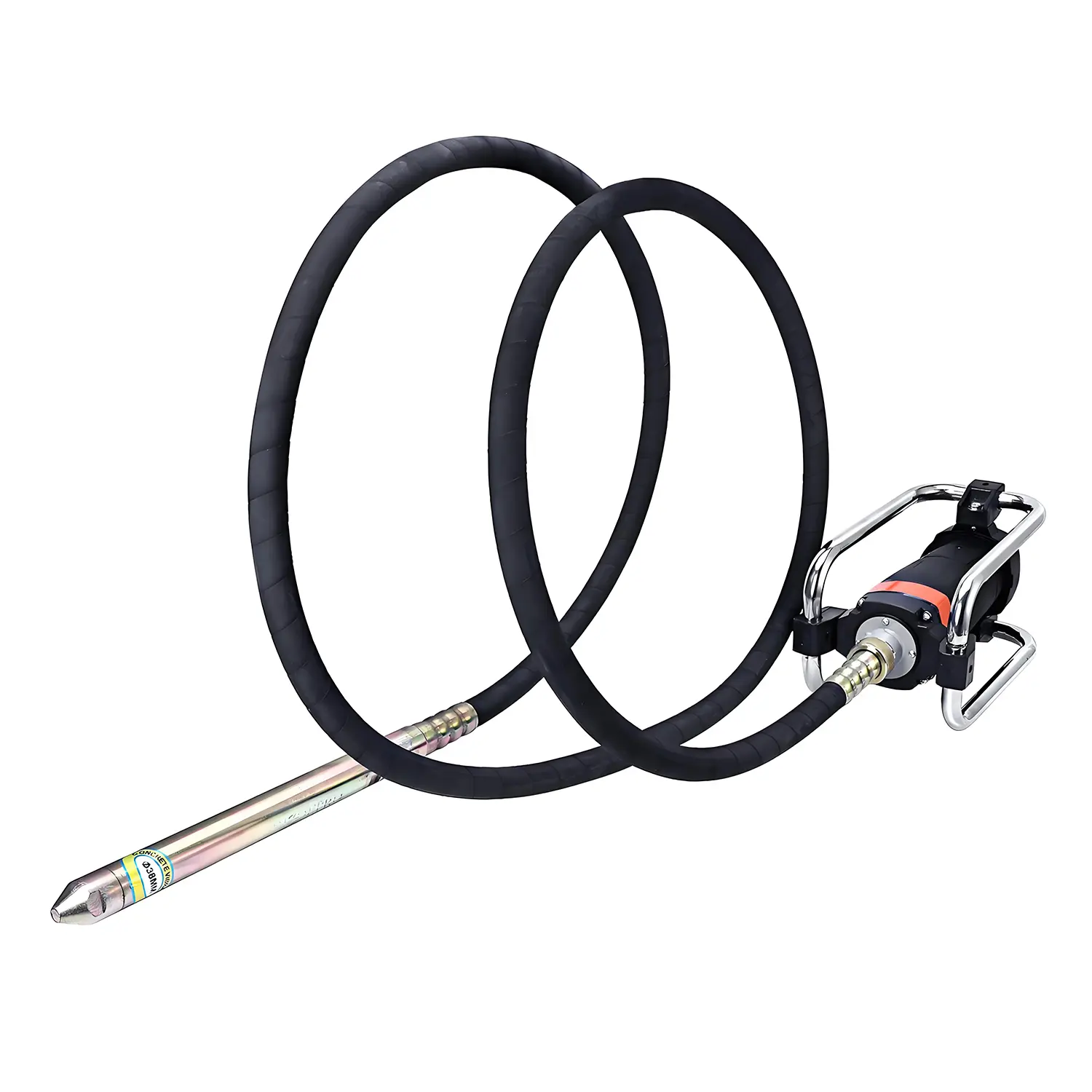 Eccentric shaft
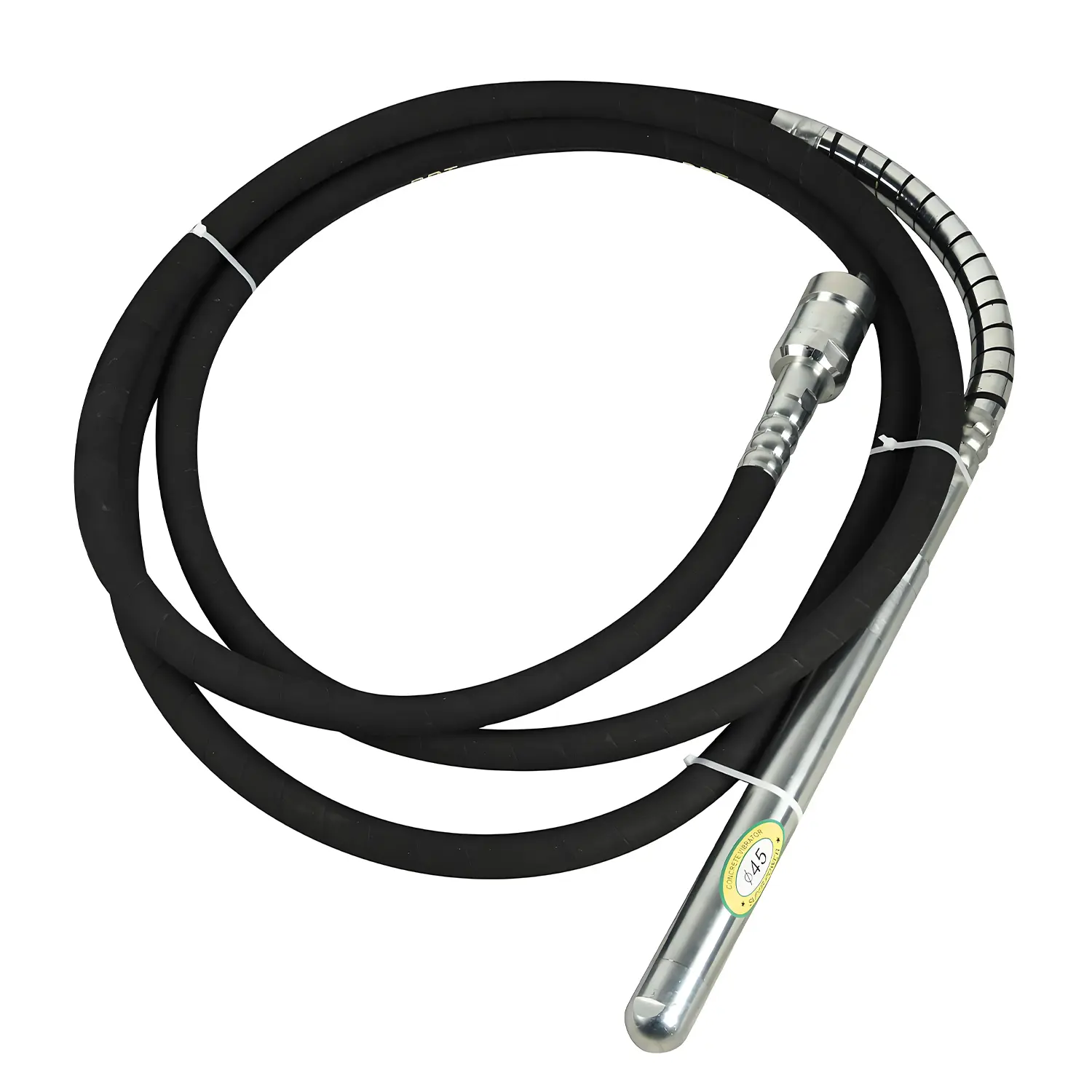 Pendulum shaft
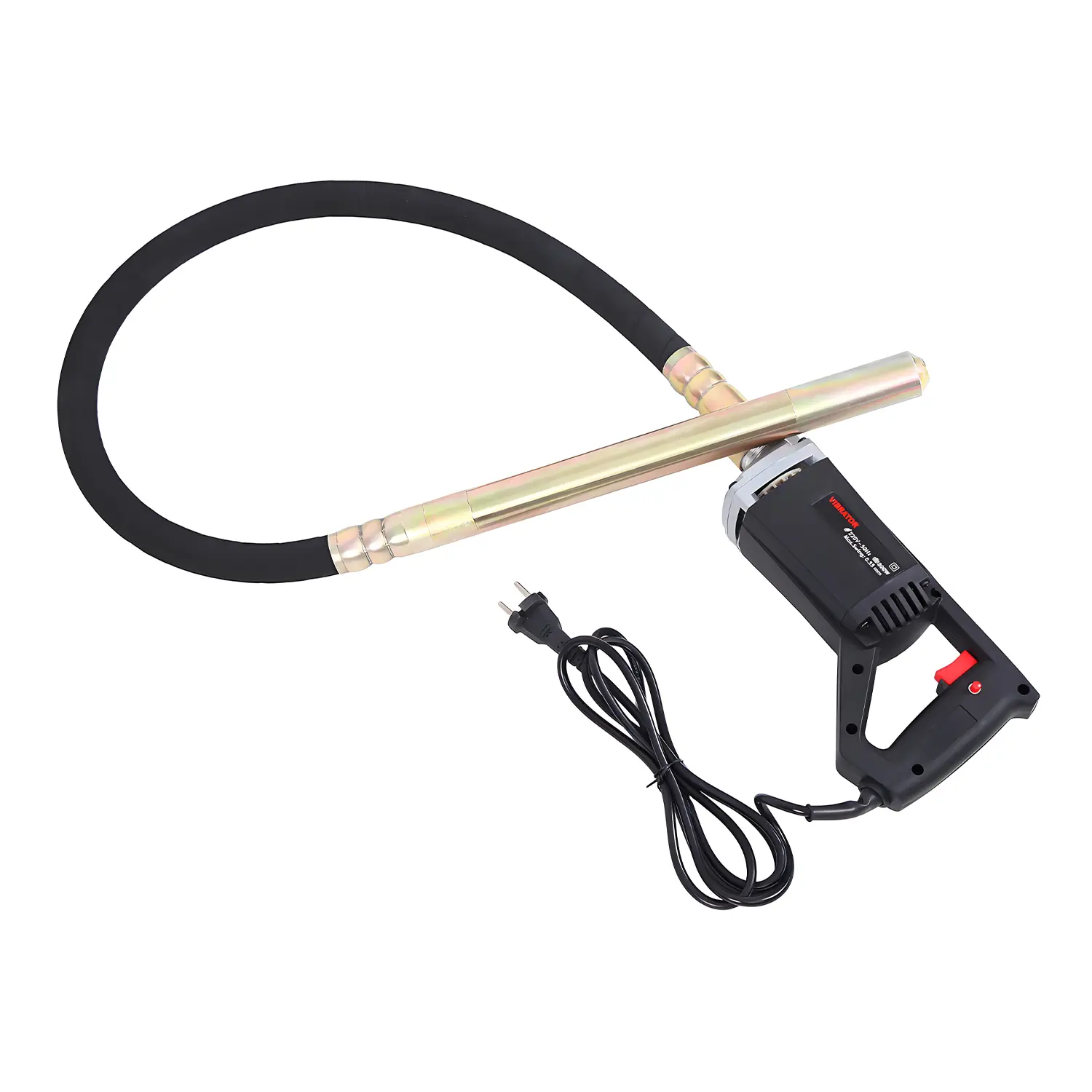 Portable vbrator shaft
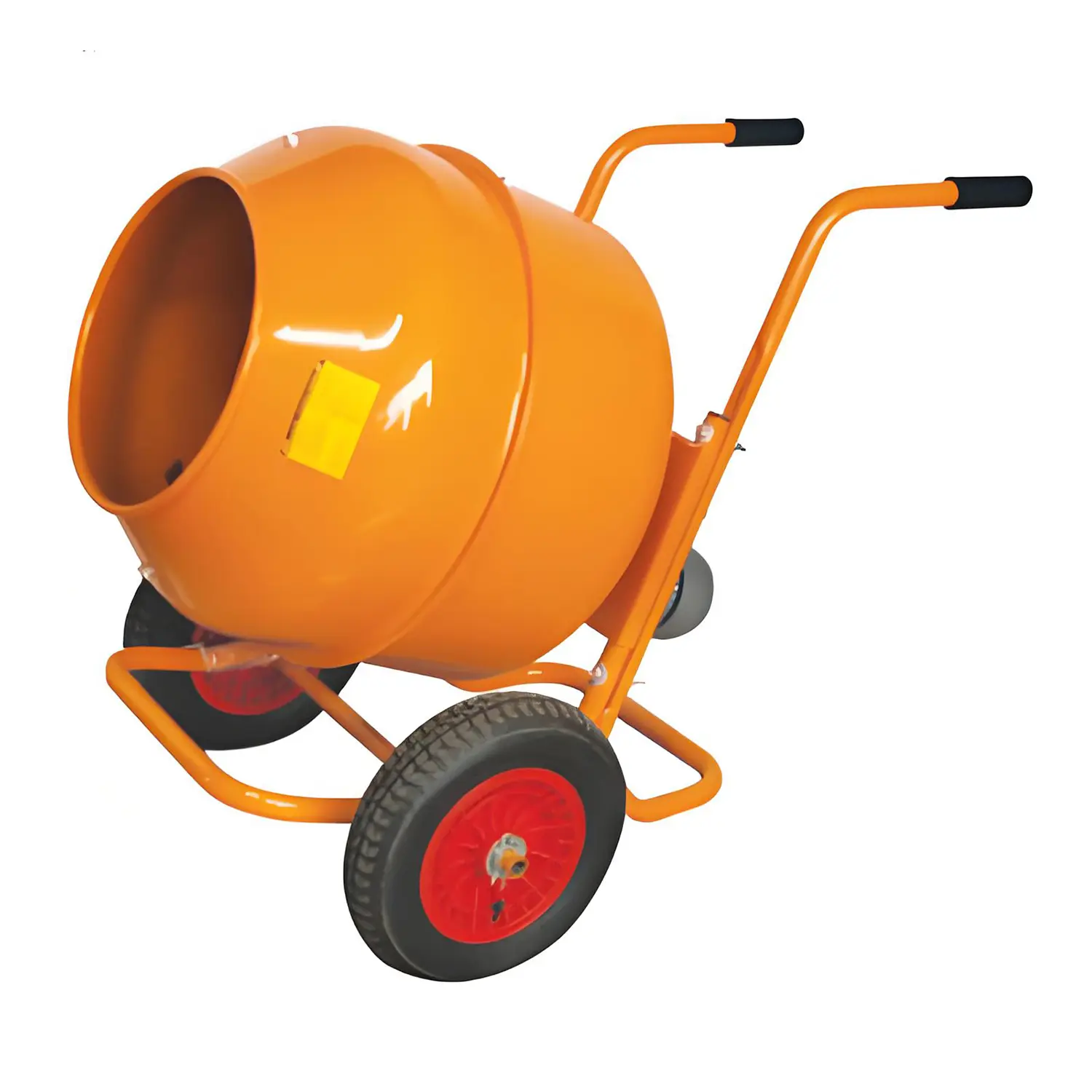 Portable concrete mixer
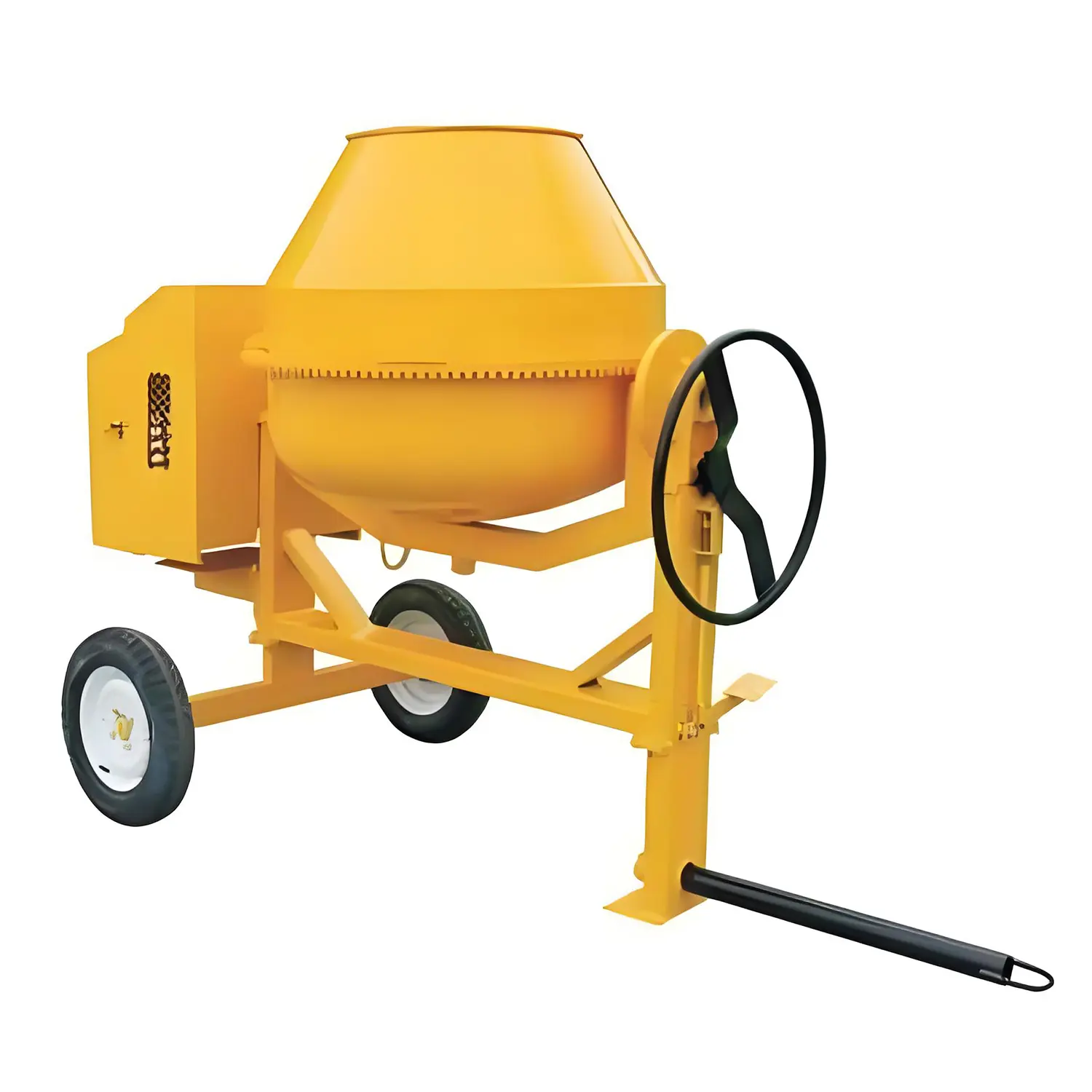 Vertical concrete mixer
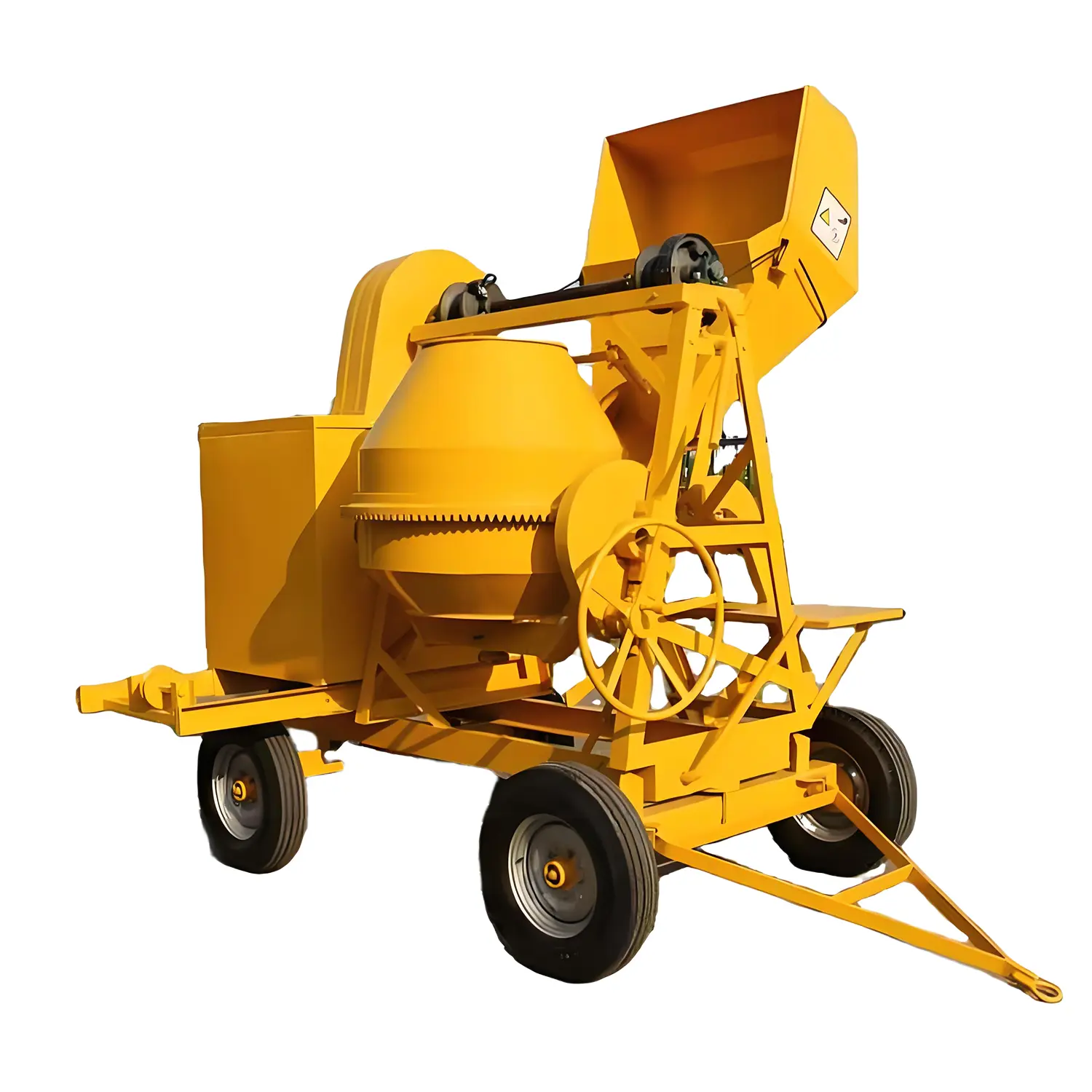 Hydraulic concrete mixer
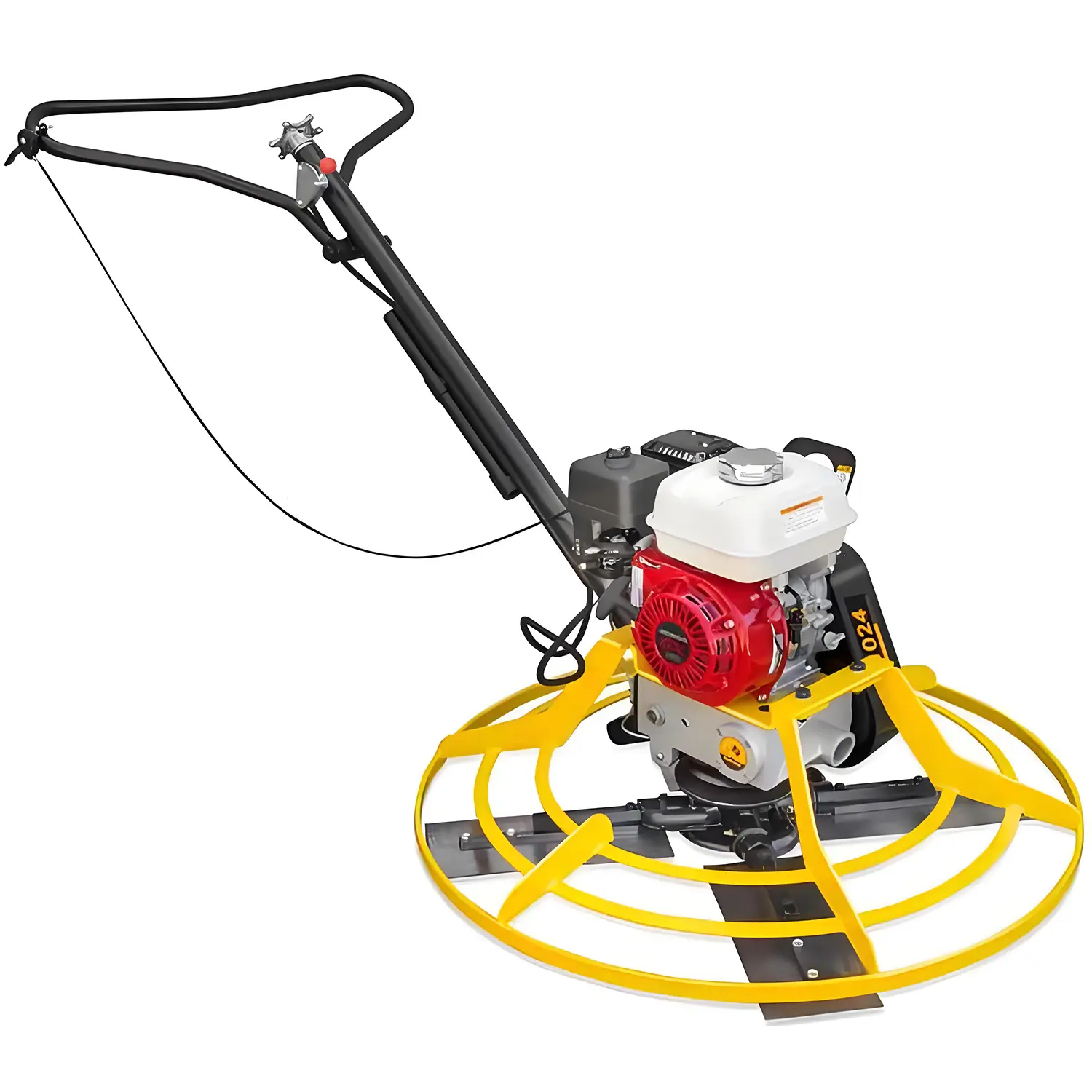 Walk behind power trowel
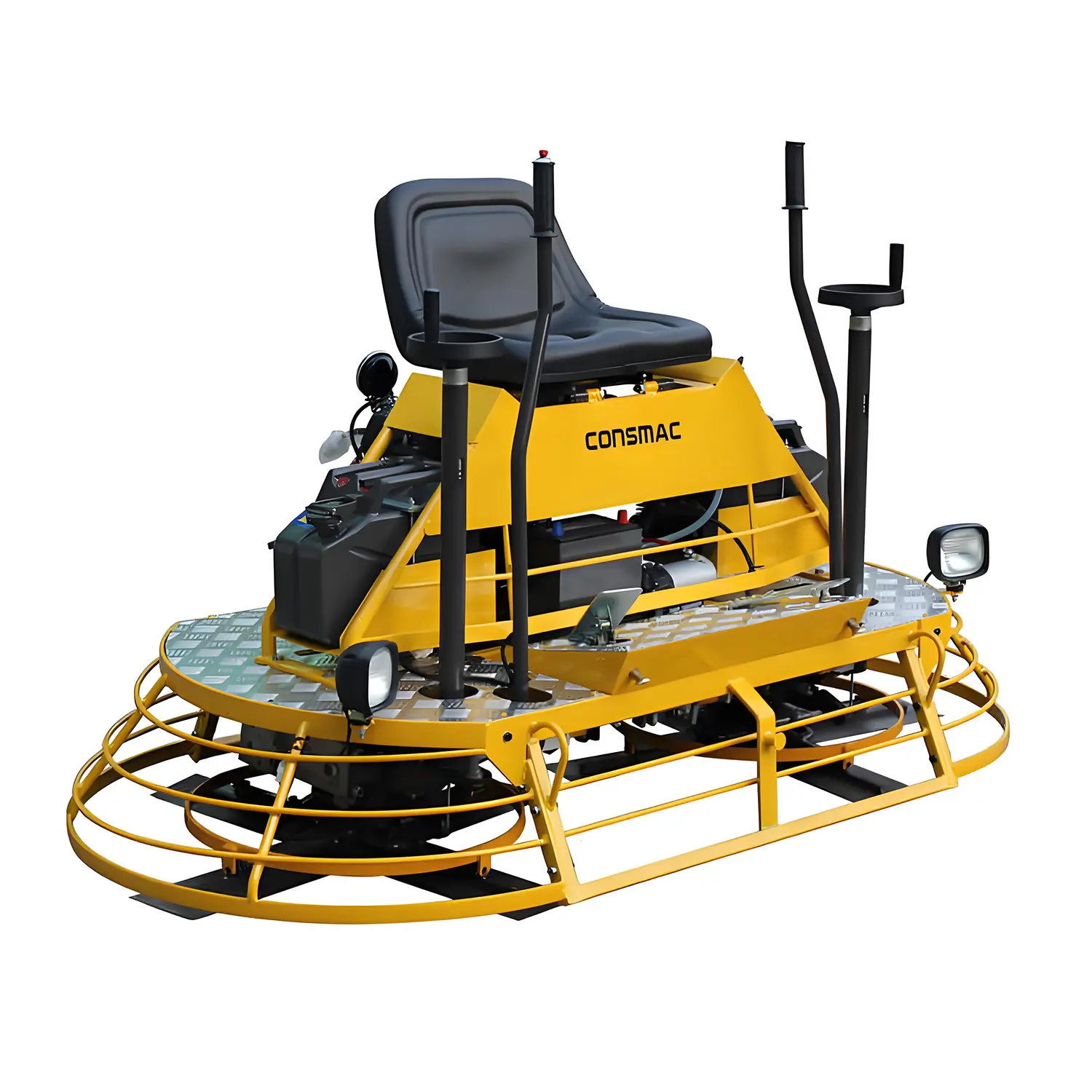 Ride on power trowel
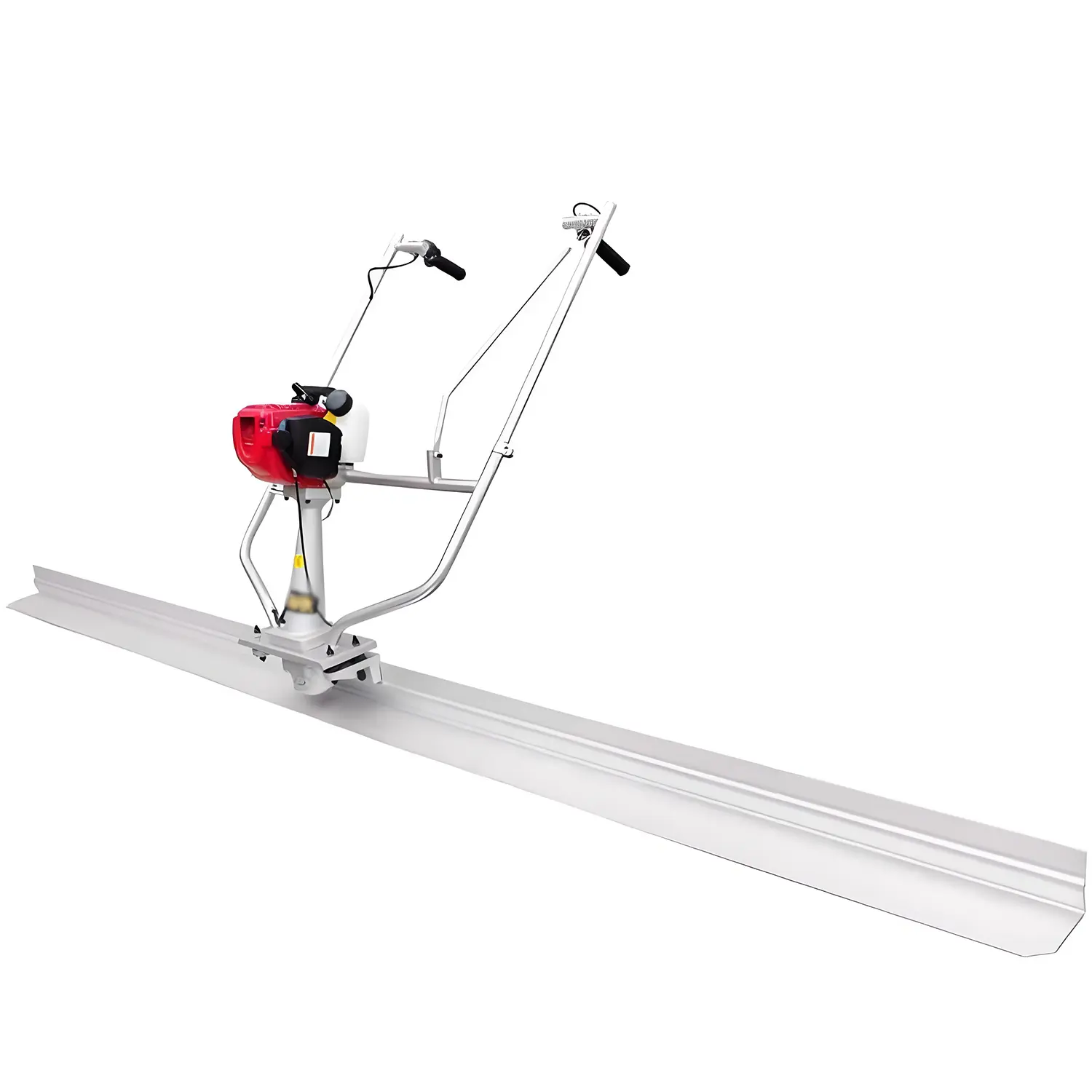 Concrete screed
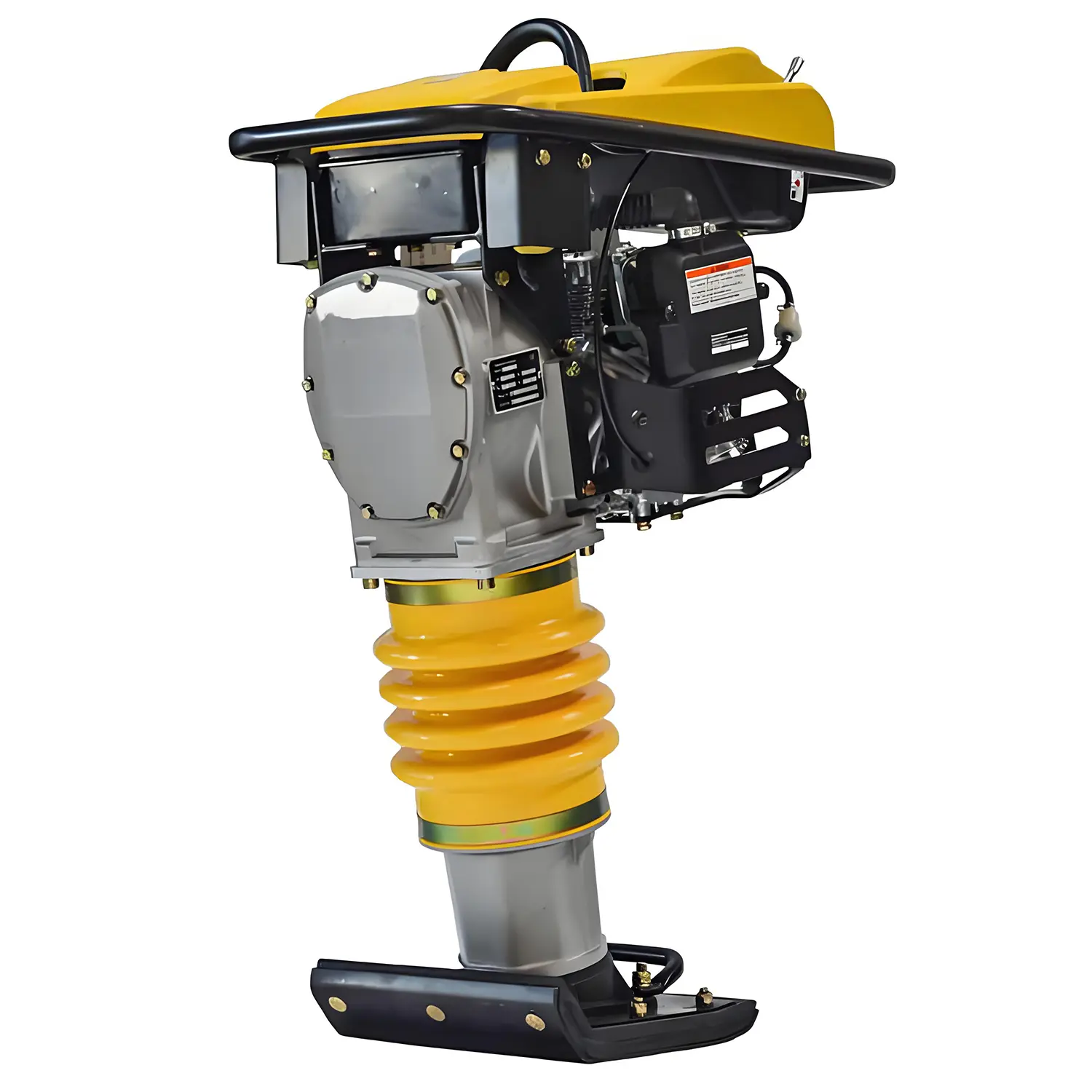 Tamping rammer
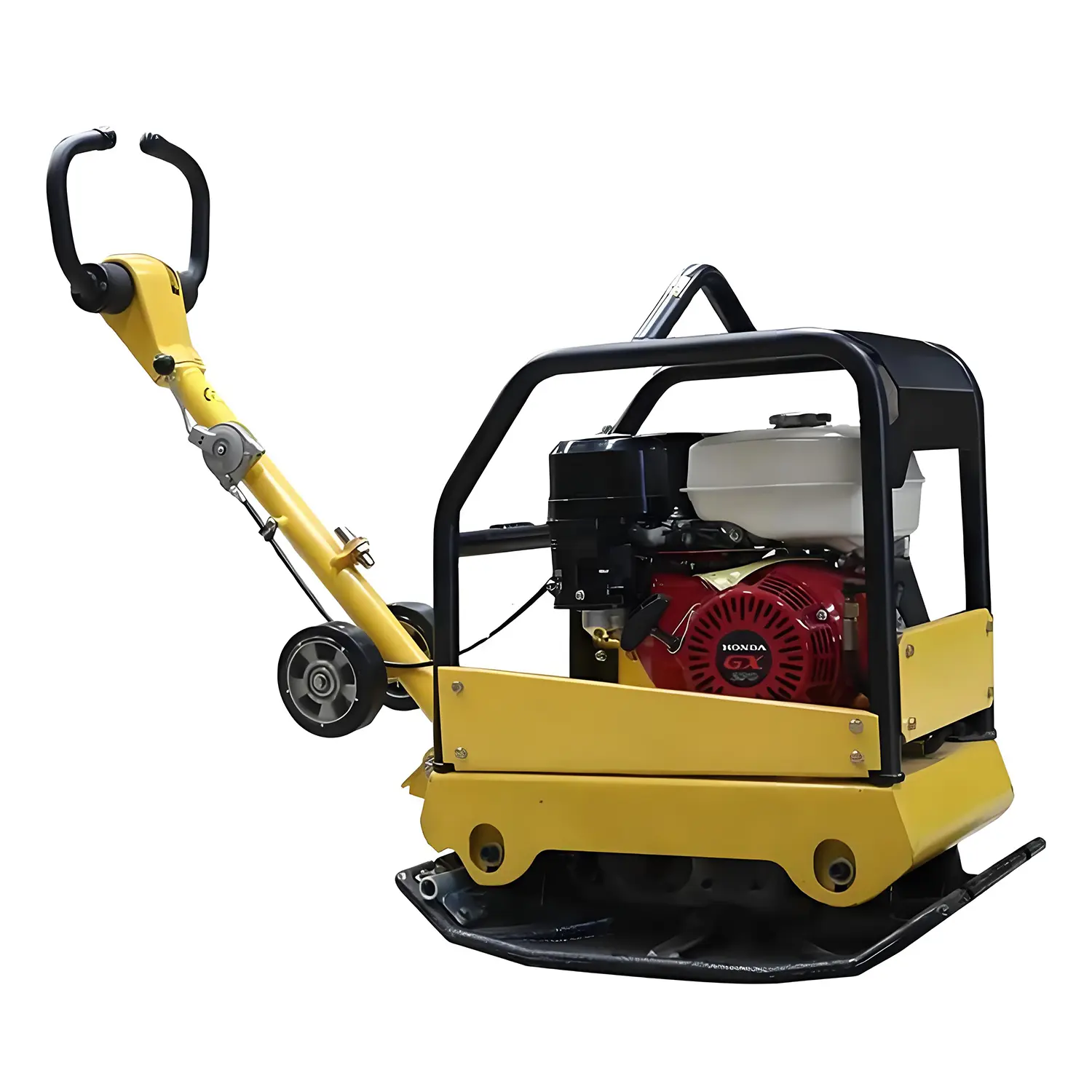 Plate compactor
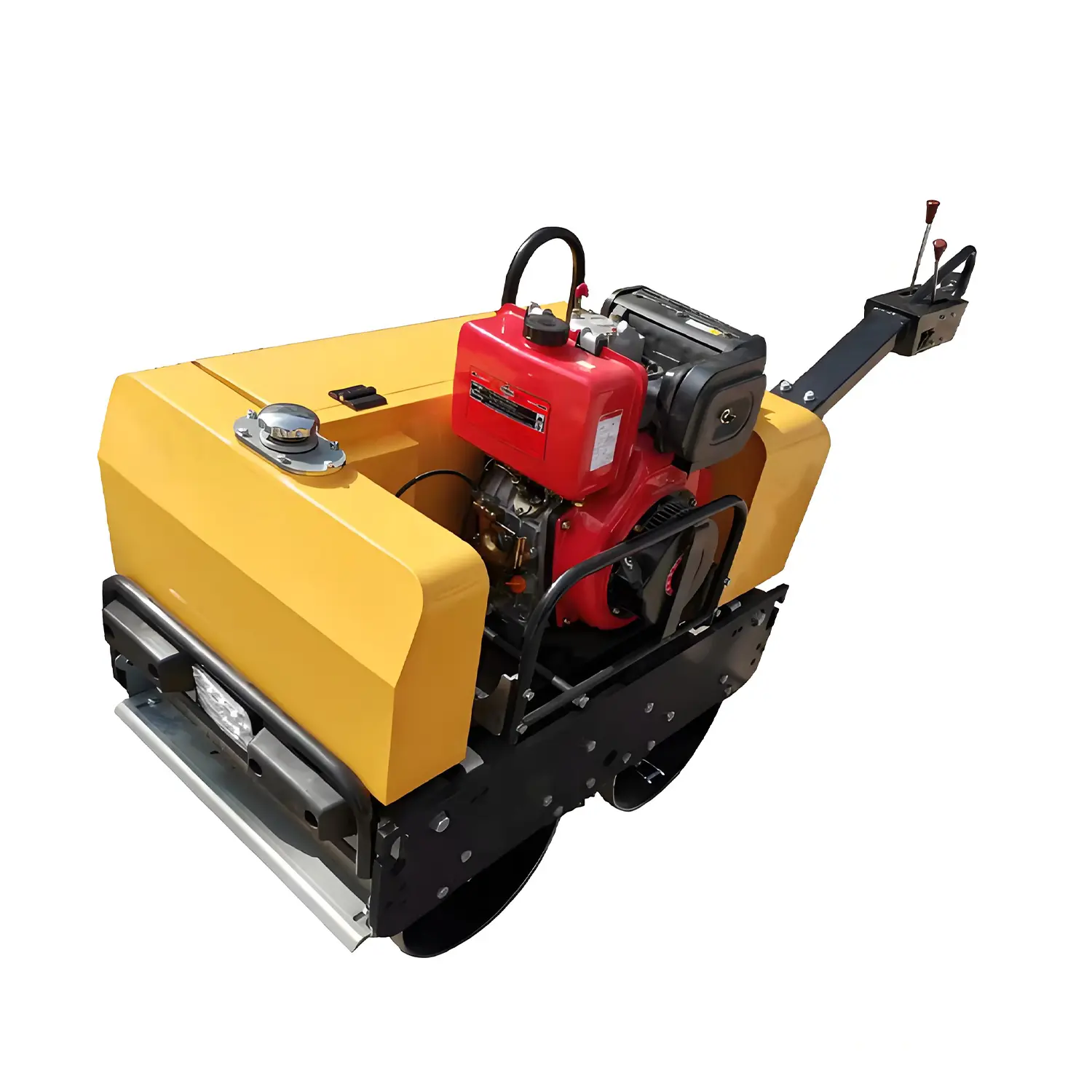 Vibratory roller