Choosing the right heavy equipment roller can significantly impact project efficiency. According to John Smith, an industry expert with over 20 years of experience, “The right roller can make or break your job site.” Understanding various roller types is essential.
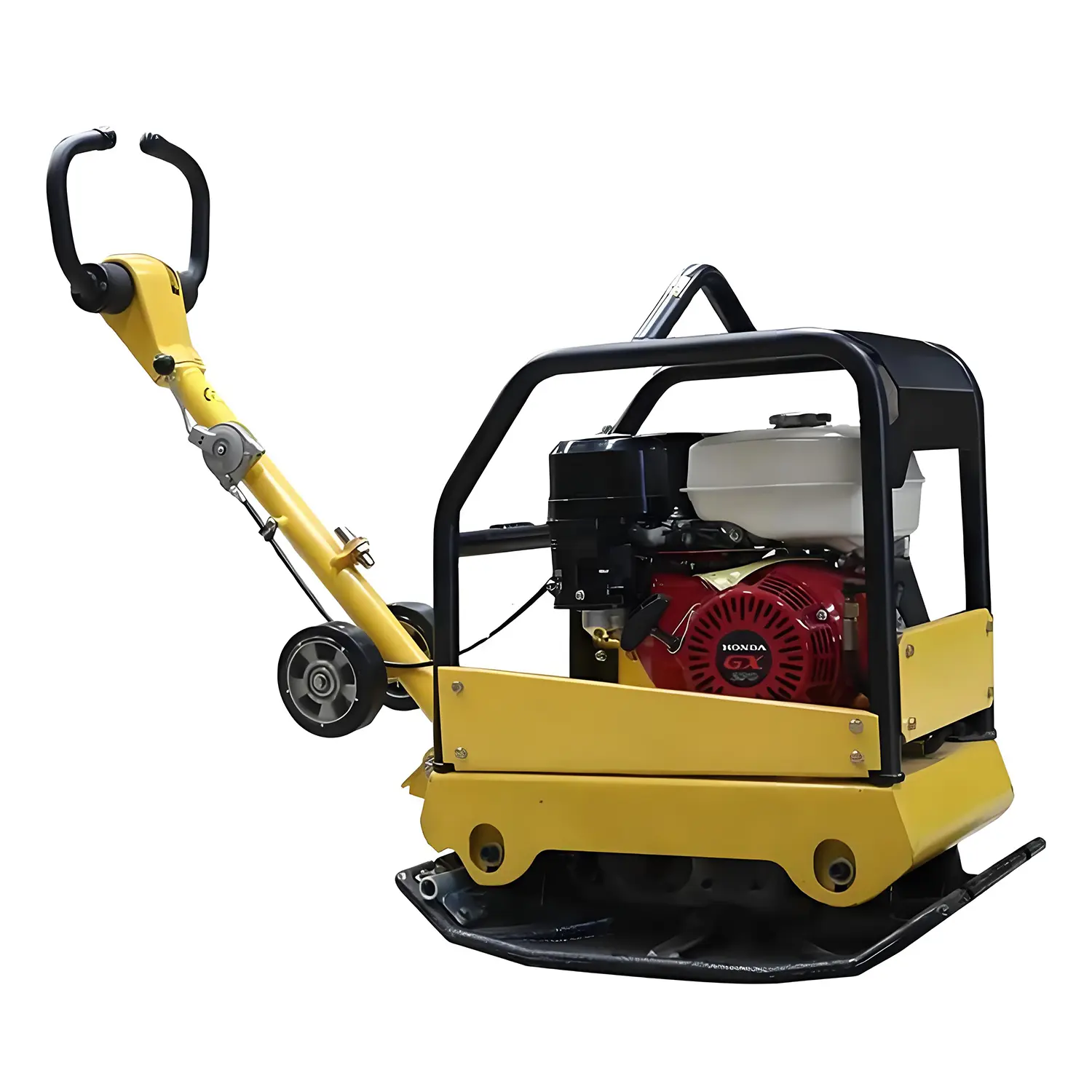
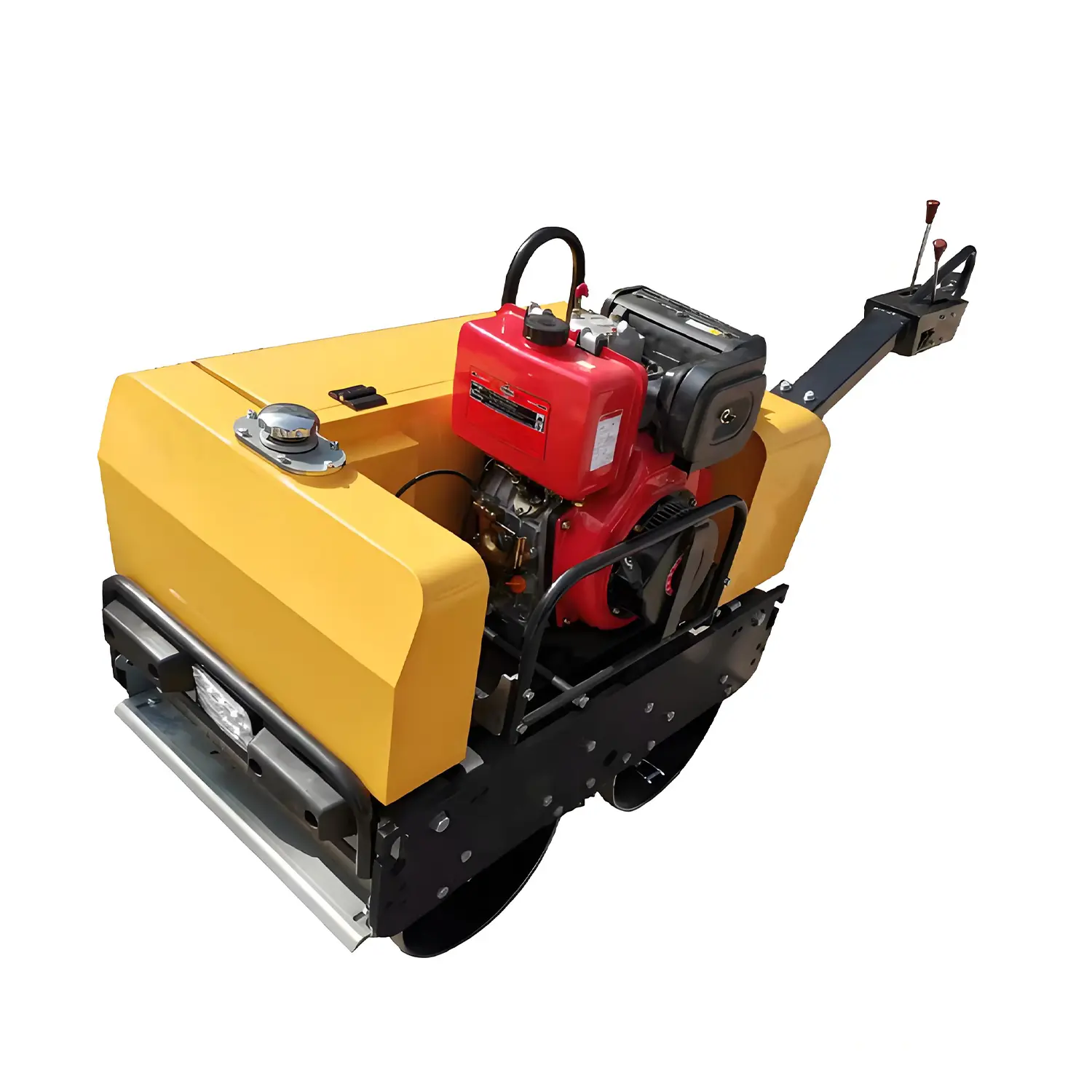
Heavy equipment rollers come in different sizes and functionalities. Some are designed for soil compaction, while others are perfect for asphalt. The options can be overwhelming. Many buyers focus on price rather than the specific needs of their projects. This often leads to regrettable decisions and increased costs down the line.
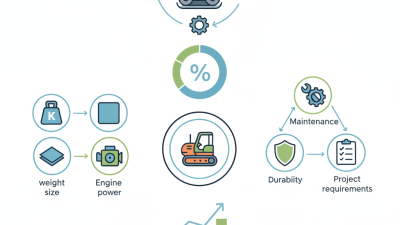
Evaluating factors like weight, size, and intended use is crucial. It's not just about picking the latest model; it’s about meeting your project requirements effectively. Don’t overlook essential details. A roller that seems perfect may not suit uneven terrain. Take the time to ask the right questions and consider your long-term needs before making a choice.
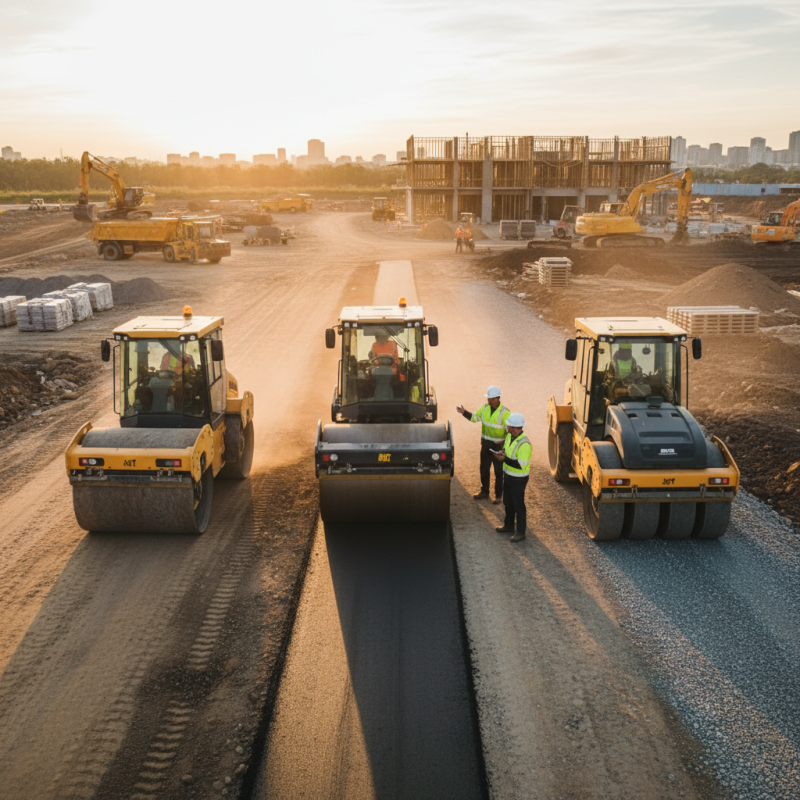
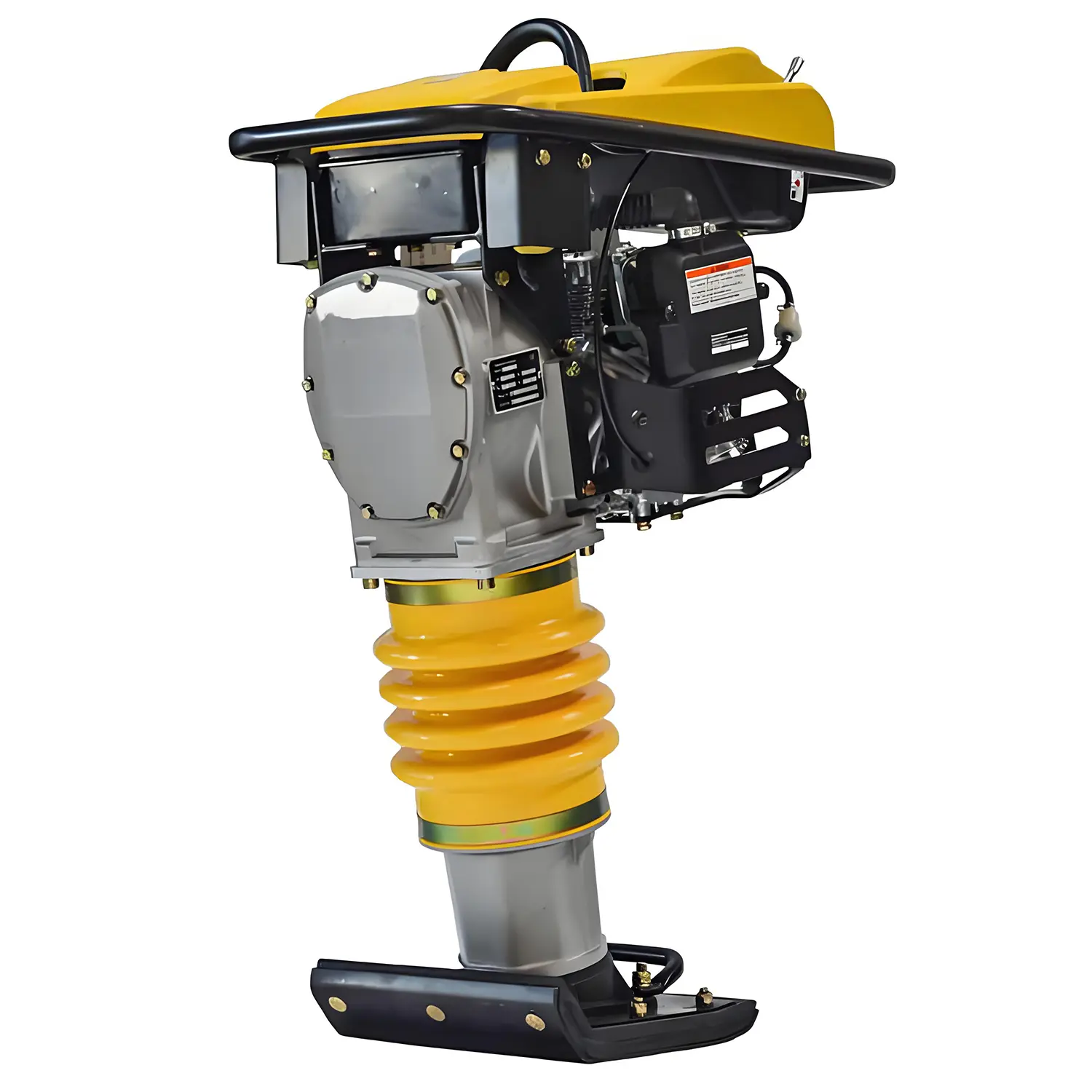
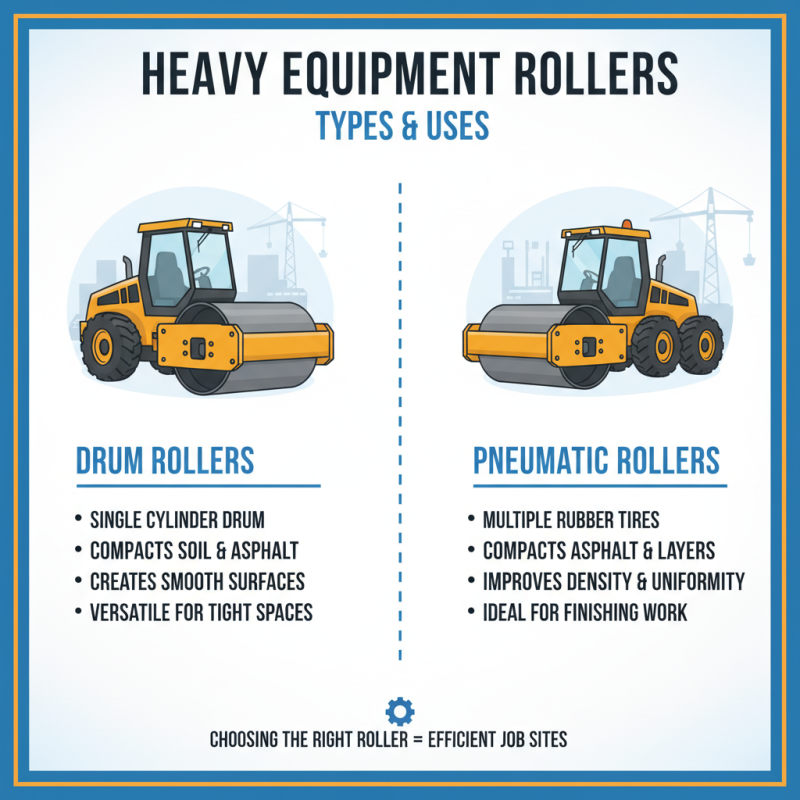
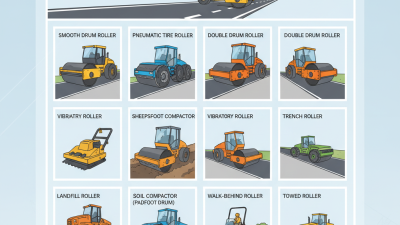
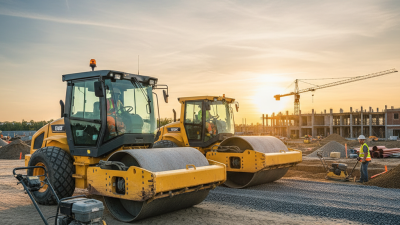
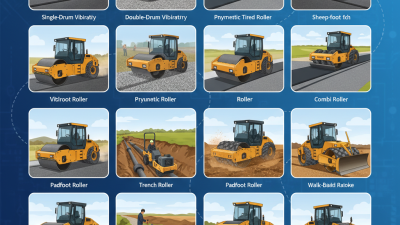
When considering heavy equipment rollers, it’s essential to understand the various types available. Each type serves a specific purpose, impacting efficiency and effectiveness on job sites. For example, drum rollers are ideal for compacting soil and asphalt. They feature large, cylindrical drums that help in creating a smooth surface. These machines can operate in confined spaces, making them versatile for different projects.
Padfoot rollers, on the other hand, are known for their unique design. They come with rounded pads on the drum, which enhance compaction on cohesive soils. Their specialized design allows for deeper penetration into the ground, ensuring better compaction results. However, using the wrong type for your project can lead to issues. For example, a drum roller on unstable ground may not provide the desired compaction.
Lastly, combination rollers blend features from both drum and padfoot rollers. They offer versatility, suitable for varied terrains and materials. Though helpful, they may not excel in every situation. Understanding each type’s strengths and weaknesses is crucial. Making an informed choice can save time and resources on your projects.
When selecting a heavy equipment roller, understanding key specifications is crucial. Weight plays a significant role in how well the roller can compact materials. Generally, heavier rollers achieve better density. According to industry data, rollers weighing between 10,000 to 25,000 pounds are optimal for most asphalt applications. They provide sufficient mass to ensure thorough compaction without damaging the surface.
Engine power is equally important. A powerful engine can handle various terrains and materials effectively. Rollers with at least 50 horsepower are recommended for moderate tasks. Some models offer up to 150 horsepower for heavier operations, especially in large-scale construction. However, it's essential to evaluate fuel efficiency, as more power can lead to higher operational costs.
Operating capacity often reflects the machine's versatility. A capacity ranging from 1.5 to 5 tons allows operators to work on different projects efficiently. Some users find that a higher capacity might be excessive for smaller jobs. Ultimately, balancing weight, power, and capacity is key. Each project may highlight different needs, and it’s vital to reflect on whether one specification outweighs another.
| Model | Weight (lbs) | Engine Power (HP) | Operating Capacity (tons) |
|---|---|---|---|
| Model A | 8000 | 100 | 10 |
| Model B | 9500 | 120 | 12 |
| Model C | 8600 | 110 | 11 |
| Model D | 7800 | 95 | 9 |
| Model E | 9200 | 115 | 13 |
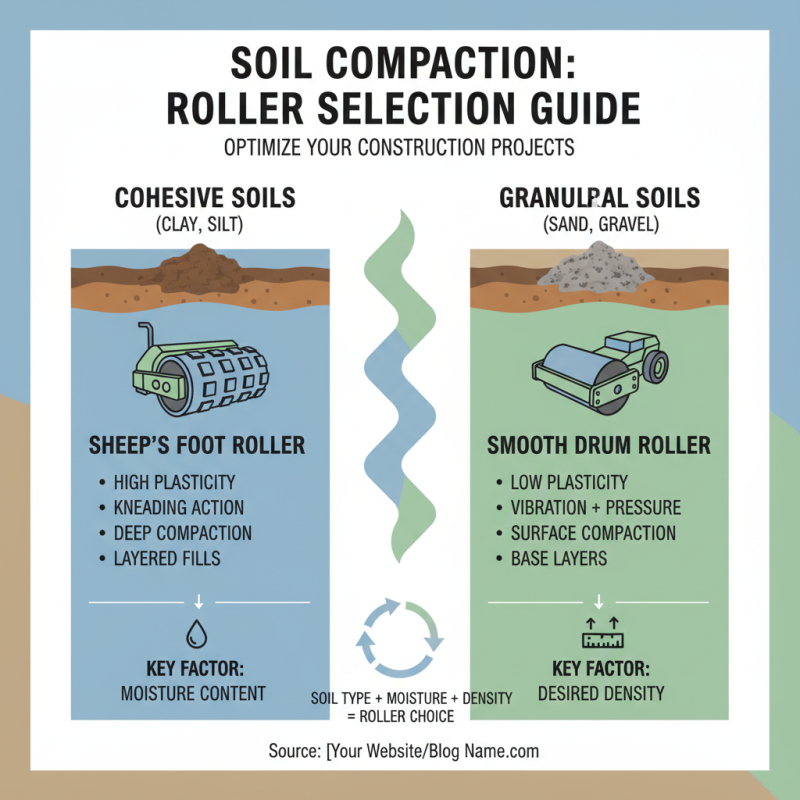
When considering soil compaction requirements for construction projects, understanding the type of roller that best meets your needs is crucial. Various factors influence this choice. Soil type, moisture content, and desired compaction level all play significant roles. For instance, cohesive soils, like clay, require different compaction strategies compared to granular soils, such as sand.
There are several roller types available, each suited for specific scenarios. Smooth drum rollers are effective for granular soils and asphalt surfaces, offering uniform compaction. In contrast, sheepsfoot rollers excel in cohesive soils, where their feet penetrate and knead the material. It’s also essential to assess the project scale. Smaller jobs might benefit from a portable roller, while larger undertakings could need heavier machines.
Evaluating your compaction needs can sometimes feel overwhelming. Not every roller type will achieve optimal results for every soil condition. Conducting site tests before making a selection is advisable. This ensures you avoid costly mistakes. Failing to match the roller to the soil can lead to inadequate compaction, causing future structural issues. Ultimately, careful analysis of your specific requirements will help in choosing the most suitable roller for effective soil compaction.
When selecting heavy equipment rollers, brand reputation plays a crucial role. Companies with a solid track record often demonstrate reliability and performance. A survey by an industry authority noted that 78% of professionals consider brand reputation when making purchasing decisions. This reliance on well-known brands often stems from their proven history in manufacturing durable and efficient machines.
After-sales support is equally vital. Many users report that insufficient support leads to significant downtime. According to a report from a leading equipment analysis firm, machine downtime can cost businesses upwards of $250,000 annually. Investing in a roller backed by strong after-sales service can enhance productivity. The services should include training, parts availability, and maintenance support.
Not all brands excel in this area, and some may overpromise. A thorough evaluation is necessary. Check user reviews and expert opinions online. Engaging with current users can provide insights into real-world performance. This approach helps identify machines that not only meet immediate needs but also provide peace of mind with ongoing support. Remember, the right equipment is an investment in your project's future.
When choosing a heavy equipment roller, understanding cost considerations is crucial. The initial investment often brings a shock to buyers. Reports suggest that the price can range from $25,000 to $300,000 for quality rollers, depending on size and features. This investment is significant, but it's essential to look beyond just the sticker price.
Long-term operating expenses play a vital role in the overall cost-effectiveness of heavy equipment. Maintenance, fuel, and repair costs can fluctuate widely. The American Rental Association estimates that overall operating costs can average 15% of the purchase price per year. For example, if a roller costs $100,000, it could generate about $15,000 in annual operating costs. Ignoring these figures may lead to financial strain.
Additionally, resale value should not be overlooked. Heavy equipment typically depreciates at around 15% to 20% annually. Buyers may think they've made a sound investment initially, only to realize high operating costs and depreciation impact their bottom line. Understanding these factors helps ensure that the roller you choose aligns with both your budget and your long-term operational strategy.