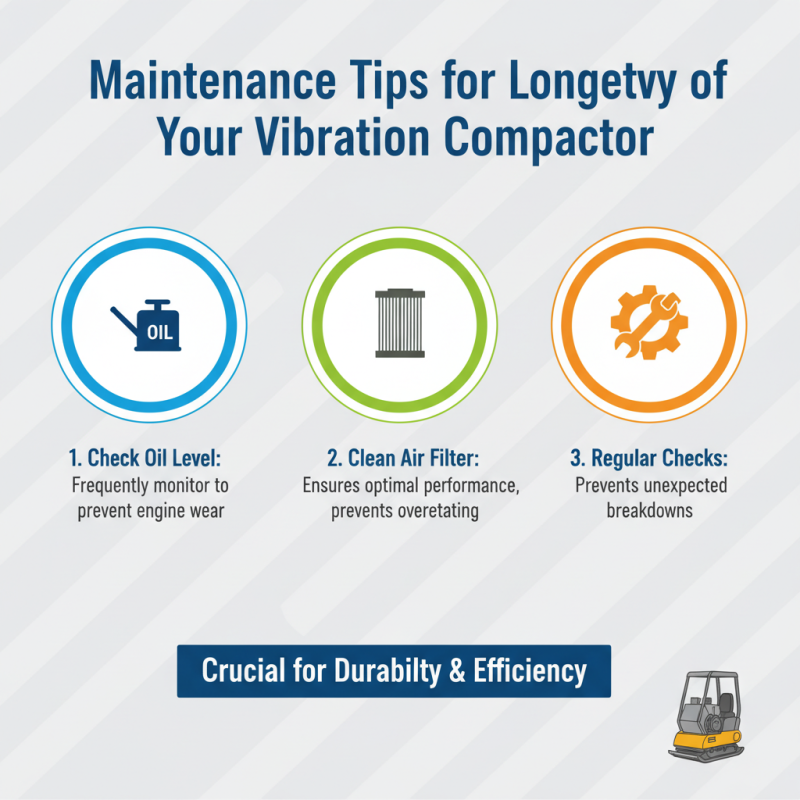
Essential Tips for Choosing a Vibration Compactor?
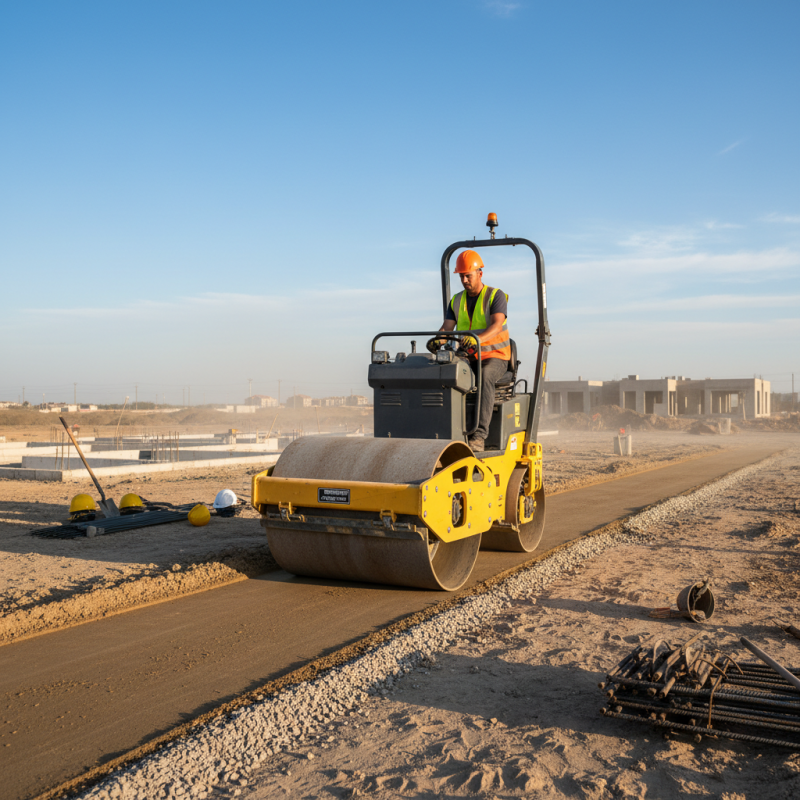
When selecting a vibration compactor, understanding its significance in construction is crucial. According to a report by the International Society of Soil Mechanics, improper compaction can lead to structural failure in 30% of civil engineering projects. This emphasizes the need for informed choices.
Industry expert Dr. Emily Carter notes, “A vibration compactor can make or break your project.” The right compactor not only enhances soil stability but also ensures long-term resilience. However, the market can be overwhelming. Numerous models exist, each with unique specifications.
Many buyers overlook essential features like amplitude and frequency settings. These aspects can greatly influence performance. Seeking guidance while considering your project's specific needs can aid in making better decisions. Aim for a balance between quality and cost. Proper research can help avoid costly mistakes that may arise from rash choices.
Understanding Vibration Compactors: Types and Functions
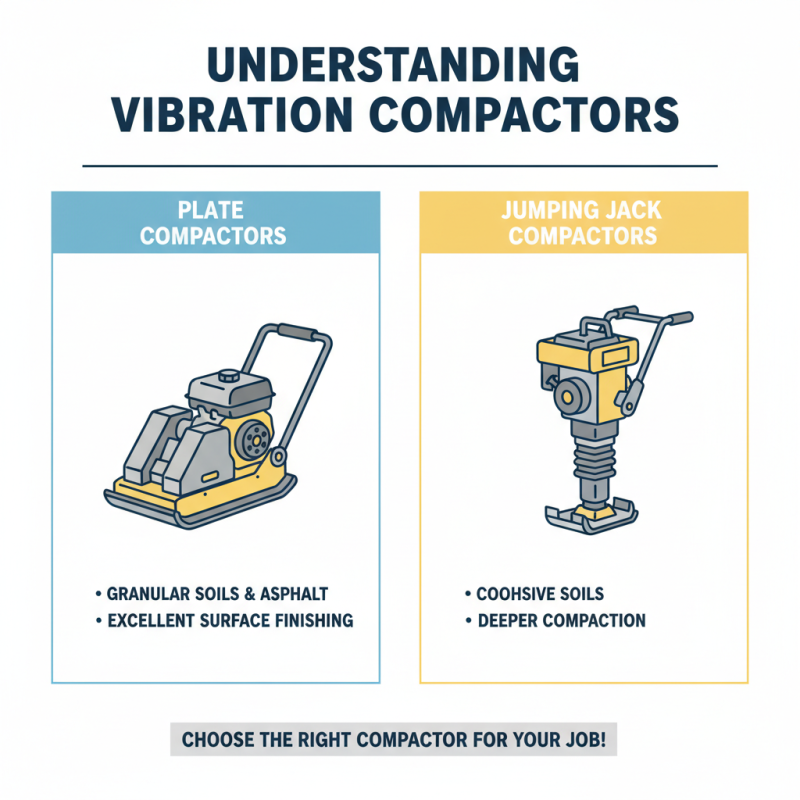
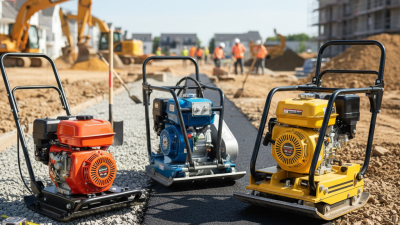
When selecting a vibration compactor, understanding the types and their functions is crucial. There are generally two main categories: plate compactors and jumping jack compactors. Plate compactors are ideal for granular soils and asphalt, providing excellent surface finishing. Jumping jack compactors are suited for cohesive soils, as they deliver a deeper level of compaction. Each type has its unique applications.
Tips for choosing the right compactor include assessing the type of soil you’ll work with. Granular soils require a high-frequency plate compactor. Conversely, for clay or silt, a jumping jack may perform better. Consider the weight of the machine as well. Heavier models tend to offer better compaction but can be harder to handle.
Also, think about the job site environment. For tight spaces, a smaller unit can be advantageous. Look for features like adjustable speeds and comfortable handles. Think about ease of maintenance too. Simple maintenance can enhance the lifespan of the compactor. Investing time in understanding these details will lead to better decisions. Misinformed choices can lead to inefficiencies and additional costs. Reflect on your specific needs before making a purchase.
Key Features to Look for in a Vibration Compactor
When choosing a vibration compactor, focus on key features that really matter. Look for the weight of the machine; heavier compactors provide better density. A model weighing between 200 to 400 pounds is often effective for many tasks. Also, consider the plate size. A larger plate covers more area, which speeds up the job. However, a smaller plate is easier to maneuver in tight spaces.
Another crucial aspect is the vibration frequency. High-frequency compactors work well for granular soils. But for cohesive soils, a lower frequency might be more effective. Examine the power source as well. Gasoline-powered machines offer flexibility, but electric compactors are quieter and better for urban areas. Make sure to check user reviews; they can reveal the real-life performance of the compactor.
Don’t overlook the usability features. Adjustable handles make operation easier, reducing fatigue. Safety features, such as automatic shut-off, are essential. While many compactors have excellent specs, not all perform reliably over time. It’s important to reflect on long-term maintenance needs. Regular service can prevent costly repairs down the road. Choosing the right vibration compactor isn't just about features; it's about finding balance.
Assessing the Right Size and Weight for Your Projects
Choosing the right size and weight for a vibration compactor is crucial for project success. An inadequately sized compactor can lead to poor results, affecting soil density and overall structural integrity. According to industry studies, compactors with a weight range of 2,000 to 4,000 pounds are most effective for residential projects, while heavier models are suitable for larger commercial applications. Understanding the specific needs of your project helps in making informed decisions.
Weight matters because it influences compaction depth and efficiency. Research indicates that heavier compactors achieve better compaction in fewer passes, saving time on the job site. However, excessive weight can lead to soil displacement and damage delicate surfaces. For instance, projects requiring high compaction in soft soil may benefit from lighter, maneuverable models. Balancing weight and project requirements is essential for optimal performance.
Additionally, job site constraints must be considered. A compact machine may be necessary for tight spaces, even if a larger model is more efficient. There are challenges when selecting the right size and weight; assessing your environment proves vital. Each project can be unique, and revisiting previous experiences may reveal the need for adjustments. Being aware of these factors ensures you're better prepared for future endeavors.
Essential Tips for Choosing a Vibration Compactor
This chart illustrates the weight and size considerations for vibration compactors suitable for different project types. The data reflects common project sizes and the respective recommended sizes of compactors.
Evaluating Engine Power and Performance Standards
Choosing the right vibration compactor can significantly impact your project. A key factor is evaluating engine power and performance standards. Understanding these elements helps ensure efficient operation and optimal results.
Engine power should match the job requirements. A compacting job may need different power levels. It's vital to know the required force to achieve desired soil density. Performance standards provide benchmarks for the machine's efficiency. Look for specifications that detail compaction depth and speed.
Tips: Always compare engine types and their respective outputs. Check for fuel efficiency ratings. A more efficient engine can lead to cost savings over time. Don’t overlook maintenance needs; some engines require more upkeep. Seek reviews or expert advice when possible. Engaging with professionals can reveal insights you might miss.

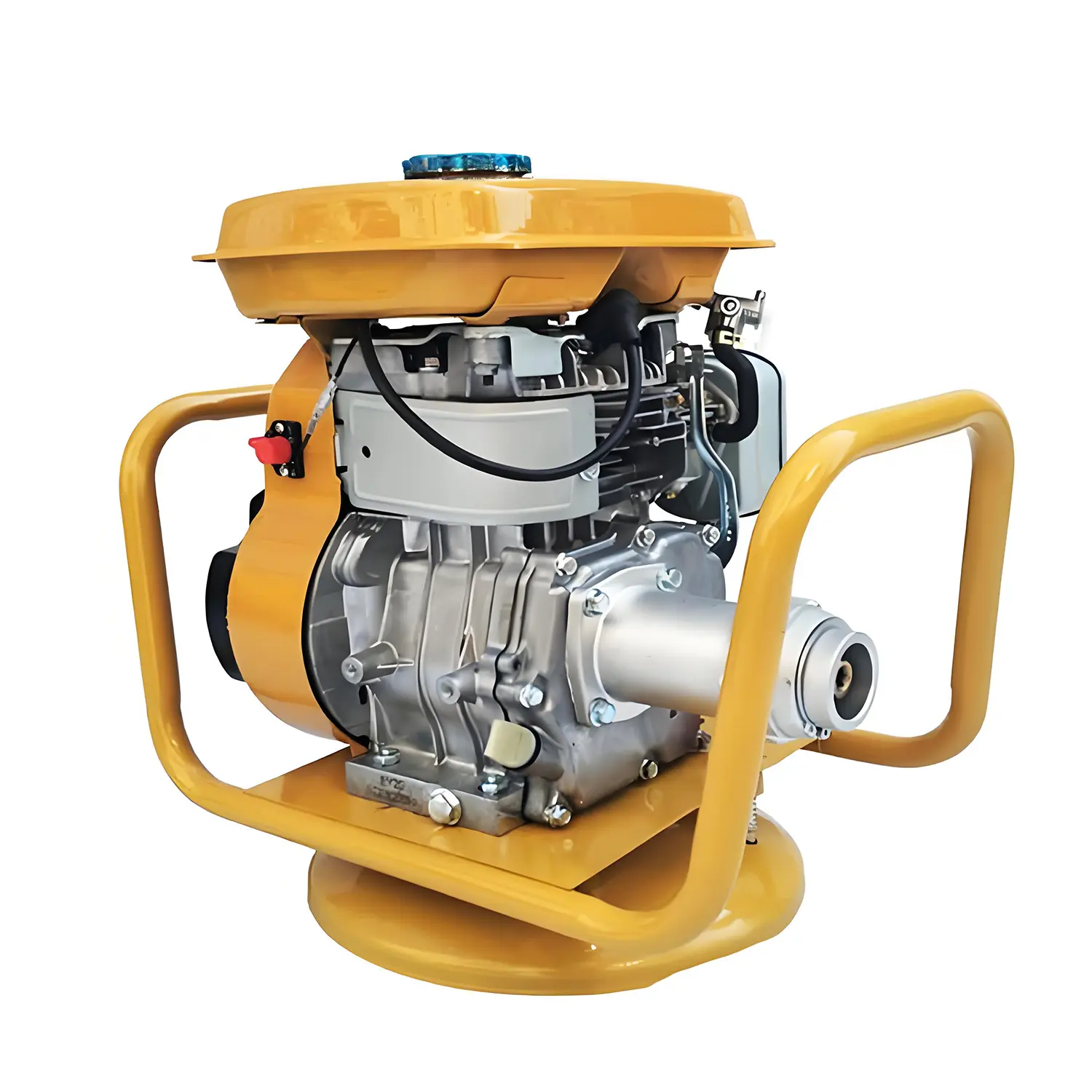 Internal Vibrator
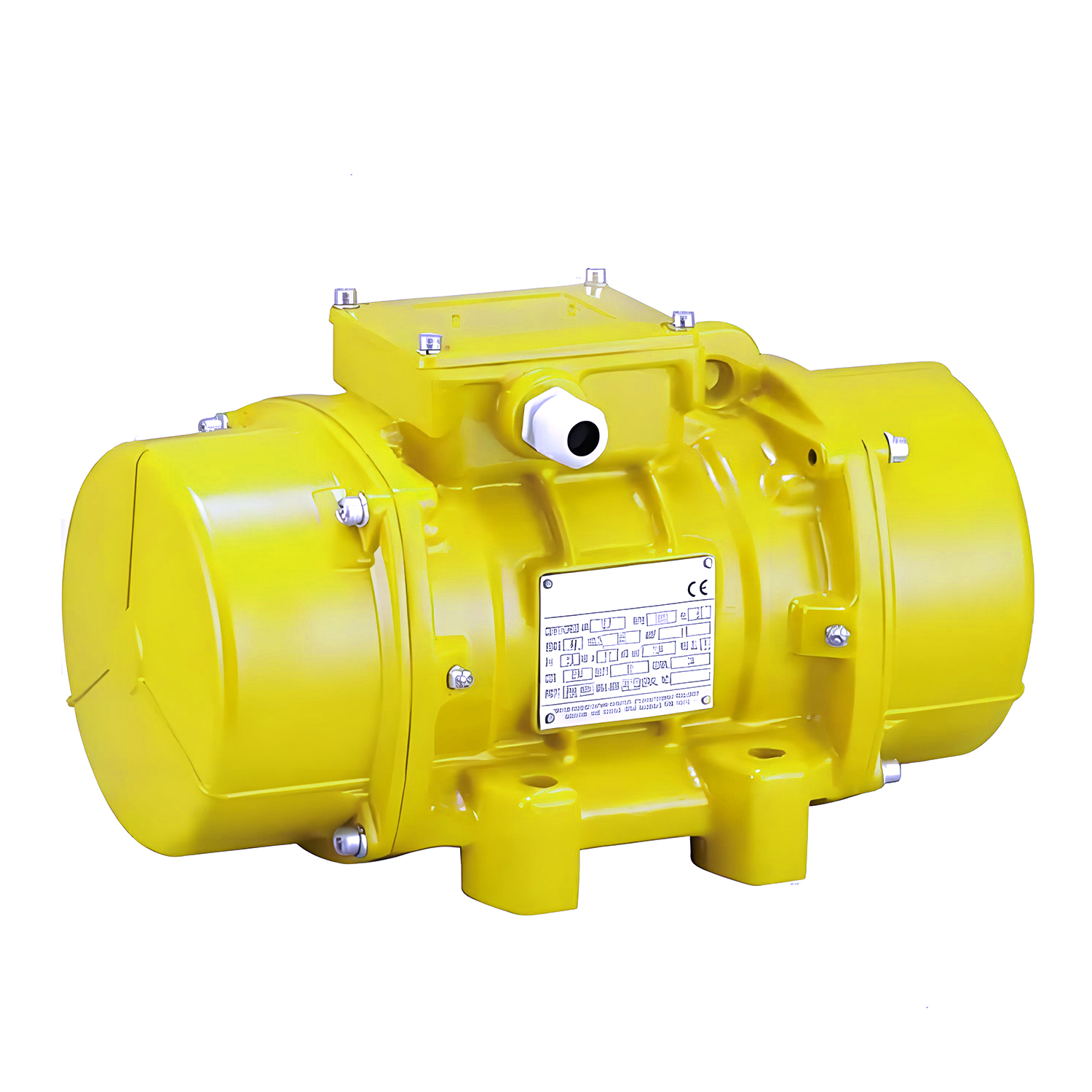 External Vibrator
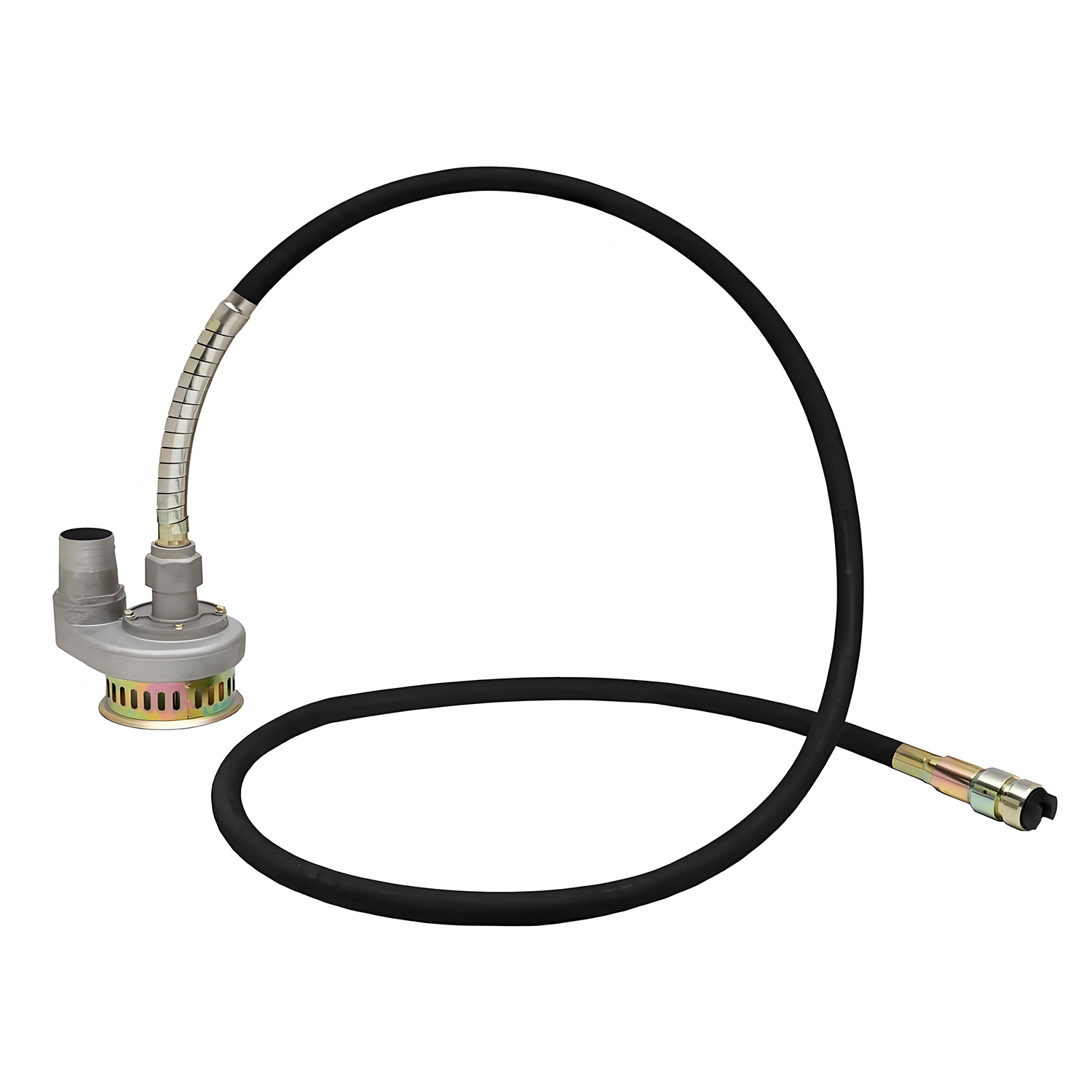 Submersible Pump
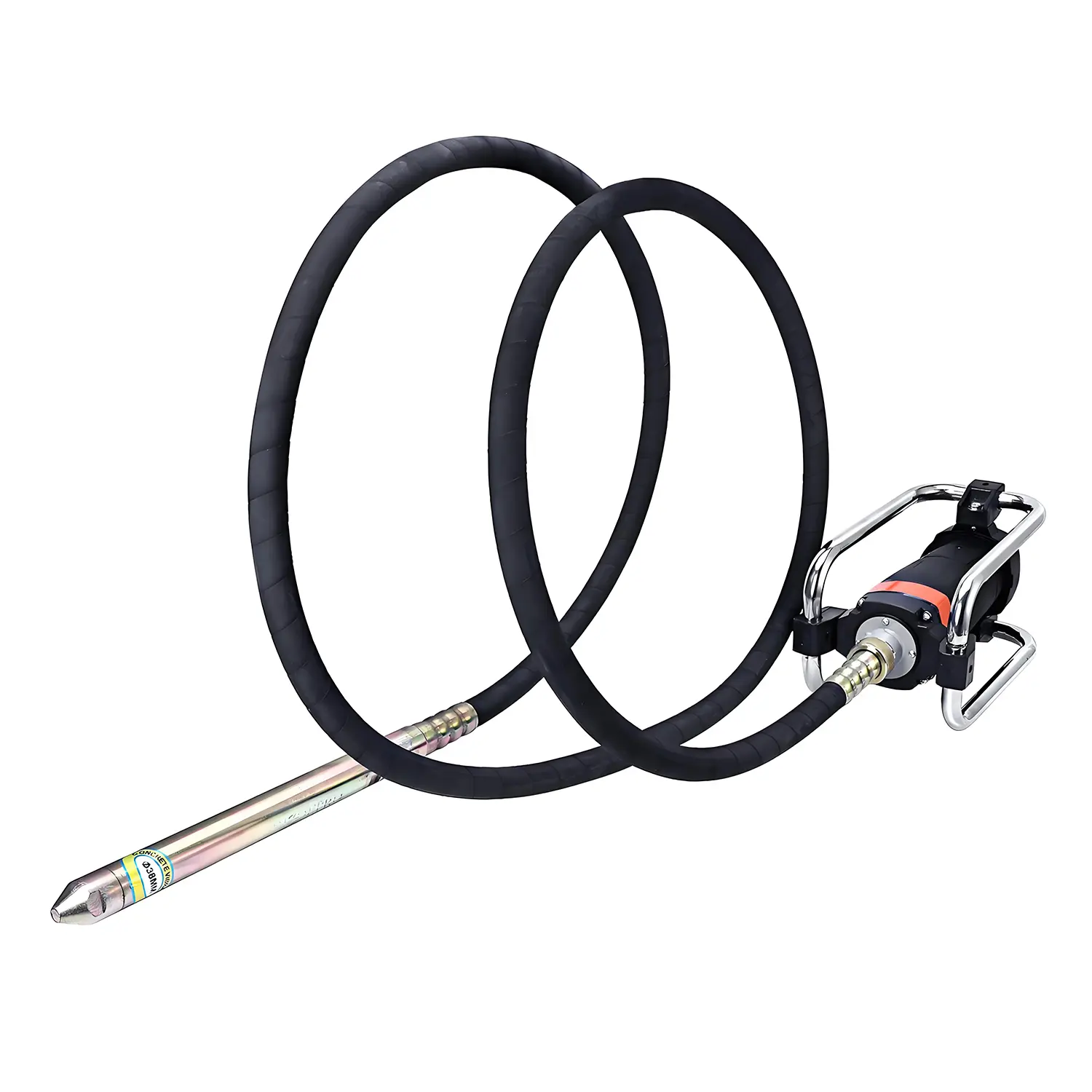 Eccentric shaft
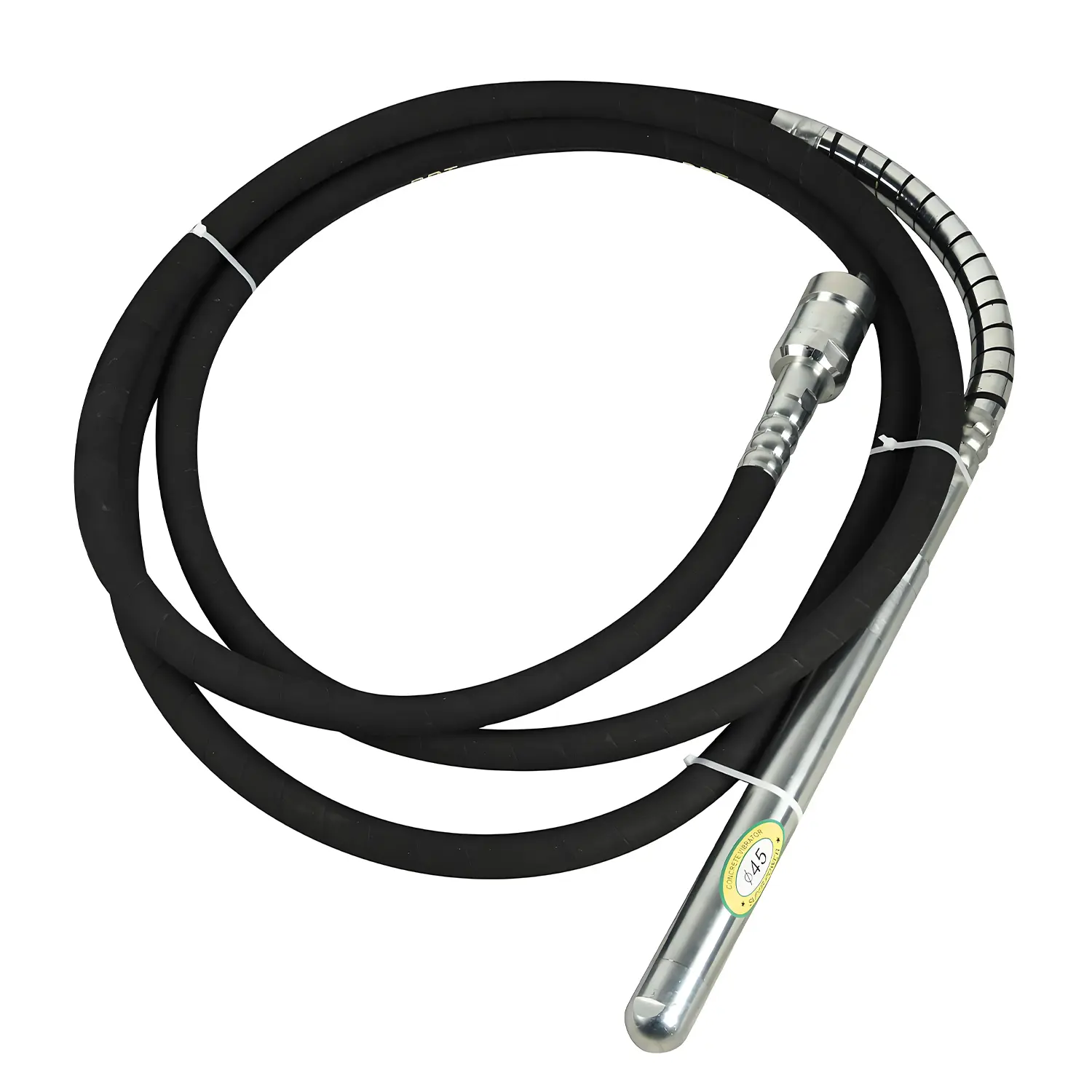 Pendulum shaft
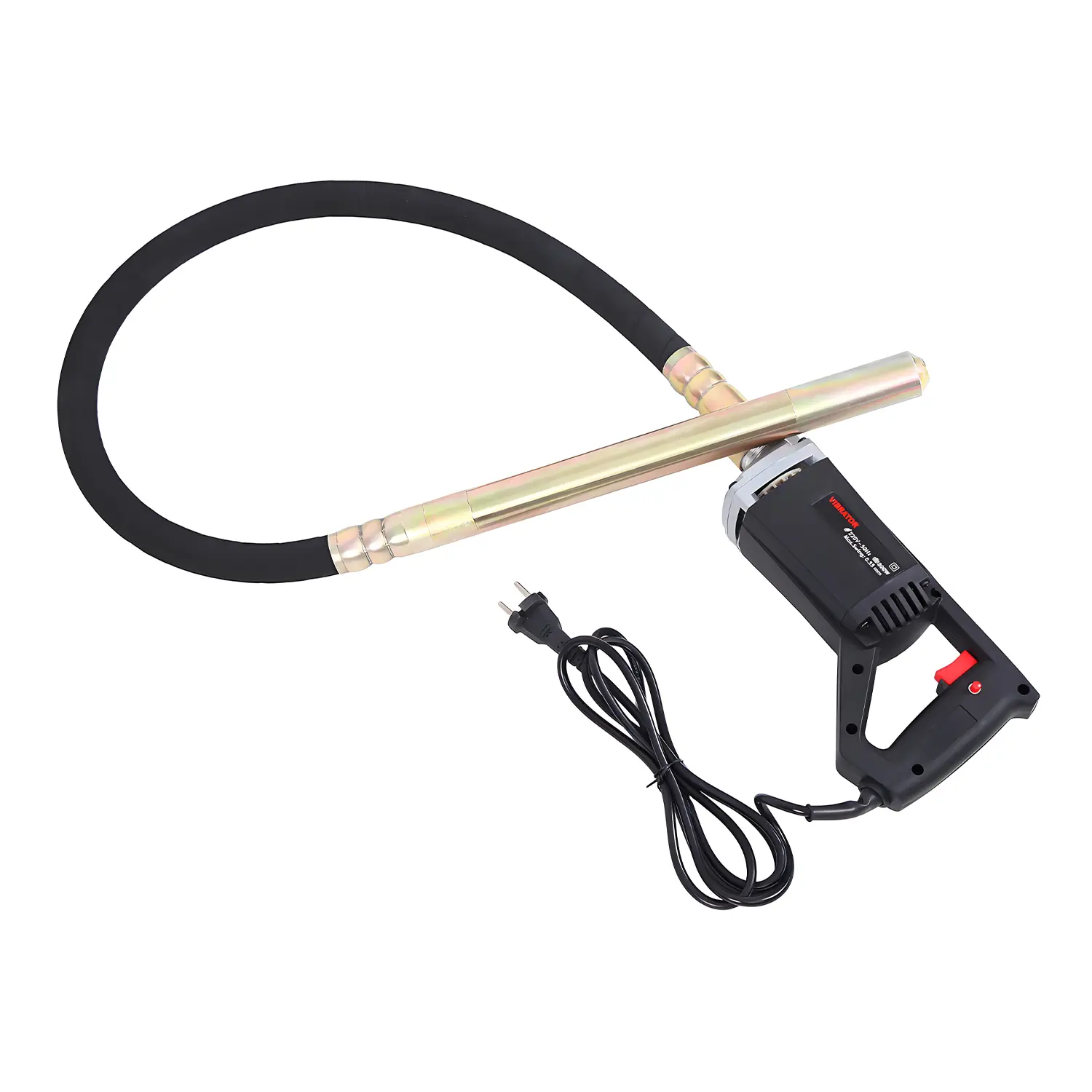 Portable vbrator shaft
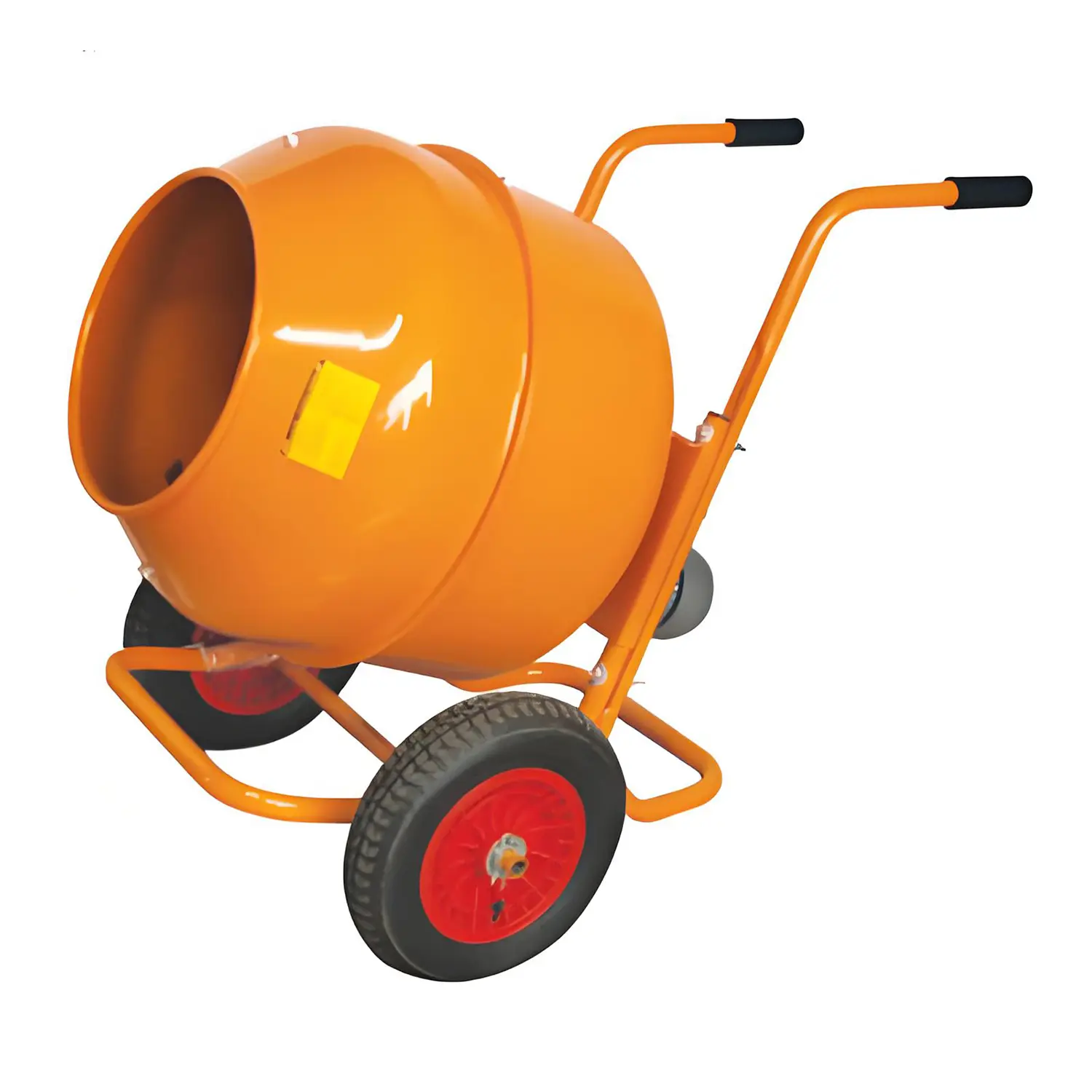 Portable concrete mixer
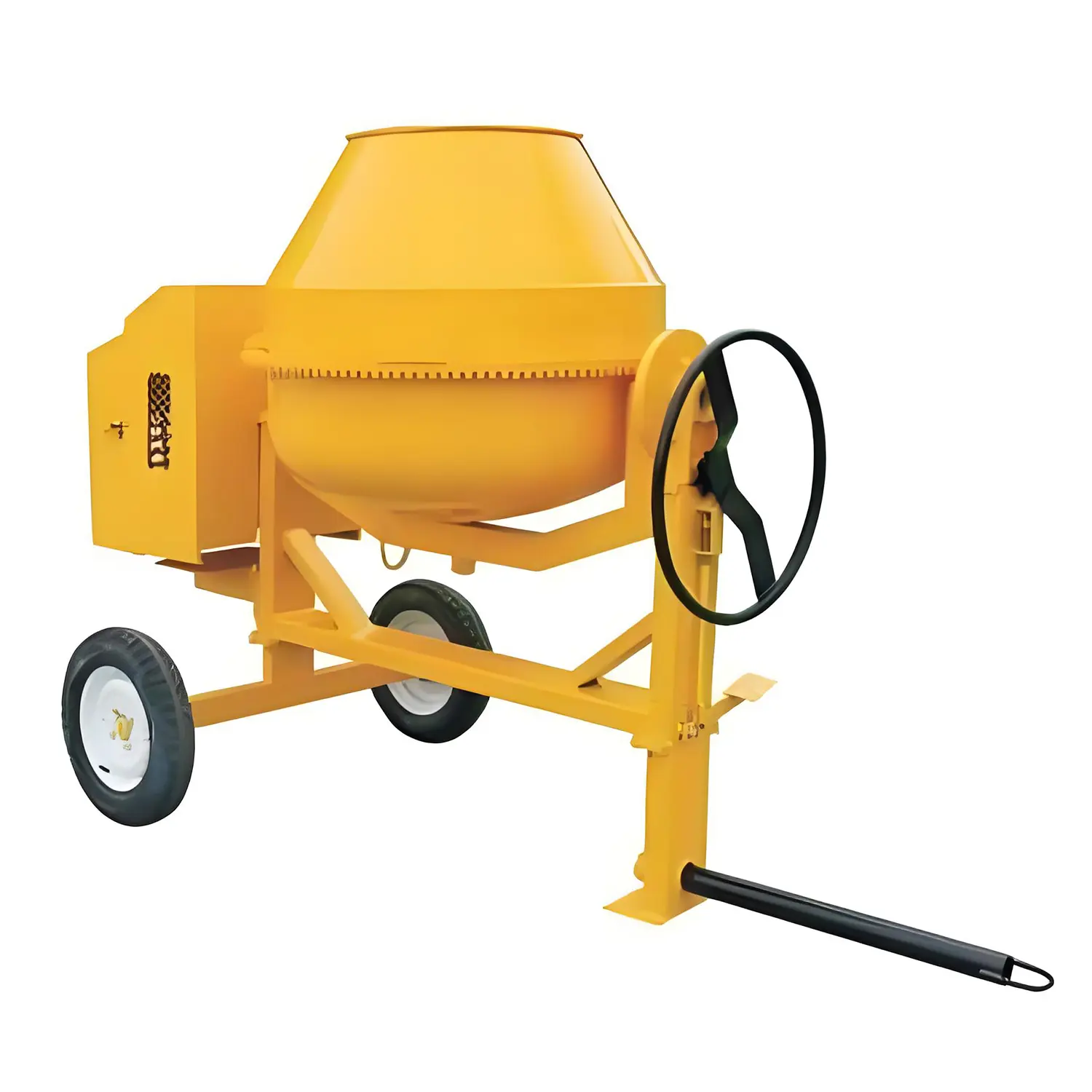 Vertical concrete mixer
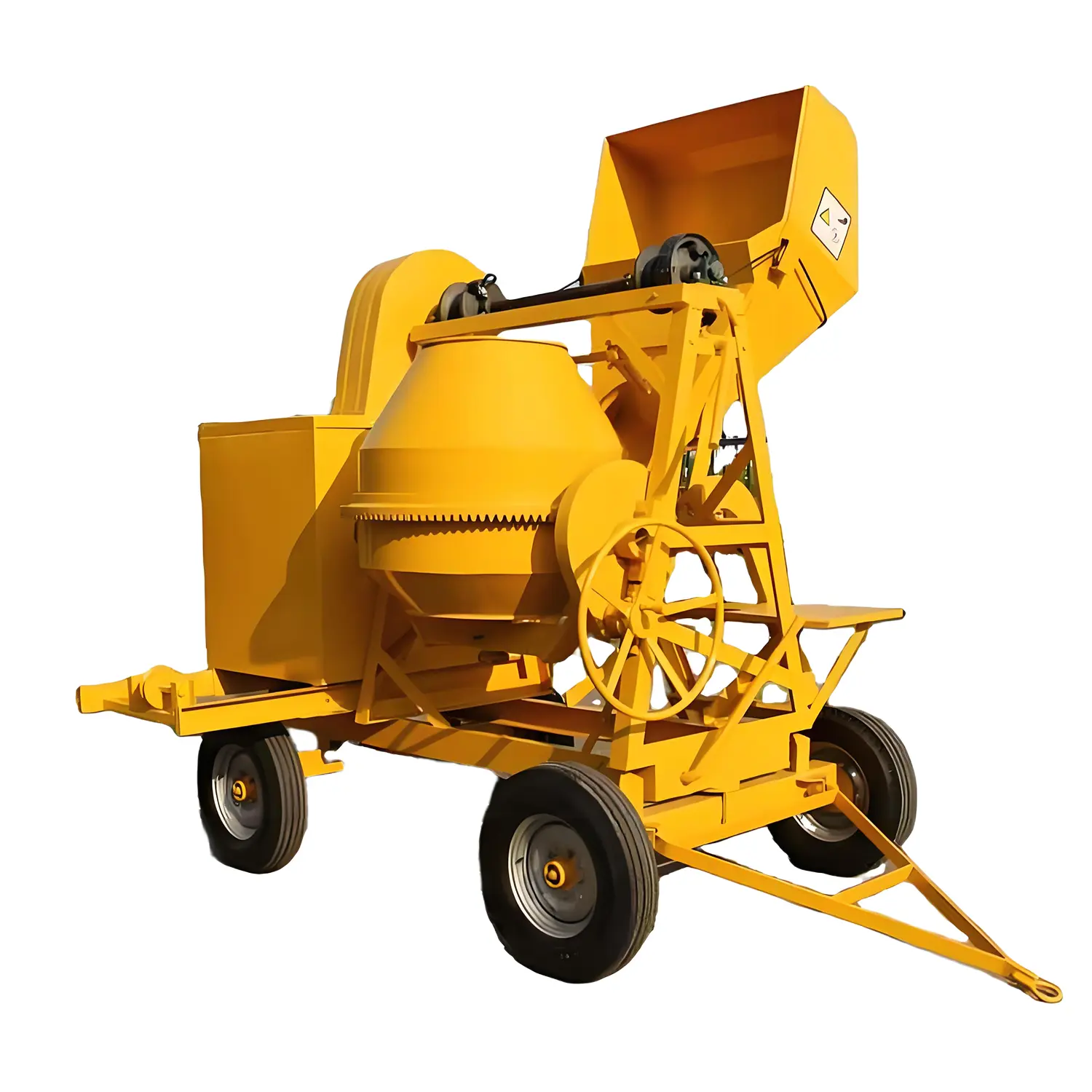 Hydraulic concrete mixer
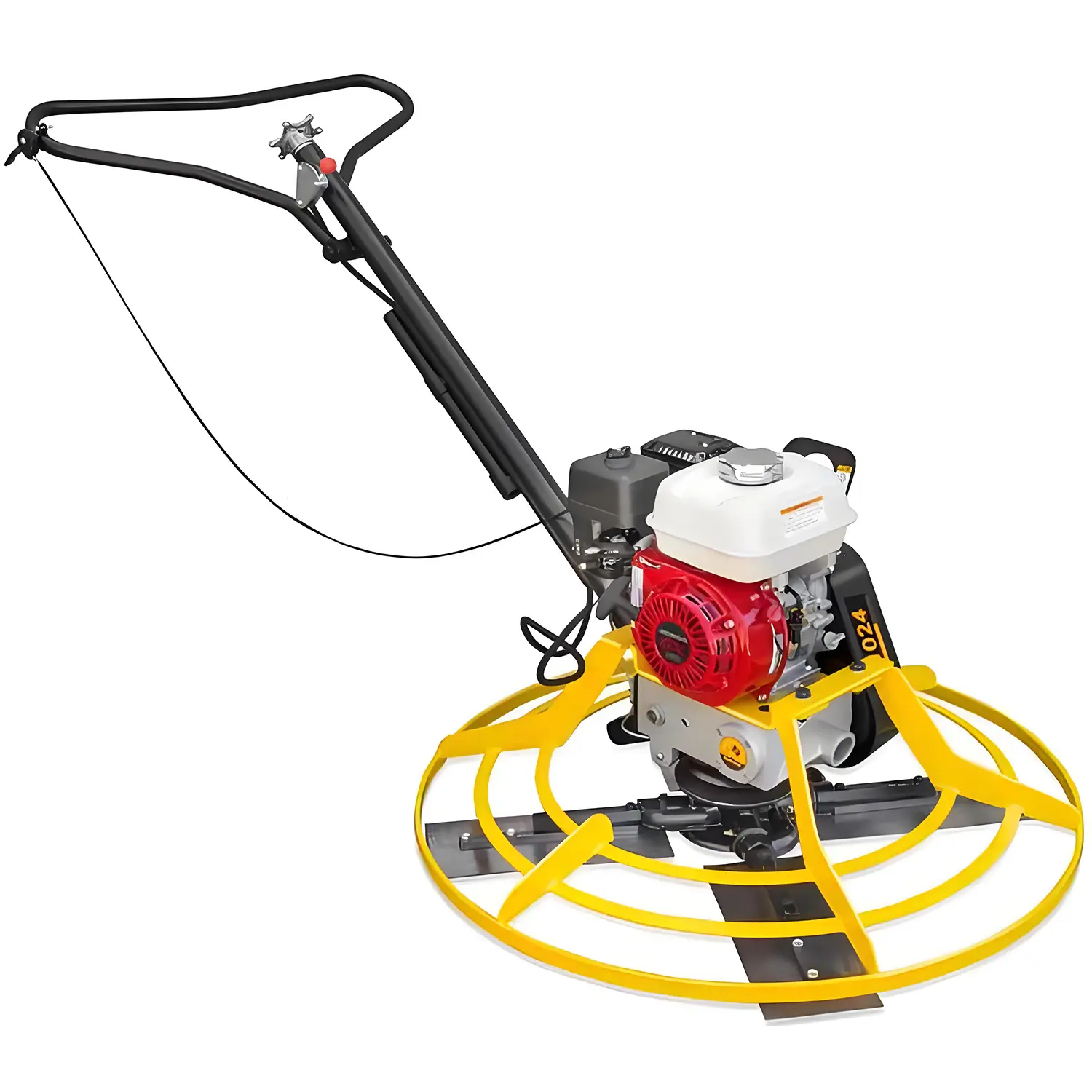 Walk behind power trowel
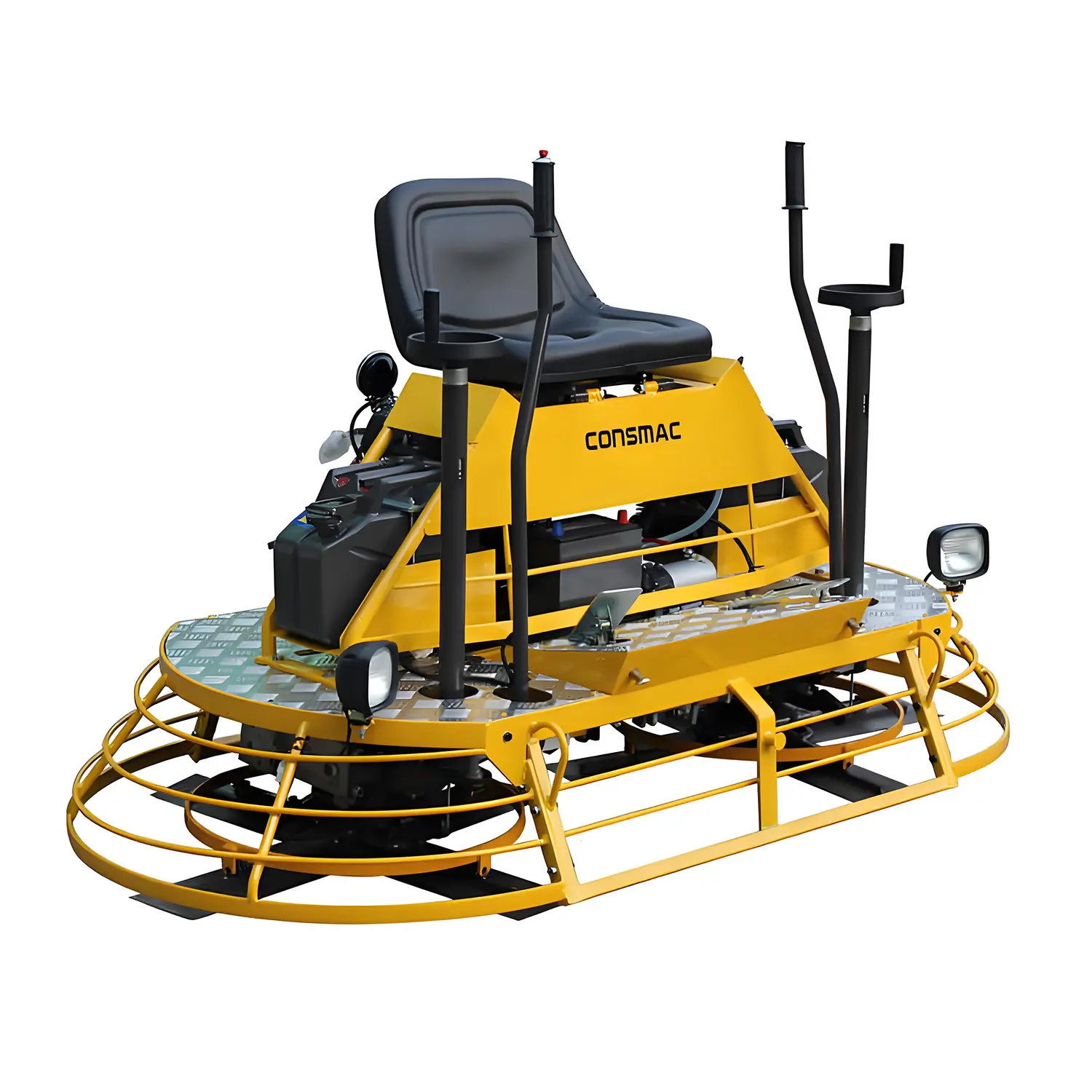 Ride on power trowel
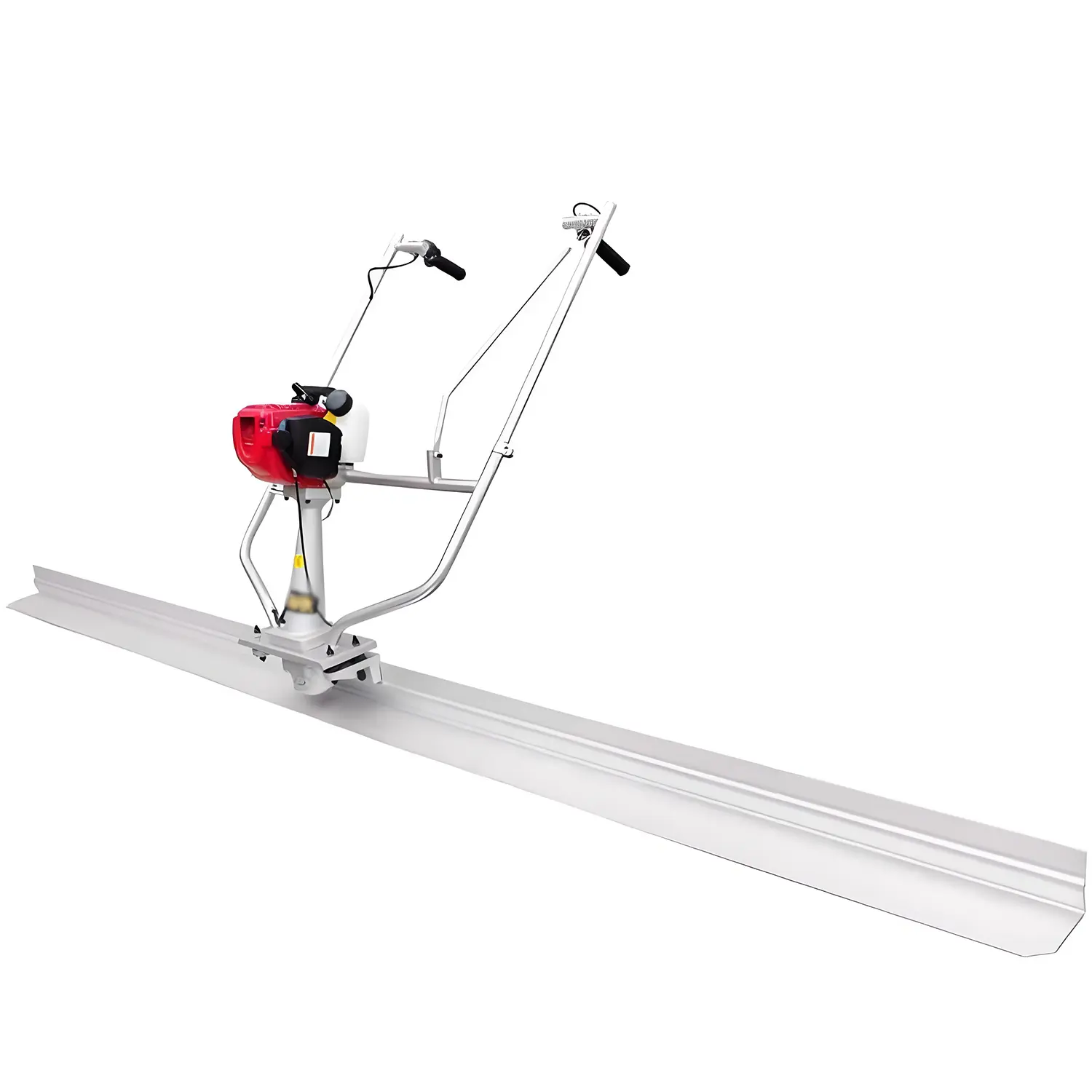 Concrete screed
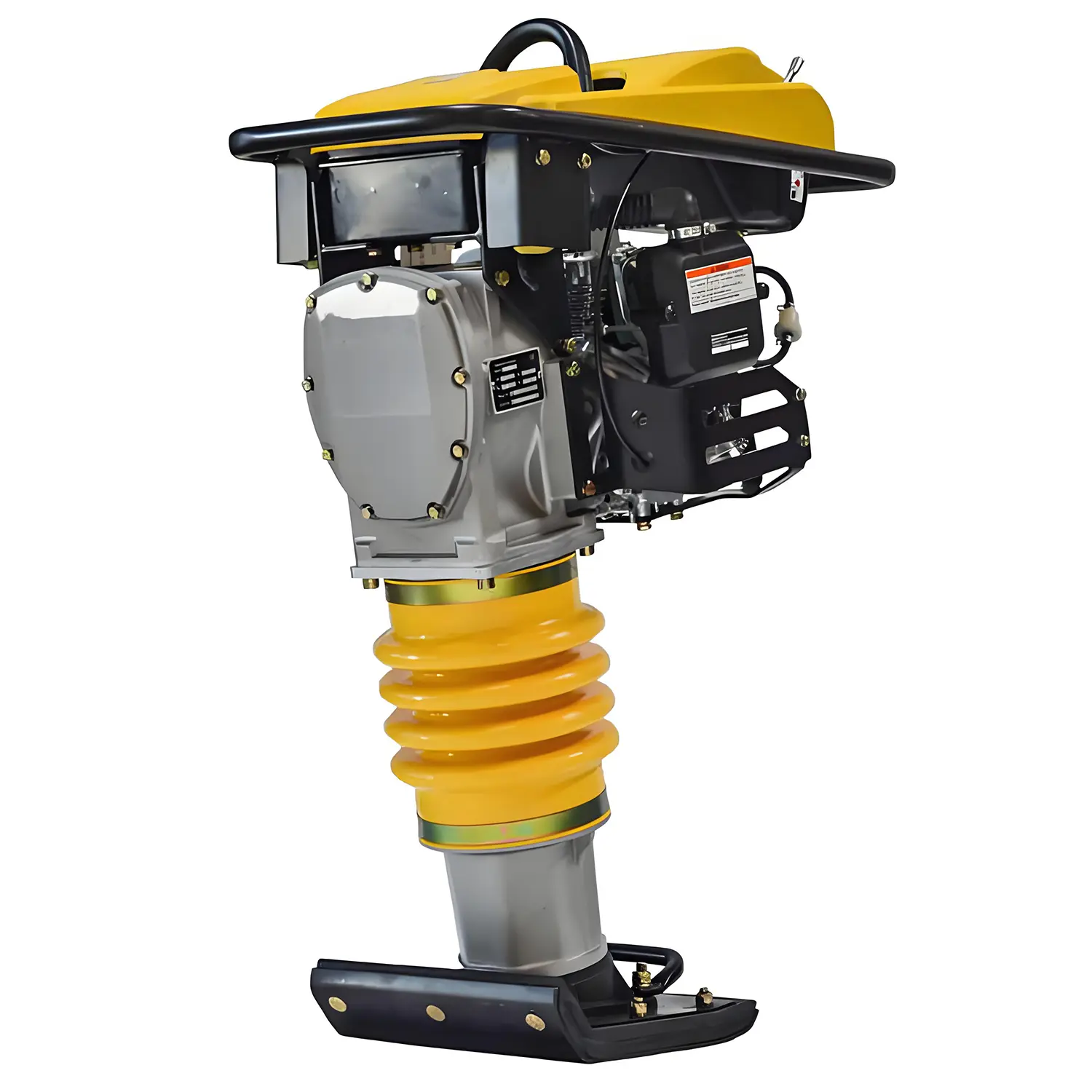 Tamping rammer
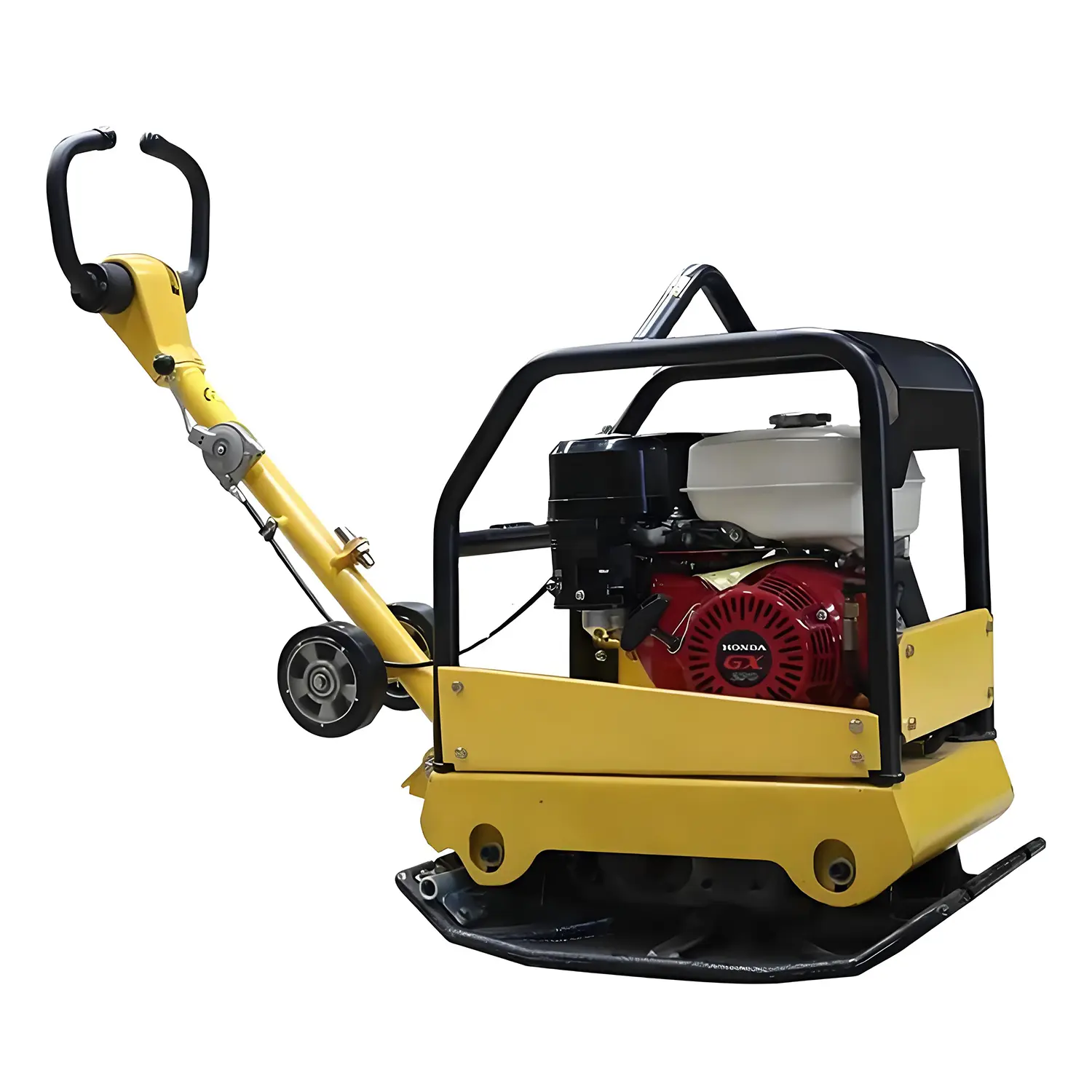 Plate compactor
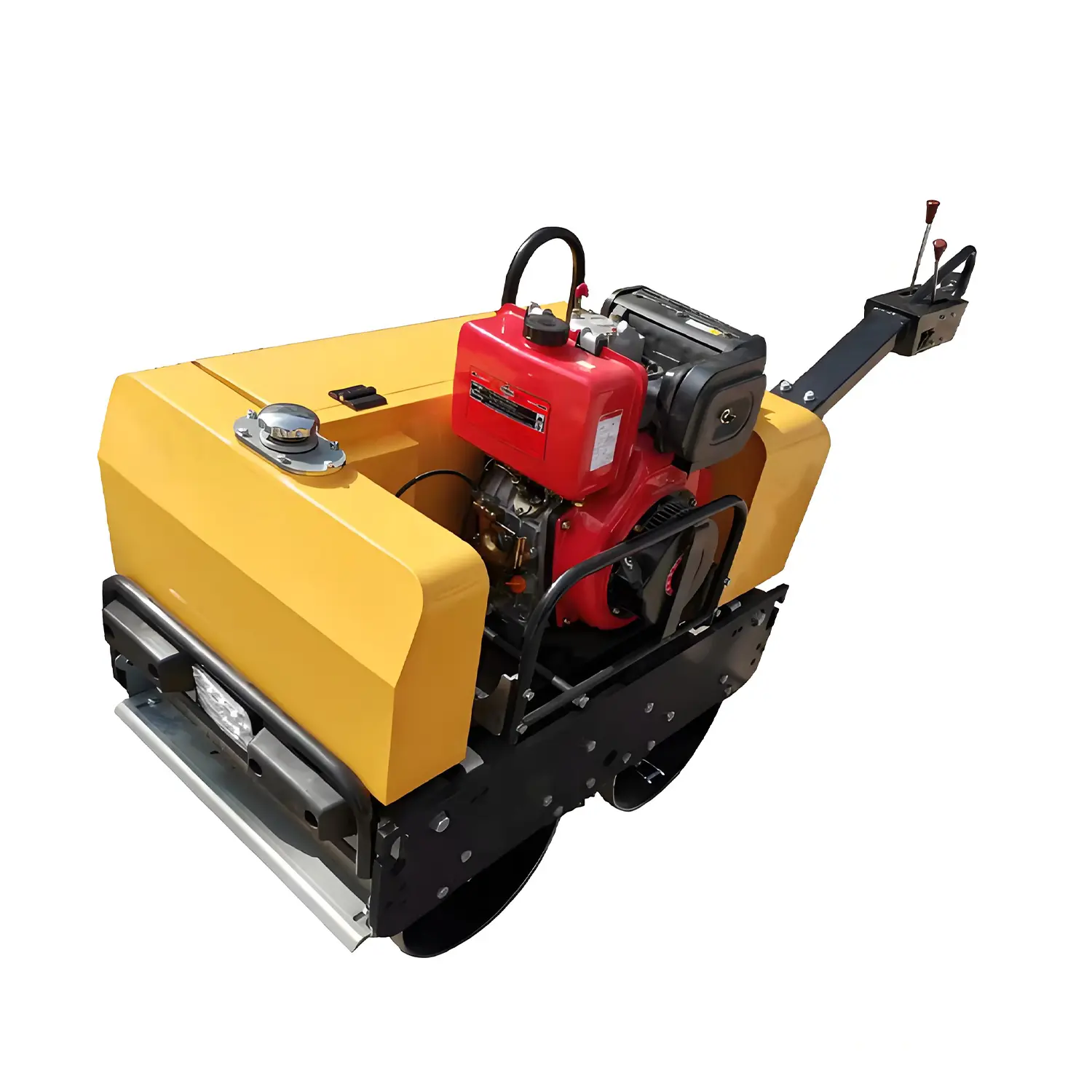 Vibratory roller