Top Rammer Compactor Reviews for Global Buyers?
When it comes to construction and landscaping projects, the Rammer Compactor stands out as an essential tool. These machines are designed to compress soil, asphalt, and other materials. A reliable Rammer Compactor can significantly enhance your project's efficiency. In this review, we aim to provide global buyers with insights into the best options available.
Choosing the right Rammer Compactor requires careful consideration. Factors such as weight, power, and ease of operation are crucial. It's easy to feel overwhelmed by the variety of products on the market. Each model has its features and drawbacks. Understanding these elements is essential for making an informed purchase.
We will explore various Rammer Compactors based on performance, user reviews, and expert recommendations. As we dive into the details, we hope to guide you toward a choice that perfectly fits your needs. It's not just about picking a brand; it's about enhancing your work's quality and efficiency.
Overview of Rammer Compactors in the Global Market
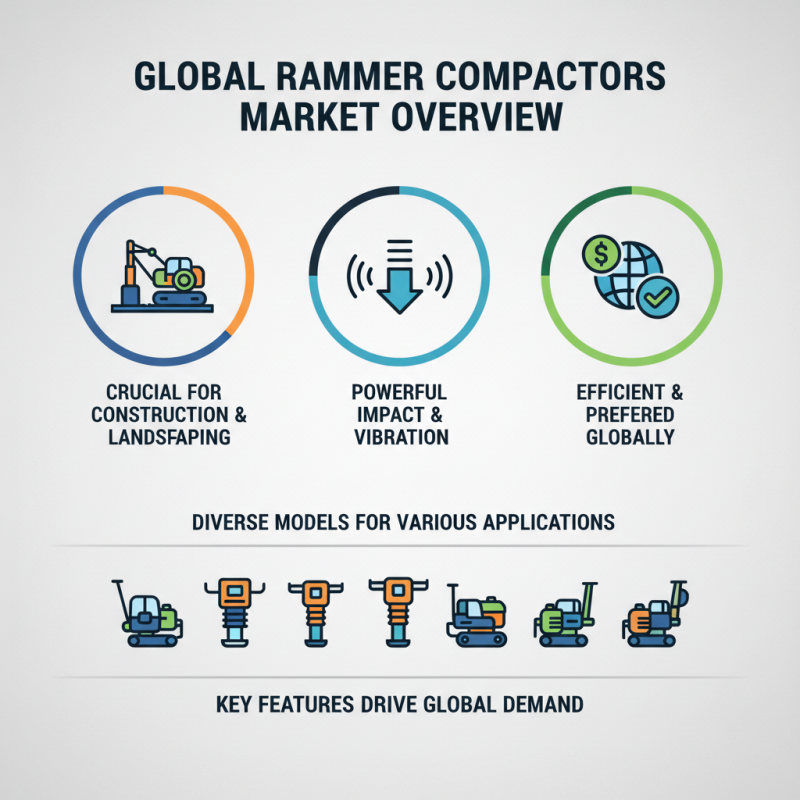
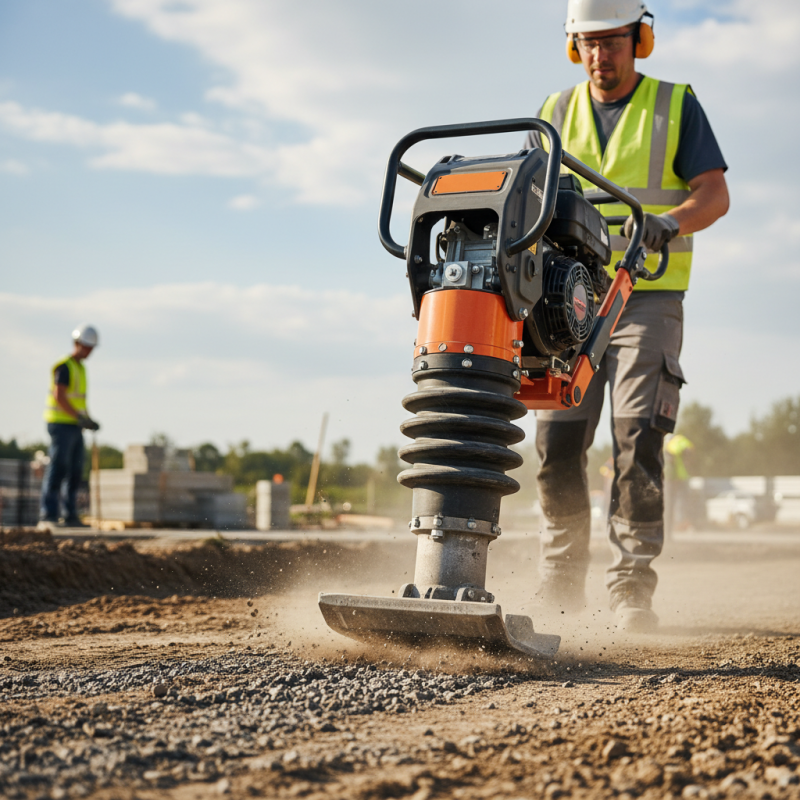
Rammer compactors play a crucial role in various construction and landscaping projects worldwide. These machines are designed to deliver powerful impacts and heavy vibrations to compact soil, gravel, and asphalt. Their efficiency makes them a preferred choice for many global buyers in the construction industry. With different models available, it is essential to understand their features to make an informed decision.
The global market for rammer compactors reflects a diverse landscape. Different regions have varying requirements based on climate and soil types. For instance, compactors in densely populated urban areas may require higher mobility. Features such as weight, size, and vibration frequency significantly influence their performance. Buyers often face challenges in selecting the appropriate model. It is vital to analyze the project needs before making a purchase. Local regulations and environmental considerations add complexity, too.
Moreover, many users report challenges with maintenance and usability. Proper training can mitigate some of these issues. Simple maintenance tasks can often be overlooked, leading to performance drops. Identifying a reliable source for parts and service is also essential. Compactors are robust machines, yet they need care. These factors should be carefully considered when entering the global market for rammer compactors.
Key Features to Consider When Choosing a Rammer Compactor
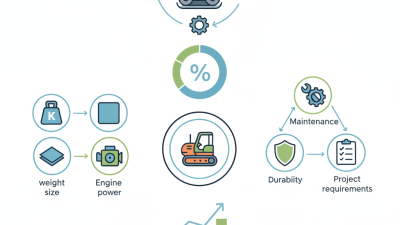
When selecting a rammer compactor, several key features come into play. Weight is a primary factor. Heavier models tend to provide better compaction. They penetrate deeper into the soil, ensuring a solid foundation. However, excessive weight can hinder maneuverability. Users must strike a balance between weight and ease of use.
Another critical aspect is the engine type. Diesel engines are often more fuel-efficient. They provide ample power for tough tasks. Yet, they can be noisier, which may not suit all working environments. Electric options are quieter and cleaner but may lack the power needed for extensive jobs. Understanding the terrain and project requirements can guide buyers towards the right engine choice.
Finally, operator comfort should not be overlooked. Features like padded handles and vibration dampening can make a huge difference. Extended use without comfort features can lead to fatigue and decreased productivity. Thus, it is wise to consider these elements carefully. A thoughtful selection process can lead to better outcomes in compacting work.
Top Brands and Models of Rammer Compactors Reviewed
When exploring rammer compactors, it's essential to consider various models and brands available in the market. These machines play a critical role in ground preparation for construction projects. You’ll find that different compactors cater to specific needs. Some excel in small areas, while others are designed for larger tasks. A thorough review of these machines helps buyers make informed decisions.
Tips: Always check the weight and size of the rammer compactor. These factors significantly impact its performance. A heavier model often delivers better compaction, but maneuverability might suffer. It's crucial to balance these features based on your job requirements.
Not all models are user-friendly, which can lead to frustration. Some may have complex controls, while others might lack sufficient power. When reviewing options, consider customer feedback on ease of use. This insight can help identify models that are reliable and efficient. Remember, the ideal compactor integrates power with practicality for the best results.
Comparative Analysis of Rammer Compactor Performance
When selecting a rammer compactor, performance is crucial. Evaluating features like weight and vibration frequency can make a significant difference. Heavier compactors tend to penetrate deeper into the soil. This can create a denser and more stable base. However, it's essential to balance weight with operator comfort. A heavier machine may be more challenging to maneuver, especially in tight spaces.
Examining the vibration frequency helps determine soil compaction efficiency. Machines that operate at higher frequencies can achieve better results on granular soils. Yet, they might struggle with cohesive materials. It's vital to consider the specific project requirements when making a choice. Some compactors excel in specific conditions, while others may not perform as expected.
User reviews and expert recommendations often highlight the strengths and weaknesses of different models. Analyzing feedback can guide buyers towards reliable options. However, no machine is perfect. Some users report issues with durability or maintenance requirements. A prospective buyer should weigh these factors carefully. Understanding performance nuances can lead to more informed decisions.
User Testimonials and Feedback on Leading Rammer Compactors
User testimonials provide invaluable insights for buyers exploring rammers. A common theme among users is the importance of vibration control. Many operators note that effective vibration reduction enhances comfort during extended use. This feature can significantly affect productivity levels. Users appreciate models that minimize hand-arm fatigue. They also stress the need for adjustable settings for various soil types.
Feedback often highlights the durability of these machines. Buyers want reliability in tough environments. Some users have reported machines failing after heavy use. This point of concern often leads to discussions about maintenance. Regular checks and timely repairs are essential for longevity. However, some users struggle to find reliable repair services. A few have expressed frustration with parts availability, which can delay operations.
Many testimonials reflect a strong preference for user-friendly designs. Operators favor machines that are easy to maneuver. Weight and compactness often play crucial roles in user satisfaction. A lighter model can sometimes lead to better handling, but it might compromise power. Users suggest a balance is necessary, making it a complex choice. This uncertainty complicates decisions for potential buyers, who must weigh various factors.

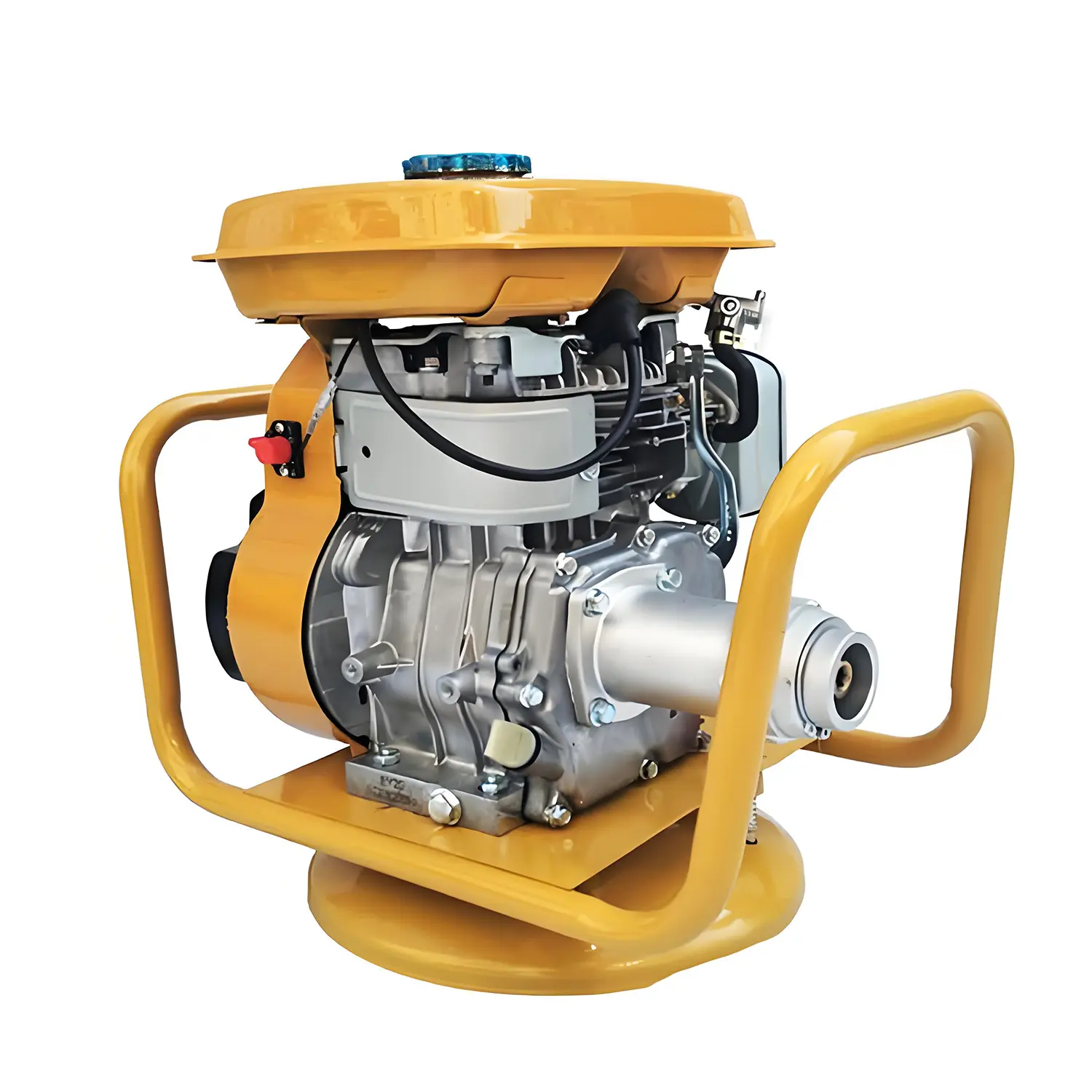 Internal Vibrator
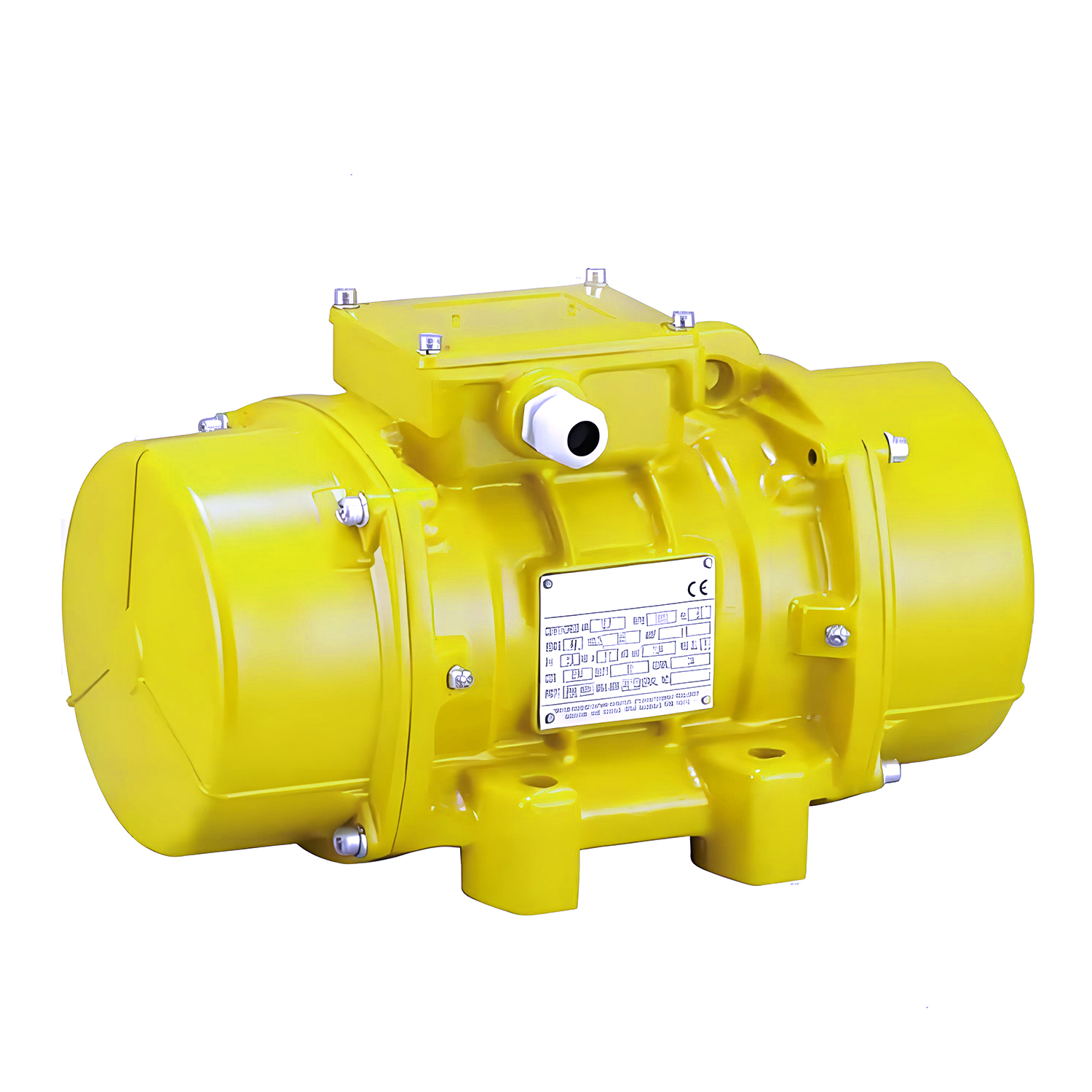 External Vibrator
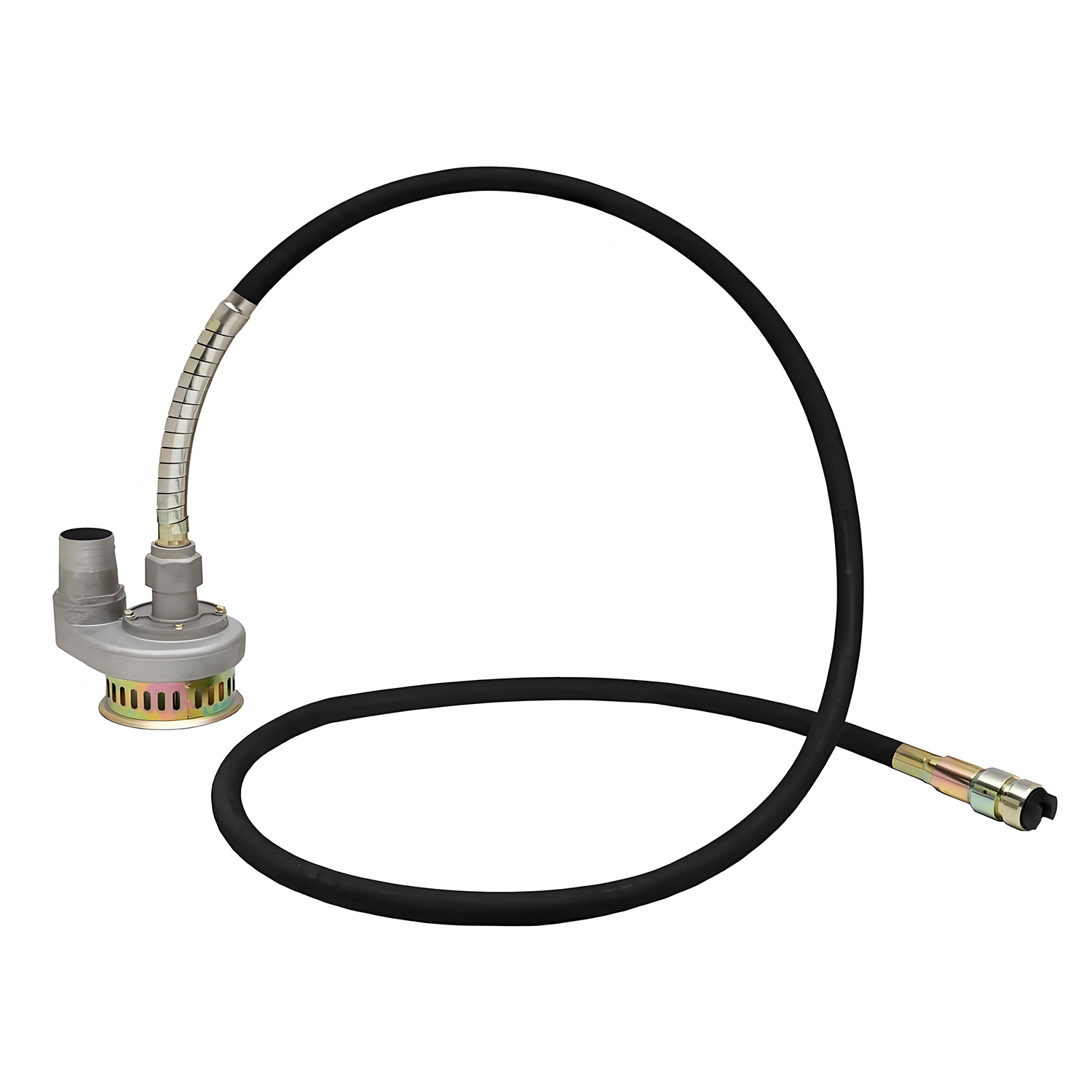 Submersible Pump
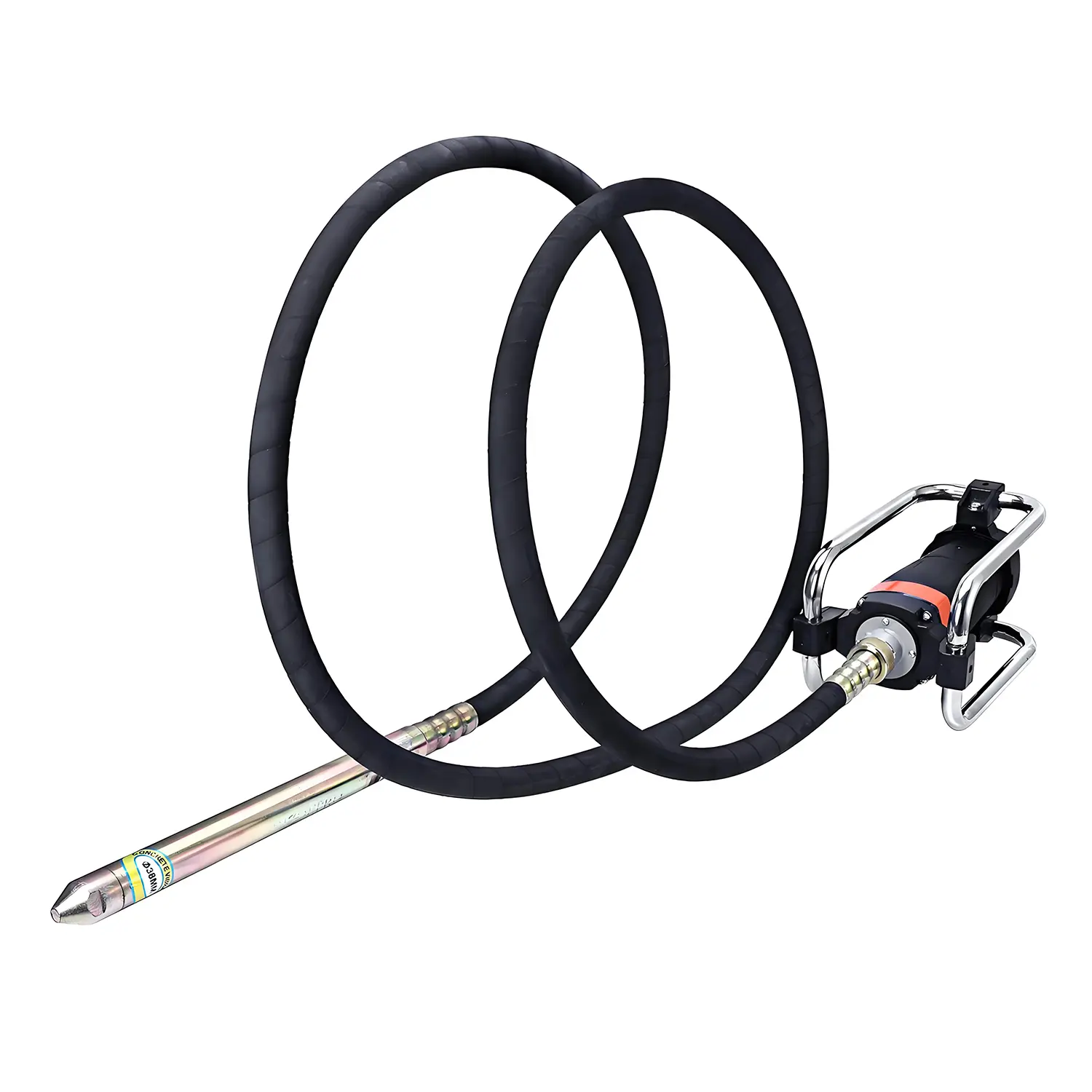 Eccentric shaft
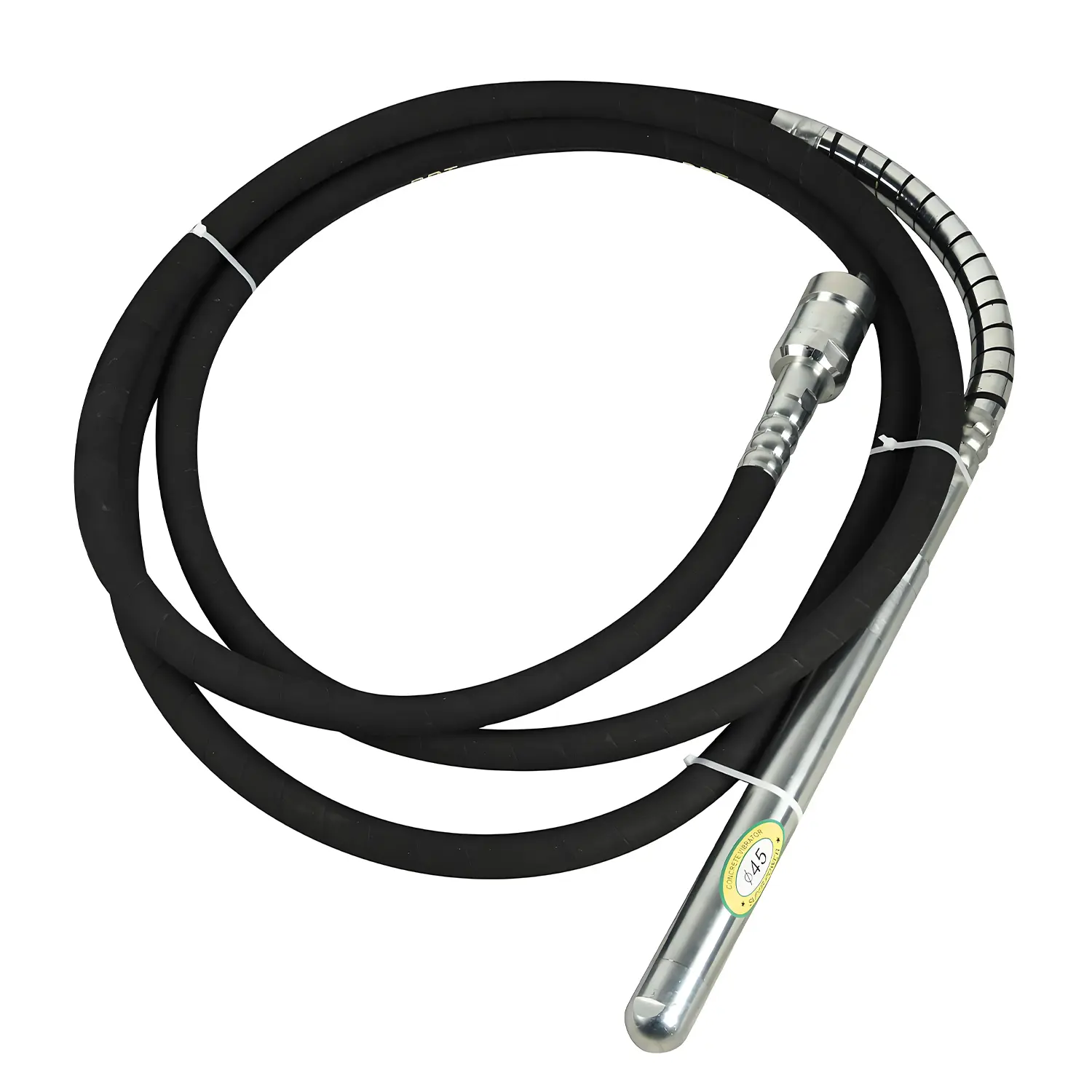 Pendulum shaft
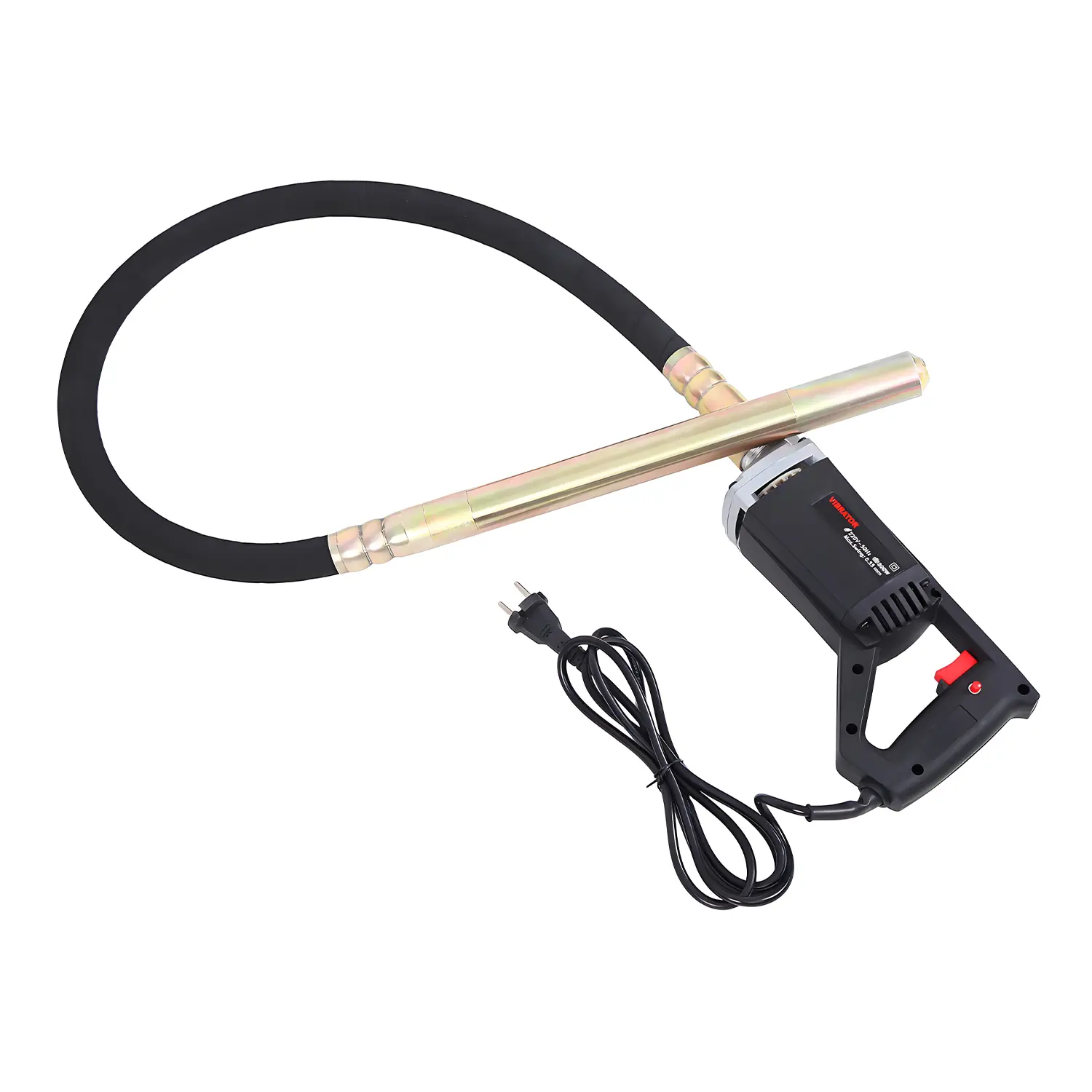 Portable vbrator shaft
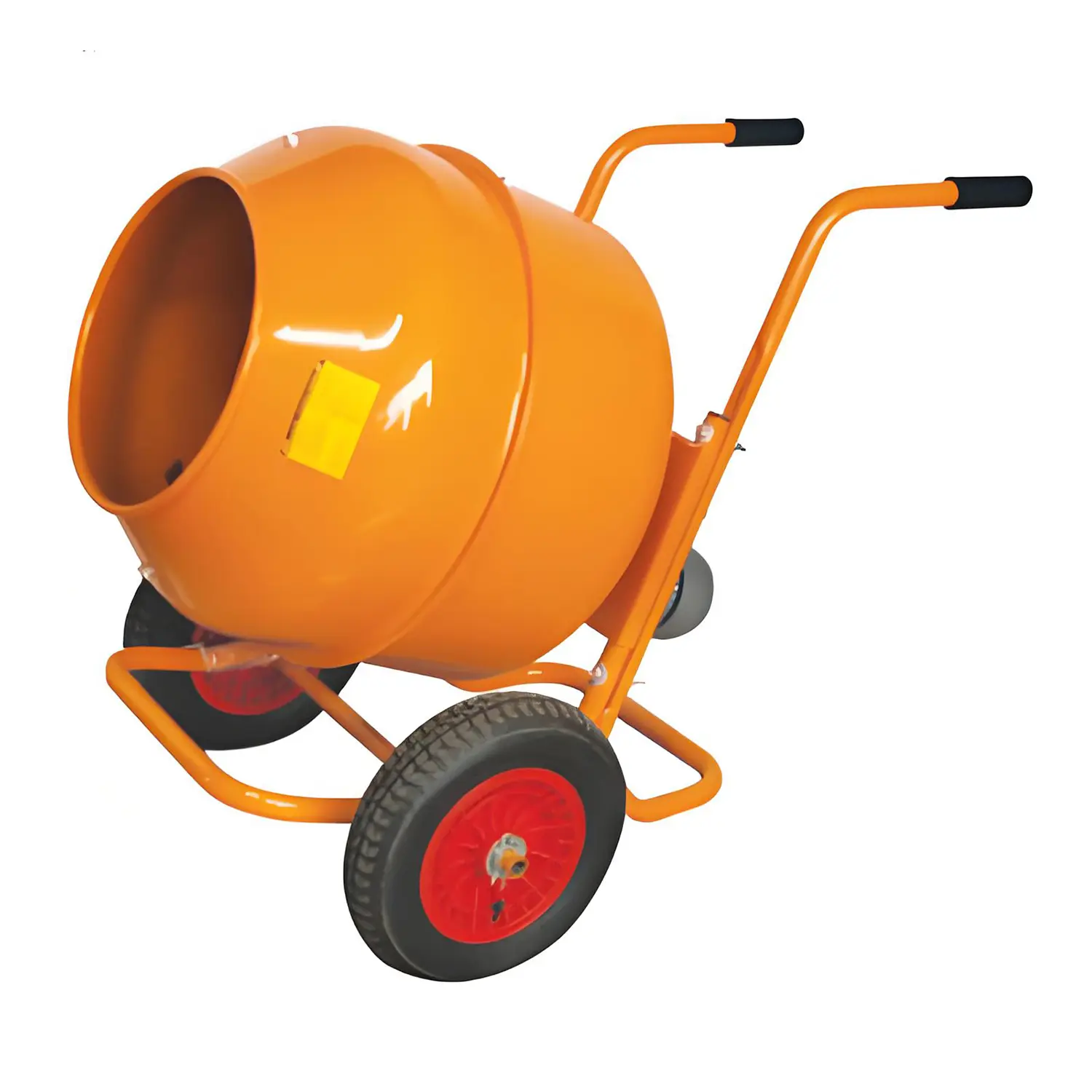 Portable concrete mixer
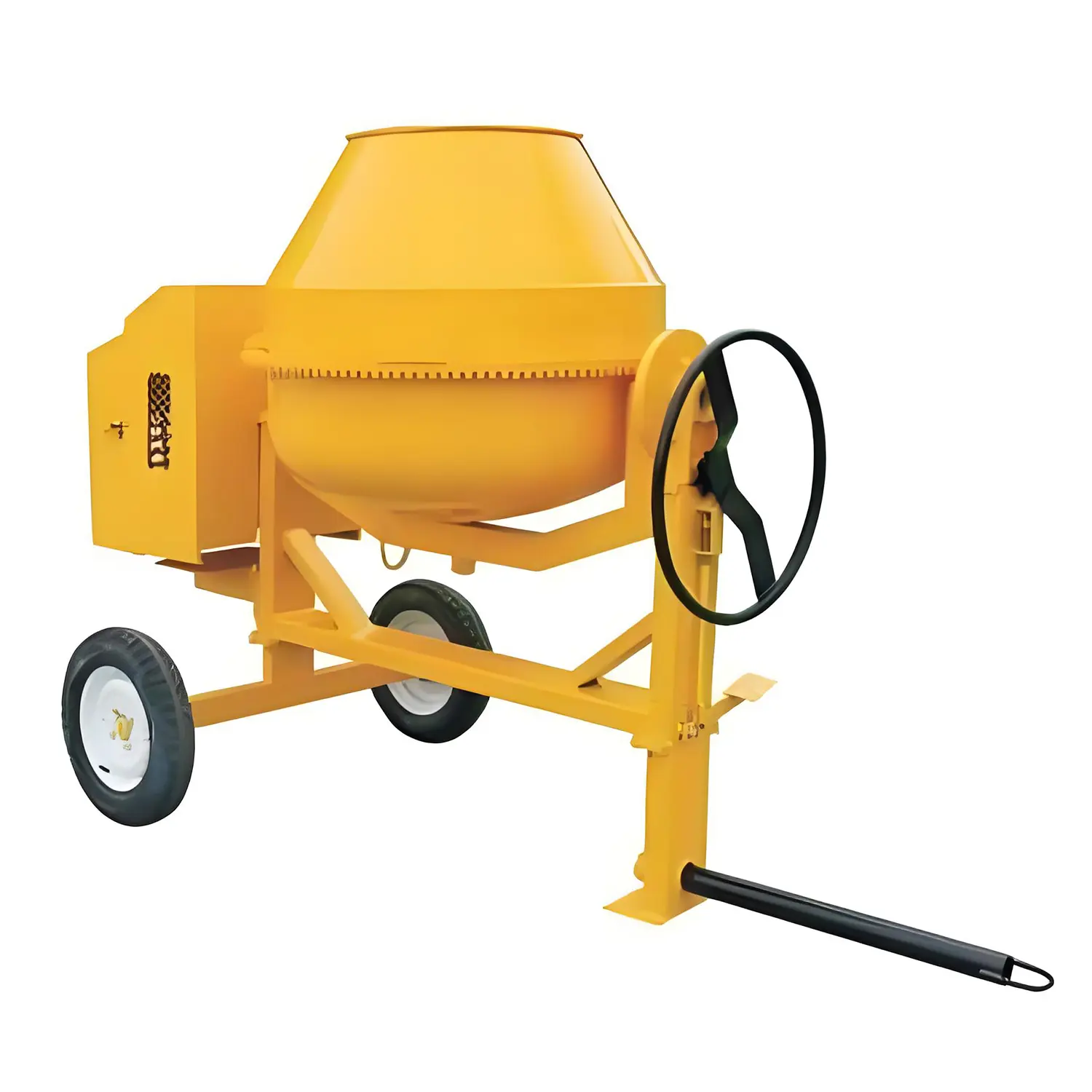 Vertical concrete mixer
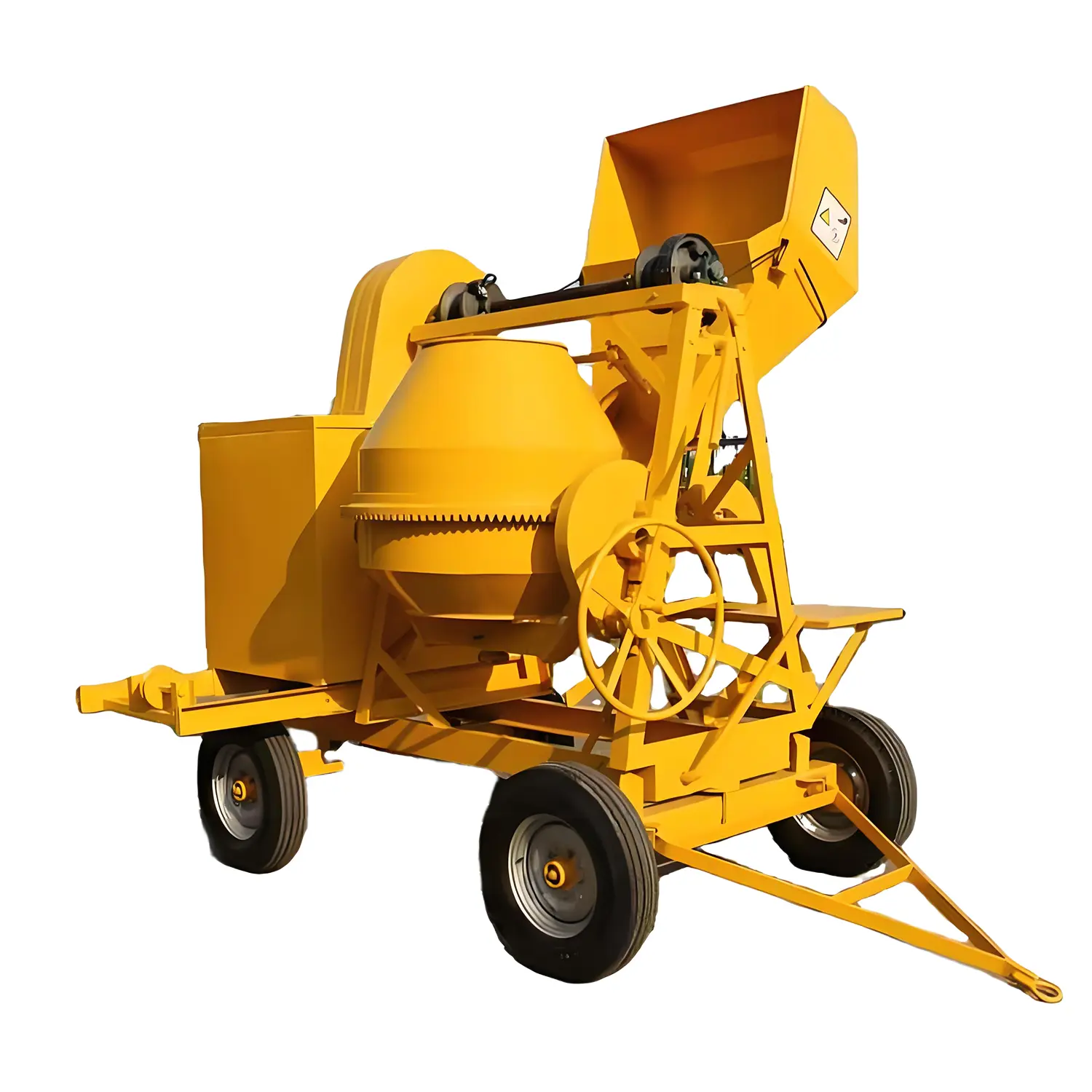 Hydraulic concrete mixer
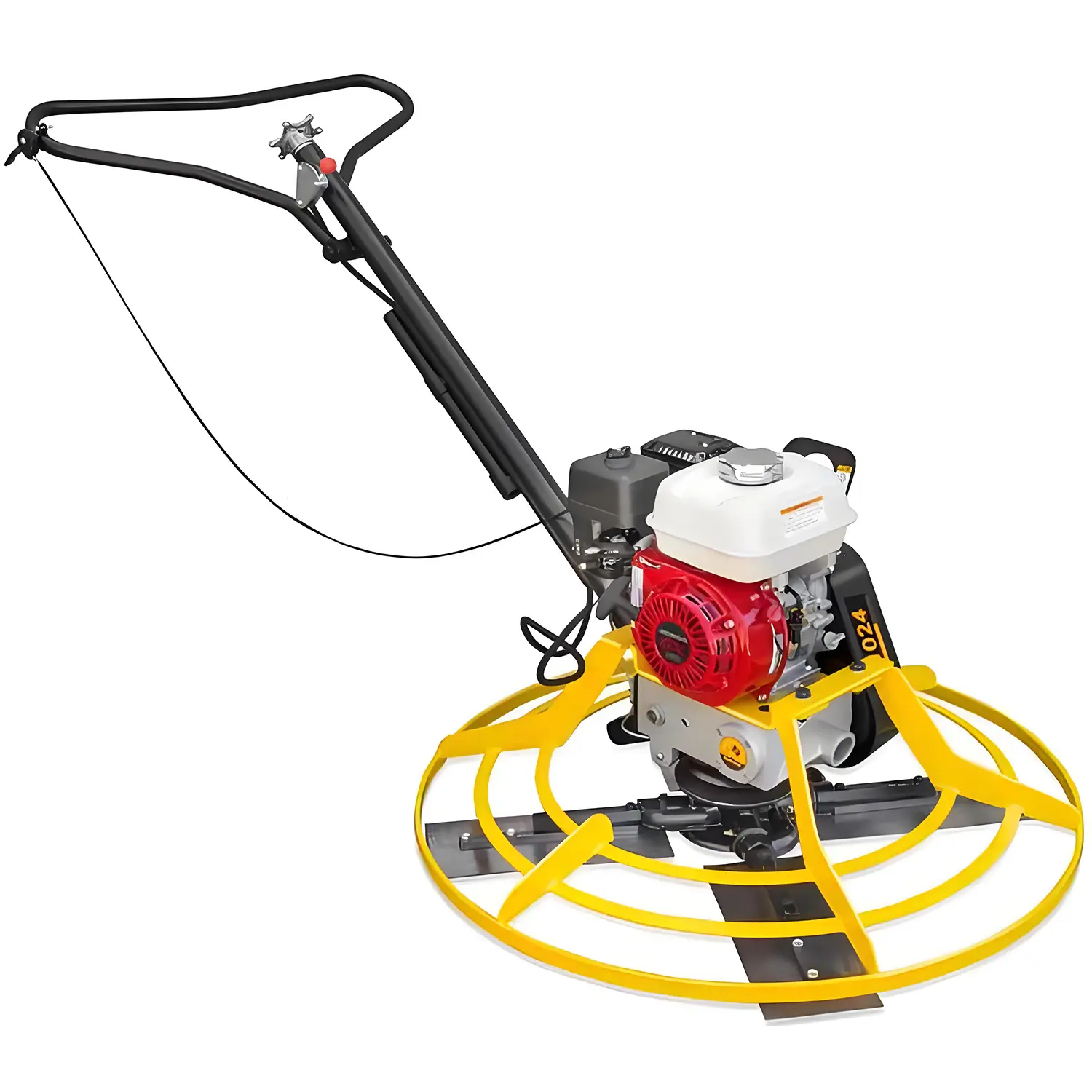 Walk behind power trowel
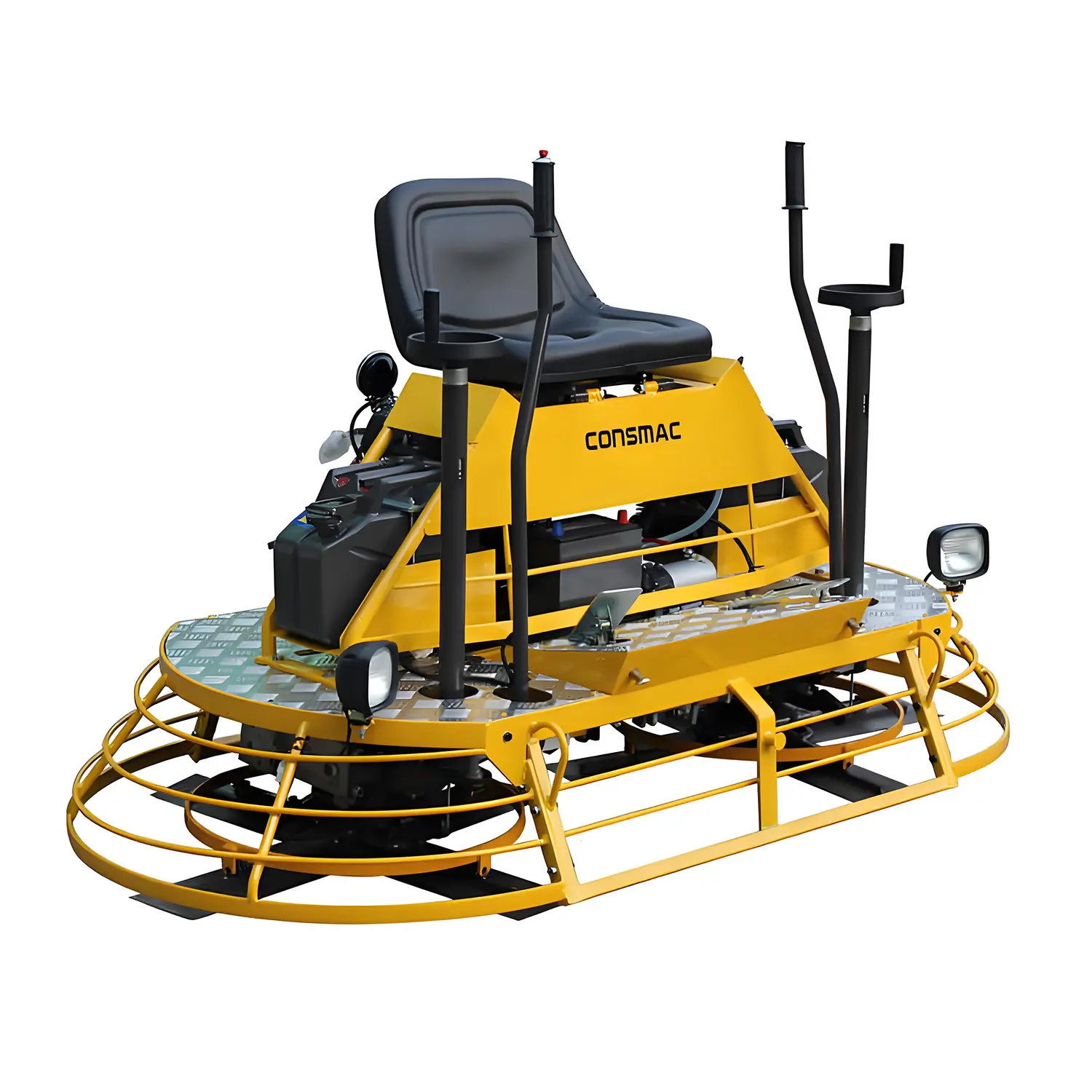 Ride on power trowel
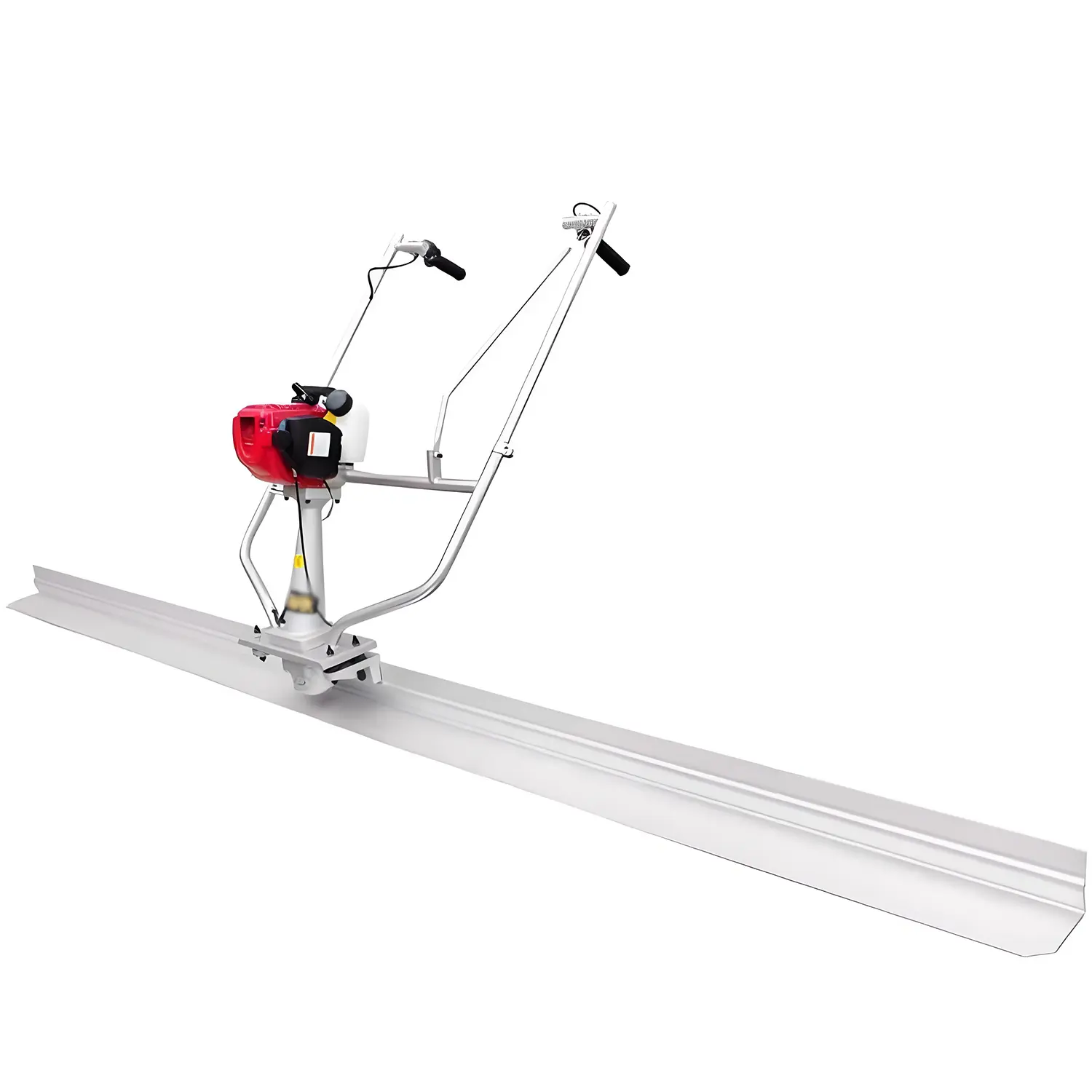 Concrete screed
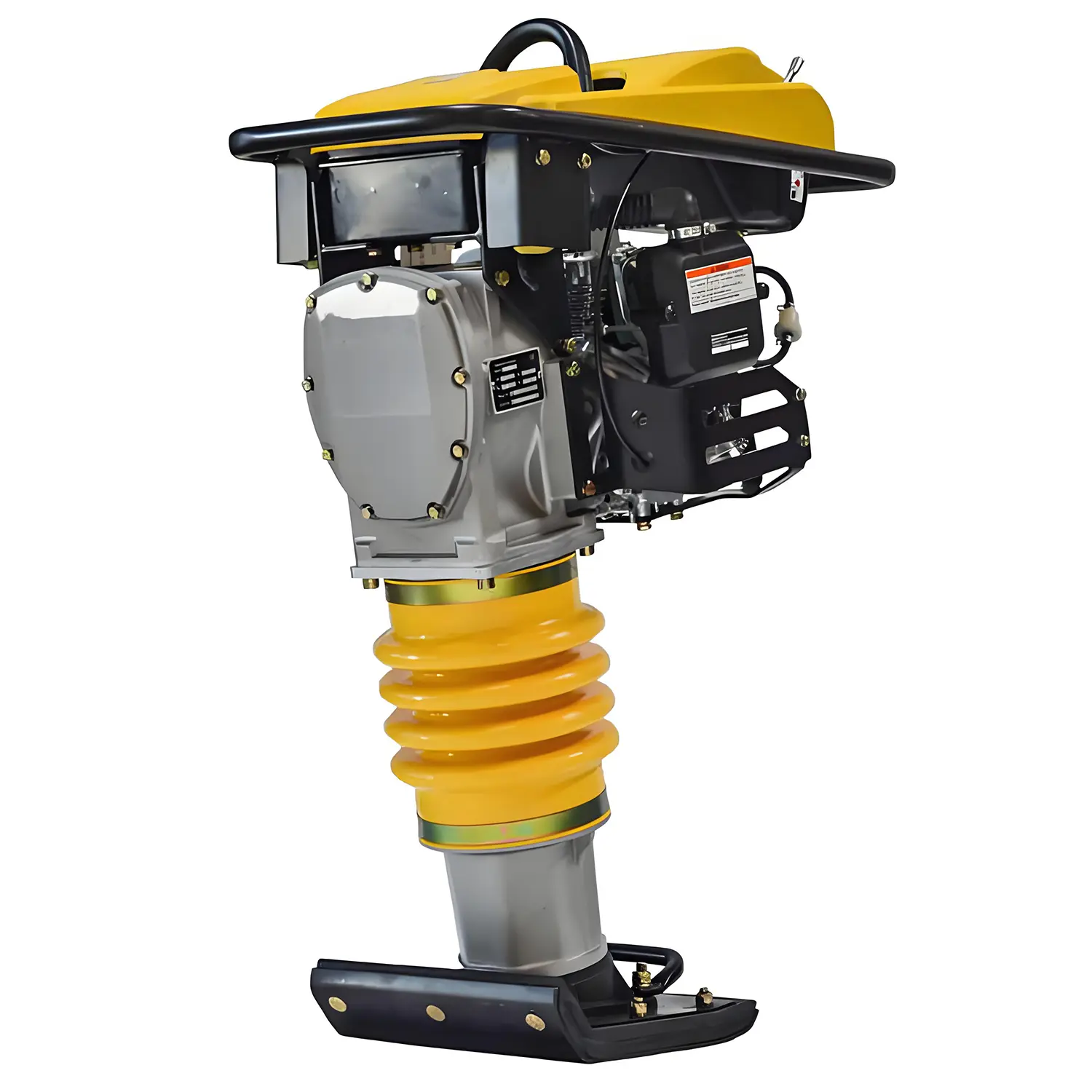 Tamping rammer
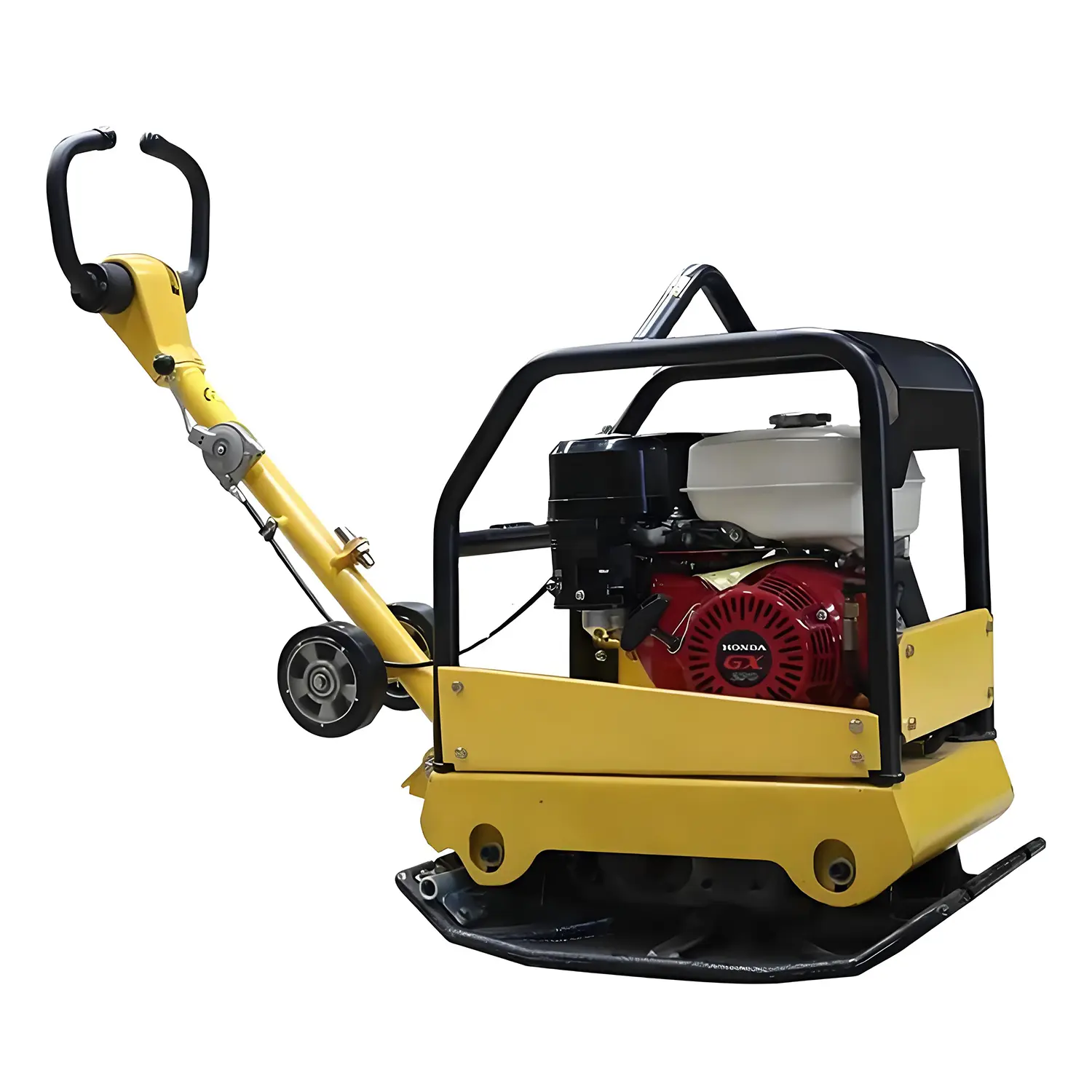 Plate compactor
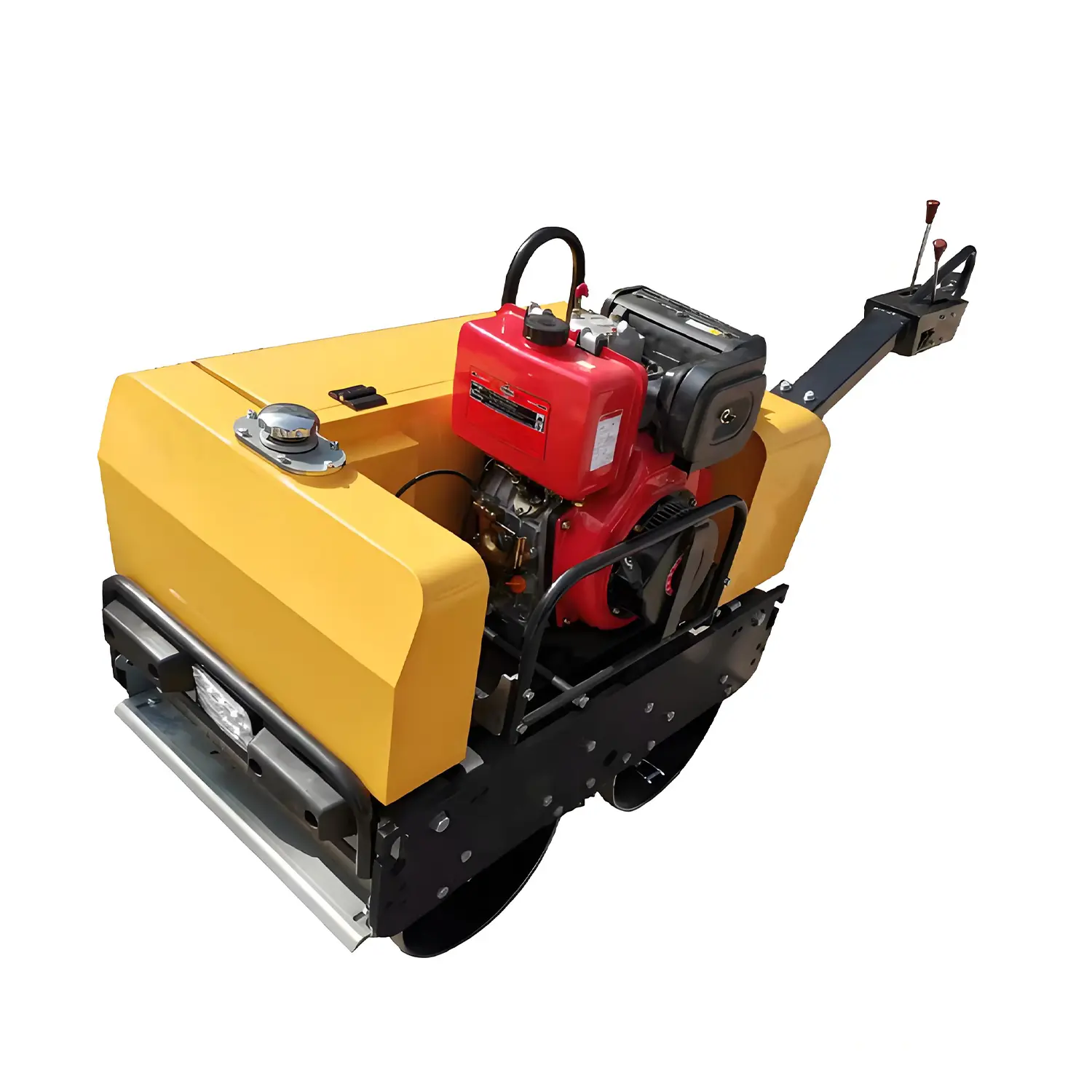 Vibratory roller