How to Use Vibrated Concrete for Superior Construction Results?
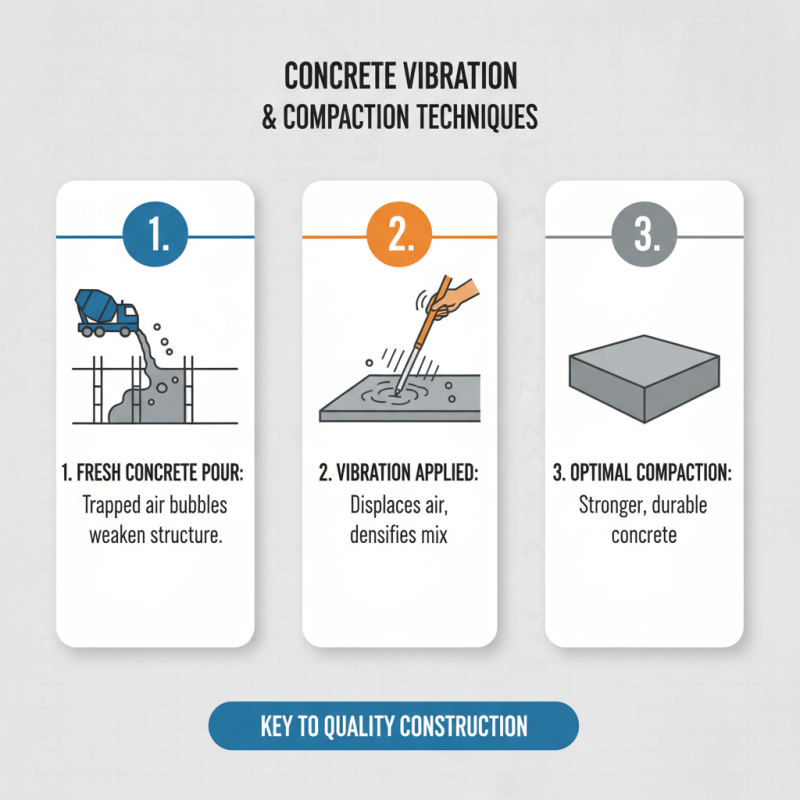
Vibrated Concrete has revolutionized the construction industry. Its use enhances the durability and strength of structures. This technique involves applying vibration to freshly poured concrete, allowing air bubbles to escape. As a result, the mixture becomes denser and more reliable.
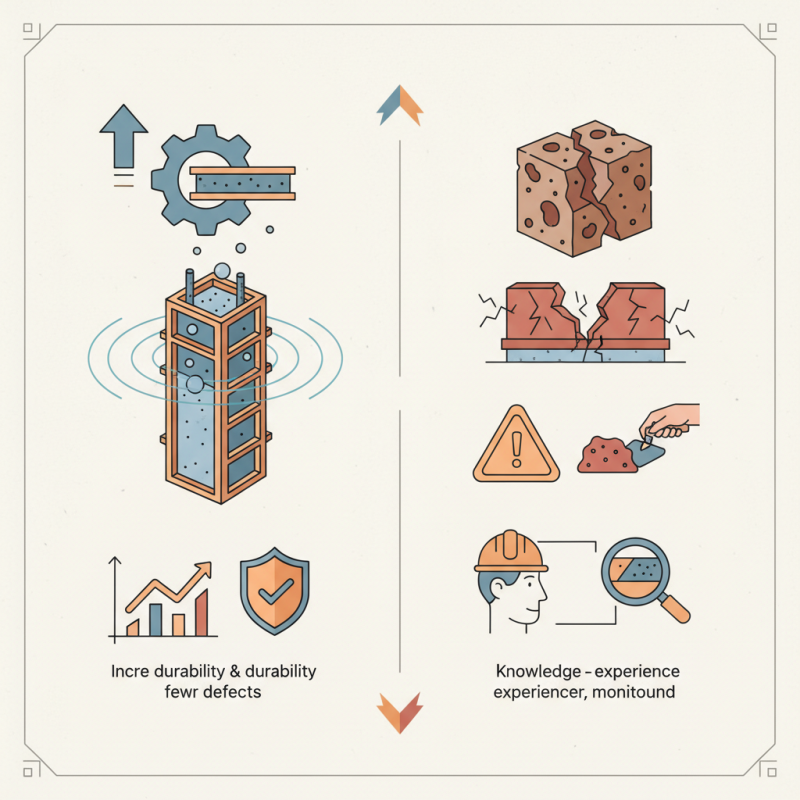
When utilized properly, Vibrated Concrete leads to superior construction outcomes. Construction professionals report fewer defects and a longer lifespan for structures. However, the application process can be challenging. Improper vibration can lead to issues such as segregation or voids in the concrete mix. Careful monitoring and skilled application are essential.
Embracing Vibrated Concrete means acknowledging its benefits and pitfalls. While it provides remarkable strength, it also requires thorough knowledge and experience. An understanding of the right vibration techniques is crucial. Otherwise, the results may not meet expectations. The journey to superior construction results begins with mastering the art of Vibrated Concrete.
Introduction to Vibrated Concrete and Its Importance in Construction
Vibrated concrete is a method that enhances the quality of concrete in construction. It involves using mechanical vibration to eliminate air pockets and ensure uniformity. This technique significantly improves strength and durability. Proper application provides a dense, cohesive structure, ideal for various projects.
The importance of vibrated concrete cannot be overstated. It facilitates better compaction and reduces the risk of cracks. In bridge construction, for example, vibrated concrete delivers superior performance. Construction teams must be trained to utilize this method correctly. However, mistakes can occur if workers rush the process or neglect proper equipment settings.
Attention to detail is crucial. Even minor issues in vibrated concrete can lead to long-term problems. Contractors should regularly assess their methods for consistency. This reflective practice ensures that quality standards are maintained and helps foster a more reliable construction culture.
How to Use Vibrated Concrete for Superior Construction Results?
| Dimension |
Description |
| Strength |
Vibrated concrete achieves higher compressive strength due to better consolidation. |
| Durability |
The process helps in reducing voids, improving durability against environmental factors. |
| Workability |
Vibrated concrete offers enhanced workability, allowing for easier placement. |
| Finish Quality |
Vibration helps achieve smoother surfaces with fewer imperfections. |
| Set Time |
Vibrated concrete can have a faster set time, reducing overall construction duration. |
| Use Cases |
Commonly used in high-strength structures, pavements, and precast elements. |
Understanding the Principles of Concrete Vibration and Compaction Techniques
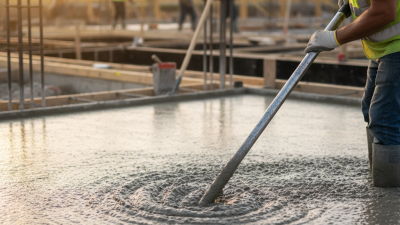
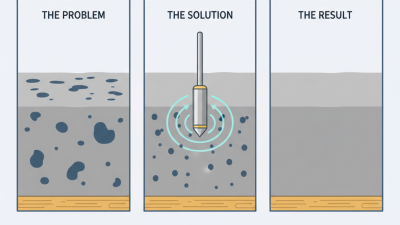
Concrete vibration is a critical technique for achieving optimal compaction and durability in construction. When fresh concrete is poured, air bubbles often get trapped within the mix. These voids can weaken the structure. Vibration helps to displace air and allows the concrete to settle more densely. This results in a stronger final product. Understanding how to effectively apply vibration can make a significant difference in your construction quality.
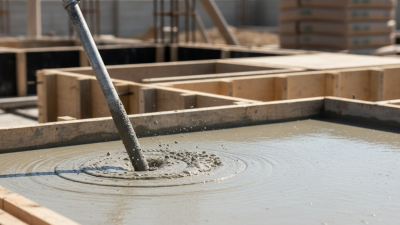
Different compaction methods are used depending on the project’s size and specifics. For instance, internal vibrators are useful for thick slabs, as they penetrate into the concrete matrix. Surface vibrators, on the other hand, are often employed on flat surfaces. It's essential to choose the right method; too much vibration can lead to segregation, where aggregates separate from the paste. Observing the concrete's behavior during vibration can provide valuable insights for adjustment.
Experience in concrete vibration also requires awareness of environmental conditions. The temperature and humidity levels can affect how concrete cures. Adjusting vibration techniques to suit these conditions can enhance performance. It's crucial to learn from each project. Every batch presents unique challenges. Reflecting on both successes and failures can lead to greater expertise in the field.
Steps to Properly Vibration Concrete for Optimal Performance
Vibrating concrete is essential for achieving superior strength and durability in construction. Properly executing concrete vibration can significantly reduce air pockets and enhance bonding between aggregates.
Begin by selecting the right vibration method, whether internal or external, based on your project's needs. Internal vibrators work well for thicker slabs, while external vibrators can be more effective for wall forms. Make sure your equipment is well-maintained; a malfunctioning vibrator can lead to uneven consistency.
While vibrating concrete, timing is crucial. Begin the process as soon as the concrete is placed. The goal is to ensure that the mixture reaches its optimal density before it starts to set. Avoid over-vibration; this can lead to segregation of the mix, resulting in a weaker structure. It's easy to underestimate the impact of this step on the final product. Always keep an eye on the consistency of the concrete. If you notice separation, adjust your technique accordingly.
Consistency in vibration is key to achieving the desired results. Ensure that the vibrator penetrates the mix sufficiently without lingering too long in one spot. Too much time in one area can cause the concrete to become overly fluid, which is undesirable. Reflect on your technique after each pour. Are you achieving uniformity? If not, consider reviewing your approach and seeking feedback from peers. Every project is an opportunity for growth.
Common Applications of Vibrated Concrete in Various Construction Projects
Vibrated concrete is increasingly chosen for construction projects due to its unique benefits. It is used for various applications, providing strength and durability to structures. One common application is in building foundations, which require solid support. The vibration compacts the concrete, reducing air pockets and enhancing load-bearing capacity.
Another significant use of vibrated concrete is in road construction. Highways and pavements benefit from its enhanced density and smooth finish. This method leads to longer-lasting and safer surfaces. However, proper technique is essential. Over-vibrating can lead to segregation, compromising strength.
When using vibrated concrete, consider these tips: always mix thoroughly. Ensure a consistent texture for effective application. Monitor vibration duration carefully. Too long can weaken the bond. Lastly, remember that each site may require adjustments. Local soil and weather conditions influence outcomes. Be adaptable, and learn from previous projects.
Vibrated Concrete Applications in Construction Projects
Best Practices and Tips for Using Vibrated Concrete Effectively
Vibrated concrete is a valuable tool in modern construction. Its benefits are apparent, but using it effectively requires careful attention to detail. Proper mixing is crucial. Mixing the concrete evenly ensures that the vibrated properties enhance strength and durability. Pay attention to the water-cement ratio, as too much water can compromise integrity.
Using the right vibration technique matters. Excessive vibration can lead to segregation of materials. It may break the bond between aggregates and cement. A good practice is to vibrate for the right duration, ensuring both consolidation and maintaining the desired mixture. Hand-held vibrators are great for small areas, while larger projects may benefit from mechanical vibrators. Each project can have distinct needs.
Be mindful of environmental conditions when pouring. Temperature and humidity can affect the curing process. In hot weather, concrete can set too quickly, while cold temperatures may delay curing. Monitor your concrete closely during the curing phase to adjust methods as needed. Building experience through trial and error improves results over time.

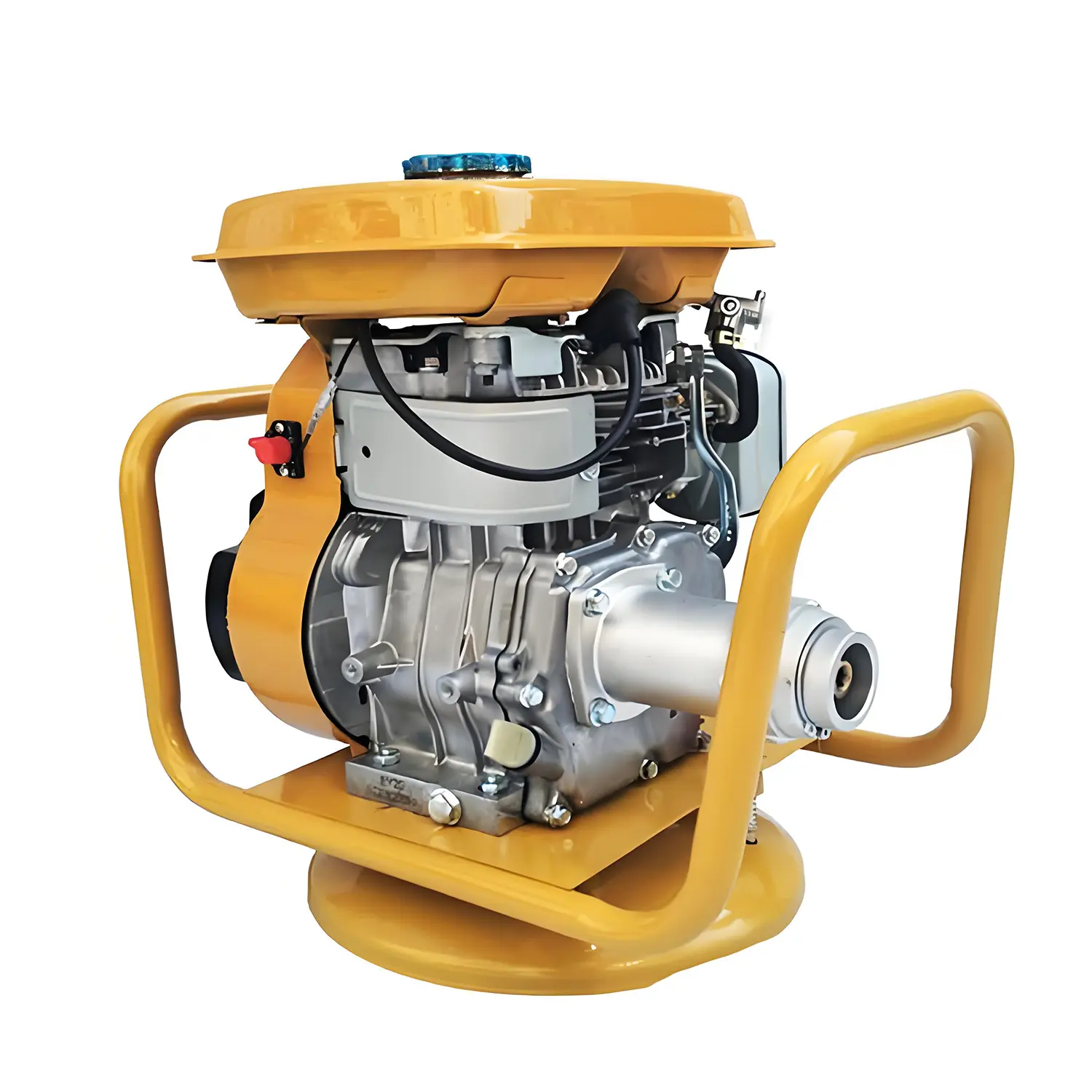 Internal Vibrator
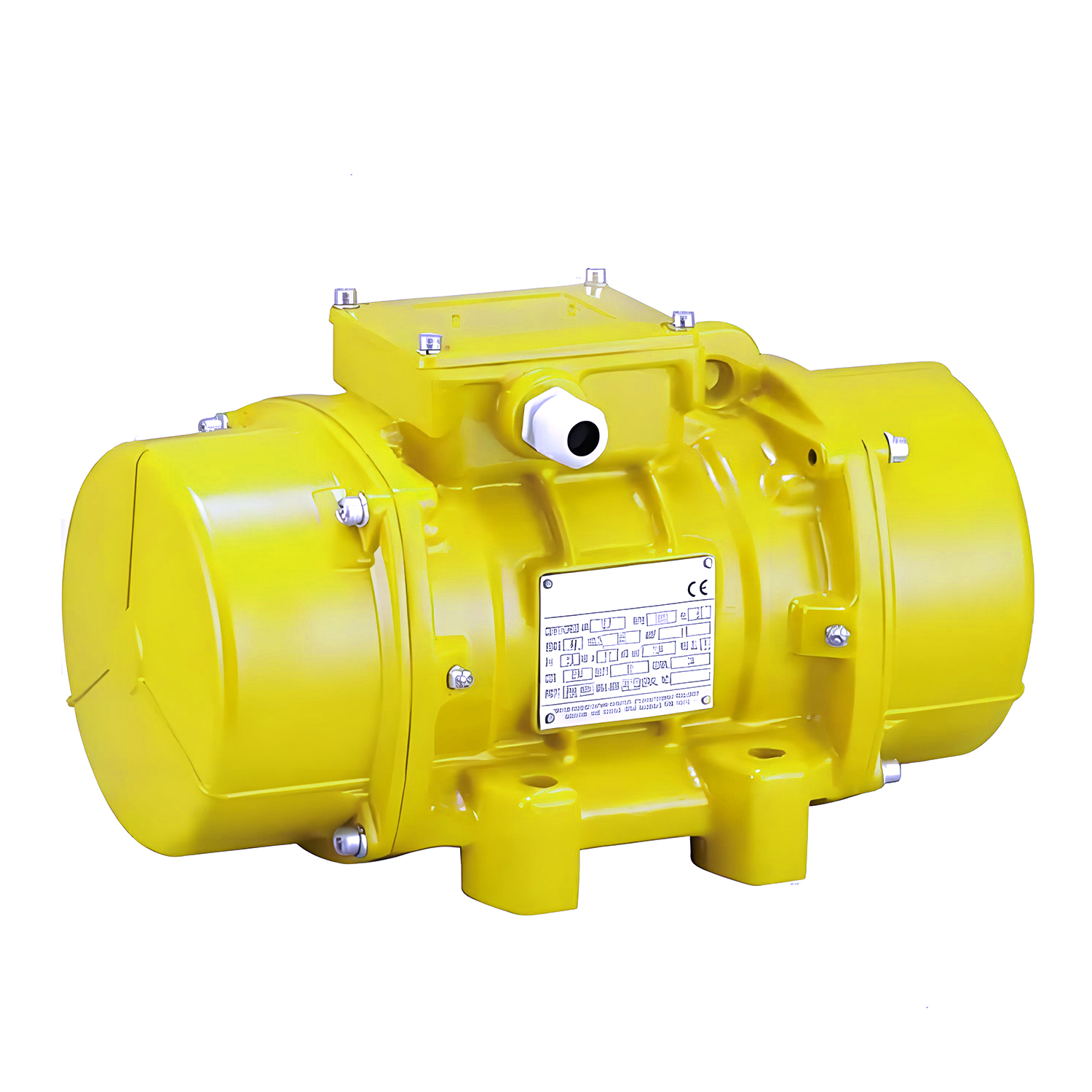 External Vibrator
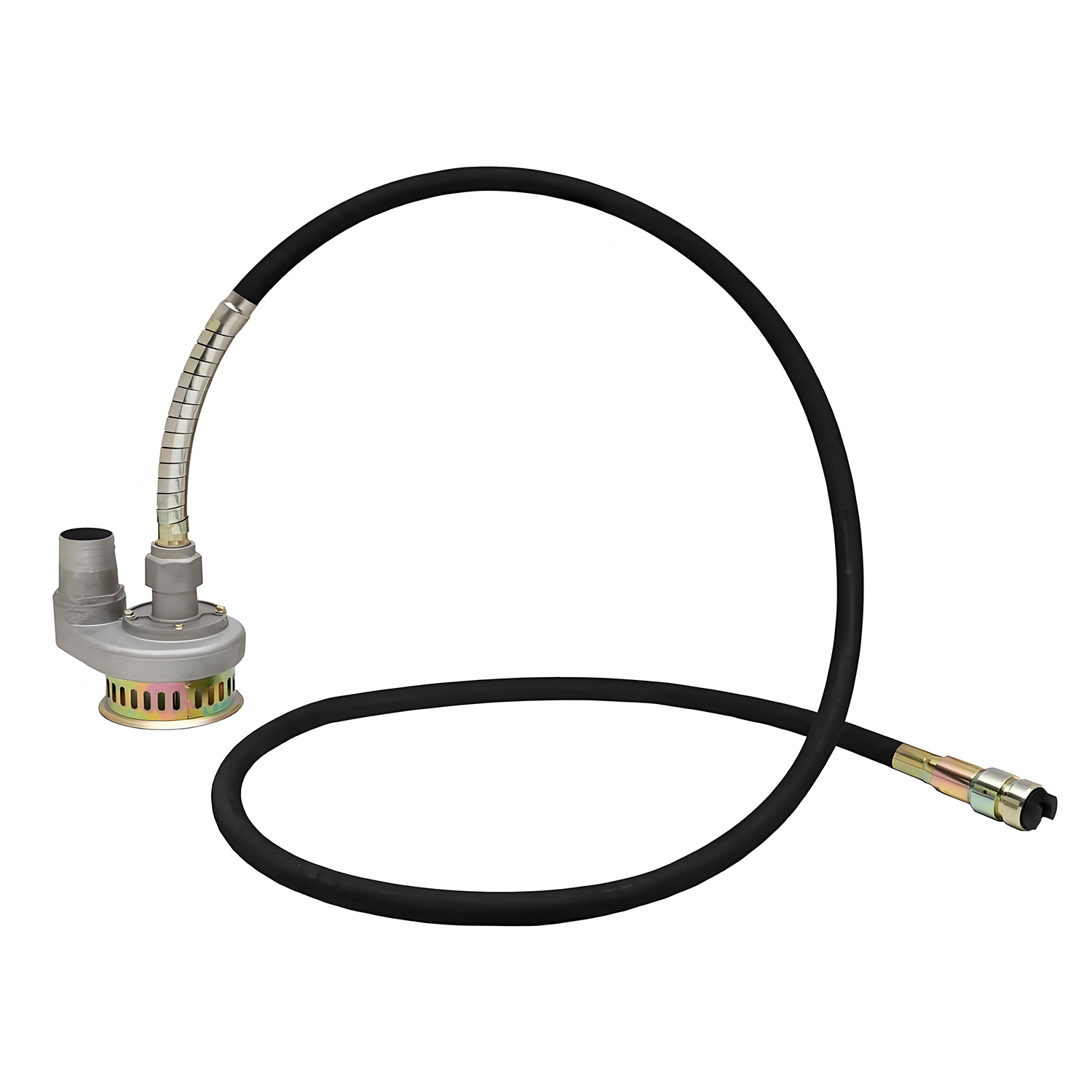 Submersible Pump
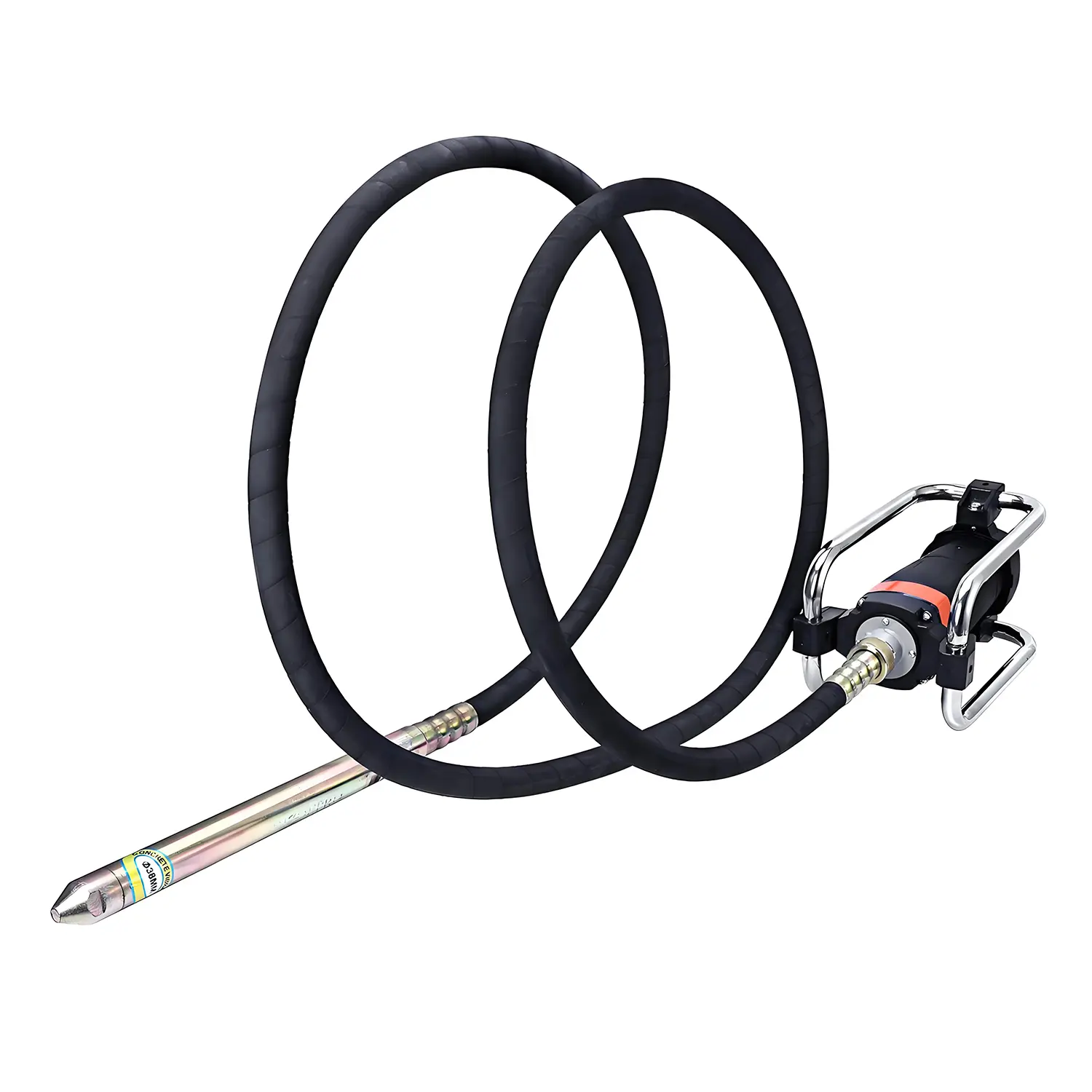 Eccentric shaft
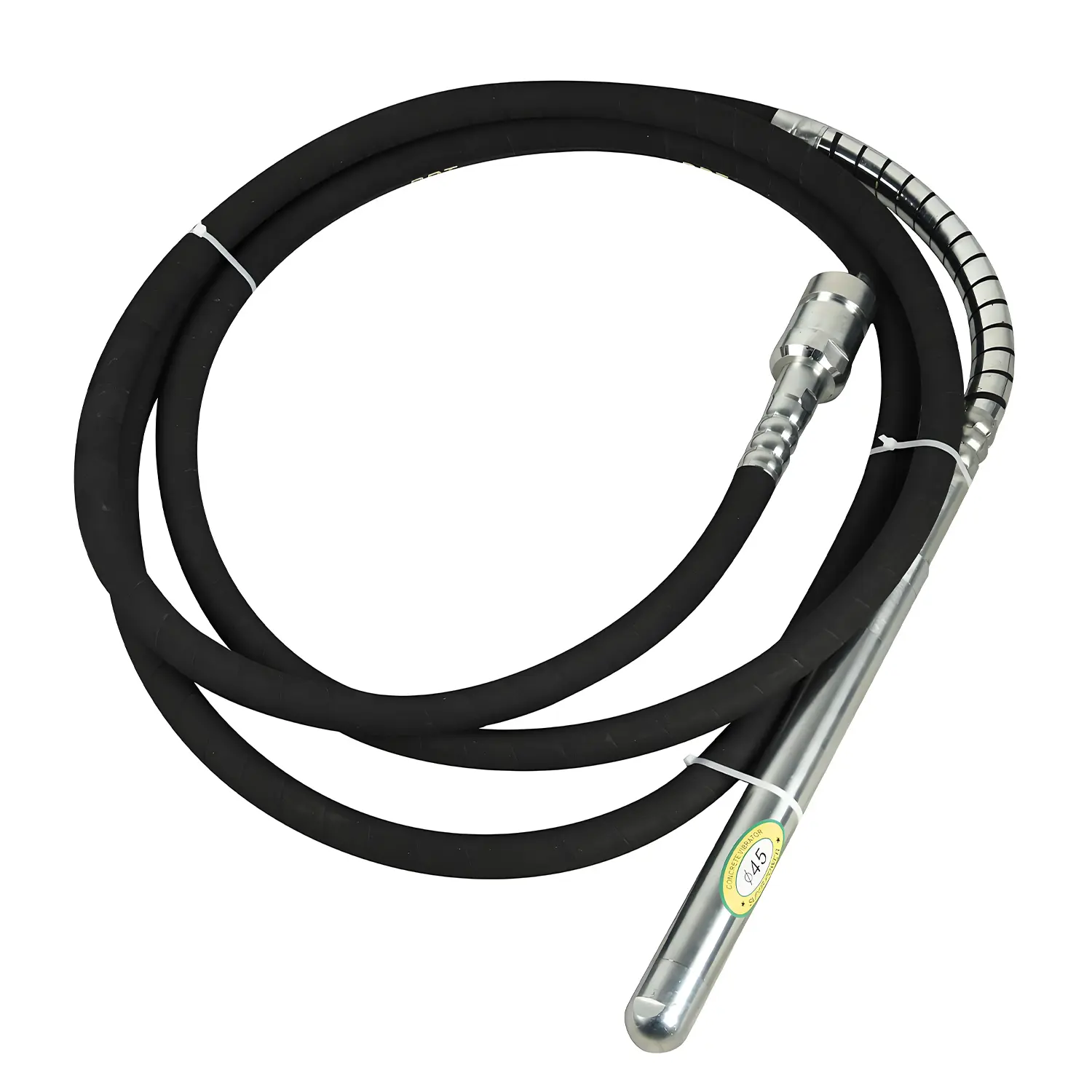 Pendulum shaft
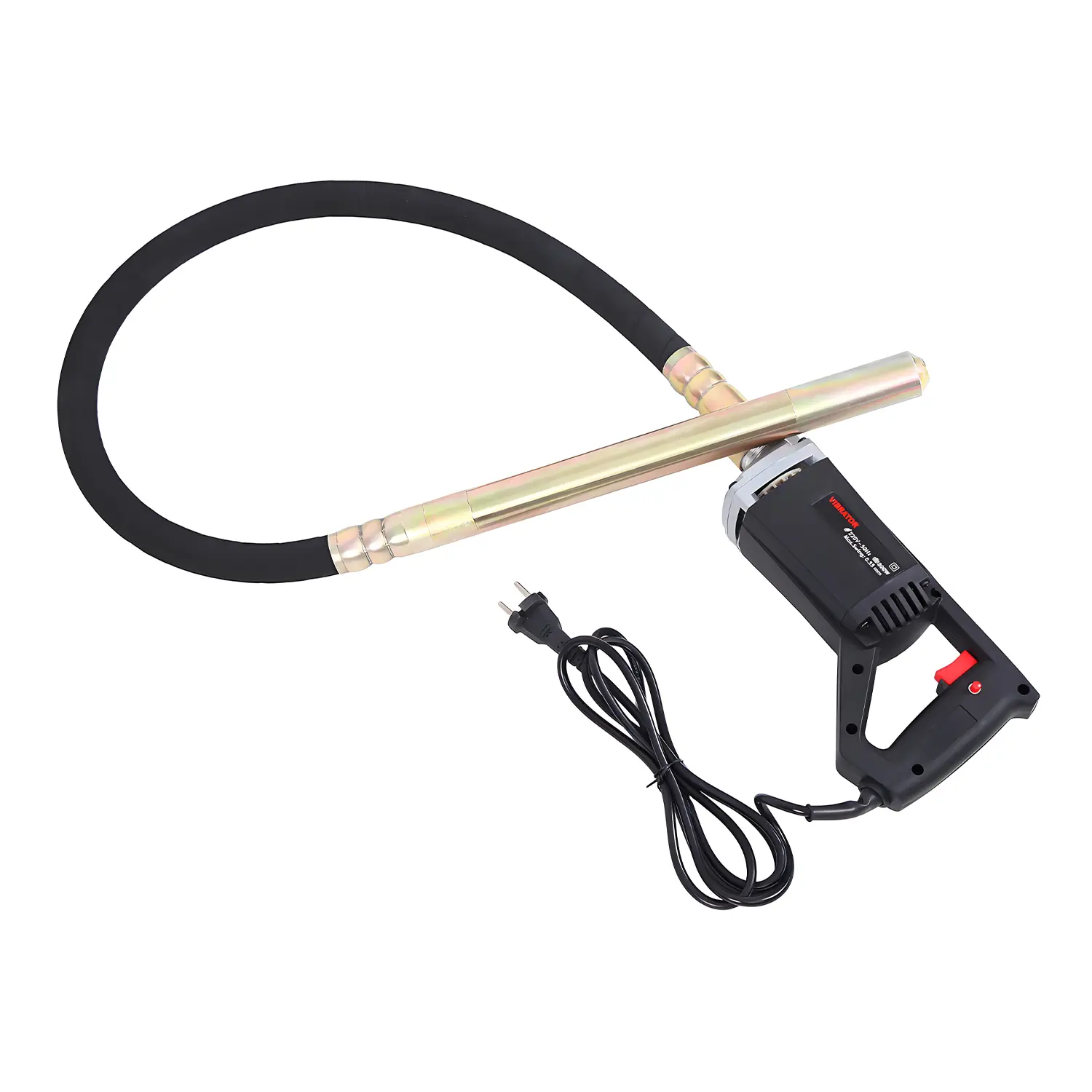 Portable vbrator shaft
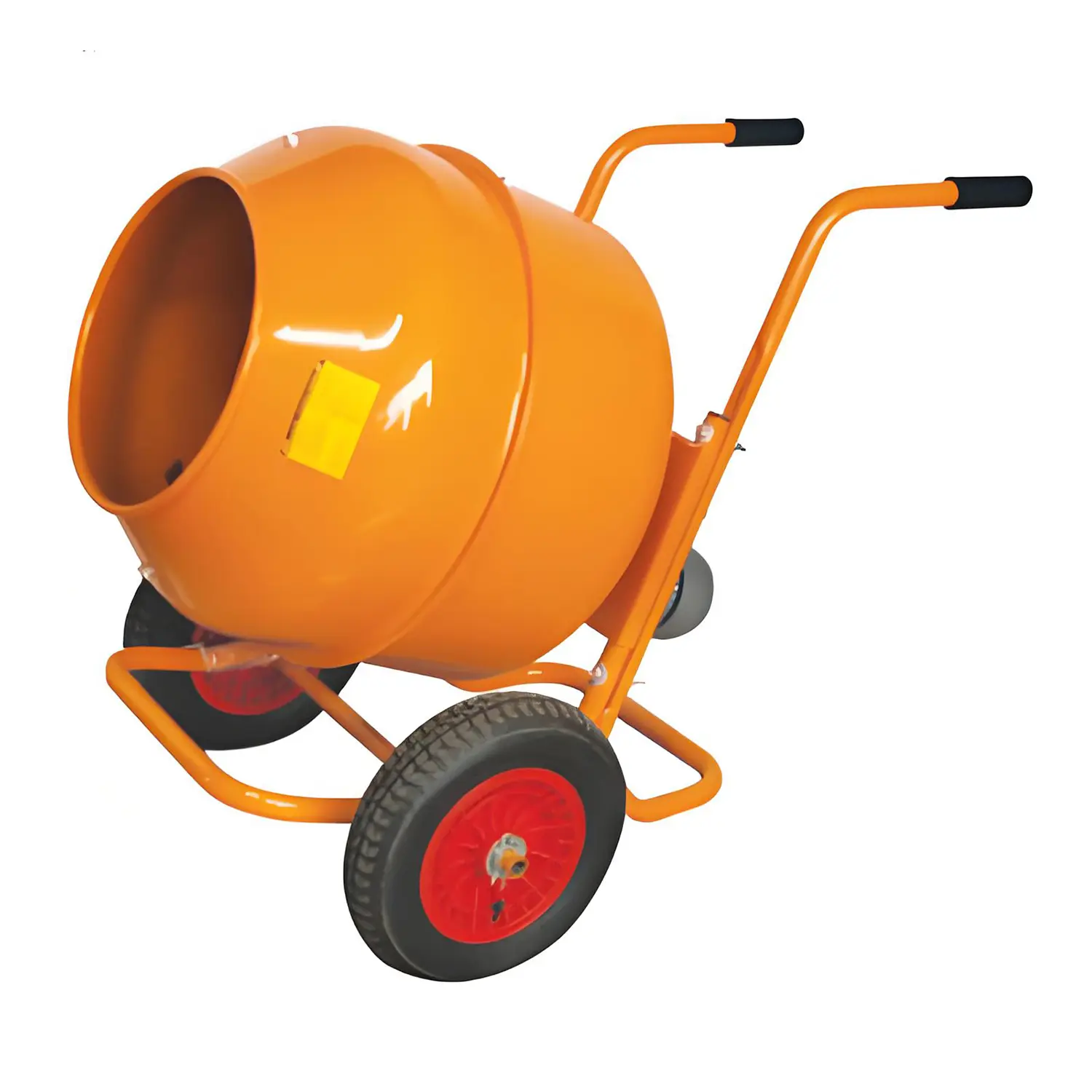 Portable concrete mixer
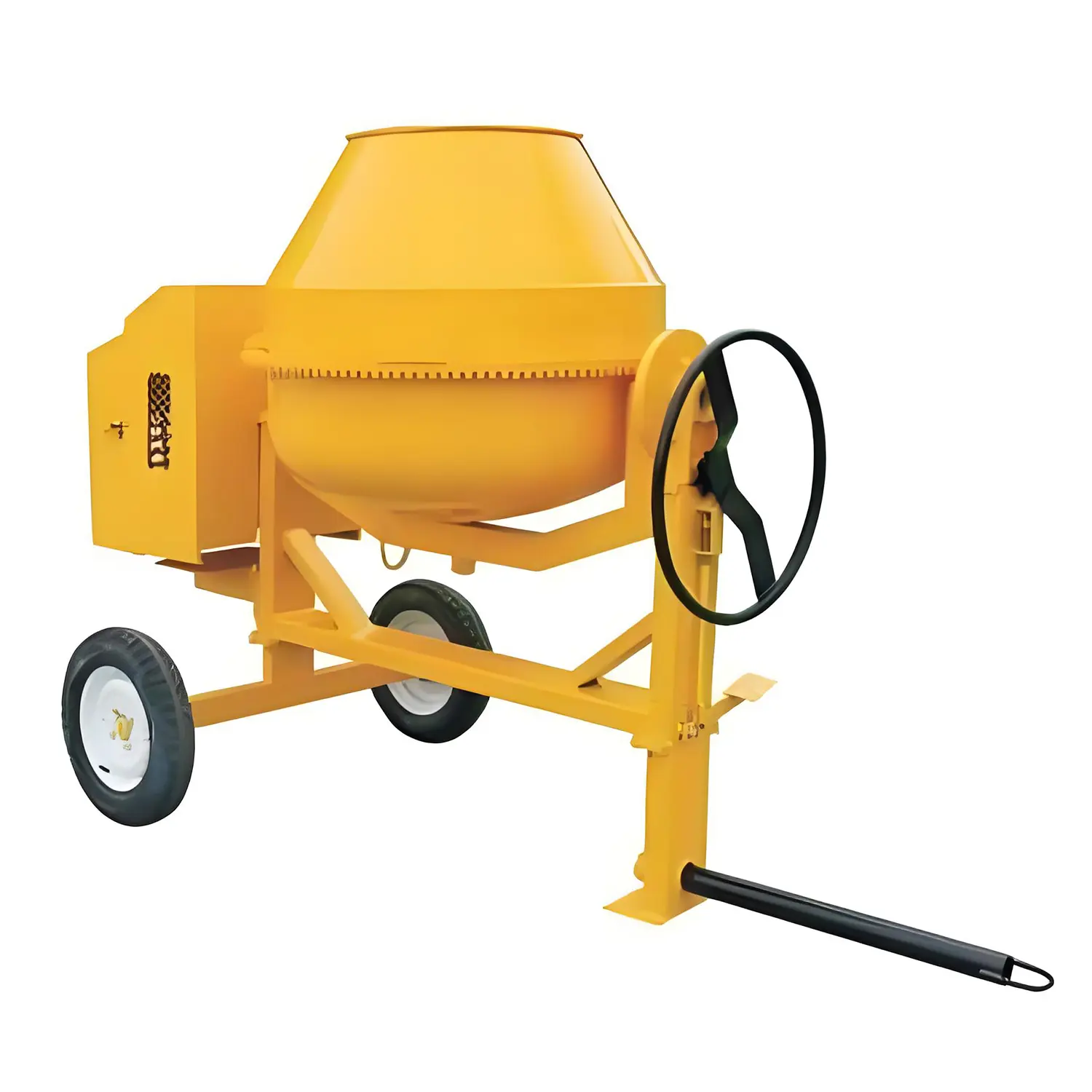 Vertical concrete mixer
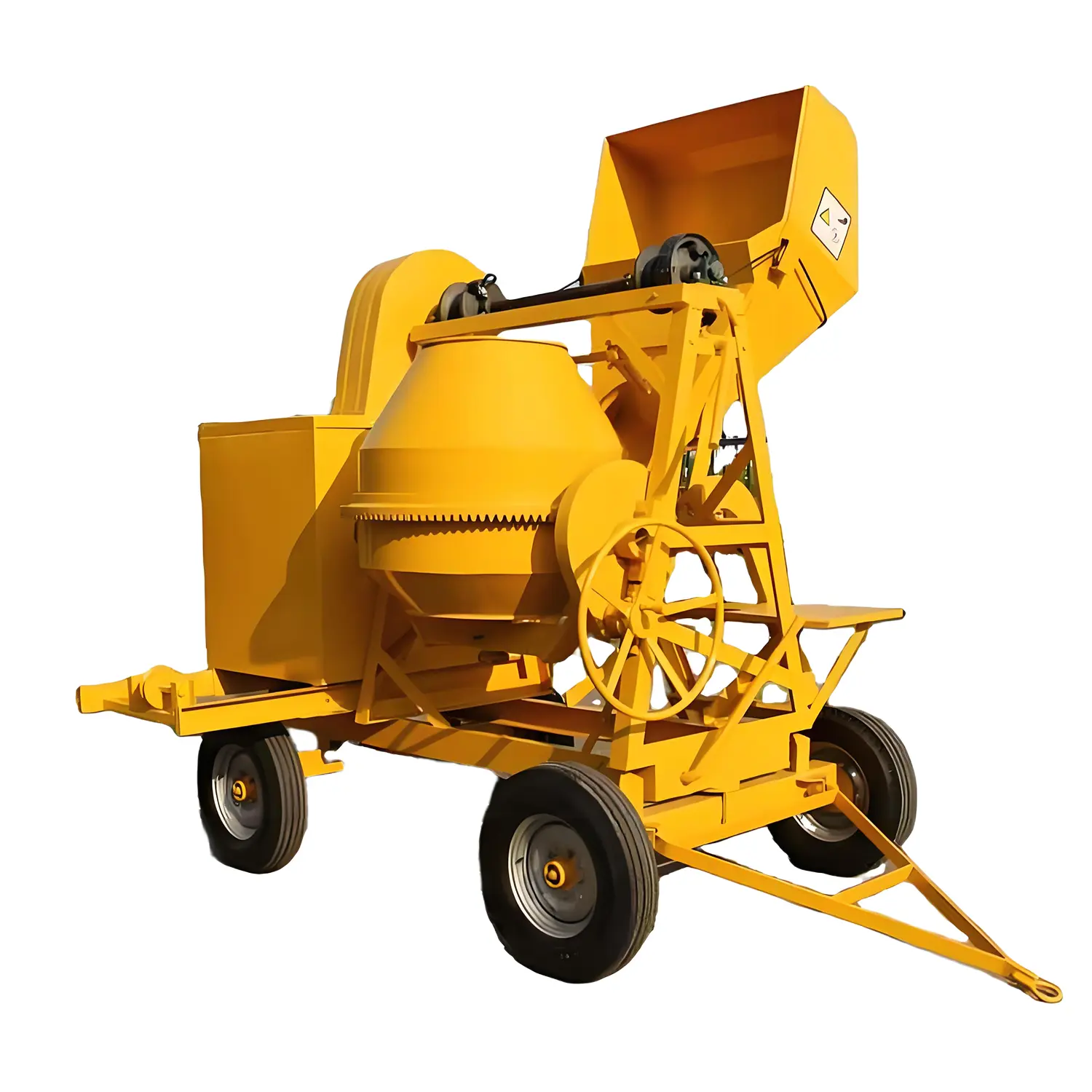 Hydraulic concrete mixer
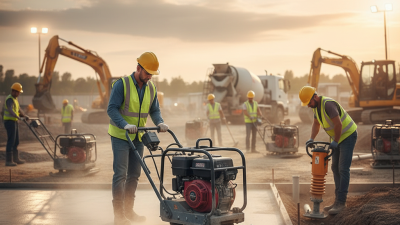
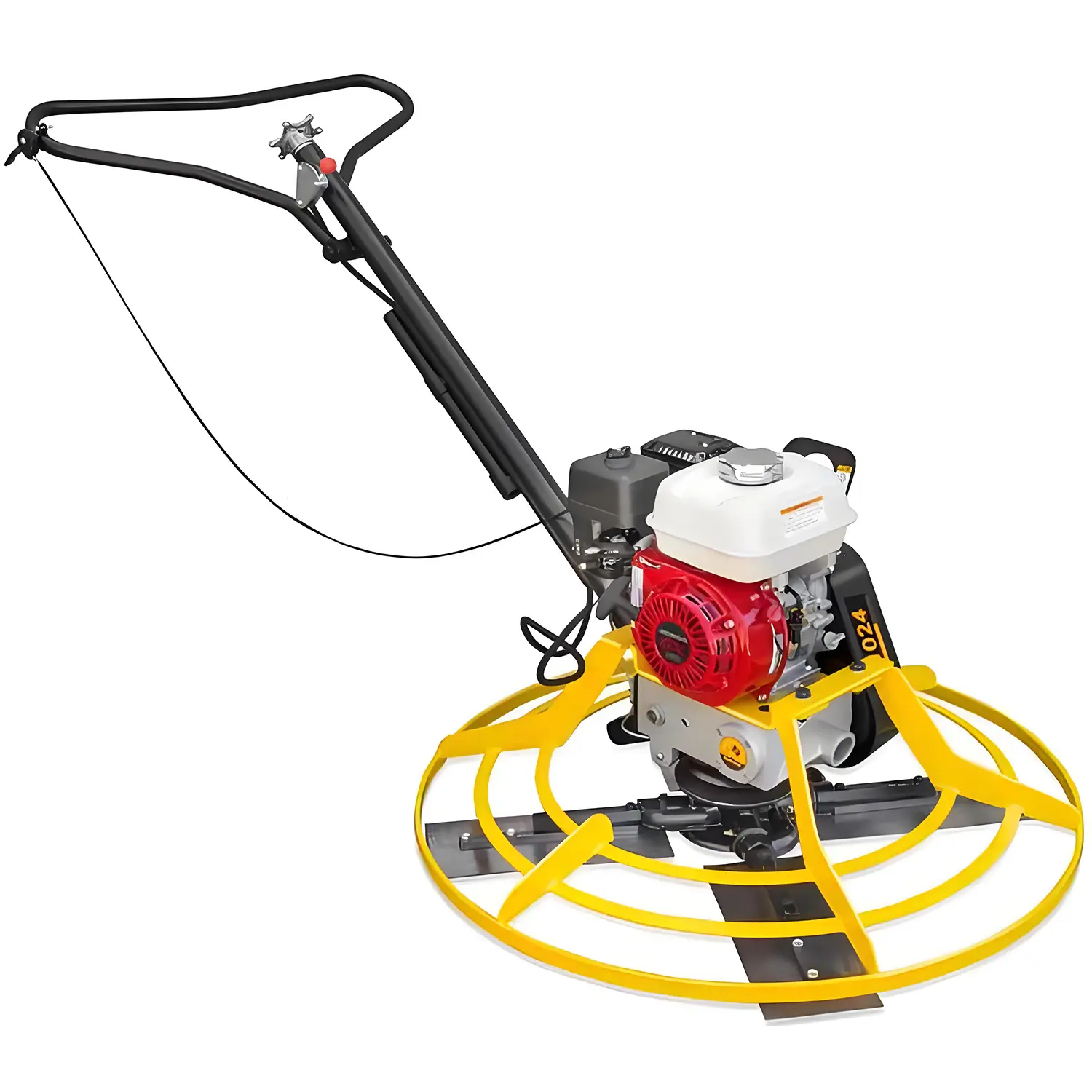 Walk behind power trowel
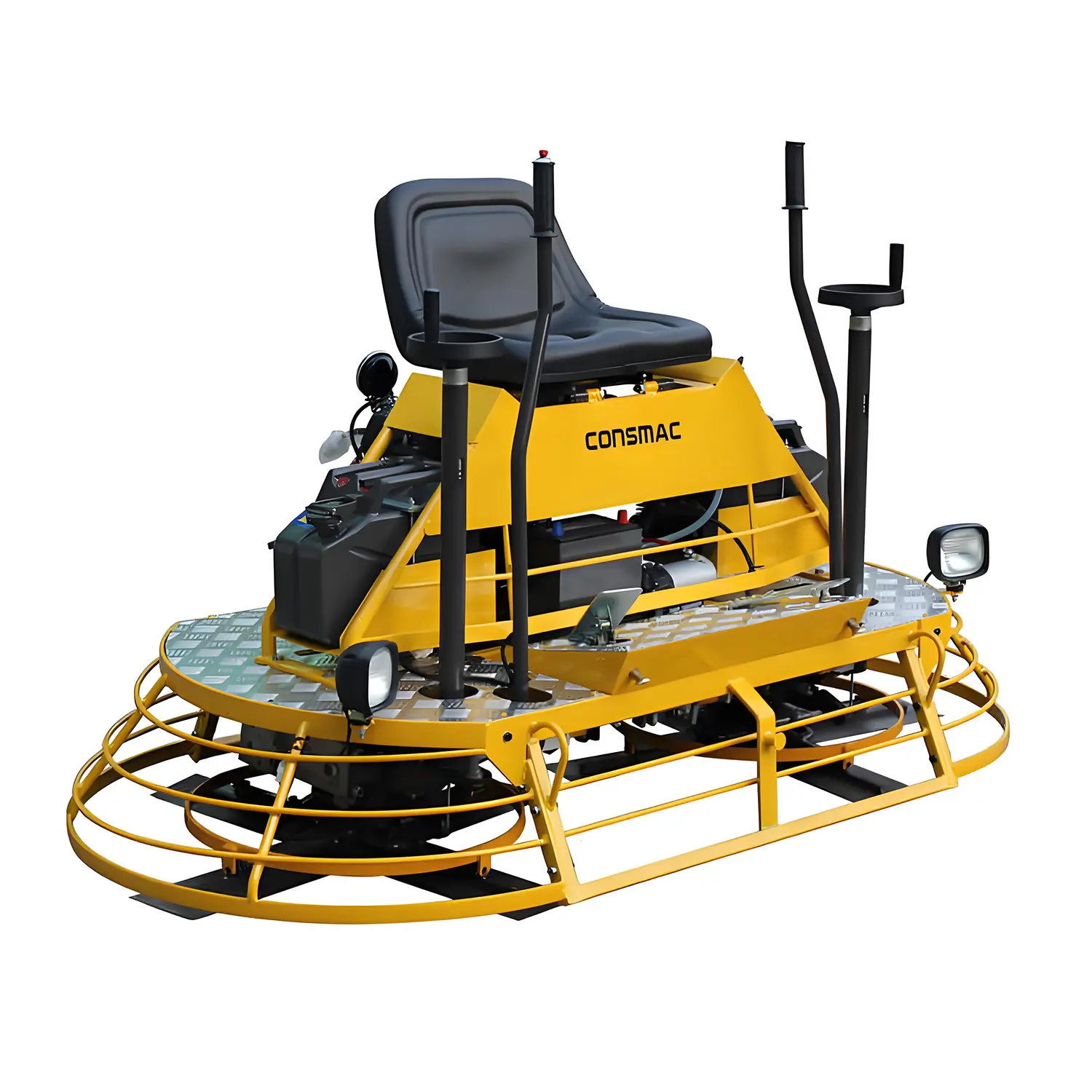 Ride on power trowel
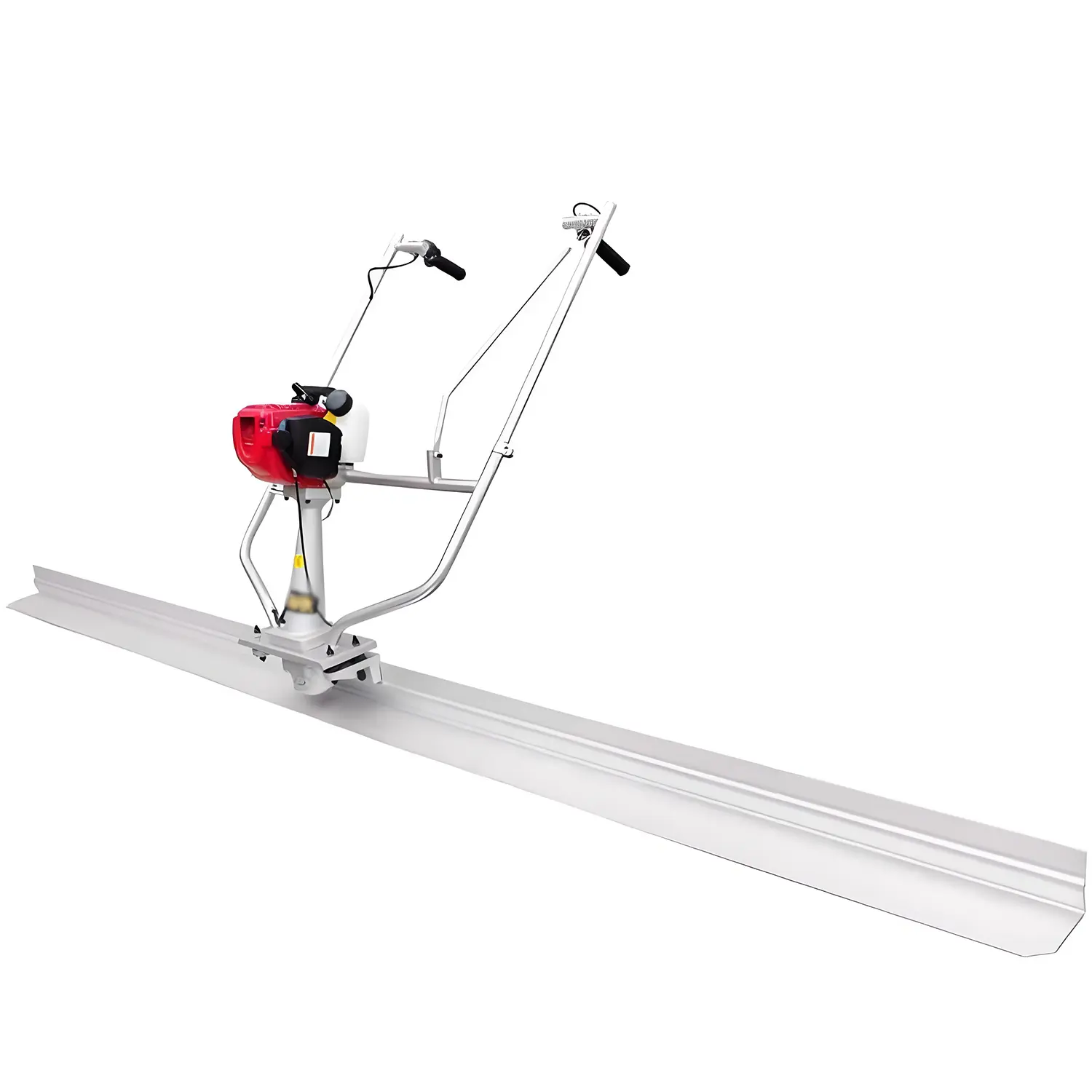 Concrete screed
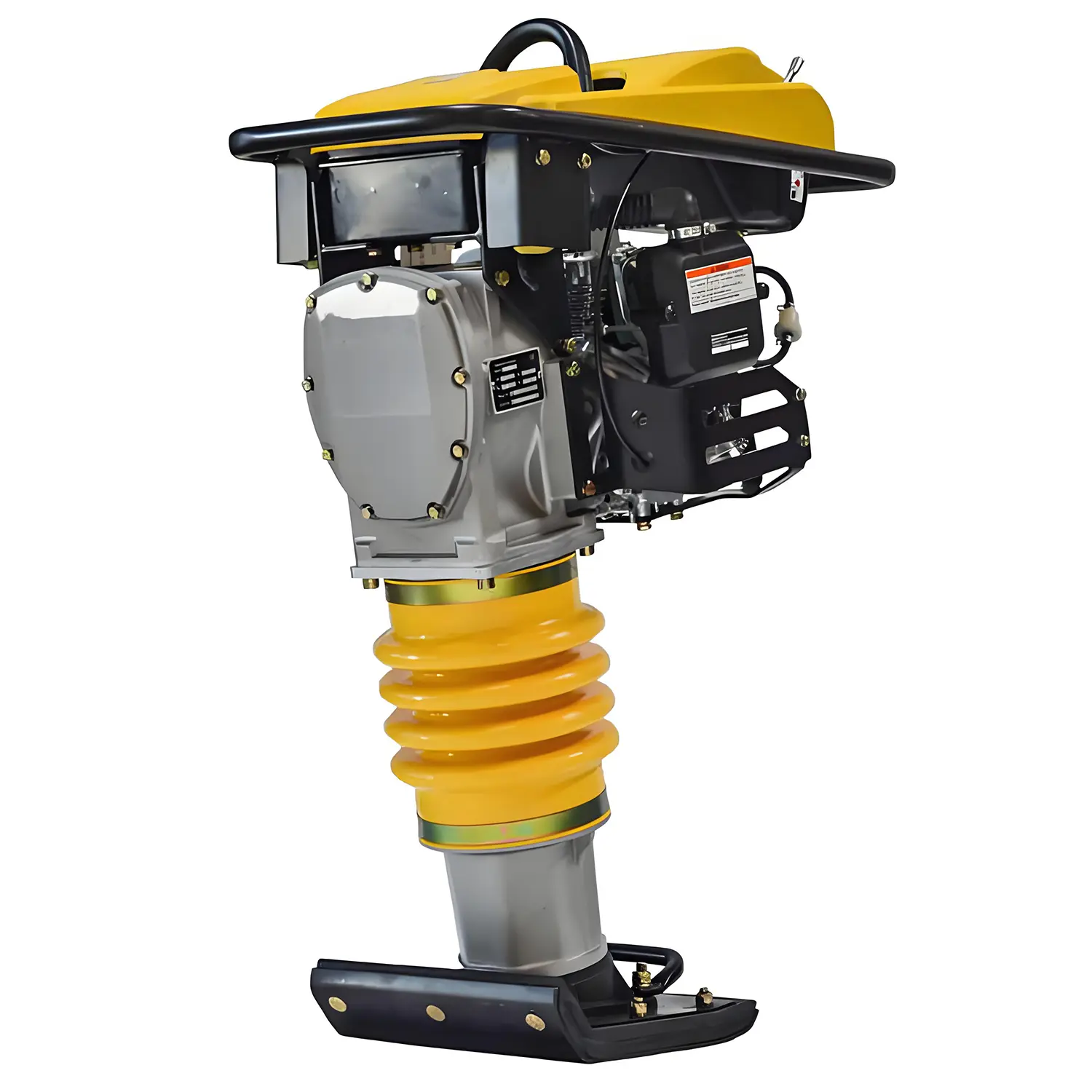 Tamping rammer
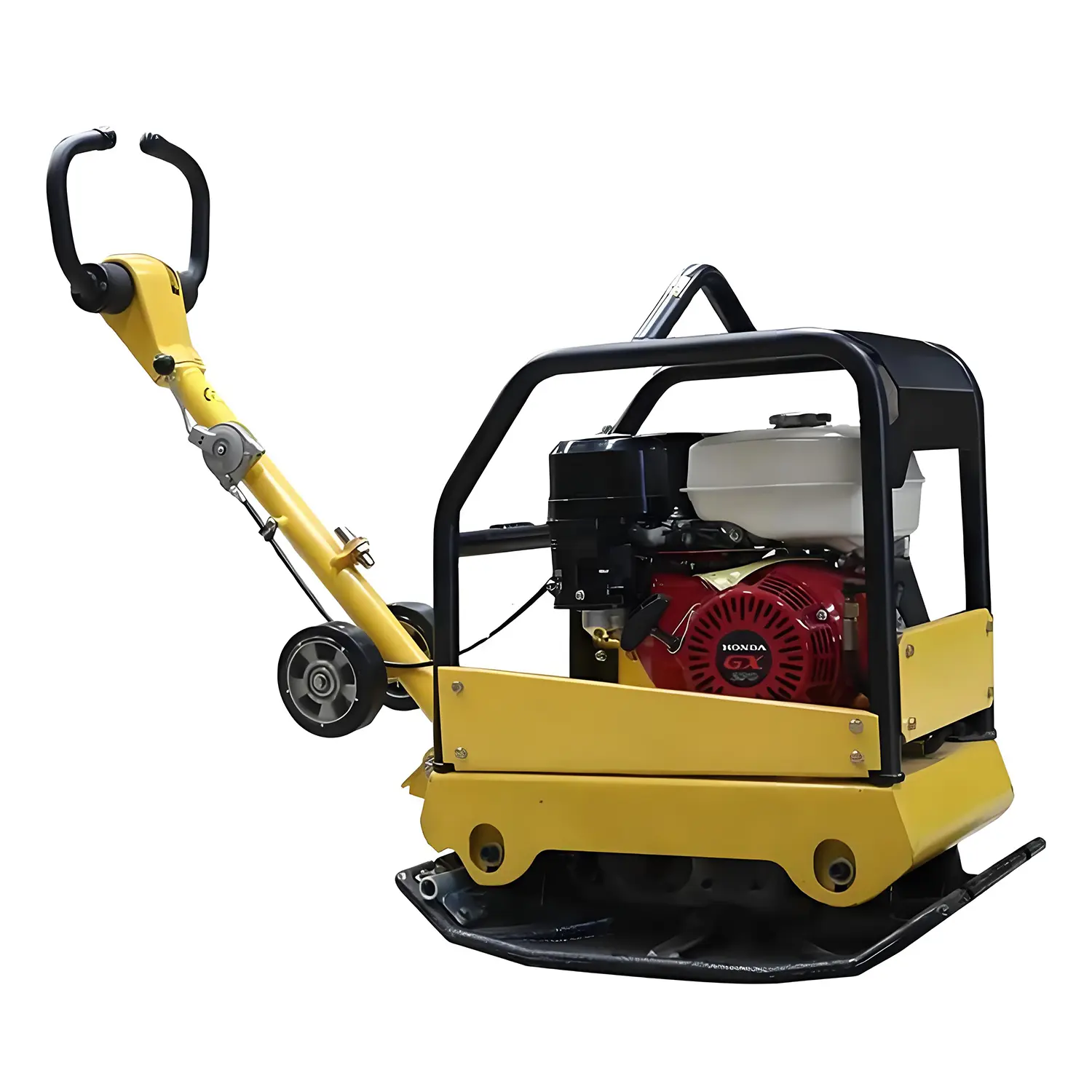 Plate compactor
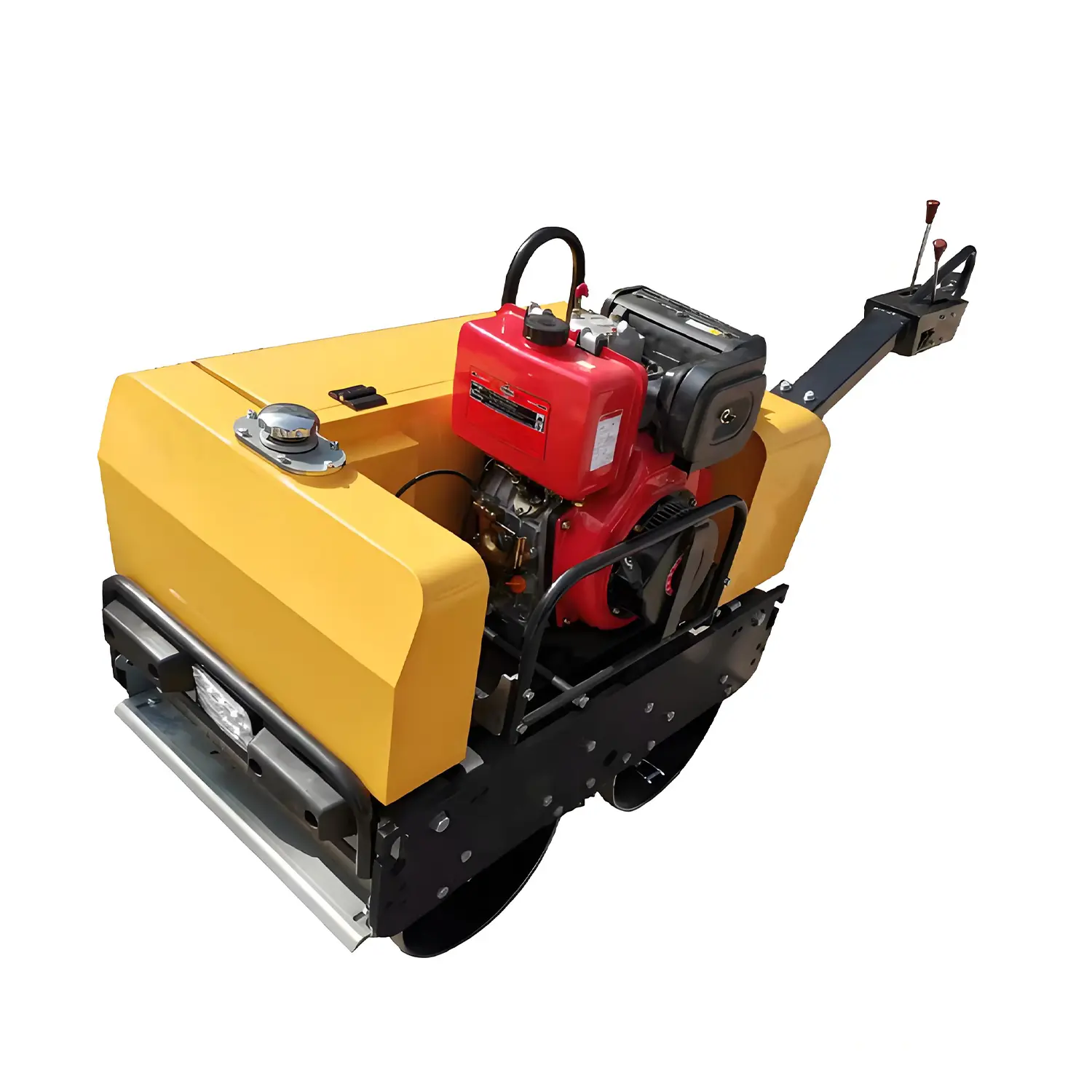 Vibratory roller