
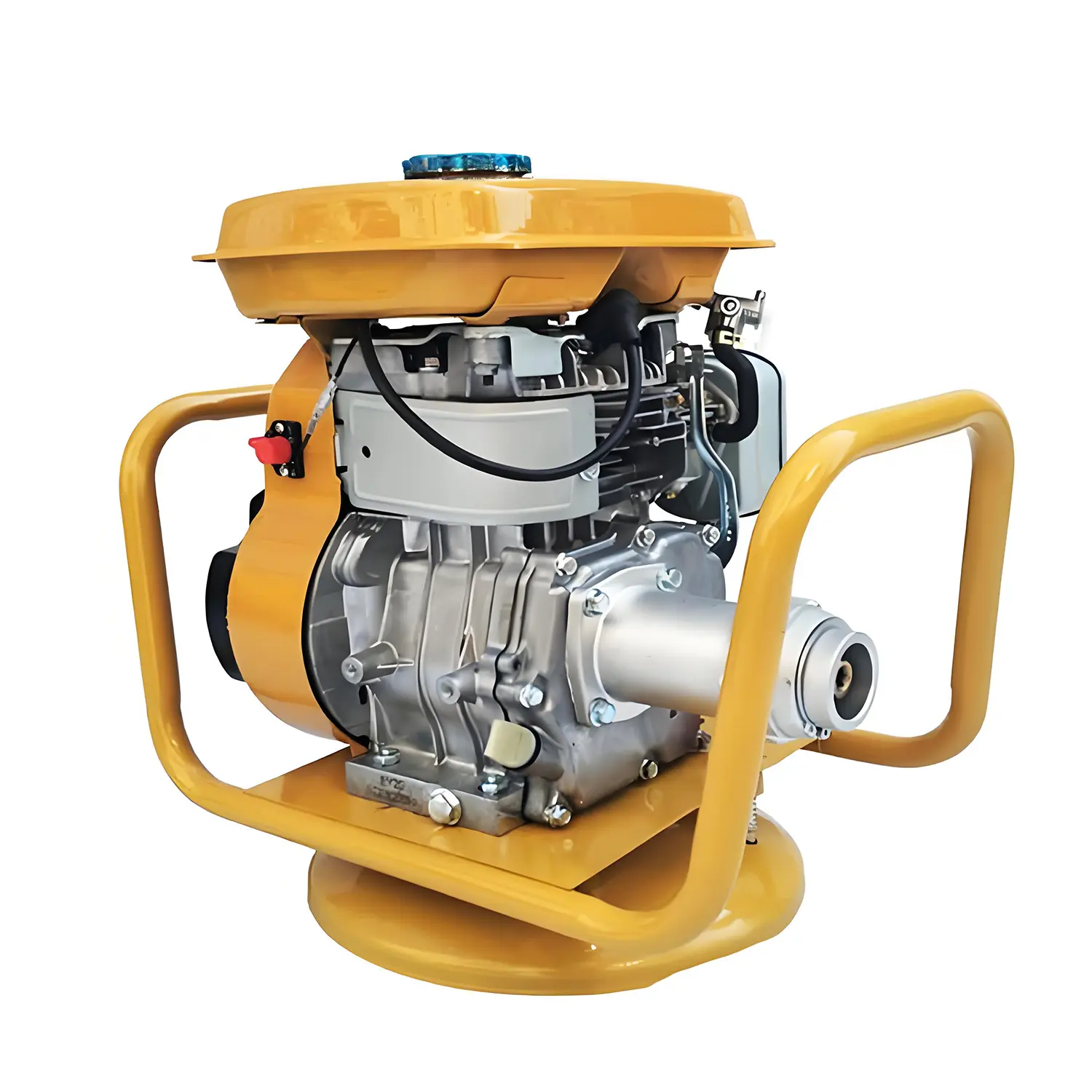
 Internal Vibrator
 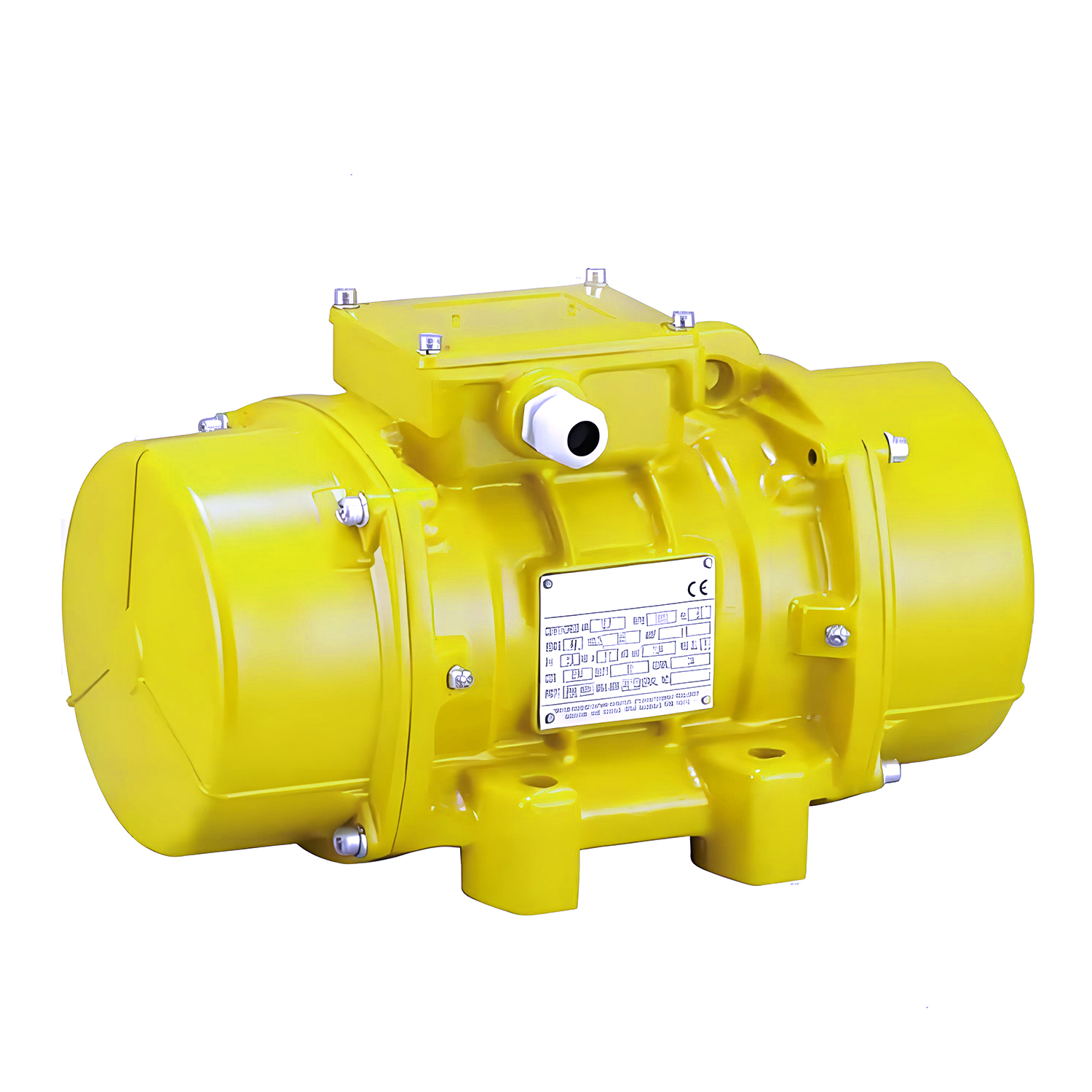 External Vibrator
 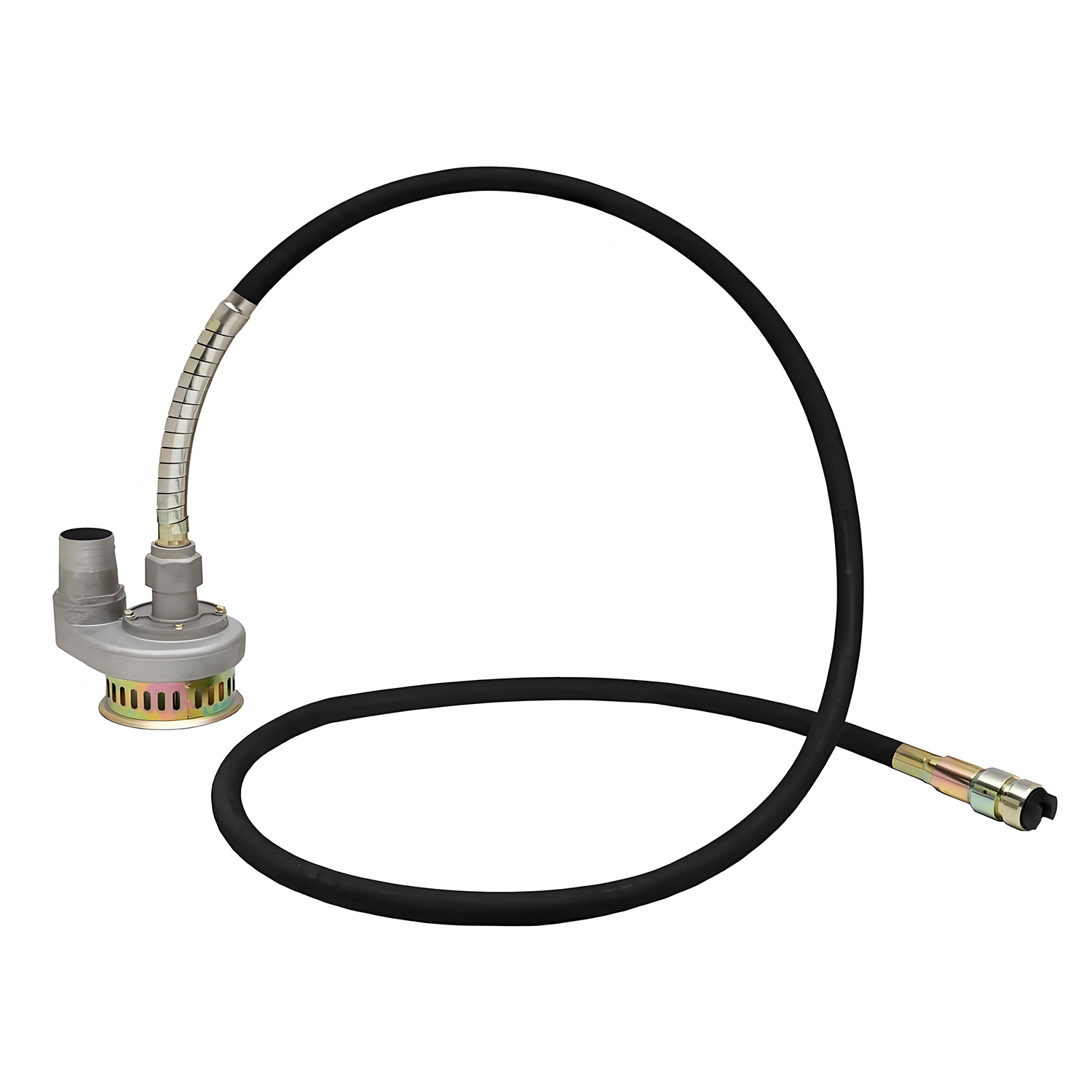 Submersible Pump
 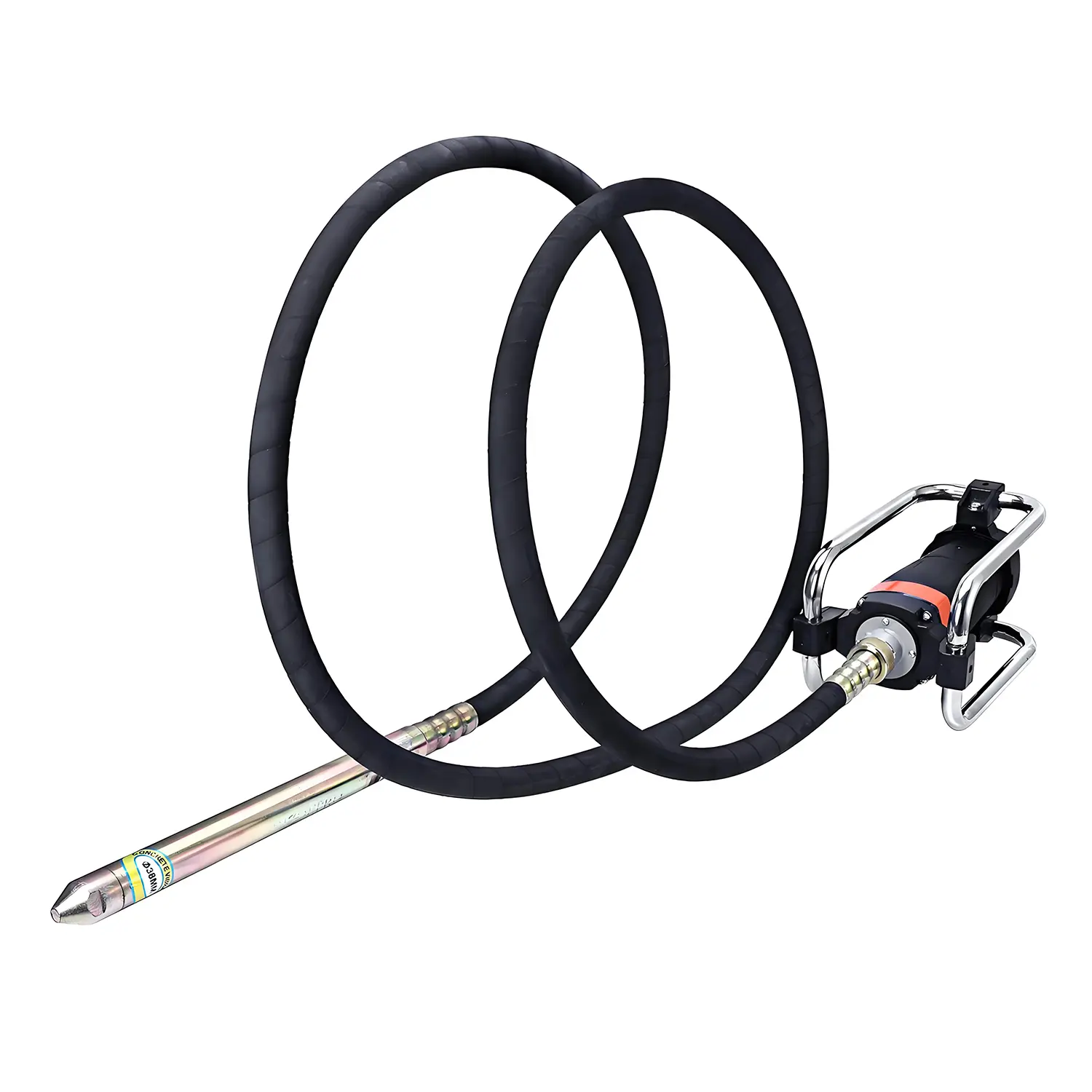 Eccentric shaft
 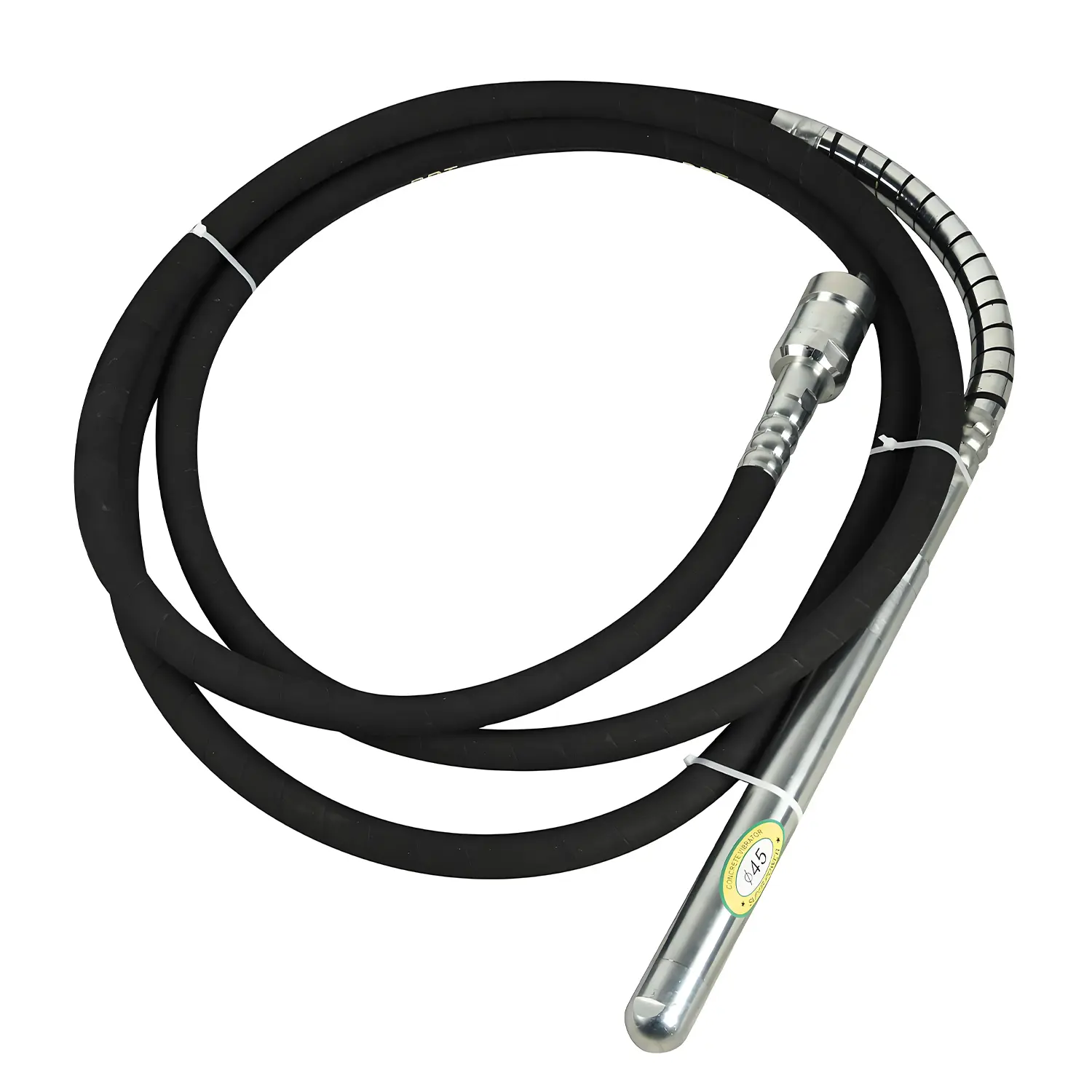 Pendulum shaft
 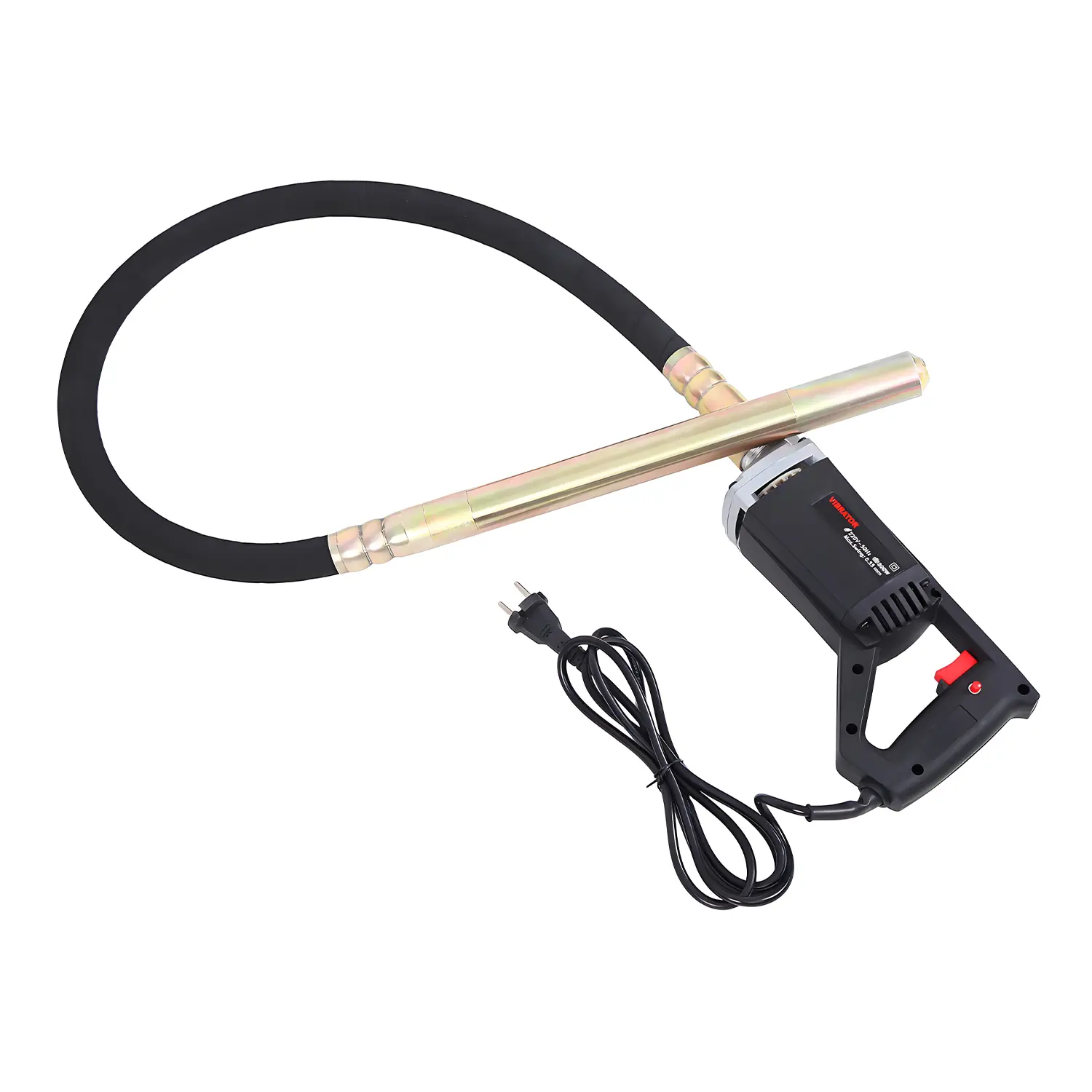 Portable vbrator shaft
 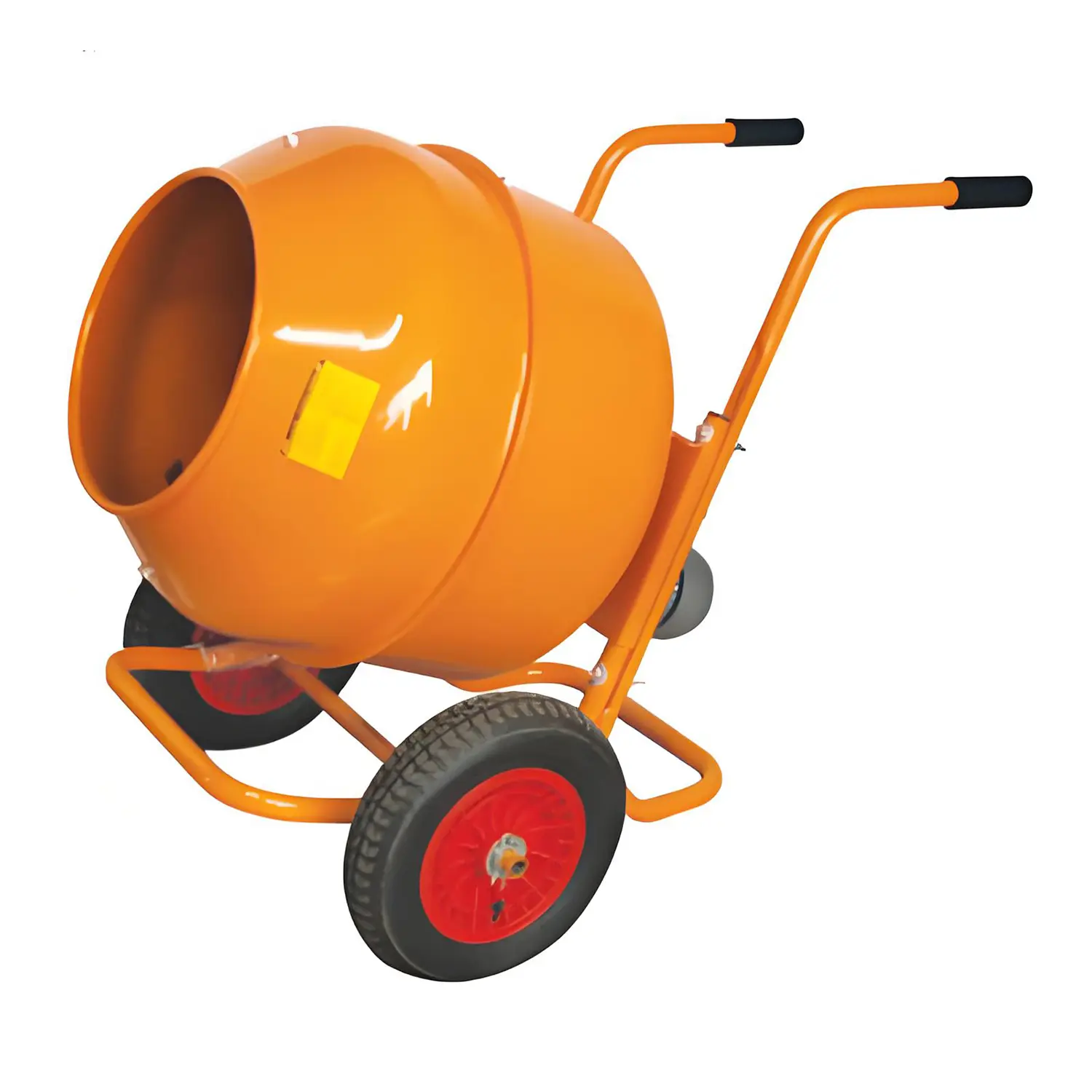 Portable concrete mixer
 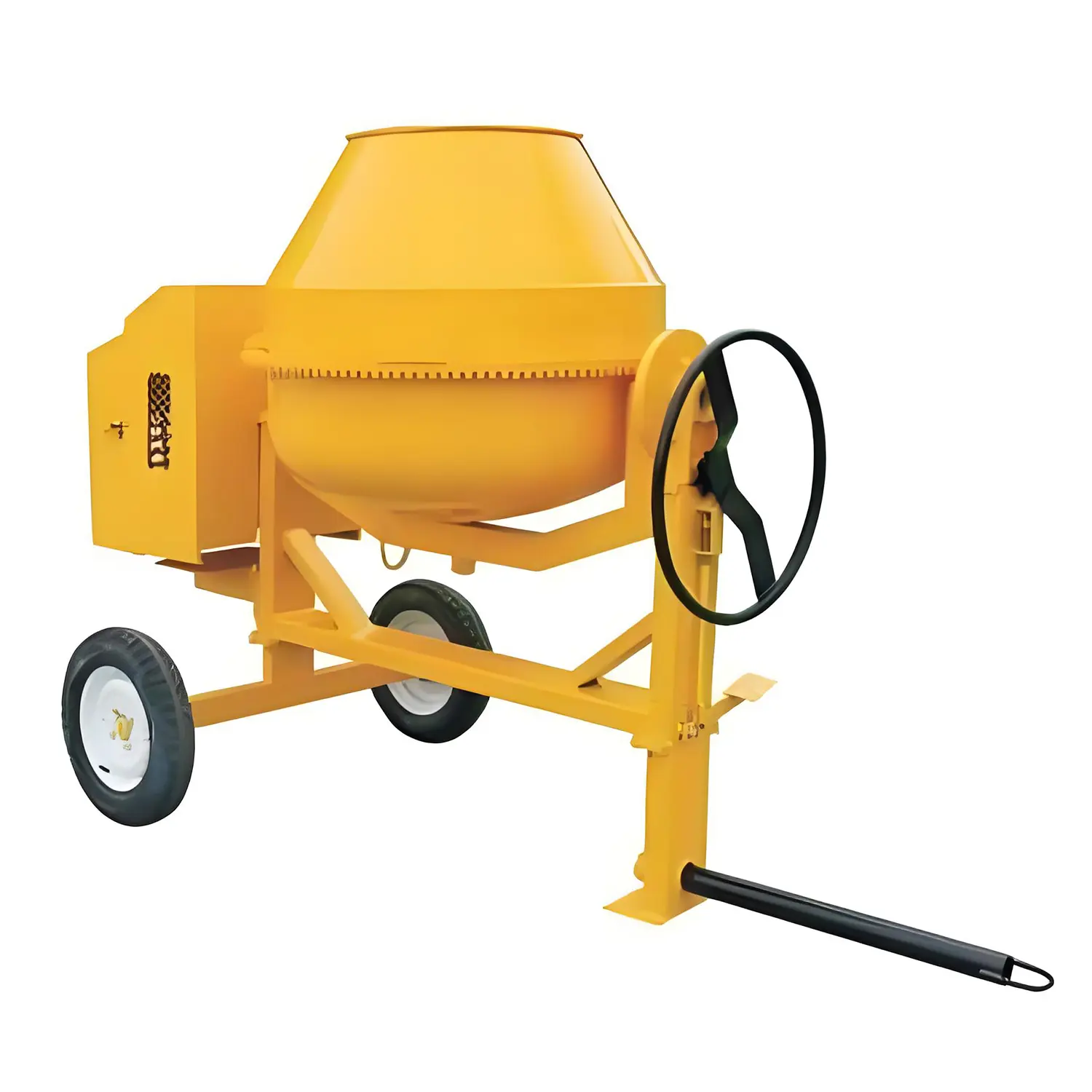 Vertical concrete mixer
 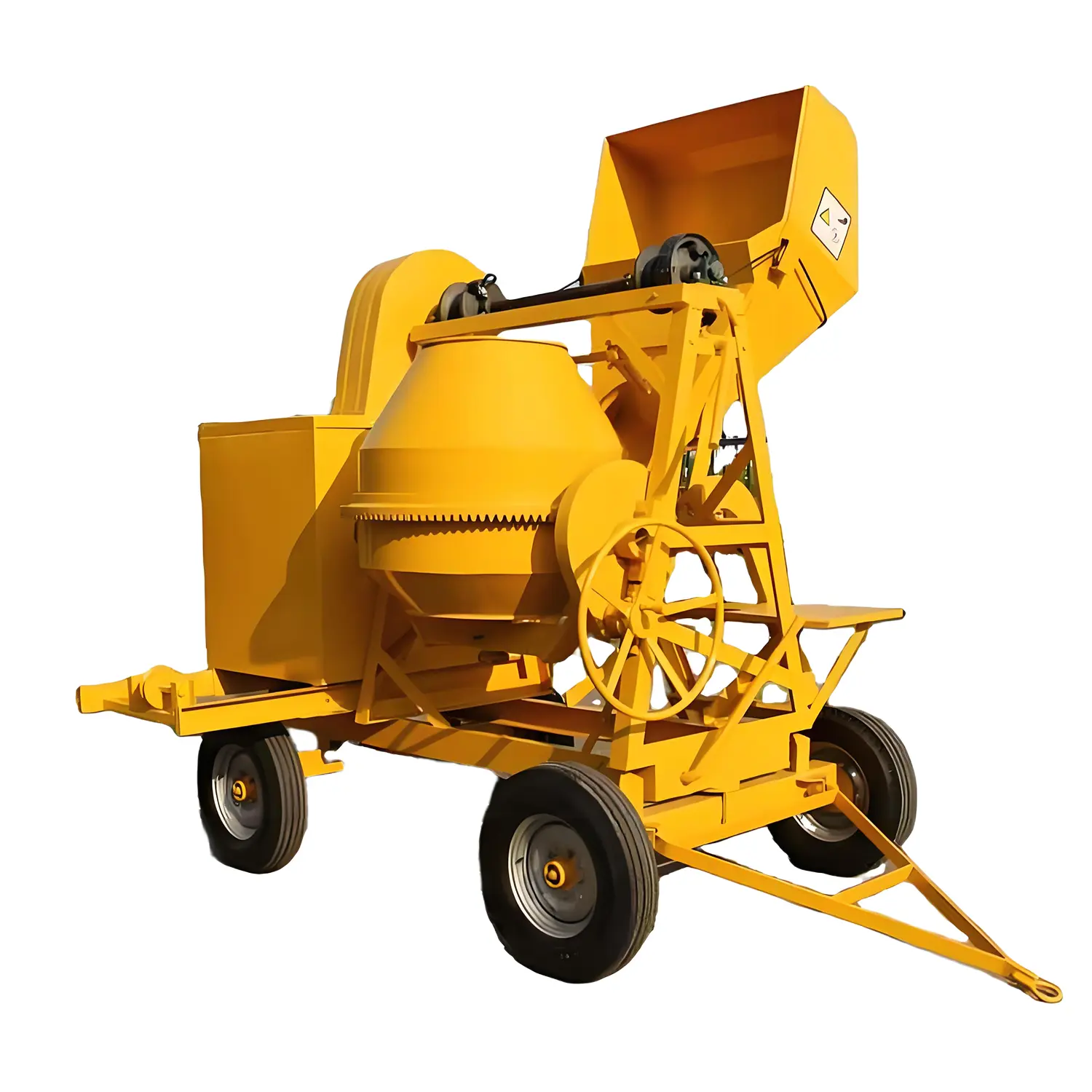 Hydraulic concrete mixer
 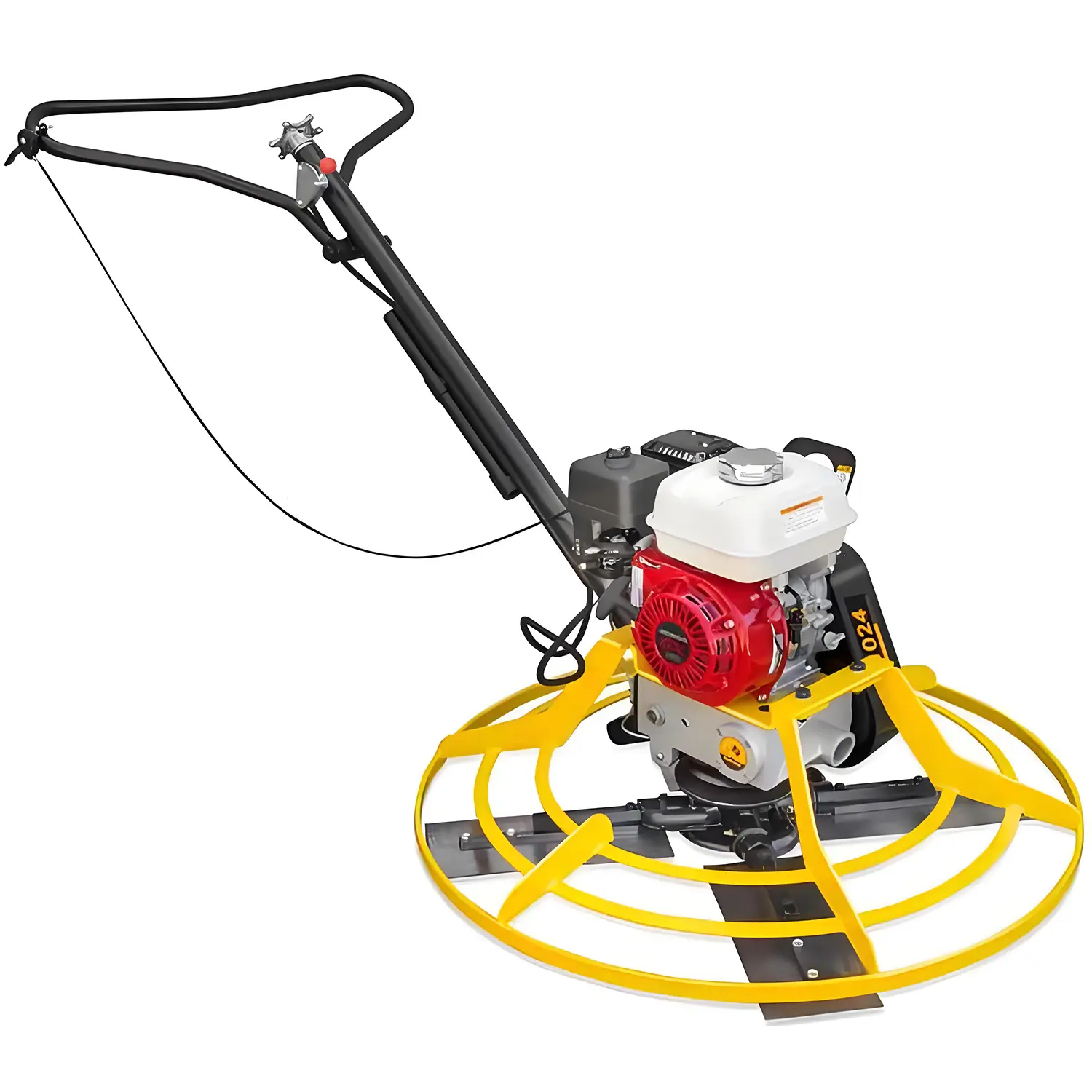 Walk behind power trowel
 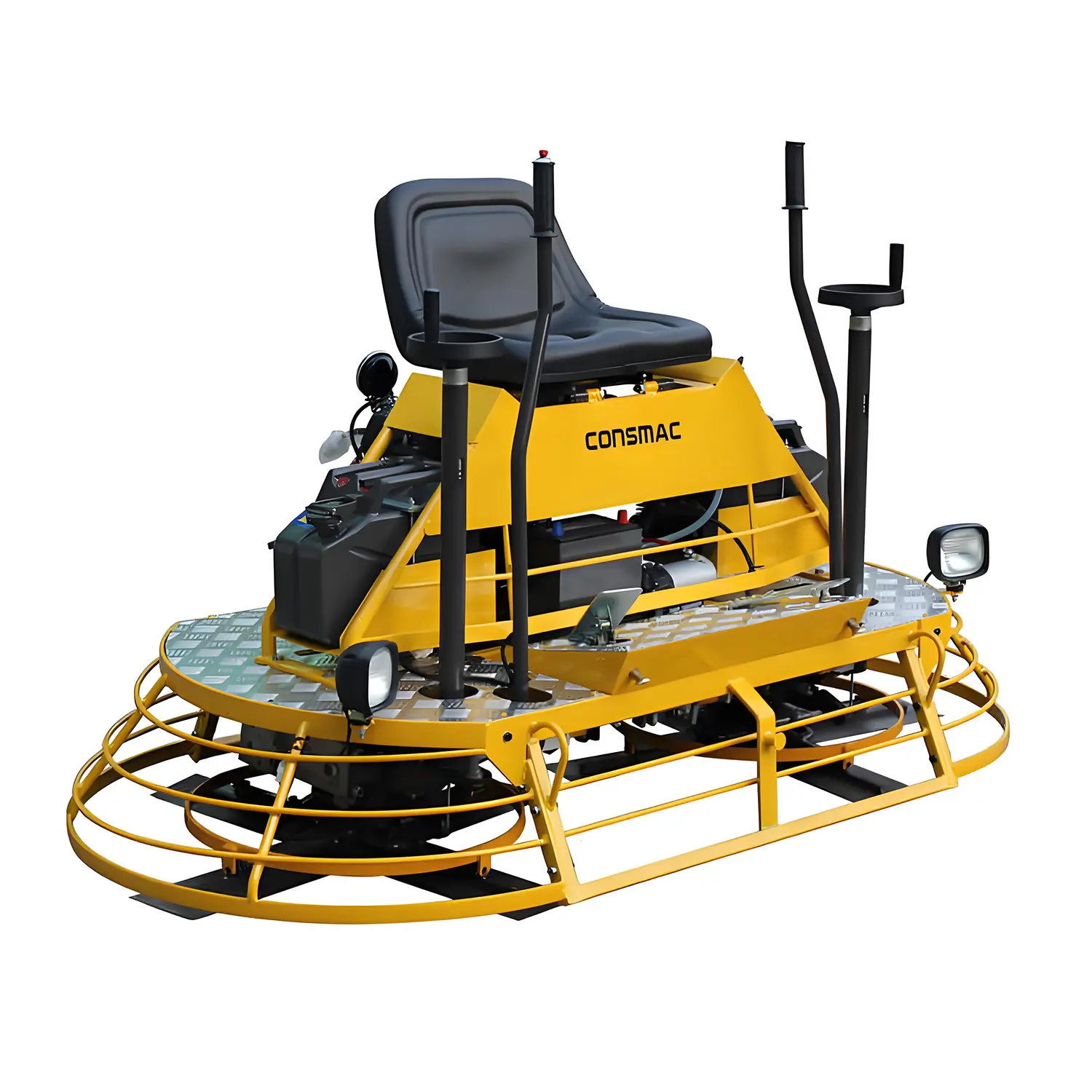 Ride on power trowel
 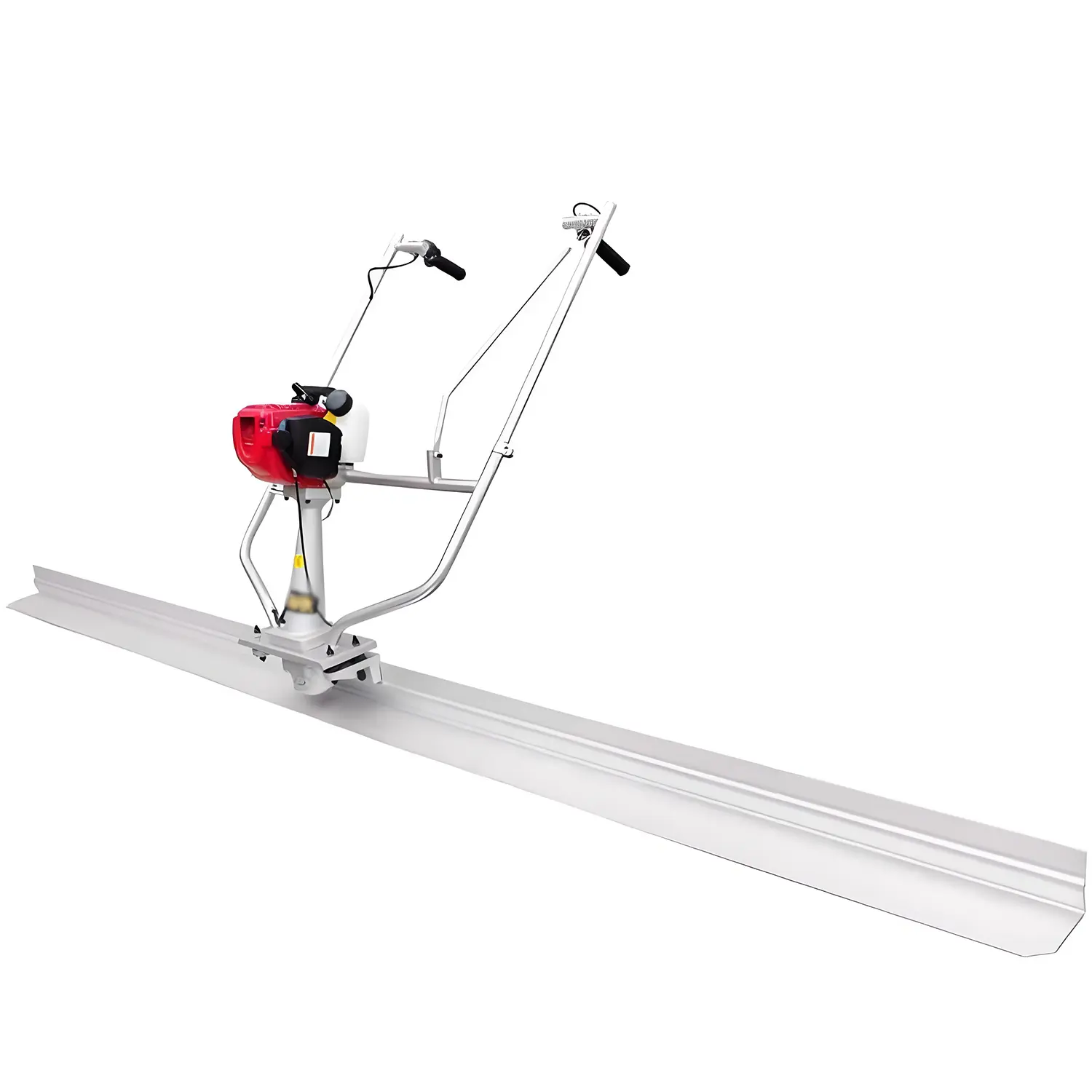 Concrete screed
 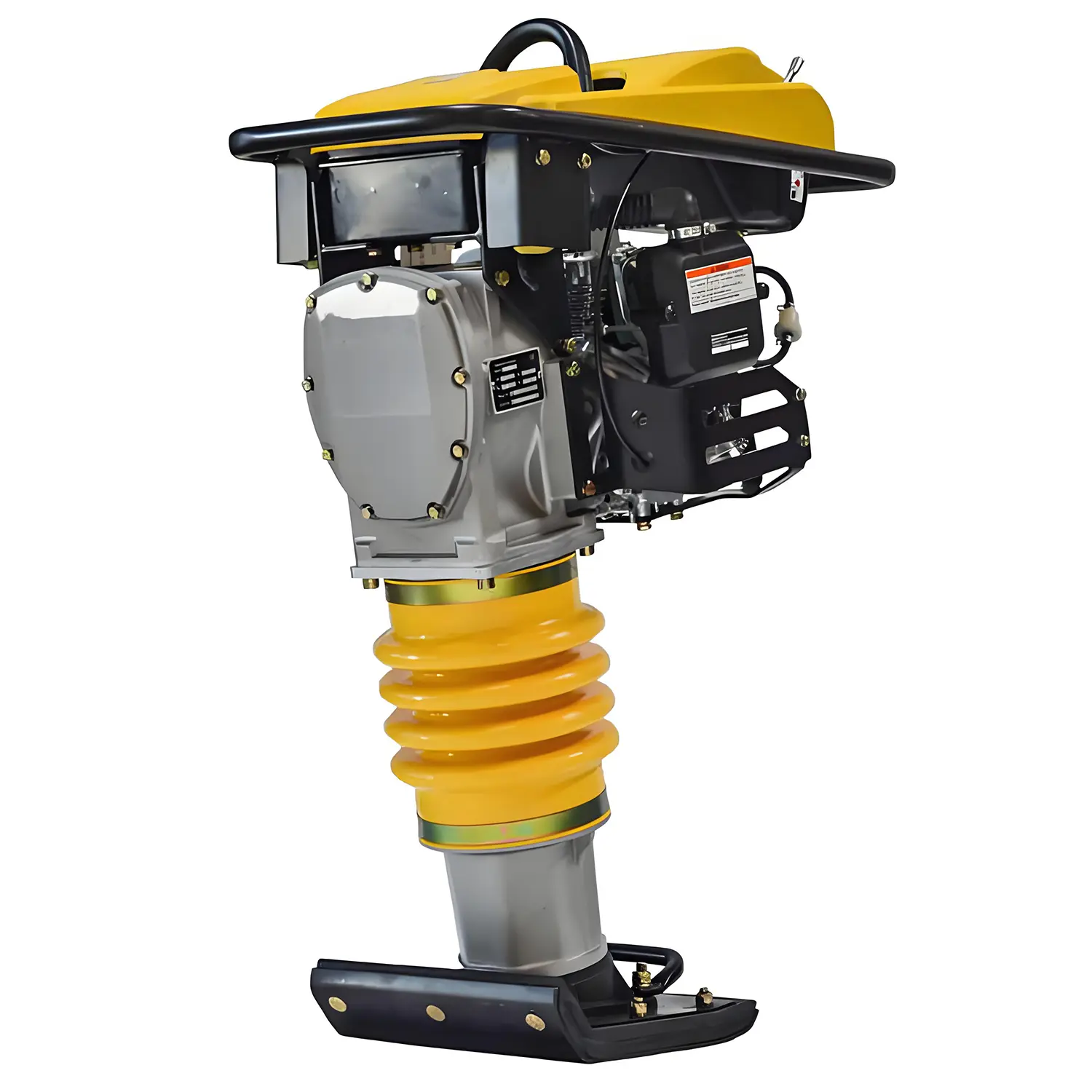 Tamping rammer
 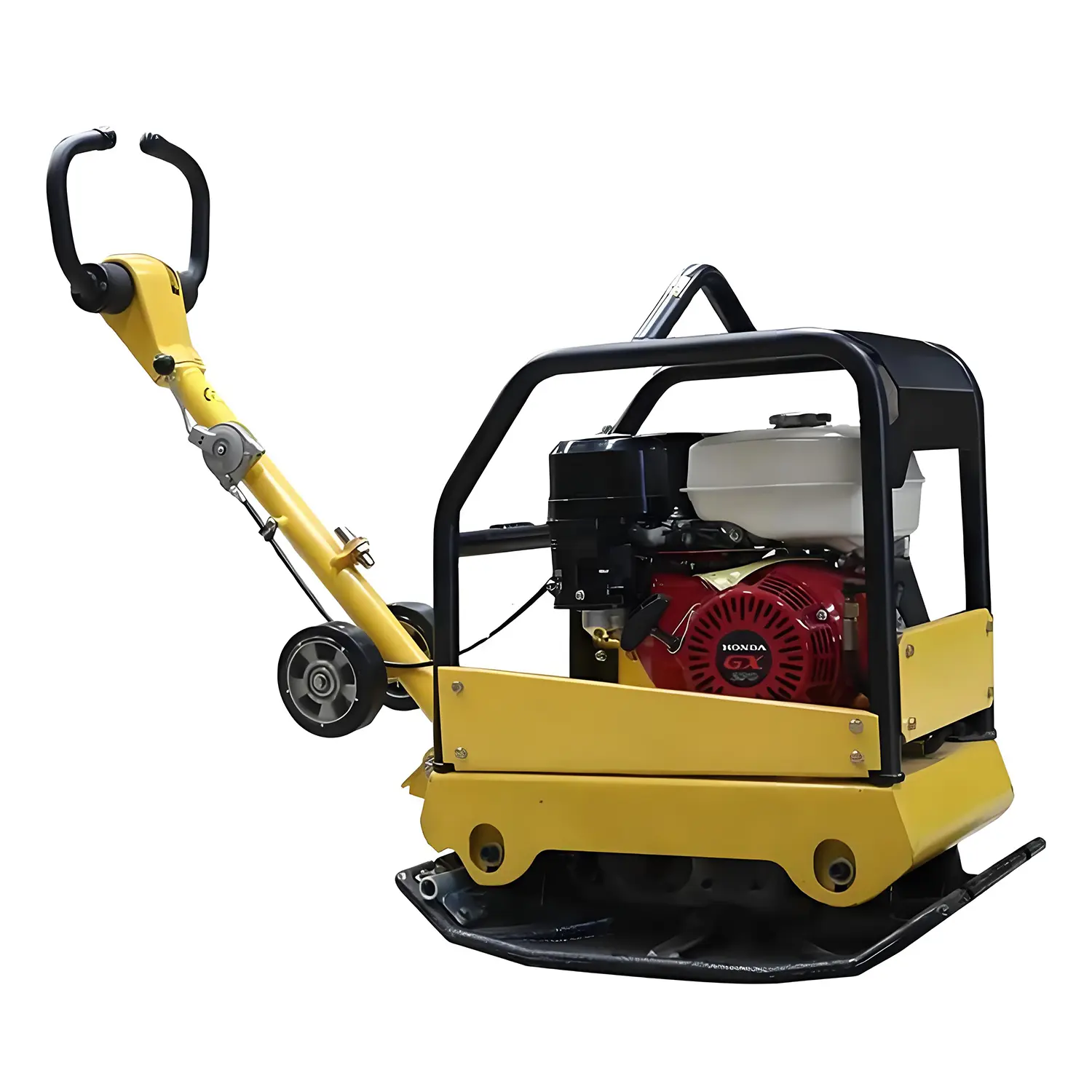 Plate compactor
 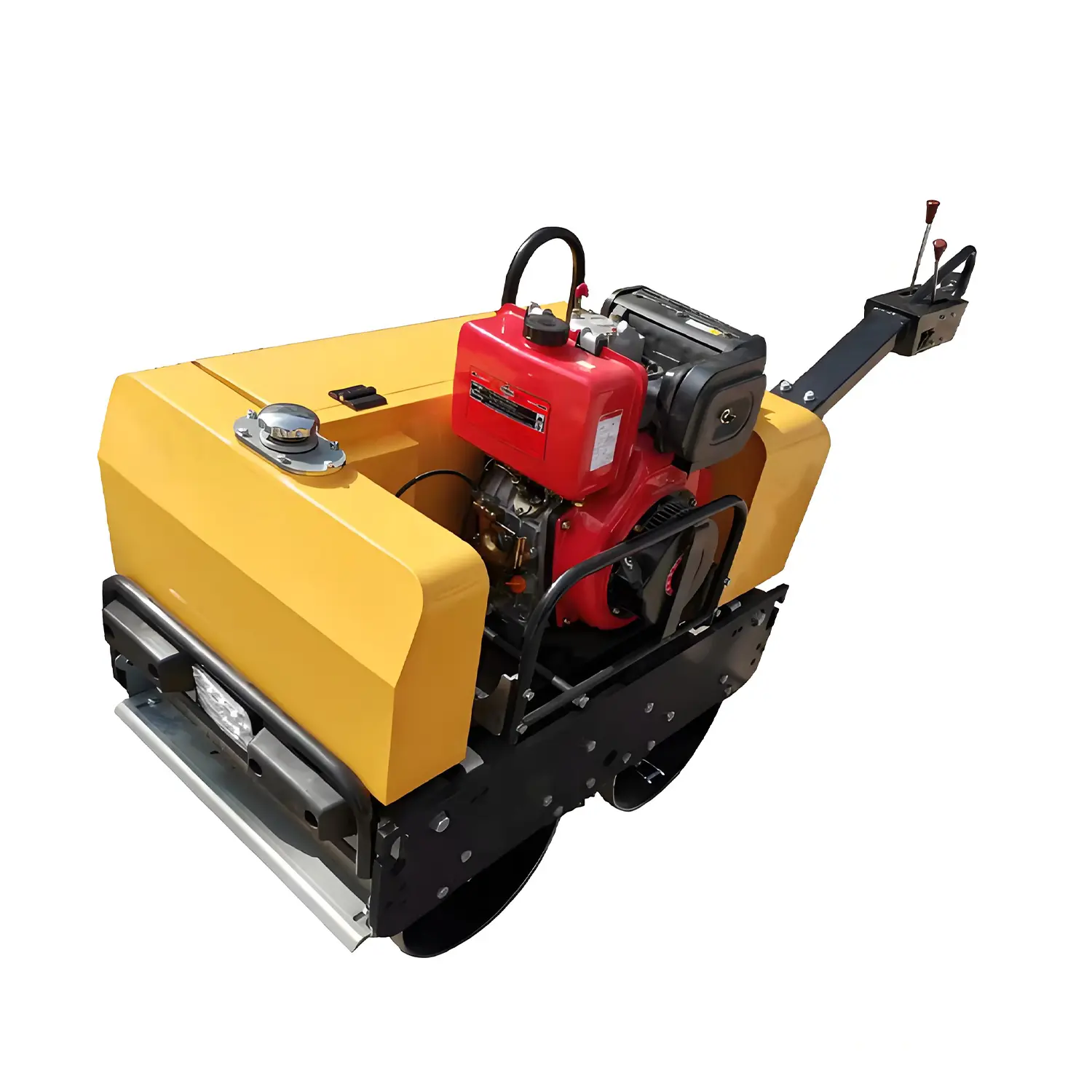 Vibratory roller





5 Common Concrete Pouring Problems Solved by High-Frequency Vibrators

You often face issues like air pockets, voids, poor compaction, segregation, honeycombing, or weak bonds with rebar when pouring concrete. These problems can weaken your structure. Using a concrete vibrator high-frequence helps you solve each issue and ensures you get strong, durable concrete every time.
Key Takeaways
- High-frequency concrete vibrators remove trapped air and fill gaps, making concrete stronger and more durable.
- Using these vibrators ensures even compaction and prevents weak spots, cracks, and surface problems.
- They help mix concrete parts evenly and improve bonding with steel bars, resulting in safer, longer-lasting structures.
Air Pockets and Voids: Solved by Concrete Vibrator High-Frequence
How Air Pockets Form During Pouring
When you pour concrete, air can get trapped between the mix and the formwork. You might see this happen if you pour too quickly or do not move the mix around enough. Large pieces of aggregate can block the flow, causing gaps where air collects. If you do not use proper tools, these pockets stay hidden inside the slab.
Tip: Pour concrete in layers and use tools to spread it evenly. This helps reduce trapped air.
Impact on Concrete Strength and Longevity
Air pockets weaken your concrete. These voids create weak spots that can crack under pressure. Water can seep into these gaps, leading to damage over time. You may notice that concrete with many air pockets does not last as long. Structures with voids often need repairs sooner.
Here is a quick comparison:
| With Air Pockets | Without Air Pockets |
|---|---|
| Weak spots | Solid structure |
| Shorter lifespan | Longer lifespan |
| More repairs | Fewer repairs |
Solution: Eliminating Air Pockets with High-Frequency Vibrators
You can solve this problem by using a concrete vibrator high-frequence. This tool shakes the mix at a fast rate, forcing trapped air to rise and escape. You get a denser, stronger slab. High-frequency vibration works quickly and covers more area, so you do not miss hidden pockets. When you use this method, your concrete lasts longer and supports more weight.
Poor Compaction: Solved by Concrete Vibrator High-Frequence
Causes of Inadequate Compaction
You may face poor compaction when you do not mix or place the concrete properly. Sometimes, you pour concrete too quickly or in thick layers. This makes it hard for the mix to settle and fill all spaces. If you use the wrong tools or skip the compaction step, you leave gaps inside the slab. Cold weather can also slow down the setting process, making it harder for the concrete to compact well.
Note: Always check the thickness of each layer before pouring the next one. This helps you avoid hidden gaps.
Risks of Weak and Unstable Concrete
Poor compaction leads to weak concrete. You might see cracks, uneven surfaces, or even sinking areas. Water can get into these weak spots and cause more damage over time. Structures with poor compaction often fail safety checks. You may need to spend more money on repairs or even rebuild parts of your project.
Here are some common problems caused by poor compaction:
- Cracks and breaks in the surface
- Reduced load-bearing strength
- Shorter lifespan for your structure
Solution: Achieving Uniform Compaction with High-Frequency Vibrators
You can solve these problems by using a concrete vibrator high-frequence. This tool shakes the concrete quickly and evenly. It helps the mix settle into every corner and around any rebar. You get a solid, stable slab with fewer gaps. High-frequency vibration also saves you time because it works faster than manual methods. Your finished concrete will last longer and support more weight.
Segregation of Concrete Mix: Solved by Concrete Vibrator High-Frequence
Why Segregation Occurs During Pouring
Segregation happens when the parts of your concrete mix separate. You might see the heavier stones sink while the lighter cement and water rise to the top. This often occurs if you pour concrete from a high place or use too much water in the mix. Sometimes, moving the mix too much with shovels or tools can also cause the materials to split apart.
Tip: Pour concrete close to its final position and avoid adding extra water to keep the mix together.
Effects on Surface Finish and Structural Integrity
When segregation occurs, you get uneven surfaces and weak spots. The top layer may look smooth, but the bottom can have too many rocks or gaps. This weakens your structure and makes it less safe. You may notice cracks, rough patches, or even holes after the concrete sets. These problems can lead to costly repairs and a shorter lifespan for your project.
Here is a quick look at what segregation can cause:
| Problem | Result |
|---|---|
| Uneven surface | Poor appearance |
| Weak structure | Lower strength |
| Gaps or holes | More repairs needed |
Solution: Preventing Segregation Using High-Frequency Vibrators
You can stop segregation by using a concrete vibrator high-frequence. This tool helps mix the parts of your concrete evenly as you pour. The high-frequency vibration moves the stones, sand, and cement together, so you get a solid and smooth slab. You avoid weak spots and make sure your concrete stays strong from top to bottom. Using this method gives you a better finish and a longer-lasting structure.
Honeycombing: Solved by Concrete Vibrator High-Frequence
What Leads to Honeycombing in Concrete
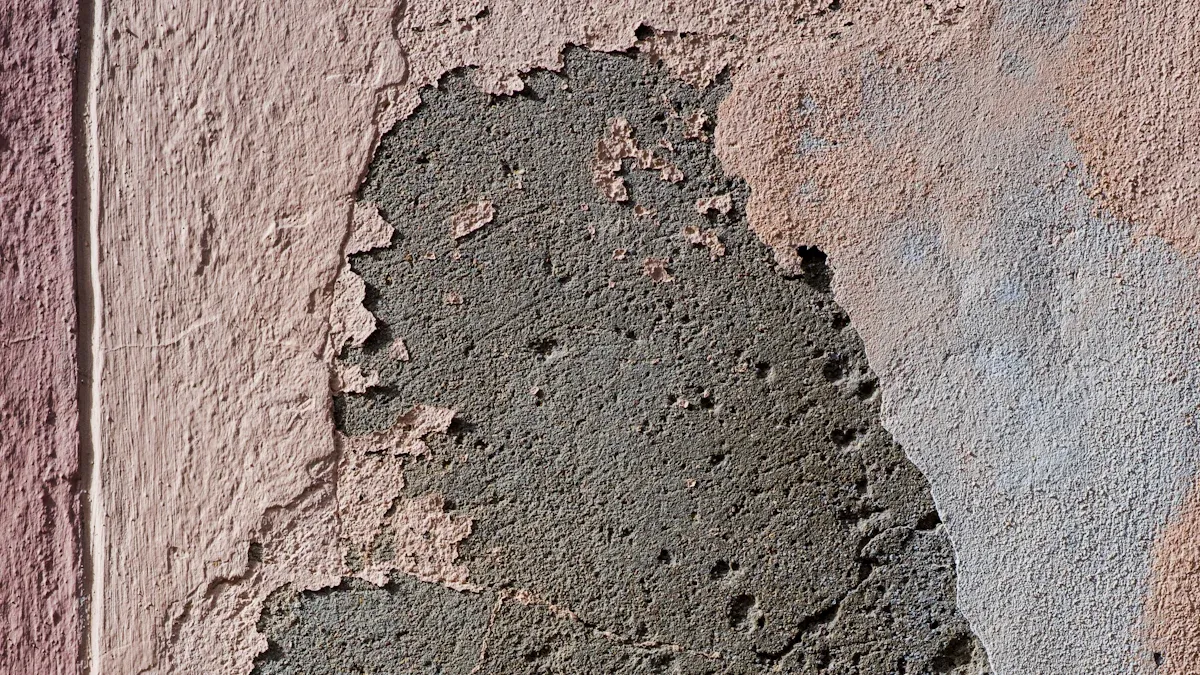
Honeycombing happens when you see small holes or gaps on the surface of your concrete. You often get honeycombing if you do not fill the forms well. Large pieces of stone can block the mix from flowing into every space. If you pour concrete too quickly or do not use the right tools, air and gaps stay trapped. Sometimes, you might notice honeycombing near corners or around rebar.
Tip: Always pour concrete slowly and use tools to push the mix into tight spots.
Consequences for Durability and Appearance
Honeycombing makes your concrete look rough and uneven. These holes can let water and air inside. Over time, this weakens your structure. You may see cracks or even rust on the rebar. Honeycombing also makes your project look unfinished. You might need to spend more money to fix these spots.
Here is what honeycombing can cause:
- Lower strength
- Shorter lifespan
- Poor appearance
Solution: Reducing Honeycombing with High-Frequency Vibrators
You can stop honeycombing by using a concrete vibrator high-frequence. This tool shakes the mix quickly and helps it flow into every gap. The vibration pushes out trapped air and fills spaces around stones and rebar. You get a smooth, solid surface with fewer holes. Your concrete will last longer and look better.
Incomplete Bonding with Reinforcement: Solved by Concrete Vibrator High-Frequence
Challenges in Achieving Proper Bonding
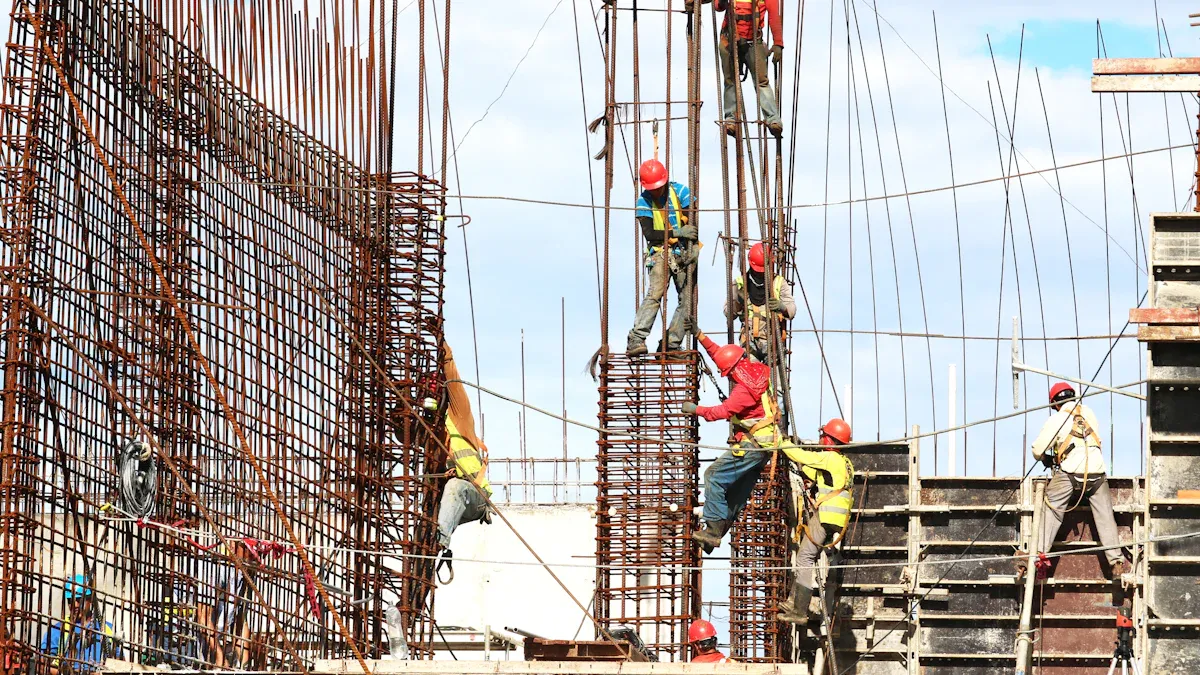
You often face trouble getting concrete to stick well to the steel bars inside your forms. If you pour concrete too quickly or do not spread it evenly, gaps can form around the rebar. These gaps stop the concrete from gripping the steel. Sometimes, thick mixes or crowded rebar make it hard for the concrete to flow and fill every space. You may notice that air pockets and dry spots appear near the reinforcement.
Tip: Always check that the concrete covers all sides of the rebar. This helps prevent weak spots.
Impact on Structural Performance
Poor bonding between concrete and reinforcement leads to weak structures. You might see cracks form along the steel bars. Water can seep into these cracks and cause rust. Rusted rebar loses strength and can break under heavy loads. Buildings with incomplete bonding often fail safety checks. You may need to repair or replace parts sooner than expected.
Here is a table showing the effects:
| Problem | Result |
|---|---|
| Gaps around rebar | Weak connection |
| Cracks and rust | Lower durability |
| Poor load transfer | Unsafe structure |
Solution: Enhancing Bonding with High-Frequency Vibrators
You can solve bonding problems by using a concrete vibrator high-frequence. This tool shakes the concrete at a fast rate and helps it flow tightly around every piece of rebar. The vibration pushes out air and fills gaps, so the concrete grips the steel well. You get a strong bond that lasts longer and supports more weight. High-frequency vibration also makes your structure safer and reduces the need for repairs.
Quick Recap: The Value of Concrete Vibrator High-Frequence
Summary of Problems and Solutions
You have learned about five common problems that can happen during concrete pouring. Each problem can weaken your project or make it look unfinished. Here is a quick summary:
| Problem | Solution with High-Frequency Vibrators |
|---|---|
| Air pockets and voids | Removes trapped air for solid concrete |
| Poor compaction | Ensures even and strong compaction |
| Segregation of concrete mix | Keeps mix uniform and prevents separation |
| Honeycombing | Fills gaps and creates a smooth surface |
| Incomplete bonding with rebar | Improves grip around reinforcement |
Using the right tool at the right time helps you avoid these issues and build stronger structures.
Reinforcing the Value of High-Frequency Vibrators
You want your concrete to last and stay safe. High-frequency vibrators give you a simple way to reach this goal. These tools help you get rid of air pockets, fill every gap, and make sure the mix covers all the rebar. You save time and reduce the need for repairs. When you use a concrete vibrator high-frequence, you make your work easier and your results better. Your finished concrete will look smooth, stay strong, and last longer.
You want strong, long-lasting concrete. A concrete vibrator high-frequence helps you fix common pouring problems. You improve quality, boost durability, and make your projects last.
For your next job, choose a concrete vibrator high-frequence to get professional results every time.
FAQ
How often should you use a high-frequency vibrator during a concrete pour?
You should use the vibrator every time you pour a new layer. This helps remove air and ensures the mix settles evenly.
Can high-frequency vibrators damage the concrete?
You will not damage the concrete if you use the tool correctly. Avoid holding it in one spot for too long to prevent over-vibration.
What safety tips should you follow when using a concrete vibrator?
Always wear gloves, safety glasses, and boots. Keep the cord away from wet areas. Turn off the tool before cleaning or moving it.