
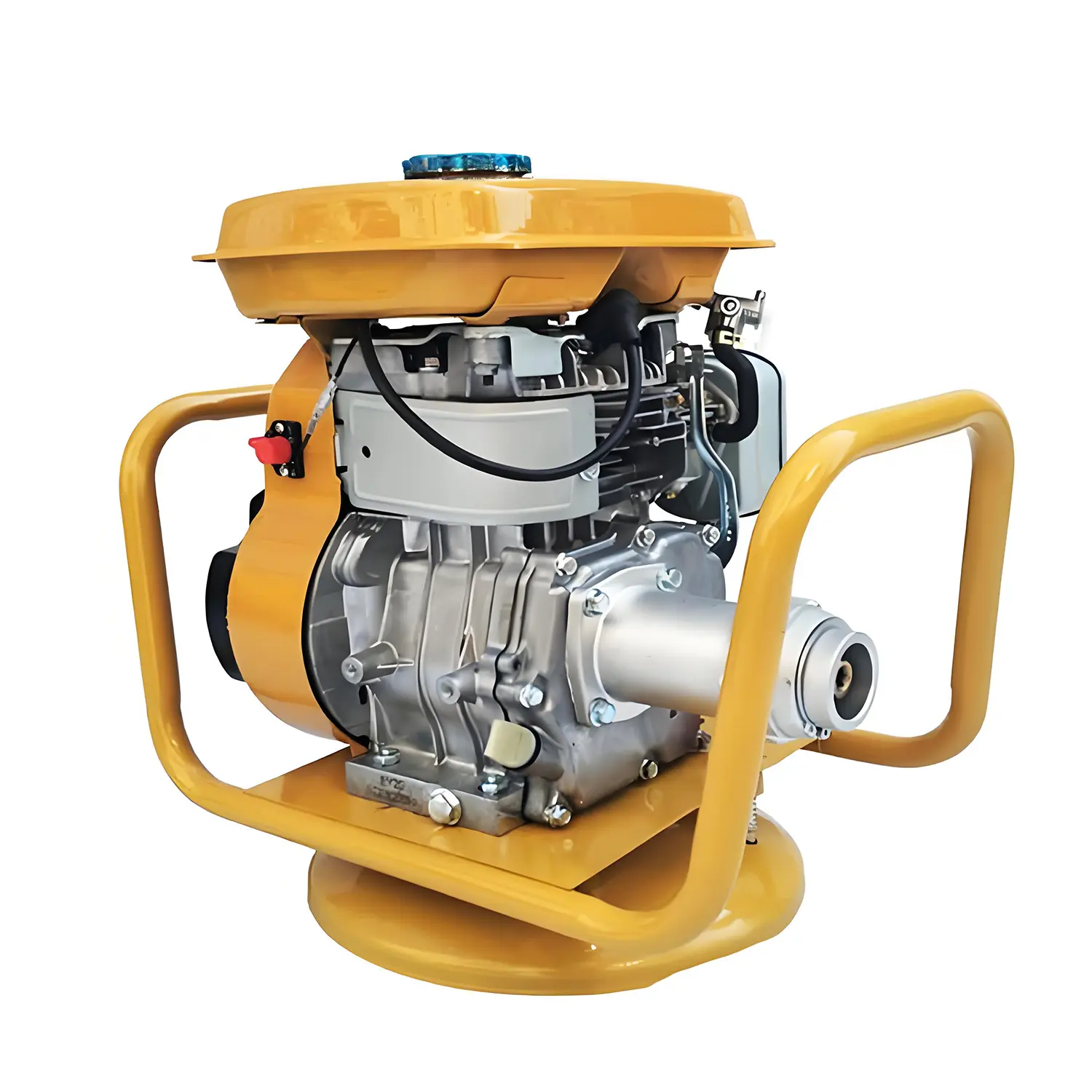
 Internal Vibrator
 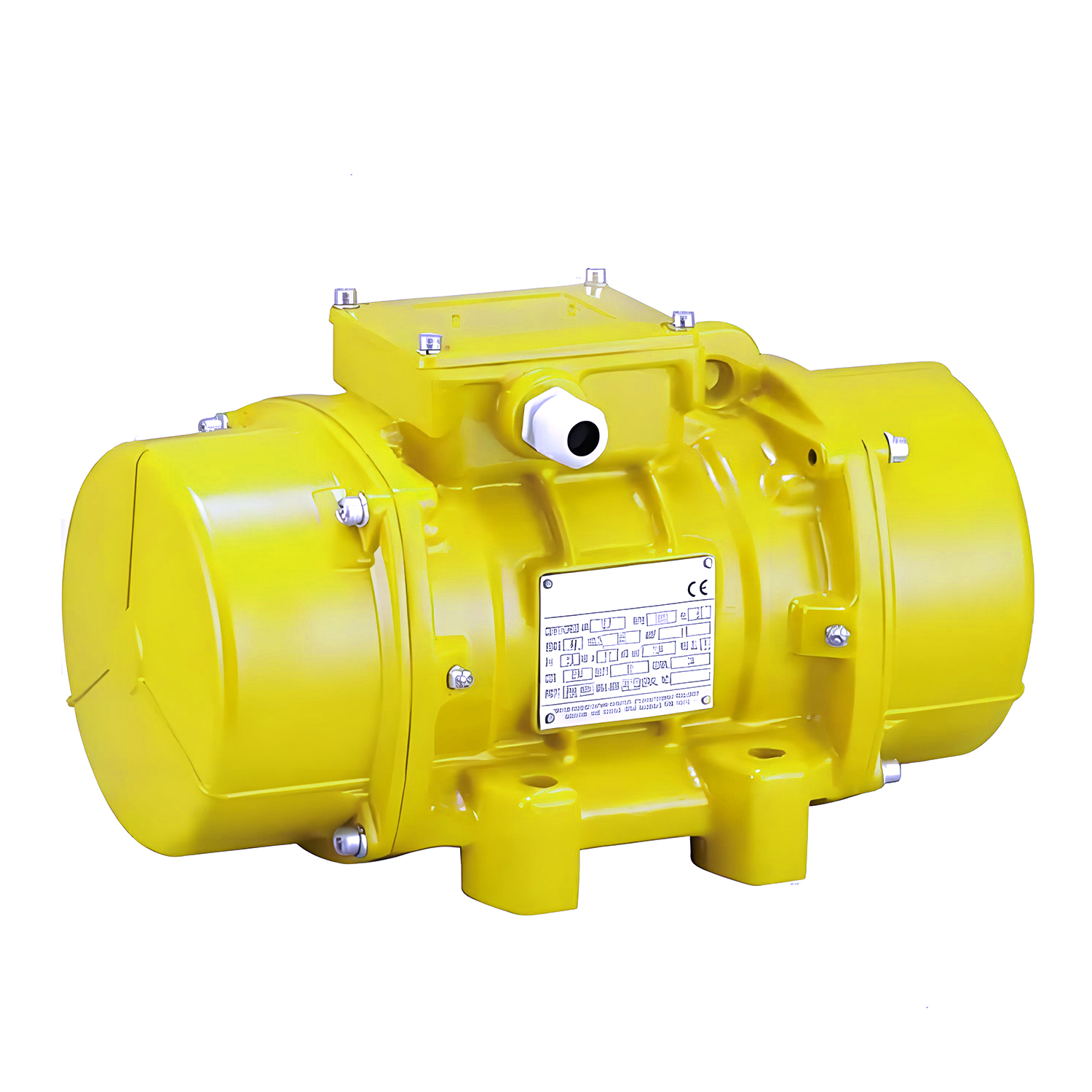 External Vibrator
 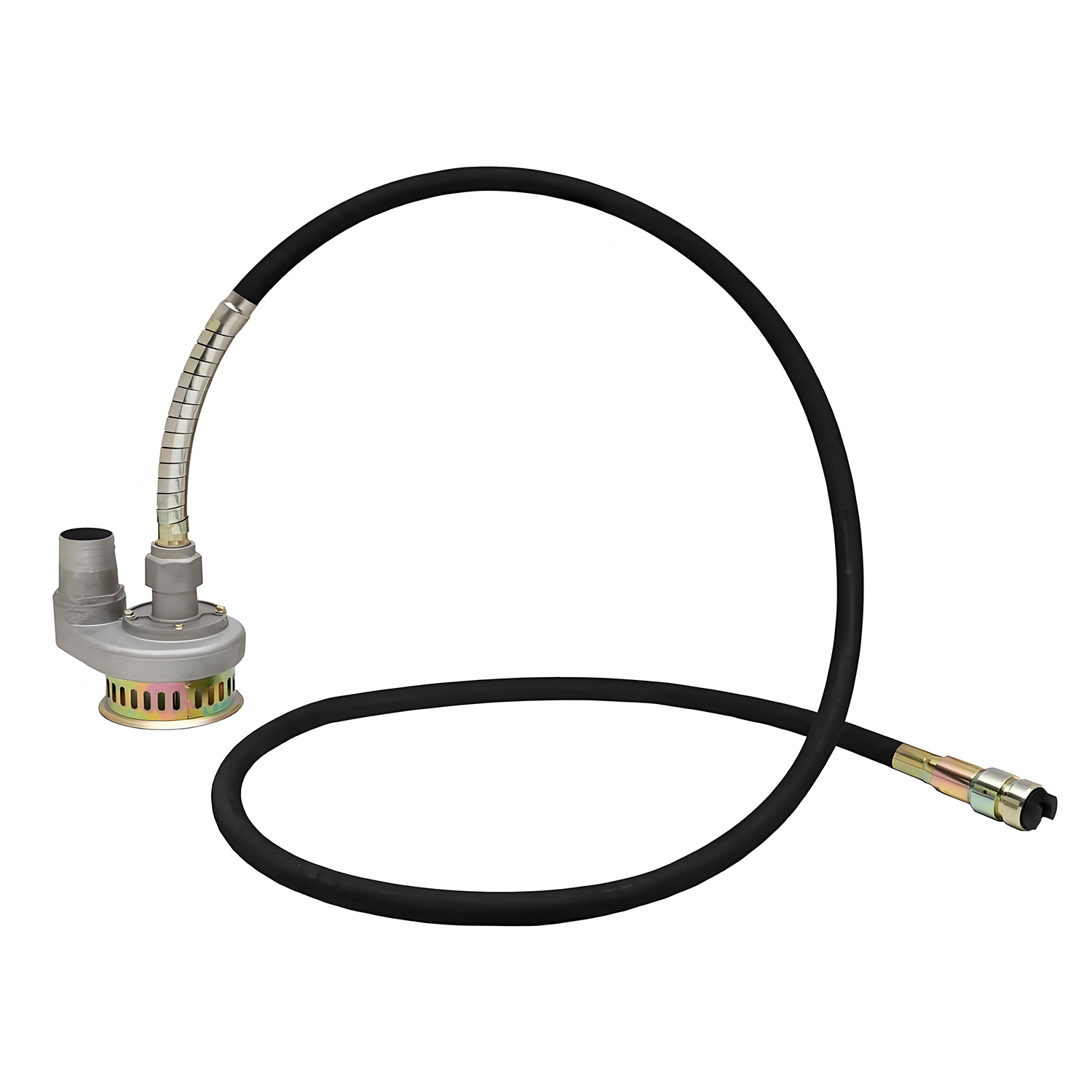 Submersible Pump
 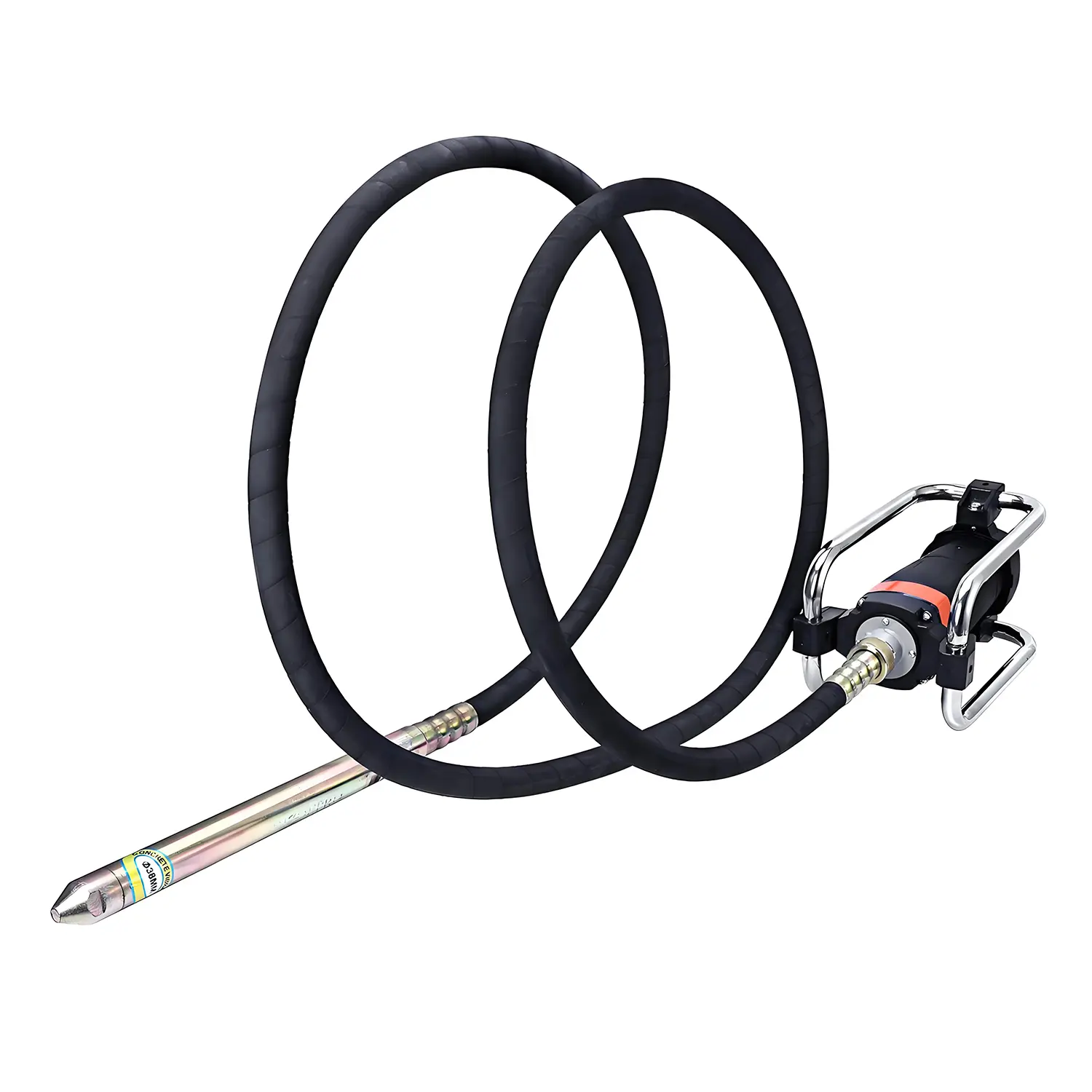 Eccentric shaft
 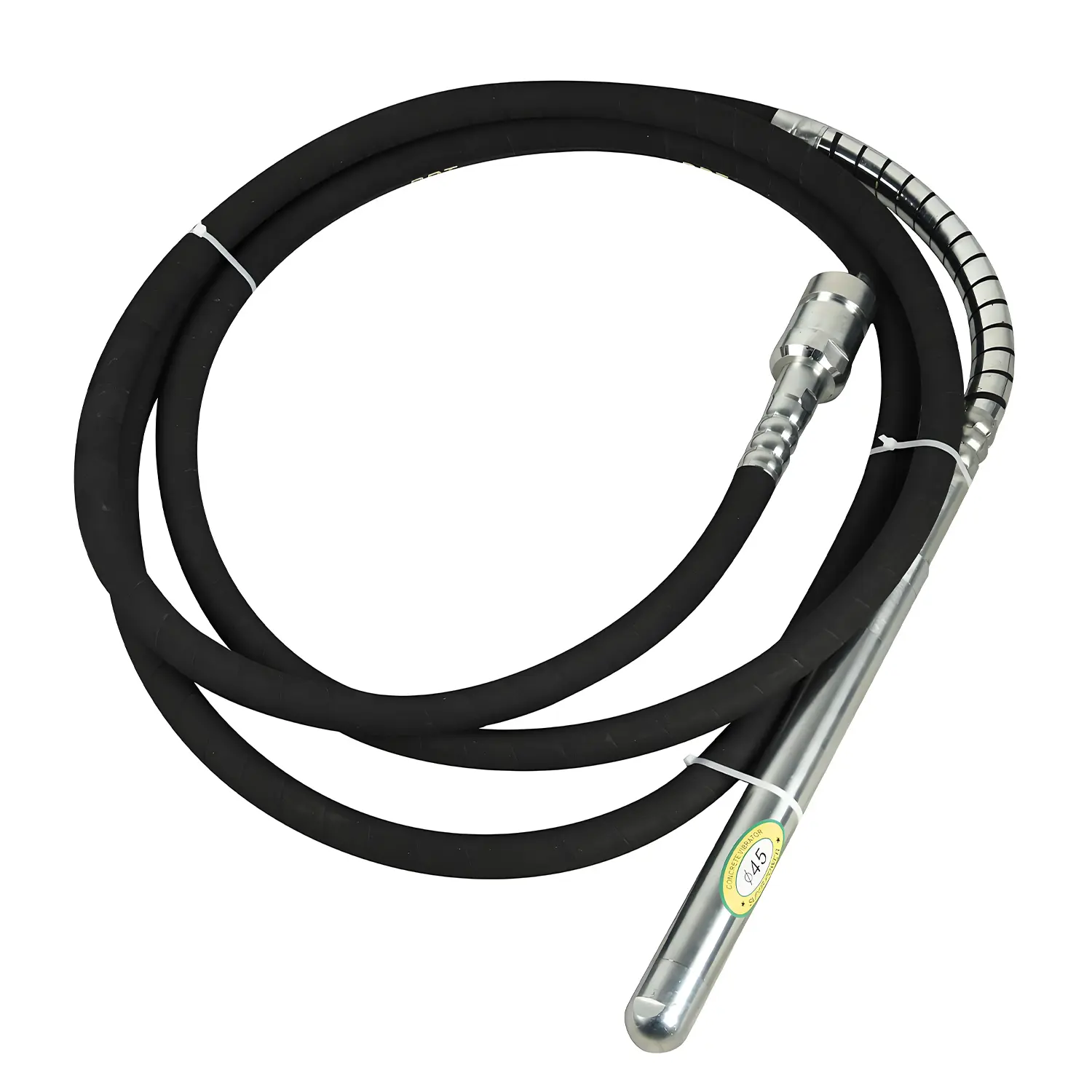 Pendulum shaft
 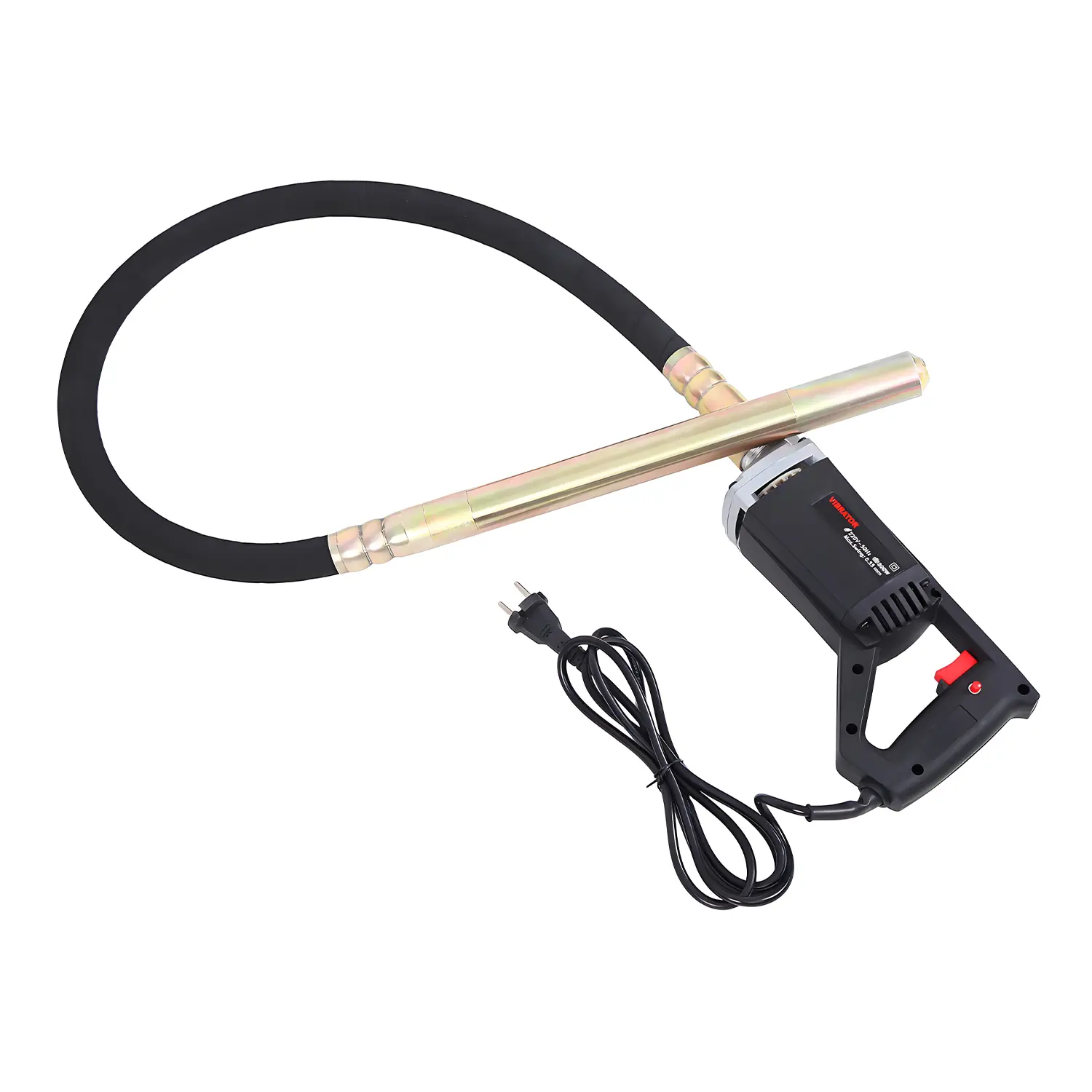 Portable vbrator shaft
 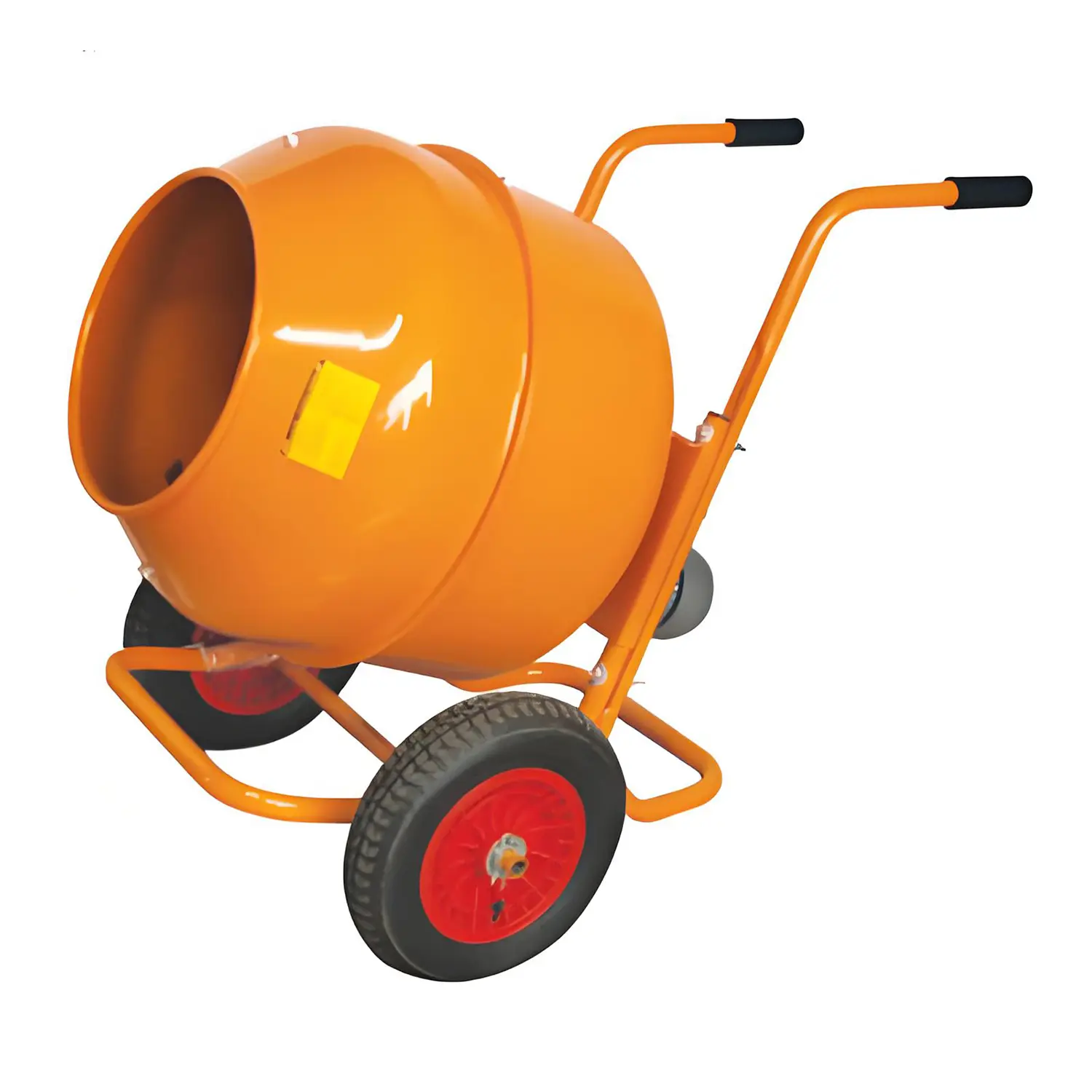 Portable concrete mixer
 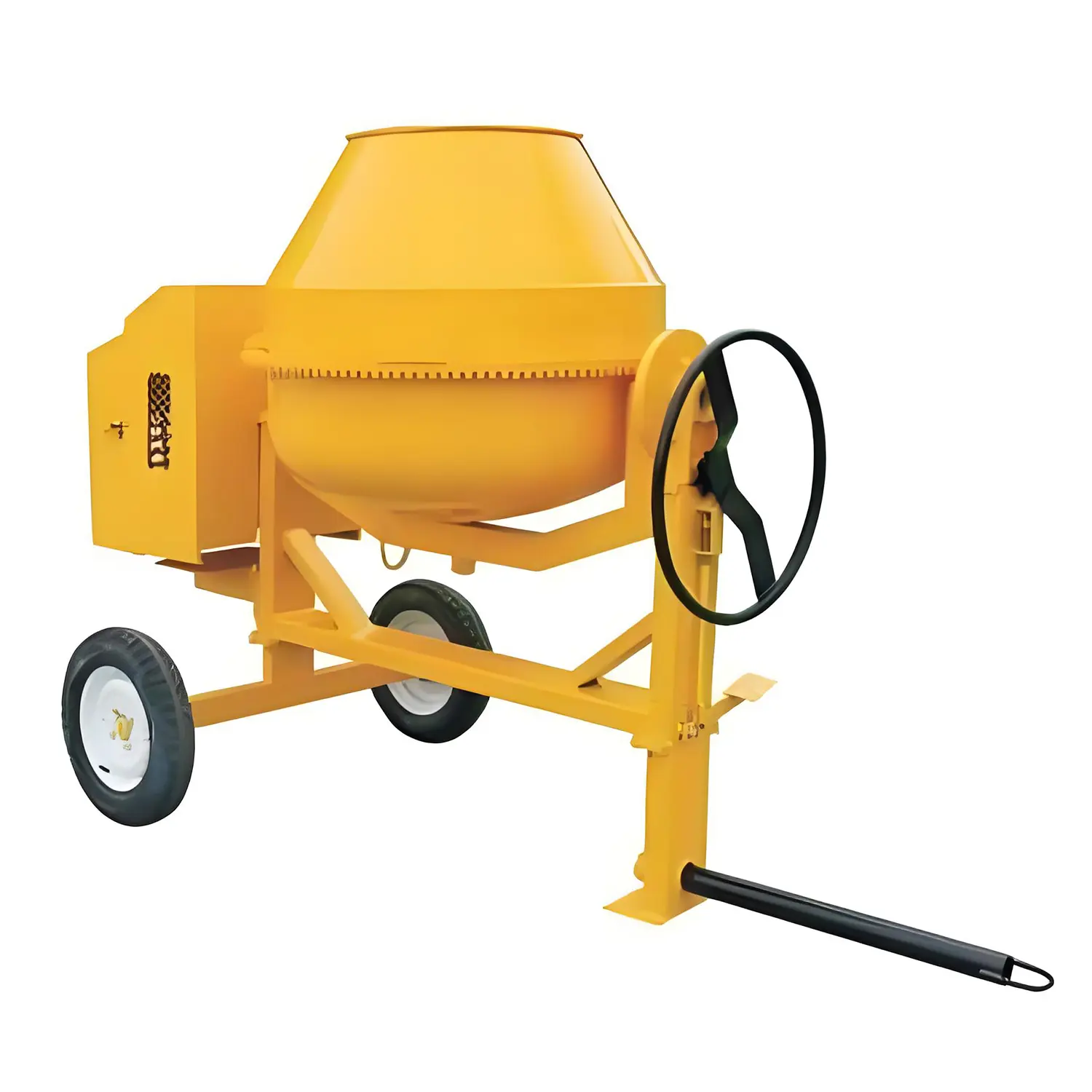 Vertical concrete mixer
 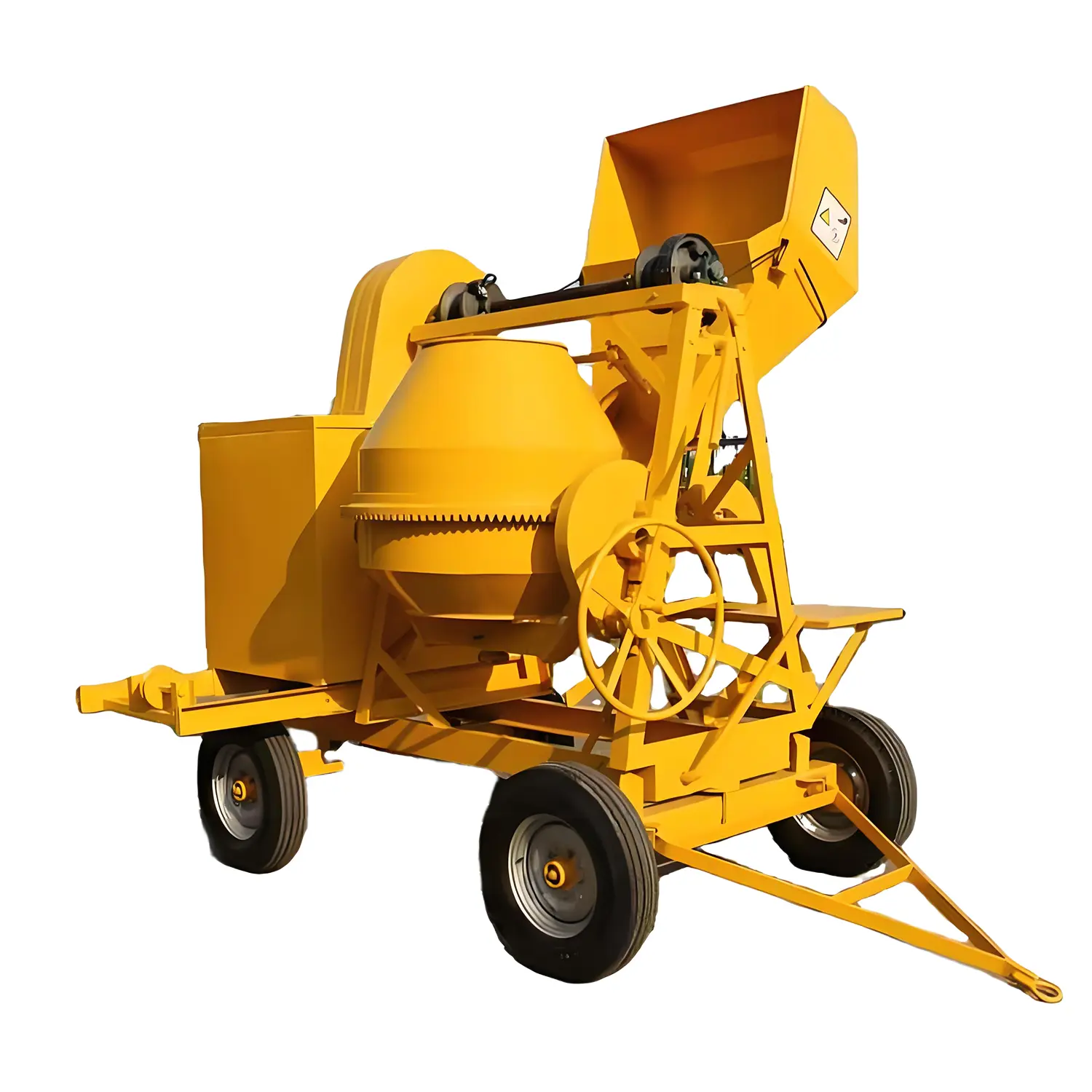 Hydraulic concrete mixer
 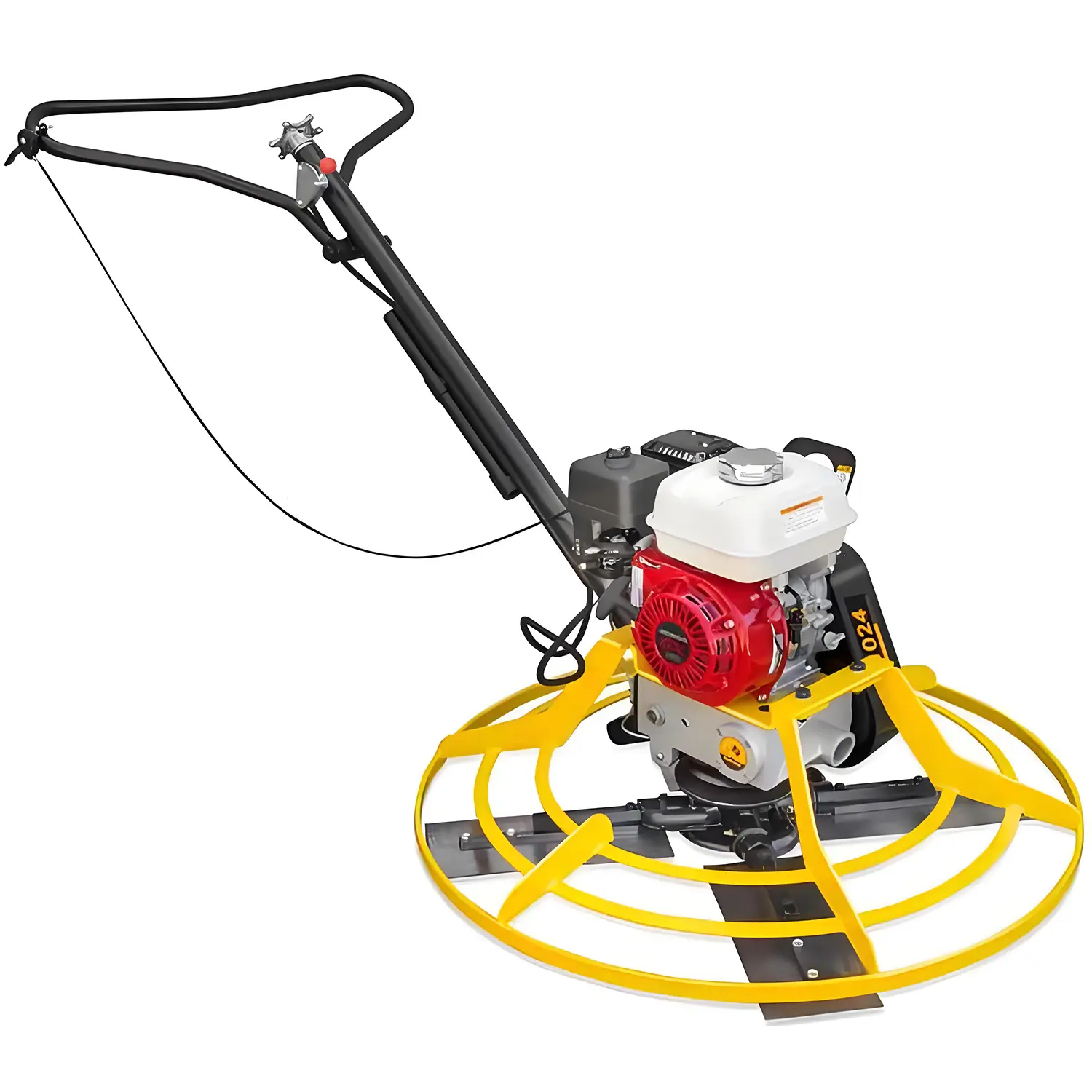 Walk behind power trowel
 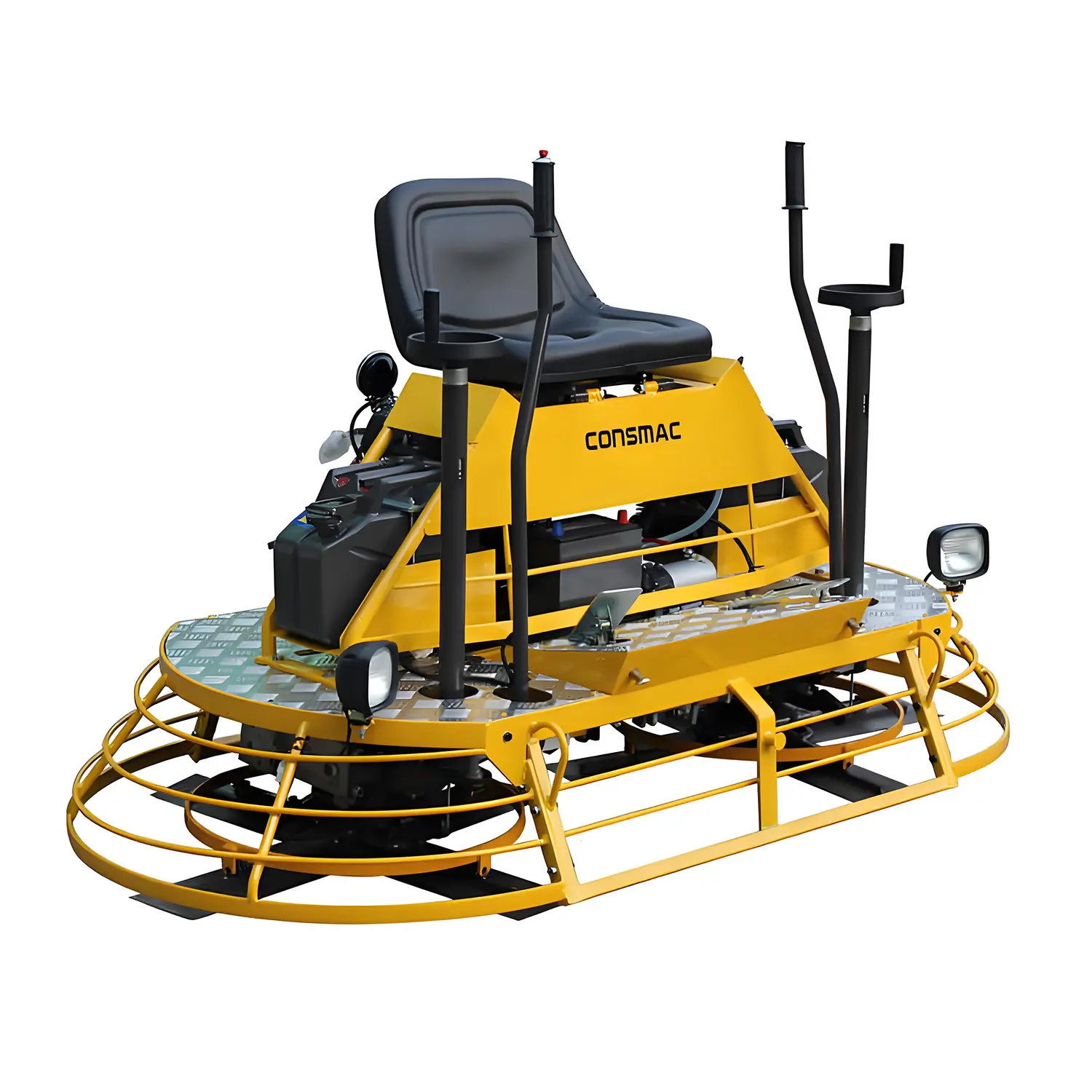 Ride on power trowel
 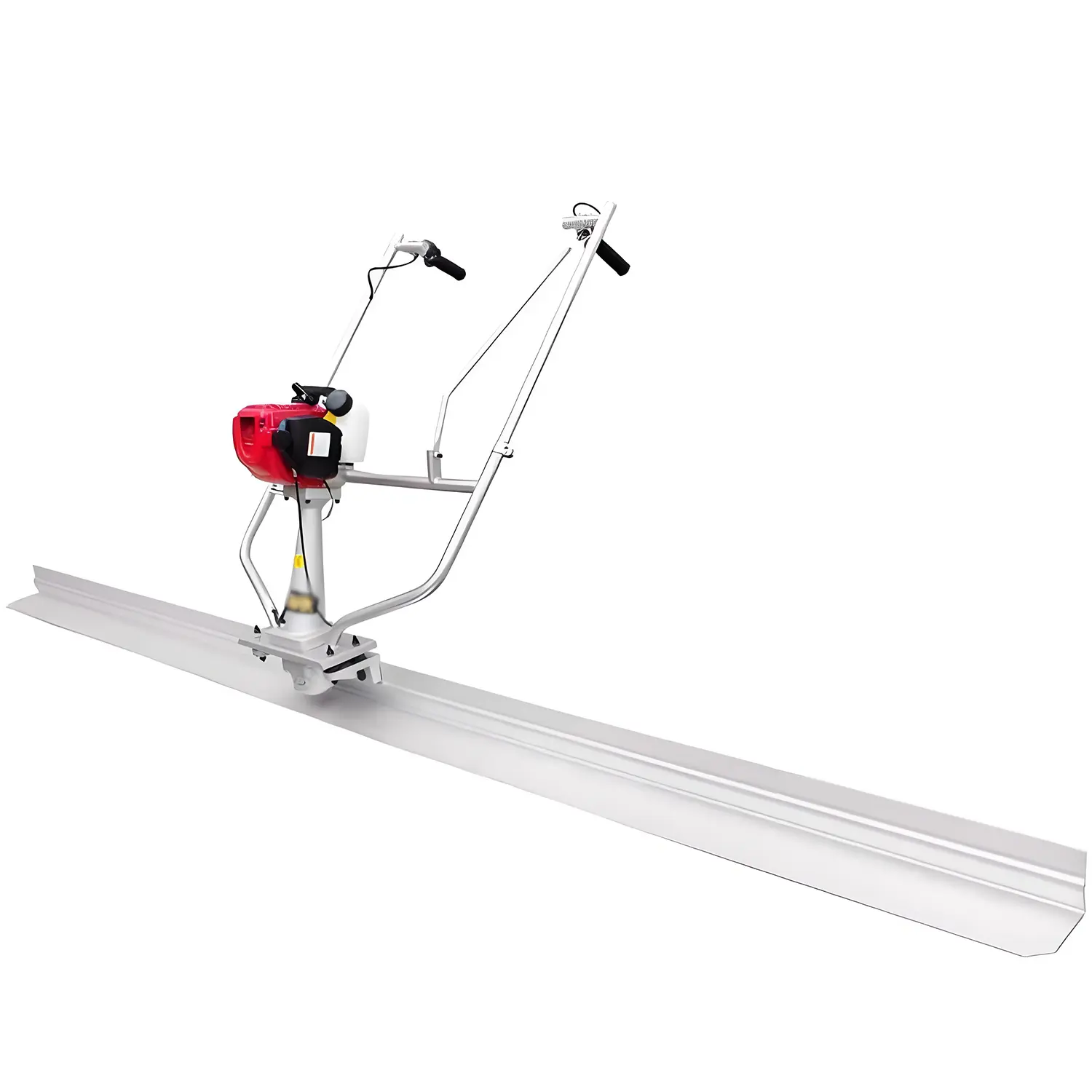 Concrete screed
 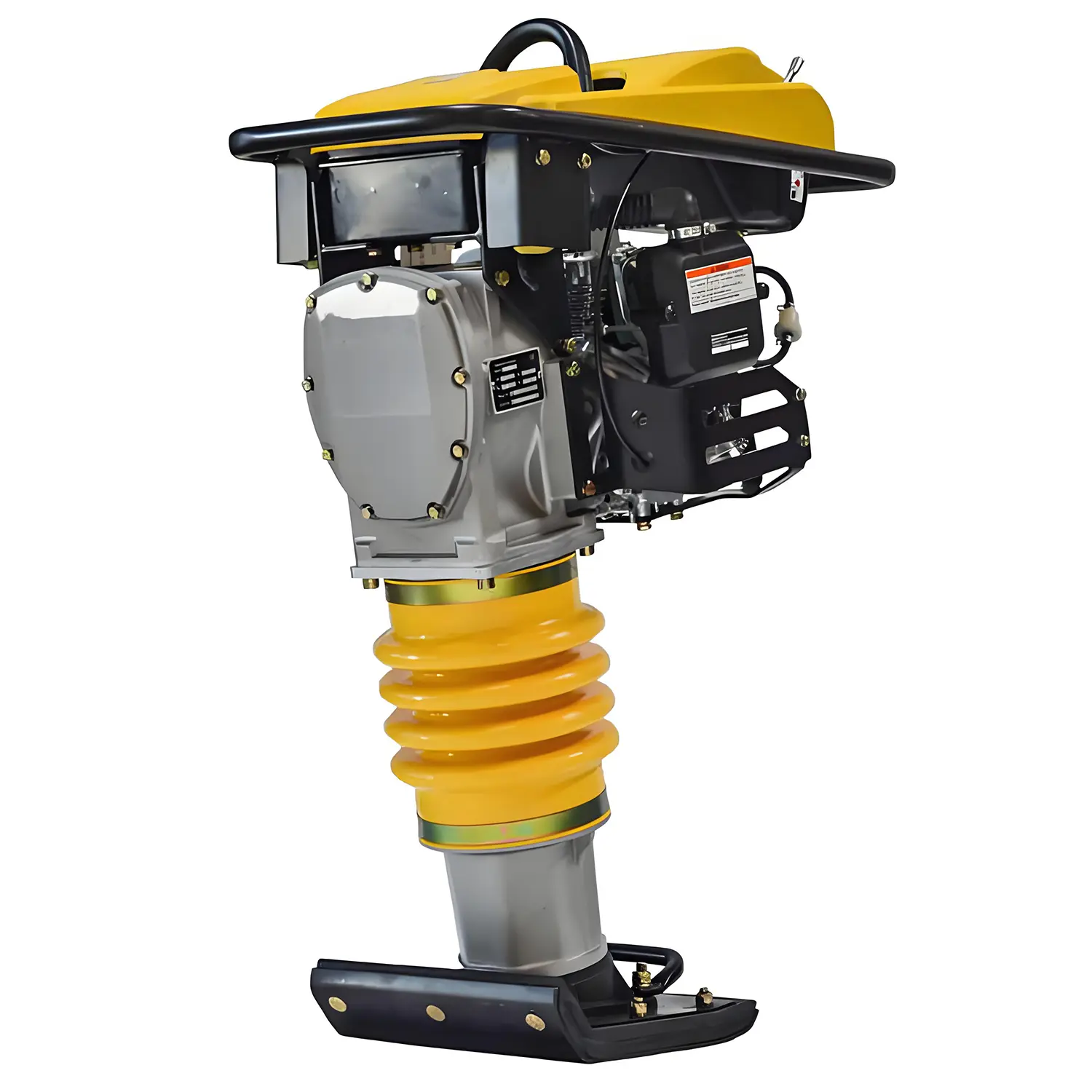 Tamping rammer
 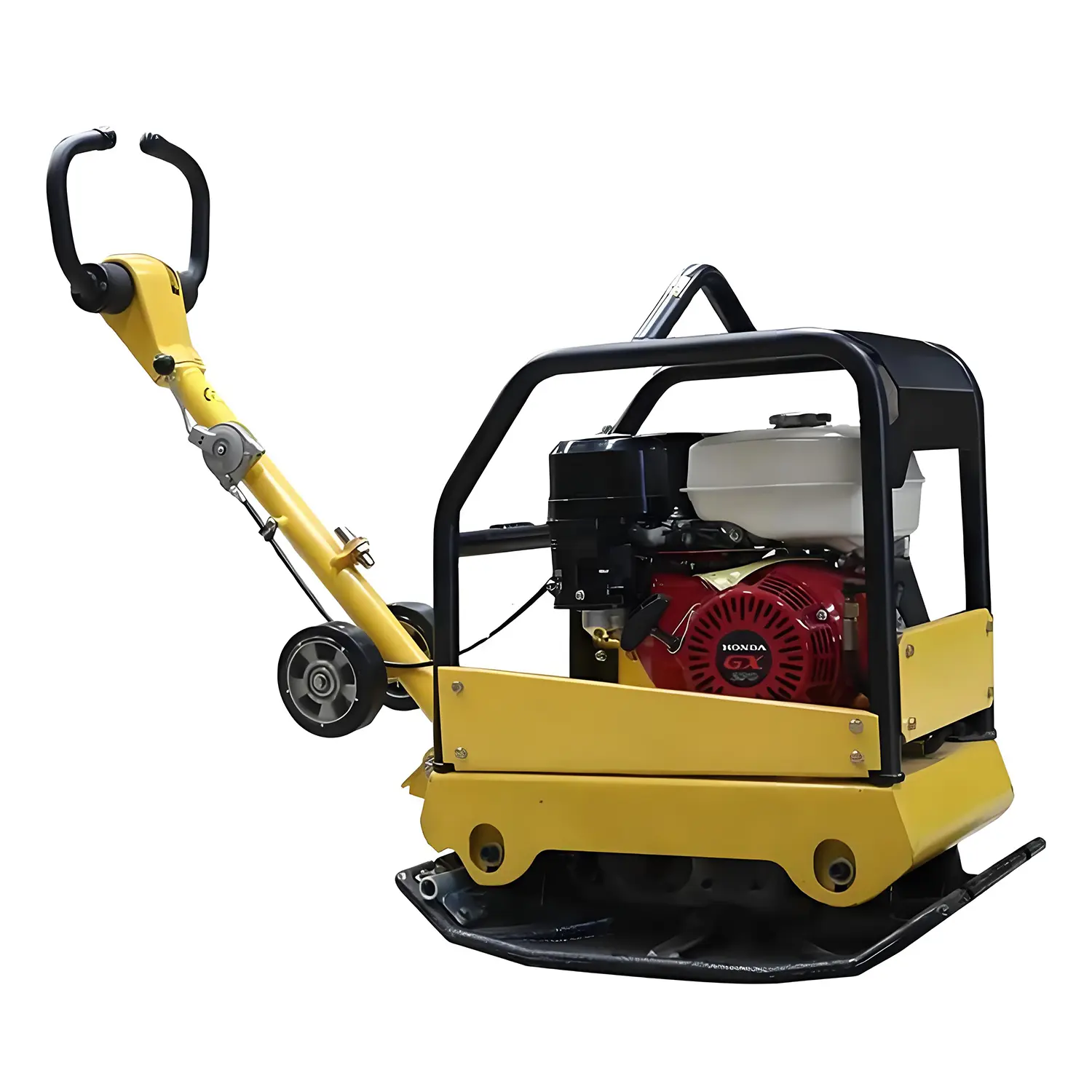 Plate compactor
 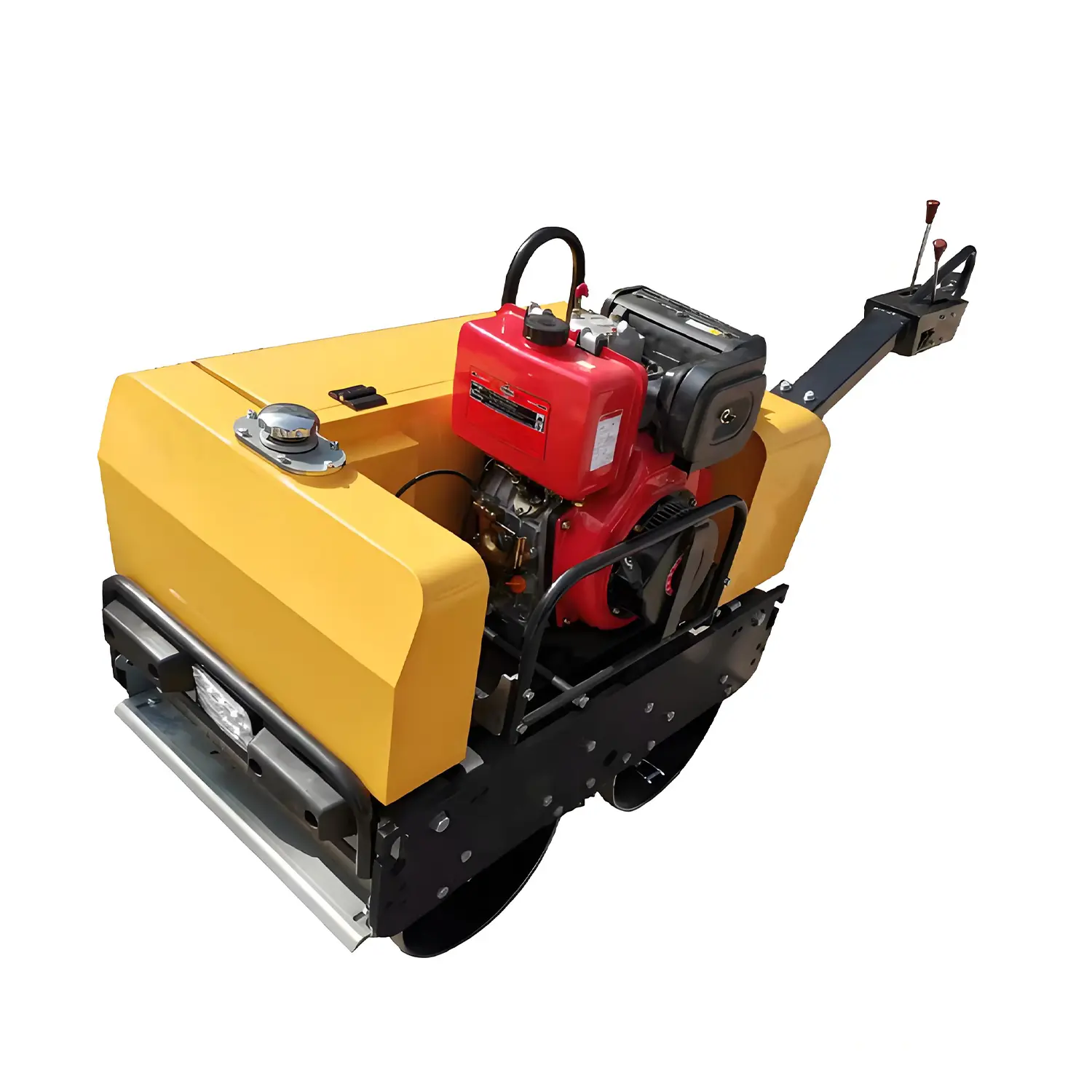 Vibratory roller
How Many Hours Can a Plate Compactor Last? (Durability Guide)
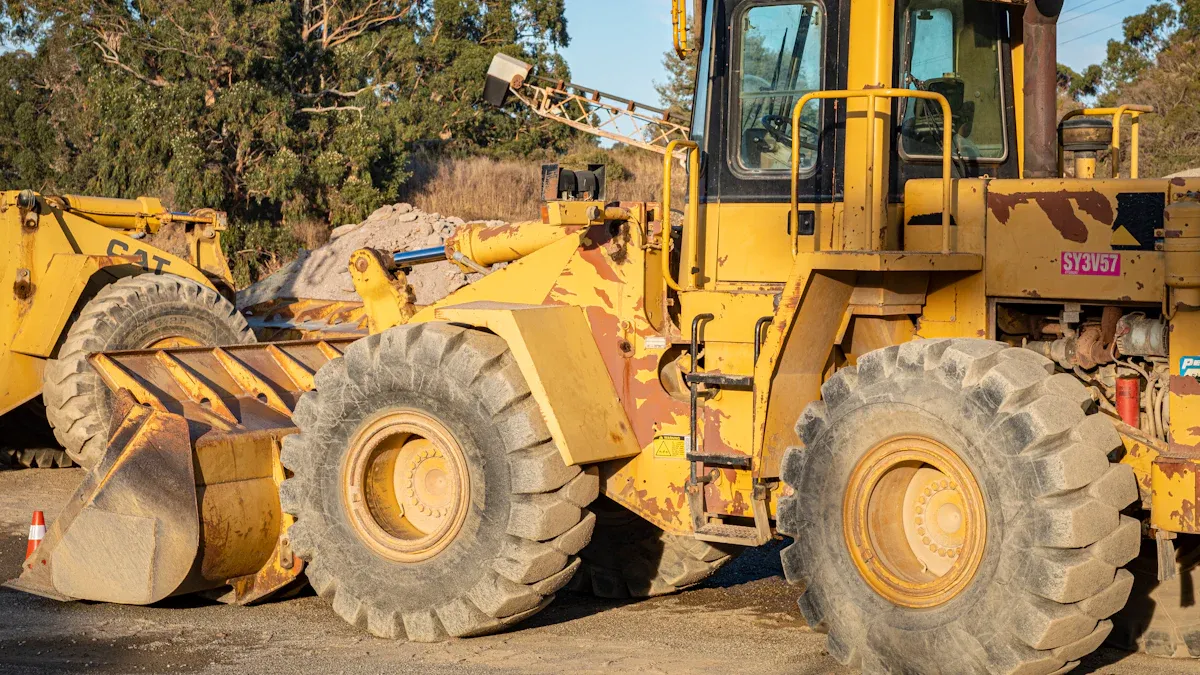
When you think about a Plate Compactor, know it typically lasts between 1,000 to 2,000 hours of operation. Understanding this durability helps you maximize your equipment's lifespan. With proper care, like what you’d find with MAXMACH, you can keep your compactor running smoothly for a long time.
Key Takeaways
- A plate compactor typically lasts between 1,000 to 2,000 hours. Track your usage to know when maintenance is needed.
- Proper maintenance, like regular oil changes and inspections, can significantly extend the lifespan of your compactor.
- Factors such as usage intensity, model quality, and environmental conditions greatly influence how long your compactor will last.
Average Lifespan of Plate Compactors
When you invest in a plate compactor, knowing its average lifespan helps you plan your projects better. Typically, you can expect a plate compactor to last between 1,000 to 2,000 hours of operation. But what does that really mean for you?
Here are some key points to consider:
- 1,000 Hours: This is often the lower end of the lifespan. If you use your compactor heavily, you might reach this mark quicker than you think.
- 2,000 Hours: This is the upper limit. With proper care and maintenance, many users find their compactors can last this long or even longer.
Tip: Keep track of your operating hours. This will help you gauge when it might be time for maintenance or replacement.
Factors Influencing Lifespan
Several factors can affect how long your plate compactor lasts:
- Usage: How often and how intensely you use your compactor plays a huge role. Frequent, heavy use can wear it down faster.
- Model Quality: Higher-quality models often come with better materials and construction, leading to a longer lifespan.
- Maintenance: Regular maintenance can significantly extend the life of your equipment. Neglecting it can lead to early failures.
Factors Affecting Durability
When it comes to the durability of your plate compactor, several factors come into play. Understanding these can help you make informed decisions about usage and maintenance. Let’s dive into the key factors that influence how long your compactor will last.
Usage Patterns
How you use your plate compactor significantly impacts its lifespan. Here are some points to consider:
- Frequency of Use: If you use your compactor daily, expect it to wear out faster than if you only use it occasionally.
- Type of Work: Heavy-duty tasks, like compacting thick layers of soil or asphalt, put more strain on your machine. Lighter jobs will be easier on it.
- Operating Hours: Longer operating hours in a single session can lead to quicker wear. Try to balance your workload to avoid overworking your equipment.
Tip: Keep a log of your usage patterns. This can help you identify when your compactor might need maintenance or replacement.
Model Specifications
Not all plate compactors are created equal. The specifications of your model can greatly affect its durability. Here’s what to look for:
- Build Quality: Higher-quality materials and construction lead to a longer-lasting machine. Look for models with robust frames and durable components.
- Engine Power: A more powerful engine can handle tougher jobs without straining. This can lead to less wear and tear over time.
- Weight: Heavier models often provide better compaction but may also wear down faster if used improperly. Choose a model that fits your specific needs.
Note: Always check the manufacturer's specifications before purchasing. This ensures you choose a model that meets your requirements and offers good durability.
Environmental Conditions
The environment where you operate your plate compactor plays a crucial role in its longevity. Consider these factors:
- Temperature: Extreme heat or cold can affect the performance of your compactor. Cold weather can make materials brittle, while heat can cause overheating.
- Terrain: Working on uneven or rocky surfaces can increase wear on your machine. Try to use it on stable ground whenever possible.
- Moisture: Wet conditions can lead to rust and corrosion. If you work in damp environments, make sure to dry your compactor after use.
Alert: Always store your plate compactor in a dry, sheltered area. This simple step can protect it from the elements and extend its lifespan.
By understanding these factors, you can take proactive steps to ensure your plate compactor lasts as long as possible. Keep these points in mind as you plan your projects and maintain your equipment!
Maintenance Tips for Longevity

Taking care of your plate compactor is essential for its longevity. Here are some maintenance tips to keep your machine running smoothly.
Regular Oil Changes
Changing the oil regularly is one of the best ways to extend your compactor's life. Oil lubricates the engine and prevents wear. You should check the oil level before each use. If it looks dirty or low, change it. Aim to change the oil every 50 hours of operation. This simple step can make a big difference in performance.
Tip: Use high-quality oil recommended by the manufacturer. This ensures your engine stays protected.
Daily and Monthly Care Routines
Establishing daily and monthly care routines can help you catch issues early. Each day, inspect your compactor for any visible damage. Check the bolts, belts, and hoses. Make sure everything is tight and in good condition.
On a monthly basis, clean the machine thoroughly. Remove dirt and debris from the engine and body. This prevents buildup that can lead to problems.
Note: MAXMACH offers great products to help with cleaning and maintenance.
Periodic Inspections
Conducting periodic inspections is crucial for spotting potential problems. Every few months, take a closer look at the engine and other components. Look for signs of wear, such as cracks or leaks. If you notice anything unusual, address it immediately.
Alert: Ignoring small issues can lead to bigger problems down the road.
By following these maintenance tips, you can ensure your plate compactor lasts longer and performs better.
Common Issues and Troubleshooting
When using your plate compactor, you might encounter some common issues. Recognizing these problems early can save you time and money. Let’s explore the signs of wear, performance issues, and how to solve them.
Signs of Wear
You should keep an eye out for these signs that your compactor may be wearing down:
- Unusual Noises: If you hear grinding or rattling sounds, it’s time to investigate.
- Vibrations: Excessive vibrations during operation can indicate loose parts or internal damage.
- Oil Leaks: Any oil pooling under your machine is a red flag.
Tip: Regularly inspect your compactor for these signs. Early detection can prevent bigger problems later.
Performance Issues
Sometimes, your plate compactor may not perform as expected. Here are some common performance issues:
- Reduced Compaction Power: If the machine struggles to compact materials, it may need maintenance.
- Difficulty Starting: If your compactor won’t start, check the fuel and battery connections.
- Overheating: If it gets too hot, you might be overworking it or using it in extreme conditions.
Alert: Address performance issues immediately to avoid further damage.
Solutions for Common Problems
You can often fix common problems with a few simple steps:
- Tighten Loose Parts: Regularly check and tighten bolts and screws.
- Change the Oil: If you notice oil leaks or dirty oil, change it right away.
- Clean the Air Filter: A clogged air filter can affect performance. Clean or replace it as needed.
Note: Following these solutions can help keep your plate compactor in top shape. Regular maintenance is key!
By staying vigilant and addressing these common issues, you can ensure your plate compactor runs smoothly for years to come.
Importance of Proper Care
Taking proper care of your plate compactor is essential. It not only enhances performance but also extends the lifespan of your equipment. Let’s break down why this matters.
Enhancing Performance
When you maintain your compactor, you ensure it runs at its best. Regular oil changes, cleaning, and inspections keep everything in top shape. A well-maintained machine works more efficiently, saving you time and effort. You’ll notice better compaction results, which means smoother surfaces and fewer rework sessions.
Tip: Always check the oil and air filters before starting your workday. This simple step can make a big difference!
Extending Lifespan
Proper care can significantly extend the life of your plate compactor. By following a routine maintenance schedule, you can avoid costly repairs and replacements. Regularly inspecting your machine helps catch small issues before they become big problems. This proactive approach can help you get the most out of your investment.
Alert: Neglecting maintenance can lead to premature wear and tear. Don’t let that happen!
Role of MAXMACH in Maintenance
MAXMACH offers a range of products designed to help you maintain your plate compactor effectively. From high-quality oils to cleaning supplies, they provide everything you need to keep your equipment running smoothly. Using MAXMACH products ensures you’re giving your compactor the best care possible.
Note: Incorporating MAXMACH into your maintenance routine can lead to better performance and a longer lifespan for your machine.
By prioritizing proper care, you can enhance your plate compactor's performance and extend its lifespan. Make maintenance a habit, and your equipment will thank you!
In summary, you can expect your plate compactor to last between 1,000 to 2,000 hours. Key factors like usage, model quality, and environmental conditions play a big role in durability. Remember, regular maintenance and proper care are essential for keeping your equipment running smoothly and efficiently!
FAQ
How often should I change the oil in my plate compactor?
You should change the oil every 50 hours of operation to keep your engine running smoothly.
What are the signs that my plate compactor needs maintenance?
Look for unusual noises, excessive vibrations, or oil leaks. These signs indicate it's time for maintenance.
Can I use my plate compactor in wet conditions?
It's best to avoid wet conditions. Moisture can lead to rust and damage your machine over time.