
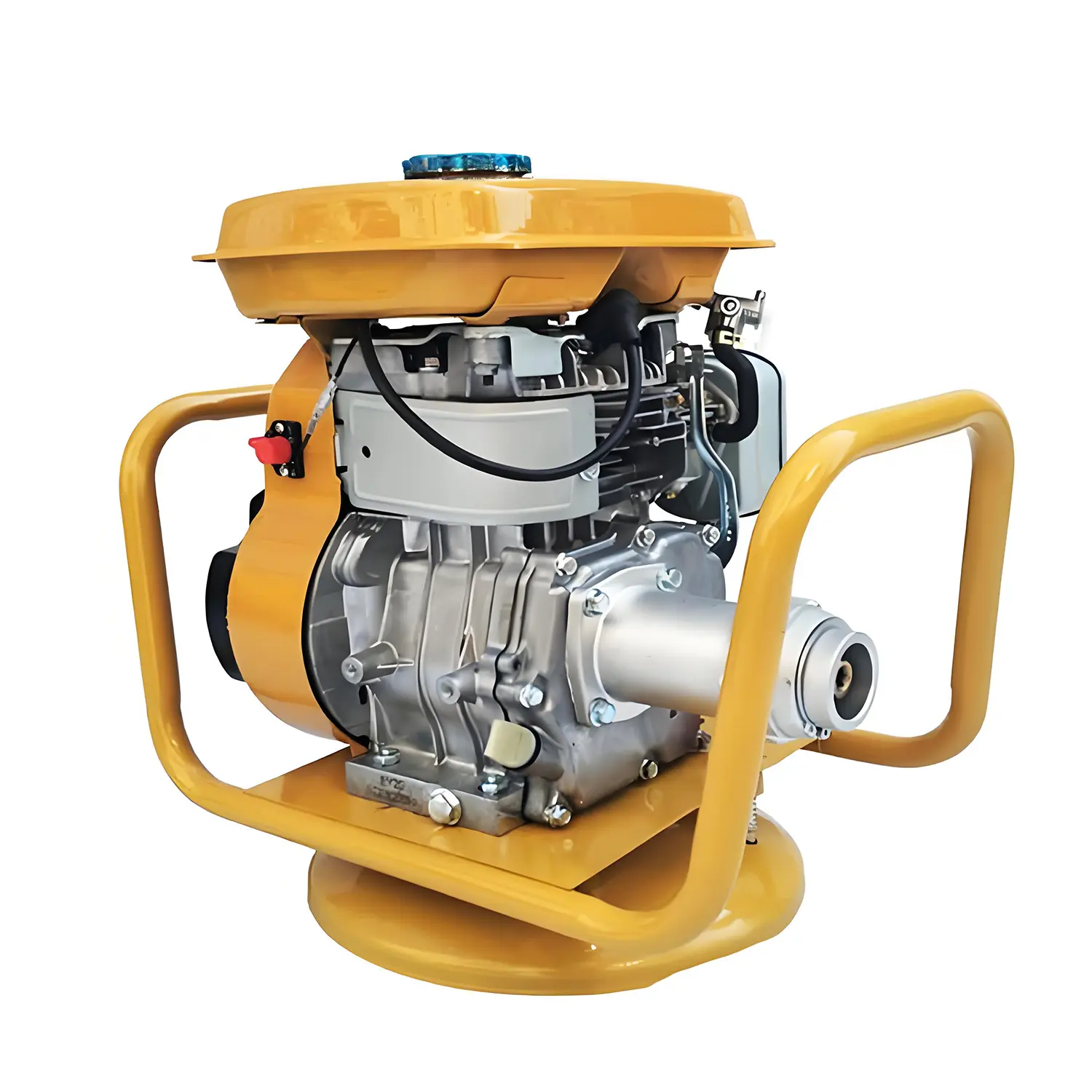
 Internal Vibrator
 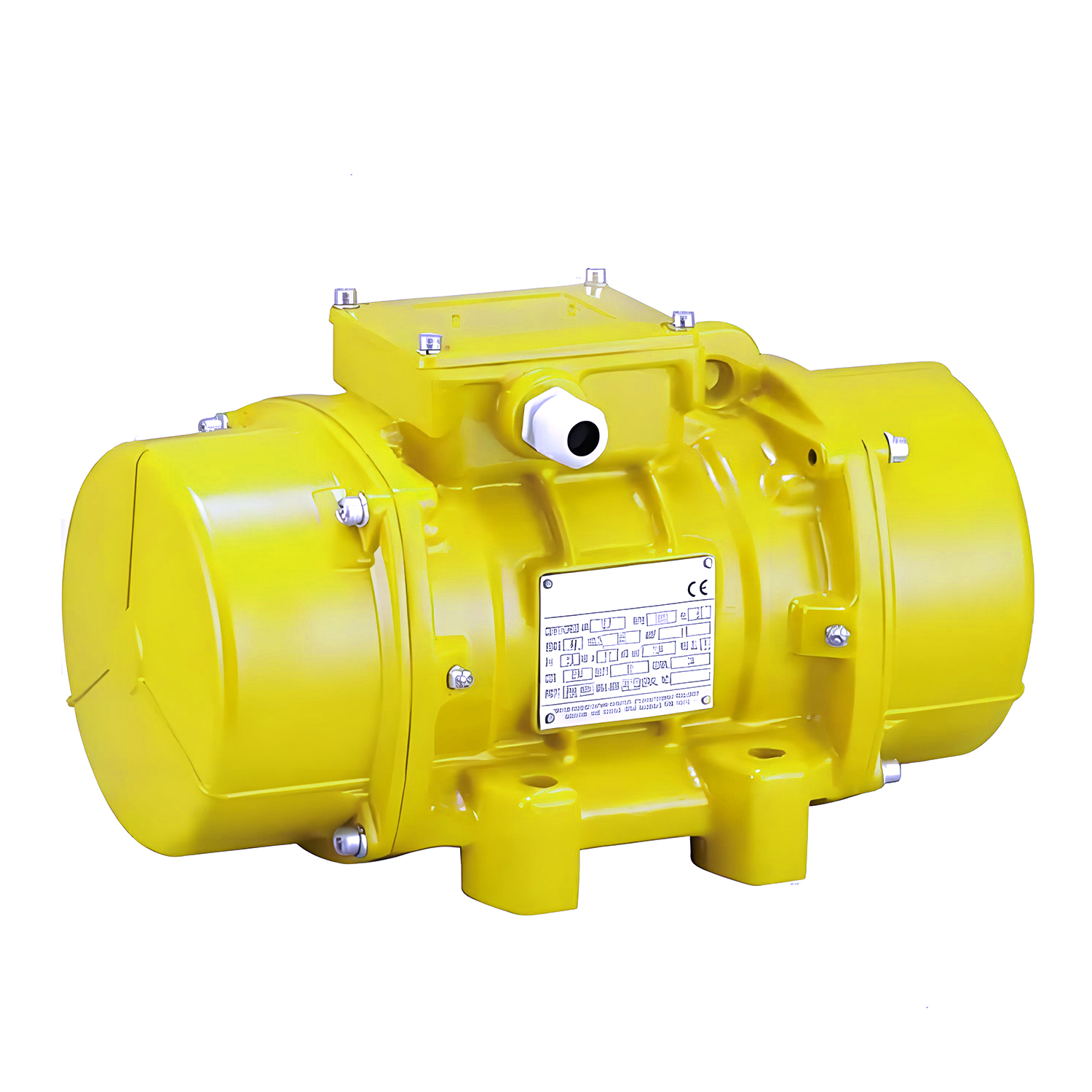 External Vibrator
 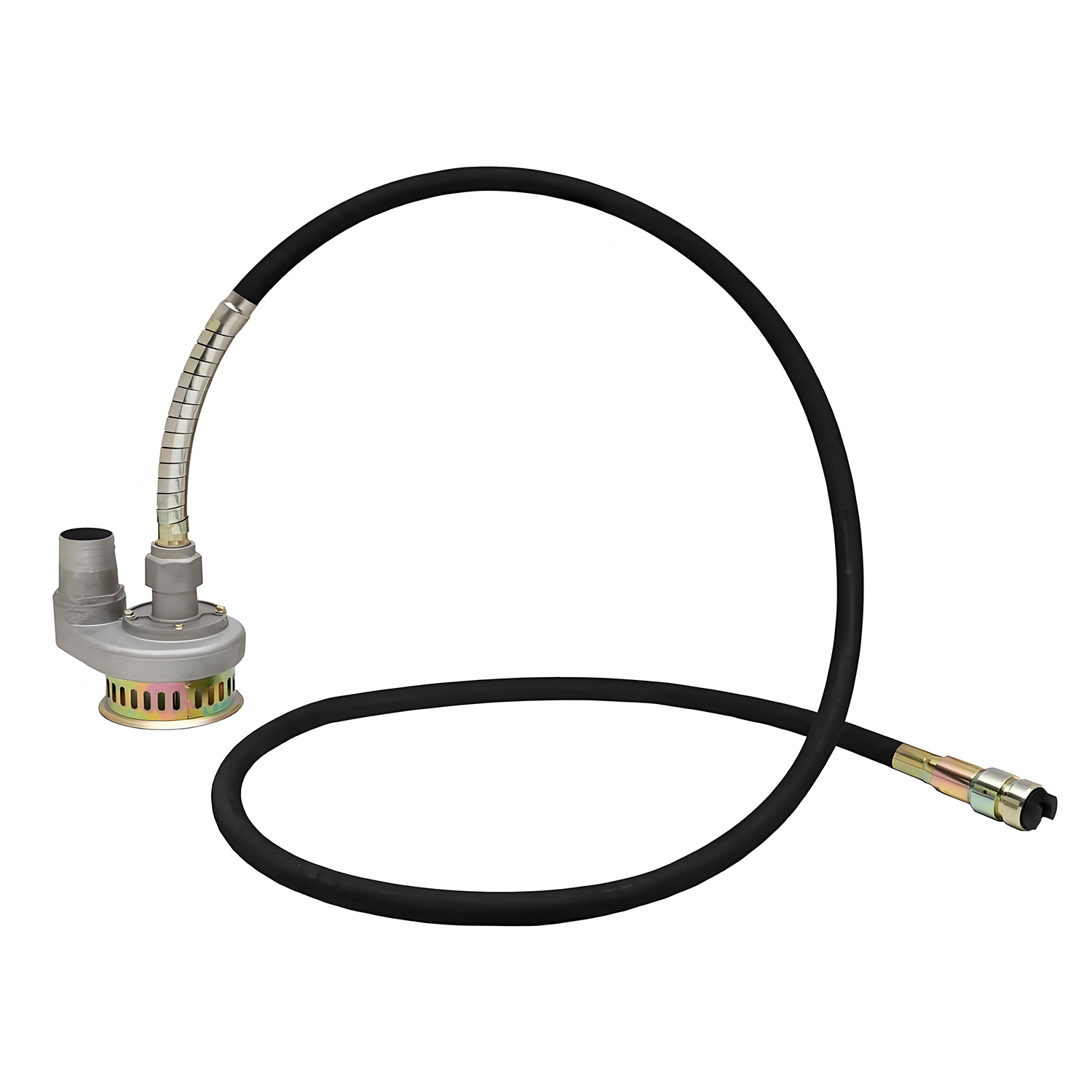 Submersible Pump
 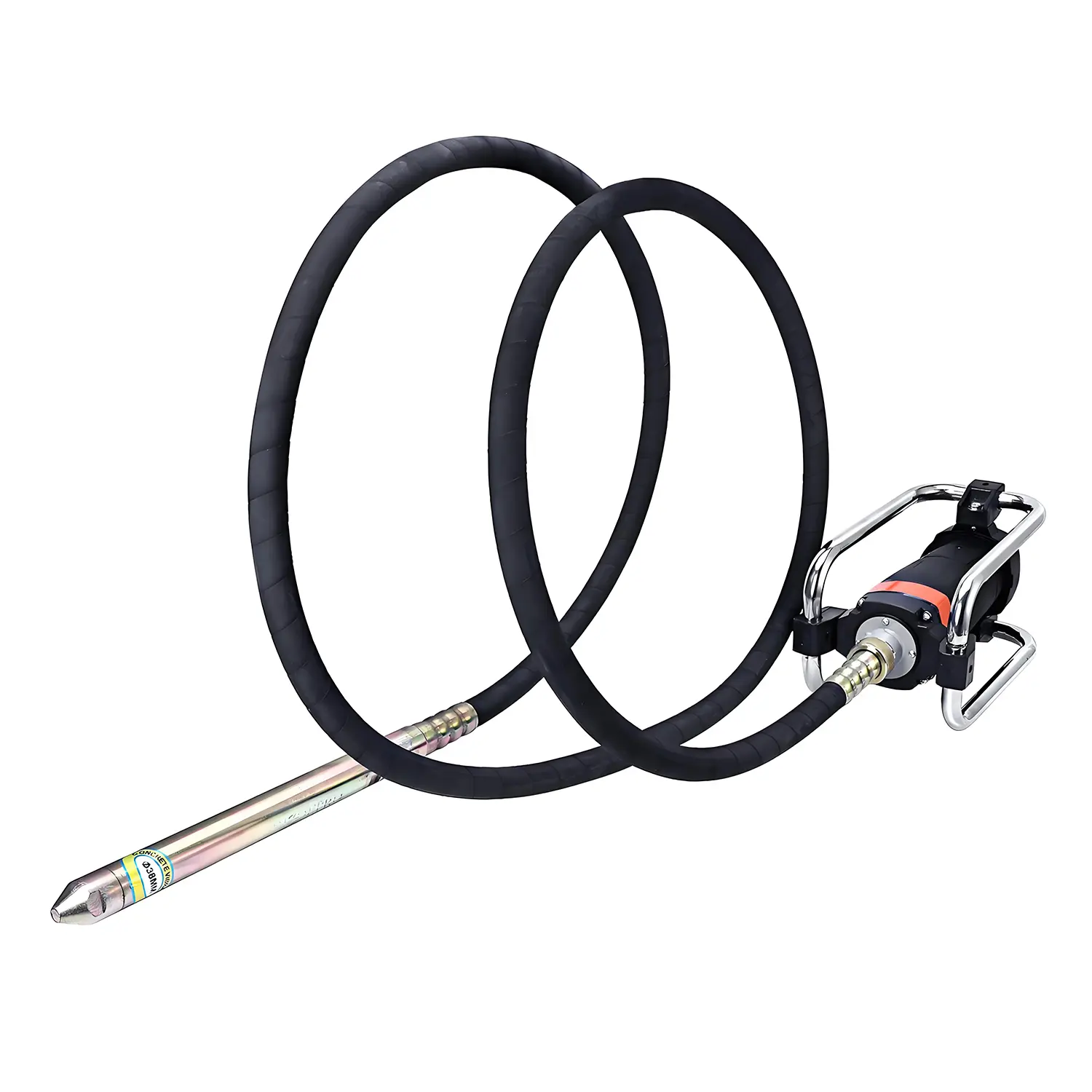 Eccentric shaft
 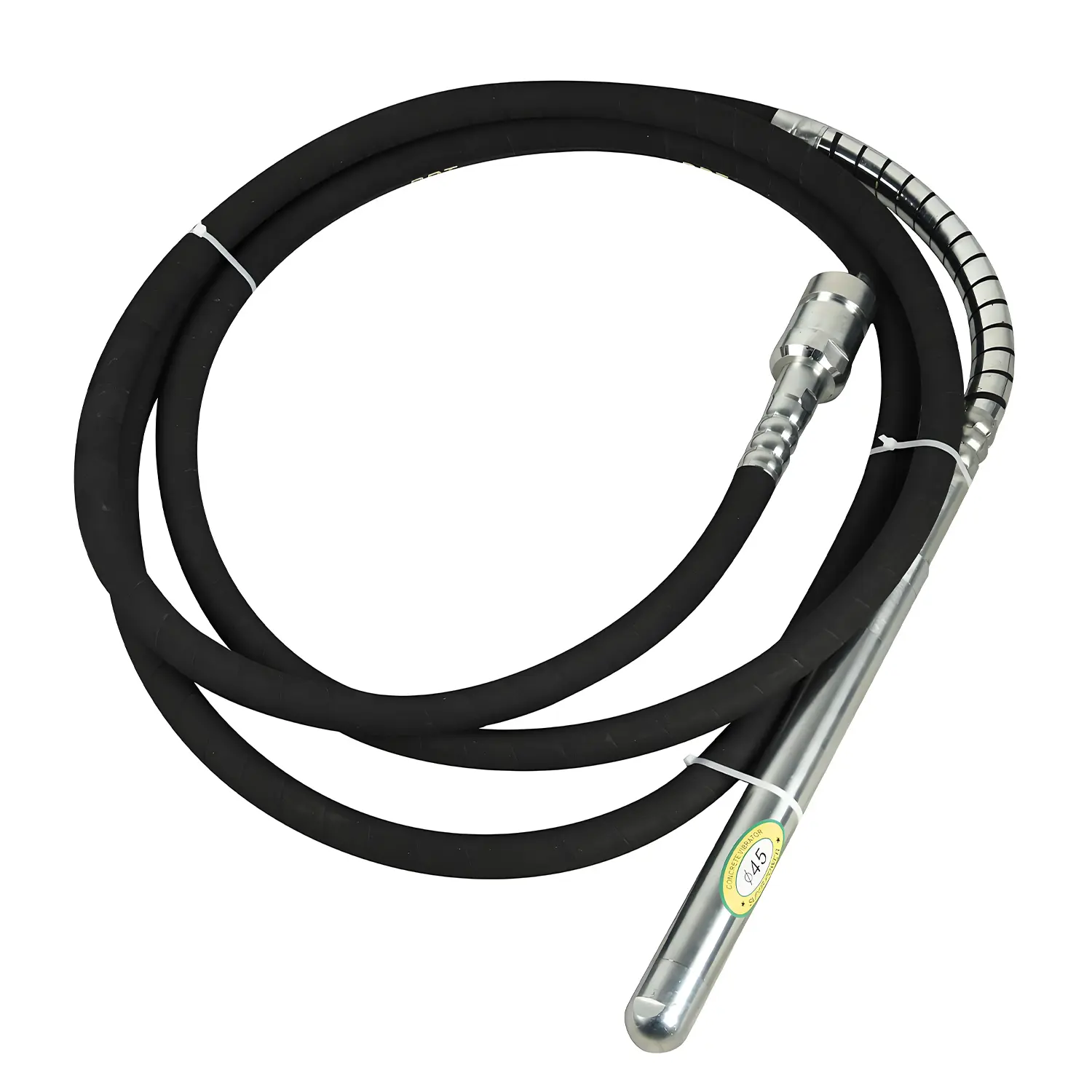 Pendulum shaft
 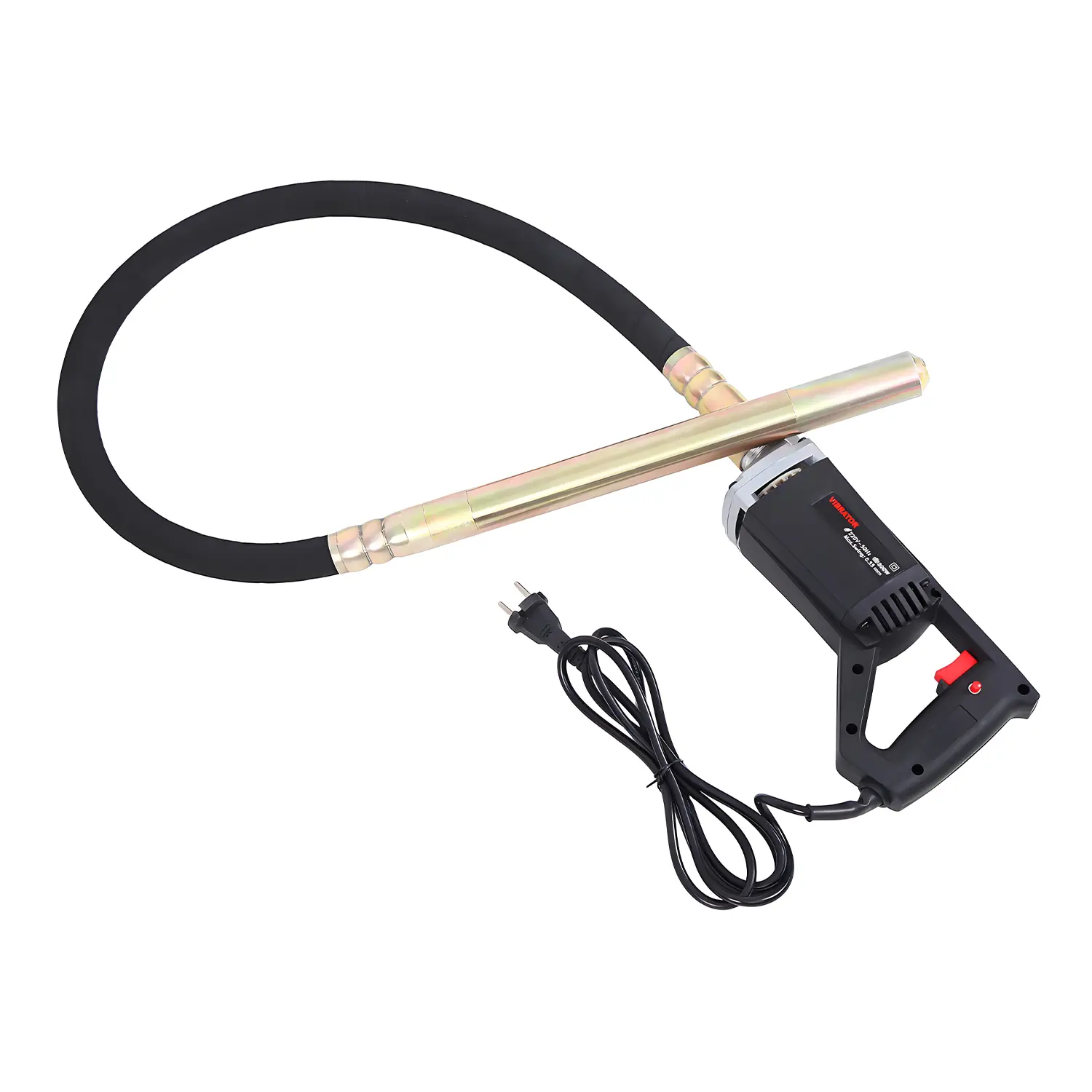 Portable vbrator shaft
 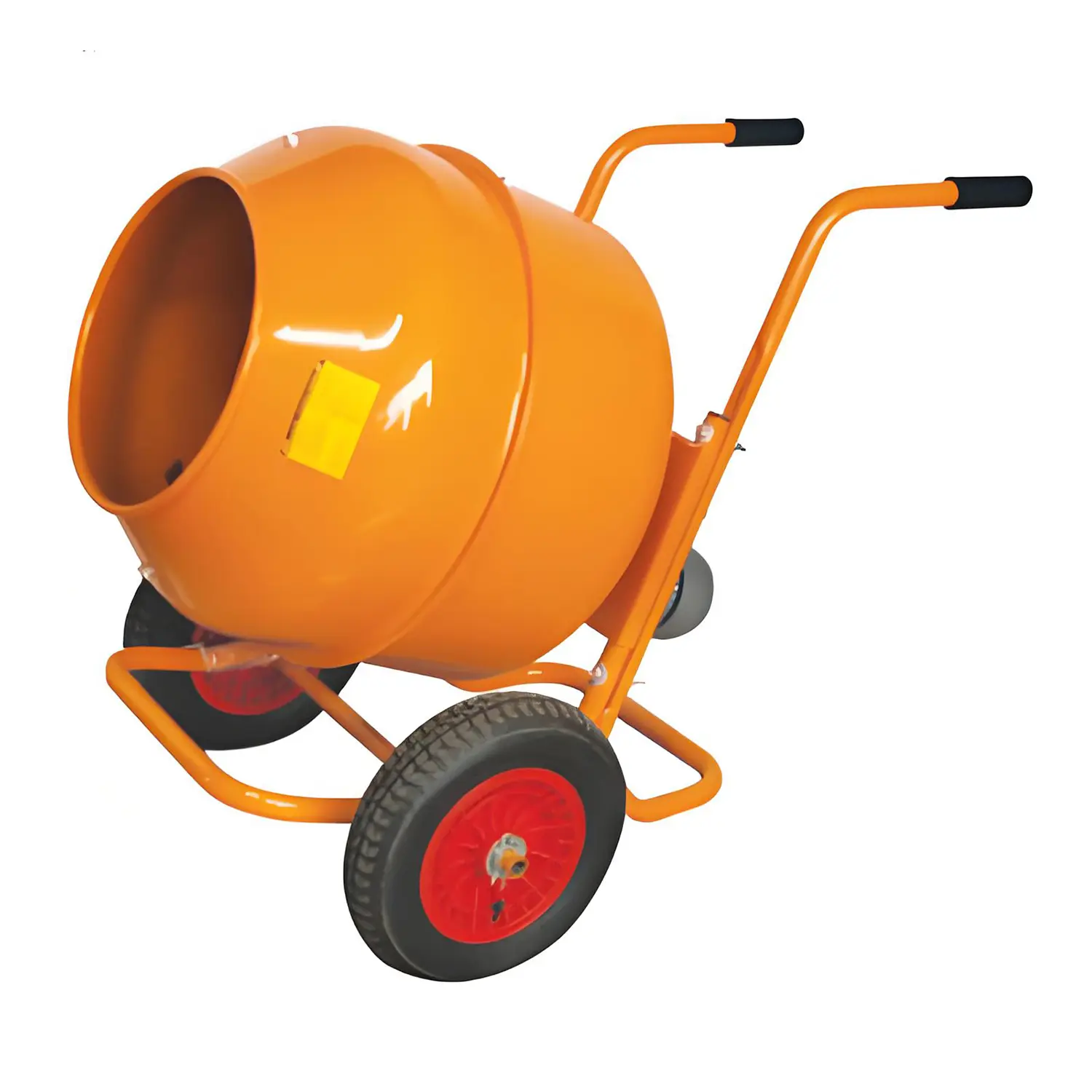 Portable concrete mixer
 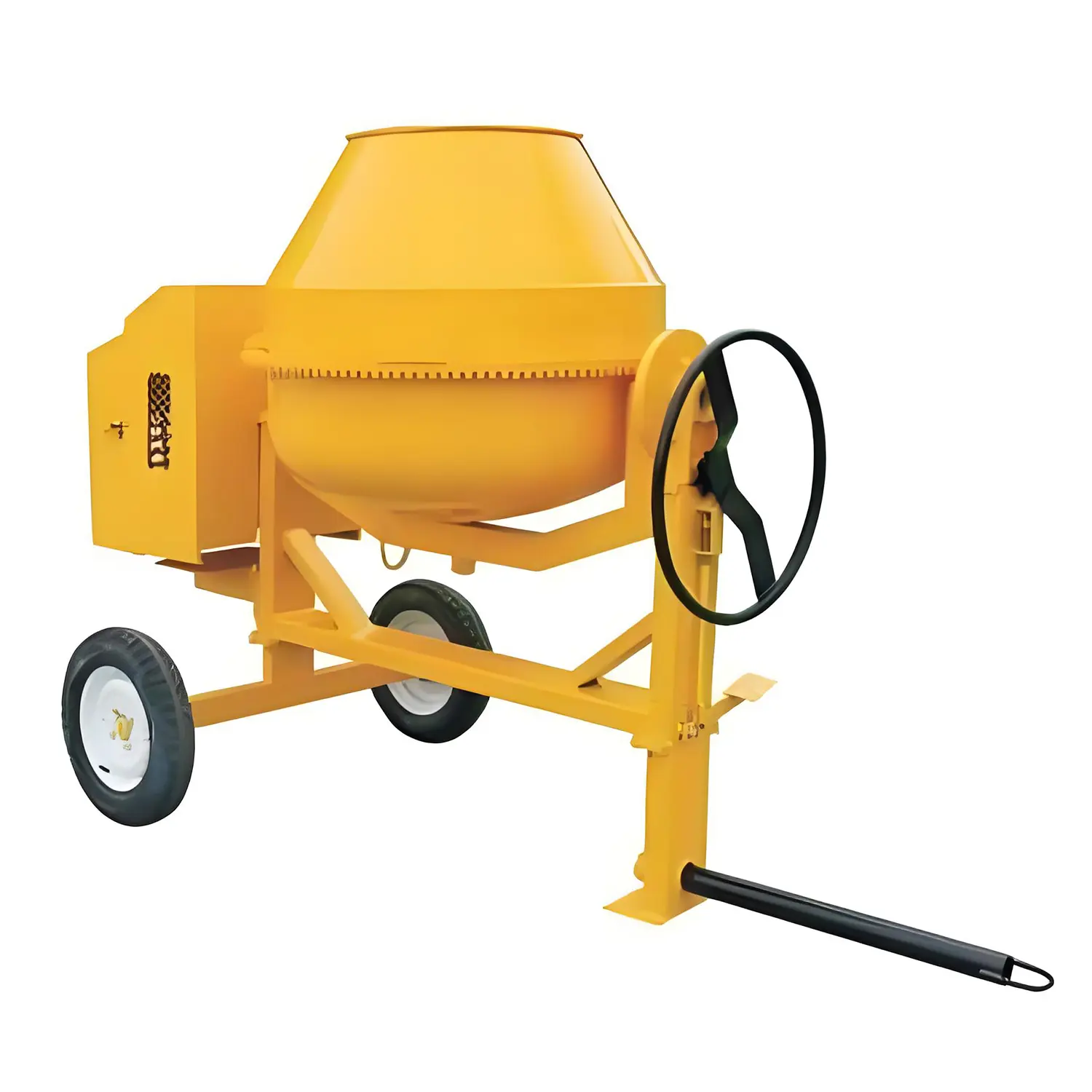 Vertical concrete mixer
 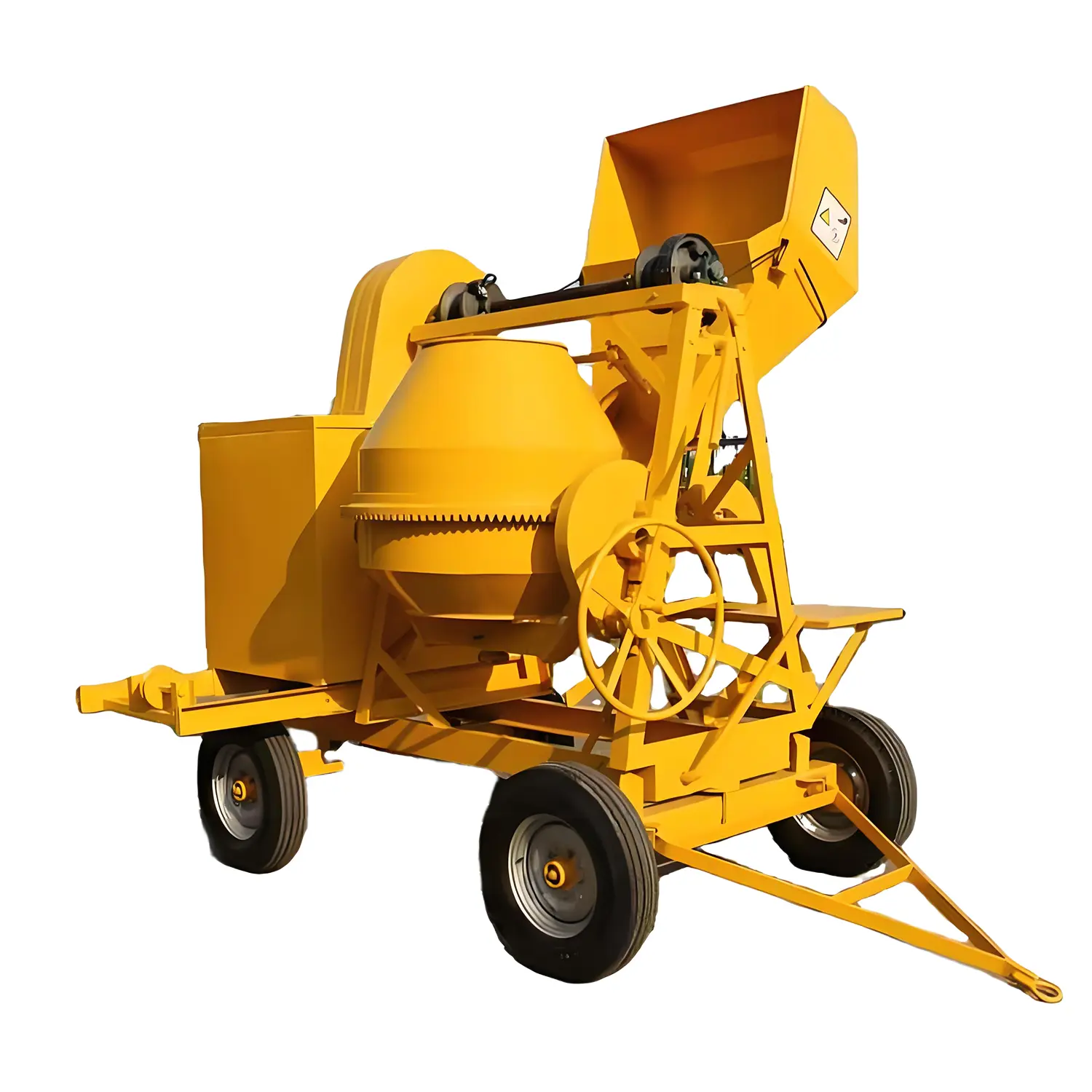 Hydraulic concrete mixer
 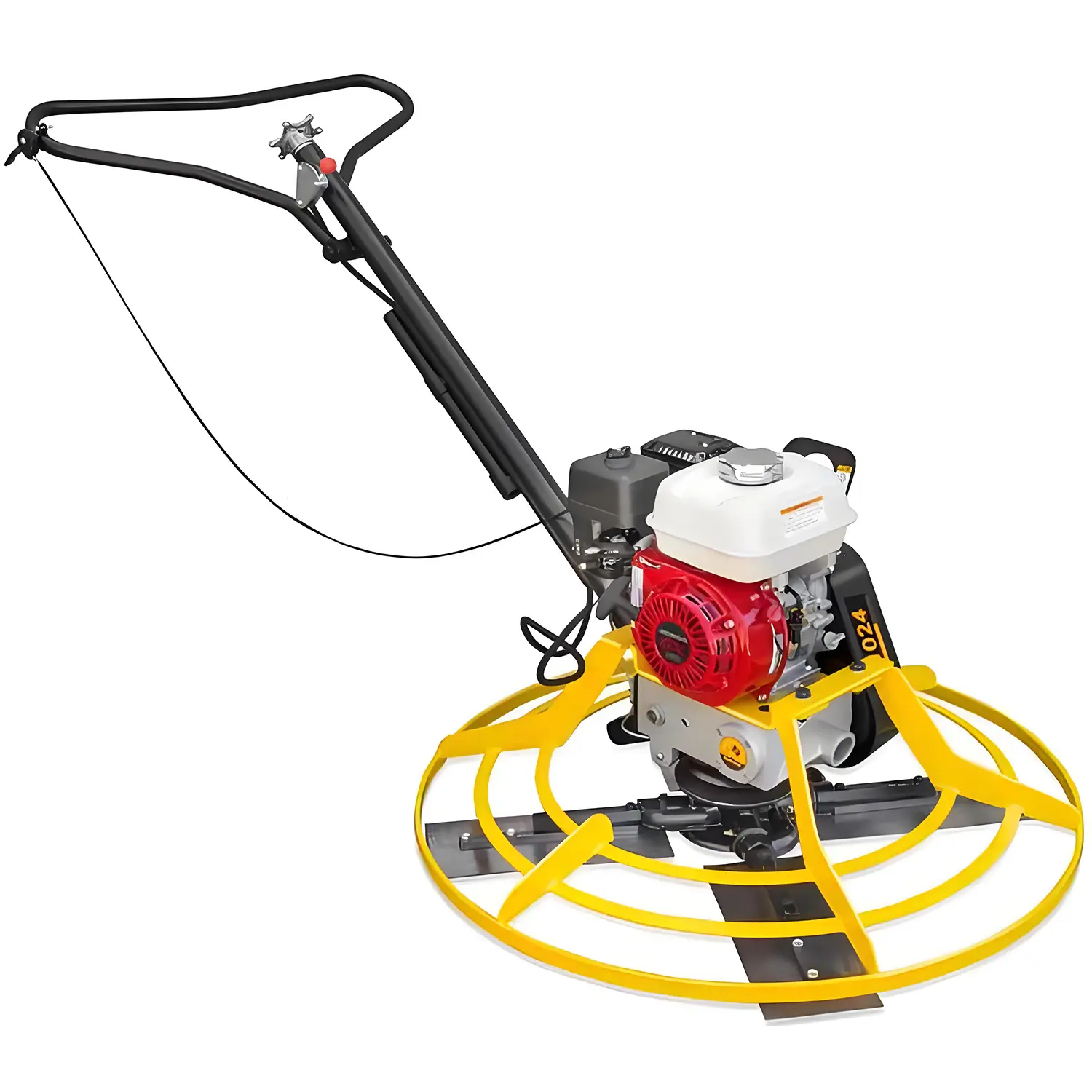 Walk behind power trowel
 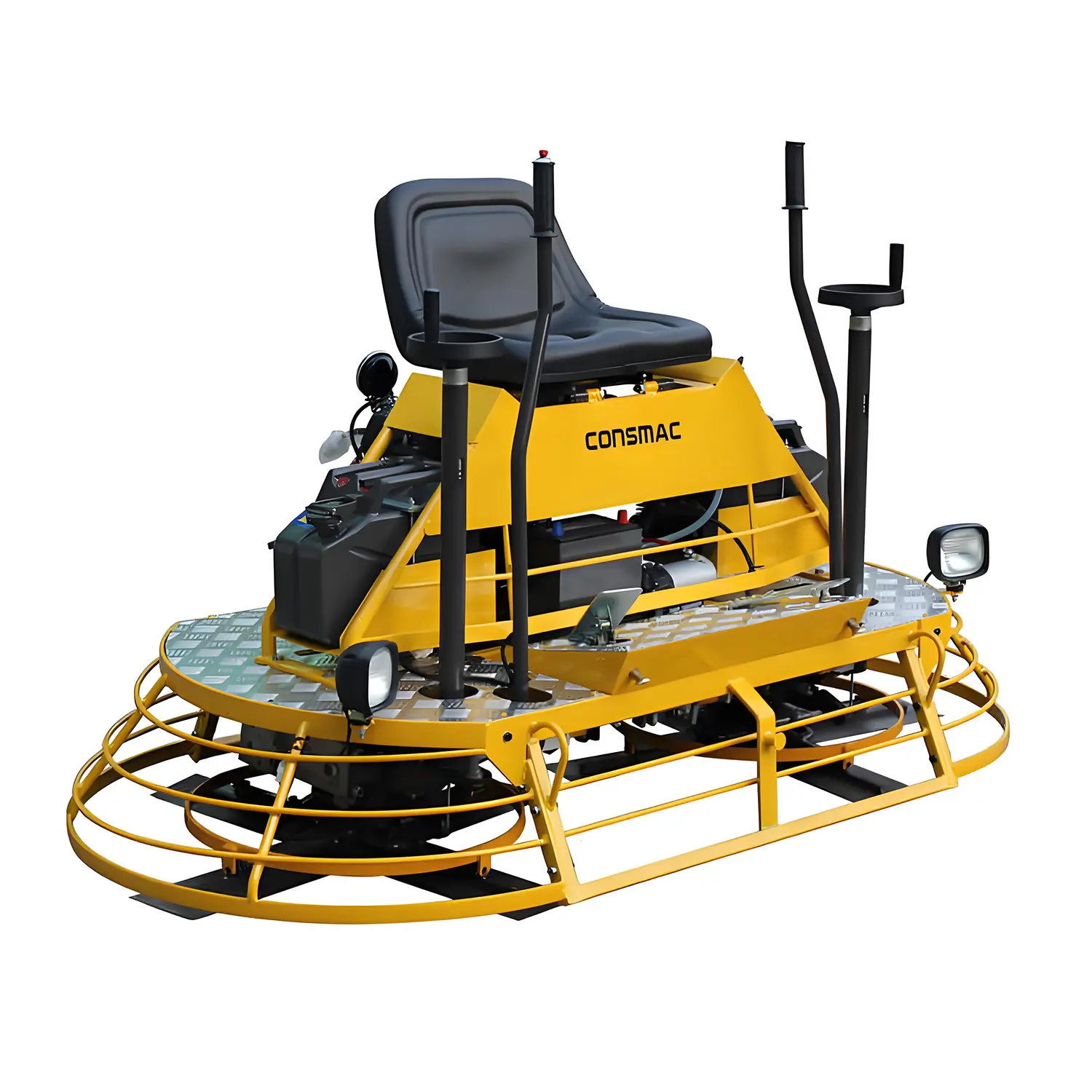 Ride on power trowel
 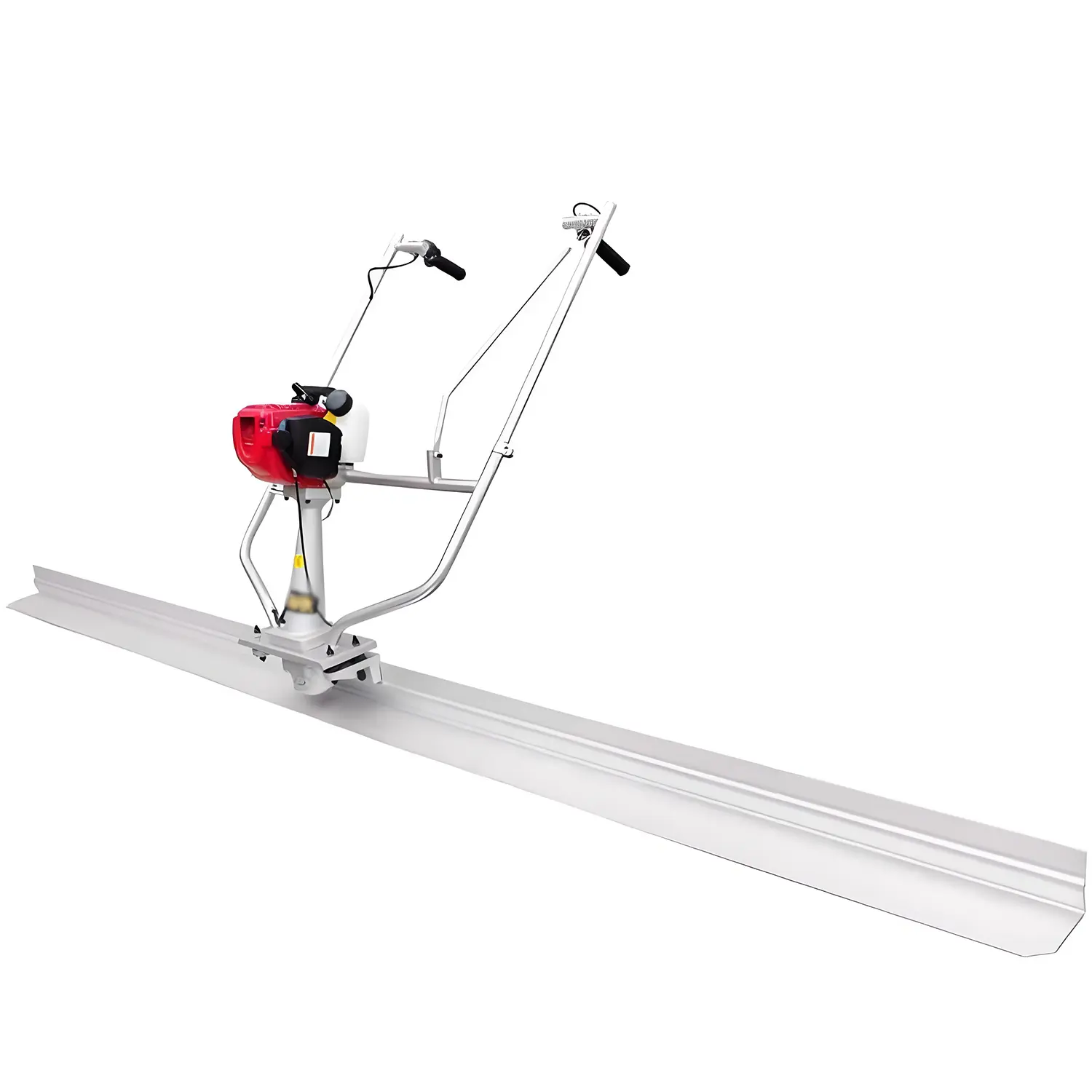 Concrete screed
 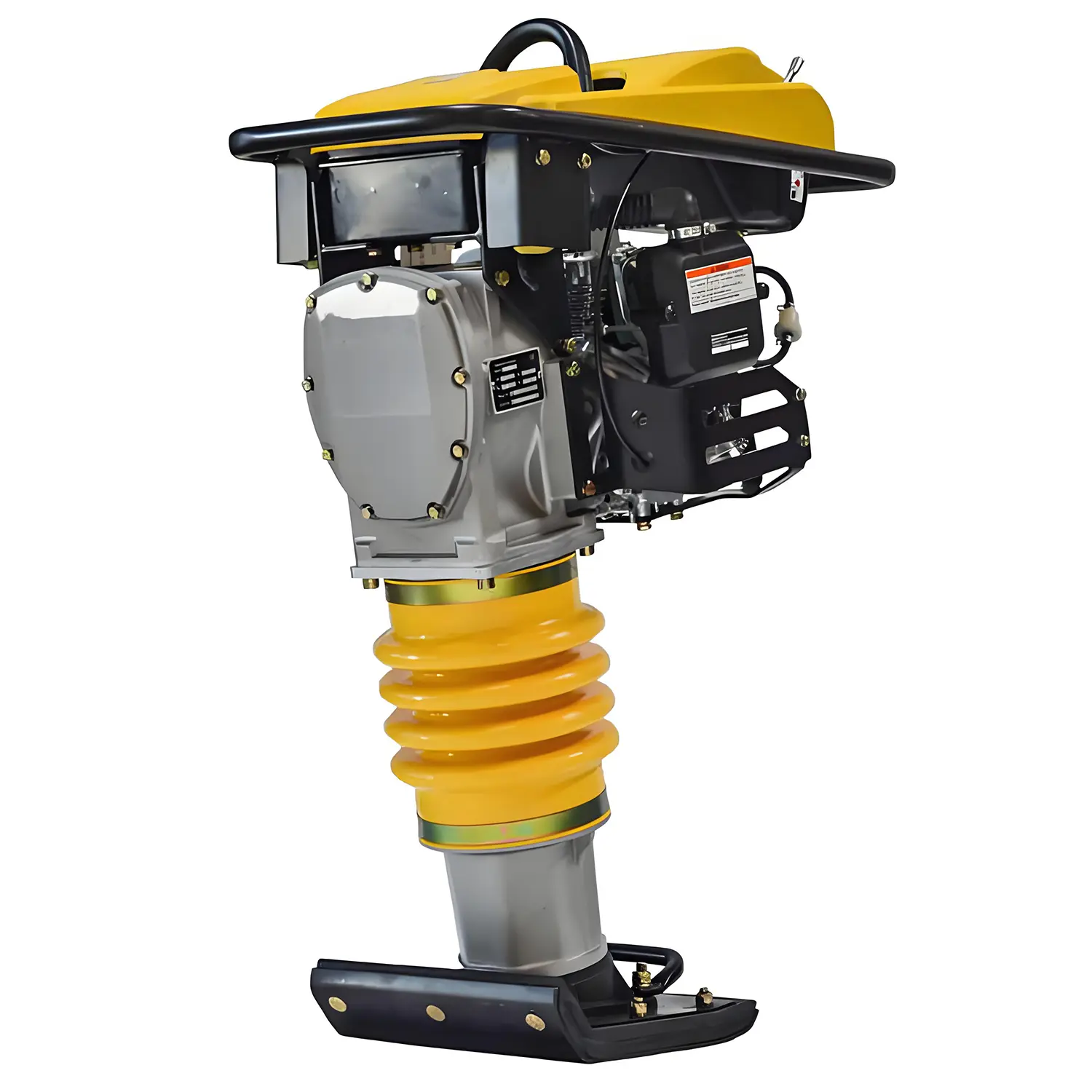 Tamping rammer
 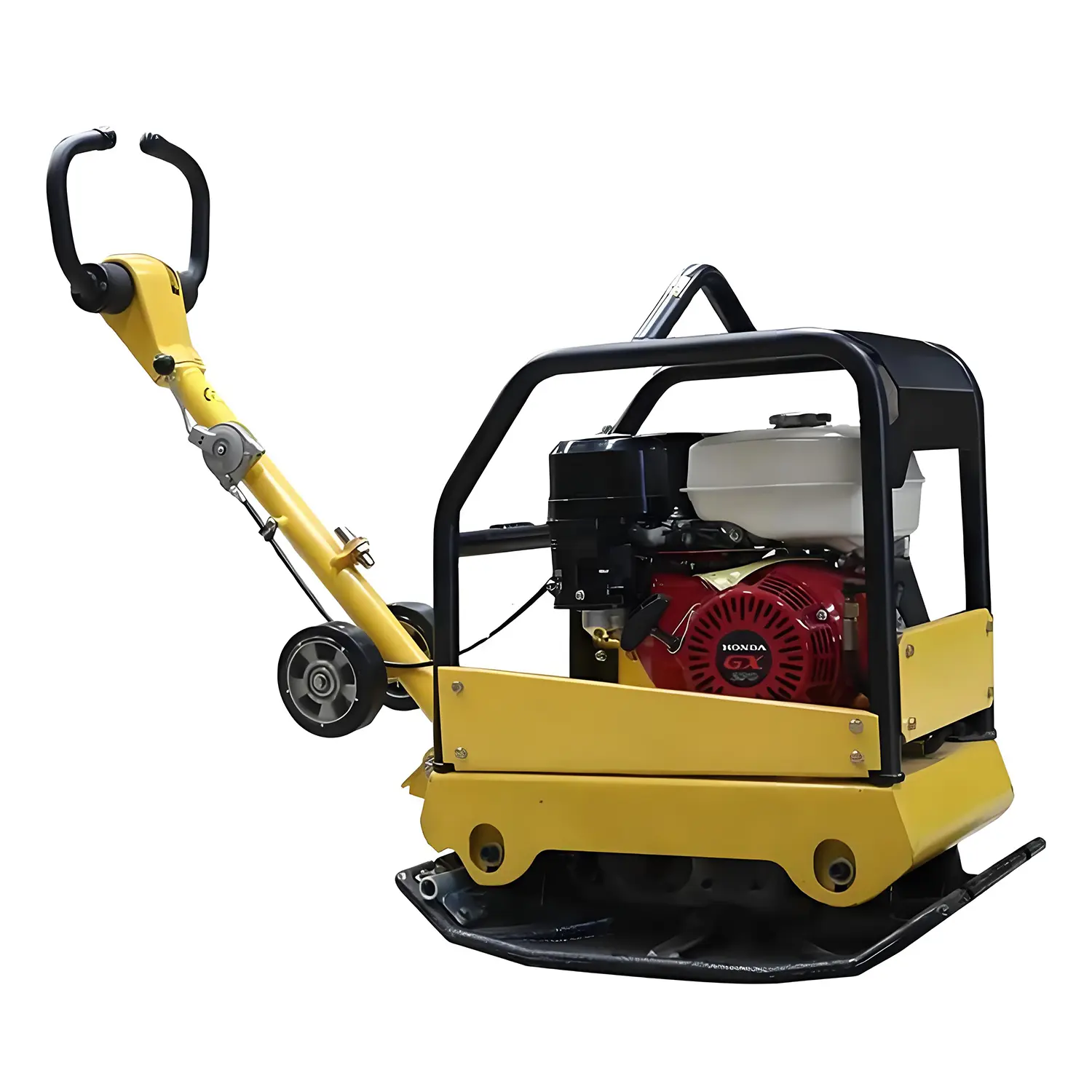 Plate compactor
 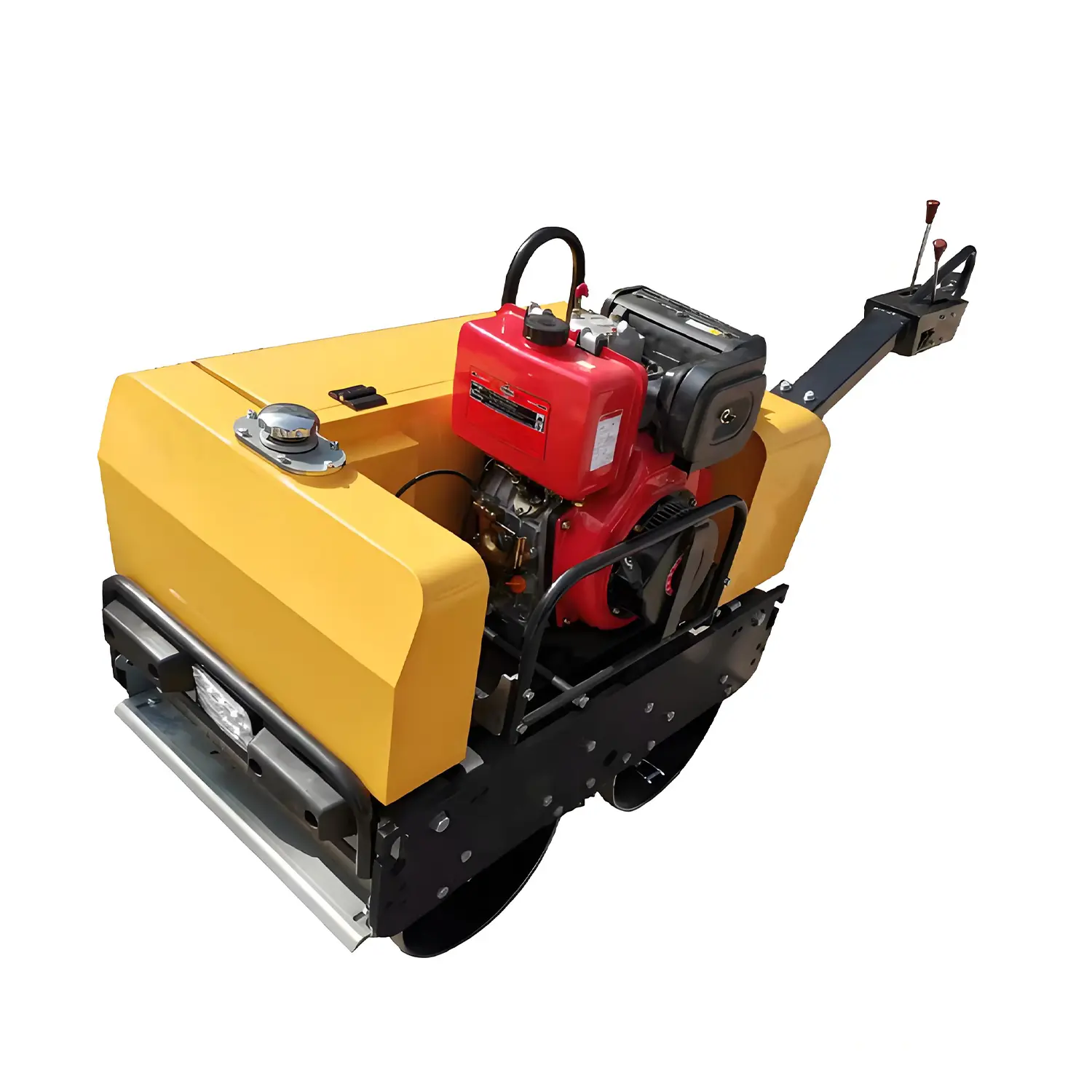 Vibratory roller
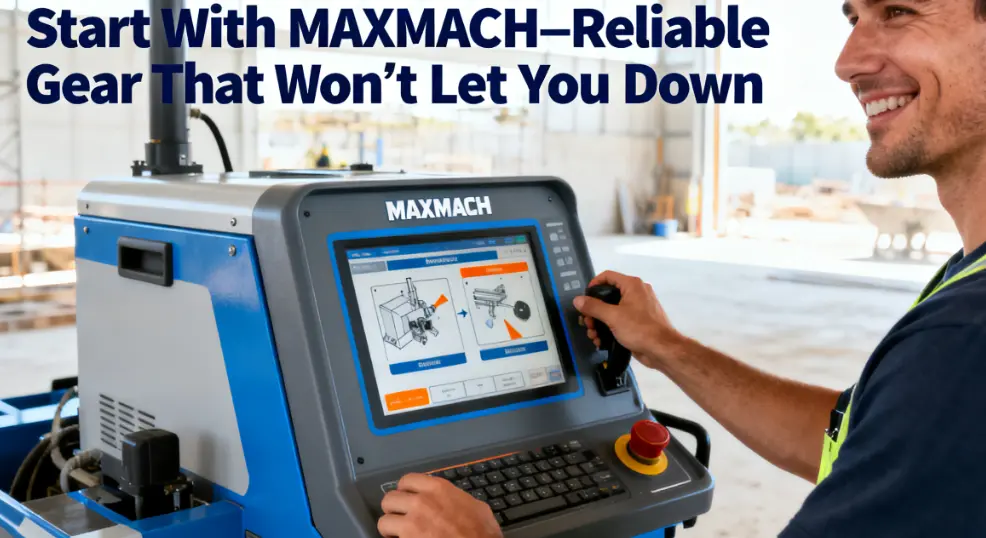
How to Choose a Ride On Power Trowel for Large Concrete Floors
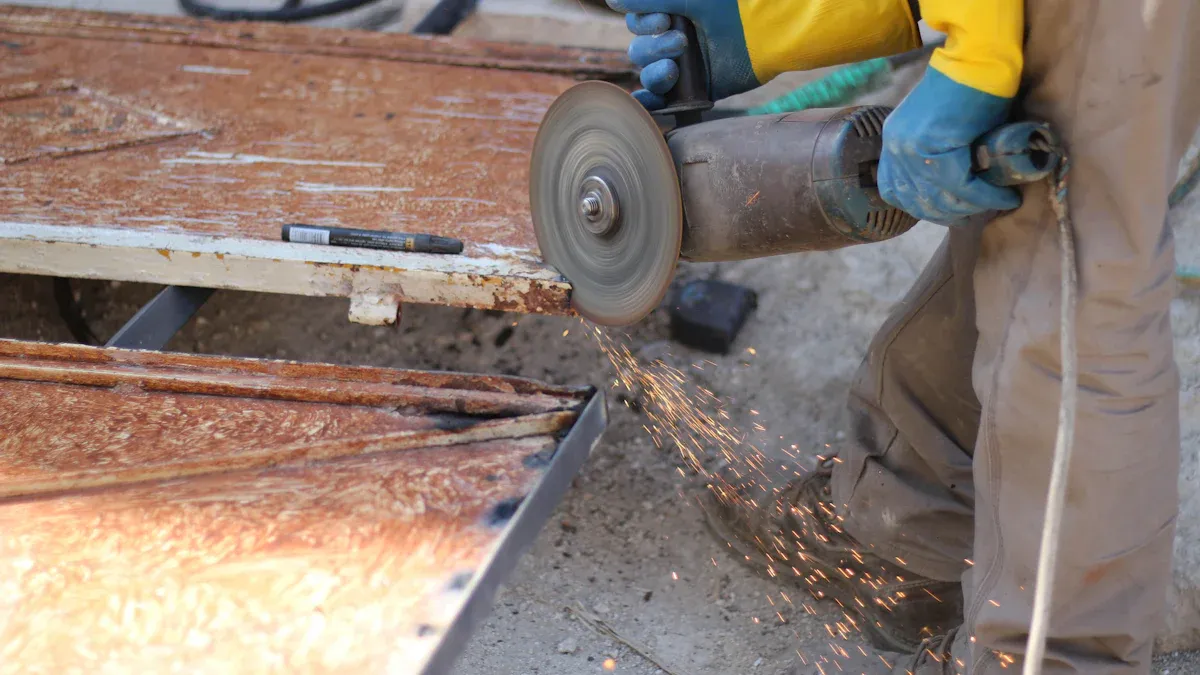
Selecting a ride-on Power Trowel for large concrete floors involves critical factors. You directly influence project efficiency and finish quality with your choice. Prioritize machine features carefully, aligning them with the specific demands of your large concrete floor work. A quality MAXMACH machine ensures optimal results.
Key Takeaways
- Match your ride-on power trowel to your project needs. Consider slab size, finish standards, and how often you will use the machine.
- Understand key machine specifications. Look at rotor size, drive system (mechanical or hydrostatic), engine power, and blade compatibility.
- Think about operational factors and total cost. Machine weight, controls, operator comfort, and maintenance support all affect your long-term success.
What Project Needs Determine Your Ride-On Power Trowel Choice?
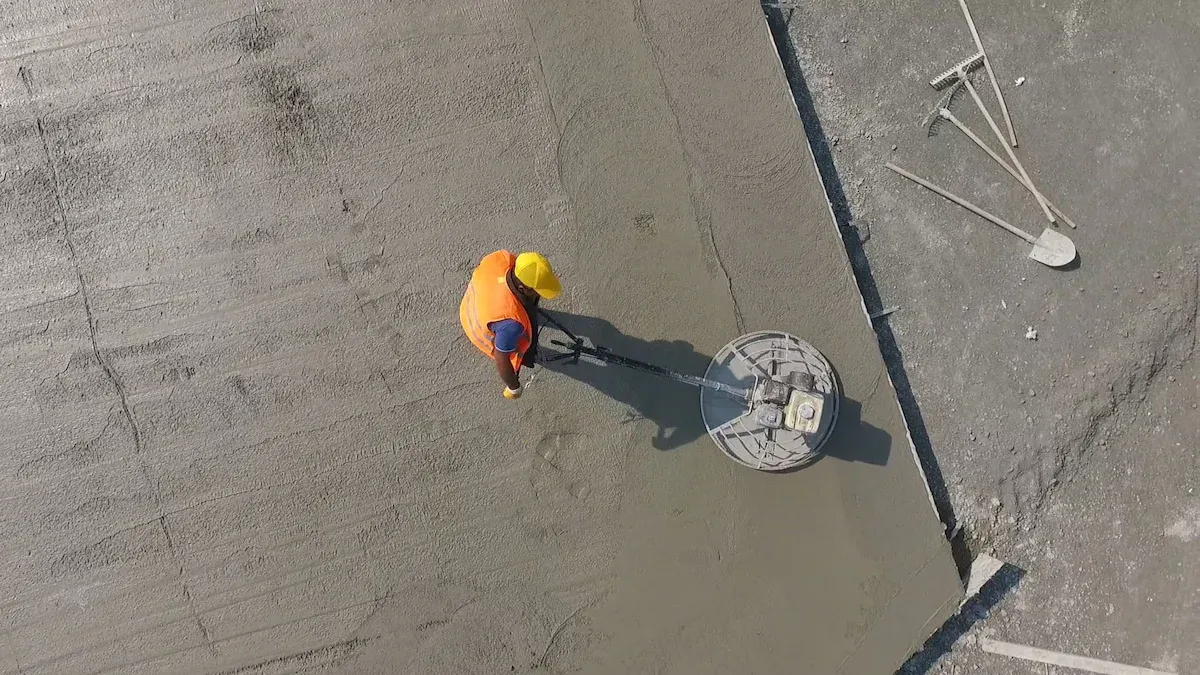
Choosing the right ride-on power trowel starts with a clear understanding of your project's specific demands. You need to match the machine's capabilities to your job site requirements. This ensures efficiency, quality, and cost-effectiveness.
Assessing Concrete Slab Size and Scope
The size and layout of your concrete slabs directly influence the type of ride-on trowel you need. You must consider the total square footage you plan to finish. For very large, open areas, you benefit from larger machines with wider working paths. These machines cover more ground quickly, reducing your overall project time. Think about the dimensions of your typical pour.
However, large machines can become cumbersome in tighter spaces or around columns and obstacles. If your projects often involve complex layouts or smaller, interconnected sections, you might prefer a more compact or maneuverable ride-on trowel. You need a machine that can navigate these challenges without sacrificing finish quality. Evaluate the typical scope of your work. Do you mostly handle vast warehouses or intricate commercial floors? Your answer guides your selection.
Defining Required Flatness and Finish Standards
Concrete floor specifications often include strict flatness and levelness requirements, typically measured by F-numbers (Ff for flatness and Fl for levelness). You must understand these standards before selecting your trowel. A higher F-number demands a more precise and powerful machine, often requiring more passes and specific blade configurations.
For standard commercial floors, a basic ride-on trowel might suffice. However, if you need super-flat floors for high-rack warehouses or specialized manufacturing facilities, you require a machine designed for high-tolerance finishing. These machines often feature advanced control systems and robust components to achieve superior results. You also consider the desired surface finish – a burnished, hard-troweled look requires different techniques and machine capabilities than a broom finish. Your project's finish quality directly depends on your trowel's ability to meet these exacting standards.
Evaluating Project Frequency and Workload Demands
Consider how often you will use the ride-on power trowel. Do you need it for daily, heavy-duty operations, or for occasional, smaller projects? Your workload demands dictate the machine's durability, engine size, and overall construction.
For continuous, high-volume work, you need a robust machine built for endurance. These models typically feature larger engines, heavy-duty components, and advanced cooling systems. They withstand the rigors of constant use and minimize downtime. You also look for easy access to maintenance points. If your projects are less frequent, you might opt for a more economical model. However, even for occasional use, you still want a reliable machine that performs consistently. Think about the long-term investment. A machine that matches your workload prevents premature wear and ensures consistent performance over its lifespan.
What MAXMACH Ride-On Power Trowel Specifications Matter Most?
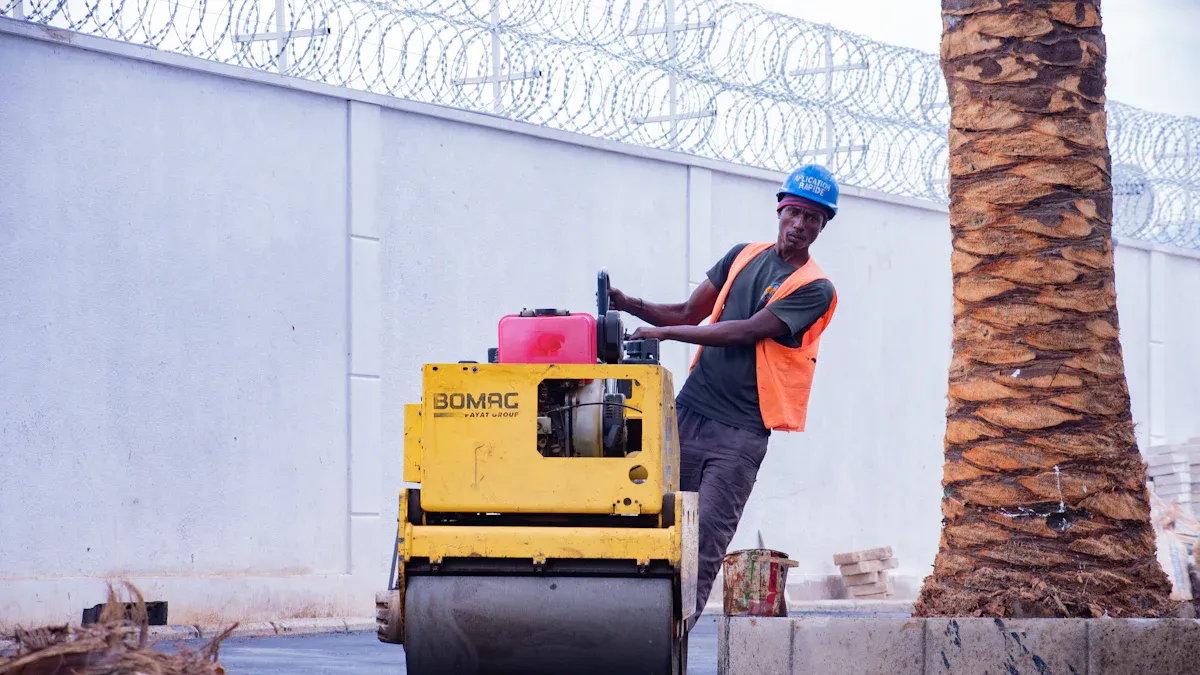
When you select a ride-on power trowel, specific MAXMACH specifications directly impact your finishing capabilities. You need to understand these features to ensure you choose the best machine for your projects. These details determine efficiency, finish quality, and operational ease.
Understanding Rotor Configuration and Diameter
The rotor configuration and diameter are crucial specifications for your ride-on power trowel. You will find machines with either two or four rotors. Twin-rotor machines are common and offer good maneuverability. Four-rotor machines, often called multi-rotor trowels, provide a wider working path. They cover large areas more quickly.
Rotor diameter also plays a significant role. Larger diameter rotors cover more surface area with each pass. This reduces the number of passes you need to achieve your desired finish. For vast, open concrete floors, you benefit from larger rotors. Smaller rotors offer greater control and maneuverability. You can navigate around obstacles or work in tighter spaces more easily with them. Consider the typical layout of your job sites. This helps you decide between larger, high-production rotors and smaller, more agile ones.
Comparing Drive Systems: Mechanical vs. Hydrostatic
You primarily choose between two drive systems for ride-on power trowels: mechanical and hydrostatic. Each system offers distinct advantages.
- Mechanical Drive Systems: These systems use belts and gears to transfer power from the engine to the rotors. They are generally simpler in design. This often means lower initial purchase costs and easier maintenance. You find mechanical drive systems reliable and robust. They provide consistent power delivery. However, they might offer less precise speed control compared to hydrostatic systems.
- Hydrostatic Drive Systems: These systems use hydraulic fluid to transmit power. They offer superior control over rotor speed and torque. You can achieve very smooth and precise adjustments. This is especially beneficial for high-tolerance floors where exact control is critical. Hydrostatic systems often provide a smoother ride and reduced operator fatigue. They typically have a higher initial cost and more complex maintenance requirements. You weigh the benefits of precision and comfort against the cost and complexity.
Selecting Engine Power and Fuel Type Options
The engine is the heart of your ride-on power trowel. You must select appropriate engine power and fuel type. Engine horsepower directly correlates with the machine's ability to handle demanding finishing tasks. Higher horsepower engines maintain consistent rotor speed under load. This is important when you work with stiff concrete or use heavy pans.
You also choose between gasoline and diesel engines.
- Gasoline engines are often more affordable. They are readily available in various power outputs. You find them suitable for many general-purpose applications.
- Diesel engines typically offer better fuel efficiency and higher torque. They are known for their durability and longer lifespan. You often see them in heavy-duty, continuous operation machines. Consider your access to fuel and your operational budget. Some job sites might have restrictions on fuel types. A MAXMACH machine with a powerful, efficient engine ensures consistent performance.
Ensuring Blade and Pan System Compatibility
Your choice of blades and pans directly affects the finish quality. You need to ensure compatibility with your selected ride-on power trowel. Different blade types serve different purposes:
- Float blades are wider. You use them for the initial floating pass to flatten the concrete surface.
- Finish blades are narrower. You use them for subsequent passes to achieve a smooth, hard finish.
- Combination blades offer versatility. You can use them for both floating and finishing.
Pans attach to the bottom of the rotors. You use them for the very first passes on fresh concrete. Pans help to achieve initial flatness and prevent the blades from digging into the wet concrete. Ensure your chosen MAXMACH trowel can accommodate the pan sizes and blade types you need for your specific finishing requirements. Proper blade and pan selection optimizes your finishing process.
How Do Operational Factors and Total Cost Influence Your Decision?
You must consider operational factors and total cost. These elements significantly impact your long-term satisfaction and project profitability. A wise decision now saves you time and money later.
Considering Machine Weight and Maneuverability
You need to consider machine weight and maneuverability. A heavier ride-on trowel often provides greater stability. This stability helps you achieve a flatter, more consistent finish. However, heavy machines require more robust transport solutions. You need proper equipment for loading, unloading, and moving them around the job site.
Lighter machines offer increased agility. You can navigate tighter spaces more easily. They are simpler to transport between projects. Think about your typical job site layout. Do you often work in open areas or around many obstacles? You must balance the need for stability with the ease of movement. This choice affects your daily operational efficiency.
Optimizing Speed and Pitch Control Features
You need to optimize speed and pitch control features. Variable speed control is a critical feature. You use lower speeds for the initial floating passes. This helps flatten the concrete without digging in. Higher speeds are ideal for the final finishing passes. They create a smooth, hard surface.
Precise blade pitch control allows you to fine-tune the blade angle. You can adjust it to match the concrete's setting time. This precision helps you achieve specific flatness standards. Look for intuitive controls. They make adjustments easy. You can achieve the desired finish with greater accuracy and less effort.
Prioritizing Ergonomics and Operator Comfort
You must prioritize ergonomics and operator comfort. A comfortable operator performs better. They experience less fatigue during long shifts. Look for features like adjustable seats and steering. These allow operators to find their optimal working position.
Vibration dampening systems are important. They reduce operator exposure to machine vibrations. Low noise levels also contribute to a better work environment. A well-designed operator station improves focus. You can maintain high-quality work for longer periods. This directly impacts your project's efficiency and finish quality.
Evaluating Maintenance, Parts, and Service Support
You must evaluate maintenance, parts, and service support. Easy access to maintenance points saves you time. You can perform routine checks and servicing quickly. The availability of spare parts is crucial. You need to get replacements fast when needed. This minimizes costly downtime.
Consider the cost of common wear parts. Reliable service support is invaluable. A good dealer provides technical assistance. They offer training for your operators. You want a manufacturer like MAXMACH with a strong support network. This ensures your machine stays operational. It protects your investment and reduces your total cost of ownership.
You must align your ride-on power trowel's features with your specific project needs. This informed selection offers long-term benefits. It ensures efficiency and high-quality finishes. A comprehensive evaluation helps you achieve optimal concrete finishing results. Consider a MAXMACH machine for reliable performance.
FAQ
🤔 What is the main difference between mechanical and hydrostatic drive systems?
Mechanical drives are simpler and cost less. Hydrostatic drives offer superior, precise speed control. You choose based on your budget and precision needs.
📏 How does rotor diameter affect my finishing process?
Larger rotors cover more area faster. This reduces passes. Smaller rotors provide better maneuverability in tight spaces. You match the rotor to your job site.
👷 Why is operator comfort important for a ride-on trowel?
A comfortable operator works more efficiently. They experience less fatigue. This improves focus and maintains high-quality work. You ensure better project outcomes.