
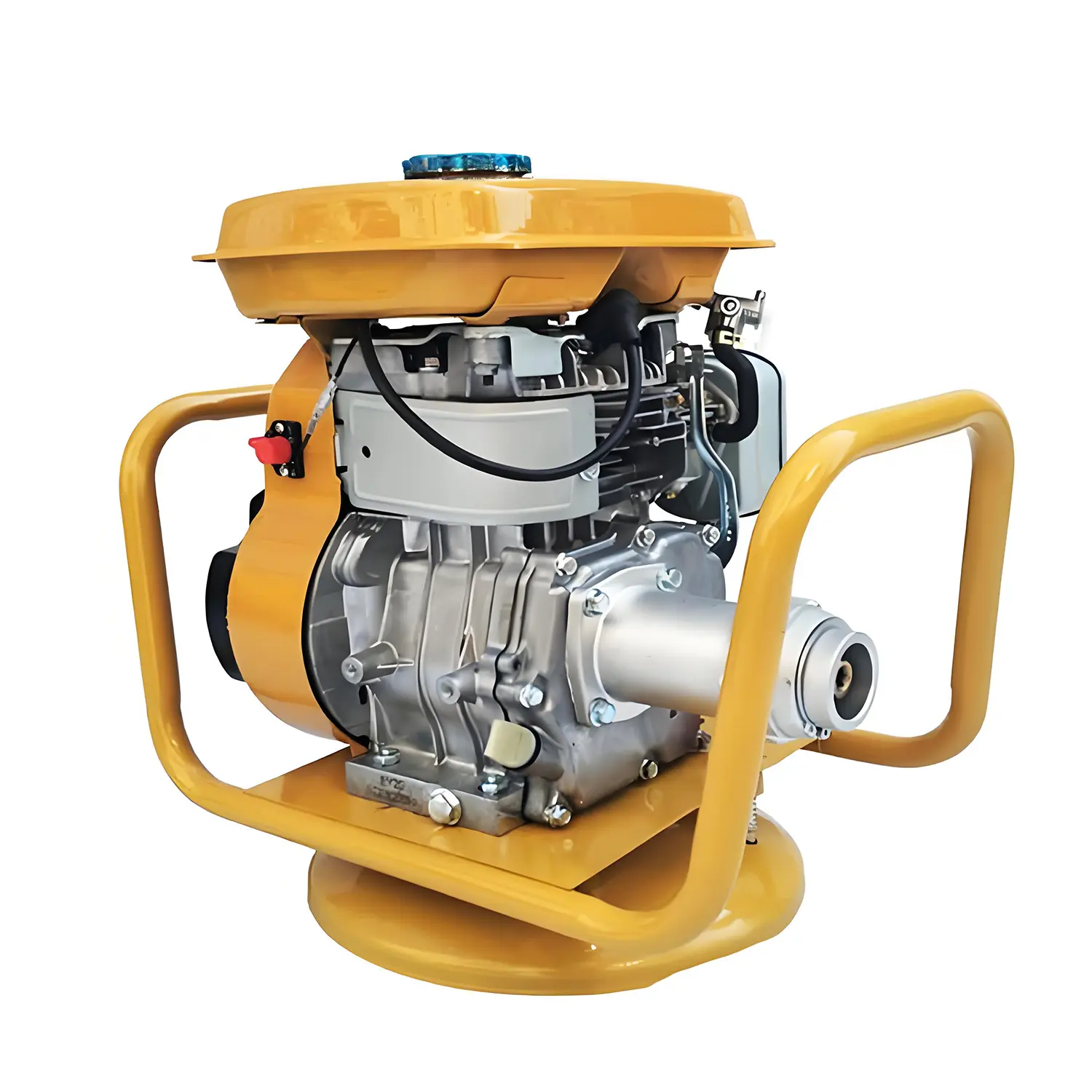
 Internal Vibrator
 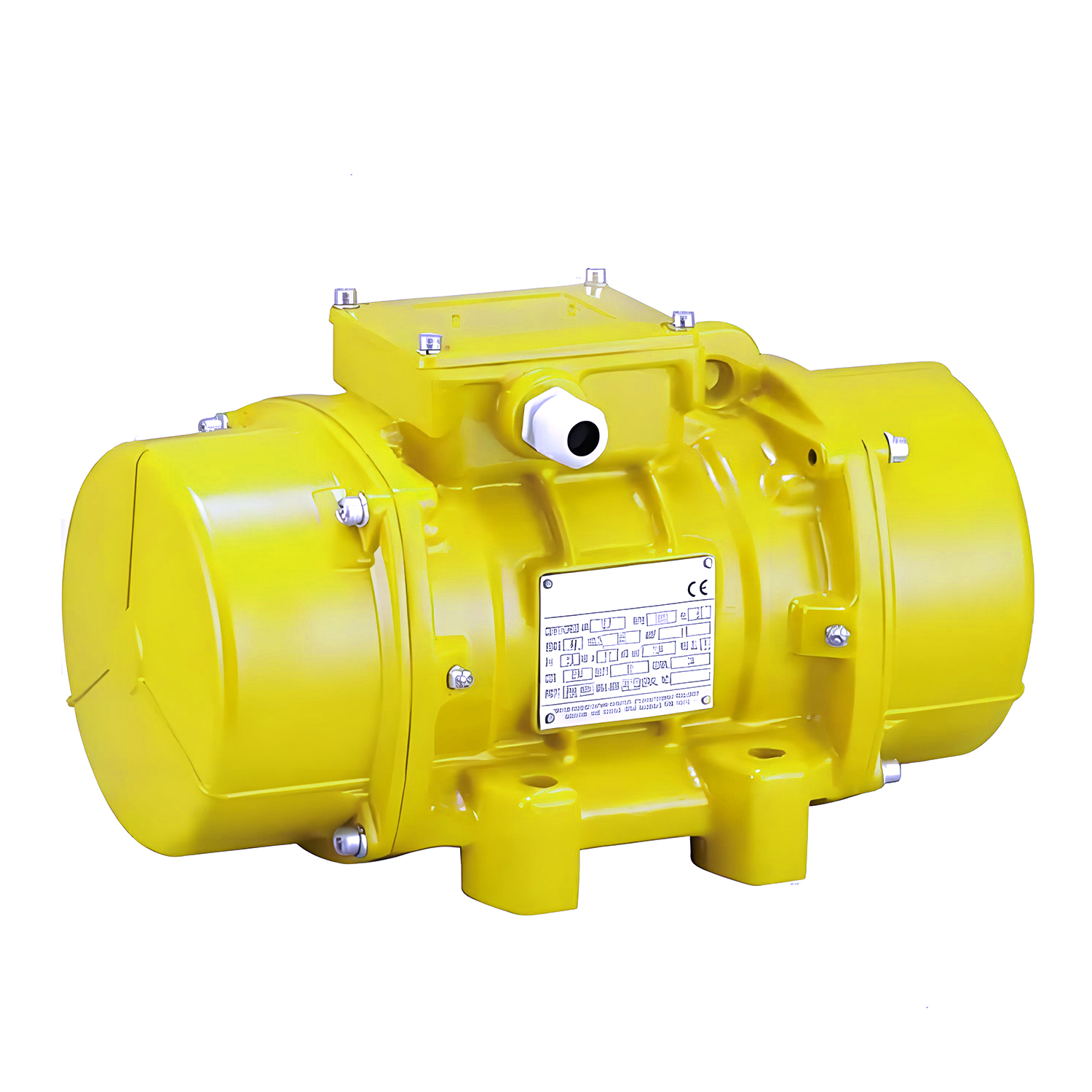 External Vibrator
 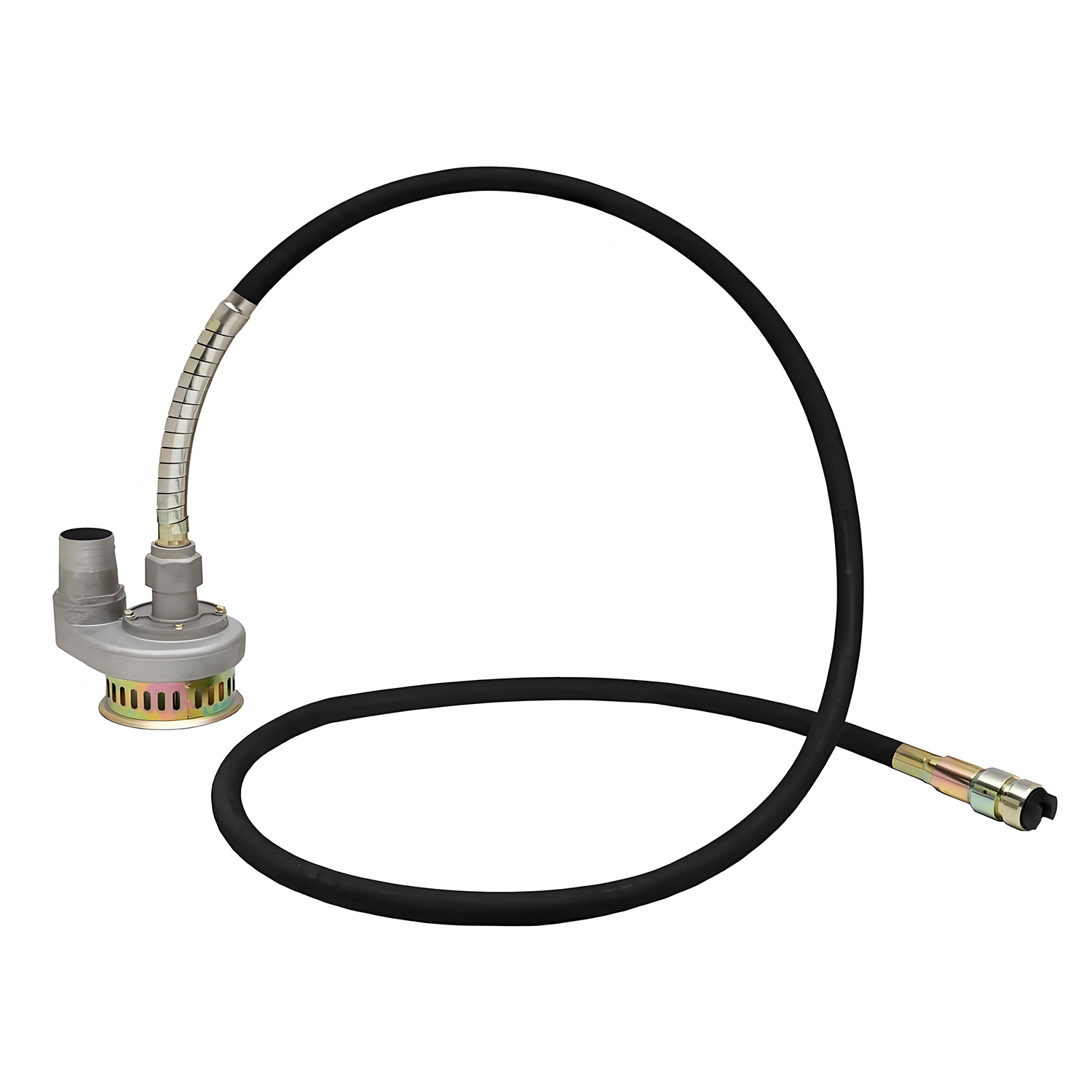 Submersible Pump
 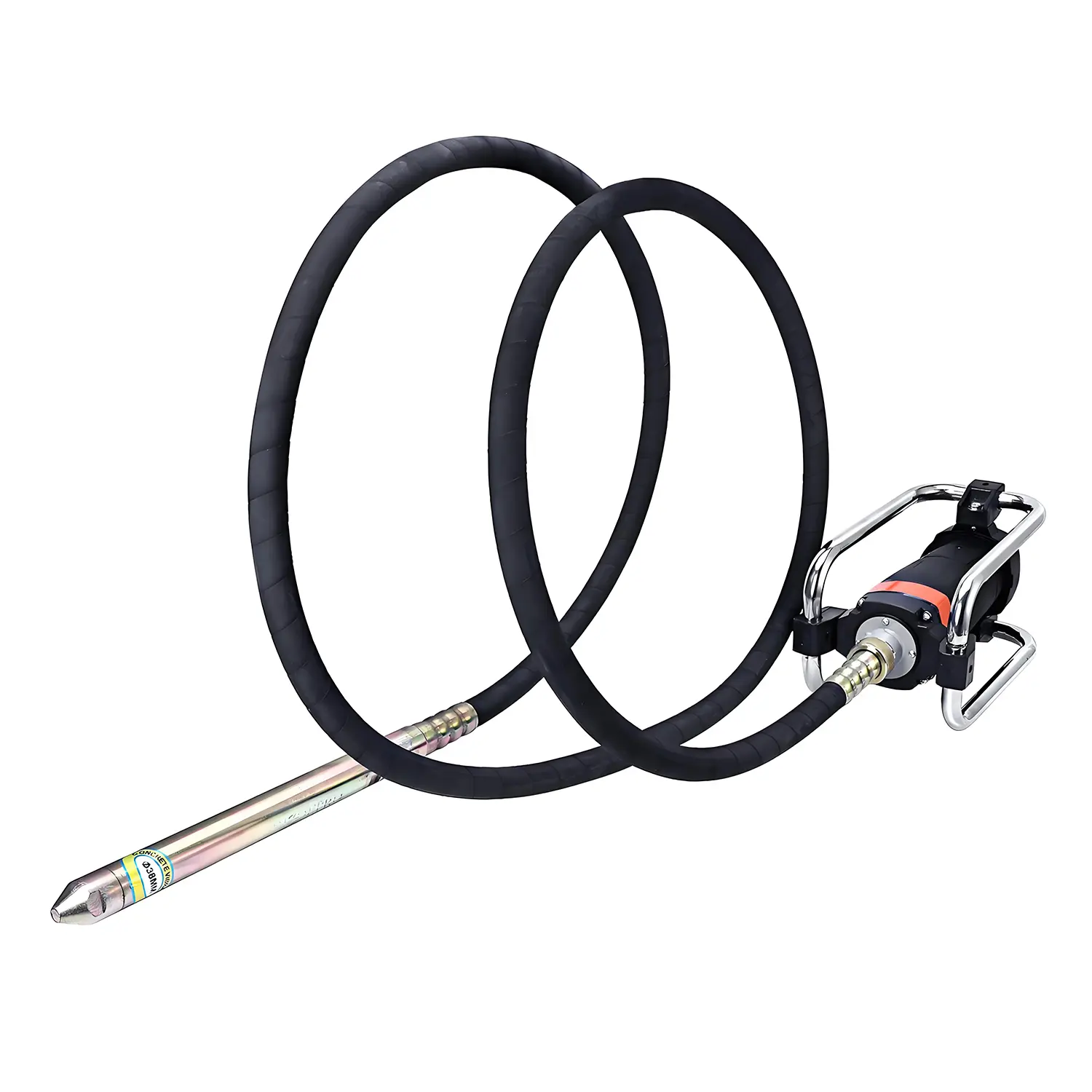 Eccentric shaft
 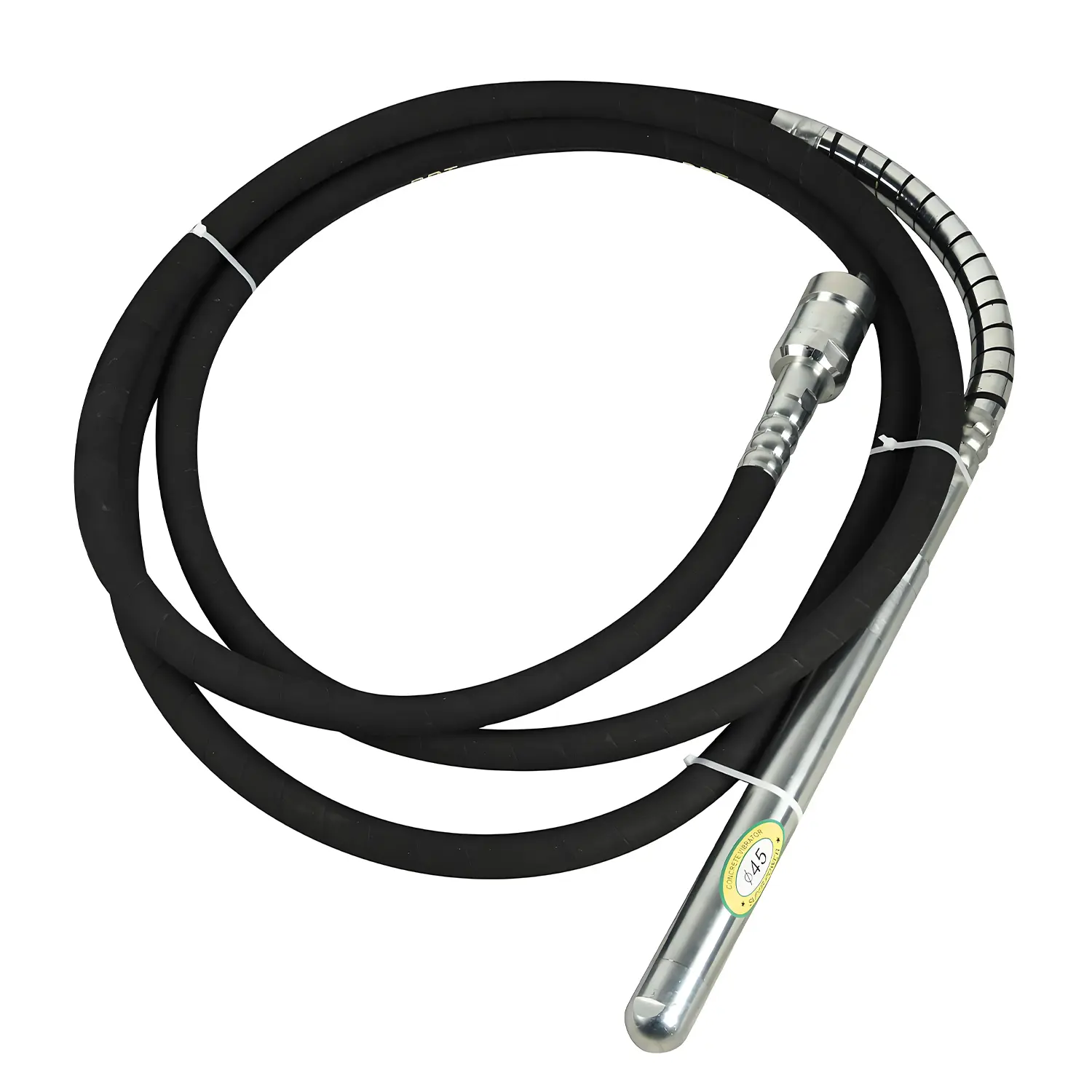 Pendulum shaft
 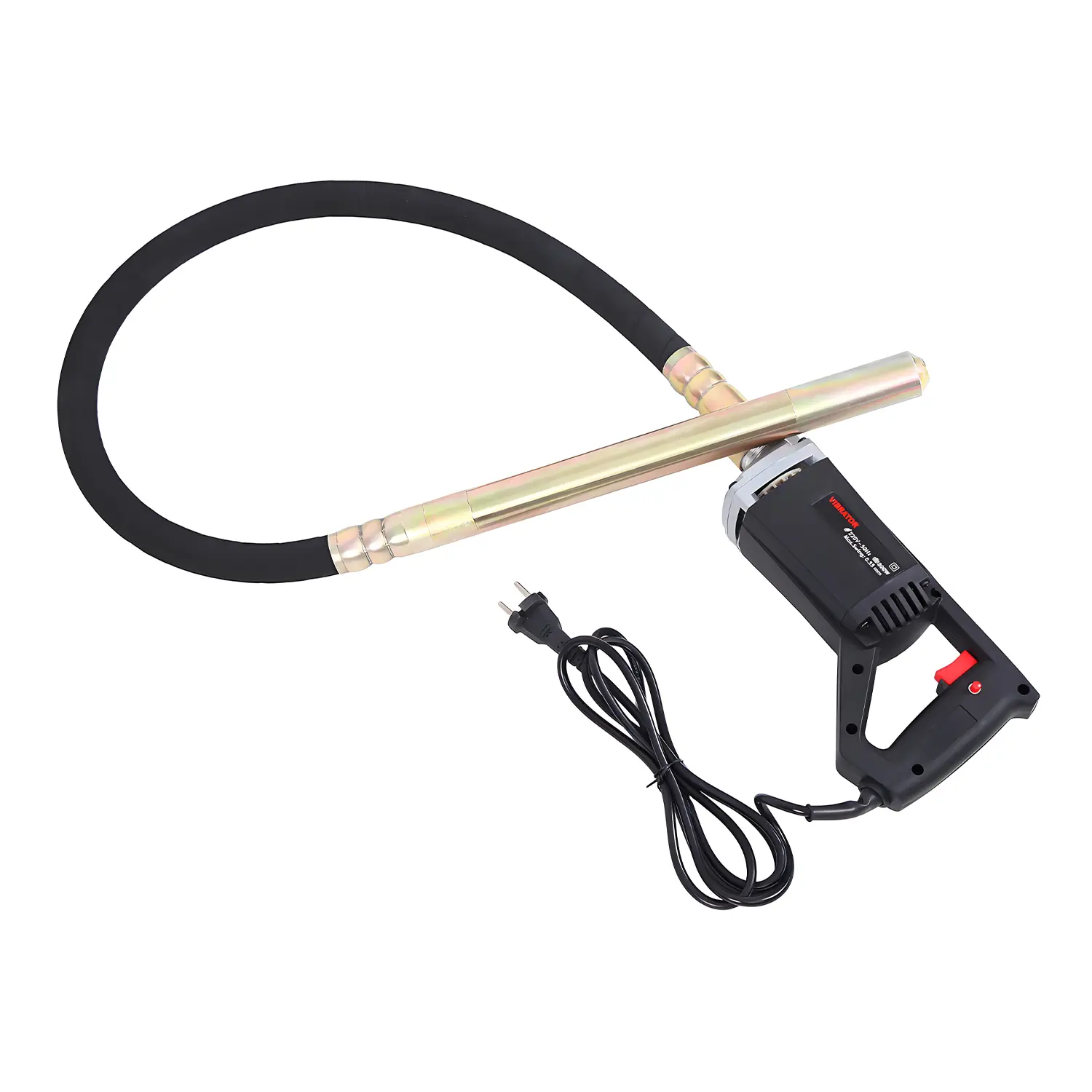 Portable vbrator shaft
 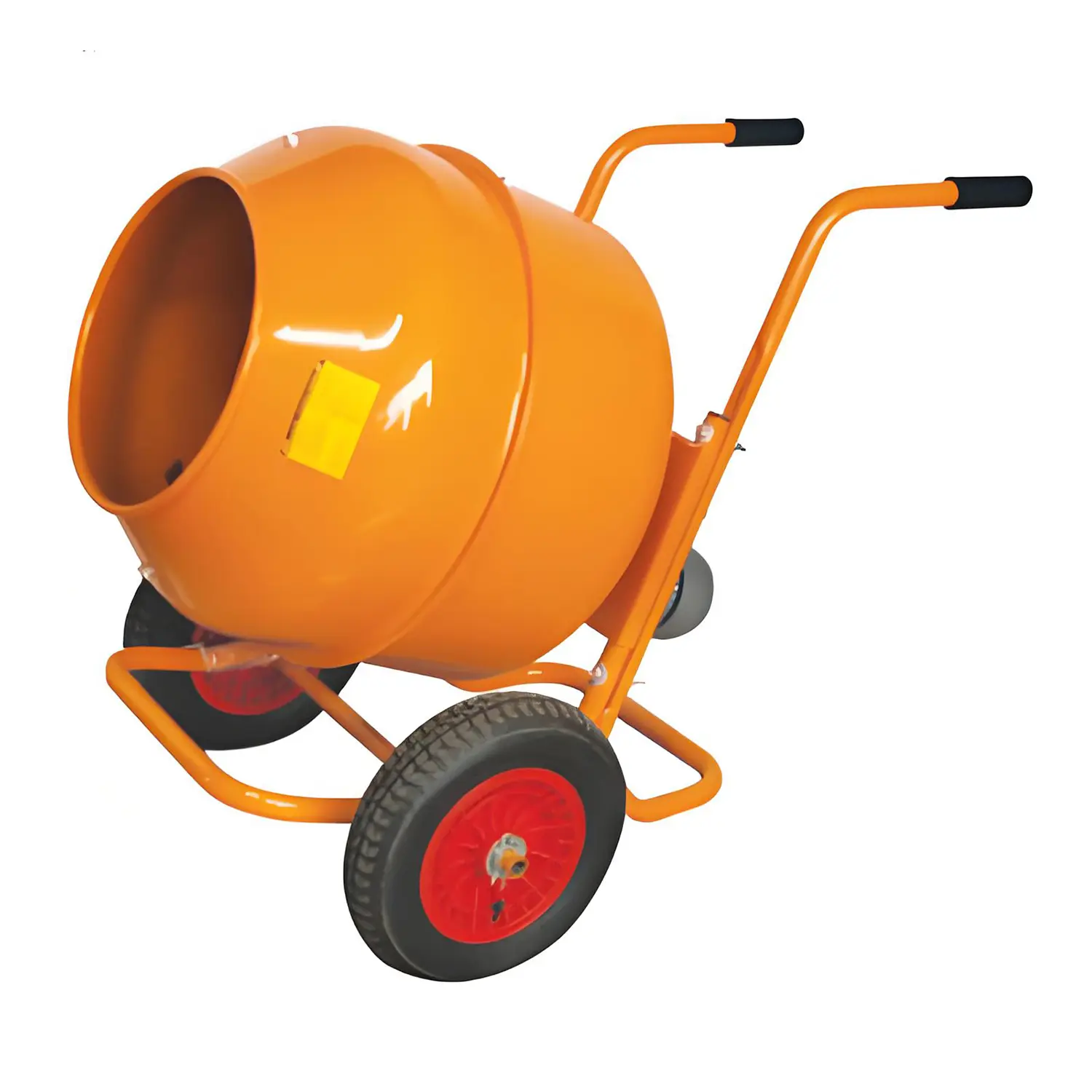 Portable concrete mixer
 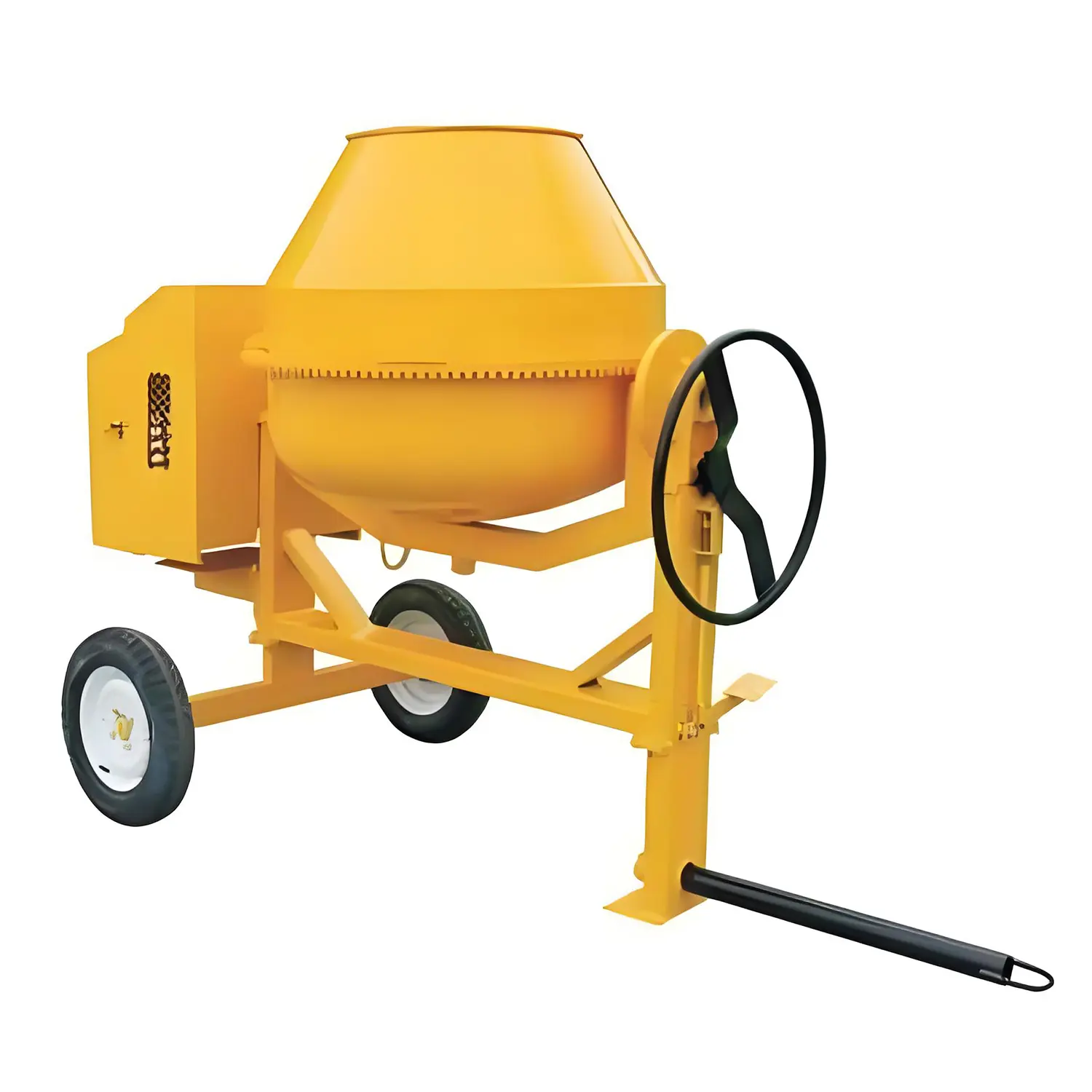 Vertical concrete mixer
 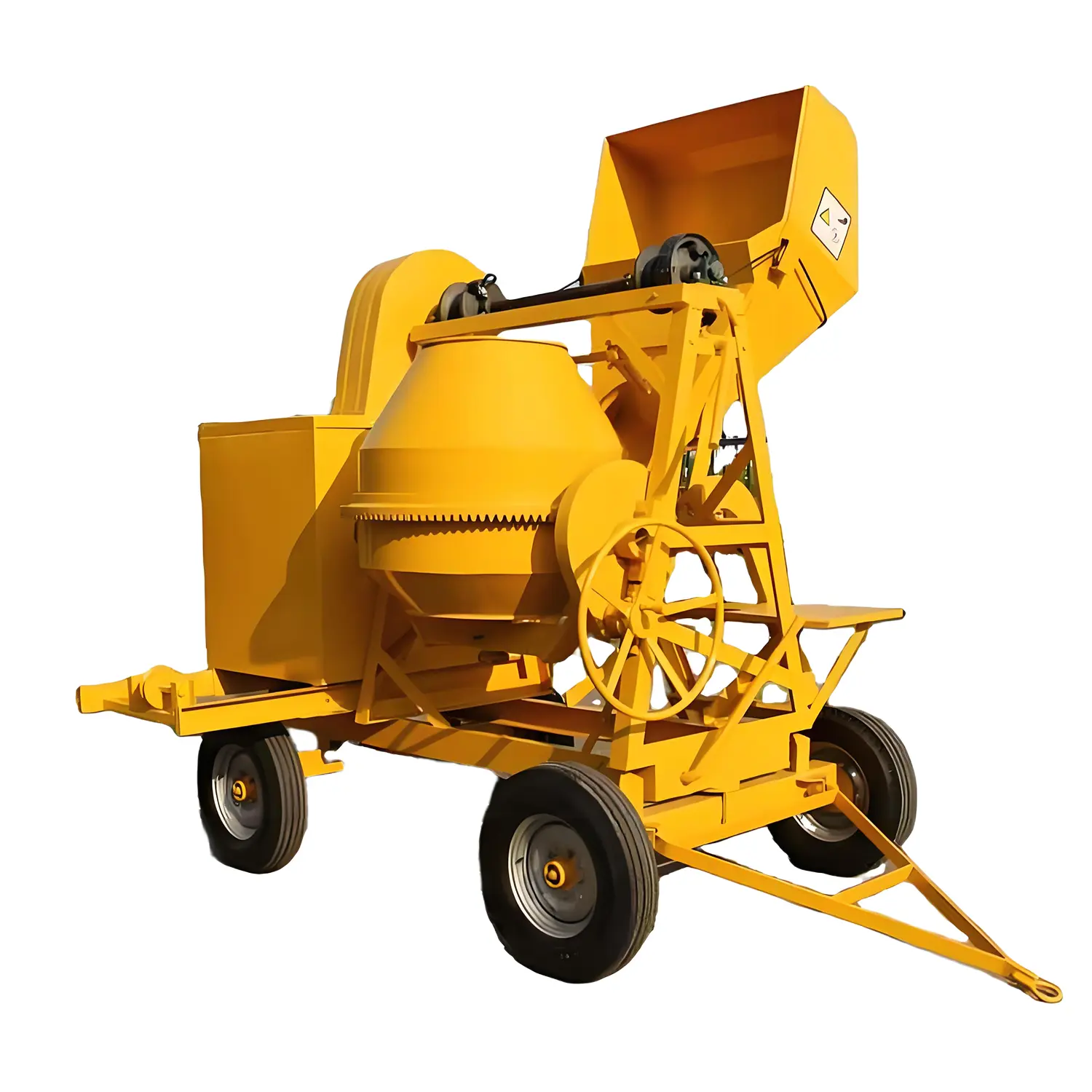 Hydraulic concrete mixer
 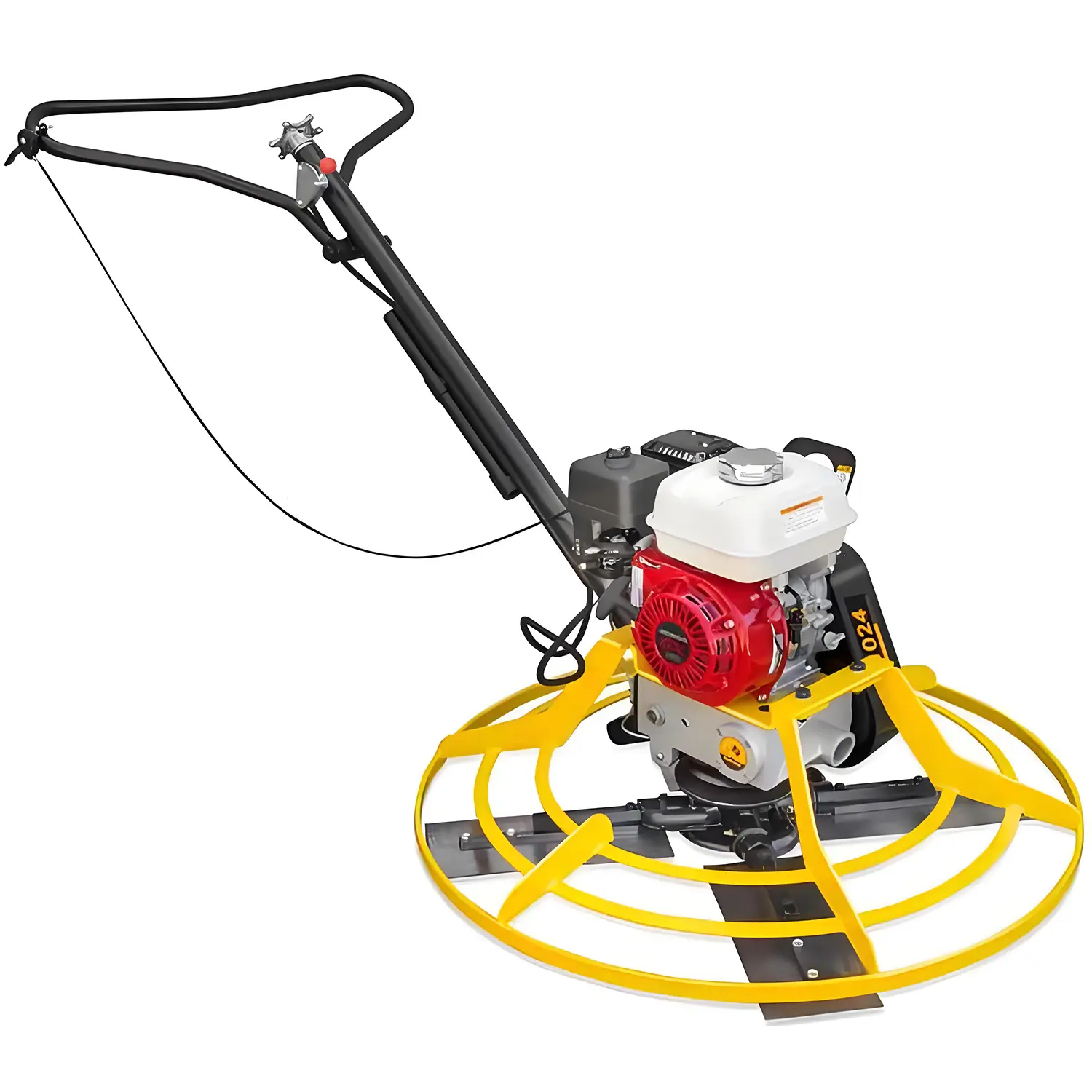 Walk behind power trowel
 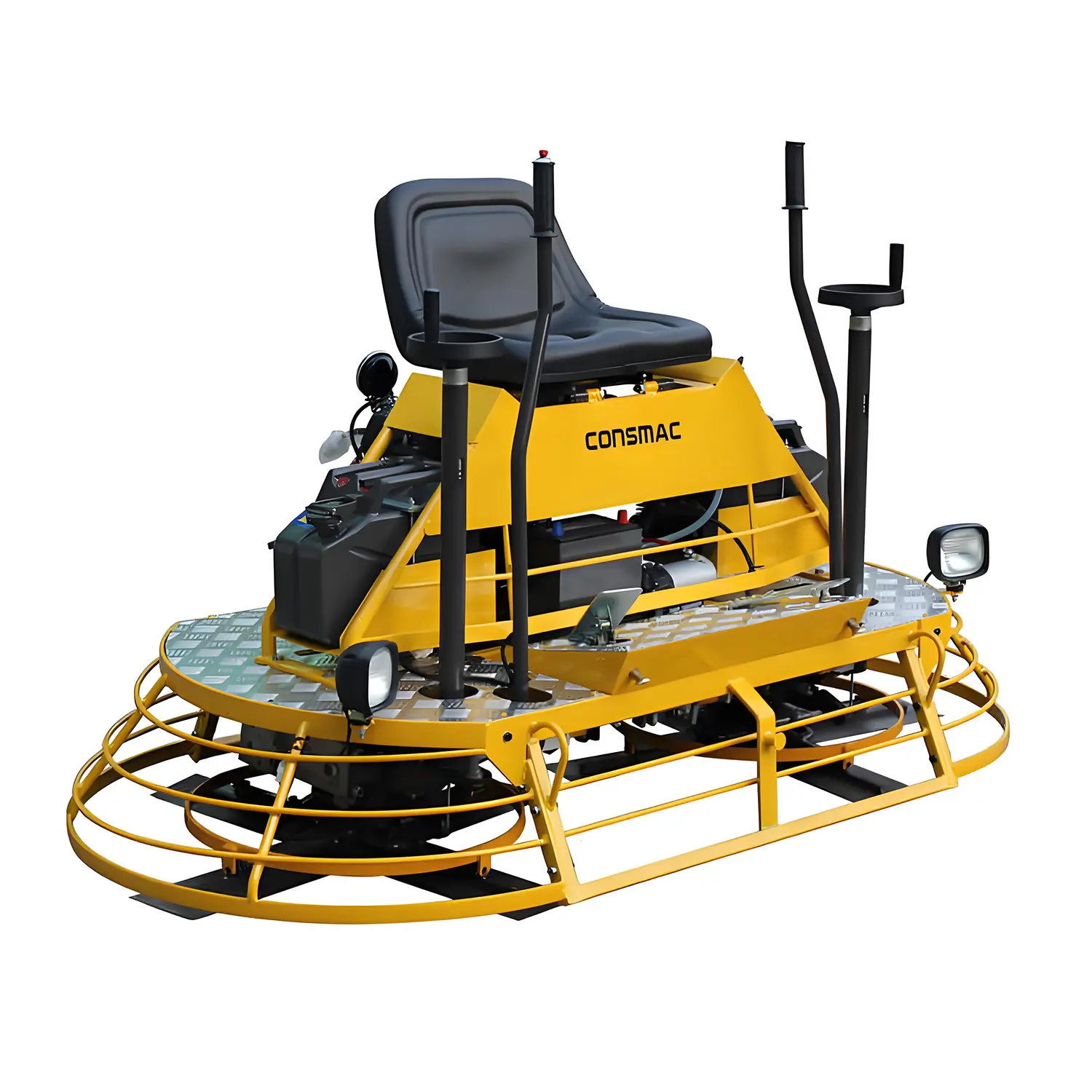 Ride on power trowel
 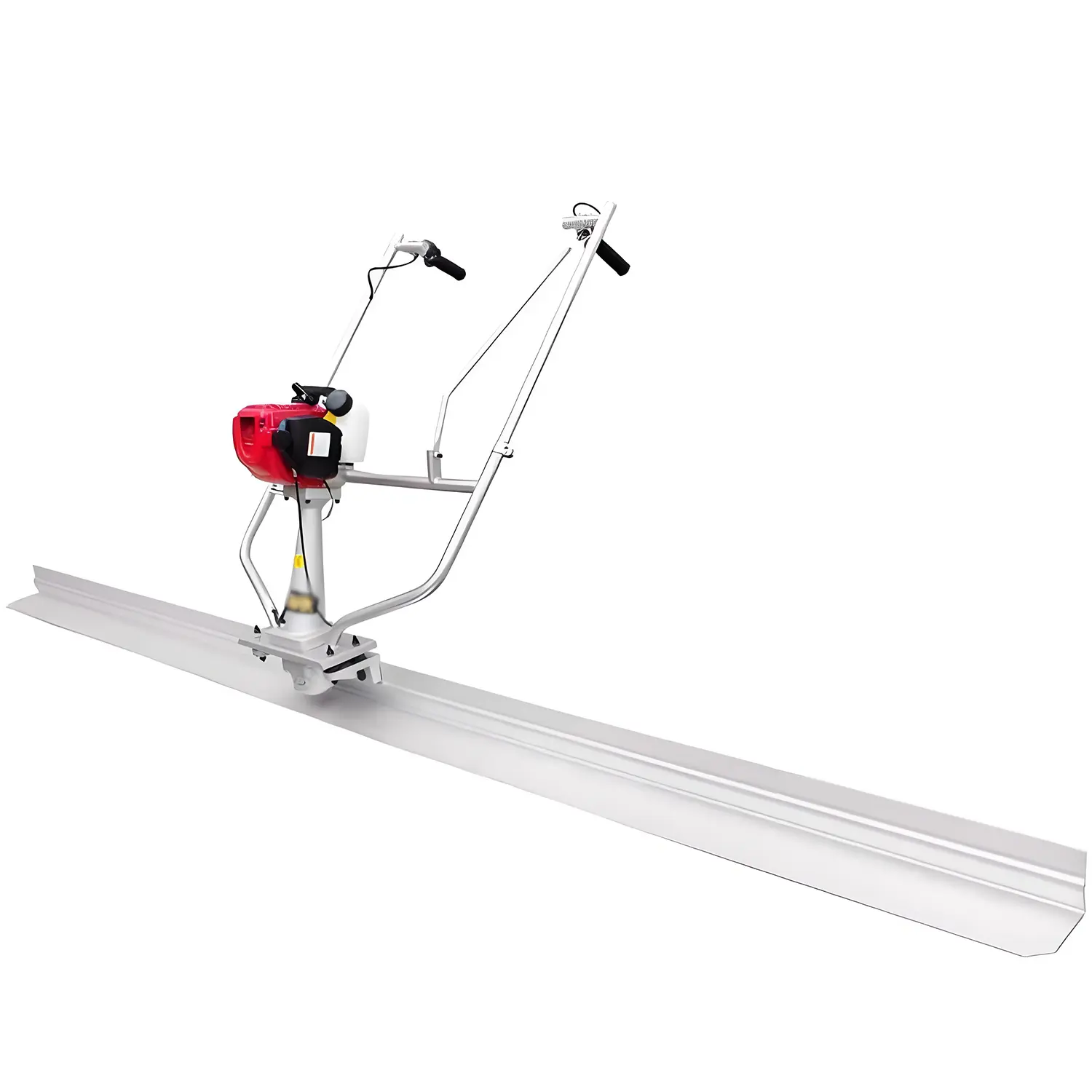 Concrete screed
 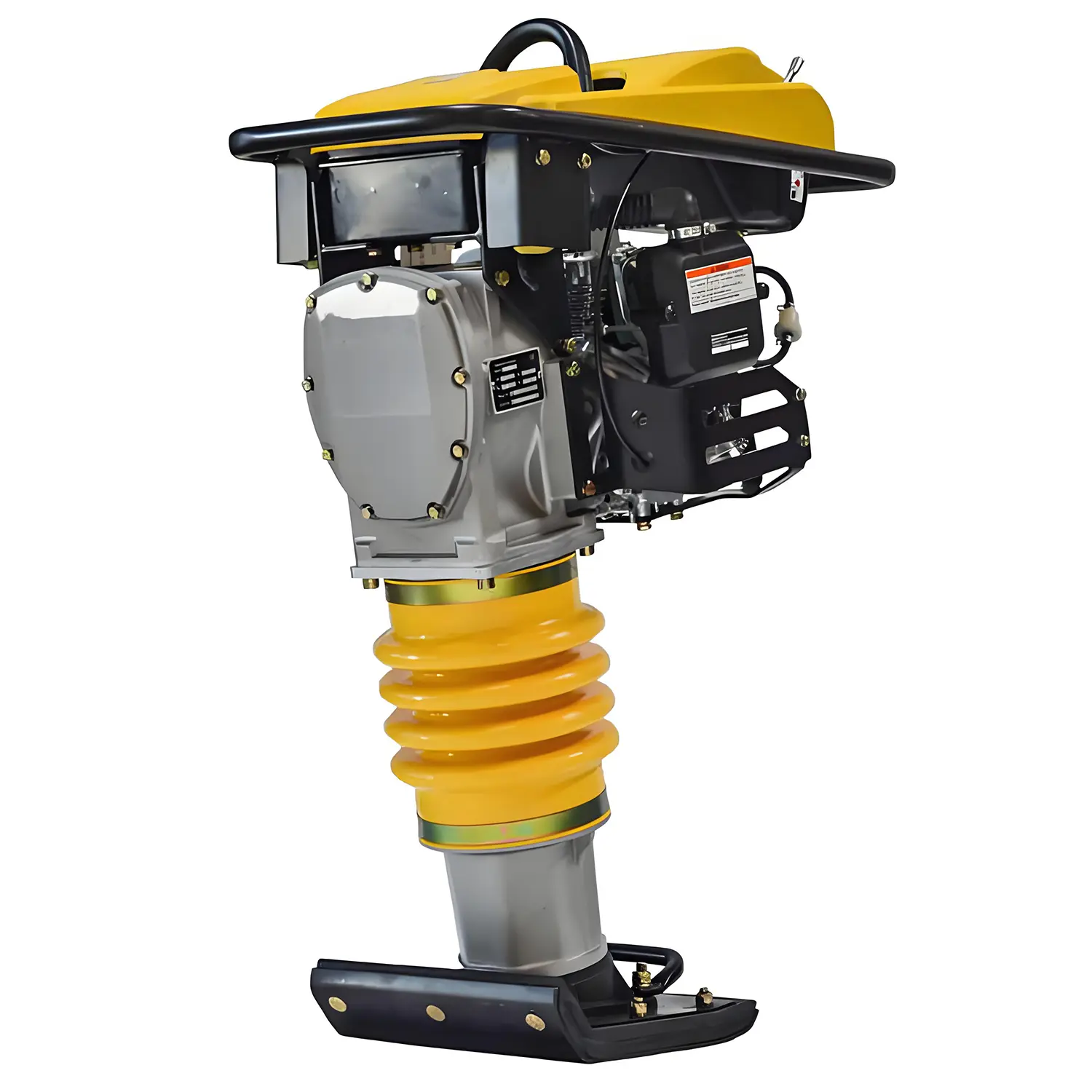 Tamping rammer
 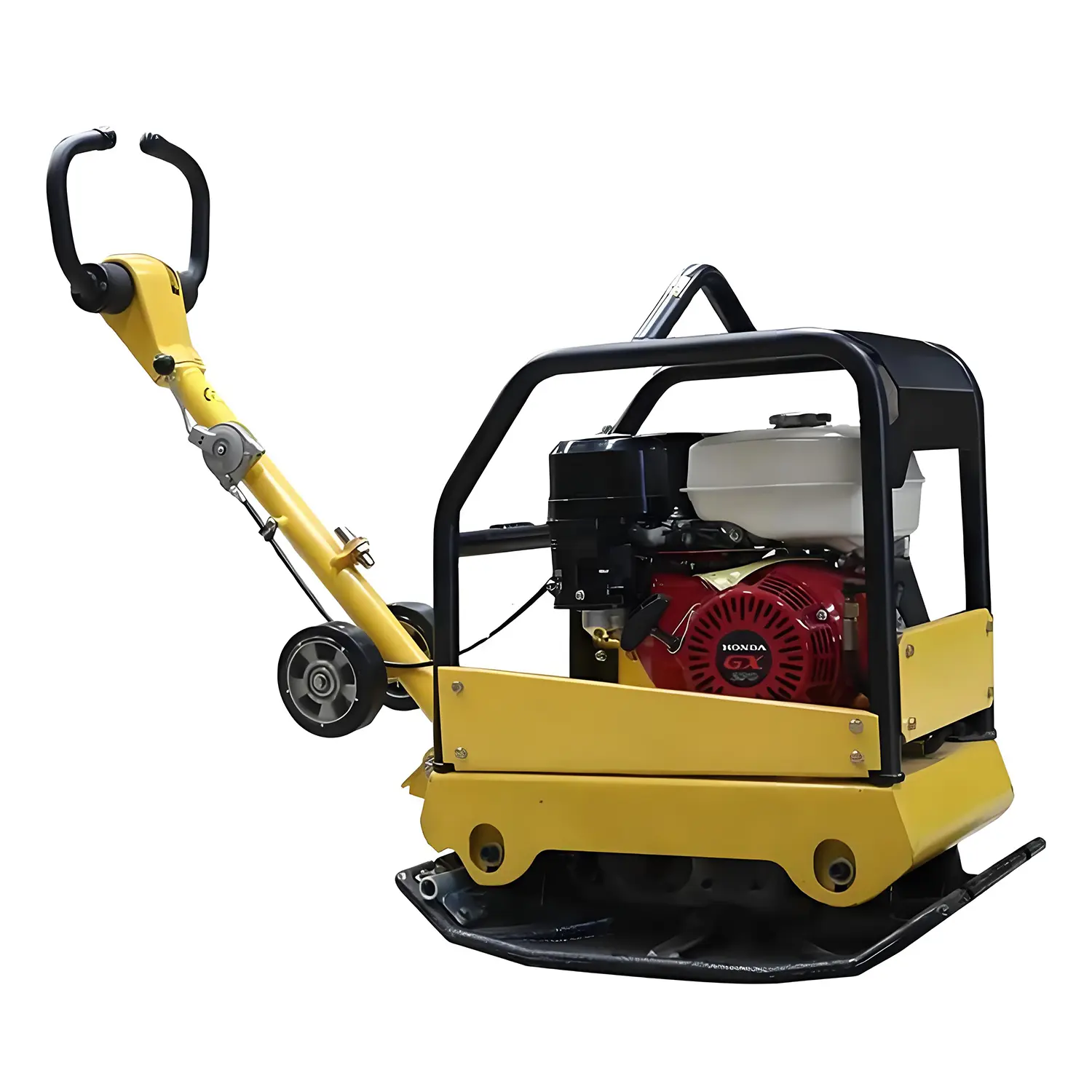 Plate compactor
 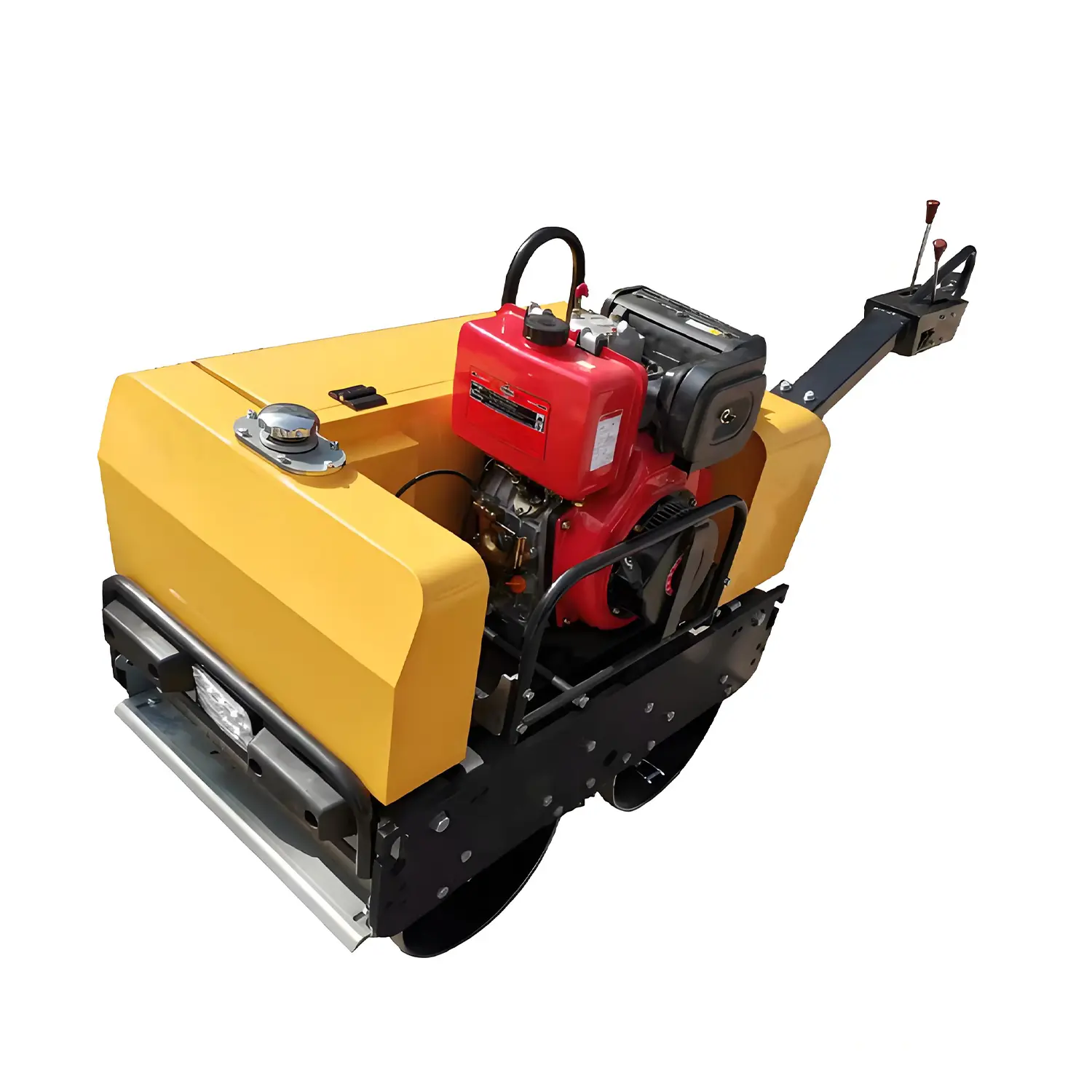 Vibratory roller

How to Choose a Vertical Concrete Mixer for Home & Small Construction Jobs
A Vertical Concrete Mixer is ideal for your home and small construction projects. You can easily manage various tasks with its compact design. Consider key factors to select the best mixer for your specific needs. Choose a mixer, like those from MAXMACH, that delivers both efficiency and lasting value for your work. You will complete your projects successfully.
Key Takeaways
- Match the mixer's size and power to your project needs. Small jobs need smaller mixers. Bigger jobs need stronger motors.
- Choose between electric or gas power. Electric mixers are quiet and good for indoors. Gas mixers are powerful and good for outdoors.
- Look for durability, portability, and safety features. A strong drum, wheels, and safety covers make your mixer last and keep you safe.
Selecting the Right Vertical Concrete Mixer Capacity and Power
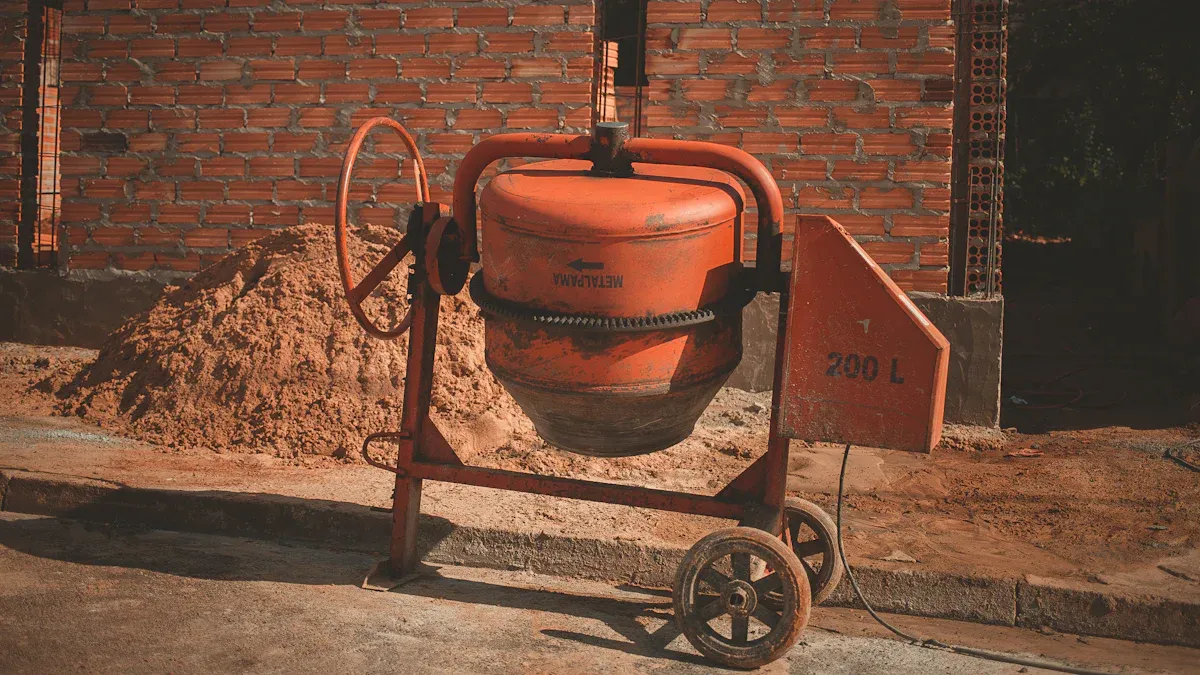
You need to pick a mixer that matches your project needs. Consider the mixer's capacity and power source. These choices directly affect how well your mixer performs. They also impact how easily you complete your work.
Matching Mixer Capacity to Project Size
The mixer's drum size is very important. It tells you how much concrete you can mix at one time. You should choose a capacity that fits your typical projects.
- Small Jobs (1-2 bags of concrete mix): For small repairs, fence posts, or stepping stones, a mixer with a 2.5 to 3.5 cubic foot drum works well. This size is easy to move and store.
- Medium Jobs (3-5 bags of concrete mix): If you plan to pour a small patio, a dog kennel slab, or several fence posts, look for a 4 to 6 cubic foot mixer. This size balances capacity with portability.
- Larger Jobs (6+ bags of concrete mix): For bigger projects like a shed foundation or a longer walkway, you might need a 6 to 9 cubic foot mixer. These mixers handle more material. They save you time by reducing the number of batches you mix.
Do not overfill your mixer. This strains the motor and can lead to poor mixing. Also, avoid buying a mixer that is too large for your needs. A very big mixer takes up more space. It also uses more power than you might require.
Choosing Between Electric and Gas Power Sources
Vertical Concrete Mixers come with either electric or gas engines. Each type has its own benefits. Your choice depends on where and how you plan to use the mixer.
-
Electric Mixers:
- Pros: They run quietly. They produce no exhaust fumes. You can use them indoors or in enclosed spaces. They are generally lighter and require less maintenance.
- Cons: You need a power outlet nearby. The power cord can limit your movement. Some models might not be as powerful as gas mixers.
- Best for: Home garages, workshops, or jobs where noise and fumes are a concern.
-
Gas Mixers:
- Pros: They offer great portability. You can use them in remote areas without electricity. They are often more powerful. They can handle tougher mixes.
- Cons: They are louder. They produce exhaust fumes, so you must use them outdoors. They require fuel and more regular maintenance.
- Best for: Outdoor projects, construction sites without power, or jobs needing maximum power.
Consider your typical work environment. This helps you decide which power source is best for you.
Understanding Motor Strength for Optimal Performance
The motor's strength determines how efficiently your mixer works. A stronger motor handles heavier loads and thicker concrete mixes with ease.
- Electric Mixers: Motor strength is often measured in amps or watts. Higher numbers mean more power. For home use, an electric mixer with a motor around 0.5 to 1 horsepower (HP) equivalent, or 8-15 amps, is usually sufficient.
- Gas Mixers: Motor strength is typically measured in horsepower (HP). A gas mixer with a 2 to 5 HP engine provides plenty of power for most small construction jobs.
A powerful motor prevents the mixer from bogging down. It ensures a consistent mix. It also extends the life of your machine. If you plan to mix stiff concrete or large batches, choose a mixer with a robust motor. For example, MAXMACH mixers often feature strong motors. They deliver reliable performance for demanding tasks. A good motor makes your mixing process smoother and faster.
Essential Features and MAXMACH Mixer Considerations
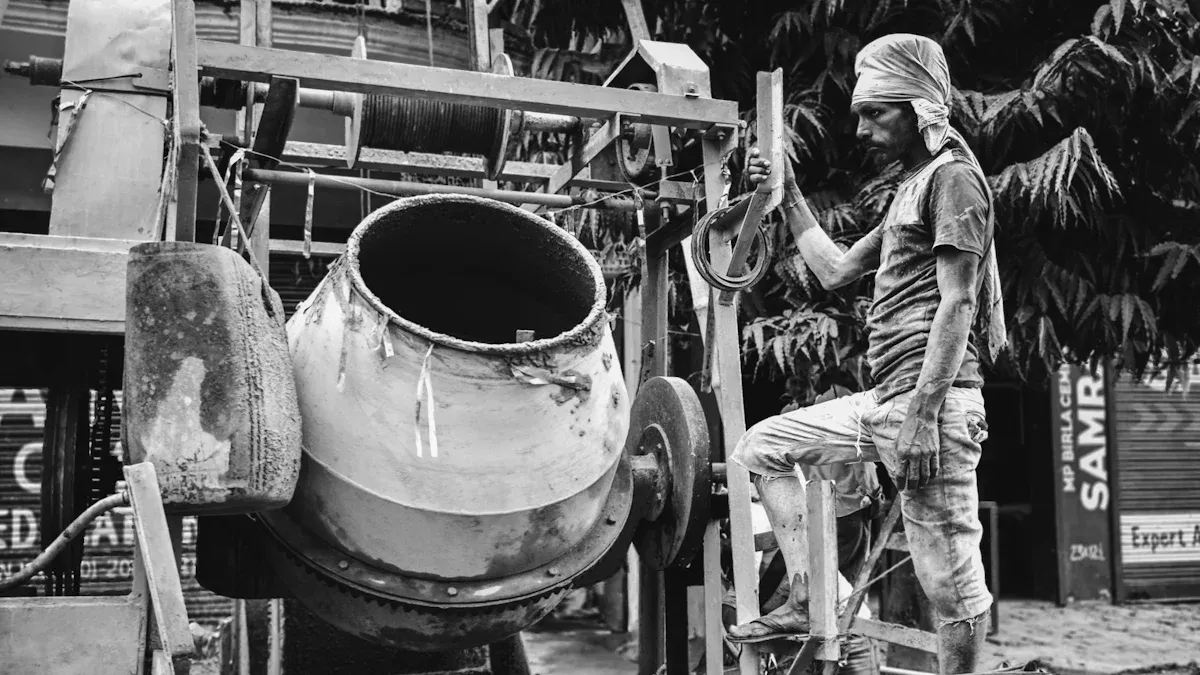
You want your vertical concrete mixer to do more than just mix. It needs to be reliable, safe, and easy to use. Consider these essential features. They ensure you get the most from your investment.
Evaluating Drum Material and Overall Durability
The drum is where all the mixing happens. Its material and the mixer's overall construction determine how long your machine lasts. You will find drums made from steel or heavy-duty plastic.
- Steel Drums: These are very strong. They resist dents and wear from aggregates. Steel drums often last many years. However, they can be heavier. They may rust if you do not clean and store them properly.
- Plastic Drums: These are lighter. They will not rust. Plastic drums are easier to move around. They are also quieter during operation. However, some plastic drums might not withstand heavy use as well as steel. They could crack or wear down faster with abrasive materials.
Look at the frame material too. A sturdy steel frame provides stability. It protects the motor and other components. You want strong welds and a good paint finish. This prevents rust and corrosion. A well-built mixer, like those from MAXMACH, offers superior durability. It stands up to tough job site conditions. You get a machine that works reliably for years.
Prioritizing Portability and Storage Solutions
You often move your mixer around your home or job site. Easy portability makes your work much simpler. Consider these features:
- Wheels: Most vertical mixers have wheels. Look for large, sturdy wheels. Pneumatic (air-filled) tires offer better maneuverability over uneven ground. Solid rubber wheels are maintenance-free.
- Handles: Ergonomic handles make pushing or pulling the mixer easier. Some mixers have handles that fold away. This saves space.
- Weight: A lighter mixer is easier to lift and transport. If you frequently move your mixer, choose a model that balances capacity with a manageable weight.
- Compact Design: A vertical design already saves space. Some models offer a more compact footprint. This helps with storage in a small garage or shed. You can easily store a mixer that breaks down or folds.
You want a mixer you can move without strain. You also need to store it conveniently when not in use.
Identifying Key Safety Features and Design
Safety is always important. You work with heavy materials and moving parts. Your mixer should have features that protect you.
- Motor Covers: The motor and electrical components should have protective covers. These prevent accidental contact. They also keep debris out.
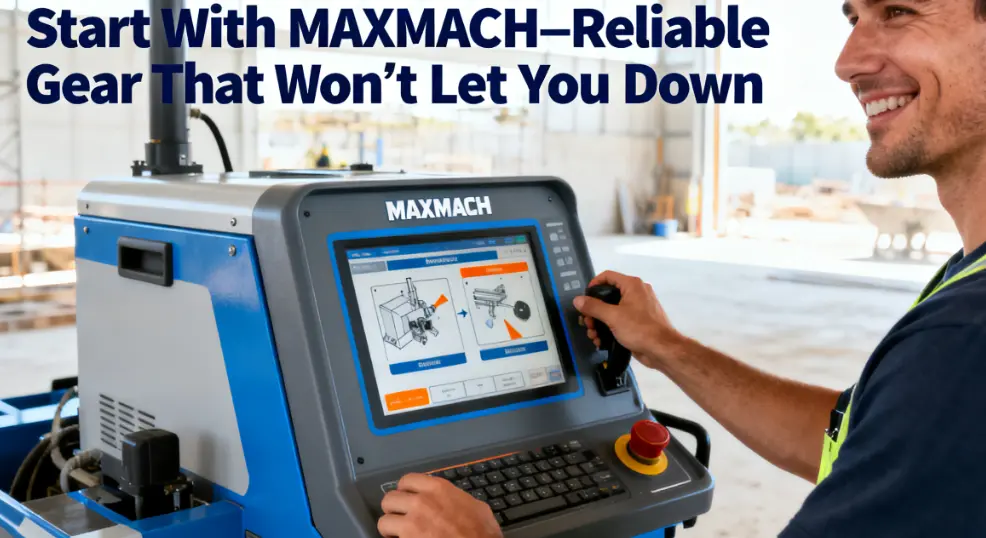
- Emergency Stop Button: A clearly marked emergency stop button allows you to shut down the mixer quickly. This is crucial in case of an issue.
- Stable Base: The mixer needs a wide, stable base. This prevents tipping during operation. It also keeps the mixer steady when you load or unload materials.
- Paddle Design: The mixing paddles should be designed to prevent hands or tools from getting caught. Some mixers have internal paddles that are less exposed.
- Grounding: Electric mixers must have proper grounding. This protects you from electrical shocks. Always check the power cord and plug for damage.
A well-designed mixer prioritizes your safety. It minimizes risks while you work.
Assessing Ease of Cleaning and Maintenance
You want to spend more time mixing and less time cleaning. An easy-to-clean mixer saves you effort. It also extends the life of your machine.
- Smooth Drum Interior: A smooth drum interior prevents concrete from sticking. This makes scraping and rinsing much easier.
- Removable Paddles: Some mixers have paddles you can remove. This allows for thorough cleaning of the drum. It also makes replacing worn paddles simpler.
- Drainage: Look for a drum design that allows water to drain completely. This prevents standing water and rust.
- Accessible Components: You should easily access the motor and other parts for routine checks. This helps with lubrication or belt adjustments.
Regular cleaning and simple maintenance keep your mixer running smoothly. It prevents concrete buildup. It also ensures your MAXMACH mixer performs optimally for every project.
Where to Purchase Your Vertical Concrete Mixer
You have decided on the perfect vertical concrete mixer. Now you need to find where to buy it. Several options exist. Each option offers different benefits. Consider what works best for your needs.
Exploring Online Retailers and Marketplaces
Online shopping offers convenience. You can browse many models from your home. Large online retailers often have competitive prices. They also provide customer reviews. These reviews help you learn about other buyers' experiences. You can compare features and prices easily. Look for detailed product descriptions and specifications. Check the seller's return policy. Ensure they offer good customer support. Some manufacturers, like MAXMACH, might also sell directly from their websites.
Finding Local Hardware Stores and Suppliers
Local stores offer immediate access. You can see the mixer in person. You can also ask staff questions. They provide expert advice. You can take your new mixer home the same day. This avoids shipping delays. Local suppliers might also offer assembly services. They can help you with any issues after purchase. Building a relationship with a local store can be beneficial for future projects.
Understanding Delivery and Setup Expectations
Buying a mixer involves more than just the purchase price. Consider delivery costs. Large items often have special shipping fees. Confirm the delivery timeline. You want to know when your mixer will arrive. Ask about assembly. Some mixers come fully assembled. Others require some setup. Understand what to expect. This helps you prepare for your mixer's arrival.
Use this final checklist:
- Capacity and Power
- Durability and Portability
- Safety and Maintenance Make an informed decision. This ensures your project's success. Consider long-term value and usability. Your chosen mixer will serve you well for many years.
FAQ
Can I mix other materials in my vertical concrete mixer?
Yes, you can. You can mix mortar, stucco, or even animal feed. Always clean the drum thoroughly after each use. This prevents cross-contamination.
How often should I clean my concrete mixer?
You should clean your mixer immediately after each use. This prevents concrete from hardening inside the drum. Hardened concrete is very difficult to remove.
What safety gear should I use when operating a mixer?
You should always wear safety glasses to protect your eyes. Wear gloves to protect your hands. You should also wear sturdy work boots.