
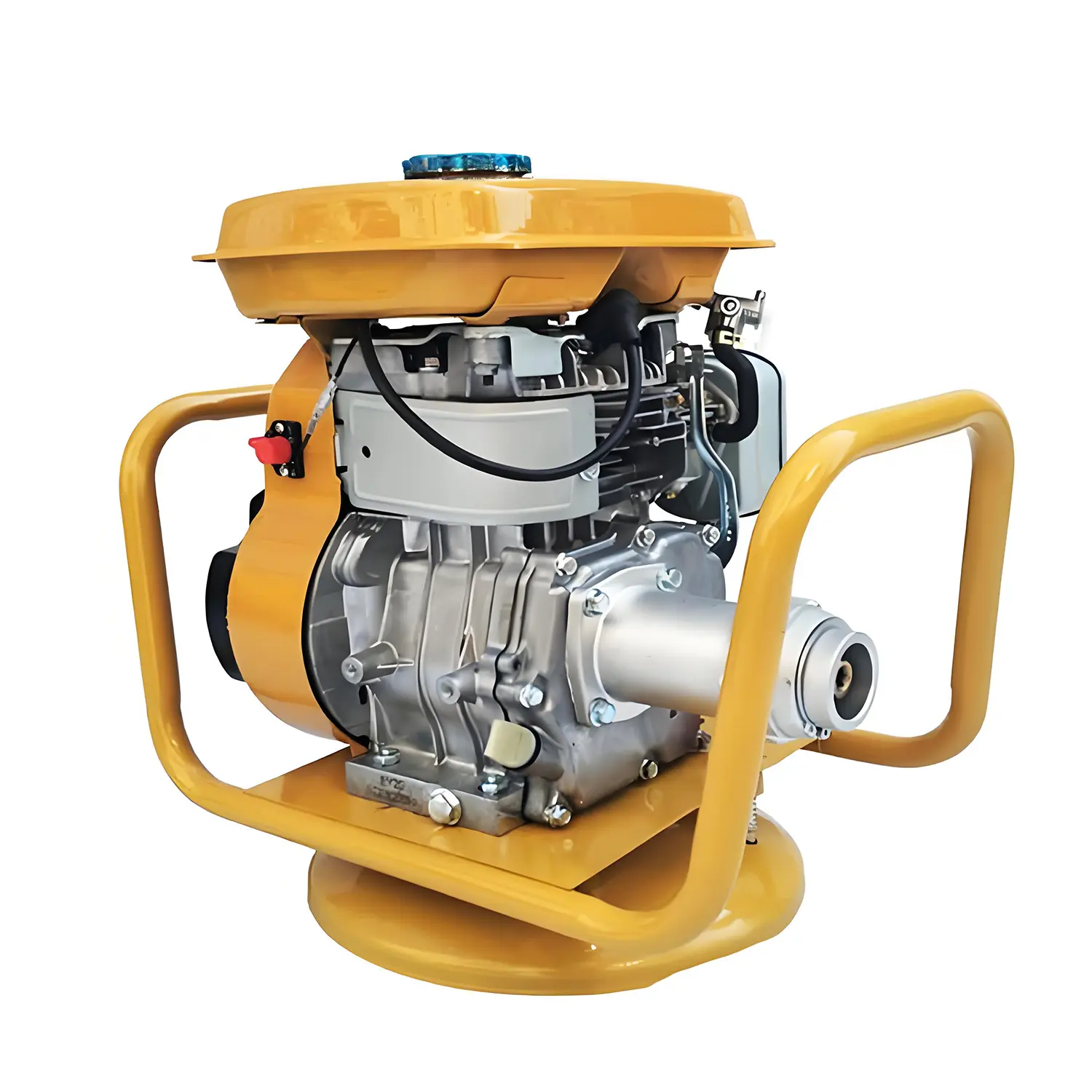
 Internal Vibrator
 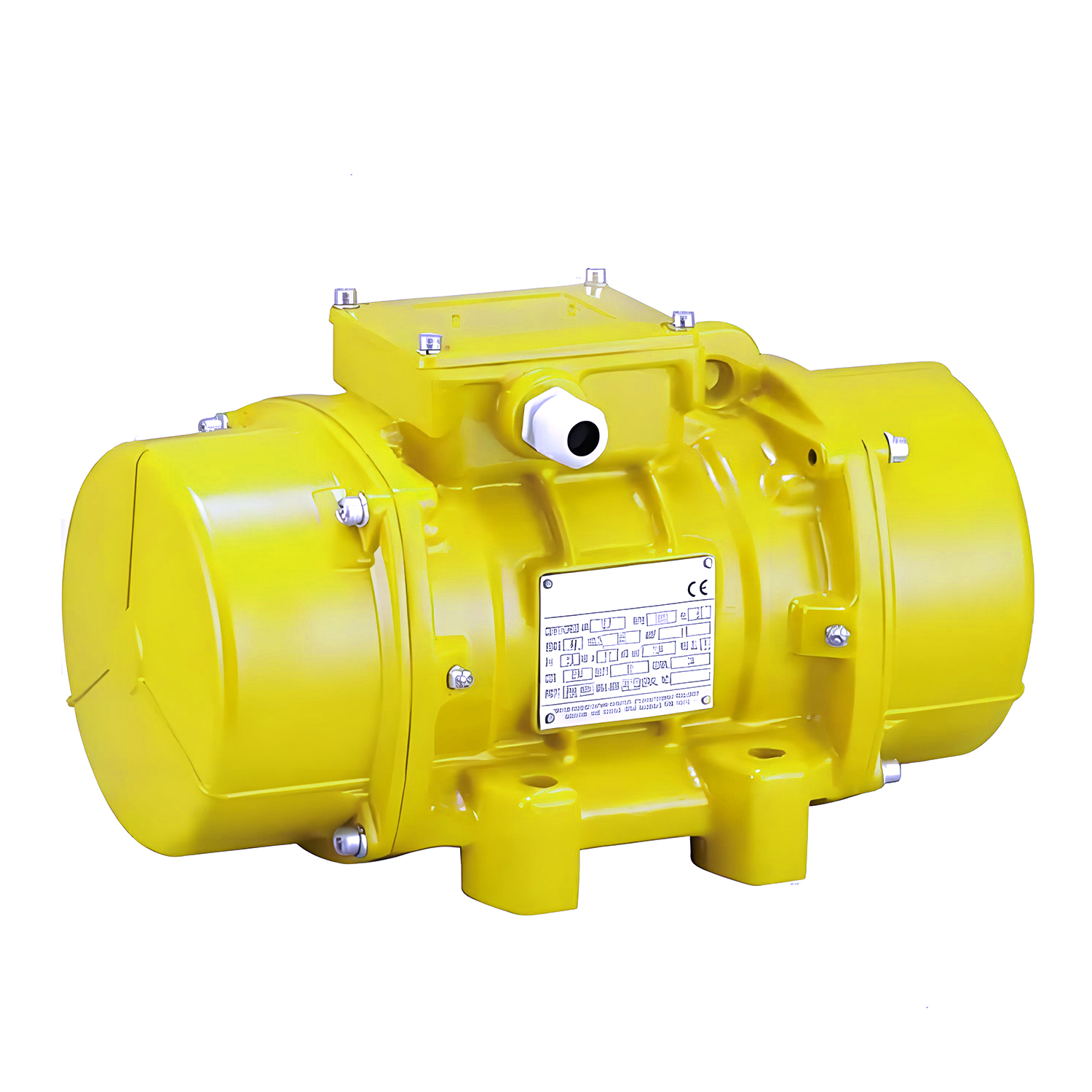 External Vibrator
 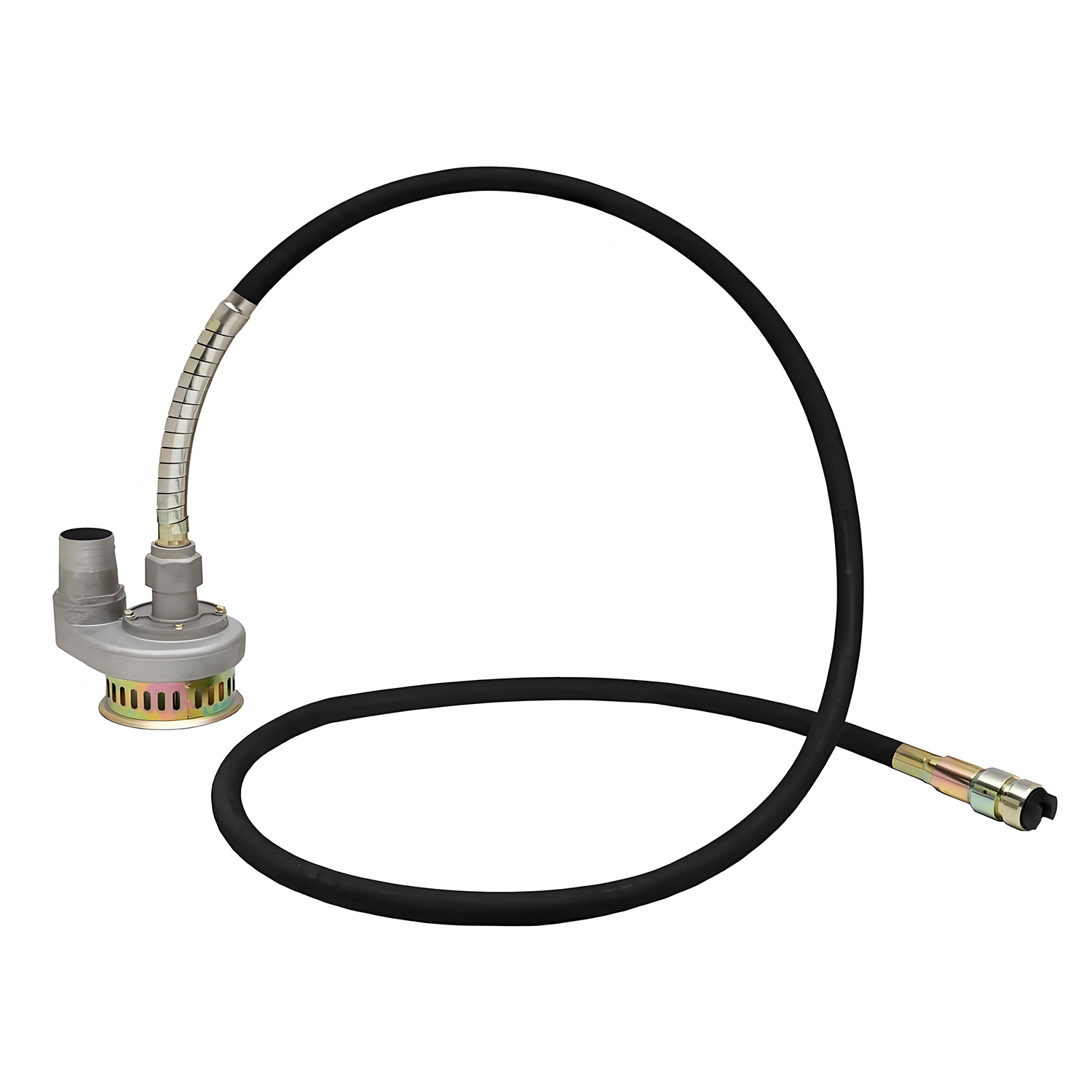 Submersible Pump
 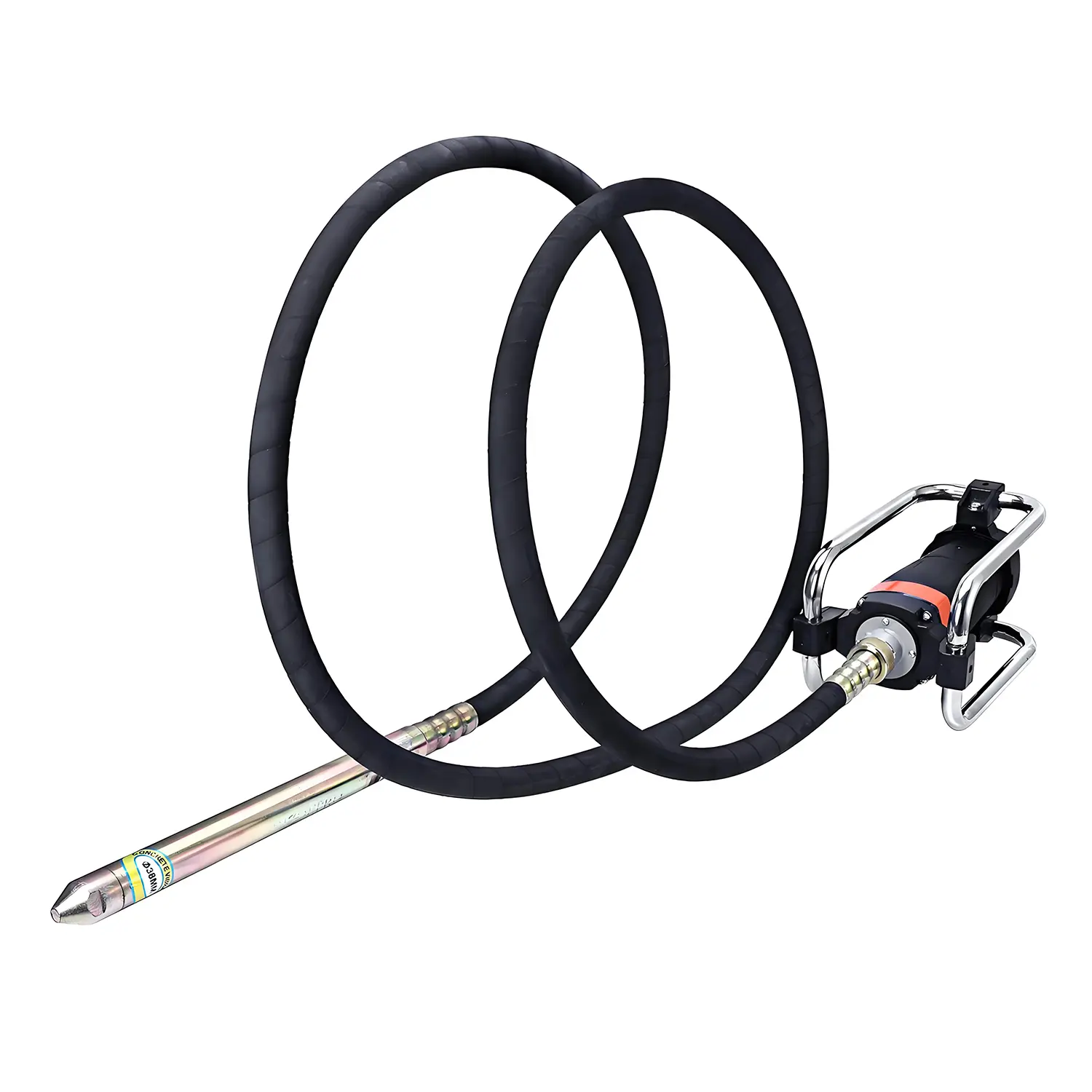 Eccentric shaft
 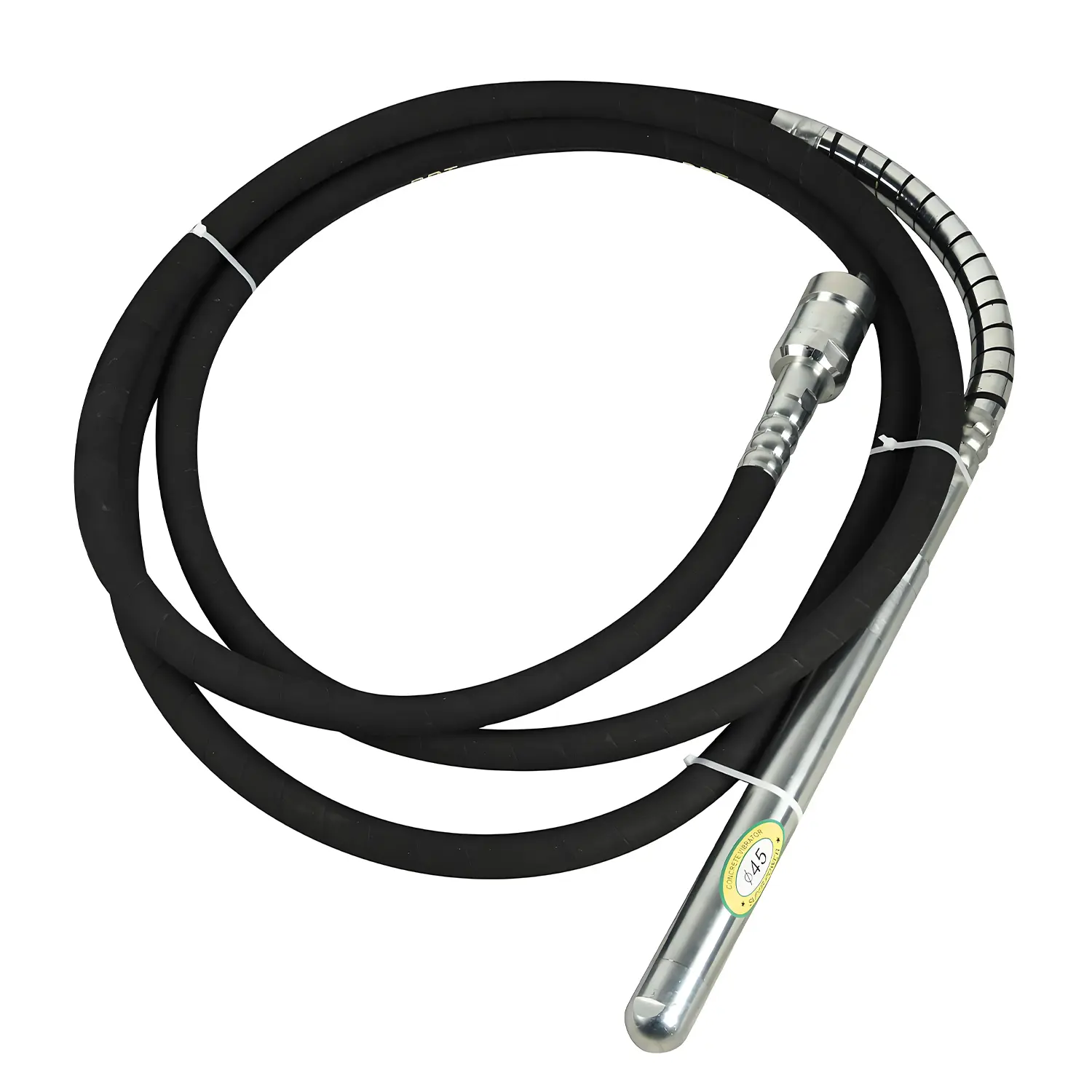 Pendulum shaft
 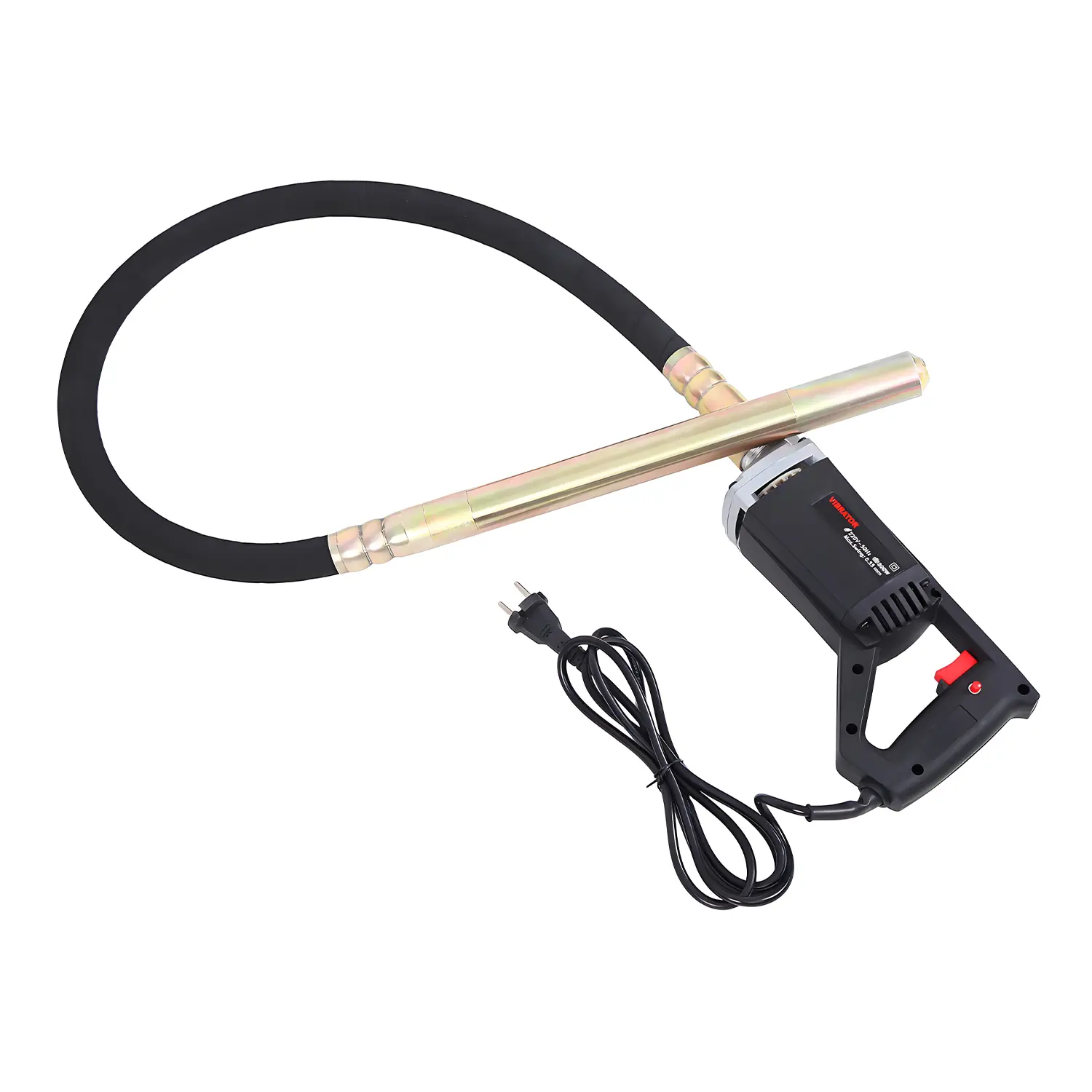 Portable vbrator shaft
 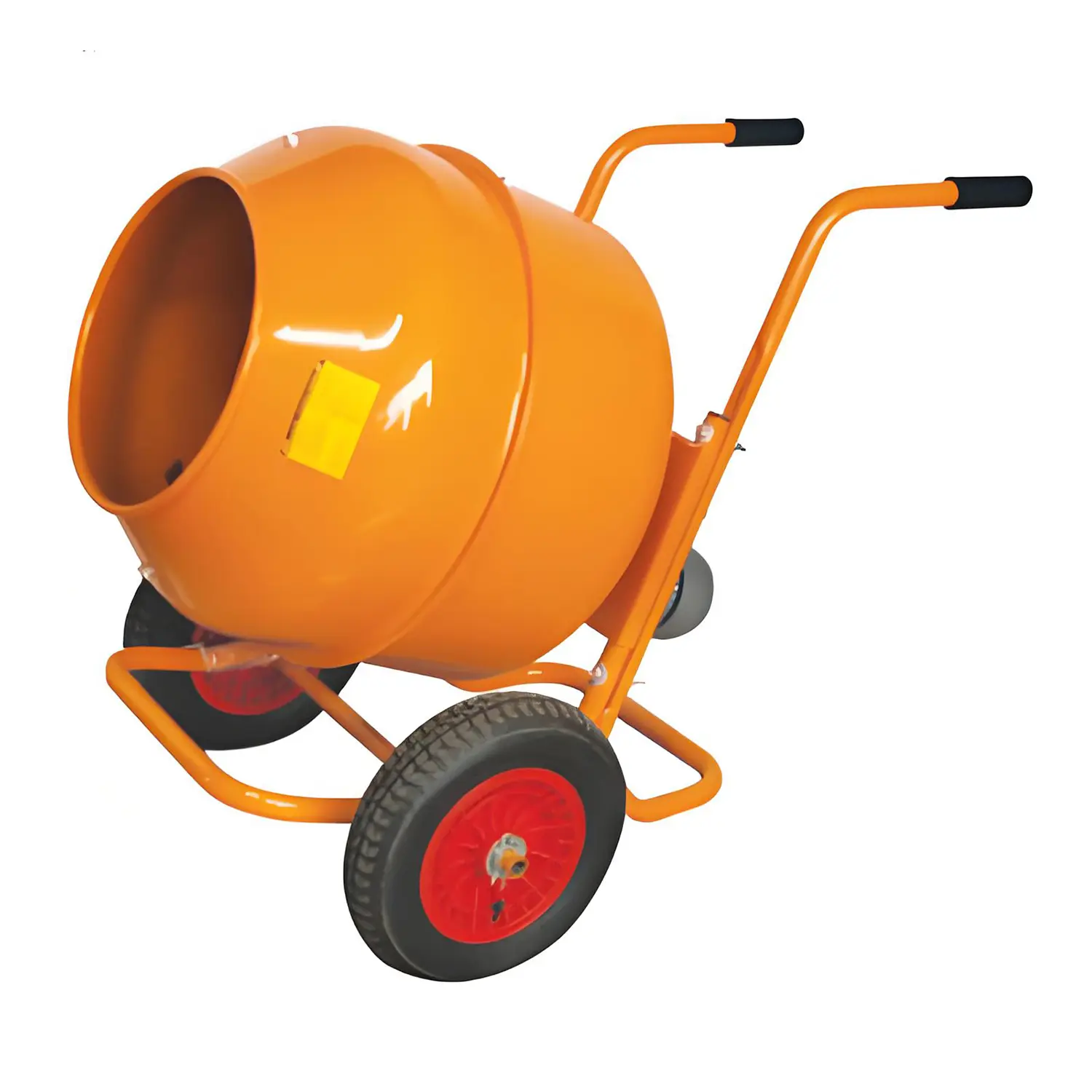 Portable concrete mixer
 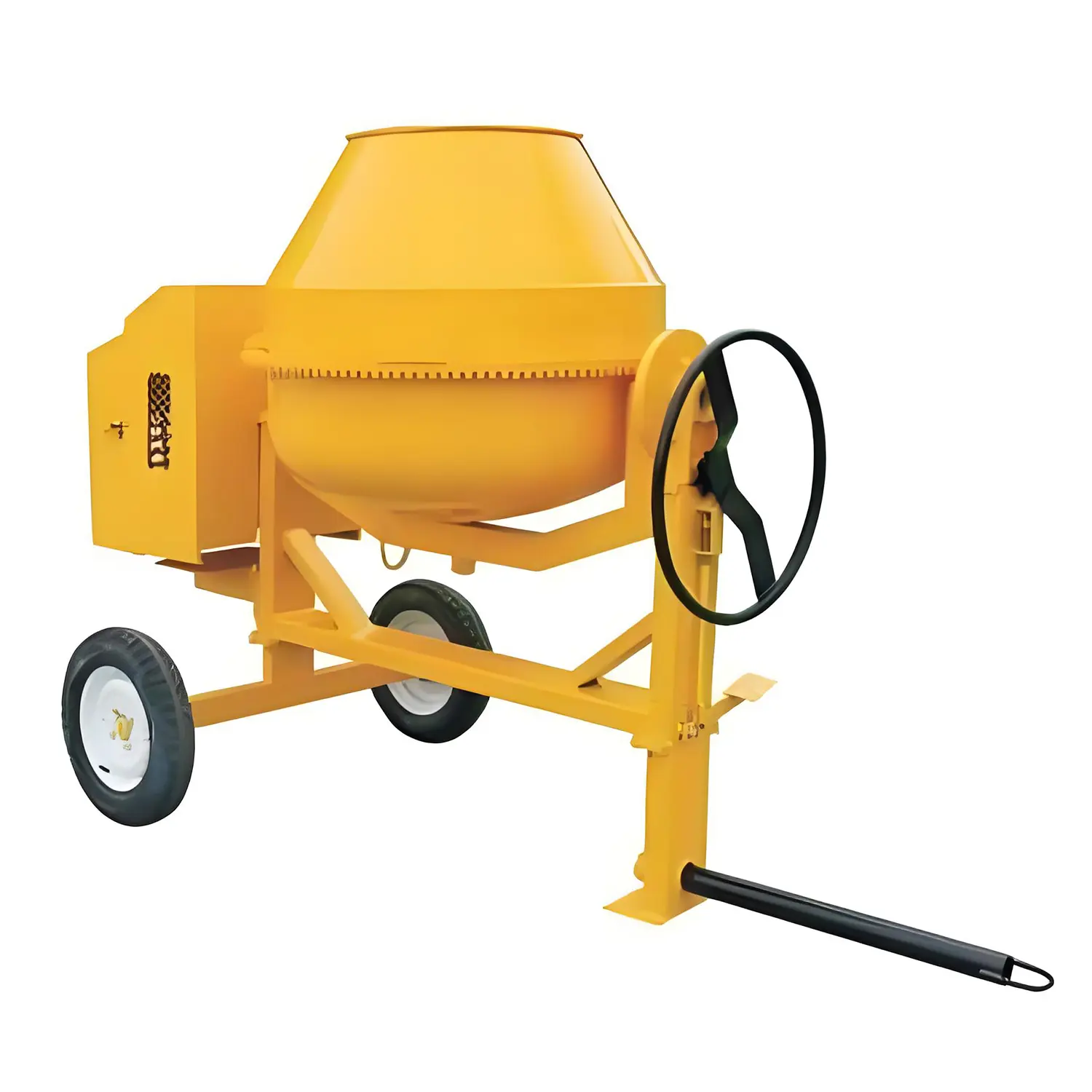 Vertical concrete mixer
 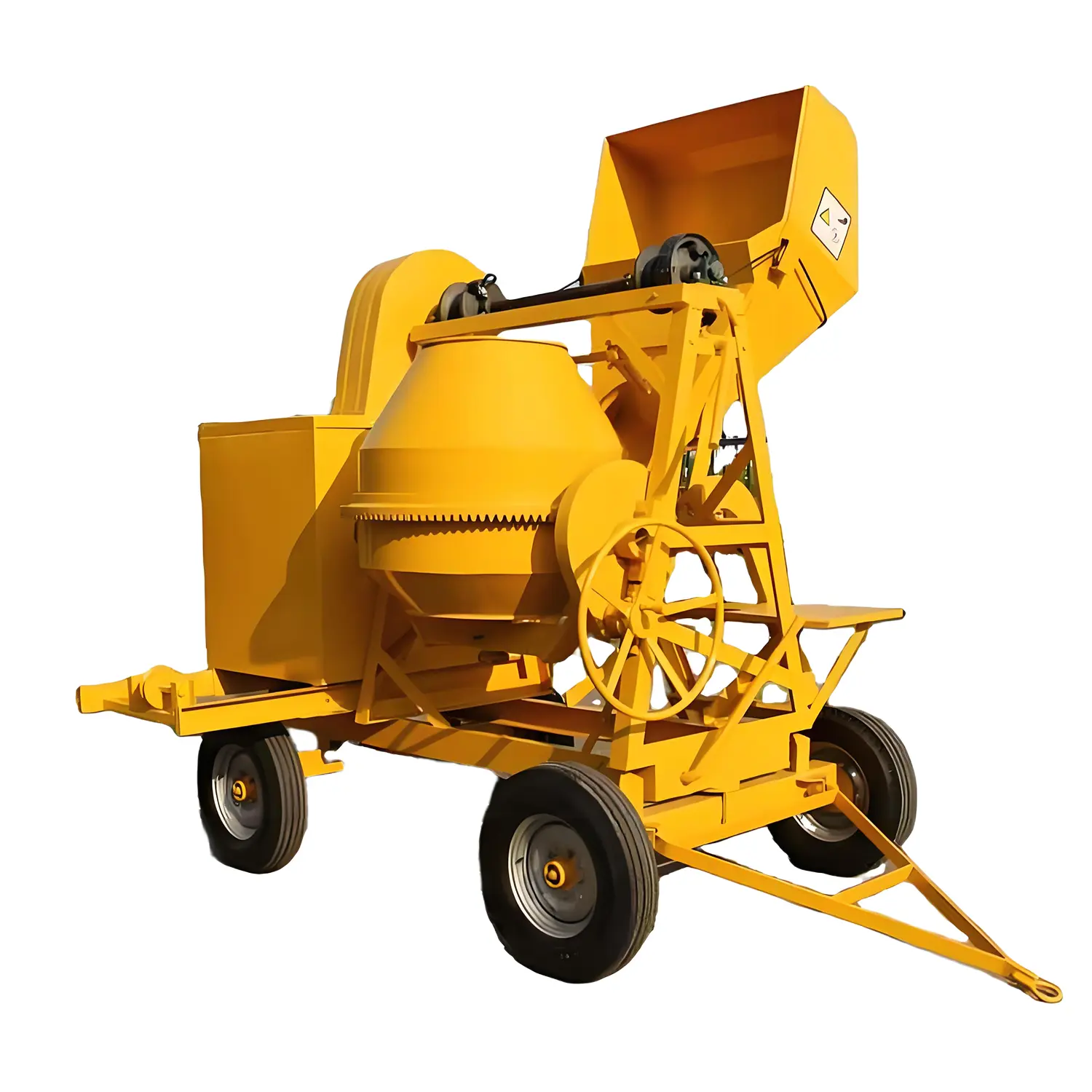 Hydraulic concrete mixer
 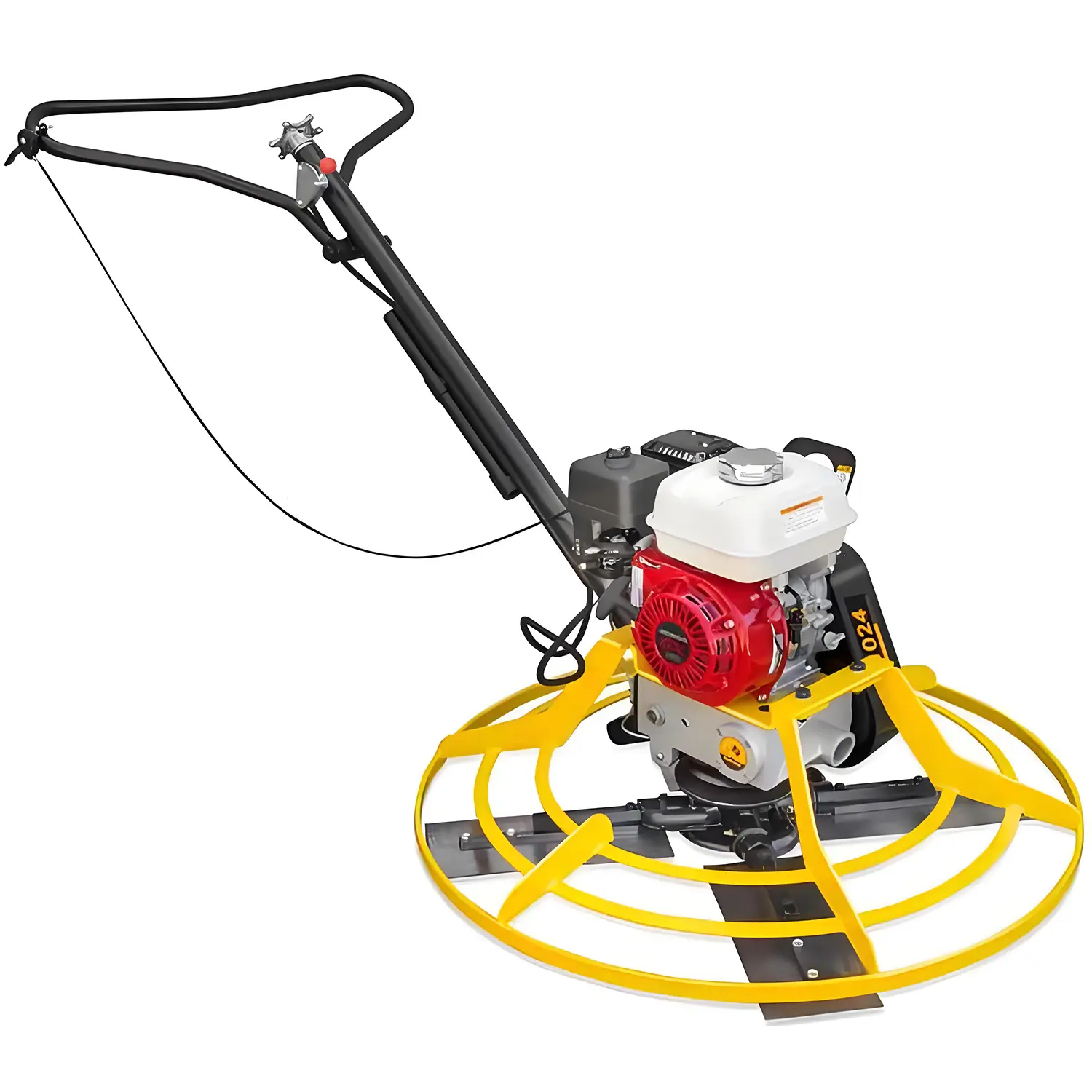 Walk behind power trowel
 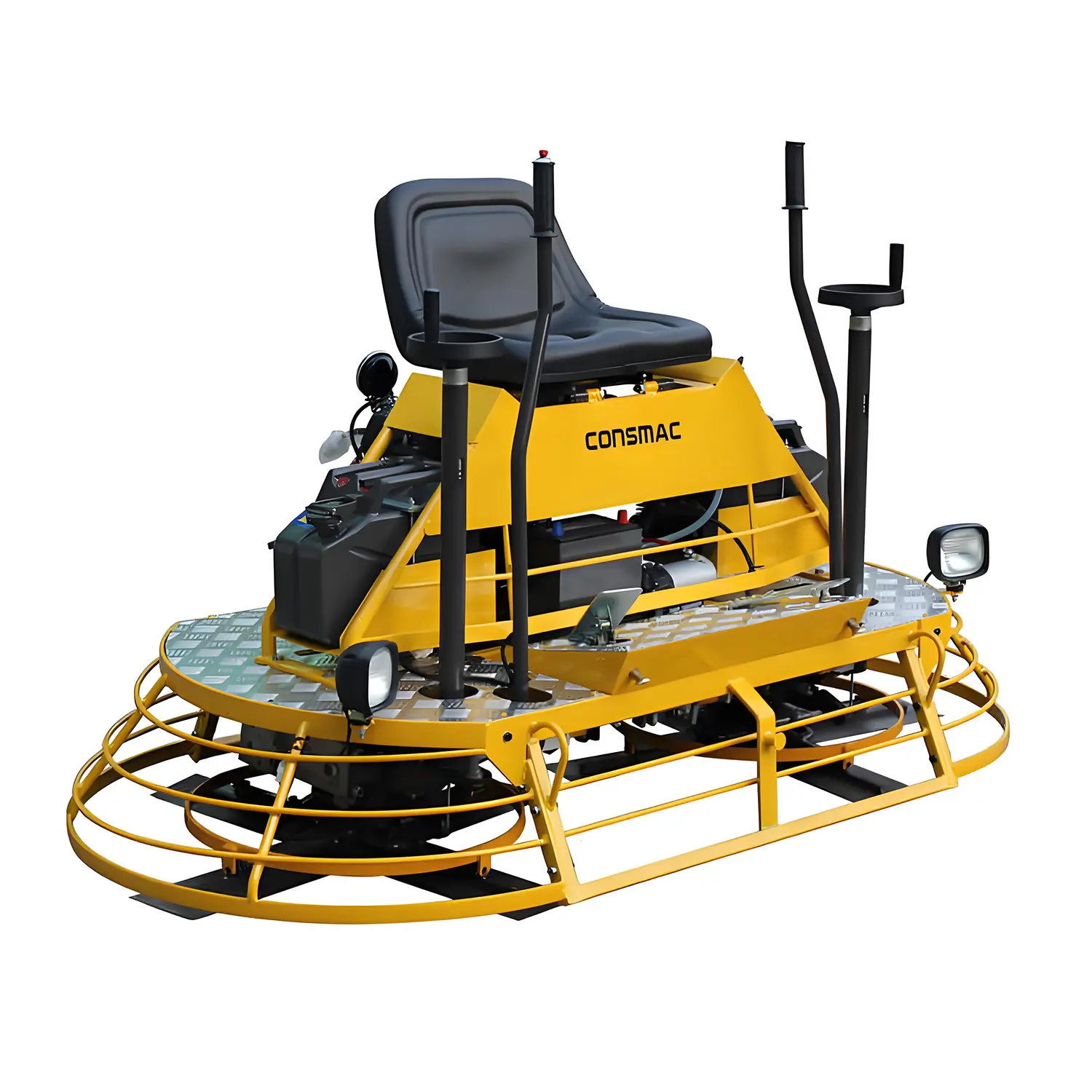 Ride on power trowel
 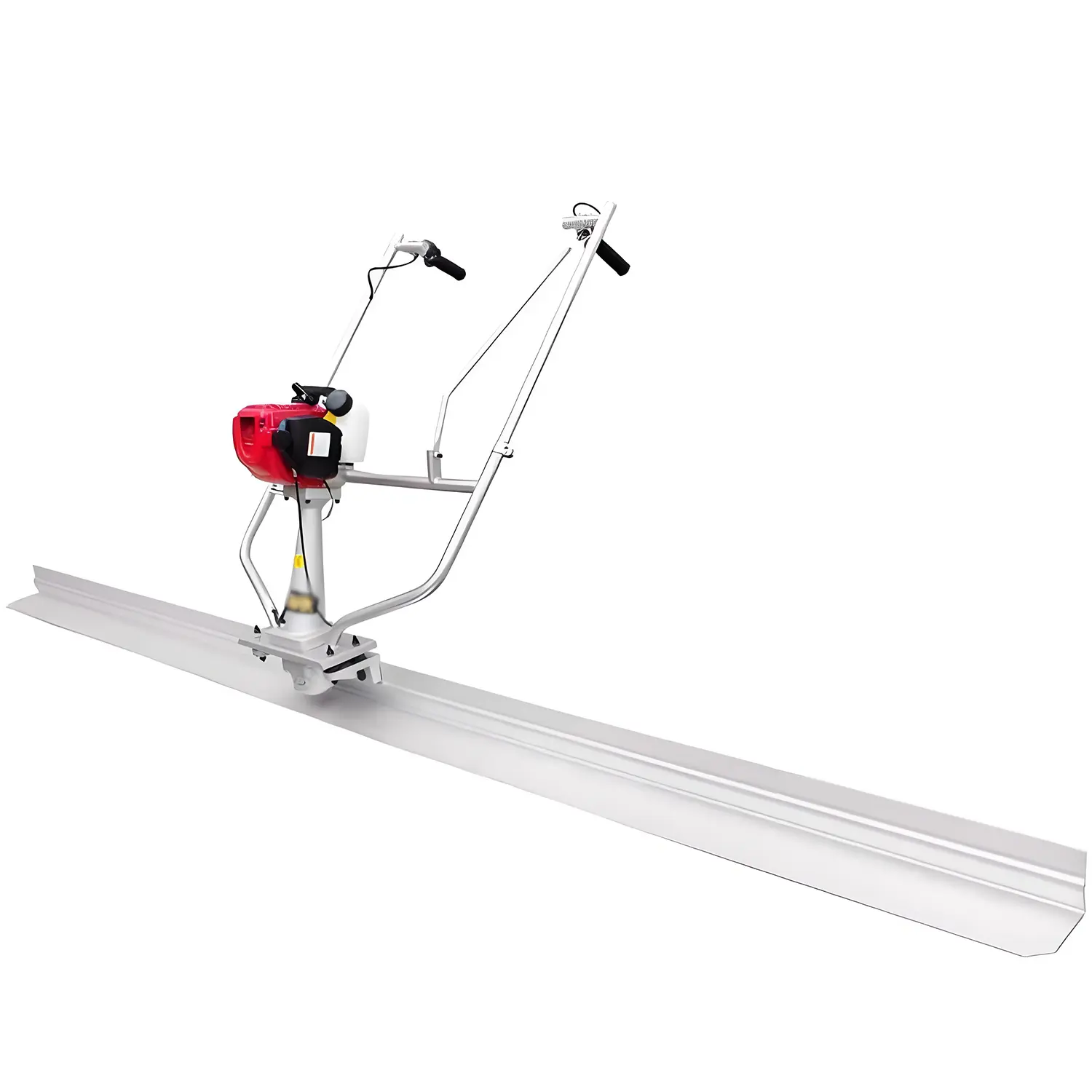 Concrete screed
 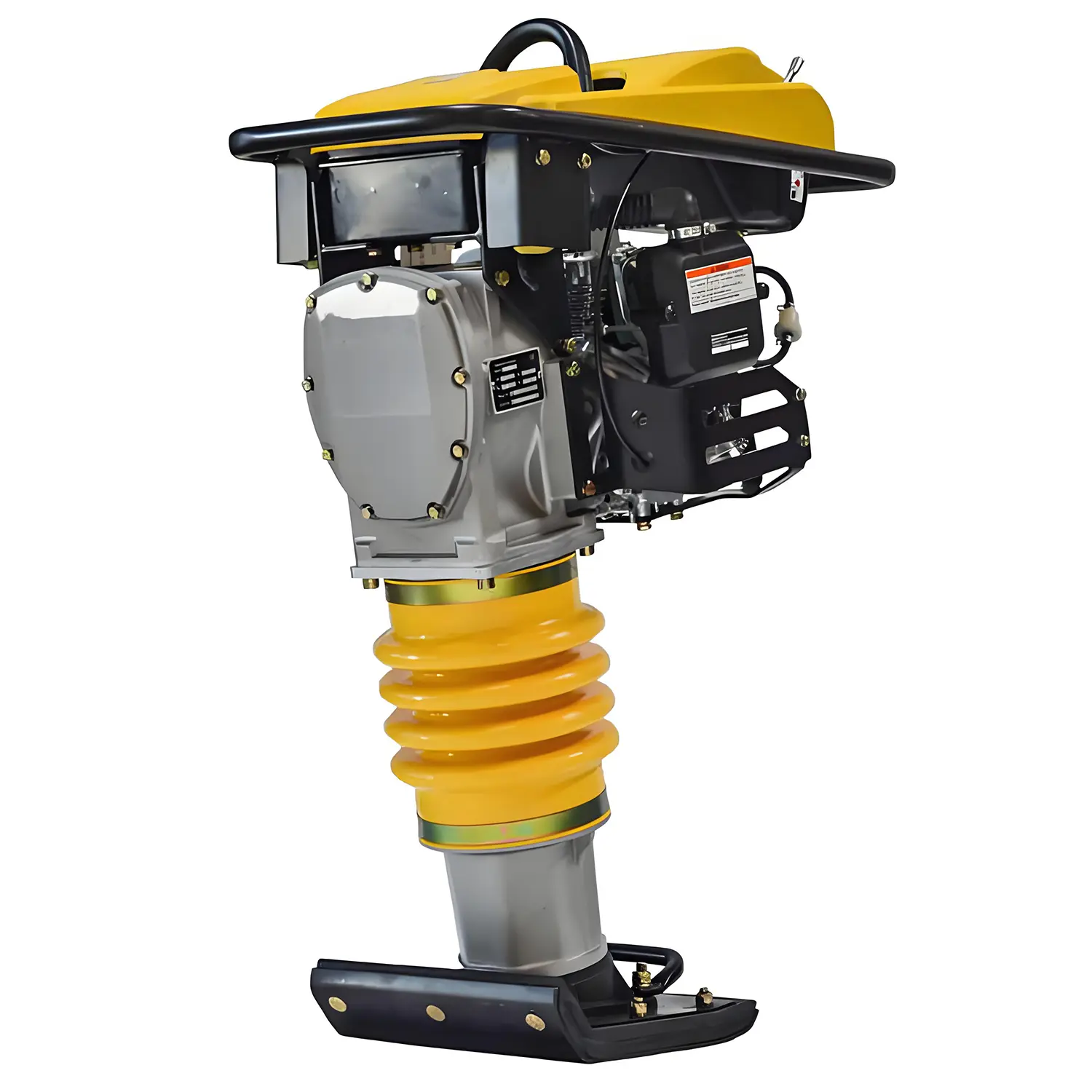 Tamping rammer
 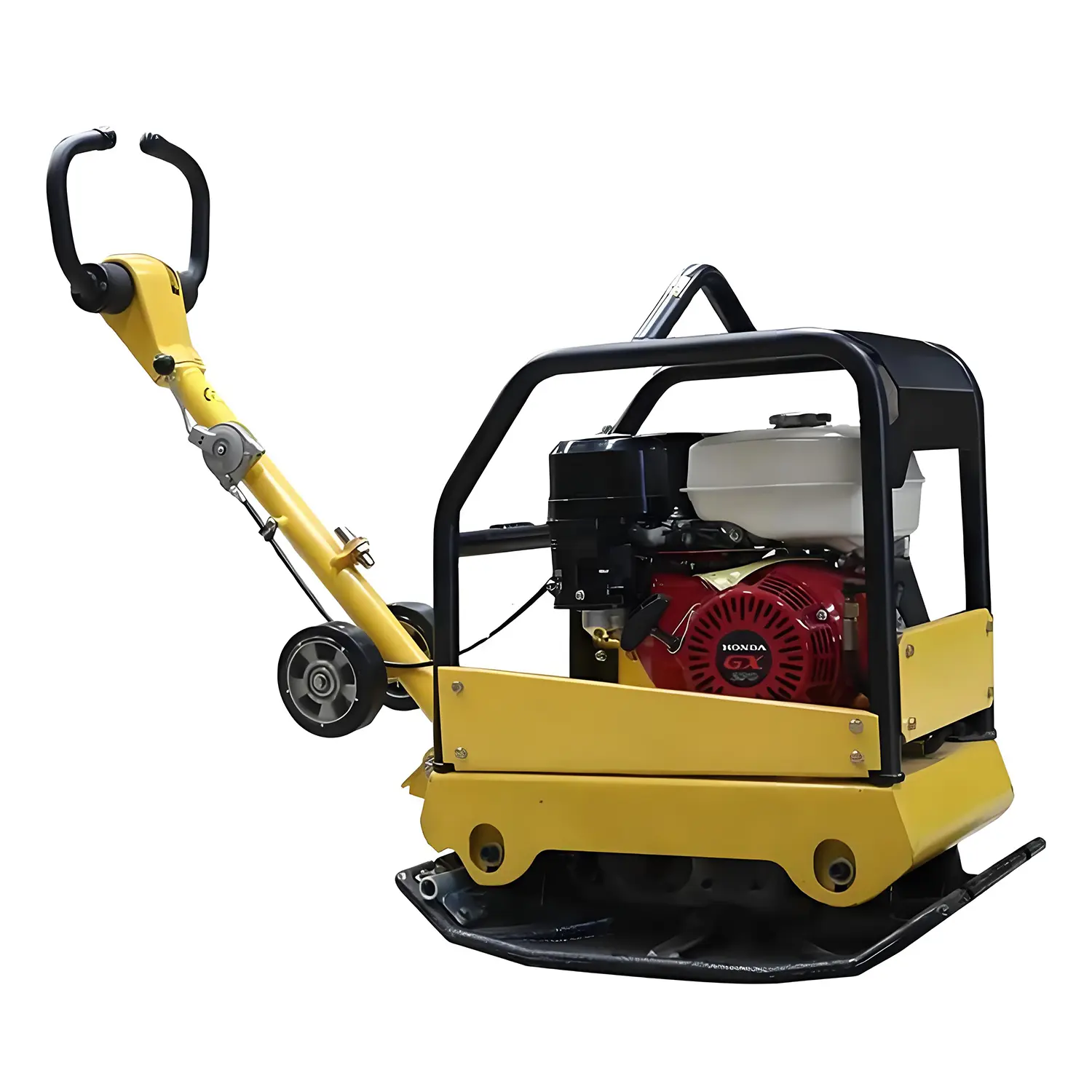 Plate compactor
 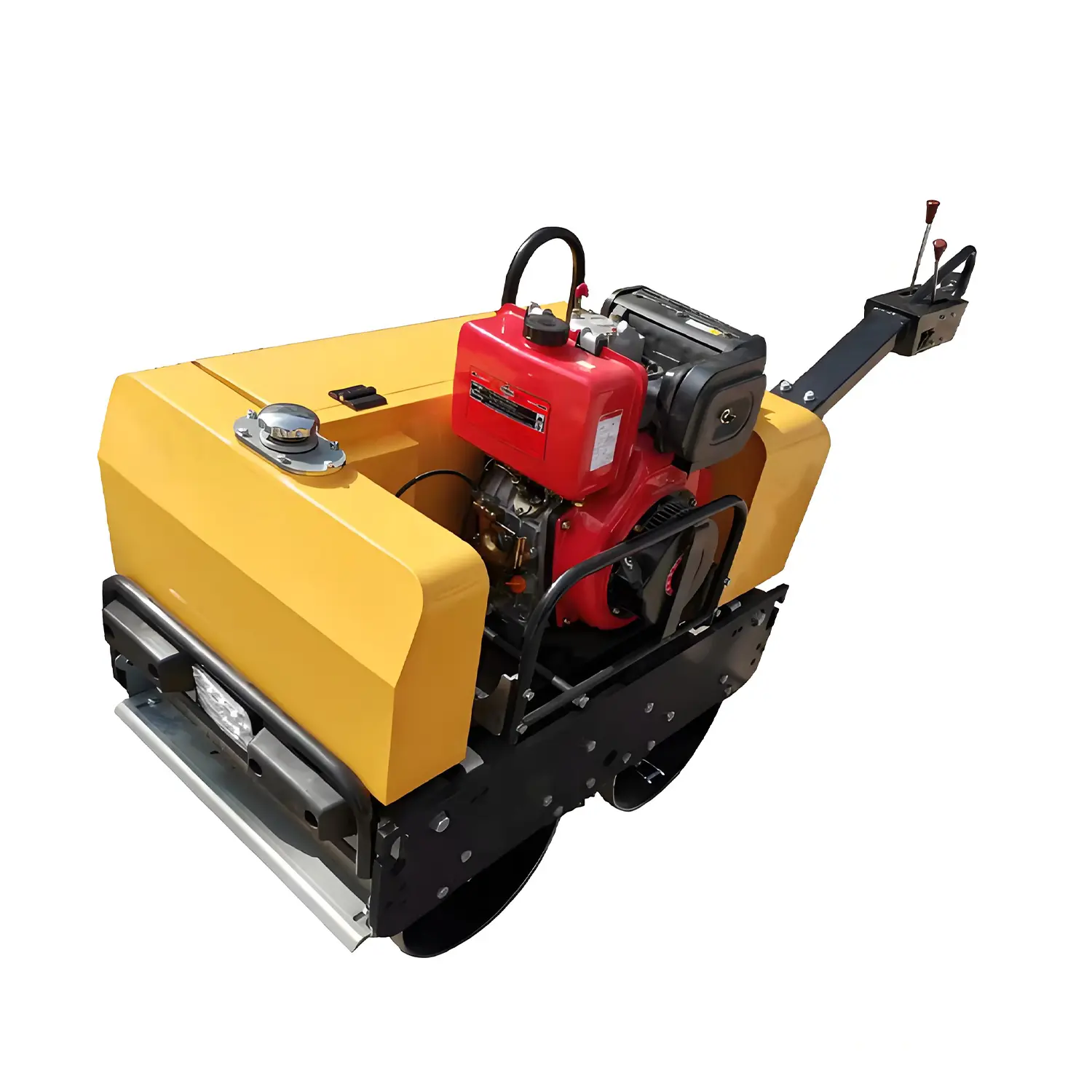 Vibratory roller

How to Choose an Eccentric Vibrator for Concrete Compaction Jobs
Choosing the correct Eccentric Vibrator is vital for your projects. You achieve optimal concrete compaction and high quality with the right tool. This careful selection directly impacts your concrete's strength and long-term durability. Consider MAXMACH vibrators to meet your specific construction demands effectively.
Key Takeaways
- Choose the right vibrator for your concrete job. This makes your concrete strong and last a long time.
- Think about your concrete mix, the size of your structure, and if there is power. These things help you pick the best vibrator.
- MAXMACH offers many types of vibrators. Pick one that fits your project needs for good results.
Assessing Job-Specific Requirements for MAXMACH Vibrators
You must first understand your specific job needs. This helps you select the perfect vibrator. Different concrete projects demand different tools. Consider these key factors.
Concrete Mix Design and Slump
Your concrete mix design greatly influences vibrator selection. A stiff concrete mix requires more powerful vibration. It needs a vibrator that can effectively consolidate dense material. Conversely, a high-slump, more fluid mix needs gentler vibration. Too much vibration on a wet mix causes segregation. This separates aggregates from cement paste. You want to achieve proper compaction without over-vibration. Always match the vibrator's intensity to your mix's workability.
Structure Dimensions and Type
The size and shape of your concrete structure matter. Pouring a thin wall differs from pouring a massive slab. For narrow forms or intricate sections, you need a vibrator with a smaller head. This allows it to fit into tight spaces. Large, open areas benefit from larger vibrator heads. These cover more volume quickly. Consider the depth of the pour. This affects the required shaft length. MAXMACH offers various sizes to suit different structural elements.
Reinforcement Spacing and Density
Reinforcement bars create obstacles for vibrators. Densely packed rebar cages demand slender vibrator heads. You must navigate the vibrator through tight gaps. A thick vibrator head will not fit. This prevents proper compaction around the steel. Measure the clear spacing between your reinforcement bars. This measurement guides your choice of vibrator head diameter. Ensure the vibrator can reach all areas needing compaction.
Power Source Availability
Your job site's power availability dictates your vibrator's drive type. Electric vibrators are common. They require access to power outlets. Check the voltage and phase requirements. Pneumatic vibrators use compressed air. You need an air compressor on site. Hydraulic vibrators use hydraulic power. Gasoline-powered vibrators offer excellent portability. They are ideal for remote locations without electricity. Choose a power source that is readily available and practical for your project. MAXMACH provides options for all common power sources.
Understanding Eccentric Vibrator Characteristics
You need to know the key features of eccentric vibrators. These features directly affect how well they compact concrete. Understanding them helps you pick the best tool for your job.
Vibrator Head Diameter and Length
The vibrator head is the part that goes into the concrete. Its size matters a lot. A larger diameter head compacts more concrete at once. You use it for big pours or wide sections. A smaller diameter head fits into tight spaces. You need it for narrow forms or around dense rebar. The head's length also affects how deep you can reach. A longer head helps you compact deeper concrete layers. Choose a head size that matches your concrete element's dimensions and rebar spacing.
Vibrator Frequency and Amplitude
These two terms describe the vibrator's action. They are very important for good compaction.
- Frequency is how fast the vibrator head shakes. You measure it in vibrations per minute (VPM). High frequency means many rapid shakes. This helps concrete flow better and removes air bubbles quickly.
- Amplitude is how far the vibrator head moves with each shake. It shows the intensity of the vibration. High amplitude means a stronger, wider shake. This helps move larger aggregate particles.
You need a good balance of both. High frequency and high amplitude work best for most concrete. They ensure thorough consolidation. Too low frequency or amplitude might not compact the concrete enough. Too high might cause segregation in very wet mixes.
💡 Tip: High-frequency vibrators (often 10,000-15,000 VPM) are excellent for most modern concrete mixes. They create a "liquefying" effect, allowing concrete to settle densely.
Shaft Length and Flexibility
The shaft connects the vibrator head to the motor. Its length and flexibility are key for reaching all parts of your pour.
- Shaft Length: You choose the shaft length based on the depth of your concrete pour. A longer shaft lets you reach the bottom of deep forms. This ensures uniform compaction throughout the entire depth. Common lengths range from a few feet to over 20 feet.
- Flexibility: Many vibrators use a flexible shaft. This allows you to maneuver the head around obstacles. You can easily guide it through rebar cages or into corners. A flexible shaft also reduces strain on the operator. It makes the tool easier to handle. Some vibrators have rigid shafts. You use these for specific applications where direct, controlled insertion is needed.
Drive Type and Power
The drive type refers to how the vibrator gets its power. The power level affects its performance.
- Electric Vibrators: These are very common. They plug into an electrical outlet. You find them in various power levels. Higher wattage motors provide more consistent vibration. They handle tougher concrete mixes better.
- Pneumatic Vibrators: These use compressed air. You connect them to an air compressor. They are often robust and reliable. They work well in wet conditions because they do not use electricity directly at the head.
- Hydraulic Vibrators: These use hydraulic fluid pressure. You connect them to a hydraulic power source. They offer very high power and are often used for large-scale projects.
- Gasoline-Powered Vibrators: These have their own engine. They offer great portability. You can use them anywhere, even without electricity. Their power output varies by engine size.
You match the drive type to your job site's power availability. You also consider the power needed for your concrete mix. A more powerful motor maintains consistent vibration under load. This leads to better compaction.
Matching MAXMACH Vibrator Types to Applications
You choose different MAXMACH vibrator types for specific concrete jobs. Each type offers unique benefits. You match the vibrator to your application for the best results.
Internal (Poker) Vibrators
You insert internal vibrators directly into the concrete. People also call them poker vibrators. They are very common for many jobs. You use them for slabs, beams, and columns. They compact concrete deep inside the pour. MAXMACH internal vibrators come in various head sizes. You choose the size based on your concrete element and rebar spacing. They effectively remove air bubbles from within the mix.
External (Formwork) Vibrators
You attach external vibrators to the outside of your formwork. These vibrators shake the forms. This vibration transfers to the concrete. You use them for thin walls or precast elements. They are also good for architectural concrete. They help achieve a smooth surface finish. You avoid leaving marks inside the concrete. MAXMACH offers robust external vibrators for different formwork types.
High-Frequency vs. Low-Frequency Vibrators
You choose between high-frequency and low-frequency vibrators based on your concrete mix. High-frequency vibrators shake very fast. They are excellent for modern, flowable concrete mixes. They make the concrete act like a liquid. This helps it settle densely. Low-frequency vibrators shake slower but with more force. You might use them for very stiff concrete or specific applications. Always match the vibrator's frequency to your concrete's workability. This ensures proper compaction without segregation. MAXMACH provides both types to meet your project needs.
You choose your eccentric vibrator by carefully considering concrete mix, structure dimensions, rebar spacing, and power availability. This critical decision directly impacts your concrete's strength and long-term durability. Always prioritize safety. Follow MAXMACH manufacturer guidelines for optimal performance and a successful project.
FAQ
What happens if you over-vibrate concrete?
Over-vibration causes segregation. This separates aggregates from cement paste. You get weak concrete. Avoid this by watching the surface.
How long should you vibrate the concrete?
Vibrate until air bubbles stop rising. The surface should look glossy. Do not vibrate too long. This prevents segregation.
Can you use an internal vibrator for thin walls?
You can use a small internal vibrator. However, an external vibrator works better. It gives a smoother finish. It also avoids form damage.