
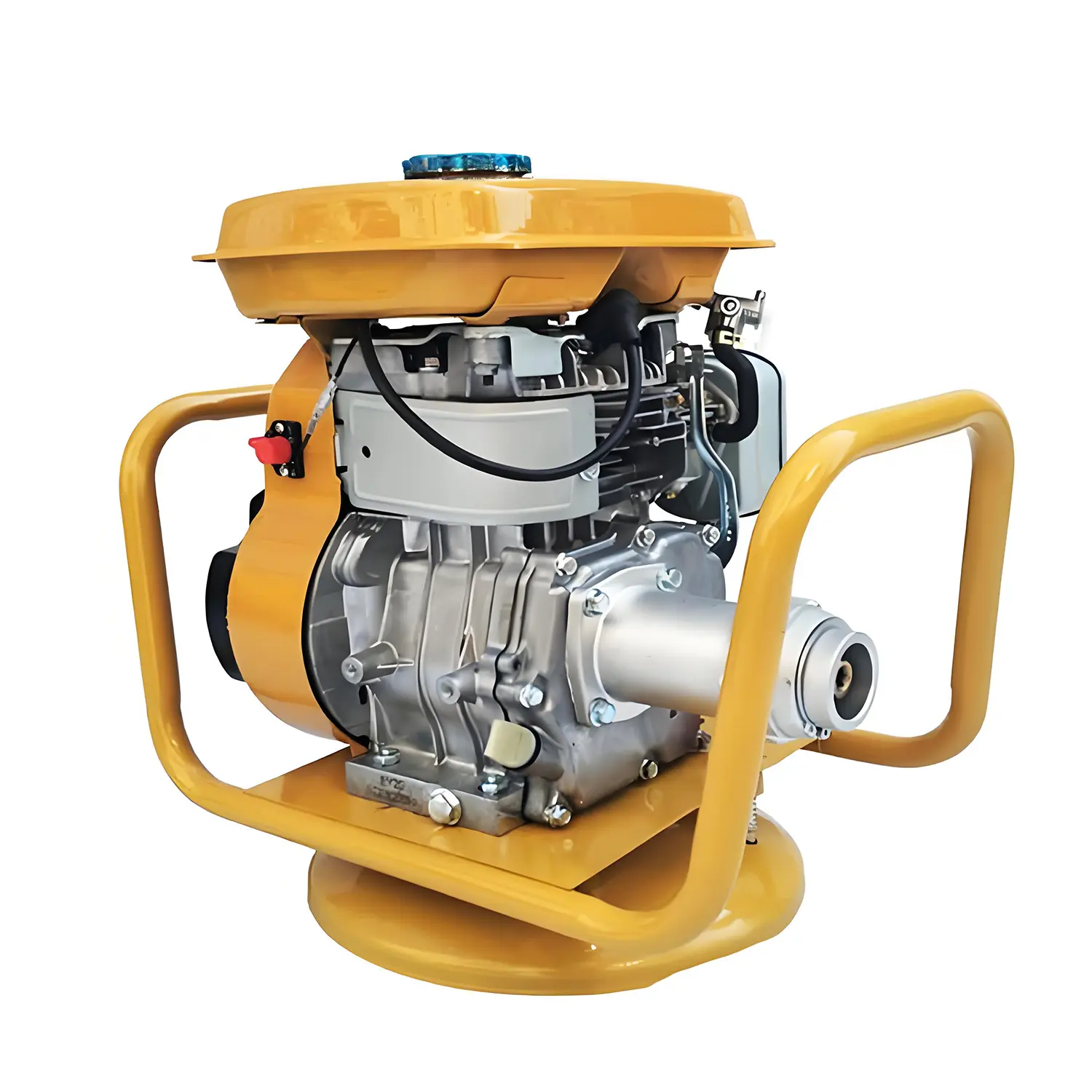
 Internal Vibrator
 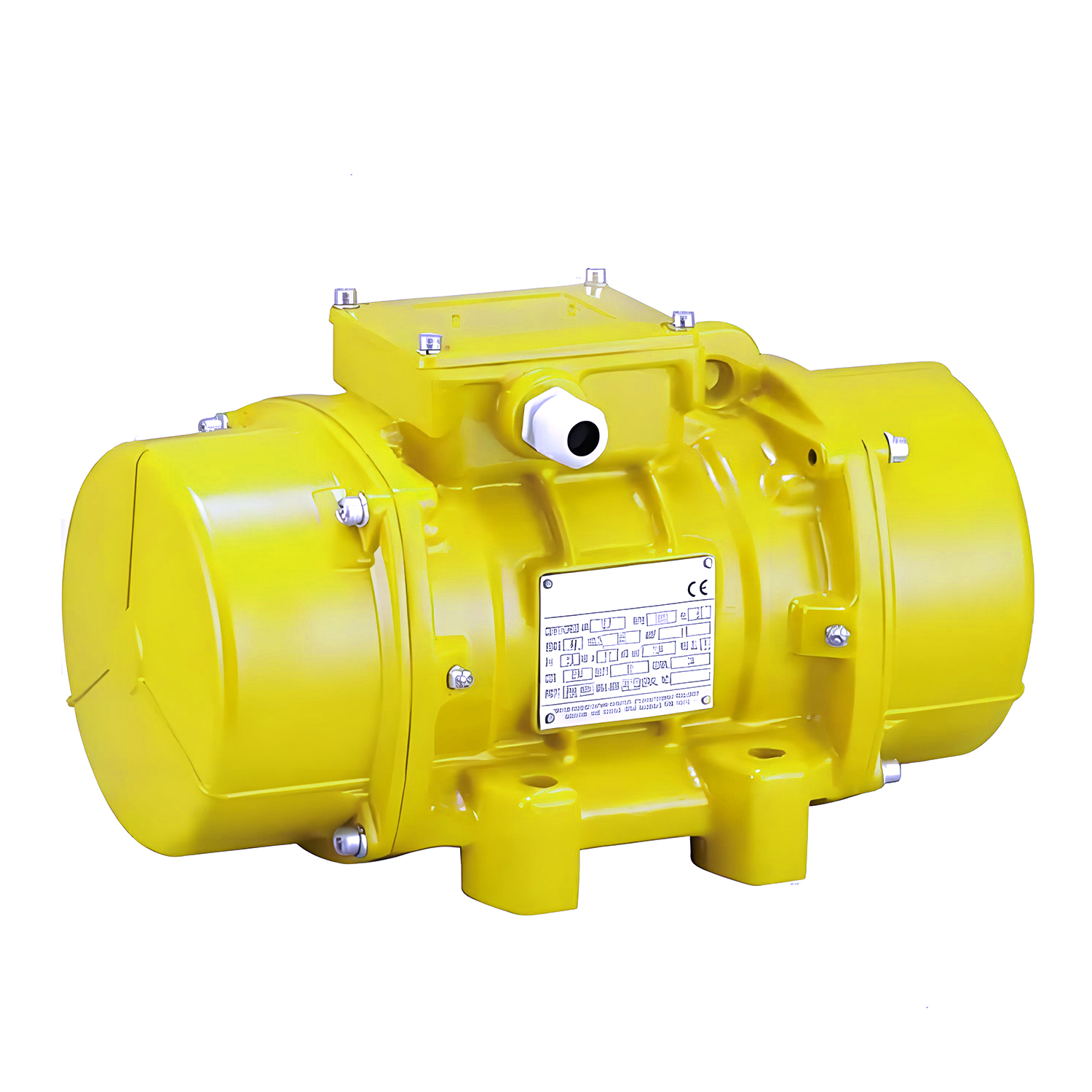 External Vibrator
 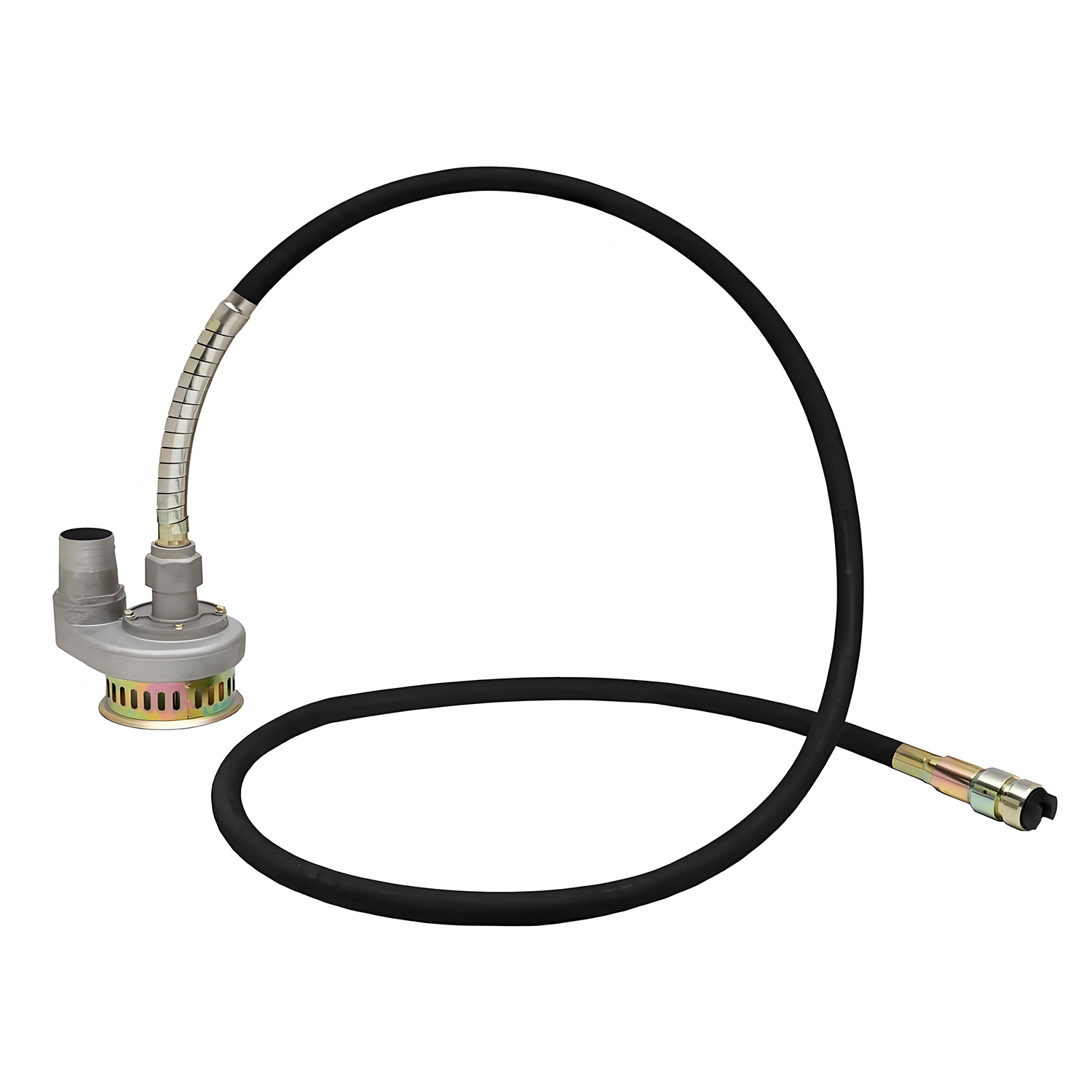 Submersible Pump
 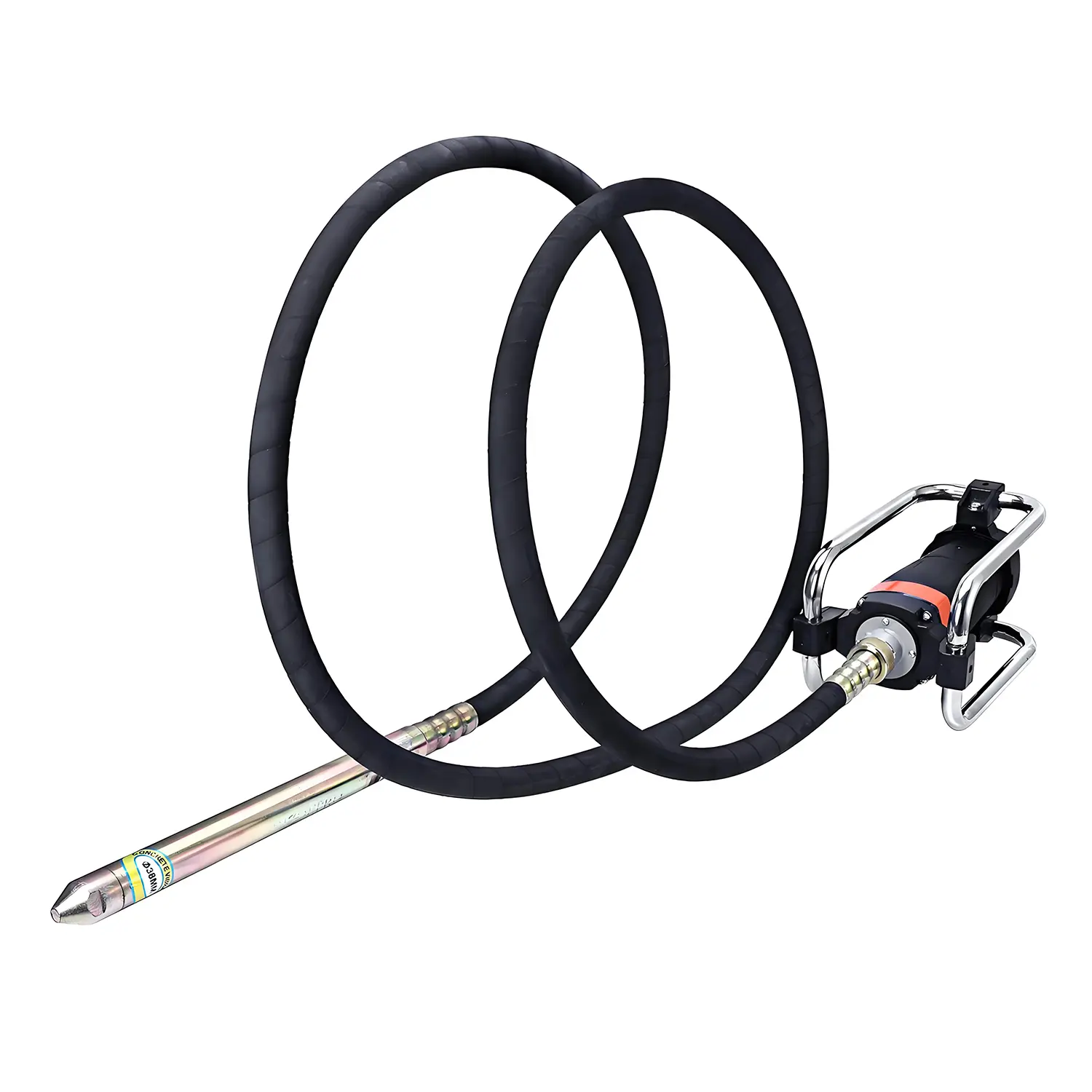 Eccentric shaft
 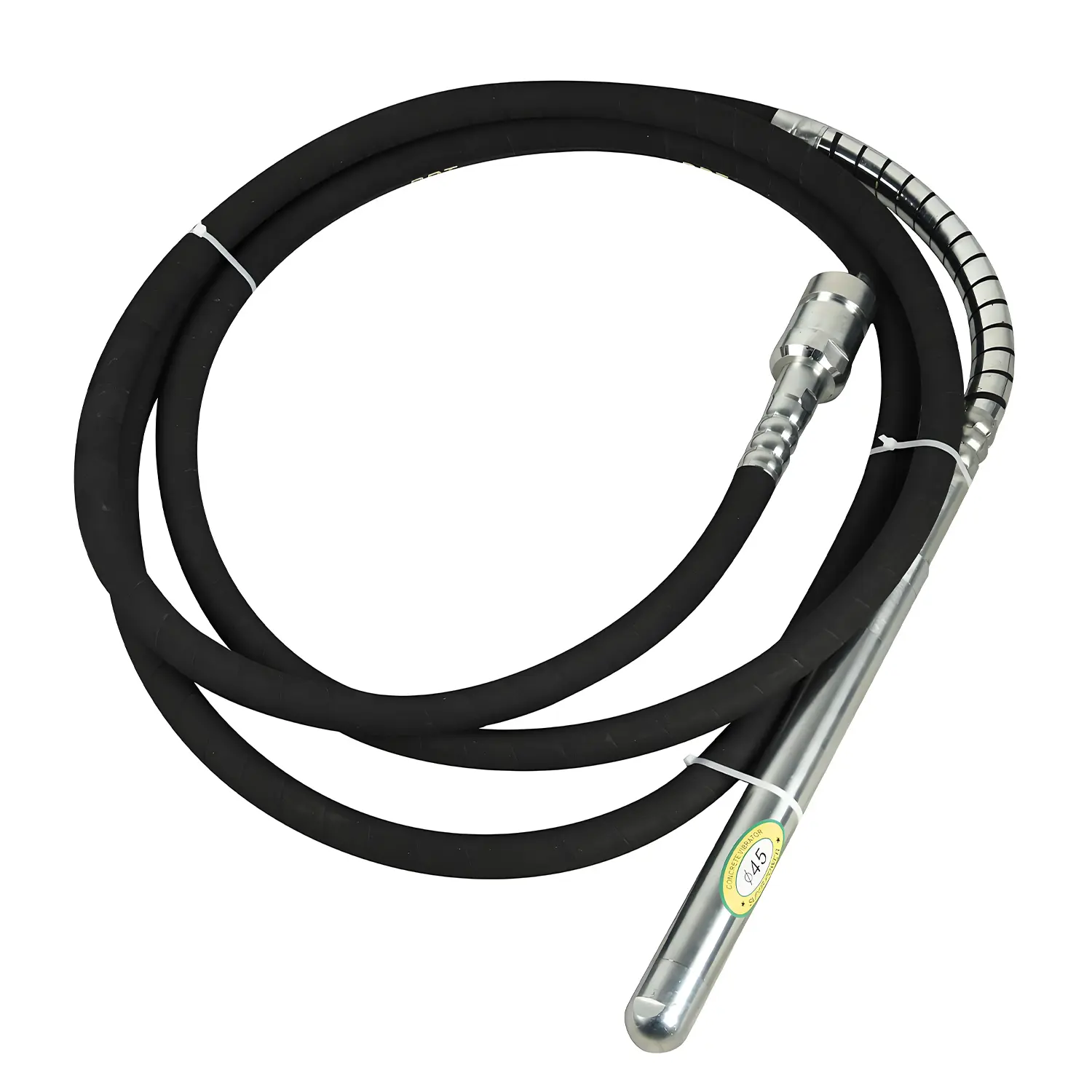 Pendulum shaft
 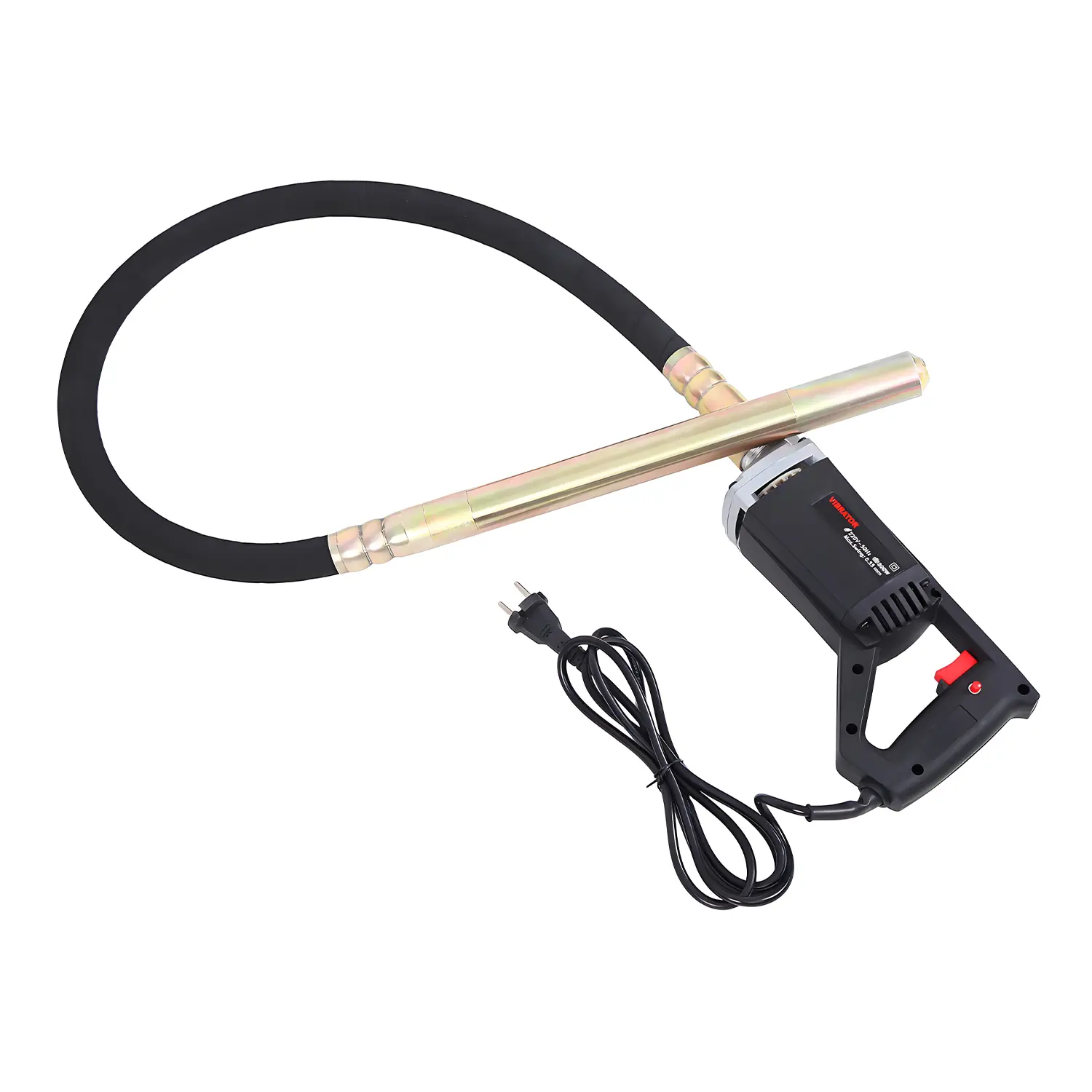 Portable vbrator shaft
 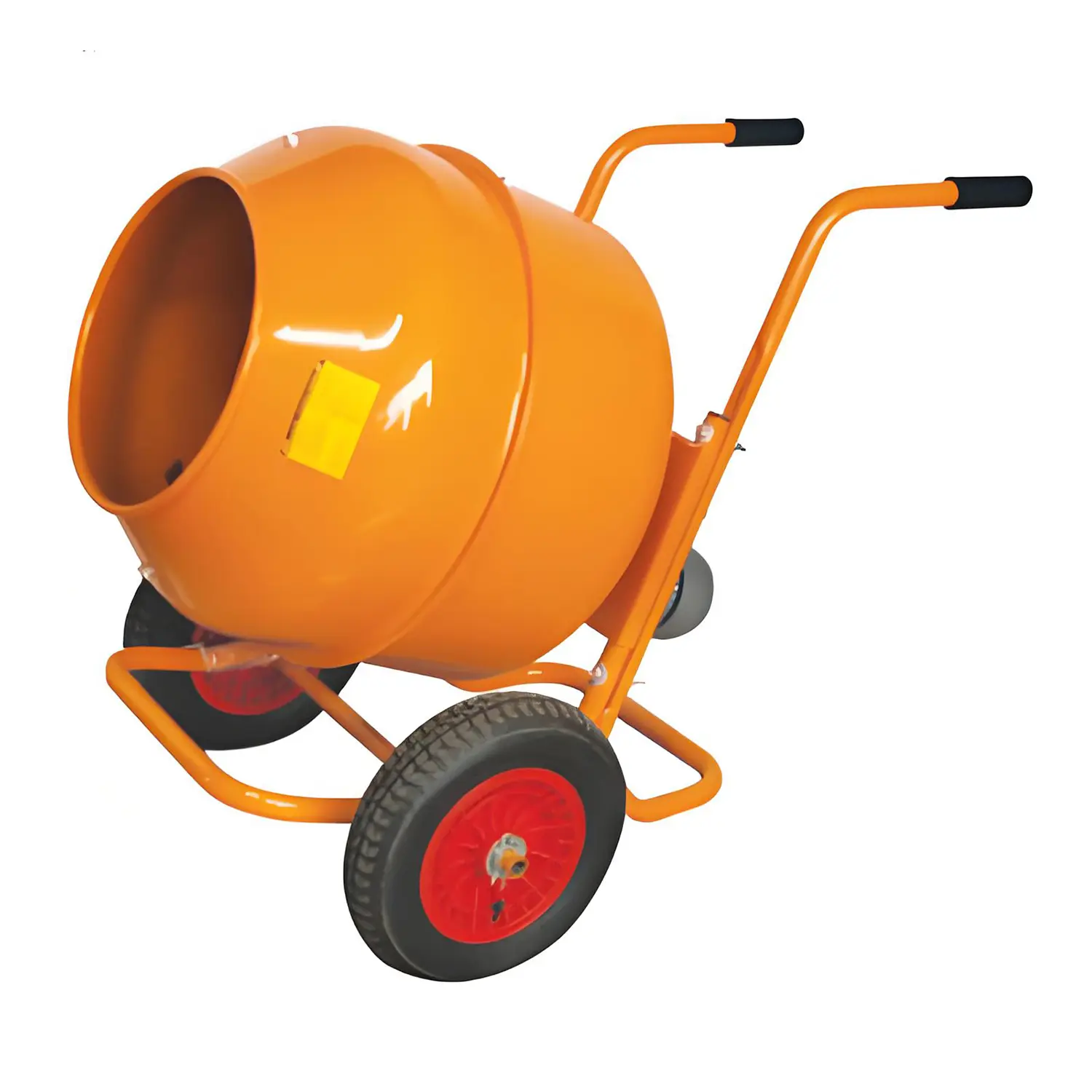 Portable concrete mixer
 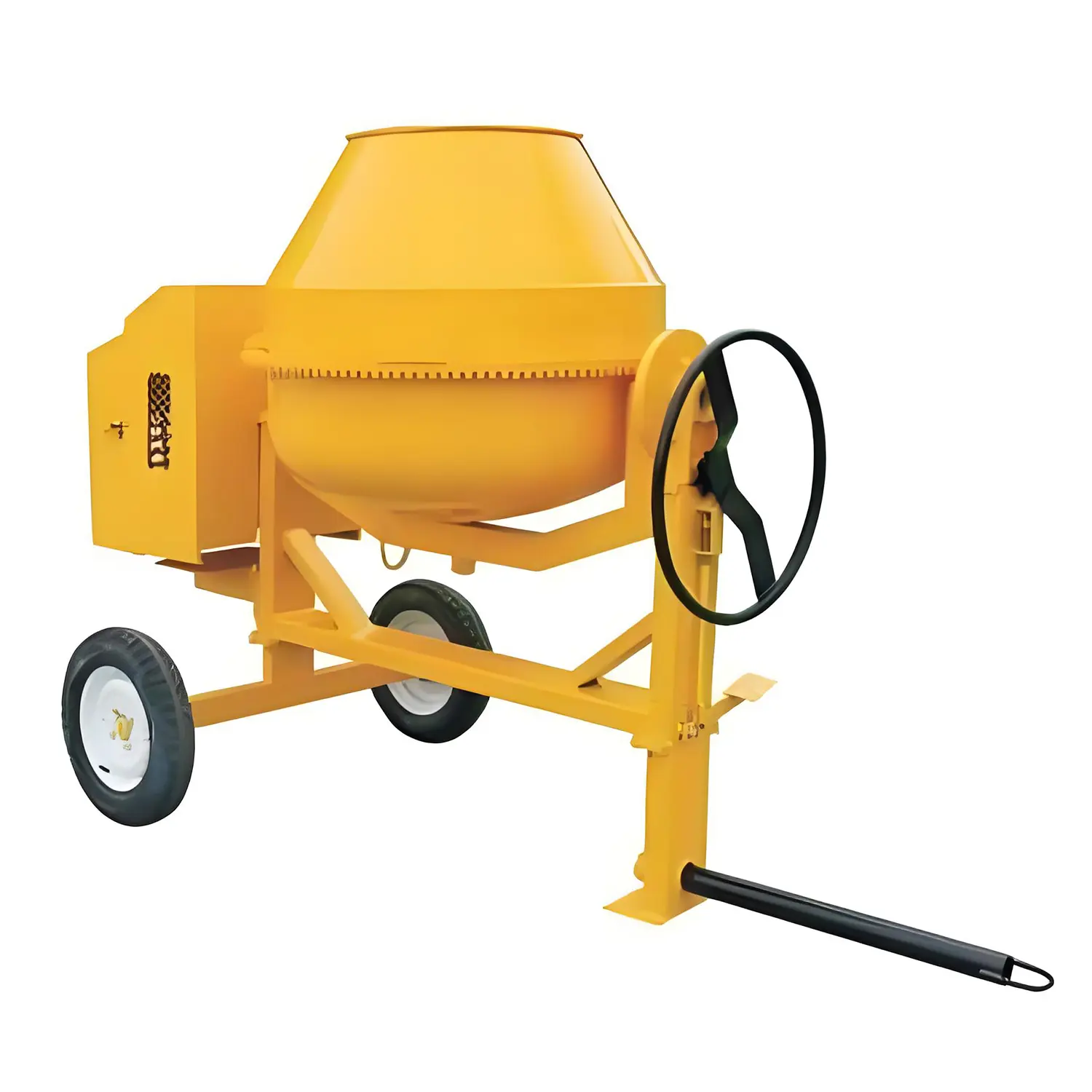 Vertical concrete mixer
 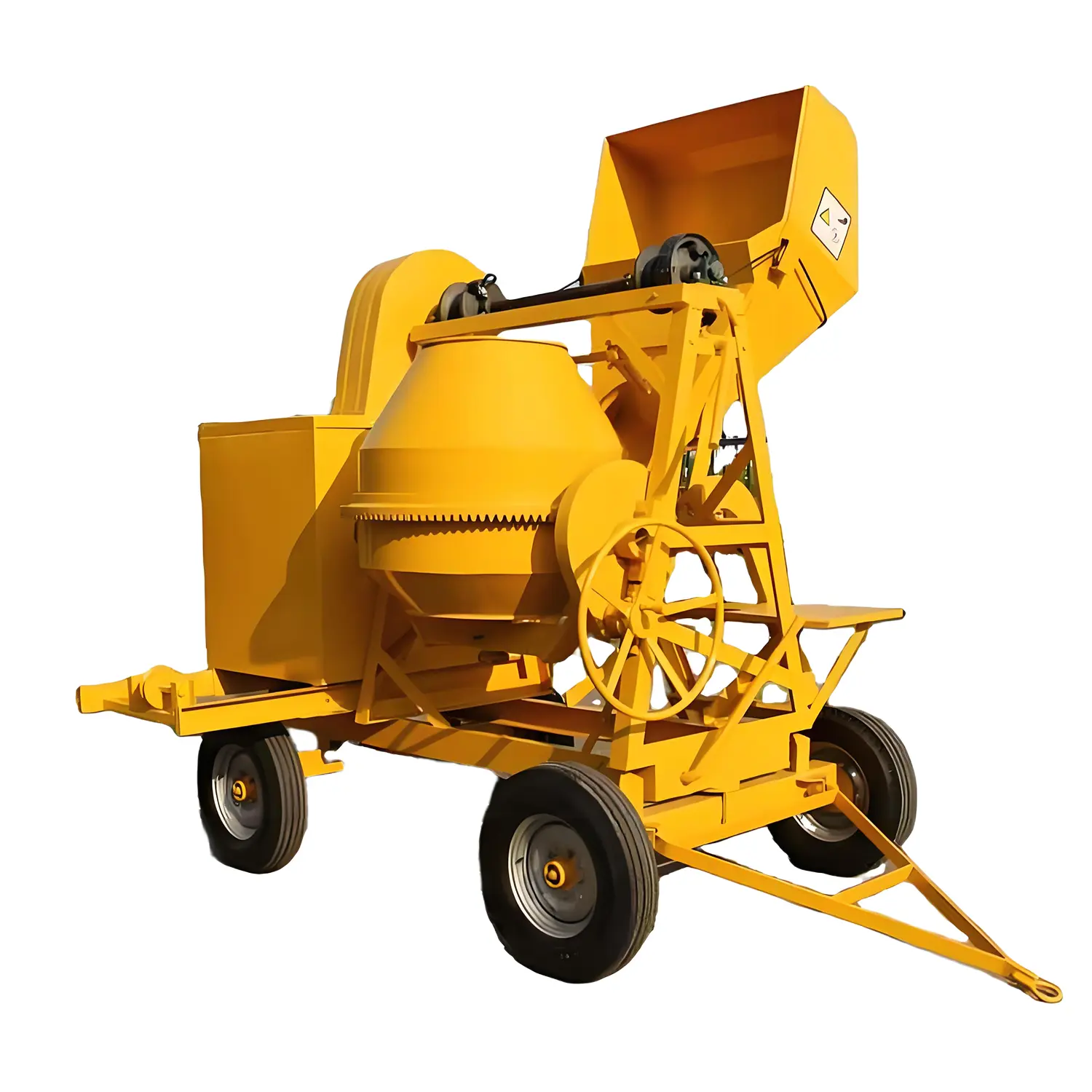 Hydraulic concrete mixer
 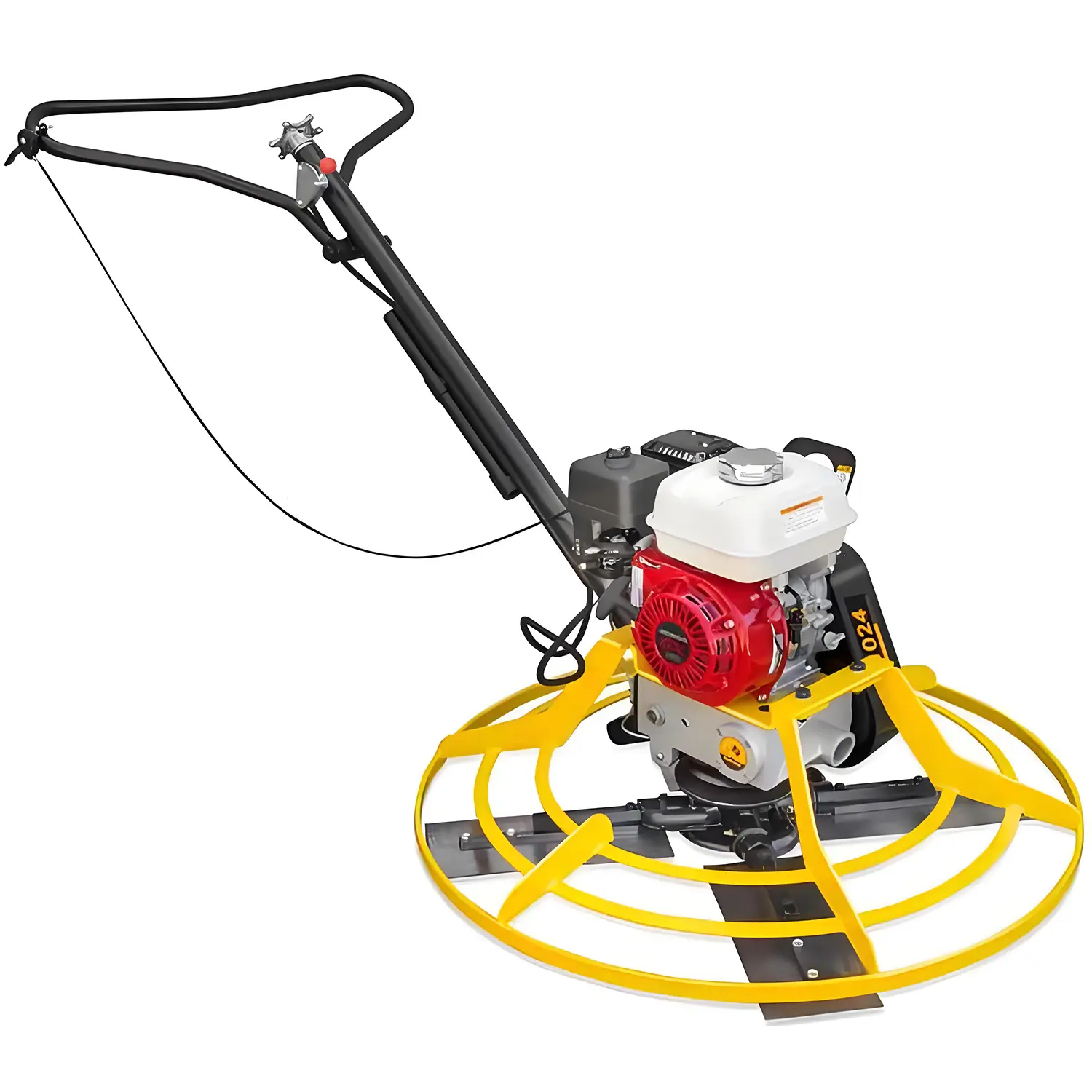 Walk behind power trowel
 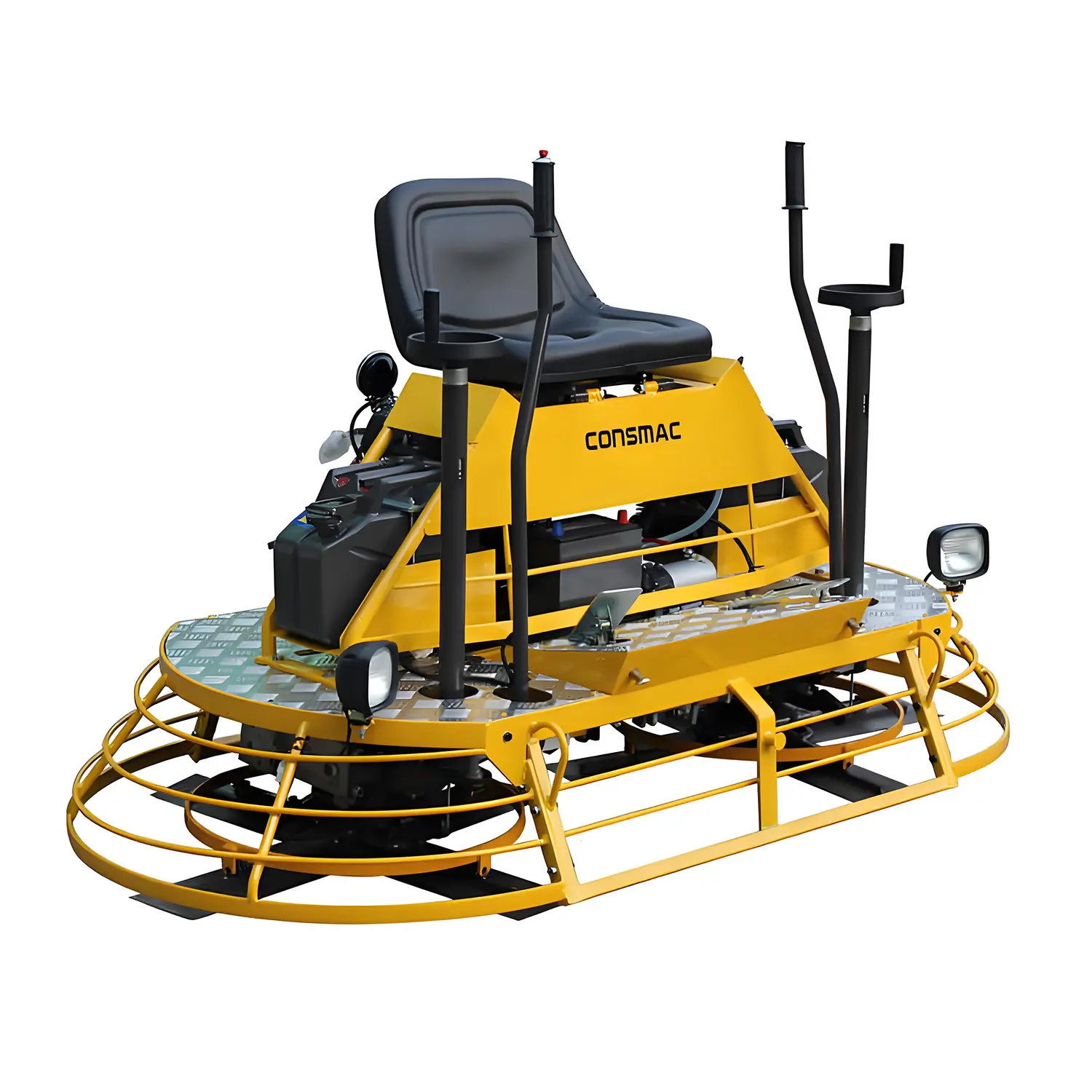 Ride on power trowel
 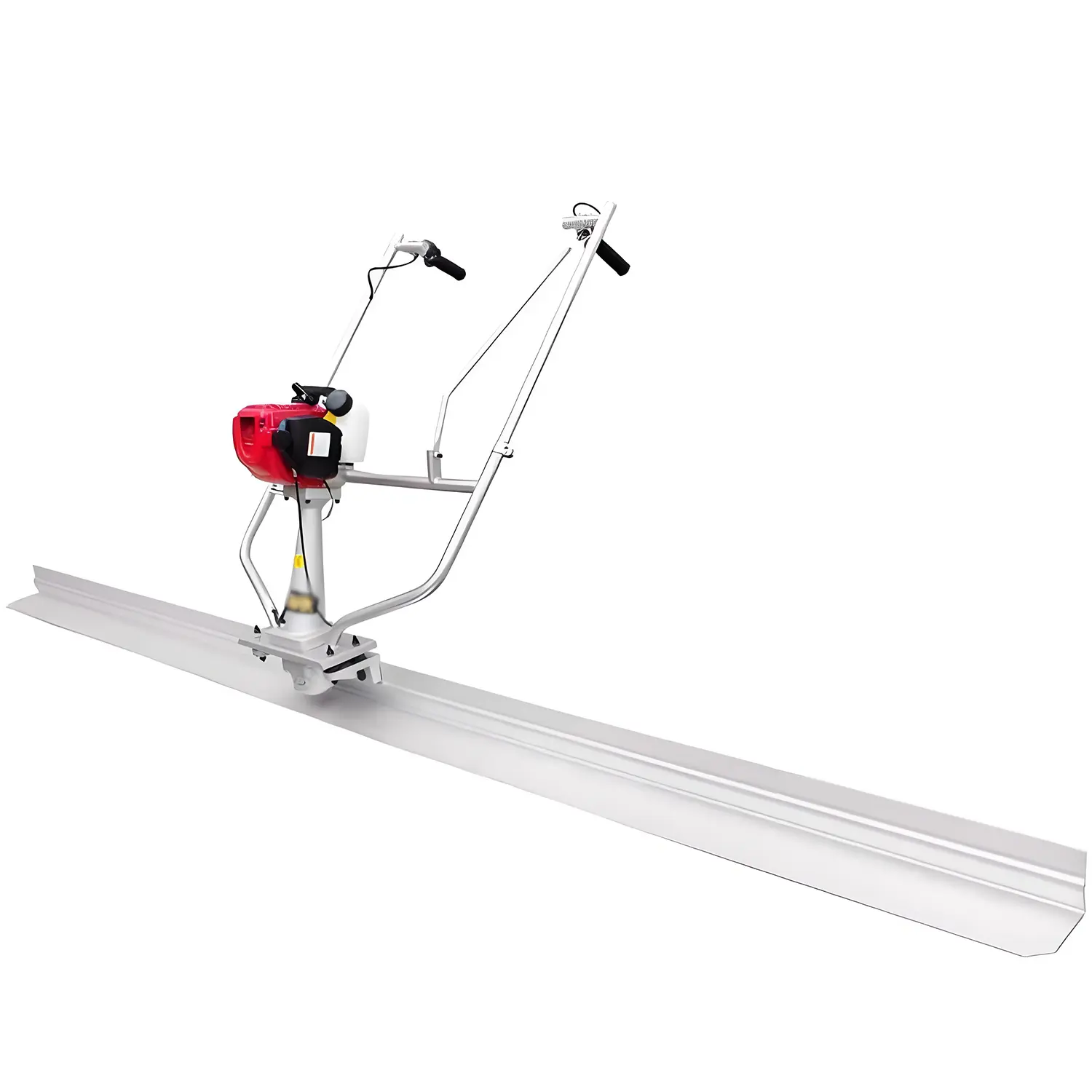 Concrete screed
 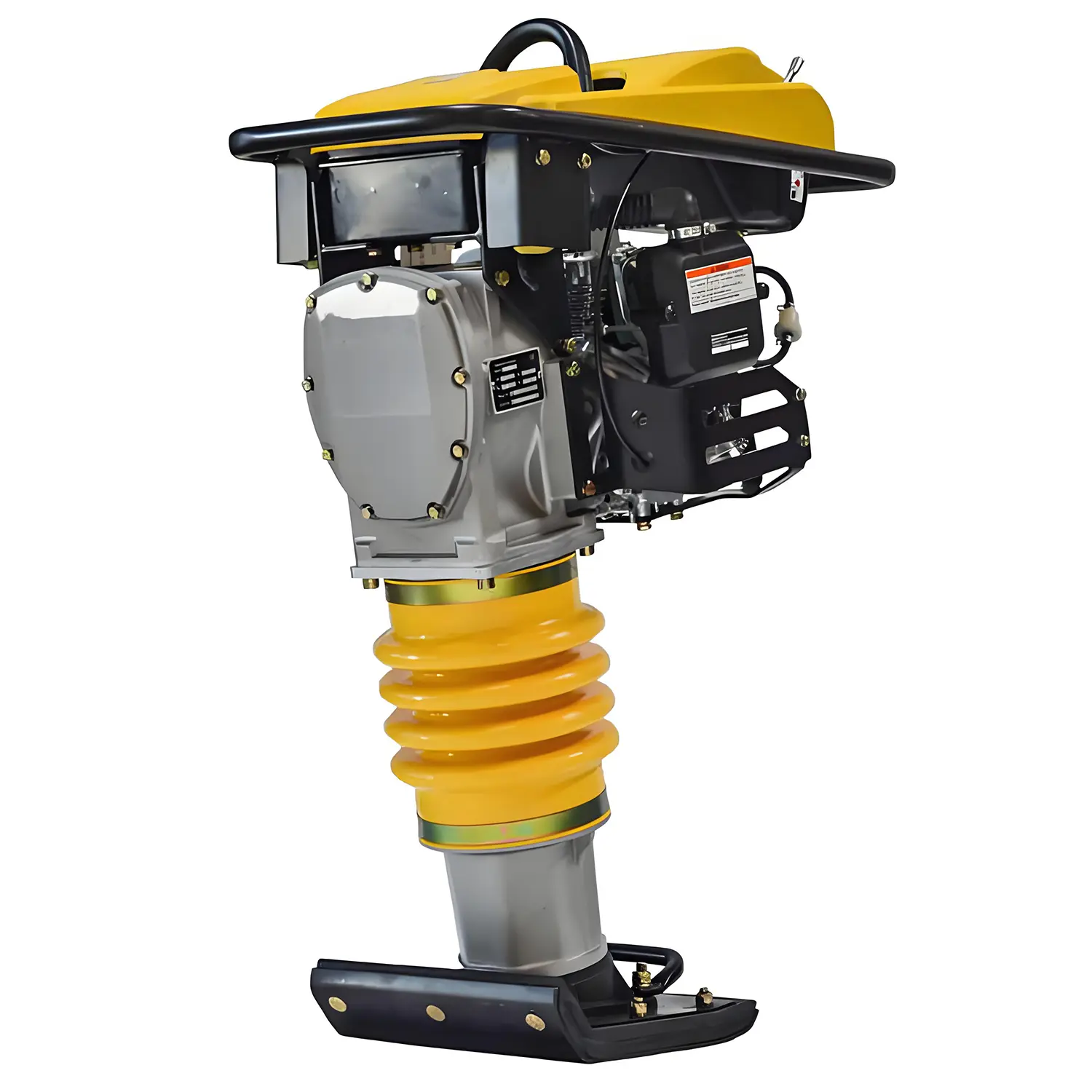 Tamping rammer
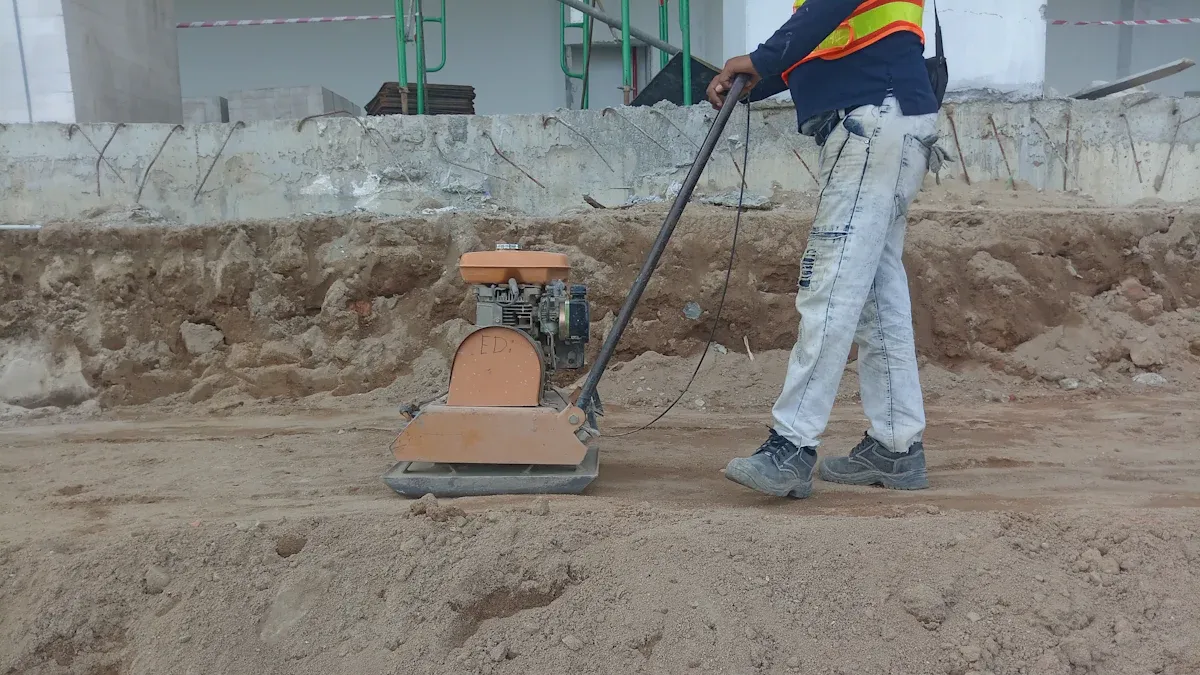
 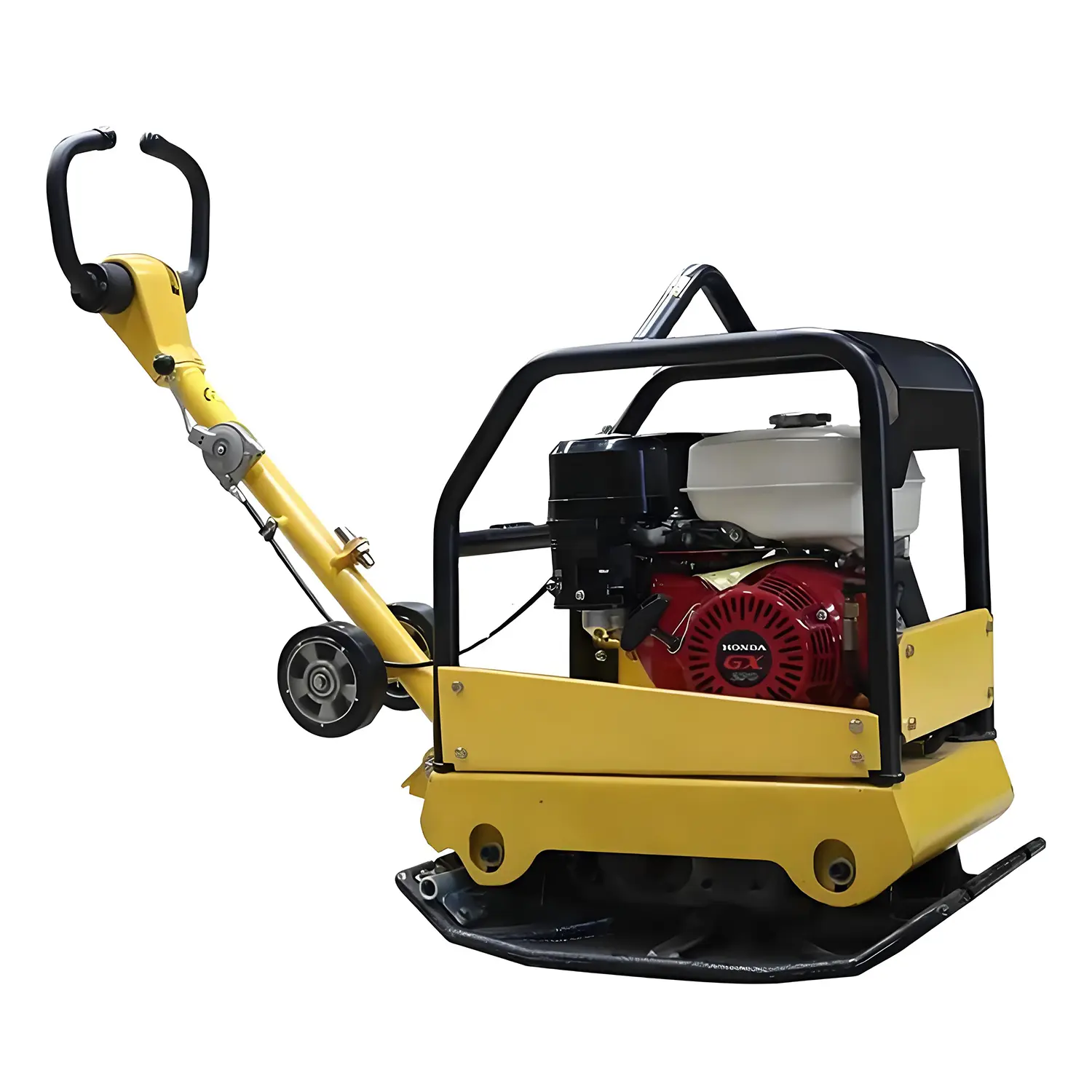 Plate compactor
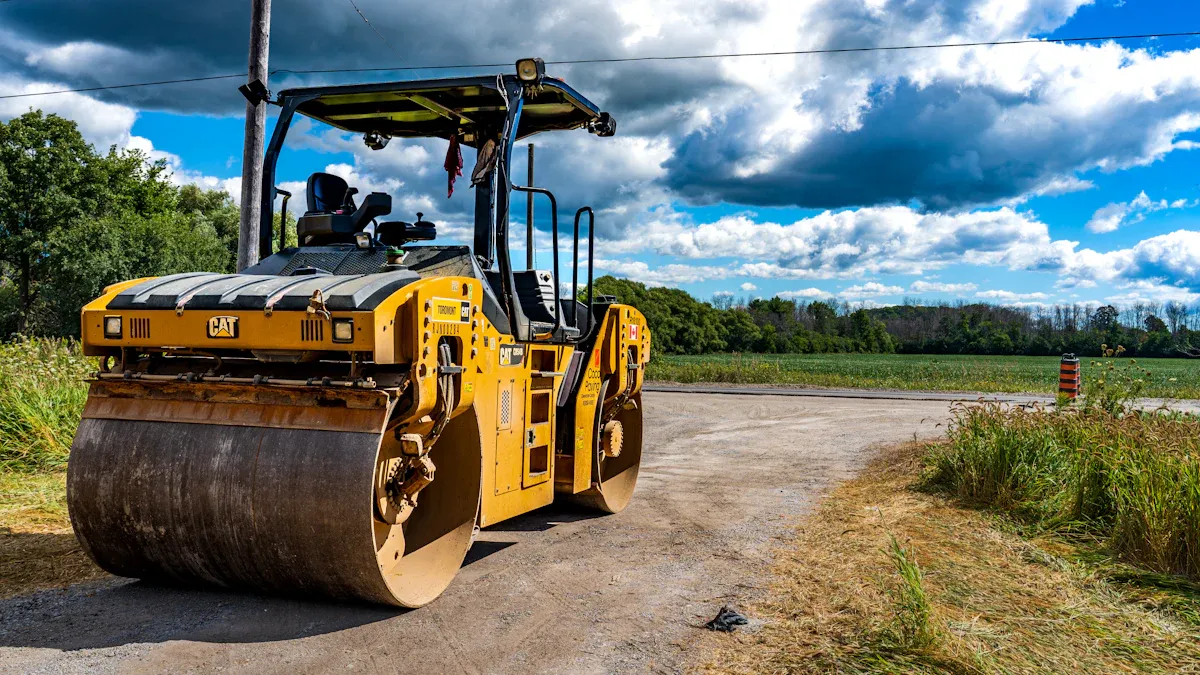
 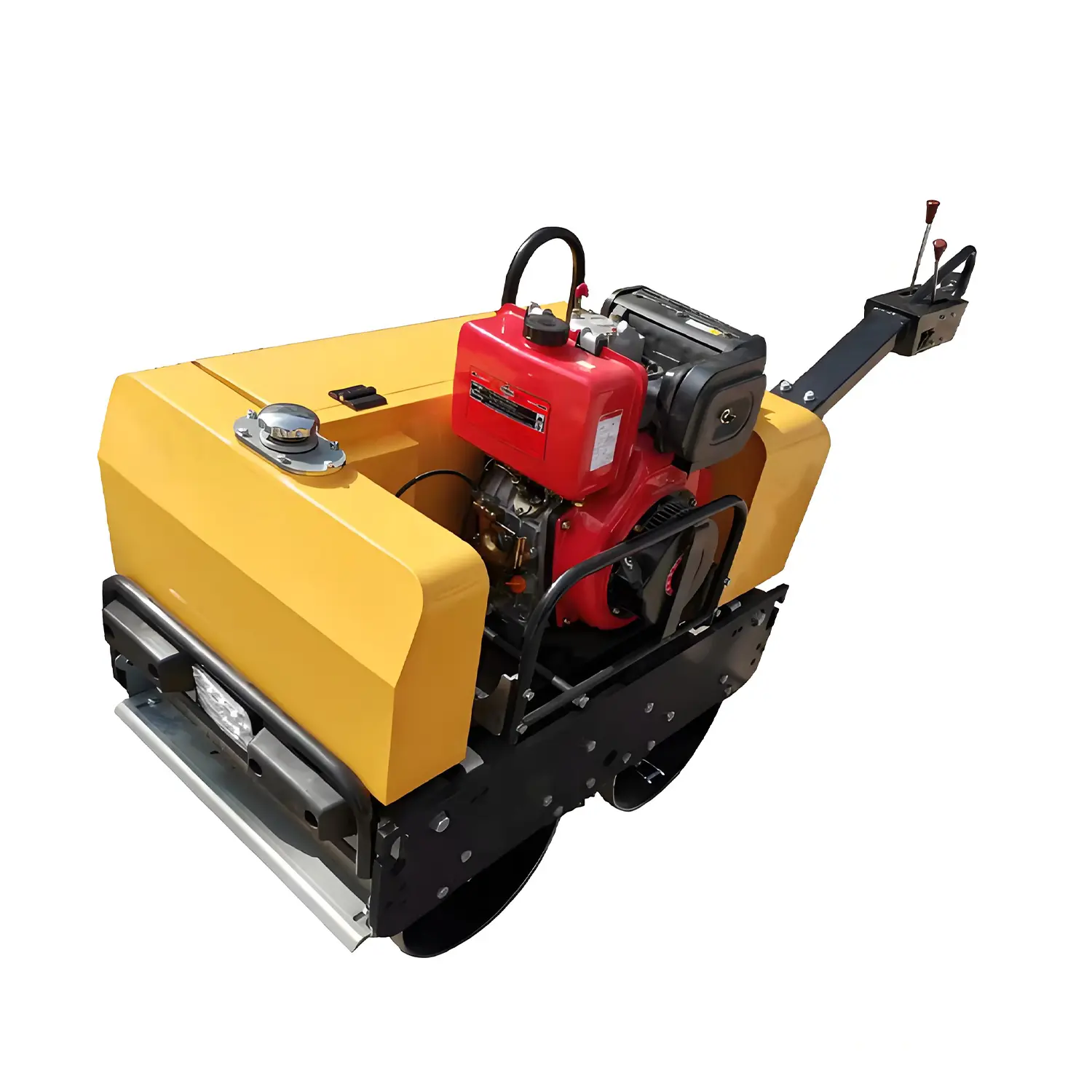 Vibratory roller
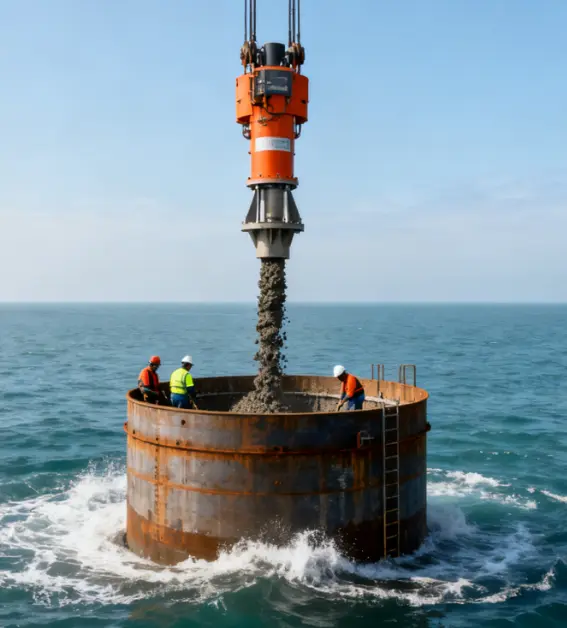
How to Choose Compaction Machinery: Match It to Your Paving/Construction Job
Choosing the right compaction machinery is crucial for your project's success. The right equipment ensures efficient work and effective results. Several factors influence your choice, including soil type, job size, and site conditions. For optimal performance, consider using MAXMACH machinery tailored to your specific needs.
Key Takeaways
- Understand soil types to select the right compaction machinery. Different soils like clay, silt, sand, and gravel require specific techniques for effective compaction.
- Assess your job site carefully. Consider project size, depth of compaction, and site conditions to choose the most suitable machinery.
- Choose MAXMACH equipment for reliability and efficiency. Their machinery is designed for various soil types and job sizes, ensuring optimal performance.
Understanding Soil Types
Types of Soil and Their Characteristics
Understanding soil types is essential for effective compaction. Different soils have unique properties that influence how they respond to compaction machinery. Here are the main types of soil you may encounter:
-
Clay:
- Fine particles that stick together.
- Holds water well but can become very hard when dry.
-
Silt:
- Slightly larger than clay particles.
- Retains moisture and has a smooth texture.
-
Sand:
- Coarse particles that drain quickly.
- Provides good stability but lacks cohesion.
-
Gravel:
- Larger particles that allow for excellent drainage.
- Offers high stability and is often used in road construction.
Tip: Knowing the soil type helps you select the right compaction machinery. Each type requires different techniques for optimal results.
How Soil Type Affects Compaction
Soil type significantly impacts the compaction process. Here’s how:
-
Clay:
- Requires more effort to compact due to its plasticity.
- Use Vibratory Rollers for effective compaction.
-
Silt:
- Compacts easily when moist but can become unstable when wet.
- Ensure proper moisture content before compaction.
-
Sand:
- Compacts quickly but may require multiple passes.
- Use a Plate Compactor for smaller areas or a roller for larger sites.
-
Gravel:
- Offers excellent compaction with minimal effort.
- Use a heavy roller for best results.
Understanding these characteristics allows you to choose the right machinery and techniques for your project. Proper compaction leads to a stable foundation, ensuring the success of your paving or construction job.
Assessing the Job Site
Evaluating Job Size and Scope
When you assess the job site, start by evaluating the size and scope of your project. Consider the following factors:
- Project Area: Measure the total area you need to compact. Larger areas may require more powerful machinery.
- Depth of Compaction: Determine how deep you need to compact the soil. Different jobs may require varying depths.
- Volume of Material: Estimate the amount of material you will move or compact. This affects the type and size of machinery you should use.
Tip: Create a checklist of these factors. This will help you stay organized and ensure you don’t overlook any important details.
Identifying Site Conditions and Constraints
Next, identify the site conditions and constraints that may impact your choice of compaction machinery. Here are some key aspects to consider:
- Terrain: Assess the slope and stability of the ground. Steep or uneven terrain may require specialized equipment.
- Access: Check how easily you can access the job site. Narrow paths or limited space may restrict your machinery options.
- Underground Utilities: Be aware of any underground utilities. You must avoid damaging them during compaction.
- Weather Conditions: Consider the weather forecast. Rain or extreme heat can affect soil moisture and compaction effectiveness.
Note: Document any constraints you find. This information will guide you in selecting the right machinery for your project.
By thoroughly assessing the job site, you can make informed decisions about the machinery you need. This preparation will lead to a smoother compaction process and ultimately contribute to the success of your paving or construction job.
Types of Compaction Machinery
Overview of Compaction Equipment Options
When selecting compaction machinery, you have several options. Each type serves a specific purpose. Here are some common types:
- Vibratory Rollers: Ideal for large areas, these machines use vibration to compact soil effectively. They work well on granular soils like sand and gravel.
- Plate Compactors: Best for smaller areas, plate compactors are lightweight and easy to maneuver. They excel in compacting asphalt and granular soils.
- Tamping Rollers: These machines are perfect for cohesive soils like clay. They provide deep compaction and are often used in road construction.
Tip: Choose the type of machinery based on the size of your project and the soil type.
Key Features to Consider
When evaluating compaction machinery, consider these key features:
- Weight: Heavier machines provide better compaction but may be harder to transport. Lighter machines are easier to move but may require more passes.
- Vibration Frequency: Higher frequencies can lead to better compaction in granular soils. Lower frequencies work better for cohesive soils.
- Drivability: Ensure the machine can navigate your job site easily. Look for features like adjustable tracks or wheels for better maneuverability.
Matching Machinery to Job Requirements
To match machinery to your job requirements, assess the following:
- Soil Type: Use vibratory rollers for granular soils and tamping rollers for cohesive soils.
- Project Size: For larger projects, opt for heavier machinery. Smaller jobs may only need a plate compactor.
- Access and Terrain: Consider the terrain and access points. Choose equipment that can operate effectively in your specific conditions.
Using MAXMACH equipment can enhance your project's efficiency. Their range of compaction machinery meets various job requirements, ensuring you achieve optimal results.
Choosing MAXMACH for Your Project
Benefits of MAXMACH Equipment
When you choose MAXMACH equipment, you gain several advantages. First, MAXMACH offers high-quality machinery designed for durability. This means you can rely on their equipment to perform well under tough conditions. Second, their machines are user-friendly. You can operate them with ease, which saves time and reduces the risk of accidents. Third, MAXMACH provides excellent customer support. If you encounter any issues, their team is ready to assist you quickly.
Here are some key benefits of using MAXMACH equipment:
- Reliability: MAXMACH machines are built to last, ensuring consistent performance.
- Efficiency: Their equipment helps you complete jobs faster, saving you time and money.
- Versatility: MAXMACH offers a range of machinery suitable for various soil types and job sizes.
Specific Applications for MAXMACH Machinery
MAXMACH machinery is perfect for many construction and paving applications. You can use their vibratory rollers for large areas, especially when working with granular soils. For smaller projects, plate compactors are ideal. They provide excellent compaction in tight spaces. If your project involves cohesive soils like clay, tamping rollers from MAXMACH will deliver the deep compaction you need.
Choosing the right compaction machinery is vital for your project's success. Always match your equipment to your specific job needs. If you're unsure, consult with equipment experts. They can provide valuable insights. Remember, informed decisions lead to better outcomes. Your project deserves the best tools for success! 🚧
FAQ
What factors should I consider when choosing compaction machinery?
You should consider soil type, job size, site conditions, and access to ensure you select the right machinery for your project.
How do I know if I need a vibratory roller or a plate compactor?
Use a vibratory roller for large areas and granular soils. Choose a plate compactor for smaller spaces and cohesive soils.
Can I rent compaction machinery instead of buying it?
Yes, renting compaction machinery can be a cost-effective option for short-term projects or if you need specific equipment temporarily.