
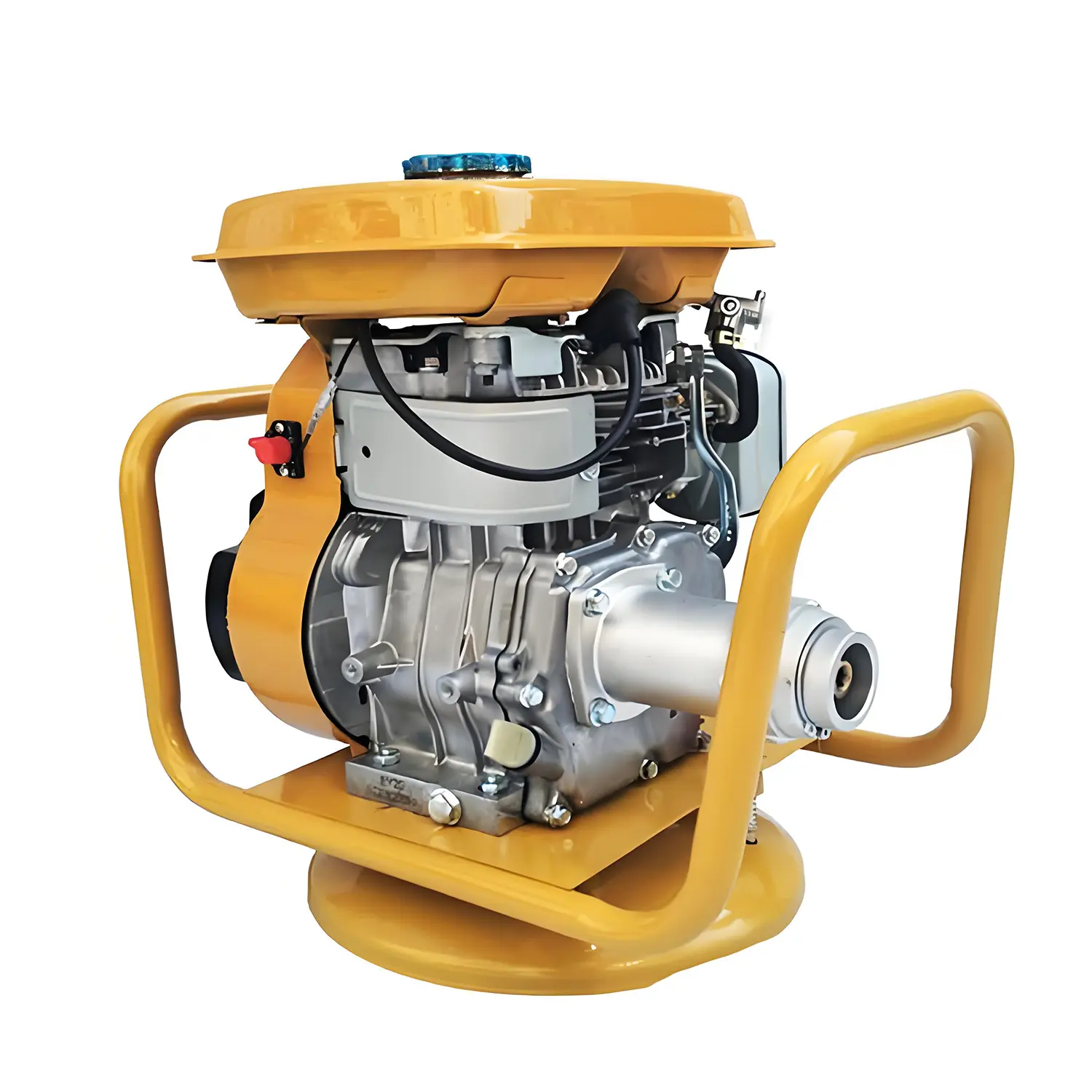
 Internal Vibrator
 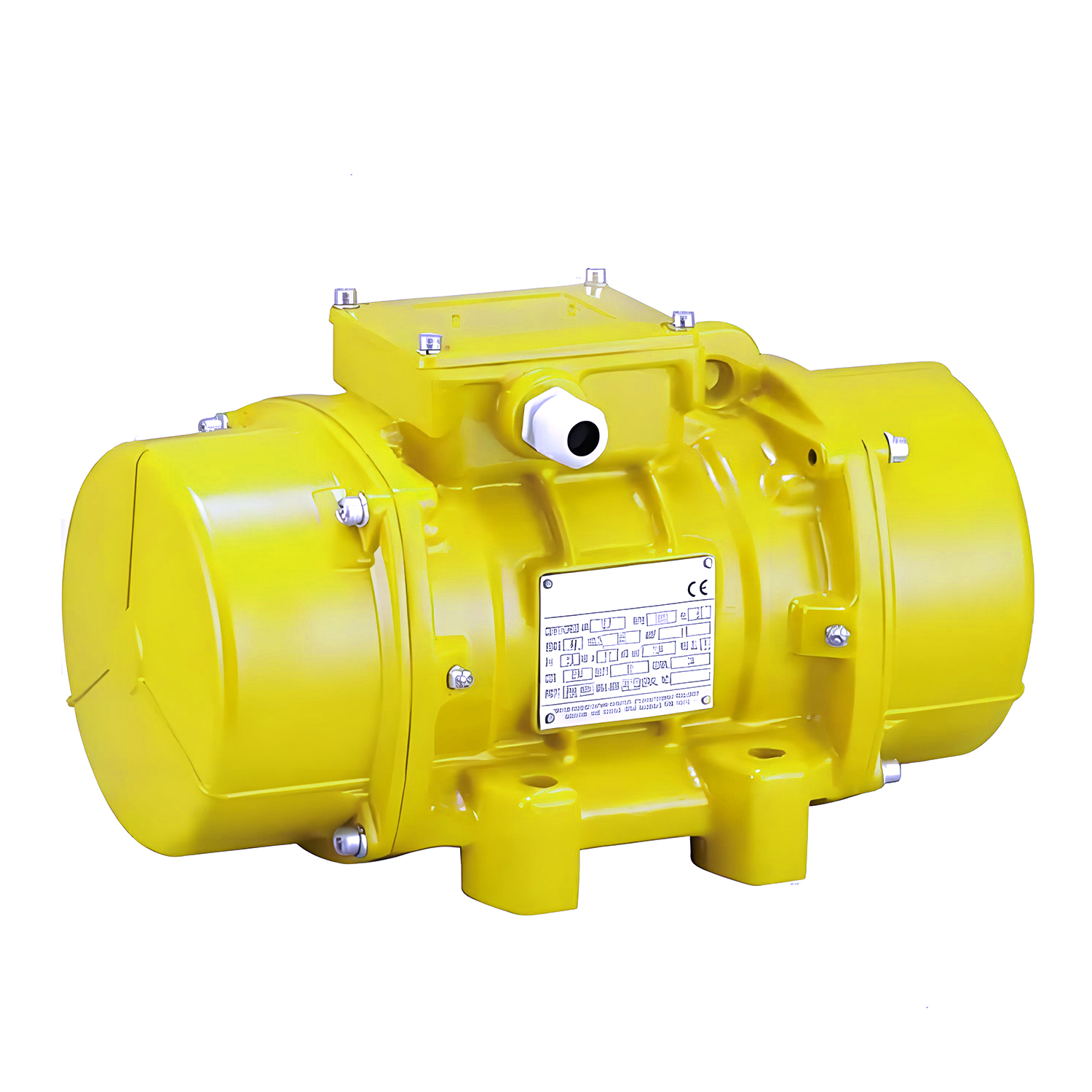 External Vibrator
 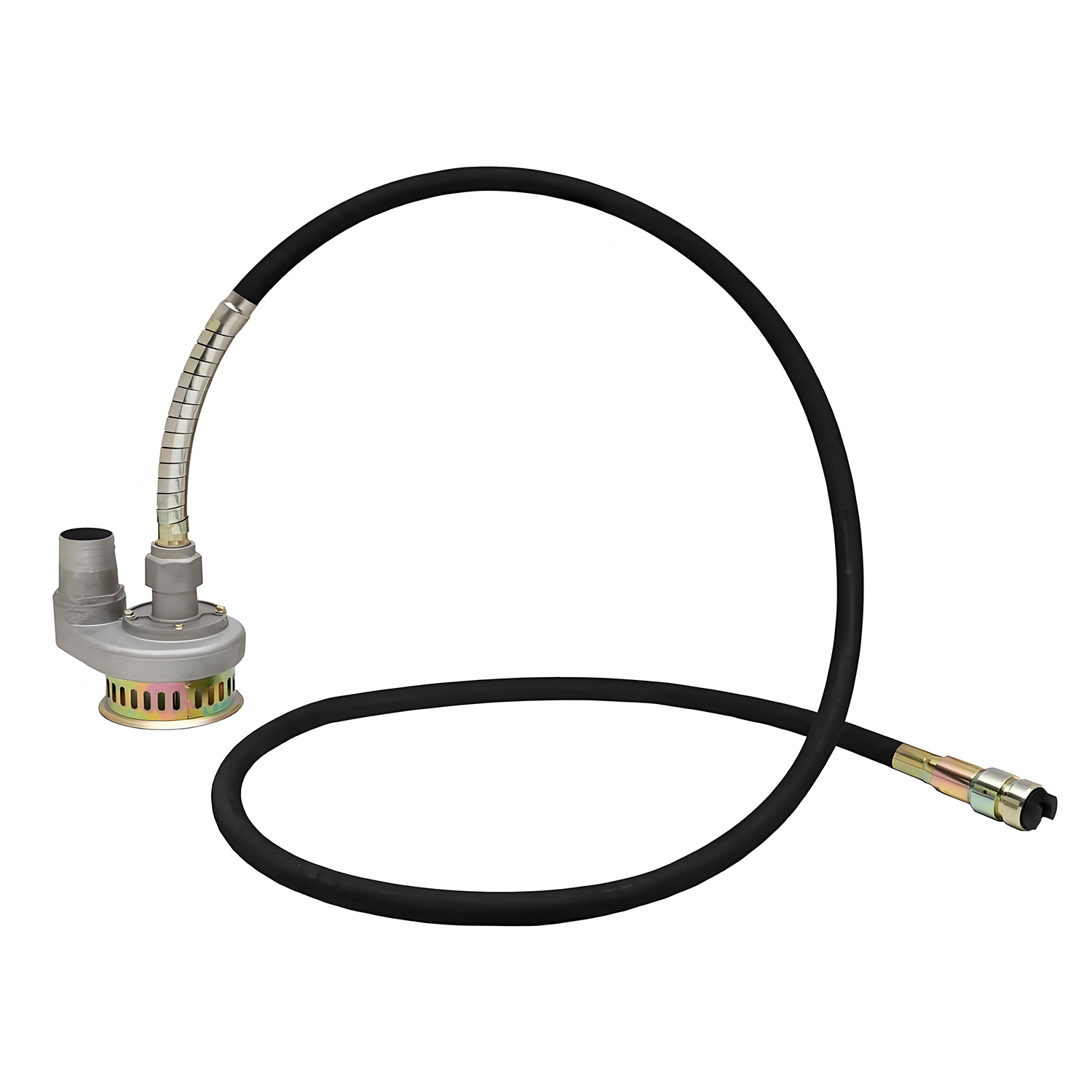 Submersible Pump
 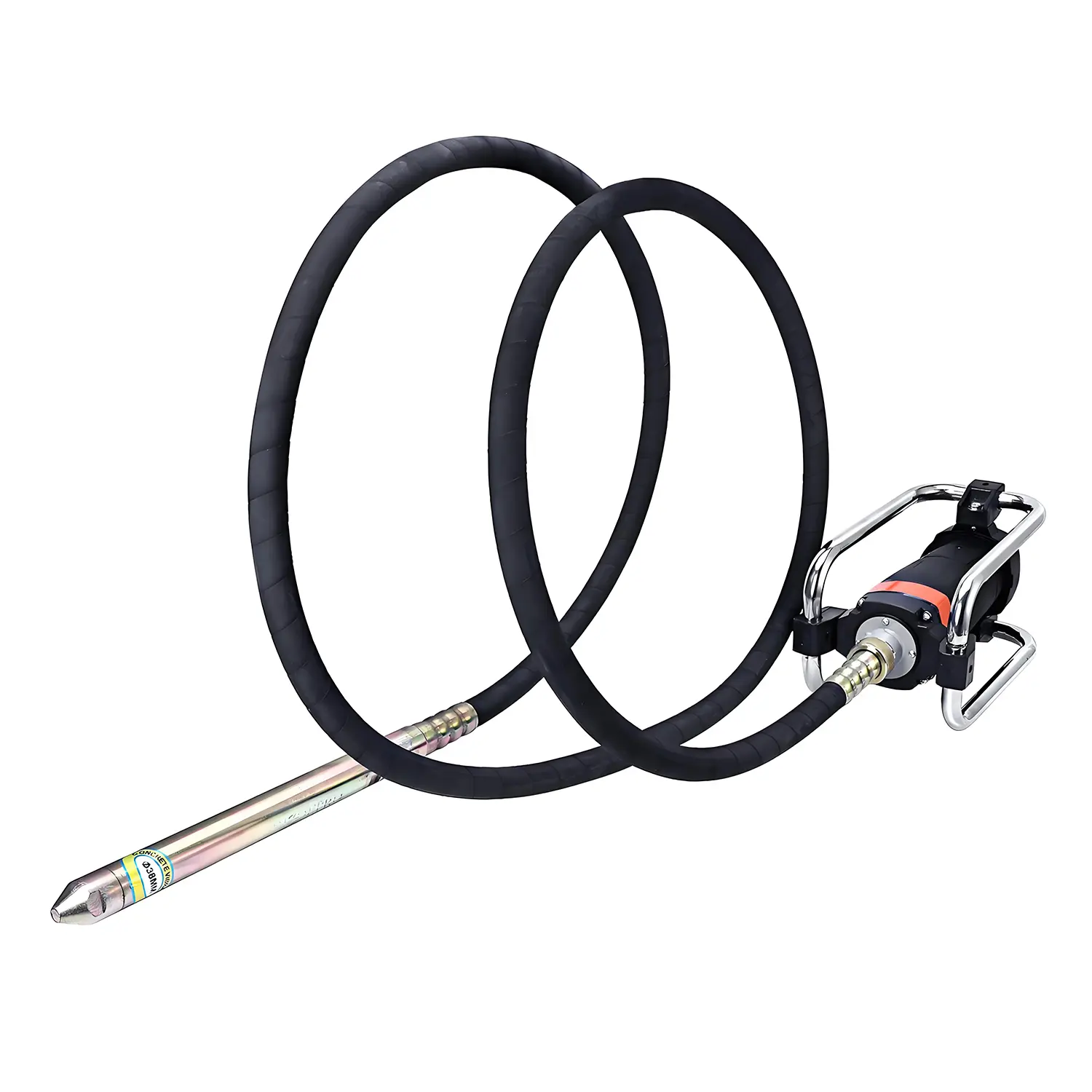 Eccentric shaft
 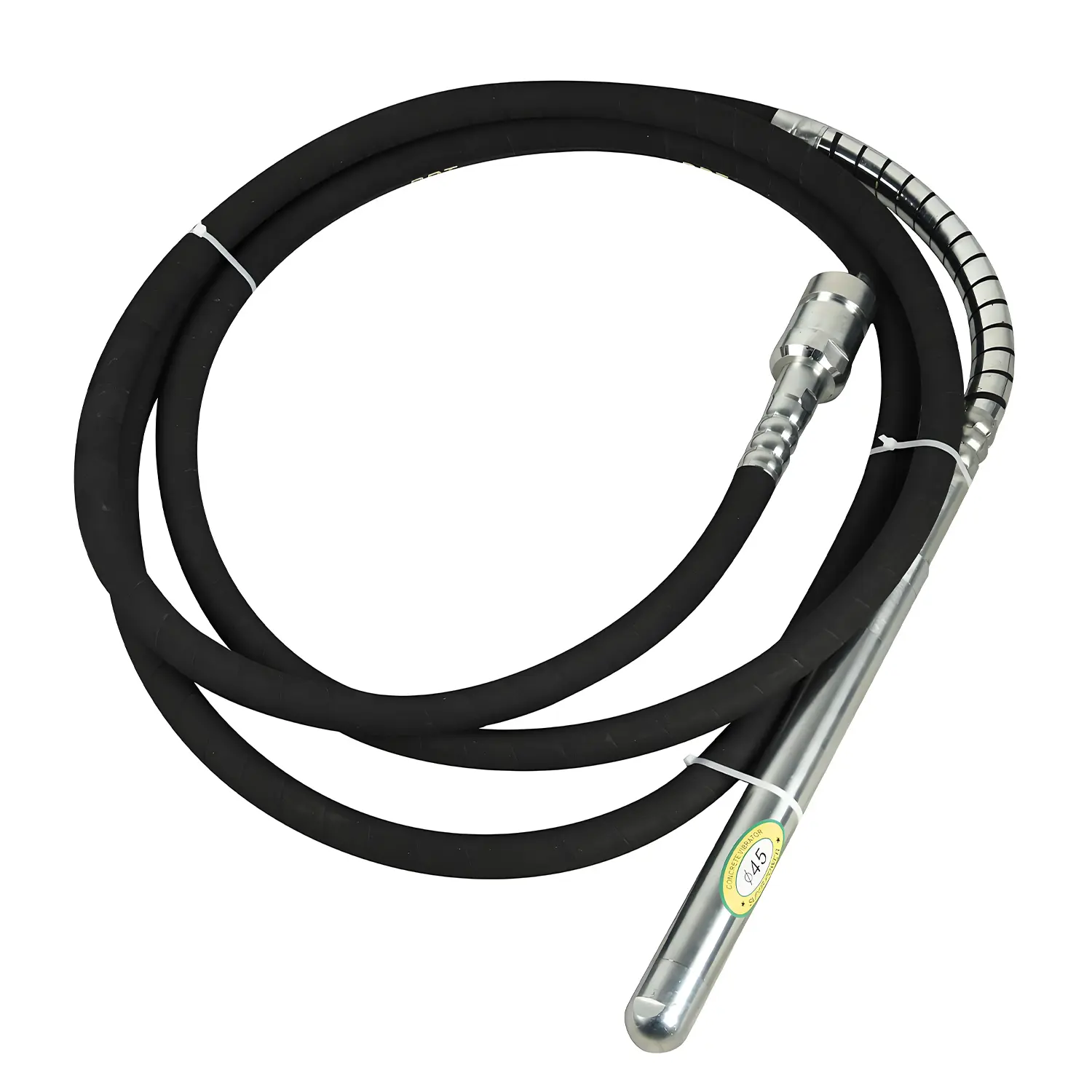 Pendulum shaft
 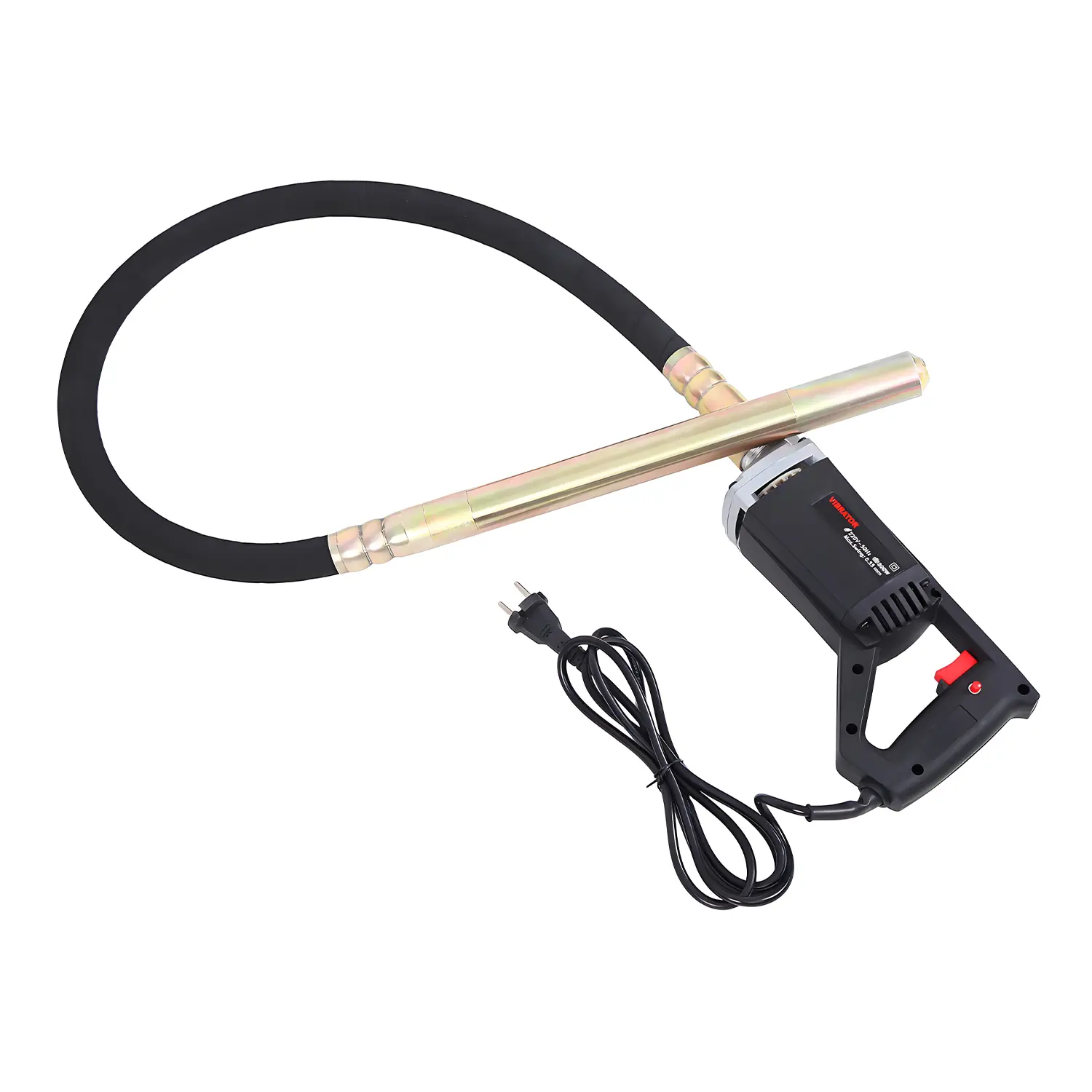 Portable vbrator shaft
 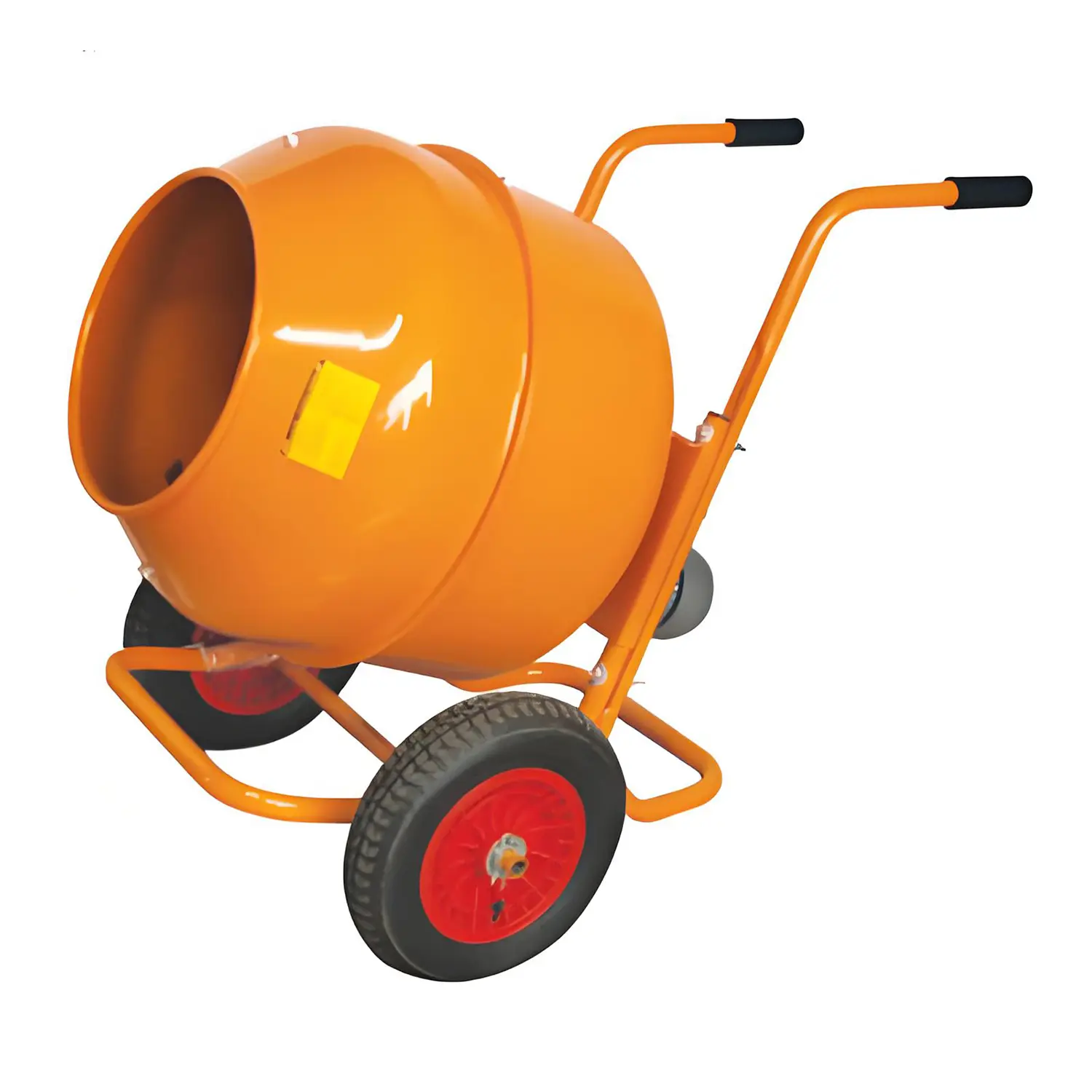 Portable concrete mixer
 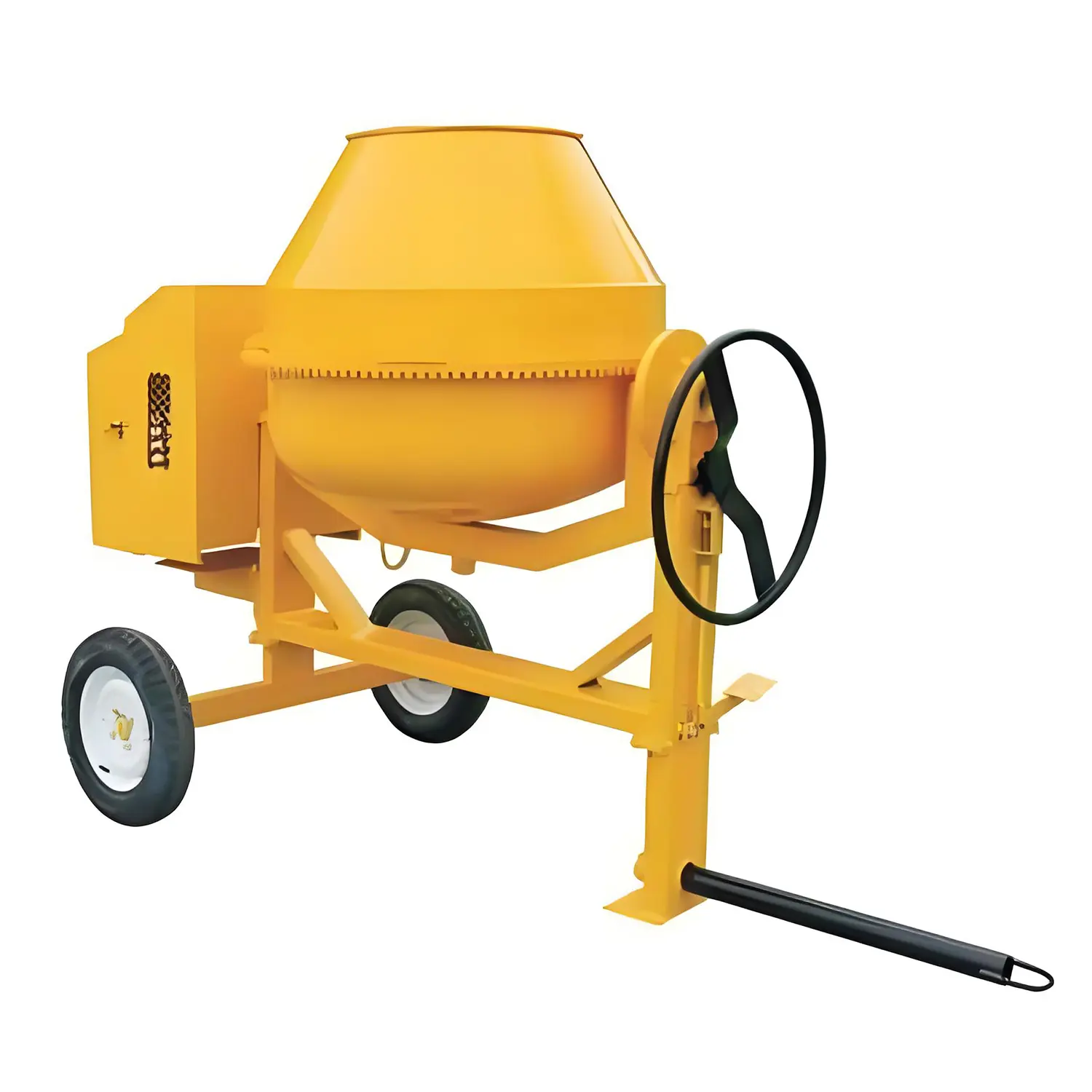 Vertical concrete mixer
 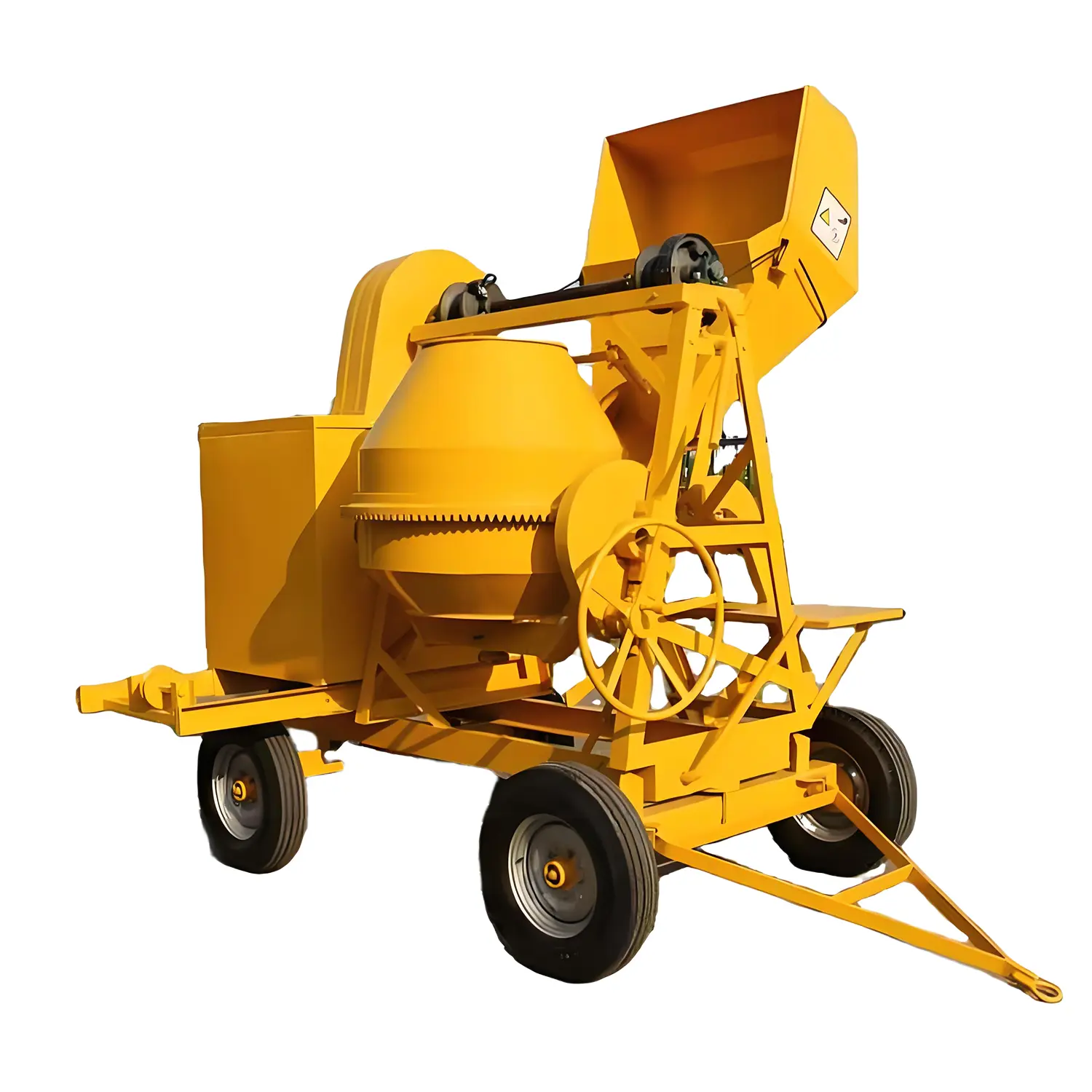 Hydraulic concrete mixer
 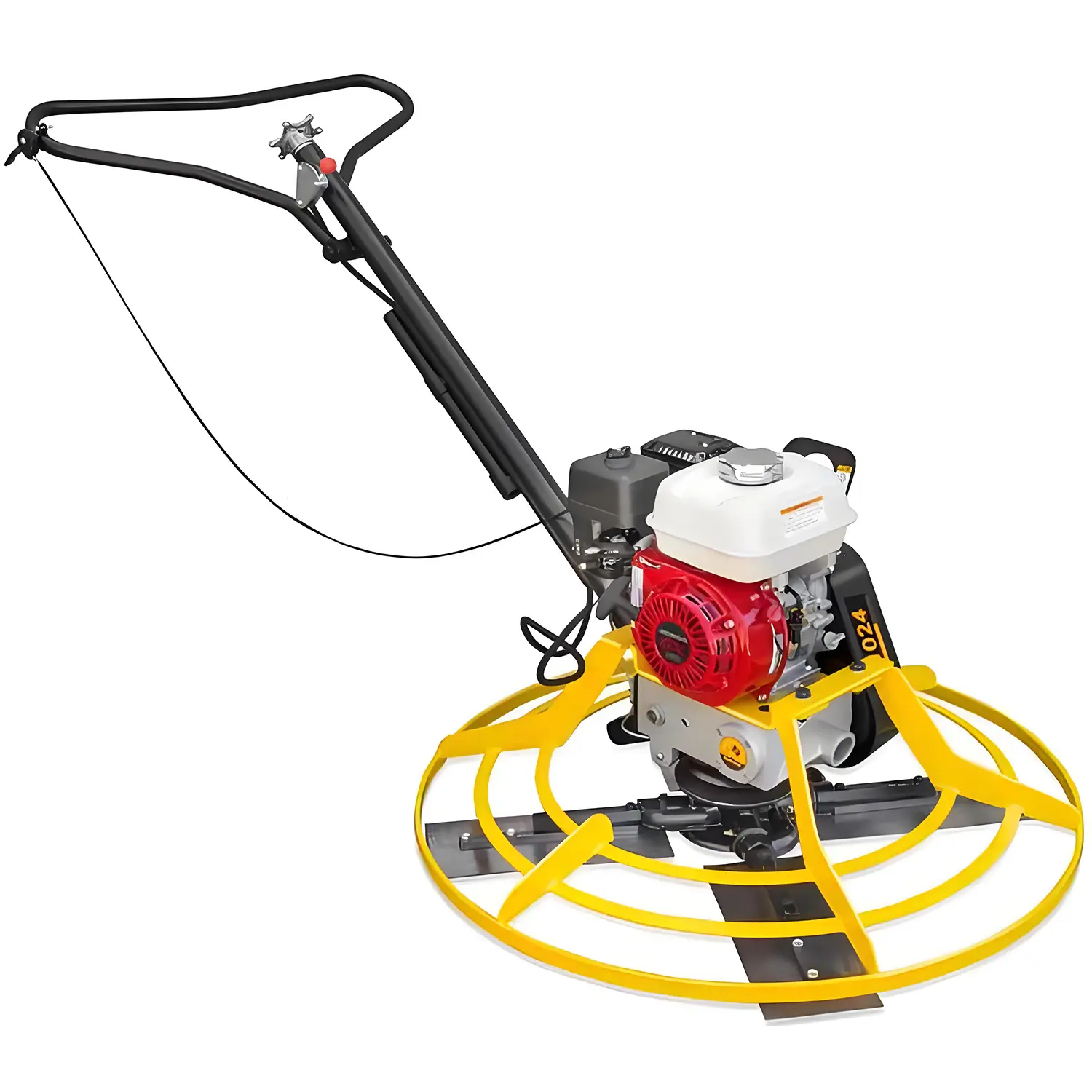 Walk behind power trowel
 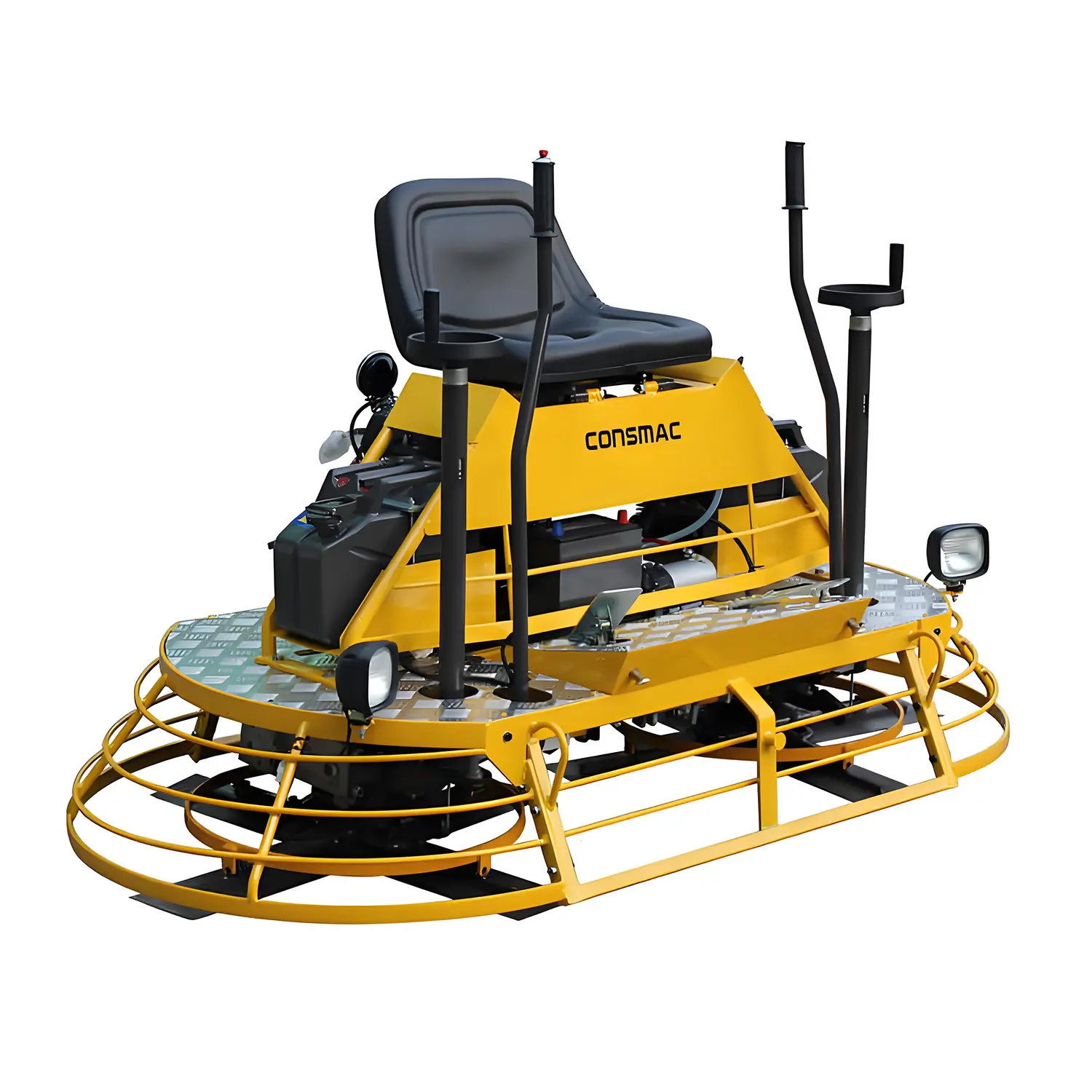 Ride on power trowel
 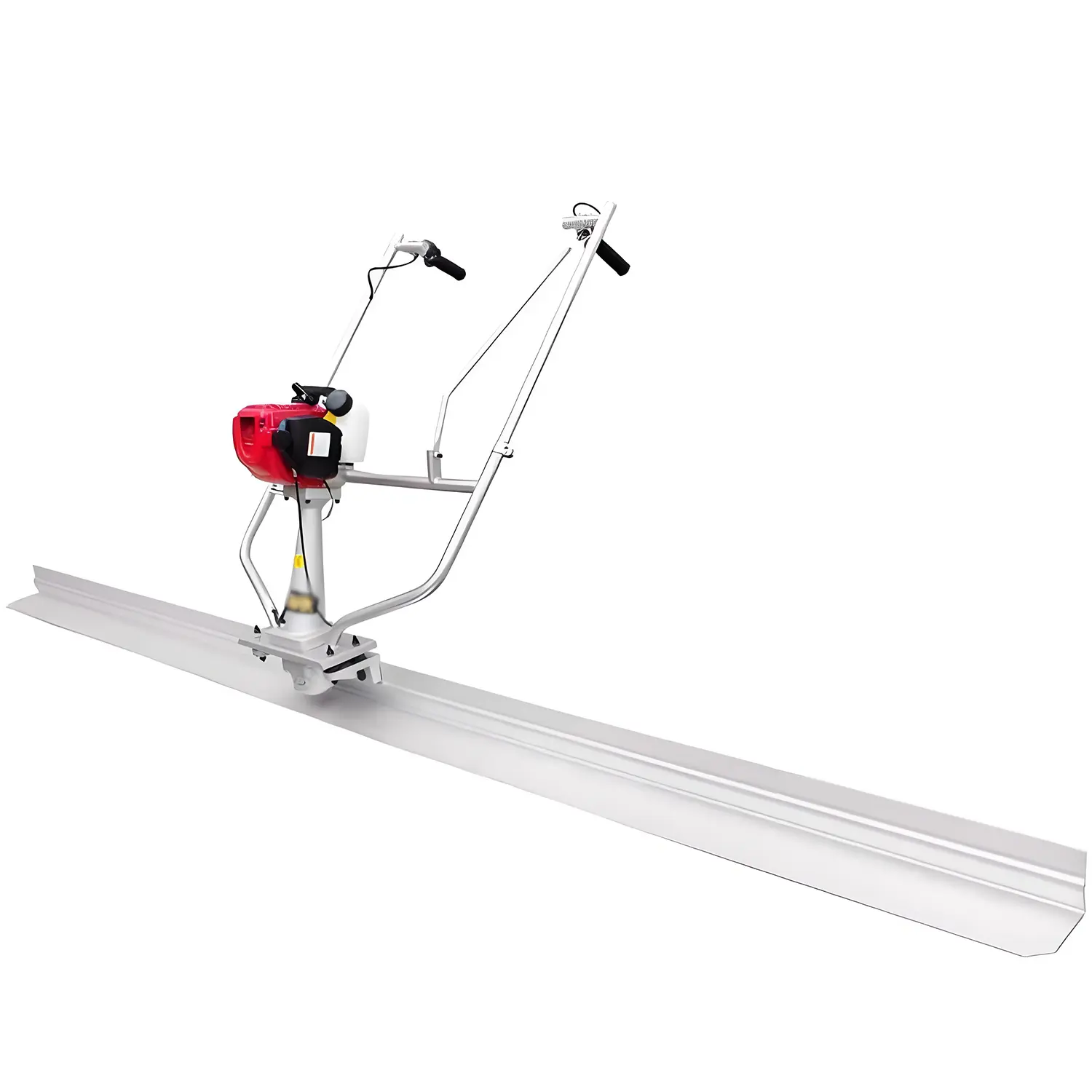 Concrete screed
 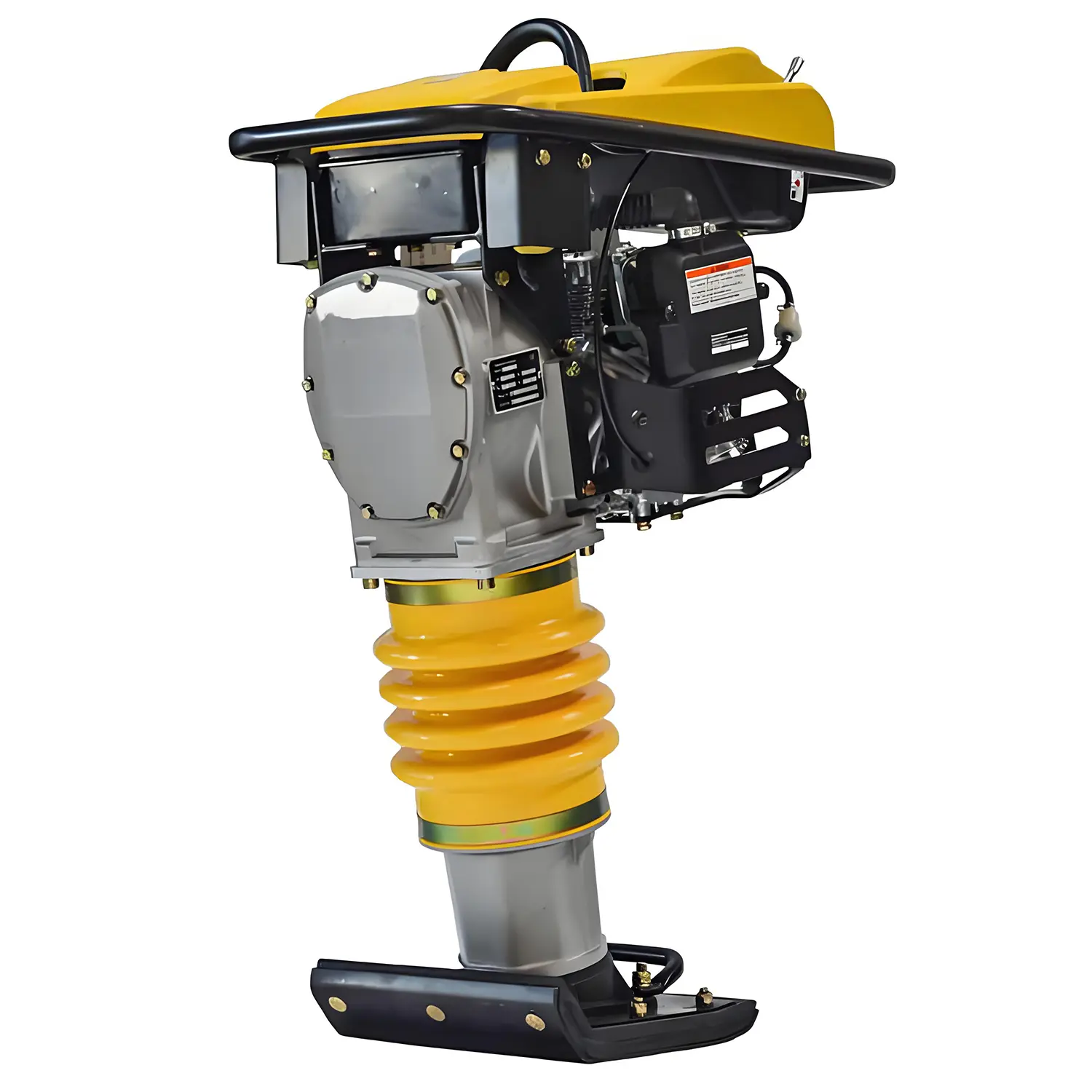 Tamping rammer
 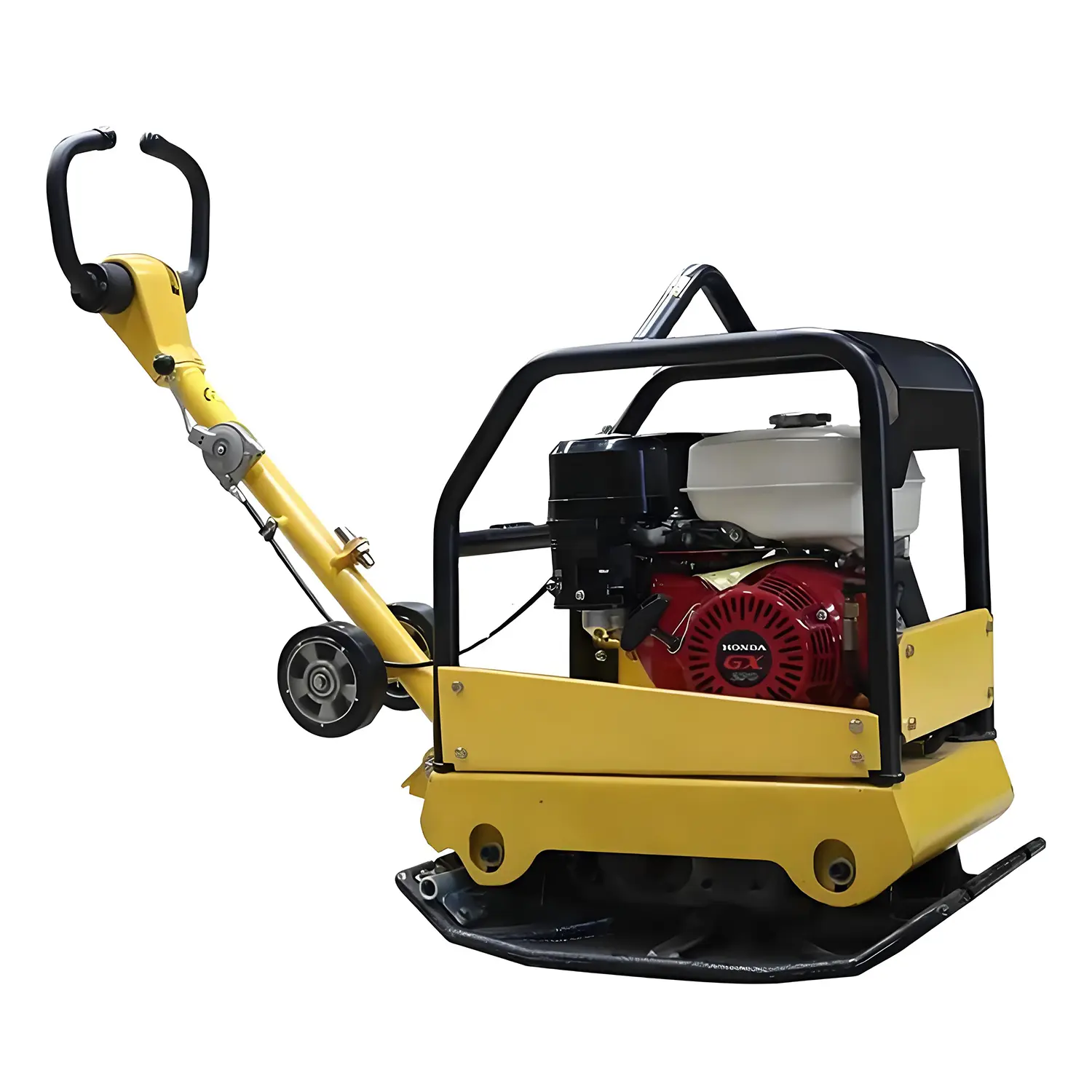 Plate compactor
 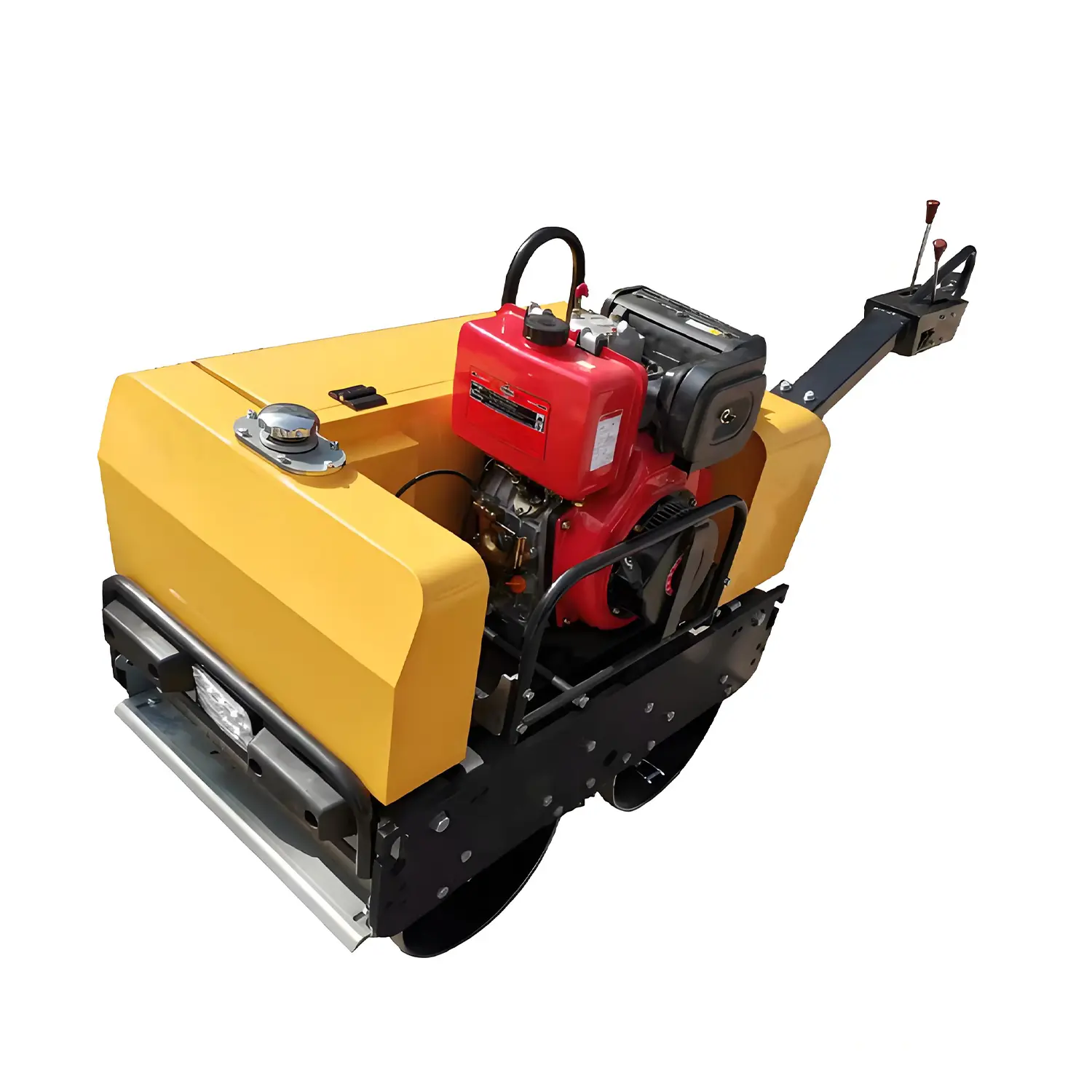 Vibratory roller



How to Choose the Right Concrete Cutter: Blade Size, Power & Cutting Depth Guide
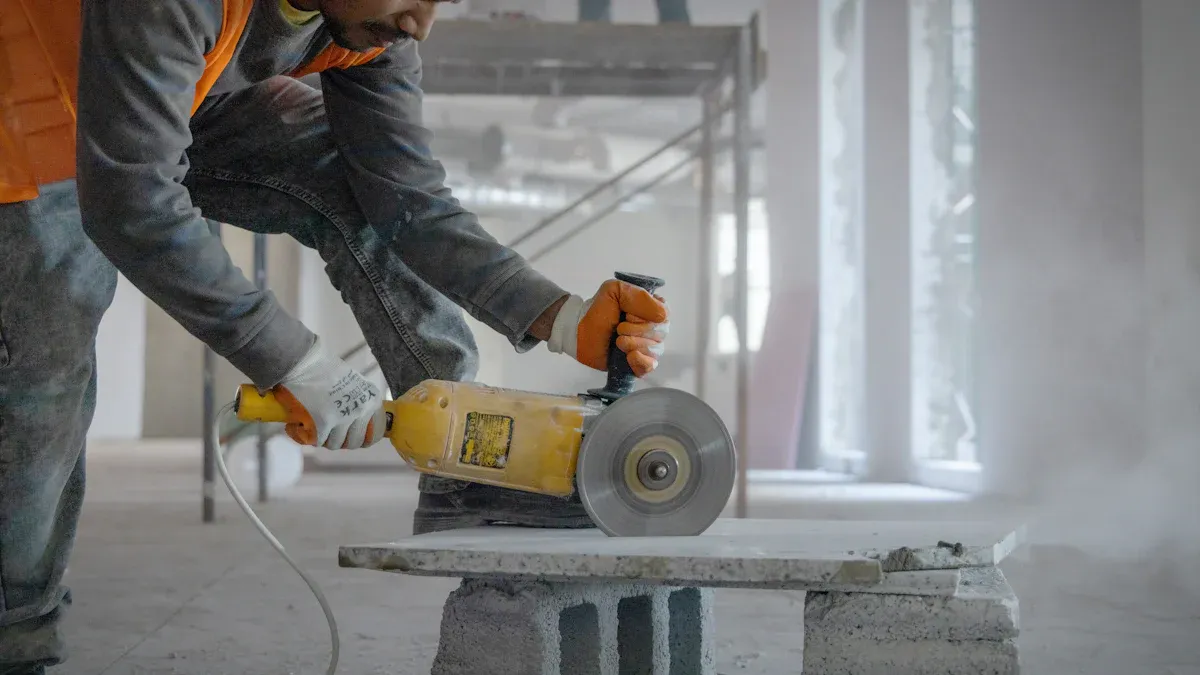
Choosing the right Concrete Cutter for your project is crucial. You must consider several key factors. First, evaluate the blade size you need for your specific task. Next, determine the power source that best suits your work environment. Finally, assess the cutting depth required for effective results. Tools like MAXMACH can help streamline your selection process.
Key Takeaways
- Identify the type of concrete you will cut. Different types, like reinforced or precast concrete, require specific tools and blades for effective cutting.
- Assess your project scope by considering the size, thickness, and obstacles in the cutting area. This understanding helps you choose the right cutter and blade size.
- Choose the appropriate power source for your cutter. Electric cutters are quieter and low maintenance, while gas-powered options offer higher power and mobility.
Assessing Your Project Requirements
Identifying the Type of Concrete
Before you choose a concrete cutter, you must identify the type of concrete you will be working with. Different types of concrete have unique characteristics that affect how you cut them. Here are some common types:
- Reinforced Concrete: This type contains steel bars or mesh, making it stronger and more challenging to cut. You will need a powerful cutter with a suitable blade.
- Precast Concrete: Often used in construction, precast concrete is manufactured off-site. It can be easier to cut, but you still need the right tools for precision.
- Poured Concrete: This is the most common type found in foundations and slabs. Depending on its thickness, you may require a specific blade size and power source.
- Asphalt Concrete: While not traditional concrete, asphalt concrete requires different cutting techniques and tools.
Understanding the type of concrete helps you select the right cutter and blade. Always consider the material's density and any reinforcements present.
Determining the Scope of Work
Next, you need to determine the scope of your work. This involves assessing the size and complexity of your project. Here are some questions to guide you:
-
What is the size of the area you need to cut?
- Larger areas may require a more powerful cutter to maintain efficiency.
-
What is the thickness of the concrete?
- Thicker concrete demands deeper cuts, which may necessitate a specific blade size and power source.
-
Are there any obstacles in the cutting area?
- Obstacles like rebar or pipes can complicate your work. You may need specialized blades to navigate these challenges.
-
What is your timeline for the project?
- If you have a tight deadline, you might prefer a more powerful cutter to speed up the process.
-
What is your budget?
- Consider the cost of the cutter and blades. Sometimes, renting equipment can be more economical for short-term projects.
By answering these questions, you can better understand your project requirements. This clarity will help you choose the right concrete cutter that meets your needs effectively.
Tip: Always consult with professionals or experienced users if you're unsure about the type of concrete or the scope of your work. Their insights can save you time and resources.
Choosing the Right Power Source
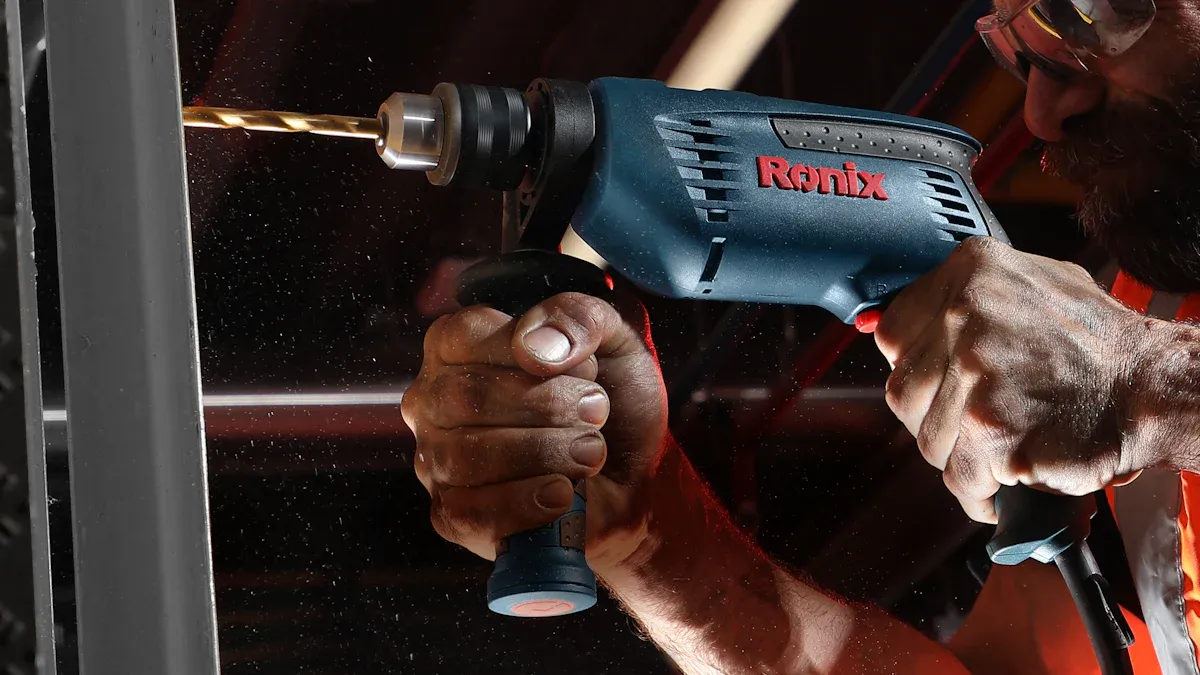
When selecting a concrete cutter, the power source plays a significant role in its performance. You have three main options: electric, gas-powered, and battery-powered cutters. Each type has its advantages and disadvantages. Understanding these can help you make an informed decision.
Electric vs. Gas-Powered Cutters
Electric Cutters:
- Quiet Operation: Electric cutters operate quietly, making them ideal for residential areas or indoor projects.
- Low Maintenance: These tools require less maintenance compared to gas-powered options. You won’t need to worry about fuel or oil changes.
- Consistent Power: Electric cutters provide consistent power without the fluctuations that can occur with gas engines.
Gas-Powered Cutters:
- Higher Power Output: Gas-powered cutters typically deliver more power, making them suitable for heavy-duty tasks.
- Mobility: You can use them anywhere without needing an electrical outlet. This feature is beneficial for outdoor projects or remote locations.
- Longer Cutting Time: Gas-powered options often allow for longer continuous use, which can be advantageous for larger jobs.
Comparison Table:
| Feature | Electric Cutters | Gas-Powered Cutters |
|---|---|---|
| Noise Level | Low | High |
| Maintenance | Low | High |
| Power Output | Moderate | High |
| Portability | Limited (cord) | High (no cord needed) |
| Ideal Use | Indoor/Residential | Outdoor/Heavy-Duty |
Benefits of Battery-Powered Options
Battery-powered cutters have gained popularity in recent years. They combine the advantages of both electric and gas-powered tools. Here are some benefits:
- Portability: You can take battery-powered cutters anywhere. No cords or gas tanks limit your movement.
- Quiet and Clean: These tools operate quietly and produce no emissions, making them environmentally friendly.
- Ease of Use: Battery-powered cutters are often lighter and easier to handle, reducing fatigue during extended use.
Tip: When choosing a battery-powered cutter, consider the battery life. Look for models with longer-lasting batteries to avoid interruptions during your work.
Selecting Blade Size and Type
Choosing the right blade size and type is essential for effective concrete cutting. The blade's diameter and material significantly impact your cutting performance.
Understanding Blade Diameter
Blade diameter affects how deep you can cut into concrete. Larger blades can cut deeper, while smaller blades are better for precision work. Here are some common blade sizes and their uses:
- 14 inches: Ideal for general cutting tasks, such as sidewalks and driveways.
- 12 inches: Suitable for smaller jobs, like cutting through thin slabs.
- 10 inches: Best for detailed work, such as making precise cuts around obstacles.
When selecting a blade, consider the thickness of the concrete you will cut. A larger diameter allows for deeper cuts, which is crucial for thicker materials.
Types of Blades: Diamond vs. Abrasive
You have two main types of blades to choose from: diamond blades and abrasive blades. Each type has its advantages.
-
Diamond Blades: These blades contain diamond segments that provide superior cutting power. They work well on reinforced concrete and other hard materials. You can expect cleaner cuts and longer blade life with diamond blades. MAXMACH offers a range of diamond blades designed for various applications.
-
Abrasive Blades: Made from composite materials, abrasive blades are less expensive but wear out faster. They are suitable for softer concrete and smaller jobs. However, they may not perform well on tougher materials.
Choosing the right blade type depends on your project requirements. For heavy-duty tasks, diamond blades are often the best choice. For lighter jobs, abrasive blades can be sufficient.
Evaluating Cutting Depth

When you evaluate cutting depth, several factors come into play. Understanding these factors helps you achieve the best results for your project.
Factors Affecting Cutting Depth
- Blade Size: The diameter of your blade directly influences how deep you can cut. Larger blades allow for deeper cuts, while smaller blades are better for precision work.
- Concrete Thickness: Thicker concrete requires deeper cuts. You must choose a cutter that can handle the material's thickness effectively.
- Type of Concrete: Different types of concrete have varying densities. For example, reinforced concrete is tougher to cut than standard poured concrete. This difference affects how deep you can go.
- Cutting Technique: Your cutting technique also impacts depth. A steady hand and proper angle can help you achieve the desired depth without damaging the surrounding area.
Implications of Shallow vs. Deep Cuts
Choosing between shallow and deep cuts can significantly affect your project.
-
Shallow Cuts: These are easier to manage and require less power. However, they may not be suitable for tasks that need complete penetration, such as creating expansion joints. Shallow cuts can also lead to uneven surfaces if not done correctly.
-
Deep Cuts: These cuts provide better access to underlying materials. They are essential for tasks like removing sections of concrete or installing pipes. However, deep cuts require more power and can increase the risk of damaging the cutter or the surrounding area.
Wet Cutting vs. Dry Cutting
When it comes to cutting concrete, you have two primary methods: wet cutting and dry cutting. Each method has its advantages and specific applications.
Advantages of Wet Cutting
Wet cutting involves using water during the cutting process. This method offers several benefits:
- Dust Control: Water significantly reduces dust production. This feature is especially important in residential areas or enclosed spaces where dust can be a nuisance.
- Cooler Cuts: Water helps keep the blade cool. This cooling effect extends the life of your blade and prevents overheating.
- Cleaner Cuts: Wet cutting produces smoother edges. You achieve a more professional finish, which is crucial for visible surfaces.
Tip: Always ensure you have a reliable water source when using wet cutting. This preparation will help you maintain efficiency throughout your project.
When to Use Dry Cutting
Dry cutting is suitable for specific situations. You might choose this method when:
- Access to Water is Limited: If you work in remote locations without water access, dry cutting becomes necessary.
- Quick Jobs: For small, quick tasks, dry cutting can save time. You can set up and start cutting without the need for water equipment.
- Material Type: Some materials may not require wet cutting. For example, softer concrete can often be cut effectively without water.
MAXMACH: Choosing the Right Tool
When selecting a concrete cutter, you want a tool that meets your needs effectively. MAXMACH offers a range of concrete cutters designed for various applications. Understanding the features of MAXMACH cutters can help you make an informed decision.
Features of MAXMACH Cutters
MAXMACH cutters come with several features that set them apart from the competition. Here are some key aspects to consider:
-
Powerful Performance: MAXMACH cutters deliver high power output, making them suitable for heavy-duty tasks. You can rely on them for cutting through tough materials like reinforced concrete.
-
User-Friendly Design: These cutters feature ergonomic handles and lightweight construction. This design reduces fatigue during extended use, allowing you to work longer without discomfort.
-
Versatile Blade Options: MAXMACH offers a variety of blades, including diamond and abrasive options. This versatility allows you to choose the right blade for your specific project needs.
-
Durability: Built with high-quality materials, MAXMACH cutters are designed to withstand rigorous use. You can expect them to last longer, saving you money on replacements.
-
Safety Features: MAXMACH prioritizes user safety. Their cutters include protective guards and safety switches to prevent accidents during operation.
These features make MAXMACH a reliable choice for both professionals and DIY enthusiasts.
Comparing MAXMACH with Other Brands
When comparing MAXMACH with other brands, several factors come into play. Here’s how MAXMACH stacks up against the competition:
| Feature | MAXMACH Cutters | Competitor A | Competitor B |
|---|---|---|---|
| Power Output | High | Moderate | High |
| Weight | Lightweight | Heavy | Moderate |
| Blade Variety | Extensive | Limited | Moderate |
| Price | Competitive | Higher | Lower |
| Warranty | 2 Years | 1 Year | 2 Years |
As you can see, MAXMACH offers a competitive edge in several areas. Their lightweight design and extensive blade variety make them a practical choice for various cutting tasks. While some competitors may offer lower prices, the durability and performance of MAXMACH cutters often justify the investment.
Choosing the right tool is essential for achieving the best results in your concrete cutting projects. With MAXMACH, you can trust that you are getting a quality product that meets your needs.
Choosing the right concrete cutter involves several key factors. You must consider blade size, power source, and cutting depth. Assess your project needs carefully. This assessment ensures you select the best tool for your specific tasks. Remember, the right choice leads to better results and a smoother workflow!
FAQ
What is the best blade size for cutting concrete?
The best blade size depends on your project. For general tasks, a 14-inch blade works well. For precision, consider a 10-inch blade.
How deep can I cut with a concrete cutter?
Cutting depth varies by blade size and concrete thickness. Larger blades allow deeper cuts, while smaller blades are better for shallow cuts.
Should I choose wet or dry cutting?
Choose wet cutting for dust control and cleaner cuts. Opt for dry cutting when water access is limited or for quick jobs.