
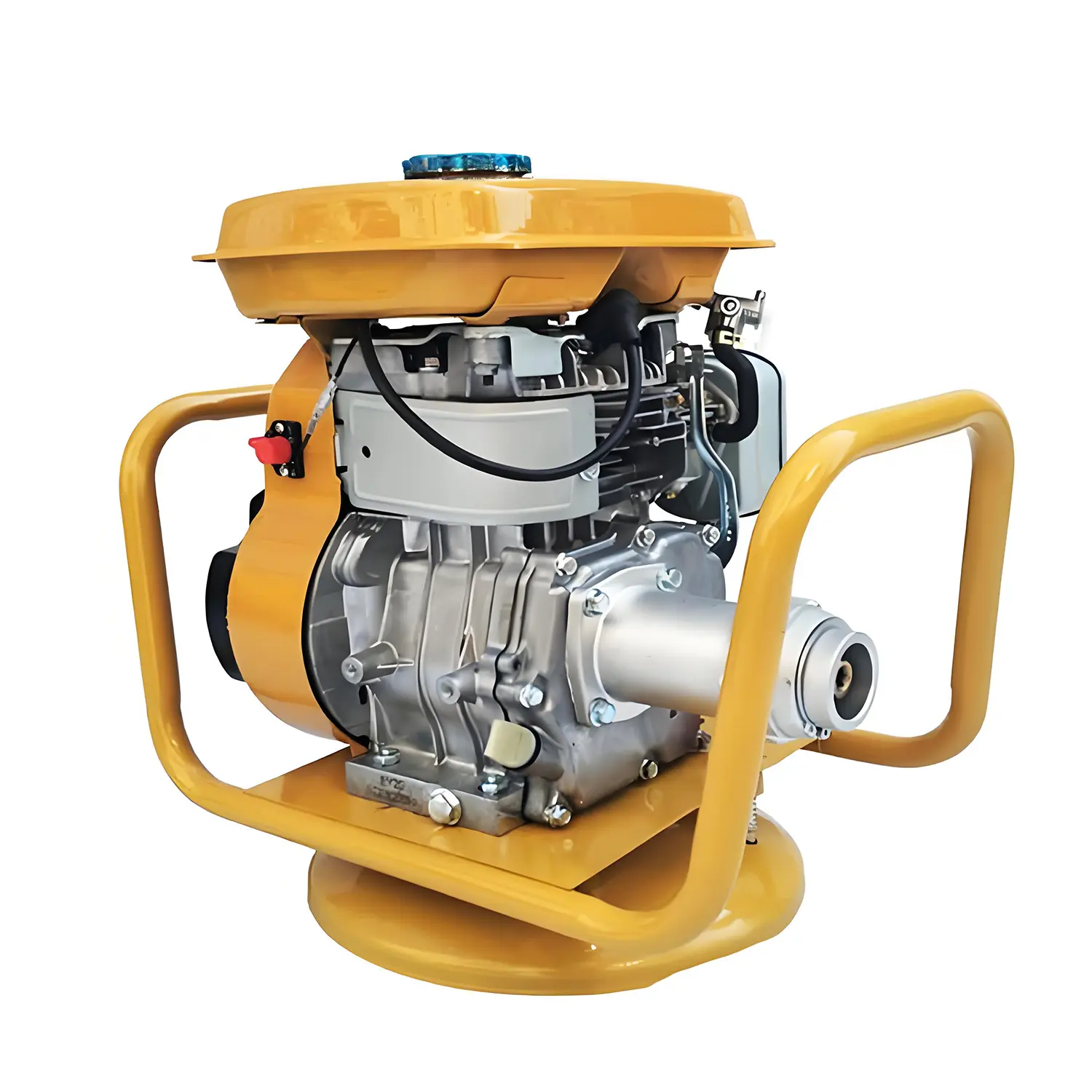
 Internal Vibrator
 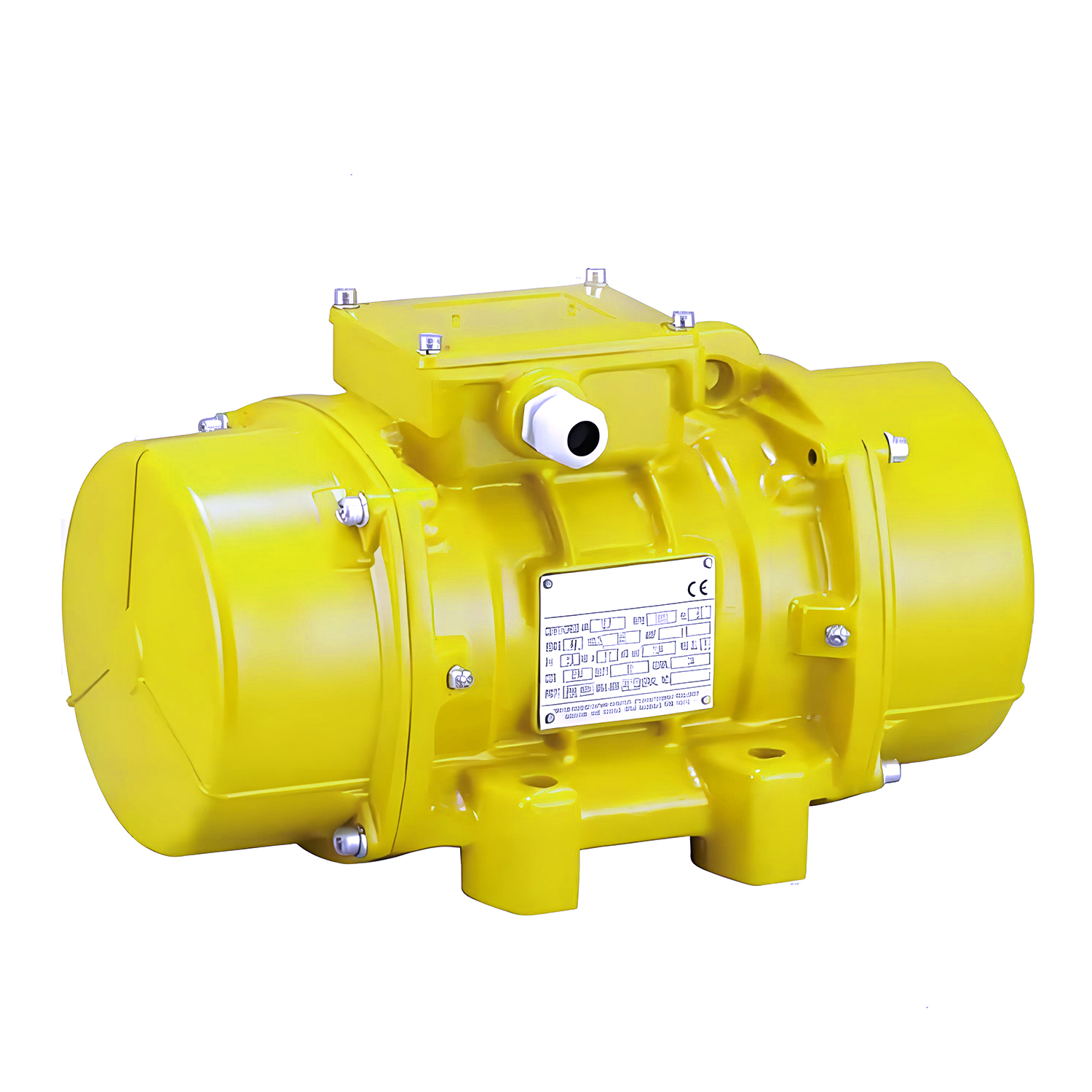 External Vibrator
 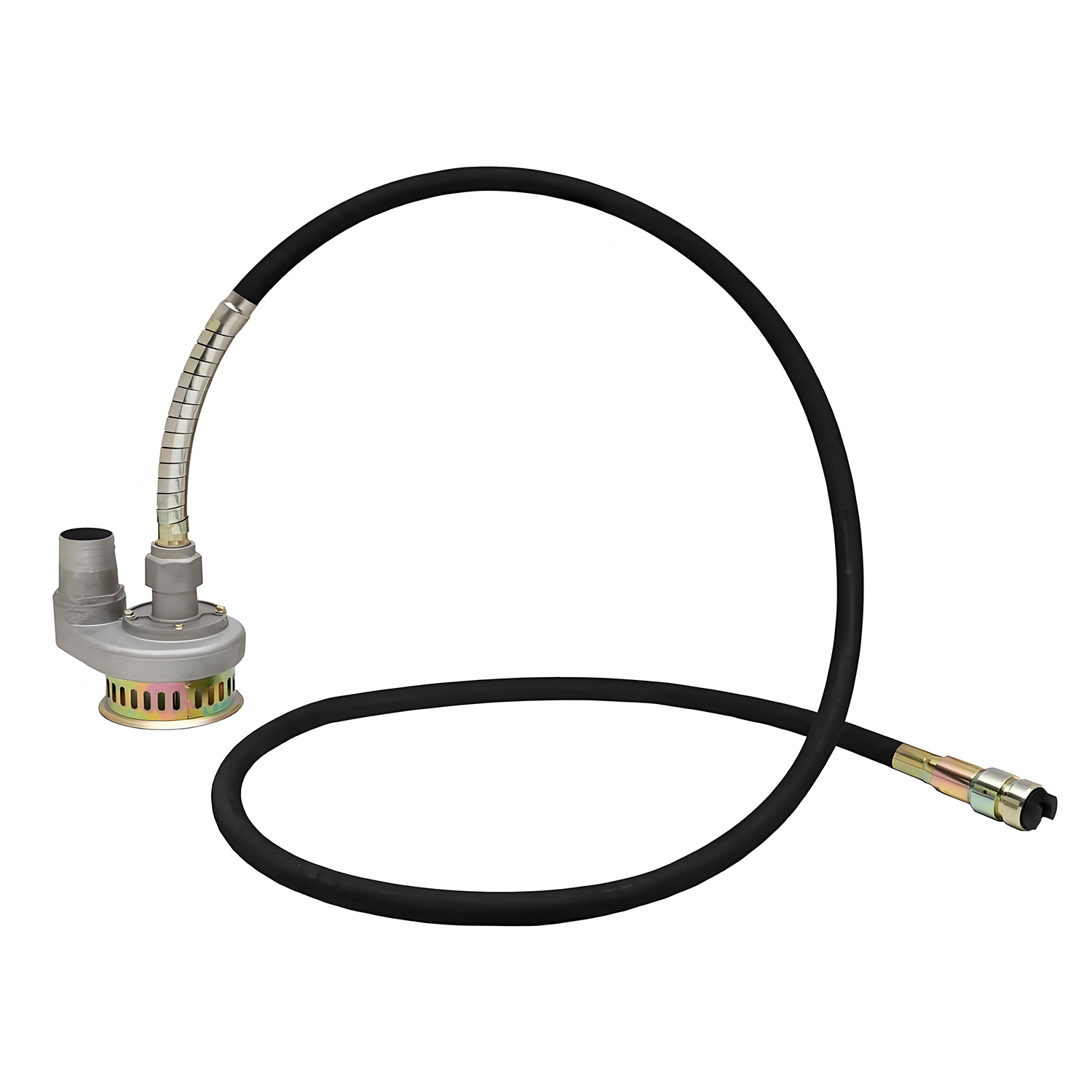 Submersible Pump
 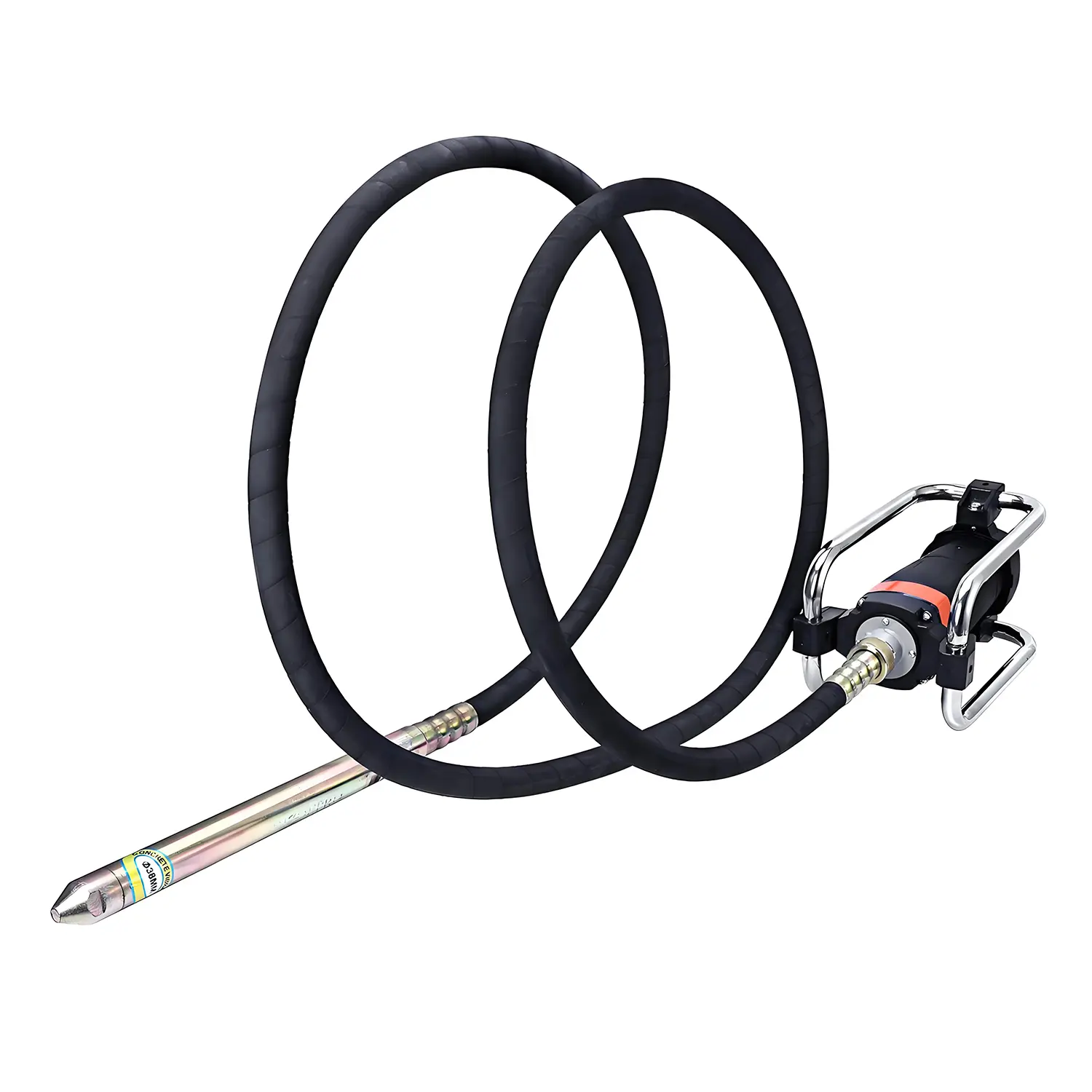 Eccentric shaft
 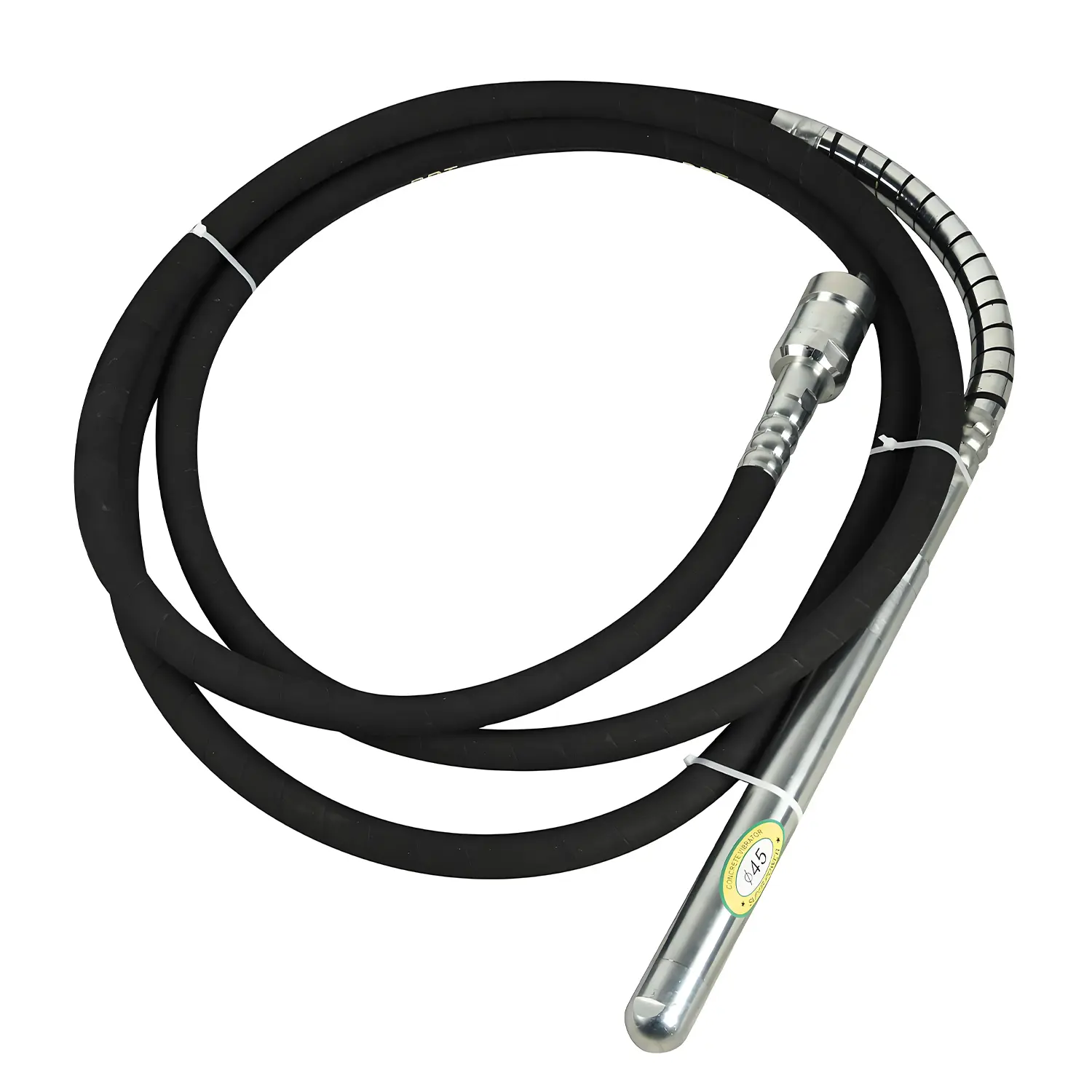 Pendulum shaft
 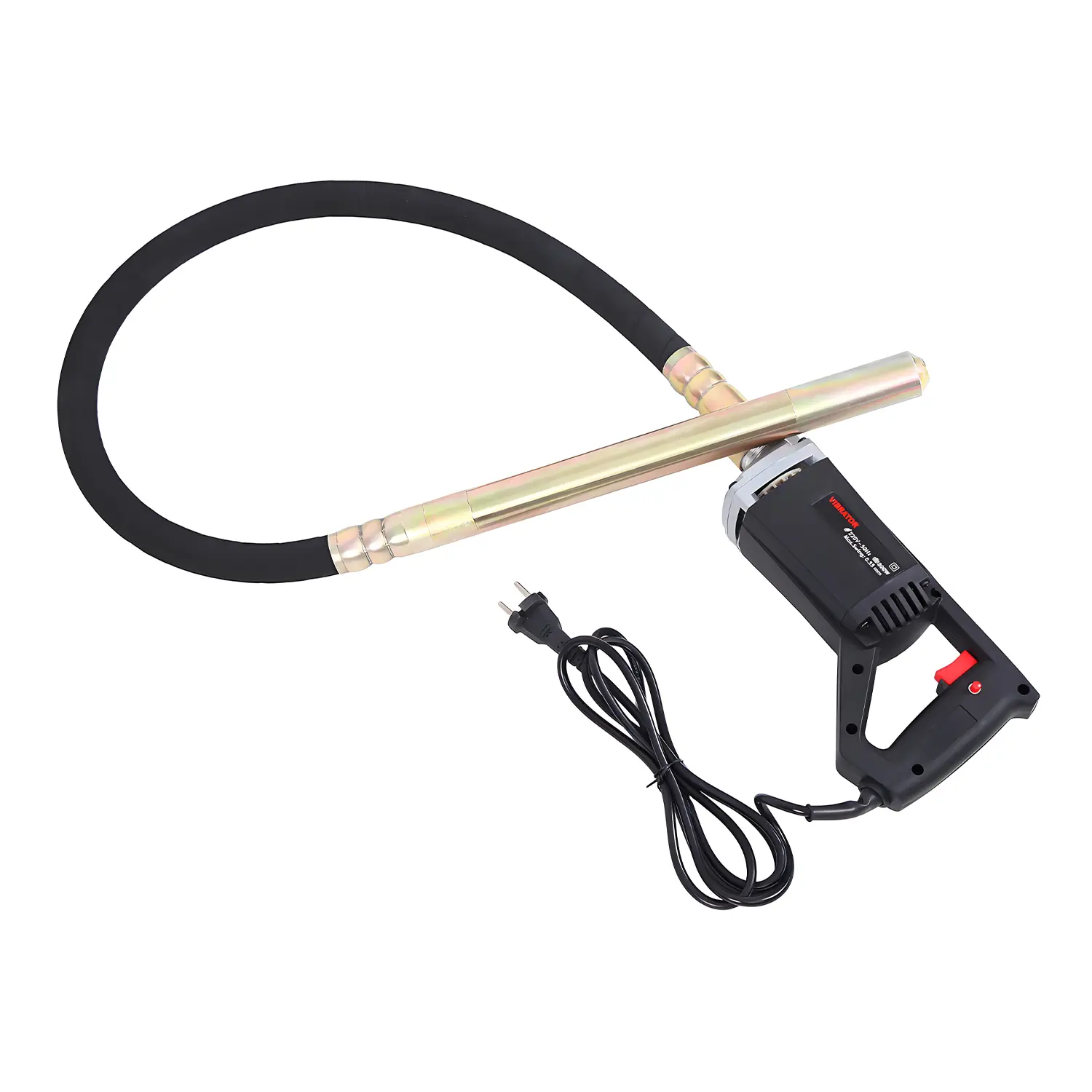 Portable vbrator shaft
 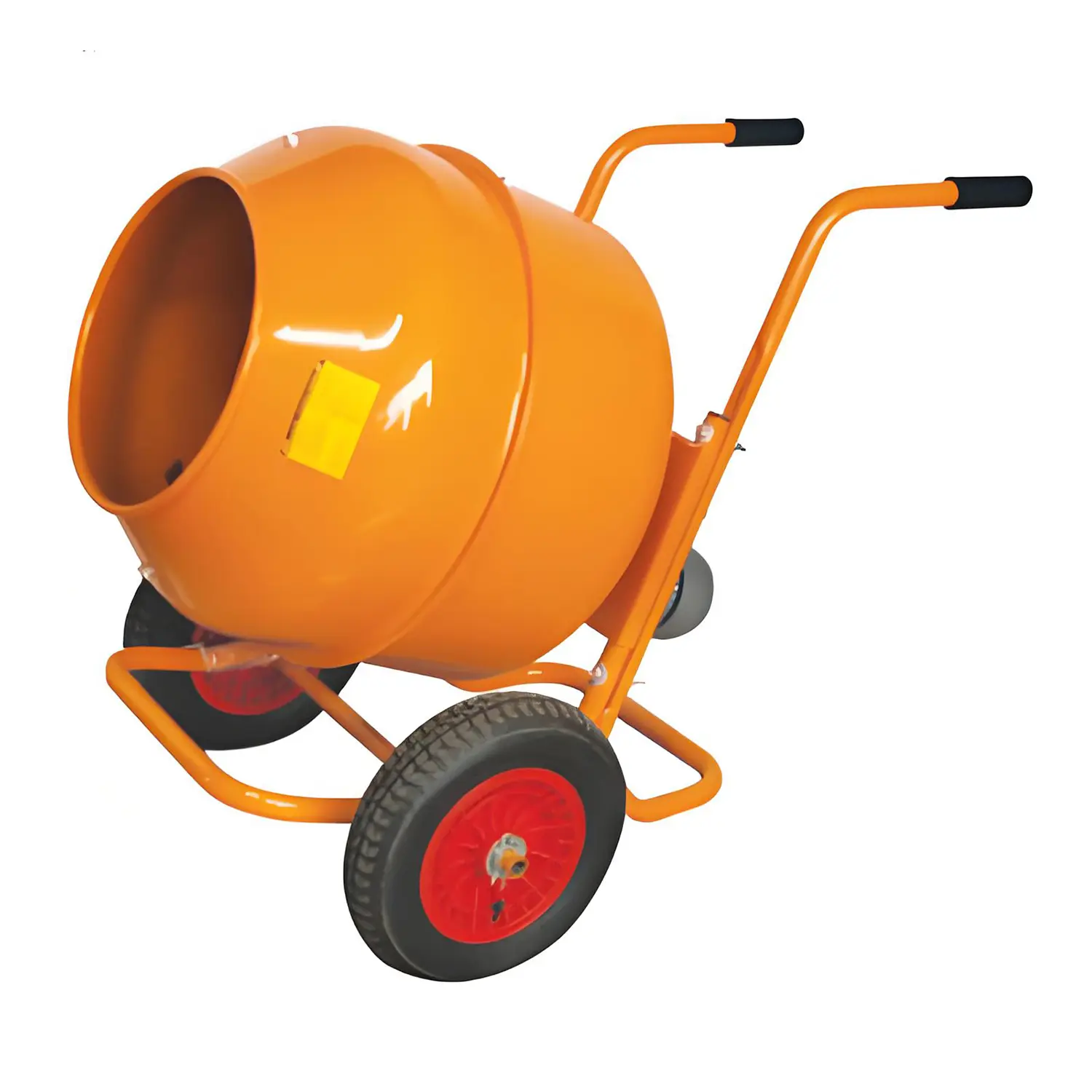 Portable concrete mixer
 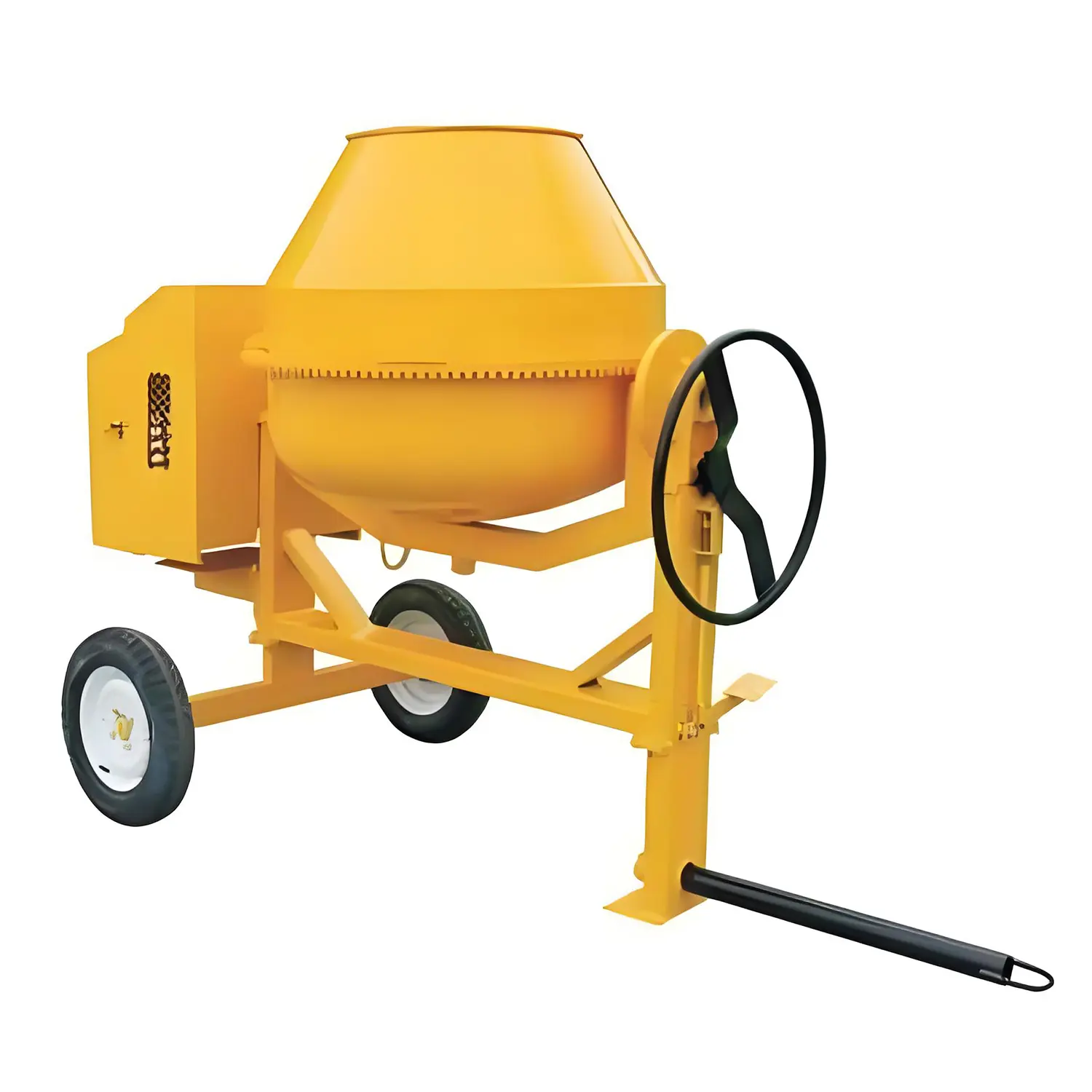 Vertical concrete mixer
 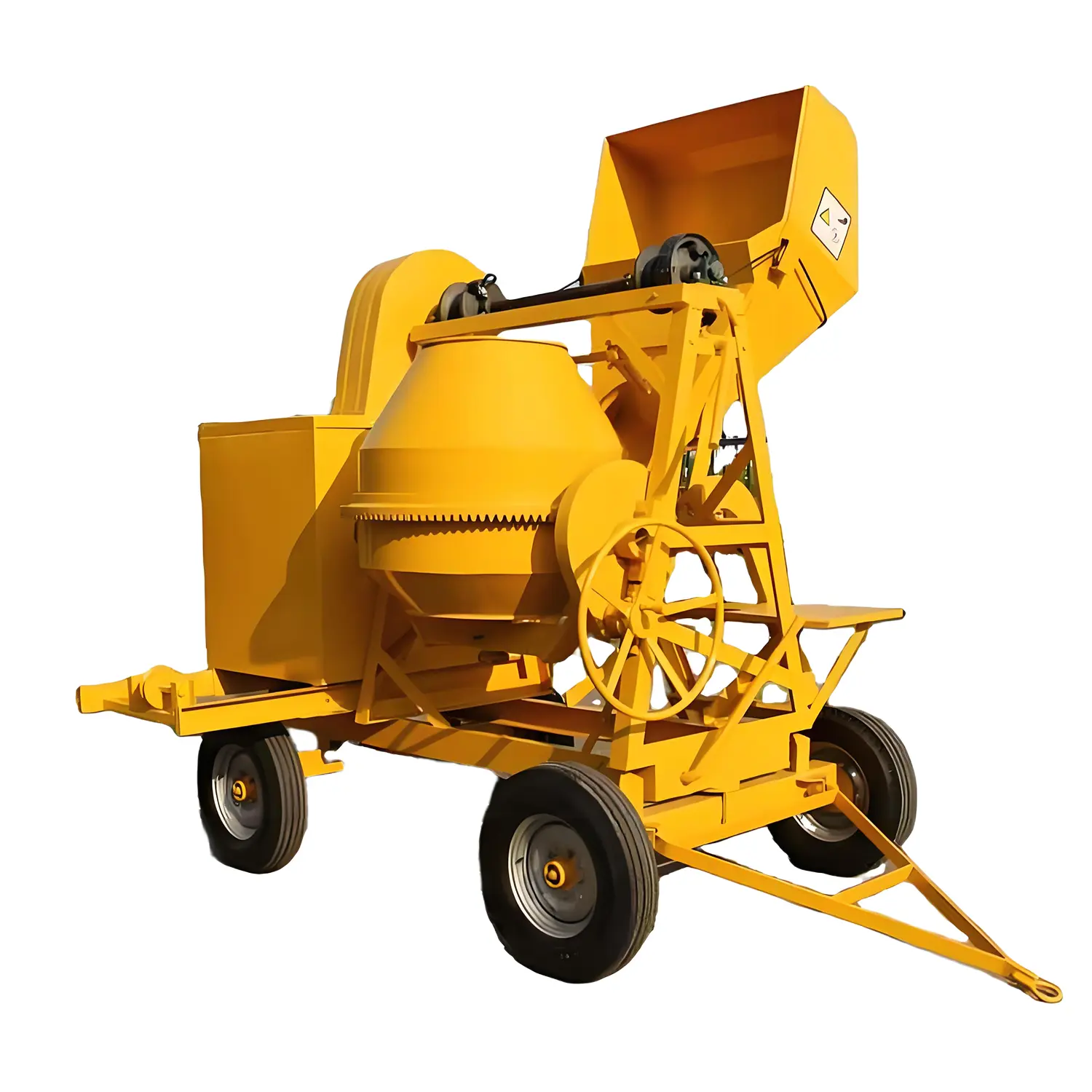 Hydraulic concrete mixer
 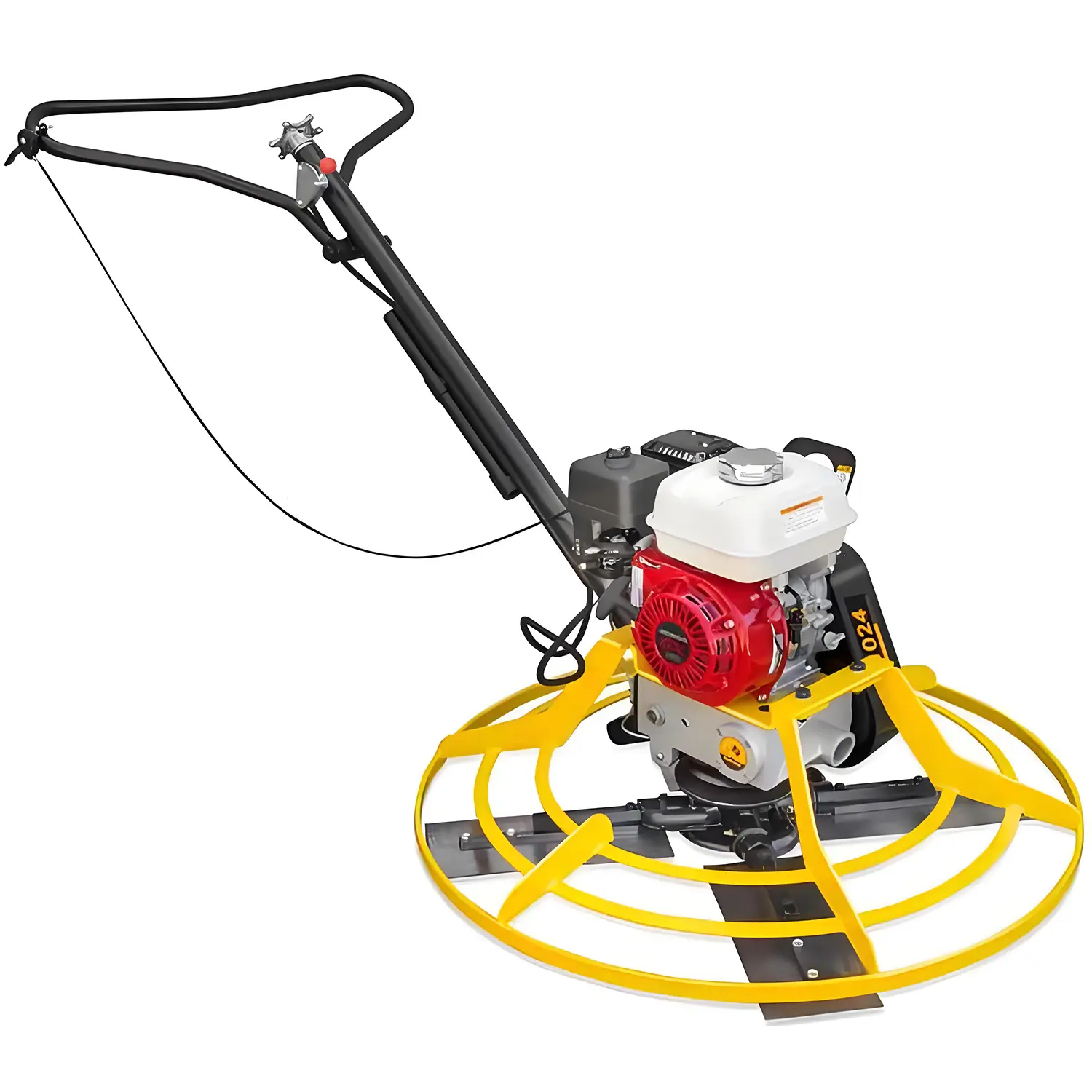 Walk behind power trowel
 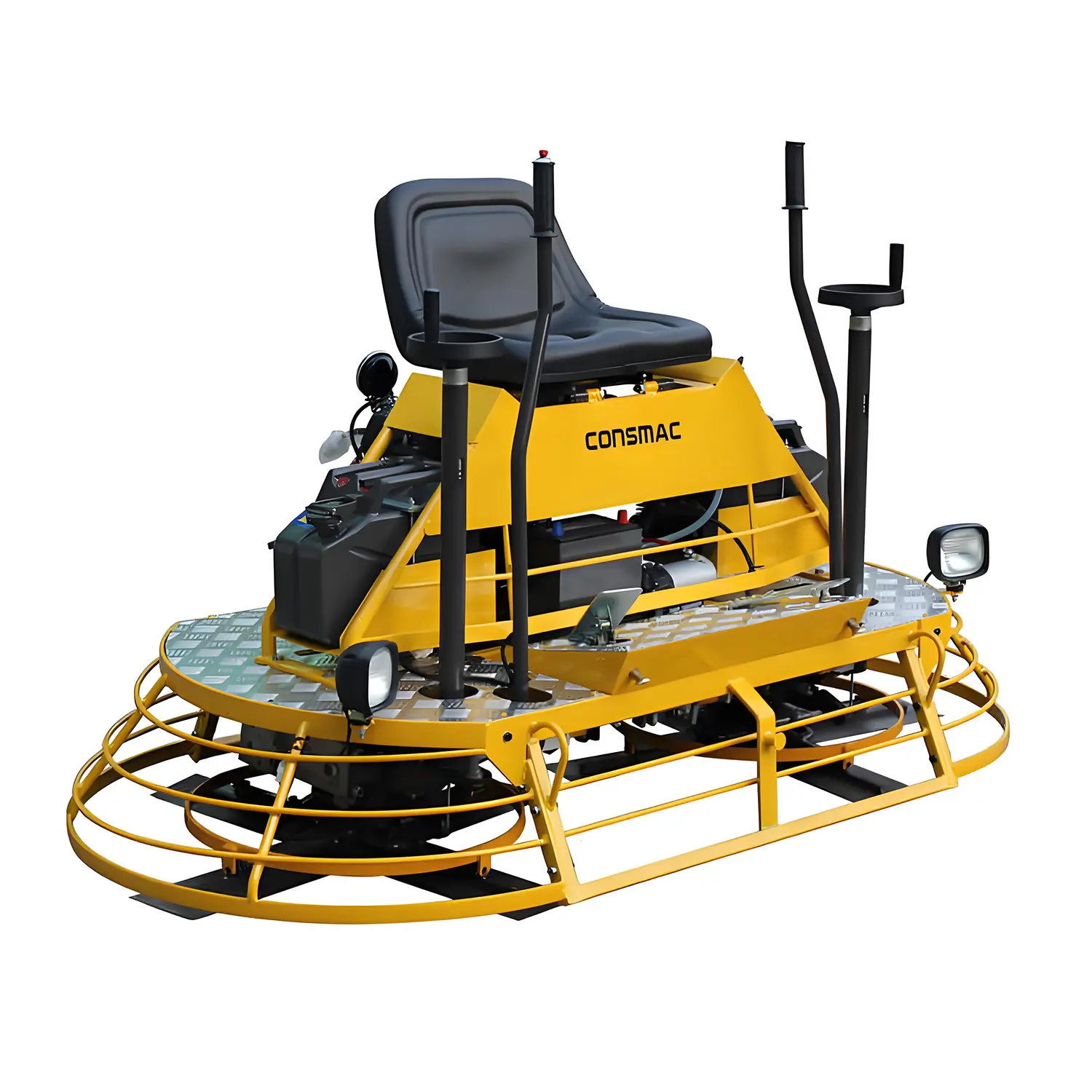 Ride on power trowel
 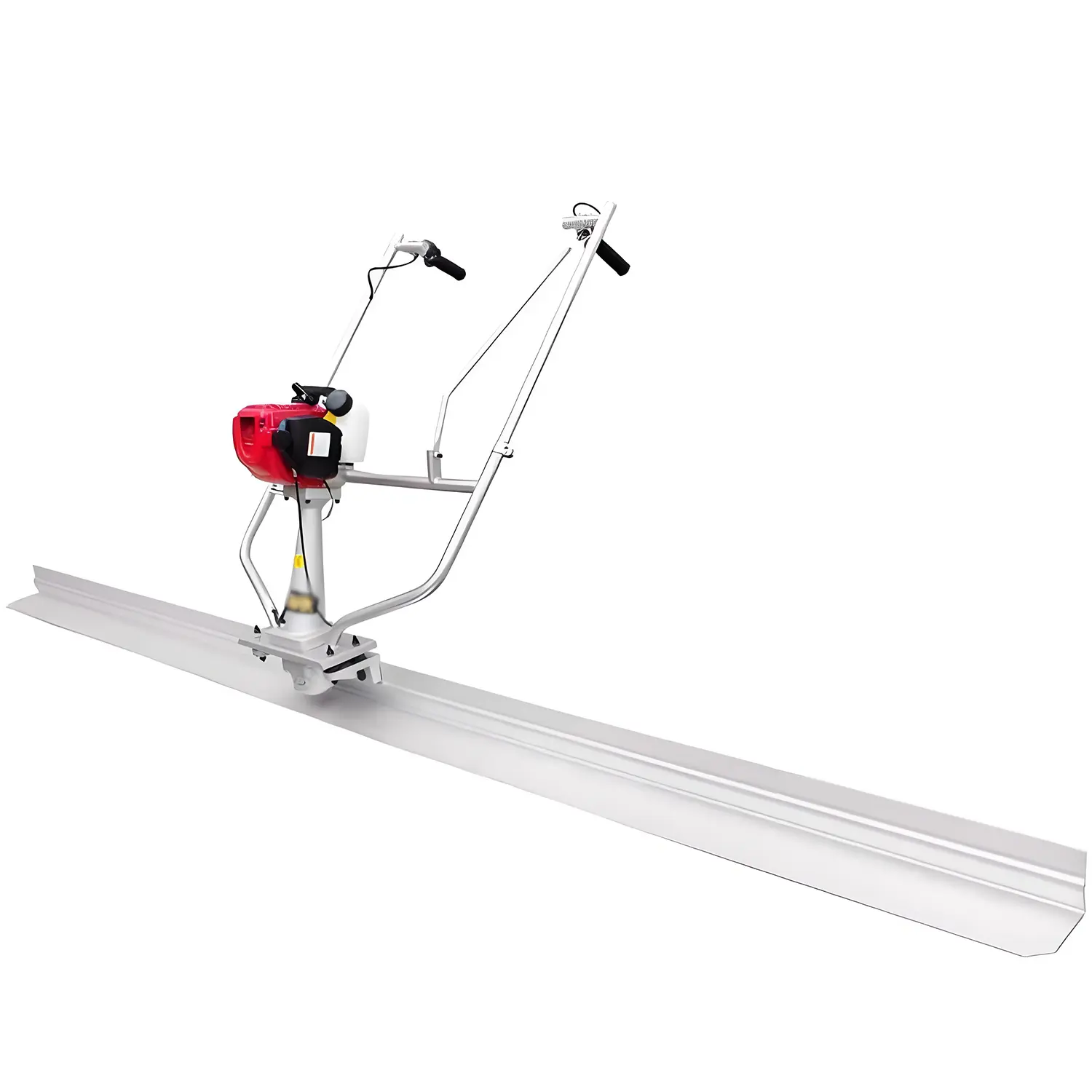 Concrete screed
 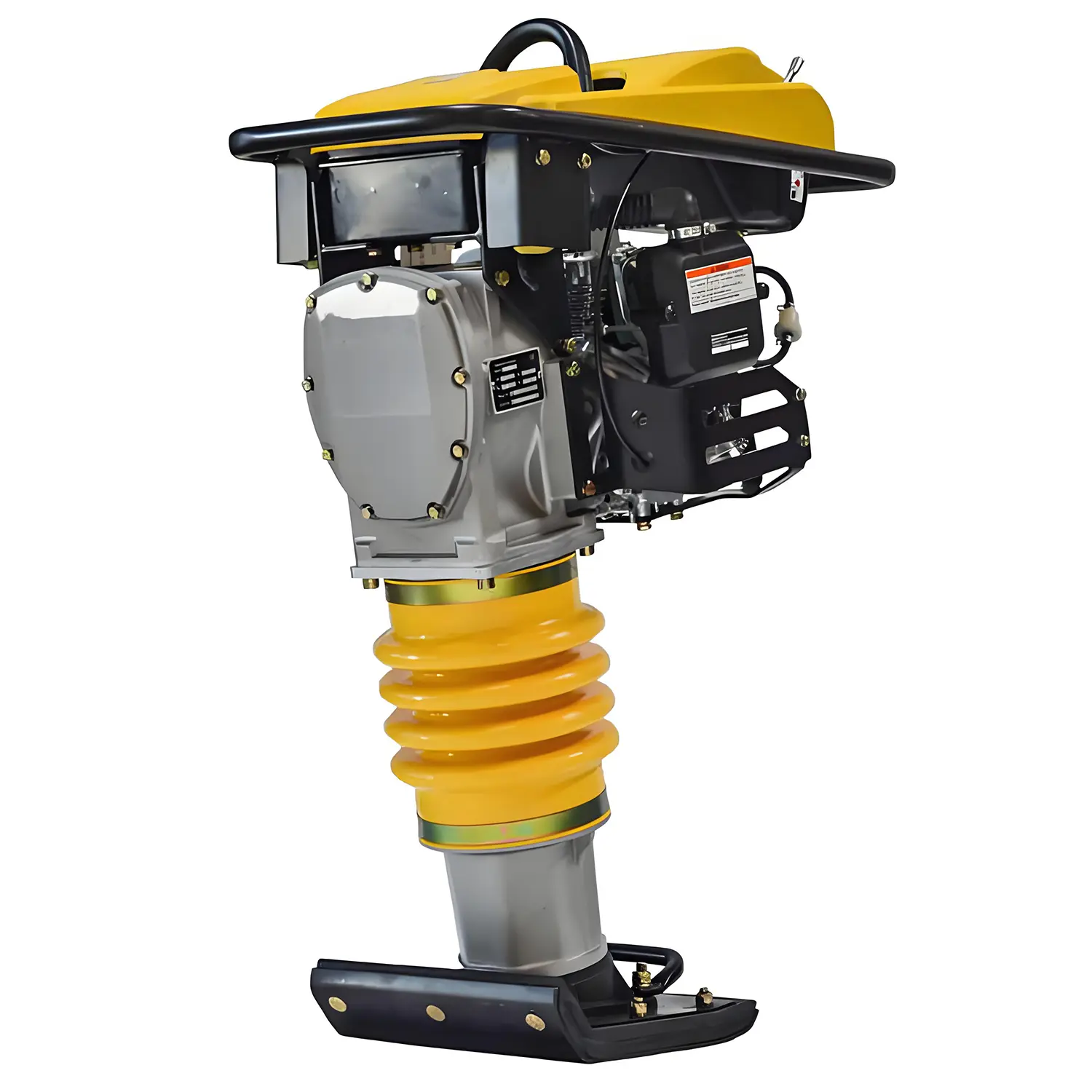 Tamping rammer
 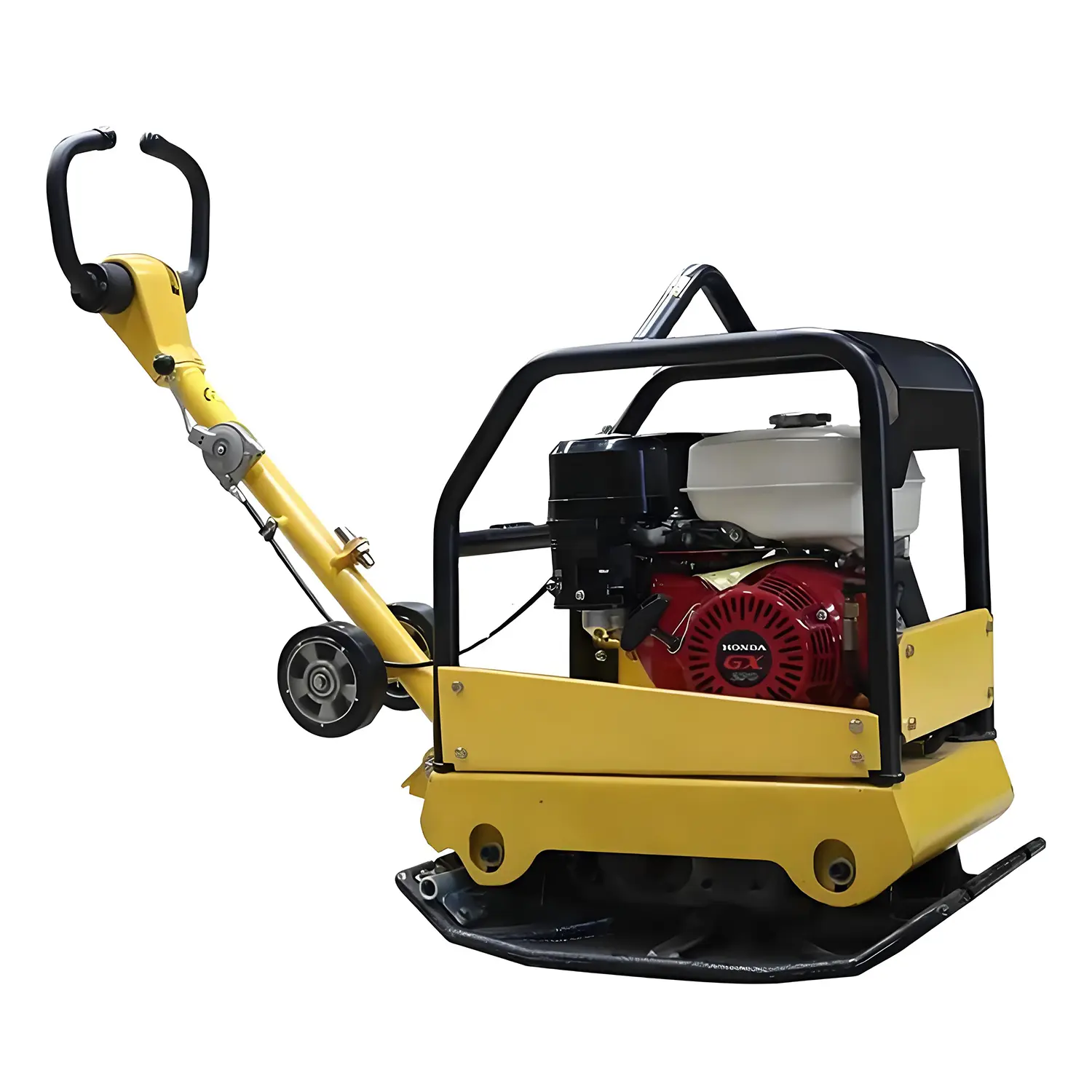 Plate compactor
 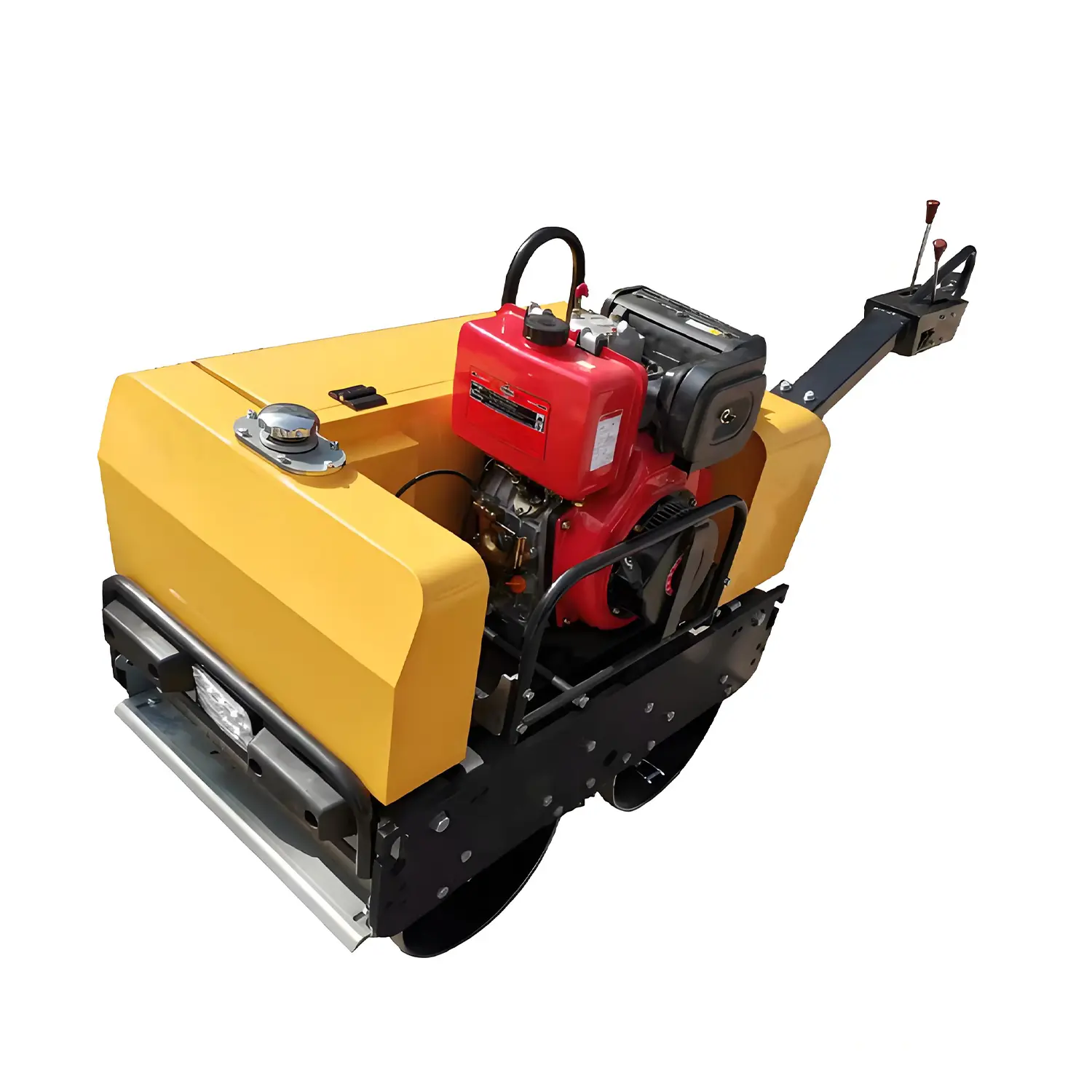 Vibratory roller

How to Choose the Right Floor Grinding Machine for Concrete Surfaces
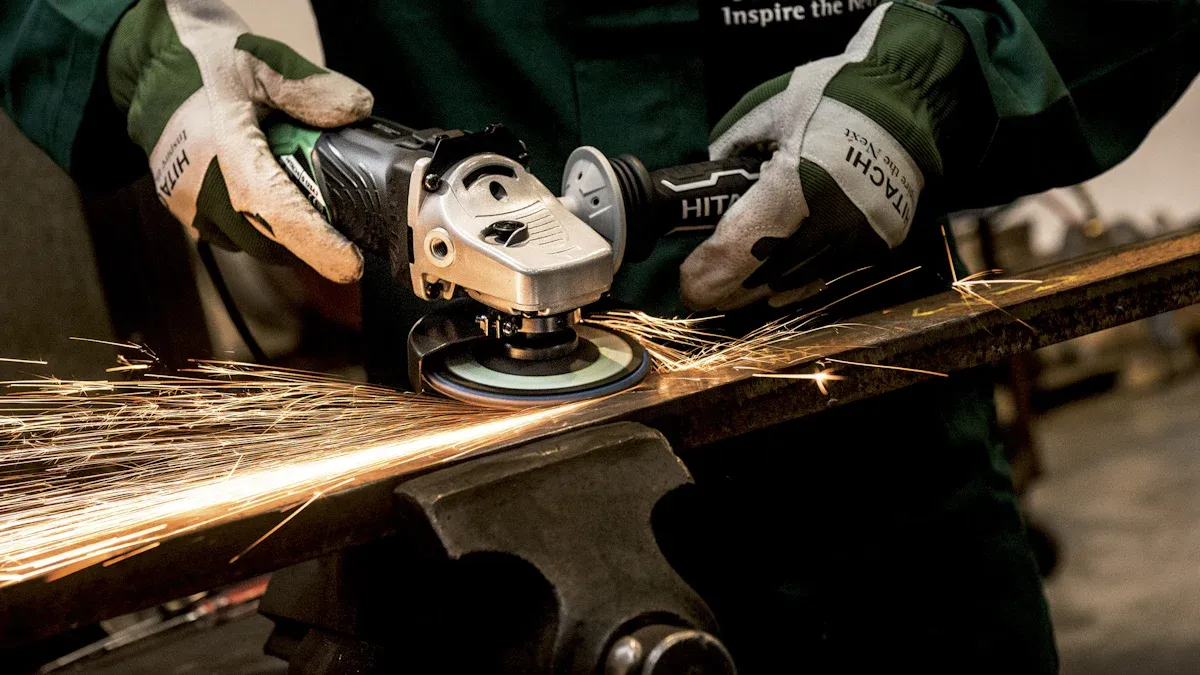
You need to make informed decisions for optimal concrete surface preparation. Understanding the critical factors that influence machine and tooling selection is key. You will achieve superior results. Carefully match your MAXMACH equipment to your specific project demands. This ensures the best outcome for your concrete.
Key Takeaways
- Choose the right Concrete Grinder for your project. Consider if you need a handheld or walk-behind machine. Think about the grinding system, like planetary forsmooth finishes or rotary for heavy removal.
- Match your grinder's power source to your work area. Electric grinders are good for indoors. Propane or gas grinders work well for outdoor or large areas with good airflow.
- Select the correct diamond tooling for the job. Use soft bond tools for hard concrete. Use hard bond tools for soft concrete. Pick the right grit size for removing material or polishing.
Understanding Concrete Grinders and Their Core Functions
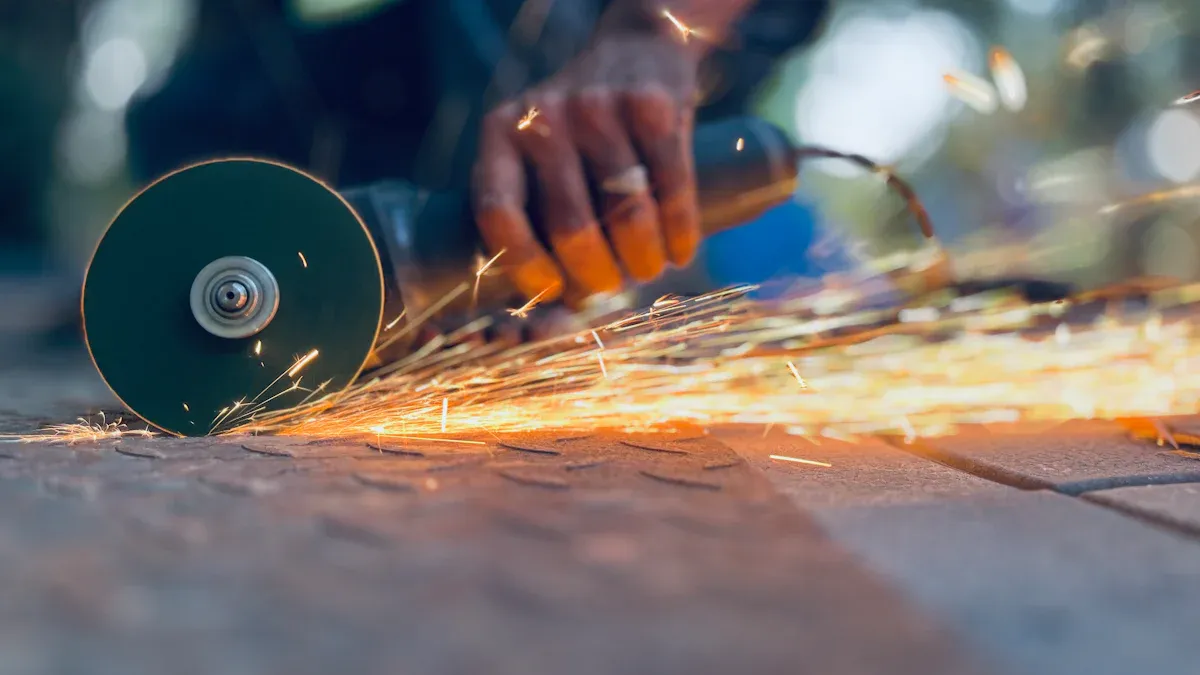
What Defines a Concrete Floor Grinder?
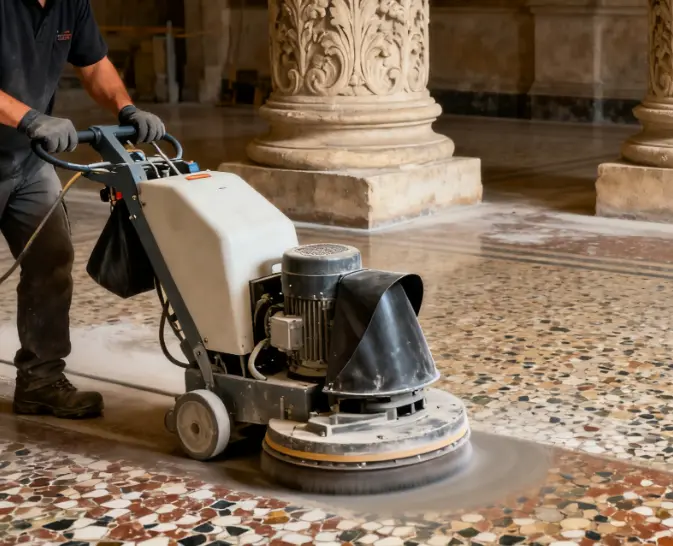
A concrete floor grinder is a powerful machine. It uses rotating abrasive tools to smooth, level, or clean concrete surfaces. You attach diamond segments or other specialized tooling to its grinding head. These tools spin at high speeds. They remove layers from the concrete. This process prepares the floor for new coatings or finishes.
Primary Applications for Concrete Grinding Machines
You use Concrete Grinding Machines for many tasks.
- Surface Preparation: You prepare concrete floors for new epoxy coatings, sealers, or paints. The grinder creates a clean, profiled surface. This helps new materials stick better.
- Coating and Adhesive Removal: You remove old glues, mastics, thin-set, or paint from concrete. The grinder strips away these unwanted layers efficiently.
- Concrete Polishing: You achieve a smooth, reflective finish on concrete floors. This involves using progressively finer grinding tools.
- Leveling Uneven Surfaces: You flatten high spots or remove trip hazards. The grinder creates a more uniform and safe floor.
Key Benefits of Using the Correct Grinder
Using the right concrete grinder offers significant advantages.
- Improved Efficiency: You complete projects faster. The correct machine and tooling cut through concrete quickly.
- Enhanced Safety: You reduce dust exposure with integrated dust collection systems. This creates a healthier work environment.
- Superior Results: You achieve a professional finish. The right grinder ensures consistent surface profiles and optimal adhesion for new materials. For example, a well-chosen MAXMACH grinder delivers reliable performance.
- Cost Savings: You extend the life of your floor. Proper preparation prevents premature coating failure.
Selecting the Ideal MAXMACH Grinder for Your Project
Choosing the right MAXMACH grinder makes a big difference for your project. You need to consider several factors. These factors help you match the machine to your specific job.
Machine Type: Handheld vs. Walk-Behind Grinders
You have two main types of grinders: handheld and walk-behind. Each type suits different tasks.
- Handheld Grinders: You use these for small areas or edges. They are lightweight and easy to maneuver. You can grind stairs, corners, or tight spaces with a handheld unit. They are good for detail work.
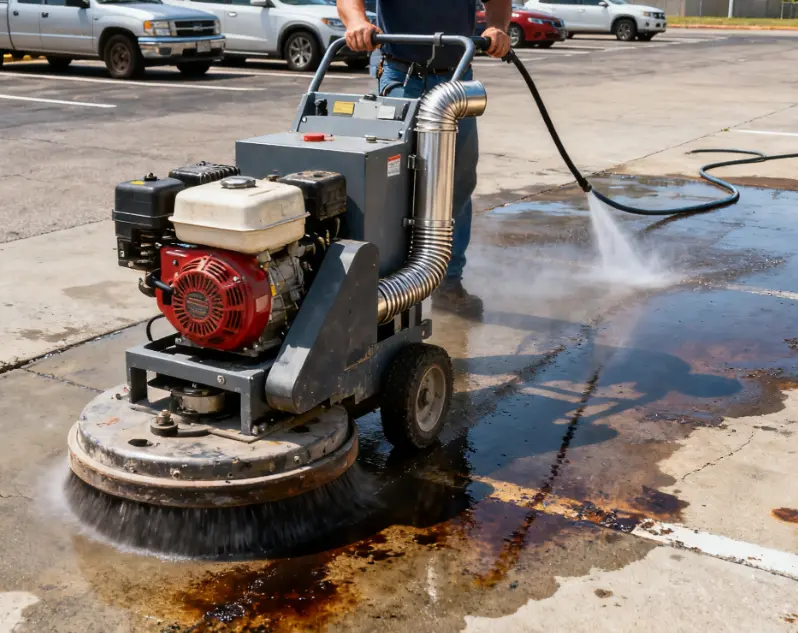
- Walk-Behind Grinders: You operate these machines by walking behind them. They cover large areas quickly. Walk-behind grinders offer more power and weight. This helps them remove material faster. You choose a walk-behind grinder for open floors.
Grinding Mechanism: Planetary vs. Rotary Systems
The way a grinder spins its tools affects its performance. You will find two main grinding mechanisms.
- Planetary Systems: These systems have multiple grinding heads. Each head spins on its own axis. The entire plate also rotates. This creates a more even scratch pattern. You get a smoother finish with a planetary grinder. They are excellent for polishing.
- Rotary Systems: A rotary grinder has one large grinding head. This head spins in a single direction. Rotary systems are very aggressive. You use them for heavy material removal. They work well for stripping coatings or leveling uneven concrete.
Power Source: Electric, Propane, or Gas Options
Your power source choice impacts where and how you can work.
- Electric Grinders: You plug these into an electrical outlet. They produce no fumes. This makes them ideal for indoor use. Electric grinders are quieter. You need access to sufficient power.
- Propane Grinders: These machines run on propane fuel. They are very powerful. You can use them in areas without electricity. Propane grinders are mobile. They do produce exhaust fumes. You must ensure good ventilation when using them indoors.
- Gas Grinders: Similar to propane, gas grinders offer high power and mobility. They also produce exhaust. You typically use them outdoors or in very well-ventilated spaces.
Critical Specifications: Size, Power, and Speed Adjustment
You need to look at the machine's specifications. These details tell you about its capabilities.
- Size: Larger grinders cover more area per pass. Smaller grinders fit into tighter spaces. You match the size to your project's scale.
- Power: Power is measured in horsepower (HP) or kilowatts (kW). More power means faster material removal. You choose higher power for tough jobs.
- Speed Adjustment: Many grinders let you change the rotation speed. You use lower speeds for delicate work or polishing. Higher speeds are for aggressive grinding. This flexibility helps you adapt to different tasks.
Tip: A MAXMACH grinder with variable speed control gives you greater versatility for various concrete conditions and desired finishes.
Dust Collection System Integration
Dust is a major concern when Grinding Concrete. You must manage it effectively.
- Integrated Systems: Many modern grinders have ports for dust collection. You connect a powerful vacuum system to these ports. This captures dust at the source.
- Benefits: A good dust collection system keeps your work area clean. It protects workers from harmful silica dust. You also get better visibility of the surface you are grinding. This leads to higher quality work. You always prioritize dust control for safety and efficiency.
Choosing the Right Grinding Tooling for Optimal Results
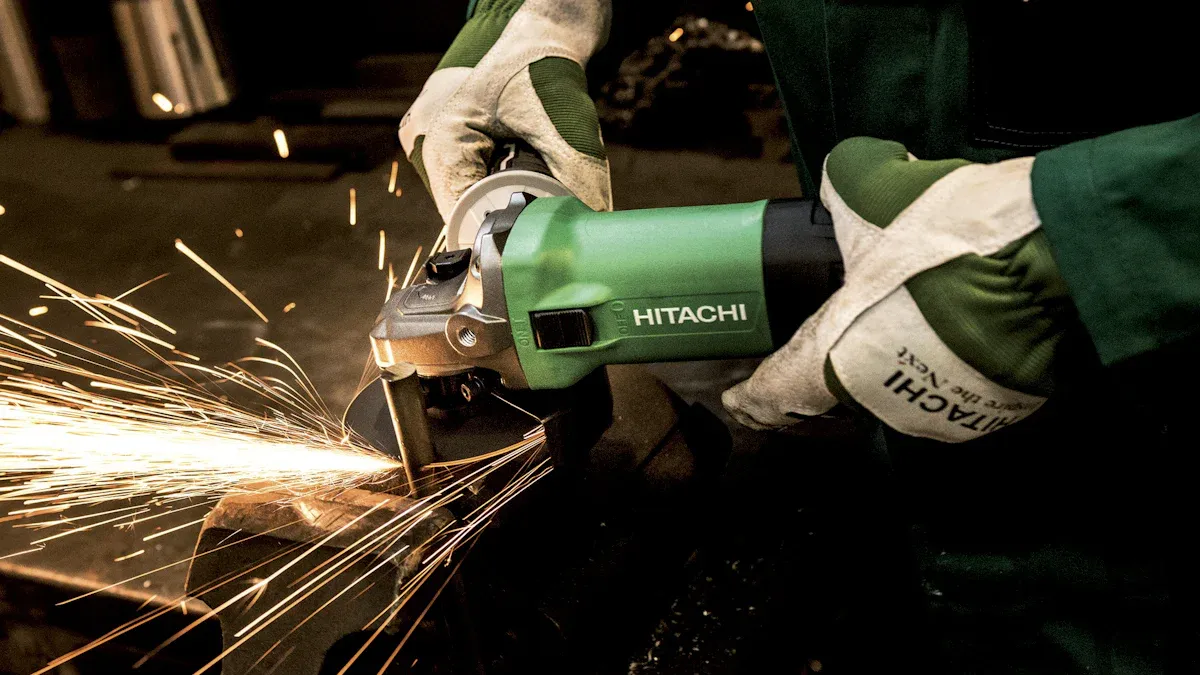
You understand the importance of your grinder. Now, you must choose the right tooling. The tools you attach to your grinder directly impact your results. They determine how fast you work and the quality of your finish. Selecting the correct tooling is just as vital as choosing the right machine.
Diamond Tooling: Bond Hardness and Grit Selection
Diamond tooling is the most common type for concrete grinding. These tools contain industrial diamonds embedded in a metal or resin matrix. You need to consider two main factors: bond hardness and grit size.
-
Bond Hardness: This refers to how quickly the metal matrix wears away.
- Soft Bond: You use soft bond tools on hard concrete. The soft bond wears down faster. This exposes new, sharp diamonds. This keeps the tool cutting effectively on dense surfaces.
- Medium Bond: You use medium bond tools on medium concrete. This bond offers a balanced wear rate. It works well for most general-purpose grinding.
- Hard Bond: You use hard bond tools on soft concrete. The hard bond wears slowly. This prevents the diamonds from releasing too quickly. Soft concrete can be very abrasive.
-
Grit Selection: Grit size tells you how coarse or fine the diamonds are.
- Coarse Grit (e.g., 16-30 grit): You use these for aggressive material removal. They strip coatings, remove heavy imperfections, or expose aggregate. Coarse grits leave a rough profile.
- Medium Grit (e.g., 40-80 grit): You use these for general grinding and smoothing. They remove scratches left by coarse grits. They prepare the surface for finer steps.
- Fine Grit (e.g., 100-200 grit): You use these for refining the surface. They create a smoother finish. You use them before polishing steps.
Tip: Always start with the lowest grit necessary to achieve your goal. Then, you progress through finer grits. This ensures efficient material removal and a smooth transition to your desired finish.
PCD Tooling for Aggressive Coating Removal
PCD stands for Polycrystalline Diamond. These tools are extremely aggressive. You use them specifically for removing tough coatings.
- What it does: PCD tools shear off thick epoxies, glues, mastics, and other resilient materials. They do not grind these coatings. They rip them away from the concrete surface.
- When to use it: You choose PCD tooling when you need to remove stubborn, thick layers. These layers would quickly clog or wear out standard diamond tools.
- Important Note: You do not use PCD tools directly on bare concrete. They can gouge and damage the surface. After removing the coating, you follow up with metal bond diamond tools. This smooths the concrete.
Resin Bond Tooling for Polishing and Finishing
Resin bond tools are essential for achieving a polished concrete floor. They contain diamonds embedded in a flexible resin matrix.
- Purpose: You use resin bond tools for the polishing stages. They create a smooth, reflective surface.
- Grit Progression: You start with lower grit resin tools (e.g., 50 or 100 grit). You then move through progressively higher grits (e.g., 200, 400, 800, 1500, 3000 grit). Each step refines the surface. It removes scratches from the previous step.
- Results: Higher grit numbers produce a higher sheen. You can achieve a matte, satin, or high-gloss finish.
Hybrid and Ceramic Tooling for Specialized Tasks
Sometimes, standard tooling does not quite fit your needs. Hybrid and ceramic tools offer specialized solutions.
- Hybrid Tooling: These tools combine characteristics of both metal and resin bonds. They often have a metal base with a resin-like segment.
- Benefits: You use hybrid tools as a transition step. They bridge the gap between aggressive metal grinding and fine resin polishing. They can also be effective on concrete that is difficult to grind.
- Ceramic Tooling: These tools use ceramic as the bonding agent.
- Benefits: You find ceramic tools offer excellent longevity and heat resistance. They can be very effective on hard concrete. They often provide a good scratch pattern. This prepares the surface well for subsequent polishing steps.
Matching Tooling to Concrete Hardness and Project Goals
You must carefully match your tooling to your specific project. This ensures efficiency and quality.
- Assess Concrete Hardness: You determine the concrete's hardness first. You can use a scratch test kit or a Mohs hardness scale. This tells you which bond hardness to choose for your diamond tools.
- Define Your Goal:
- Coating Removal: You select PCD tools for aggressive removal.
- Surface Preparation/Leveling: You choose coarse metal bond diamond tools.
- Smoothing/Refining: You use medium to fine metal bond diamond tools.
- Polishing: You use a series of resin bond diamond tools.
- Consider Your Grinder: Your MAXMACH grinder's power and speed capabilities also influence tooling choice. A powerful grinder can handle more aggressive tools.
- Test Small Areas: You always test a small, inconspicuous area first. This helps you confirm your tooling choice. You can adjust if needed.
Choosing the right tooling saves you time and money. It also ensures you achieve the best possible finish for your concrete surface.
You have learned about selecting the right MAXMACH grinder and its essential tooling. Make informed decisions. Thoroughly assess your project's unique demands. This ensures you choose the perfect equipment. You will achieve optimal concrete surface results with the right tools.
FAQ
### What is the difference between a planetary and rotary grinder?
A planetary grinder uses multiple heads that spin. This creates a smoother finish. A rotary grinder has one large head. It removes material aggressively.
Why is dust collection important when grinding concrete?
You must control dust for safety. It protects workers from harmful silica. It also keeps your work area clean. You get better visibility.
How do I choose the right diamond bond for my concrete?
You match the bond to the concrete hardness. Use a soft bond for hard concrete. Use a hard bond for soft concrete. A medium bond works for most jobs.