
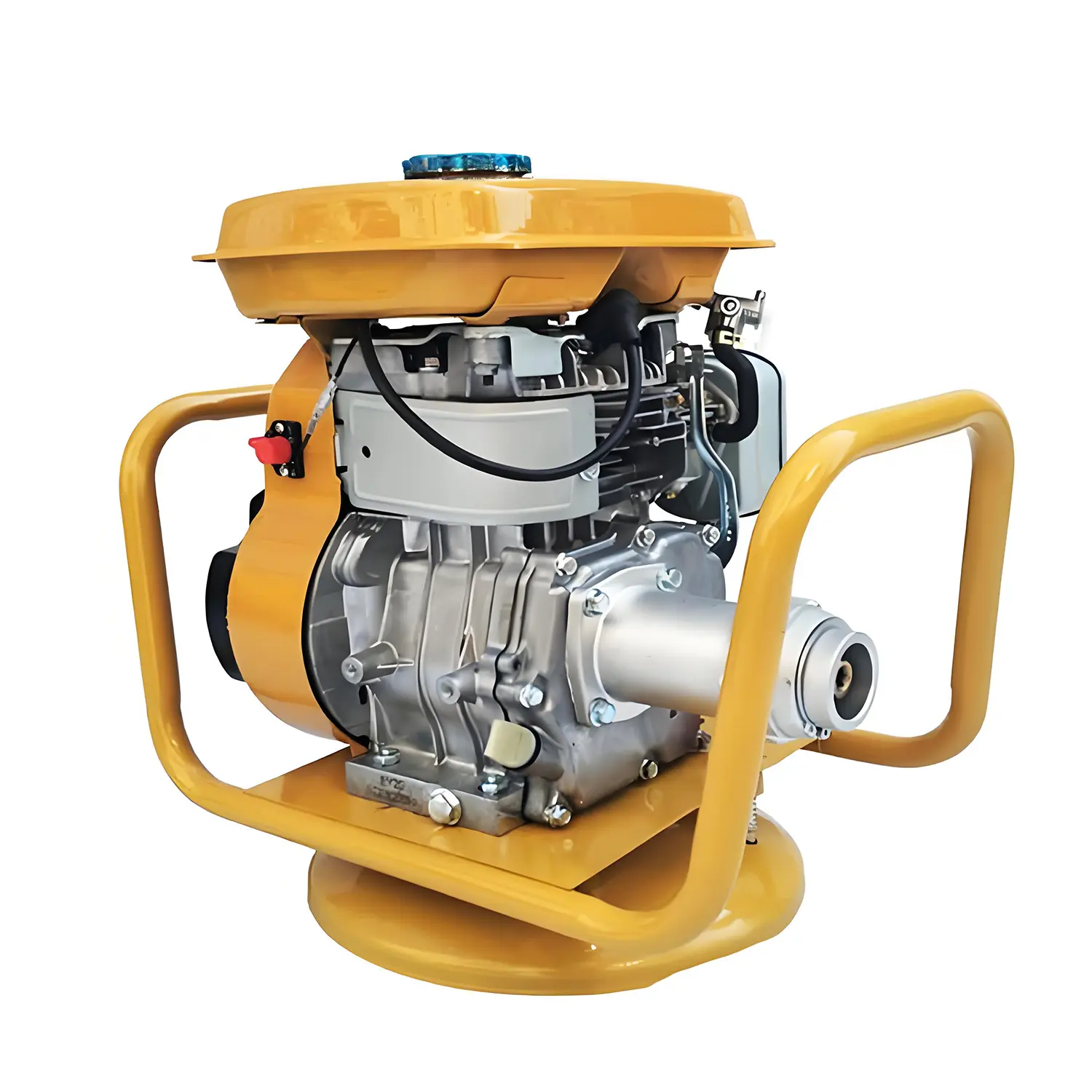
 Internal Vibrator
 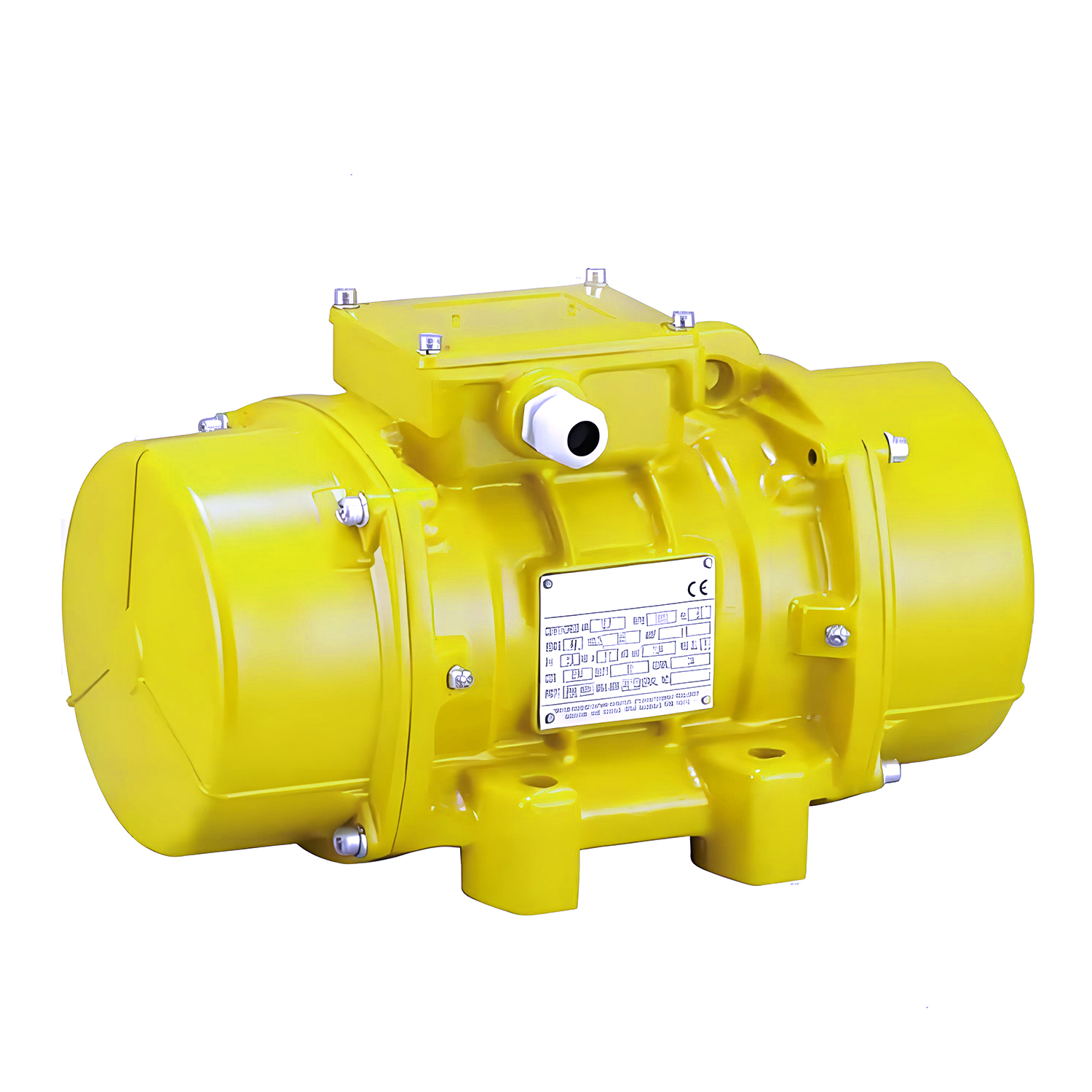 External Vibrator
 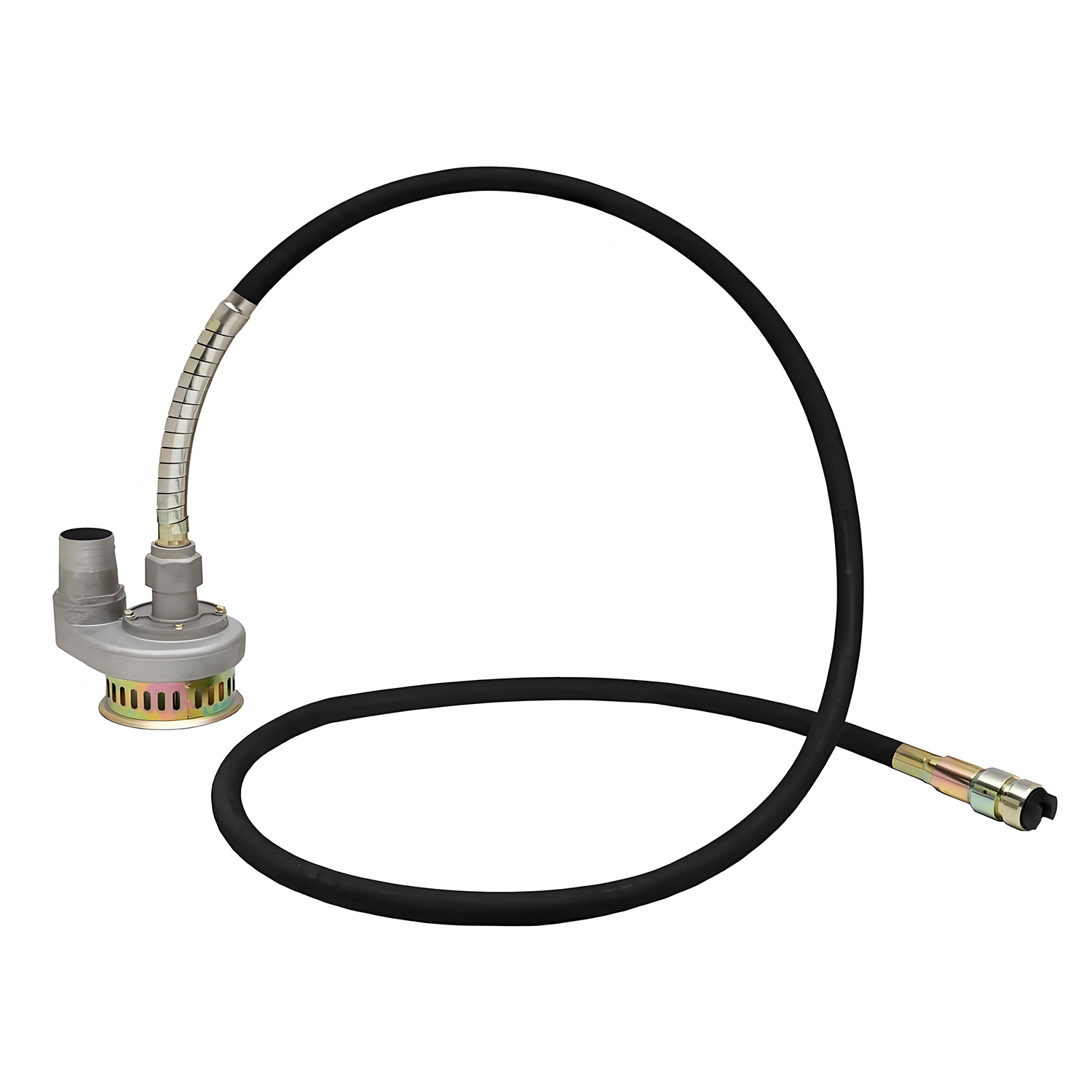 Submersible Pump
 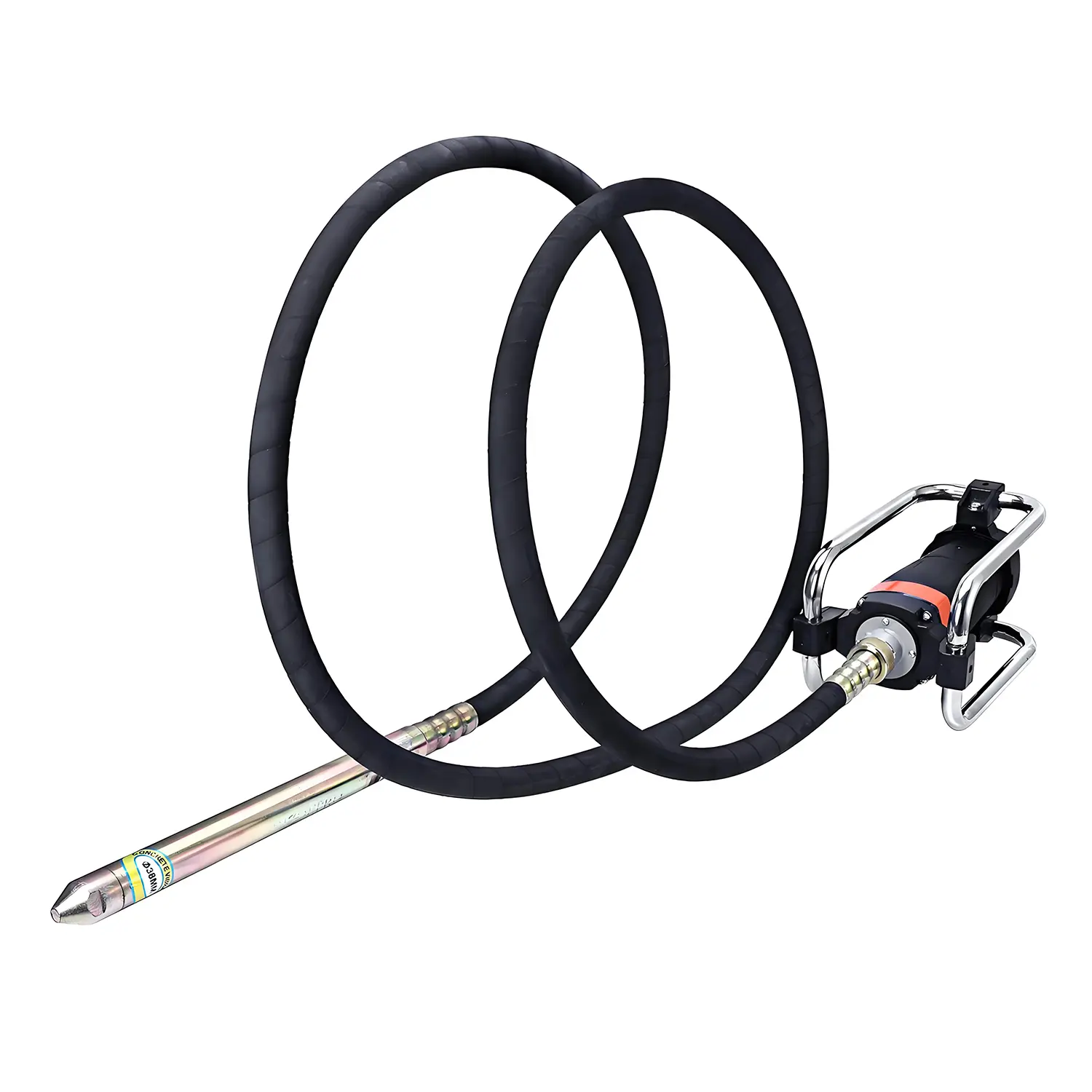 Eccentric shaft
 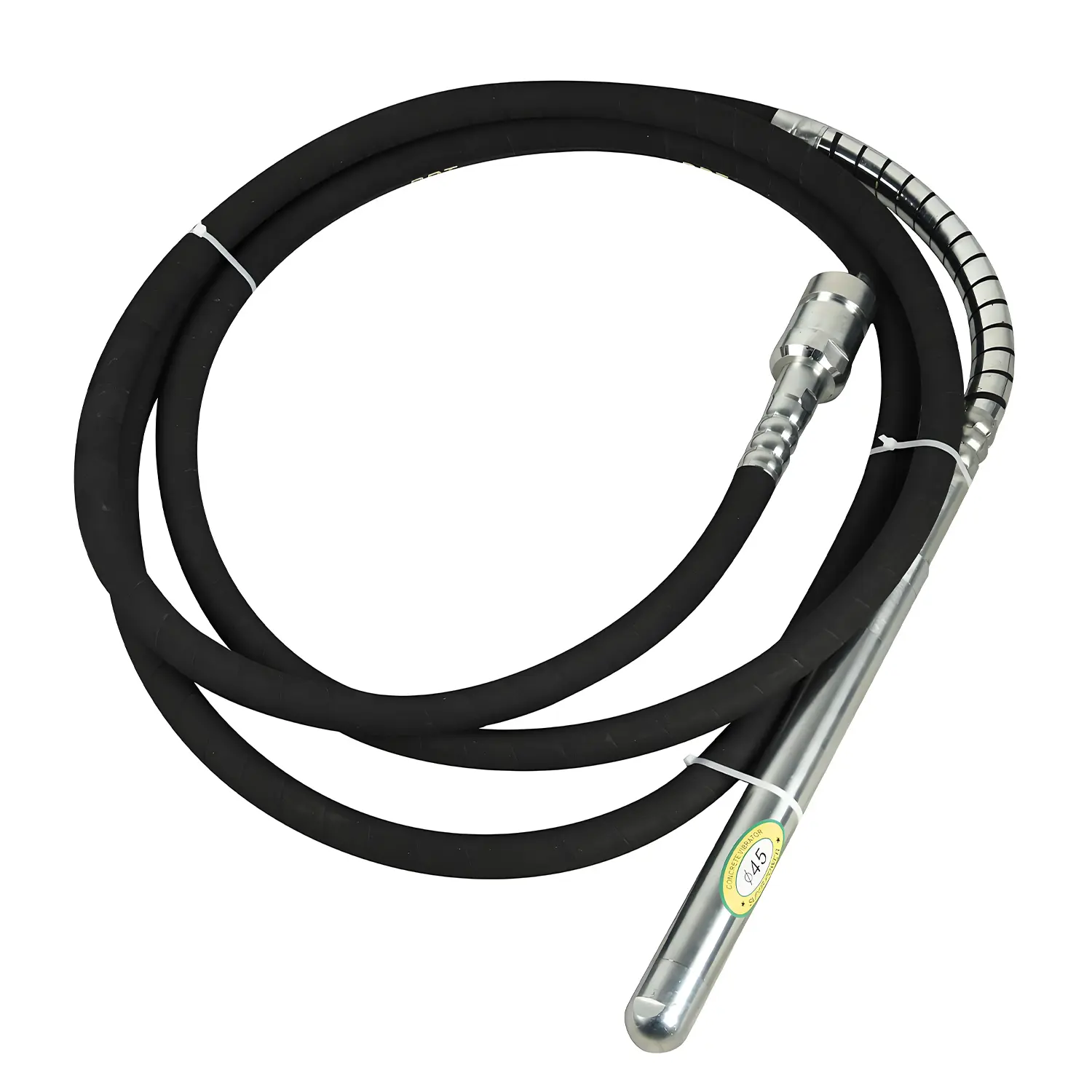 Pendulum shaft
 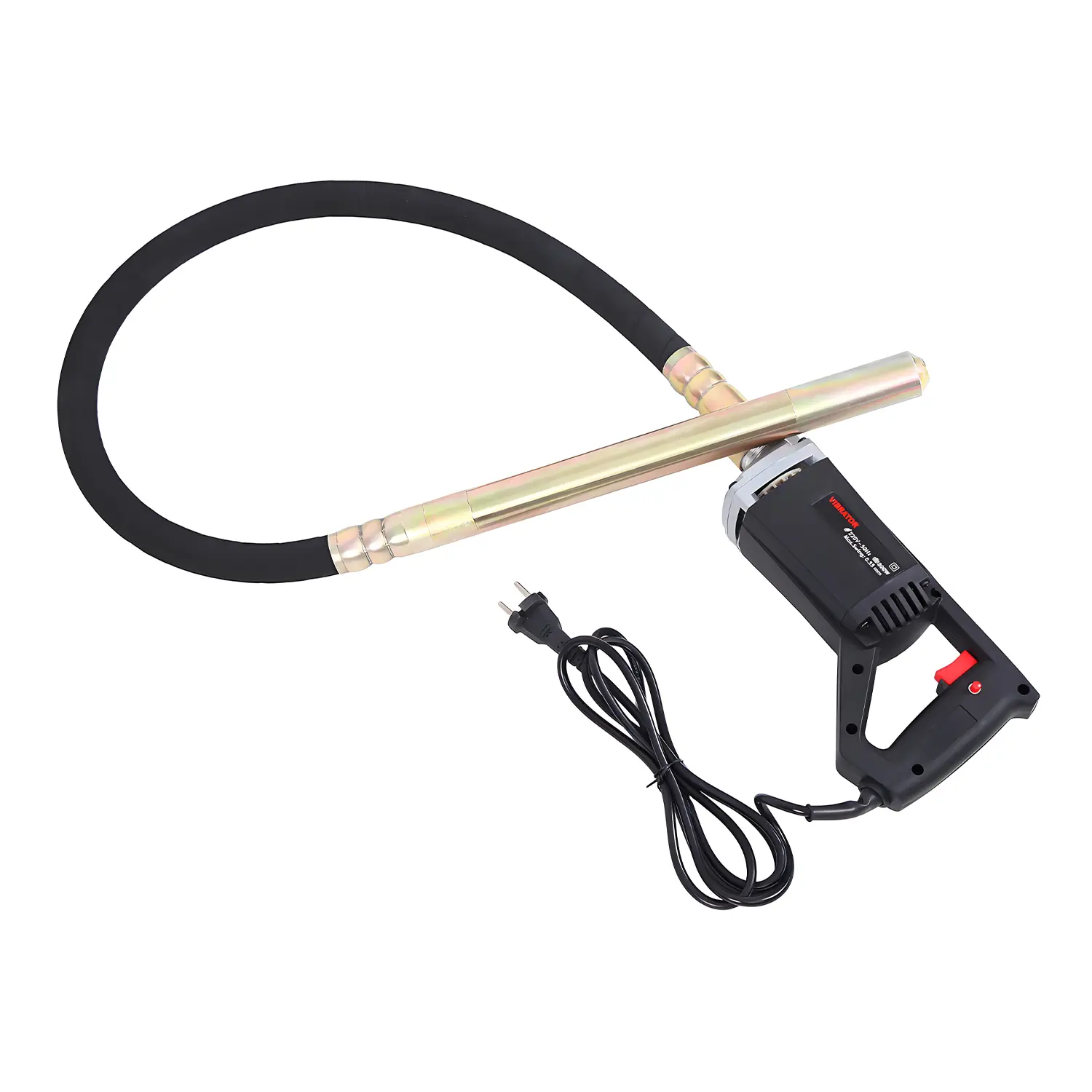 Portable vbrator shaft
 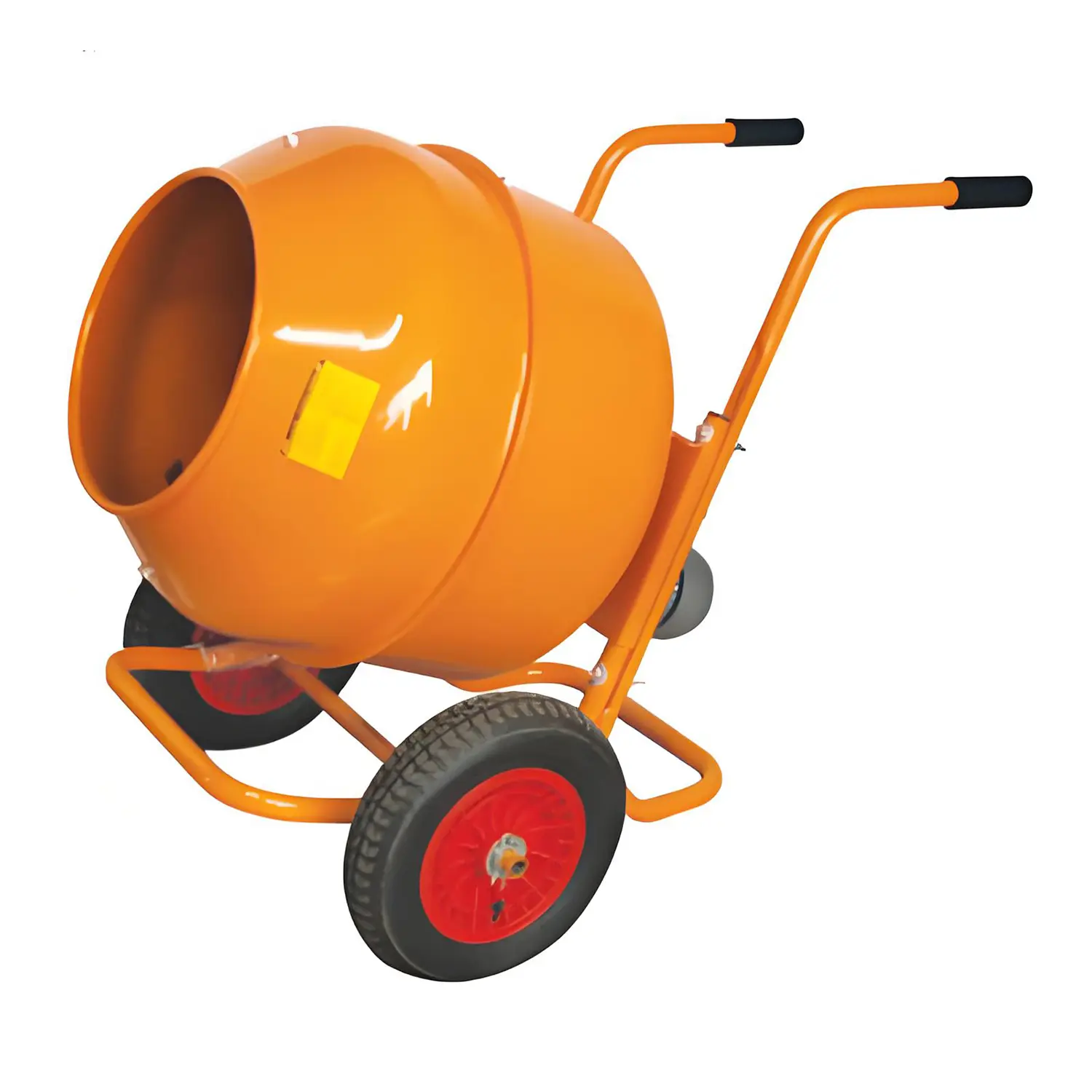 Portable concrete mixer
 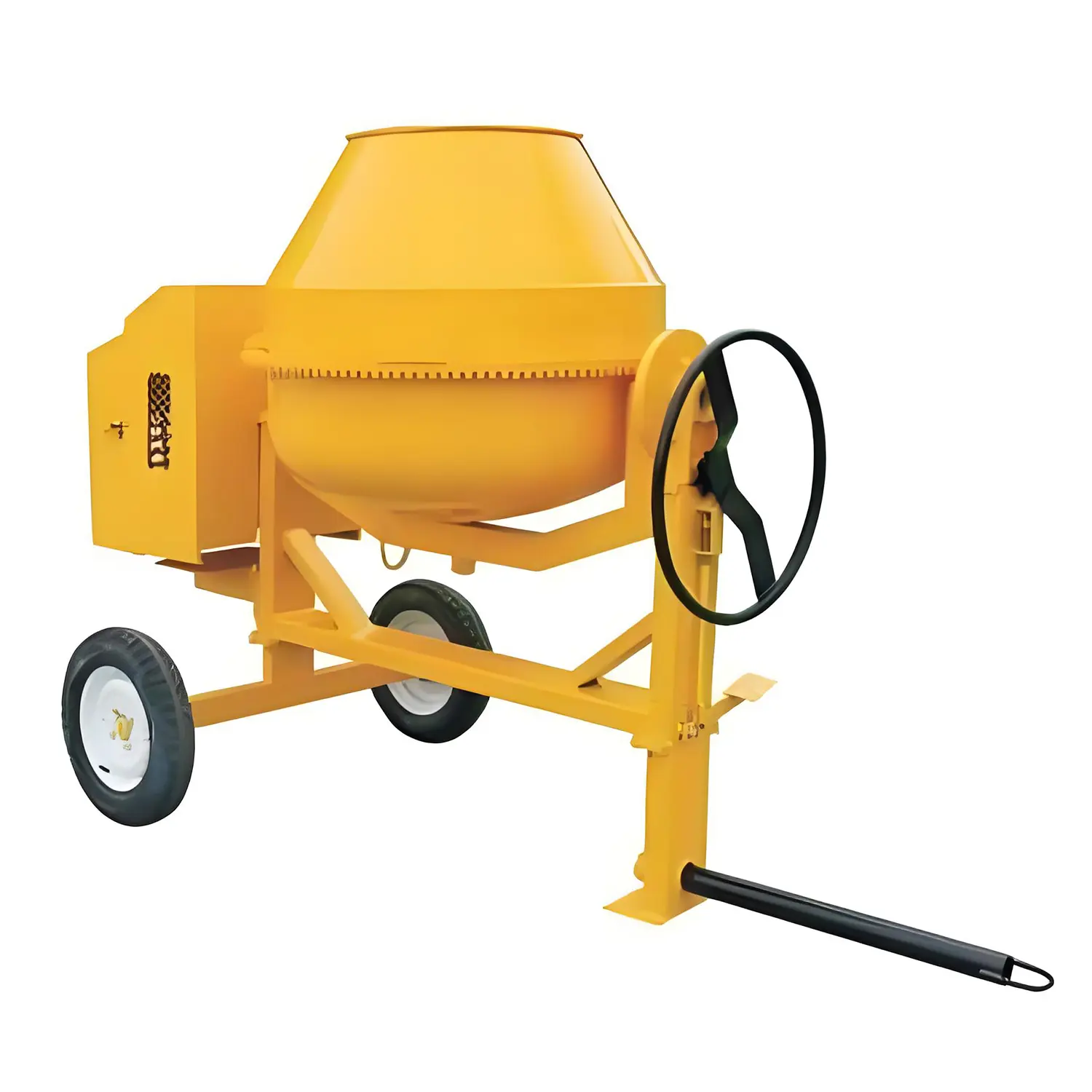 Vertical concrete mixer
 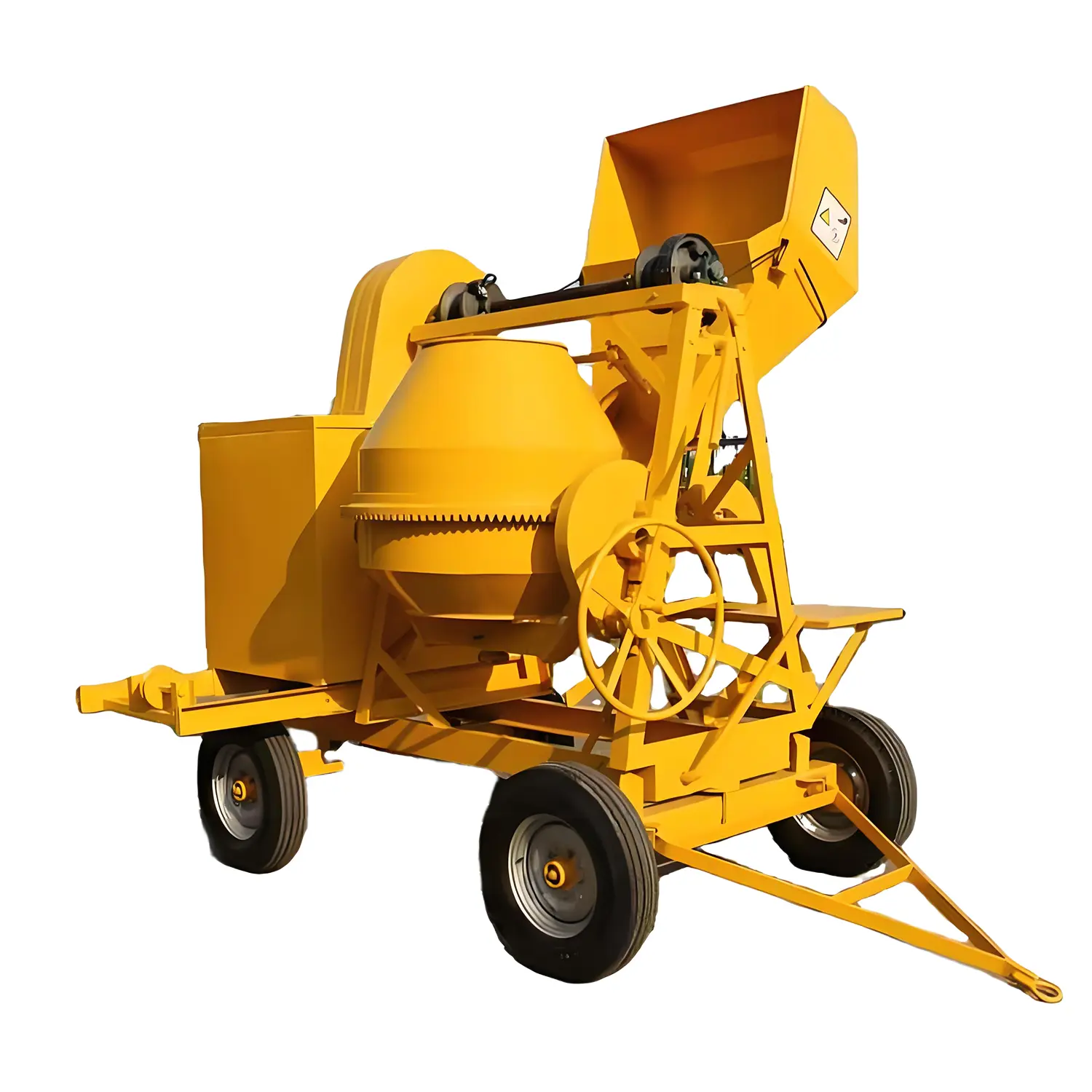 Hydraulic concrete mixer
 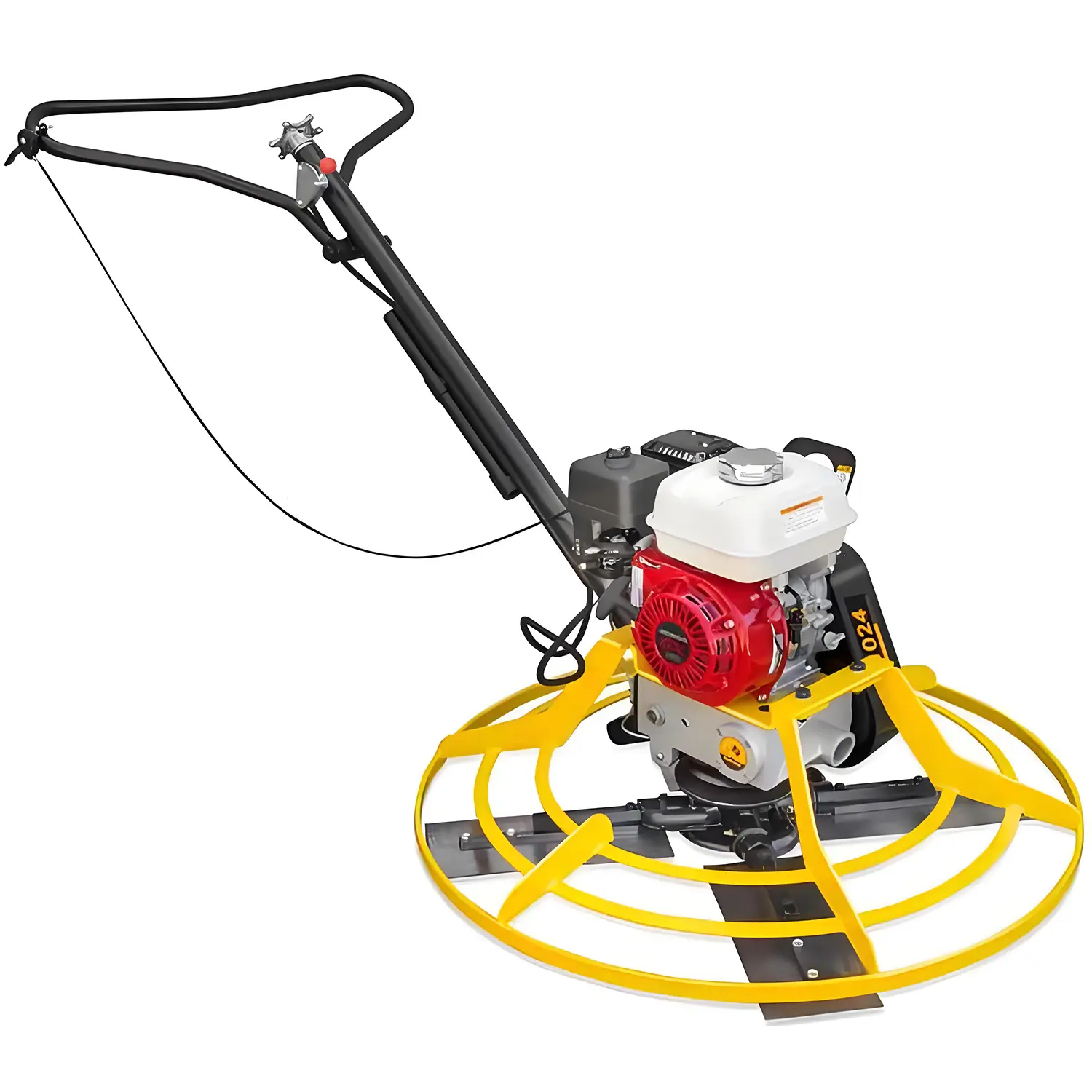 Walk behind power trowel
 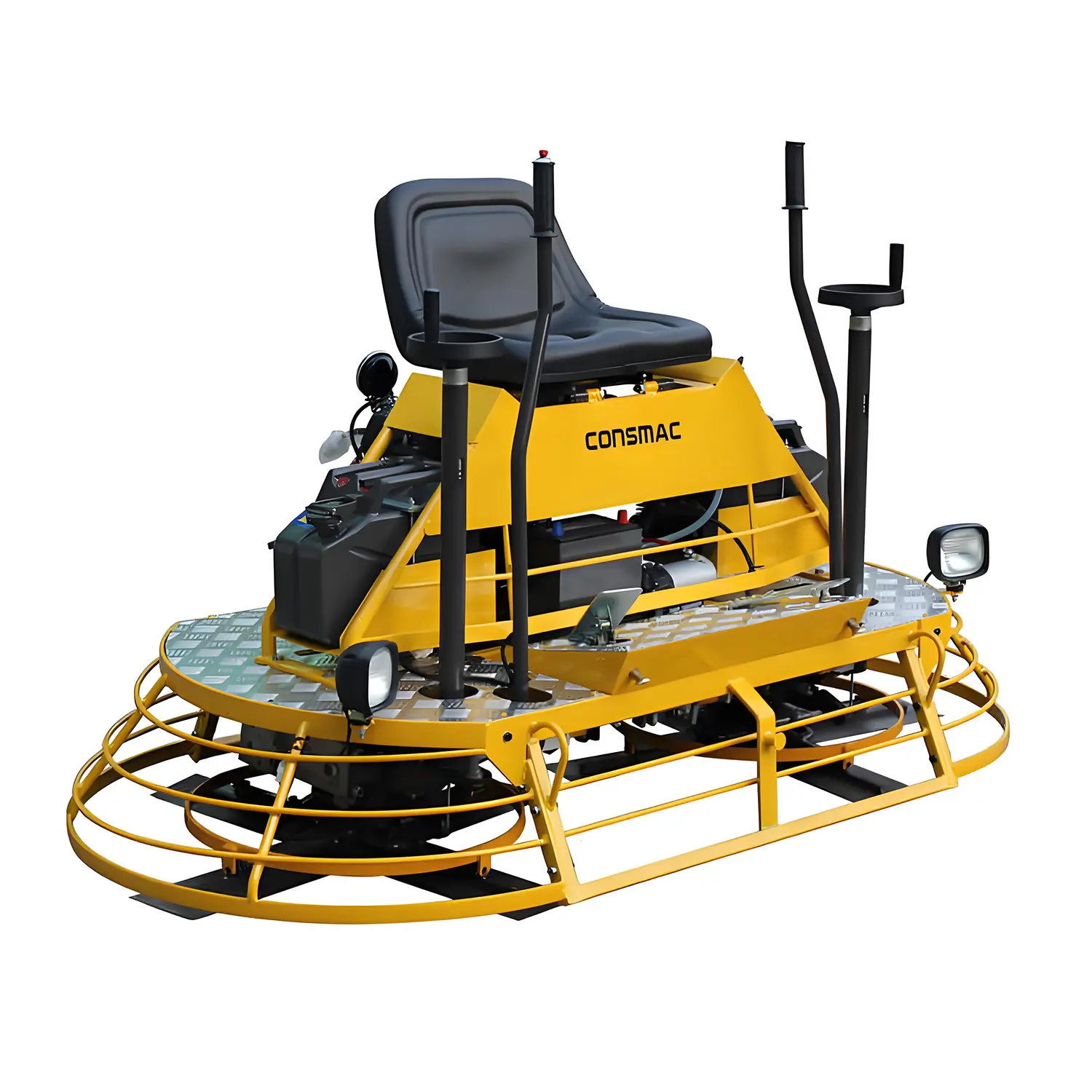 Ride on power trowel
 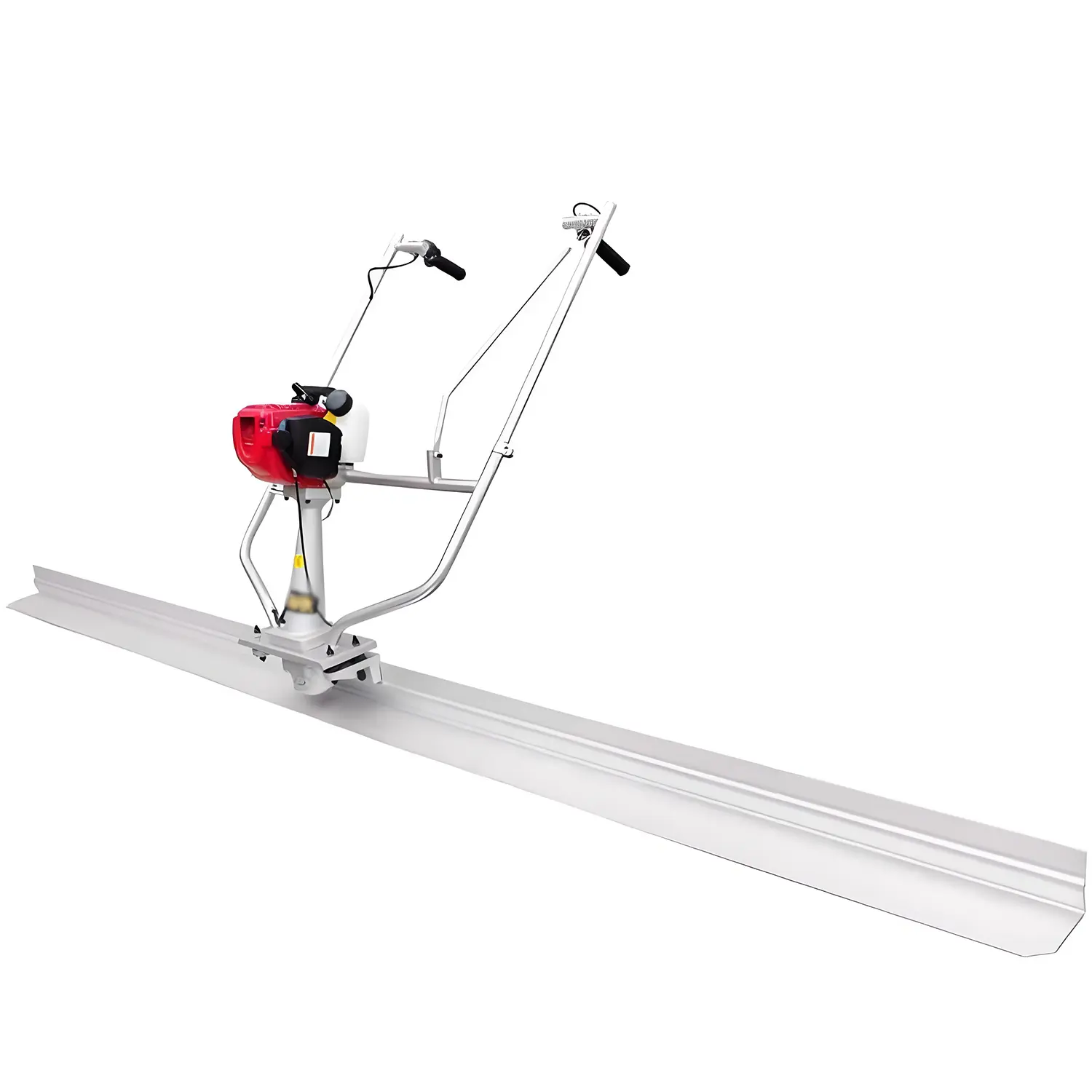 Concrete screed
 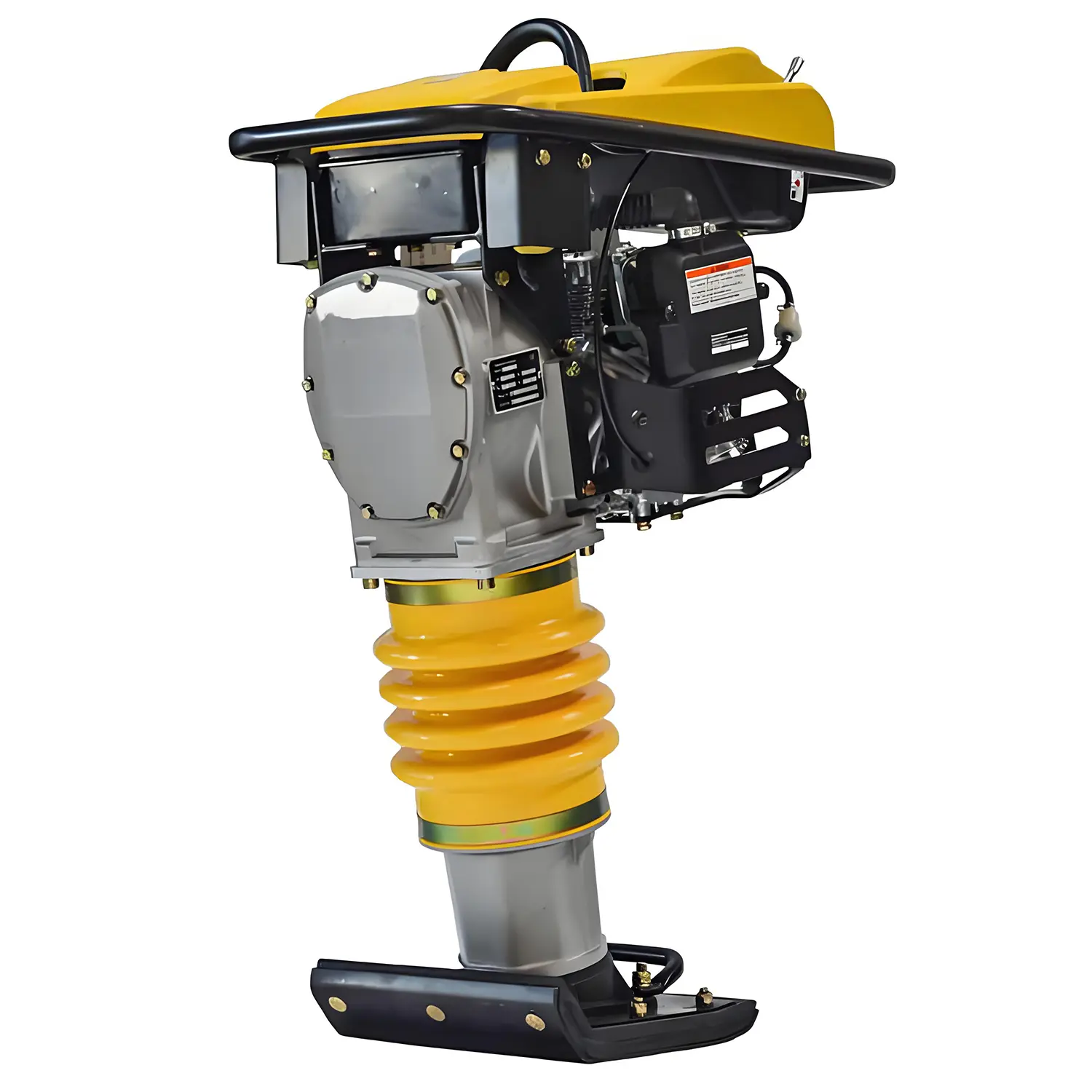 Tamping rammer
 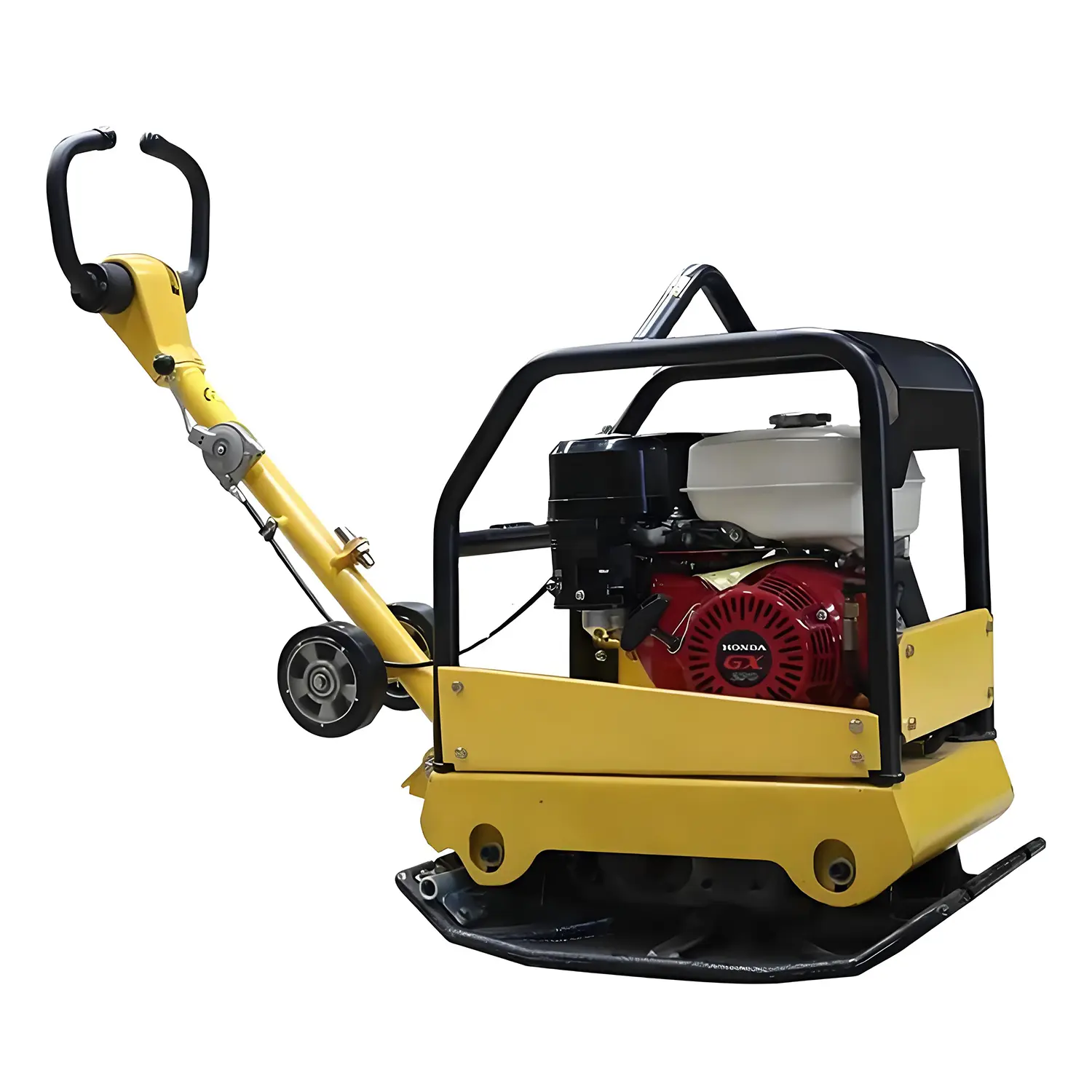 Plate compactor
 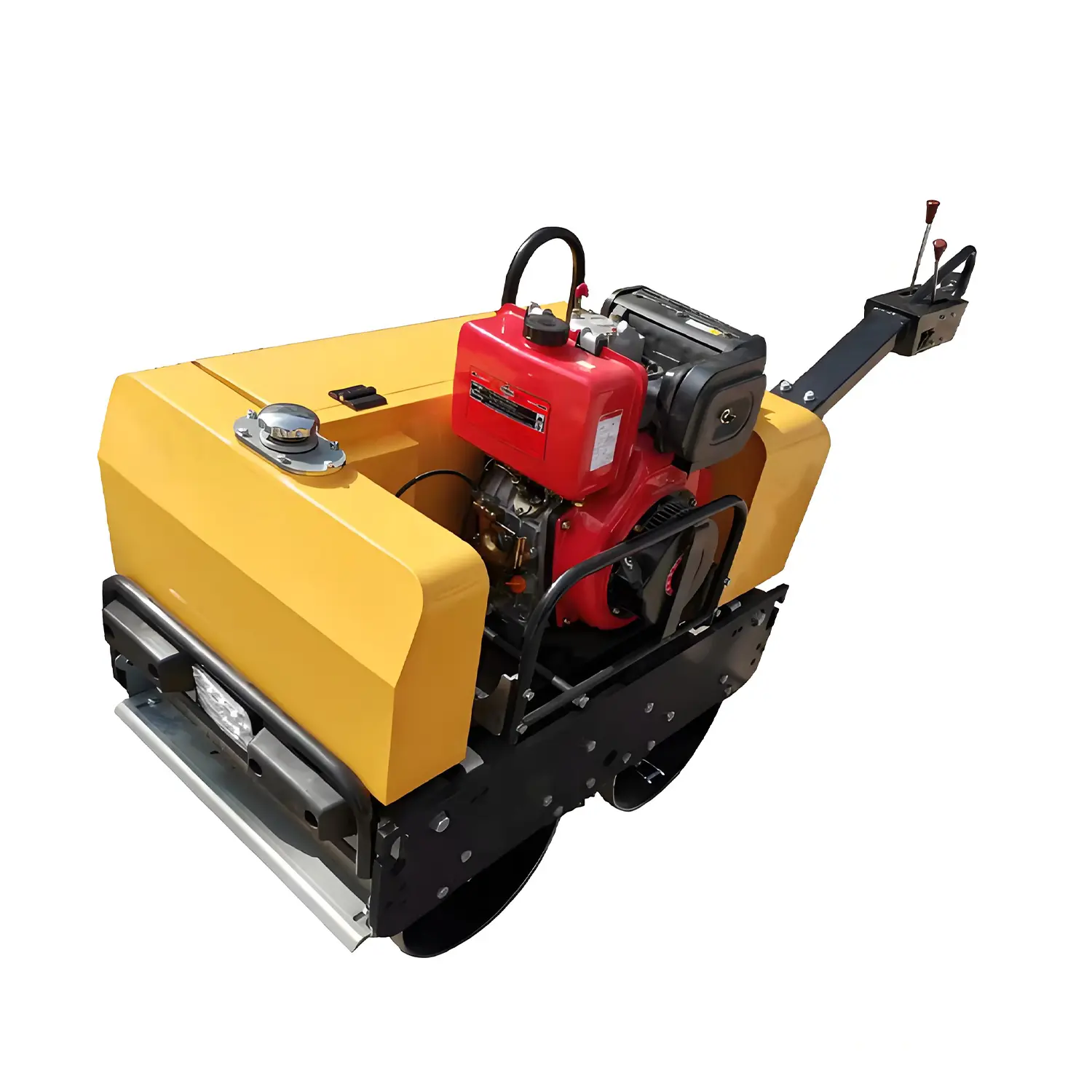 Vibratory roller






How to Choose the Right Water Pump for Home Irrigation & Drainage
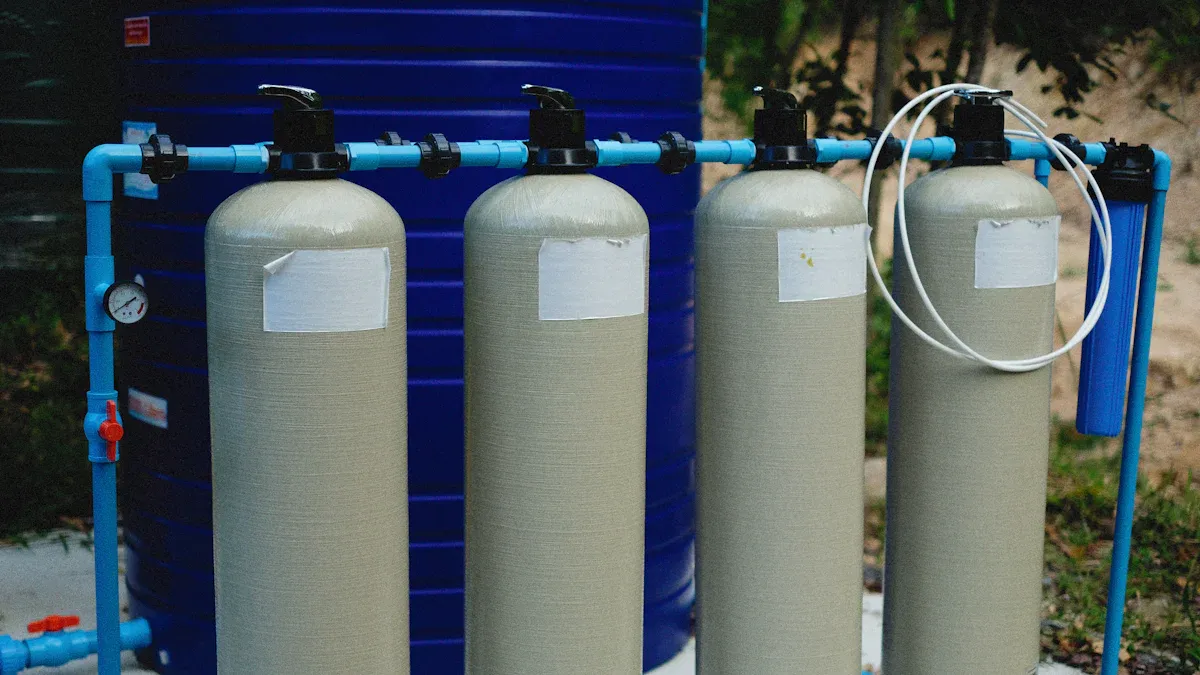
Choosing the right water pump is crucial for your home. It ensures efficient irrigation and drainage. A correct pump saves you money and resources. You need a reliable system for your property. Consider a quality MAXMACH pump for lasting performance and optimal results.
Key Takeaways
- Understand your water source and its depth. This helps you pick the right pump type.
- Calculate how much water you need (GPM) and how much pressure (PSI). This ensures your pump can do the job.
- Consider the pump's power source and materials. This helps you choose a durable and efficient pump.
Understanding Common Water Pump Types for Home Use

You need to know about different water pump types. This helps you choose the best one for your home. Each type works differently. They suit various tasks like irrigation or drainage. Understanding them helps you pick a reliable MAXMACH pump.
Centrifugal Pumps Explained
Centrifugal pumps are common. They use a spinning impeller to move water. Water enters the pump's center. The impeller spins it outwards. This creates pressure and pushes the water out. You often use these pumps for moving large amounts of water. They work well for irrigation from a pond or boosting water pressure. They are best for clear water and shallower sources. They sit above the water source.
Submersible Pumps Explained
Submersible pumps work underwater. You place the entire pump and motor into the water. This design makes them very efficient. They push water up from deep wells or sumps. They do not need priming. This means you do not have to fill them with water before they start. They are also quiet because the water muffles their sound. They are excellent for deep water sources.
Jet Pumps Explained
Jet pumps sit above the water source. They use a motor to drive an impeller. This creates a vacuum. They also use a special ejector or jet assembly. This helps pull water up. You use them for shallow wells or to boost pressure. They can handle some air in the water. They are a good choice for many home water systems.
Key Factors for Selecting Your MAXMACH Water Pump
Choosing the right water pump involves several important steps. You need to consider your specific needs. This helps you find a pump that works well for your home. A good choice ensures efficiency and saves you money.
Assessing Your Water Source and Depth
You must first look at where your water comes from. Is it a shallow well, a deep well, a pond, or a rain barrel? The depth of your water source matters greatly.
- Shallow Sources: If your water is less than 25 feet deep, you can use a jet pump or a centrifugal pump. These pumps sit above the water.
- Deep Sources: For water deeper than 25 feet, you need a submersible pump. You place this pump directly into the water. It pushes water up from below.
Knowing your water source helps you narrow down pump types.
Evaluating Power Source Options
Water pumps need power to run. You have different choices for power. Each option has its own benefits.
- Electric Pumps: These are common for homes. They need an electrical outlet. They are reliable and quiet. You use them for continuous irrigation or drainage.
- Gasoline Pumps: These pumps are portable. They do not need an electrical connection. You use them for remote areas or emergency drainage. They require fuel and more maintenance.
- Solar Pumps: These pumps use sunlight for power. They are eco-friendly. You can use them in off-grid locations. Their initial cost can be higher. They depend on sunny weather.
Consider your access to power. Think about how portable you need your pump to be.
Calculating Total Dynamic Head (TDH)
Total Dynamic Head (TDH) is a critical measurement. It tells you the total resistance your pump must overcome. You need to know your TDH to pick a pump that can do the job.
TDH includes two main parts:
- Vertical Lift: This is the height you need to pump the water. Measure from the water level to the highest point the water will reach.
- Friction Loss: Water moving through pipes and fittings creates friction. This friction reduces pressure. Longer pipes and more bends mean more friction loss.
You can find charts online to help calculate friction loss. Add your vertical lift and friction loss together. This gives you your TDH. Your chosen MAXMACH pump must have a TDH rating greater than your calculated value.
Determining Water Flow and Pressure (GPM & PSI)
You need to know how much water you need and how much force it needs.
- GPM (Gallons Per Minute): This measures the volume of water your system needs. For irrigation, add up the GPM requirements of all your sprinklers. For drainage, think about how quickly you need to remove water.
- PSI (Pounds Per Square Inch): This measures the water's pressure. Sprinklers need a certain PSI to spray correctly. Your home's water fixtures also need specific pressure.
Match the pump's GPM and PSI capabilities to your system's demands. A pump with too little GPM or PSI will not perform well. A MAXMACH pump offers various models to meet different flow and pressure needs.
Considering Maintenance and Durability
A good pump lasts a long time. You want a pump that is easy to maintain. Look for pumps made from strong materials.
- Materials: Stainless steel or cast iron parts resist corrosion. They make the pump more durable.
- Ease of Maintenance: Can you easily access parts for cleaning? Is it simple to winterize the pump?
- Lifespan: A well-built pump will give you years of service. It saves you from frequent replacements.
Invest in a durable pump. It will provide reliable performance for your home's irrigation and drainage.
Step-by-Step Guide to Choosing the Right MAXMACH Pump
You need a clear plan to select the best water pump. This guide helps you make a smart choice. Follow these steps to find a pump that fits your home's needs perfectly.
Identify Your Water Source and Depth
First, you must know where your water comes from. This is the most important step.
- Is it a well? Measure its depth.
- Is it a pond or lake? Note how far the pump will sit from the water.
- Do you use a rain barrel or cistern? These are usually shallow sources.
If your water source is less than 25 feet deep, you can use a jet pump or a centrifugal pump. These pumps sit above the water. For water deeper than 25 feet, you need a submersible pump. You place this pump directly into the water. Knowing your water source helps you choose the right pump type.
Determine Your Specific Water Requirements
Think about what you need the pump to do. What is its main job?
- For irrigation: How many sprinklers will you run at once? Do you have drip lines? Each device needs a certain amount of water.
- For drainage: How quickly must you remove water from an area? What is the total volume of water?
- For boosting household pressure: How many fixtures will the pump supply?
Clearly define these needs. This helps you figure out the volume and pressure your pump must deliver.
Calculate Required Flow Rate (GPM)
Flow rate tells you how much water your pump moves. You measure it in Gallons Per Minute (GPM).
- For irrigation: Add up the GPM for all sprinklers or irrigation zones you plan to run at the same time. For example, if you have three sprinklers, and each uses 3 GPM, you need a pump that delivers at least 9 GPM.
- For drainage: Estimate the volume of water you need to remove. Then decide how fast you want to remove it. For instance, if you have a 100-gallon area and want to drain it in 10 minutes, you need a 10 GPM pump.
Your chosen pump must meet or exceed this calculated GPM.
Confirm Pressure and Elevation Needs
Pressure is the force that pushes water. You measure it in Pounds Per Square Inch (PSI).
- For irrigation: Sprinklers need a specific PSI to work correctly. Check the manufacturer's specifications for your sprinklers.
- For home use: Standard household pressure is usually between 40-60 PSI.
- Elevation: How high does the water need to go from the pump to its final destination? This vertical distance directly affects the pressure your pump needs to generate.
Make sure your pump can deliver the necessary pressure for your system.
Calculate Your System's Total Dynamic Head (TDH)
Total Dynamic Head (TDH) is the total resistance your pump must overcome. You must calculate this accurately.
- Vertical Lift: Measure the vertical distance from the water's surface to the highest point the water will reach.
- Friction Loss: Water moving through pipes and fittings loses pressure due to friction. Longer pipes, smaller diameters, and more bends increase friction loss. You can find charts online or from pipe manufacturers to estimate this value.
- Desired Discharge Pressure: Convert your required PSI into feet of head. Multiply your desired PSI by 2.31.
Add these three values together: Vertical Lift + Friction Loss + Desired Discharge Pressure = Total Dynamic Head. Your pump's performance curve must show it can deliver your required GPM at this calculated TDH.
Compare Pump Specifications for an Informed Decision
Now you have all the numbers: your required GPM, PSI, and TDH. You can now look at different pumps.
- Check Performance Curves: Every pump has a performance curve. This chart shows how much GPM the pump delivers at different TDH values. Find a pump where your calculated GPM and TDH fall within its efficient operating range.
- Consider Power: Does the pump use electricity, gas, or solar power? Match this to your available power source.
- Look at Materials: Pumps made from durable materials like stainless steel or cast iron last longer.
- Read Reviews: See what other users say about the pump's reliability and ease of maintenance.
Choose a MAXMACH pump that matches your specific needs. Do not pick a pump that is too small or too large. The right pump works efficiently and saves you money.
Maximizing Efficiency with Proper Pump Installation and Care
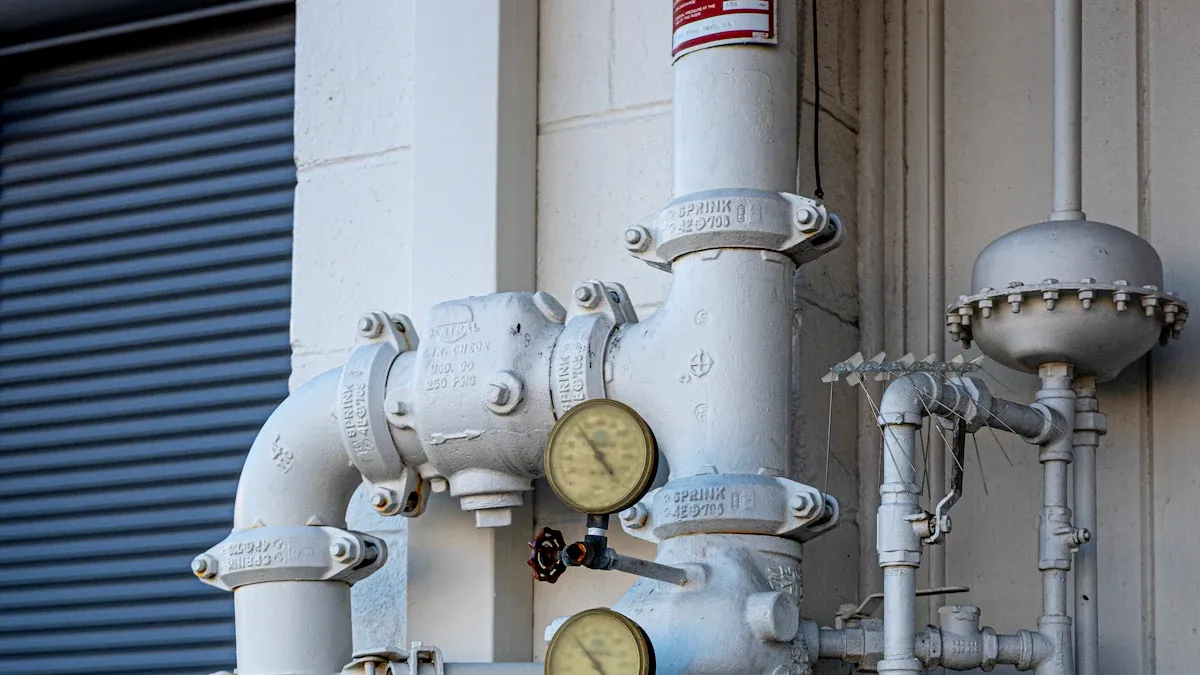
Proper installation and regular care make your water pump last. They also ensure it works efficiently. Follow these steps to get the most from your MAXMACH pump.
Best Practices for Pump Placement
You must place your pump correctly. This ensures optimal performance and safety. Choose a dry, level spot. Keep the pump as close to your water source as possible. This minimizes the distance water travels. It also reduces friction loss in your pipes. Protect the pump from harsh weather. Rain and direct sunlight can cause damage. A small shed or a sturdy cover provides good protection. Ensure good airflow around the pump. This prevents overheating. Also, make sure you can easily reach the pump for routine checks and maintenance.
Essential Regular Inspection and Cleaning
Regular checks keep your pump running smoothly. You should inspect the pump often. Look for any leaks around pipe connections. Check hoses for cracks or signs of wear. Clean the intake screen regularly. Debris like leaves or dirt can block it. A blocked screen reduces pump efficiency. Make sure all electrical connections are secure. Listen for unusual noises when the pump operates. Strange sounds often signal a problem. Address small issues promptly. This prevents them from becoming major repairs.
Preparing Your Pump for Winter
Cold winter weather can severely damage your water pump. You must prepare it properly for freezing temperatures. First, disconnect the pump from its power source. Then, drain all water completely from the pump and all connected hoses. Any water left inside can freeze. Freezing water expands. This expansion can crack the pump housing or burst pipes. Store your pump in a warm, dry place, like a garage or shed. If you cannot move the pump, insulate it well. Cover it with blankets or a specialized pump cover. This simple step protects your investment.
You now know how to select the right water pump. You assessed your water source, calculated TDH, and determined GPM and PSI. A well-chosen MAXMACH pump provides long-term efficiency, reliability, and cost savings for your home irrigation and drainage.
FAQ
How often should I check my pump?
You should inspect your pump regularly. Check it monthly during active use. Look for leaks and clean the intake screen.
Can I use a pump for both irrigation and drainage?
Yes, you can use some pumps for both. You need to choose a versatile pump. Ensure it meets flow and pressure needs for both tasks.
What happens if my pump is too small?
If your pump is too small, it will not deliver enough water. It will struggle to meet your needs. This can lead to poor performance and pump failure.