
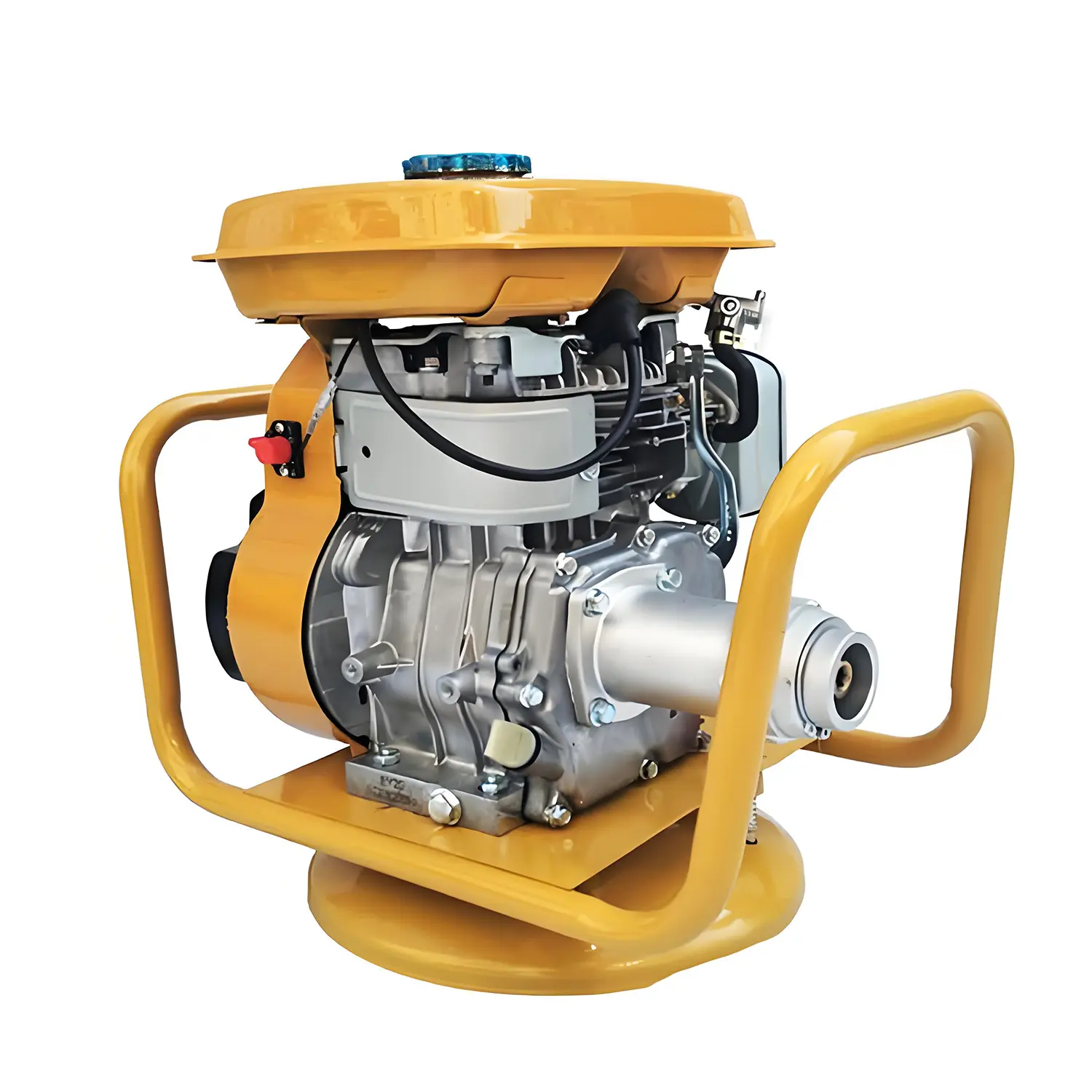
 Internal Vibrator
 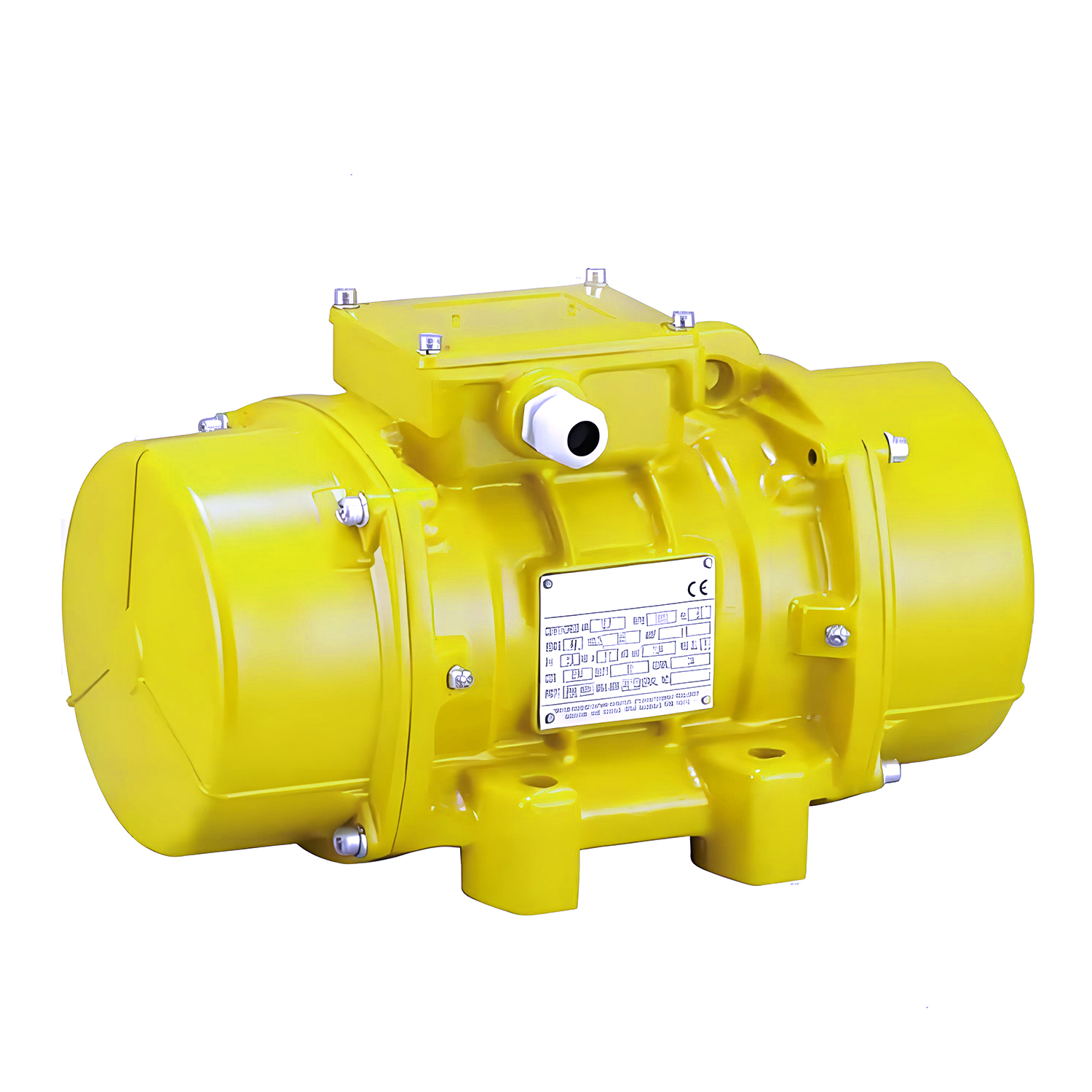 External Vibrator
 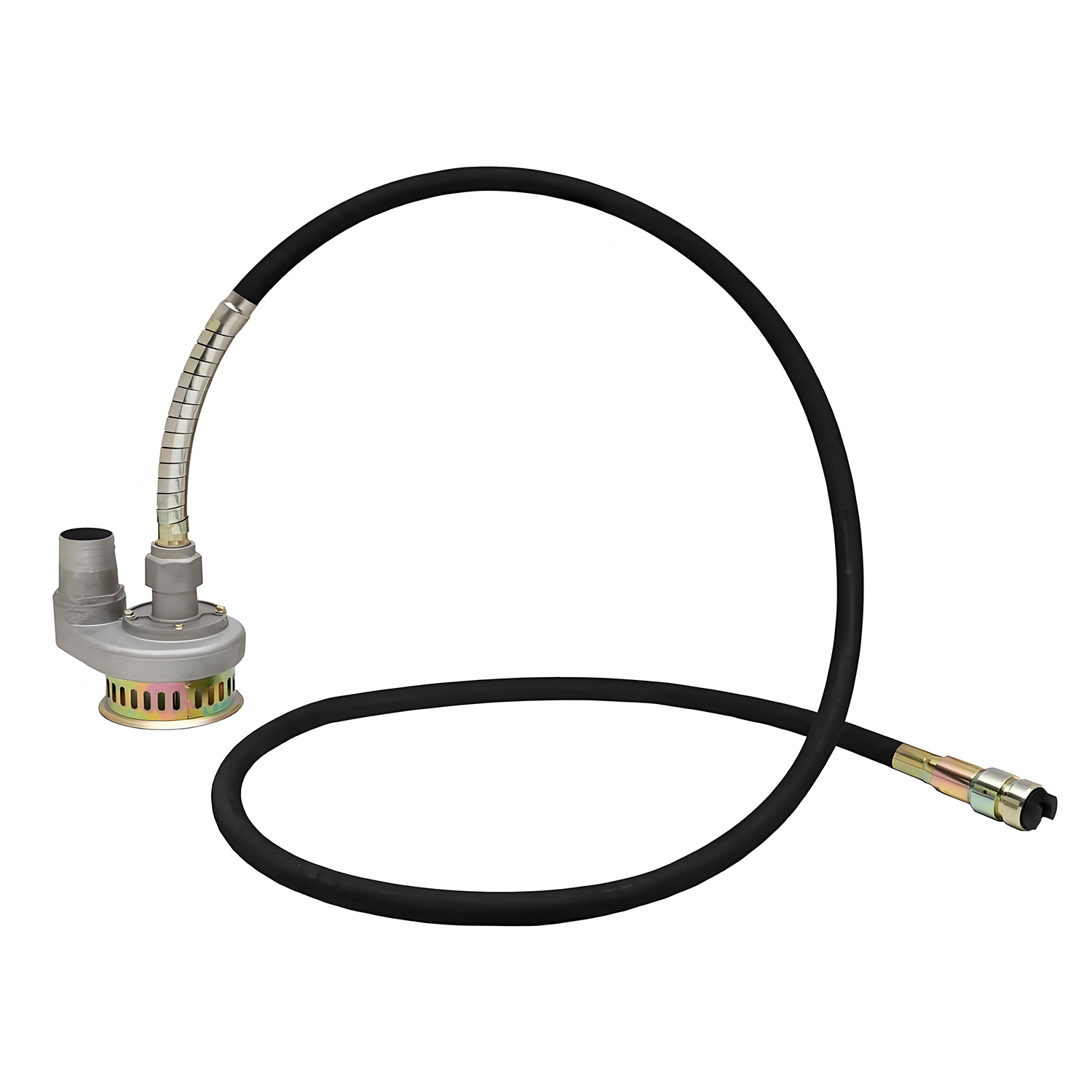 Submersible Pump
 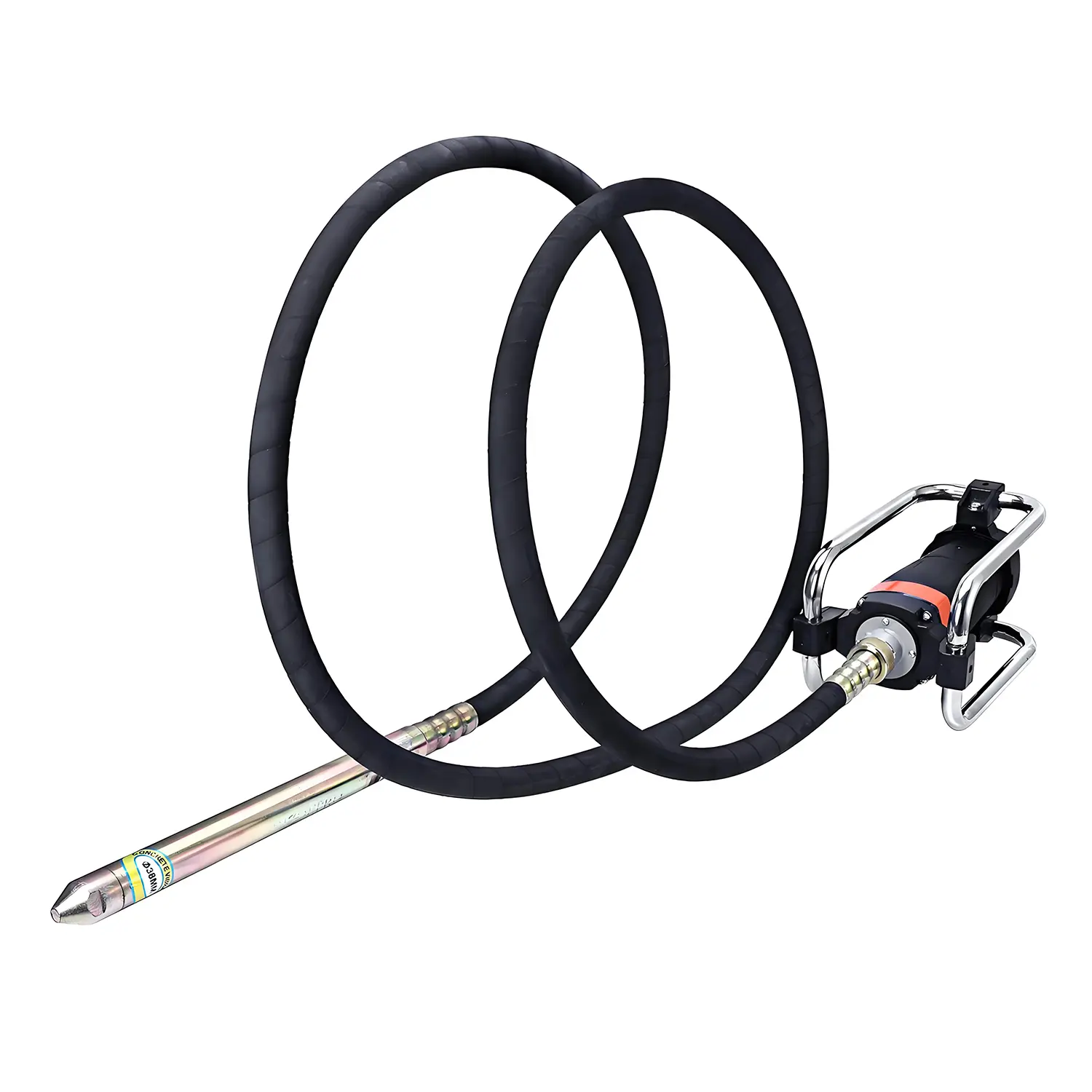 Eccentric shaft
 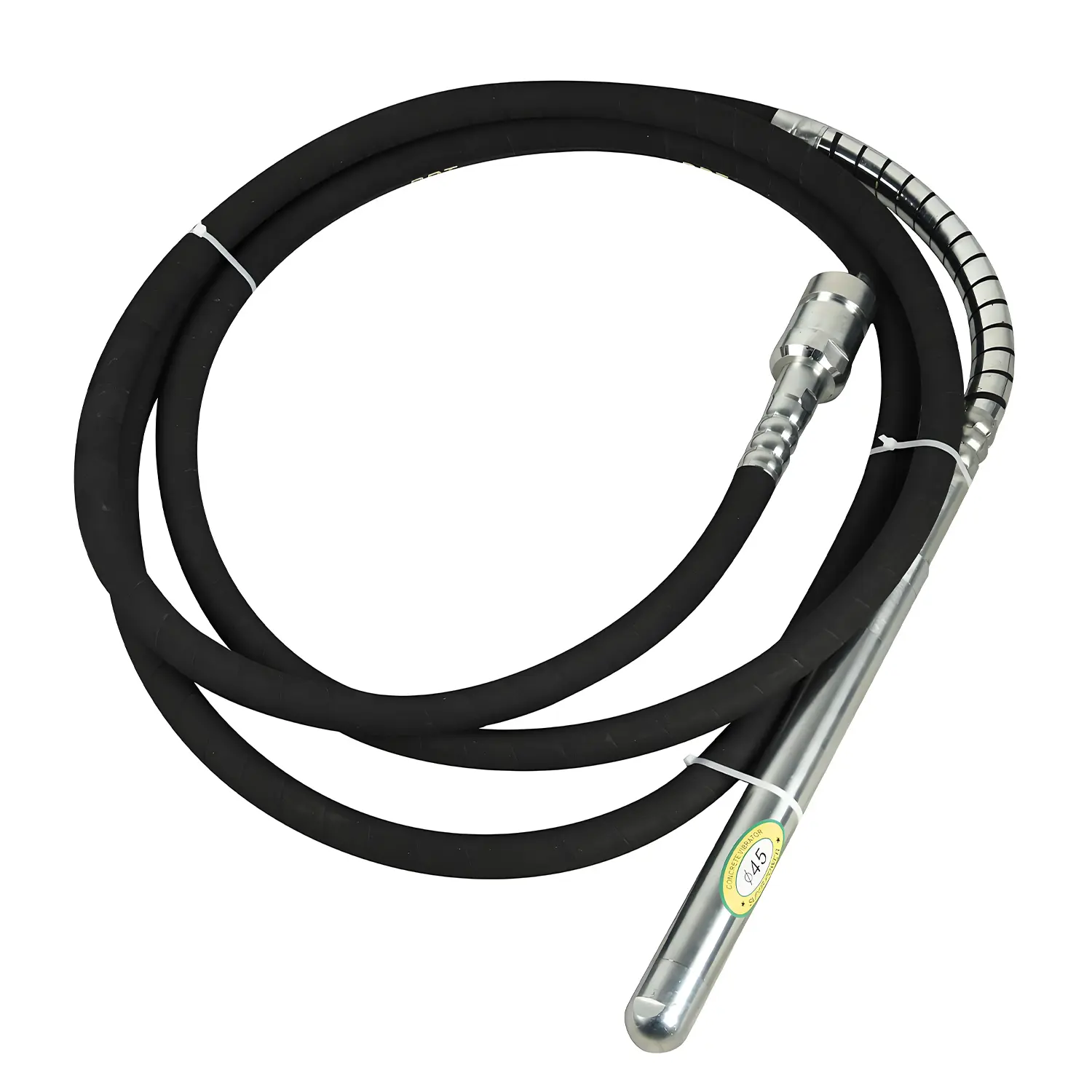 Pendulum shaft
 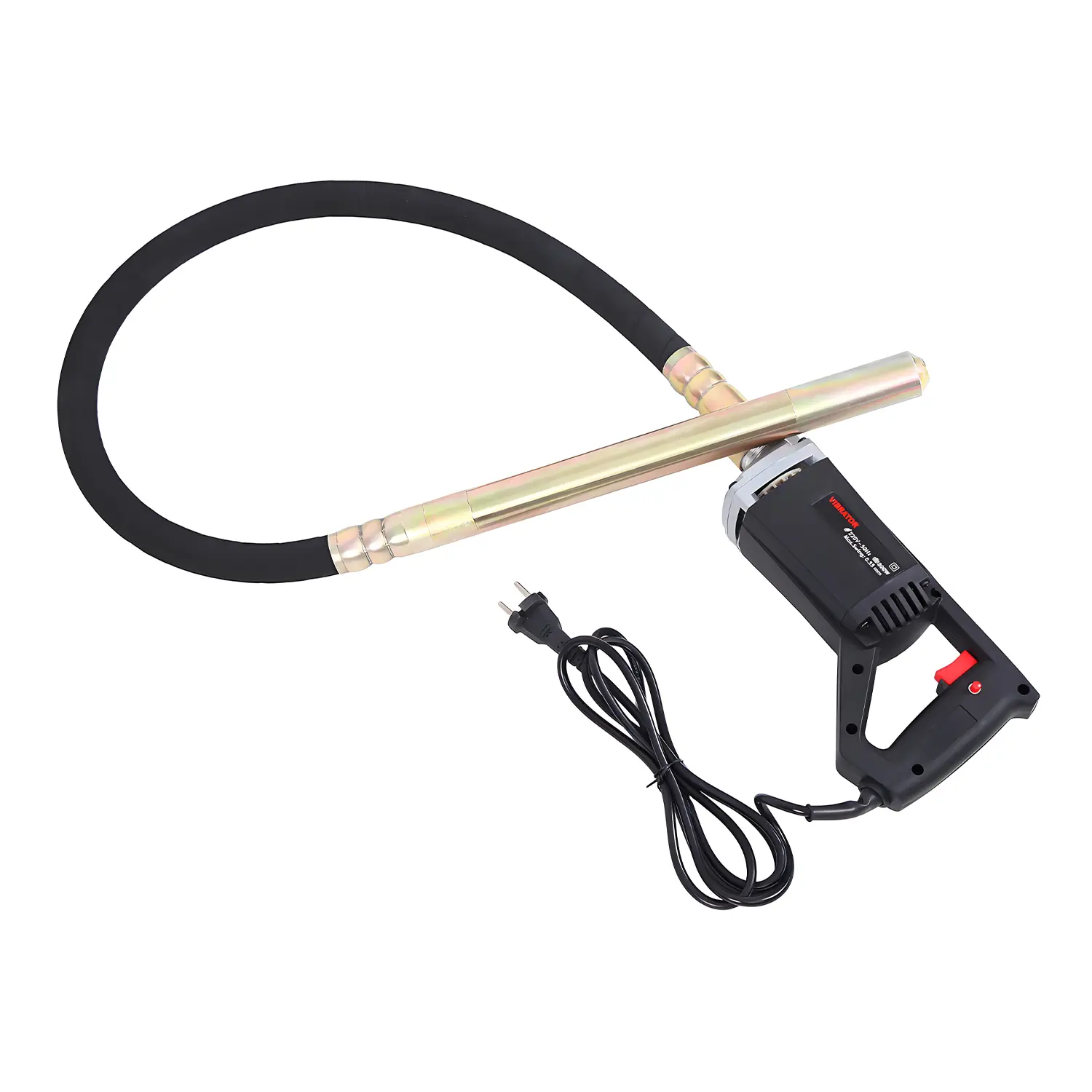 Portable vbrator shaft
 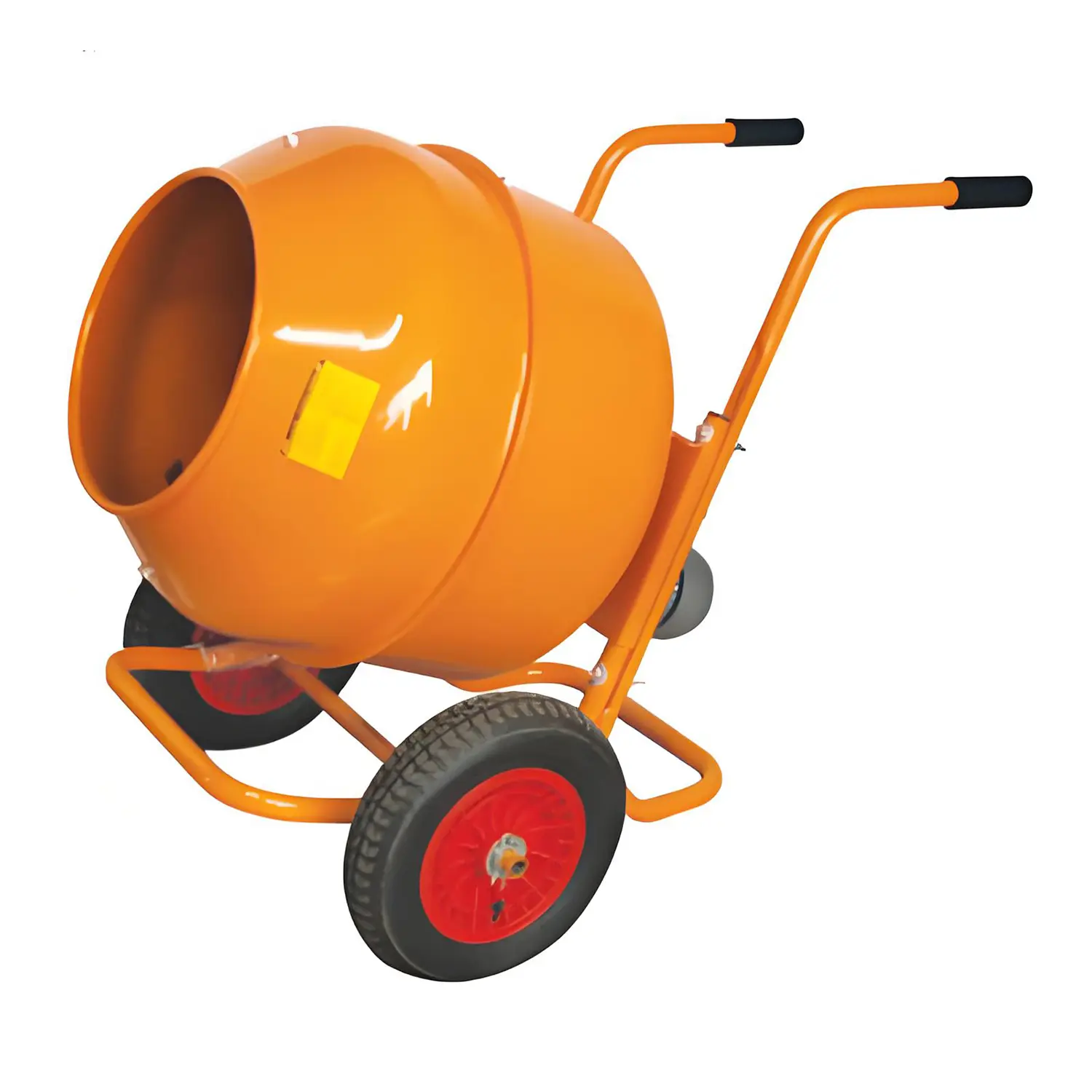 Portable concrete mixer
 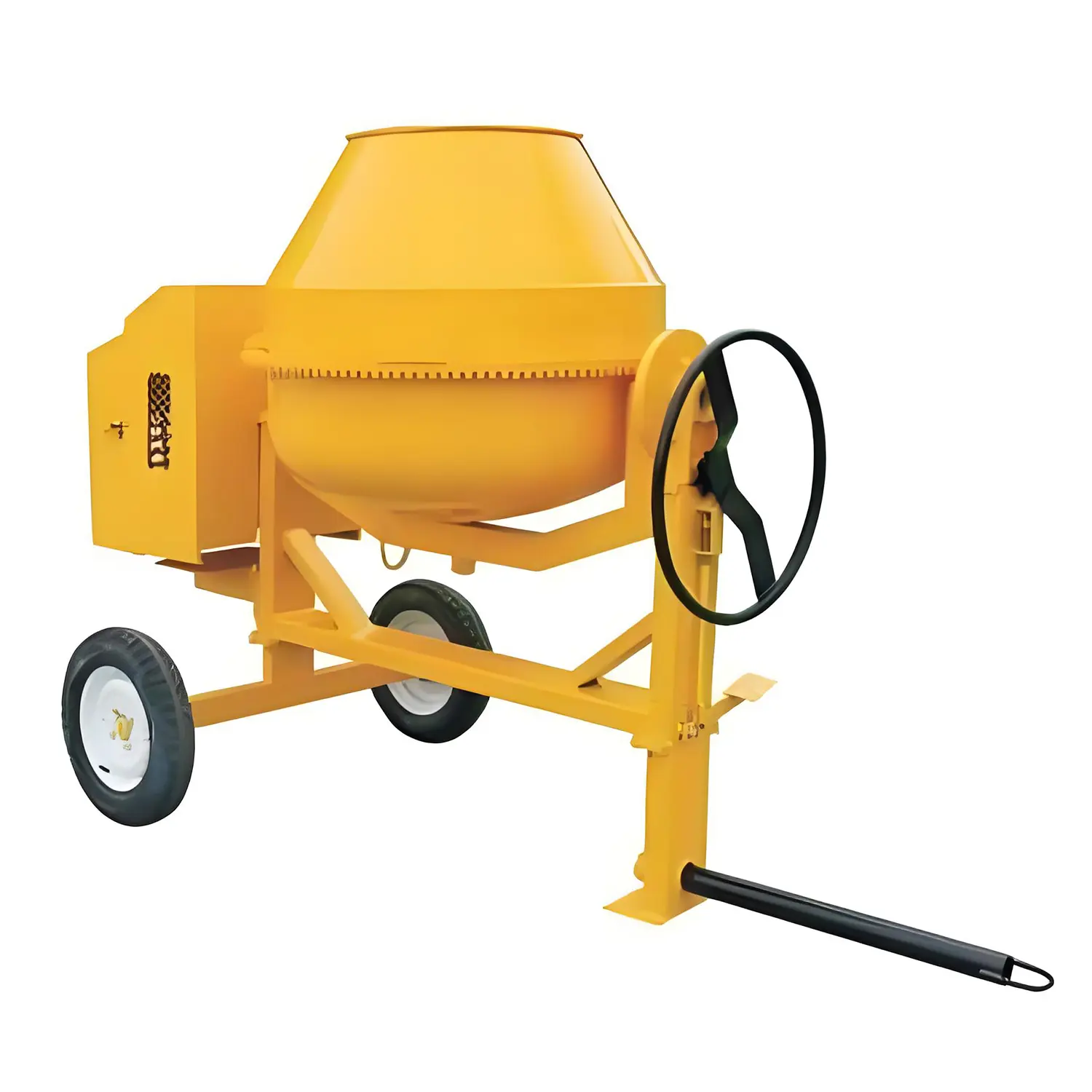 Vertical concrete mixer
 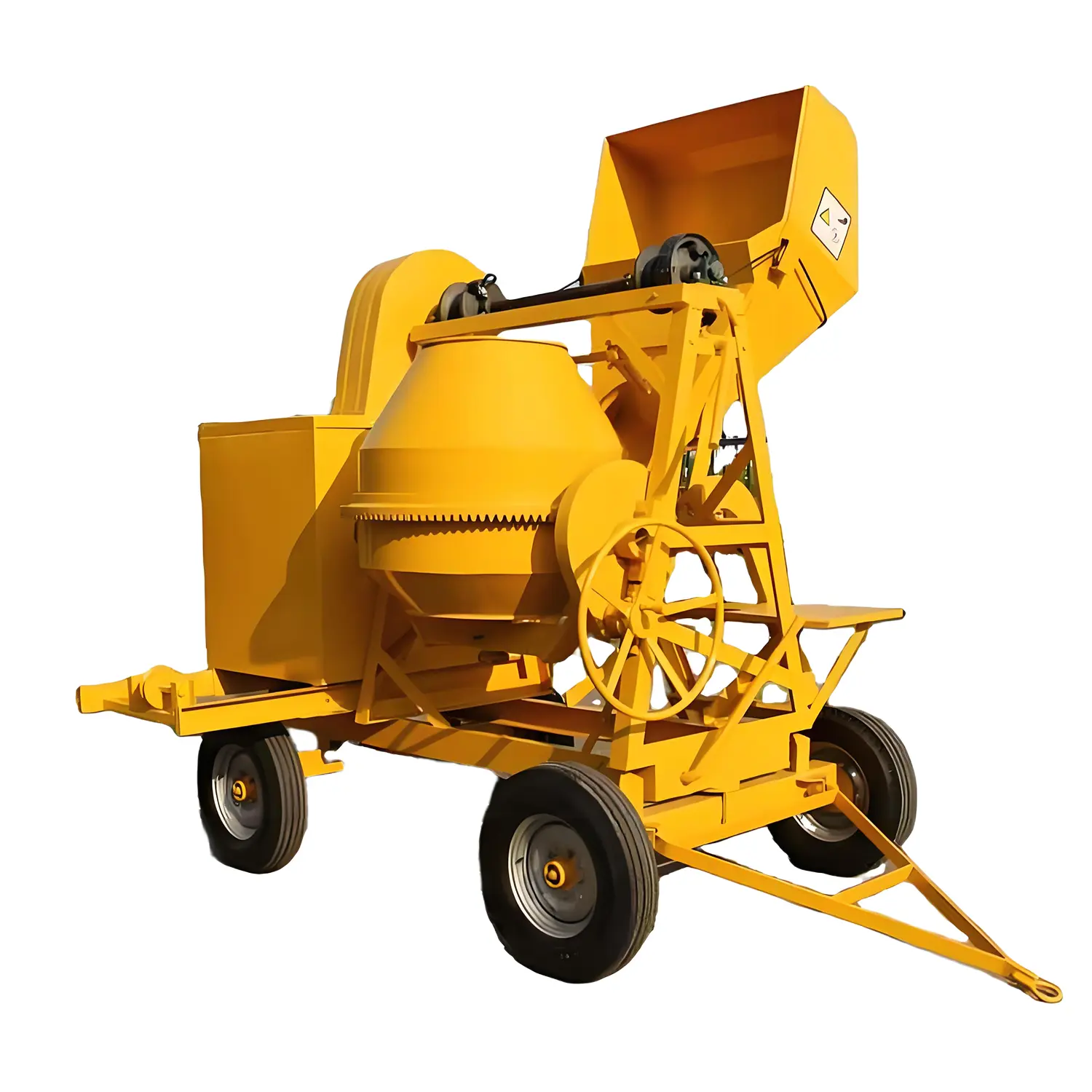 Hydraulic concrete mixer
 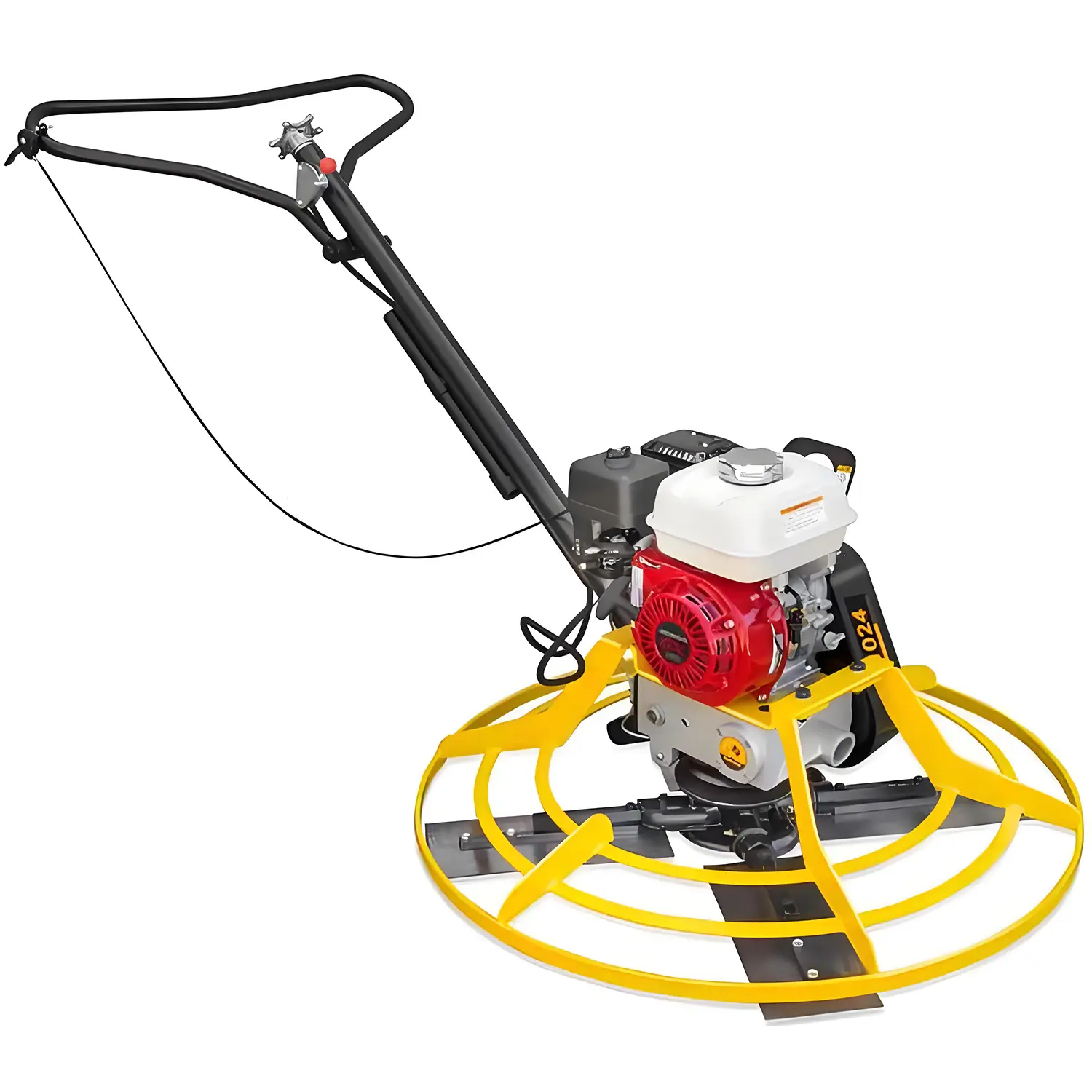 Walk behind power trowel
 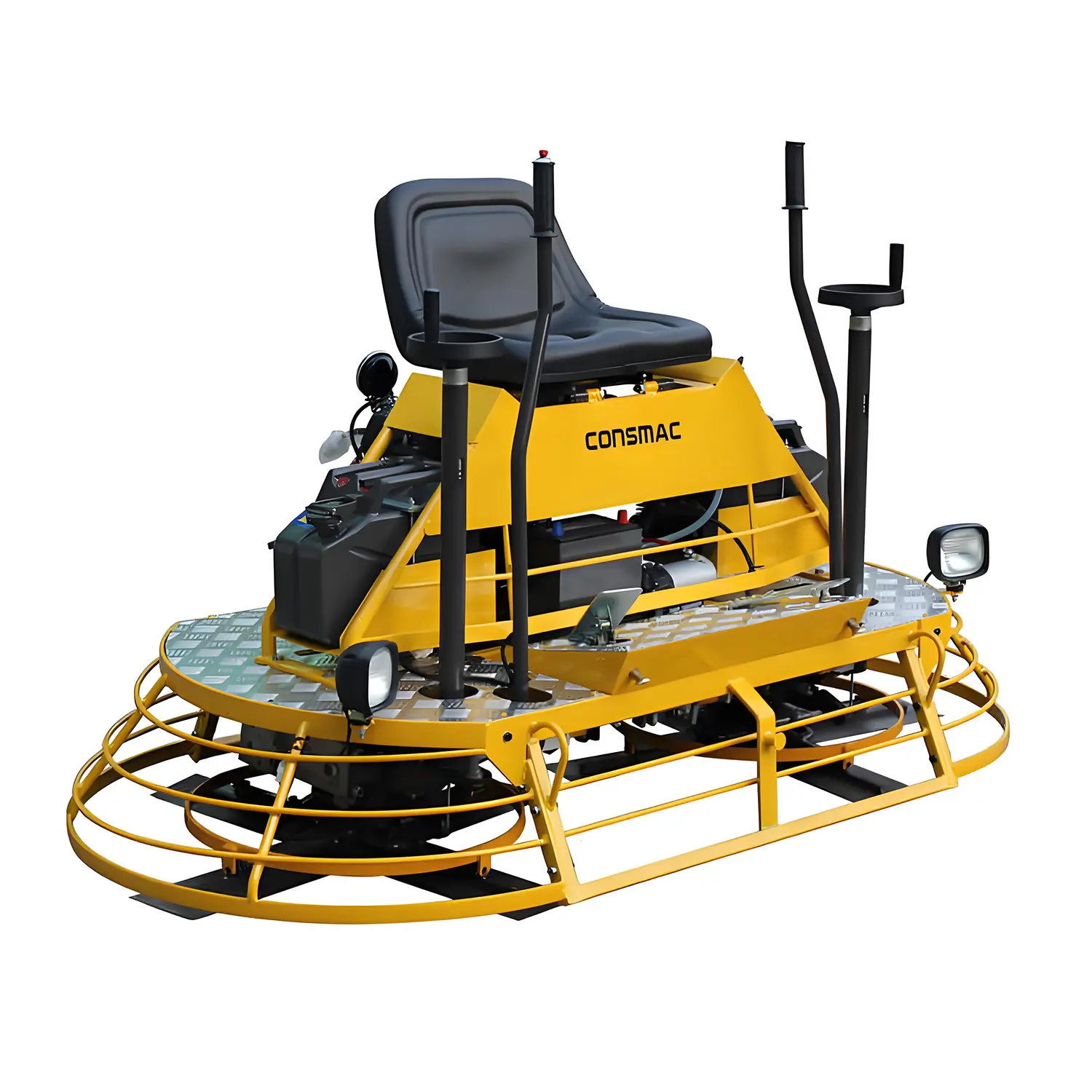 Ride on power trowel
 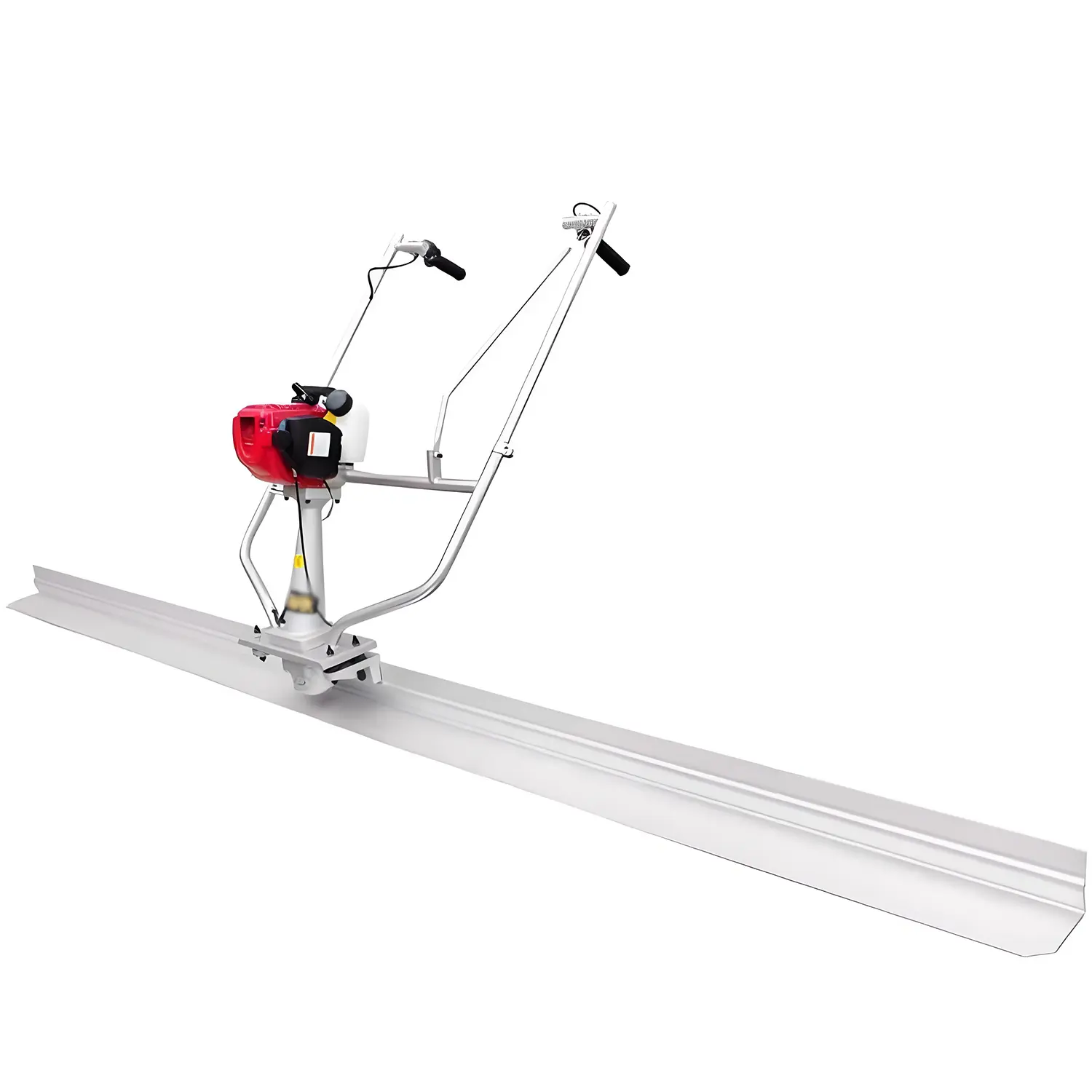 Concrete screed
 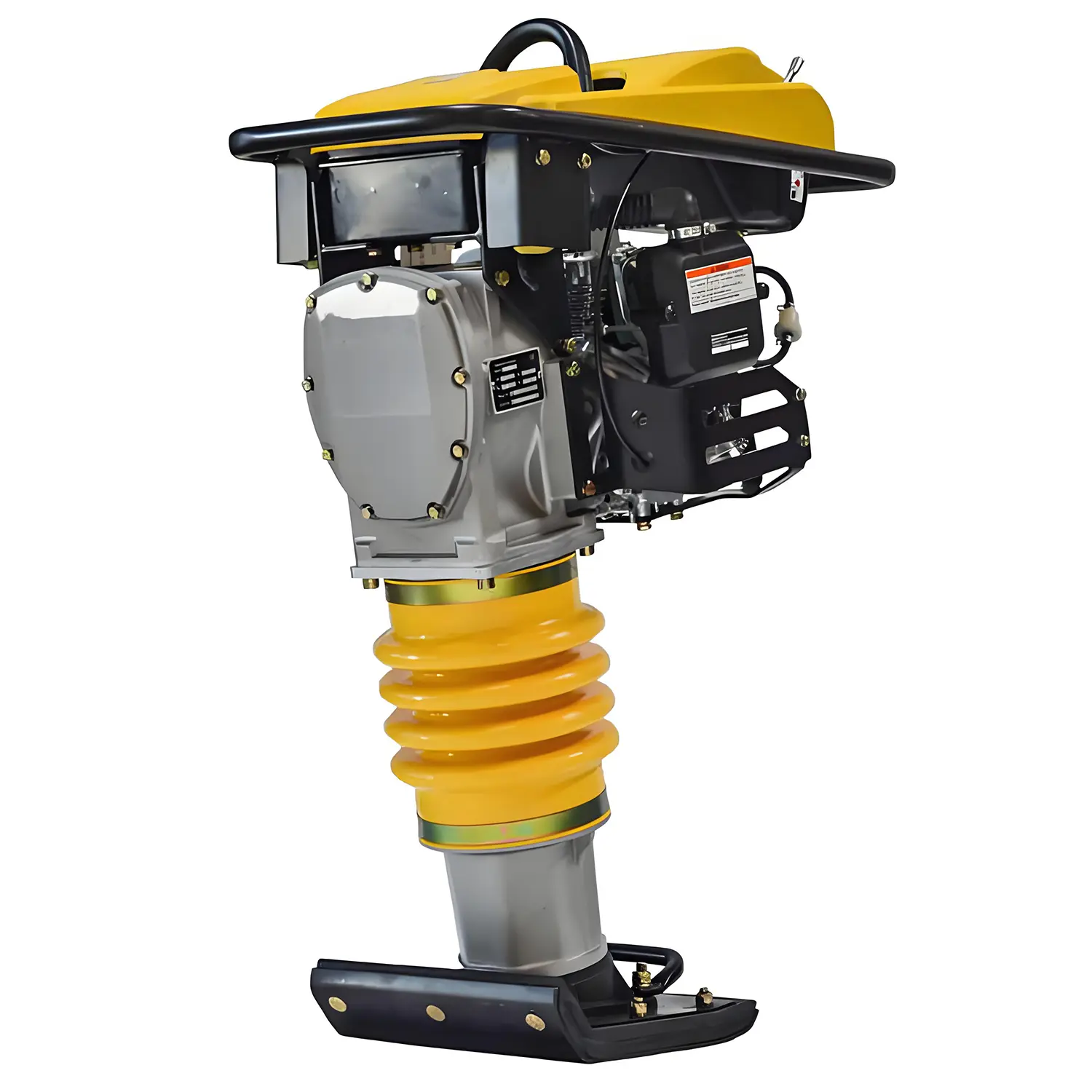 Tamping rammer
 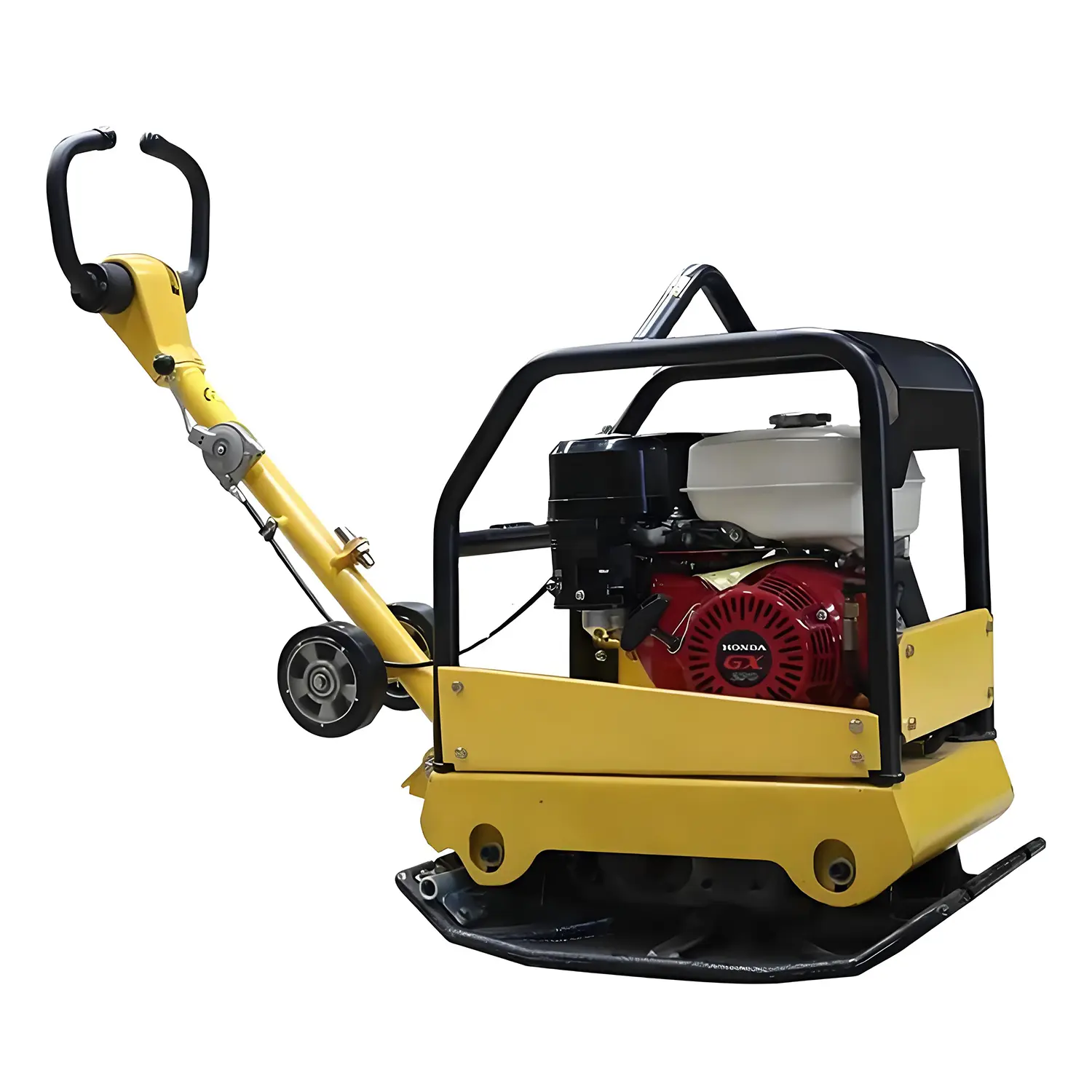 Plate compactor
 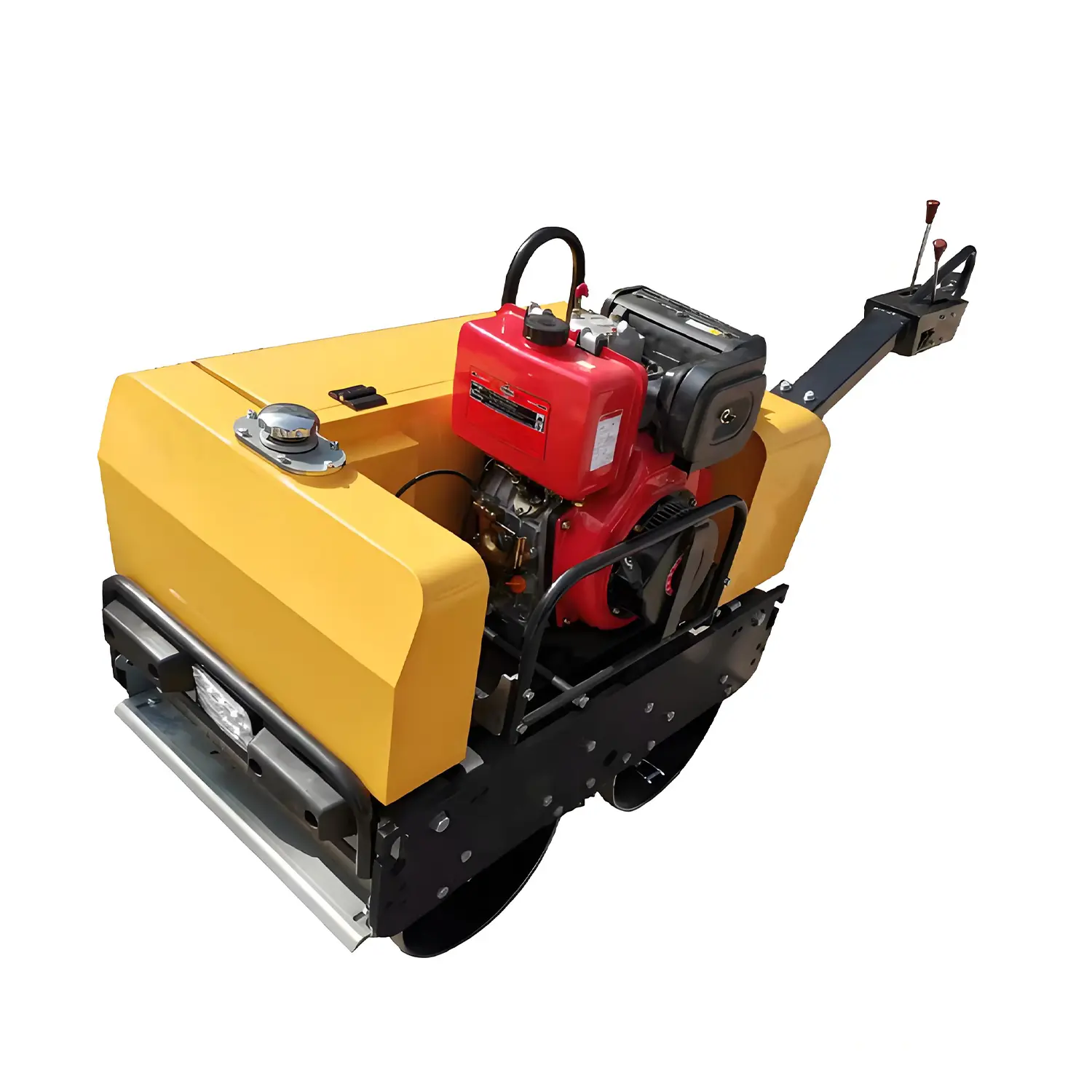 Vibratory roller


How to Operate a Vibratory Roller Safely on Sloped Construction Sites
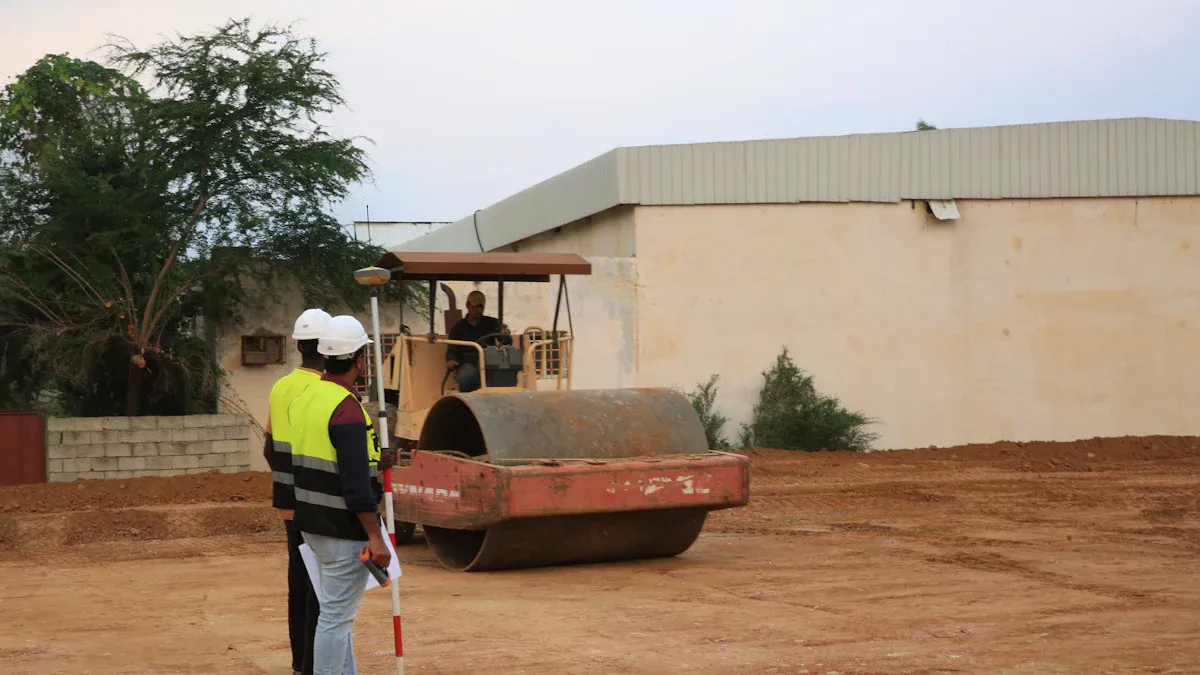
Operating a Vibratory Roller on sloped construction sites demands precise techniques. You must implement strict precautions. This prevents accidents and ensures effective compaction. This guide details essential steps and considerations for safe operation on inclines. MAXMACH equipment helps you achieve optimal results safely.
Key Takeaways
- Always check the slope and soil before you start. Make sure the roller's brakes work well.
- Drive the roller straight up and down the slope. Keep your speed low and movements smooth.
- Use low gear for uphill and downhill travel. Do not use vibration on slopes.
Essential Pre-Operation Checks for Slopes
Assessing Slope Gradient and Soil Conditions
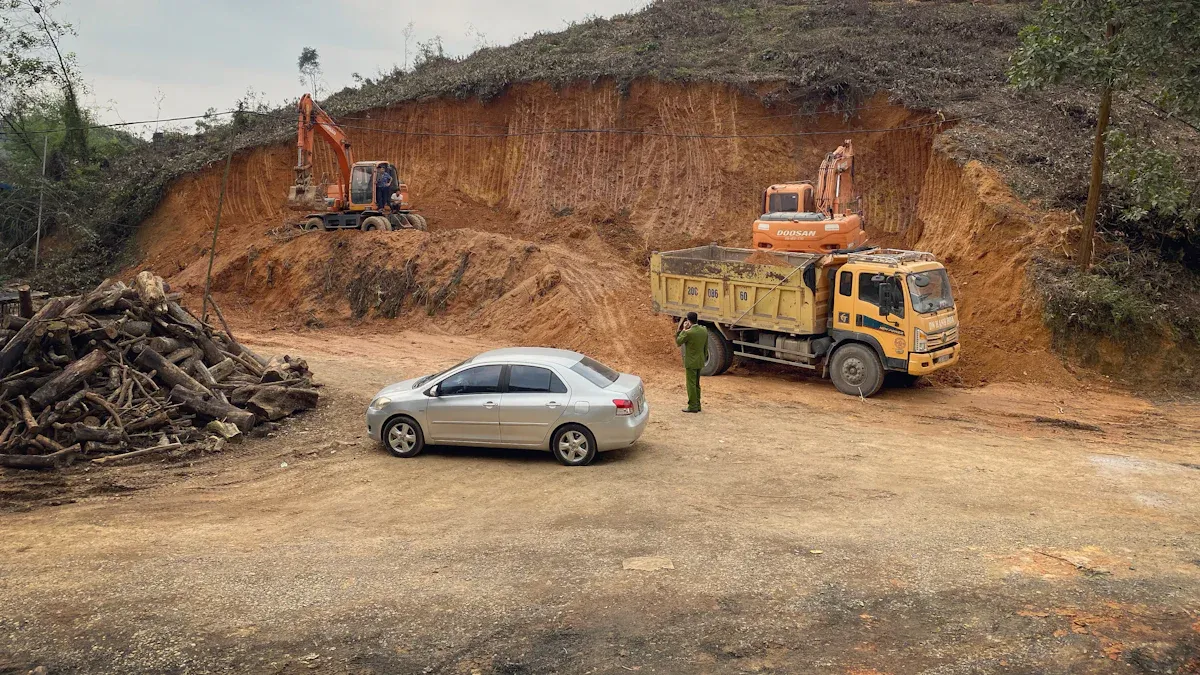
You must first evaluate the slope's steepness. Consider the soil type carefully. Loose or wet soil significantly reduces traction. This condition increases the risk of the roller sliding. Always use a clinometer to measure the gradient accurately. Avoid operating on slopes that exceed the vibratory roller's specified limit. This limit is crucial for your safety.
Inspecting Roller Brakes and Safety Features
Before you start any operation, thoroughly check the roller's braking system. Ensure both the service brake and the parking brake engage and hold correctly. Verify all safety features are in working order. This includes seatbelts, roll-over protective structures (ROPS), and falling object protective structures (FOPS). Confirm the horn and all warning lights function properly. A well-maintained MAXMACH roller provides enhanced safety and reliability on challenging terrains.
Preparing the Site and Planning Escape Routes
Clear the entire work area of any obstacles. Remove debris, large rocks, and unstable materials that could cause issues. Identify all potential hazards. These hazards include open trenches, soft ground, or hidden utilities. Plan clear escape routes before you begin compaction. These routes allow you to move the roller to safer, level ground quickly if an emergency arises. Always maintain constant awareness of your immediate surroundings and potential dangers.
Mastering Safe Operating Techniques on Slopes
Always Operating Up and Down the Incline
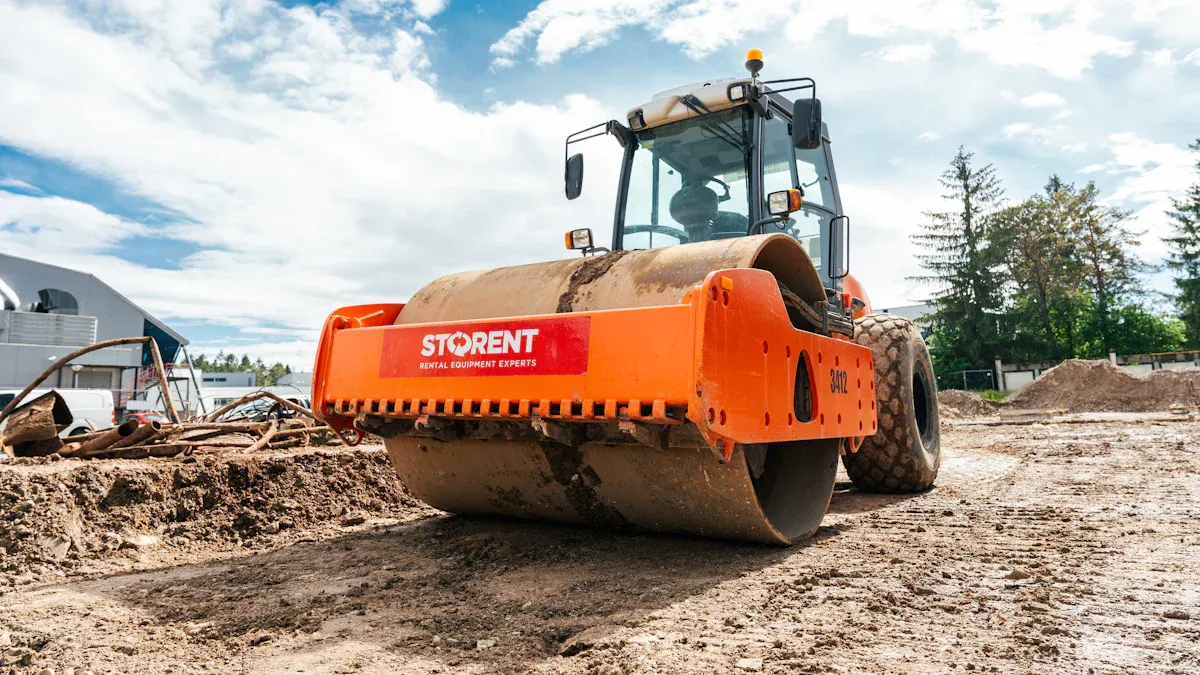
You must operate the vibratory roller directly up and down the incline. This method maintains maximum stability. Operating across a slope significantly increases the risk of the roller tipping over. This is a critical safety rule. Always position the roller to move straight along the fall line of the slope.
Maintaining Low Speeds and Smooth Movements
You need to maintain low speeds. You must also make smooth movements. High speeds reduce your reaction time. They also increase the roller's instability. Sudden changes in speed or direction can cause loss of control. Smooth operation prevents sudden weight shifts. This keeps the roller balanced on uneven terrain.
Selecting Appropriate Gear for Uphill and Downhill
Select the appropriate gear. Use a low gear when you travel uphill. This provides necessary power. It prevents engine strain. Use a low gear when you travel downhill. This allows the engine to help brake the roller. This is called engine braking. Never coast in neutral. This removes your control over the machine.
Avoiding Sudden Braking or Steering Changes
Avoid sudden braking. Avoid sudden steering changes. These actions can cause the roller to lose traction. They can also lead to skidding or tipping. Apply brakes gradually. Make steering adjustments slowly. This maintains constant contact with the ground. It ensures stable movement.
Engaging Vibration Strategically on Stable Ground
Engage vibration strategically. Only activate vibration on stable, level ground. Using vibration on slopes can reduce traction. It can also cause soil liquefaction. This makes the ground unstable. A MAXMACH roller provides precise control over vibration settings. This allows you to adapt to varying conditions.
Maintaining Safe Distance from Edges and Drop-offs
Maintain a safe distance from edges. Stay away from drop-offs. The ground near edges can be unstable. It might collapse under the roller's weight. Always assess the ground stability. Use a spotter if you work near dangerous areas. This helps you avoid hazardous zones.
Advanced Strategies for Challenging Slopes with MAXMACH
Operating on Wet or Loose Soil Conditions
You must exercise extreme caution on wet or loose soil. These conditions significantly reduce traction. They increase the risk of sliding. Consider making lighter passes. This prevents soil displacement. You should also avoid sudden movements. MAXMACH rollers offer precise control. This helps you manage these difficult terrains more effectively. Always assess the ground's stability before you begin compaction.
Handling Steep Gradients and Alternative Equipment
Standard vibratory rollers have limits on steep gradients. You might need alternative equipment for very steep slopes. Consider specialized rollers designed for extreme inclines. Sometimes, you may need winches or tethered systems. These systems provide additional stability. Do not operate a roller on slopes exceeding its manufacturer's specifications. Prioritize safety over attempting to compact an impossible gradient.
Working Near Excavations or Unstable Ground
Working near excavations or unstable ground presents significant hazards. The ground can collapse under the roller's weight. You must maintain a safe distance from all edges. Always ensure proper shoring or bracing is in place. Continuously assess the ground stability. MAXMACH equipment provides robust stability. However, you must still respect the inherent dangers of unstable ground. Never compromise safety for compaction.
You diligently follow these pre-operation checks. You apply safe operating techniques. This significantly mitigates risks. Prioritizing safety ensures effective and accident-free vibratory roller operation on sloped construction sites.
Remember: Your vigilance guarantees a safe and productive work environment. 👷♂️
FAQ
What is the maximum slope a vibratory roller can handle?
You must consult your roller's manufacturer specifications. These documents detail the maximum safe operating gradient. Exceeding this limit risks instability and accidents.
Why is operating up and down the incline important?
Operating up and down the incline maintains the roller's stability. This method prevents tipping. Moving across a slope significantly increases the risk of overturning.
Can I use vibration on all slopes?
You should only activate vibration on stable, level ground. Vibration on slopes reduces traction. It can also destabilize the soil.