
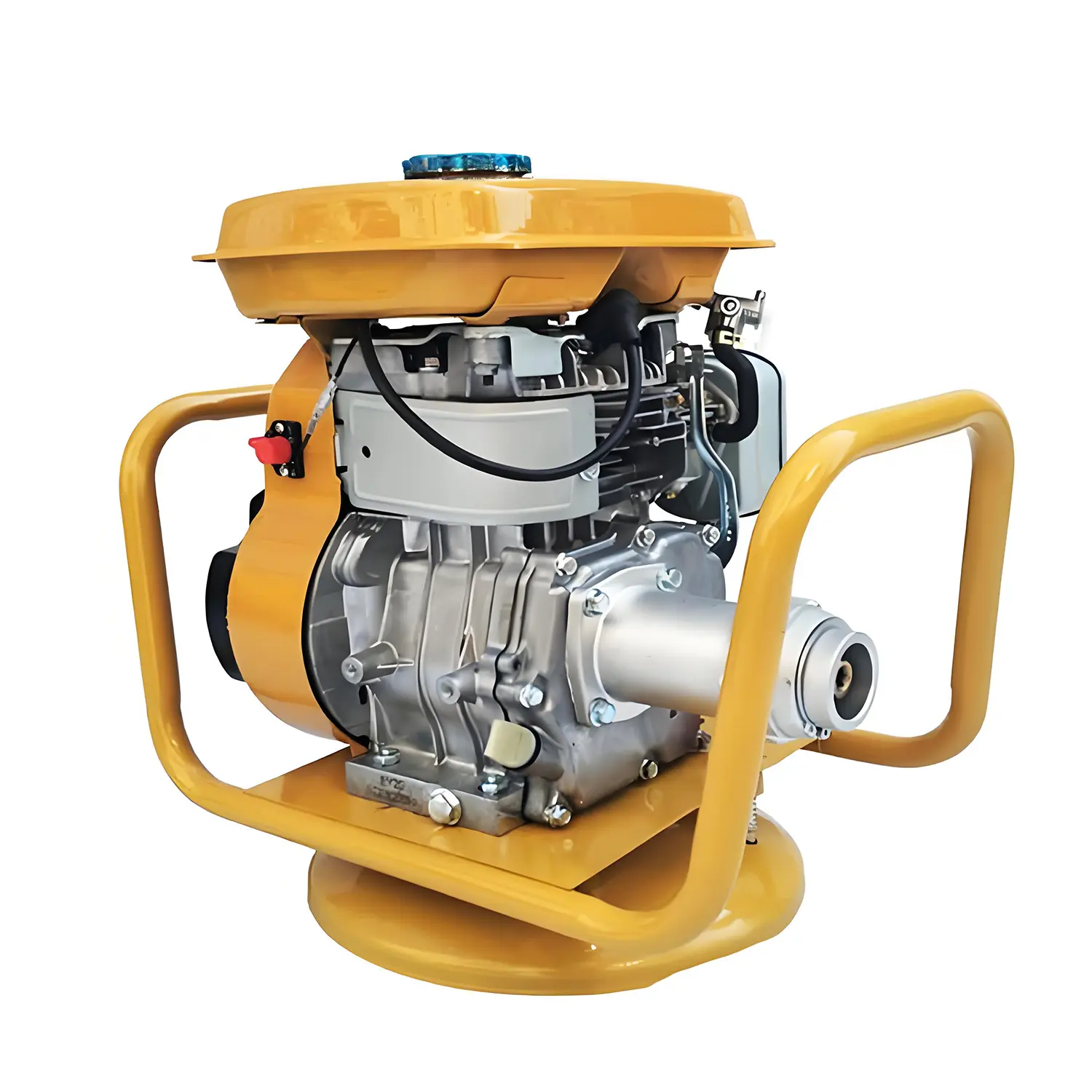
 Internal Vibrator
 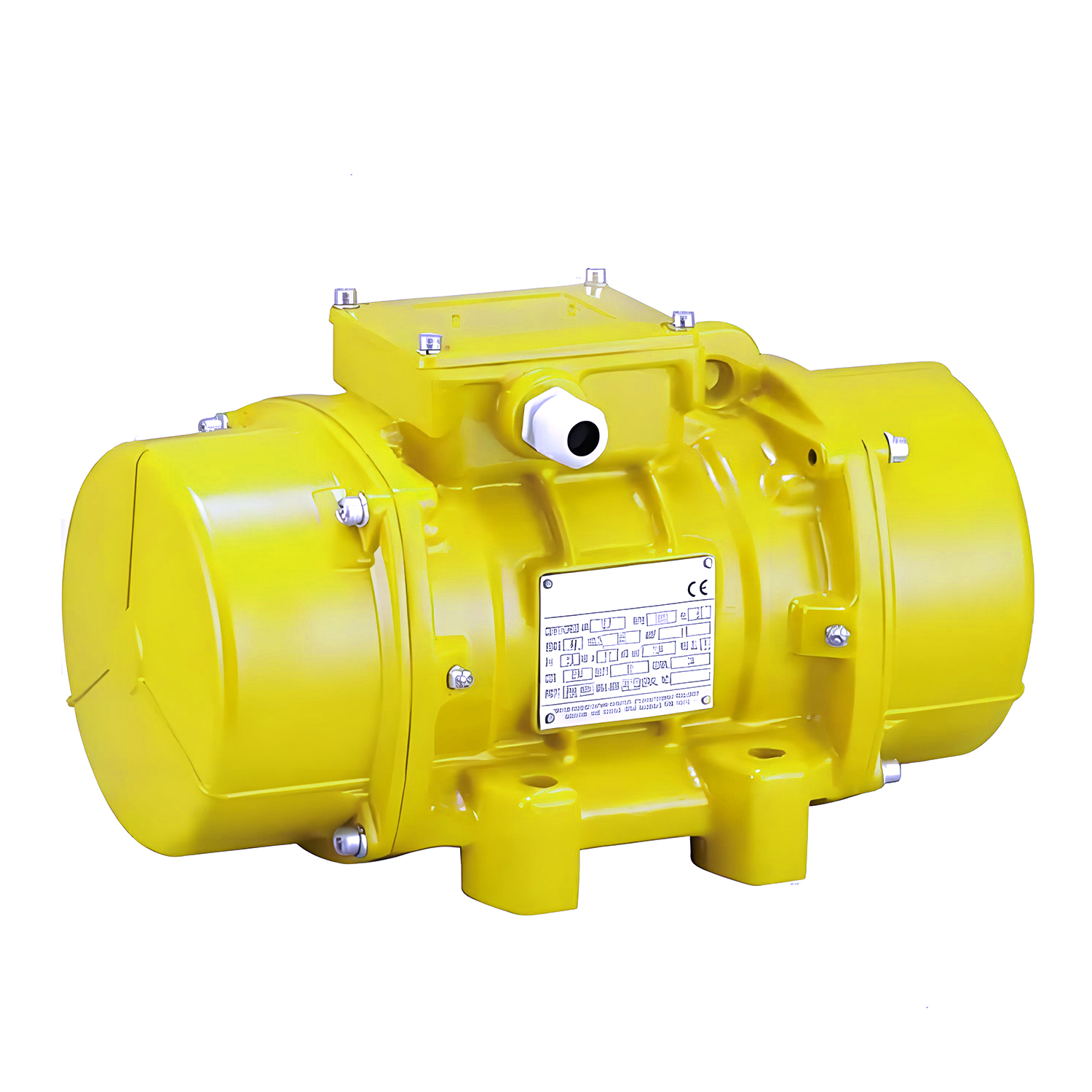 External Vibrator
 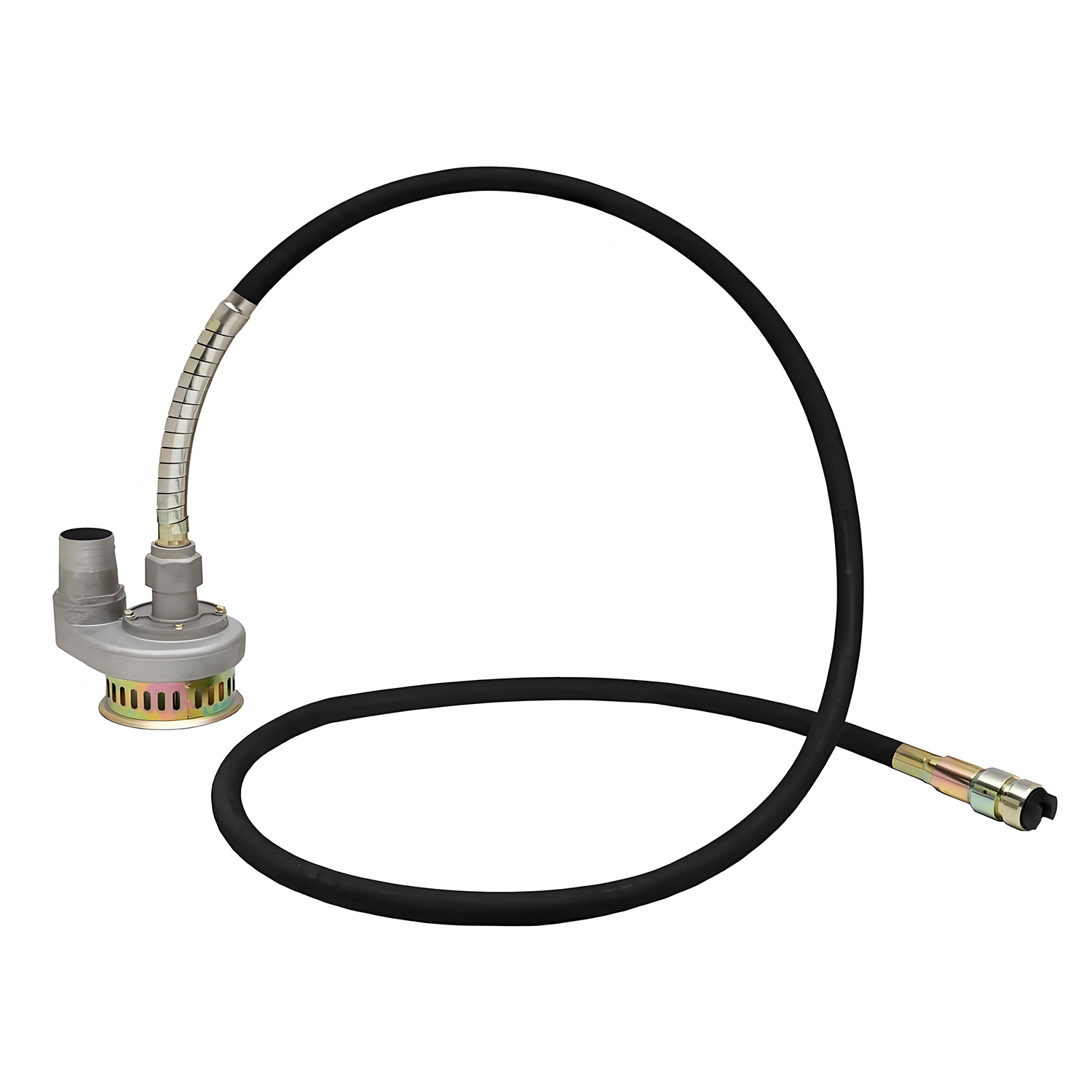 Submersible Pump
 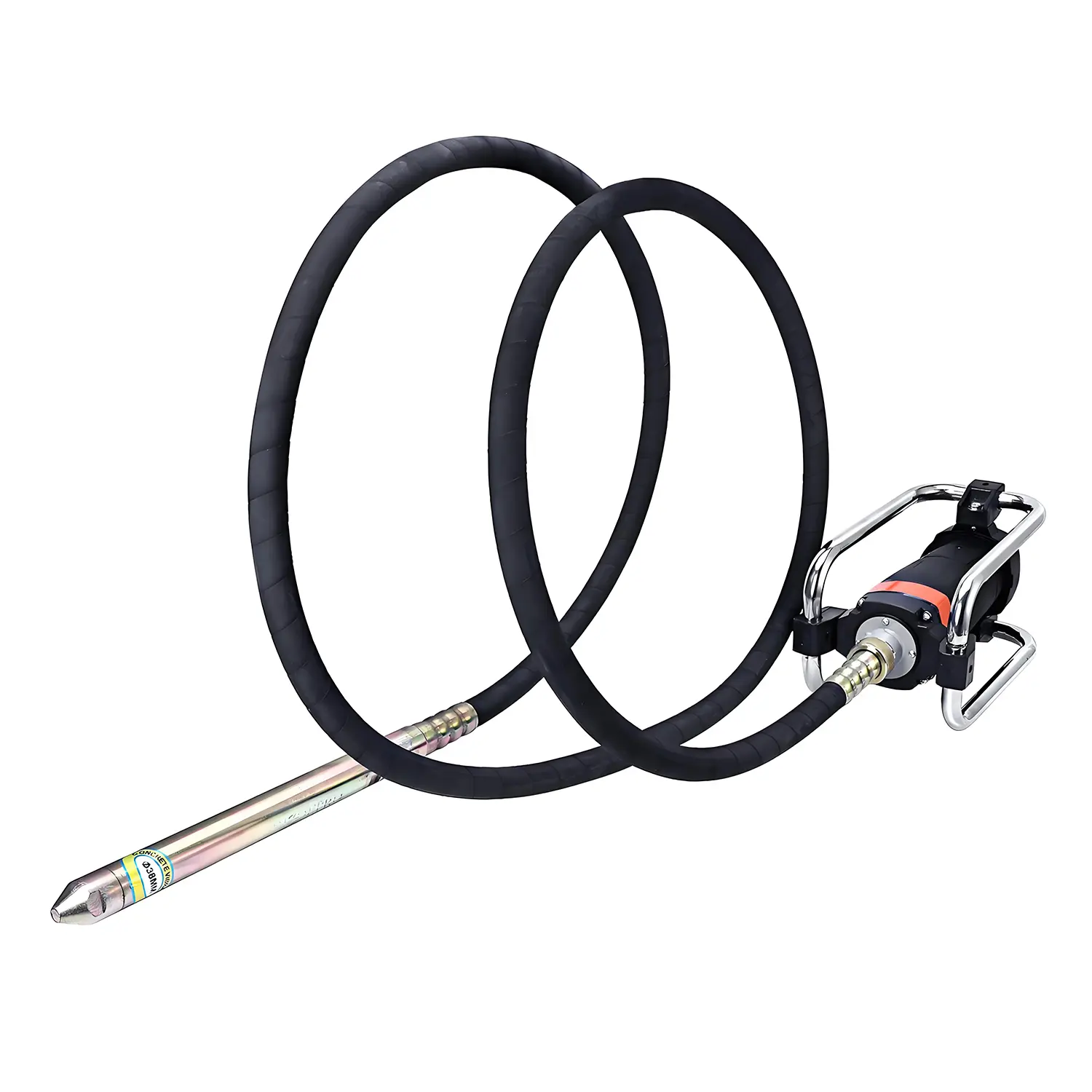 Eccentric shaft
 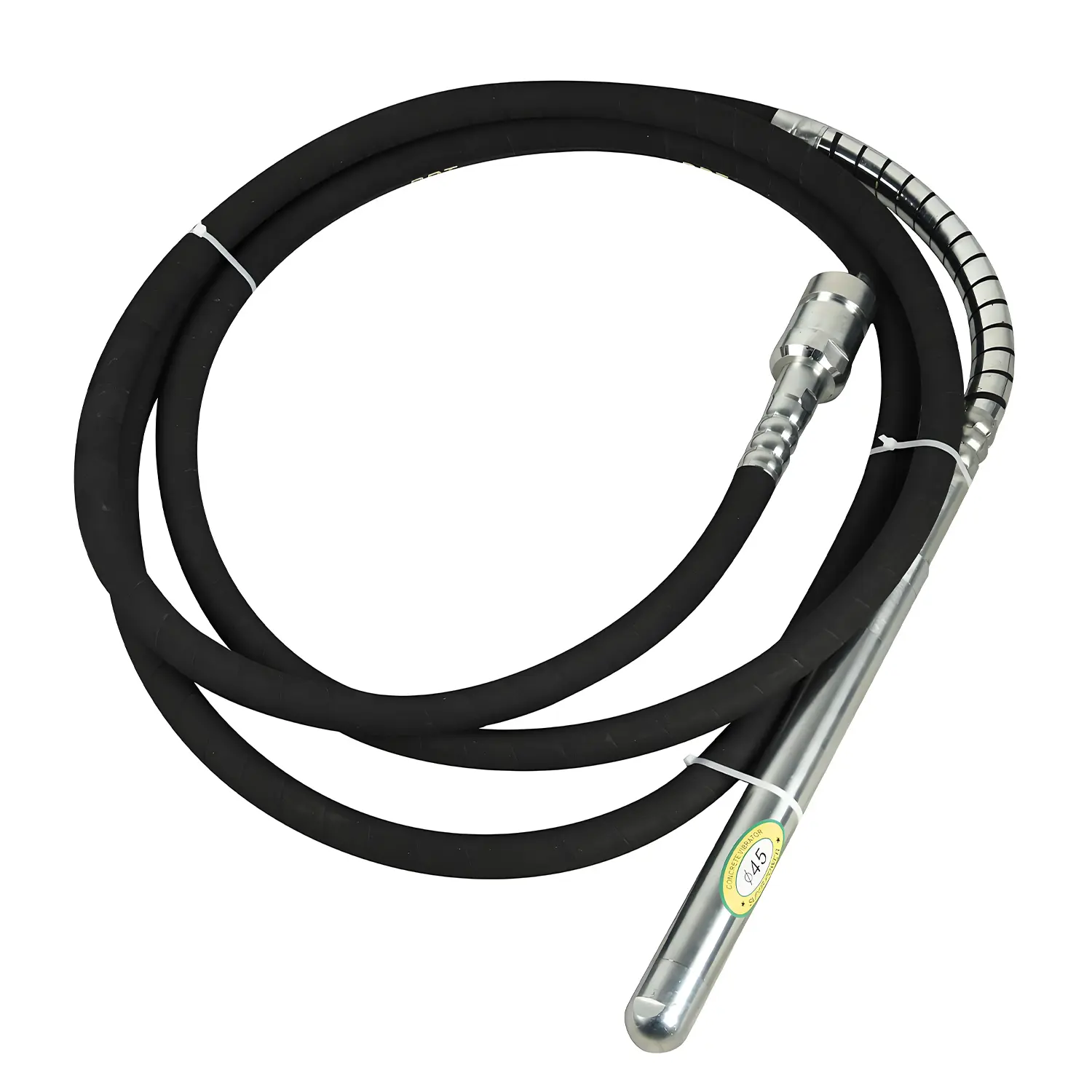 Pendulum shaft
 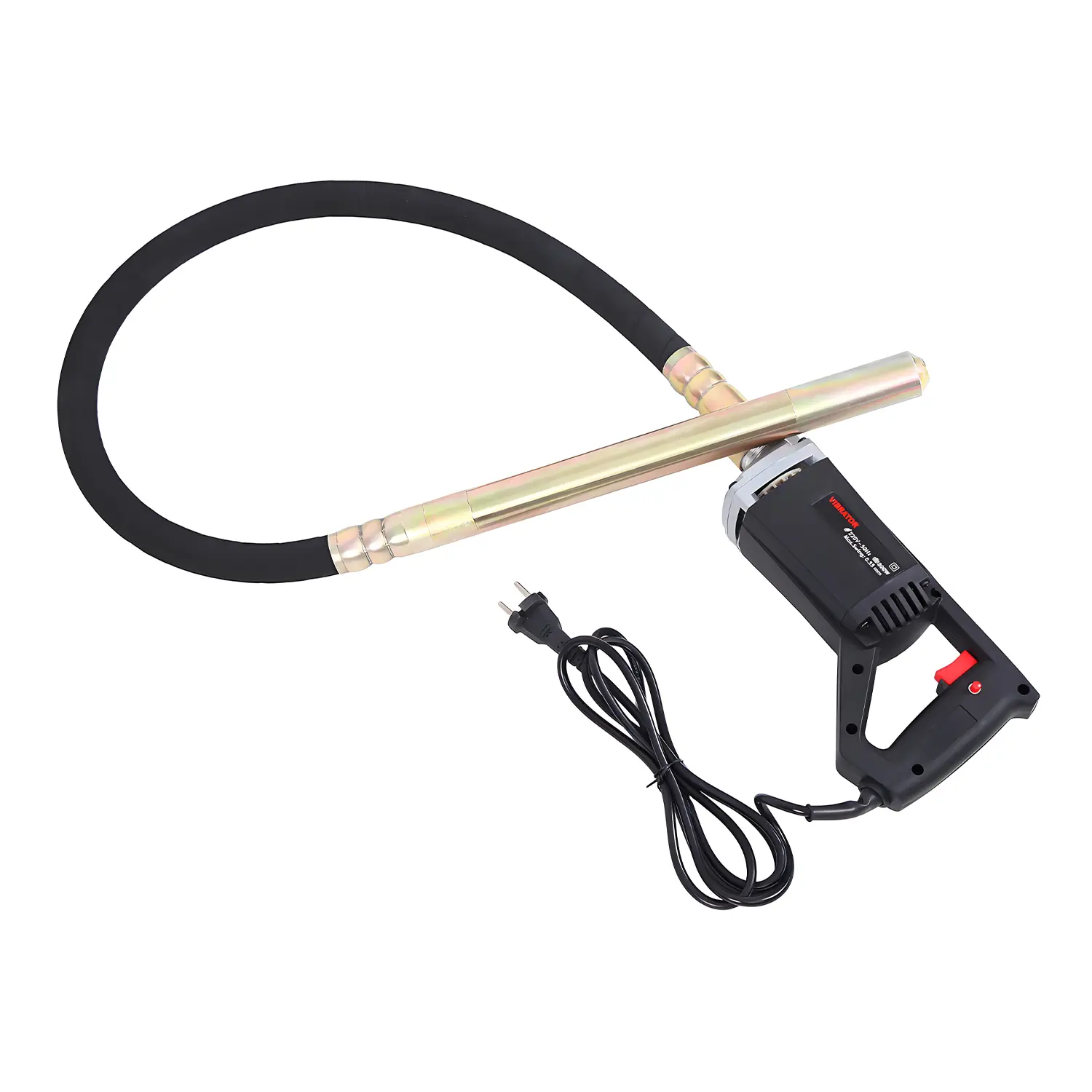 Portable vbrator shaft
 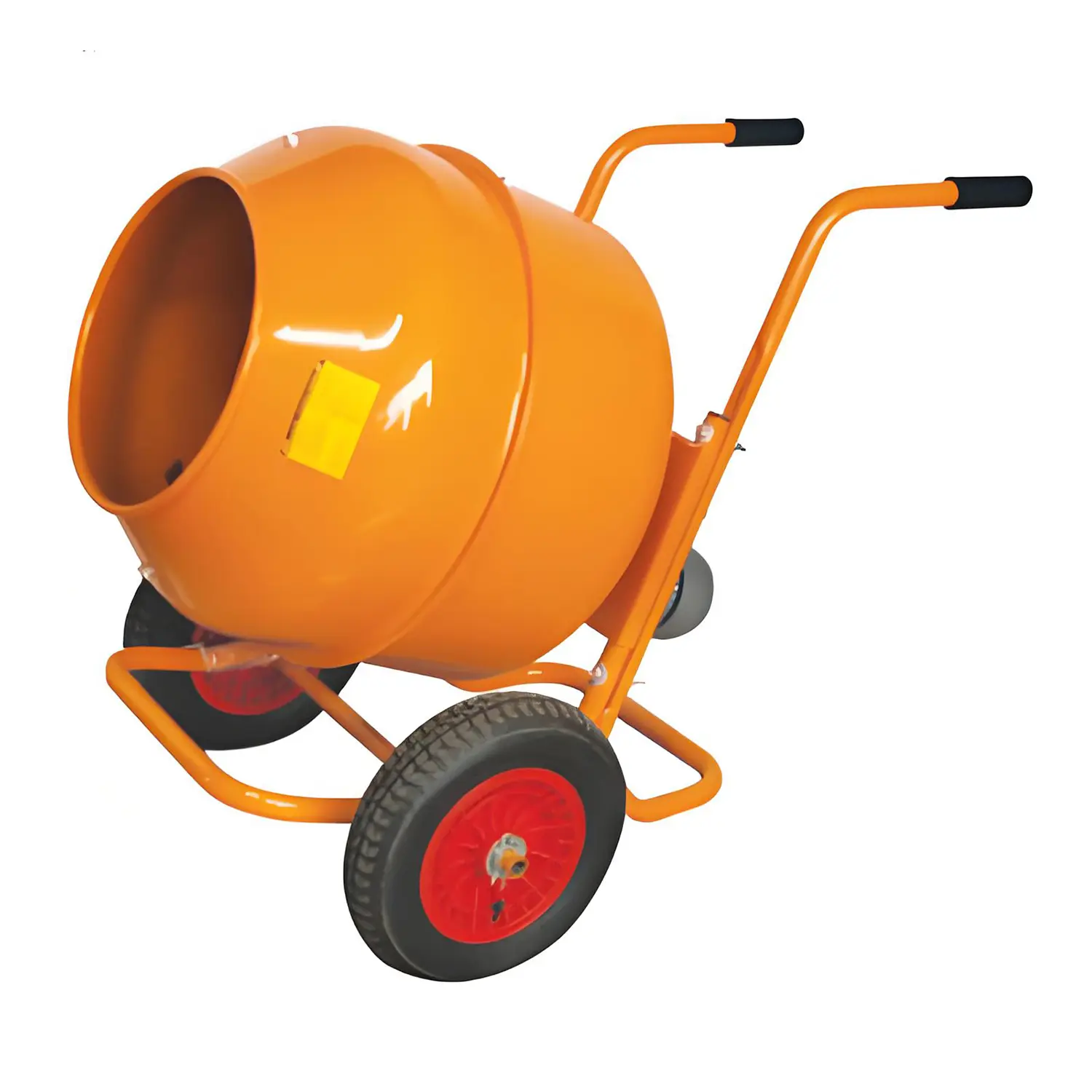 Portable concrete mixer
 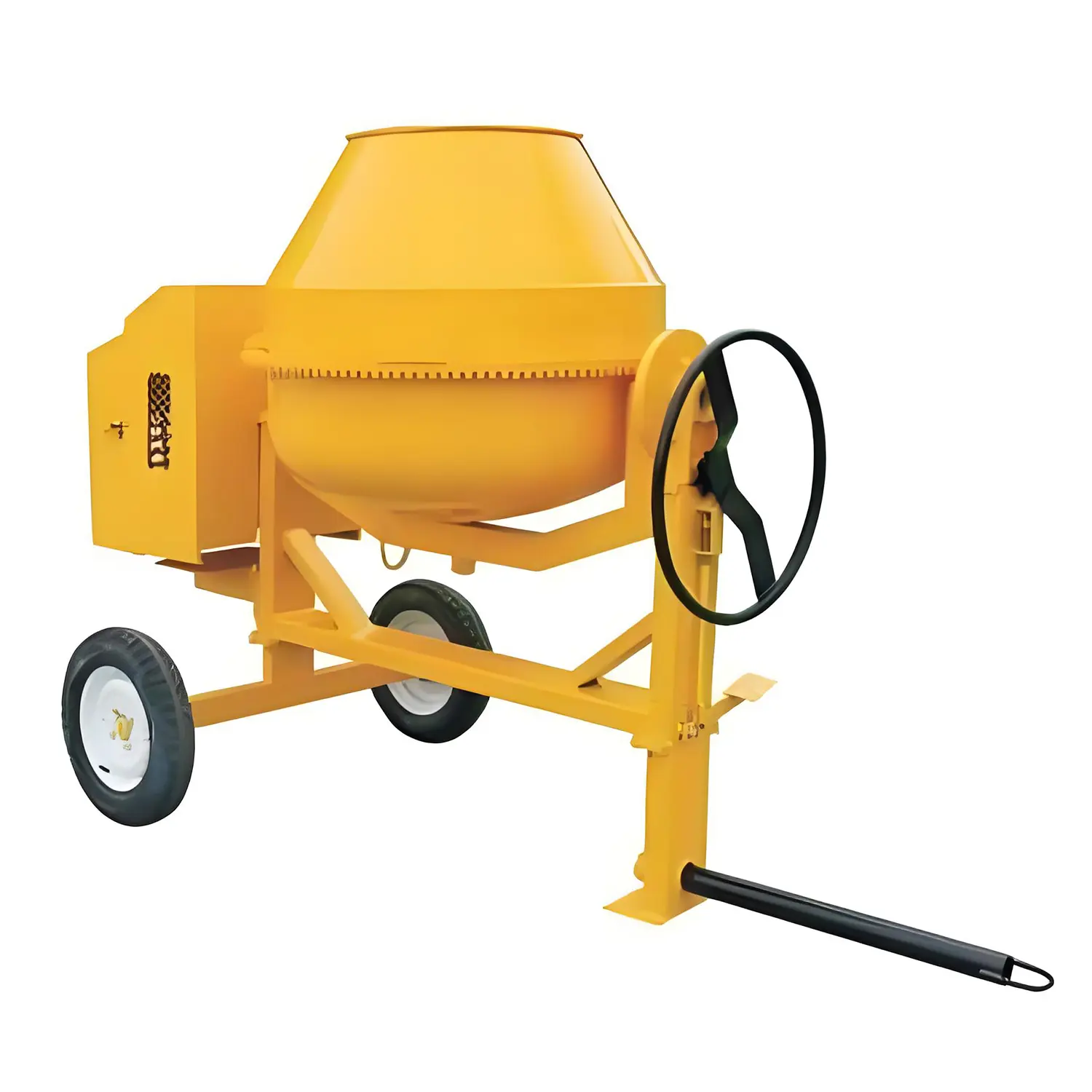 Vertical concrete mixer
 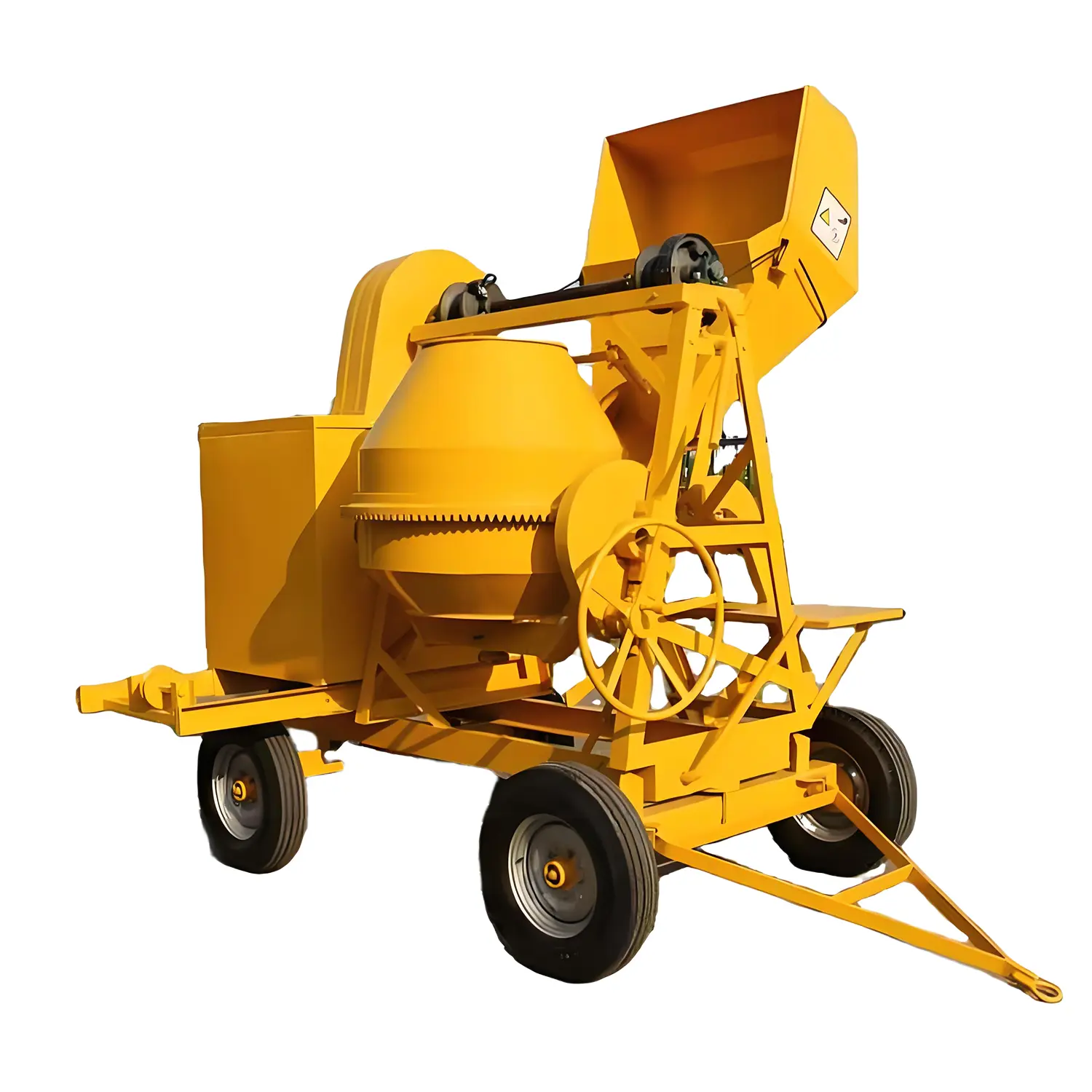 Hydraulic concrete mixer
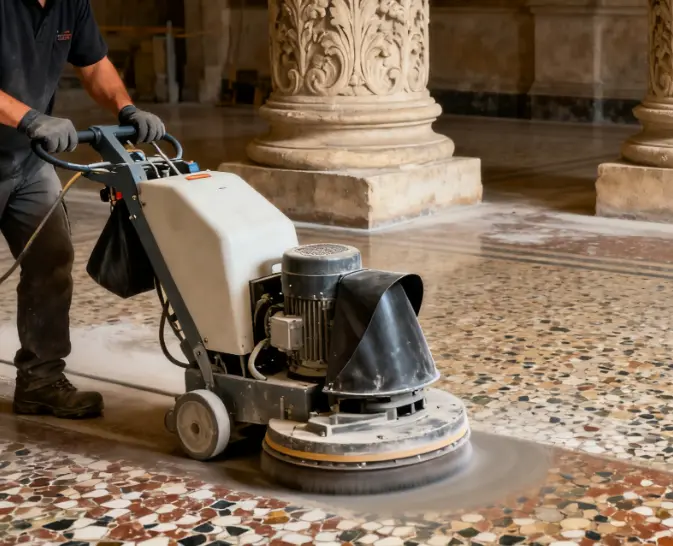
 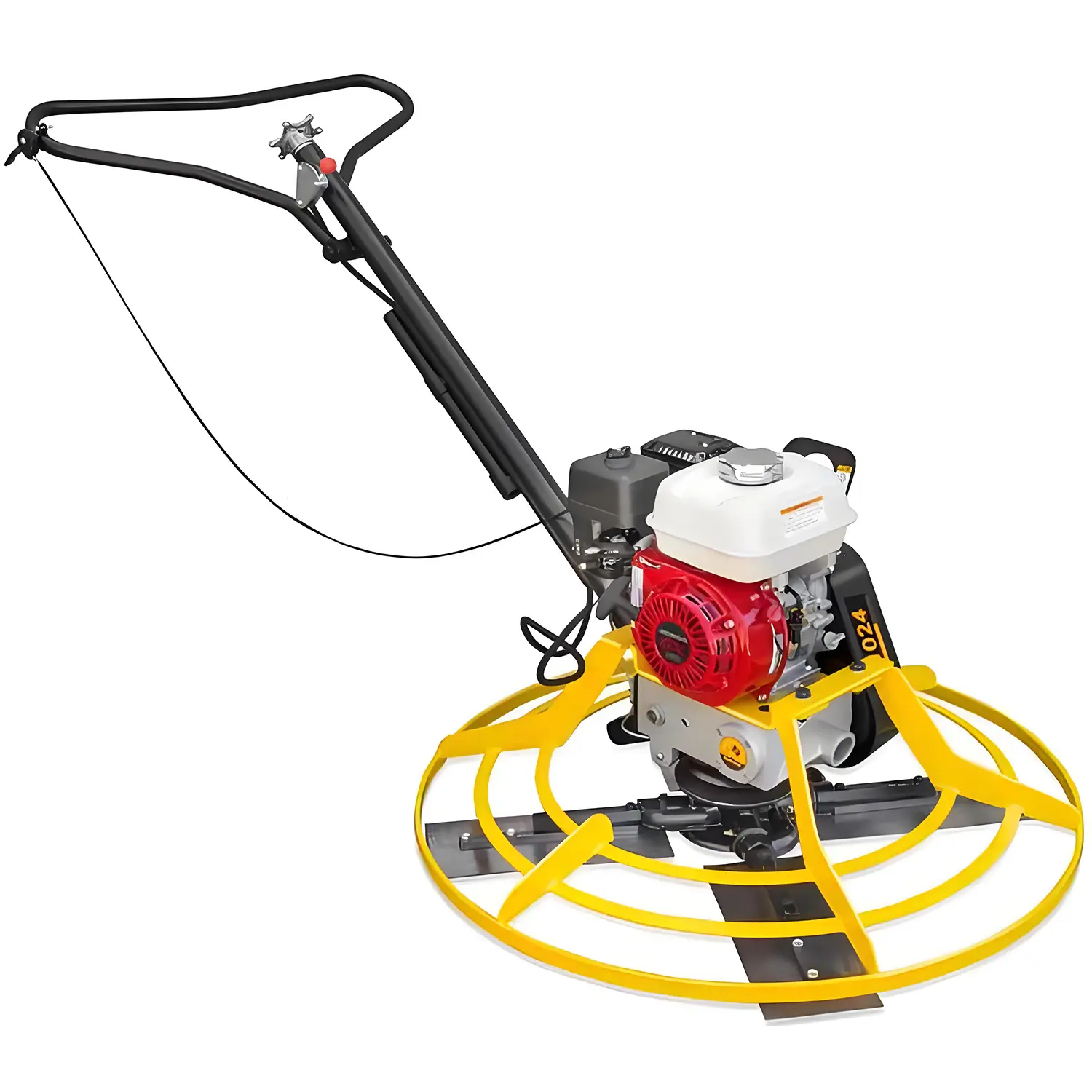 Walk behind power trowel
 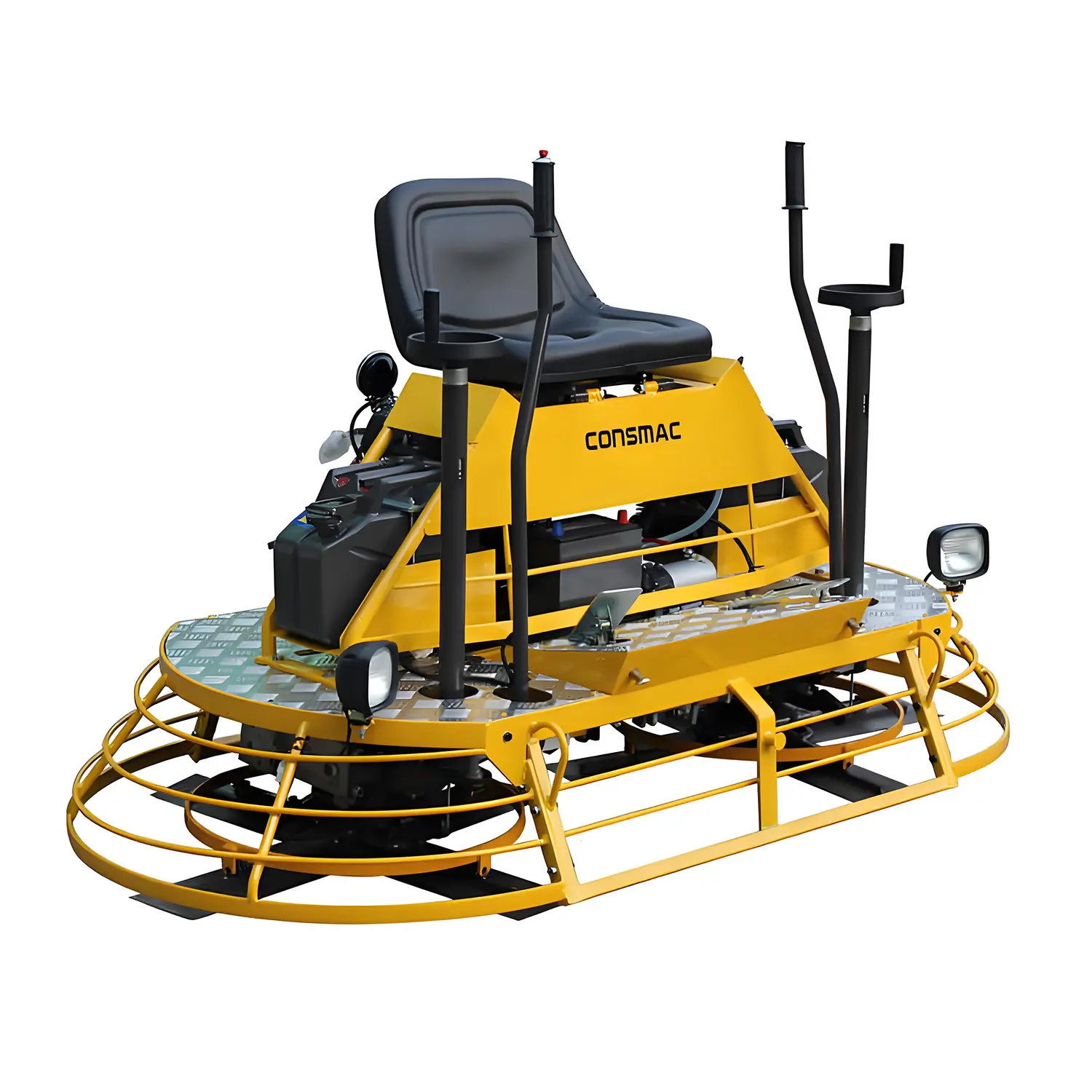 Ride on power trowel
 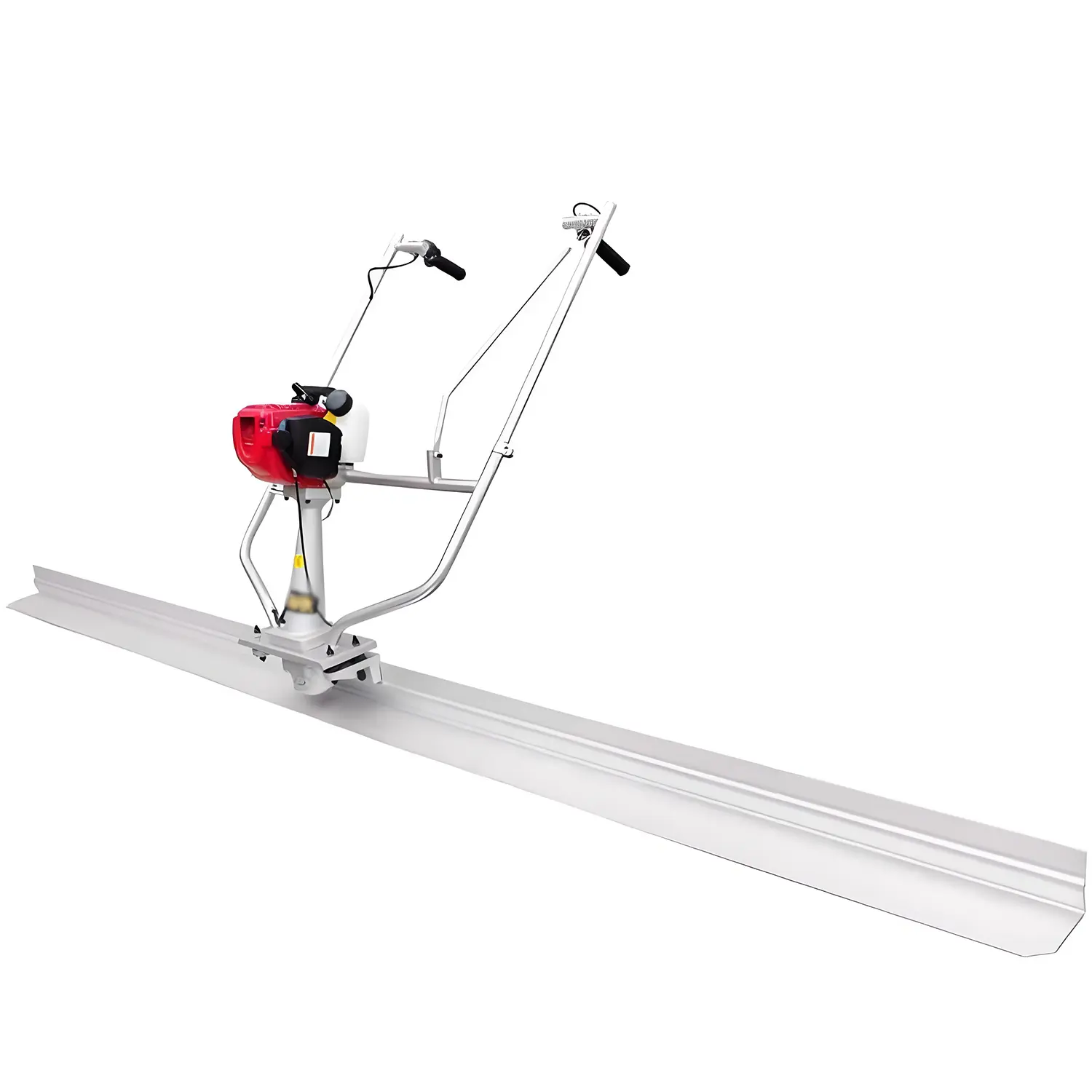 Concrete screed
 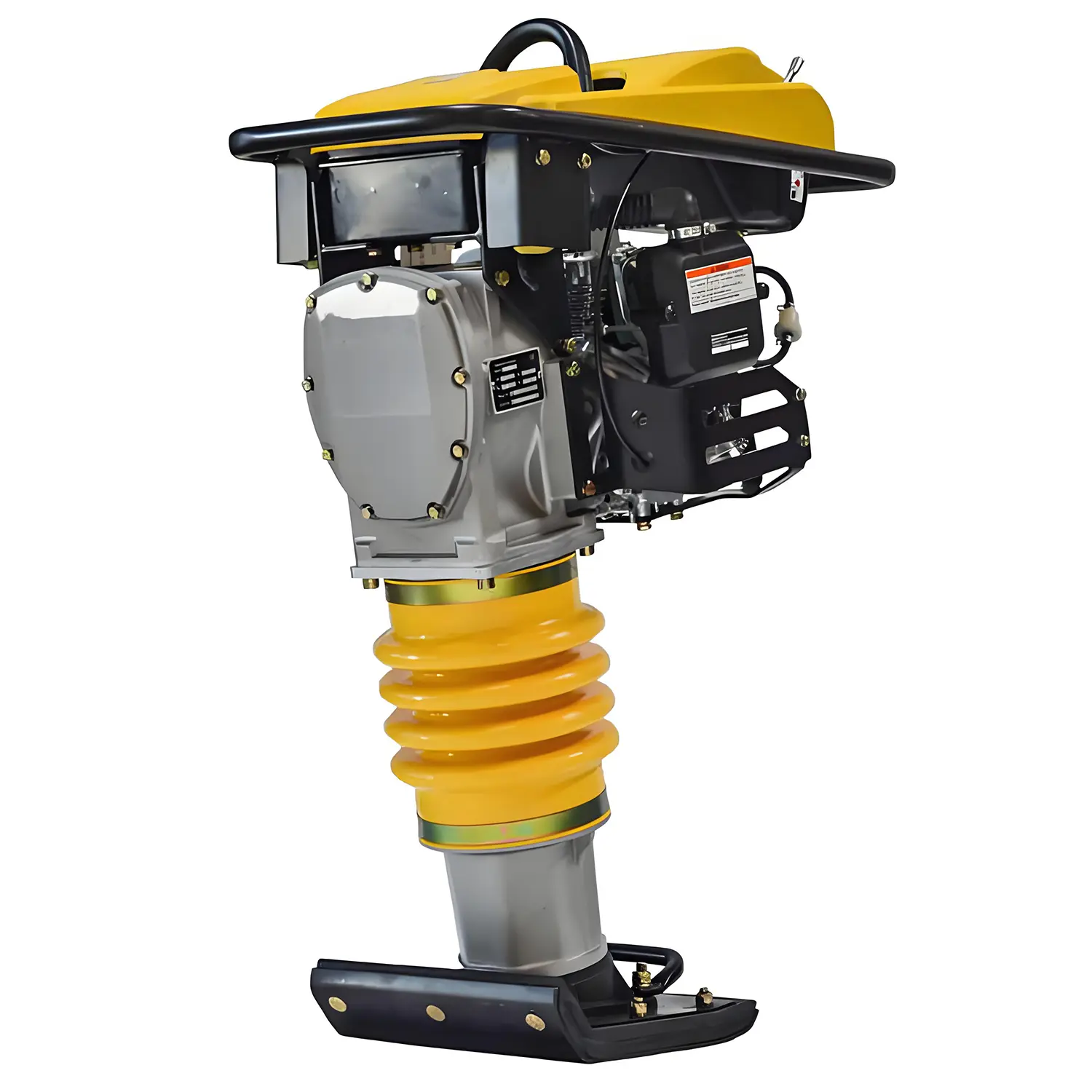 Tamping rammer
 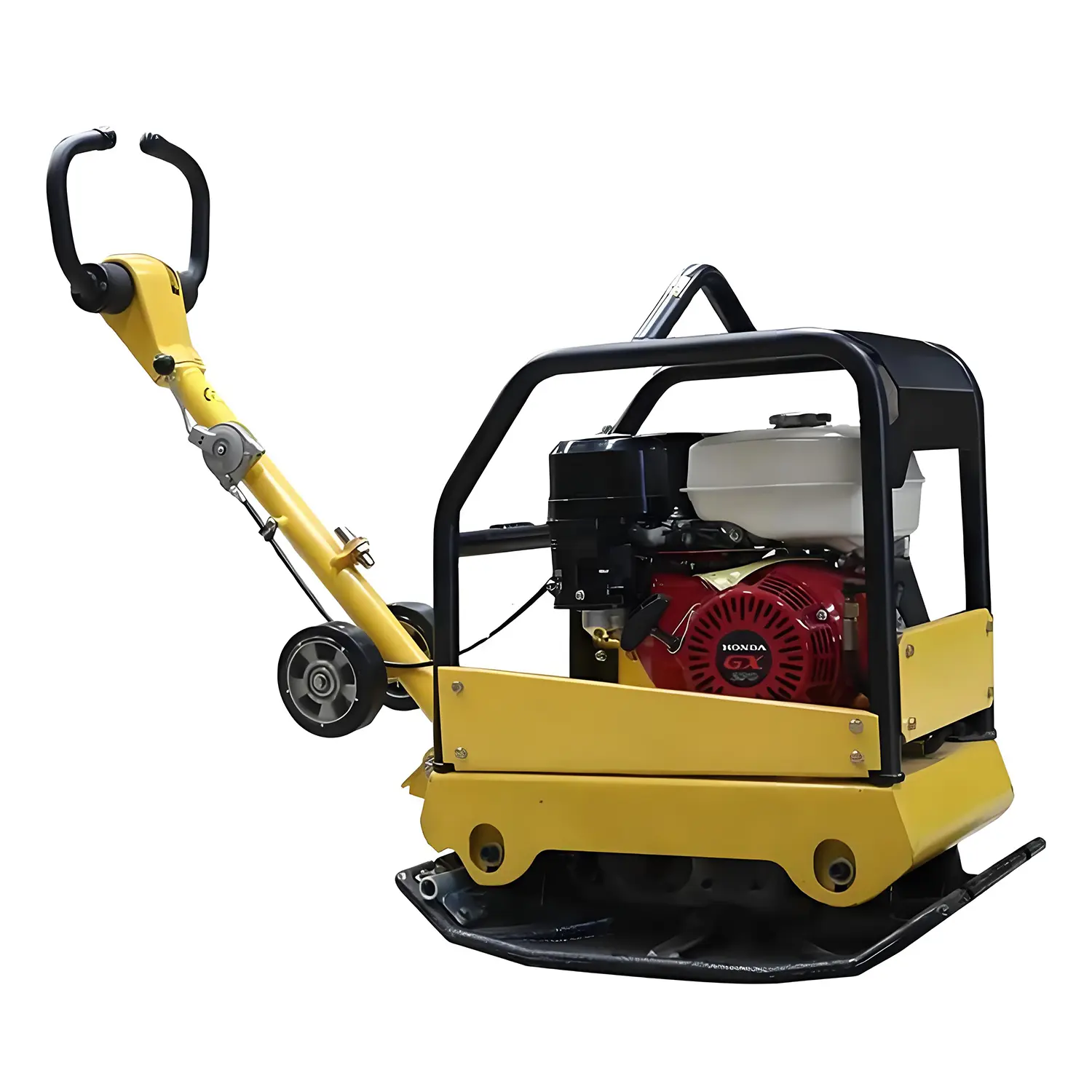 Plate compactor
 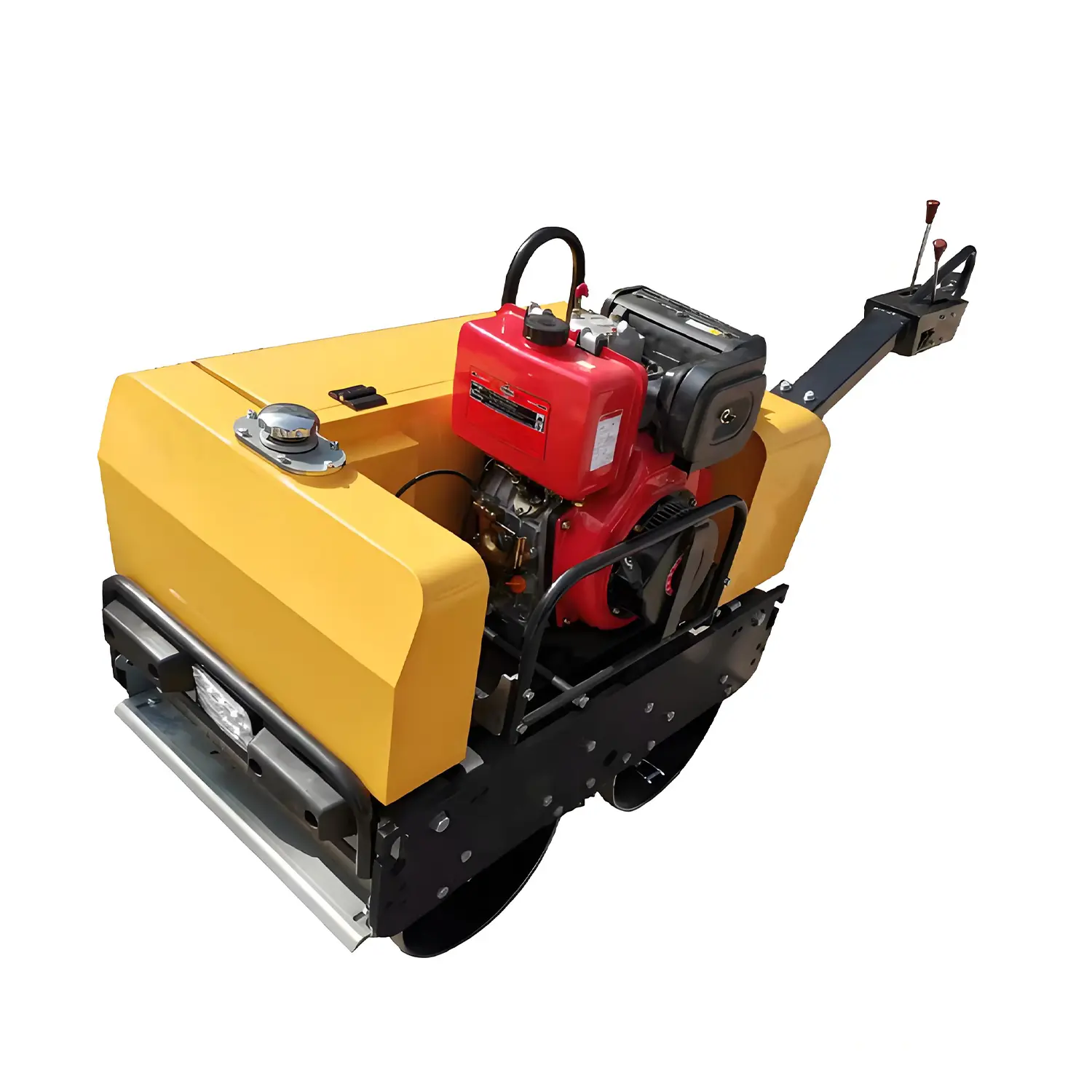 Vibratory roller


How to Pick a Walk Behind Power Trowel for Small-to-Medium Concrete Jobs
You must understand critical factors for selecting a walk-behind Power Trowel for your small-to-medium concrete projects. Learn how to match specific trowel specifications to your job requirements. This ensures optimal results. Discover key features that enhance efficiency, finish quality, and operator comfort, especially with a MAXMACH unit.
Key Takeaways
- Match your power trowel to your project size. Small jobs need smaller trowels for easy movement.
- Consider engine power and blade size. These help you get a smooth finish on your concrete.
- Think about safety and comfort features. These make the trowel easier and safer to use.
Assessing Your Concrete Job Needs
Defining Small-to-Medium Projects
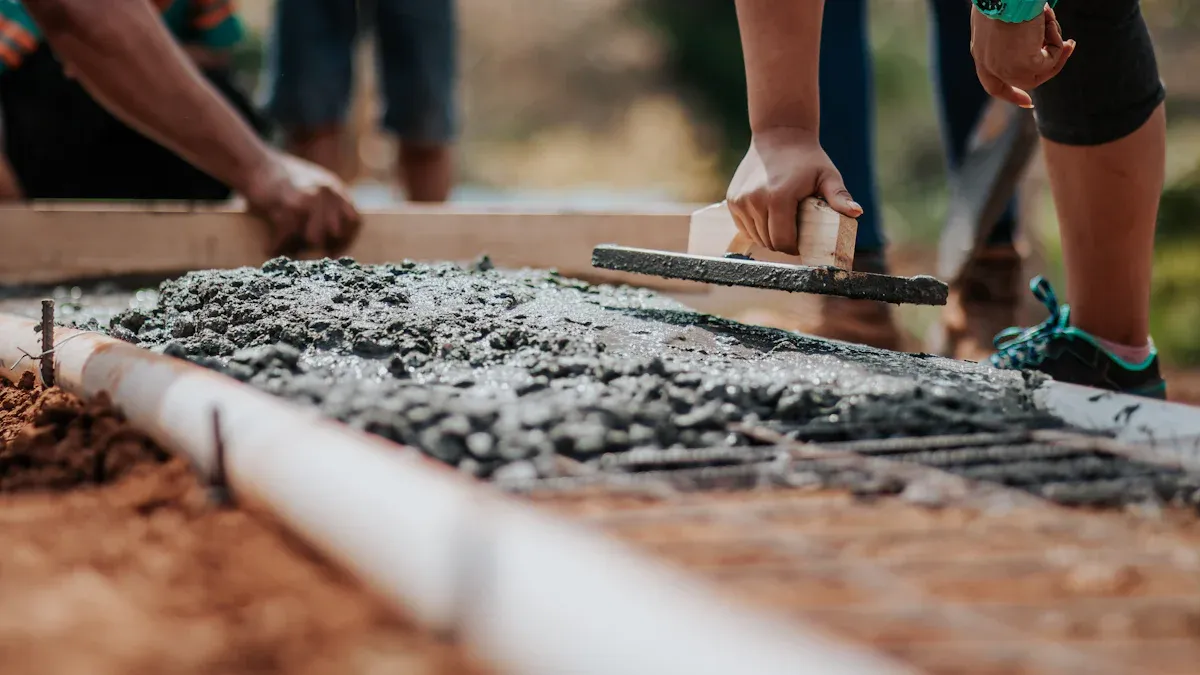
First, understand your project size. Small-to-medium concrete jobs typically include residential slabs, garage floors, patios, and small commercial spaces. You might work on areas ranging from 200 to 2,000 square feet. These projects benefit greatly from a walk-behind power trowel. A larger machine is often unnecessary for these dimensions. You need a tool that offers maneuverability and precise control.
Impact of Concrete Type and Curing
The type of concrete you use affects your trowel choice. Standard concrete mixes are common. High-strength or air-entrained concrete may require different techniques. You must also consider the concrete's curing process. Proper curing time is crucial. It dictates when you can begin troweling. Some mixes set faster. Others need more time before you can achieve a smooth finish. A MAXMACH trowel handles various concrete types effectively.
Frequency of Use Considerations
Think about how often you will use the power trowel. Do you plan daily use, weekly jobs, or occasional projects? Frequent use demands a more robust and durable machine. An occasional user might choose a simpler model. Your investment should match your usage frequency. A high-quality trowel provides reliability for consistent work. Consider the long-term value of your equipment.
Key Specifications and Features for MAXMACH Trowels
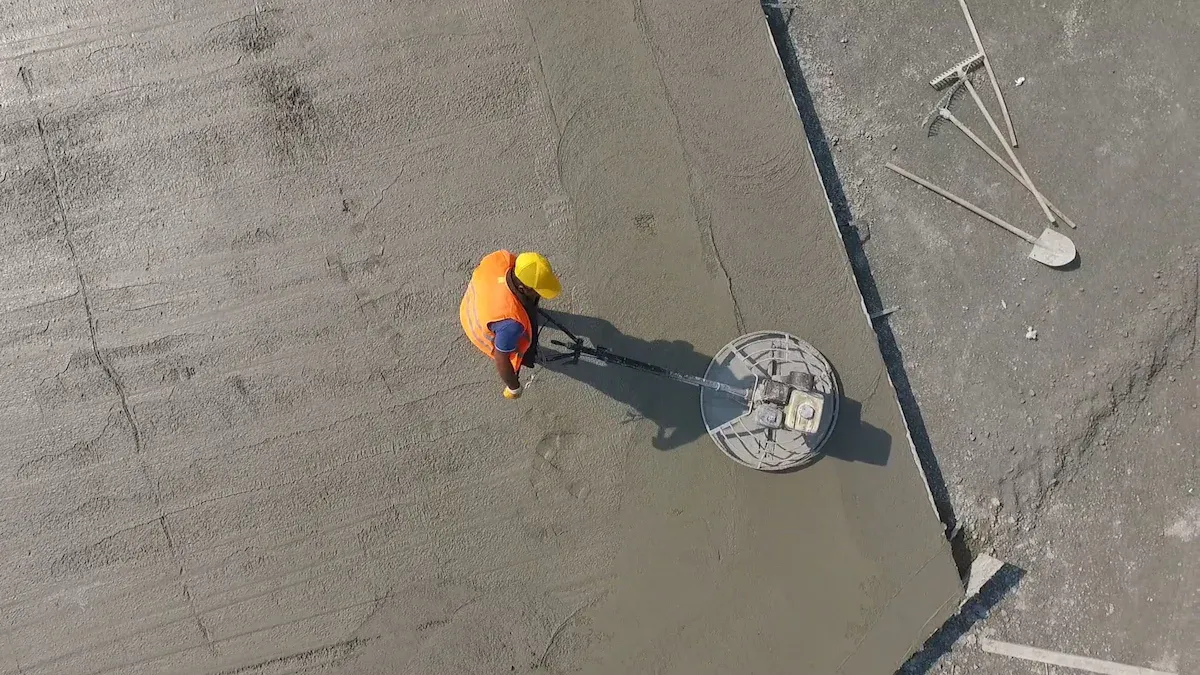
You need to understand the specific features of a walk-behind power trowel. These features directly impact your project's success. They also affect your efficiency and comfort. MAXMACH trowels offer a range of specifications designed for small-to-medium concrete jobs.
Engine Power and Trowel Diameter
You must consider engine power. It directly impacts the trowel's performance. For small-to-medium concrete jobs, an engine with 3.5 to 5.5 horsepower is usually sufficient. This power allows you to handle various concrete mixes. It also ensures consistent blade rotation. You will achieve a smooth finish.
Trowel diameter is another crucial factor. Smaller diameters, like 24 or 30 inches, offer excellent maneuverability. You can easily navigate tight corners and doorways. For slightly larger areas, a 36-inch trowel provides good coverage. It still maintains precise control. You can find MAXMACH trowels in these versatile sizes.
Blade Configuration and Weight
Blade configuration affects your concrete finish. Most walk-behind trowels use four blades. You can choose different blade types. Float blades are for the initial pass. They bring moisture to the surface. Finish blades create a smooth, hard surface. Combination blades offer versatility. You can use them for both floating and finishing.
The weight of the trowel also matters. A heavier machine can achieve a flatter, denser finish. It applies more pressure to the concrete. However, a lighter trowel is easier to transport. It is also simpler to maneuver on the job site. You must balance these factors. Consider the specific demands of your project.
Ergonomics and Control Mechanisms
Operator comfort is vital. You will spend hours operating the machine. Look for ergonomic features. Adjustable handles reduce strain. They allow you to find a comfortable working height. Vibration-reducing handles also minimize fatigue. This helps you work longer without discomfort.
Control mechanisms should be intuitive. A responsive throttle gives you precise speed control. Pitch control lets you adjust the blade angle easily. This is essential for different stages of the finishing process. A dead-man switch is a critical safety feature. It stops the blades when you release the handle.
Safety and Portability Features
Safety always comes first. Ensure your chosen trowel has robust safety features. The dead-man switch is non-negotiable. Blade guards protect you from rotating blades. An emergency stop button provides an extra layer of security. You can quickly halt the machine if needed.
Portability enhances efficiency. You often move equipment between job sites. Look for features like lifting hooks. These make loading and unloading easier. Foldable handles reduce the trowel's footprint. This helps with storage and transport. Some models even offer wheel kits. These allow you to roll the trowel around the site. A well-designed MAXMACH unit prioritizes both safety and ease of transport.
Power Sources, Blade Types, and Budgeting
Gas vs. Electric Power Trowels
You have two main power choices for your walk-behind trowel: gas or electric. Each type offers different benefits. Gas-powered trowels provide strong performance. They are ideal for outdoor jobs. You do not need an electrical outlet. This gives you great freedom of movement. However, gas engines produce fumes and noise. They also require more maintenance. You must refuel them.
Electric trowels are much quieter. They do not produce exhaust fumes. You can use them indoors without ventilation concerns. They also need less maintenance. Corded electric models require a power source nearby. This limits your range. Battery-powered electric trowels offer more mobility. Their run time is limited by battery life. Consider your job site environment. Think about available power access.
Understanding Trowel Blade Applications
Different blades perform different tasks. You must choose the right blade for each stage of concrete finishing.
- Float Blades: You use these for the initial pass. They bring concrete cream to the surface. This prepares the slab for further finishing. Float blades are wider and flatter.
- Finish Blades: You use these after floating. They create a smooth, hard surface. Finish blades compact the concrete. They are narrower than float blades.
- Combination Blades: These blades offer versatility. You can use them for both floating and finishing. You adjust their angle for each task. This saves you time.
Blades also come in different materials. Steel is the most common. You can find plastic blades for specific decorative finishes. Always inspect your blades. Worn blades will affect your finish quality.
New, Used, and Rental Options
You need to decide how to acquire your power trowel. You can buy new, buy used, or rent.
Buying a new trowel gives you a warranty. You get the latest features and technology. It costs more money upfront. A new machine offers reliability.
A used trowel can save you money. You must inspect it carefully. Check the engine, blades, and controls. Look for signs of wear and tear. A used MAXMACH unit might offer good value. Ensure it is in good working condition.
Renting is a good choice for occasional jobs. You avoid the cost of ownership. You do not pay for storage or maintenance. You can also try different models. Renting offers flexibility. Your budget and how often you work will guide your decision.
You now understand how to select the right walk-behind power trowel. Match your trowel choice to your specific job demands. Balance performance, features, and your budget carefully. This ensures a successful concrete finish every time. Make an informed decision for optimal results.
FAQ
What size walk-behind trowel do I need for a 1,000 sq ft garage floor?
For a 1,000 sq ft garage floor, a 30-inch or 36-inch walk-behind power trowel works well. These sizes offer good coverage and maneuverability for your project.
Should I choose a gas or electric power trowel for indoor work?
You should choose an electric power trowel for indoor work. Electric models produce no fumes and are quieter. This makes them safer and more comfortable for enclosed spaces. ⚡
How often should I replace my trowel blades?
You should replace your trowel blades when they show significant wear or damage. Worn blades will not give you a smooth finish. Inspect them before each use.