
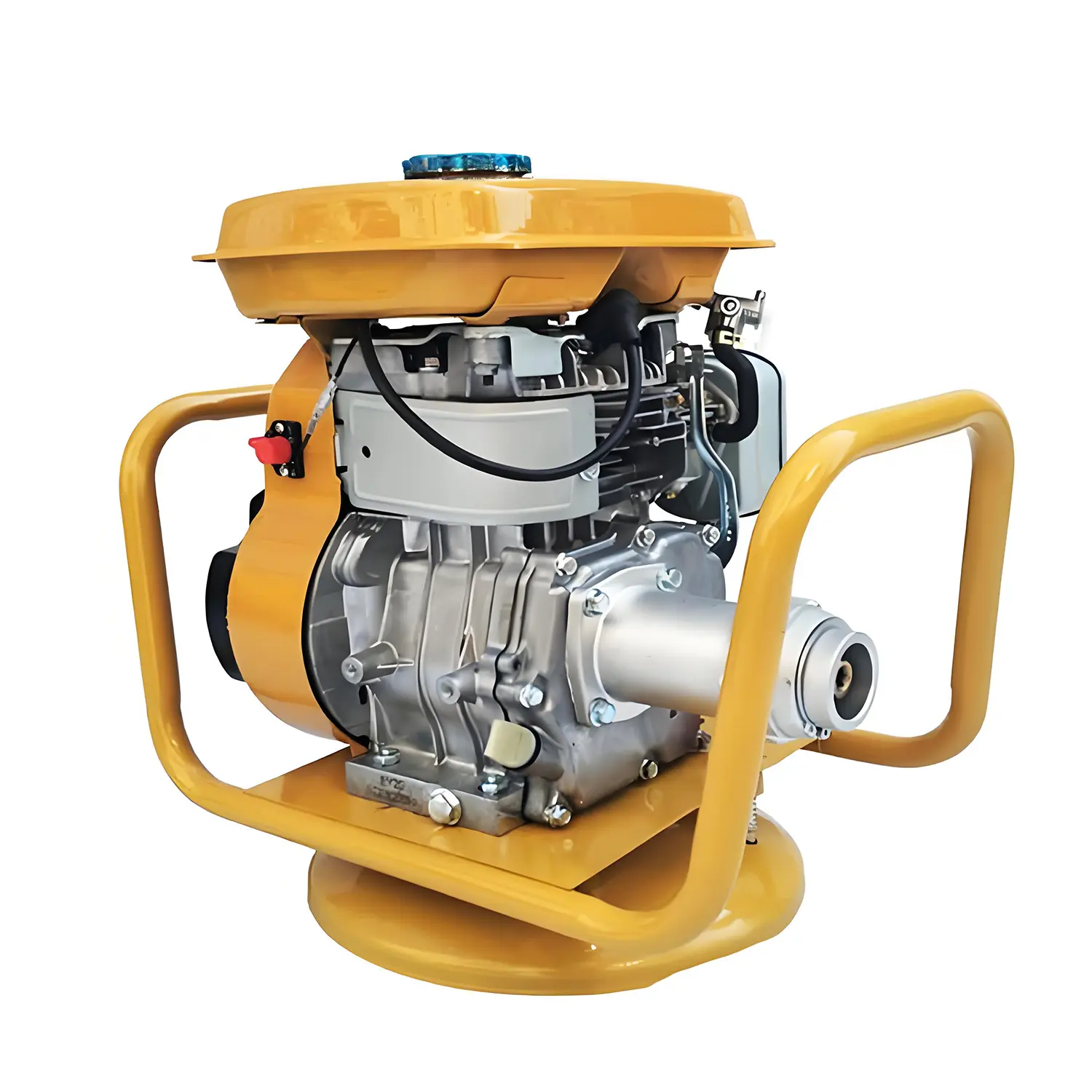
 Internal Vibrator
 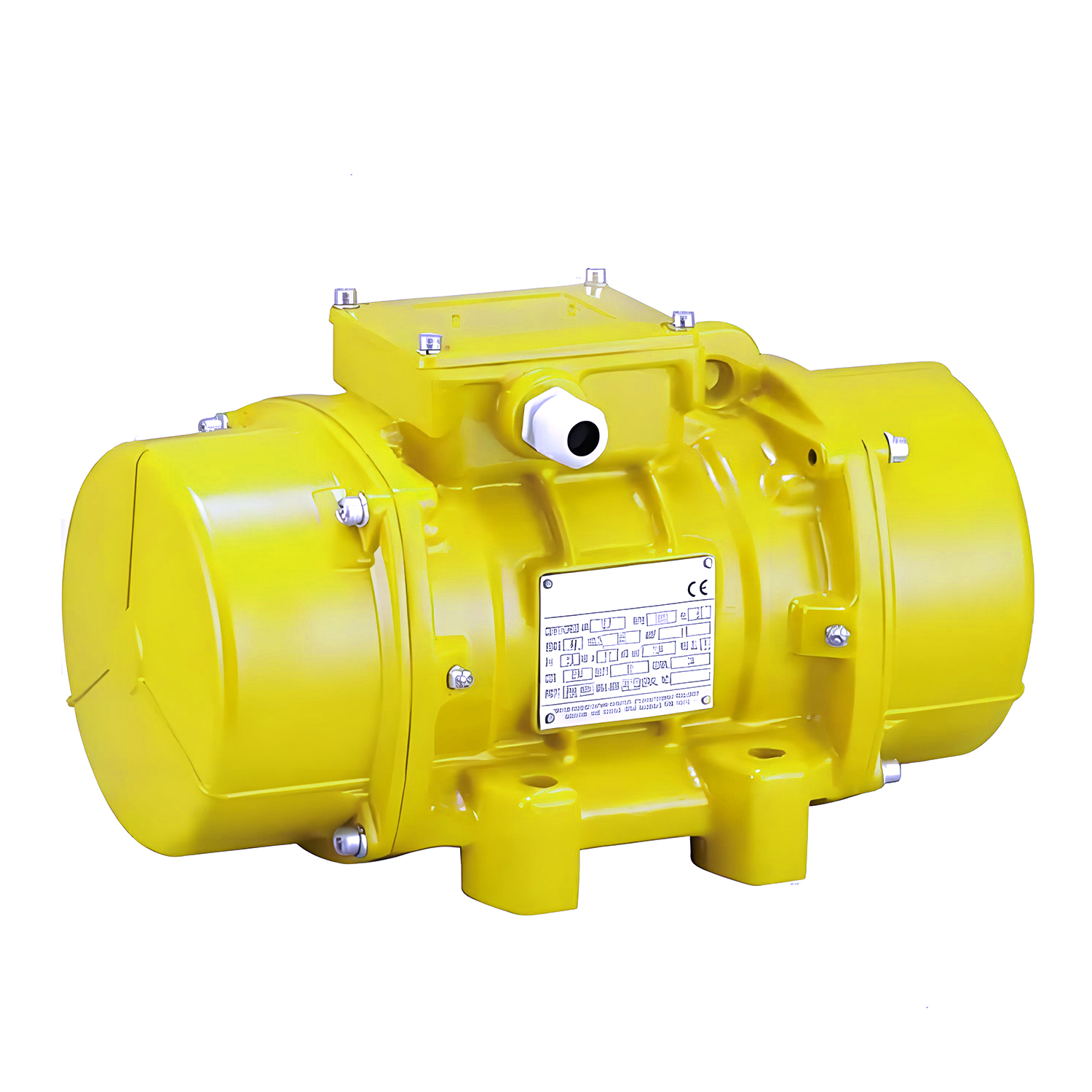 External Vibrator
 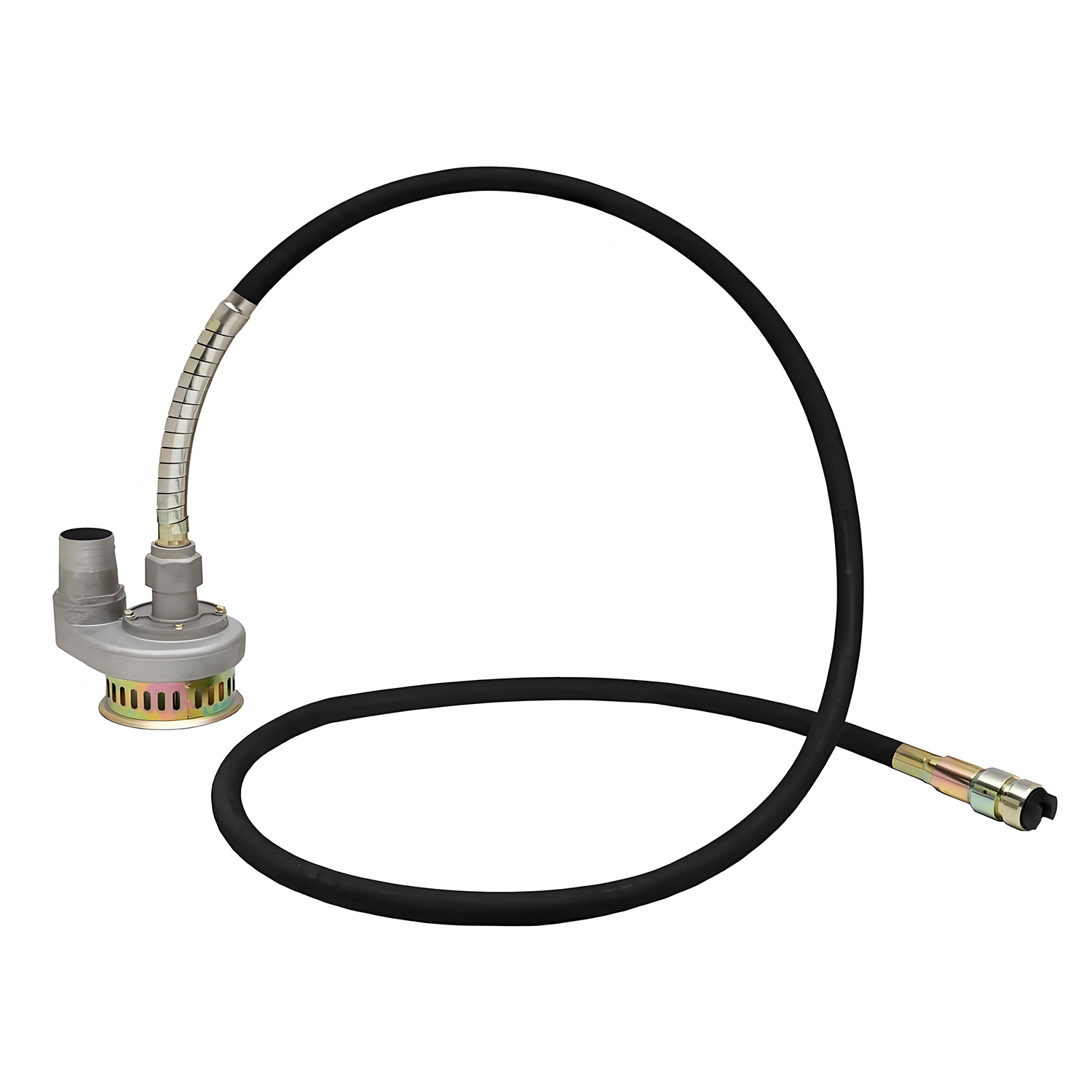 Submersible Pump
 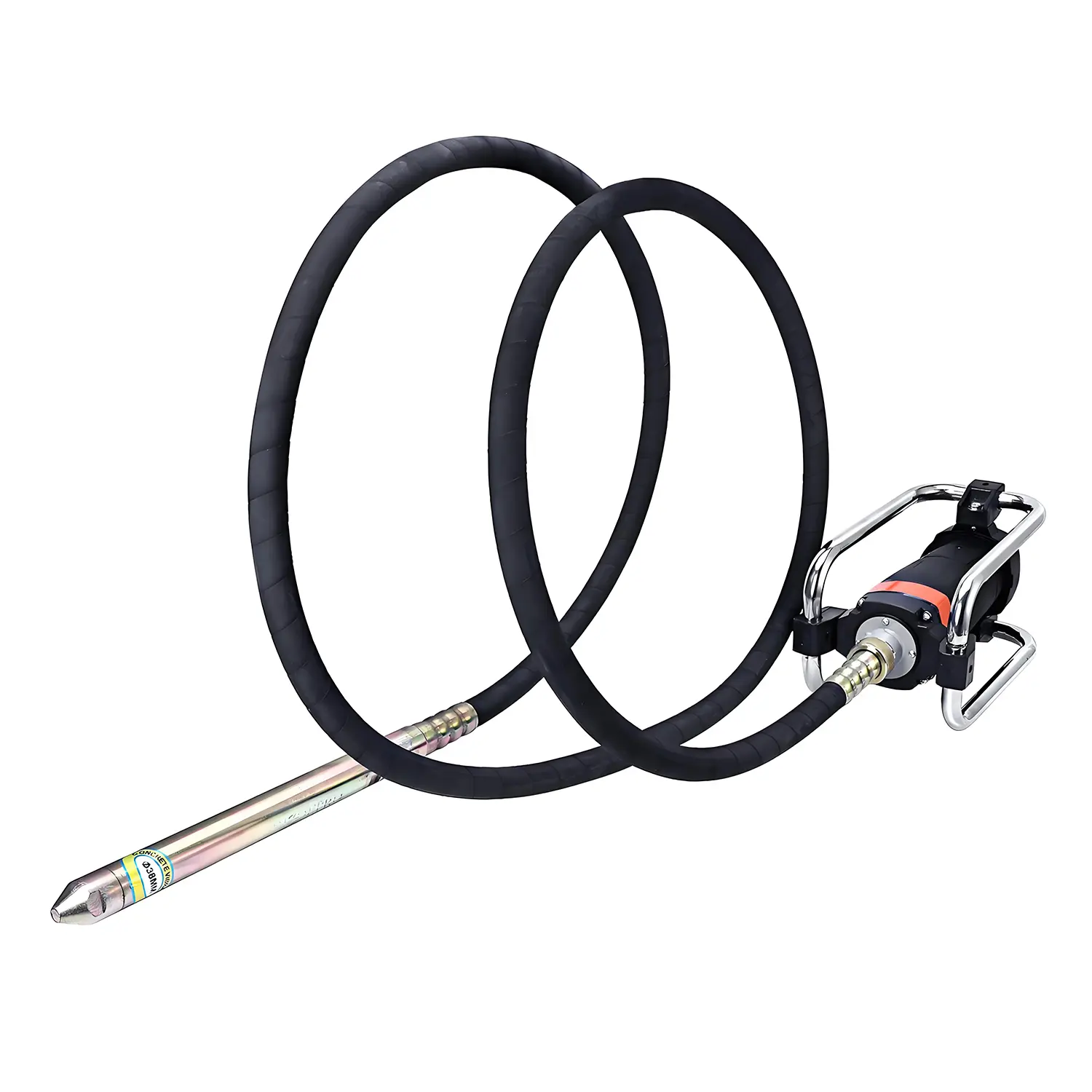 Eccentric shaft
 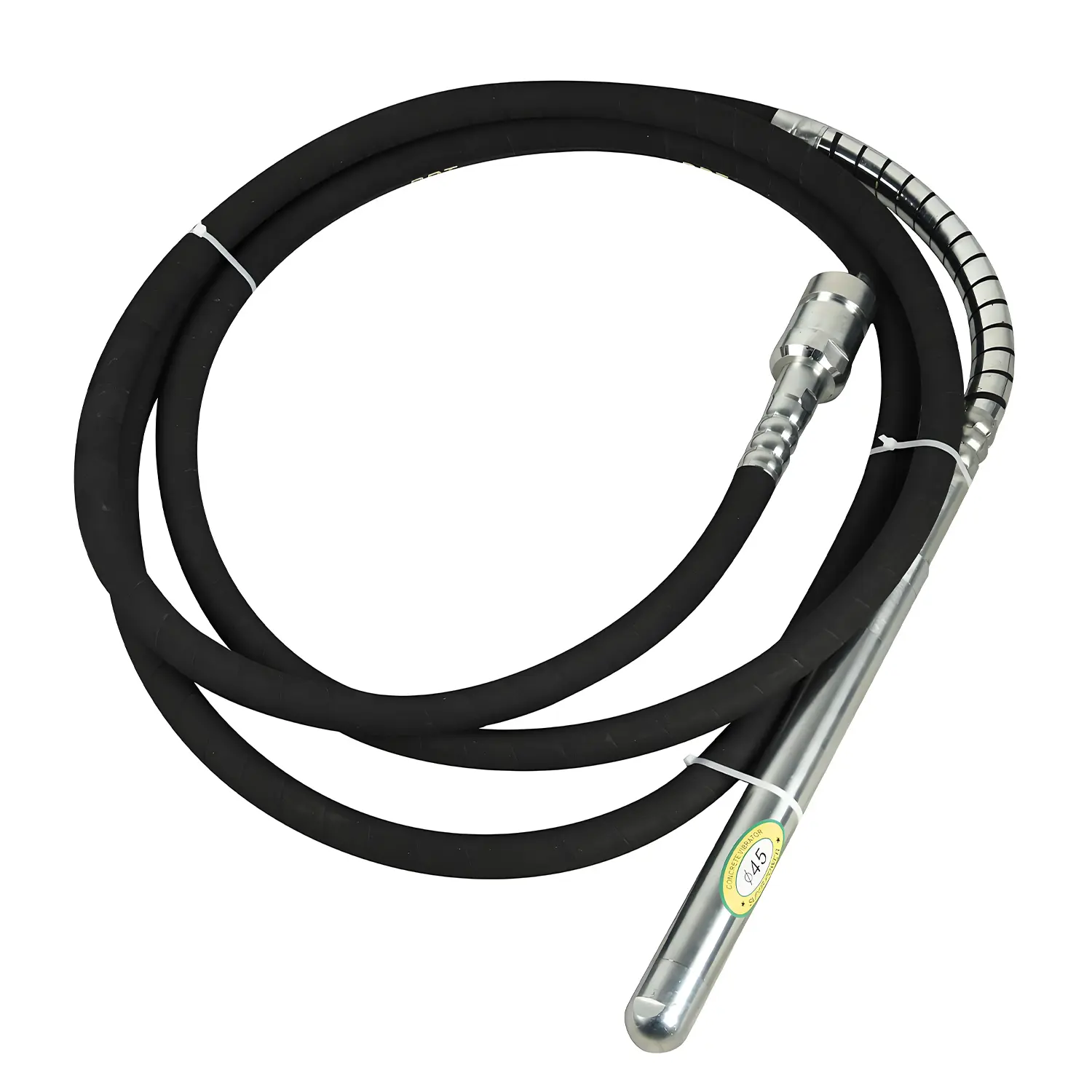 Pendulum shaft
 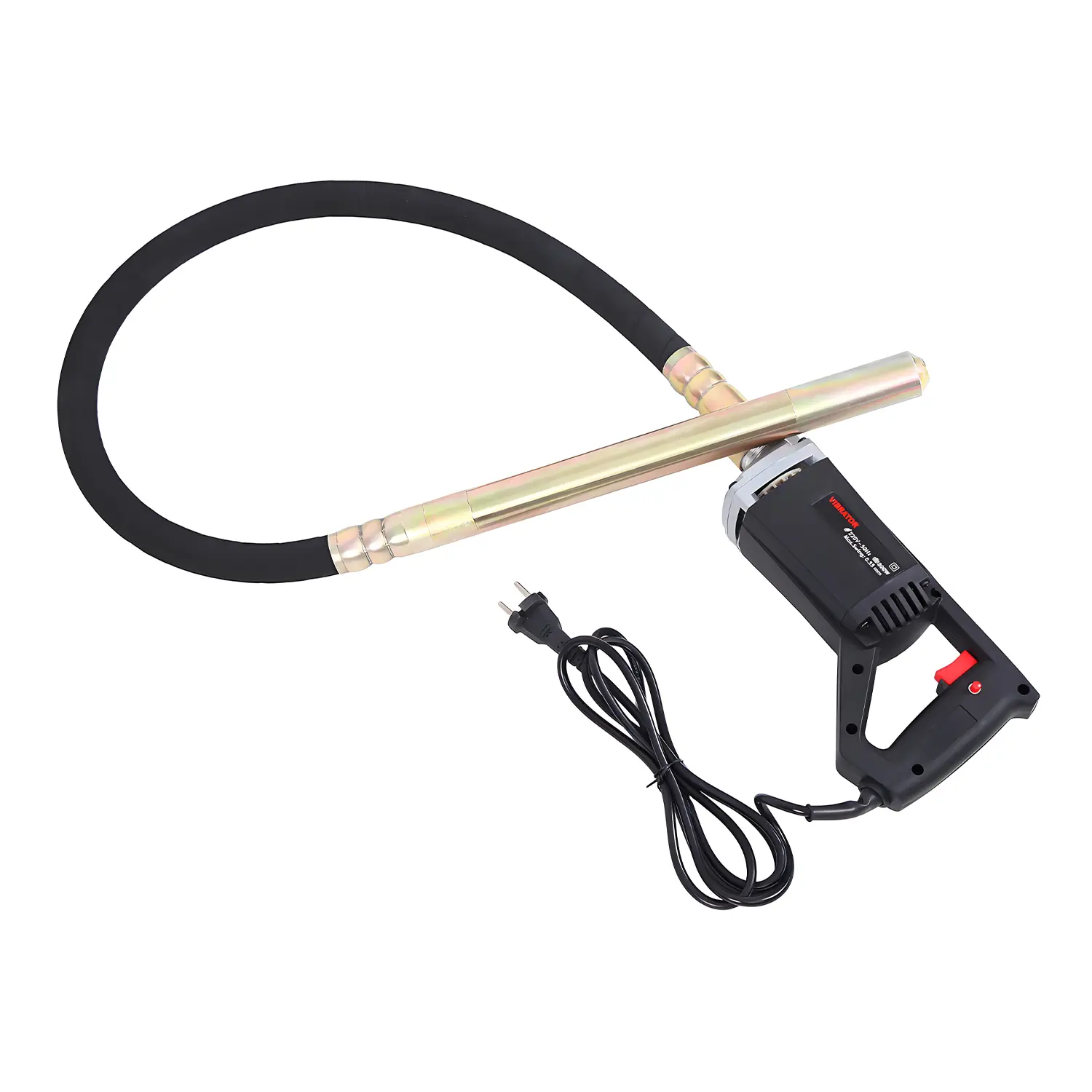 Portable vbrator shaft
 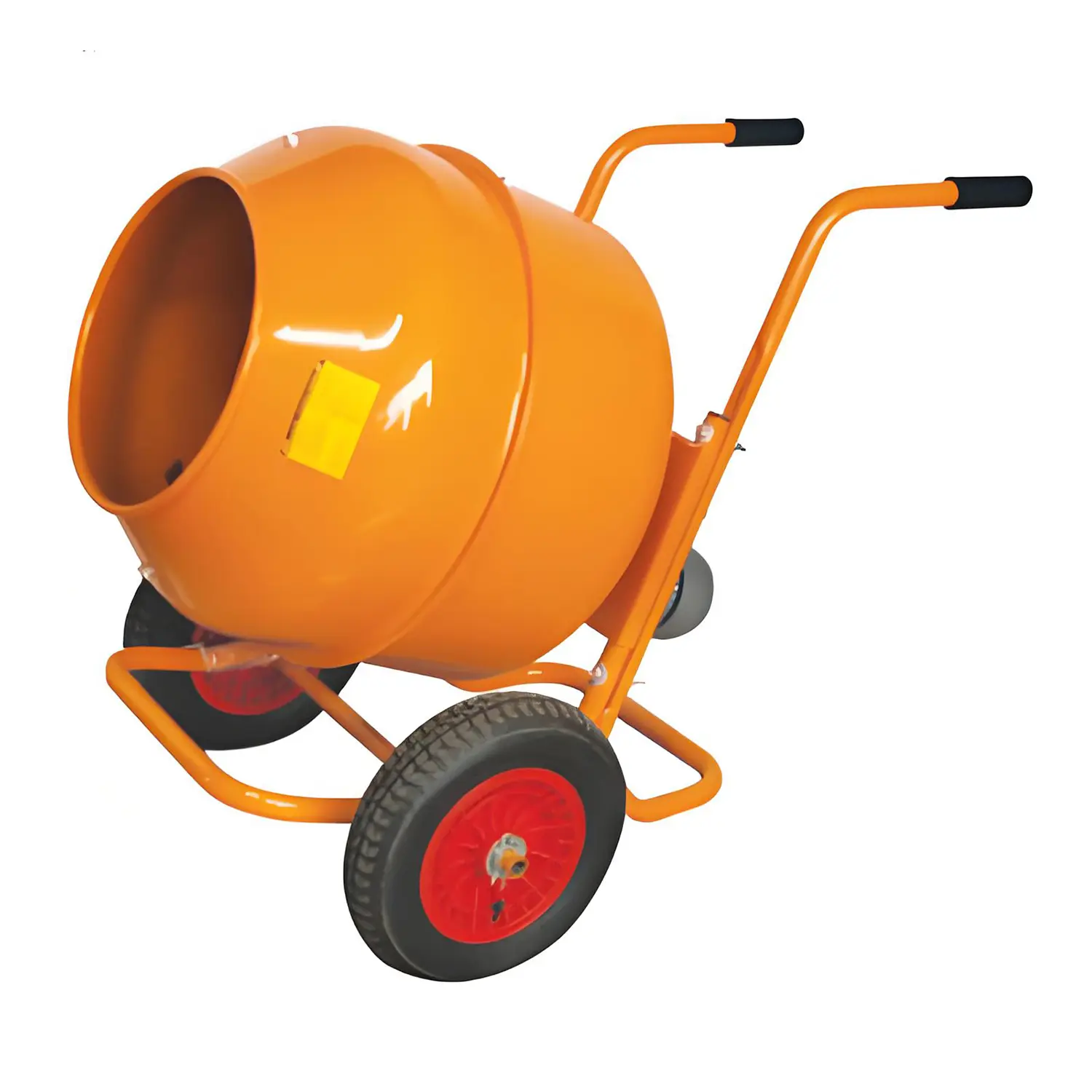 Portable concrete mixer
 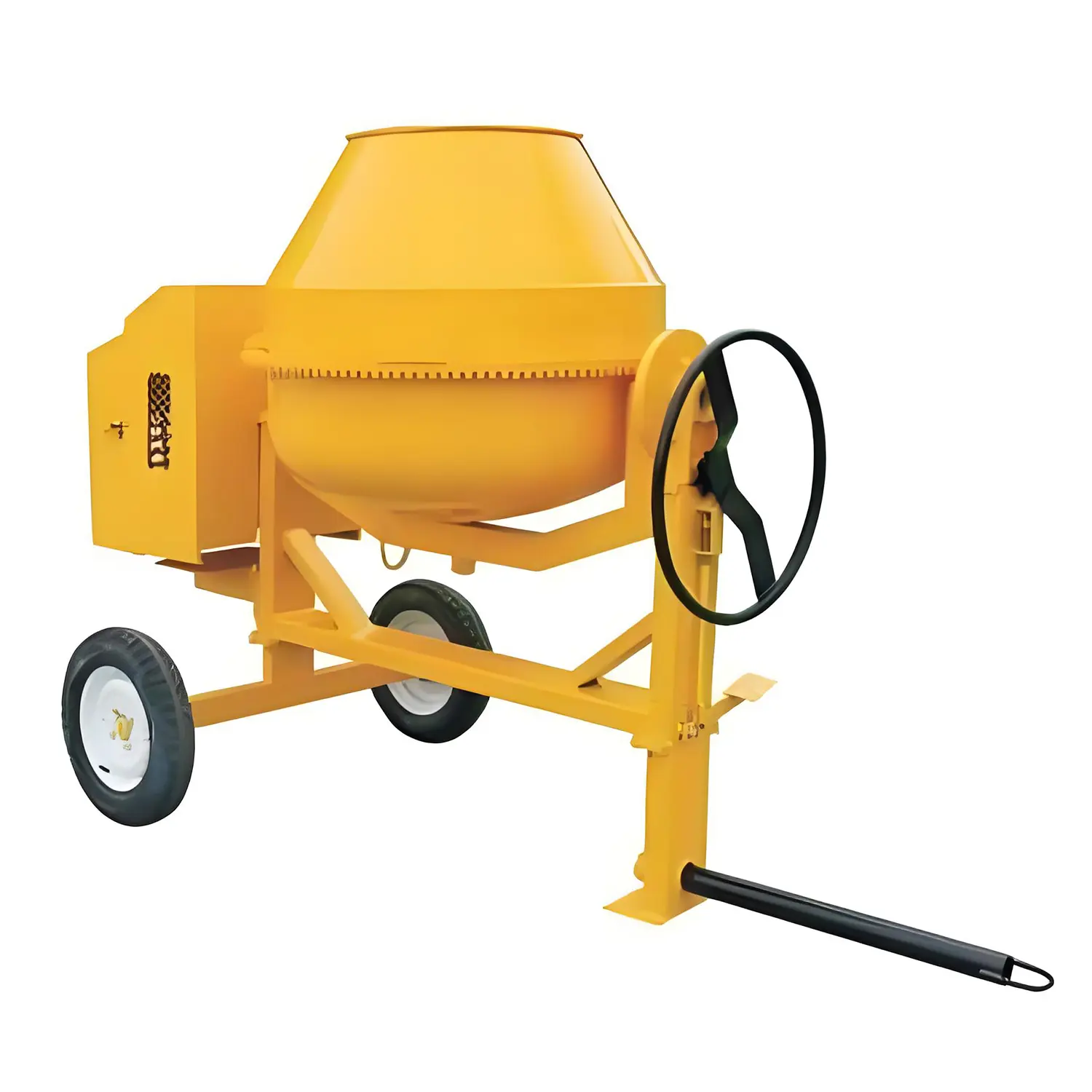 Vertical concrete mixer
 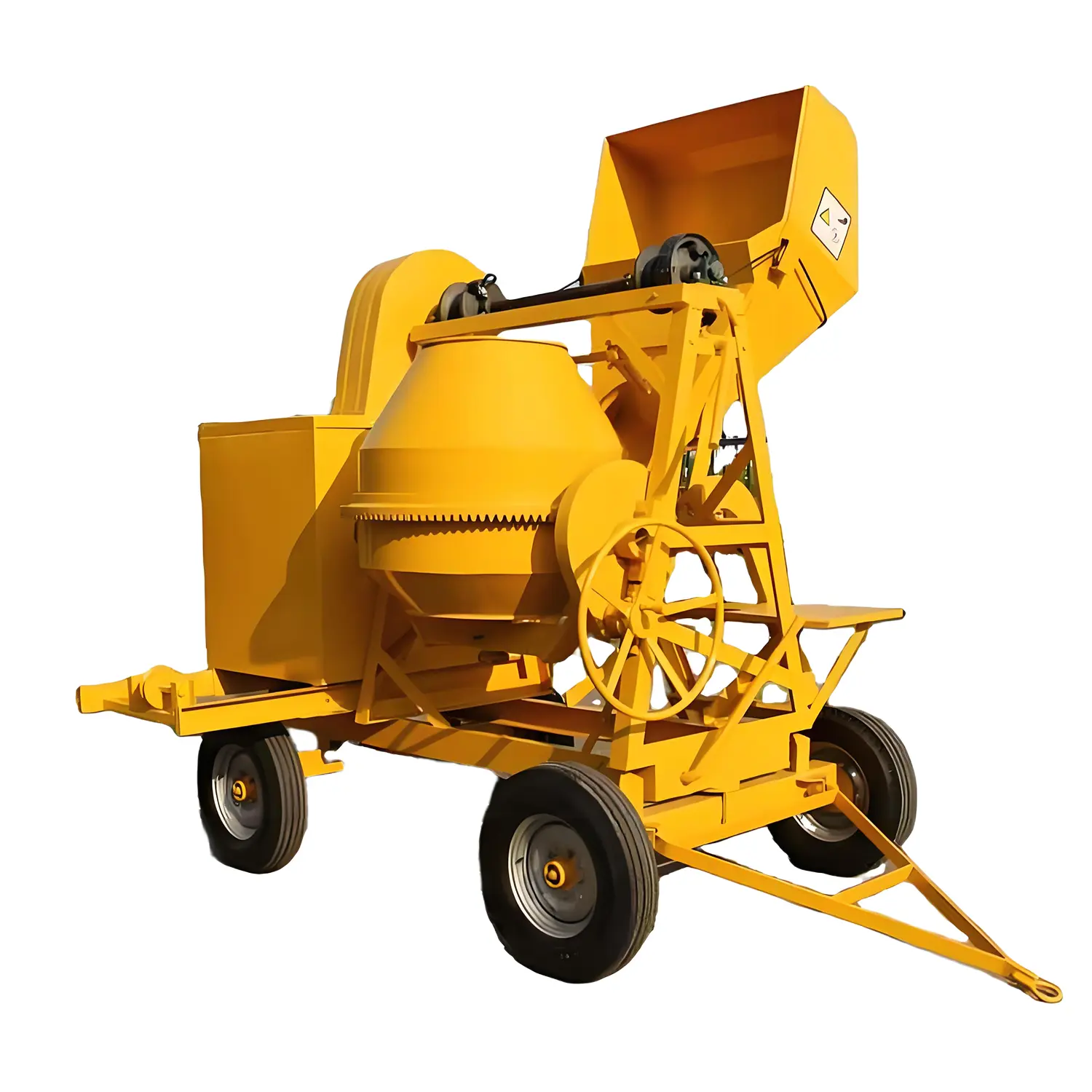 Hydraulic concrete mixer
 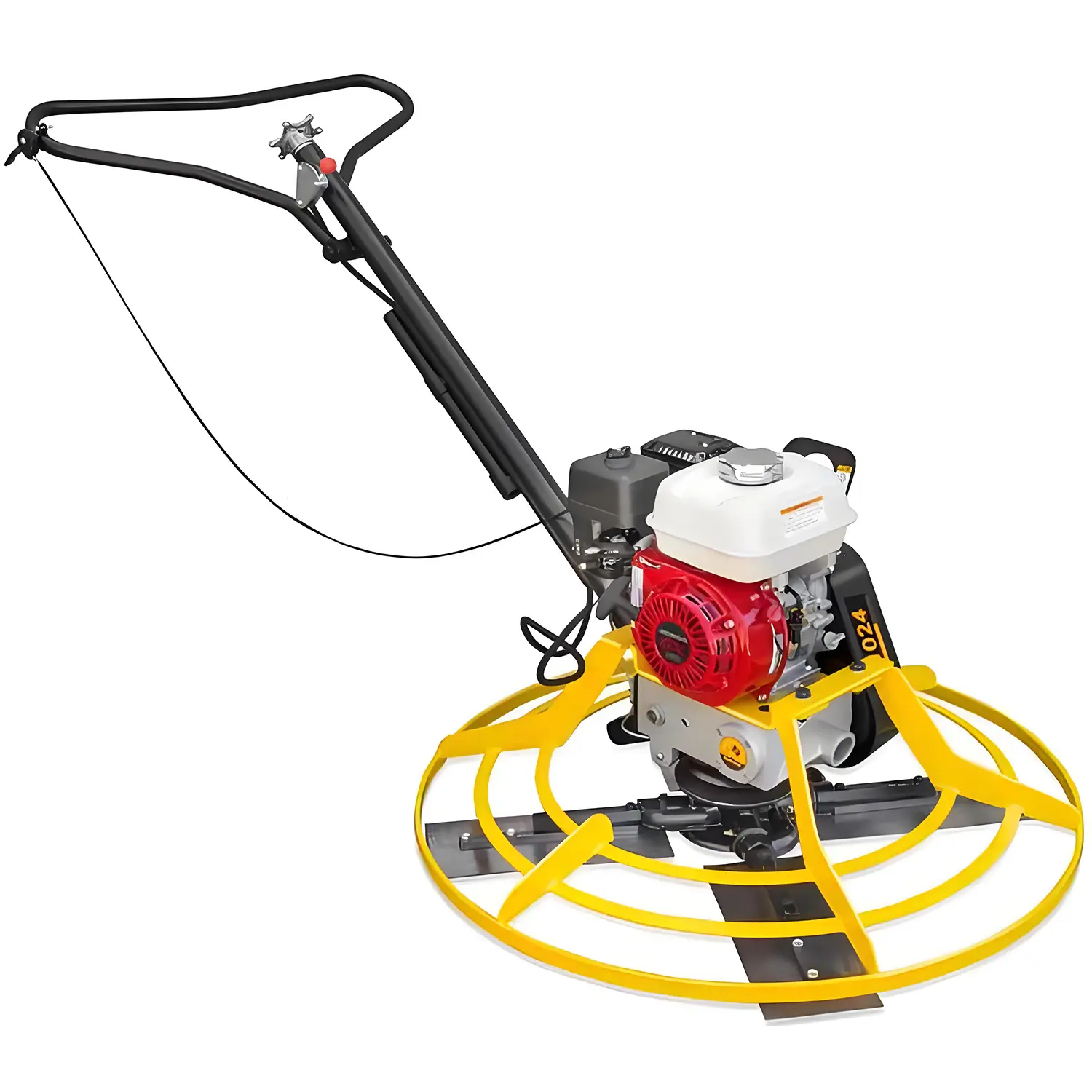 Walk behind power trowel
 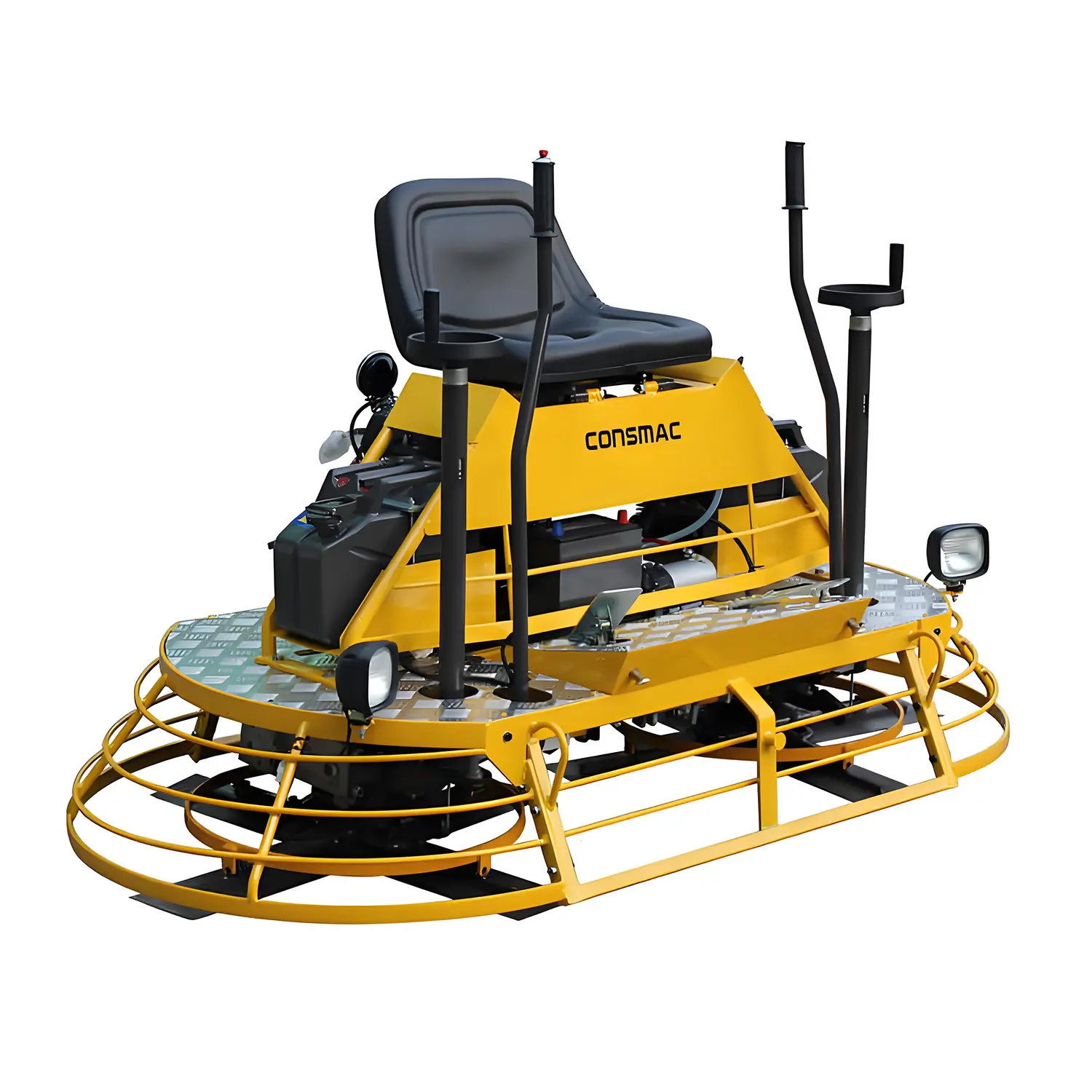 Ride on power trowel
 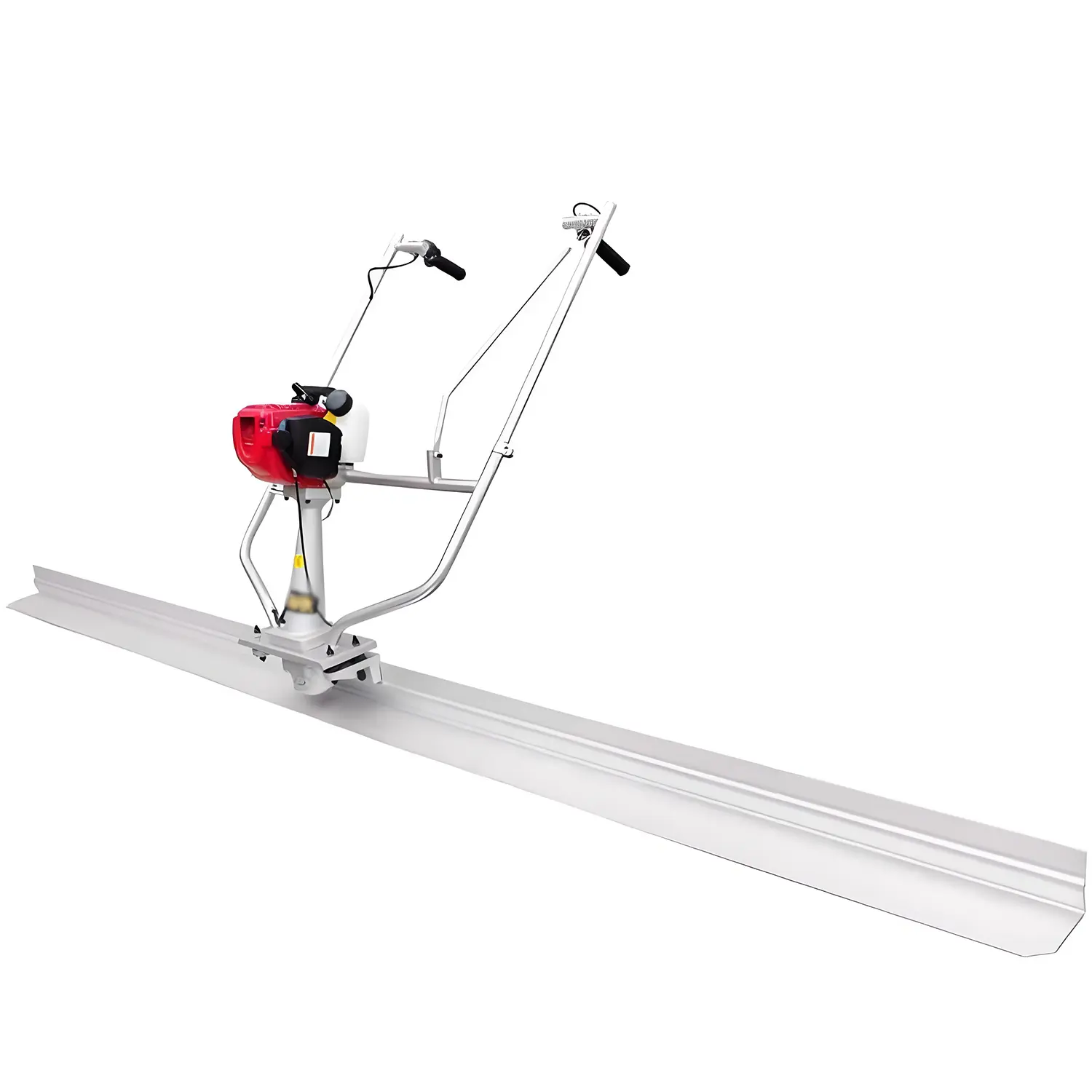 Concrete screed
 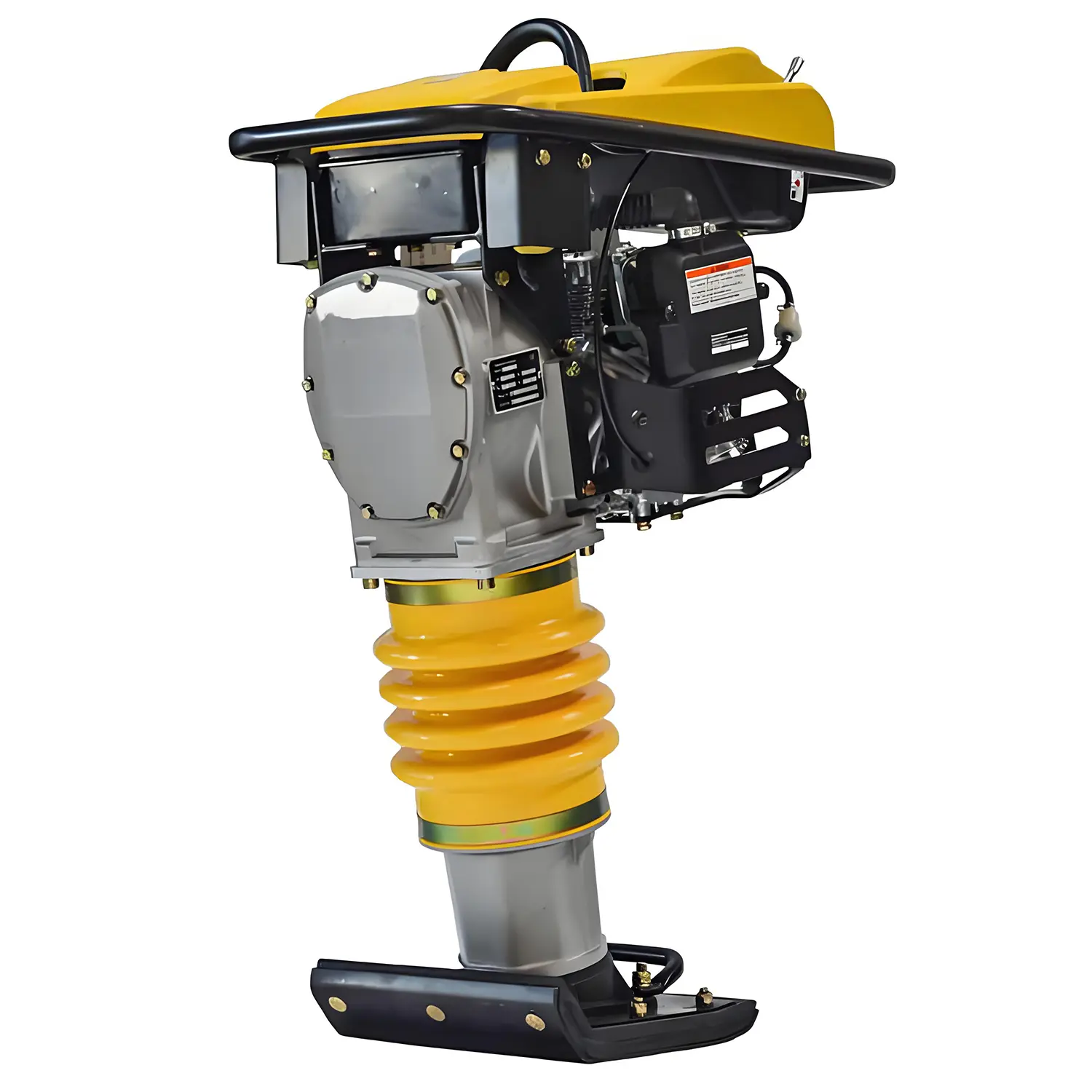 Tamping rammer
 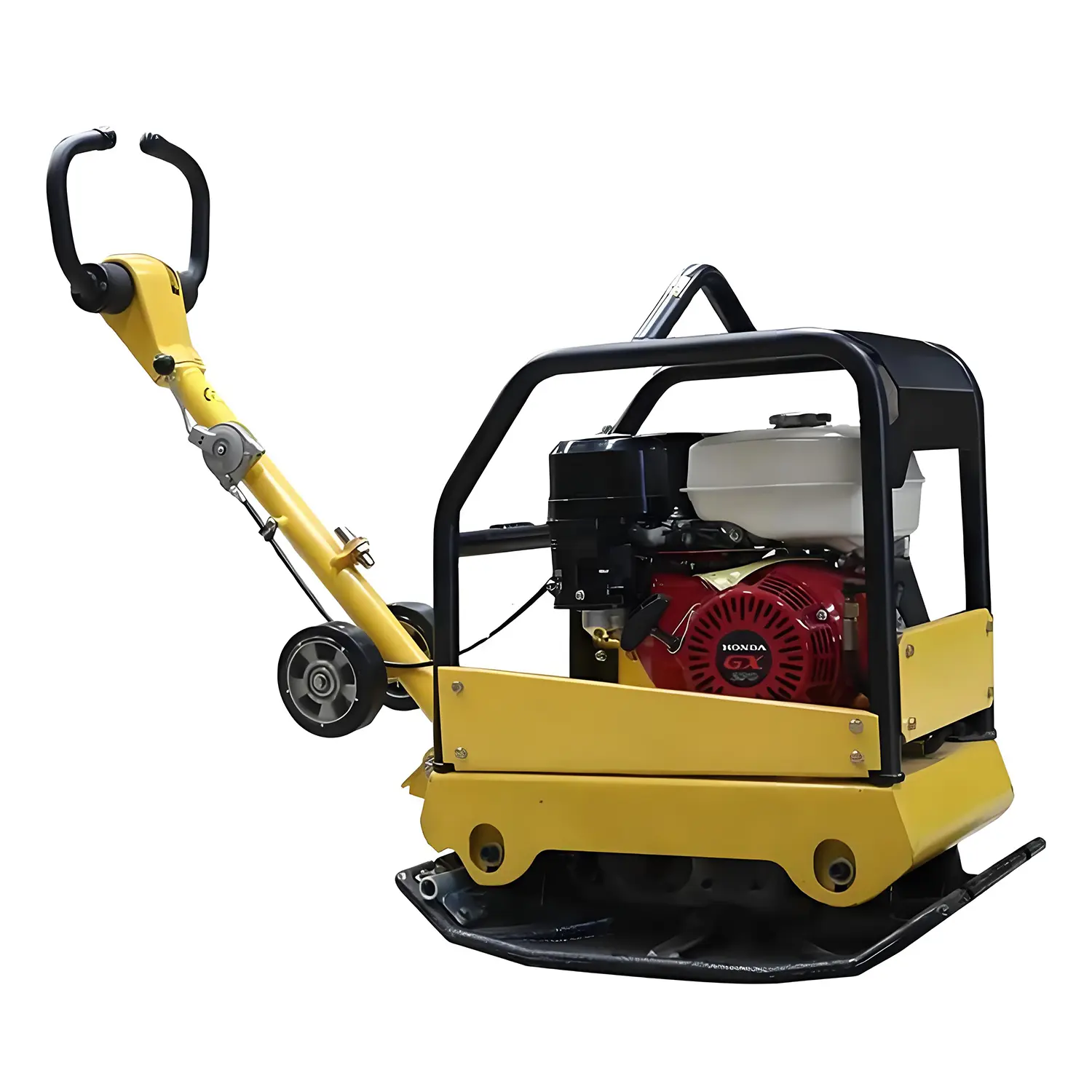 Plate compactor
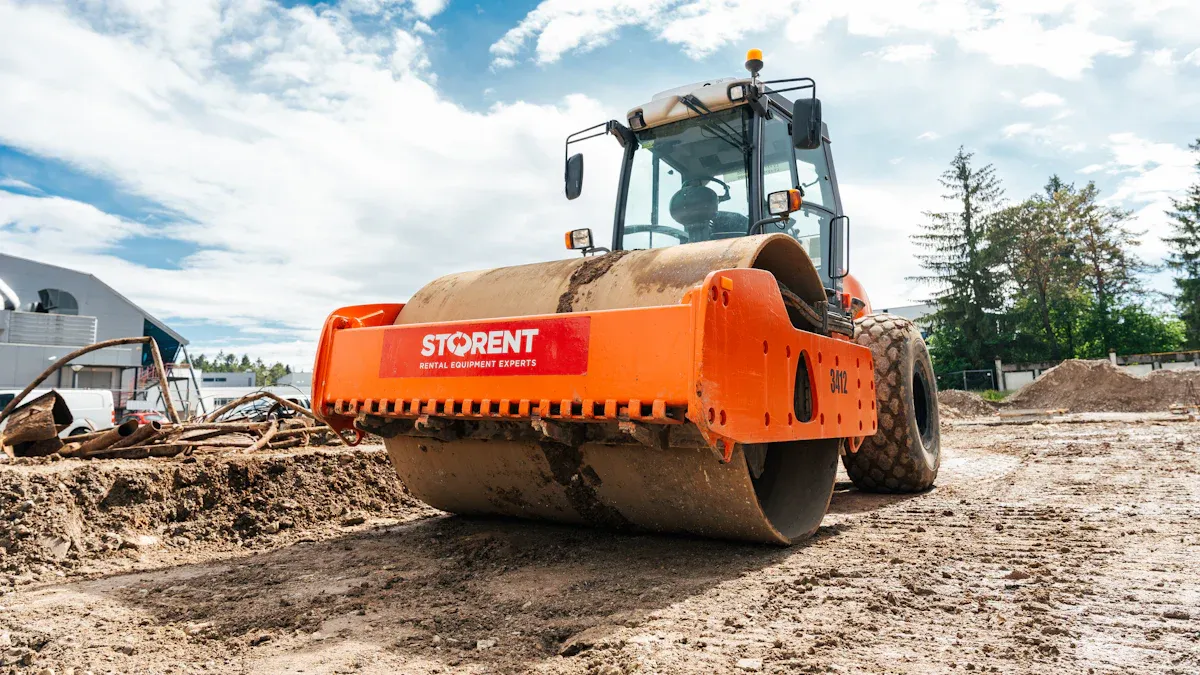
 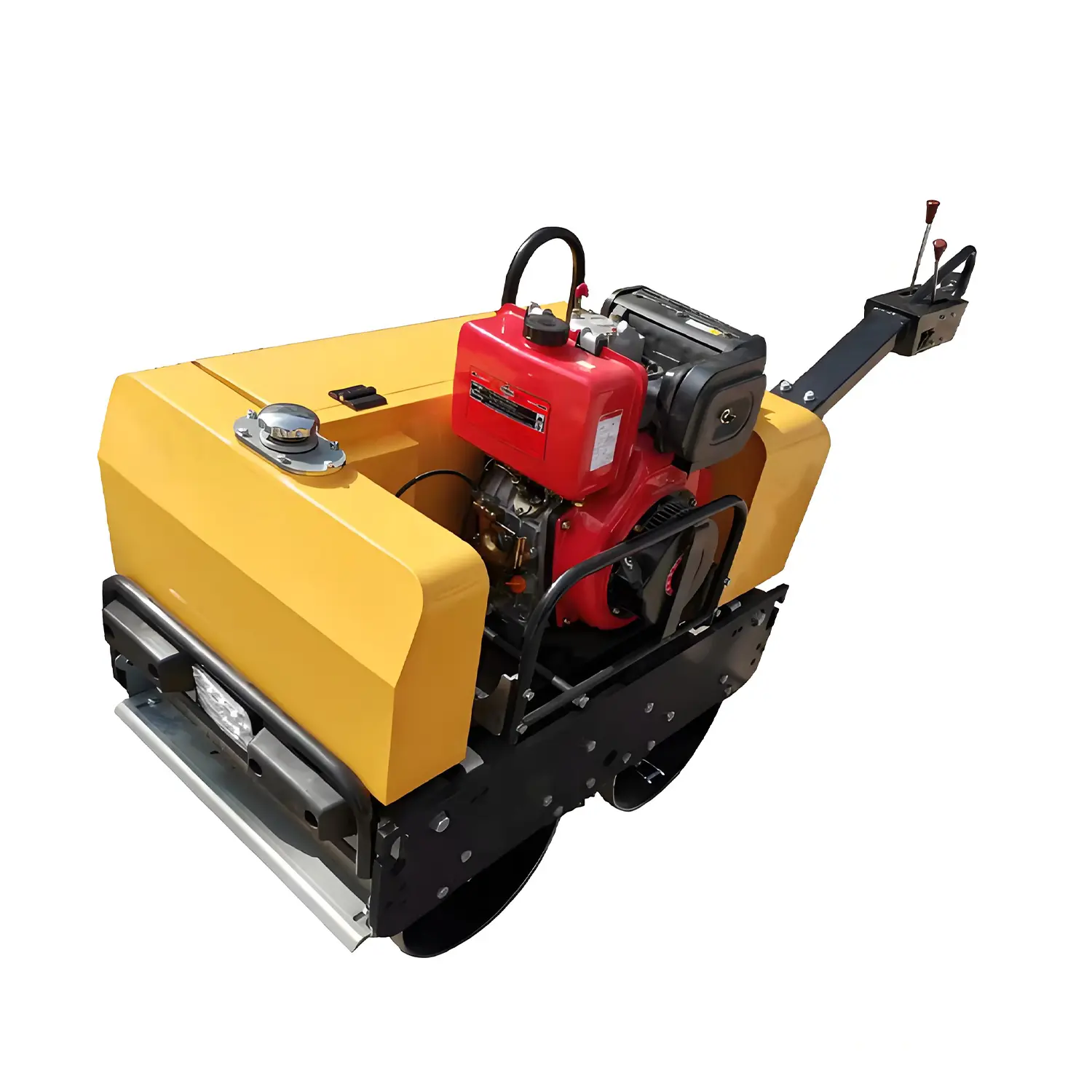 Vibratory roller

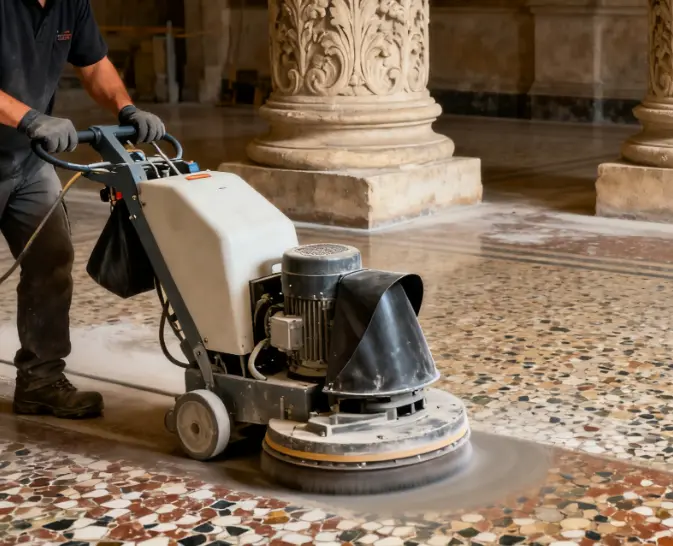

How to Use a Reversible Plate Compactor for Both Forward & Reverse Compaction
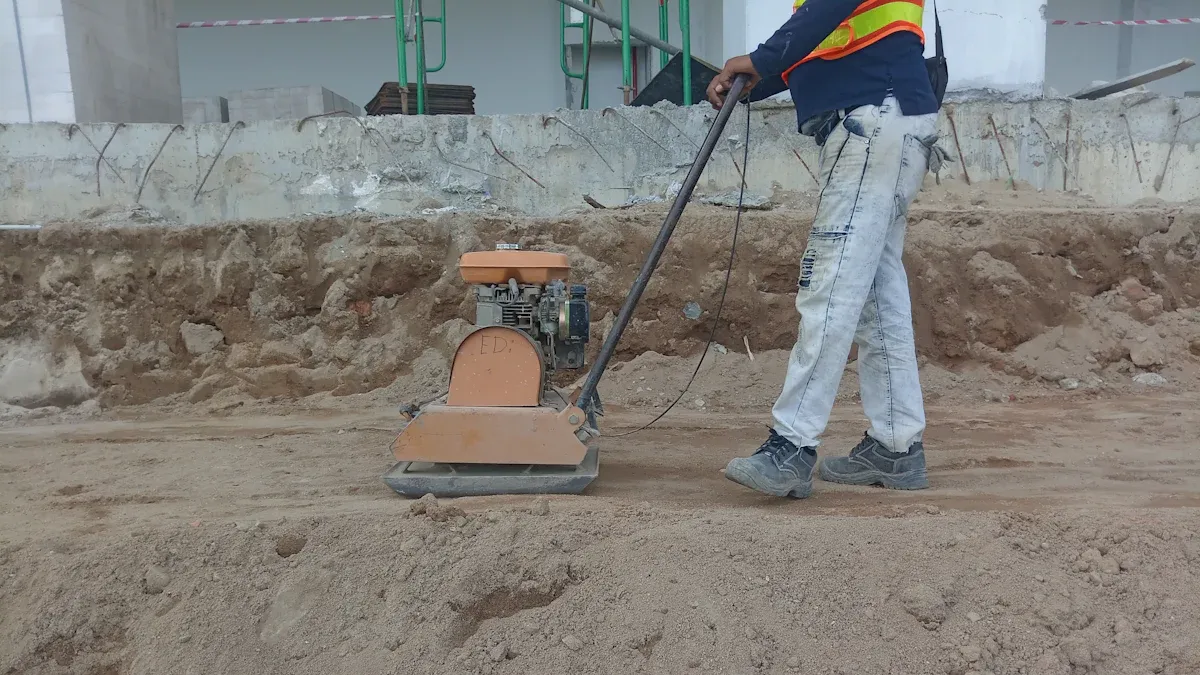
You use a Reversible Plate Compactor for both forward and reverse compaction. Manipulate the directional control lever. This action shifts the internal eccentric weights. The machine then moves and compacts in your desired direction. This allows for efficient material consolidation on your job site with equipment like MAXMACH compactors.
Key Takeaways
- A reversible plate compactor moves forward and backward. You use a lever to change its direction. This helps you compact soil in tight spots.
- Always check your compactor before you start. Look at the fuel and oil. Make sure all parts are tight. Wear safety gear like glasses and ear protection.
- Prepare your work area well. Clear away big rocks. Make sure the soil is not too wet or too dry. Spread the soil in even layers for good compaction.
Preparing Your Reversible Plate Compactor for Operation
Understanding Directional Control and Mechanics
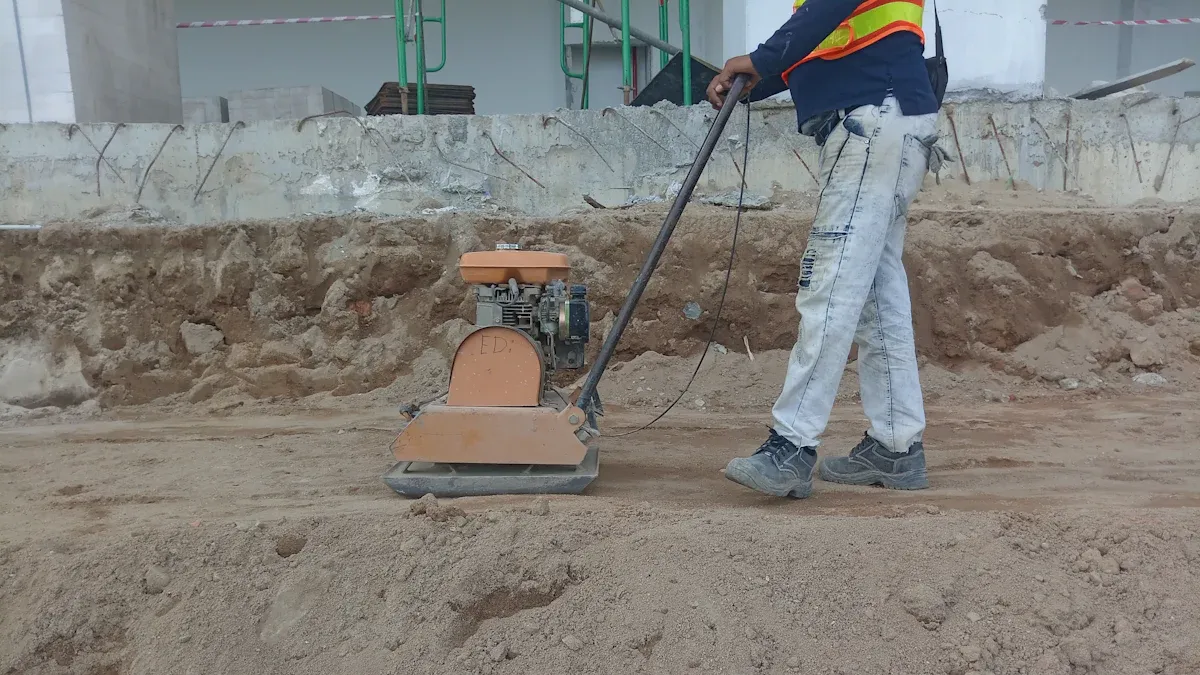
You must understand how your reversible plate compactor operates. A control lever on the handle is key. This lever changes the machine's direction. It shifts internal eccentric weights. These weights create powerful vibrations. When you move the lever, the weights reorient. This reorientation makes the machine move either forward or backward. This clever mechanism gives you full control. You can compact soil efficiently, even in confined areas.
Essential Pre-Operation Safety Checks
Always perform crucial safety checks before starting. First, check the fuel and oil levels. Ensure they are at the correct marks. Inspect the air filter for any dirt or blockages. Clean or replace it if needed. Look closely for loose bolts, damaged hoses, or worn parts. Tighten any loose fasteners. Replace broken components immediately. Always wear your personal protective equipment (PPE). This includes safety glasses, hearing protection, and sturdy work boots. Your safety is paramount.
Site and Material Preparation Guidelines
Careful site preparation is vital. Clear your work area of large rocks, roots, and any debris. These obstacles can harm your compactor. They also prevent even compaction. Check the material's moisture content. It needs to be just right. Material that is too dry will not compact properly. Material that is too wet will turn into mud. Spread your material in even, consistent layers. Each layer should have a uniform thickness. This ensures optimal compaction results. For example, MAXMACH compactors achieve superior density on well-prepared, uniform layers.
Mastering Forward and Reverse Compaction Techniques
Starting and Engaging Forward Compaction
You are ready to begin compacting. First, start your reversible plate compactor. Follow the manufacturer's instructions for starting the engine. Once the engine runs smoothly, let it warm up for a few moments. This ensures optimal performance. Now, locate the directional control lever. It is usually on the handle. Gently push this lever forward. You will feel the machine begin to move. The eccentric weights inside shift. This creates vibrations that propel the compactor forward. Maintain a firm grip on the handles. Guide the machine steadily.
Executing Effective Forward Passes
You want to achieve uniform compaction. Make sure your forward passes are effective. Guide the compactor in straight lines. Overlap each pass by about one-third of the plate's width. This ensures no areas are missed. Walk at a consistent, steady pace. Do not rush the machine. Let the compactor's weight and vibrations do the work. Too fast a pace reduces compaction effectiveness. Too slow a pace can over-compact the material. Observe the material as you work. You will see it consolidate and become denser. Make multiple passes over the same area. This builds up the desired density.
Switching to Reverse and Its Applications
Sometimes, you need to compact in tight spaces. You also need to work close to obstacles. This is when reverse compaction becomes essential. To switch directions, simply pull the directional control lever backward. The internal eccentric weights reorient. The machine will then move in reverse. This capability is very useful. You can compact against walls or around pillars. You can also use reverse to smooth out areas you just compacted forward. It helps eliminate any small ridges. This ensures a perfectly level surface.
Performing Precise Reverse Compaction with MAXMACH
You can achieve precise results with reverse compaction. Guide your MAXMACH compactor carefully. Use the reverse function for detailed work. This includes compacting edges or corners. It also helps when you need to fill in small gaps. Move slowly and deliberately in reverse. This gives you maximum control. Pay close attention to the compaction area. The ability to move backward allows you to correct any uneven spots. You can also easily maneuver out of confined areas. This dual-direction capability makes your work more efficient. It also ensures a high-quality finish on your project.
Optimizing Performance and Ensuring Safety
Seamless Directional Transitions for Efficiency
You want to maximize your compactor's efficiency. Practice smooth directional transitions. Avoid abrupt stops and starts. These actions can stress the machine. They also create uneven compaction. Gently move the directional control lever. Allow the compactor to slow down before changing direction. This technique saves fuel. It also reduces wear and tear on your equipment. Smooth transitions help you maintain a consistent compaction rhythm. This leads to better results.
Monitoring Compaction and Maintaining Control
You must constantly monitor your compaction efforts. Watch the material's surface. Look for signs of densification. The ground should appear firmer and more level. Listen to the compactor's engine. A change in sound can indicate resistance. This means the material is compacting well. Maintain a firm grip on the handles. Guide the machine with steady movements. Do not let the compactor pull you. You control the machine, not the other way around. Always stay alert to your surroundings.
Troubleshooting Common Operational Challenges
You might encounter some common issues. If the compactor loses power, check the fuel level. Also, inspect the air filter for clogs. A dirty filter reduces engine performance. If the machine vibrates excessively, check for loose components. Tighten any bolts or nuts. If the compactor does not move, ensure the directional lever is fully engaged. Sometimes, the material is too wet. This can cause the compactor to bog down. Let the material dry slightly. For persistent problems, consult your MAXMACH compactor's manual. It provides specific troubleshooting steps.
You master both forward and reverse compaction. This makes your reversible plate compactor versatile. You consolidate materials efficiently on many job sites. Always put safety first. Use proper technique for the best results with your MAXMACH compactor.
FAQ
How do you know if you are compacting enough?
You will see the material densify. The surface will look firmer and more level. Listen for a consistent engine sound. This indicates good compaction.
Can you use a reversible compactor on all types of soil?
You can use it on granular soils like gravel and sand. Avoid very wet or cohesive soils like clay. These materials require different compaction methods.
What is the main benefit of a reversible compactor?
You get versatility. It allows you to compact in tight spaces. You can also work efficiently around obstacles. This saves you time and effort.