
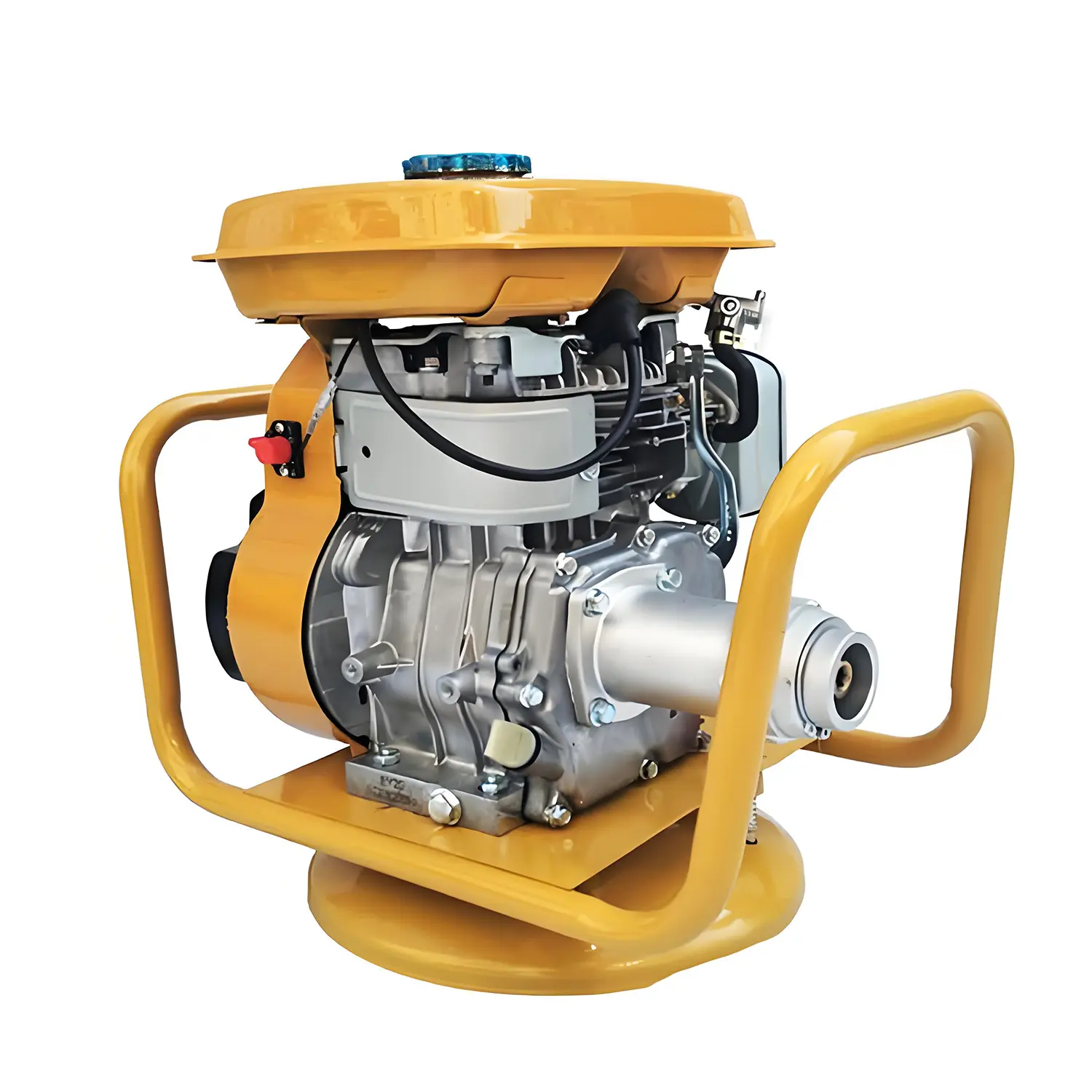
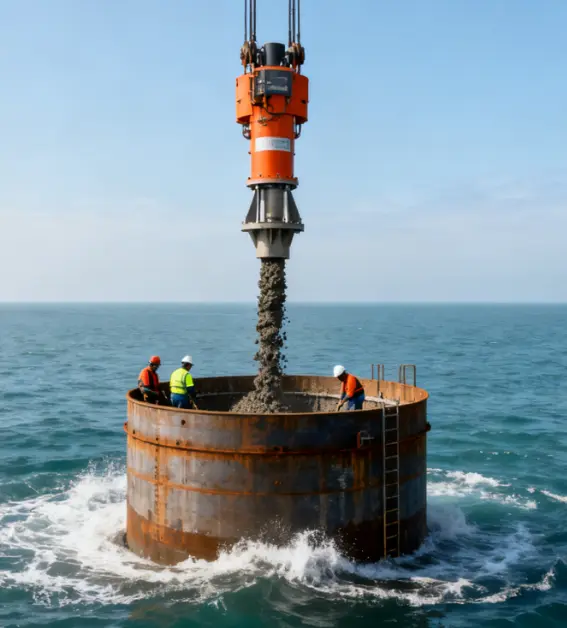
 Internal Vibrator
 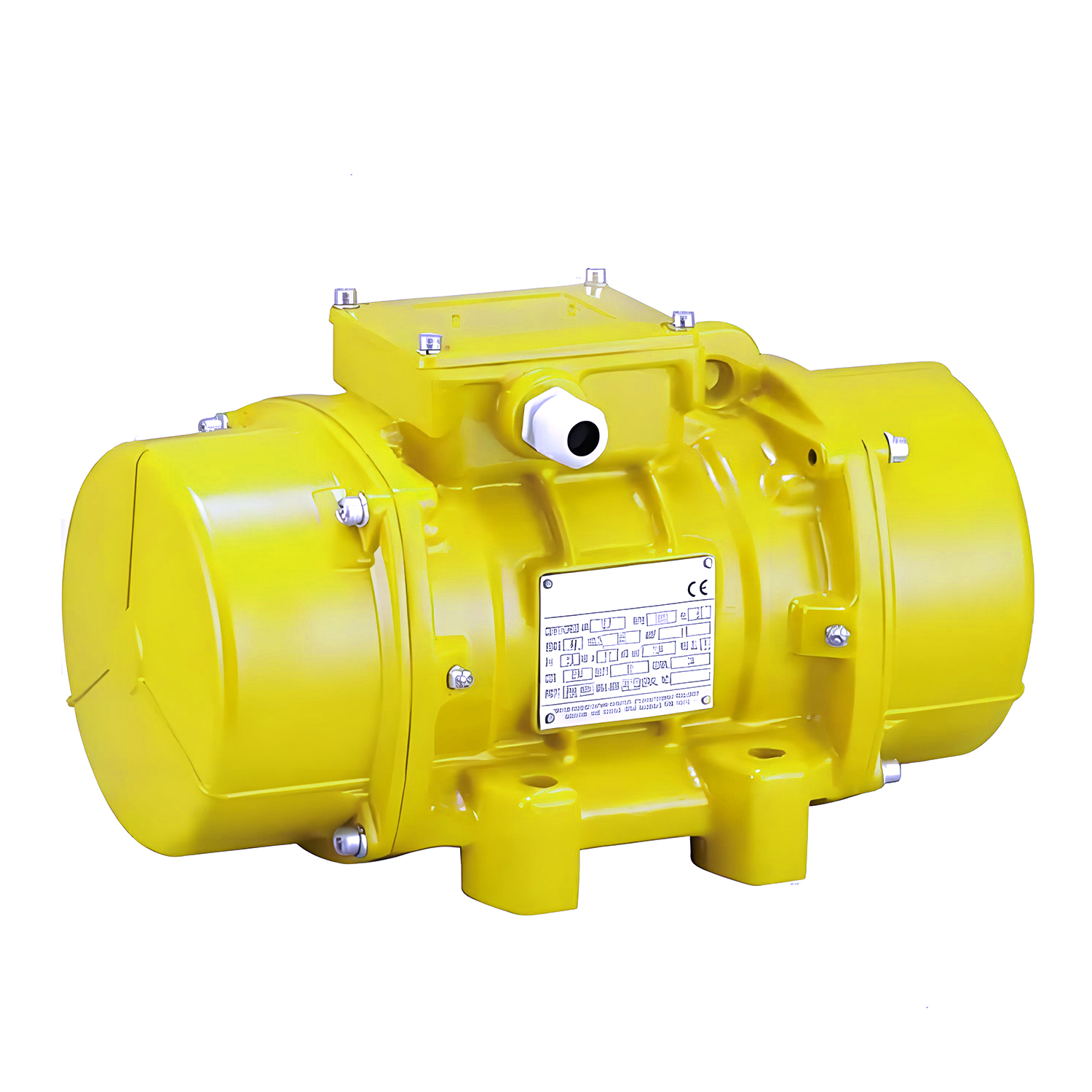 External Vibrator
 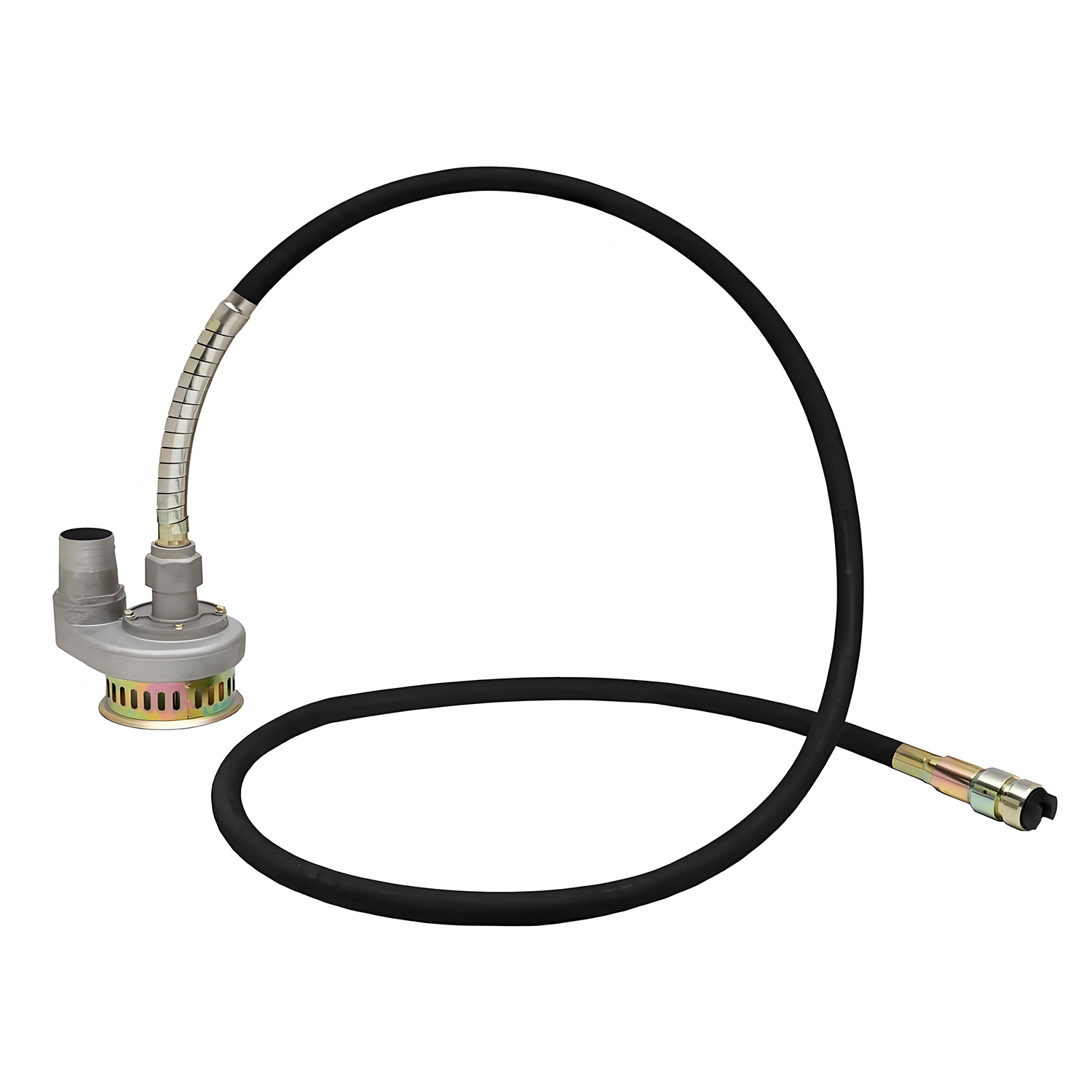 Submersible Pump
 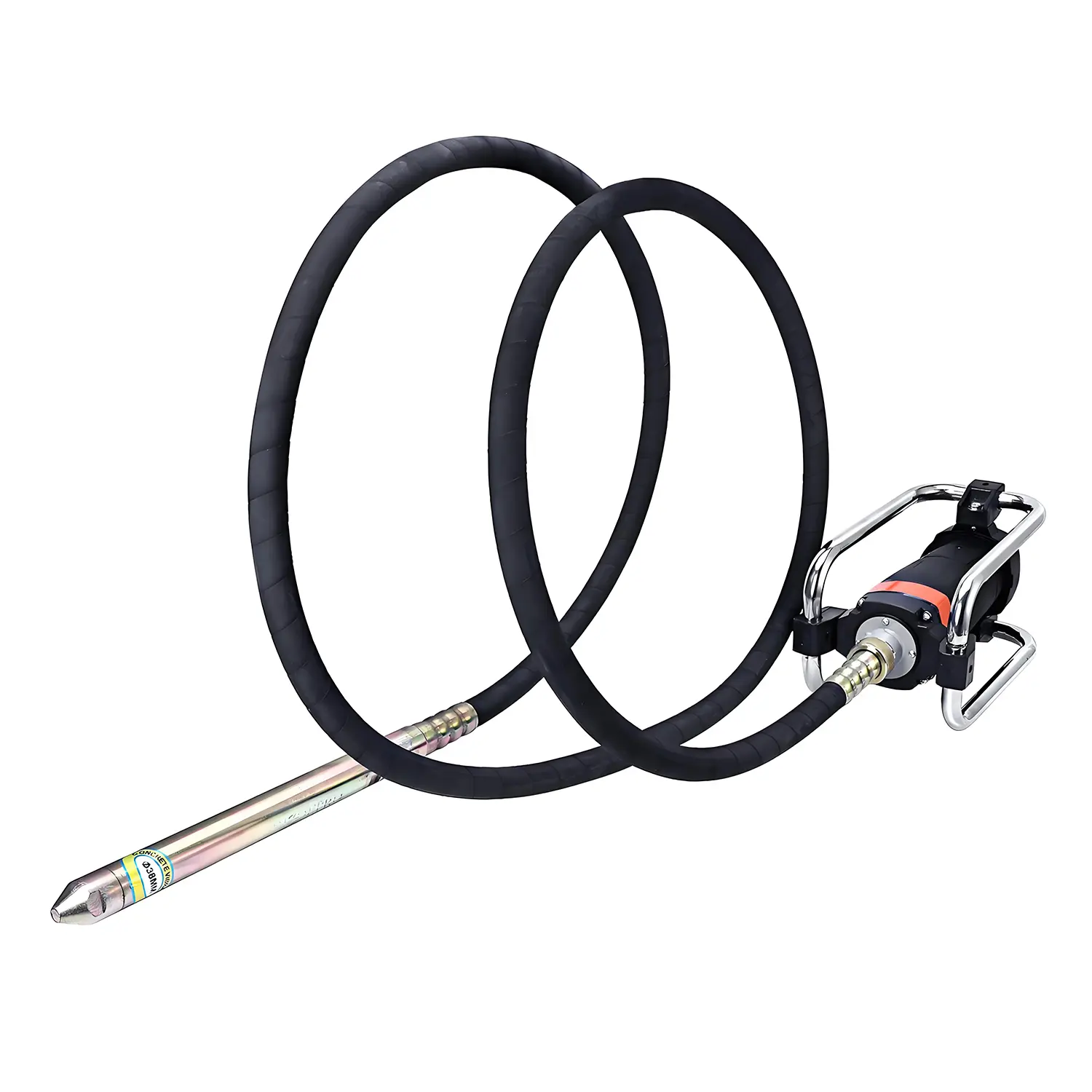 Eccentric shaft
 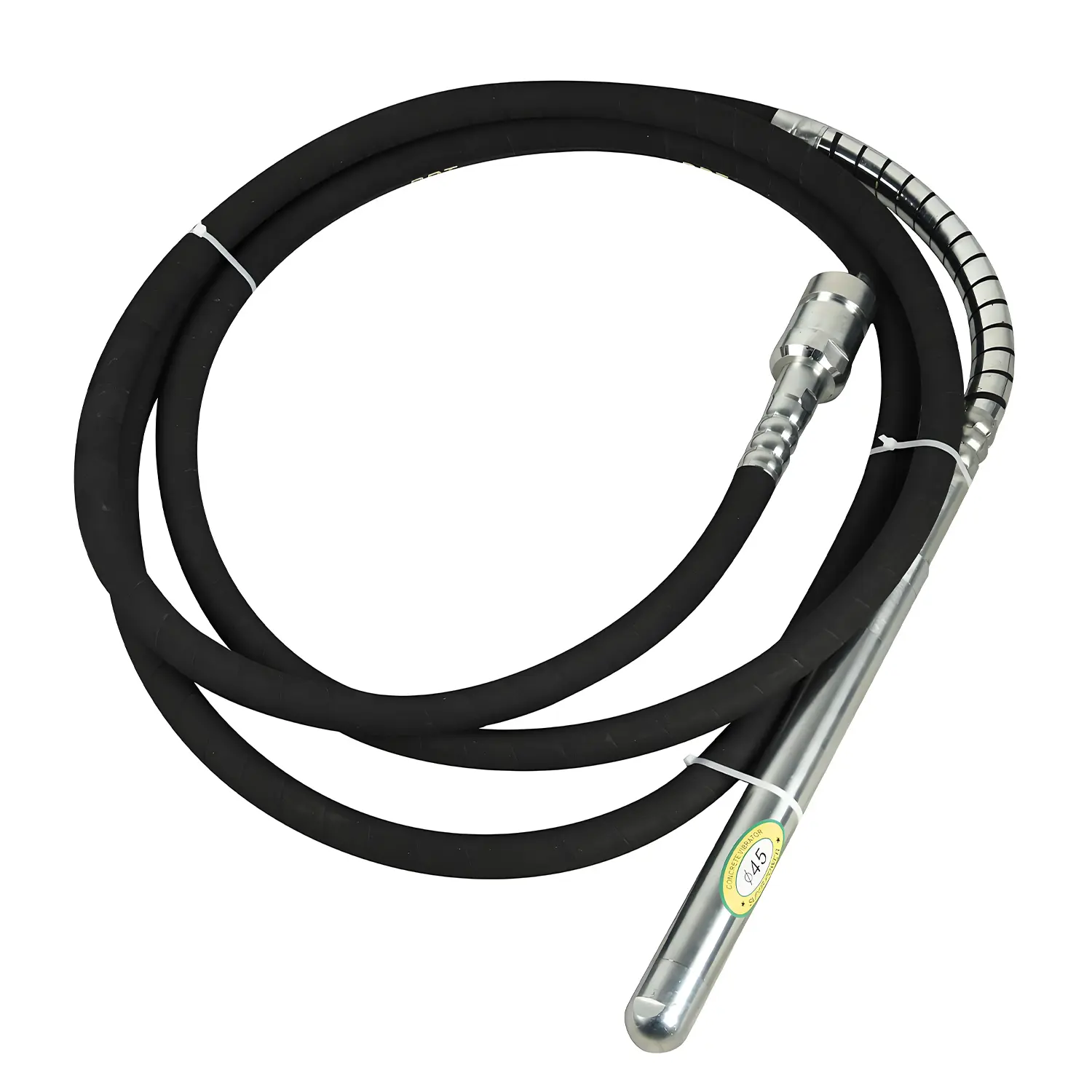 Pendulum shaft
 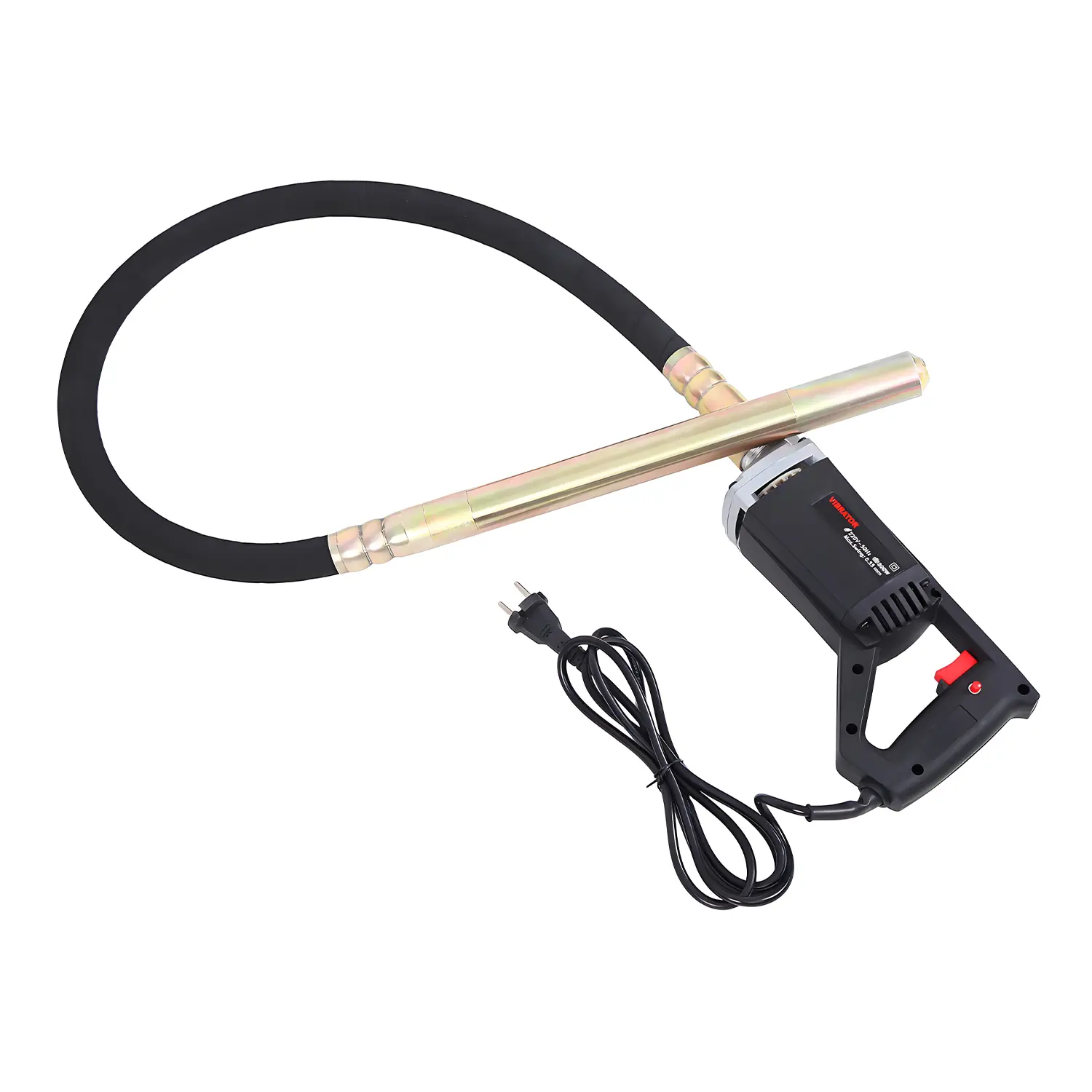 Portable vbrator shaft
 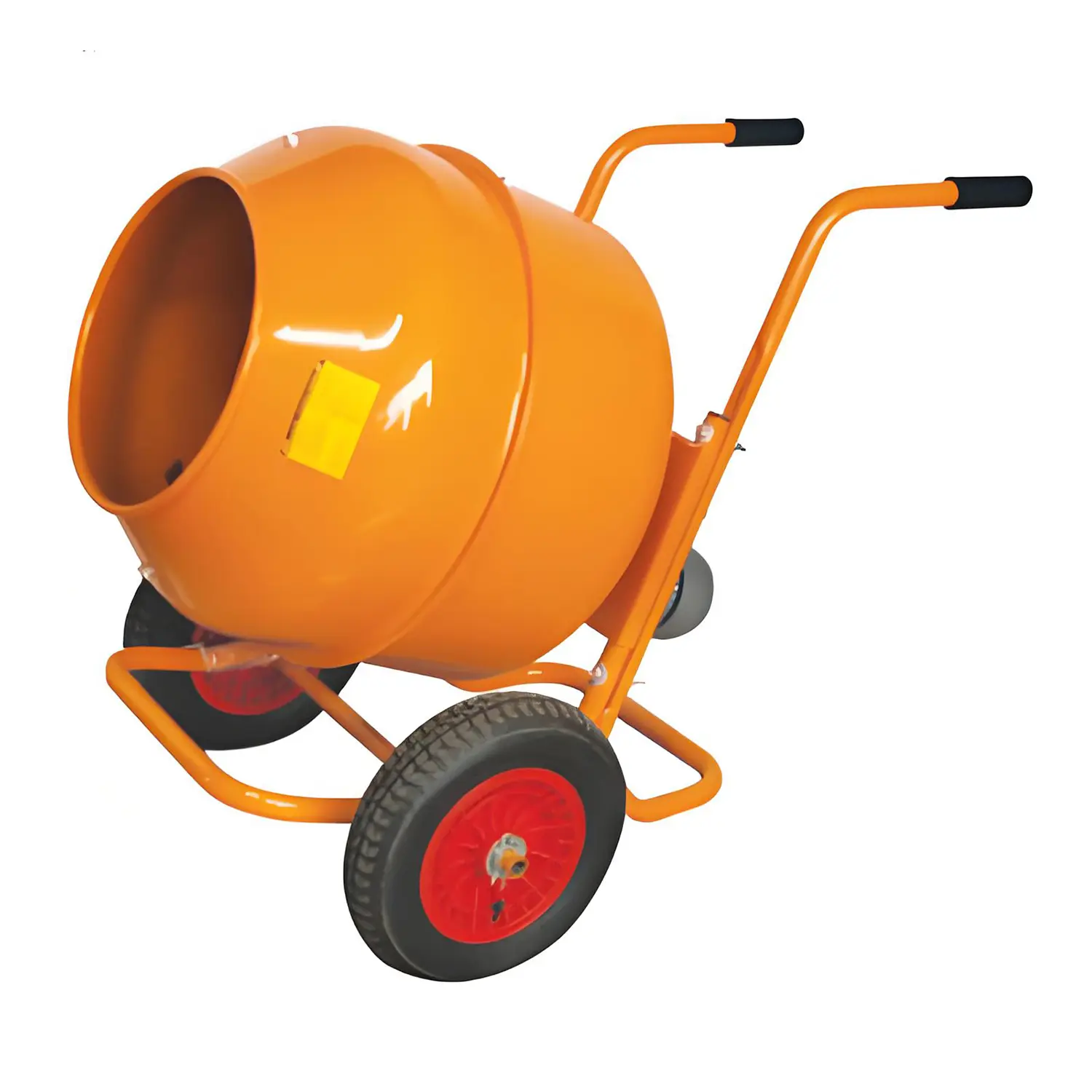 Portable concrete mixer
 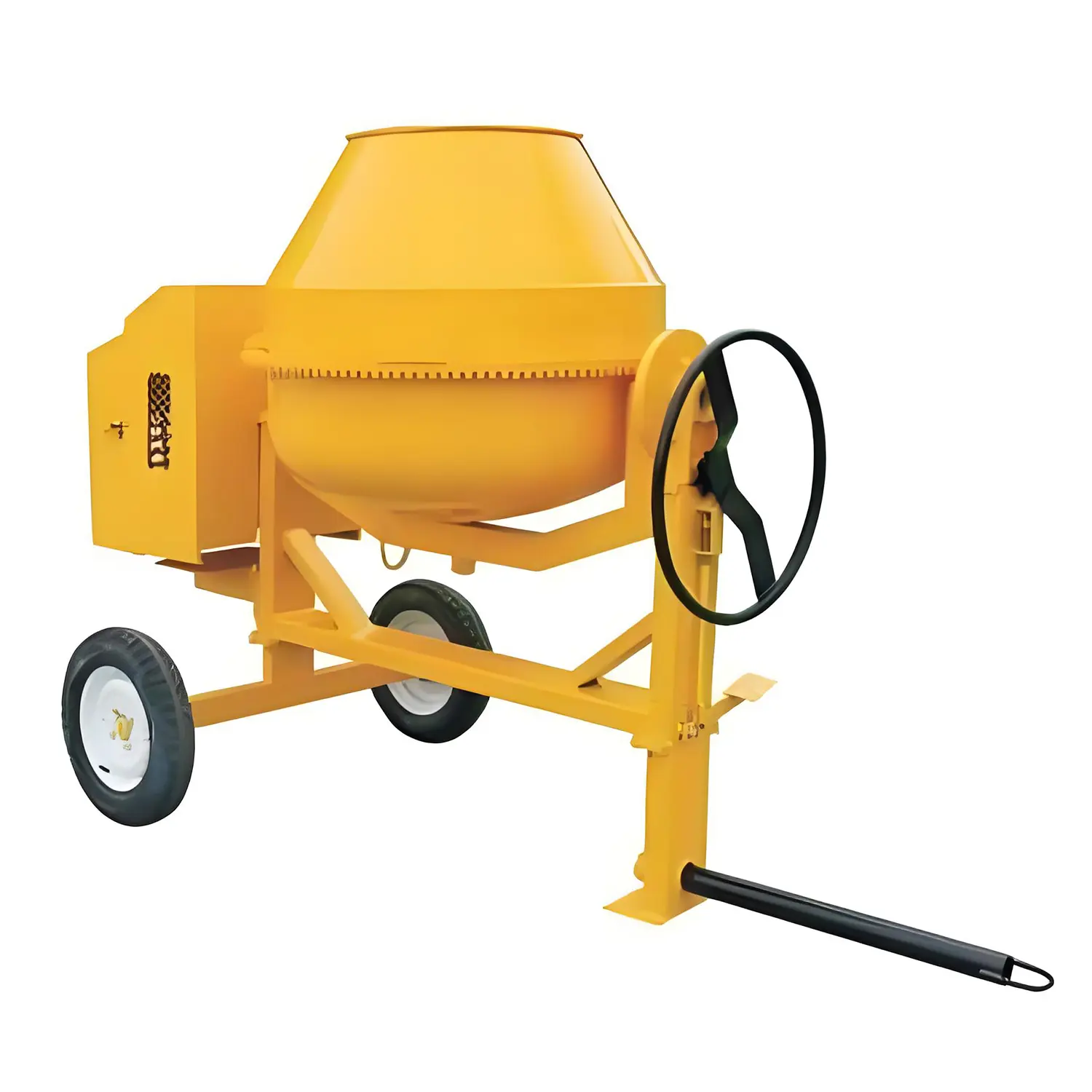 Vertical concrete mixer
 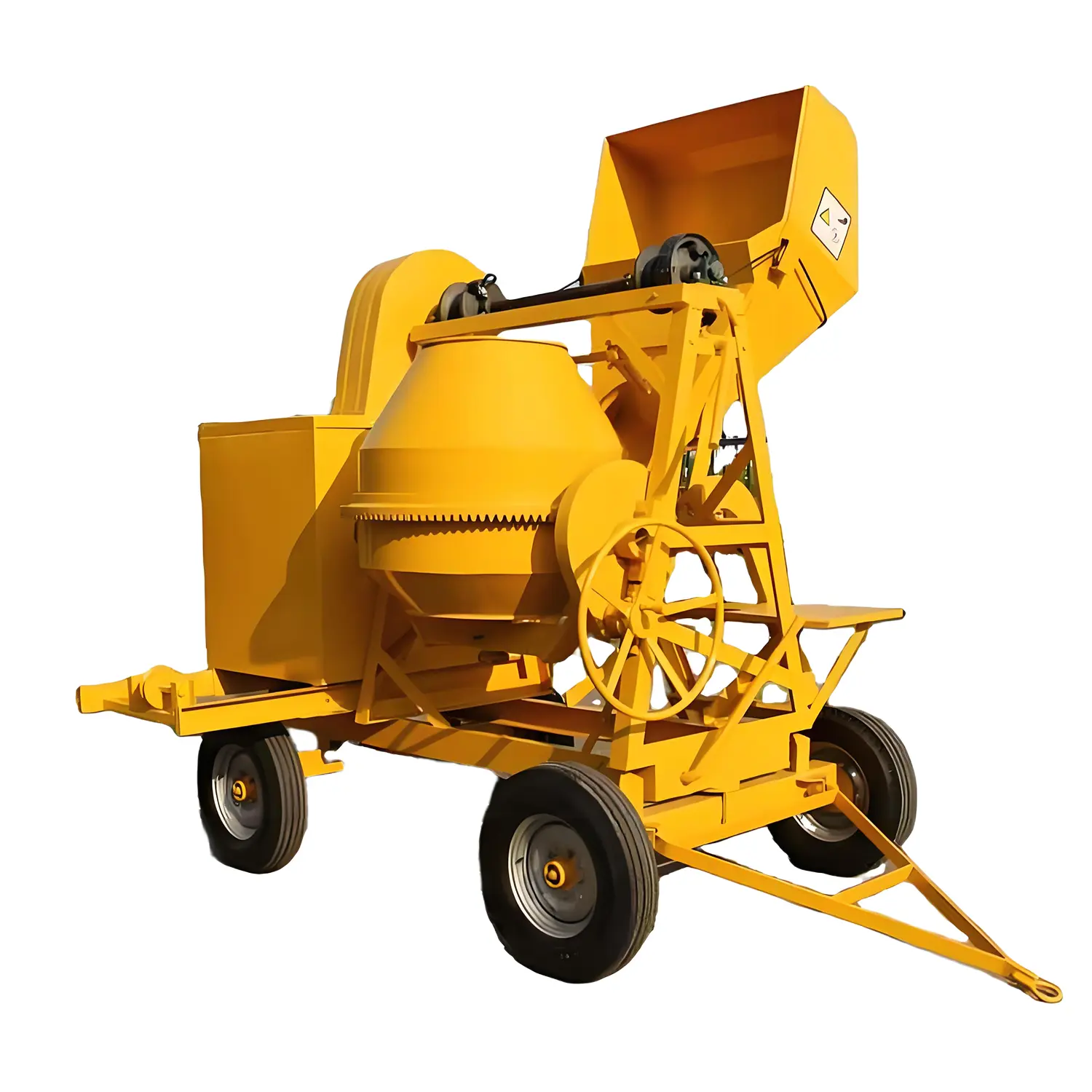 Hydraulic concrete mixer
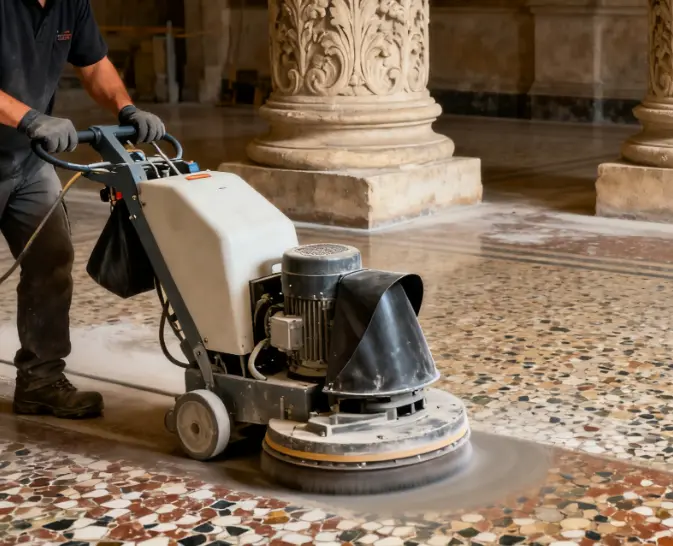
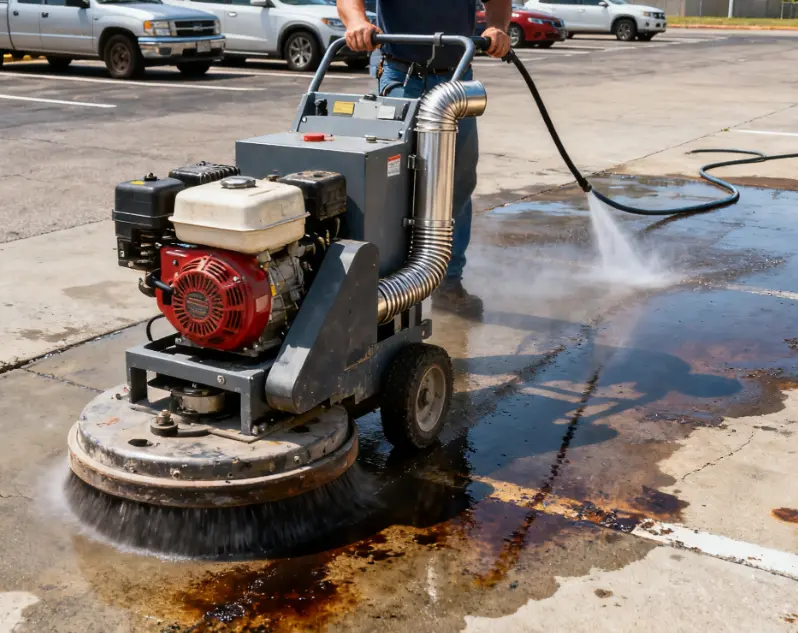
 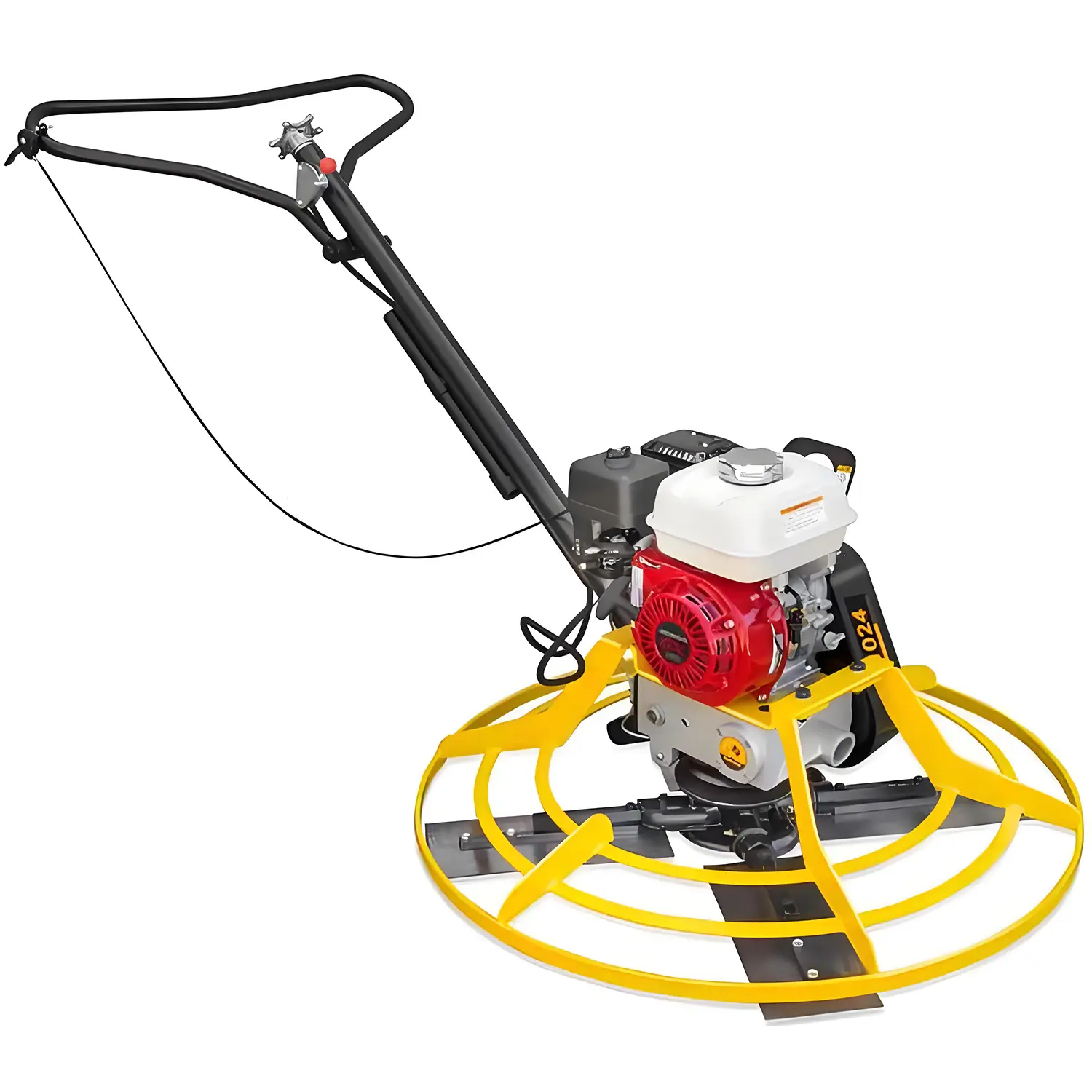 Walk behind power trowel
 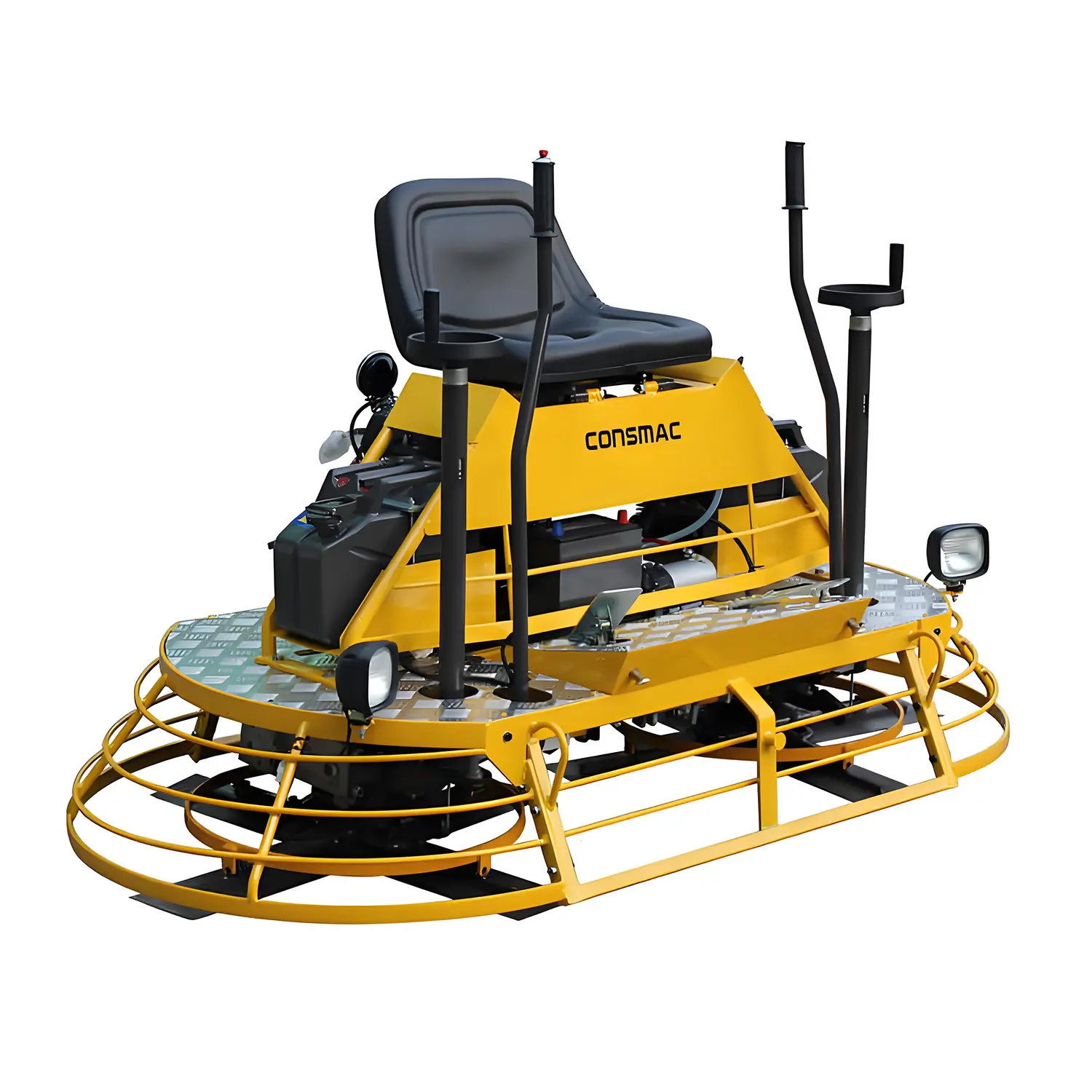 Ride on power trowel
 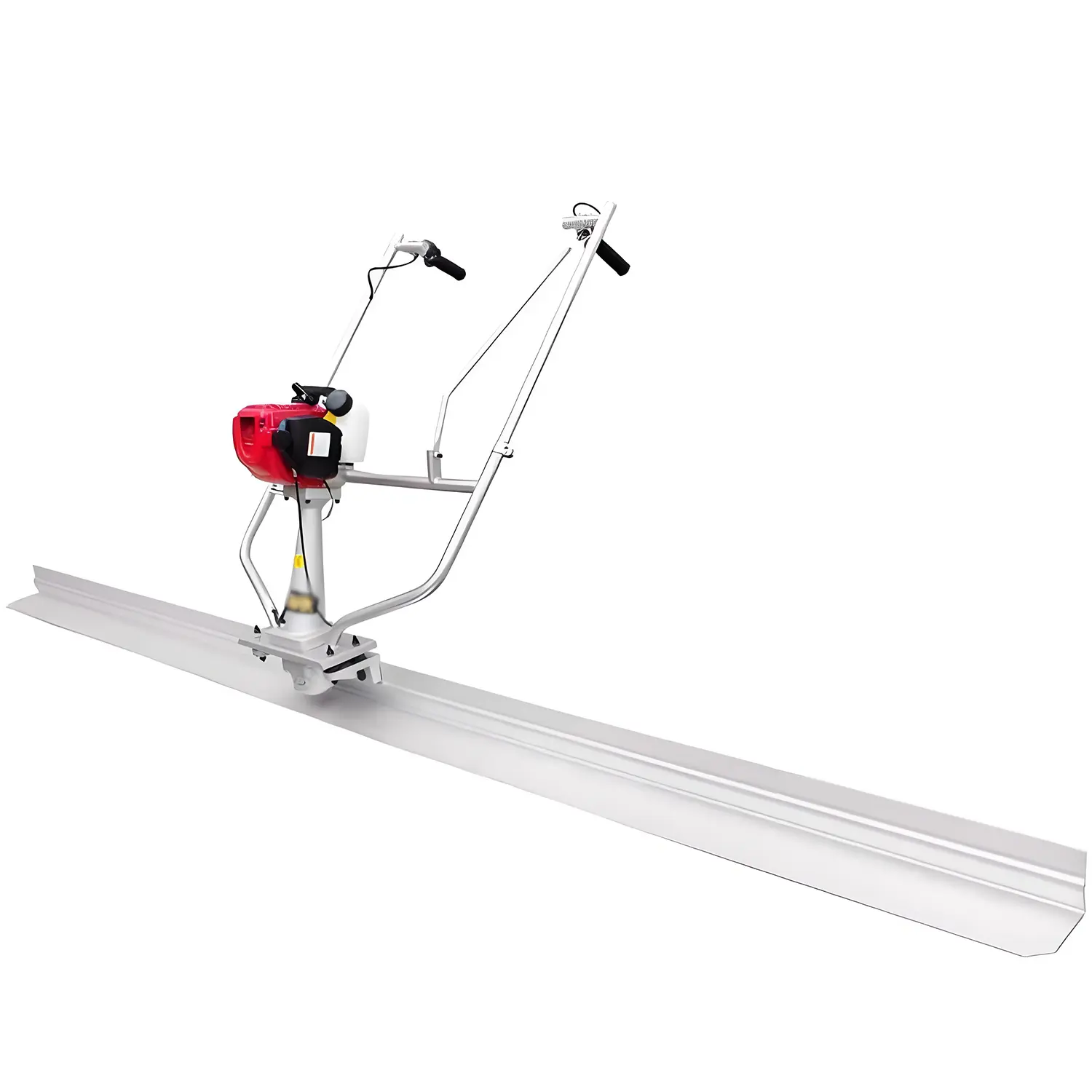 Concrete screed
 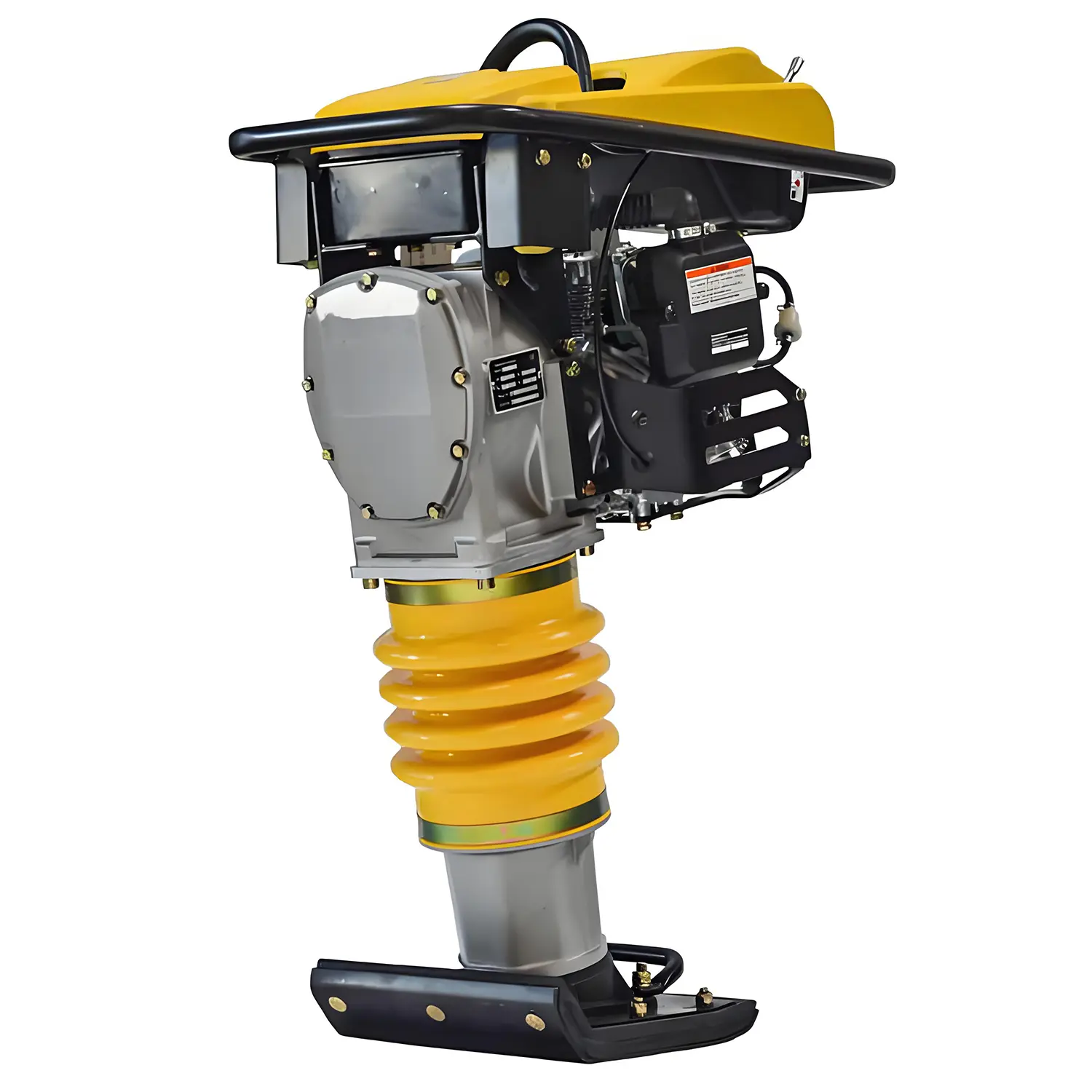 Tamping rammer
 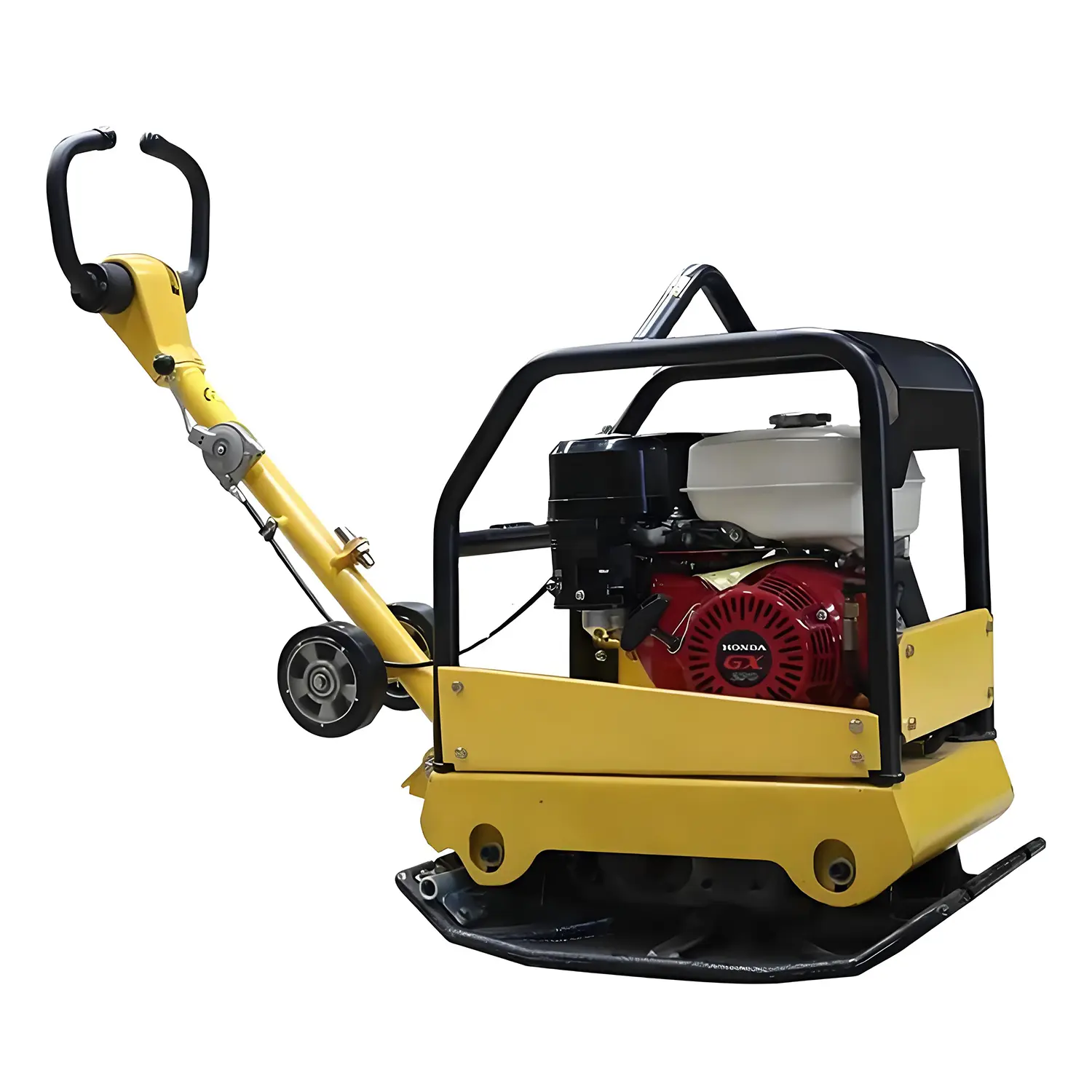 Plate compactor
 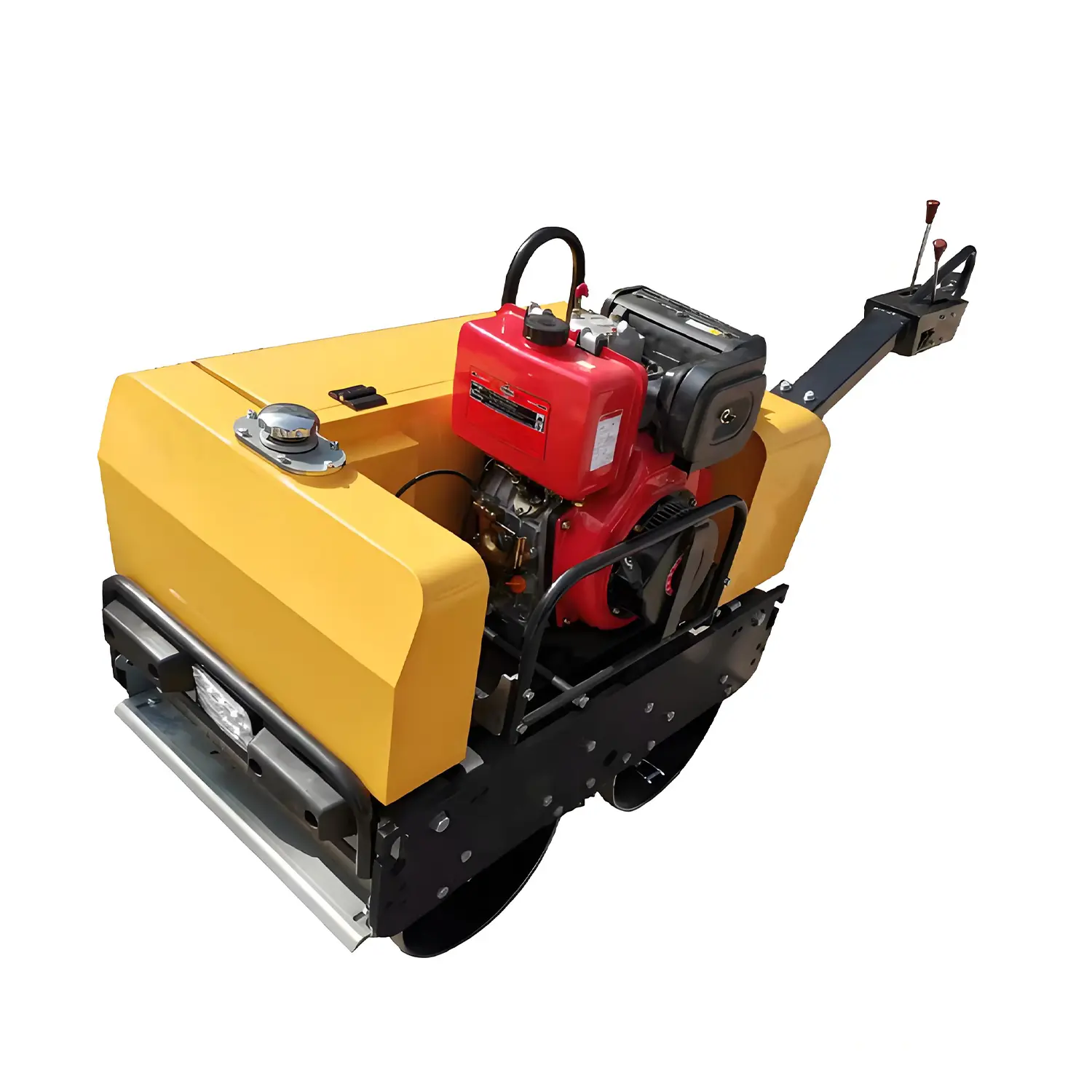 Vibratory roller
Portable Concrete Mixers: Are They Worth It for Small Contractors?
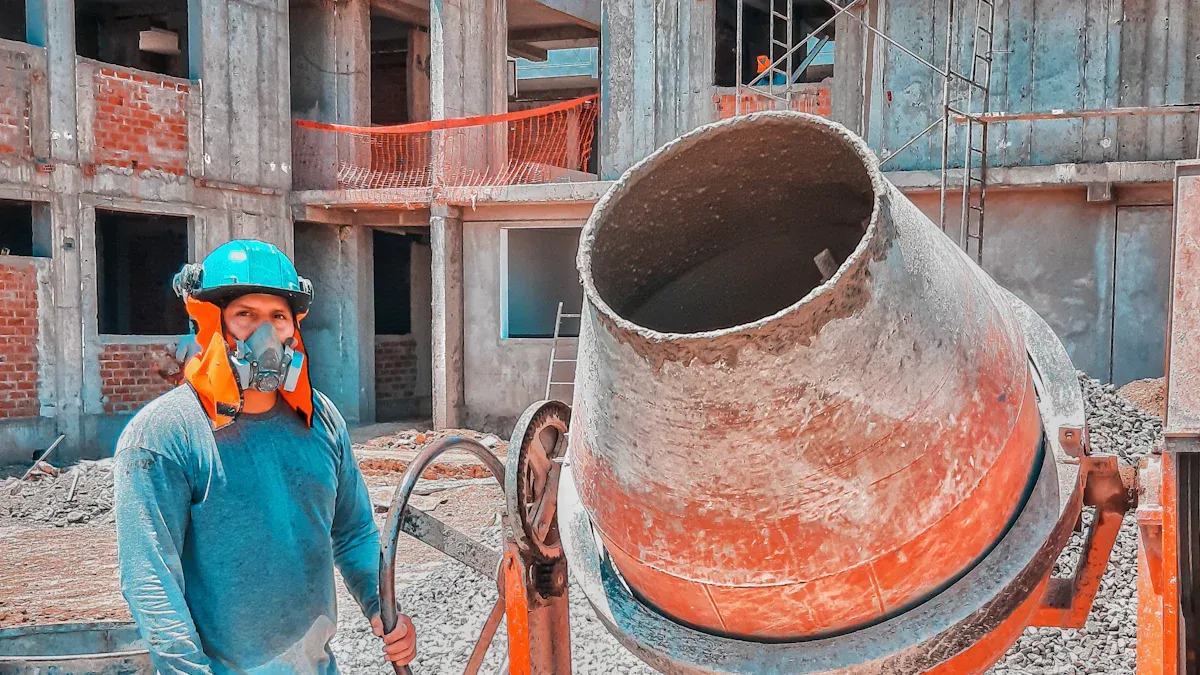
You often wonder if buying a Portable Concrete Mixer makes sense for your small business. If you work on frequent projects, a MAXMACH mixer can save you time and labor. However, if you only pour concrete occasionally, renting or mixing by hand may cost less and fit your needs better.
Key Takeaways
- Owning a portable concrete mixer saves time and money if you pour concrete often, letting you start work immediately and handle last-minute changes without extra rental fees.
- Renting or mixing by hand suits small or rare jobs, helping you avoid equipment costs, storage needs, and maintenance expenses.
- Using a MAXMACH mixer boosts efficiency by cutting mixing time in half, reducing physical labor, and improving concrete quality for stronger, smoother results.
Project Frequency and Scale for Small Contractors
When Ownership Makes Sense
You run a small contracting business. You take on concrete jobs often. If you pour concrete at least once a week, owning a mixer can help you save money and time. You do not need to wait for rental equipment. You can start work as soon as you arrive at the job site. You control your schedule. You avoid delays.
Tip: If you work on projects like patios, driveways, or small foundations, a portable mixer can boost your productivity.
Owning a mixer also helps you handle last-minute changes. You can mix extra batches if you need more concrete. You do not pay extra rental fees. You keep your costs steady. You can use your mixer for different types of jobs. You can mix mortar, stucco, or even soil for landscaping.
Here is a simple table to help you decide if ownership fits your business:
| Ownership Benefits | How It Helps You |
|---|---|
| No rental wait times | Start work right away |
| Flexible scheduling | Control your timeline |
| Lower long-term costs | Save money over time |
| Mix on demand | Handle changes easily |
When Renting or Manual Mixing Is Better
You may only pour concrete a few times each year. You work on small repairs or short projects. Renting a mixer or mixing by hand can save you money. You do not pay for storage or maintenance. You avoid the cost of buying equipment you rarely use.
Note: If your jobs need less than two cubic feet of concrete, mixing by hand may be enough.
Renting works well if you need a mixer for one big project. You return the mixer when you finish. You do not worry about repairs. You do not need to find space to store the mixer. You keep your business lean.
Here are some reasons to rent or mix by hand:
- You work on small or rare concrete jobs.
- You want to avoid equipment upkeep.
- You have limited storage space.
- You want to keep costs low.
You should think about your project schedule. If you expect more concrete jobs in the future, you may want to buy a mixer. If not, renting or manual mixing is a smart choice.
MAXMACH Portable Concrete Mixer Cost Analysis
Upfront Purchase Costs
When you look at buying a MAXMACH portable concrete mixer, you see a big cost at first. The price for a new mixer can range from $600 to $1,500. The cost depends on the size, power, and features. You pay more for mixers with bigger drums or stronger motors. You also need to buy safety gear and mixing tools. These add to your total cost.
Tip: Ask your supplier if they offer discounts for small contractors. Sometimes you can save money by buying during sales.
Here is a table to help you compare the main costs:
| Item | Estimated Cost |
|---|---|
| MAXMACH Mixer (basic) | $600 - $900 |
| MAXMACH Mixer (advanced) | $1,000 - $1,500 |
| Safety Gear | $50 - $100 |
| Mixing Tools | $30 - $80 |
You need to plan your budget before you buy. If you work on many concrete jobs, the upfront cost may pay off over time.
Rental Fees vs. Ownership
You may wonder if renting a MAXMACH mixer is better than buying one. Rental fees for a portable mixer usually range from $40 to $80 per day. If you rent for a week, you might pay $200 to $400. You do not pay for repairs or storage. You return the mixer when you finish your project.
If you own a MAXMACH mixer, you use it whenever you need. You do not pay rental fees each time. You save money if you use the mixer often. You also avoid waiting for rental equipment.
Here is a simple way to compare costs:
- If you use a mixer less than ten times a year, renting may cost less.
- If you use a mixer more than ten times a year, buying may save you money.
Note: Track how many times you need a mixer each year. This helps you decide if ownership is right for you.
Hidden and Ongoing Expenses
When you own a MAXMACH mixer, you need to think about extra costs. You pay for maintenance, repairs, and storage. You may need to replace worn parts, like belts or wheels. You also spend time cleaning the mixer after each use.
Here are some ongoing expenses to consider:
- Maintenance supplies (oil, grease, cleaning agents)
- Replacement parts (drum, motor, wheels)
- Storage space (shed or garage)
- Insurance for your equipment
You can lower these costs by taking good care of your MAXMACH mixer. Clean it after every job. Check for damage before you start mixing. Store it in a dry place to prevent rust.
Alert: If you ignore maintenance, your mixer may break down. This can lead to expensive repairs or lost work time.
You need to add these hidden costs to your budget. This helps you see the true cost of owning a mixer.
Operational Benefits of Portable Concrete Mixers
Efficiency and Time Savings
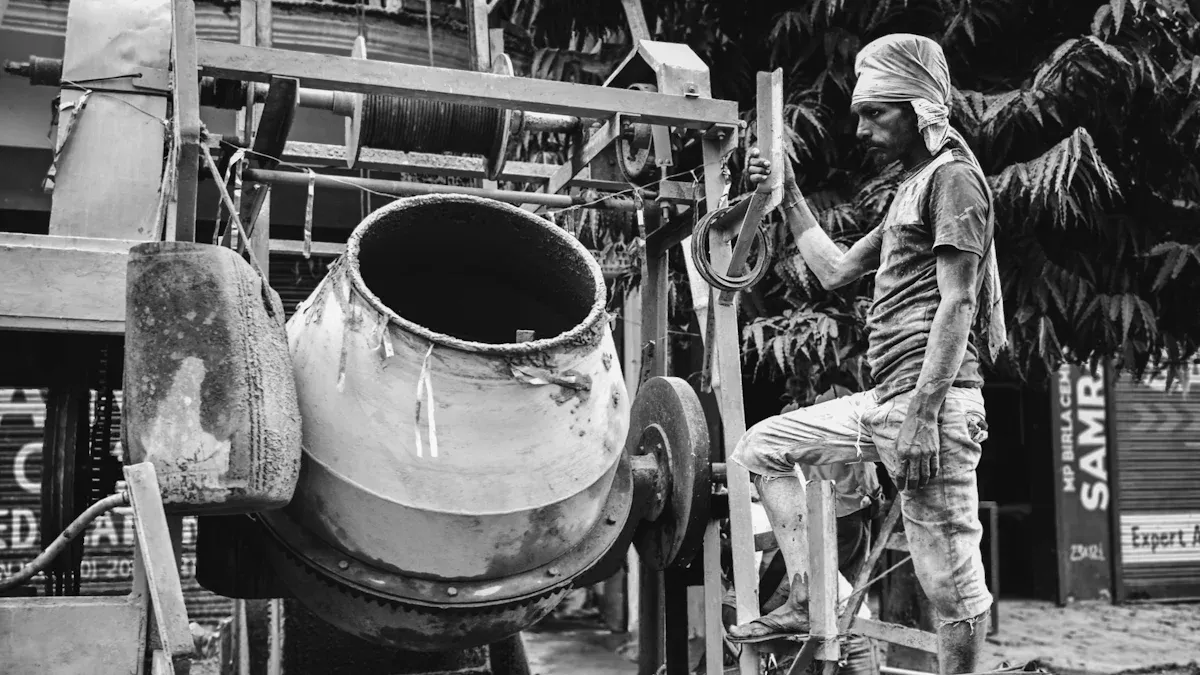
You want to finish your concrete jobs quickly. A portable concrete mixer helps you mix batches faster than manual methods. You pour the ingredients into the drum, turn on the machine, and let it do the hard work. You save time because you do not need to mix by hand. You can complete more projects in less time.
Tip: Use a MAXMACH mixer to keep your workflow steady. You do not stop to mix each batch. You keep your team moving.
Here is a simple table to show how much time you can save:
| Mixing Method | Time per Batch | Physical Effort |
|---|---|---|
| Manual Mixing | 20-30 minutes | High |
| Portable Mixer | 5-10 minutes | Low |
You see that a mixer cuts your mixing time by more than half. You also reduce the risk of worker fatigue.
Flexibility on the Job Site
You need tools that fit different job sites. Portable Concrete Mixers give you flexibility. You move the mixer where you need it. You mix concrete close to your work area. You do not carry heavy buckets across the site.
- You adjust the batch size for each project.
- You work in tight spaces or open areas.
- You handle last-minute changes with ease.
Note: A portable mixer helps you work on patios, sidewalks, or small foundations without extra hassle.
You control your workflow. You respond to changes quickly. You keep your team productive.
Material and Waste Management with MAXMACH Mixers
Reducing Material Waste
You want to save money on every job. When you use a MAXMACH portable concrete mixer, you can mix only what you need. This helps you avoid leftover concrete that often goes to waste. You measure your materials for each batch, so you do not overmix. You keep your work area cleaner and reduce cleanup time.
Tip: Always plan your batches before you start mixing. This helps you use your materials wisely.
Here are some ways a MAXMACH mixer helps you cut down on waste:
- You mix small or large batches as needed.
- You pour concrete directly where you need it.
- You stop mixing when you reach the right amount.
A portable mixer gives you more control over your materials. You do not throw away unused concrete at the end of the day.
Improving Concrete Quality
You want strong, even concrete for every project. A MAXMACH mixer blends your materials better than hand mixing. The drum turns at a steady speed, so every batch has the same texture. You get fewer lumps and dry spots.
Good mixing means your concrete sets well and lasts longer.
Check out this table to see the difference:
| Mixing Method | Consistency | Strength | Finish |
|---|---|---|---|
| Hand Mixing | Uneven | Lower | Rough |
| MAXMACH Mixer | Even | Higher | Smooth |
You can trust your results when you use a MAXMACH mixer. Your clients will notice the quality in your finished work.
Human Impact and Jobsite Productivity
Reducing Physical Labor
You know that mixing concrete by hand can wear you out. Lifting heavy bags, stirring thick mixtures, and carrying buckets take a toll on your body. A portable concrete mixer changes this. You load the materials into the drum, turn on the machine, and let it do the hard work. Your arms and back get a break.
Using a mixer helps you avoid injuries from lifting and repetitive motion.
You can focus on other tasks while the mixer runs. Your team stays fresh and ready for the next step. You also reduce the risk of mistakes caused by tired workers.
Here are some ways a mixer reduces physical labor:
- Less lifting and carrying
- No hand mixing with shovels or hoes
- Fewer aches and pains at the end of the day
Faster Project Completion
You want to finish jobs quickly and move to the next project. A portable mixer speeds up your workflow. You mix larger batches in less time. You pour concrete faster and keep your schedule on track.
A simple table shows the difference:
| Task | By Hand | With Mixer |
|---|---|---|
| Mixing Time | Slow | Fast |
| Worker Fatigue | High | Low |
| Project Turnaround | Longer | Shorter |
Faster mixing means you can take on more jobs and grow your business.
You keep your clients happy with quick results. You also boost your team's morale when projects run smoothly. If you use a MAXMACH mixer, you see these benefits on every job.
Types of Portable Concrete Mixers for Small Contractors
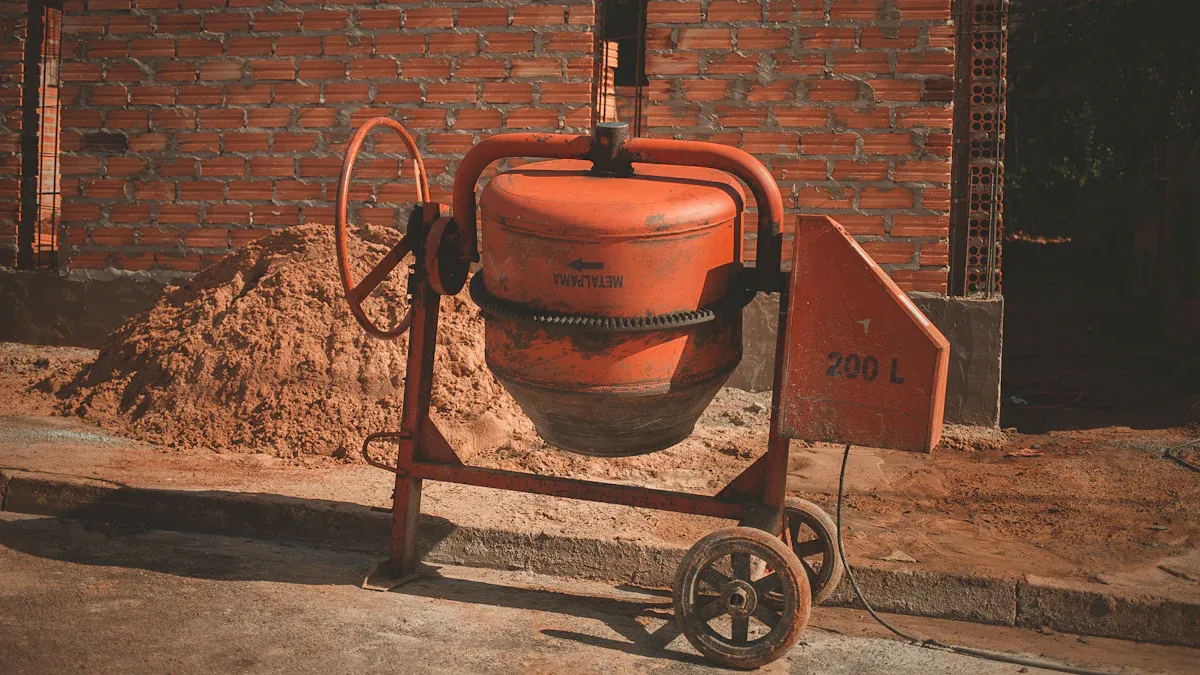
Electric Mixers
You may choose an electric mixer for small jobs. Electric mixers plug into a standard outlet. You do not need fuel. These mixers run quietly and produce less vibration. You can use them indoors or outdoors. Electric mixers work best for small batches and short projects.
Tip: Electric mixers suit you if you work in areas with easy access to power.
Here is a quick comparison:
| Feature | Electric Mixer |
|---|---|
| Power Source | Electricity |
| Noise Level | Low |
| Maintenance | Simple |
| Best Use | Small projects |
Gas-Powered Mixers
You may need a gas-powered mixer for bigger jobs. Gas mixers use gasoline engines. You can use them anywhere, even where there is no electricity. These mixers handle larger batches and tougher materials. You get more power and speed.
Alert: Gas mixers need regular engine checks and fuel refills.
Consider these points:
- You can work in remote locations.
- You get higher mixing capacity.
- You must check oil and fuel often.
Towable and Stand Mixers
You may want a mixer that moves easily. Towable mixers attach to your truck or trailer. You can transport them from site to site. Stand mixers stay in one spot. You can move them around the job site by hand.
| Type | How You Use It | Best For |
|---|---|---|
| Towable | Pull with vehicle | Multiple sites |
| Stand | Move by hand | Small spaces |
Note: Choose a towable mixer if you travel often. Pick a stand mixer for tight areas or indoor work.
You can match the mixer type to your job needs. This helps you work faster and smarter.
You see that portable concrete mixers help you save time and reduce labor. If you work on frequent concrete jobs, buying a MAXMACH mixer makes sense.
- Track your project needs.
- Compare costs before you decide.
Ready to invest? Contact local suppliers or try renting first.
FAQ
How much concrete can a portable mixer handle at once?
Most portable mixers hold between 2 and 5 cubic feet per batch. You can mix enough for small patios, steps, or repairs in one go.
Can you use a portable mixer for materials other than concrete?
Yes! You can mix mortar, stucco, or even soil. Just clean the drum well after each use to avoid leftover material.
How do you clean a MAXMACH portable concrete mixer?
Rinse the drum with water right after use. Scrub any stuck material with a brush. Dry the mixer before storing it to prevent rust.