
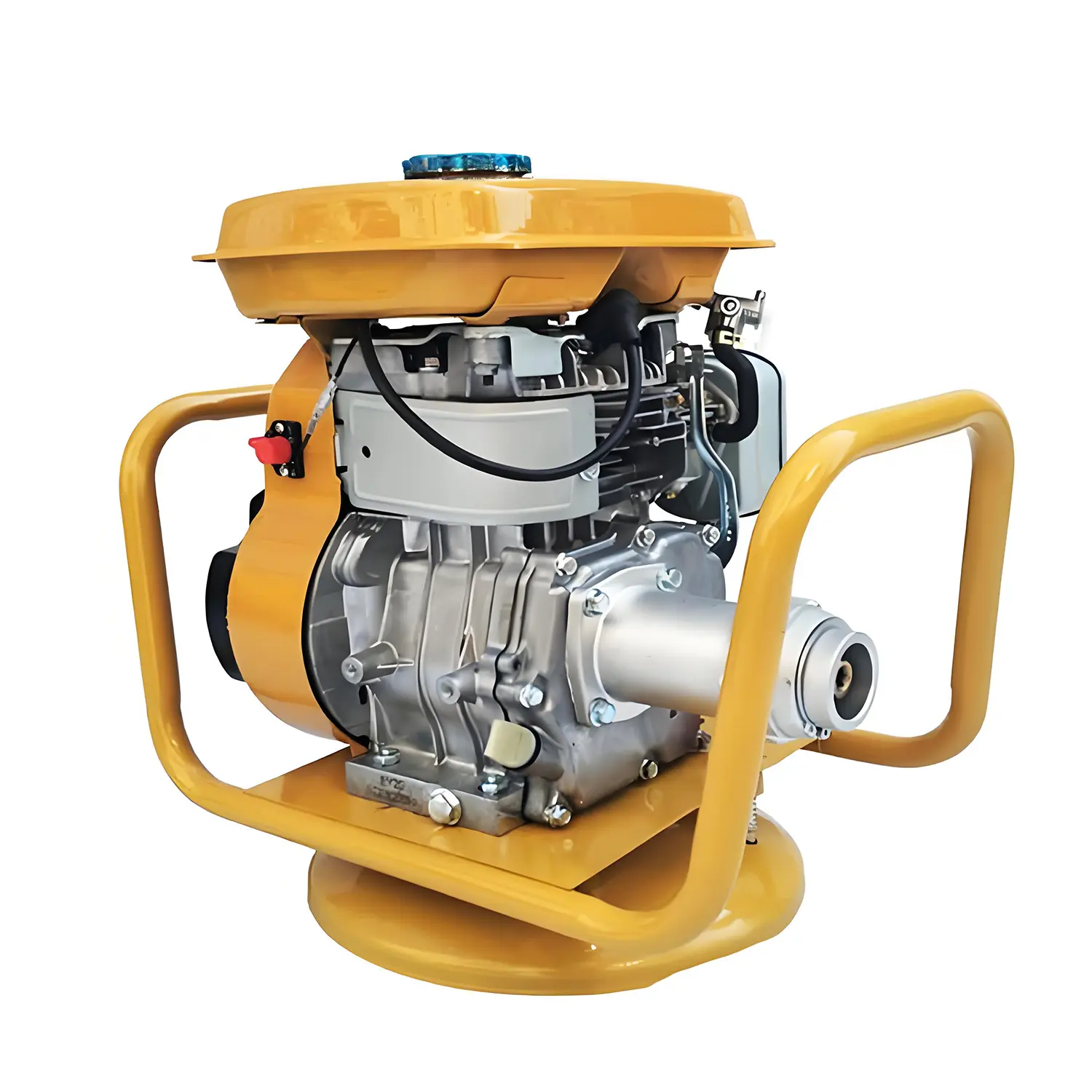
 Internal Vibrator
 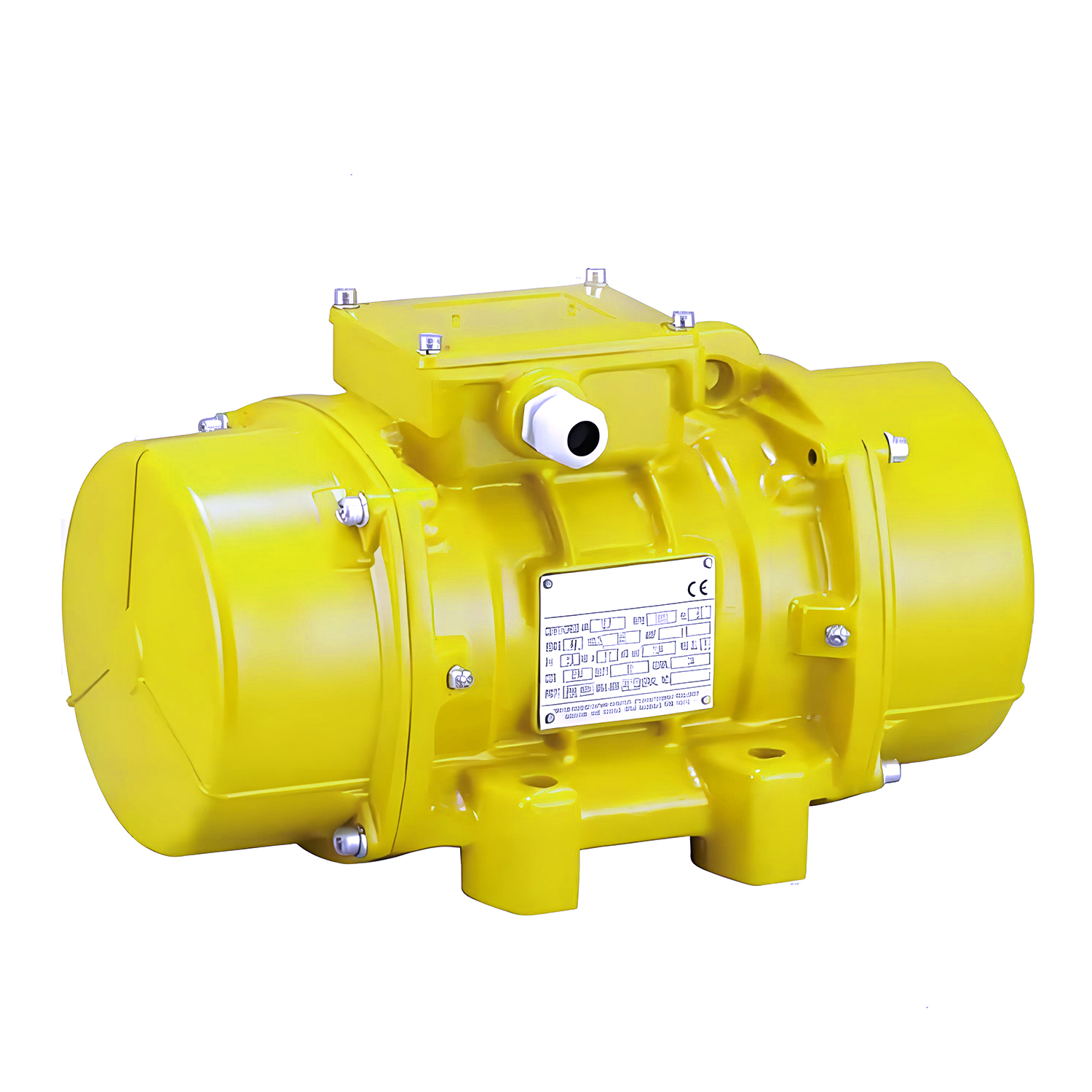 External Vibrator
 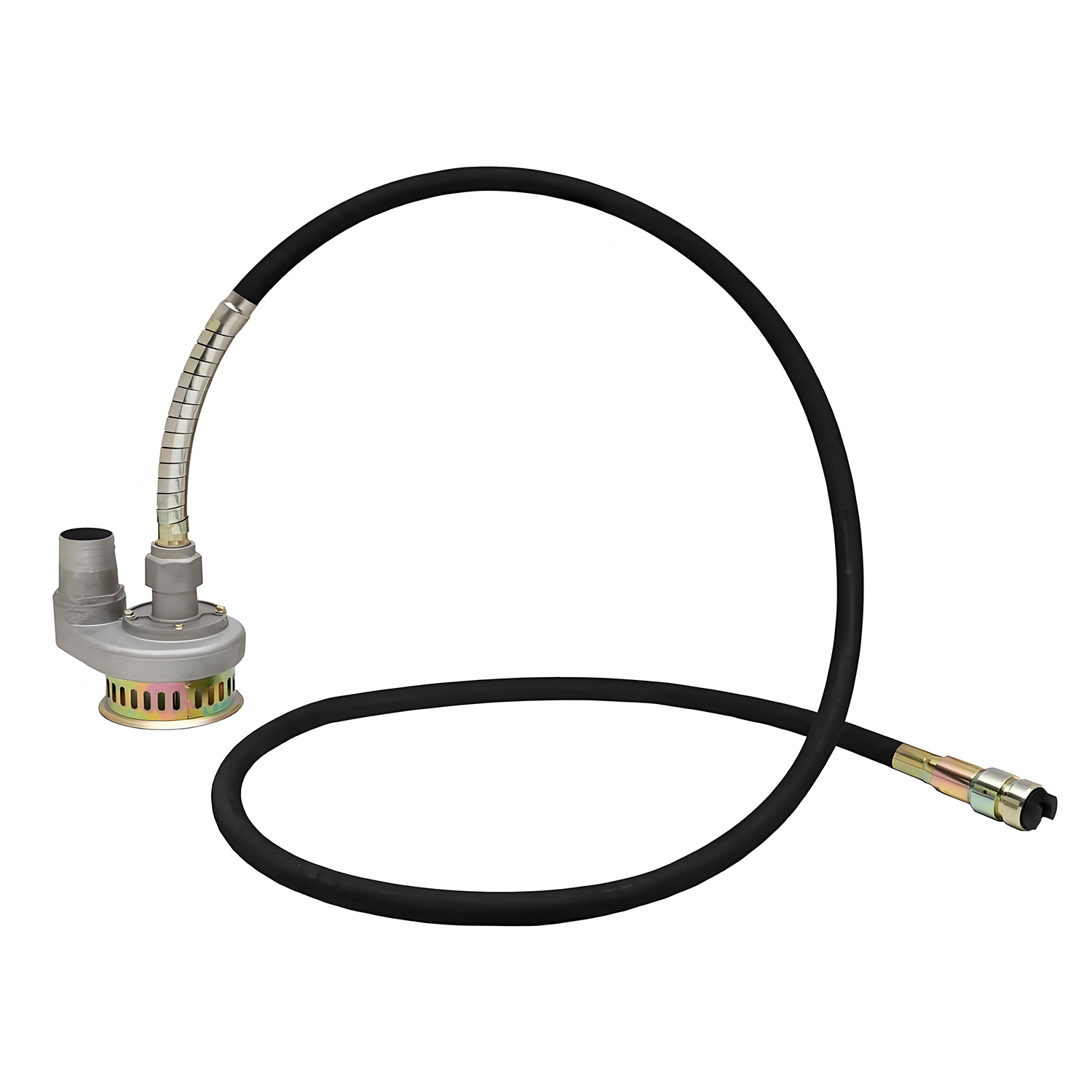 Submersible Pump
 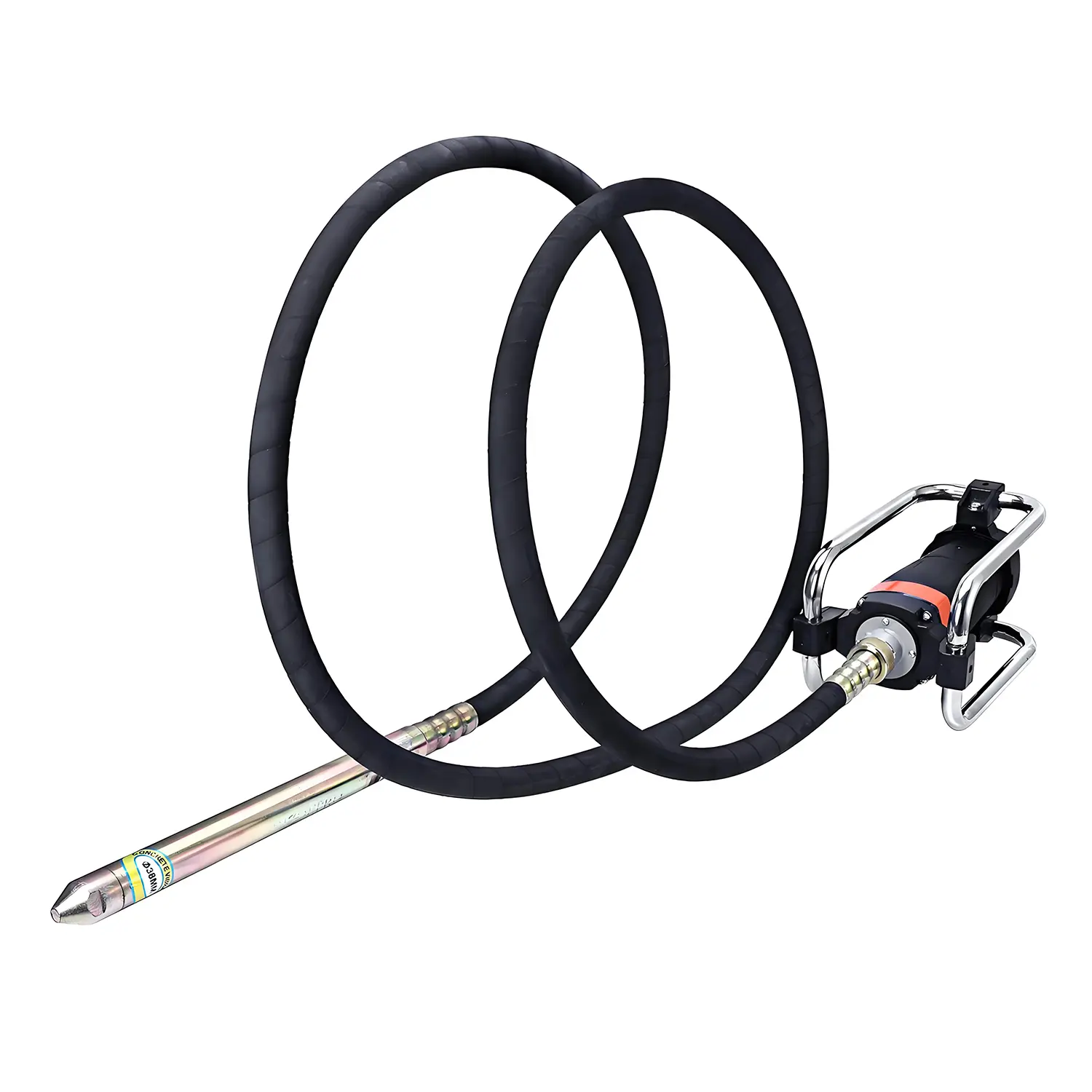 Eccentric shaft
 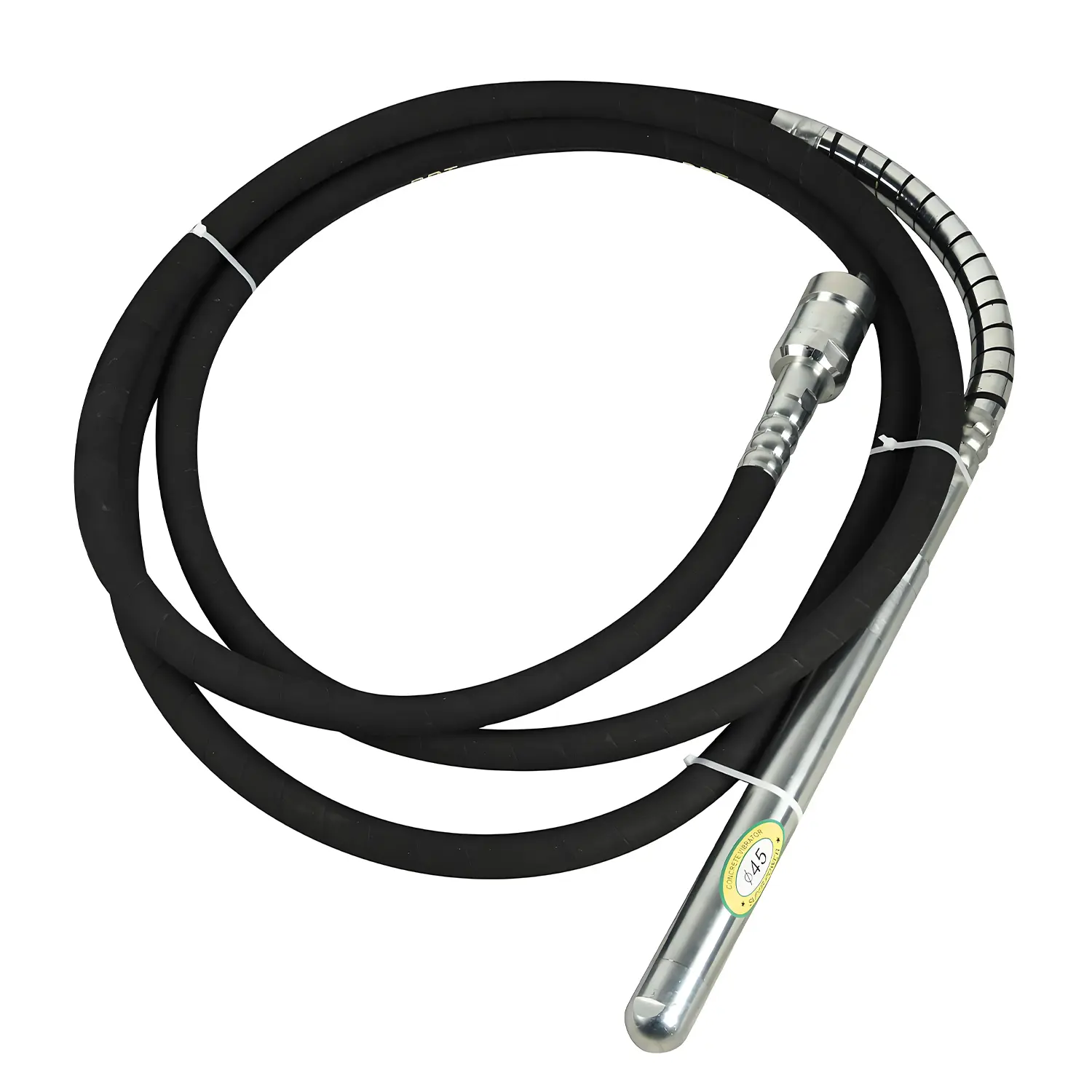 Pendulum shaft
 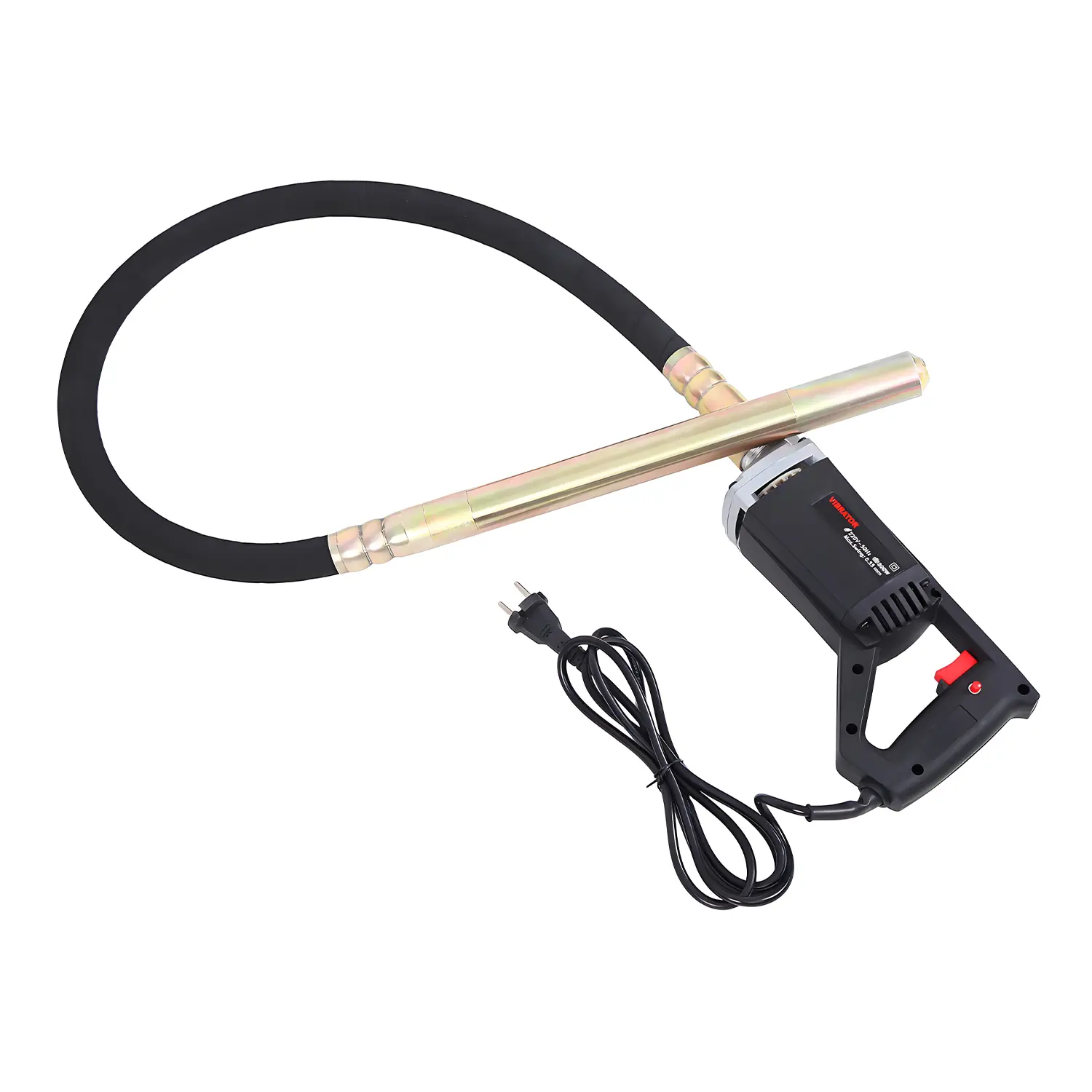 Portable vbrator shaft
 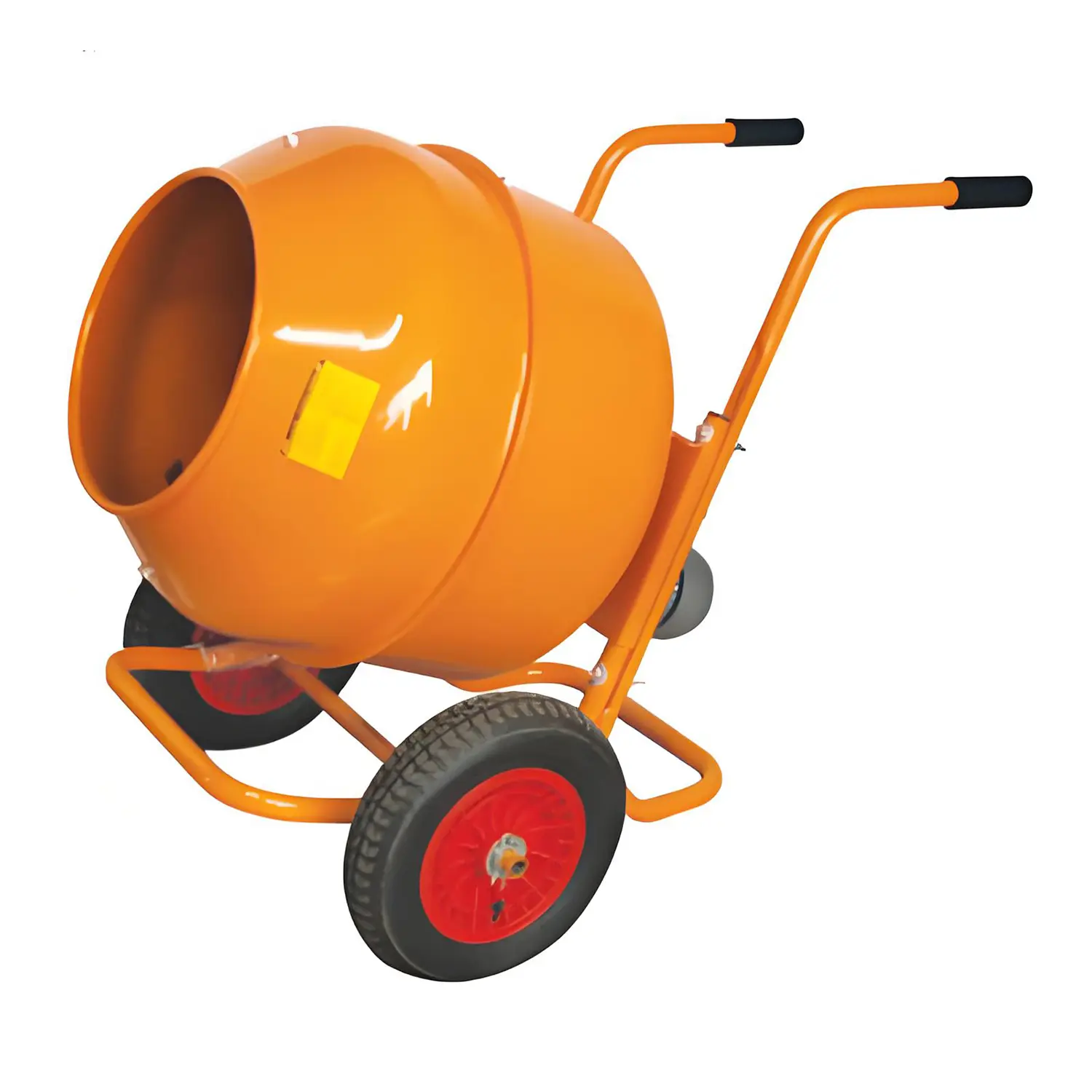 Portable concrete mixer
 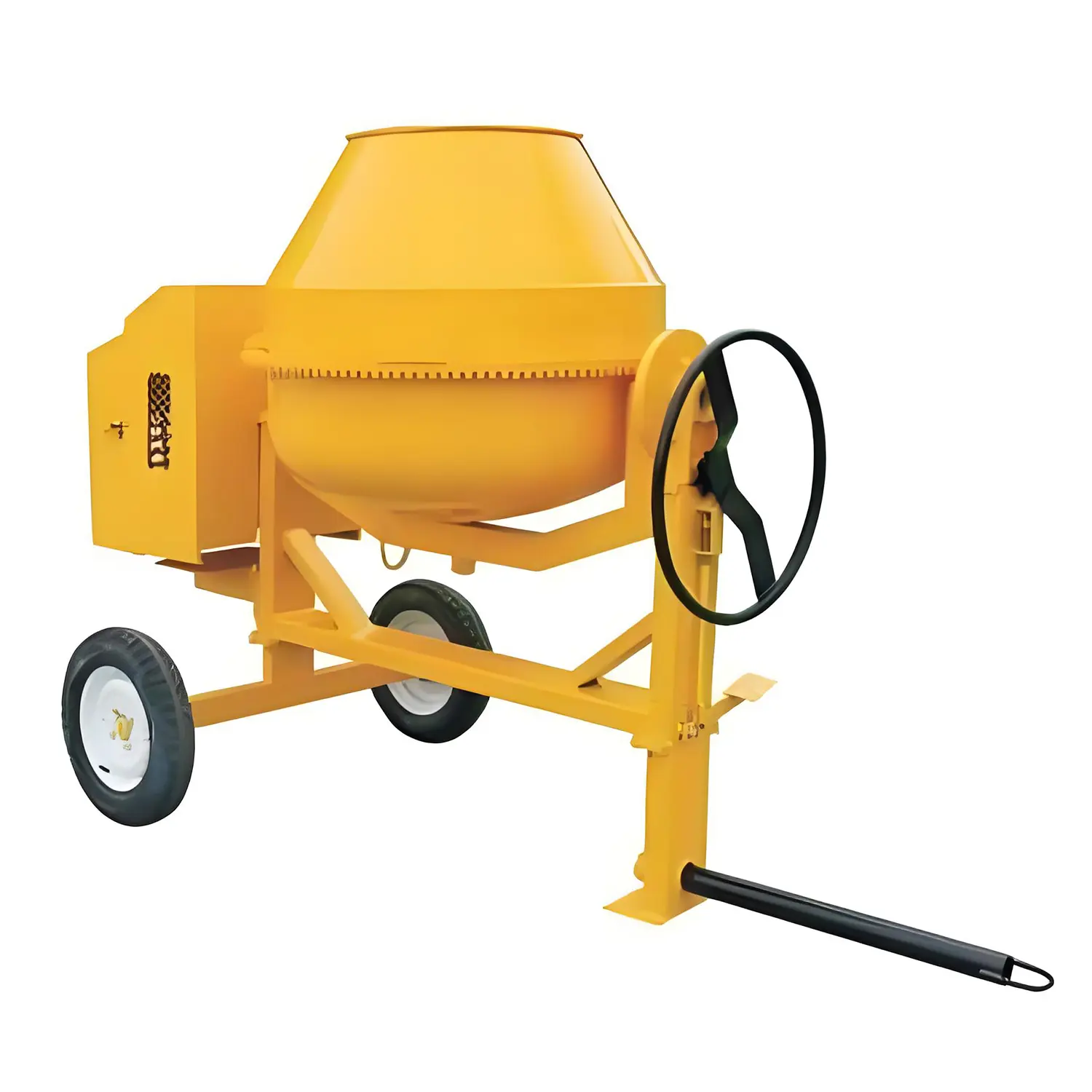 Vertical concrete mixer
 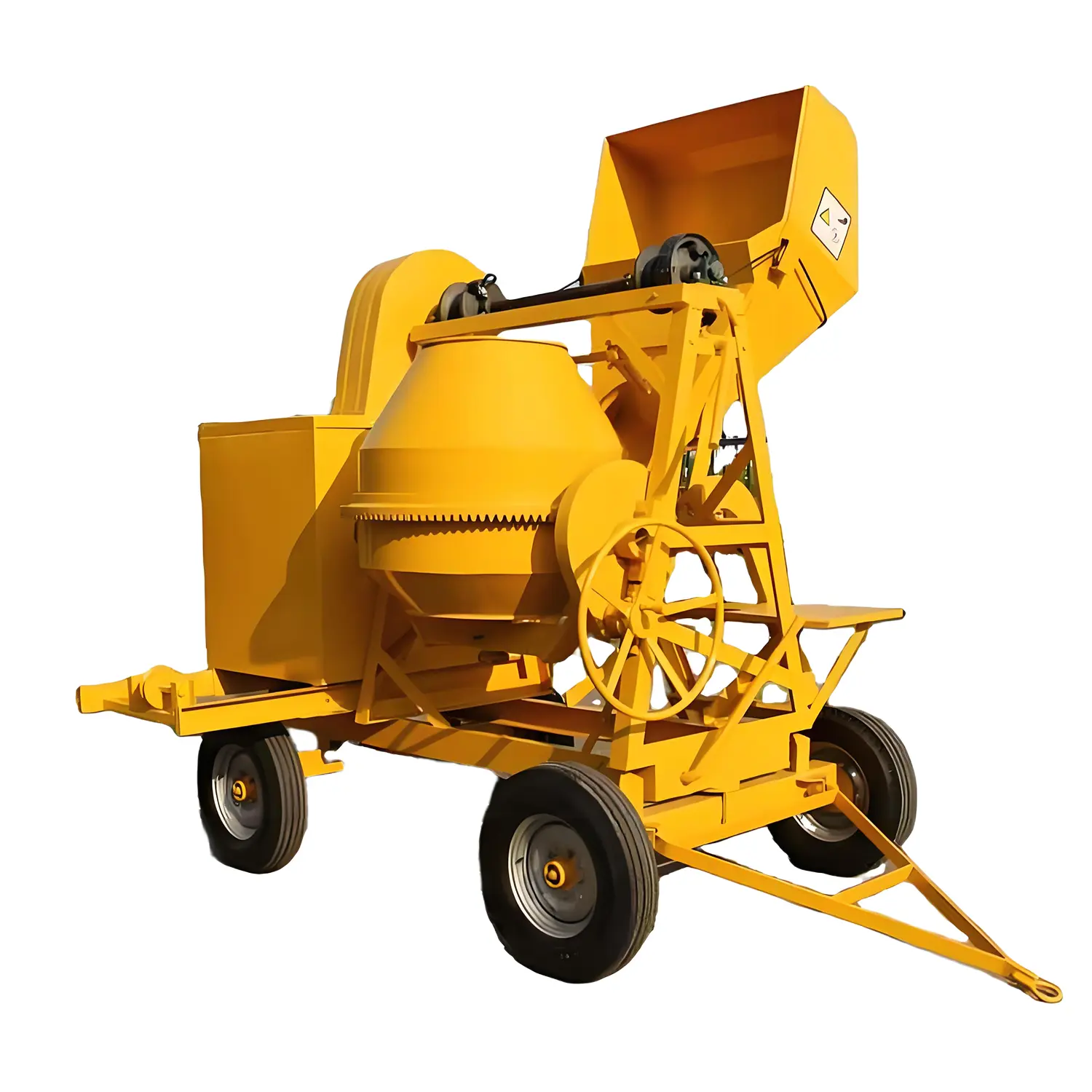 Hydraulic concrete mixer
 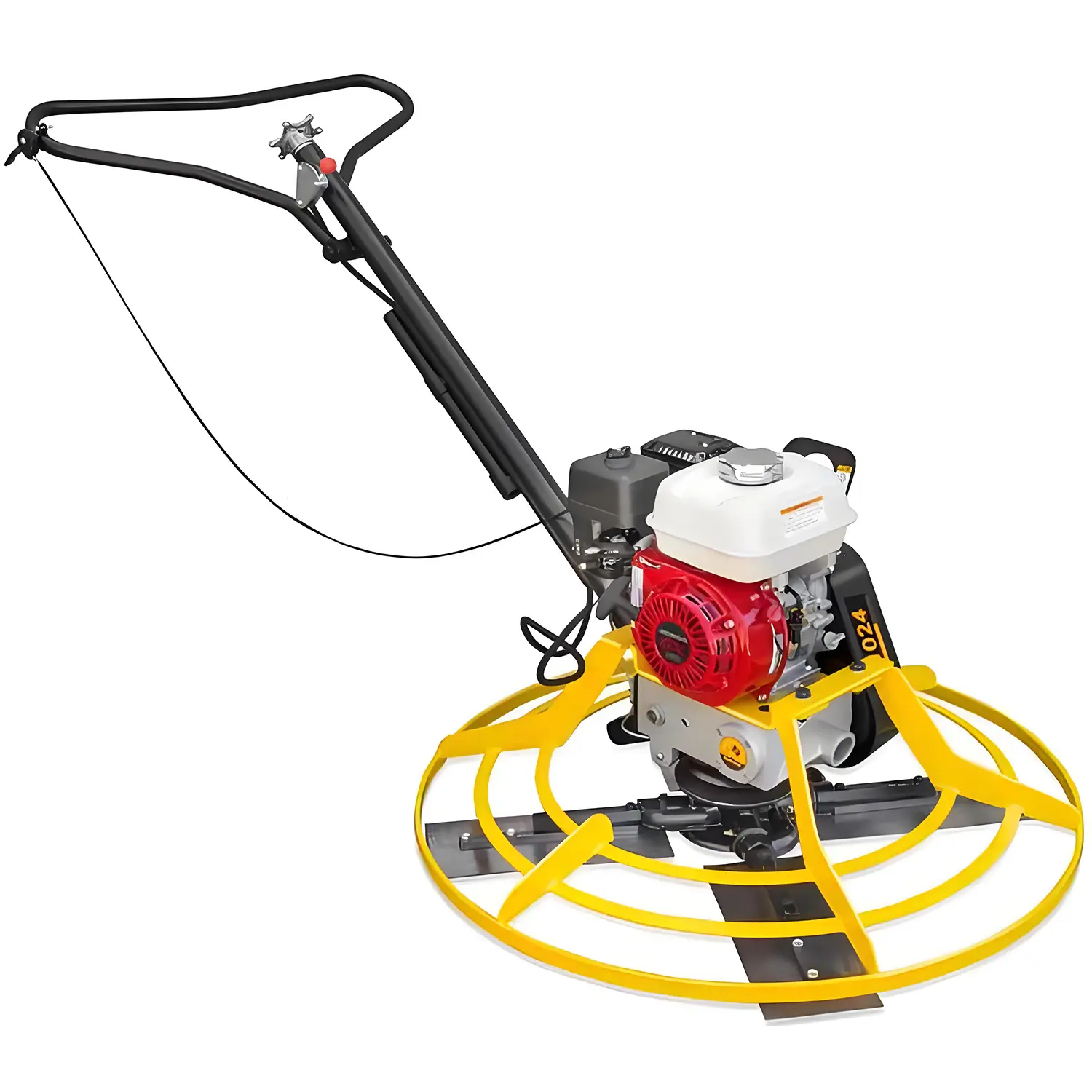 Walk behind power trowel
 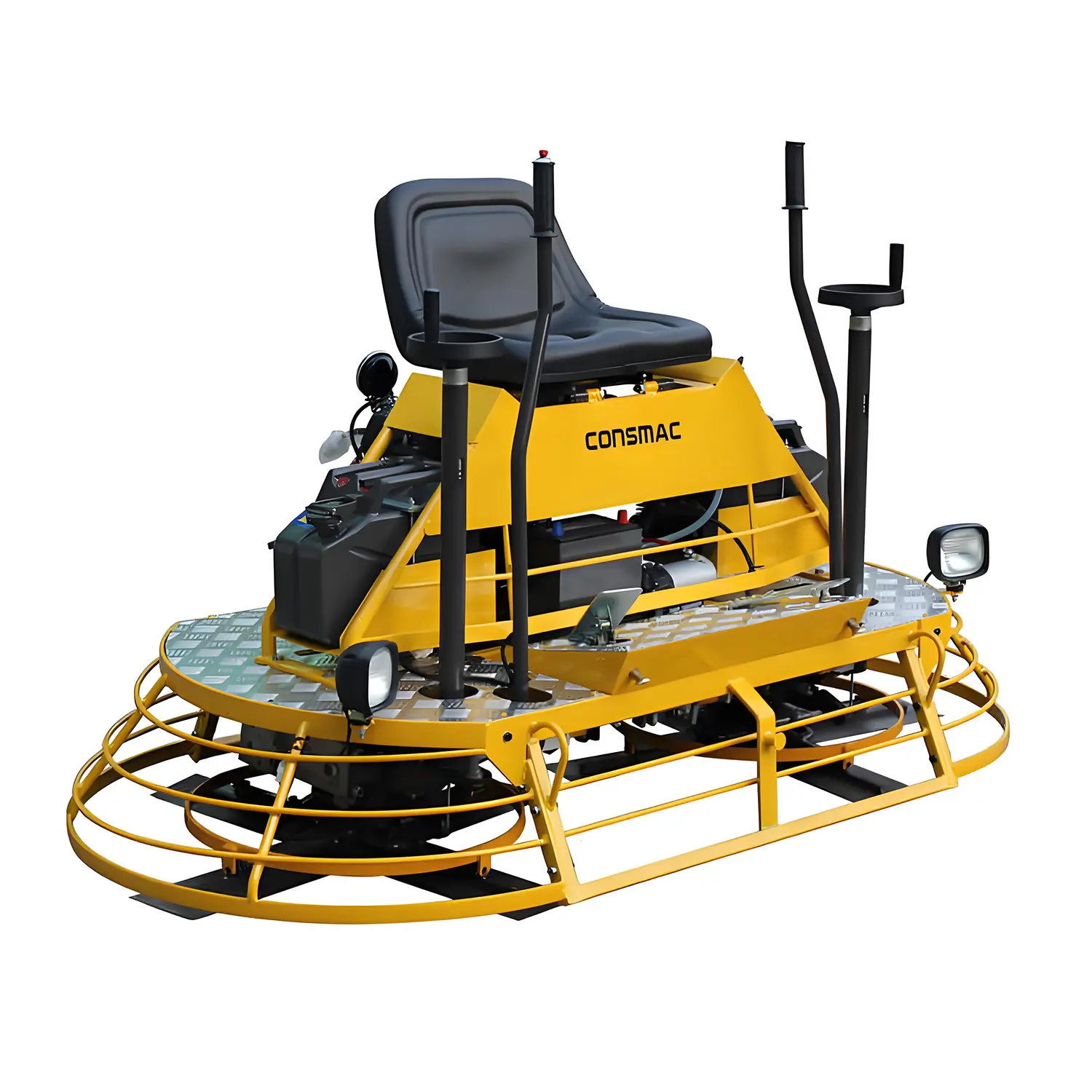 Ride on power trowel
 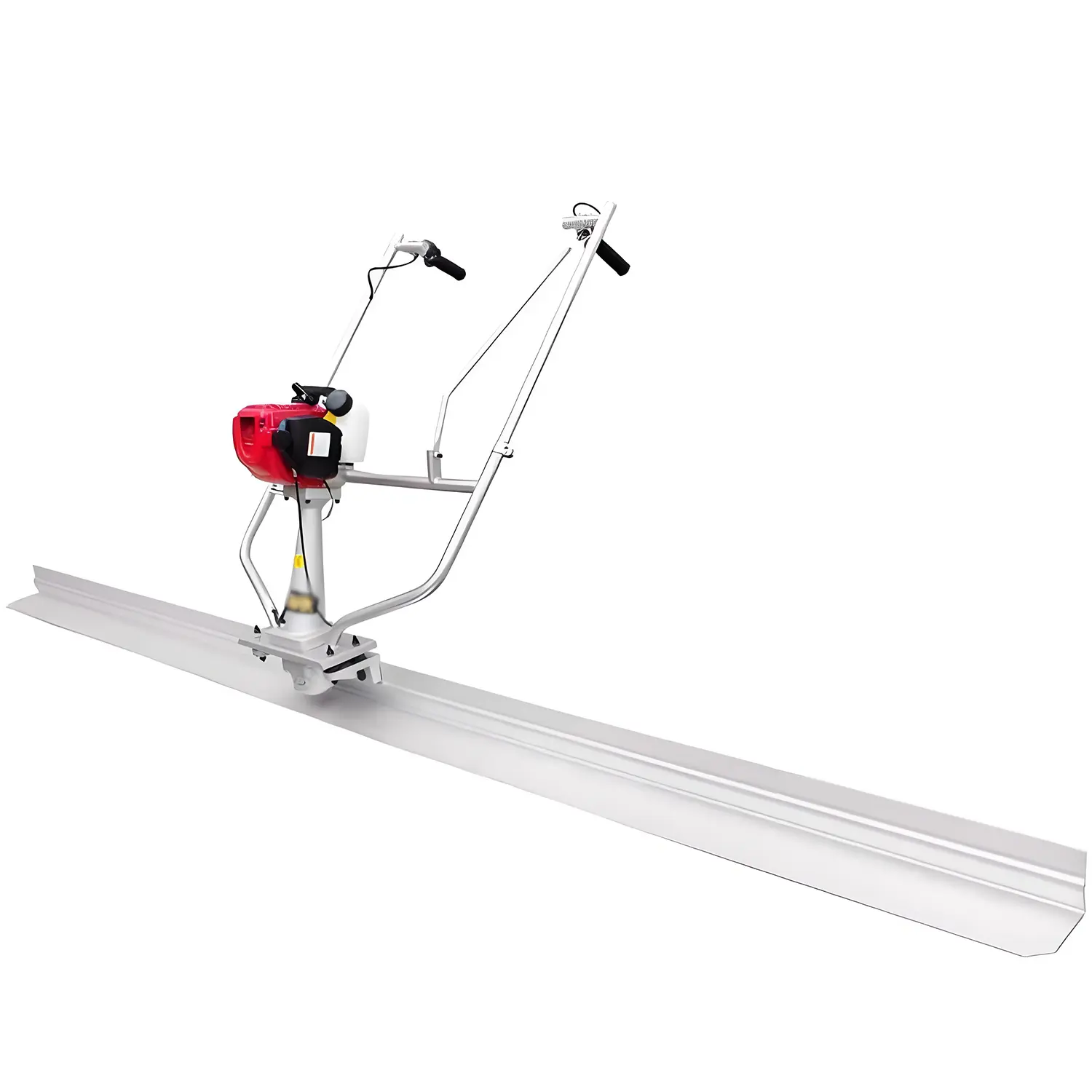 Concrete screed
 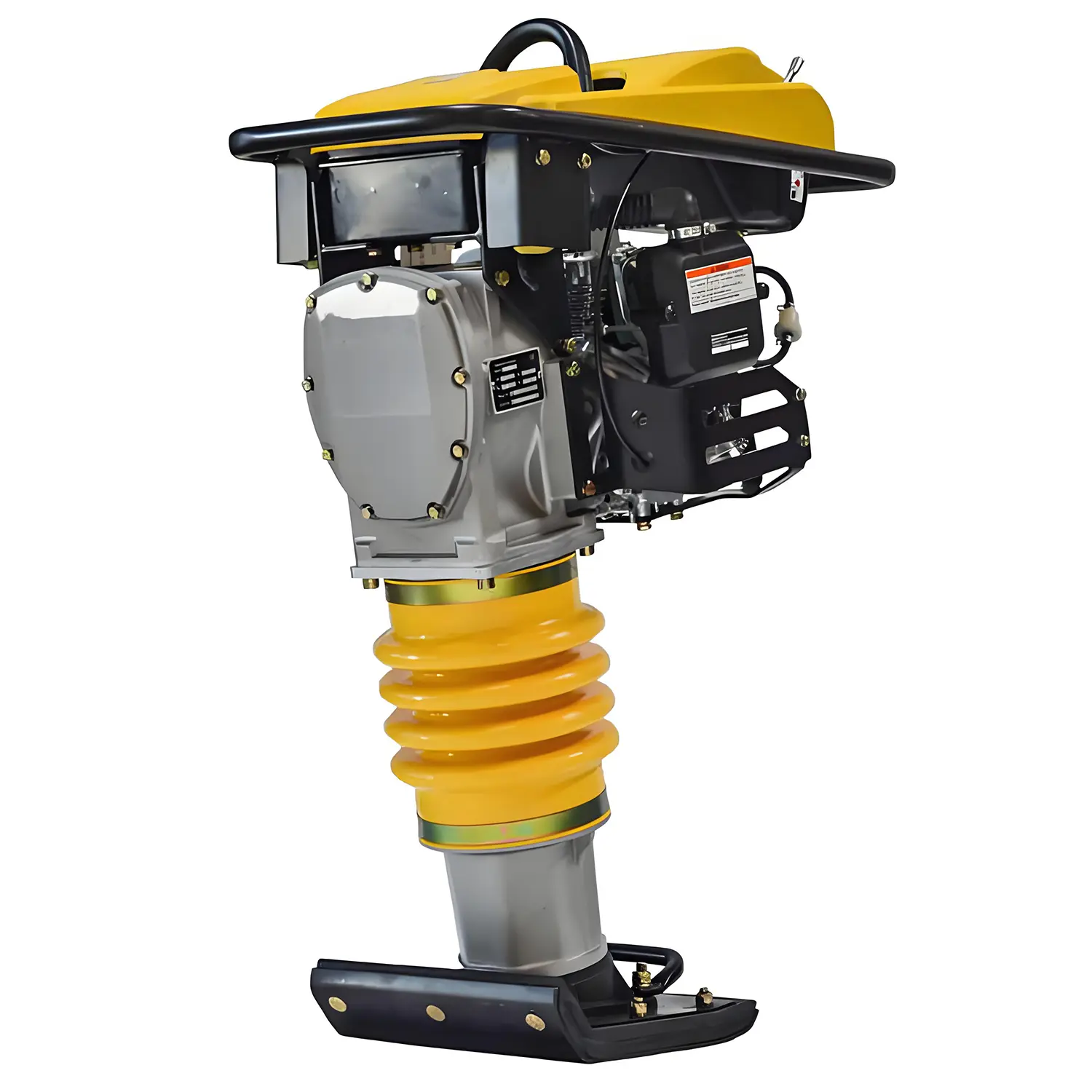 Tamping rammer
 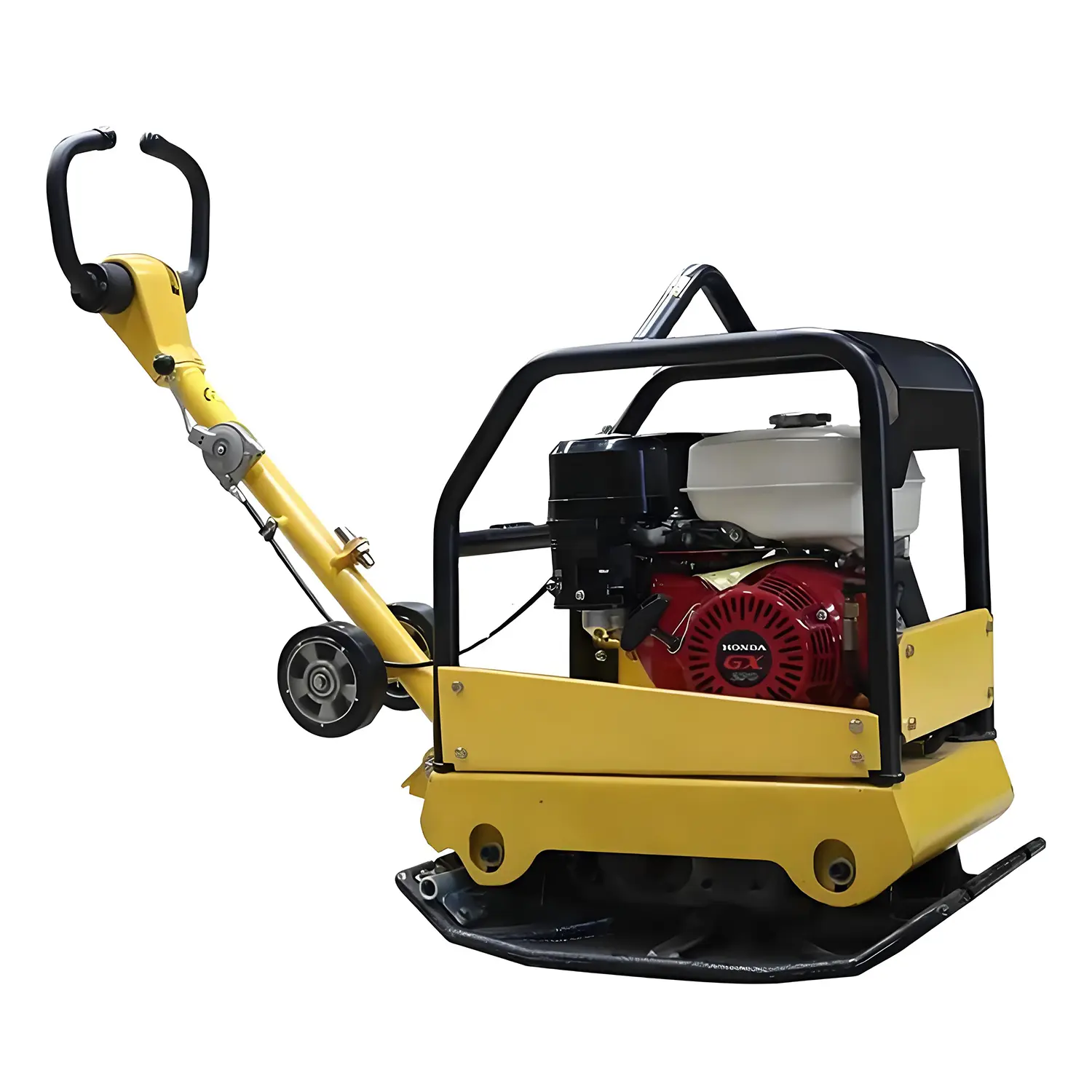 Plate compactor
 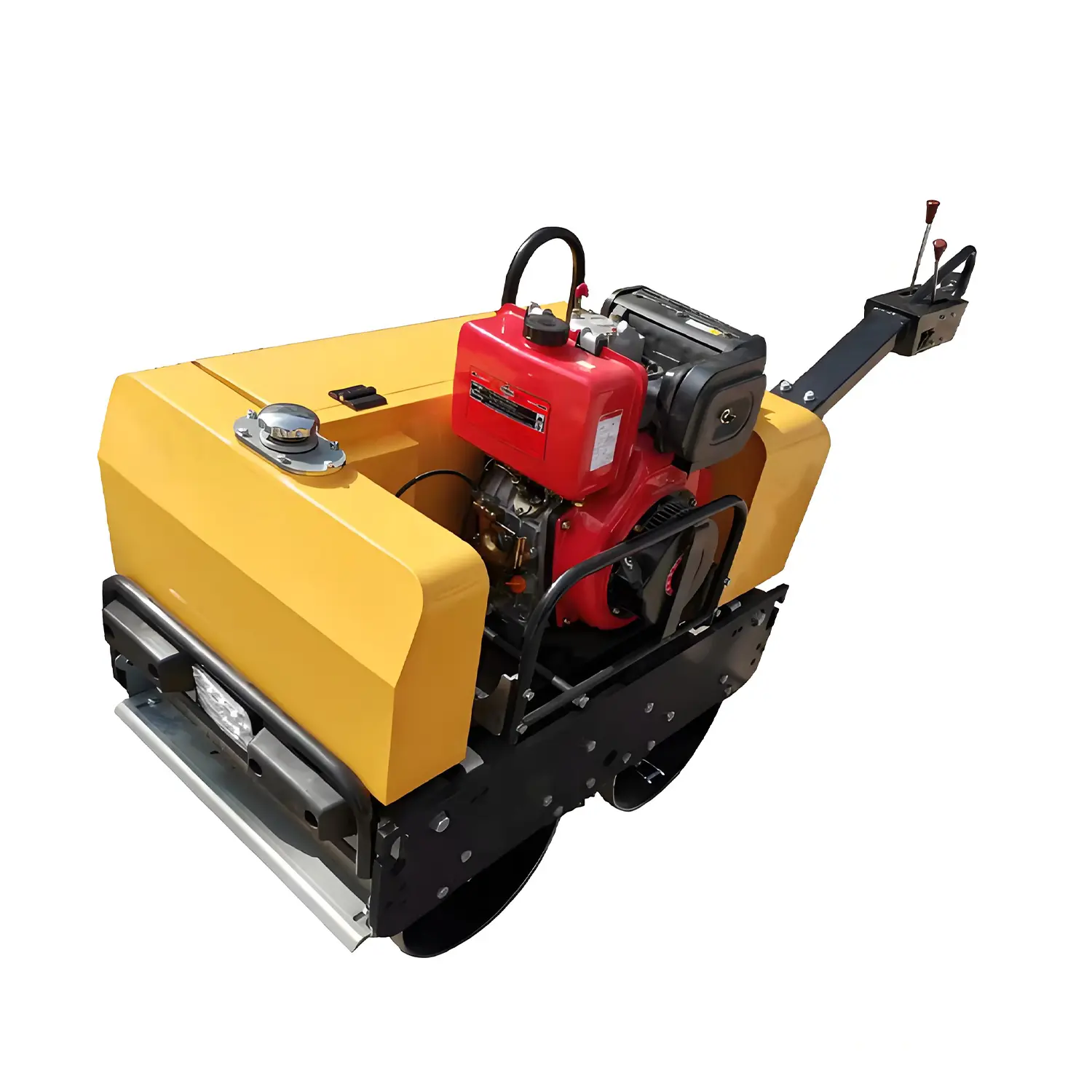 Vibratory roller
What Are the Differences Between Plate Compactors and Rollers
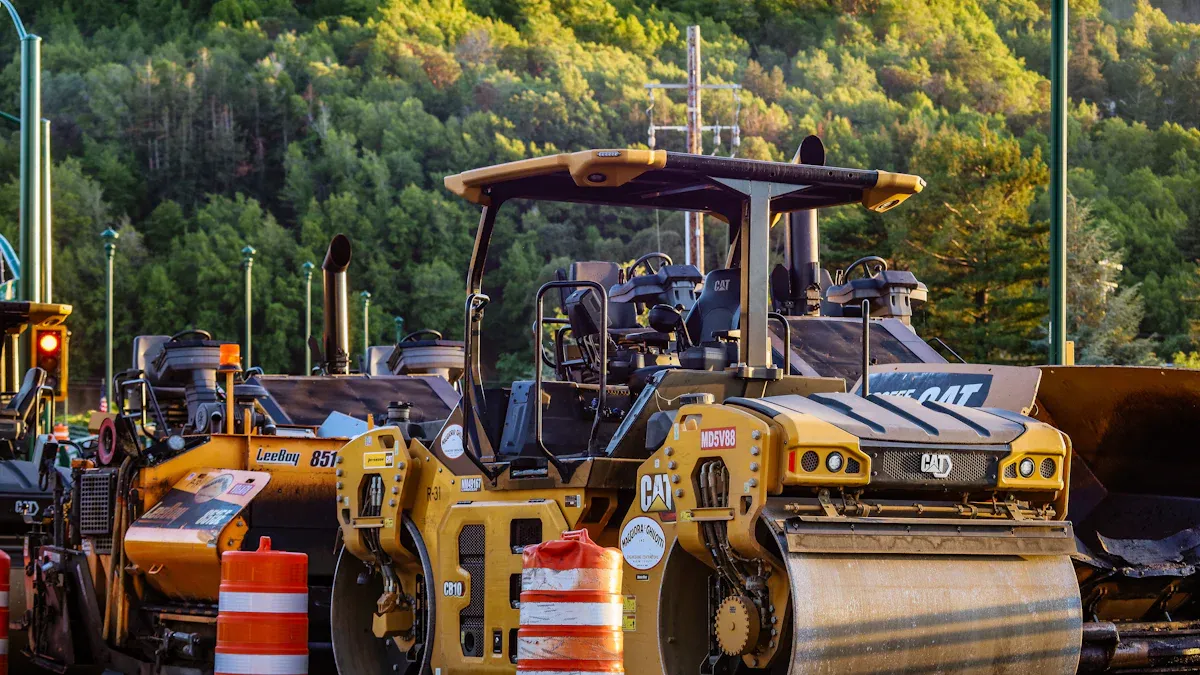
Compaction Machinery plays a vital role in construction, landscaping, and roadwork.
- A Plate compactor works best for small spaces like trenches and sidewalks, especially on granular soil.
- A Vibratory roller covers large areas in road construction and maintenance, delivering uniform surface compaction for asphalt, sand, and gravel.
Key Takeaways
- Plate Compactors work best in small, tight spaces and use vibration to compact granular soils like sand and gravel, making them ideal for landscaping and small construction projects.
- Rollers are larger machines that combine weight and vibration to compact both granular and cohesive soils, perfect for large areas like roads and foundations.
- Choosing the right equipment depends on soil type, project size, and space; plate compactors suit small, confined jobs, while rollers handle big, open projects efficiently.
Understanding Compaction Machinery: Plate Compactors vs. Rollers
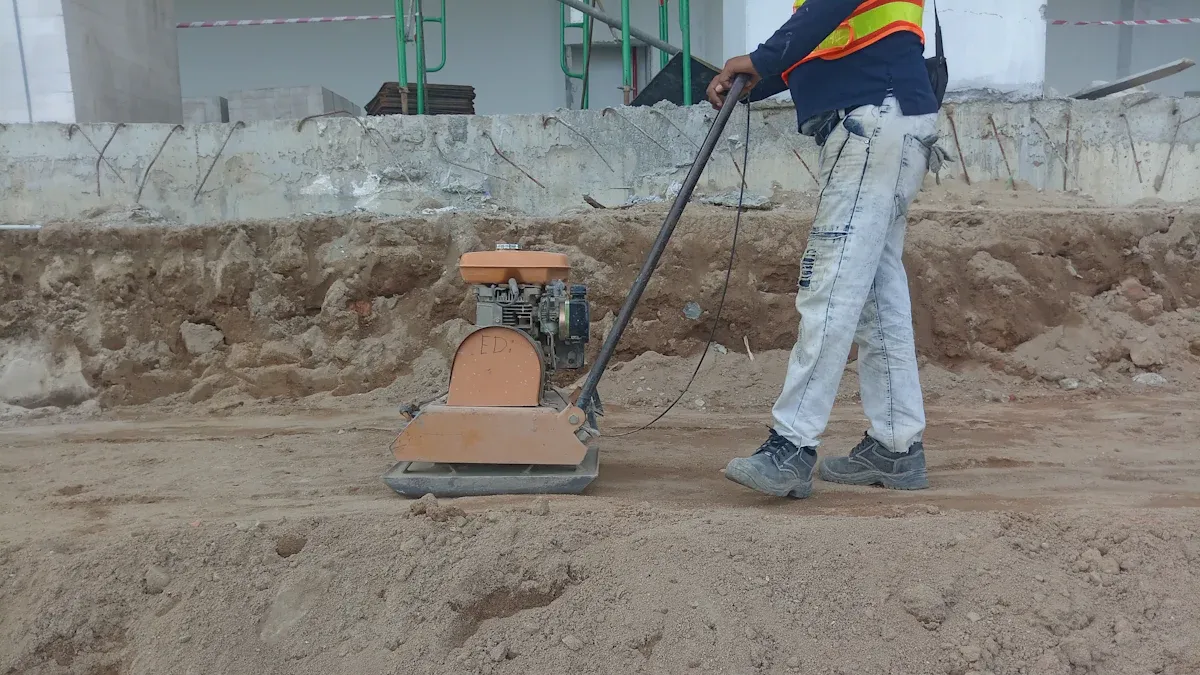
What Is a Plate Compactor?
A plate compactor is a type of Compaction Machinery designed for small to medium-sized jobs. It uses a heavy, flat plate that vibrates rapidly to compress soil, gravel, or asphalt. Most models are compact and walk-behind, making them ideal for tight or confined spaces.
| Feature | Plate Compactor | Roller Compactor |
|---|---|---|
| Size | Compact, walk-behind | Larger, ride-on or walk-behind |
| Soil Types | Best for granular soils | Suitable for both granular and cohesive soils |
| Area Coverage | Small, confined spaces | Large, open areas |
| Compaction Force | Vibration only | Combination of weight and vibration |
| Maneuverability | Excellent in tight or narrow spots | Limited in small or uneven spaces |
| Usage Stage | Pre-construction compaction | Final compaction after layering |
| Cost | Lower purchase and rental cost | Higher upfront and maintenance costs |
How Plate Compactors Work
Plate compactors operate by generating rapid vibrations through a steel plate. This vibration transfers energy into the ground, causing soil particles to settle and pack tightly. Typical models range from 140 to 750 pounds, with centrifugal forces between 2,400 and 9,000 pounds per square foot. Vibration frequencies often range from 3,750 to 5,800 vibrations per minute, allowing for compaction depths from 8 to 34 inches.
Tip: Higher vibration frequencies work best for fine materials like sand or asphalt.
Typical Applications for Plate Compactors
- Foundation work for stable soil density
- Landscaping projects such as driveways, sidewalks, patios, and garden paths
- Road building and asphalt repairs
- Trench compaction, especially in urban construction sites
- Pavement maintenance and repair
What Is a Roller?
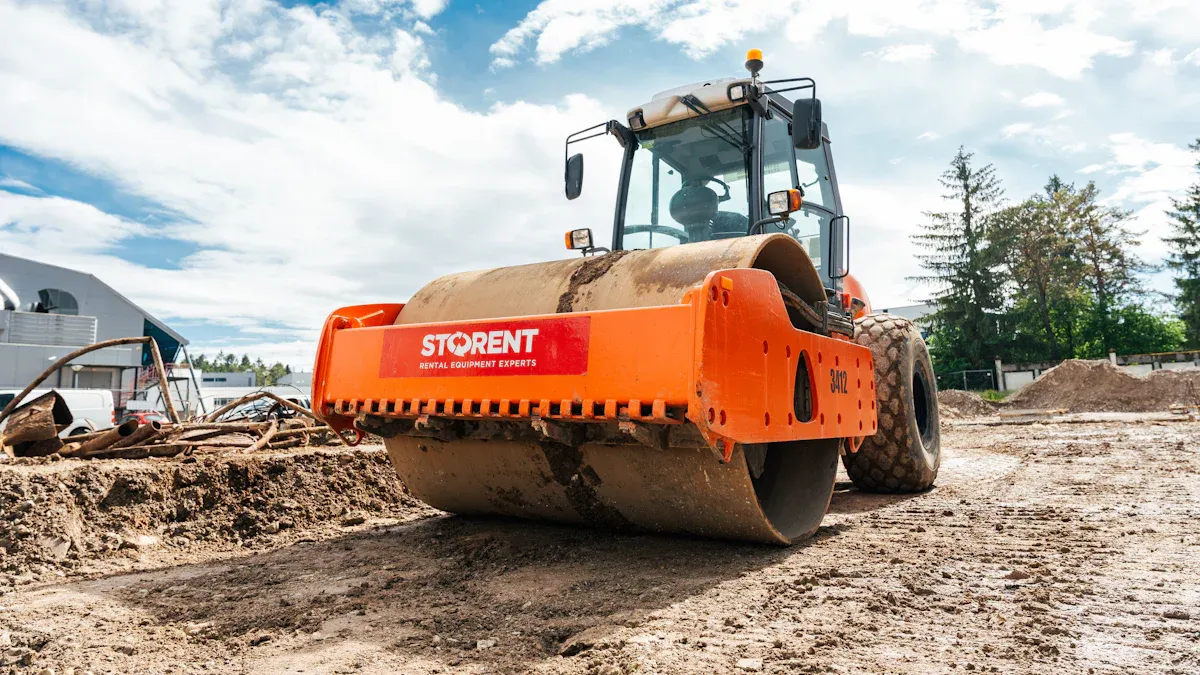
A roller is a larger Compaction Machinery type that uses one or more heavy drums to compress materials. Rollers can be ride-on or walk-behind and are designed for large, open areas. They use both weight and vibration to achieve deep, uniform compaction.
How Rollers Work
Rollers compact materials by applying significant weight through steel or rubber drums. Many rollers also use vibration to increase compaction efficiency. The combination of weight and vibration allows rollers to handle both granular and cohesive soils, making them suitable for heavy-duty tasks.
Typical Applications for Rollers
| Roller Type | Common Applications |
|---|---|
| Smooth Drum Rollers | Road construction, parking lots, foundation compaction |
| Padfoot Rollers | Dams, landfills, embankments |
| Pneumatic Rollers | Highways, airports, base courses, large construction projects |
| Sheepsfoot Rollers | Landfill construction, pipeline trench backfilling |
| Tandem Rollers | Road construction, parking lots, driveways |
| Single Drum Rollers | Building sites, small road repairs |
| Grid Rollers | Road base layers, mining, quarrying |
| Vibratory Rollers | Road construction, landscaping, base and sub-base layers |
Plate Compactors and Rollers: Comparison and Selection Guide
Compaction Method and Effectiveness
Plate compactors and rollers use different methods to achieve soil and material compaction. Plate compactors rely on vibration to compress soil, while rollers use a combination of weight and shear force. The effectiveness of each method depends on the soil type and project requirements.
| Aspect | Plate Compactors | Roller Compactors |
|---|---|---|
| Compaction Method | Uses vibration to compress soil | Uses weight and shear force for compaction |
| Soil Suitability | Best for granular soils (sand, gravel, asphalt); less effective on cohesive soils (clay) | Effective on both cohesive (clay) and non-cohesive soils (sand, gravel) |
| Size and Weight | Small, lightweight, easy to maneuver in confined spaces | Large, heavy, requires transport equipment |
| Project Scale | Ideal for small areas and confined spaces | Suitable for large areas and heavy-duty projects |
| Adjustability | Plate size, weight, and vibration frequency can be adjusted for different soils | Different roller types (sheepsfoot, smooth wheel, pneumatic) designed for specific soil conditions |
| Efficiency | Suitable for light compaction tasks | Efficient for heavy compaction over large areas |
Note: For sandy soil, a larger plate and high vibration frequency help achieve deeper compaction. Clay soil requires a heavier plate compactor with adjustable vibration to penetrate and compact effectively.
Suitable Materials and Project Types
The choice between plate compactors and rollers depends on the type of material and the scale of the project. Engineering guidelines recommend matching the equipment to the soil or material for best results.
| Material Type | Recommended Equipment for Small/Medium Areas | Recommended Equipment for Large/Deep Areas |
|---|---|---|
| Granular Soils | Vibratory Plate Compactor (up to 6 inches depth) | Vibratory Rollers (including double-drum vibratory) |
| Asphalt | Vibratory Plate Compactor (small areas) | Double-Drum Vibratory Roller (large areas like roads) |
| Cohesive Soils | Rammers (small areas, trenches, foundations) | Padfoot or Sheepsfoot Rollers (large areas) |
| Roller Type | Suitable Material Type | Key Features and Usage Context |
|---|---|---|
| Smooth Wheel Roller | Granular materials, hot mix asphalt | Uses static weight for smooth, uniform compaction |
| Sheepsfoot Roller | Cohesive soils (clay, silty clay) | Feet penetrate soil for deep kneading and compaction |
| Pneumatic Tire Roller | Granular and asphalt materials | Kneading effect, flexible, good for sealing surfaces |
| Vibratory Roller | Soil and asphalt | Uses vibrations to enhance compaction force |
| Padfoot Roller | Cohesive soils with high moisture | Tapered feet for deep compaction and stability |
Area Coverage and Maneuverability
Project size and site layout play a major role in equipment selection. Plate compactors excel in small, confined spaces due to their compact size and easy handling. They are ideal for patios, trenches, and pathways. Rollers, with their wide drums and faster travel speeds, cover larger open areas more quickly, making them the preferred choice for road construction and large foundations.
Plate compactors provide excellent maneuverability in tight spaces such as utility trenches, corners, and residential driveways. Rollers require more space to operate and are less practical in confined environments.
| Equipment Type | Maneuverability Advantages | Maneuverability Limitations | Typical Use Cases in Confined Spaces |
|---|---|---|---|
| Plate Compactors | Compact size allows easy maneuvering in tight spaces such as trenches, corners, sidewalks, and landscaping projects. Small footprint enables access to areas inaccessible to larger equipment. | None significant in confined spaces; well-suited for small to medium projects with space constraints. | Ideal for sidewalks, small paths, landscaping, backyards, and residential driveways where space is limited. |
| Roller Compactors | N/A | Larger size and weight limit maneuverability; require larger turning radii; difficult to operate in tight spaces; need skilled operators. | Better suited for large-scale, open-area projects like road construction and airport runways, not confined spaces. |
Cost, Maintenance, and Operation
Cost and maintenance requirements differ significantly between plate compactors and rollers. Plate compactors generally have lower purchase and rental costs, making them economical for small jobs. Rollers cost more to rent or buy but offer greater productivity for large projects.
| Equipment Type | Daily Rental Cost (USD) | Weekly Rental Cost (USD) | Monthly Rental Cost (USD) |
|---|---|---|---|
| Plate Compactors | $50 - $150 | $200 - $600 | $800 - $2,000 |
| Vibratory Rollers | $150 - $400 | $600 - $1,500 | $2,000 - $5,000 |
| Roller Type | Daily Rental Cost (USD) |
|---|---|
| Small Walk-Behind | $50 - $150 |
| Medium Ride-On | $150 - $300 |
| Large Heavy-Duty | $300 - $600+ |
Maintenance for plate compactors includes regular inspection of belts, clutches, vibratory mechanisms, and air filters. Operators must clean the bottom plate and engine exterior after each use. Lubrication of bearings and greasing the eccentric shaft every 200-300 hours is necessary. Oil changes are recommended after the first 20 hours and then every 100 hours.
Rollers require regular checking and topping up of engine oil, hydraulic fluid, and coolant. The drum must be cleaned to remove dirt and debris. Internal drum components need frequent lubrication, and air filters should be replaced regularly. Maintenance focuses more on hydraulic systems and drum internals compared to plate compactors.
Pros and Cons of Plate Compactors
Pros:
- Increases durability and performance of landscaping and hardscape projects.
- Eliminates future shifting and settling of soil and base materials.
- Produces smoother and more even surfaces, essential for patios, sidewalks, and walkways.
- Versatile across various soil types and project scales.
- Portable and easy to maneuver in confined or tight spaces.
- User-friendly operation requiring minimal training.
- Cost-effective for small to medium projects.
- Efficient compaction in confined spaces such as trenches and narrow pathways.
- Precise control for optimal compaction results.
Cons:
- Budget models may have poor durability and questionable compaction capability.
- Limited maximum compaction depth, typically up to 4 inches.
- Engine components can wear out due to vibration stress.
- Travel speed and machine size impact compaction efficiency.
- Water usage may be necessary during compaction.
Pros and Cons of Rollers
Pros:
- Improves soil density and load-bearing capacity, essential for structural stability.
- Different roller types provide specialized benefits for various soil types and project needs.
- Padfoot rollers ensure thorough compaction in thick soil layers.
- Pneumatic tire rollers offer better maneuverability on irregular terrain.
- Vibratory rollers achieve high compaction density with fewer passes.
- Technological advancements enable real-time monitoring and adjustment.
- Efficient and cost-effective for large-scale projects.
- Enhanced pavement quality and longevity.
- Versatility with various compactors suited for different soils and project scales.
Cons:
- Heavy and bulky, reducing portability and operational flexibility.
- Limited maneuverability in confined spaces.
- Maintenance can be challenging due to inaccessibility of some components.
- Higher purchase and rental costs.
- Requires skilled operators for safe and effective use.
How to Choose the Right Compaction Machinery
Selecting the right Compaction Machinery depends on several key factors:
| Criteria | Plate Compactor Characteristics | Roller Characteristics |
|---|---|---|
| Soil/Material Type | Best for granular soils like sand, gravel, and asphalt | Suitable for cohesive soils (clay, silt) with sheepsfoot or pneumatic rollers |
| Project Scale | Ideal for small to medium projects | Better for large-scale projects |
| Accessibility | Highly maneuverable, suitable for confined or tight spaces | Requires more space, less maneuverable |
| Compaction Depth | Effective for shallow to medium depth compaction | Can achieve deeper compaction layers |
| Maneuverability | Lightweight models available, reversible types for tight spots | Less maneuverable, better for open areas |
| Cost Considerations | Generally lower cost, economical for small jobs | Higher cost, suitable for heavy-duty applications |
| Vibration & Force | Uses vibration and centrifugal force; frequency affects depth | Uses static weight, kneading, or impact force |
| Operator Comfort | Vibration-dampening handles and remote controls available | Operator comfort varies, can be less comfortable due to size |
| Maintenance | Easier maintenance on smaller units | Higher maintenance due to size and complexity |
- Material characteristics: Match equipment to soil type (cohesive vs granular).
- Project scale: Use compact, accurate tools like plate compactors for small jobs; choose rollers for large projects.
- Surface type and conditions: Select smaller compactors for uneven or tight terrain; use rollers for smooth, open areas.
- Accessibility and space constraints: Plate compactors excel in tight or hard-to-reach spaces; rollers need more room.
- Cost and budget: Consider purchase/rental costs, maintenance, fuel, and labor.
Tip: Plate compactors are preferred for granular soils and confined spaces, while rollers are better for cohesive soils and large, open areas. Always match the equipment to the project's size, soil type, and accessibility for the best results.
Plate compactors and rollers each serve unique roles in construction. Rollers often feature advanced monitoring systems, providing better compaction quality control. Choosing the right Compaction Machinery improves project durability and safety.
- Proper equipment selection increases productivity and supports long-lasting results.
FAQ
What safety gear should operators wear when using plate compactors or rollers?
Operators should wear steel-toed boots, hearing protection, gloves, and safety glasses. High-visibility vests help increase safety on busy construction sites.
Can plate compactors and rollers work on wet soil?
Wet soil reduces compaction effectiveness. Operators should wait for soil to dry or use specialized rollers designed for moist conditions.
How often should operators maintain compaction equipment?
Regular maintenance keeps equipment running smoothly. Operators should inspect machines before each use and follow the manufacturer’s schedule for oil changes, lubrication, and cleaning.