
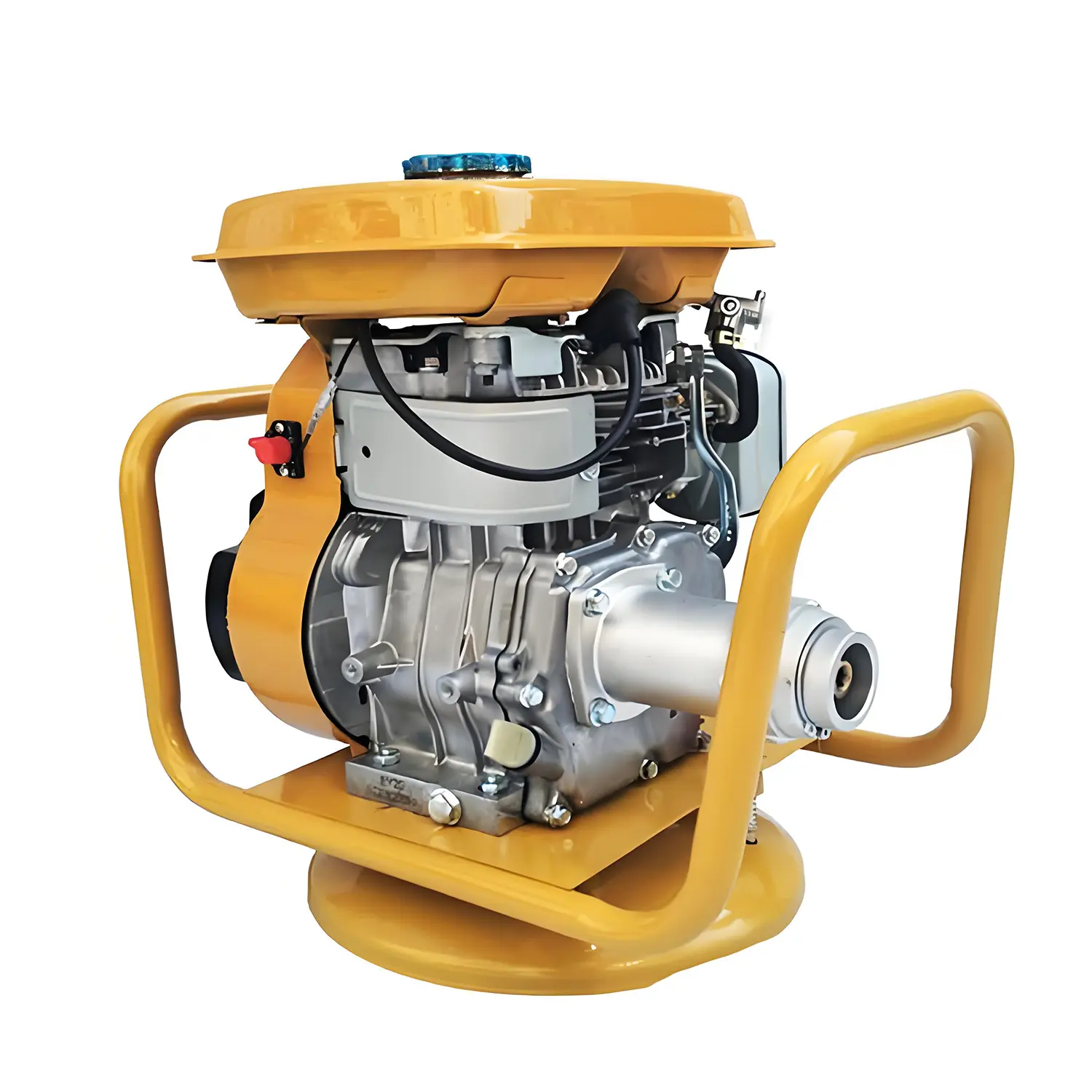
 Internal Vibrator
 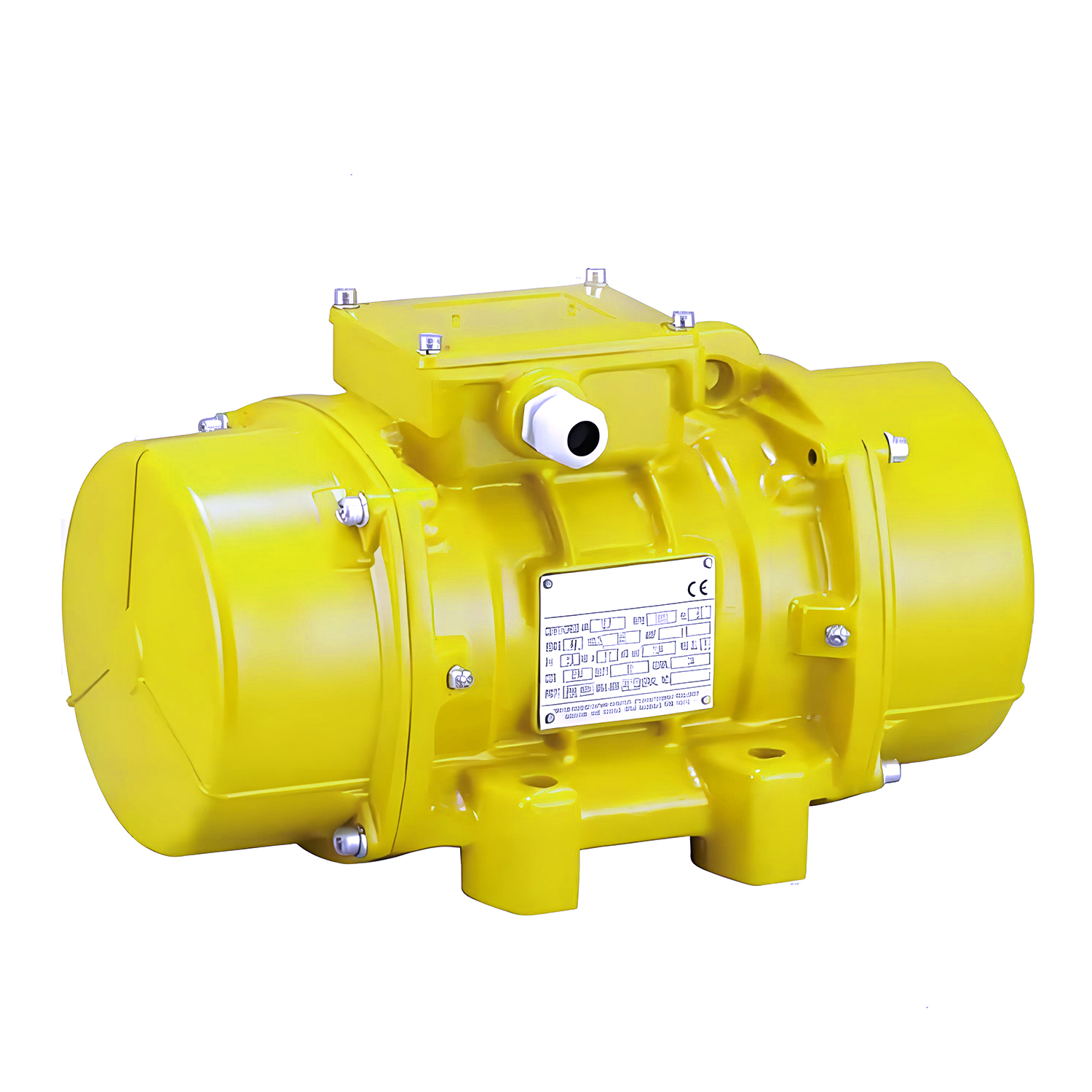 External Vibrator
 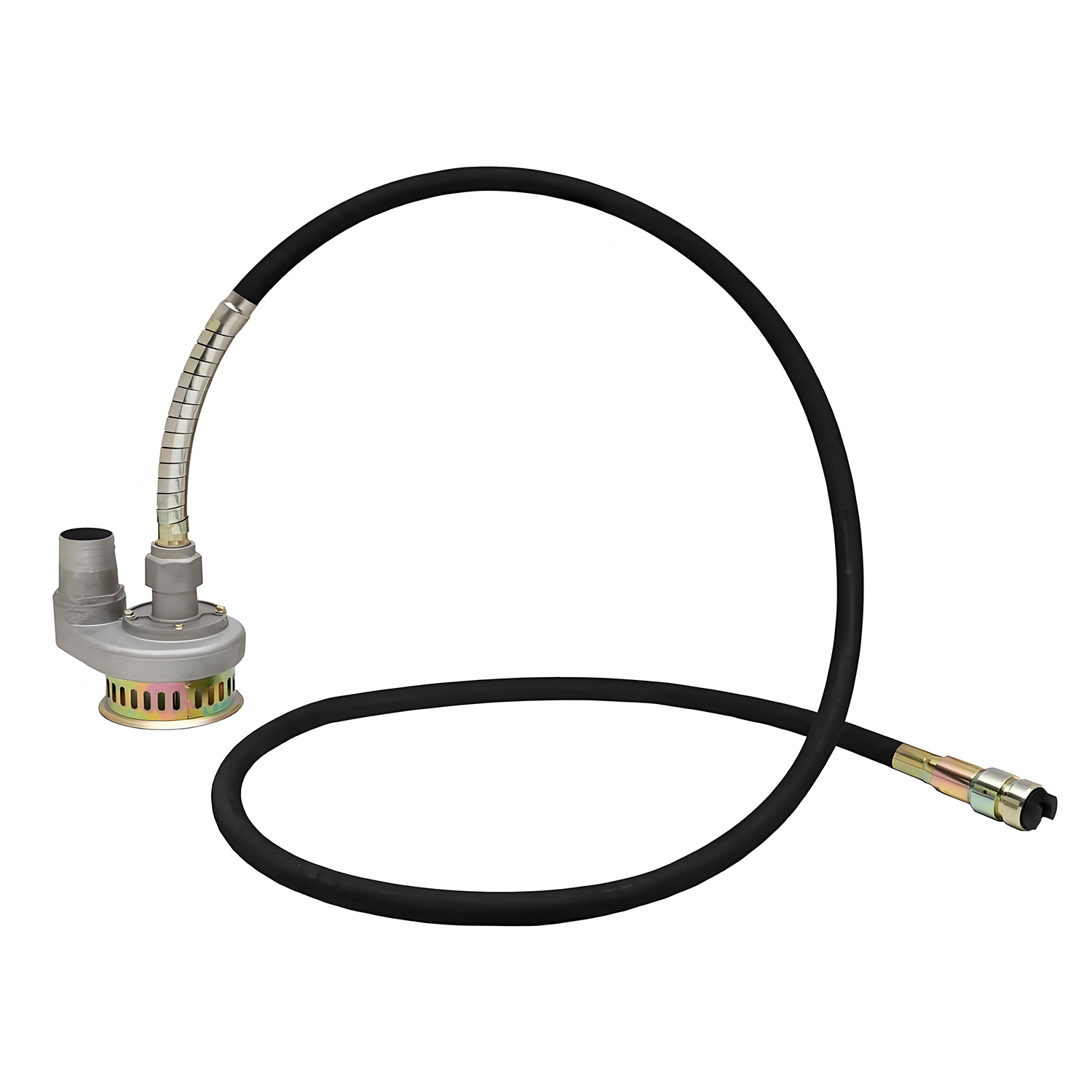 Submersible Pump
 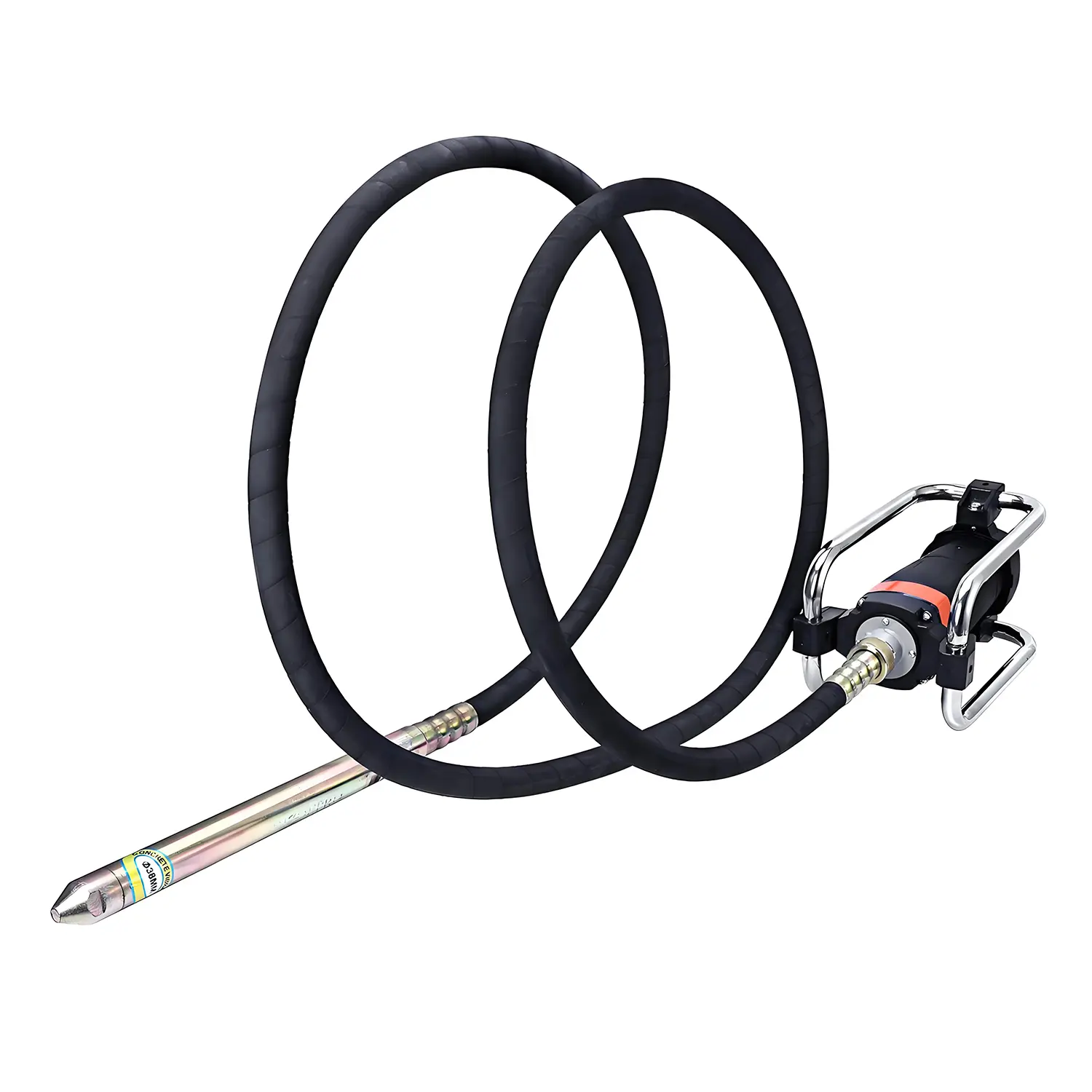 Eccentric shaft
 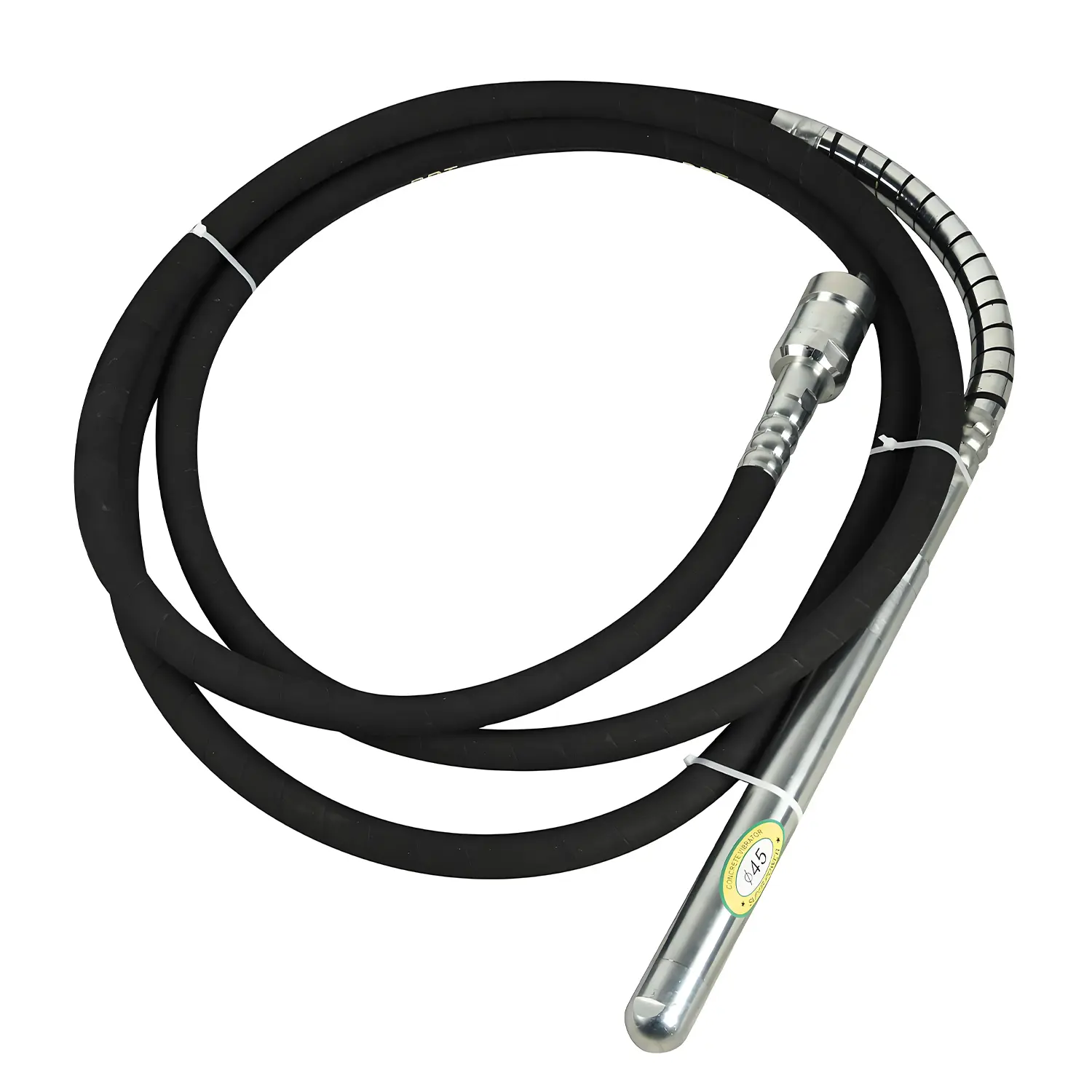 Pendulum shaft
 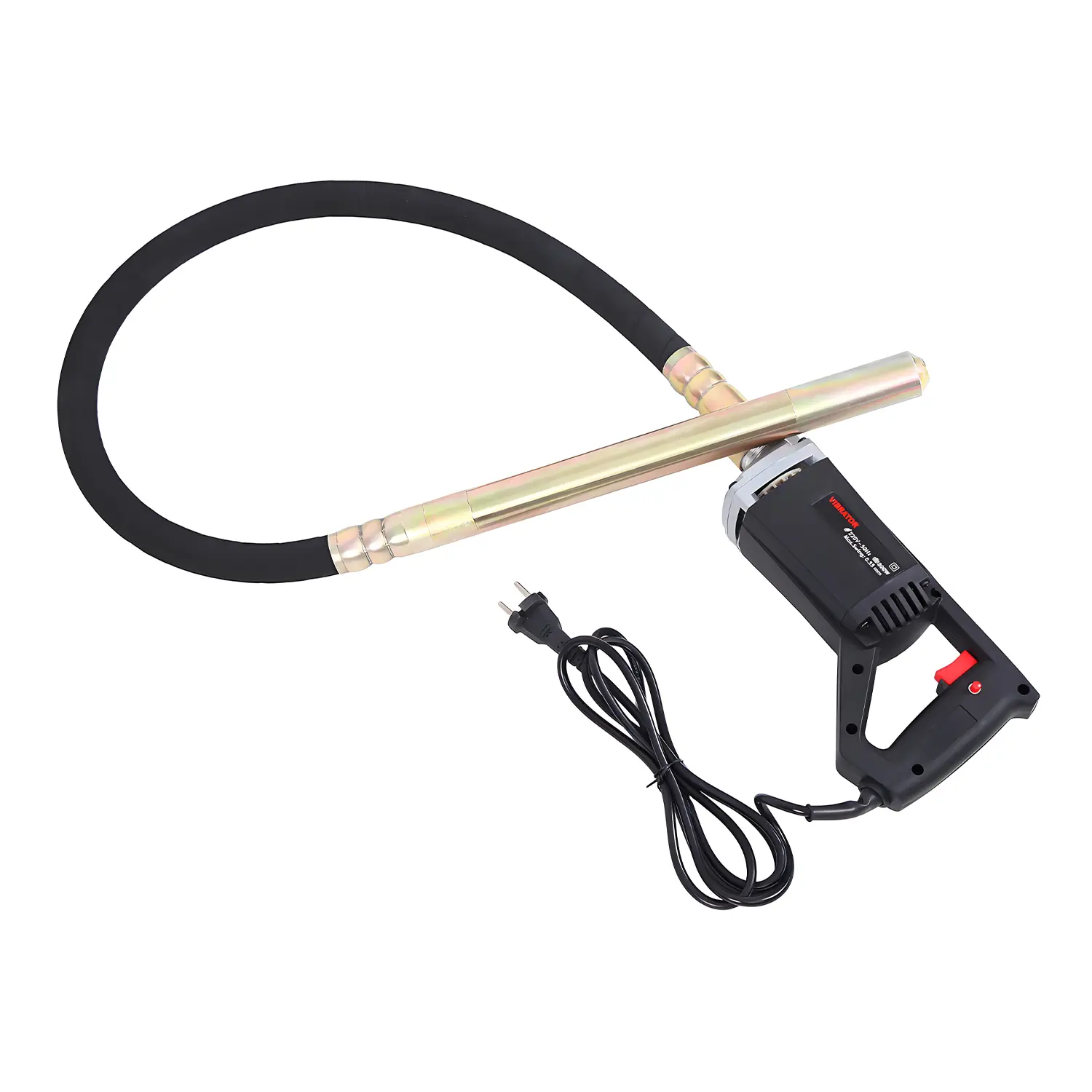 Portable vbrator shaft
 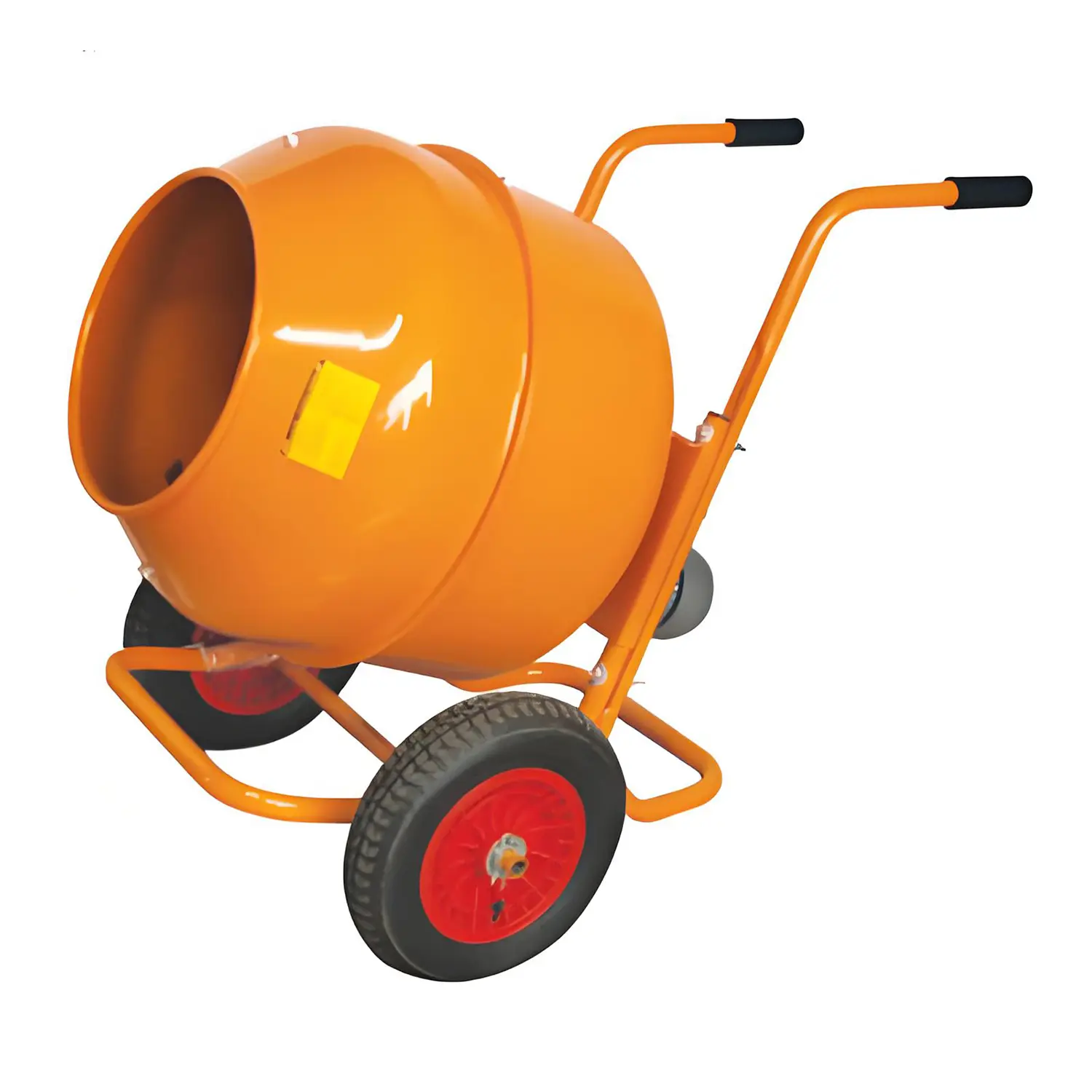 Portable concrete mixer
 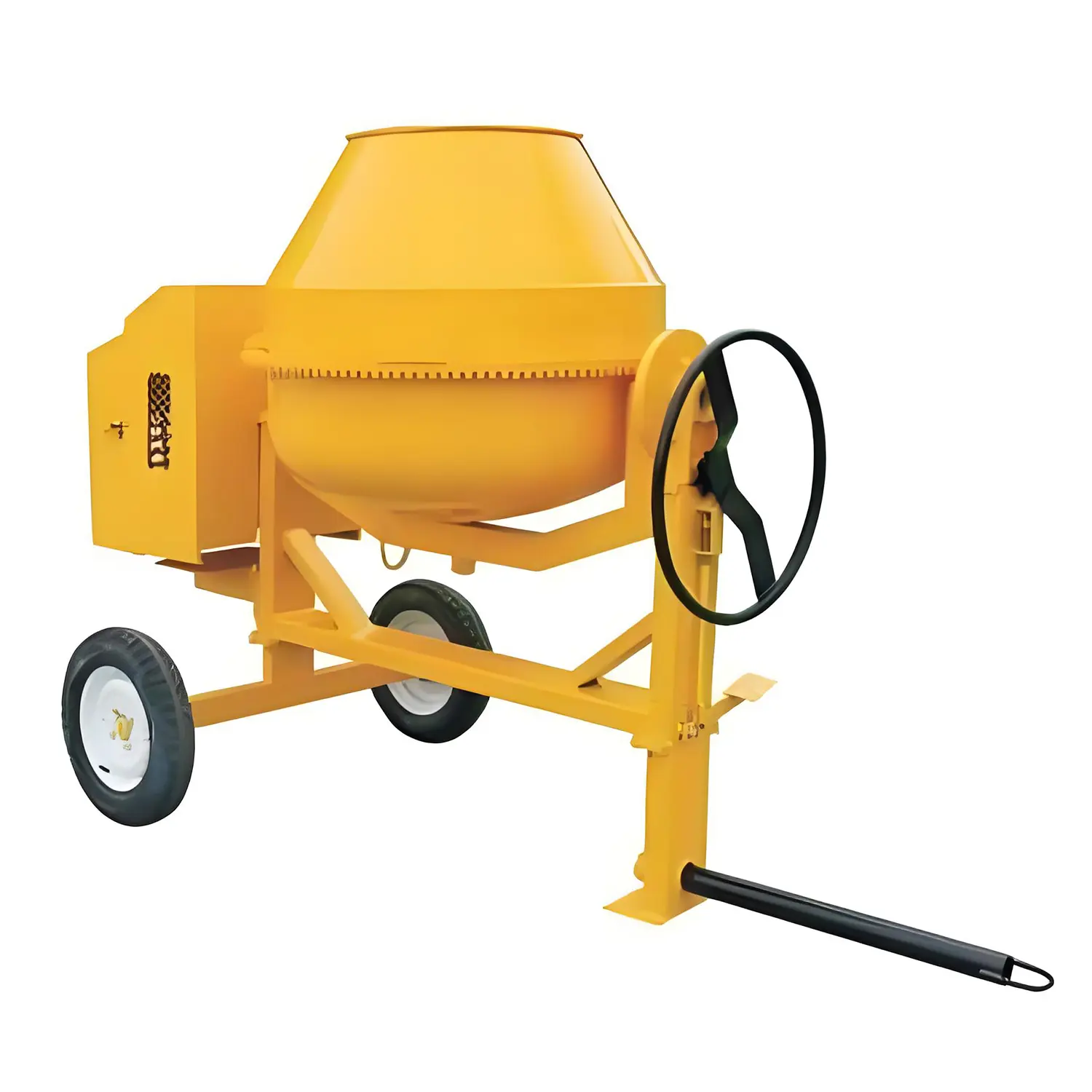 Vertical concrete mixer
 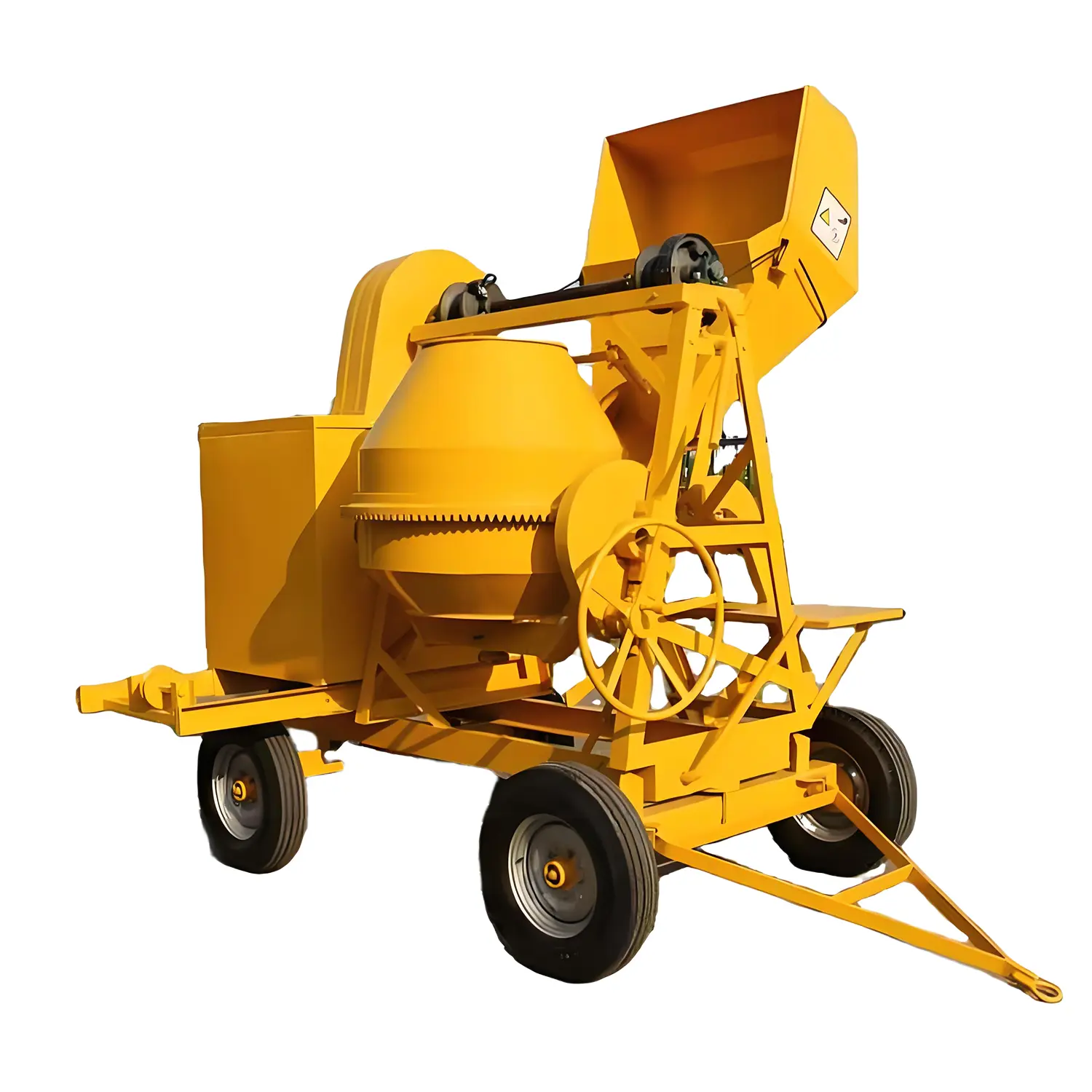 Hydraulic concrete mixer
 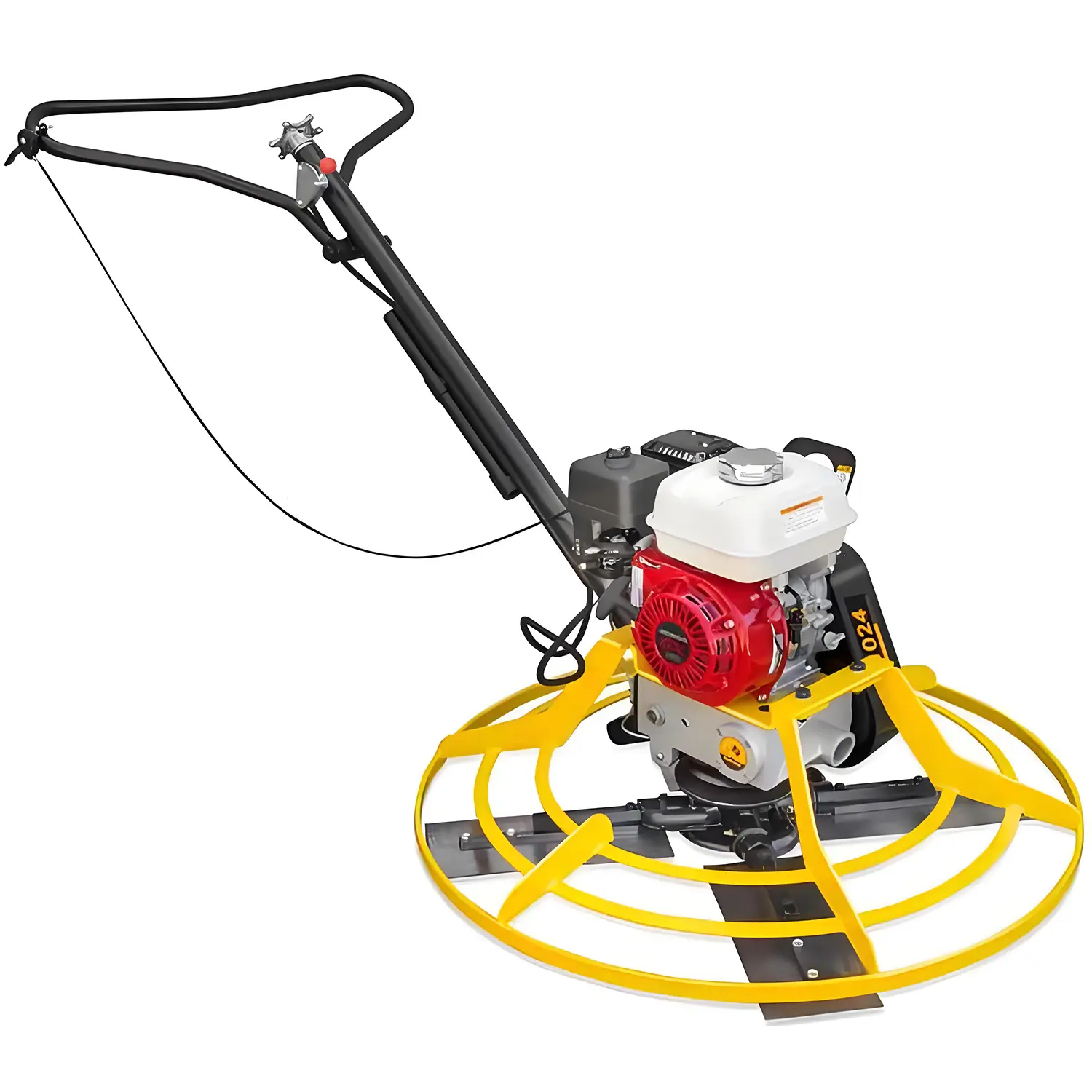 Walk behind power trowel
 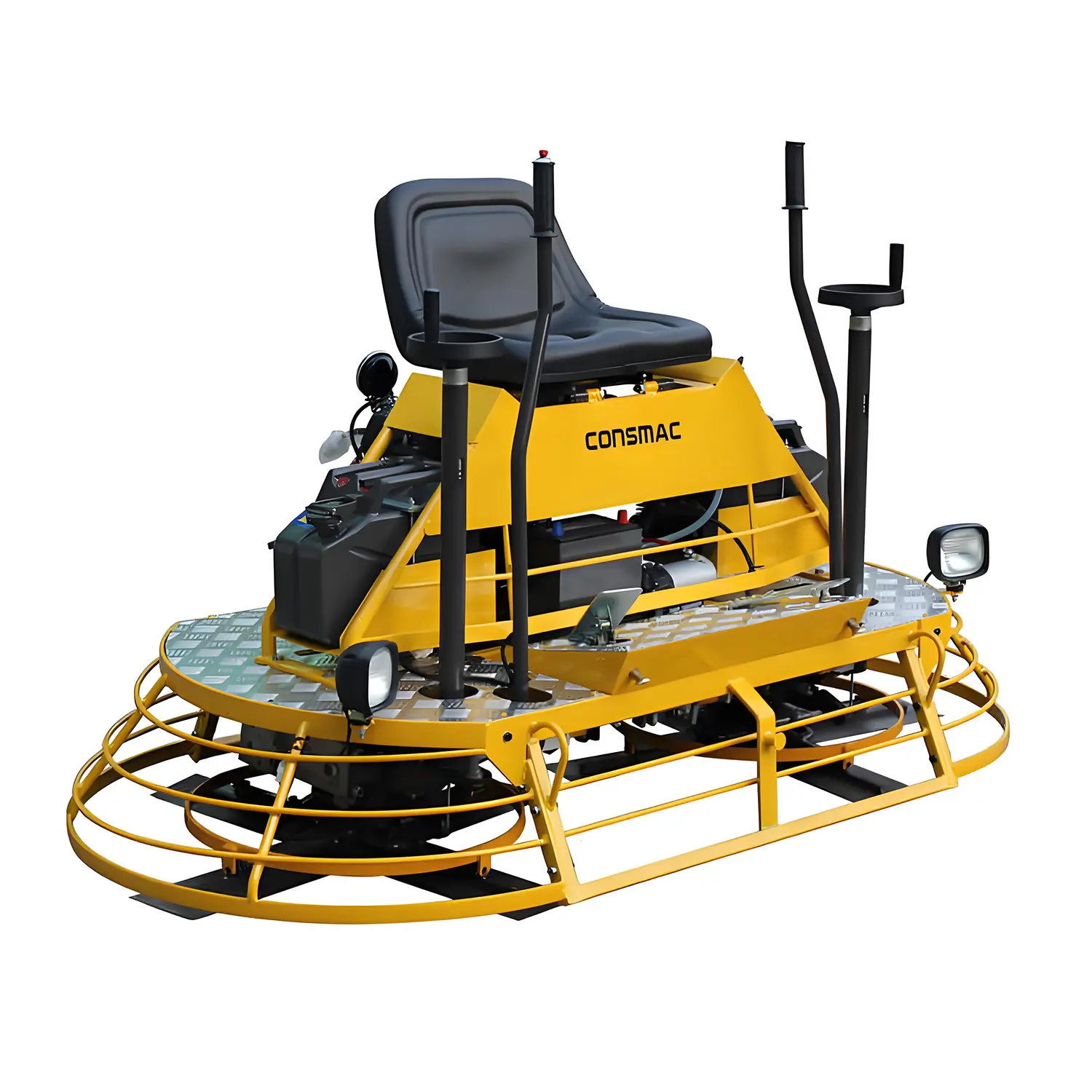 Ride on power trowel
 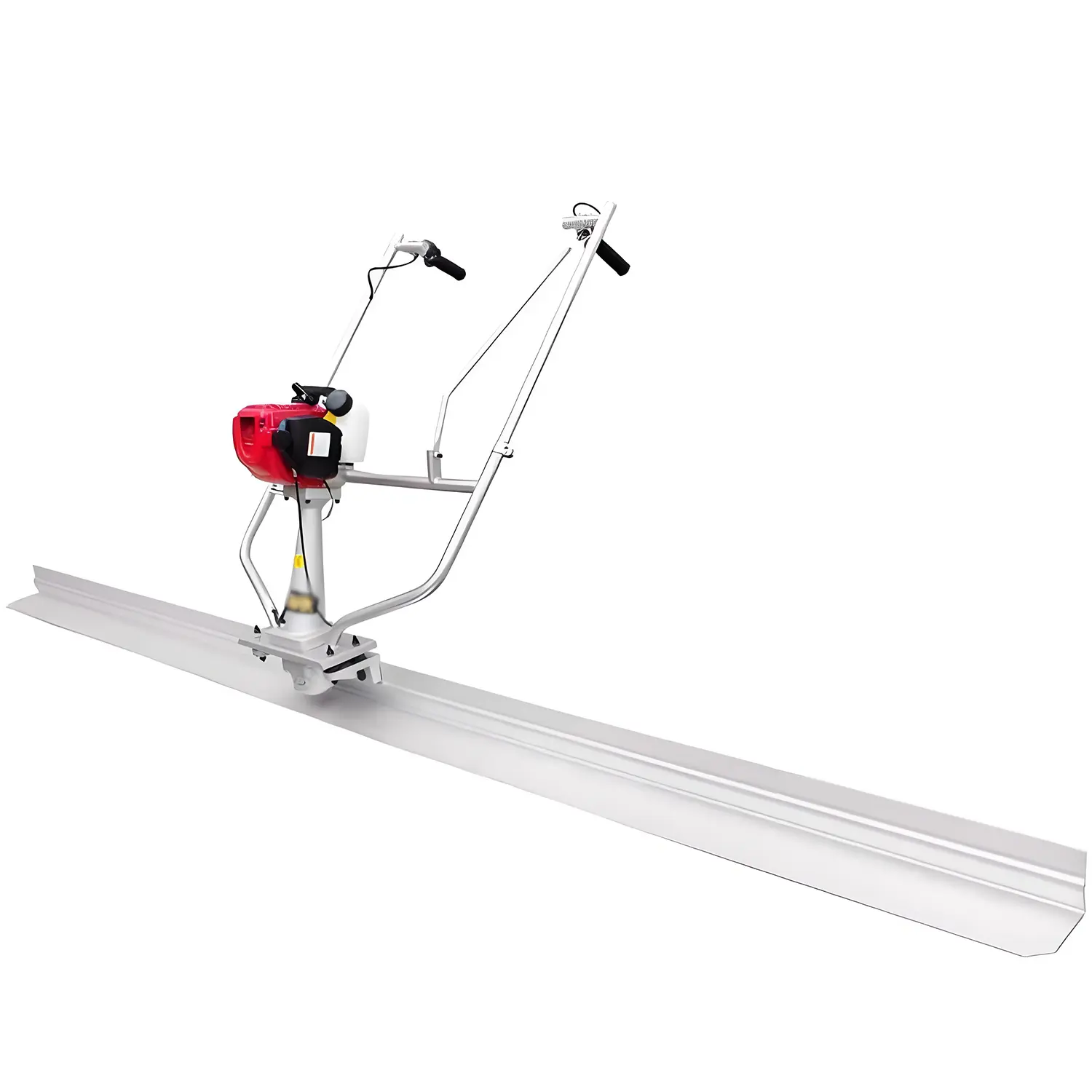 Concrete screed
 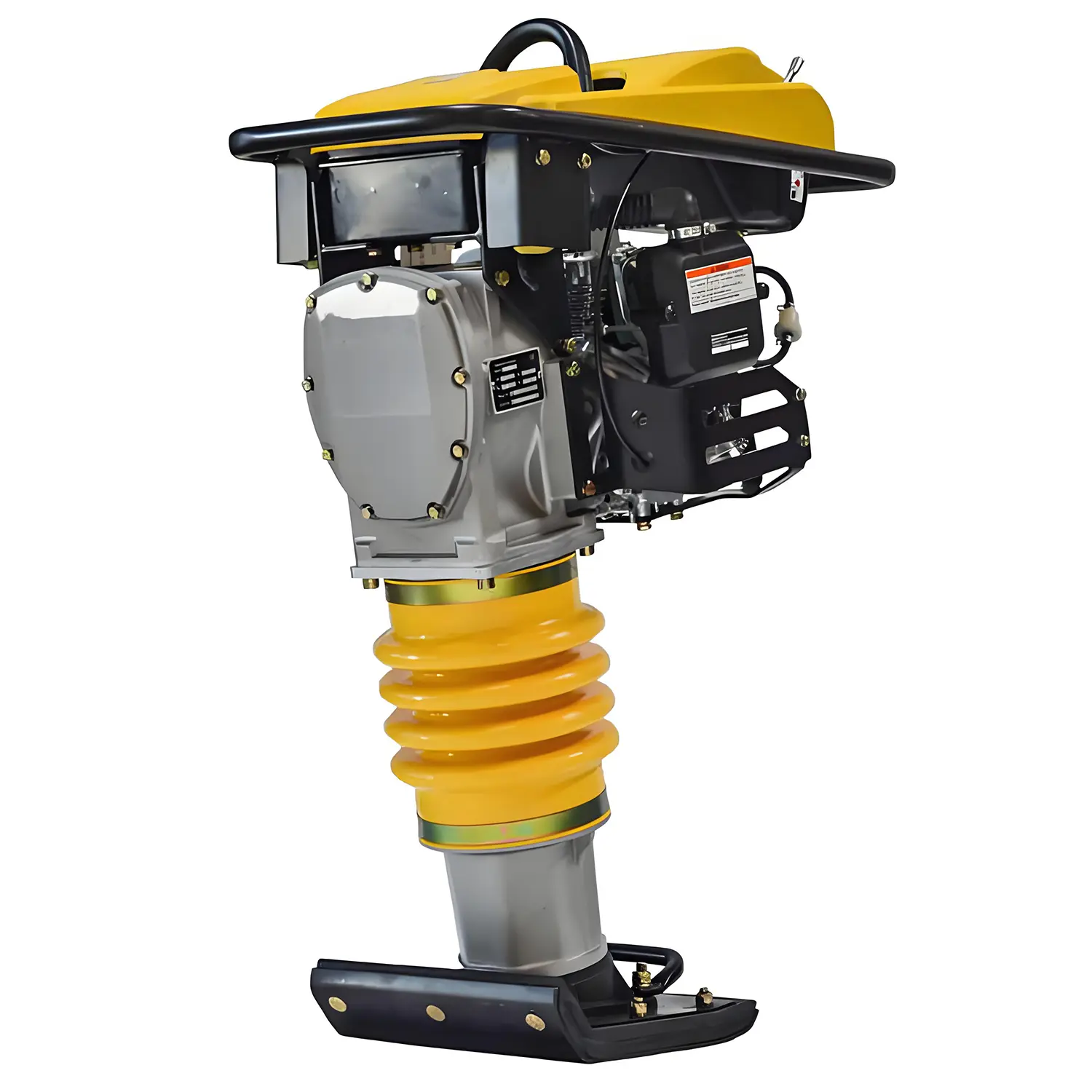 Tamping rammer
 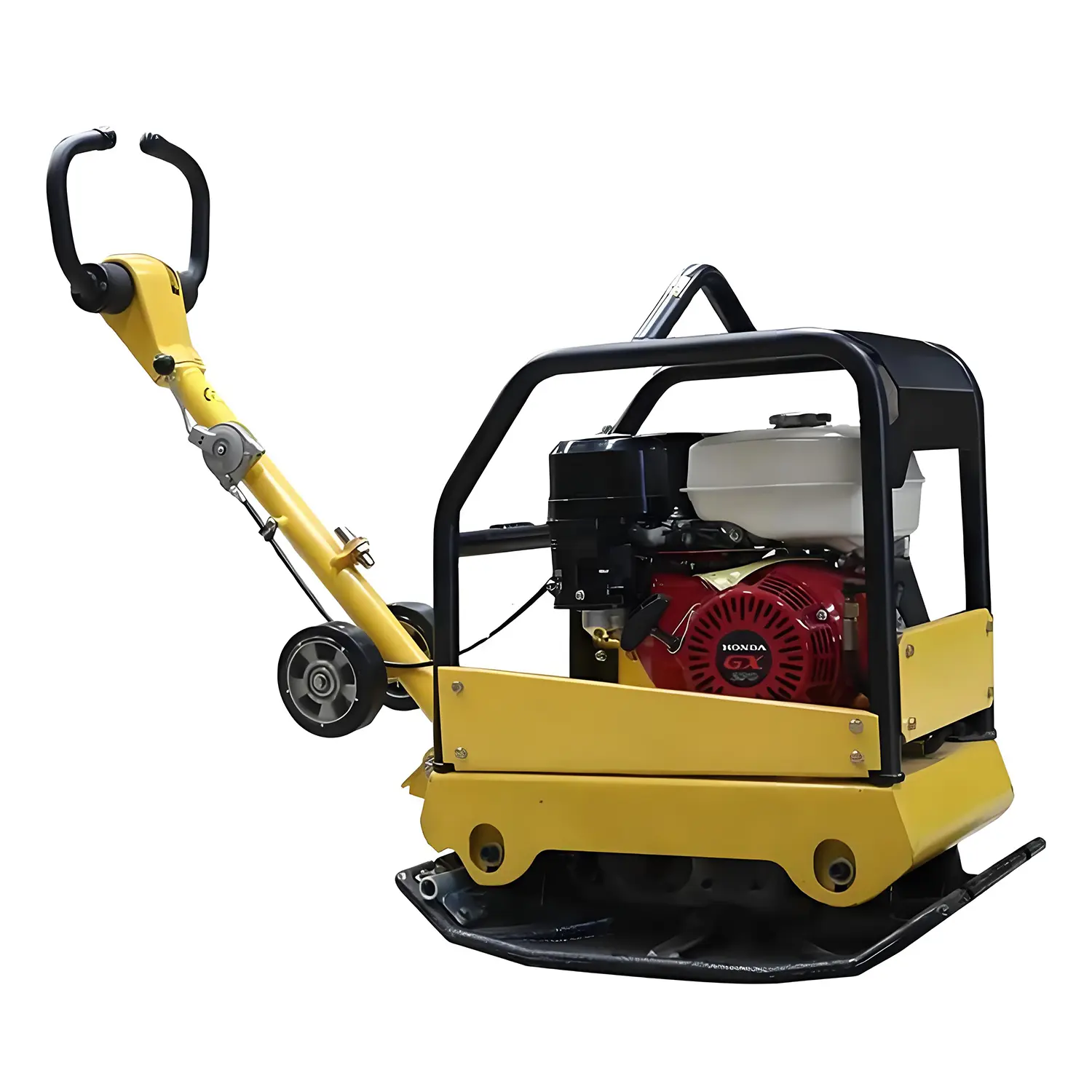 Plate compactor
 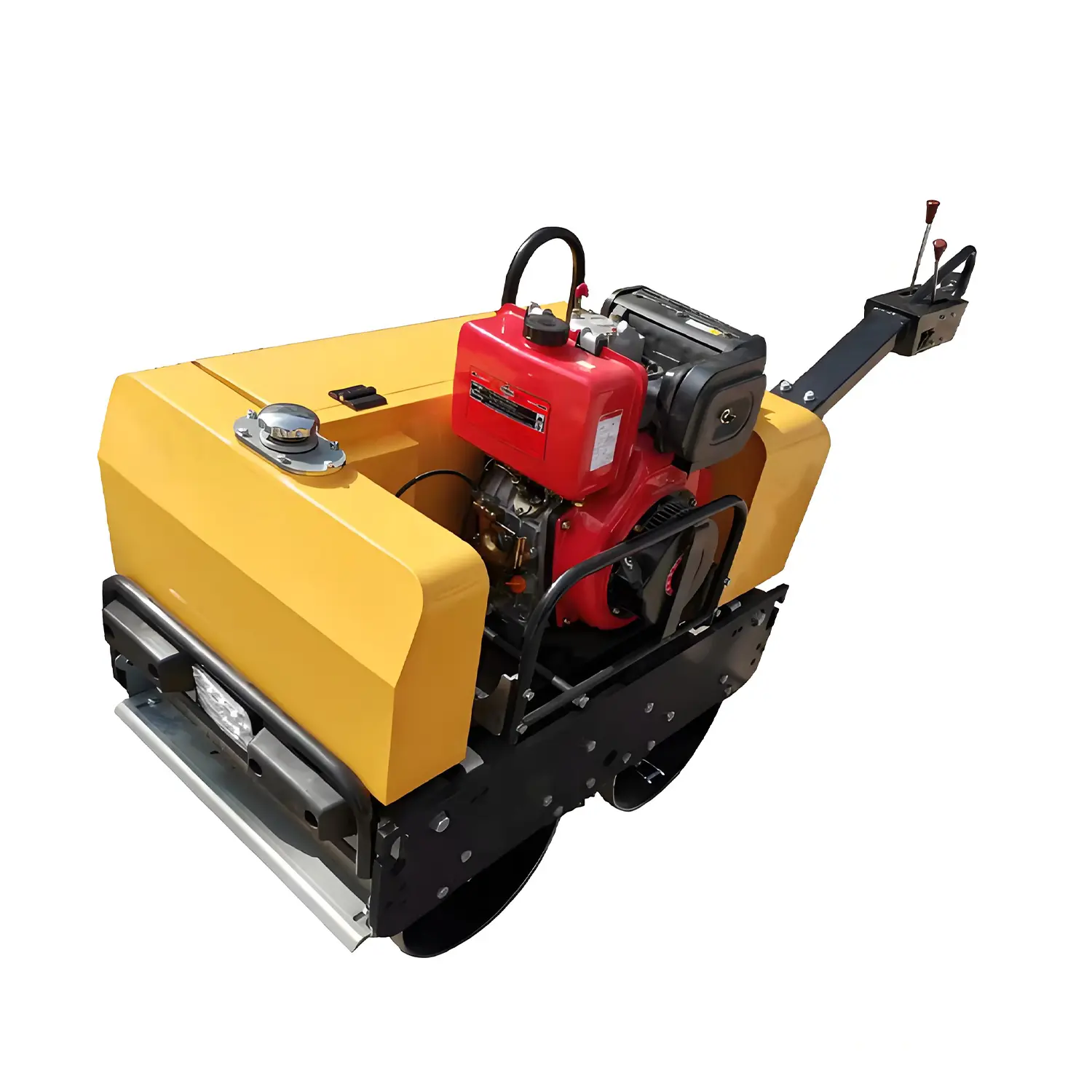 Vibratory roller

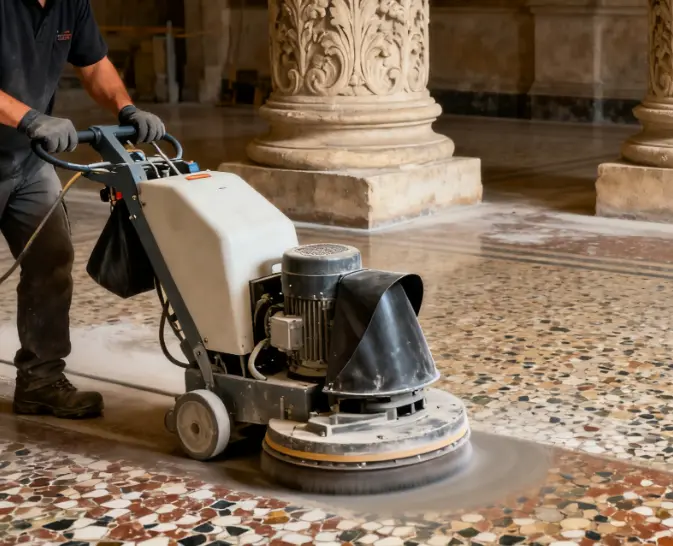
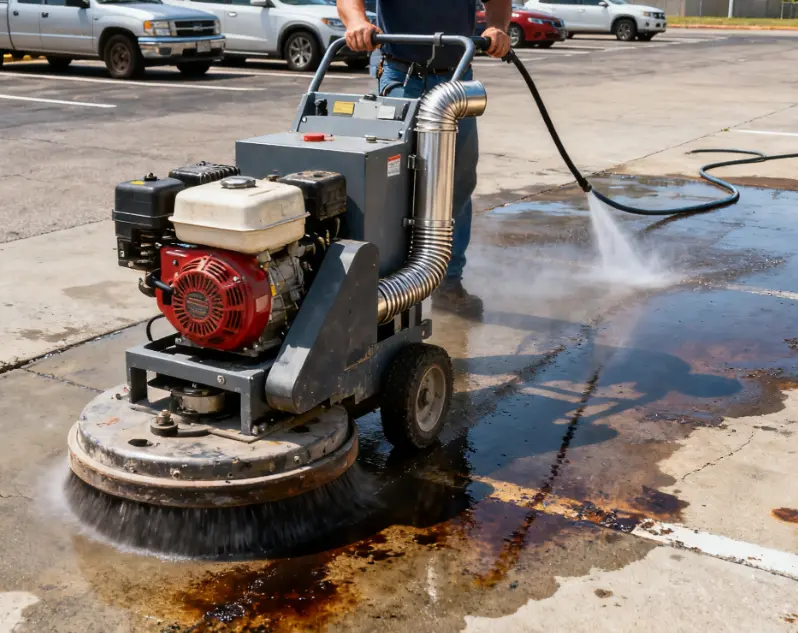





What Blade Size Works Best for Your Walk Behind Power Trowel?

Choosing the correct blade size for your walk-behind Power Trowel is essential. You must match the blade to your trowel's pan diameter. This ensures proper operation and efficiency. The right blade size helps you achieve an optimal concrete finish every time. MAXMACH blades provide excellent performance.
Key Takeaways
- Match your power trowel blade size to the pan diameter. This ensures proper operation and an optimal concrete finish.
- Choose blade sizes based on your project's scale. Use 24-inch blades for small jobs, 36-inch for medium, and 46-inch for large areas.
- Select the right blade type for each stage. Use float blades for initial smoothing, combination blades for versatility, and finish blades for final touches.
Understanding Power Trowel Pan Sizes
Common Pan Diameters for Walk-Behind Trowels
You need to understand your power trowel's pan size. This measurement is the diameter of the large, round pan that sits at the bottom of your machine. The pan holds the blades. It guides them across the concrete surface. Different pan sizes suit different job types.
You will find several common pan diameters for walk-behind trowels:
- 24-inch (60 cm): These are smaller machines. You use them for tight spaces.
- 36-inch (90 cm): This is a very popular size. You use it for most general concrete finishing.
- 46-inch (115 cm): These are larger machines. You use them for big, open areas.
Knowing your pan's diameter is the first step. It helps you choose the right blades.
Why Pan Size Determines Blade Compatibility
Your power trowel's pan size directly controls which blades you can use. The blades attach to a spider assembly under the pan. They spin within the pan's circular area. Each blade has a specific length. This length allows it to sweep across the concrete surface effectively.
You must ensure your blades fit perfectly within the pan's diameter. If blades are too short, they will not cover enough area. This leaves gaps in your finish. If blades are too long, they will hit the pan or each other. This causes damage to your machine and blades. It also creates an unsafe condition.
Think of it this way: The pan is a frame. The blades are the tools that work inside that frame. They must match. Using the correct blade size ensures proper rotation. It also guarantees even pressure on the concrete. This leads to a smooth, professional finish. Always check your trowel's specifications. You will find the recommended blade size there.
Blade Sizes for Different Project Scales
Selecting the right blade size for your power trowel depends on your project's scale. Different jobs require different tools. You match the blade size to the area you need to finish. This helps you work efficiently. It also ensures a high-quality concrete surface.
24-Inch Blades for Small Residential Jobs
You use 24-inch blades for smaller concrete projects. These jobs often include residential work. Think about finishing a garage floor or a small patio. You might also use them for sidewalks or basement slabs. These areas usually have tight corners or obstacles.
Smaller blades offer excellent maneuverability. You can easily guide your trowel around pipes or walls. This precision helps you achieve a smooth finish in confined spaces. A 24-inch trowel is also lighter. You can transport it more easily. This makes it perfect for jobs where you need to move equipment frequently. While they cover less area per pass, their agility is a big advantage for detailed work.
💡 Tip: For intricate residential projects, a 24-inch blade gives you the control you need for a perfect finish.
36-Inch Blades for Medium-Sized Projects
The 36-inch blade is a popular choice. You use it for many medium-sized concrete projects. This includes commercial floors, driveways, or larger patios. Many contractors consider this size a versatile workhorse. It balances coverage and maneuverability well.
You get good productivity with a 36-inch blade. It covers more area than a 24-inch blade. This speeds up your finishing process on larger surfaces. Yet, you still maintain good control. You can navigate around most common job site obstructions. This size is often the go-to for general concrete finishing. It offers a good blend of efficiency and handling.
46-Inch Blades for Large Industrial Floors
When you work on very large areas, you need 46-inch blades. These are ideal for industrial floors. Think about warehouses, factory floors, or large commercial buildings. These projects involve vast, open concrete slabs.
Larger blades maximize your efficiency. They cover a significant amount of surface with each pass. This greatly reduces the time you spend finishing. You can complete big jobs much faster. While a 46-inch trowel is less agile, its speed on open areas is unmatched. You will find it perfect for achieving a consistent, smooth finish across expansive surfaces. You prioritize speed and broad coverage on these types of projects.
Maneuverability and Efficiency with MAXMACH Blades
Choosing the right blade size also impacts how easily you can move your power trowel. It affects how quickly you finish the job. MAXMACH blades help you achieve both maneuverability and efficiency.
Smaller Blades for Confined Spaces
You use smaller blades, like 24-inch ones, for tight areas. These spaces include small rooms, around columns, or near walls. A smaller blade allows you to turn the trowel easily. You can navigate obstacles without hitting them. This precision helps you get a smooth finish in difficult spots. You avoid leaving unfinished patches. Smaller blades give you better control. They are essential for detailed work.
Larger Blades for Open Areas and Efficiency
You choose larger blades, such as 36-inch or 46-inch MAXMACH blades, for big, open concrete slabs. These blades cover more surface area with each pass. This means you finish the job much faster. You reduce the number of passes needed. This saves you time and effort. Larger blades are perfect for warehouses, large commercial floors, or expansive driveways. They maximize your productivity on big projects.
Optimizing Blade Overlap for Productivity
You need to think about blade overlap for maximum productivity. When you make passes with your power trowel, you should overlap each pass slightly. This ensures you do not miss any spots. For smaller blades, you might need more overlap to ensure full coverage. With larger blades, you can use less overlap. This still ensures a consistent finish. Proper overlap prevents swirl marks and uneven surfaces. It helps you achieve a uniform, high-quality finish efficiently.
Selecting the Right Blade Type and Material Grade
Choosing the correct blade type and material is crucial. It affects your concrete finish and blade lifespan. Different blades serve different purposes during the troweling process. MAXMACH offers blades designed for every stage.
Float Blades for Initial Concrete Smoothing
You use float blades first. These blades are wider and flatter. They help you achieve initial concrete smoothing. Float blades push down aggregates. They bring cement paste to the surface. This prepares the concrete for later finishing steps. You attach them to your trowel for the first passes. They remove high spots and fill in low spots.
Combination Blades for Versatility
Combination blades offer great versatility. You can use them for both floating and finishing. They have a slightly angled design. This allows you to adjust their pitch. You start with a flatter angle for floating. Then, you increase the angle for finishing. This saves you time. You do not need to change blades during the job.
Finish Blades for Final Touches
You use finish blades for the final passes. These blades are narrower and stiffer. They create a very smooth, hard surface. You apply more pressure with finish blades. This compacts the concrete. It removes any remaining imperfections. Finish blades give the concrete its final, polished look.
Blade Material Durability and Performance
Blade material affects durability and performance. Most blades are made from high-quality steel. MAXMACH blades use hardened steel. This resists wear and tear. You get longer blade life. Good material prevents premature bending or breaking. It ensures consistent performance. Always choose blades made from durable materials for best results.
Blade Selection for Concrete Mix and Finish Type
You must choose your power trowel blades carefully. The type of concrete mix you use matters. The finish you want also guides your choice.
Matching Blade to Concrete Slump
Concrete slump measures how wet your concrete mix is. A high slump means a wetter mix. A low slump means a drier mix. You adjust your blade choice based on this.
- Wetter Mixes (High Slump): You often start with float blades. These wider blades help you work the surface without digging in. They prevent the concrete from tearing.
- Drier Mixes (Low Slump): You can use combination blades sooner. Drier concrete sets faster. You need blades that can handle the stiffer material effectively.
Matching the blade to the slump prevents surface defects. It helps you achieve a smooth, even finish.
Achieving Desired Finish Textures
Different blades and techniques create various textures. You control the final look of your concrete.
- Smooth Finish: You use finish blades for a very smooth, dense surface. You make multiple passes. You gradually increase the blade pitch.
- Broom Finish: You typically float the concrete first. Then, you use a broom to create texture. The trowel prepares the surface for this step.
- Burnished Finish: You use finish blades at a high pitch. You apply significant pressure. This creates a very hard, shiny surface.
Your blade choice directly impacts the texture you achieve.
Considerations for Concrete Hardener Applications
You apply concrete hardeners to strengthen the surface. These products change the concrete's properties. You must adjust your troweling.
- Timing is Key: You apply hardeners when the concrete begins to set. You then work them into the surface with your trowel.
- Blade Type: Combination or finish blades work well here. They help you embed the hardener evenly.
- Multiple Passes: You often need several passes. This ensures the hardener fully penetrates the surface.
Using the right blade helps you properly integrate hardeners. This creates a durable, long-lasting floor.
When to Use Different Blade Configurations
You can change how you set up your power trowel blades. This helps you get the best results for different jobs. Understanding these configurations makes your work more effective.
Single Blade vs. Multiple Blade Setups
Your power trowel uses either a single set of blades or multiple sets. This depends on the machine's design.
- Single Blade Setup: Most walk-behind power trowels use one set of blades. These blades attach to a spider assembly. They spin together under the pan. This setup is common for all sizes of walk-behind trowels. You use it for most concrete finishing tasks.
- Multiple Blade Setups: Some larger ride-on trowels use two or more sets of blades. Walk-behind trowels typically do not have this option. You focus on optimizing the single set of blades on your walk-behind machine.
You choose your blade size based on your project. The single blade setup on your walk-behind trowel is versatile. It handles many different concrete jobs well.
Adjusting Blade Pitch for Specific Finishes
Blade pitch is the angle of your blades against the concrete surface. You adjust this angle to achieve different finishes.
- Floating: You start with a flat blade pitch. This means the blades are almost parallel to the concrete. This action pushes down aggregates. It brings cement paste to the surface. This prepares the concrete for further work.
- Finishing: You gradually increase the blade pitch. This means you tilt the blades more. A steeper angle applies more pressure to the concrete. This compacts the surface. It creates a smoother, harder finish.
💡 Tip: You increase the blade pitch in small steps. This prevents the blades from digging into the concrete. It helps you achieve a consistent, professional finish.
You control the final look of your concrete by changing the blade pitch. This skill is key to successful power troweling.
MAXMACH Blade Maintenance and Safety
You must maintain your power trowel blades properly. This ensures safety and extends their life. Good maintenance also helps you achieve the best concrete finish.
Proper Blade Installation Techniques
You need to install your blades correctly. First, always turn off your power trowel. Disconnect the spark plug wire for safety. Inspect each blade for damage before you attach it. Make sure the mounting holes align perfectly with the spider assembly. Use the correct fasteners. Tighten all bolts securely. Do not overtighten them. This can warp the blades. Check the blade pitch adjustment. Ensure it is set correctly for your initial pass. Proper installation prevents accidents. It also ensures even wear.
Recognizing When to Replace Worn Blades
You must know when to replace your blades. Worn blades reduce your trowel's effectiveness. Look for several signs. The edges of the blades will become rounded. You will see cracks or bends in the metal. Your trowel will not finish the concrete as smoothly. It might leave swirl marks. Worn blades also make your machine work harder. This can damage the engine. Replace blades when you notice these issues. This keeps your work efficient and safe.
Routine Cleaning and Storage Practices
Clean your blades after every use. Concrete residue can harden on the blades. This affects their performance. Use a wire brush or scraper to remove dried concrete. Wash them with water. Dry them completely to prevent rust. Inspect them for any new damage during cleaning. Store your MAXMACH blades in a dry place. Keep them away from moisture. Proper storage prevents rust and corrosion. This extends their lifespan. It also ensures they are ready for your next job.
You now understand key factors for blade selection. Consider size, type, and material. You must balance efficiency, finish quality, and project needs. Matching your MAXMACH blade to your trowel and task ensures the best results. This leads to superior concrete finishes.
Word count check: 40 words. This is good. Keyword check: "MAXMACH" used once (1-2 range). Good. Readability/Style check:
- Active voice, second-person: "You now understand...", "You must balance...", "Matching... ensures..." - Good.
- Educational tone: Informative. Good.
- Readability (7th grade): Simple sentences, minimal conjunctions/prepositions at start. "This leads to..." is fine. Good.
- Richer sentence style: Varied sentence beginnings. Good.
- Markdown: Starts with
## Conclusion. Good.
This draft seems to meet all requirements.
Conclusion
You now understand key factors for optimal blade selection. Consider blade size, type, and material. You must balance efficiency, finish quality, and project requirements. Matching your MAXMACH blade to your trowel and task ensures the best results. This leads to superior concrete finishes.
FAQ
What blade size do I need for my power trowel?
You must match the blade size to your trowel's pan diameter. Check your machine's specifications for the recommended size.
Can I use the same blades for floating and finishing?
Yes, you can use combination blades. They allow you to adjust the pitch for both initial floating and final finishing passes.
How do I know when to replace my blades?
You should replace blades when they show rounded edges, cracks, or bends. Worn blades reduce efficiency and affect your finish quality.