
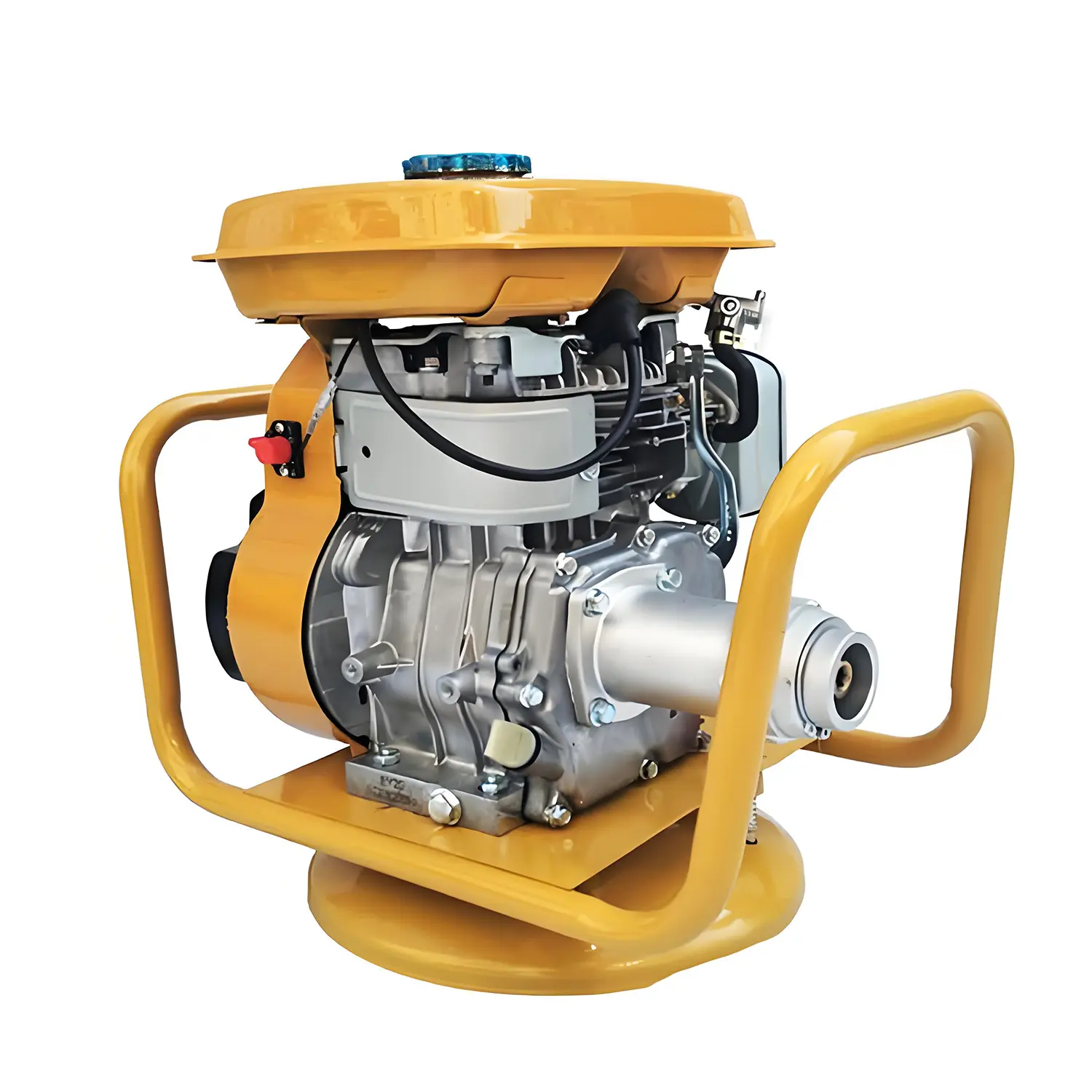
 Internal Vibrator
 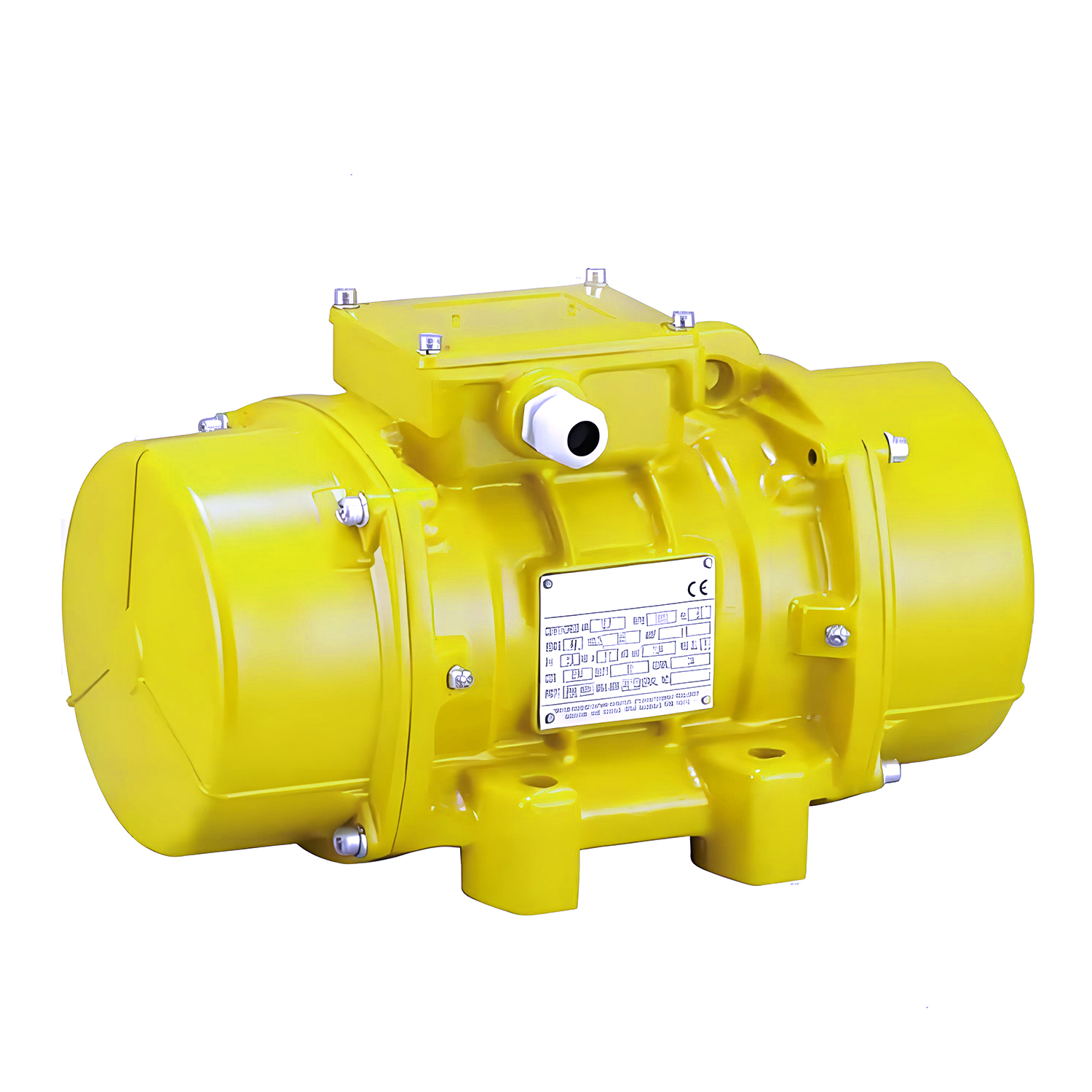 External Vibrator
 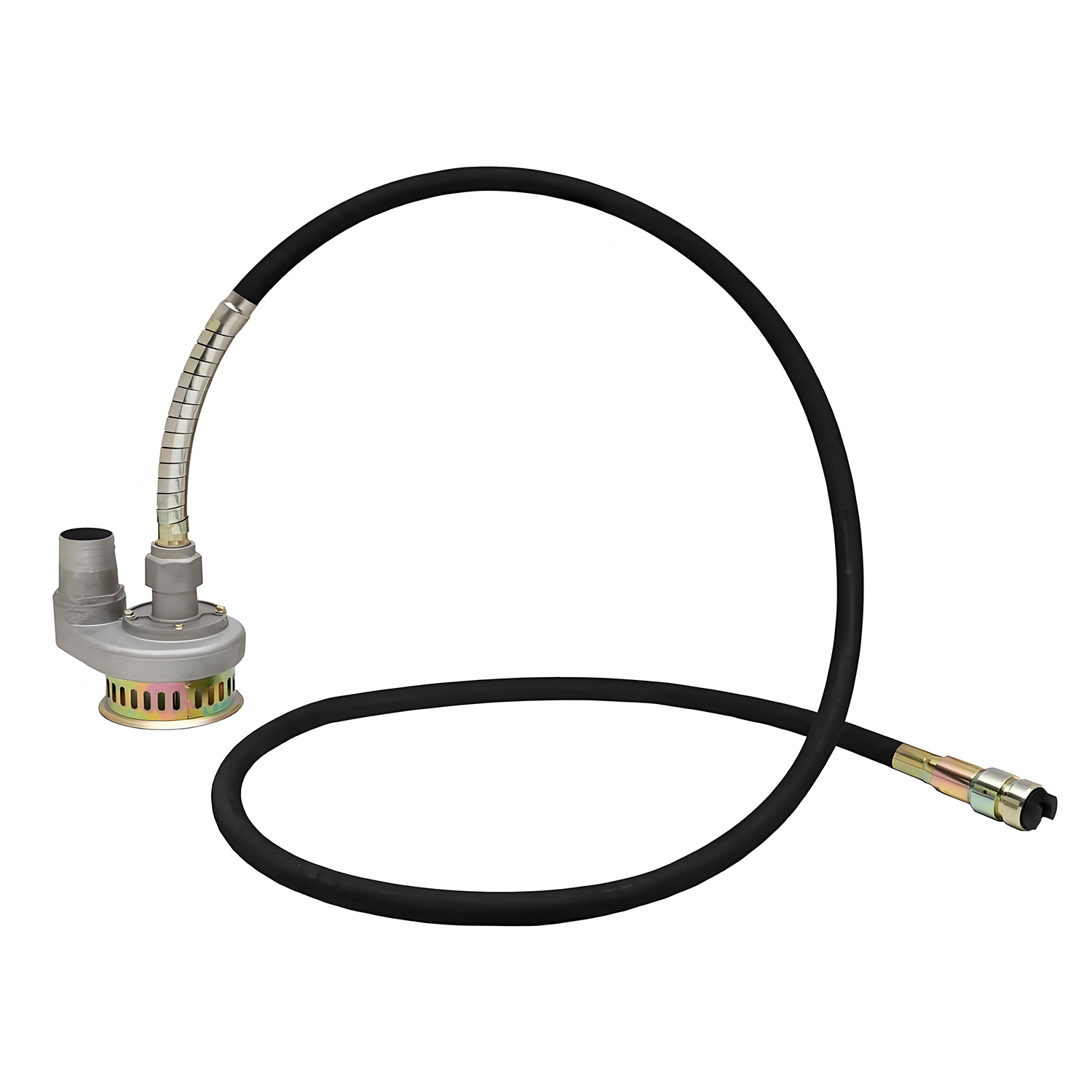 Submersible Pump
 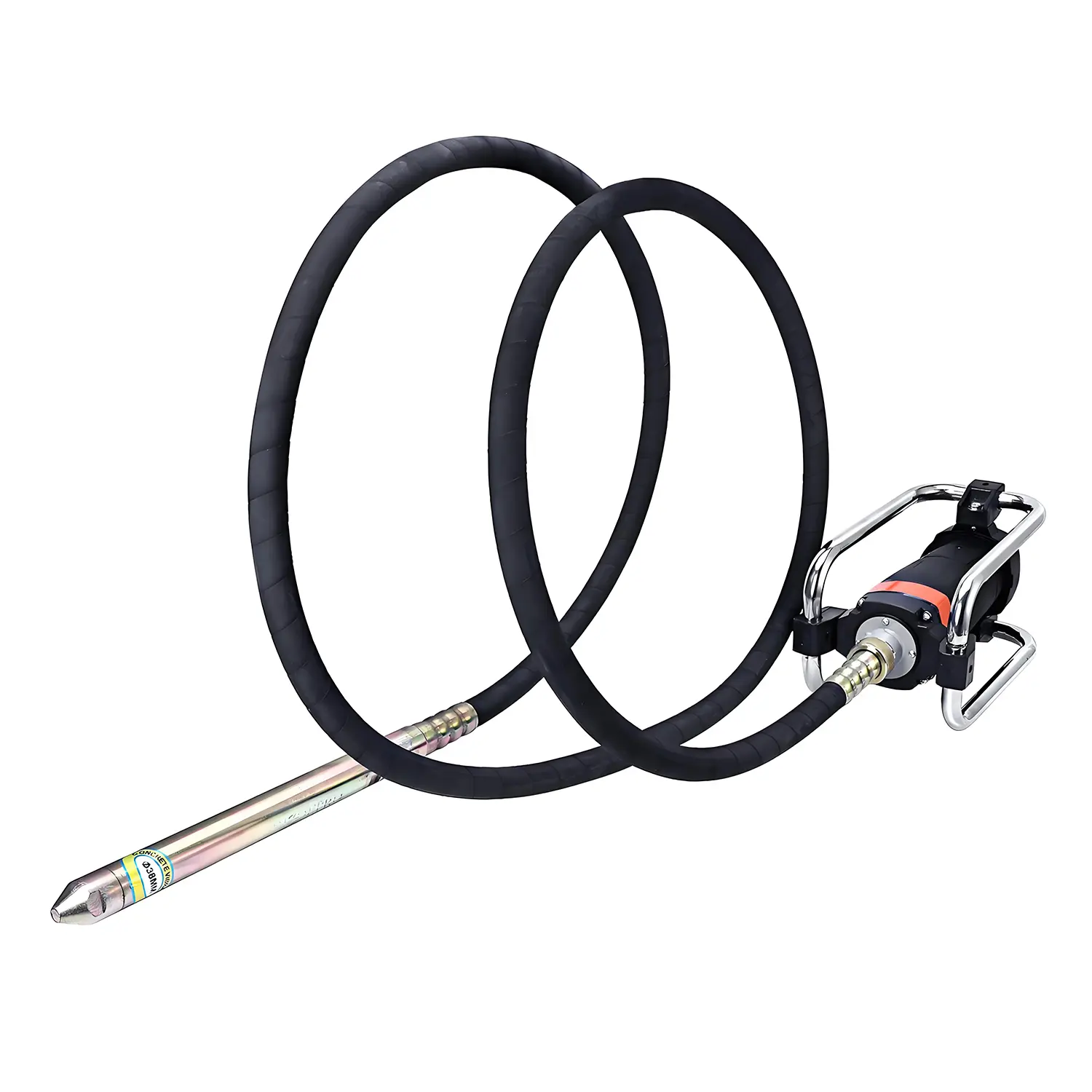 Eccentric shaft
 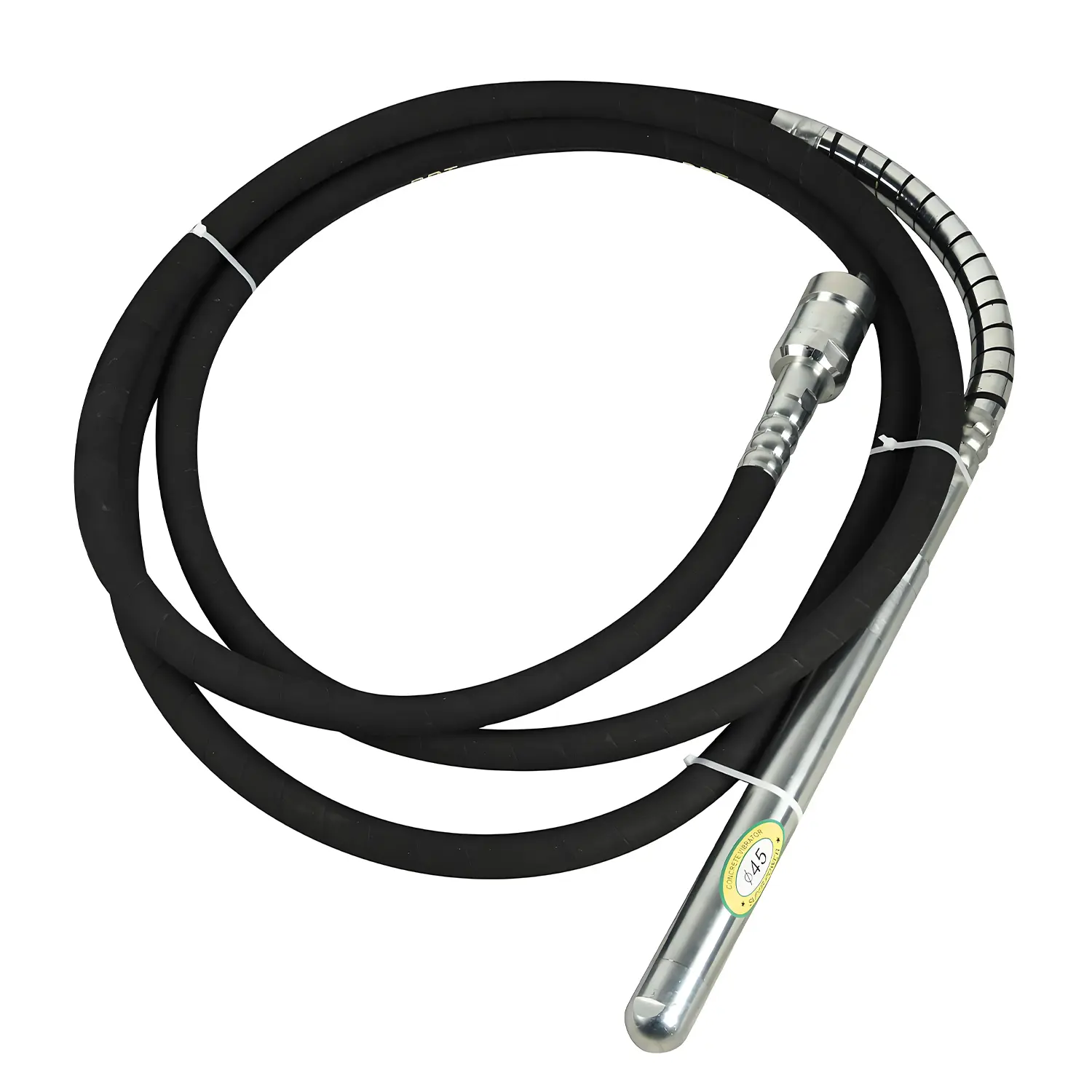 Pendulum shaft
 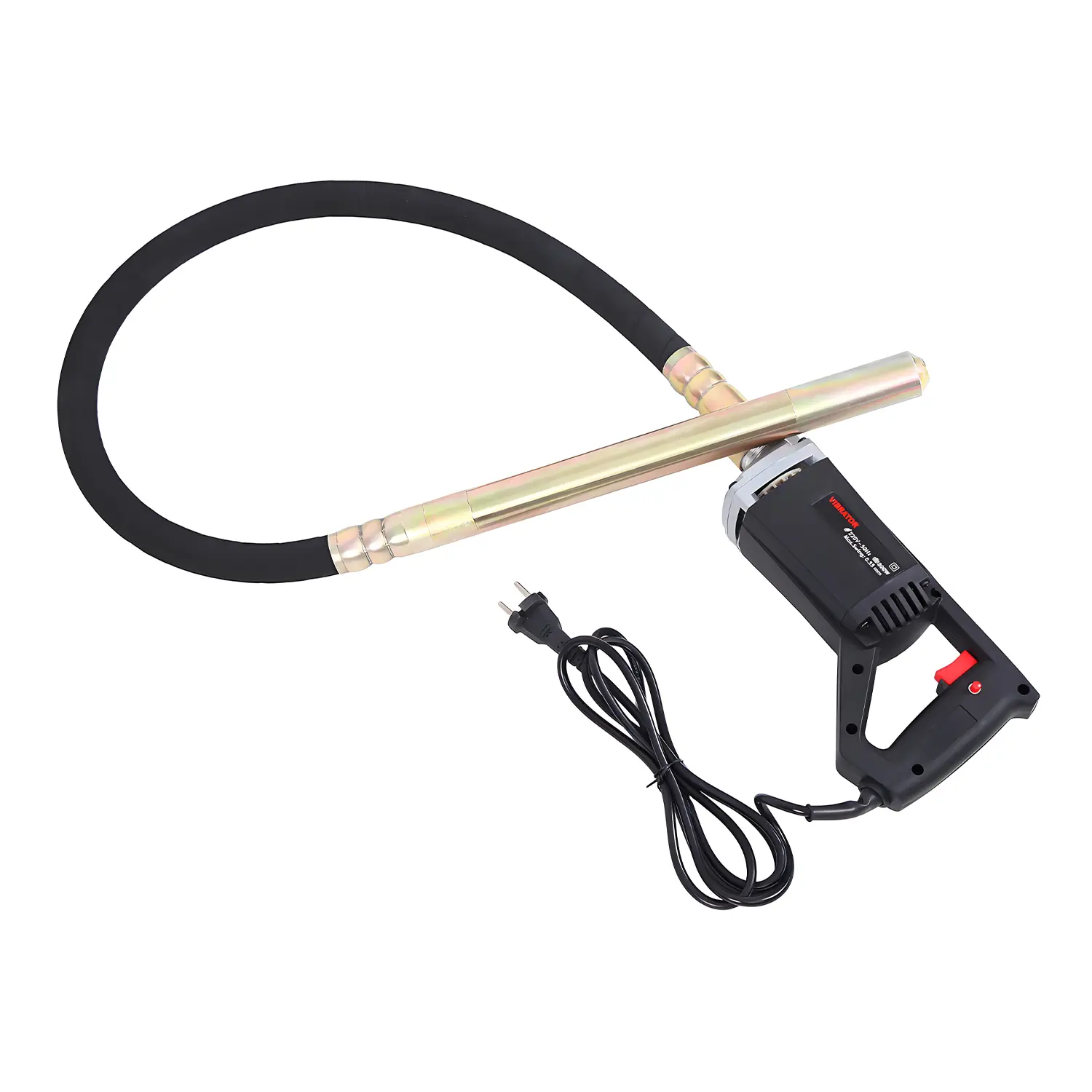 Portable vbrator shaft
 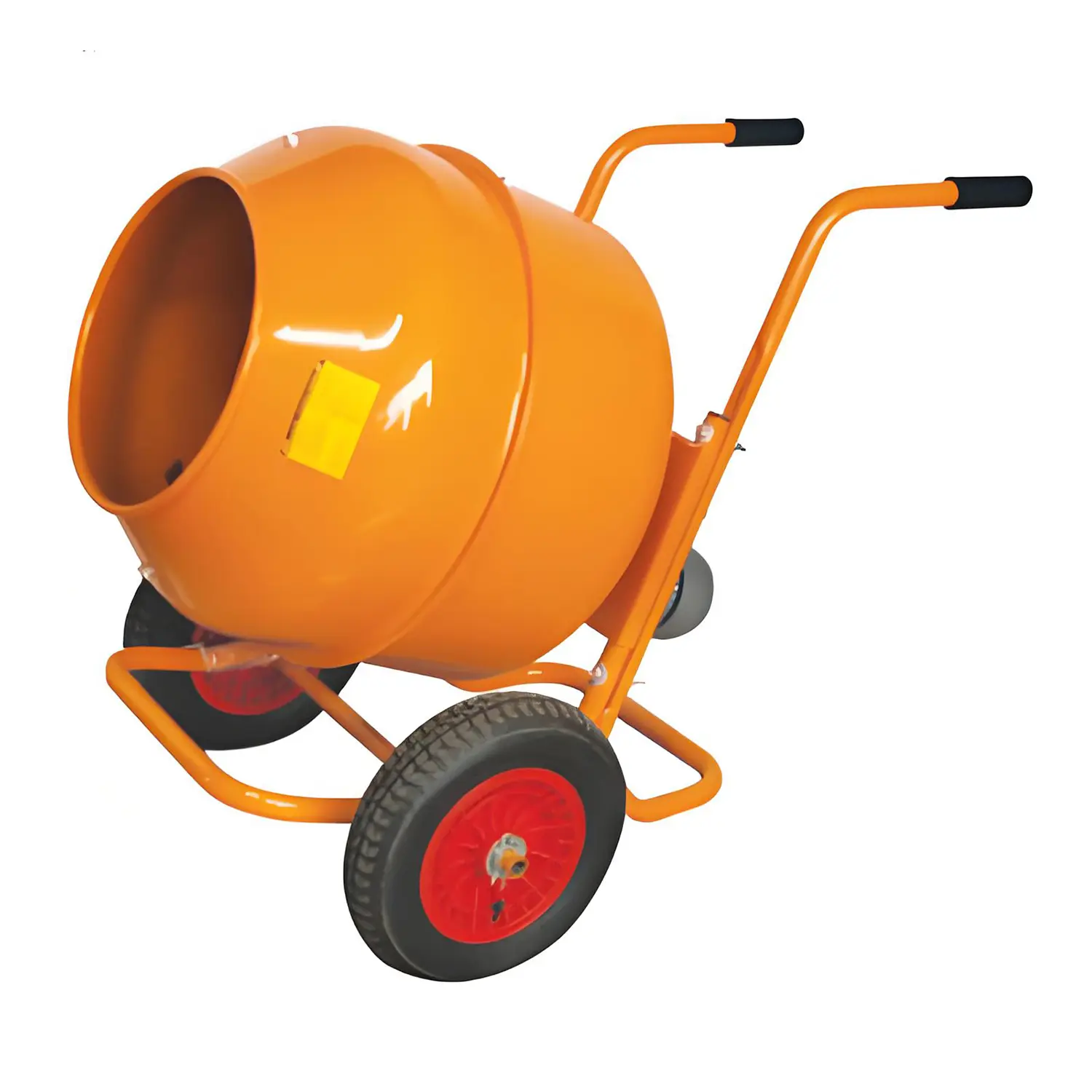 Portable concrete mixer
 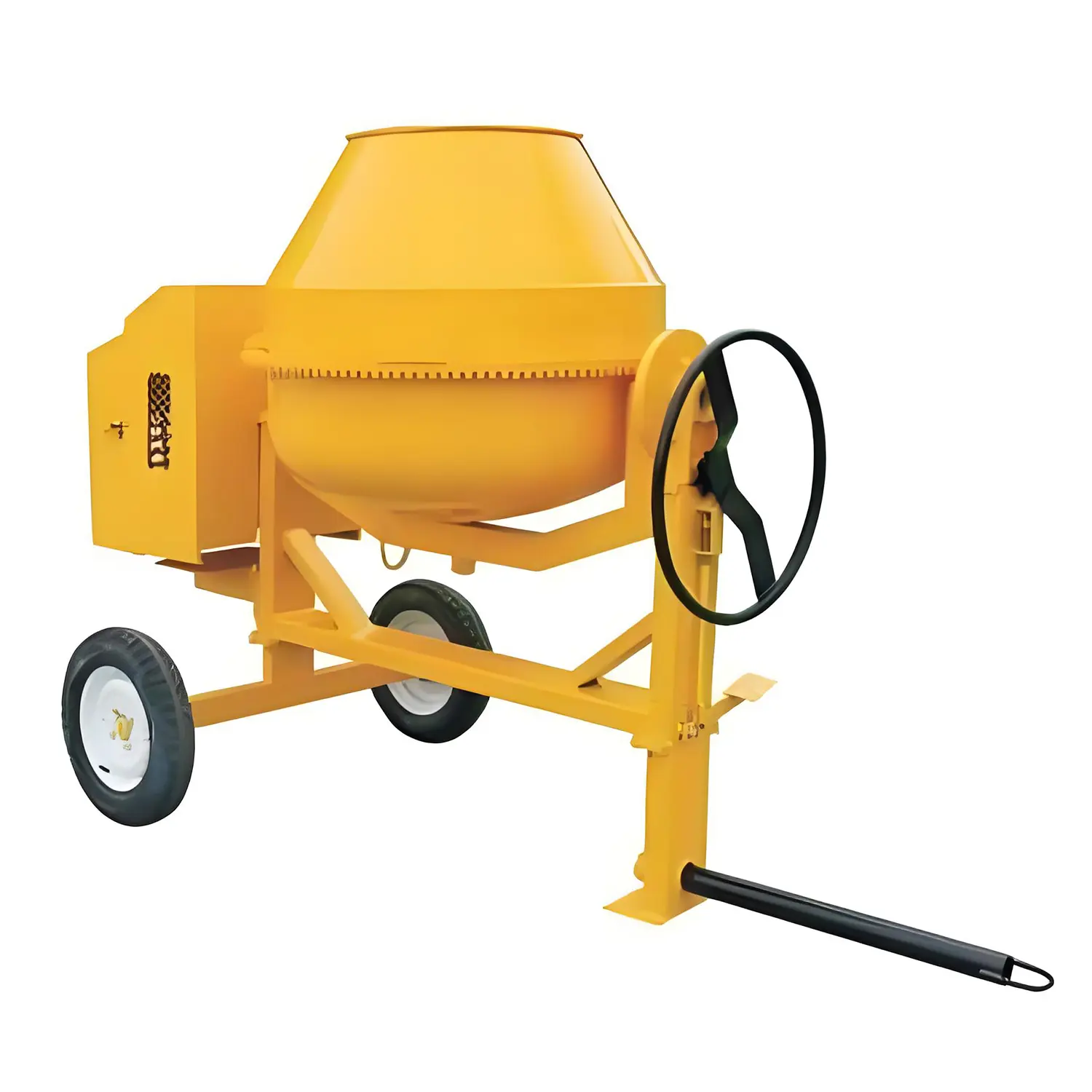 Vertical concrete mixer
 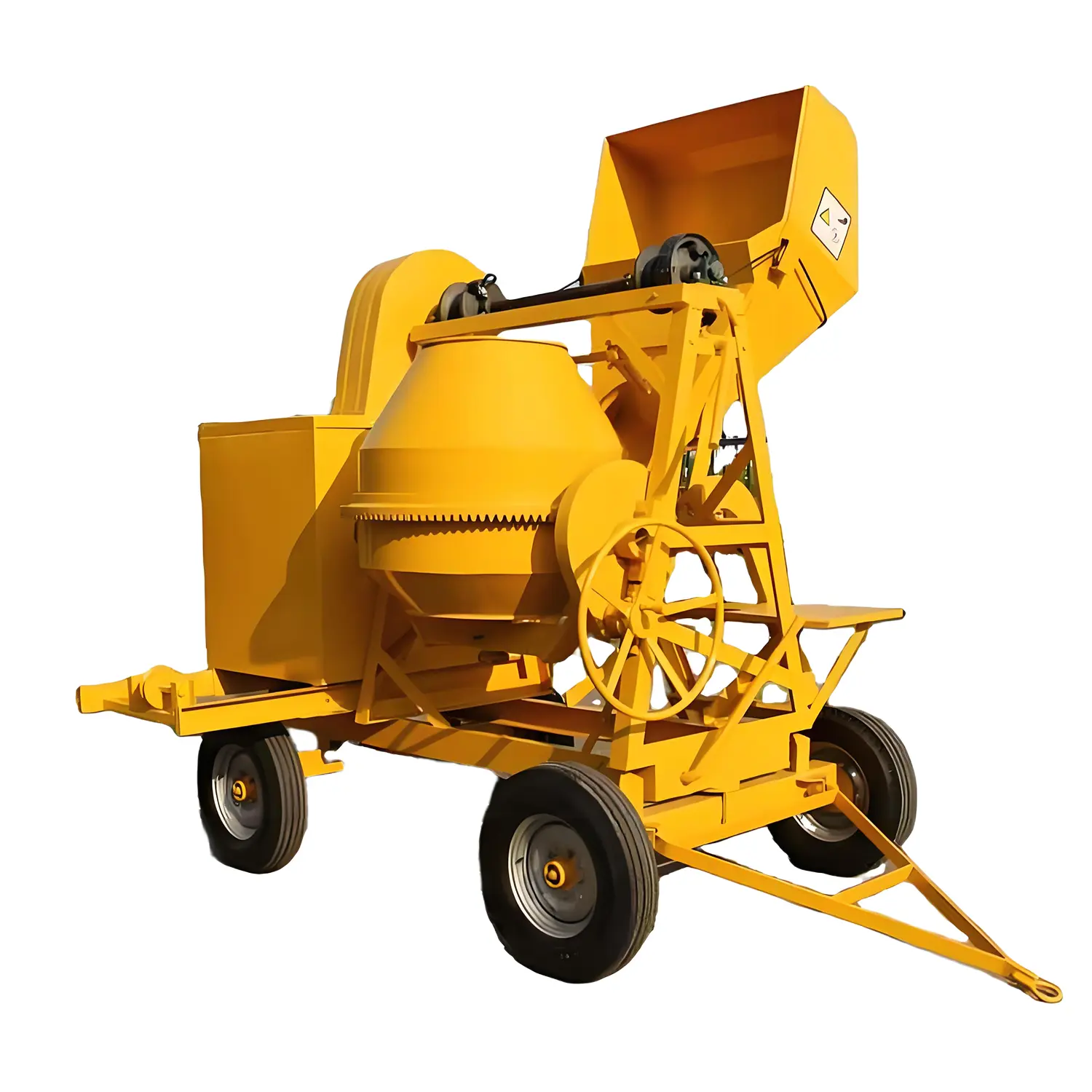 Hydraulic concrete mixer
 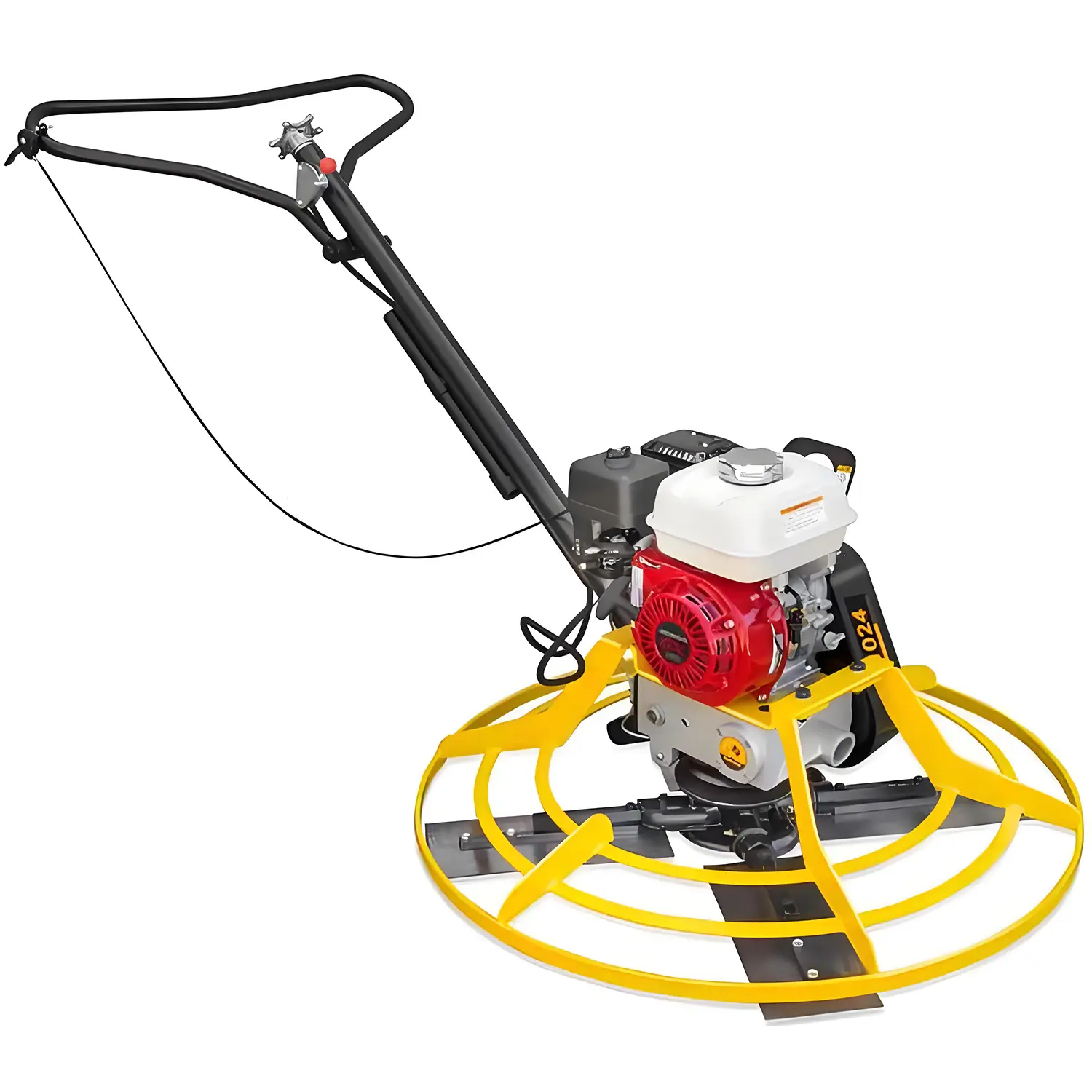 Walk behind power trowel
 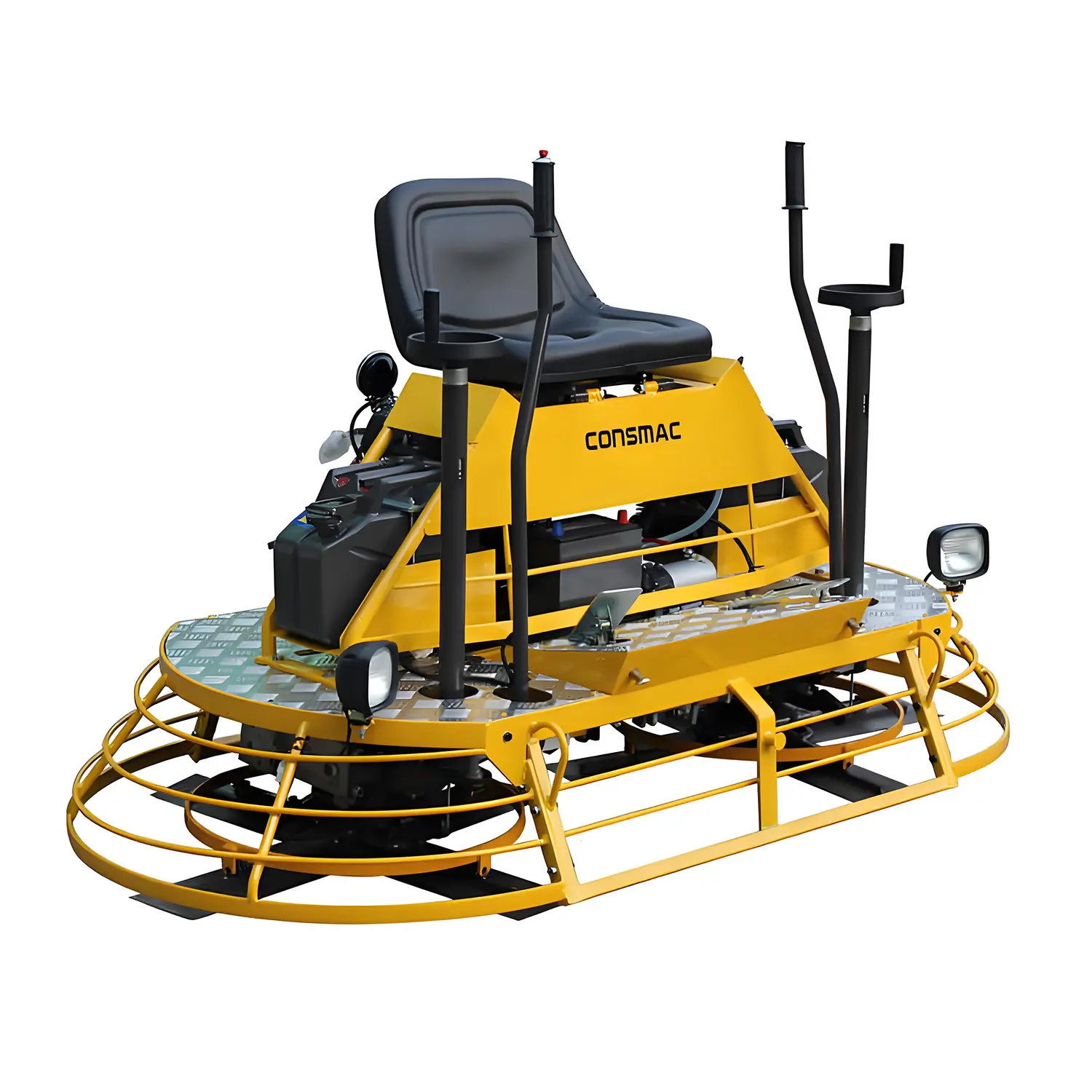 Ride on power trowel
 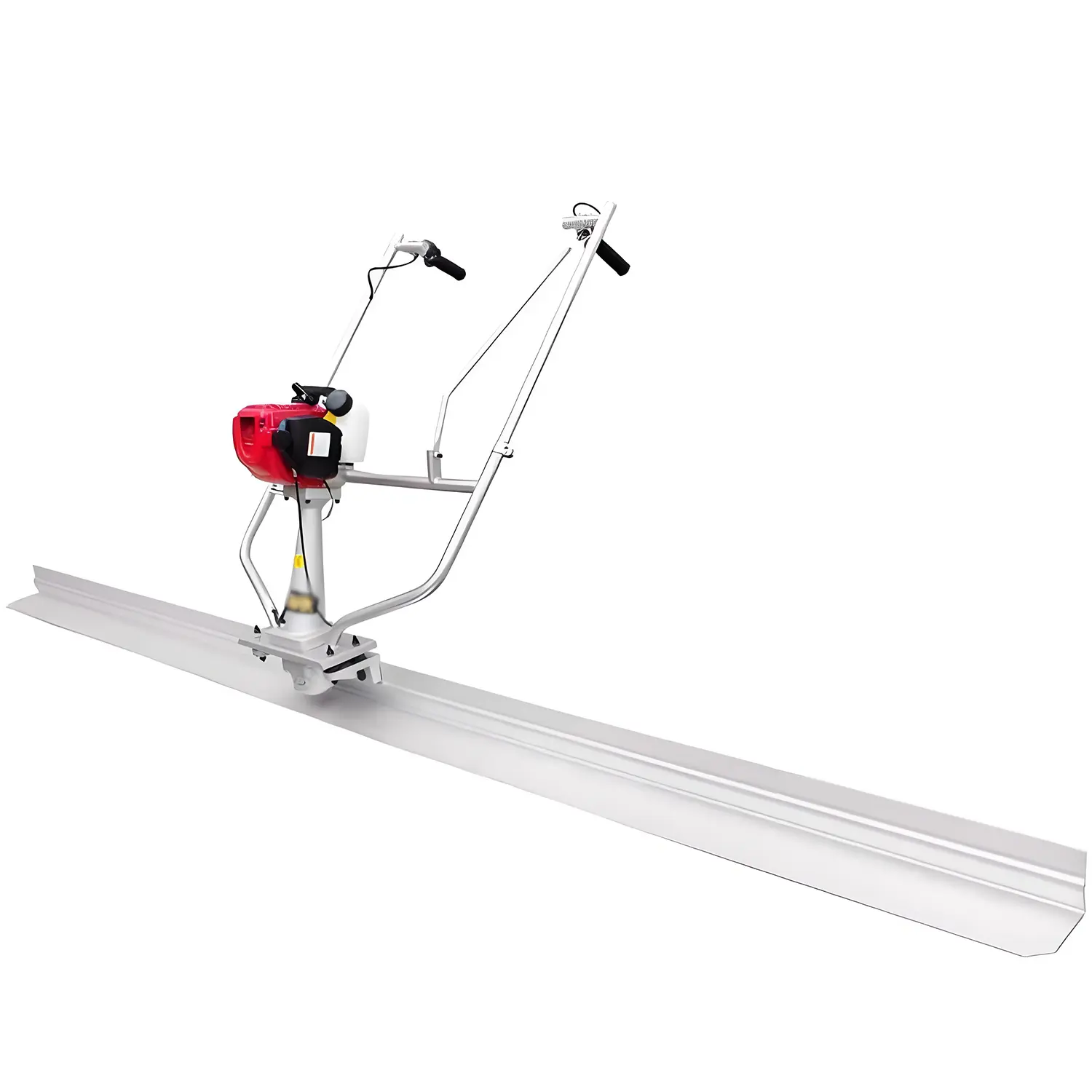 Concrete screed
 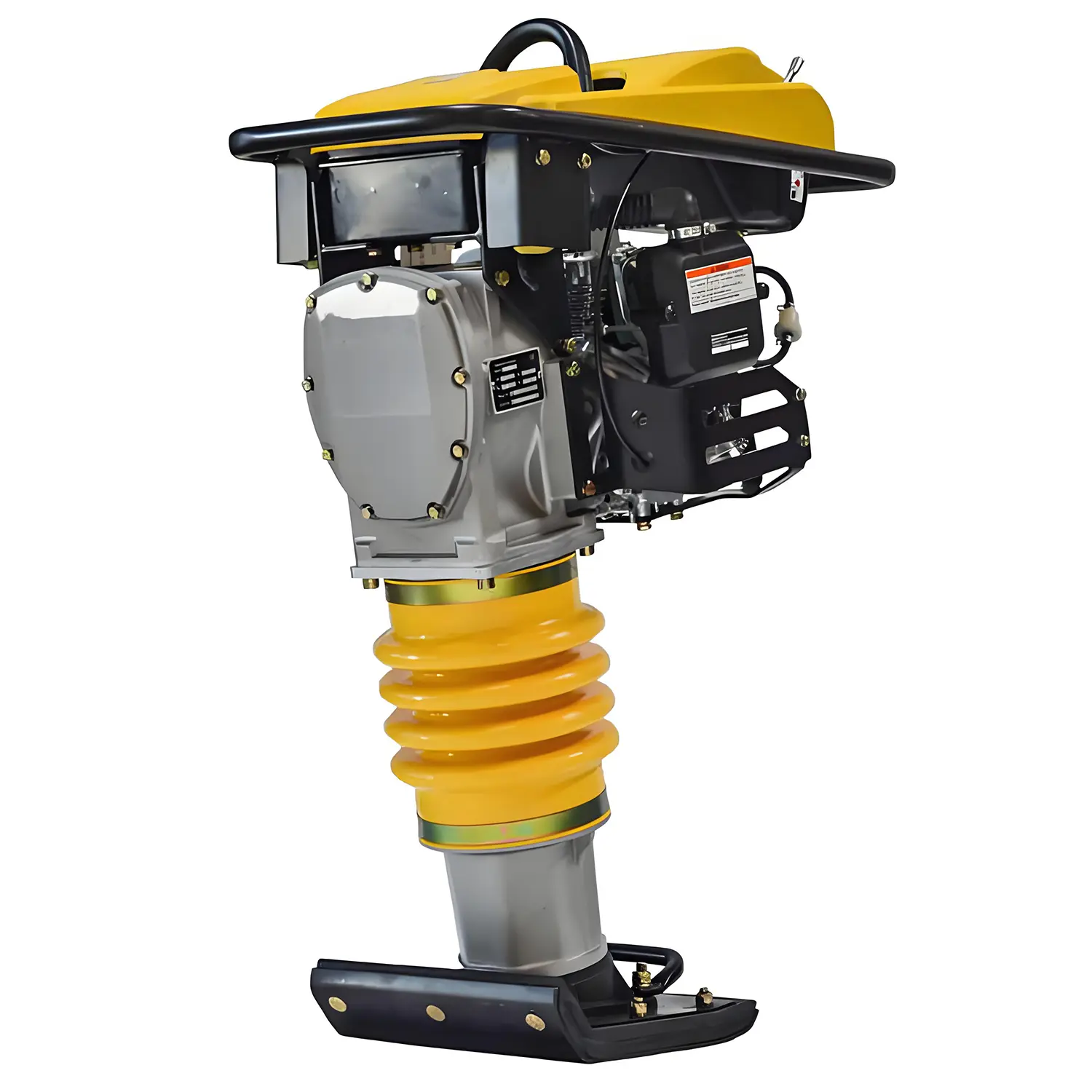 Tamping rammer
 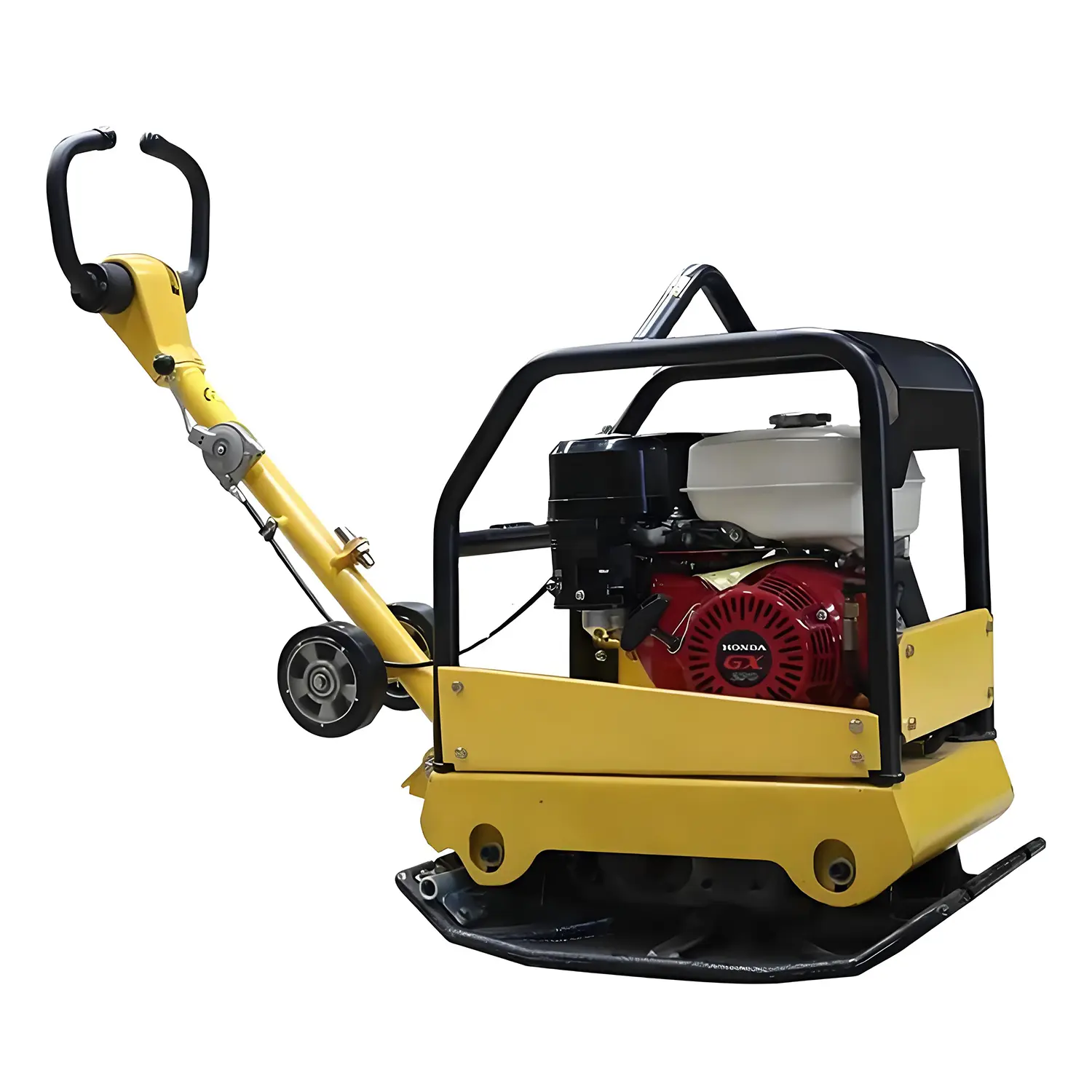 Plate compactor
 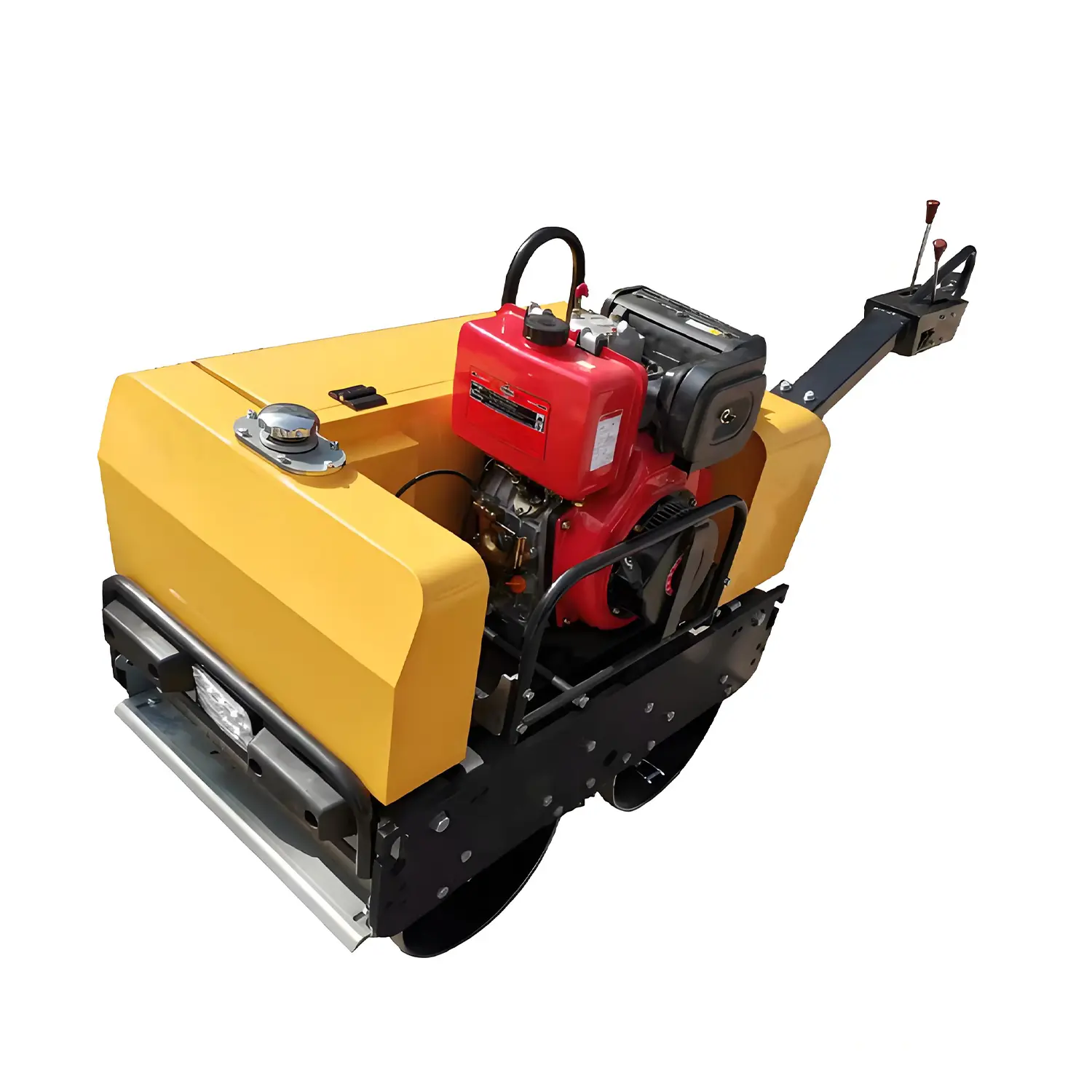 Vibratory roller






What Causes Concrete Cutter Blade Wear? How to Prevent It
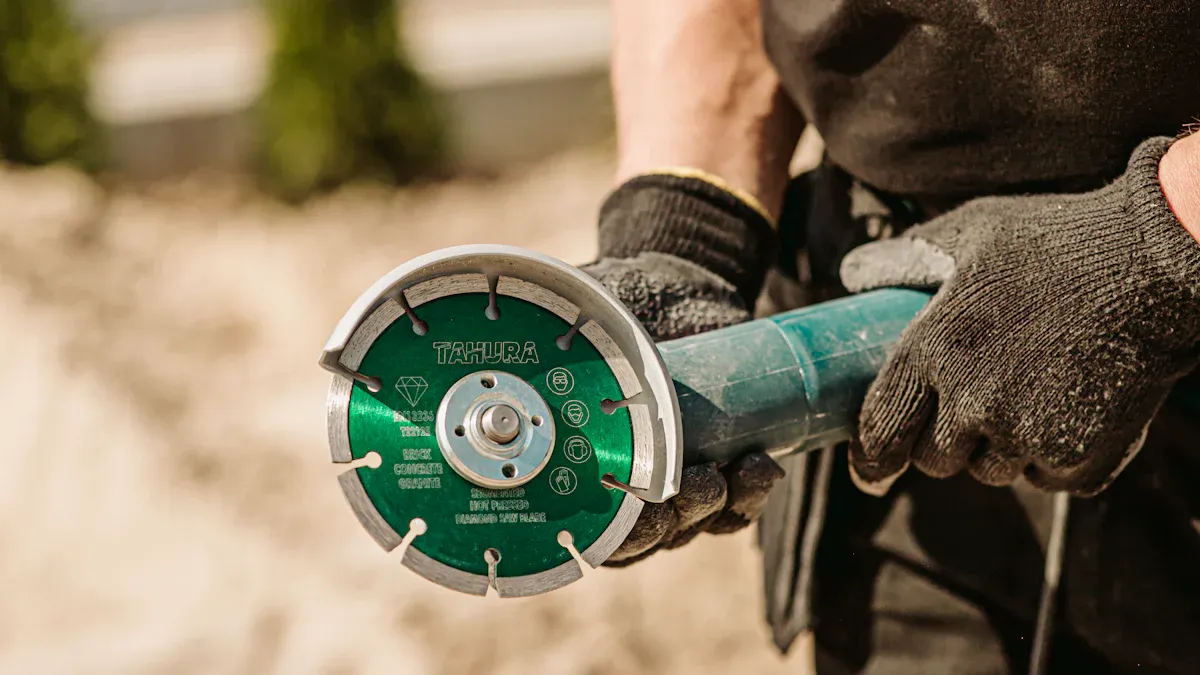
Concrete Cutter blades wear down. Abrasive friction causes much of this wear. Heat generation also damages blades. Impact forces during cutting contribute to wear. Understanding these core causes is crucial. You can prevent blade wear effectively. This applies to your MAXMACH blades too.
Key Takeaways
- Choose the right blade for your concrete. Different concrete types need different blades to cut well and last longer.
- Use proper cutting methods. Do not push the saw too hard. Make sure you use enough water to keep the blade cool.
- Keep your saw in good shape. Regular care helps your blade last longer and work better.
Understanding Concrete Cutter Blade Wear Mechanisms
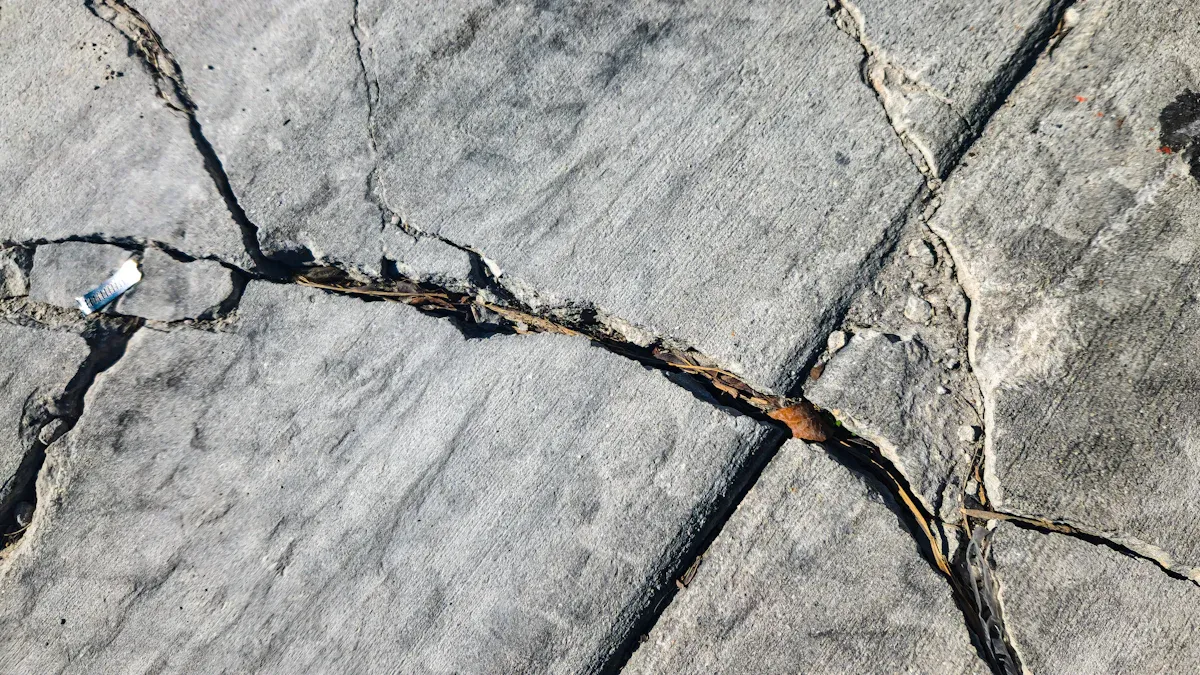
You need to know how your concrete cutter blade wears down. Several forces and reactions work against the blade. They cause it to lose its cutting ability and eventually fail.
Abrasive Wear from Concrete Aggregates
Concrete is tough. It contains hard materials called aggregates. These include sand, gravel, and crushed rock. When your blade cuts, these hard particles rub against the diamond segments. Think of it like sandpaper grinding away at a surface. Each pass removes tiny bits of the blade's metal bond and diamonds. This constant rubbing action is abrasive wear. It slowly grinds down the blade material. The harder the aggregates, the faster this wear happens.
Heat-Induced Degradation and Glazing
Cutting concrete creates a lot of friction. Friction generates intense heat. This heat can become a big problem for your blade. Excessive heat can melt the metal bond that holds the diamonds in place. It can also damage the diamonds themselves. When the bond melts, it can flow over the diamonds. This covers them up. We call this "glazing." A glazed blade looks shiny. It cannot cut effectively because the diamonds are hidden. The blade just slides over the concrete. This makes your cutting slow and inefficient. 🔥
Tip: High heat is a silent killer for your blade's performance. It reduces the blade's lifespan significantly.
Impact and Fatigue from Cutting Stress
Cutting concrete is not always a smooth process. Your blade often hits hard spots or voids within the concrete. Each impact creates stress on the blade. These repeated impacts and vibrations cause tiny cracks to form in the blade's metal structure. Over time, these small cracks grow larger. This is called fatigue. Eventually, pieces of the diamond segment can chip or break off entirely. This weakens the blade and reduces its cutting surface. You might notice more vibration or a rougher cut when this happens.
Chemical Interactions Affecting Blade Material
Concrete contains various chemicals. These include lime and cement. When you use water for cooling, it mixes with these concrete components. This creates a slurry. This slurry can be slightly alkaline or even mildly acidic. Over time, these chemicals in the slurry can react with the metal bond of your blade. This causes a slow form of corrosion. The chemical interaction weakens the bond material. This makes it easier for diamonds to pull out or for the segments to wear down faster. It's a subtle process, but it contributes to the overall wear of your blade.
Key Factors Accelerating MAXMACH Blade Wear
Several factors can make your concrete cutter blades wear out faster. Understanding these helps you protect your investment.
Concrete Composition and Hardness Variations
Concrete is not all the same. Some concrete is very hard. It contains tough aggregates like granite. Other concrete is softer. It might have limestone. Harder, more abrasive concrete wears your blade down quickly. Softer concrete can cause glazing if the blade is too hard for it. You need to match your blade to the concrete type.
Incorrect Blade Selection for the Material
Choosing the wrong blade is a common mistake. You might use a blade meant for soft concrete on hard concrete. This will destroy the blade fast. Similarly, a blade designed for hard materials will glaze on soft concrete. Always select the correct MAXMACH blade for the specific material you cut. This ensures efficient cutting and longer blade life.
Operator Technique and Machine Condition Issues
How you operate the saw matters. Pushing the saw too hard or unevenly stresses the blade. A poorly maintained saw also causes problems. Worn bearings or a loose blade shaft make the blade wobble. This creates uneven wear and reduces cutting efficiency. Proper technique and a well-maintained machine are crucial.
Insufficient Cooling and Slurry Management
Water cools your blade. It also removes the cutting slurry. Not enough water causes the blade to overheat. This leads to glazing and bond degradation. Poor slurry removal means the blade re-cuts debris. This increases friction and wear. Always ensure a steady flow of water.
Excessive Pressure and Cutting Depth
Applying too much pressure forces the blade. This creates excessive heat and stress. Cutting too deep in one pass also overworks the blade. It can cause segments to break off. Let the blade do the work. Use appropriate pressure and make multiple passes for deep cuts.
Equipment Malfunctions and Misalignment
A saw that is not working correctly damages blades. A bent blade shaft causes the blade to wobble. This leads to uneven wear on one side. Misaligned equipment puts extra strain on the blade. Always check your saw for proper alignment and function. This protects your MAXMACH blade.
Effective Strategies to Prevent Concrete Cutter Blade Wear
You can make your concrete cutter blades last longer. Follow these strategies. They help you save money and work more efficiently.
Optimize MAXMACH Blade Selection for Specific Jobs
Choosing the right blade is very important. You need to match the blade to the concrete you cut. Hard concrete needs a blade with a softer bond. This allows new diamonds to expose themselves. Soft concrete needs a blade with a harder bond. This prevents the blade from wearing too fast. Always check the specifications for your MAXMACH blade. It tells you what materials it works best on. Using the correct blade prevents premature wear.
Master Proper Cutting Techniques and Feed Rates
Your cutting technique directly affects blade life. Do not force the blade into the concrete. Let the blade do the work. Apply steady, consistent pressure. Use the correct feed rate. A feed rate that is too fast causes overheating. A feed rate that is too slow can cause glazing. Listen to the saw. It tells you if you are pushing too hard. Smooth, controlled cuts extend blade life.
Ensure Adequate Cooling and Slurry Removal
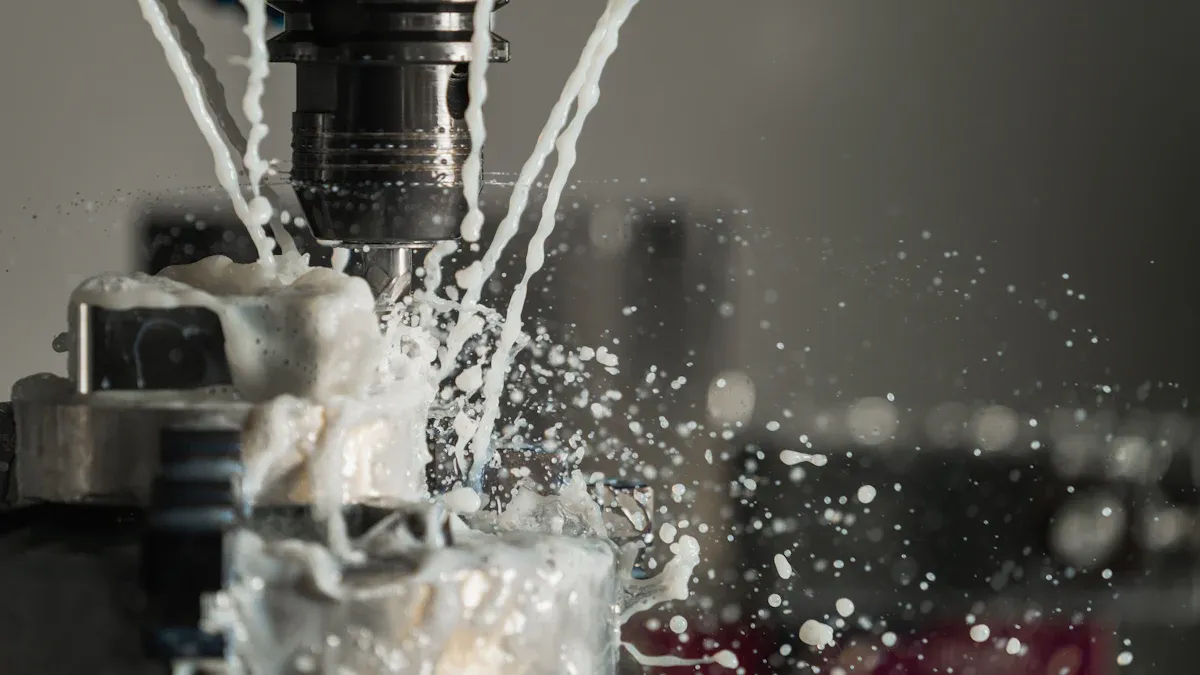
Water is your blade's best friend. It keeps the blade cool. Water also flushes away the concrete slurry. Make sure you have a constant, sufficient flow of water. Insufficient water leads to overheating. Overheating causes glazing and bond damage. Clear slurry prevents the blade from re-cutting debris. This reduces friction and wear. Always check your water supply before you start cutting.
Maintain Your Concrete Saw Regularly
A well-maintained saw protects your blade. Check your saw's alignment. A misaligned saw causes uneven blade wear. Inspect the blade shaft for any wobbles. Worn bearings can cause vibration. This vibration damages the blade. Keep your saw clean. Follow the manufacturer's maintenance schedule. Regular maintenance ensures smooth operation. It also extends the life of your blades.
Correctly Break-In New Blades
New blades need a proper break-in. Do not start cutting hard concrete immediately. Begin by making a few shallow cuts in an abrasive material. Use asphalt or an abrasive block. This process helps expose the diamonds on the blade's surface. It prepares the blade for effective cutting. A good break-in prevents early glazing. It also maximizes the blade's initial cutting performance.
Implement Proper Blade Storage Practices
How you store your blades matters. Store them in a dry place. Keep them away from moisture. Moisture can cause rust on the steel core. Rust weakens the blade. Store blades flat or hang them properly. This prevents warping. Protect the diamond segments from impact. Damaged segments reduce cutting efficiency. Proper storage keeps your blades in top condition.
Avoid Overheating and Glazing
Overheating is a major enemy of your blade. It causes the metal bond to melt. This covers the diamonds. The blade then glazes. You can avoid overheating. Use enough water. Do not force the blade. Take breaks during long cuts. Allow the blade to cool down. If your blade glazes, you can try to dress it. Cut into an abrasive material to expose new diamonds.
Address Uneven Wear Patterns
Check your blade for uneven wear. One side might wear faster than the other. This indicates a problem. It could be saw misalignment. It might be improper cutting technique. A bent blade shaft also causes uneven wear. Identify the cause quickly. Correct the issue. Addressing uneven wear prevents premature blade failure. It ensures you get the most out of your MAXMACH blade.
Preventing concrete cutter blade wear needs a full plan. You must understand the causes. Select the correct MAXMACH blade. Use proper techniques. Maintain your equipment. These steps are vital. These actions extend blade life. They improve efficiency. They also reduce your costs.
FAQ
❓ What MAXMACH blade should you use for hard concrete?
You need a blade with a softer metal bond. This bond wears away faster. It exposes new diamonds. This keeps the blade cutting efficiently.
💧 Why is water so important when cutting concrete?
Water cools your blade. It prevents overheating and glazing. Water also flushes away the concrete dust. This reduces friction and wear.
🧊 What should you do if your blade starts to glaze?
You can try to "dress" the blade. Cut into an abrasive material like asphalt or an abrasive block. This helps expose new diamonds.