
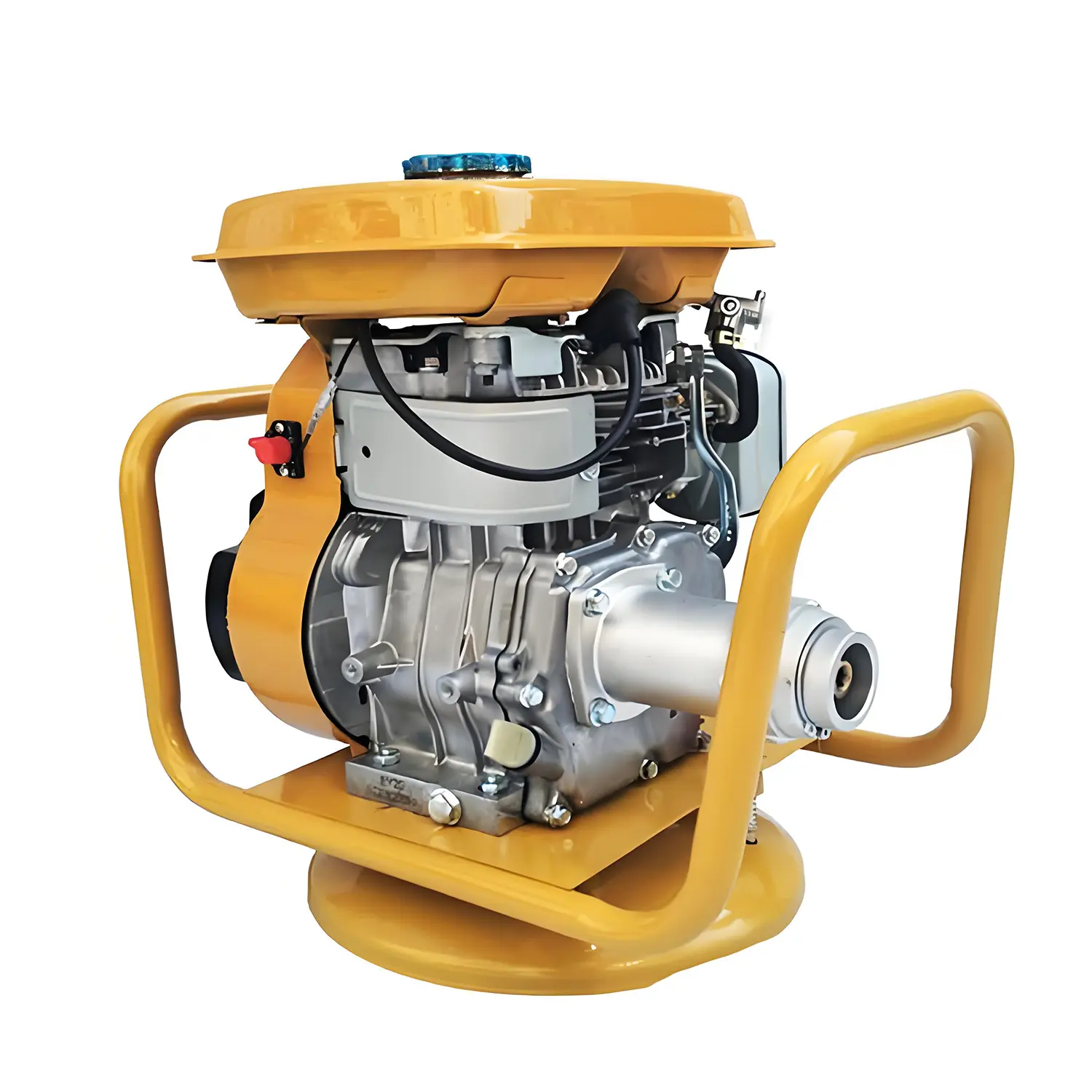
 Internal Vibrator
 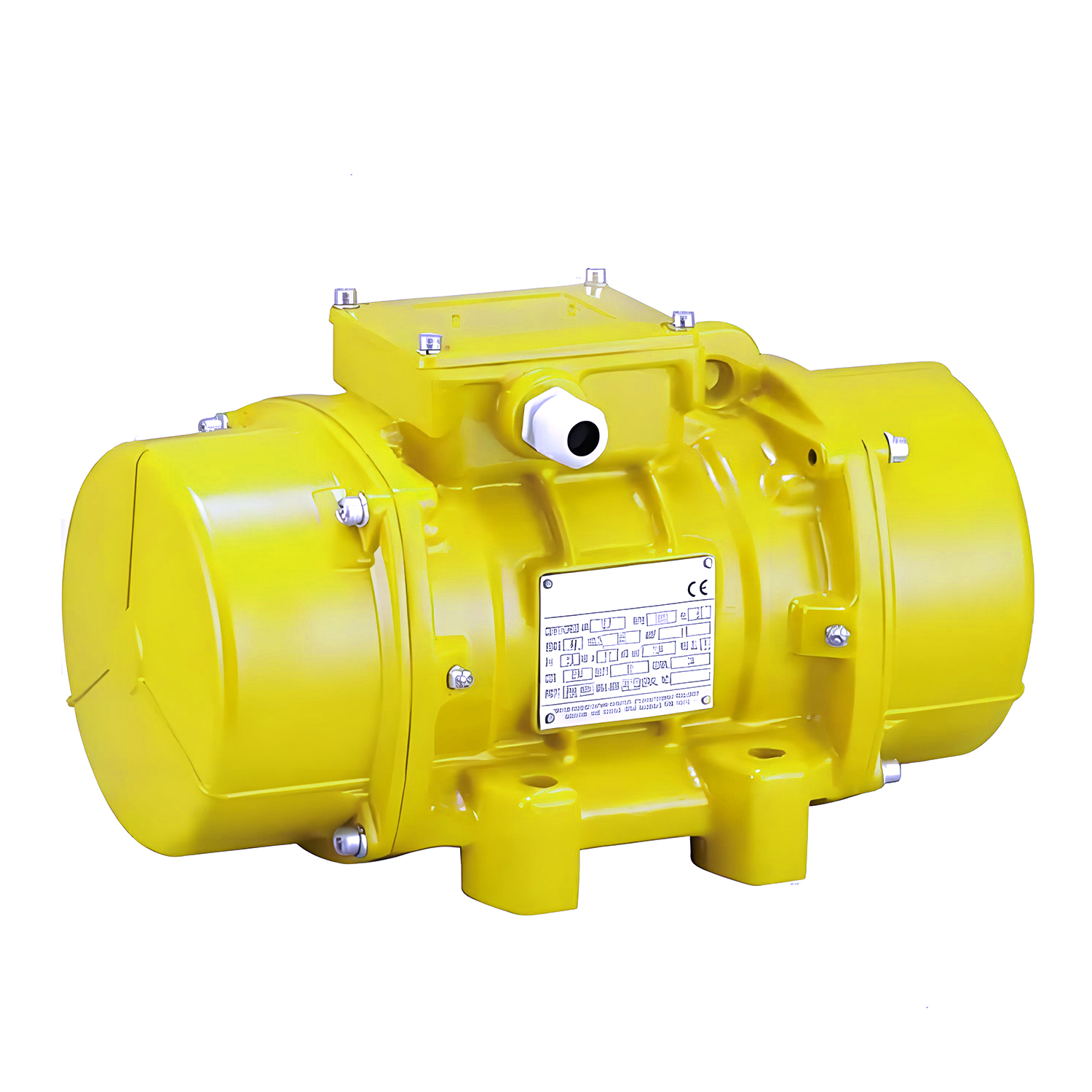 External Vibrator
 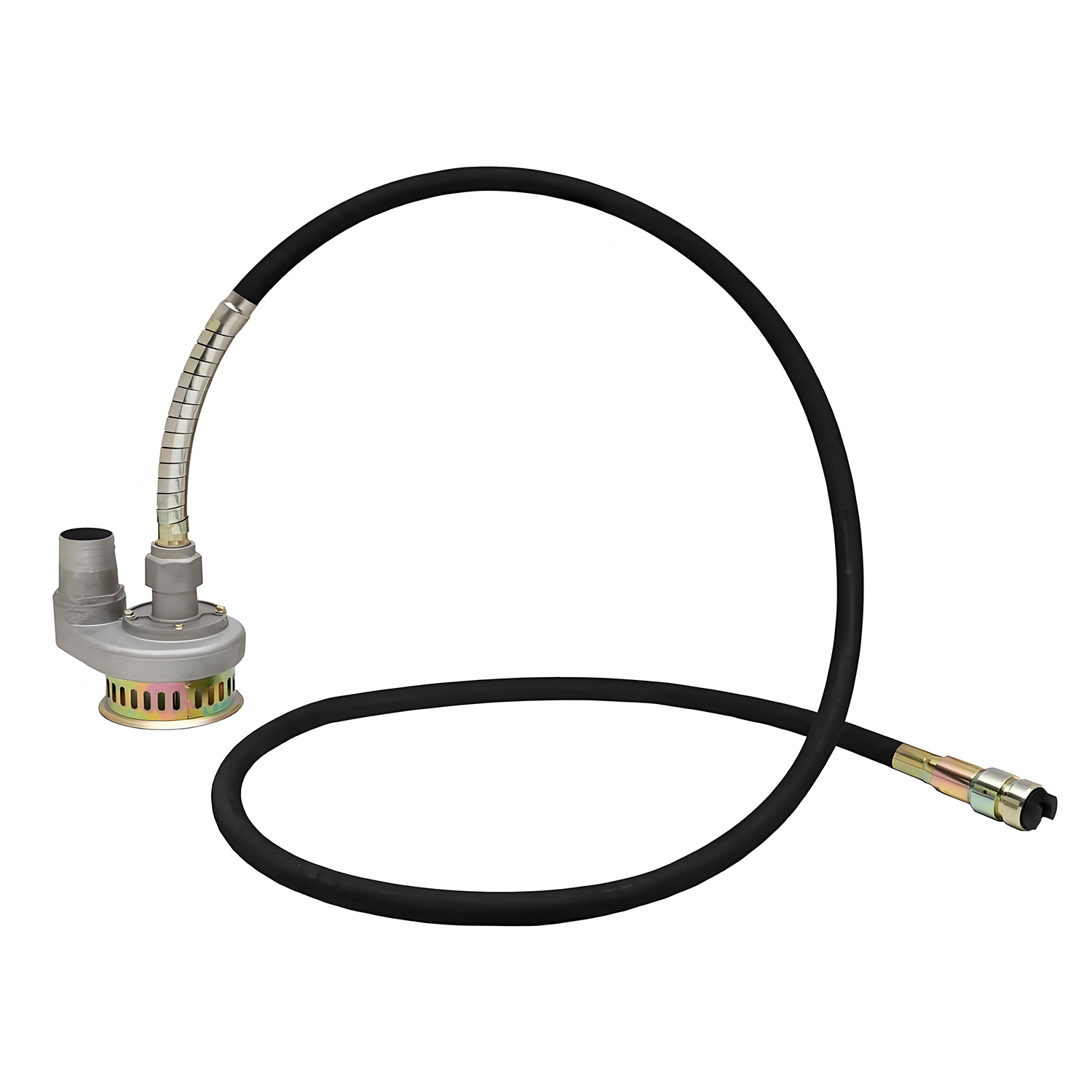 Submersible Pump
 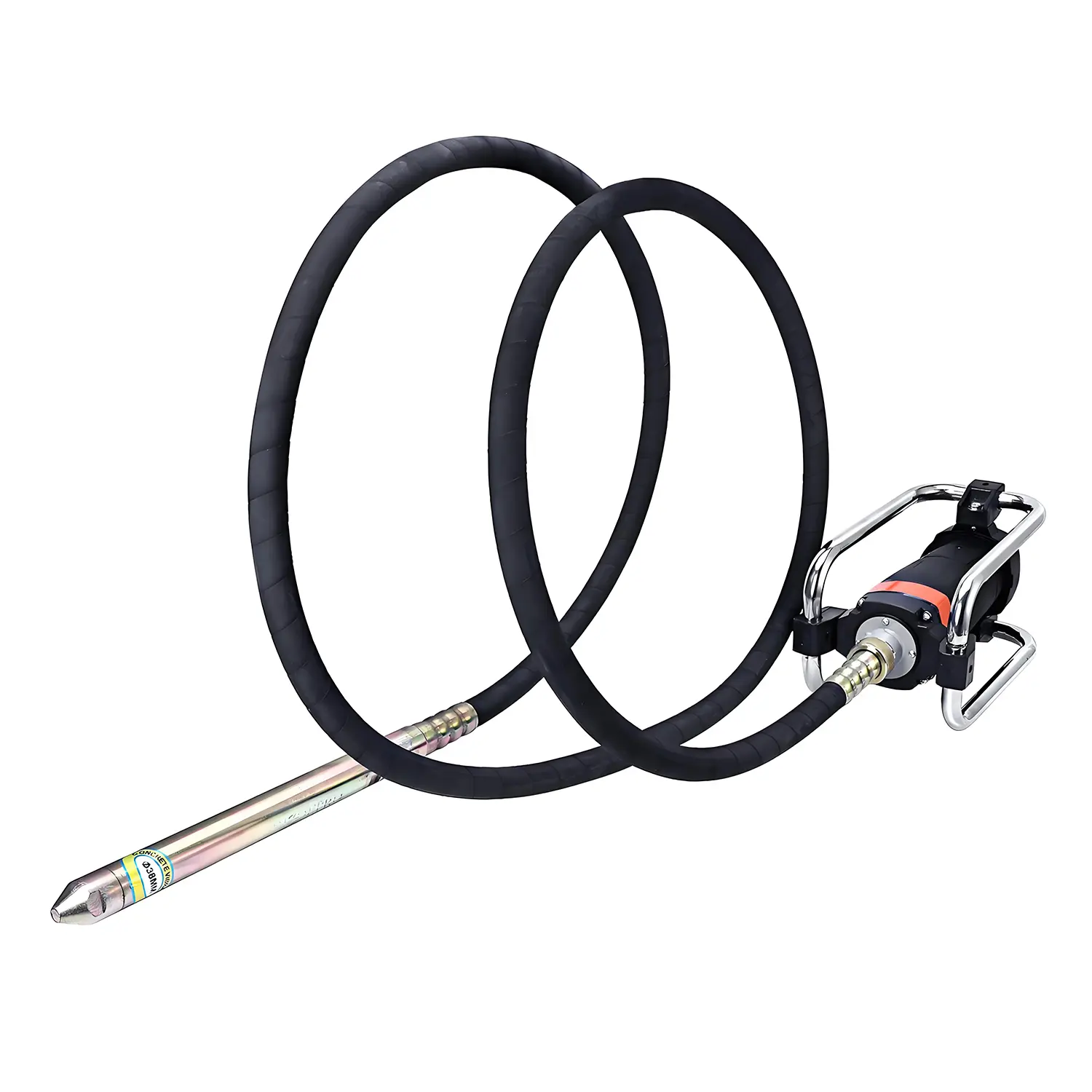 Eccentric shaft
 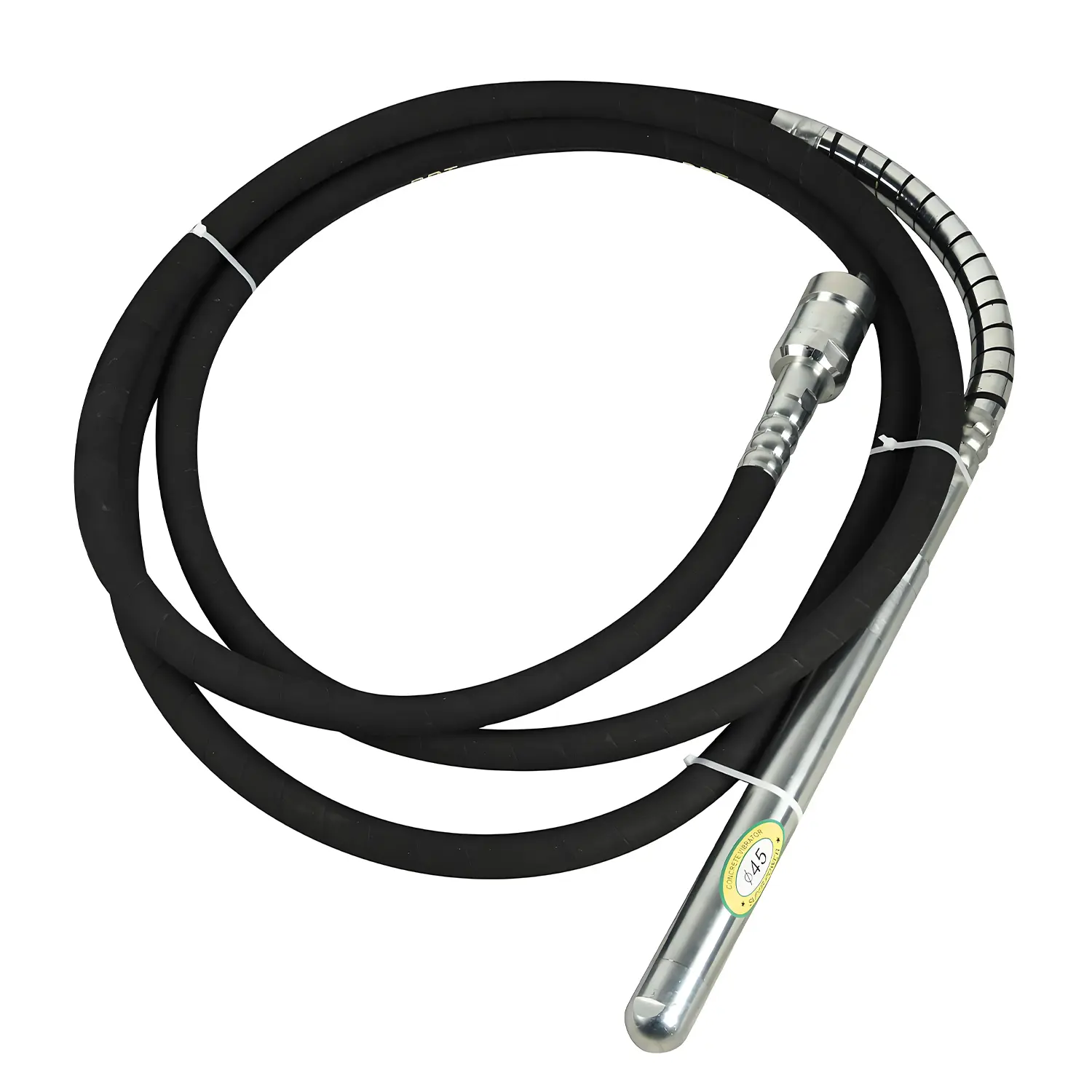 Pendulum shaft
 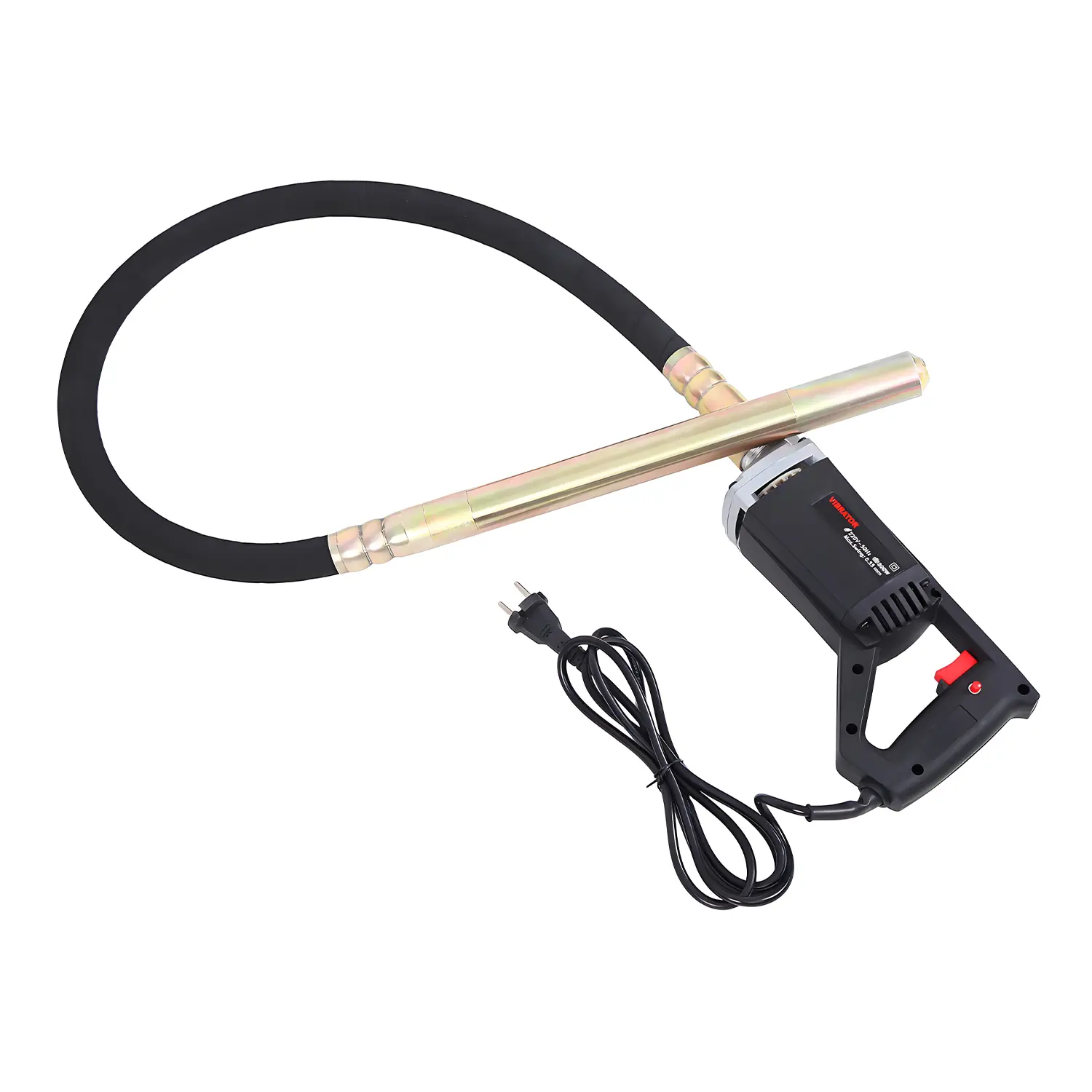 Portable vbrator shaft
 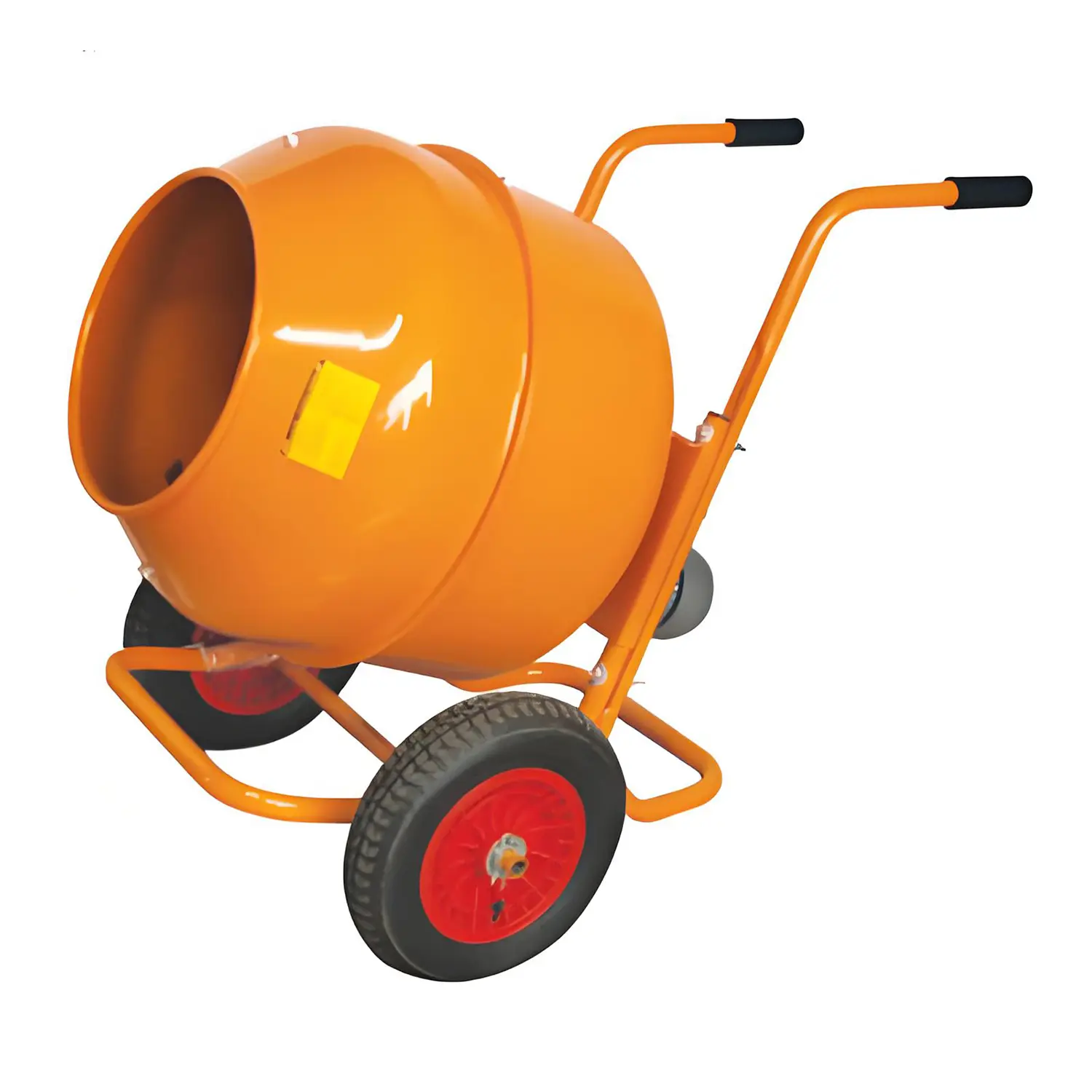 Portable concrete mixer
 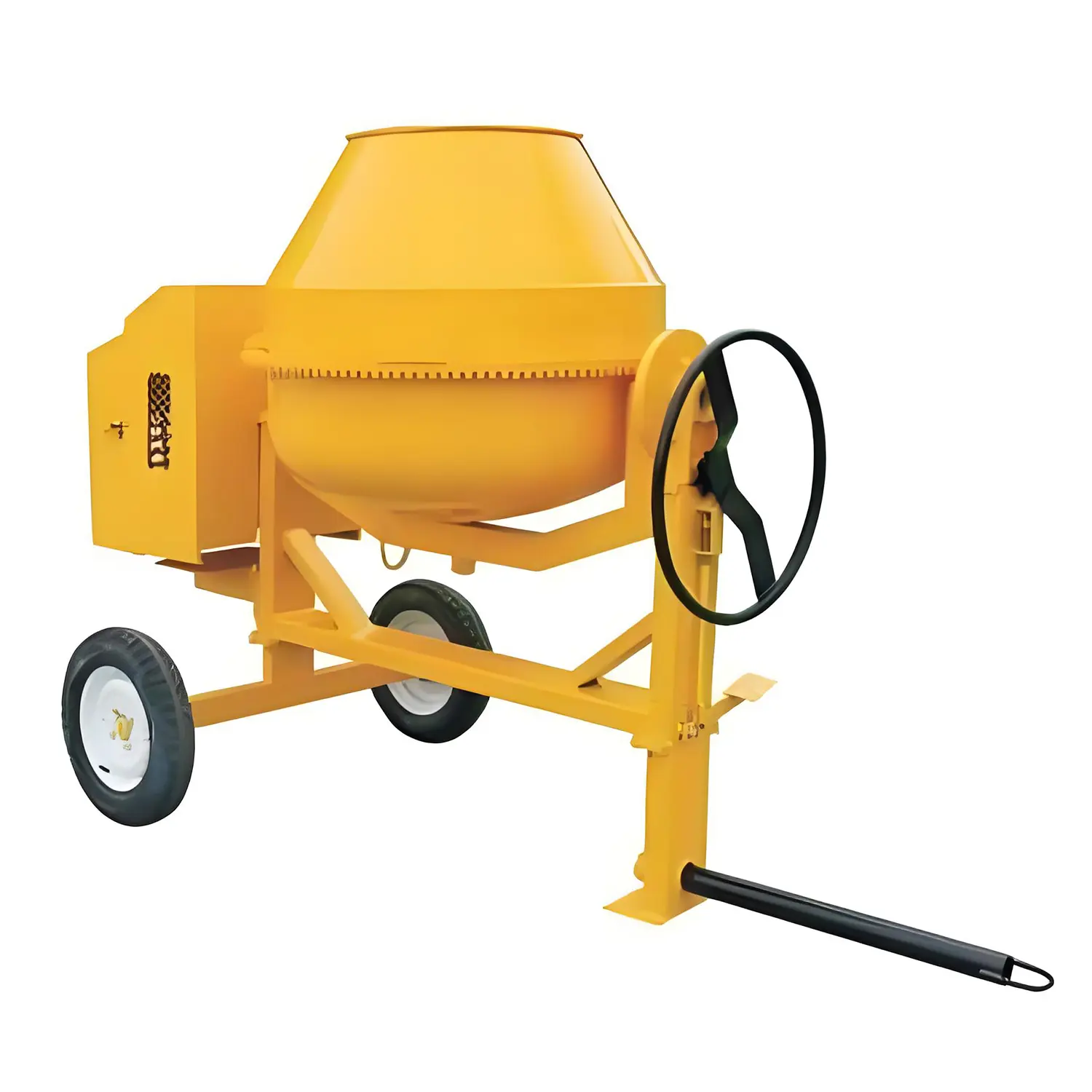 Vertical concrete mixer
 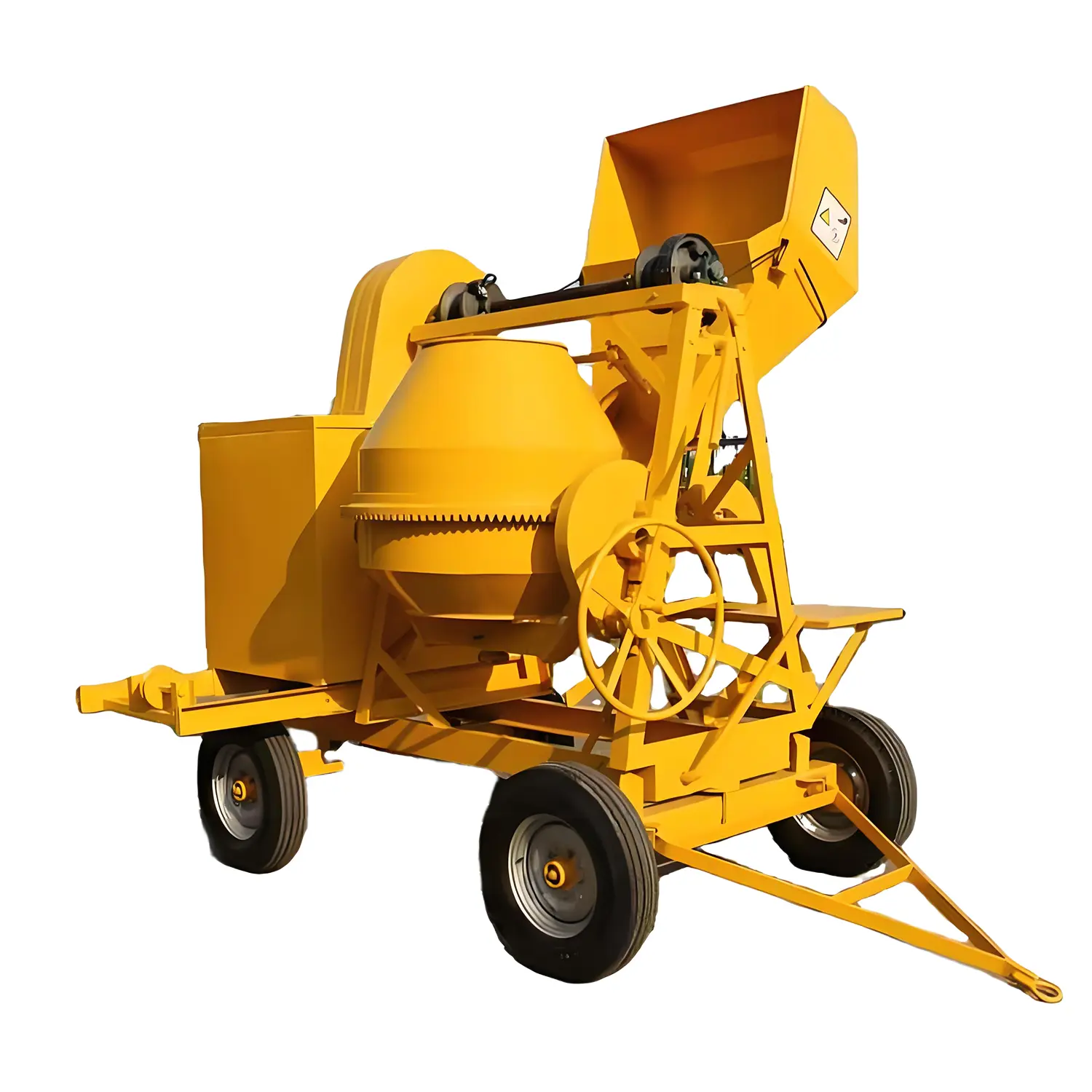 Hydraulic concrete mixer
 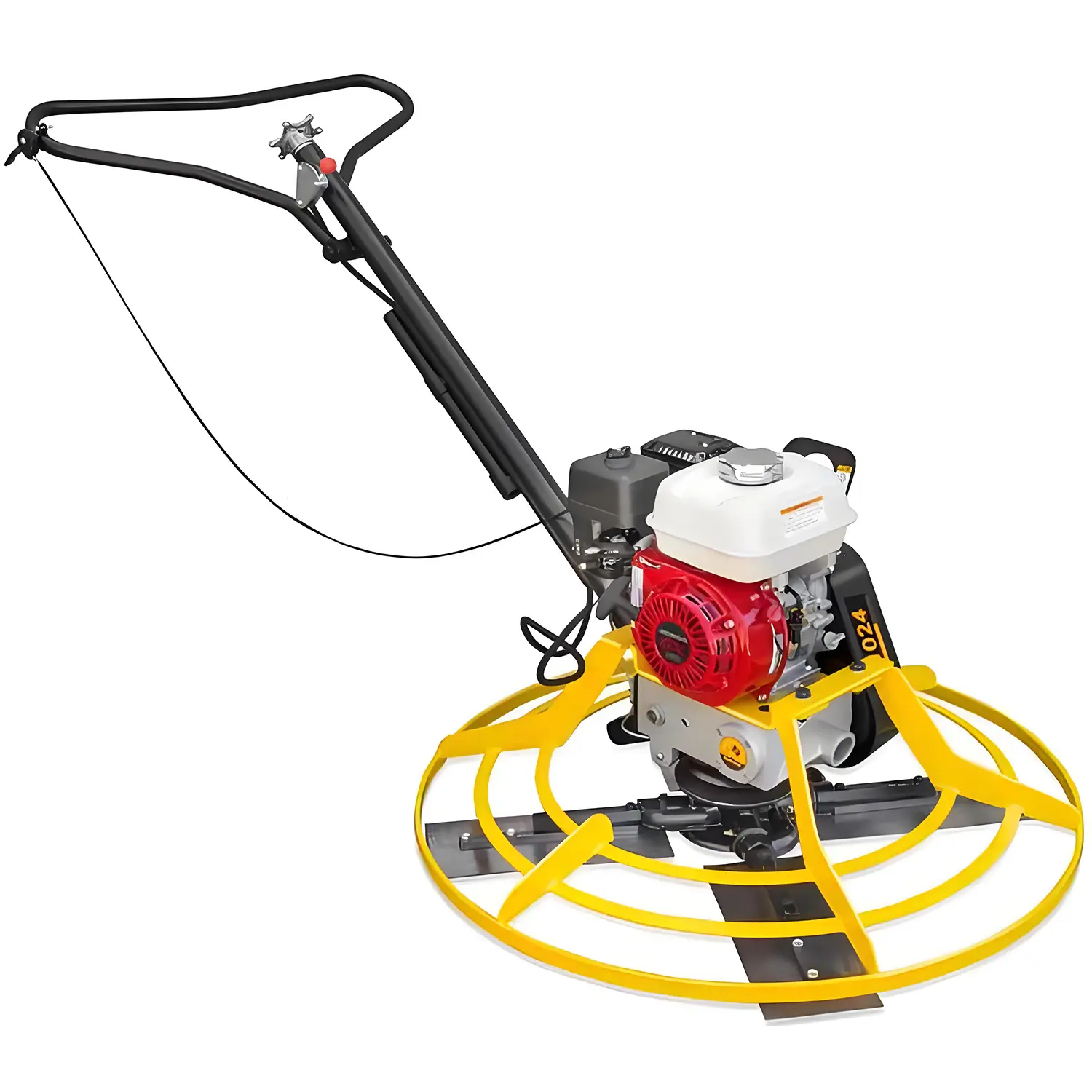 Walk behind power trowel
 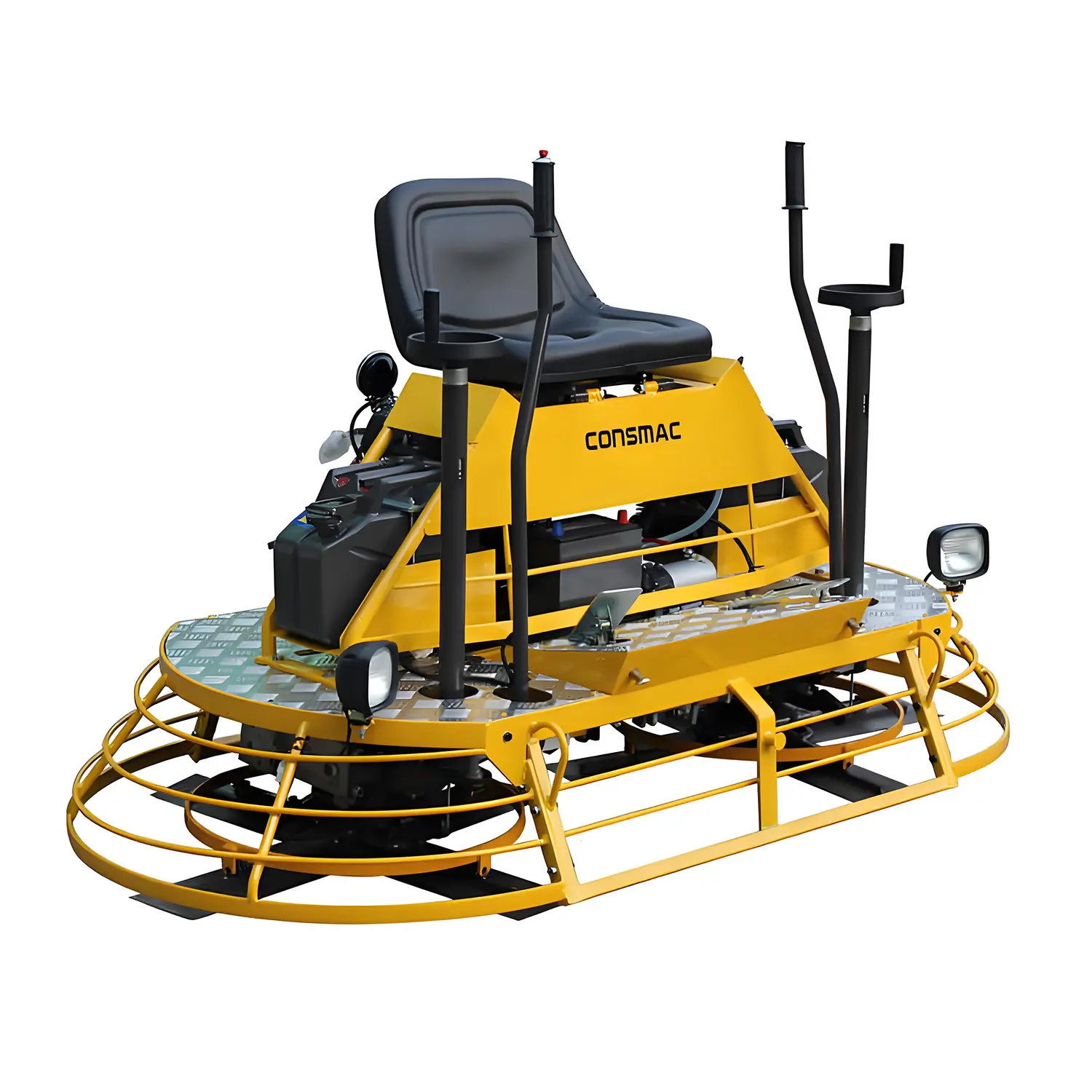 Ride on power trowel
 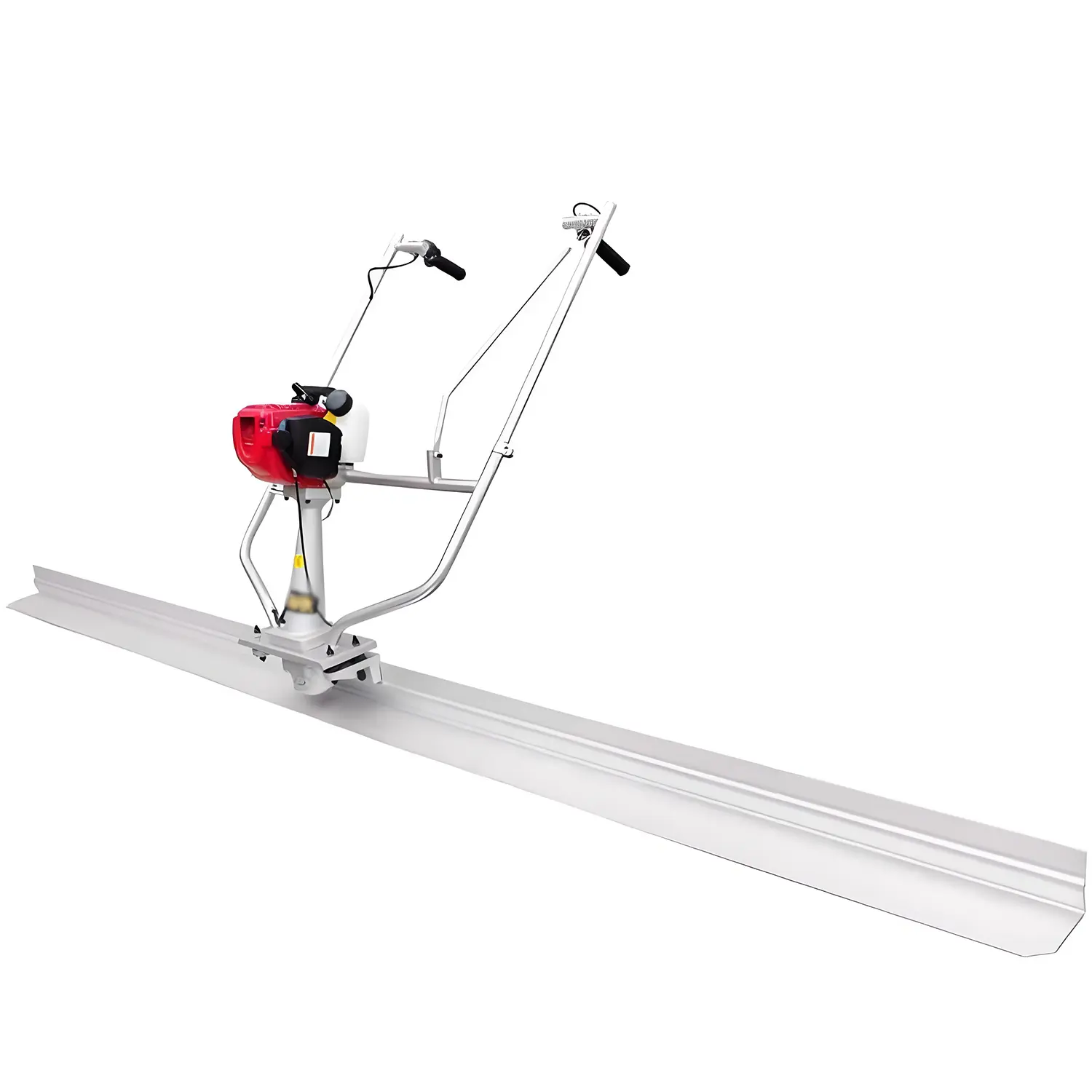 Concrete screed
 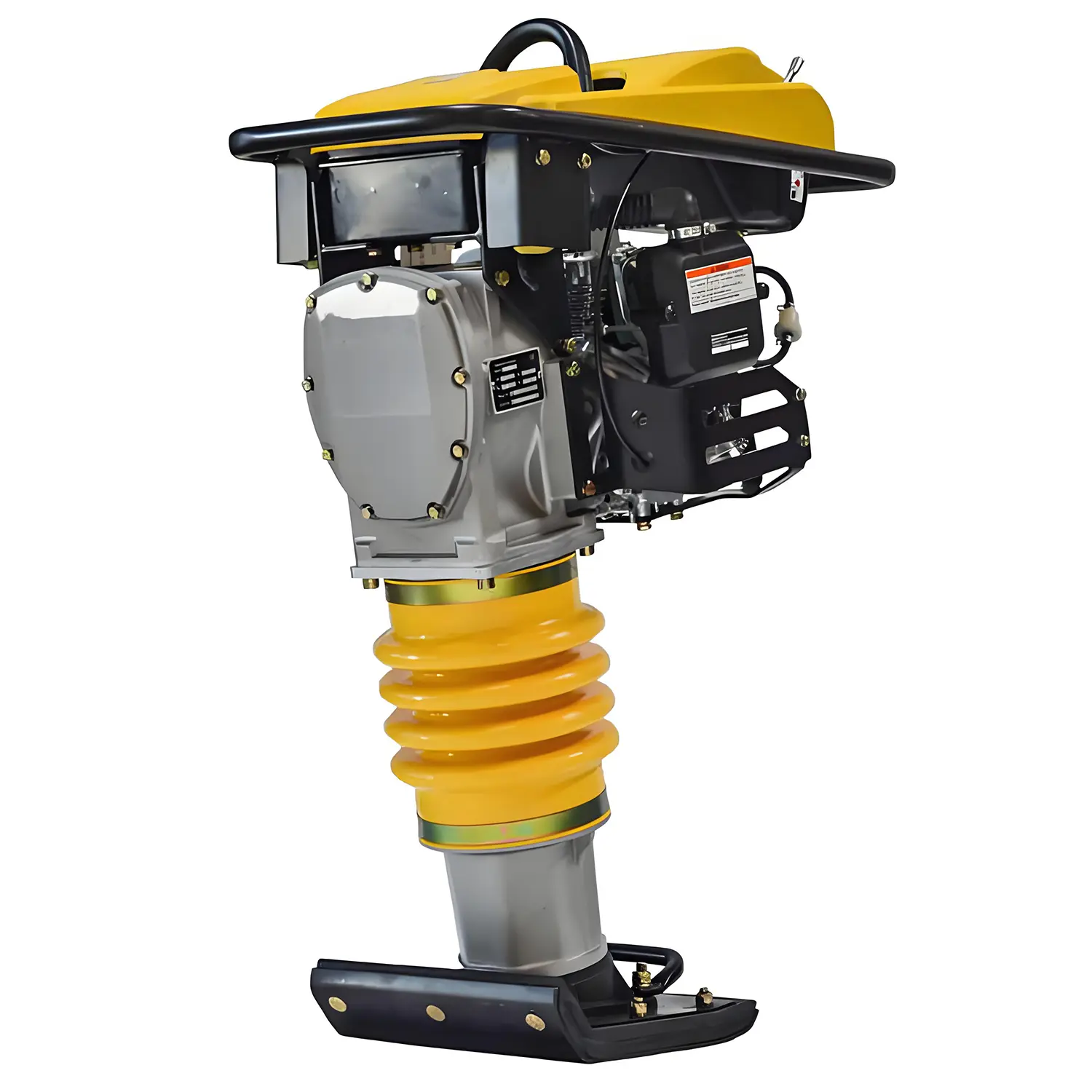 Tamping rammer
 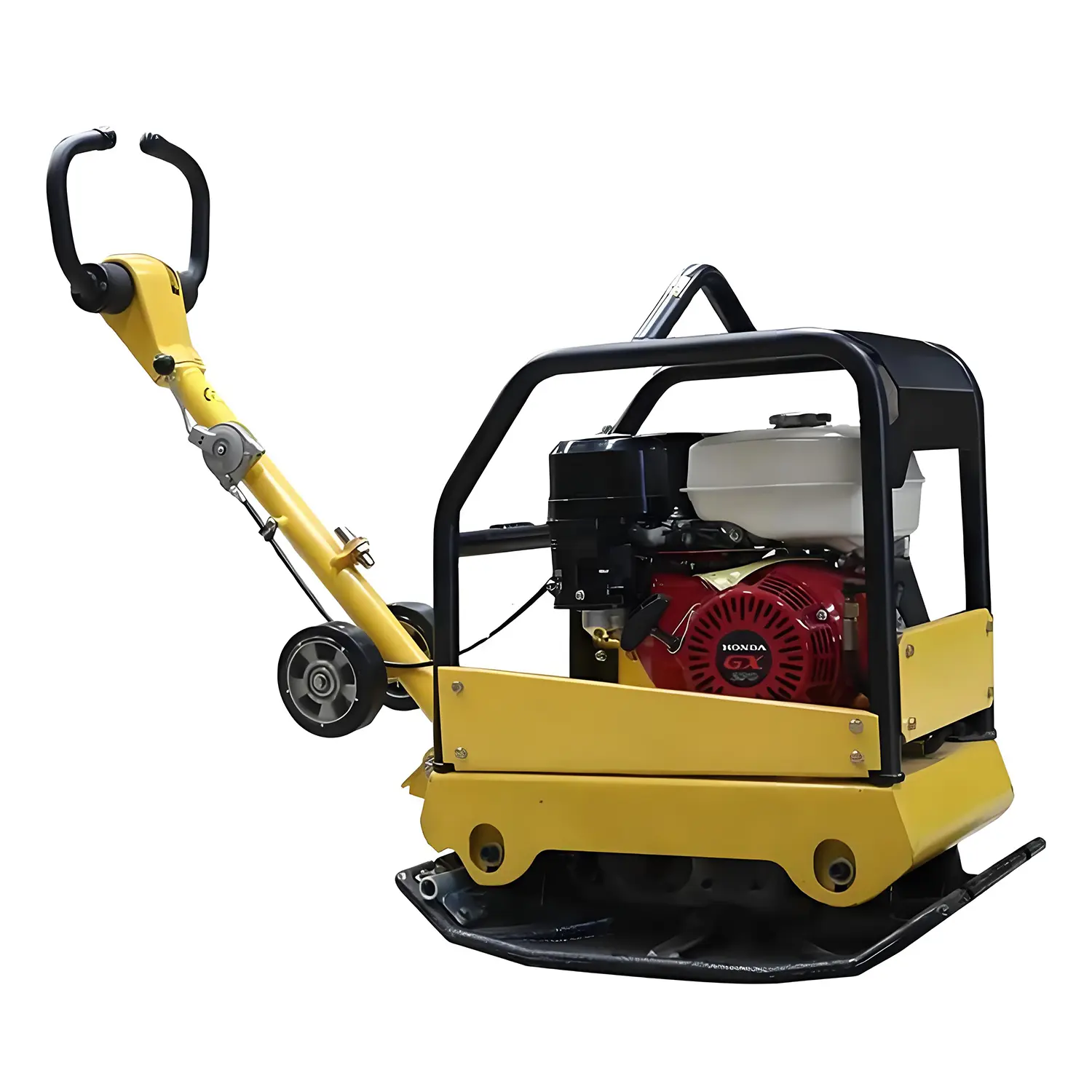 Plate compactor
 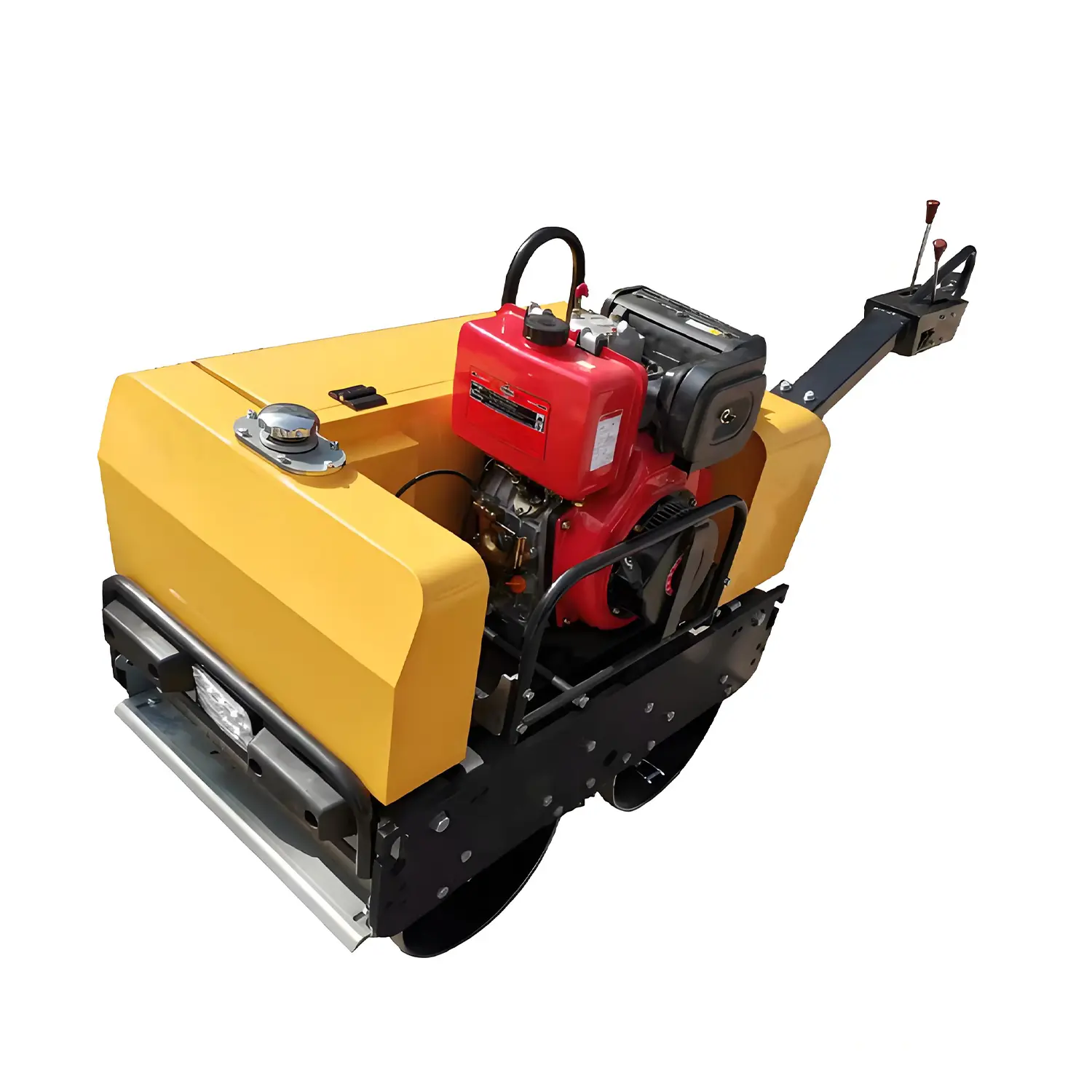 Vibratory roller




What Flow Rate Do You Need in a Water Pump? (Buying Guide)

You need to know the correct flow rate for your water pump. This tells you how much water your pump moves. Understanding flow rate is crucial for selecting the right pump. It ensures your system works efficiently. We measure flow rate in GPM (Gallons Per Minute) or LPH (Liters Per Hour). MAXMACH offers pumps with various flow rates.
Key Takeaways
- Calculate your pump's flow rate. Consider water volume, time, and how high the water goes. Also, think about pipe size and friction.
- Match your pump to its job. Different tasks need different water flow. For example, a house needs more water than a small garden.
- Avoid pumps that are too big or too small. A pump that is just right saves energy and works best for a long time.
How to Calculate Your Required Water Pump Flow Rate
Calculating the correct flow rate for your water pump is a key step. You need to understand several factors. This ensures you pick a pump that meets your exact needs.
Assessing Your Application's Specific Needs
First, think about what you need the pump to do. What is its main job? Are you moving water from a well to your house? Do you need to drain a flooded basement? Perhaps you want to supply water to a garden irrigation system. Each task has different demands. For example, a pump for a small pond needs less power than one for a large farm. You must clearly define the pump's purpose. This helps you avoid buying a pump that is too weak or too strong.
Determining the Volume of Water and Timeframe
Next, figure out how much water you need to move. Also, decide how quickly you want to move it. This gives you a basic flow rate.
- Step 1: Find the total volume. Measure the amount of water you need. This could be the size of a tank you want to fill. It might be the total water needed for your sprinklers.
- Step 2: Set your timeframe. Decide how fast you want the job done. Do you need to fill a pool in 4 hours? Or do you need to empty a sump pit in 10 minutes?
Once you have these numbers, you can calculate a basic flow rate. For example, if you need to move 600 gallons of water in 1 hour (60 minutes), you divide 600 gallons by 60 minutes. This gives you a basic flow rate of 10 Gallons Per Minute (GPM). This initial number is a starting point.
Accounting for Head Pressure and Elevation Changes
Water pumps work against gravity and pressure. This resistance is called "head pressure." You must consider two main types:
- Suction Head: This is the vertical distance the pump must lift water from its source. Imagine a pump pulling water from a deep well. The deeper the well, the more suction head your pump needs to overcome.
- Discharge Head: This is the vertical distance the pump pushes water upwards. If you pump water from a basement to a ground-level drain, you have discharge head.
Every foot of vertical lift adds to the work your pump must do. A pump that pushes water higher or pulls it from deeper needs more power. You must add these vertical distances to your calculations. This ensures your pump can actually move the water to where you need it.
Considering Pipe Diameter and Friction Loss
The pipes carrying your water also affect flow rate. Water moving through pipes creates friction. This friction slows the water down.
- Pipe Diameter: Smaller pipes create more friction than larger pipes. Imagine trying to drink through a thin straw versus a wide one. The thin straw makes it harder.
- Pipe Length: Longer pipes mean more surface area for friction. This further reduces flow.
- Pipe Material: Rougher pipe materials, like some older metal pipes, create more friction than smooth materials like PVC.
- Fittings: Elbows, tees, and valves in your plumbing system also add resistance. Each bend or change in direction makes the pump work harder.
You must account for these "friction losses." These losses reduce the actual amount of water your pump delivers. A good pump, like those from MAXMACH, can handle various system resistances. You need to factor in these losses to get an accurate flow rate.
Flow Rate Requirements for Common Applications

Different applications demand specific flow rates. You must match your pump's capacity to your project. This ensures efficient and effective water movement.
Household Water Supply Needs
Your home needs a consistent water supply. You use water for showers, toilets, and appliances. Consider how many fixtures you might use at once. A typical household needs 6-12 GPM. This allows for simultaneous use without losing pressure. For example, you might run a shower and a washing machine together. A pump with adequate flow rate prevents weak water pressure.
Irrigation System Flow Rates
Irrigation systems require precise flow rates. You need enough water to cover your lawn or garden. Calculate the total GPM for all your sprinklers or drip emitters. Each sprinkler head has a specific GPM rating. Add these together to find your total requirement. For a small garden, you might need 5-10 GPM. A large lawn could demand 20 GPM or more.
Pond and Water Feature Flow Rates
Ponds and water features need specific flow rates for health and aesthetics. For a pond, you often want to circulate the entire volume of water every 1-2 hours. This keeps the water clean and oxygenated. For waterfalls, higher flow rates create a more dramatic effect. A small decorative fountain might need 100-300 GPH (Gallons Per Hour). A large pond with a waterfall could require thousands of GPH.
Sump Pump and Drainage System Flow Rates
Sump pumps and drainage systems remove unwanted water quickly. You need a pump that can handle peak water inflow. Consider the size of the area you are draining. Also, think about how fast water enters during heavy rain. A basement sump pump often needs 1,500-3,000 GPH. For larger drainage tasks, you might need pumps with even higher capacities. This prevents flooding and water damage.
Tip: Always add a safety margin to your calculated flow rate for these critical applications.
Understanding Factors Affecting Pump Performance
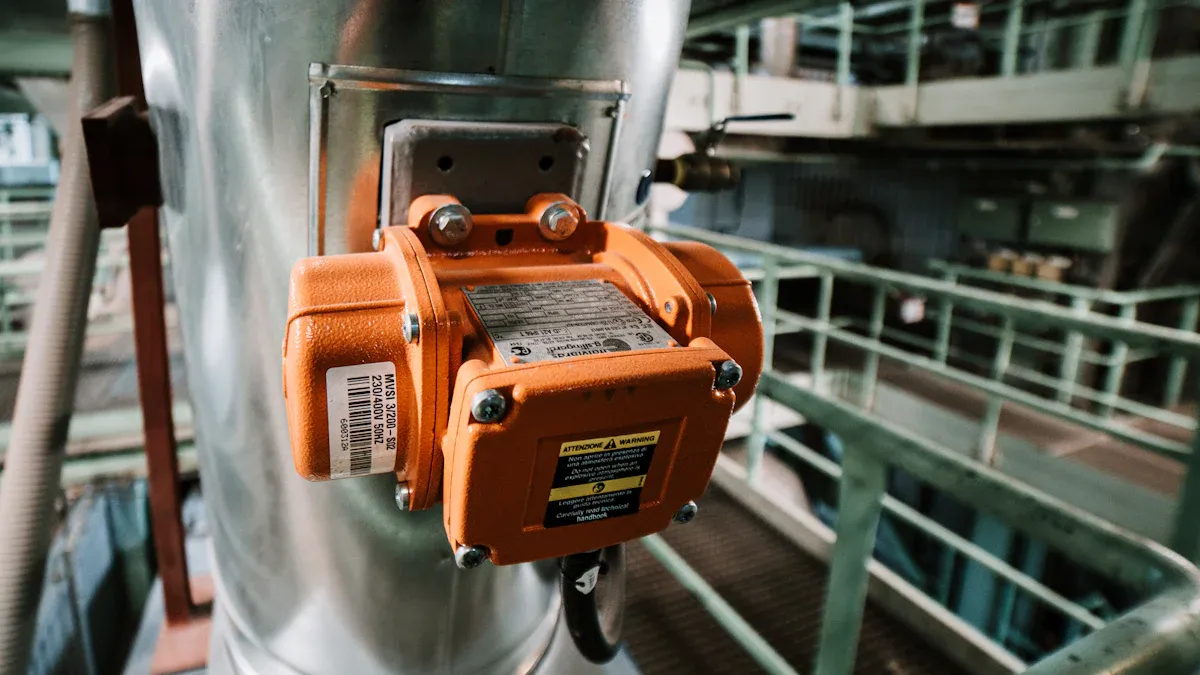
Many elements influence how well your water pump works. You need to understand these factors. This helps you choose the right pump for your specific job.
Total Dynamic Head (TDH) Explained
Total Dynamic Head (TDH) is a critical measurement. It tells you the total resistance your pump must overcome. Think of it as the total work your pump needs to do. TDH includes all vertical distances the water travels. It also includes all friction losses inside your pipes. A higher TDH means your pump needs more power. You must calculate TDH accurately for proper pump selection.
Suction Lift and Discharge Head Considerations
TDH breaks down into two main parts. First, you have suction lift. This is the vertical distance your pump pulls water from its source. For example, it is the depth of your well. Second, you have discharge head. This is the vertical distance your pump pushes water upwards. This could be the height to your water tank. Both suction lift and discharge head add to the total work your pump performs. You must measure these distances carefully.
Impact of Pipe Material and Fittings
The pipes you use also affect pump performance. Water moving through pipes creates friction. This friction slows the water down.
- Pipe Material: Rougher pipe materials cause more friction. Smooth pipes allow water to flow more easily.
- Pipe Diameter: Smaller pipes create more resistance. Larger pipes reduce friction loss.
- Fittings: Every elbow, valve, or tee in your system adds resistance. These fittings make your pump work harder.
You must consider these factors. They reduce the actual flow rate your pump delivers.
The Role of Elevation in Pump Performance
Elevation plays a big part in pump performance. Your pump works against gravity. If you pump water uphill, your pump needs more energy. Higher elevations increase the discharge head. This means your pump must overcome greater vertical distance. You must account for all elevation changes in your system. This ensures your pump has enough power to move water to its final destination.
Matching Your Flow Rate to MAXMACH Pump Specifications
You have calculated your required flow rate and understood the factors affecting pump performance. Now, you need to match these needs to a specific pump. This step involves looking at pump specifications. It helps you choose the best pump for your application.
Interpreting Pump Performance Curves
Pump performance curves are like a map for your pump. They show you exactly what a pump can do. You will see a graph with flow rate (GPM or LPH) on one axis. You will also see head (feet or meters) on the other axis. The curve shows the relationship between these two.
- Find your operating point: Locate your calculated flow rate on the bottom axis. Then, find your total dynamic head (TDH) on the side axis. Where these two points meet on the curve is your pump's operating point.
- Check the curve: Your chosen pump should have a curve that passes through or above your operating point. This means the pump can deliver the flow rate you need at the required head.
- Efficiency lines: Many curves also show efficiency lines. You want your operating point to fall within the pump's most efficient range. This saves you money on electricity.
Understanding these curves helps you select a pump that performs optimally. MAXMACH provides clear performance curves for all its pumps.
Understanding Pump Horsepower (HP) and Efficiency
Horsepower (HP) tells you how powerful a pump's motor is. A higher HP motor can generally move more water or lift it higher. However, HP alone does not tell the whole story.
- Efficiency matters: Pump efficiency is how well the pump converts electrical energy into water movement. A highly efficient pump uses less electricity to do the same amount of work.
- Balance HP and efficiency: Do not just pick the highest HP pump. Look for a pump that offers the right HP for your needs with good efficiency. This balance saves you money in the long run.
- MAXMACH pumps are designed for optimal efficiency. They deliver strong performance without excessive energy use.
Selecting the Right Impeller Type
The impeller is the rotating part inside the pump. It moves the water. Different impeller types suit different applications.
- Open Impellers: These impellers have vanes that are open on both sides. They are good for moving water with some solids or debris. They are less efficient but less likely to clog.
- Semi-Open Impellers: These have vanes open on one side and a backplate on the other. They offer better efficiency than open impellers. They can still handle some small solids.
- Closed Impellers: These impellers have vanes enclosed on both sides by shrouds. They are the most efficient type. You use them for clean water applications. They cannot handle solids well.
Choose an impeller type that matches the type of water you are pumping. This prevents damage and ensures reliable operation.
Considering Energy Consumption
Your pump will use electricity every time it runs. Energy consumption is a significant long-term cost.
- Look at wattage: Check the pump's wattage or amperage. This tells you how much power it draws.
- Calculate operating costs: You can estimate your monthly or yearly electricity cost. Multiply the pump's power consumption by how many hours it runs. Then, multiply that by your electricity rate.
- Invest in efficiency: A more efficient pump might cost more upfront. However, it will save you money on electricity bills over its lifespan. This makes it a smart investment.
- MAXMACH focuses on energy-efficient designs. This helps you reduce your operating expenses.
Avoiding Common Mistakes in Flow Rate Selection
The Dangers of Underestimating Flow Rate
You might think a smaller pump saves money. This is a common mistake. Underestimating your required flow rate causes many problems. Your pump will struggle to meet demand. Water pressure will be low. Tasks will take too long. The pump works harder than it should. This leads to early wear and tear. You will face frequent repairs or need a replacement sooner. Always ensure your pump can handle your needs.
Why Over-Sizing Your Pump is Detrimental
Choosing a pump that is too powerful also creates issues. You might think more power is always better. An oversized pump wastes energy. It costs more to run. It can also damage your plumbing system. High pressure might burst pipes or wear out fixtures quickly. The pump cycles on and off too often. This reduces its lifespan. You want a pump that matches your needs, not one that exceeds them greatly.
Not Accounting for System Losses
You must remember system losses. These include friction in pipes and elevation changes. Many people forget to add these to their calculations. Ignoring these losses means your pump will not deliver the expected flow. Your carefully chosen MAXMACH pump might seem underpowered. Always factor in total dynamic head. Consider pipe diameter, length, and fittings. This ensures accurate performance.
Planning for Future Expansion Needs
Think about your future. Will you add more bathrooms? Do you plan a larger garden? Your water demands might increase. A pump chosen for today's needs might be insufficient tomorrow. It is wise to select a pump with a little extra capacity. This small buffer prevents you from needing an upgrade too soon. Plan for growth to avoid future headaches.
You now know how to calculate flow rate. You considered volume, time, head, and friction. Accurate assessment is crucial. It prevents pump problems. Make an informed decision. Choose the right MAXMACH pump. This ensures efficient operation for your specific needs.
FAQ
What does GPM mean?
GPM means Gallons Per Minute. It measures how much water your pump moves in one minute. This helps you compare pump power.
How can I tell if my pump is too small?
Your pump is too small if water pressure is low. Tasks take too long. The pump runs constantly. This causes early wear.
Can one pump work for many jobs?
One pump can work for some jobs. But, different tasks need specific flow rates. Match the pump to your main need for best results.