
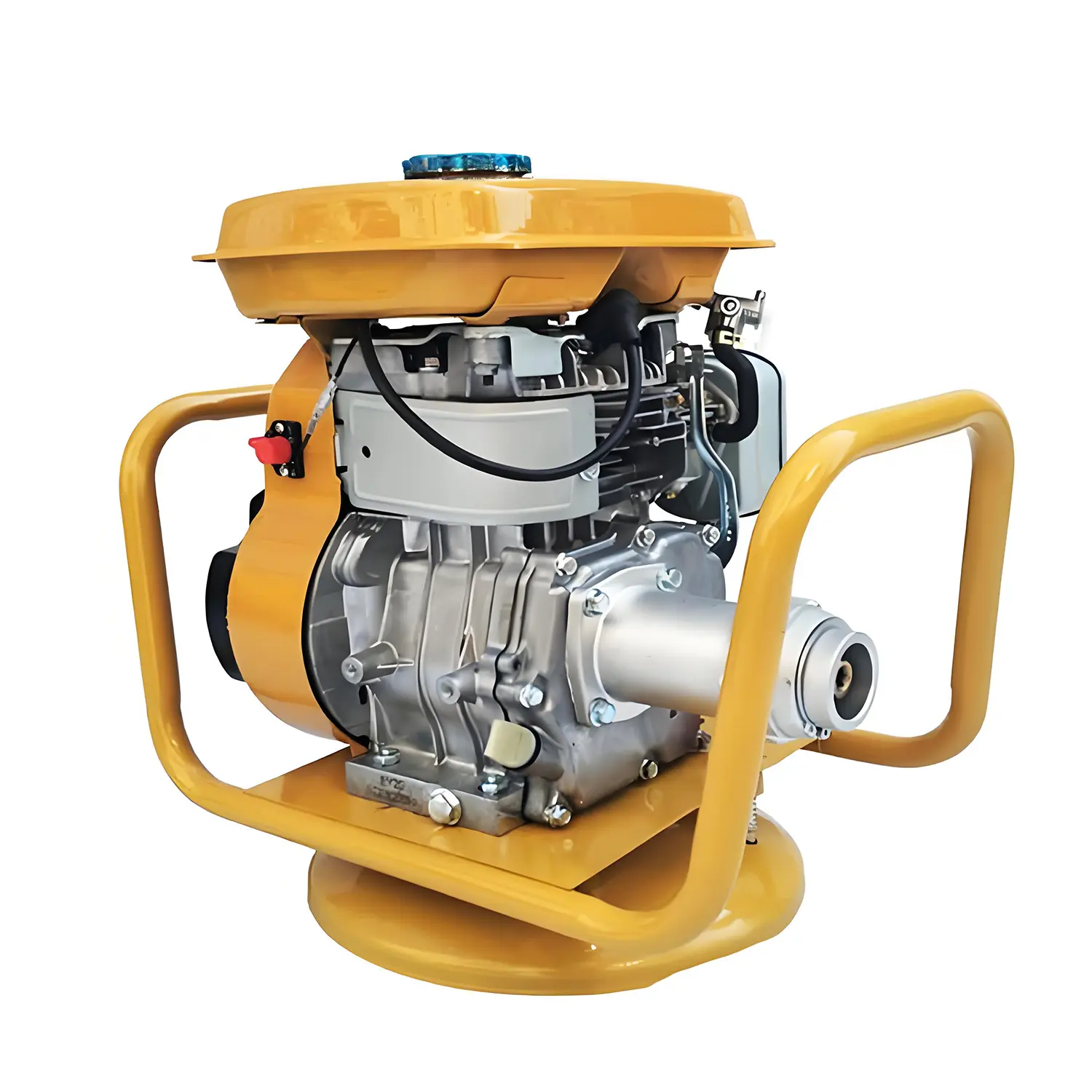
 Internal Vibrator
 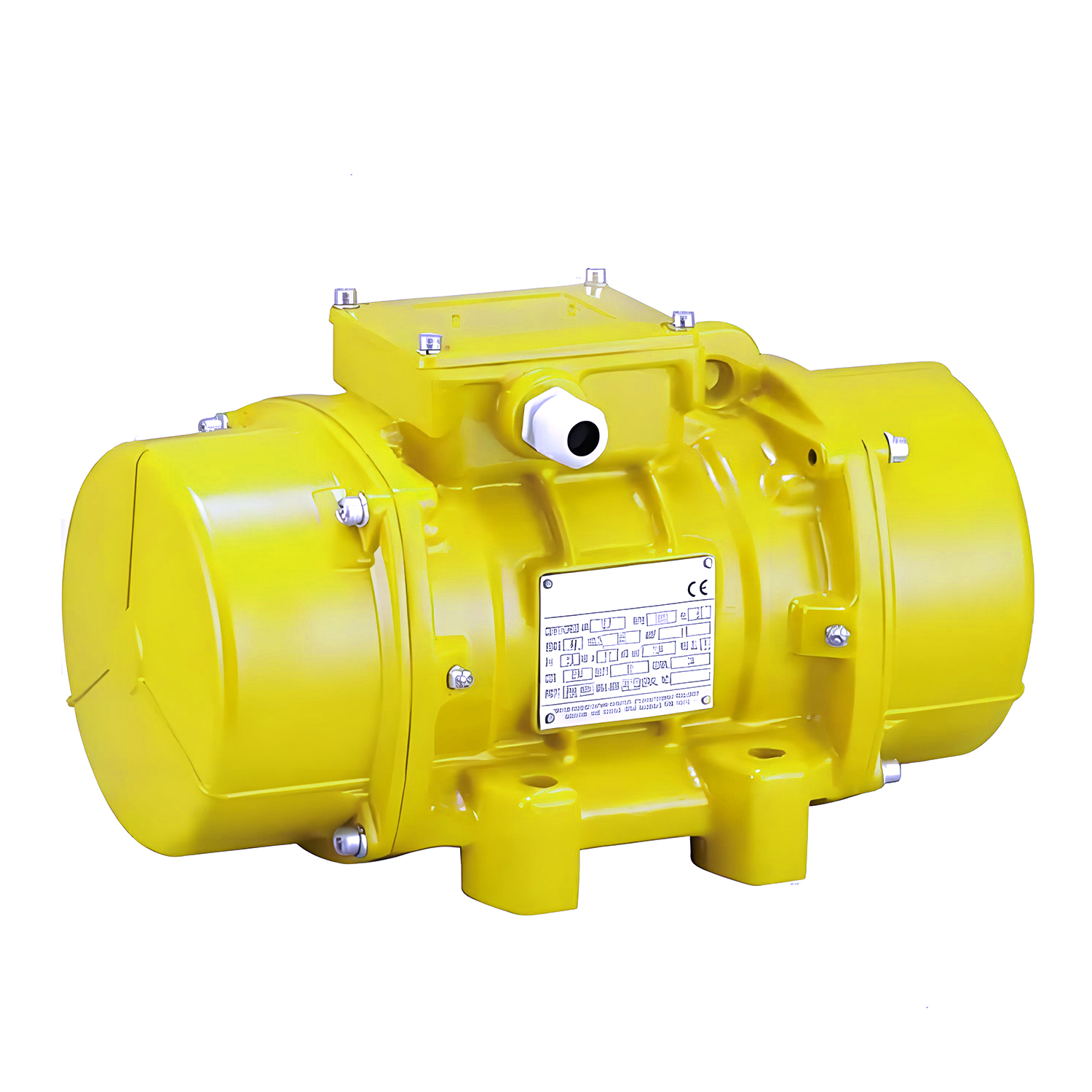 External Vibrator
 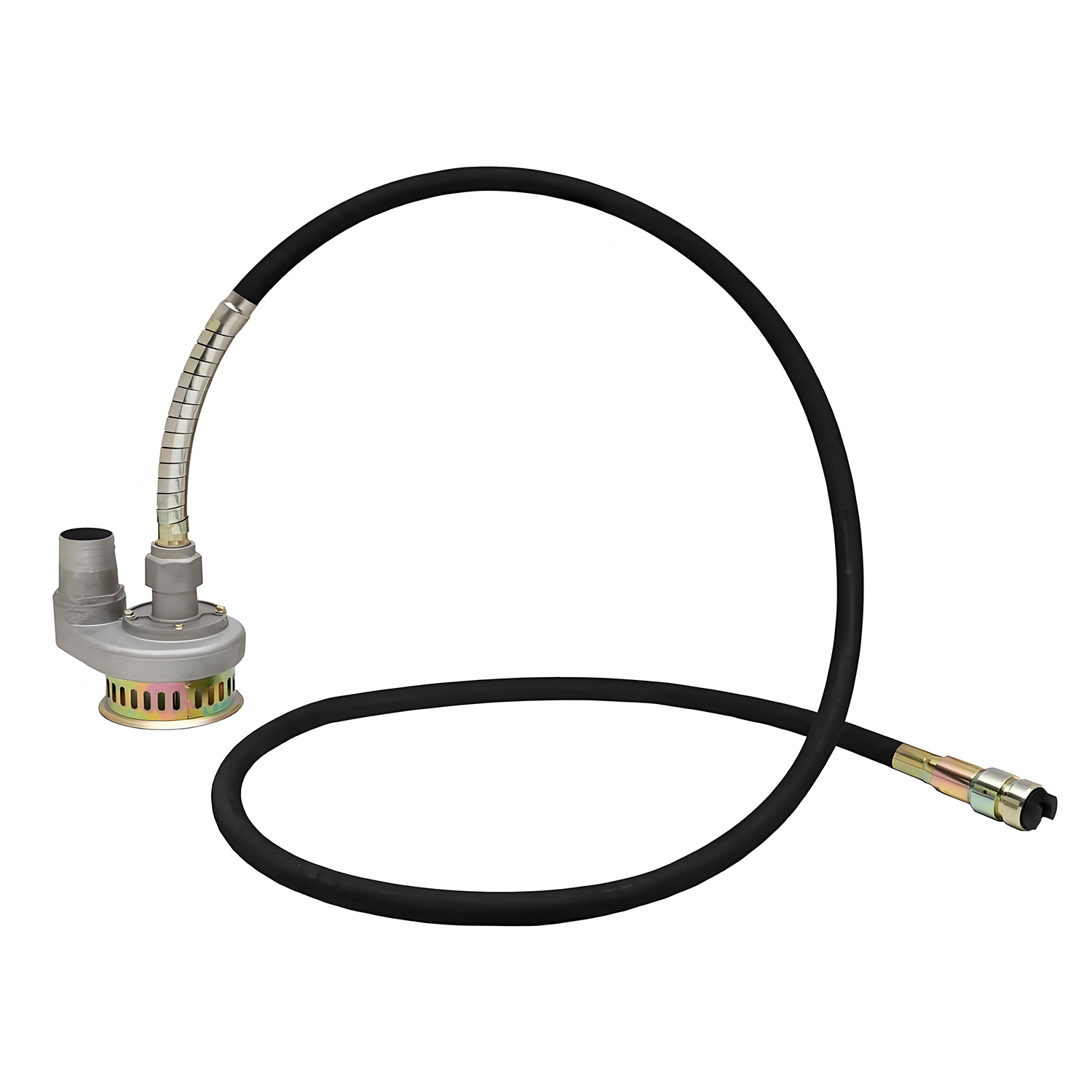 Submersible Pump
 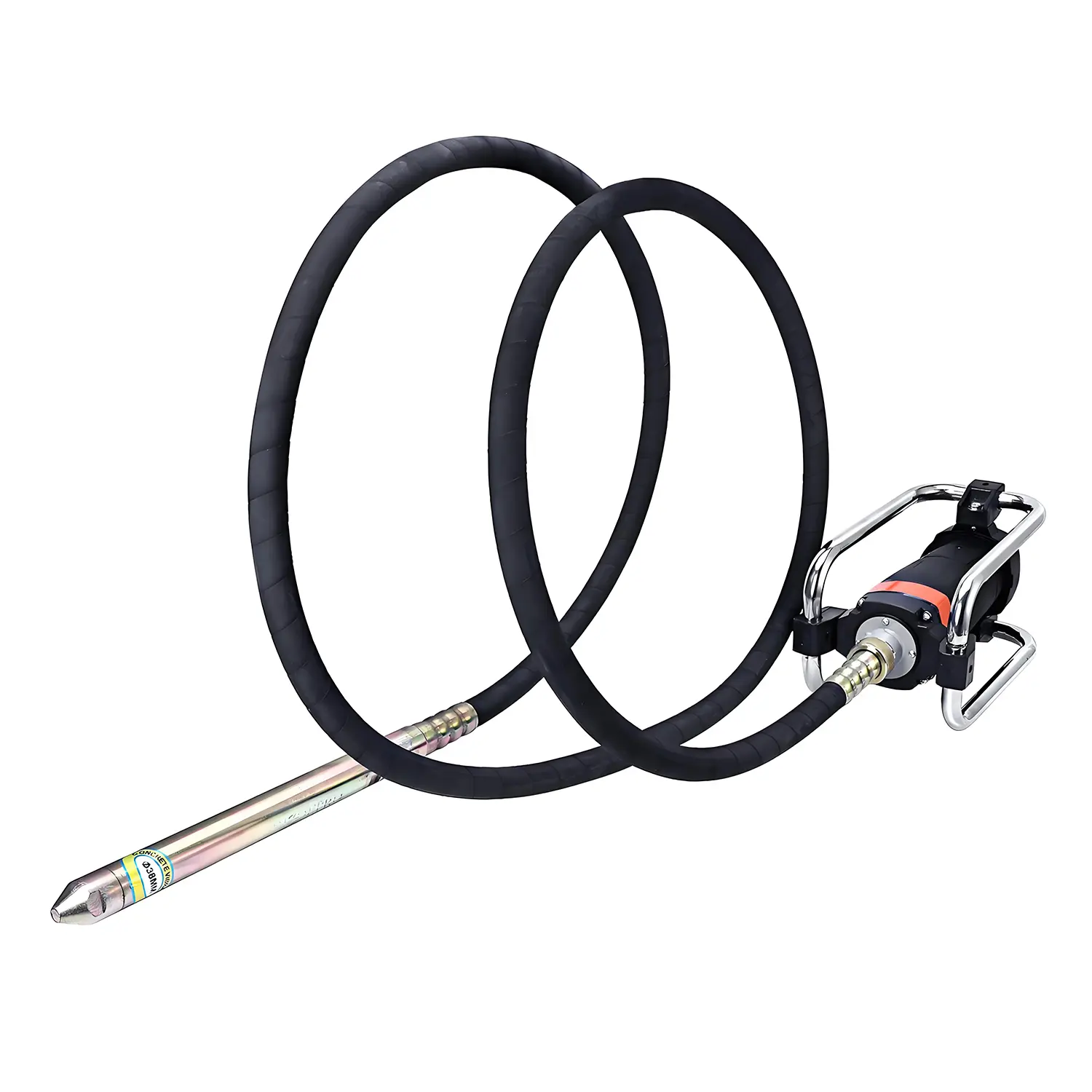 Eccentric shaft
 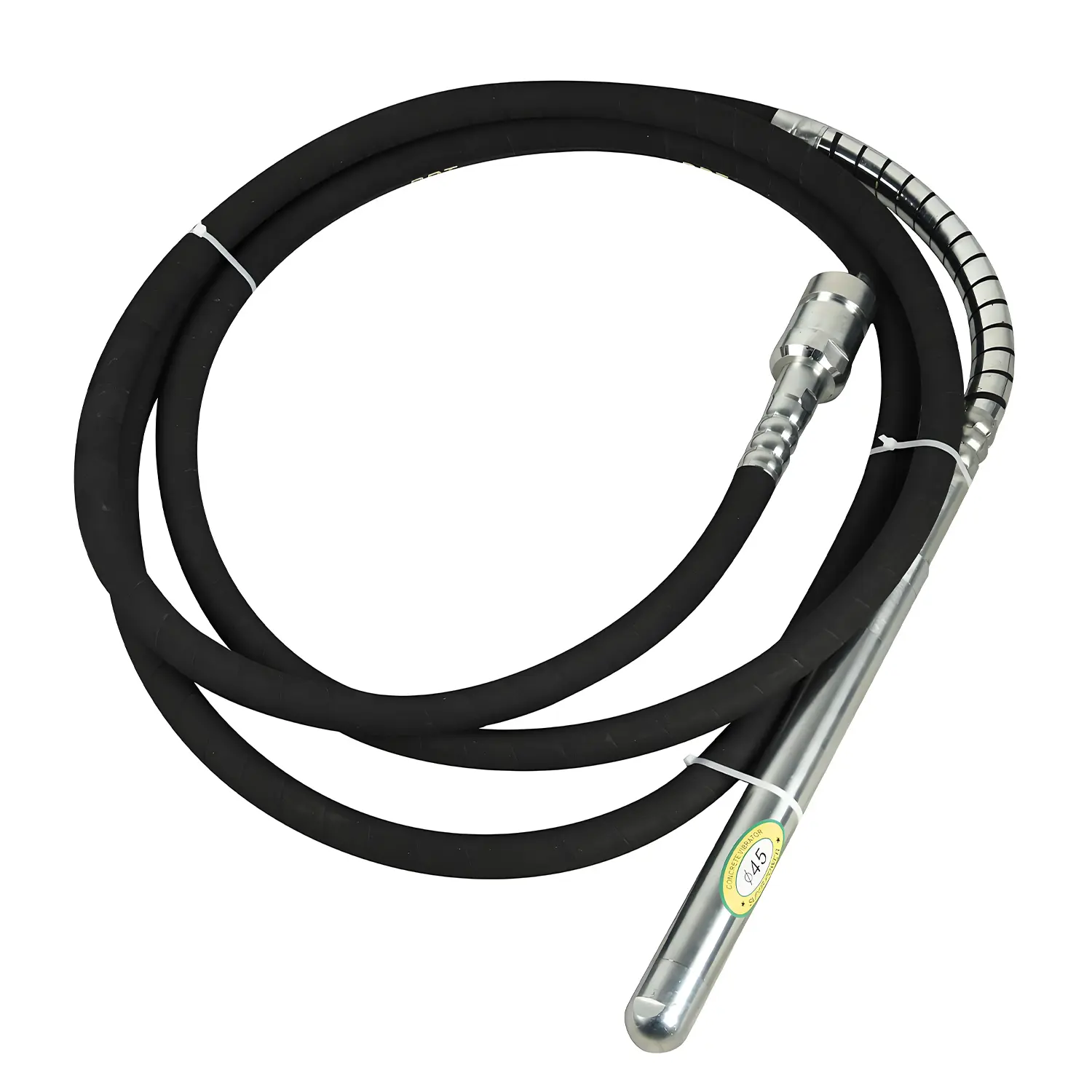 Pendulum shaft
 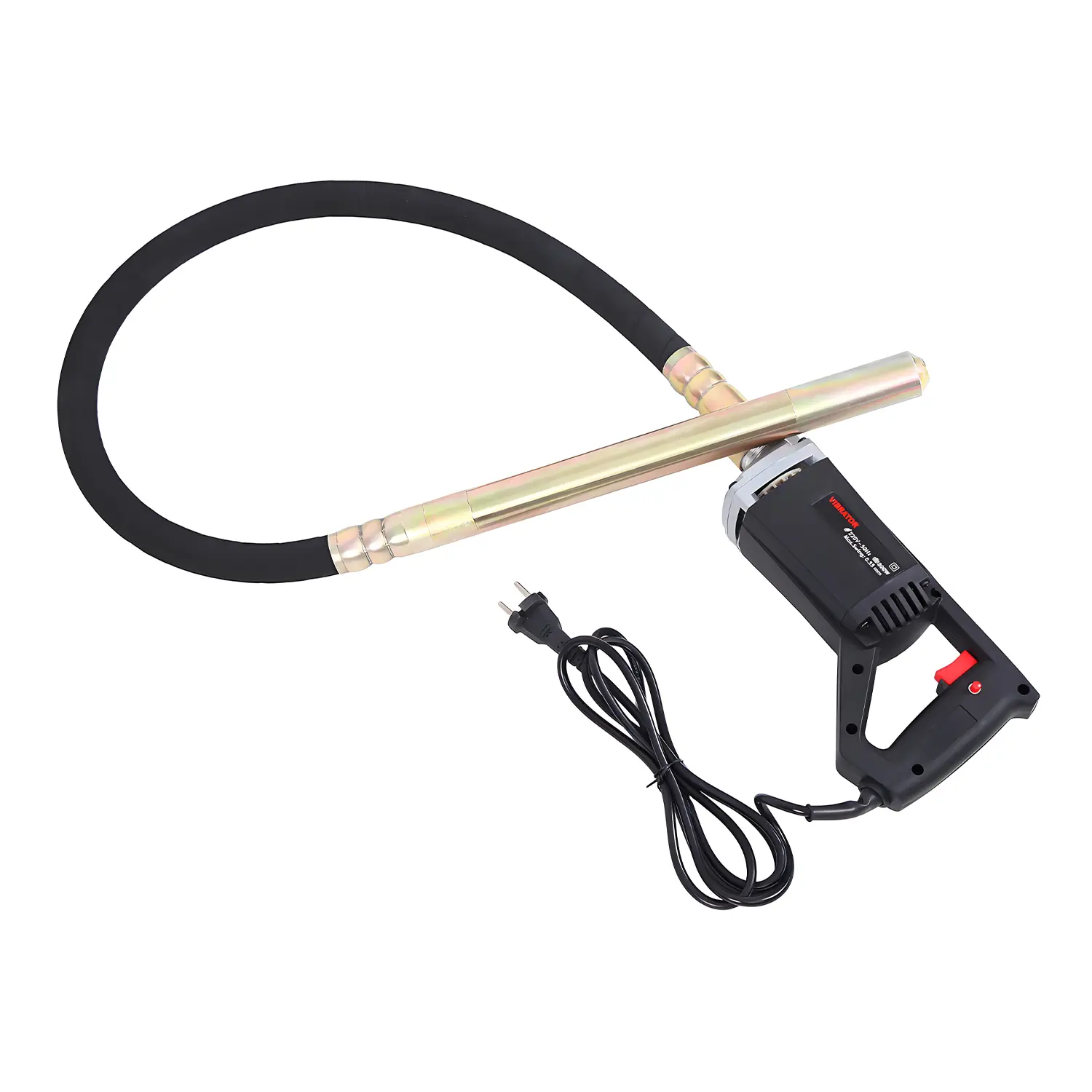 Portable vbrator shaft
 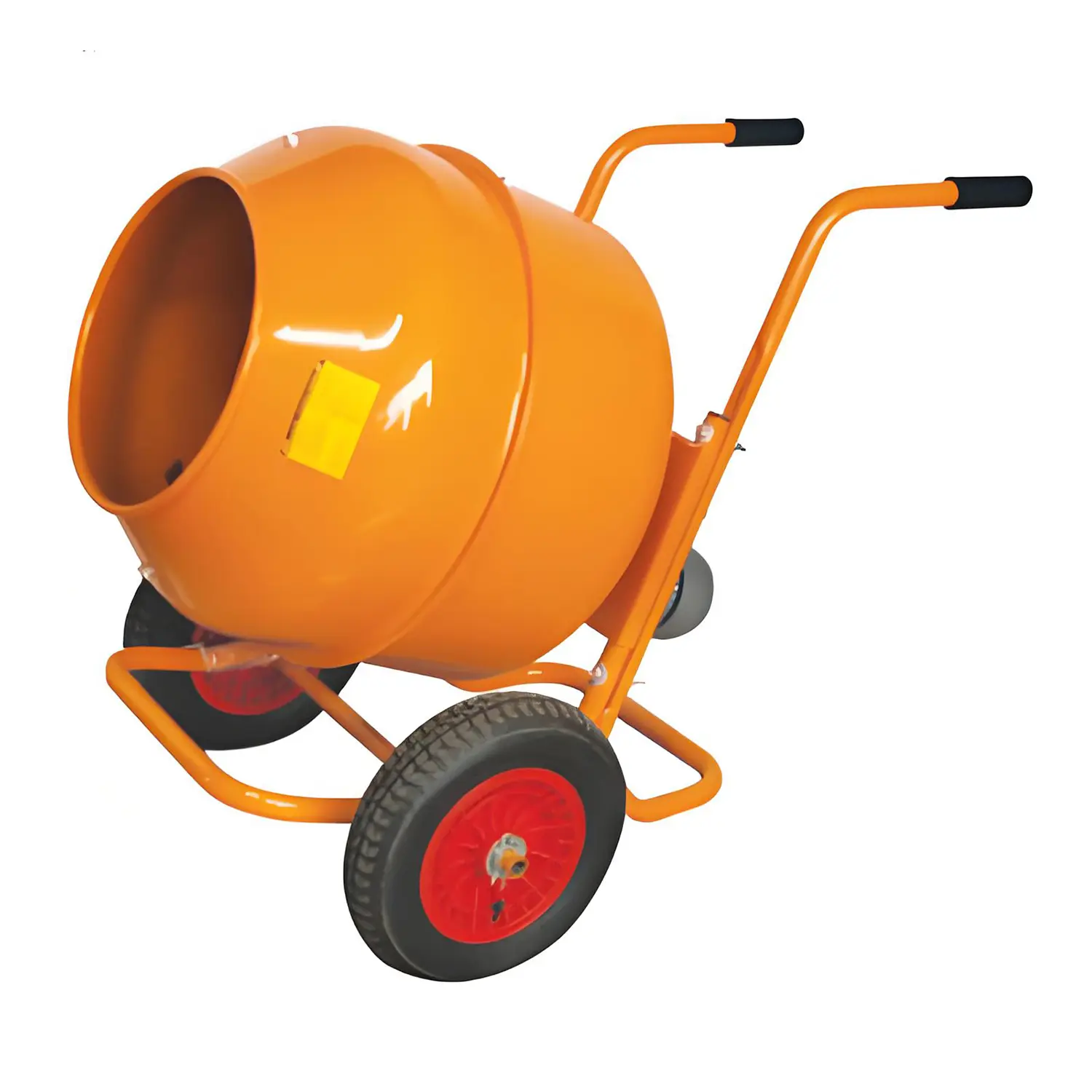 Portable concrete mixer
 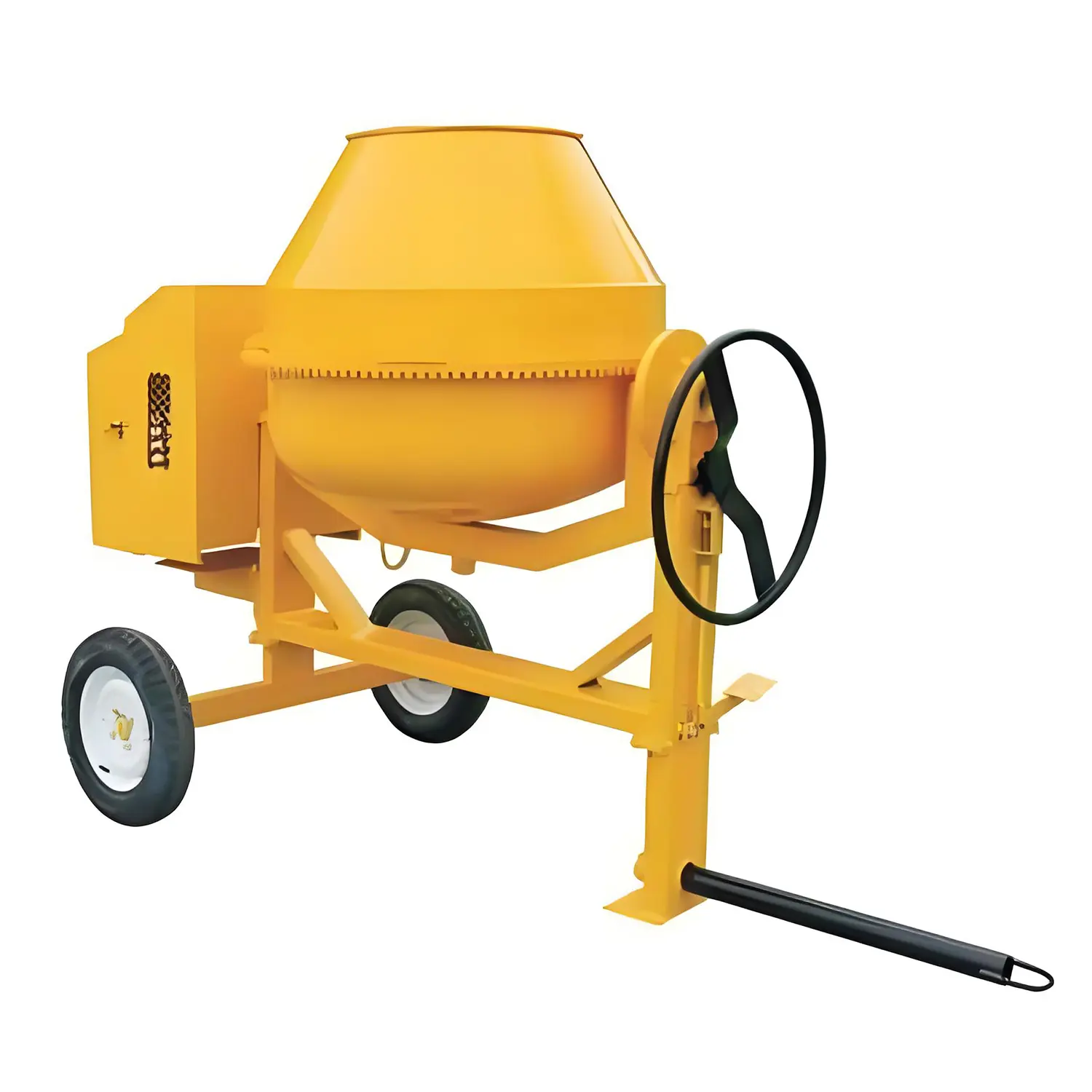 Vertical concrete mixer
 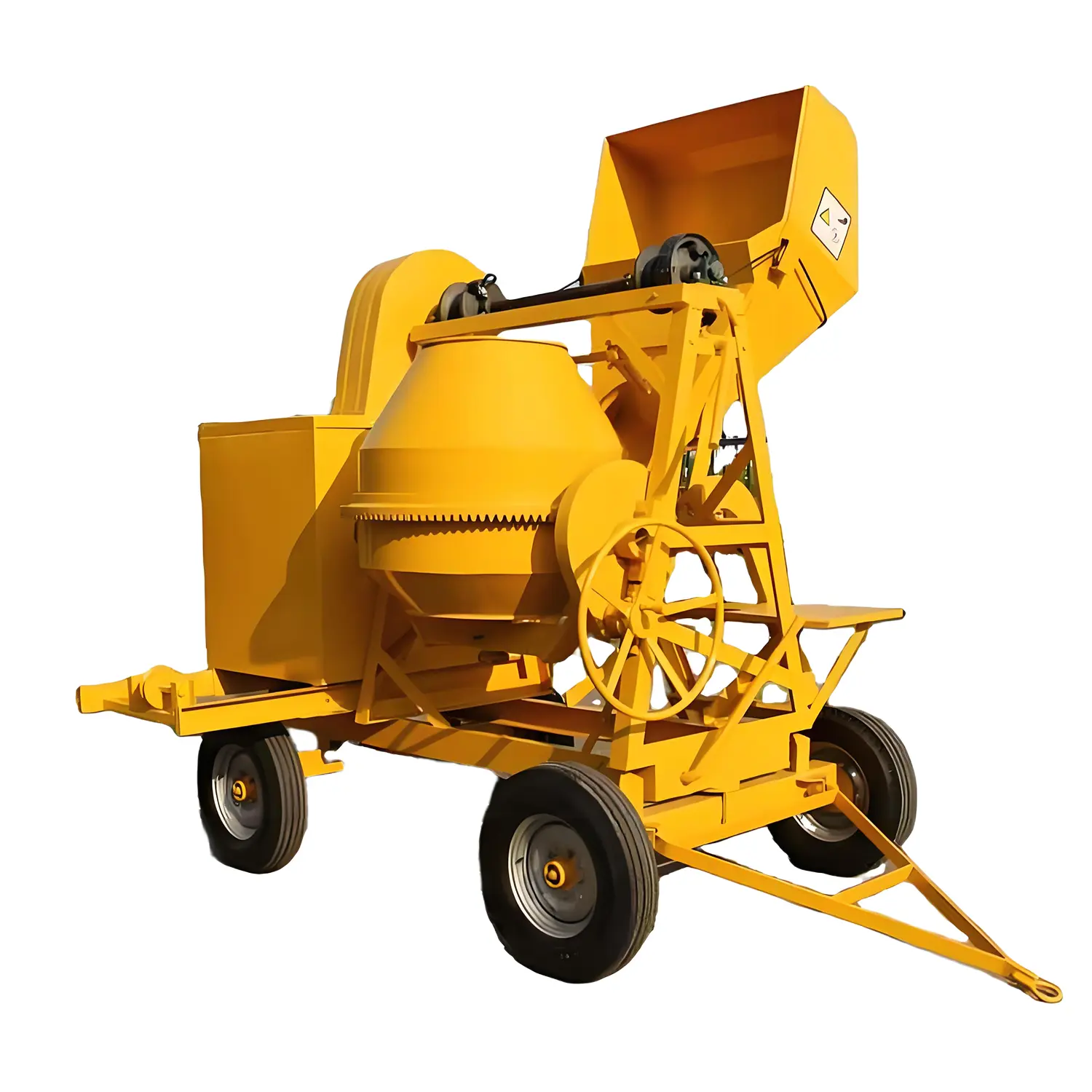 Hydraulic concrete mixer
 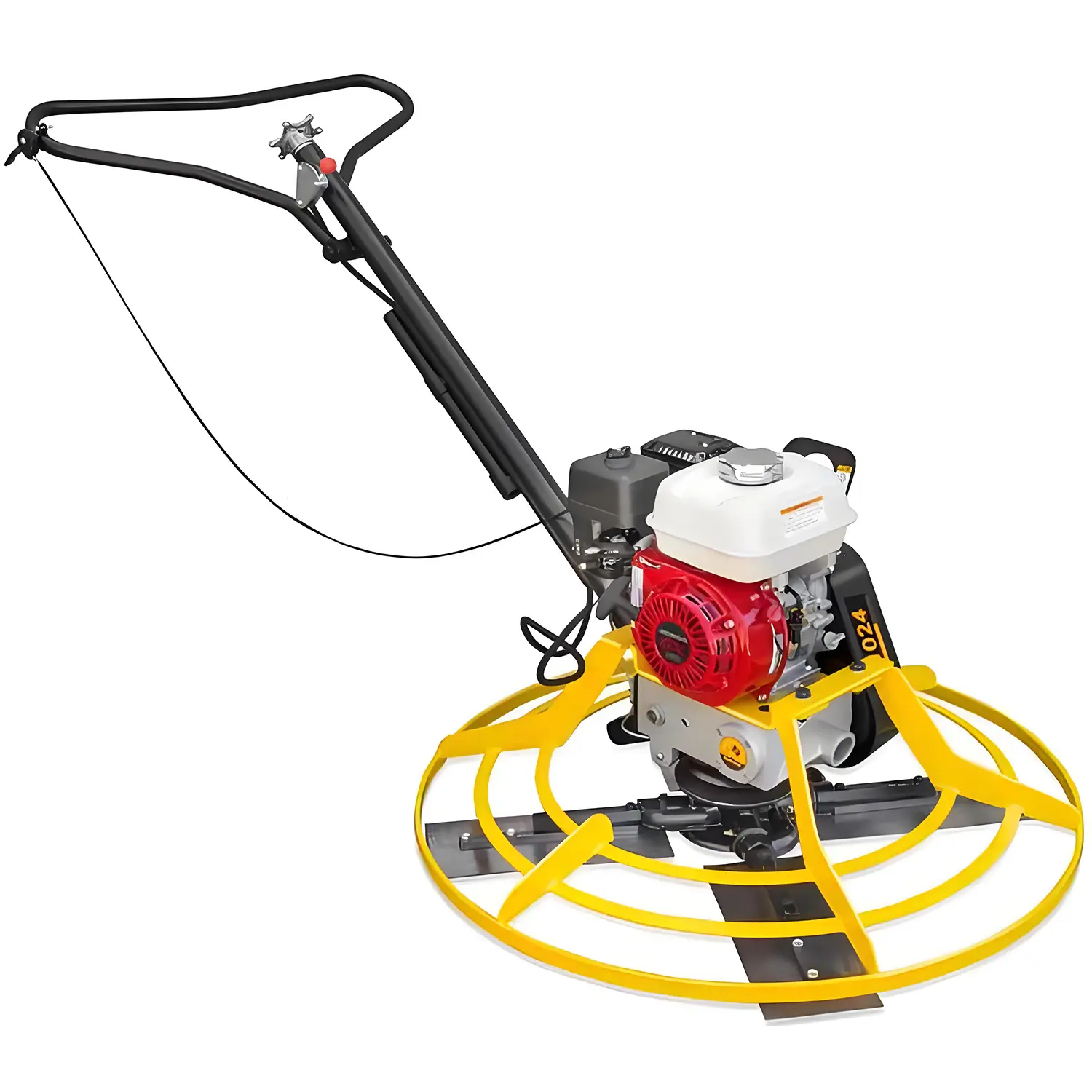 Walk behind power trowel
 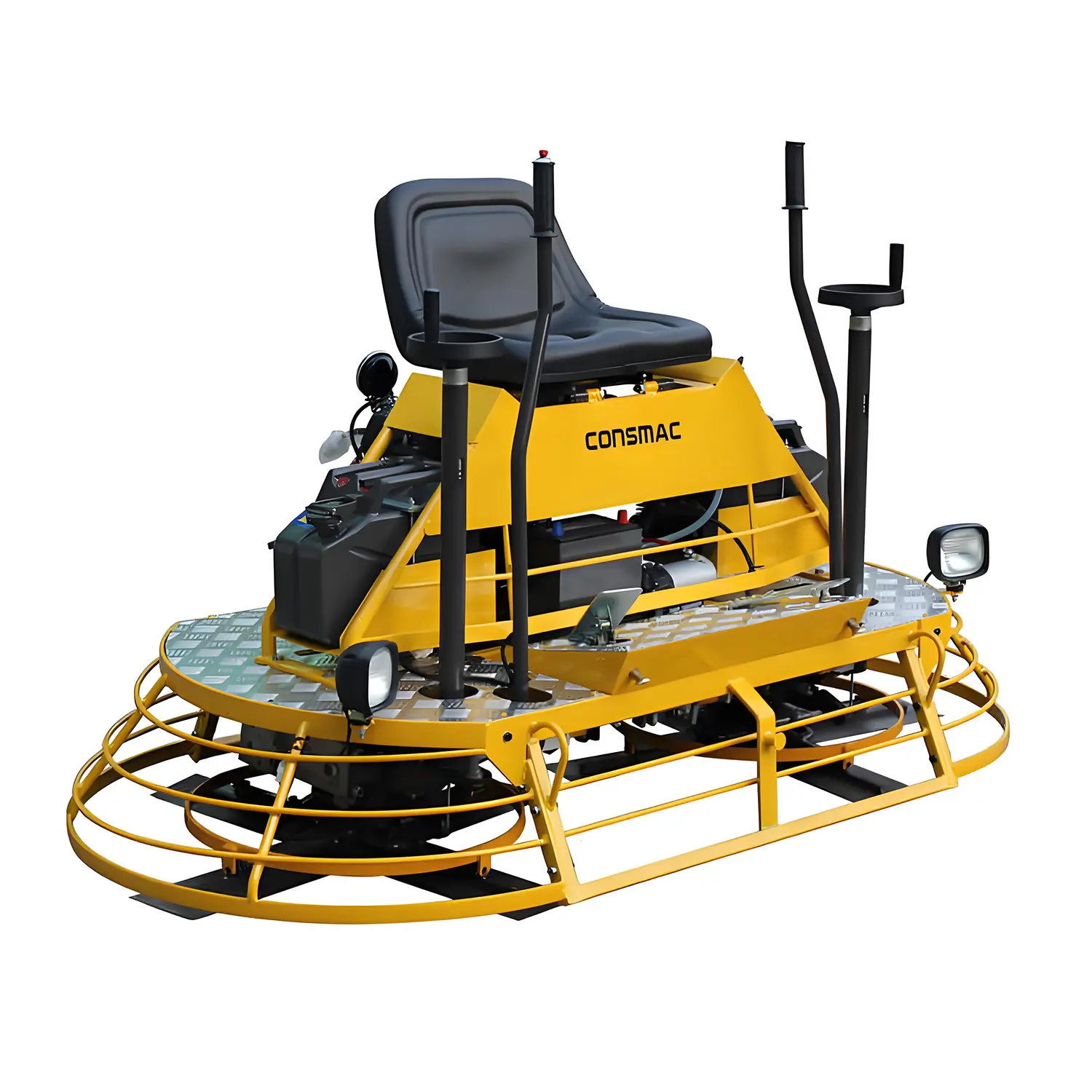 Ride on power trowel
 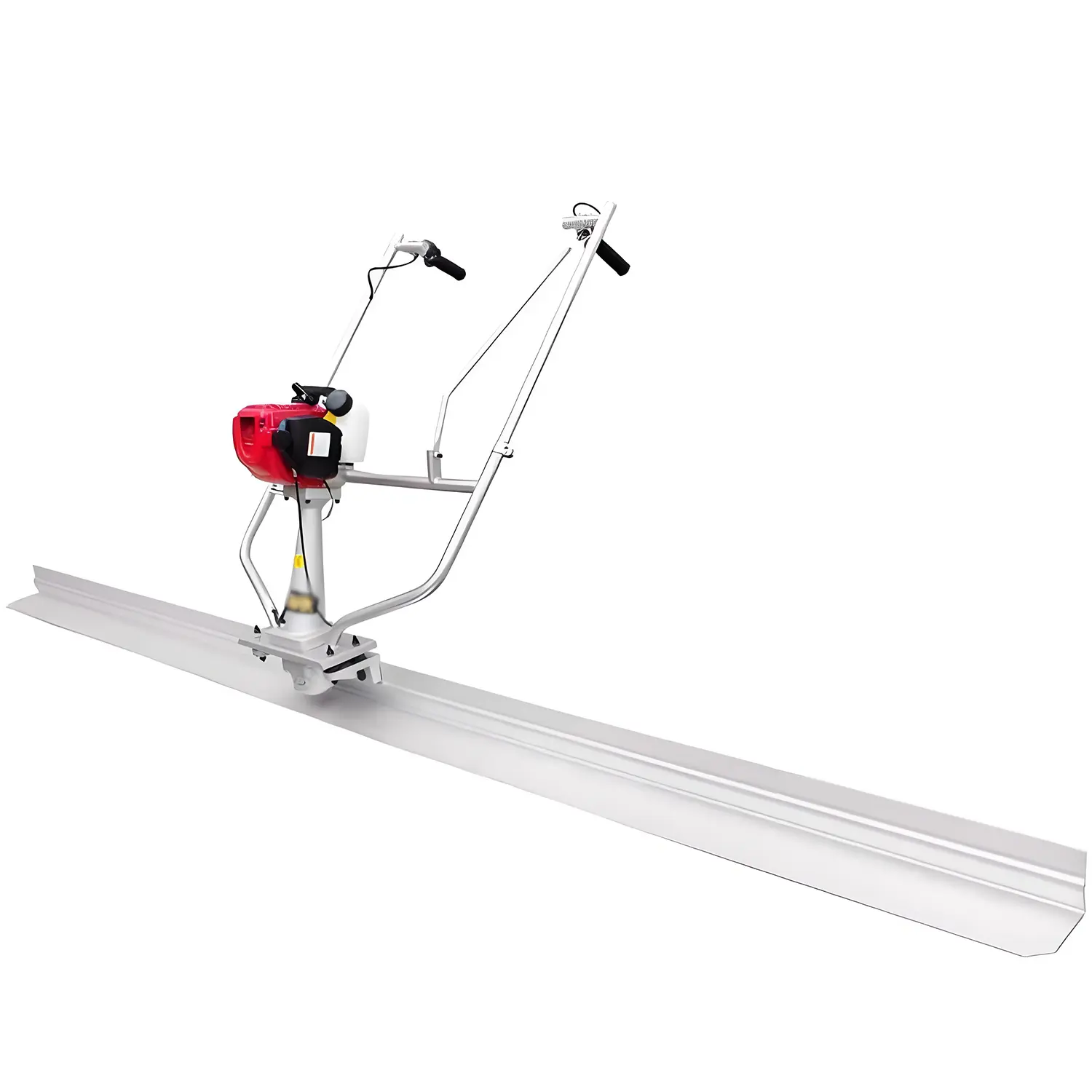 Concrete screed
 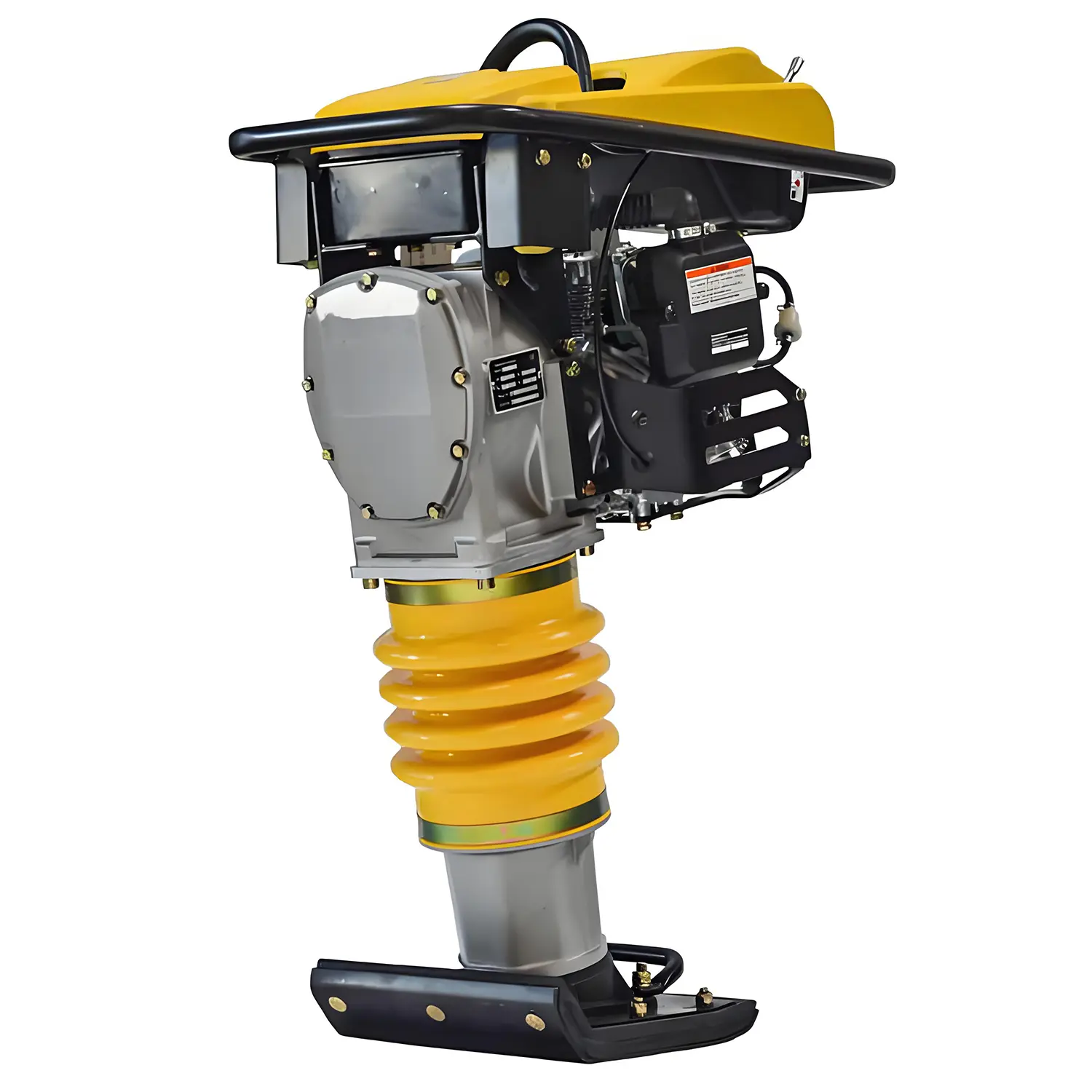 Tamping rammer
 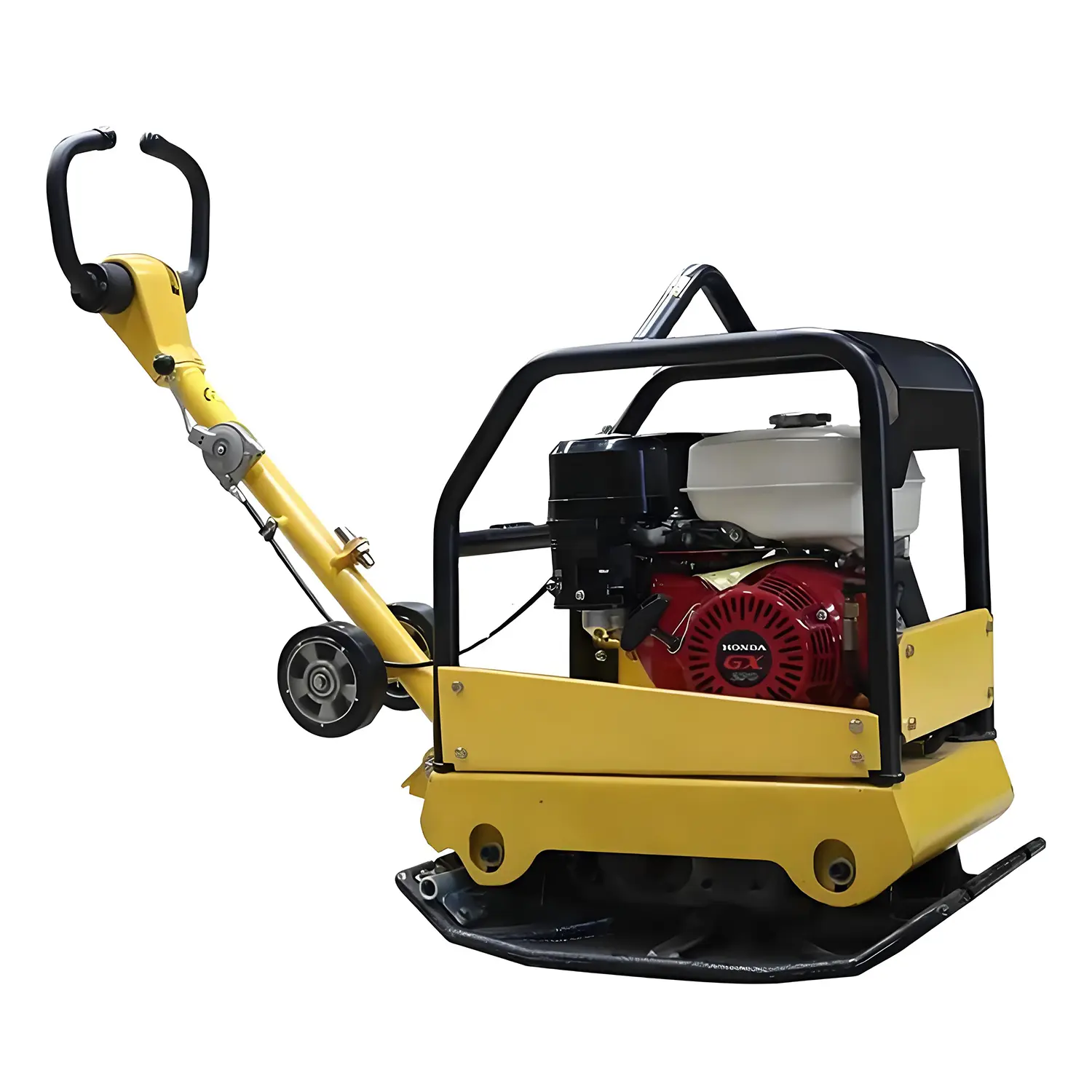 Plate compactor
 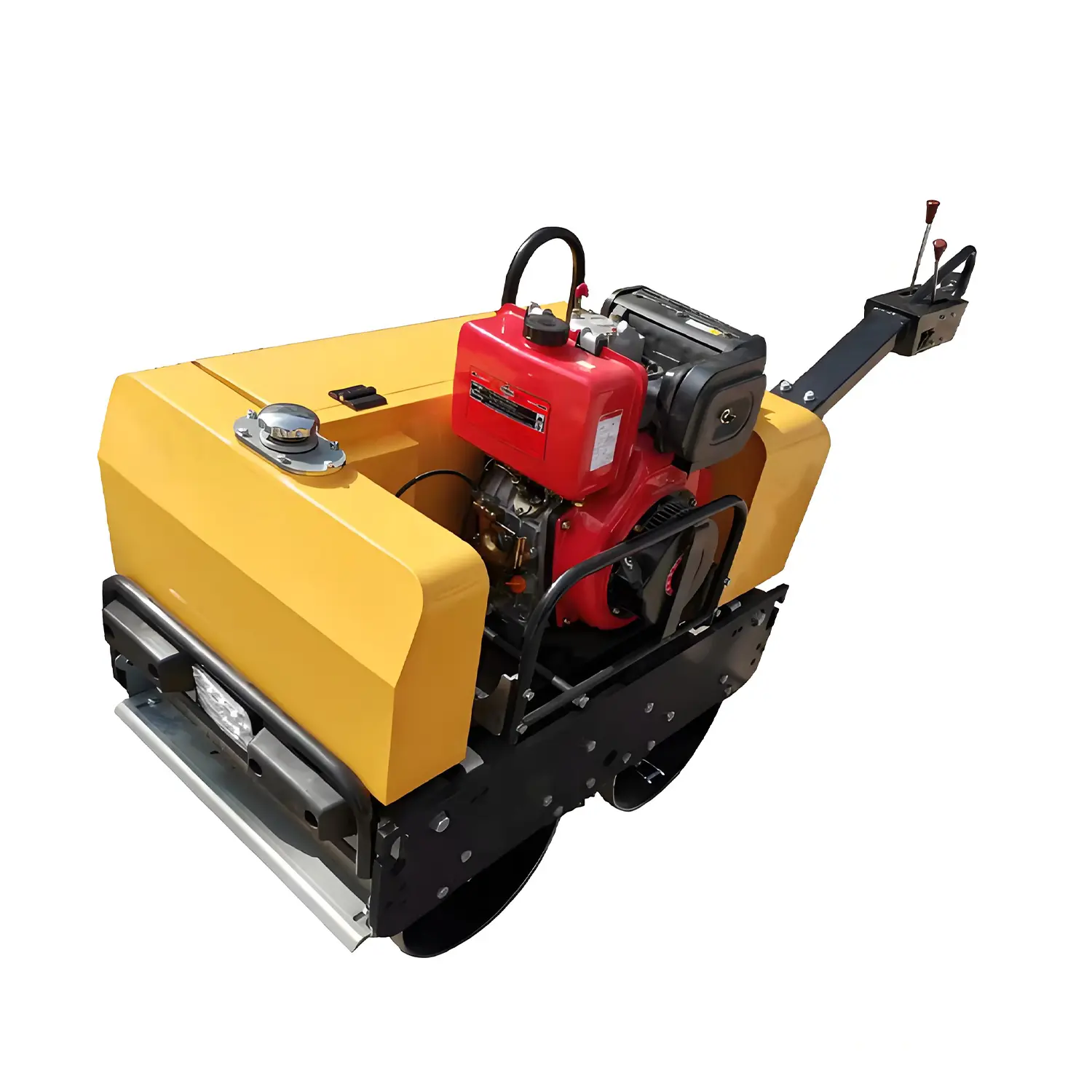 Vibratory roller






What Material Makes MAXMACH Vibrator Shaft Resist Corrosion?
MAXMACH vibrator shafts achieve excellent corrosion resistance. They strategically use high-grade stainless steel, including 303, 304, and 316 grades. Certain specialized applications also feature titanium. These materials inherently combat rust and degradation. They perform well in demanding environments.
Key Takeaways
- MAXMACH vibrator shafts use special metals like stainless steel (grades 303, 304, 316) and sometimes titanium. These metals stop rust and damage, making the shafts last longer.
- Stainless steel protects itself with a thin, invisible layer that stops rust. MAXMACH also uses strong materials like 316 stainless steel for salty water and titanium for very harsh chemicals.
- MAXMACH makes shafts very smooth and checks all materials carefully. This stops rust from starting and makes sure the shafts are strong and resist corrosion well.
Core Materials for MAXMACH Vibrator Shaft Corrosion Resistance
The Role of Stainless Steel in MAXMACH Shafts
Stainless steel is a primary material for MAXMACH vibrator shafts. It offers excellent resistance to rust and degradation. This material contains chromium. Chromium reacts with oxygen to form a thin, protective layer on the surface. This layer prevents further corrosion. Stainless steel provides durability. It ensures long-lasting performance in various operating conditions.
Specific Stainless Steel Grades in MAXMACH Vibrator Shafts
MAXMACH uses different grades of stainless steel. Each grade offers specific benefits.
- 303 Stainless Steel: This grade is known for its good machinability. Manufacturers can easily shape it into precise components. It provides decent corrosion resistance for general applications.
- 304 Stainless Steel: This is a very common grade. It offers excellent general corrosion resistance. It performs well in many environments. It also has good strength.
- 316 Stainless Steel: This grade provides superior corrosion resistance. It contains molybdenum. Molybdenum enhances its resistance to chlorides. This makes it ideal for marine or chemical environments. Vibrator shafts in these harsh settings benefit greatly from 316 stainless steel.
Titanium: An Advanced Option for MAXMACH Vibrator Shafts
Titanium is an advanced material choice for some MAXMACH vibrator shafts. It offers extreme corrosion resistance. It is also very strong and lightweight. Titanium performs exceptionally well in highly aggressive chemical environments. It resists pitting and crevice corrosion. Its high cost limits its use to specialized applications. These applications demand the highest level of performance and durability.
How MAXMACH Materials Achieve Corrosion Resistance
The Passive Layer Protection in MAXMACH Stainless Steel
Stainless steel protects itself through a unique mechanism. It contains chromium, a key element. When chromium contacts oxygen, it forms a very thin, invisible film on the surface. This film is called a passive layer. It acts as a protective barrier. This layer prevents oxygen from reaching the iron in the steel. Without oxygen, iron cannot rust. The passive layer also has a self-healing property. If something scratches the surface, the layer quickly reforms. This continuous protection makes MAXMACH stainless steel shafts highly resistant to corrosion. The stability of this passive layer is crucial. It ensures long-term durability even in challenging conditions.
Resistance to Diverse Corrosive Agents in MAXMACH Shafts
MAXMACH shafts encounter many harsh environments. Their selected materials effectively resist diverse corrosive agents. Standard stainless steel grades, like 304, provide strong defense against general moisture and mild chemicals. They perform well in many common industrial settings. For more aggressive conditions, grade 316 stainless steel offers superior resistance. Its molybdenum content specifically combats chlorides. Chlorides are present in saltwater, swimming pools, and and certain chemical processes. This makes 316 ideal for marine or coastal applications. Titanium, used in specialized applications, provides extreme protection. It withstands highly acidic solutions and aggressive chemicals. This careful material selection ensures the shafts maintain integrity against specific corrosive threats.
MAXMACH Manufacturing Enhancements for Corrosion Resistance
Precision Machining and Surface Finish for MAXMACH Shafts
MAXMACH ensures superior corrosion resistance through careful manufacturing processes. Precision machining creates very smooth surfaces on vibrator shafts. A smooth surface reduces tiny crevices and imperfections. Corrosive agents, like water or chemicals, cannot easily collect in these areas. This prevents localized corrosion, which often starts in rough spots. A fine surface finish also means fewer points where rust can begin. This meticulous attention to detail significantly extends the shaft's lifespan.
Quality Control and Material Sourcing at MAXMACH
MAXMACH implements strict quality control measures. They carefully inspect all raw materials. This ensures each batch meets high standards for purity and composition. Poor quality materials can contain impurities. These impurities might reduce corrosion resistance. MAXMACH sources materials only from trusted suppliers. This guarantees the consistent quality of stainless steel and titanium. Rigorous testing confirms the materials' properties before production. This comprehensive approach prevents defects that could compromise the shaft's ability to resist corrosion.
MAXMACH vibrator shafts achieve superior corrosion resistance. They primarily use high-grade stainless steel, including 303, 304, and 316. Sometimes, they use titanium. These materials form a protective passive layer. This material choice, combined with precise manufacturing and strict quality control, ensures exceptional durability. They offer longevity in challenging operational environments.
FAQ
❓ Why does MAXMACH use stainless steel for its shafts?
MAXMACH uses stainless steel because it forms a protective layer. This layer prevents rust and corrosion. It ensures the shafts last a long time in tough conditions.
🌊 What makes 316 stainless steel better for harsh environments?
316 stainless steel contains molybdenum. This element gives it extra resistance to chlorides. Chlorides are common in saltwater and chemicals. This makes it ideal for marine use.
✨ When does MAXMACH choose titanium for vibrator shafts?
MAXMACH selects titanium for highly aggressive environments. Titanium offers extreme corrosion resistance and strength. It is perfect for specialized applications needing top performance.