
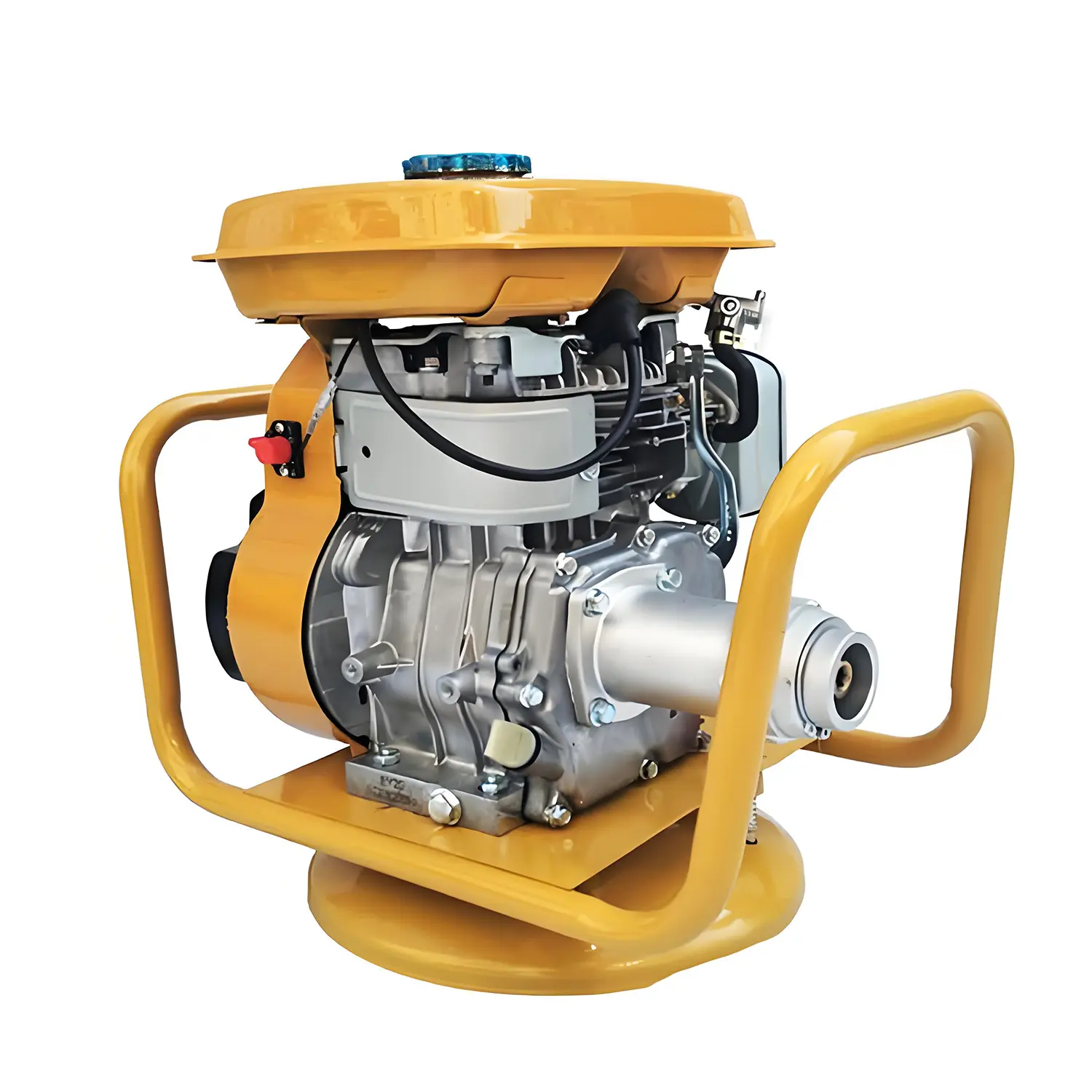
 Internal Vibrator
 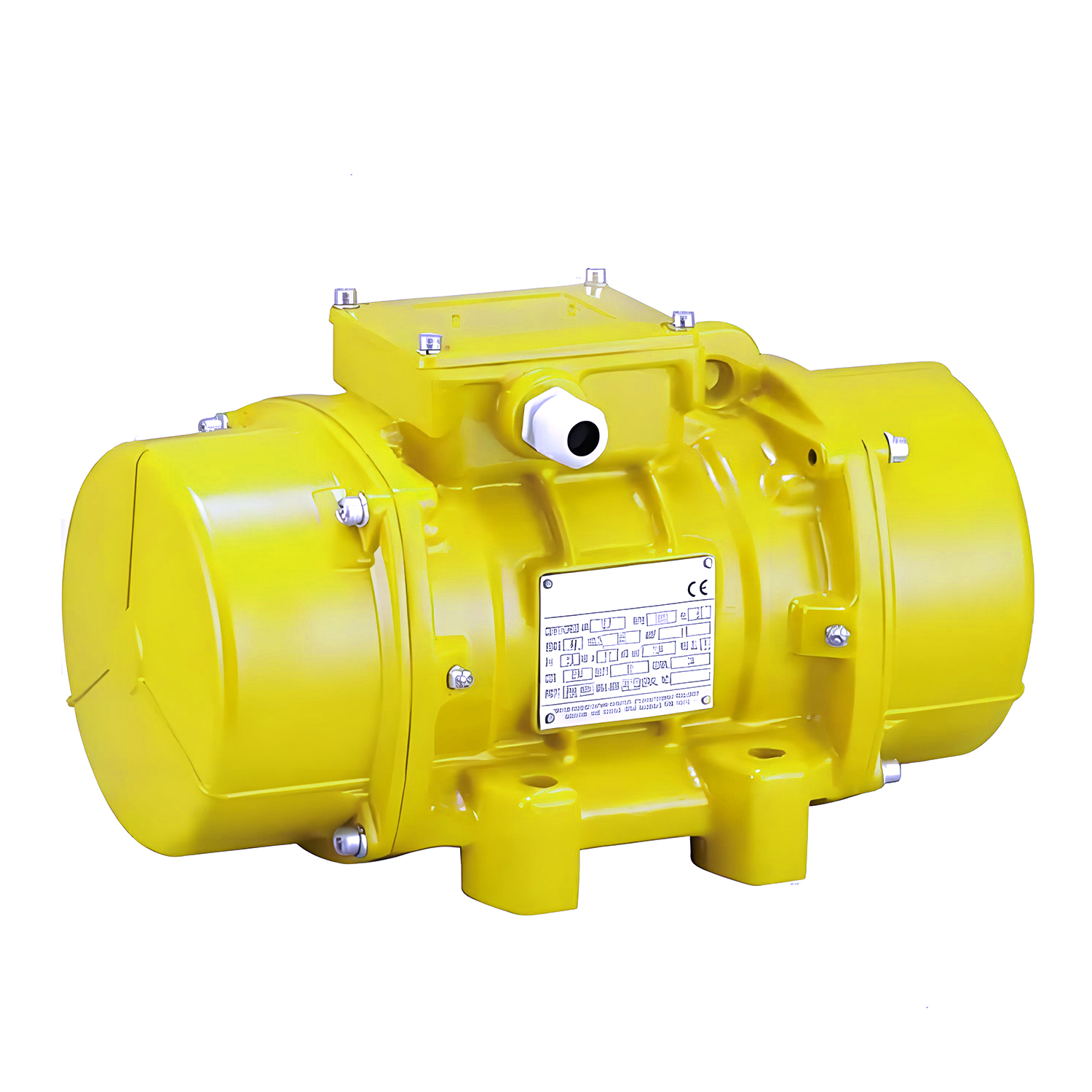 External Vibrator
 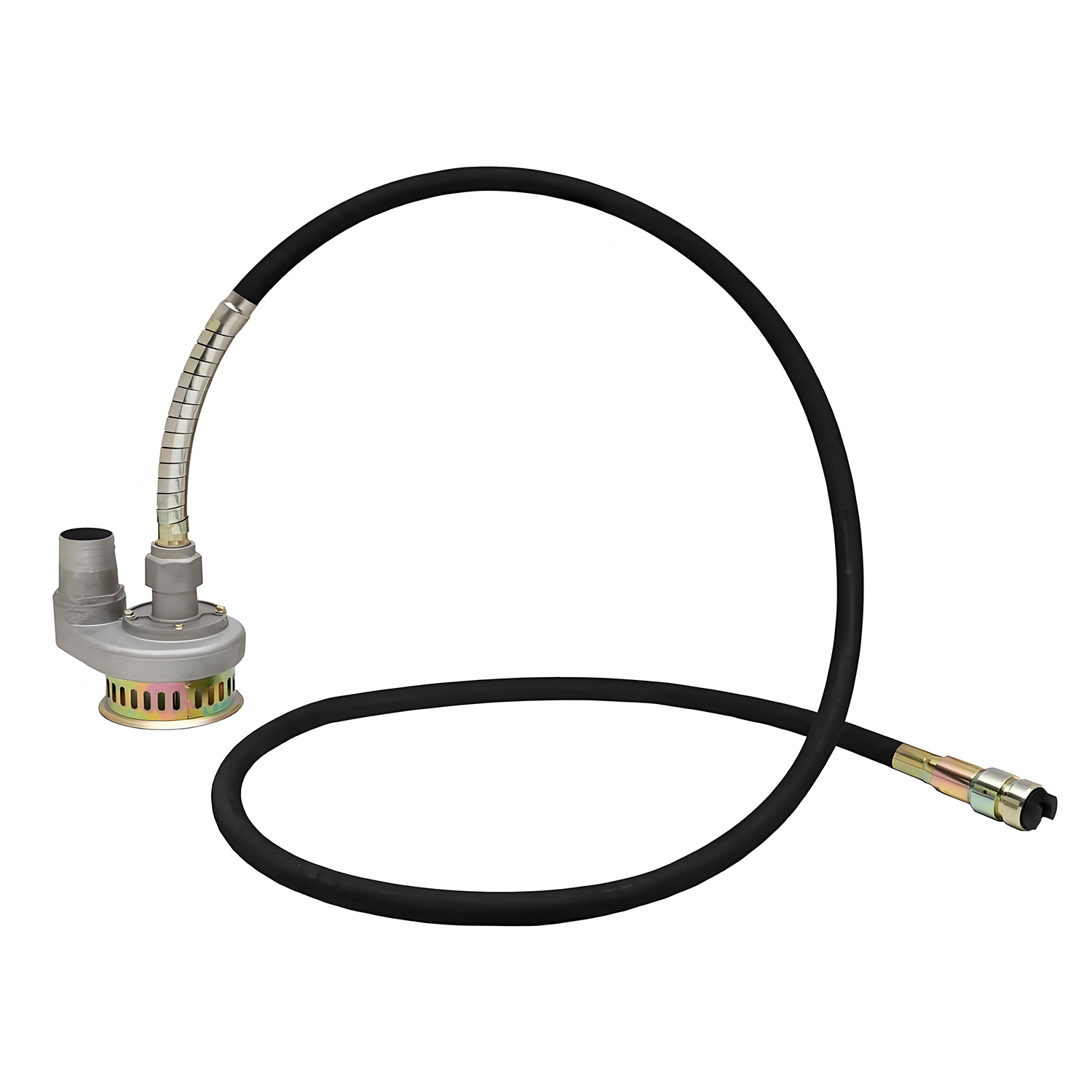 Submersible Pump
 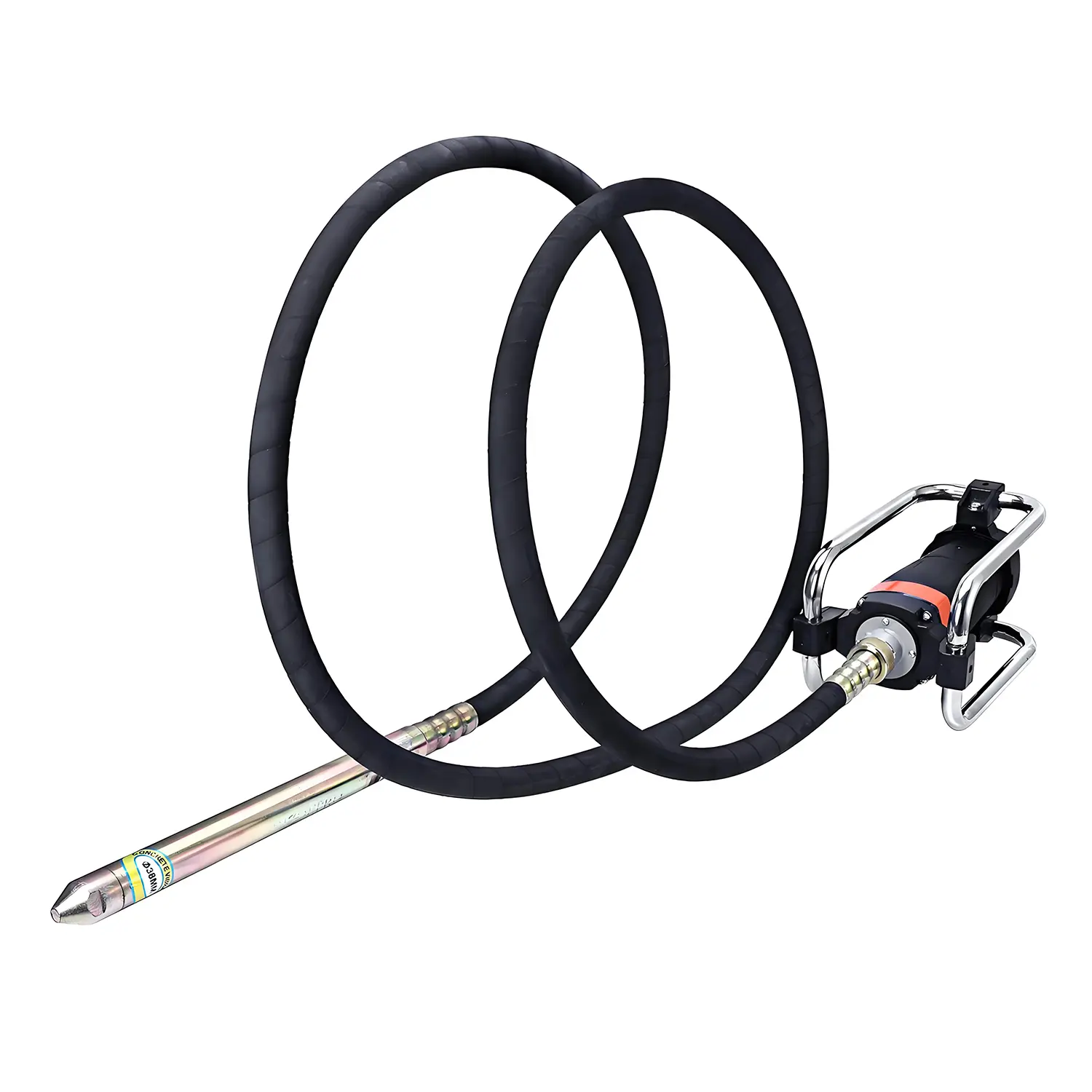 Eccentric shaft
 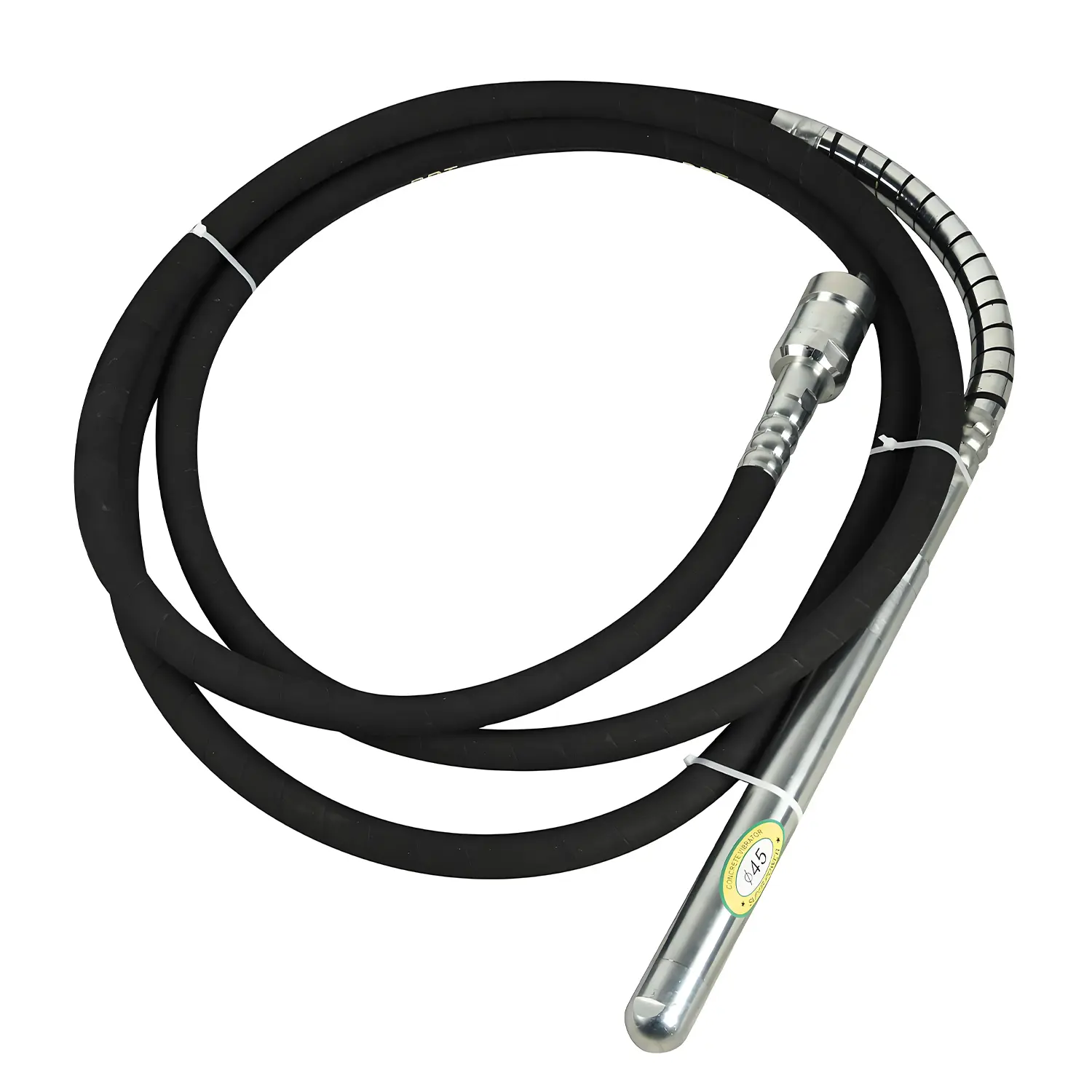 Pendulum shaft
 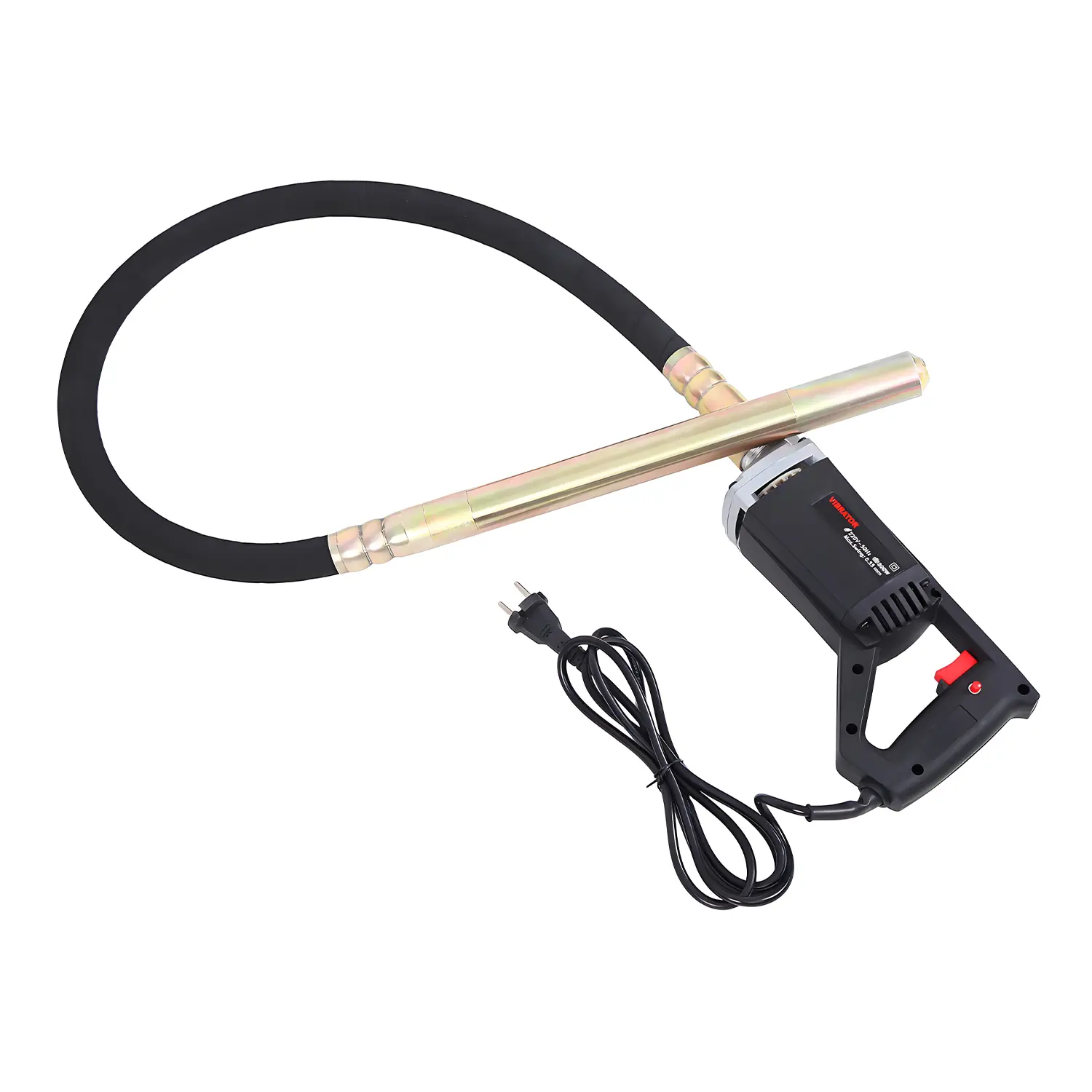 Portable vbrator shaft
 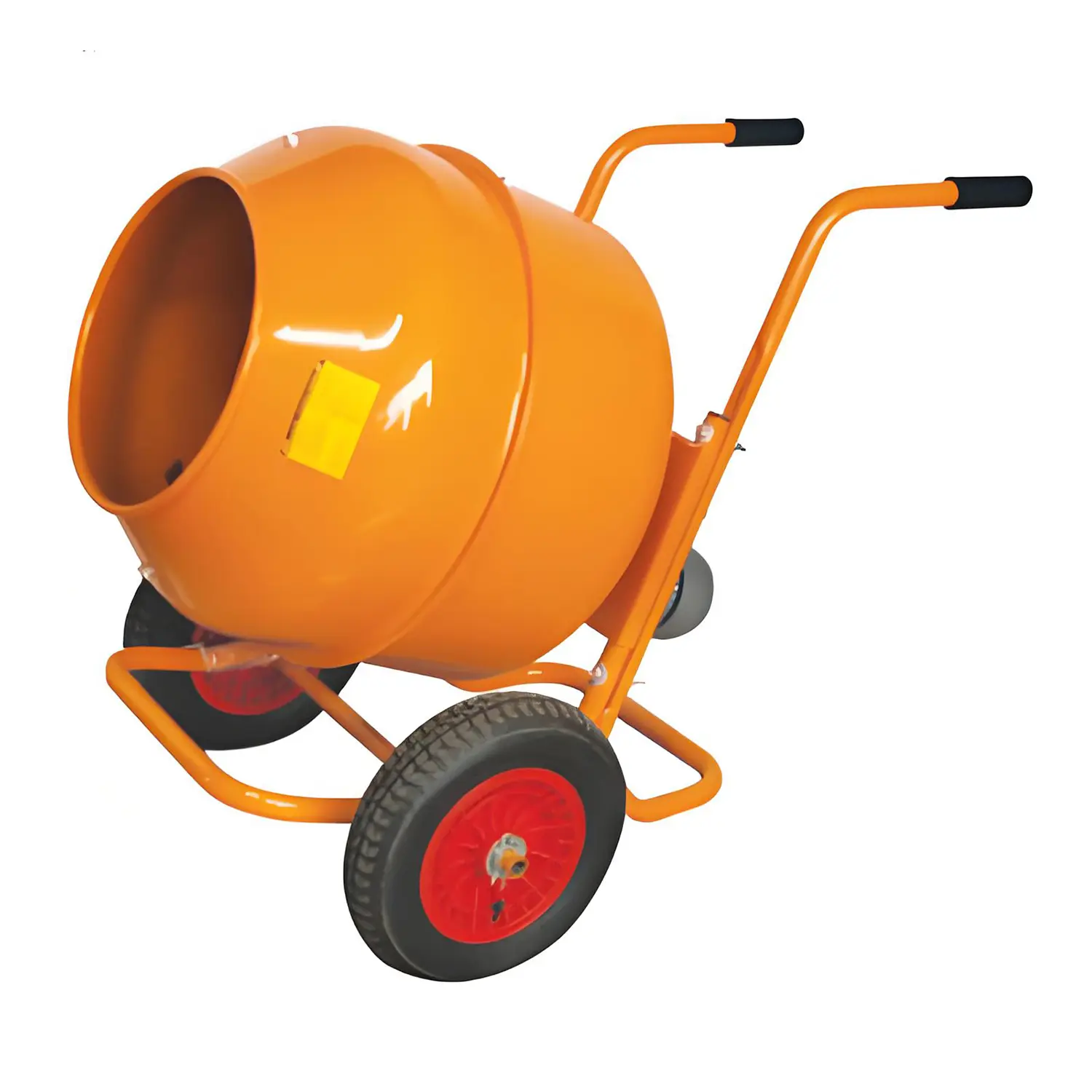 Portable concrete mixer
 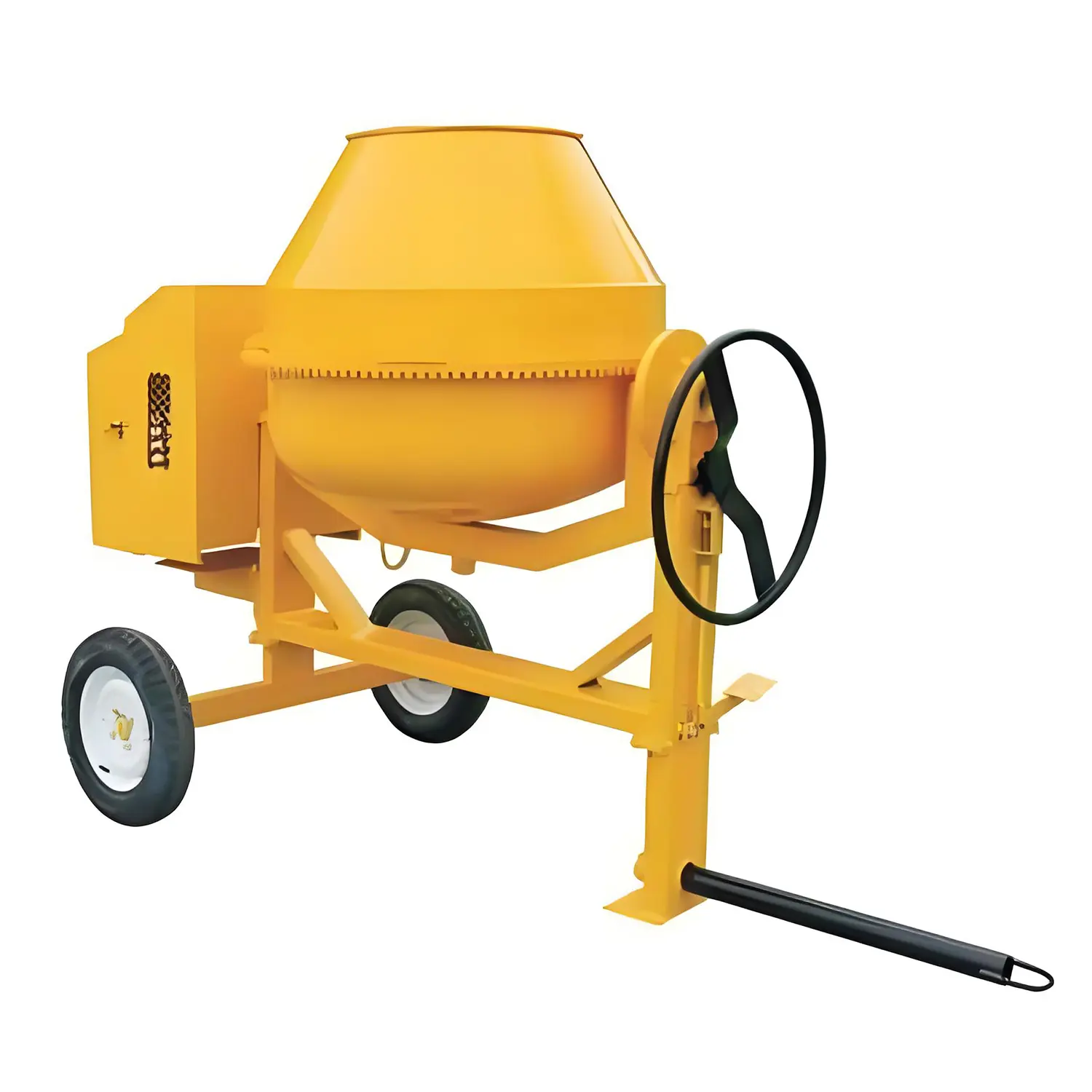 Vertical concrete mixer
 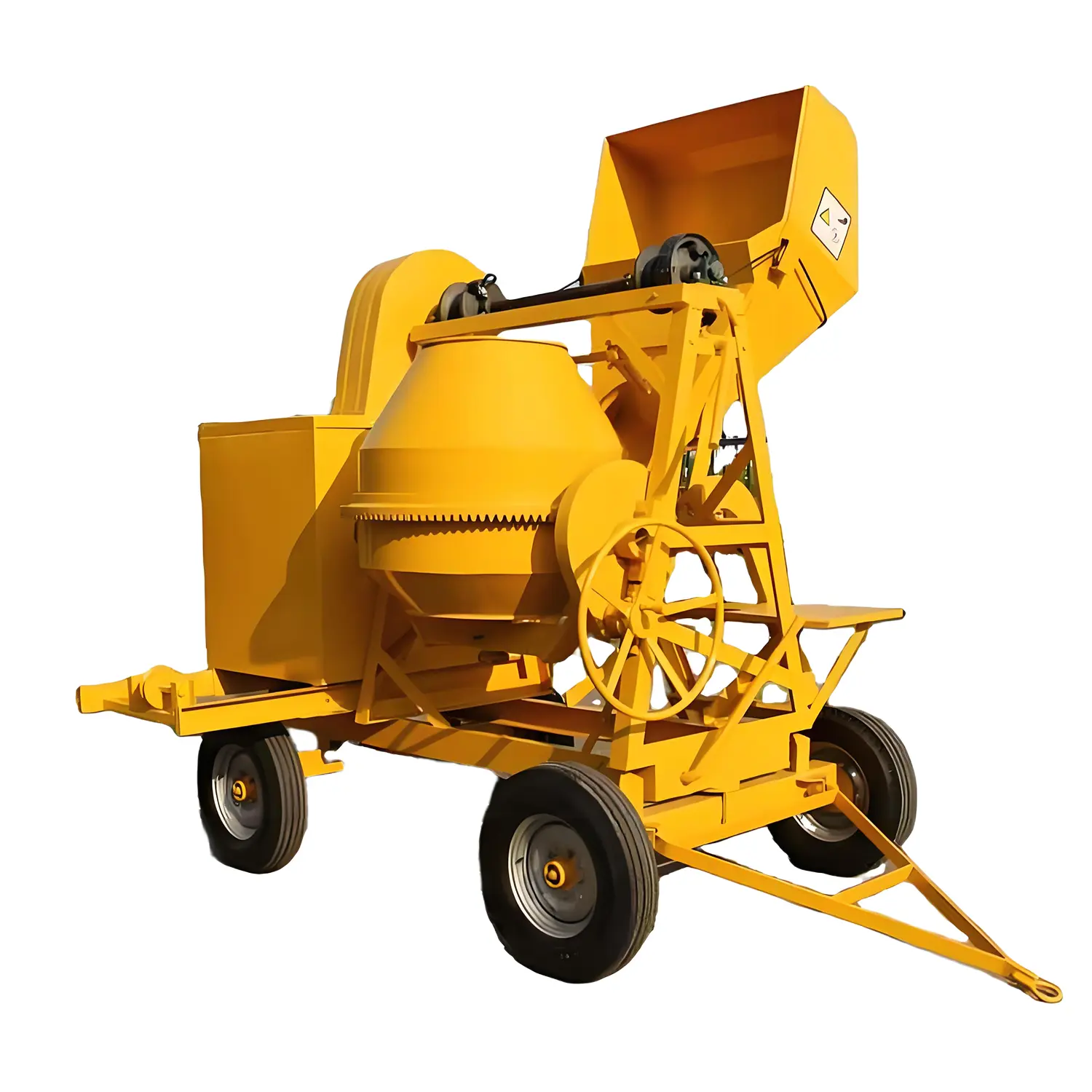 Hydraulic concrete mixer
 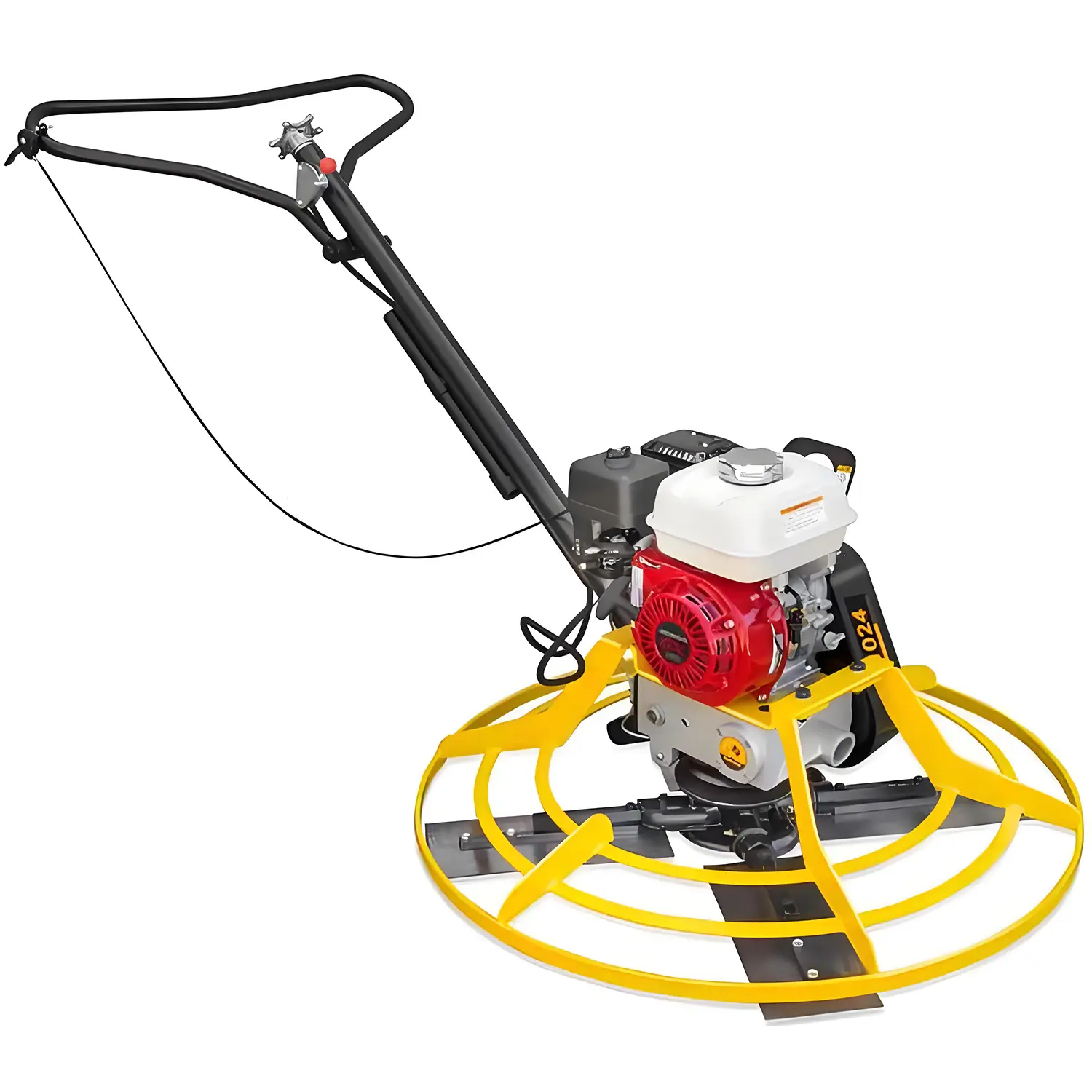 Walk behind power trowel
 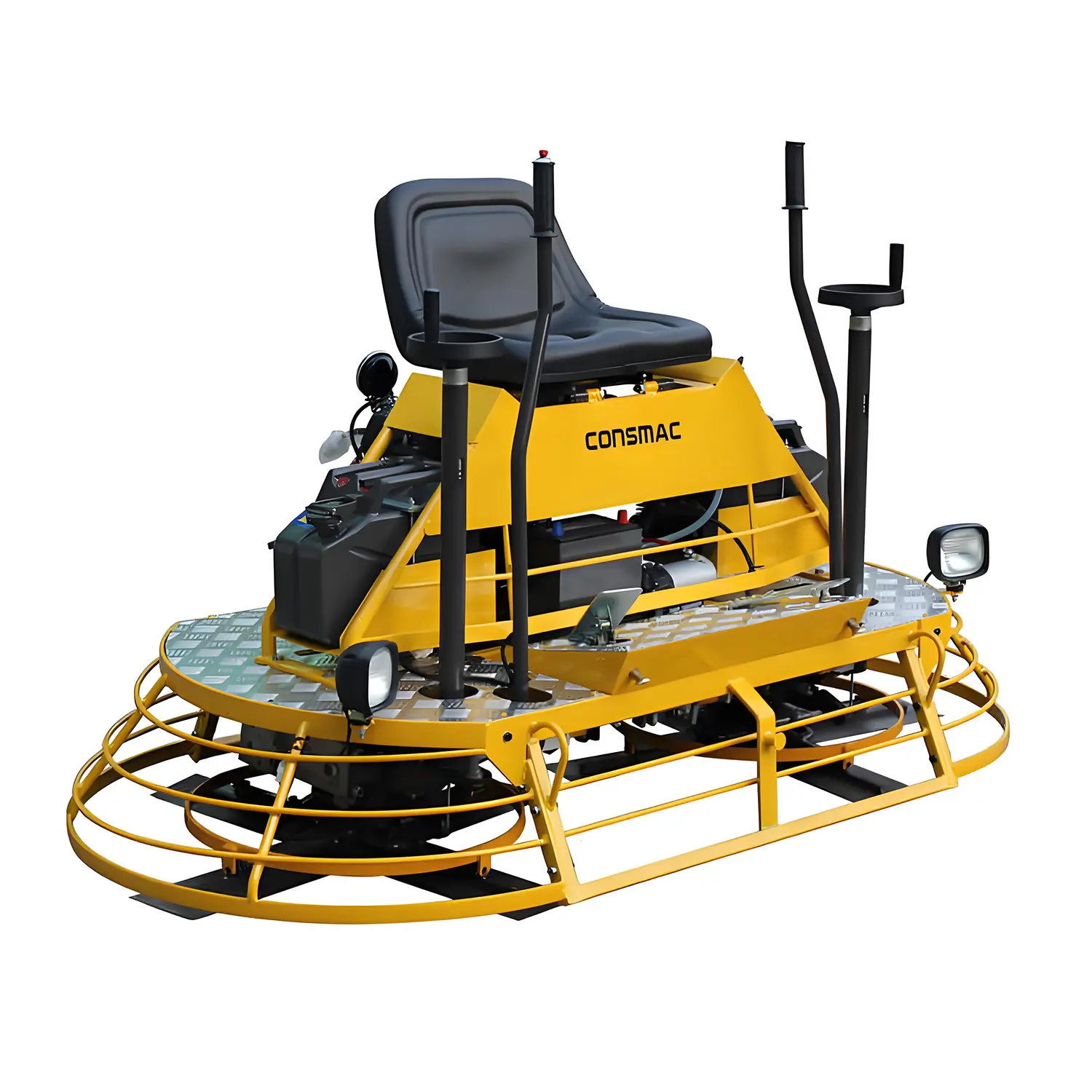 Ride on power trowel
 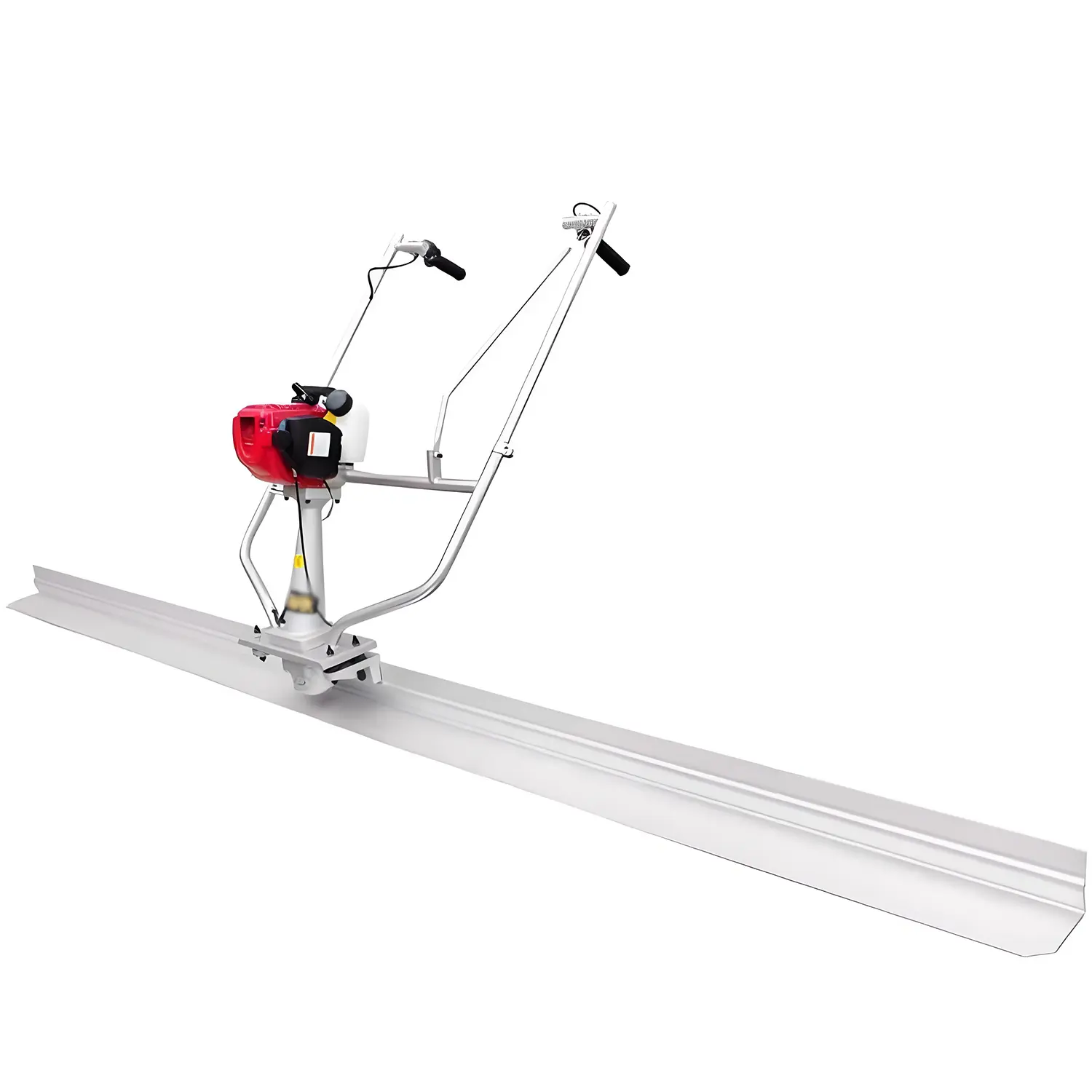 Concrete screed
 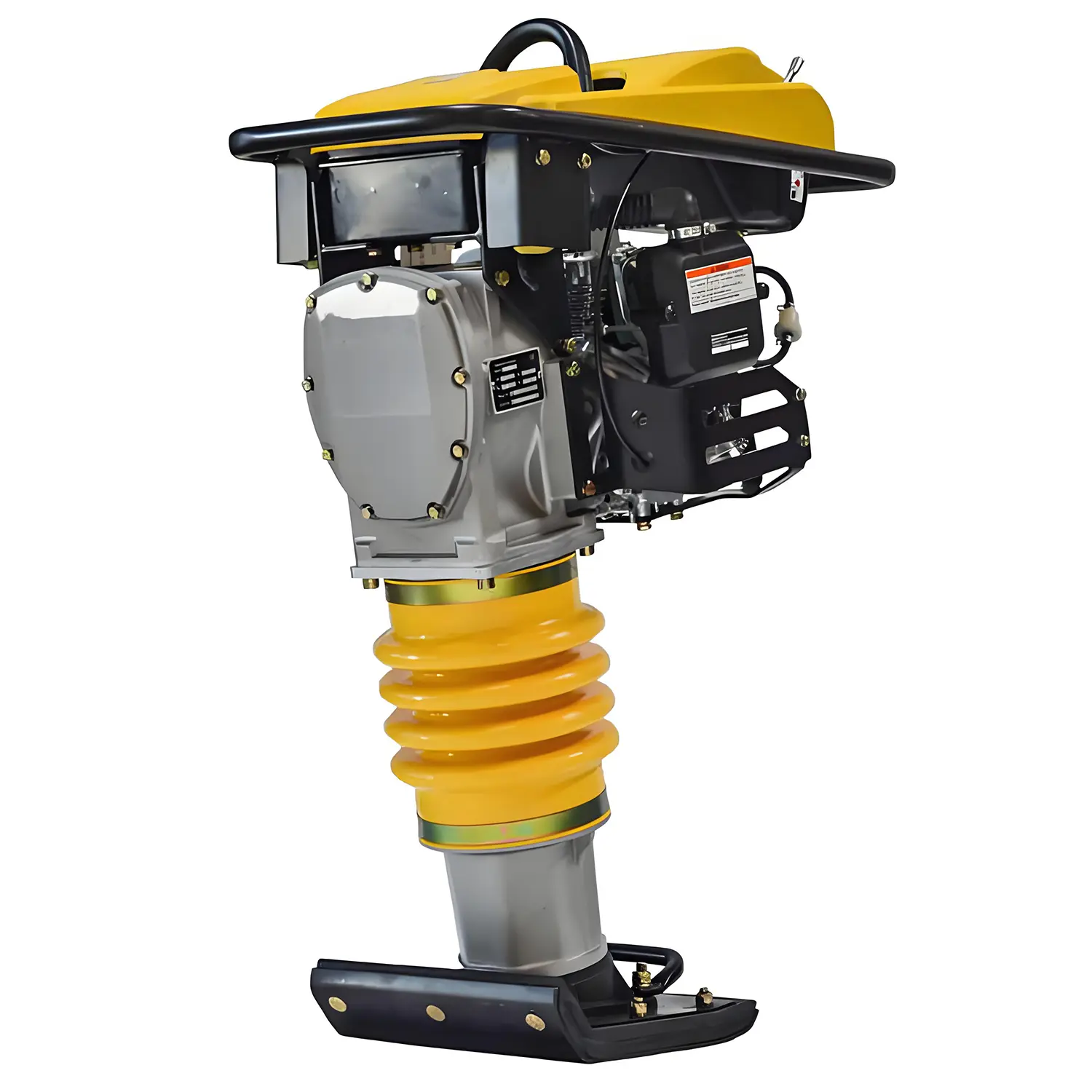 Tamping rammer
 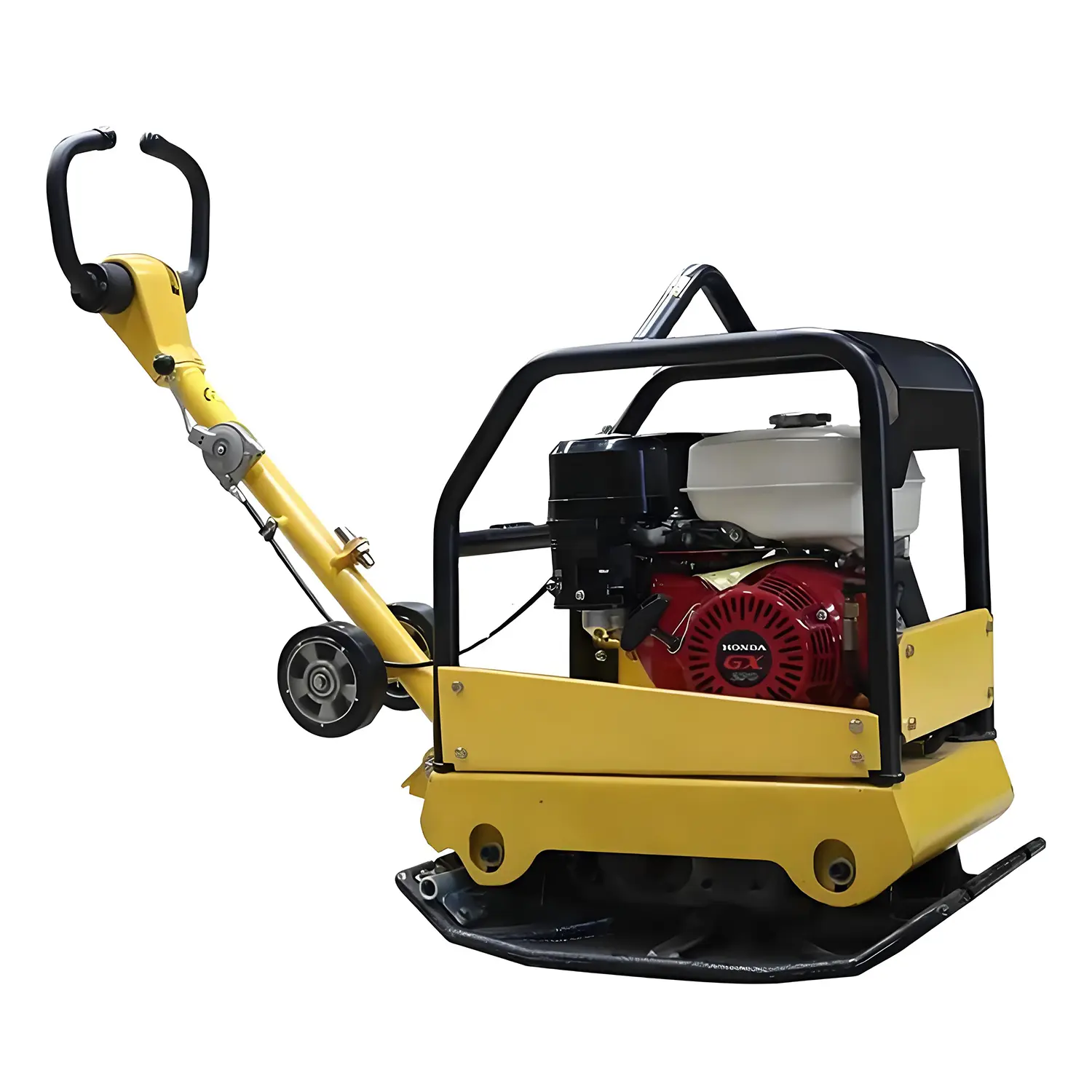 Plate compactor
 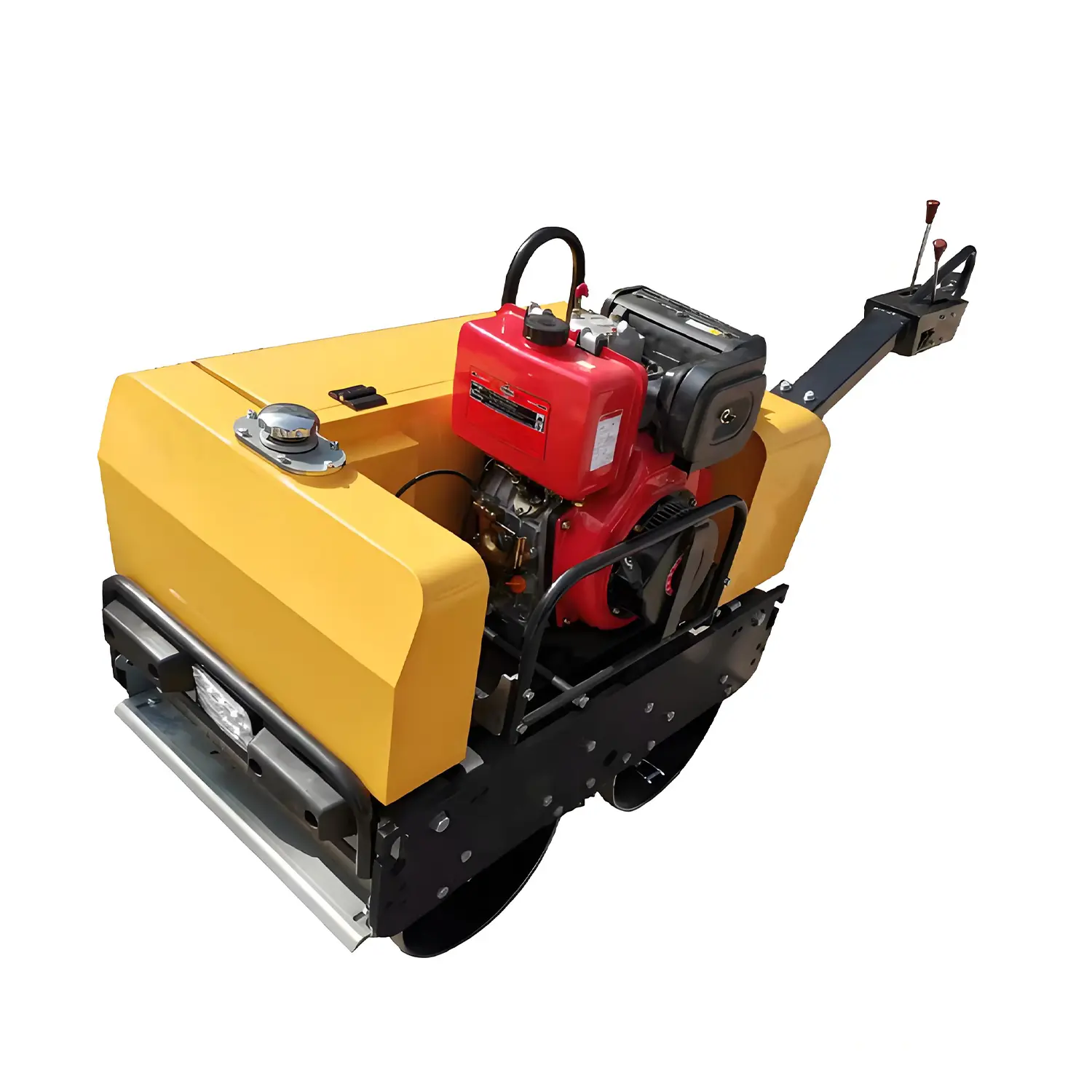 Vibratory roller

What Paint Type Works Best with Road Marking Machines for Long-Lasting Lines?

Thermoplastic paint often works best for durable road markings. Its strong durability and compatibility with road marking machines, like those from MAXMACH, make it a top choice. Other paint types also provide excellent longevity for specific applications you might consider.
Key Takeaways
- Thermoplastic paint is the best choice for road markings. It lasts a long time and works well with special machines.
- Other paints like two-component or epoxy also last long. Choose the right paint for different road needs.
- Good road markings need the right paint, proper surface cleaning, and the correct machine. This makes them last longer.
Thermoplastic Paint: The Leading Choice for Durable Road Markings

Thermoplastic paint stands out as the top choice for creating long-lasting road markings. You will find it on highways, city streets, and parking lots because of its superior performance. This paint offers excellent durability and visibility, which makes it ideal for demanding environments.
Key Properties for Longevity
Thermoplastic paint gets its strength from its unique composition and application method. You apply this paint hot, usually between 180°C and 220°C. This high temperature allows the paint to melt and bond strongly with the road surface. As it cools, it hardens into a thick, durable layer.
Here are some key properties that ensure its longevity:
- Strong Adhesion: The hot application creates a powerful bond with asphalt or concrete. This bond prevents peeling and chipping.
- Flexibility: Thermoplastic paint remains somewhat flexible. This flexibility helps it withstand temperature changes and road movement without cracking.
- Abrasion Resistance: It resists wear from vehicle tires and heavy traffic. This means your markings stay clear for a long time.
- Retroreflectivity: You can mix glass beads into thermoplastic paint. These beads reflect light back to the driver, making lines visible at night. This feature significantly improves safety.
Application with MAXMACH Road Marking Machines
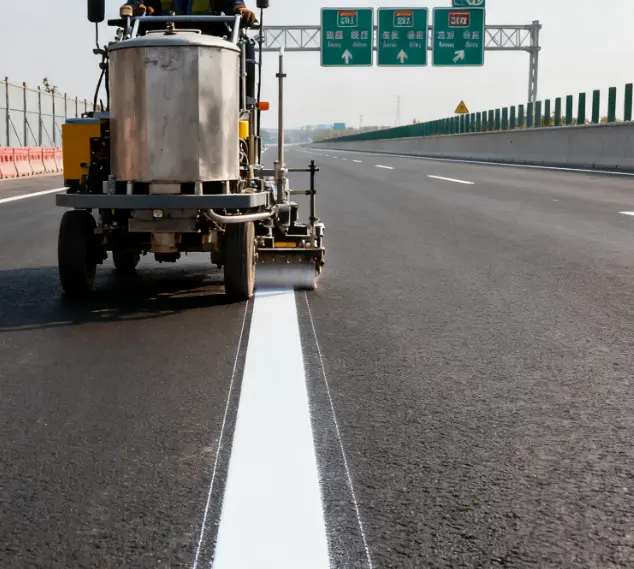
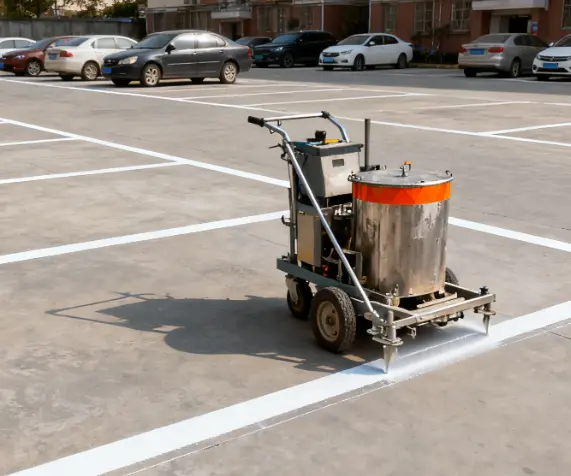
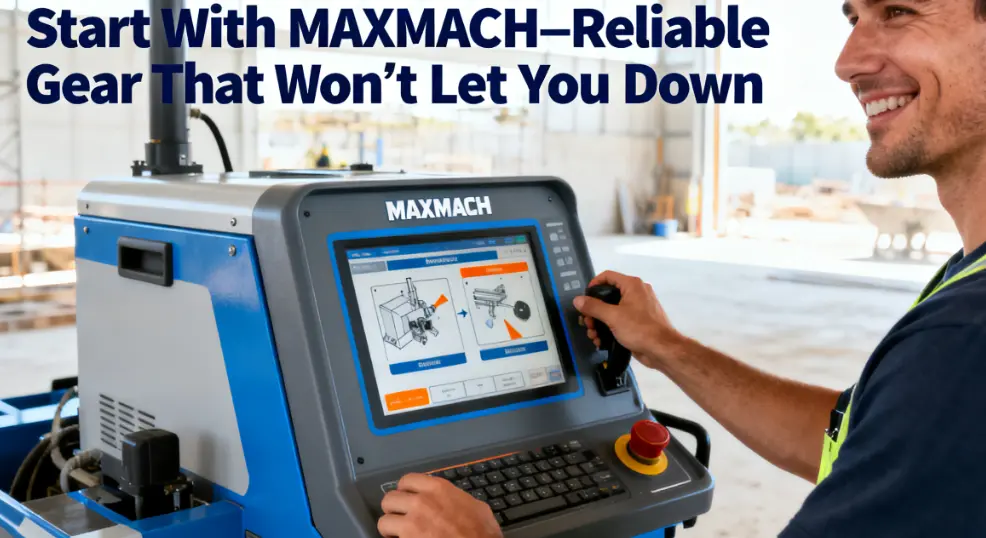
Applying thermoplastic paint requires specialized equipment. MAXMACH road marking machines are designed specifically for this task. These machines ensure precise and efficient application.
Here is how MAXMACH machines help:
- Heating System: MAXMACH machines feature advanced heating systems. These systems maintain the paint at the correct temperature. This ensures the paint flows smoothly and bonds properly.
- Precise Application: You can achieve consistent line thickness and width with MAXMACH equipment. This precision is crucial for meeting regulatory standards.
- Efficiency: MAXMACH machines allow you to cover large areas quickly. This reduces project time and labor costs.
- Durability: Proper application with a reliable machine like MAXMACH directly contributes to the marking's lifespan. You get a uniform, well-bonded line that lasts.
Benefits for High-Traffic Areas
High-traffic areas demand road markings that can withstand constant abuse. Thermoplastic paint excels in these conditions. You will see its benefits clearly on busy roads.
- Exceptional Wear Resistance: Vehicles constantly drive over road markings in high-traffic zones. Thermoplastic paint resists this constant abrasion better than many other types. You get lines that do not fade or wear away quickly.
- Quick Drying Time: Once applied, thermoplastic paint cools and hardens rapidly. This quick drying minimizes road closure times. You can reopen roads to traffic faster, reducing disruption.
- Enhanced Visibility: The thickness and retroreflective properties of thermoplastic paint make lines highly visible. This is especially important in busy areas where drivers need clear guidance. You improve safety for everyone on the road.
- Cost-Effectiveness: While the initial cost might be higher, the long lifespan of thermoplastic markings means less frequent reapplication. You save money on maintenance and materials over time.
Other High-Performance Paints for Extended Lifespan
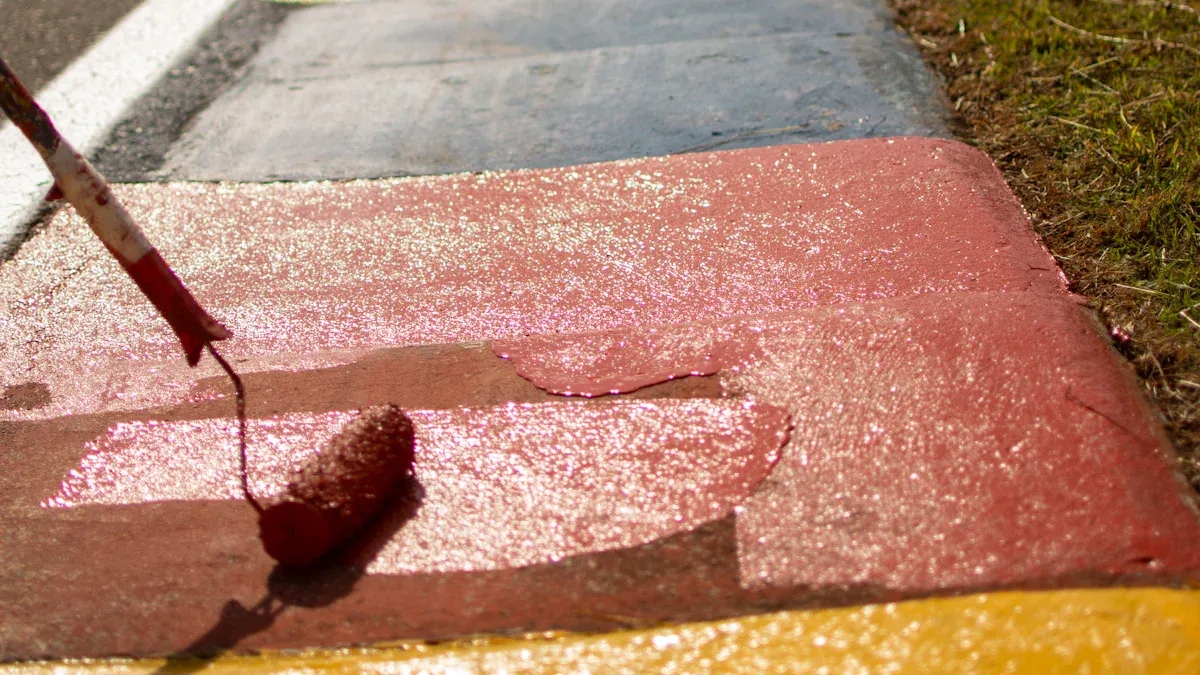
While thermoplastic paint often leads the way, you have other excellent choices for durable road markings. These paints offer specific advantages. You can select them based on your project's unique demands. Each type provides great longevity for different situations.
Two-Component (Cold Plastic) Paint for Extreme Durability
Two-component paint, also known as cold plastic, offers extreme durability. You mix two separate parts right before application. This mixture then hardens through a chemical reaction. You apply it at ambient temperatures, unlike thermoplastic paint.
Here is why it lasts so long:
- Exceptional Hardness: This paint forms a very hard, rigid layer. It resists wear from heavy traffic and harsh conditions.
- Strong Adhesion: It bonds very strongly to the road surface. This prevents peeling and chipping, even in high-stress areas.
- Chemical Resistance: You will find it resists many chemicals, oils, and fuels. This makes it ideal for industrial zones or gas stations.
- Thickness: You can apply it in thicker layers. This adds to its overall lifespan and visibility.
You often see two-component paint used for symbols, arrows, and pedestrian crossings. It works well in areas needing maximum wear resistance.
Epoxy-Based Paint for Robust Markings
Epoxy-based paint creates robust and resilient markings. Like two-component paint, it also uses a two-part system. You mix a resin and a hardener. This chemical reaction forms a very tough coating.
Consider these benefits:
- Superior Toughness: Epoxy paint stands up to heavy loads and constant abrasion. It maintains its integrity under stress.
- Chemical and Oil Resistance: It offers excellent resistance to many corrosive substances. This makes it perfect for factory floors or parking garages.
- Strong Bonding: It adheres firmly to concrete and asphalt. This bond ensures your markings stay in place for a long time.
- Impact Resistance: It can absorb impacts without cracking. This is important in areas where vehicles might bump against markings.
You typically use epoxy paint for industrial settings, warehouses, and areas needing high chemical resistance.
Solvent-Based Acrylic for Wear Resistance
Solvent-based acrylic paint is a traditional and reliable choice. It uses solvents to keep the paint liquid. The paint dries as these solvents evaporate. This process leaves a durable film on the road surface.
You will appreciate its features:
- Good Wear Resistance: It offers solid resistance to tire wear and general traffic. It holds up well in many environments.
- Fast Drying: It dries quickly after application. This helps reduce road closure times.
- Versatility: You can use it on various road surfaces. It performs well in different climates.
- Cost-Effective: It provides a good balance of performance and cost. This makes it a popular choice for general road marking projects.
Many road marking machines, including some MAXMACH models, can apply solvent-based acrylic paint efficiently.
Water-Based Acrylic and Polyurethane for Specific Needs
Water-based acrylic and polyurethane paints offer modern solutions. They use water as the primary solvent. This makes them more environmentally friendly. They release fewer volatile organic compounds (VOCs) into the air.
Look at their advantages:
- Environmental Benefits: They have lower VOCs. This makes them safer for applicators and the environment.
- Good Durability: Water-based acrylic provides good durability for moderate traffic areas. Polyurethane offers even better flexibility and chemical resistance.
- Color Retention: They often maintain their color well over time. This keeps your markings looking fresh.
- Flexibility: Polyurethane, in particular, offers excellent flexibility. It can withstand surface movement without cracking.
You might choose these paints for areas with environmental regulations or for specific aesthetic requirements. They work well in less demanding traffic conditions.
Factors Ensuring Long-Lasting Road Markings
You want your road markings to last. Several key factors influence how long they stay clear and visible. You must consider these elements when choosing paint and planning your project.
Traffic Volume and Abrasion
Heavy traffic significantly impacts marking lifespan. More vehicles mean more friction. This constant abrasion wears down paint. You need tougher paints for busy highways. Consider thermoplastic or two-component paints for high-traffic areas. They resist wear better.
Climate and Environmental Impact
Weather conditions affect durability. Extreme heat can soften paint. Cold temperatures cause cracking. UV rays from the sun fade colors over time. Rain and snow also contribute to wear. You should select paints designed for your local climate.
Surface Type and Preparation
The road surface plays a crucial role. Clean surfaces help paint stick. You must remove dirt, oil, and loose debris. New asphalt needs time to cure before painting. Proper surface preparation ensures a strong bond. This bond prevents early peeling.
Regulatory Standards and Compliance
You must follow local and national regulations. These standards often dictate paint types. They also set thickness requirements. Compliance ensures safety for drivers. It also guarantees the durability of your markings.
Thermoplastic paint is your top recommendation for long-lasting road markings. You can also consider 2-component, epoxy, or solvent-based acrylic for specific durability needs. Matching the paint type to traffic, climate, and surface is crucial. This ensures optimal longevity. Proper paint selection makes your road markings effective and durable.
FAQ
What is the best paint for long-lasting road markings?
Thermoplastic paint is generally best. It offers superior durability and strong adhesion. You will find it ideal for high-traffic areas.
Why do some paints last longer than others?
Paint longevity depends on composition, application, and resistance. Tougher paints resist abrasion, weather, and chemicals better. You get longer-lasting lines.
Can I use any road marking machine with any paint?
No, you cannot. Different paints require specific machines. Thermoplastic paint needs specialized heaters. You must match the machine to the paint type.