
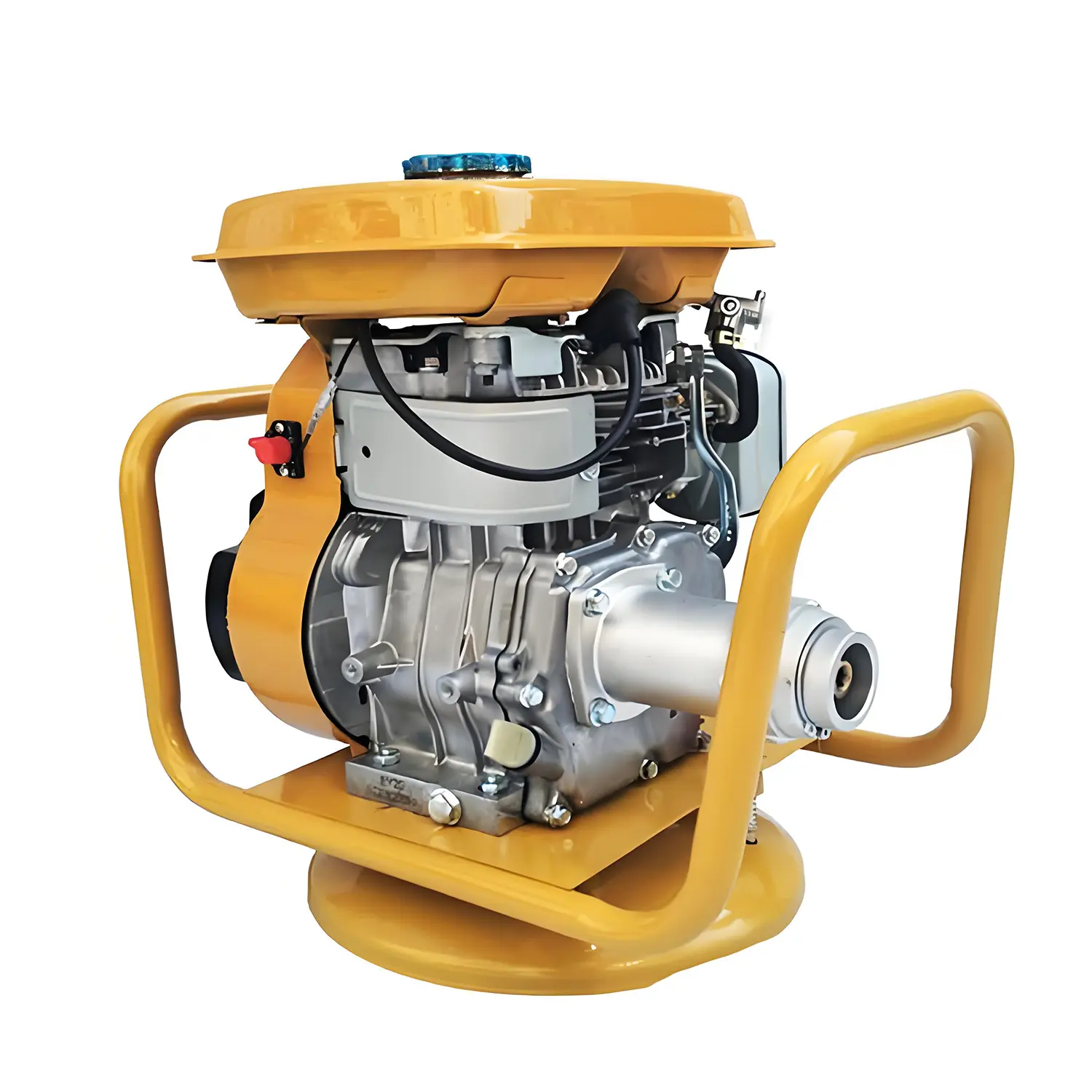
 Internal Vibrator
 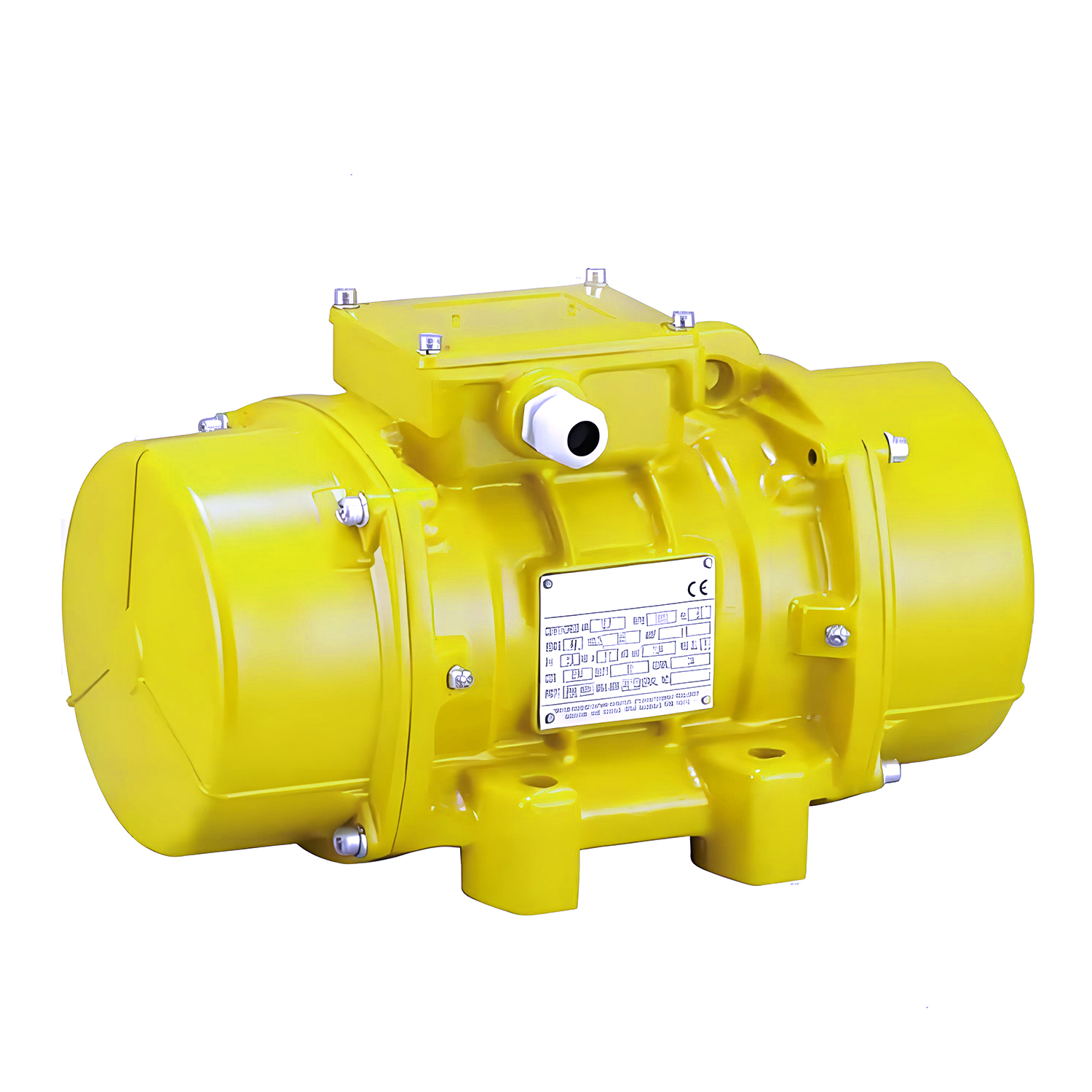 External Vibrator
 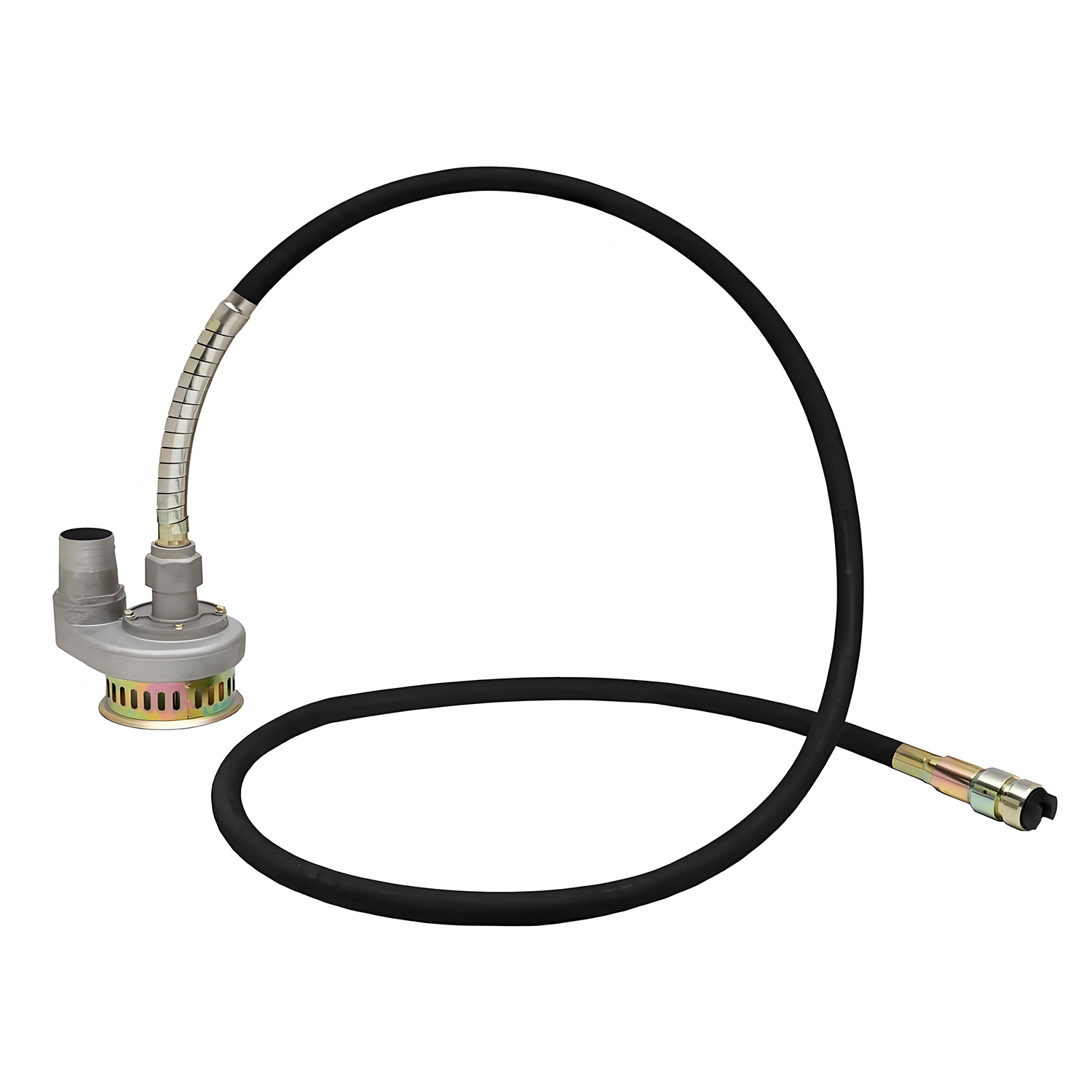 Submersible Pump
 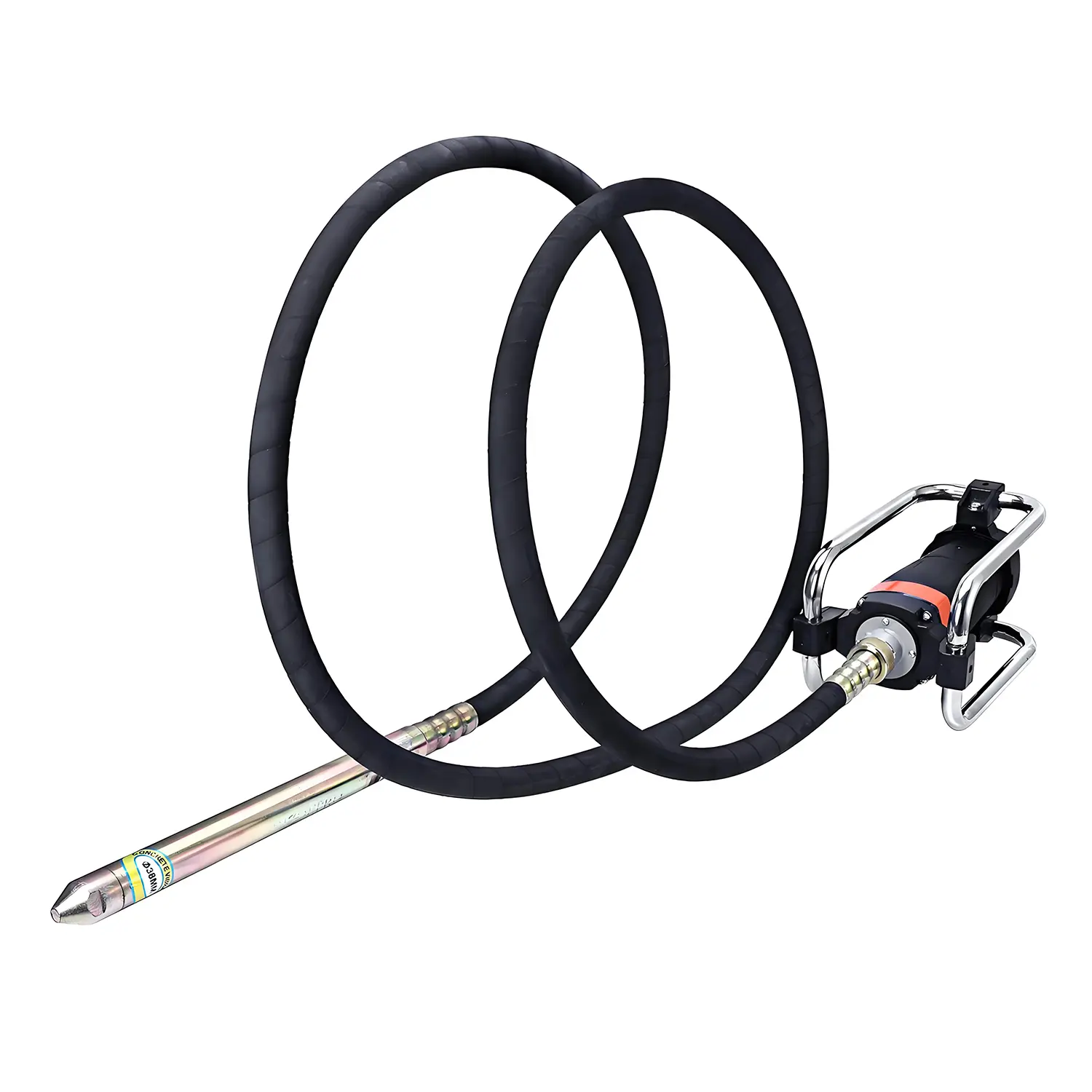 Eccentric shaft
 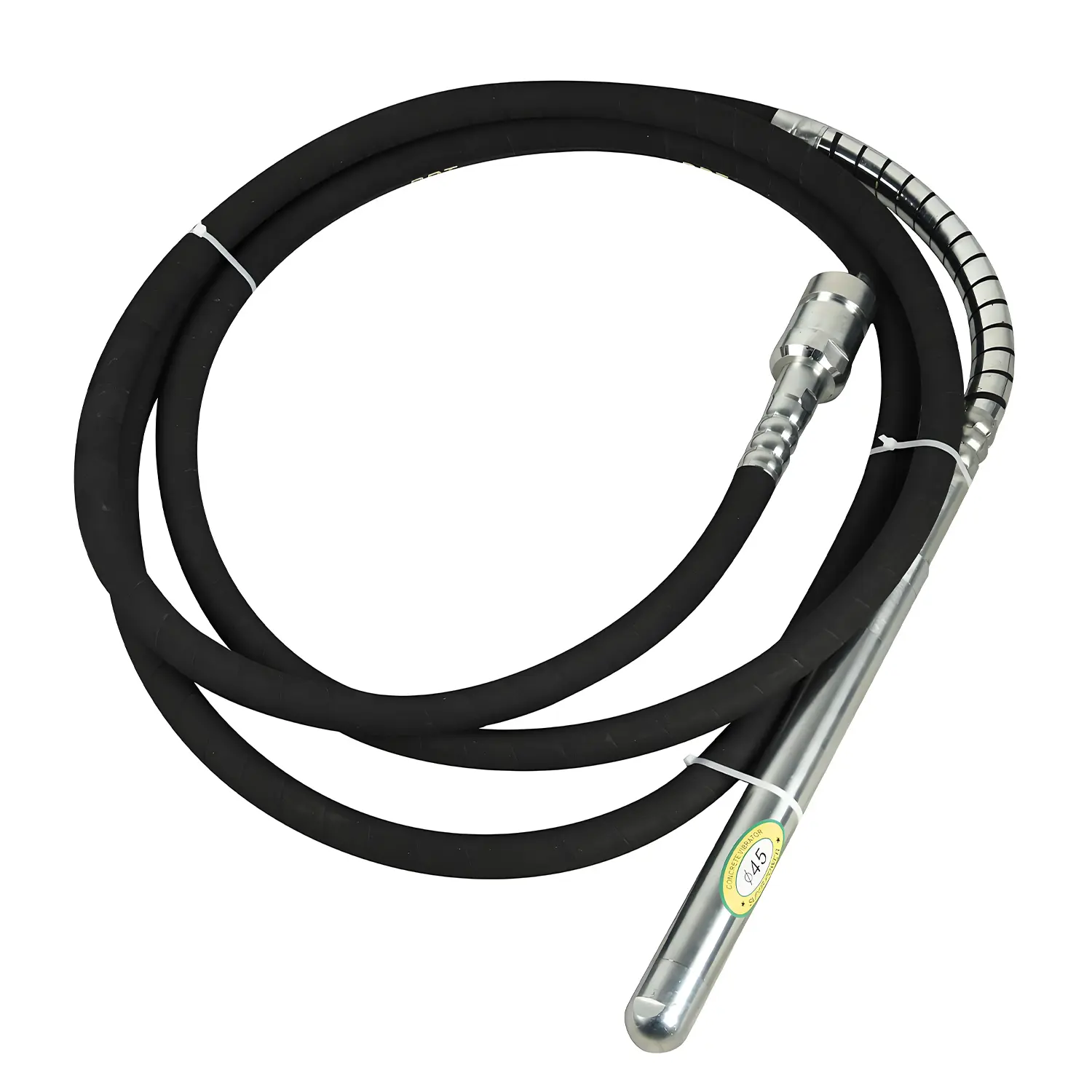 Pendulum shaft
 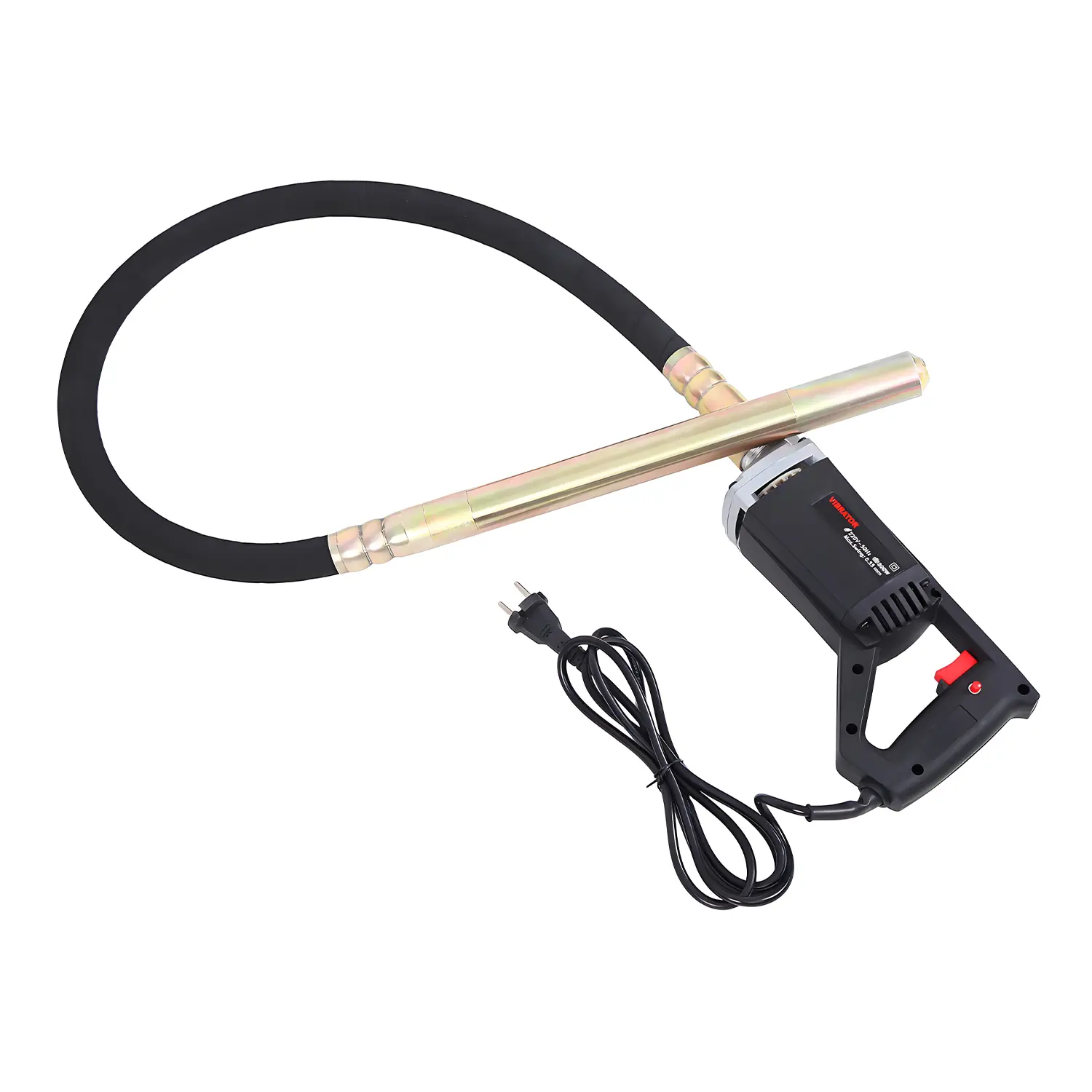 Portable vbrator shaft
 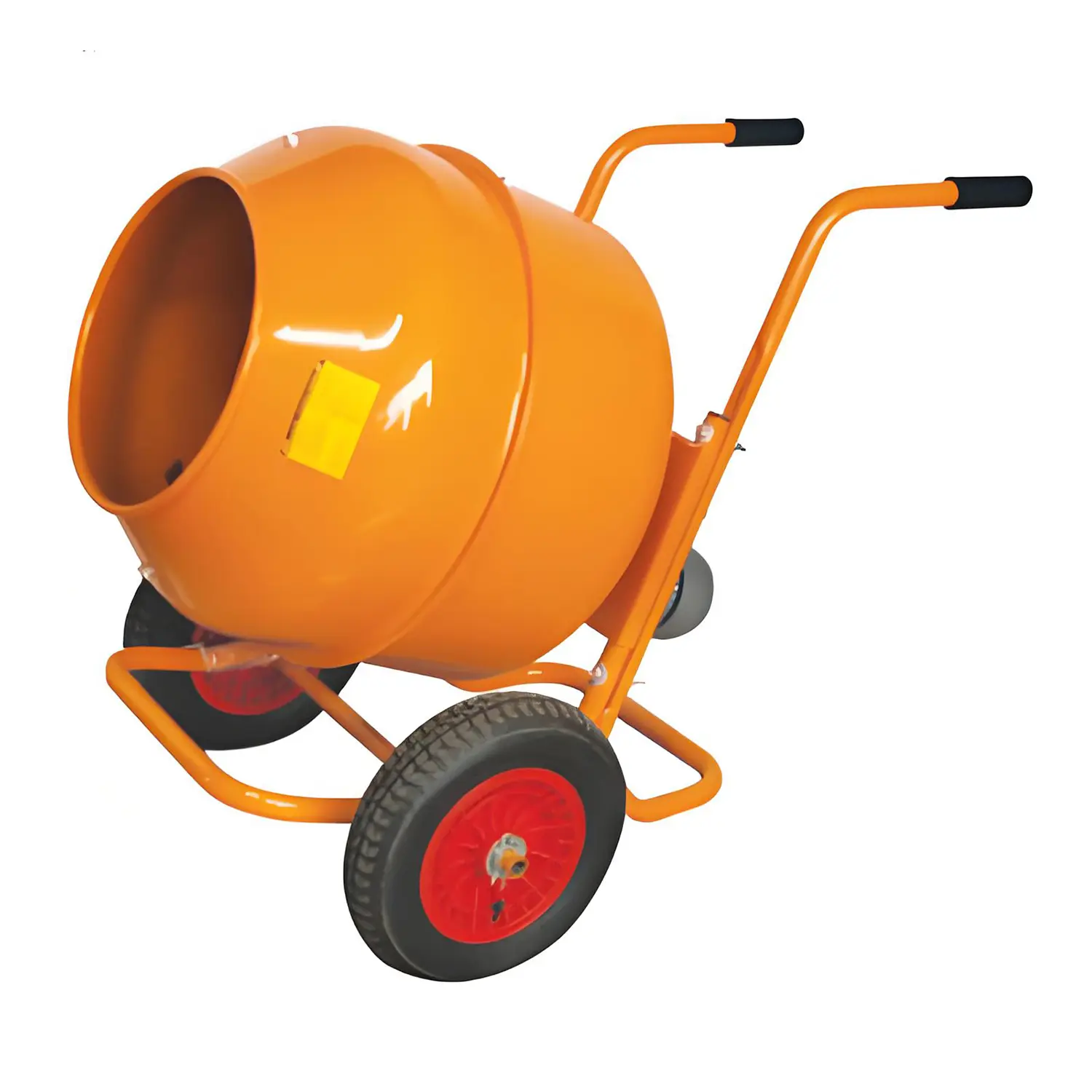 Portable concrete mixer
 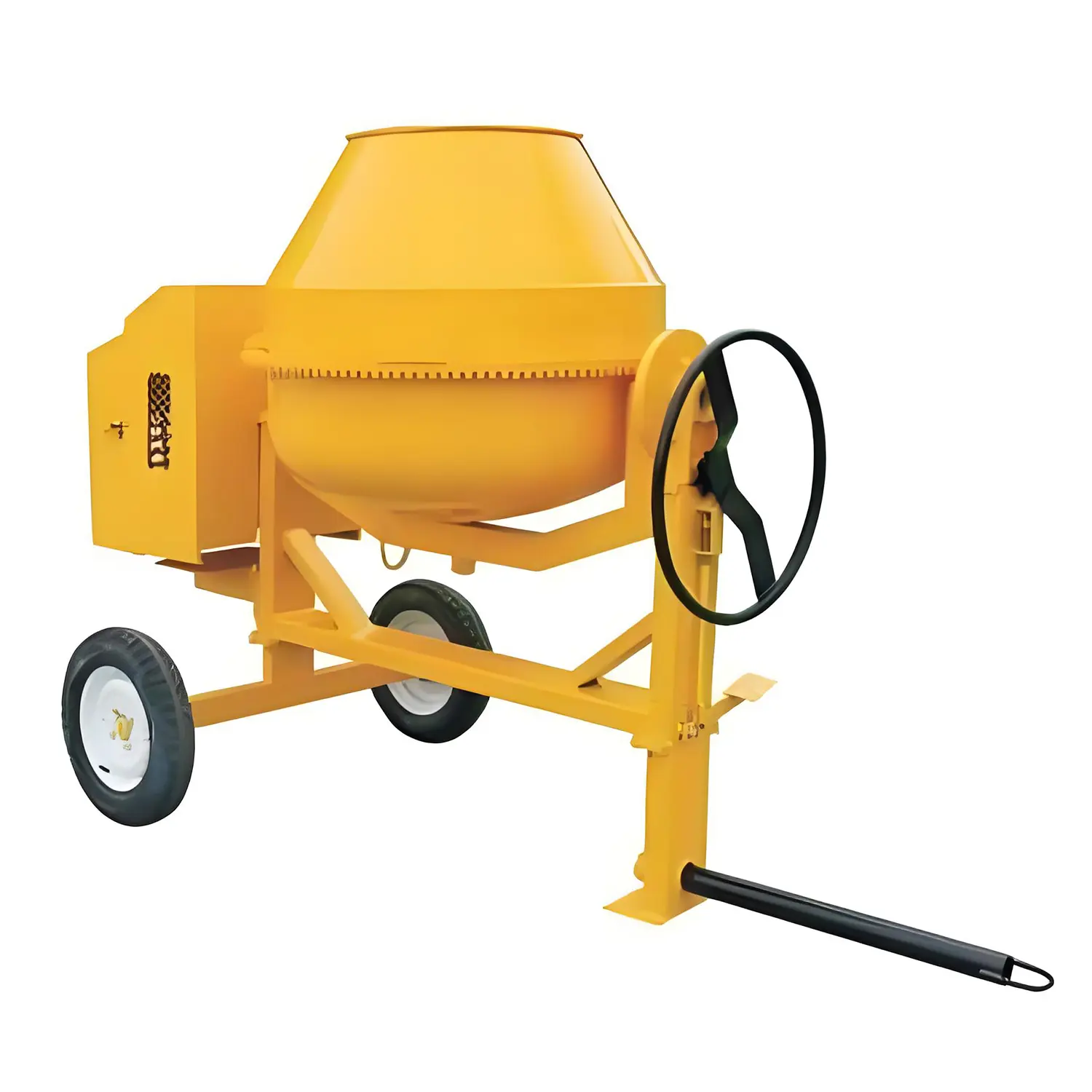 Vertical concrete mixer
 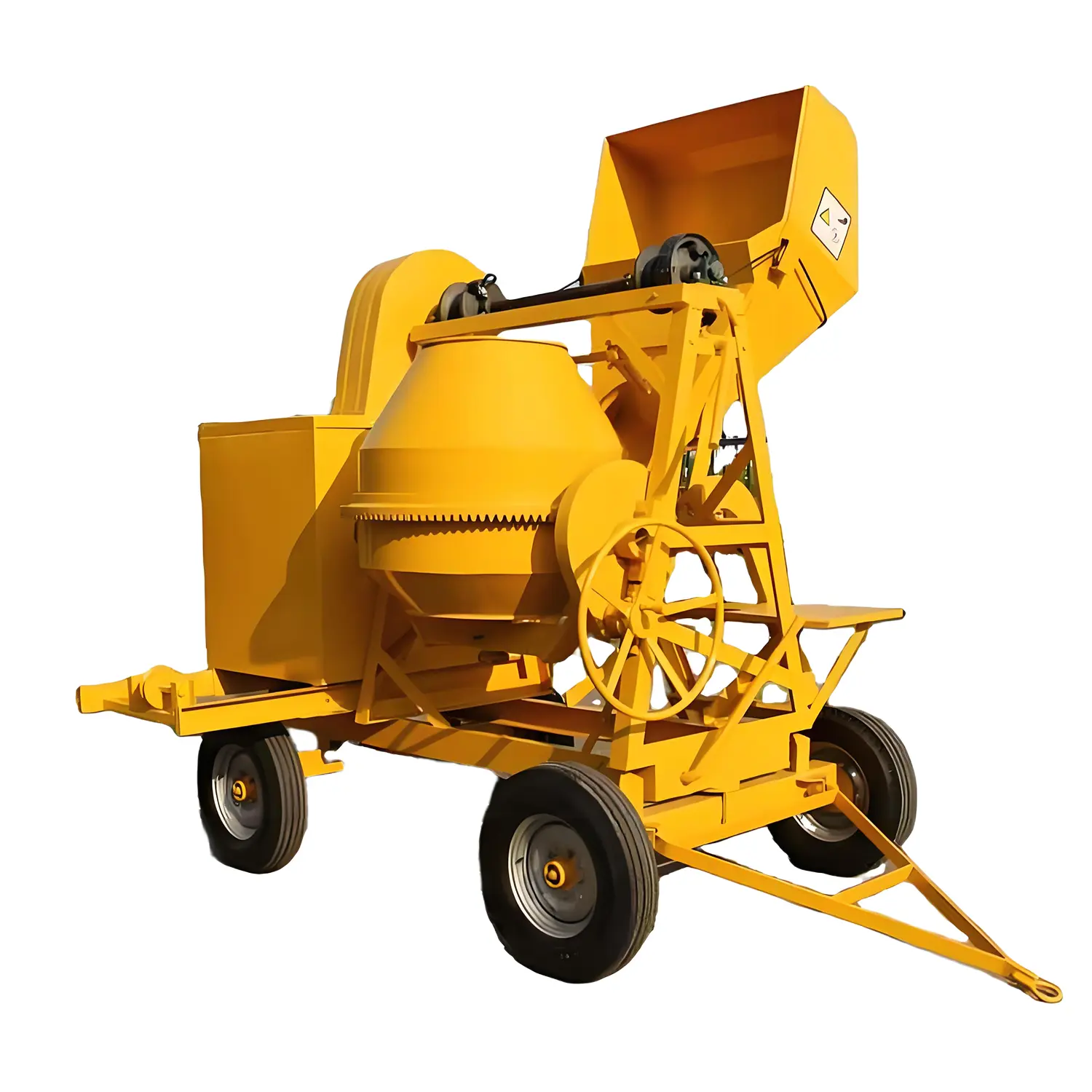 Hydraulic concrete mixer
 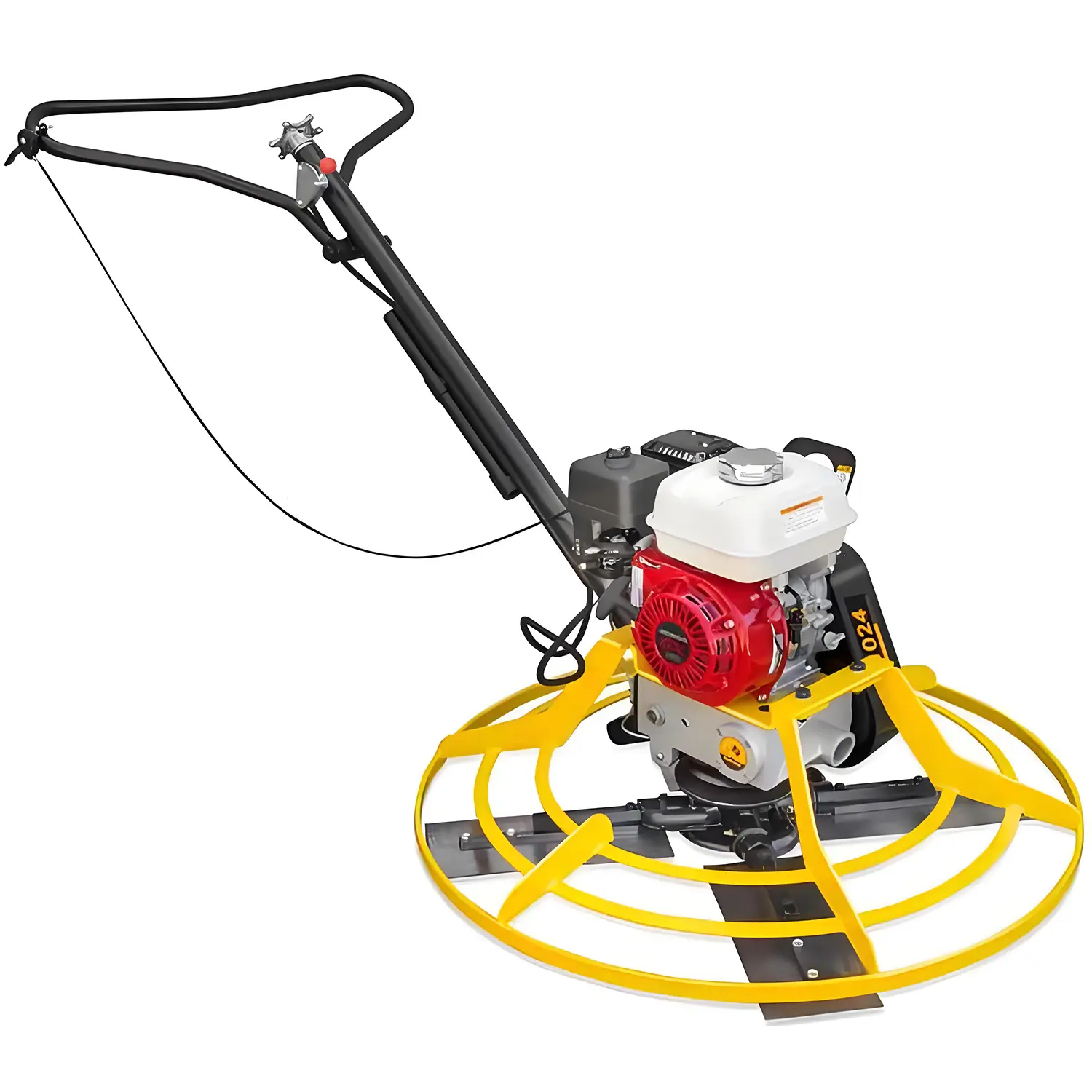 Walk behind power trowel
 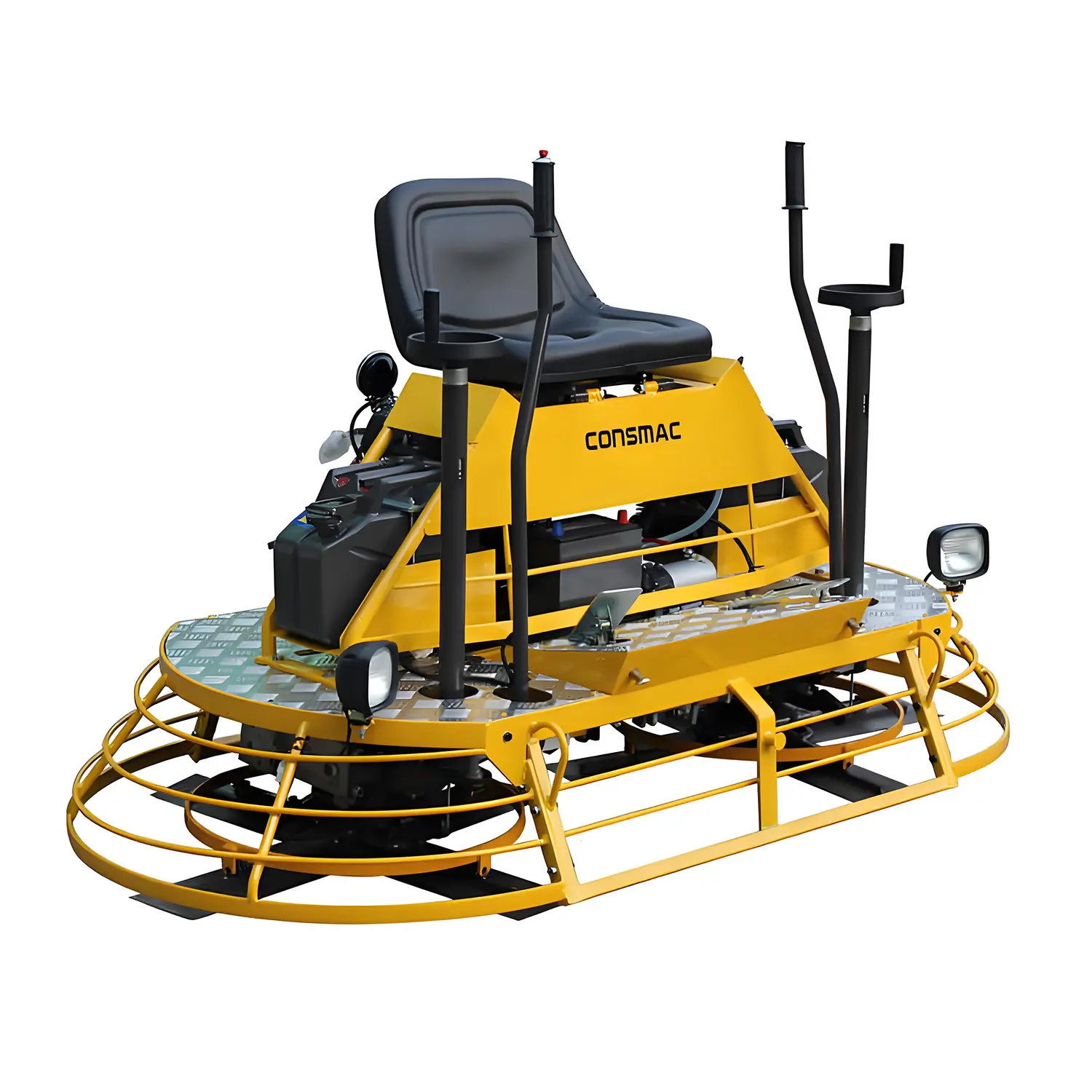 Ride on power trowel
 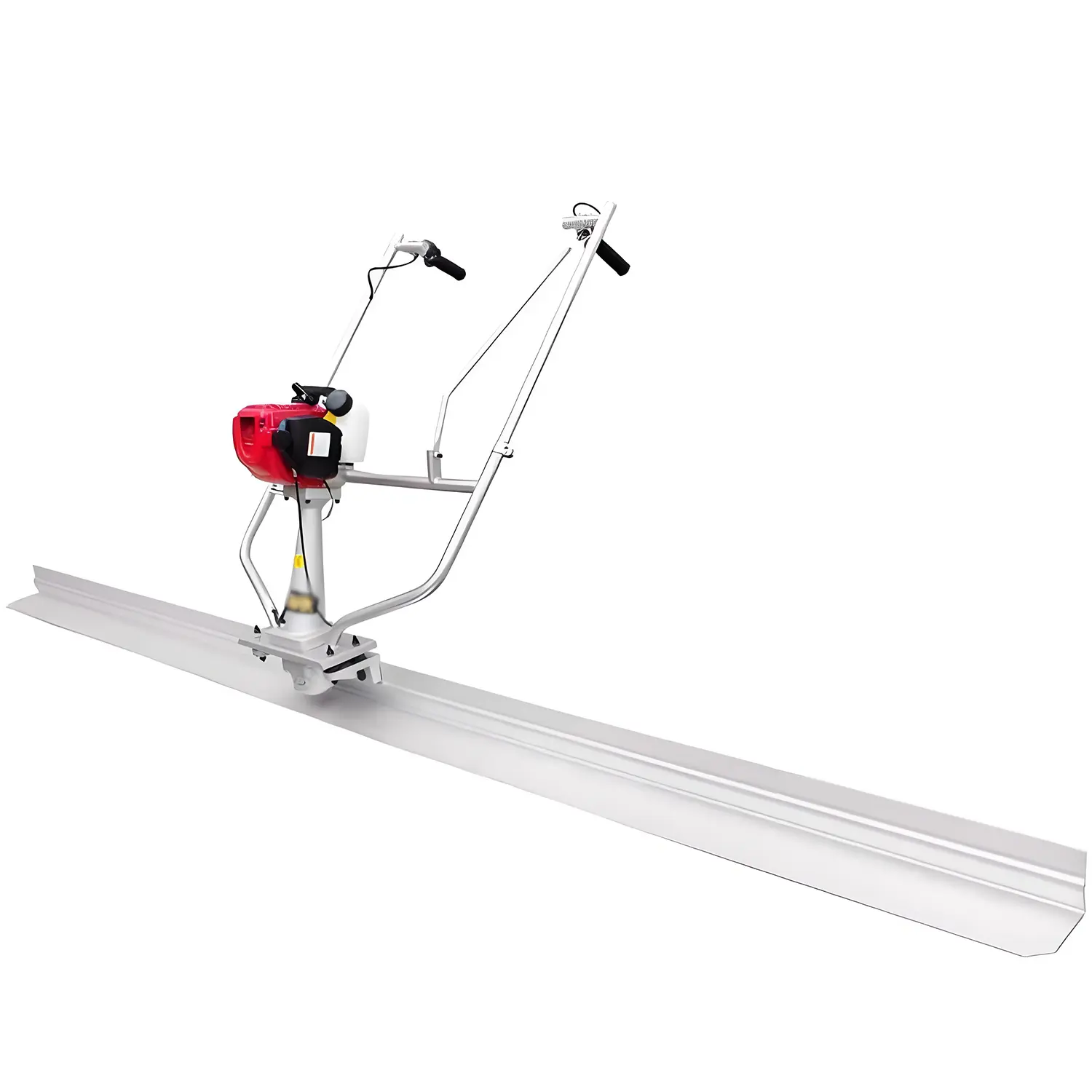 Concrete screed
 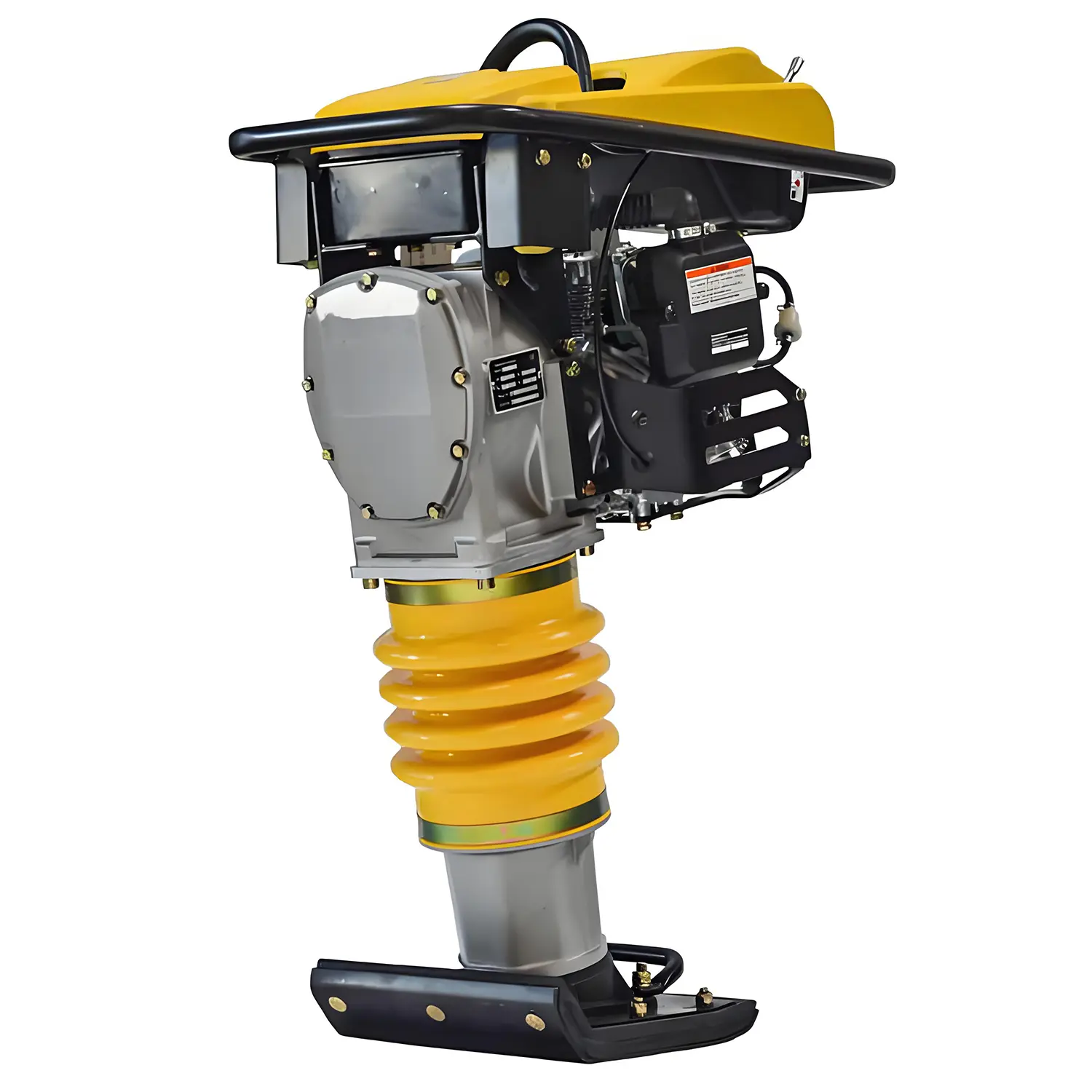 Tamping rammer
 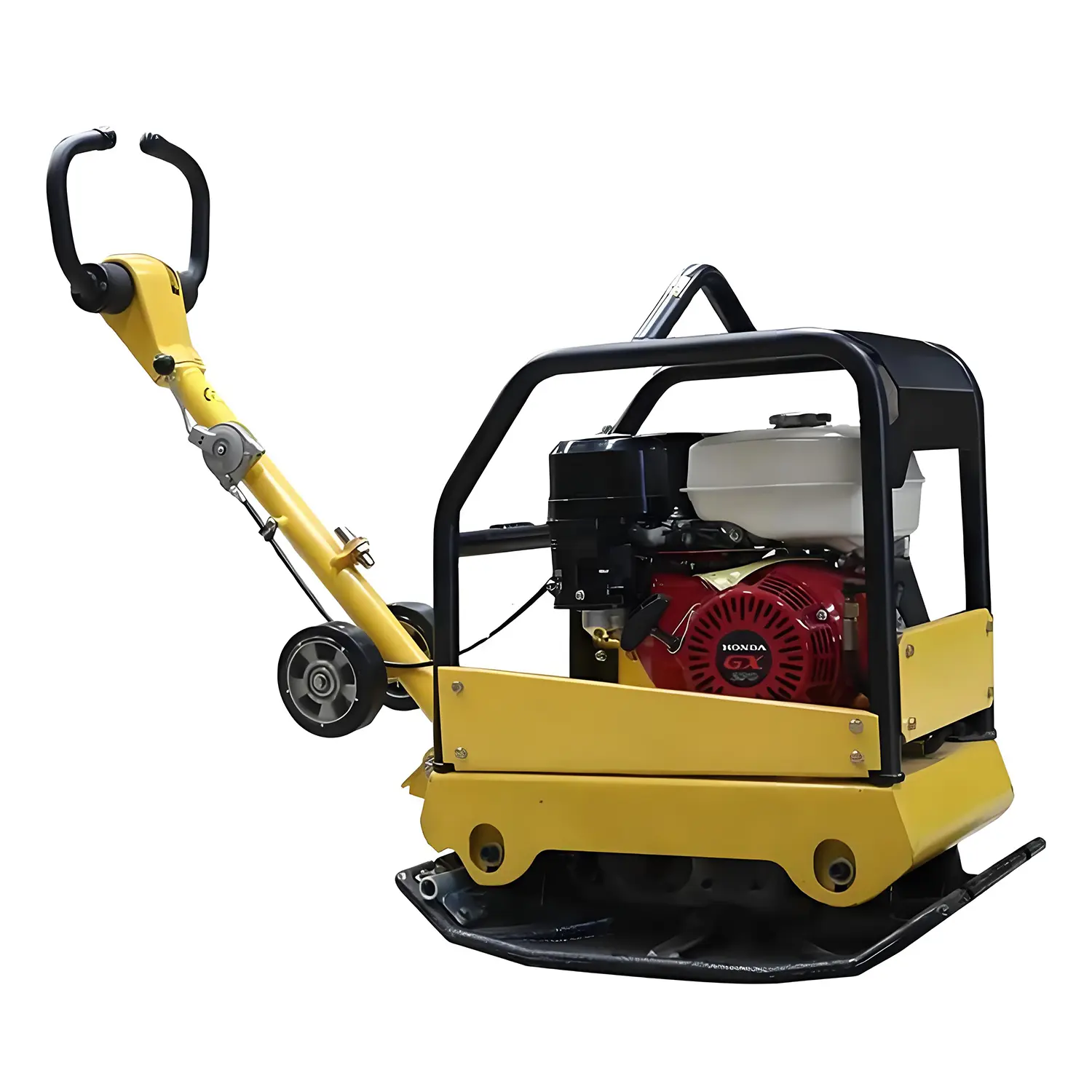 Plate compactor
 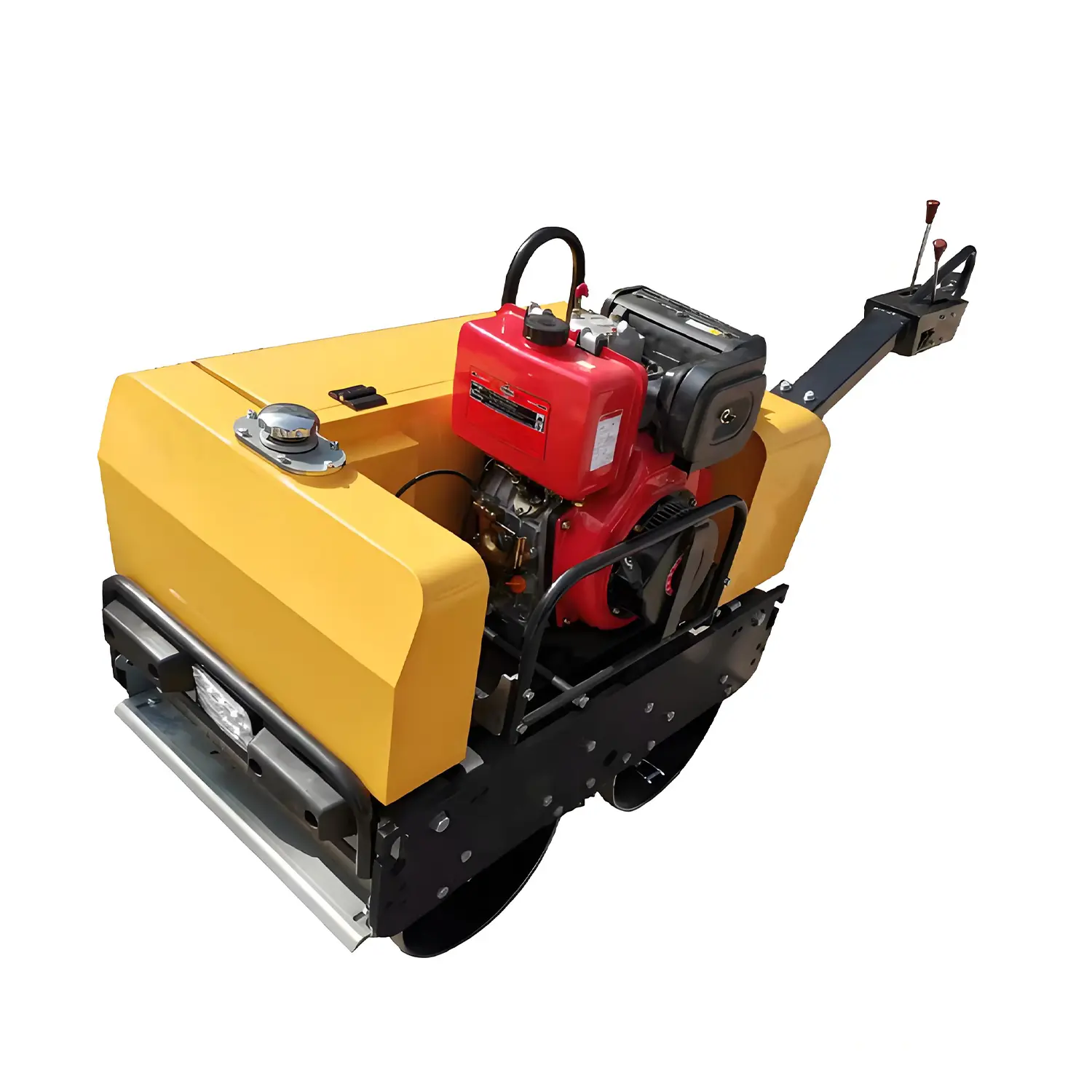 Vibratory roller
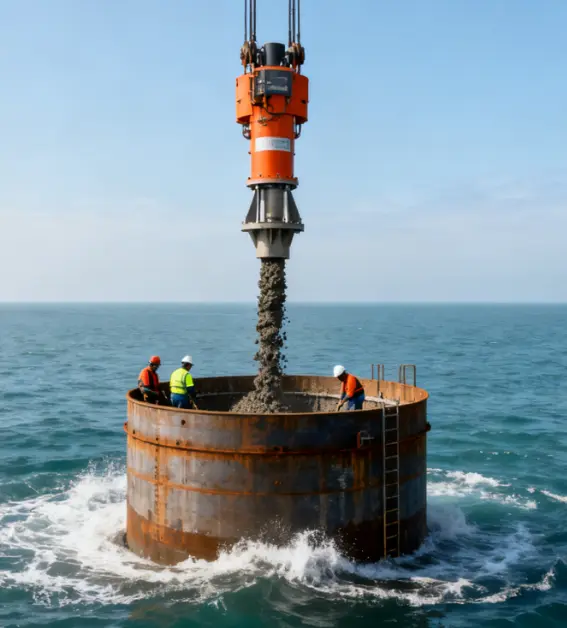

What Power Source Works Best for Concrete Vibrators in Remote Job Sites?
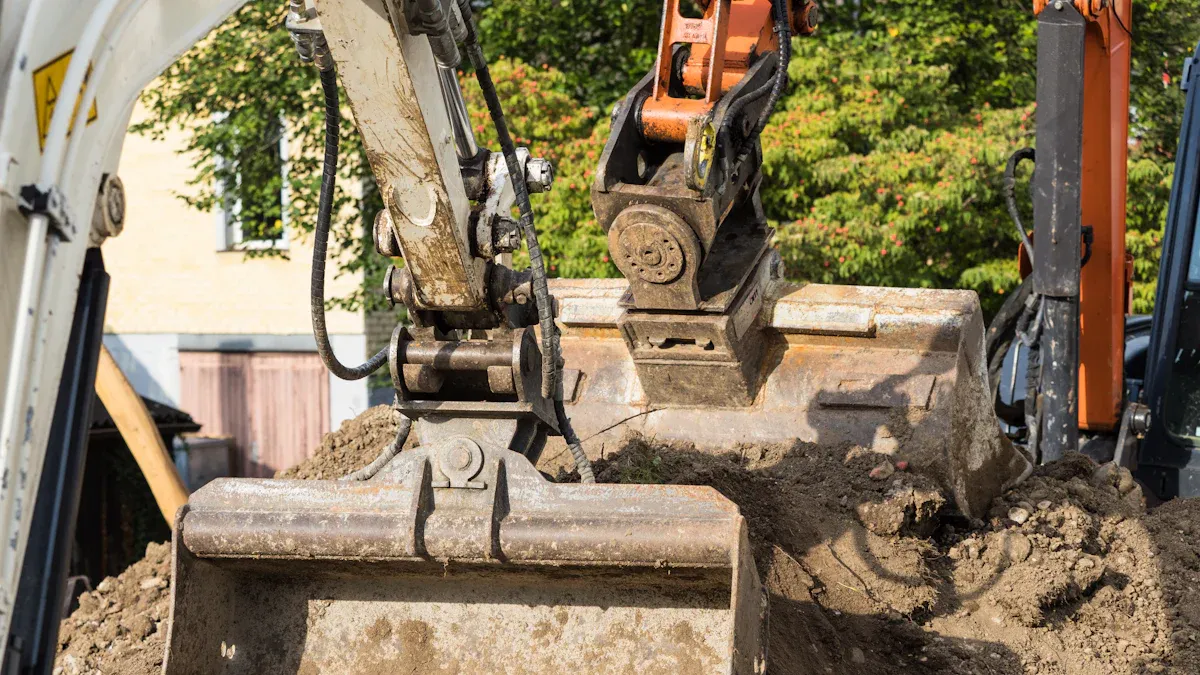
You need reliable power for remote concrete work. Battery-powered Concrete Vibrators give you excellent portability and convenience for many remote tasks. Generators offer robust power for your larger concrete projects in distant locations. Hydraulic systems are also strong options for heavy-duty jobs, especially when you integrate them with your existing machinery. MAXMACH provides various tools to meet these demands.
Key Takeaways
- Choose battery vibrators for small jobs or tight spaces; they offer easy movement and less noise.
- Use generators for large concrete pours or when you need to power many tools at once.
- Consider hydraulic systems for very tough jobs, especially if you already have heavy machines with hydraulic power.
Understanding Power Challenges on Remote Job Sites

Working on remote job sites presents unique power challenges. You cannot always rely on standard power sources. You must plan carefully for your energy needs.
Absence of Grid Electricity
Remote locations often lack access to the main power grid. You cannot simply plug your concrete vibrator into a wall outlet. This means you must bring your own power source to the site. This requires careful planning and equipment selection.
Critical Need for Portability
You frequently move equipment around remote job sites. Heavy or bulky power sources create difficulties. You need power solutions that you can easily transport. This ensures efficiency and reduces labor. Portability directly impacts your project timeline.
Managing Noise and Emissions
Many power sources produce noise and exhaust fumes. Loud machines can disturb workers and nearby communities. Emissions also affect air quality. You must consider these environmental impacts. Some sites have strict rules about noise and pollution.
Logistics of Fuel and Maintenance
Bringing fuel to a remote site adds complexity. You need to transport gasoline, diesel, or other fuels. This increases costs and logistical effort. Your power equipment also requires regular maintenance. You must plan for spare parts and service.
Evaluating Battery-Powered Concrete Vibrators for Remote Use
Battery-powered concrete vibrators offer a compelling solution for many remote job site challenges. You gain significant flexibility when you choose these tools. They remove the need for constant power connections.
Advantages of Cordless Operation
You experience unmatched freedom with Cordless Concrete Vibrators. You do not need to search for power outlets. You also avoid dragging long extension cords across your job site. This greatly improves safety. You eliminate tripping hazards for your crew. Setting up your equipment becomes much faster. You simply grab the tool and start working. This saves valuable time, especially on smaller tasks or in hard-to-reach areas. You can easily move between different pour locations without re-routing power. This mobility makes your work more efficient.
- Enhanced Mobility: You move freely around the site.
- Increased Safety: You remove tripping hazards from cords.
- Faster Setup: You start working almost instantly.
- Access to Tight Spaces: You reach confined areas easily.
- Reduced Noise: Many battery units operate quieter than gas generators.
Limitations in Run Time and Charging
While convenient, battery-powered vibrators do have some limitations. You must manage their run time carefully. Batteries offer a finite amount of power. For large or continuous pours, you might find their run time insufficient. You will need multiple spare batteries to maintain continuous operation. Charging these batteries also presents a challenge on remote sites. You might need a portable generator or a vehicle inverter to recharge them. Charging takes time. This can interrupt your workflow if you do not plan ahead. Battery performance can also decrease in very cold weather.
Tip: Always carry fully charged spare batteries. Consider a portable charging station if you plan extended use.
Ideal Scenarios for Battery Vibrators
Battery vibrators shine in specific situations. You find them perfect for small concrete pours. Think about patching work or setting fence posts. They are excellent for touch-up jobs. When you need to consolidate concrete in tight corners or awkward spots, these tools are ideal. Remote sites with strict noise or emission regulations also benefit greatly. You avoid the fumes and loud noise of gas generators. For intermittent use, where you only need the vibrator for short bursts, battery units are incredibly convenient. They are also a great choice when you prioritize quick deployment and minimal setup time.
- Small Pours: You handle small batches of concrete efficiently.
- Repair Work: You fix small areas without extensive setup.
- Confined Spaces: You reach areas where larger equipment cannot go.
- Noise-Sensitive Areas: You work quietly without disturbing others.
- Quick Tasks: You complete short jobs without delay.
Portable Generators: Powering Concrete Vibrators on Remote Sites

You often need more power than batteries can provide. Portable generators become your go-to solution for larger concrete projects. They offer robust and continuous power. This makes them essential for many remote job sites.
High Power Output for Demanding Jobs
Generators give you significant power. You can run multiple concrete vibrators simultaneously. This speeds up your work on big pours. You also power other essential tools. Think about saws, mixers, or lights. Generators handle heavy-duty Electric Vibrators with ease. These vibrators require a steady, strong power supply. You get consistent performance. This ensures proper concrete consolidation. You avoid delays due to power shortages.
- Run Multiple Tools: You power vibrators, saws, and lights together.
- Handle Heavy-Duty Vibrators: You use powerful electric models.
- Ensure Consistent Performance: You get steady power for consolidation.
- Avoid Power Shortages: You have a reliable energy source.
Fuel Logistics and Environmental Impact
You must consider fuel for generators. Generators run on gasoline or diesel. You need to transport this fuel to your remote site. This adds to your logistical planning. You also store fuel safely. Spills are a concern. Generators produce exhaust fumes. These emissions affect air quality. They also create noise. Some sites have strict rules about noise levels. You might need quieter inverter generators. These models reduce both noise and emissions. You also need to perform regular maintenance. This keeps your generator running smoothly.
Tip: Plan your fuel needs carefully. Always have extra fuel on hand. Consider an inverter generator for quieter operation.
Best Applications for Generator-Powered Vibrators
Generators excel in specific situations. You use them for large concrete slabs. Think about foundations or large walls. They are perfect for continuous pouring operations. You need power for many hours. Generators provide that sustained energy. You also use them when you have multiple vibrators working at once. This ensures uniform consolidation across a wide area. When you need to power other electric tools alongside your vibrators, generators are ideal. They become your central power hub on the remote site.
- Large Concrete Pours: You consolidate big slabs and walls.
- Continuous Operations: You work for extended periods.
- Multiple Vibrators: You power several tools at once.
- Powering Other Tools: You run various electric equipment.
Hydraulic Power Units (HPUs) for Heavy-Duty Remote Concrete Work
You need serious power for the toughest concrete jobs. Hydraulic Power Units (HPUs) deliver this strength. They are a specialized solution for heavy-duty remote work.
Robust Performance and Integration with Equipment
HPUs provide exceptional power. You get consistent, high-frequency vibration. This ensures superior concrete consolidation. You can integrate these units directly with your existing heavy equipment. Think about excavators or skid steers. These machines often have hydraulic systems. You simply tap into their power. This eliminates the need for a separate engine. You reduce the number of machines on your site. This integration makes your operation more efficient. It also simplifies maintenance.
Portability and Setup Considerations
HPUs themselves are often compact. You can mount them on a trailer. You can also attach them to other machinery. This improves their portability. However, you must consider the hydraulic hoses. These hoses connect the HPU to the vibrator. Managing these hoses requires careful planning. Setup involves connecting the hydraulic lines. You also need to ensure proper fluid levels. This process takes more time than plugging in an electric unit.
When to Choose Hydraulic Vibrators
You should choose hydraulic vibrators for large-scale, continuous pours. They excel in demanding environments. Consider them when you already have hydraulic-equipped machinery on site. This makes integration seamless. They are ideal for projects requiring maximum consolidation power. You get reliable performance in harsh conditions. For example, you use them for massive foundations or bridge decks. They are a robust choice for your most challenging remote concrete tasks.
- Large-scale projects: You consolidate vast amounts of concrete.
- Existing hydraulic equipment: You leverage your current machinery.
- Demanding conditions: You need reliable power in tough environments.
Pneumatic Power: Air Compressors for Specialized Remote Vibrator Needs
You might consider pneumatic power for certain remote job site needs. This system uses compressed air to operate your concrete vibrators. It offers unique benefits for specific situations.
Durability and Safety in Specific Environments
Pneumatic vibrators are very durable. They withstand harsh conditions well. You can use them in wet environments without electrical shock risks. They do not have electric motors. This makes them intrinsically safe in explosive atmospheres. You avoid sparks. This is crucial in areas with flammable gases or dust. Their simple design means fewer parts can break. This leads to reliable operation.
Compressor Requirements and Hose Management
You need an air compressor to power pneumatic vibrators. This compressor must be powerful enough. It supplies the correct air pressure and volume. You also manage air hoses. These hoses connect the compressor to the vibrator. Long hoses can reduce air pressure. You must ensure proper hose length and diameter. This maintains efficient operation. You also need to protect hoses from damage on site.
Niche Applications for Pneumatic Vibrators
Pneumatic vibrators excel in niche applications. You use them in hazardous locations. These include mines or chemical plants. They are also good for underwater concrete pours. Their safety features make them ideal here. You might choose them for very large, continuous pours. They offer consistent power. They are also a good option if you already have a large air compressor on site. This saves you from bringing another power source.
- 👷♂️ Hazardous Areas: You work safely in explosive or flammable environments.
- 🌊 Underwater Work: You consolidate concrete submerged in water.
- 🏭 Industrial Sites: You integrate with existing air systems.
Key Factors for Selecting Your Remote Power Source
You must carefully evaluate several factors. This ensures you choose the best power source for your remote concrete vibrators.
Project Scale and Concrete Volume Requirements
Consider the size of your project. You use battery vibrators for small pours or touch-ups. Large foundations or extensive slabs demand more power. For these, you need generators or hydraulic systems. Match your power source to the volume of concrete you consolidate.
Site Accessibility and Equipment Portability
Think about how you get equipment to your site. You easily carry battery units. Generators and compressors are heavier. You might need special transport for them. Choose a power source you can move efficiently around your remote location.
Existing Equipment and Infrastructure Integration
Look at the tools you already own. You might have machinery with hydraulic systems. You can integrate hydraulic vibrators with these. This saves you from buying new power units. You maximize your current investment.
Budgetary Constraints and Long-Term Operating Costs
Evaluate your budget. Battery vibrators have a higher initial cost. However, they save on fuel. Generators cost less upfront but require fuel and maintenance. You must consider both purchase price and ongoing expenses.
Environmental Regulations and Noise Restrictions
Check local rules. Some remote areas have strict noise limits. They also regulate emissions. You might need quieter battery units or inverter generators. You ensure compliance and minimize environmental impact.
MAXMACH Solutions: Matching Power Sources to Remote Job Site Needs
You have explored the different power sources for concrete vibrators. Now, you need to choose the best one for your remote projects. MAXMACH understands these challenges. We offer a range of solutions to meet your specific needs. You can find the right tool for any job.
Comparative Analysis of Power Source Performance
You need to compare each power source directly. This helps you see their strengths and weaknesses. Consider factors like portability, power, and environmental impact.
| Power Source | Portability | Power Output | Run Time | Noise/Emissions | Best Use Case |
|---|---|---|---|---|---|
| Battery | Excellent | Low to Medium | Limited | Low | Small pours, tight spaces, quick tasks |
| Generator | Good | High | Long | High | Large slabs, continuous pours, multiple tools |
| Hydraulic | Moderate | Very High | Continuous | Low (if engine is remote) | Heavy-duty, integrated with existing machinery |
| Pneumatic | Moderate | High | Continuous | Low (if compressor is remote) | Hazardous areas, underwater, specialized tasks |
You can see that each option has its place. MAXMACH provides vibrators compatible with all these power types. You select the power source that fits your project.
Optimizing Efficiency with the Right Power Choice
Choosing the correct power source directly impacts your project's efficiency. You save time and money when you match the tool to the task. For instance, you use a battery vibrator for small, quick jobs. This avoids the setup time for a generator. You get the job done faster. For large, continuous pours, a powerful generator-driven vibrator ensures consistent consolidation. This prevents rework. You maintain your project schedule.
MAXMACH helps you achieve optimal efficiency. We design our vibrators for reliability and performance. You reduce downtime. You increase productivity. You also lower your overall operating costs. You make smart choices about your equipment. This leads to better project outcomes.
Making an Informed Decision for Your Project
You must make an informed decision. Consider your project's scale. Think about the concrete volume you need to consolidate. Evaluate your site's accessibility. Look at your existing equipment. You also need to consider your budget. Do not forget environmental regulations.
You can consult with MAXMACH experts. We help you assess your specific requirements. We guide you through the options. You choose the power source that maximizes your efficiency and success. MAXMACH provides reliable tools. You get the right solution for your remote job site needs.
You must assess your project needs carefully. The best power source depends on your specific project. Battery units offer unmatched convenience for smaller, flexible tasks. Generators are essential for large volumes and continuous operation. Hydraulic systems excel in heavy-duty, integrated construction. Choosing the right power source is crucial for efficient concrete consolidation and project success. MAXMACH helps you choose wisely.
FAQ
How long do battery-powered vibrators last on a single charge?
Battery run time varies. It depends on the battery size and vibrator model. You can expect 20 to 60 minutes of continuous use. Always carry spare charged batteries.
Are generators too noisy for remote job sites?
Some generators are noisy. Inverter generators are much quieter. You can choose these for noise-sensitive areas. They also produce fewer emissions.
Can I use a hydraulic vibrator if I do not have heavy equipment?
You need a hydraulic power unit (HPU) to run a hydraulic vibrator. You can use a standalone HPU. This unit provides the necessary power.