
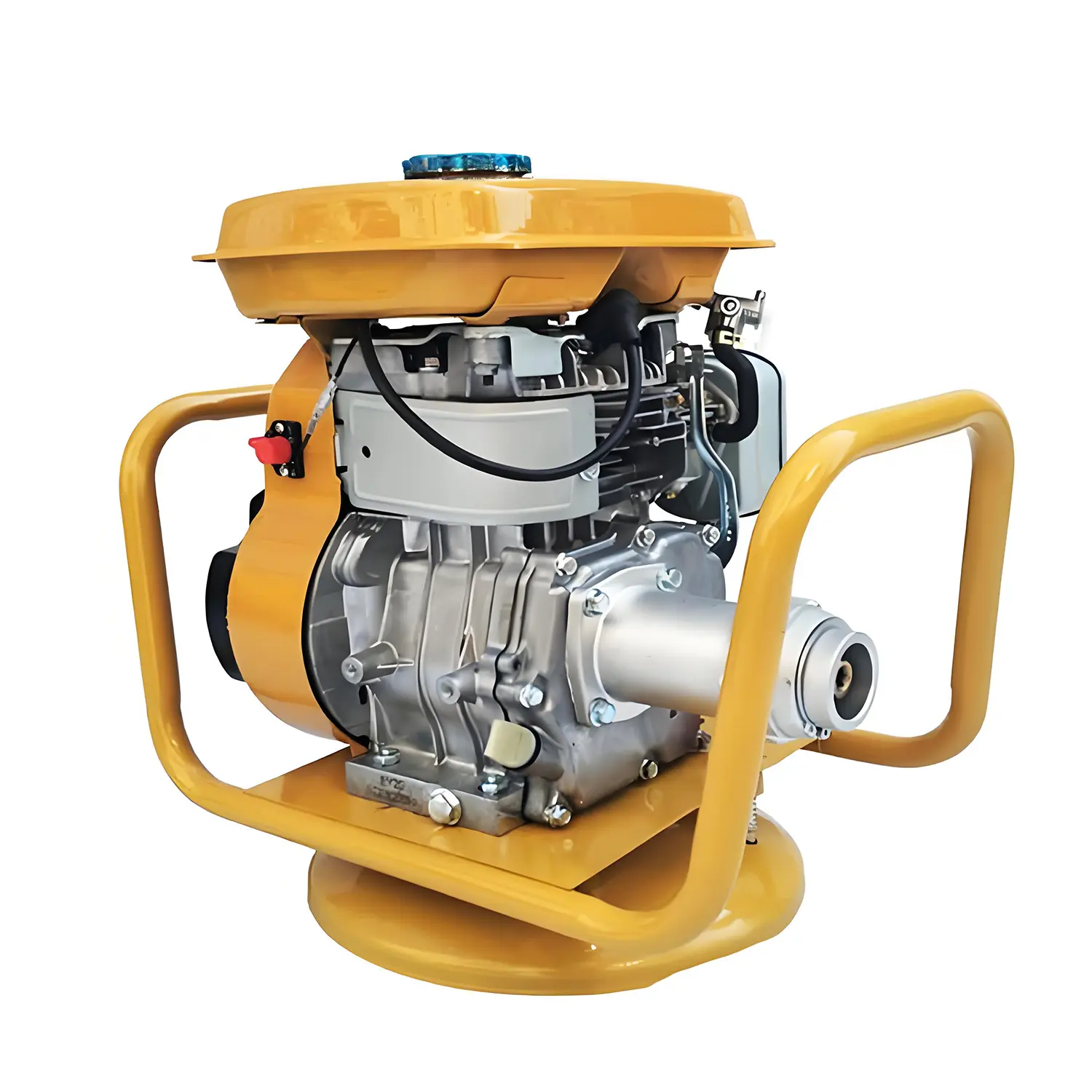
 Internal Vibrator
 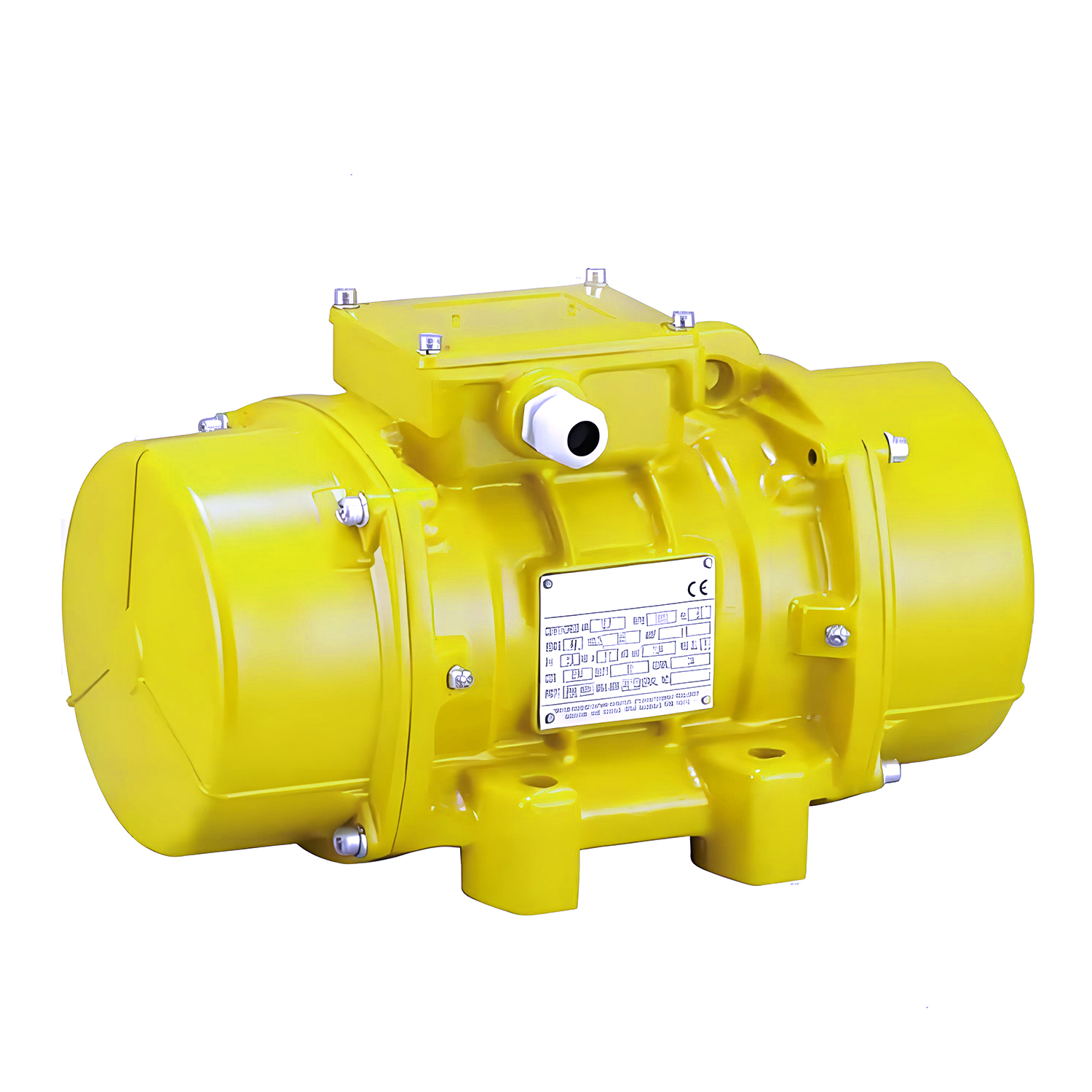 External Vibrator
 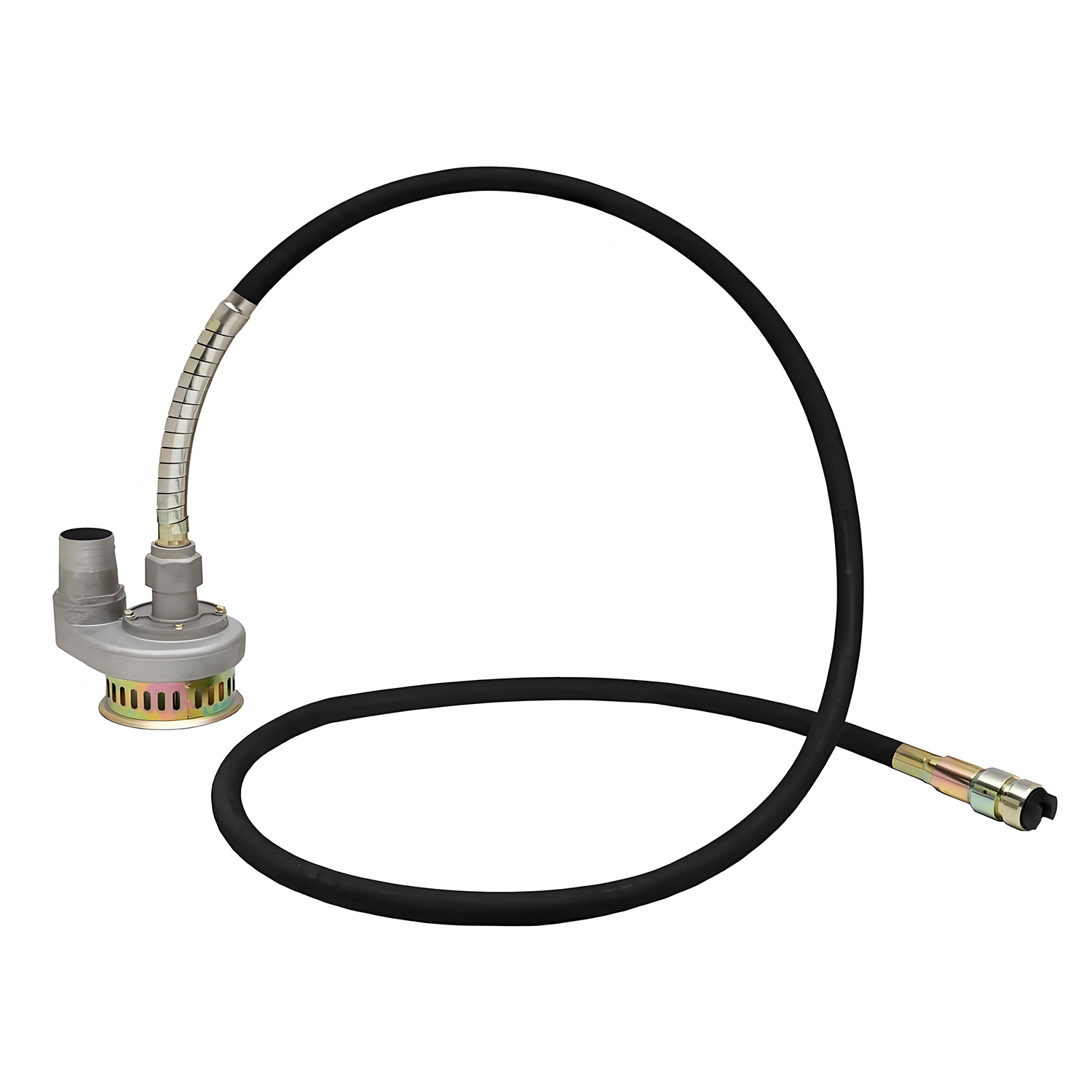 Submersible Pump
 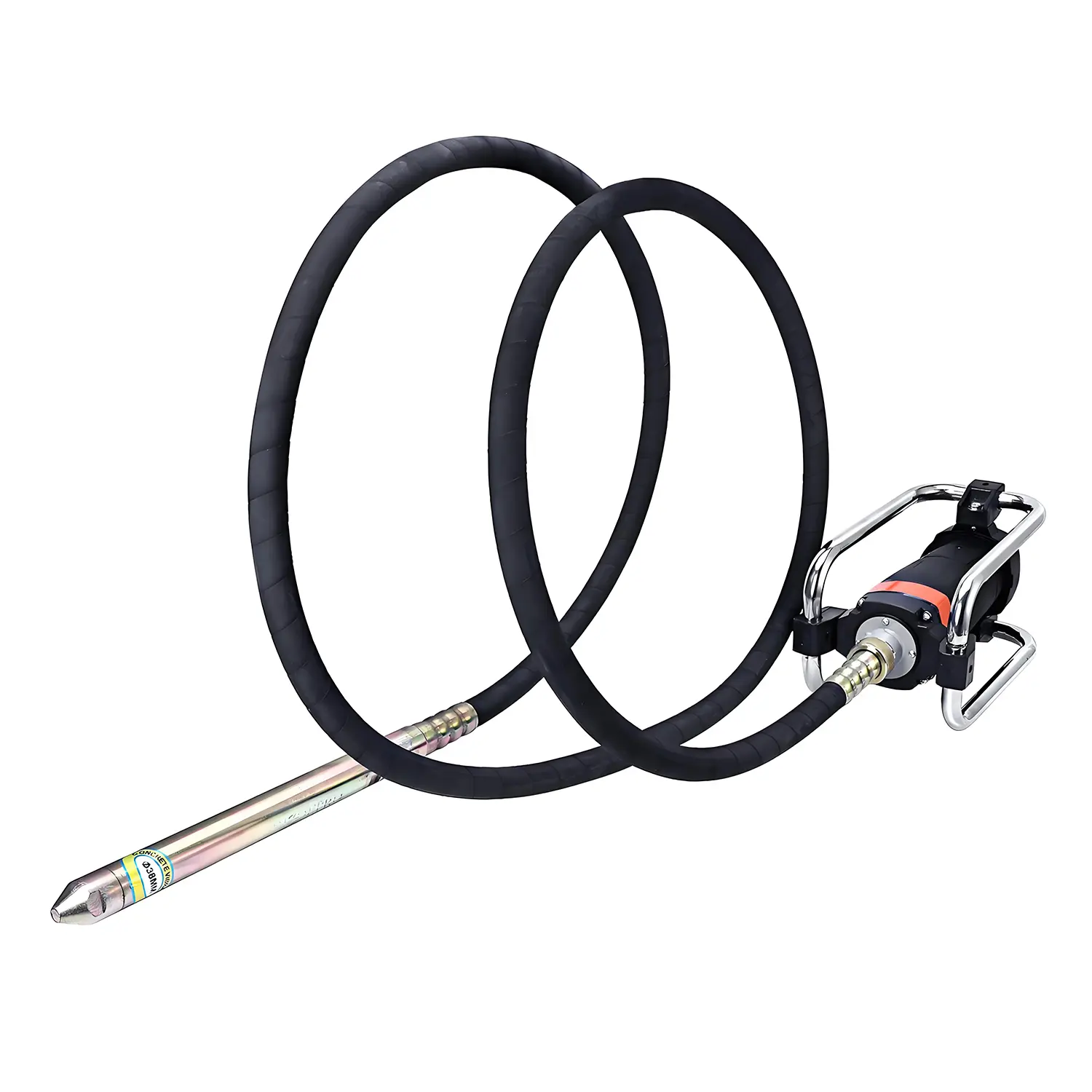 Eccentric shaft
 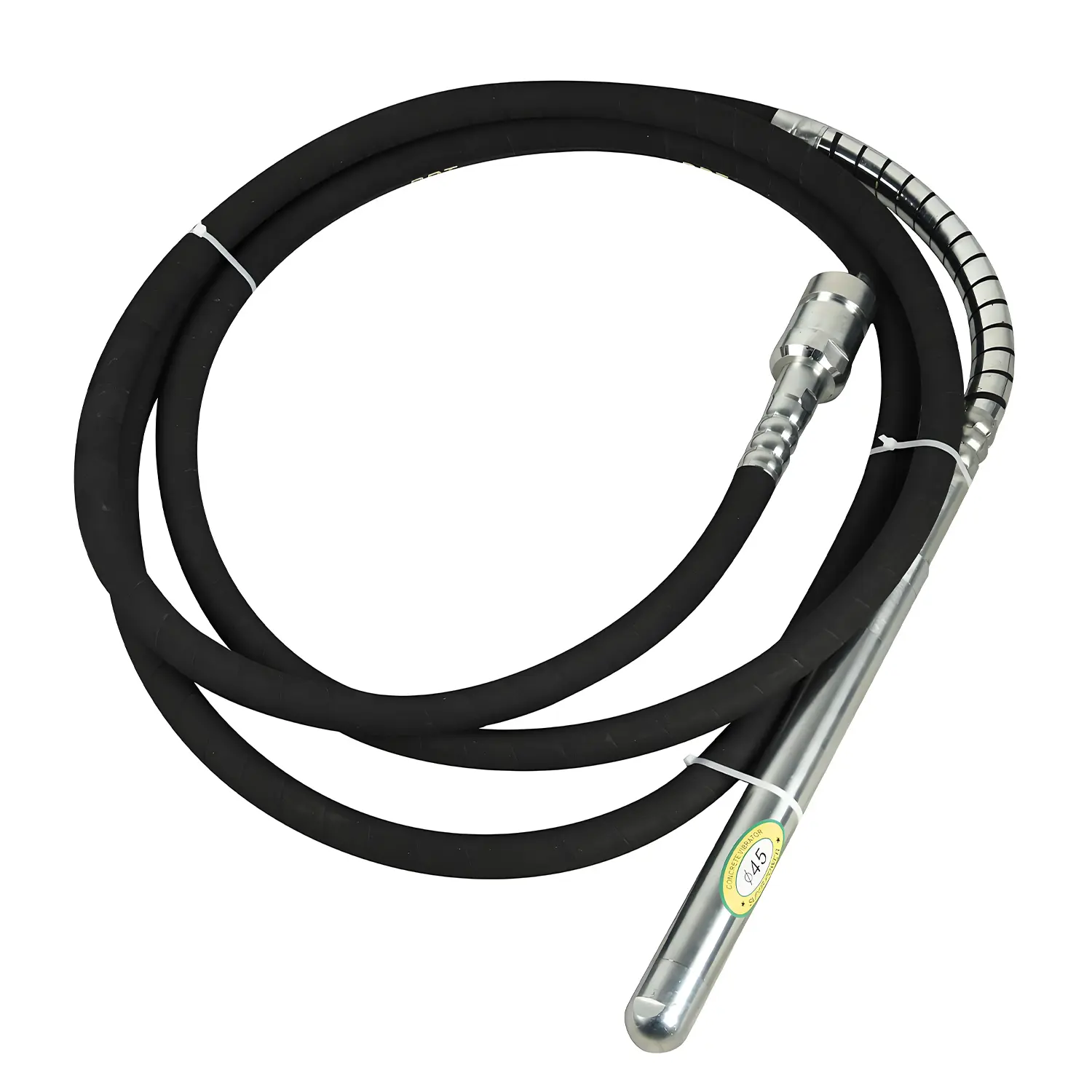 Pendulum shaft
 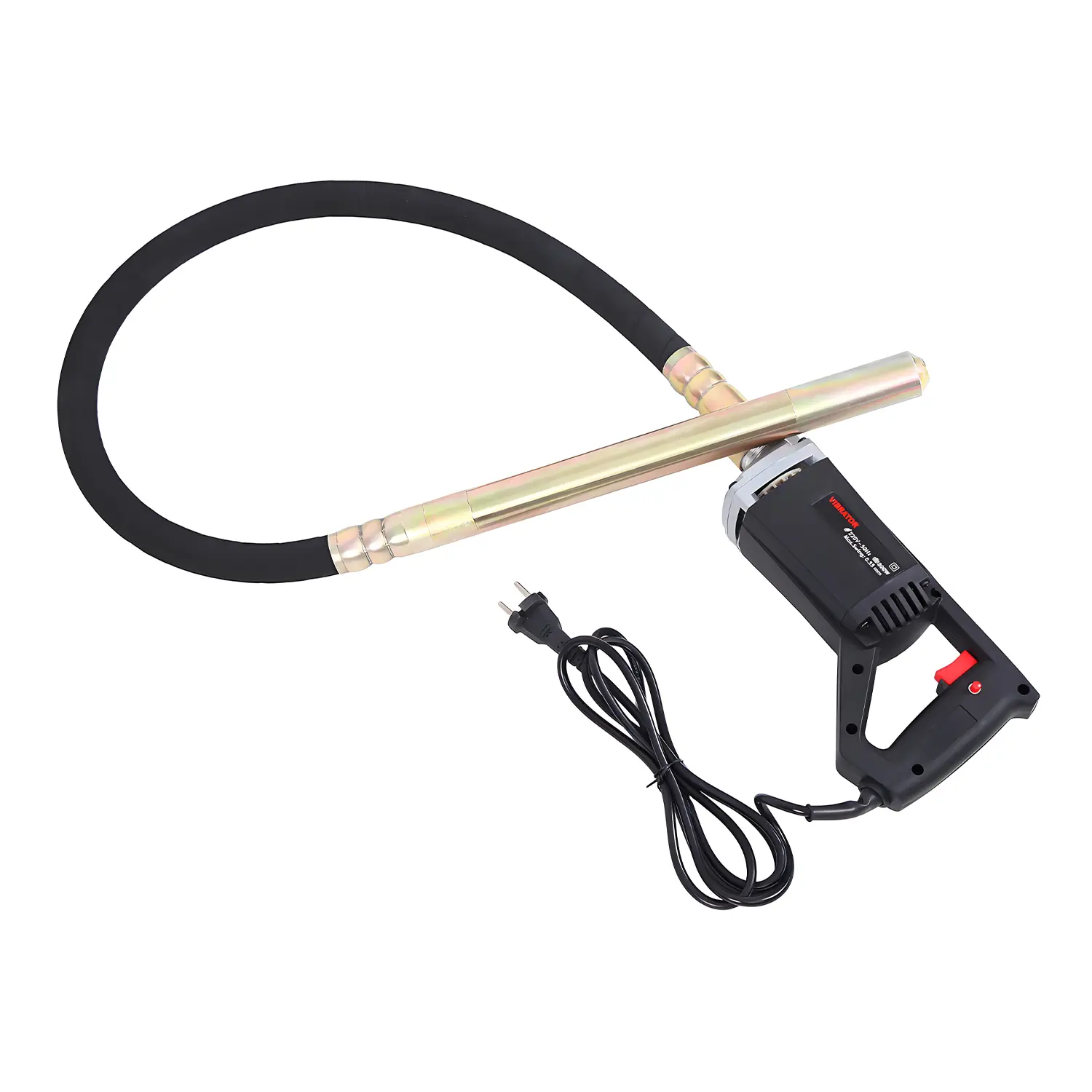 Portable vbrator shaft
 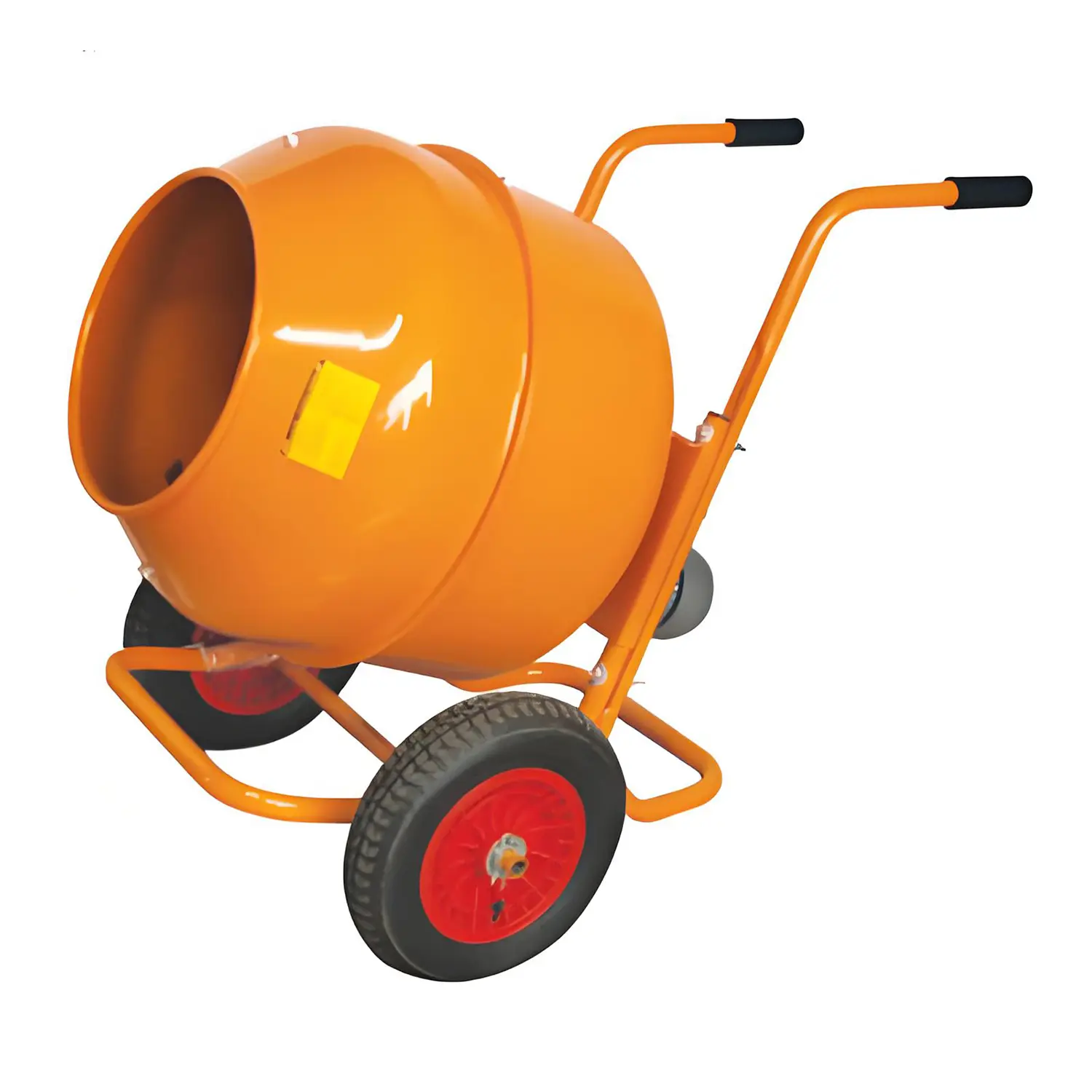 Portable concrete mixer
 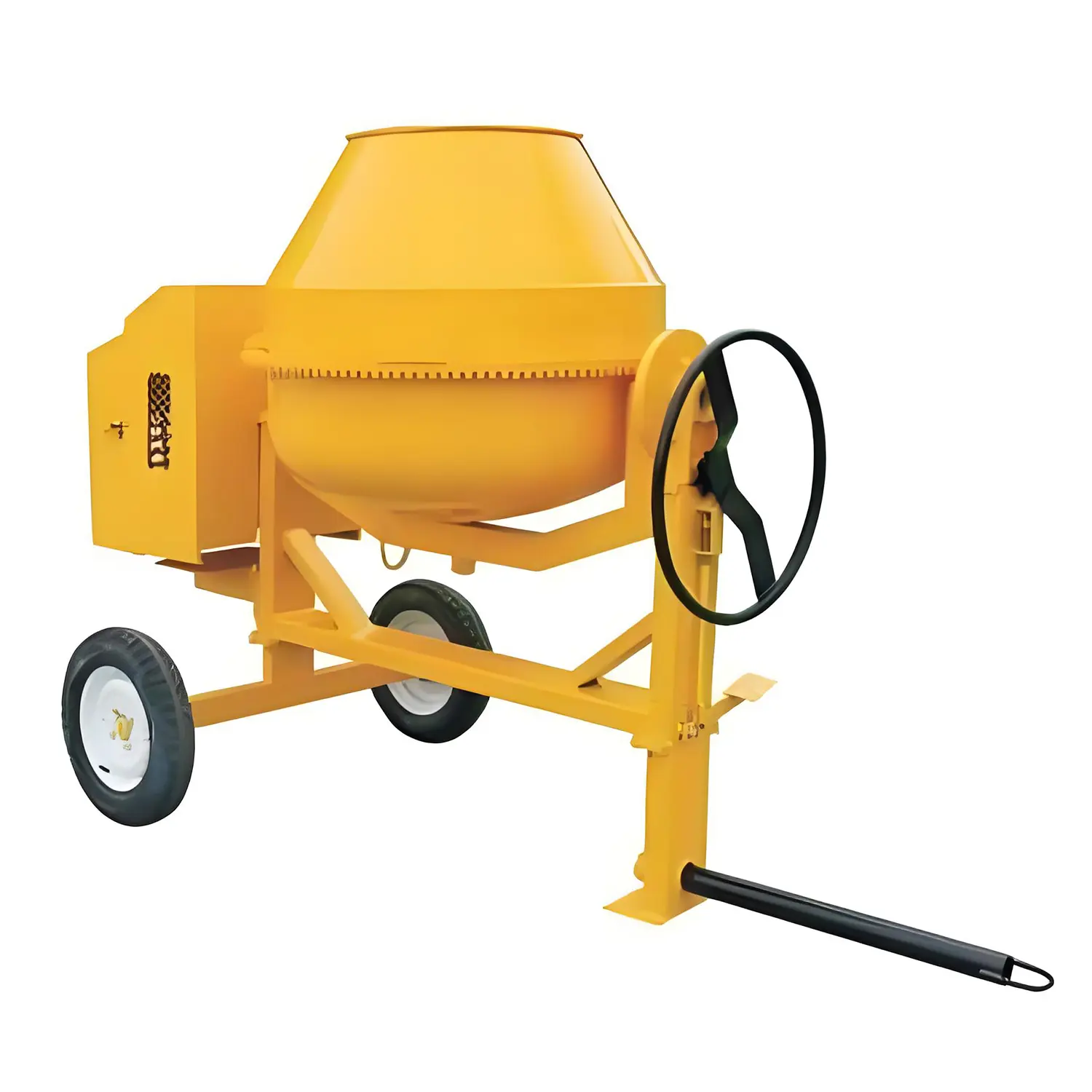 Vertical concrete mixer
 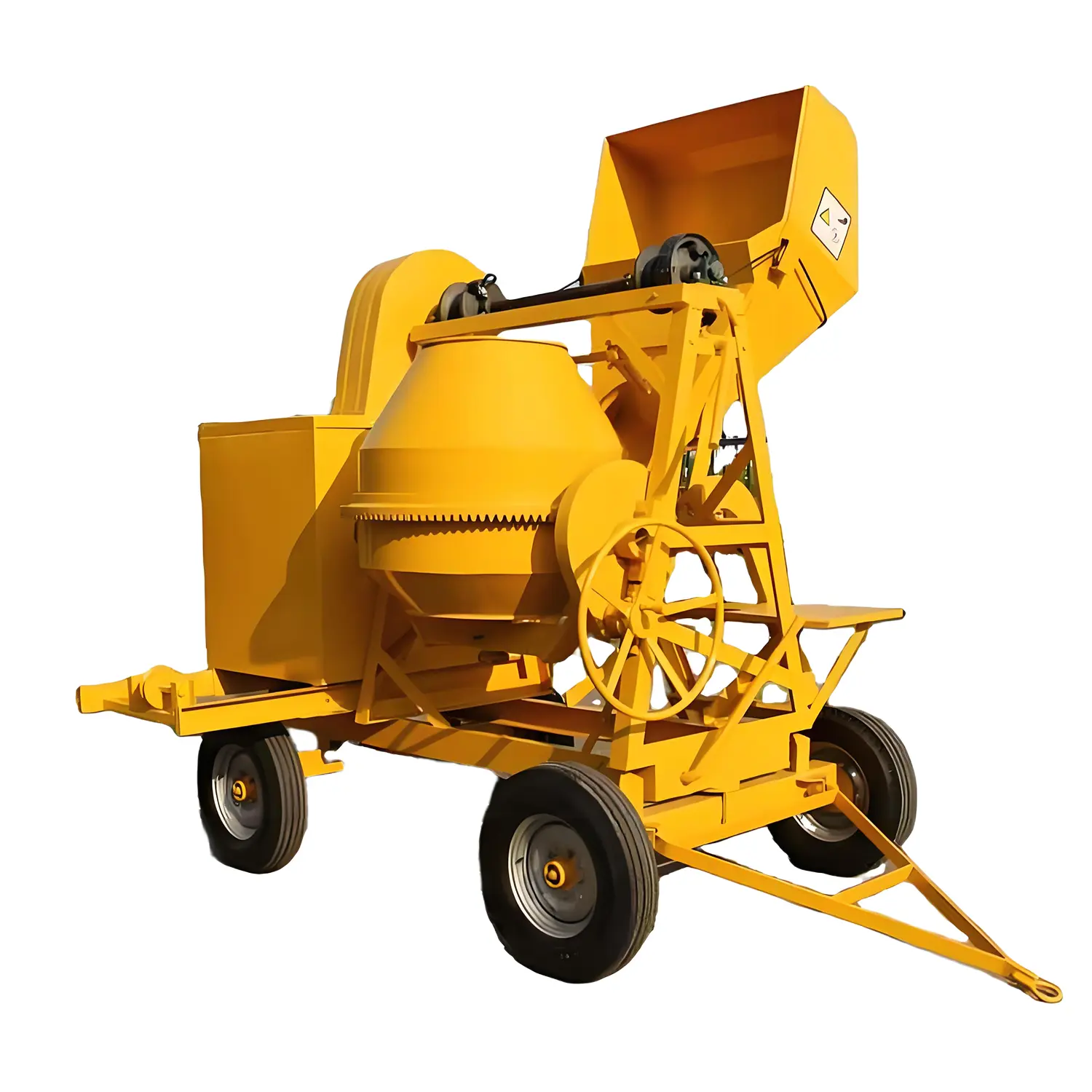 Hydraulic concrete mixer
 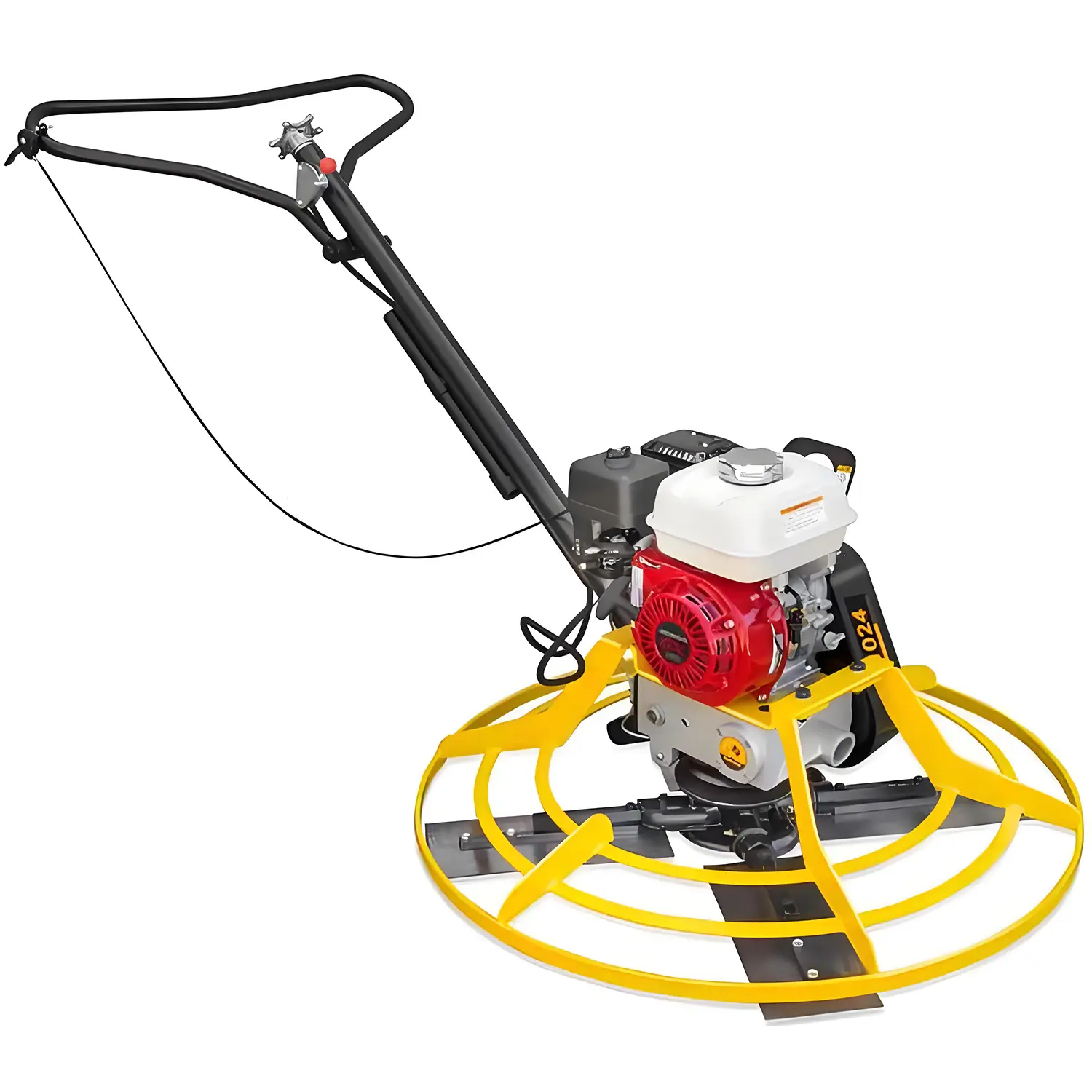 Walk behind power trowel
 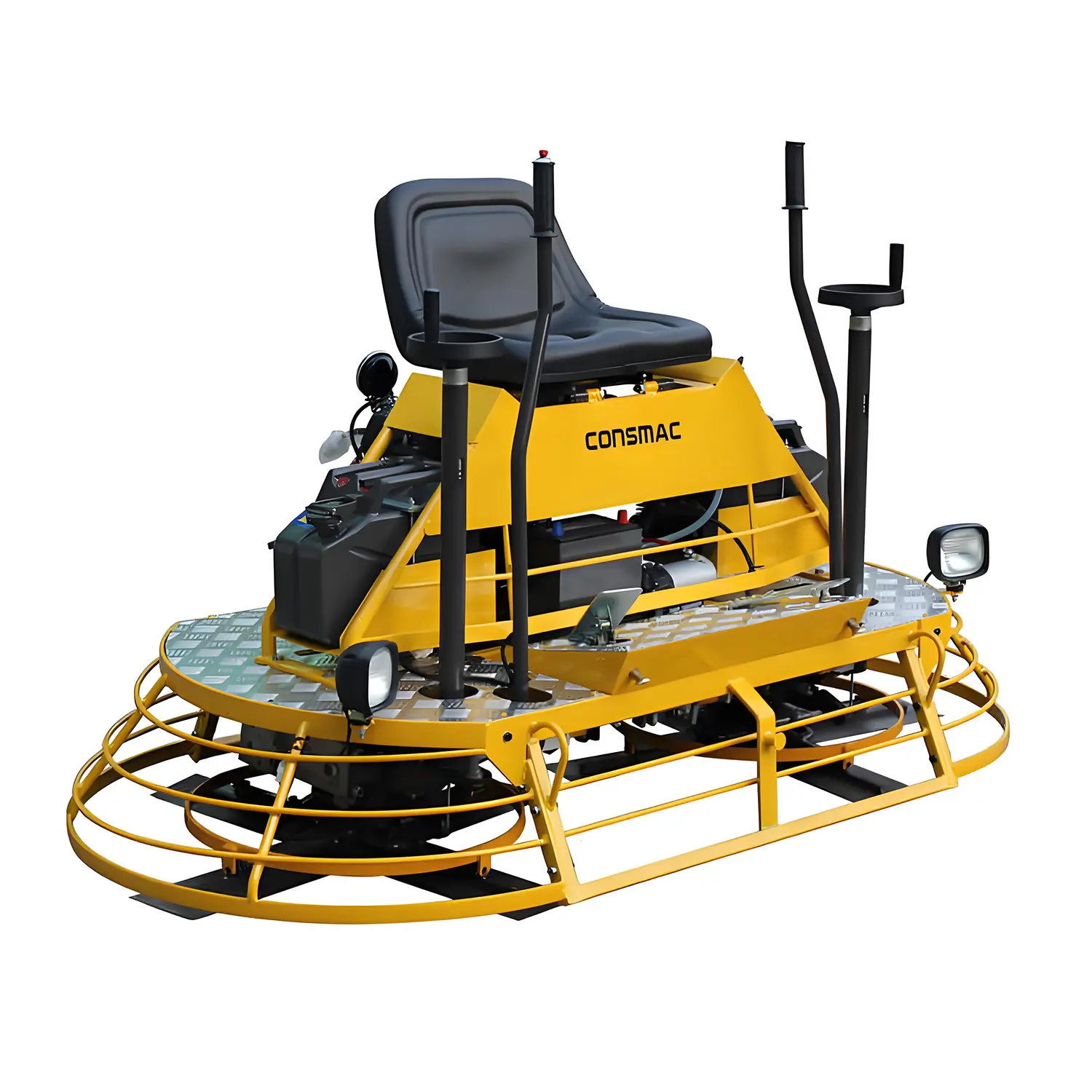 Ride on power trowel
 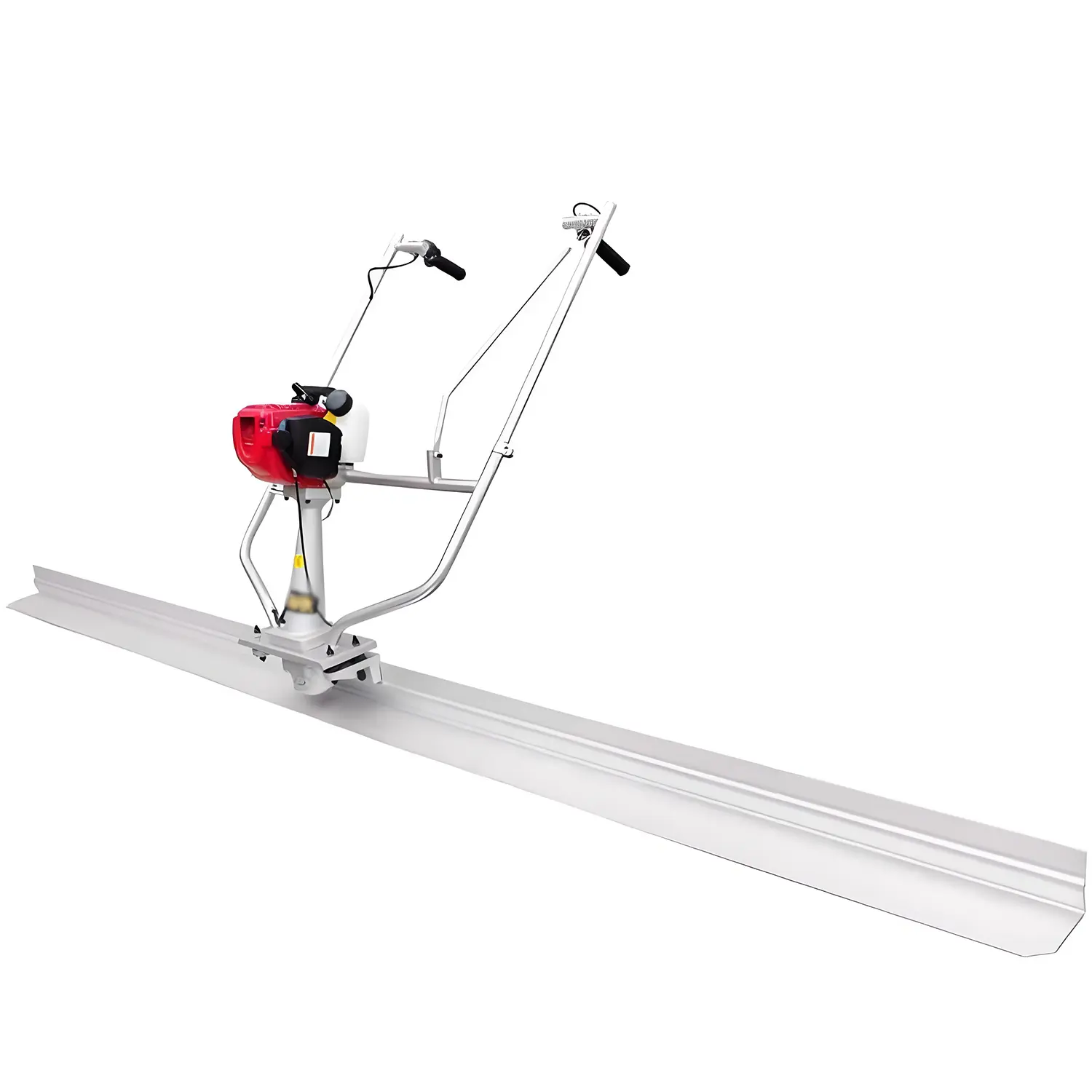 Concrete screed
 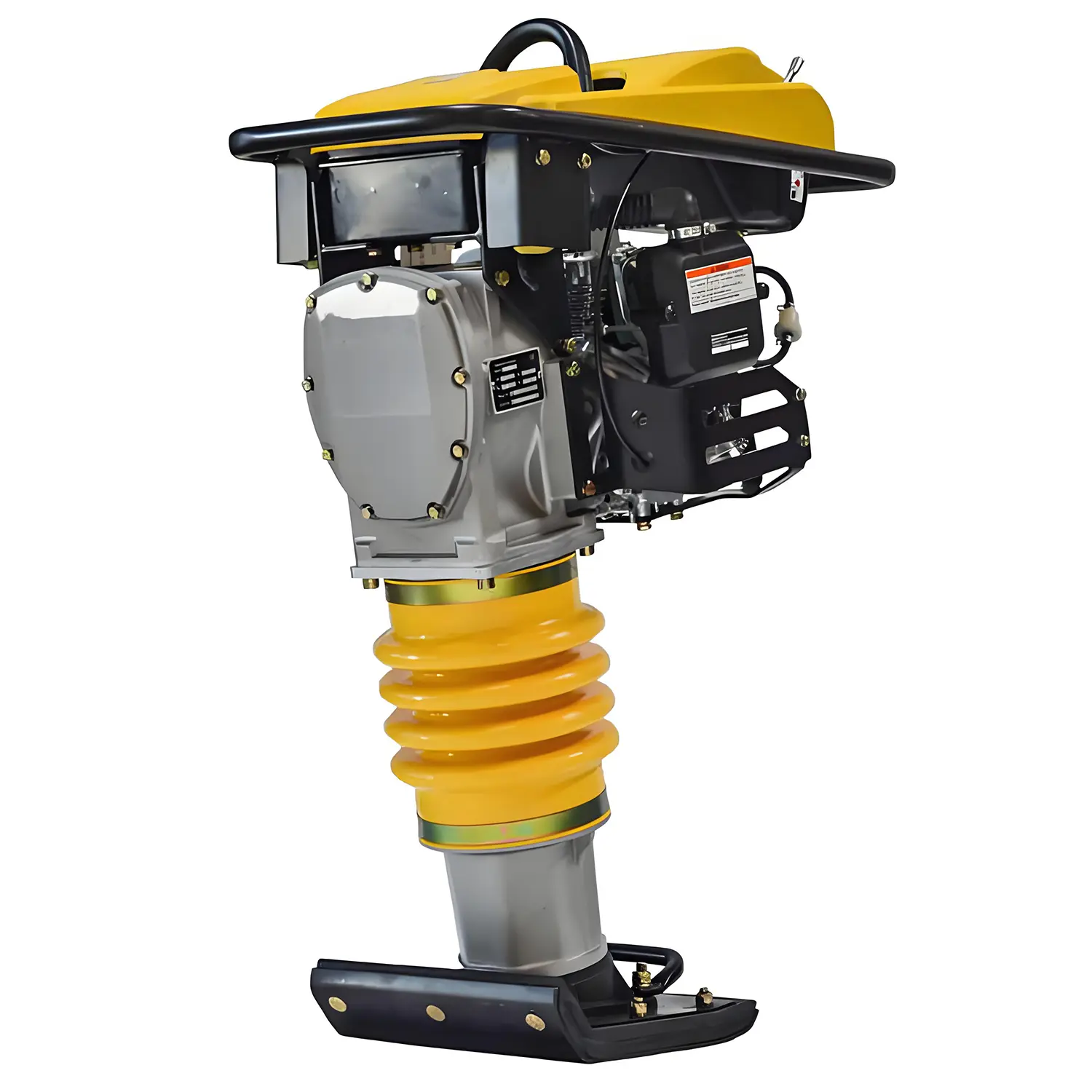 Tamping rammer
 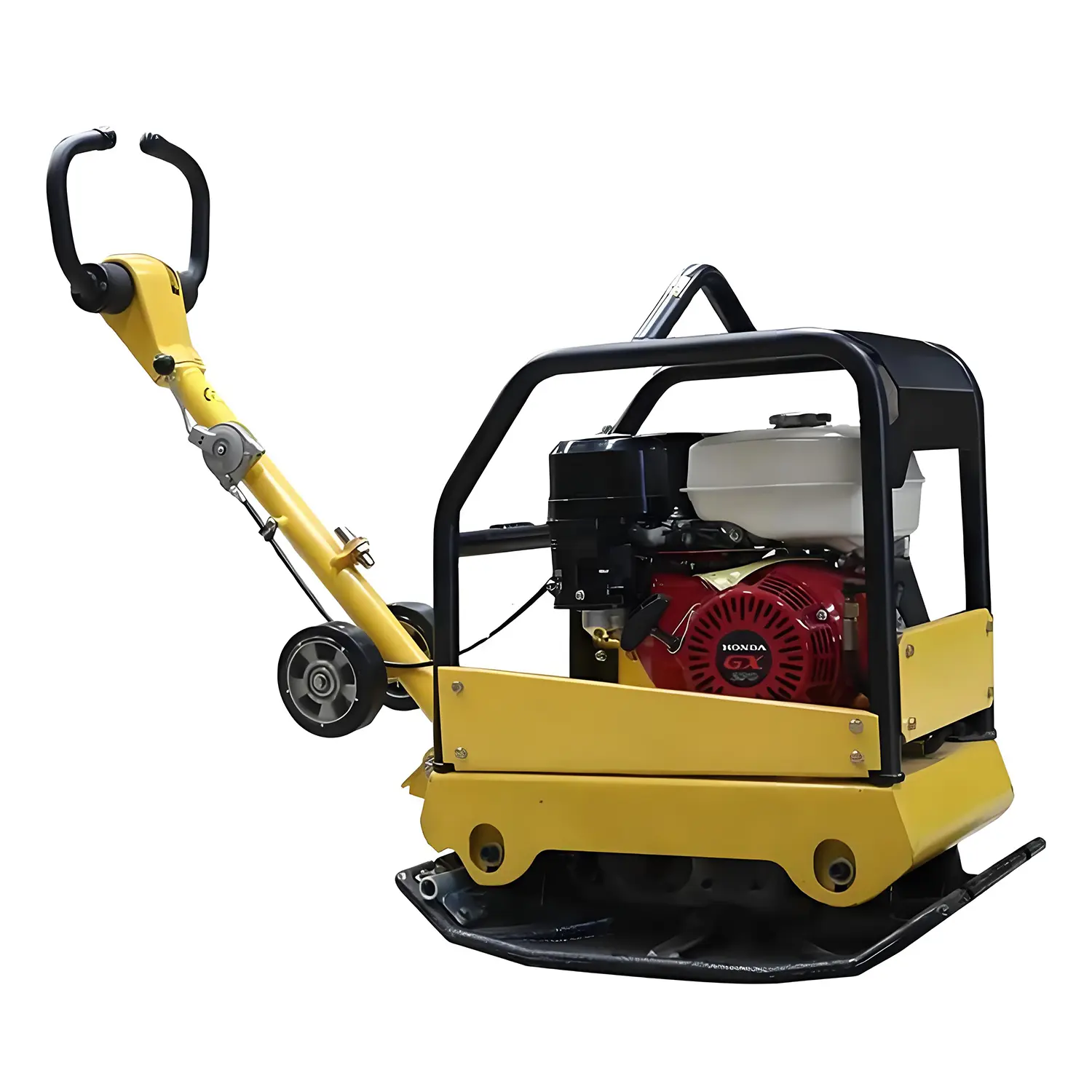 Plate compactor
 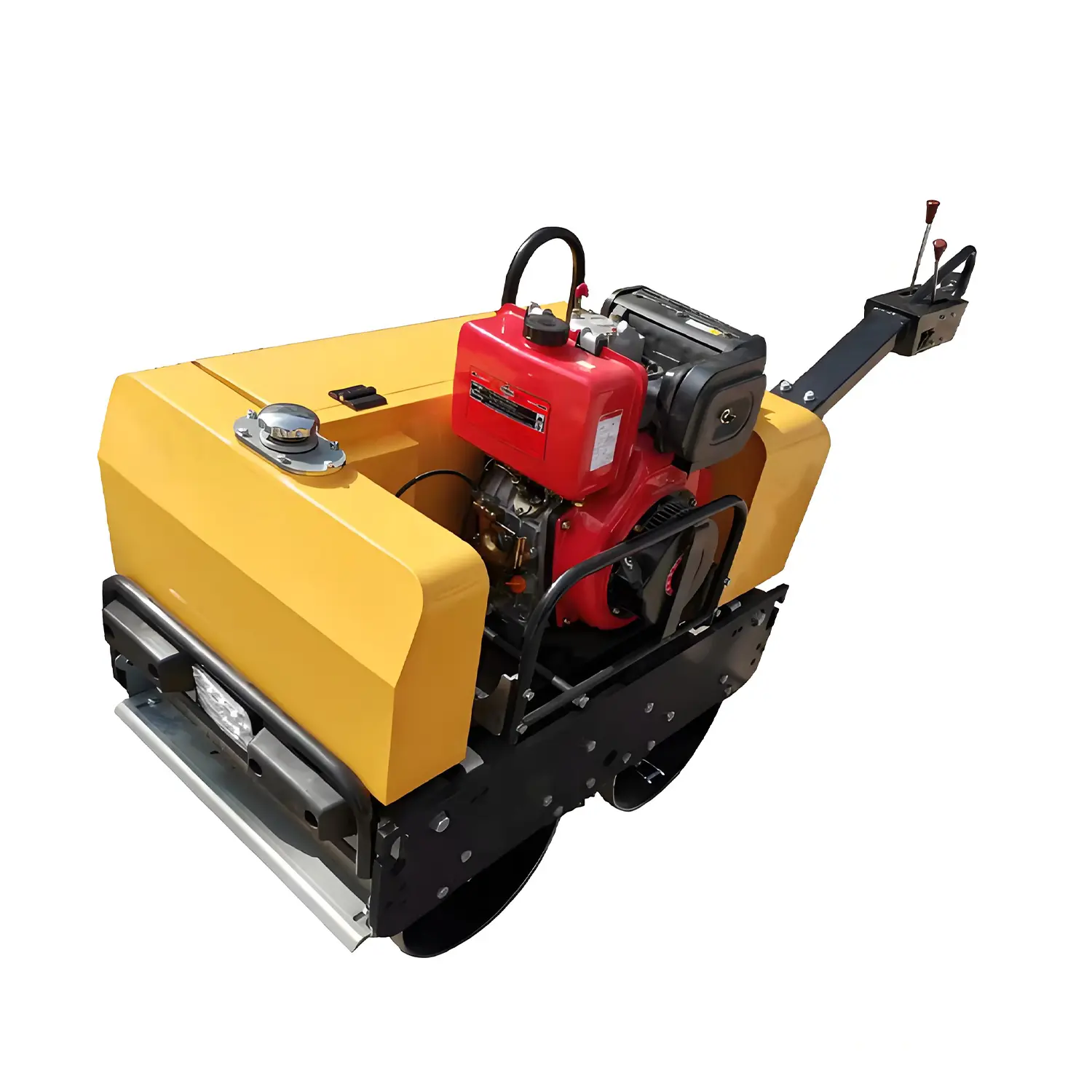 Vibratory roller
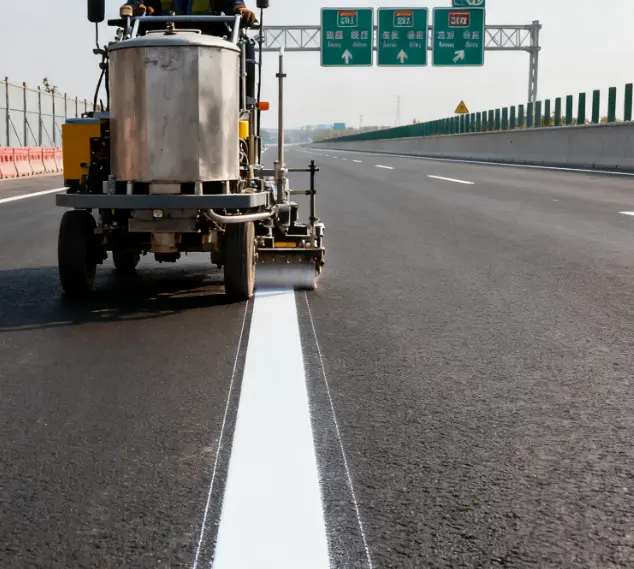
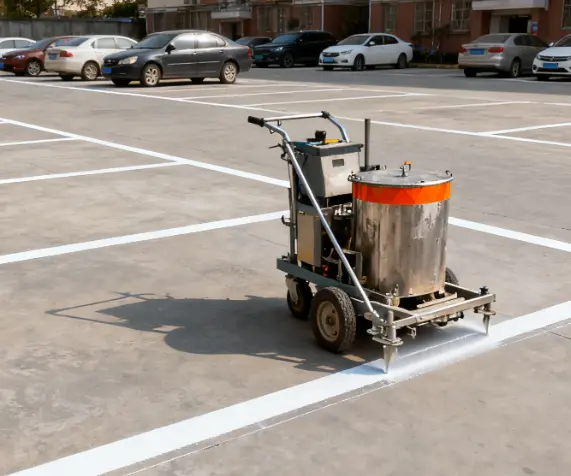




What’s the Difference Between Cold & Hot Melt Road Marking Machines?

Cold melt road marking machines apply paint at ambient temperatures. Hot melt machines require heating thermoplastic material to high temperatures for application. These distinct methods serve different purposes in road infrastructure. Each system, like those offered by MAXMACH, presents unique operational characteristics. Understanding these differences helps in selecting the right equipment.
Key Takeaways
- Cold melt machines use paint at normal temperatures; they are good for small jobs and cost less, but their markings do not last as long.
- Hot melt machines heat plastic material; they make very strong markings that last many years, good for busy roads, but cost more to start.
- Choose a machine based on your project's needs, like how much traffic there is, how long the markings need to last, and your budget.
Understanding Cold Melt Road Marking Machines

Cold Paint Composition and Application
Cold melt road marking machines use paint at ambient temperatures. This paint typically consists of acrylic or epoxy resins, pigments, and solvents. Workers apply it directly onto the road surface. The machines often use spray guns or extrusion methods for application. This process does not require heating the material. The paint dries through solvent evaporation or chemical reaction.
Advantages of Cold Melt Systems
Cold melt systems offer several benefits. They are generally more affordable to purchase and operate. The equipment is simpler, making maintenance easier. Application is quick because no heating time is necessary. This allows for faster project completion. Cold paint also works well on various surfaces. It provides good adhesion without special surface preparation.
Disadvantages of Cold Melt Systems
Despite their advantages, cold melt systems have drawbacks. The markings typically have a shorter lifespan compared to hot melt. They wear out faster under heavy traffic. Drying times can be longer, especially in humid or cold conditions. This can delay traffic flow. The solvents in cold paint can also pose environmental concerns. They release volatile organic compounds (VOCs) into the air.
Understanding Hot Melt Road Marking Machines
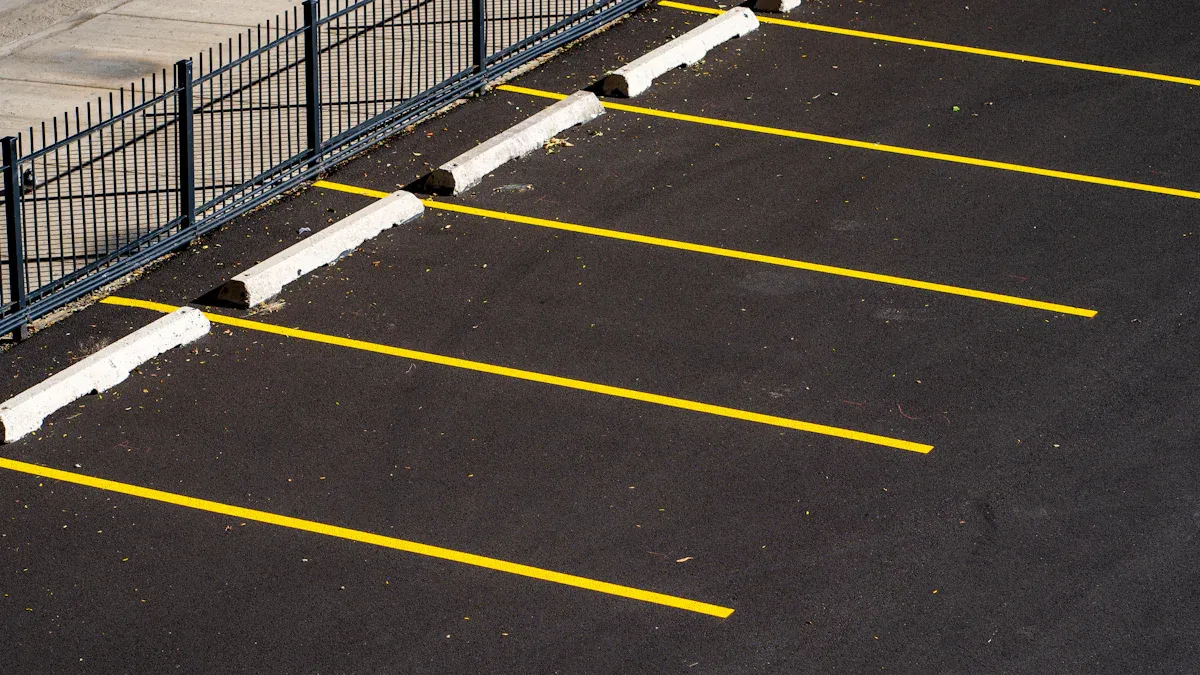
Thermoplastic Material and Application
Hot melt road marking machines use thermoplastic material. This material consists of synthetic resins, pigments, glass beads, and fillers. Workers heat the thermoplastic to high temperatures, typically between 180°C and 220°C. This melts the material into a liquid state. Applicators then extrude or spray the molten material onto the road surface. As it cools, the thermoplastic solidifies quickly, forming a durable marking. The embedded glass beads provide retroreflectivity.
Advantages of Hot Melt Systems
Hot melt systems offer significant advantages. They create highly durable markings. These markings withstand heavy traffic and harsh weather conditions for extended periods. The material dries very quickly upon application. This minimizes traffic disruption. Hot melt markings also provide excellent visibility, especially at night, due to the embedded glass beads. Their long lifespan reduces the frequency of re-marking. This saves long-term costs.
Disadvantages of Hot Melt Systems
Hot melt systems also have some drawbacks. The equipment is more expensive to purchase and maintain. It requires specialized heating units and skilled operators. The heating process consumes considerable energy. This increases operational costs. Application can be slower due to the heating time required for the material. Workers must handle the hot material carefully. This poses safety risks. The material also produces fumes during heating and application.
Key Differences in Road Marking Technology
Material Preparation and Temperature
Cold melt and hot melt systems differ significantly in material preparation. Cold melt machines use paint at ambient temperatures. Workers simply load the paint into the machine. No heating is necessary. This makes the setup process quick and straightforward.
Hot melt machines, however, require extensive material preparation. They heat thermoplastic material to very high temperatures. This typically ranges from 180°C to 220°C. This process melts the solid thermoplastic into a liquid state. Heating takes time and consumes considerable energy. Operators must carefully monitor the temperature to ensure proper application.
Application Speed and Drying Time
Application speed and drying time also show clear distinctions. Cold melt systems offer a faster start to application. They do not need pre-heating. However, cold paint often requires a longer drying period. This drying occurs through solvent evaporation or chemical reaction. Environmental factors like humidity and temperature can extend this time. Longer drying times can lead to increased traffic disruption.
Hot melt systems have a slower start due to the heating process. Once the material reaches the correct temperature, application proceeds efficiently. The molten thermoplastic cools and solidifies very quickly upon contact with the road surface. This rapid drying minimizes traffic disruption. Vehicles can often drive over hot melt markings within minutes.
Durability and Lifespan Comparison
Durability represents a major difference between the two technologies. Cold melt markings generally have a shorter lifespan. They wear down faster under heavy traffic volumes and harsh weather conditions. Their typical lifespan ranges from one to three years. This means roads require re-marking more frequently.
Hot melt markings offer superior durability. They withstand heavy traffic, abrasion, and extreme weather much better. Their robust composition allows them to last significantly longer. Hot melt markings often remain effective for five to eight years, sometimes even longer. This extended lifespan reduces the need for frequent maintenance.
Reflectivity and Visibility Performance
Visibility is crucial for road safety, especially at night. Both systems use glass beads to enhance reflectivity. Cold melt markings typically have glass beads dropped onto the wet paint surface. This provides good initial reflectivity. However, as the paint wears, reflectivity can diminish.
Hot melt markings often have glass beads mixed directly into the thermoplastic material. They also have additional beads dropped onto the surface during application. This dual application ensures excellent and sustained retroreflectivity. The embedded beads remain effective even as the surface wears. This provides superior visibility for drivers, particularly in low-light or wet conditions.
Cost Implications: Initial vs. Long-Term
Cost considerations involve both initial investment and long-term expenses. Cold melt machines typically have a lower initial purchase price. The paint material also costs less per unit. However, their shorter lifespan means more frequent re-marking. This leads to higher long-term costs for labor, materials, and traffic management.
Hot melt machines represent a higher initial investment. The thermoplastic material also costs more per unit. Despite this, their exceptional durability translates into lower long-term costs. Less frequent re-marking saves money on labor, materials, and traffic control over many years. Many projects find the long-term savings outweigh the higher upfront expense.
Environmental Impact Considerations
Environmental impact is an increasingly important factor. Cold melt paints traditionally contained volatile organic compounds (VOCs). These solvents release into the atmosphere during drying. Newer cold melt formulations, including water-based and low-VOC options, aim to reduce this impact.
Hot melt thermoplastic materials generally contain no solvents. This means they release no VOCs during application. However, the heating process consumes energy, which can contribute to carbon emissions. Fumes can also occur during the melting and application of thermoplastic. The longer lifespan of hot melt markings means less frequent application. This reduces overall material consumption and waste over time.
Choosing the Right MAXMACH for Your Project
Selecting the optimal road marking machine requires careful evaluation of project specifics. Different projects demand different solutions. MAXMACH offers a range of machines to meet diverse needs. Consider several key factors before making a decision.
Project Scale and Traffic Volume
Project scale and traffic volume significantly influence machine choice. For smaller projects, like parking lots, residential streets, or temporary markings, cold melt machines are often ideal. They offer quick setup and easy application. These areas typically experience lower traffic volumes. Therefore, the markings do not face extreme wear.
Conversely, large-scale projects, such as highways, major arterial roads, or busy intersections, demand the superior durability of hot melt machines. These areas endure constant heavy traffic. Hot melt markings withstand this wear much better. They ensure safety and visibility for longer periods.
Climate and Surface Conditions
Climate and surface conditions also play a crucial role. Cold melt paints perform well in moderate climates. However, extreme cold or high humidity can extend their drying times. This might delay project completion. Cold paint adheres effectively to various surface types without extensive preparation.
Hot melt thermoplastic requires specific application conditions. Workers apply it to dry, clean surfaces. The material cools and solidifies quickly. This makes it less sensitive to ambient temperature after application. However, applying hot melt in very cold conditions can cause the material to cool too rapidly. This affects proper bonding.
Required Markings Lifespan
The desired lifespan of the road markings is a primary consideration. If a project requires temporary markings or expects frequent changes, a cold melt system is a practical choice. These markings typically last one to three years. They are easy to remove or reapply.
For markings needing a long service life, hot melt systems are indispensable. Their robust composition allows them to last five to eight years, or even longer. This extended durability is vital for critical road infrastructure. It reduces the frequency of re-marking cycles.
Budget and Operational Efficiency
Budget and operational efficiency are critical factors for any project. Cold melt machines generally have a lower initial purchase price. Their materials also cost less per unit. This makes them attractive for projects with limited upfront capital. However, their shorter lifespan means more frequent re-application. This increases long-term labor and material costs.
Hot melt machines represent a higher initial investment. The thermoplastic material also costs more. Despite this, their exceptional durability leads to significant long-term savings. Less frequent re-marking reduces labor expenses, material consumption, and traffic management costs over many years. A MAXMACH hot melt machine often proves more cost-effective over the entire lifecycle of the markings.
MAXMACH Cold Melt vs. Hot Melt: Practical Applications
Choosing the right road marking machine depends on the specific job. MAXMACH offers both cold melt and hot melt solutions. Each system excels in different environments and for various marking needs. Understanding these practical applications helps project managers make informed decisions.
Ideal Scenarios for Cold Melt
Cold melt road marking machines are best for certain projects. They suit areas with lower traffic volumes. These include:
- Parking Lots: Markings here do not face constant heavy wear. Cold paint offers a cost-effective solution.
- Residential Streets: These roads see less traffic. Cold melt provides clear, visible lines without high durability demands.
- Temporary Markings: Construction zones or event areas often need temporary lines. Cold paint applies quickly and workers can remove or change it easily.
- Sports Courts: Indoor or outdoor courts benefit from cold paint. It adheres well to various surfaces.
- Small-Scale Projects: When budgets are tight or project timelines are short, cold melt systems are efficient. They require less setup time.
Ideal Scenarios for Hot Melt
Hot melt road marking machines are essential for demanding applications. They provide superior durability and visibility. These scenarios include:
- Highways and Major Roads: These areas experience continuous heavy traffic. Hot melt markings withstand extreme wear and tear.
- Intersections: High-traffic intersections require durable lines. Hot melt ensures long-lasting visibility for safety.
- Airports: Runways and taxiways need highly durable and visible markings. Hot melt material performs well under aircraft loads.
- Industrial Zones: Areas with heavy vehicle movement benefit from the toughness of hot melt.
- Long-Term Projects: When markings must last for many years, hot melt is the preferred choice. A MAXMACH hot melt machine ensures longevity and reduces re-marking frequency.
Safety and Maintenance for Road Marking Machines
Operating road marking machines requires strict adherence to safety protocols. Proper maintenance also ensures machine longevity and efficient operation. Both cold melt and hot melt systems have specific safety considerations.
Cold Melt Safety Protocols
Cold melt machines use paints at ambient temperatures. Operators still follow important safety rules.
- They wear personal protective equipment (PPE). This includes gloves, safety glasses, and respirators.
- Workers ensure good ventilation in enclosed spaces. This prevents inhalation of paint fumes.
- They handle paint materials carefully. Proper storage prevents spills and contamination.
- Operators clean equipment thoroughly after use. This prevents paint buildup.
Hot Melt Safety Protocols
Hot melt machines involve high temperatures. These machines require extra caution.
- Operators wear heat-resistant gloves and clothing. This protects them from burns.
- They use eye protection. Molten material can splash.
- Workers ensure proper ventilation. This dissipates fumes from heated thermoplastic.
- They check all heating elements and hoses regularly. This prevents leaks or malfunctions.
- Operators allow the machine to cool before performing maintenance. This prevents accidental burns. 🔥
Machine Maintenance Best Practices
Regular maintenance extends the life of any road marking machine.
- Clean the machine after each use. This prevents material buildup.
- Inspect hoses, nozzles, and pumps regularly. Replace worn parts promptly.
- Lubricate moving parts as the manufacturer recommends. This ensures smooth operation.
- Store machines in a dry, secure location. This protects them from weather damage.
- Perform routine checks on engines and electrical systems. This prevents unexpected breakdowns.
- Follow the MAXMACH user manual for specific maintenance schedules. This ensures optimal performance.
Selecting the optimal road marking machine depends on specific project demands. Project managers must consider factors like durability, cost, and environmental impact. MAXMACH offers diverse solutions for various needs. The road marking industry continues to evolve. New technologies offer more efficient and sustainable solutions for infrastructure development.
FAQ
What is the primary distinction between cold and hot melt road marking machines?
Cold melt machines apply paint at ambient temperatures. Hot melt machines heat thermoplastic material to high temperatures for application.
Which road marking system offers greater durability?
Hot melt systems provide superior durability. Their thermoplastic markings withstand heavy traffic and harsh weather for many years.
When is a cold melt system the better choice for a project?
Cold melt systems suit projects with lower traffic, temporary markings, or smaller budgets. They offer quick application and easier setup.