
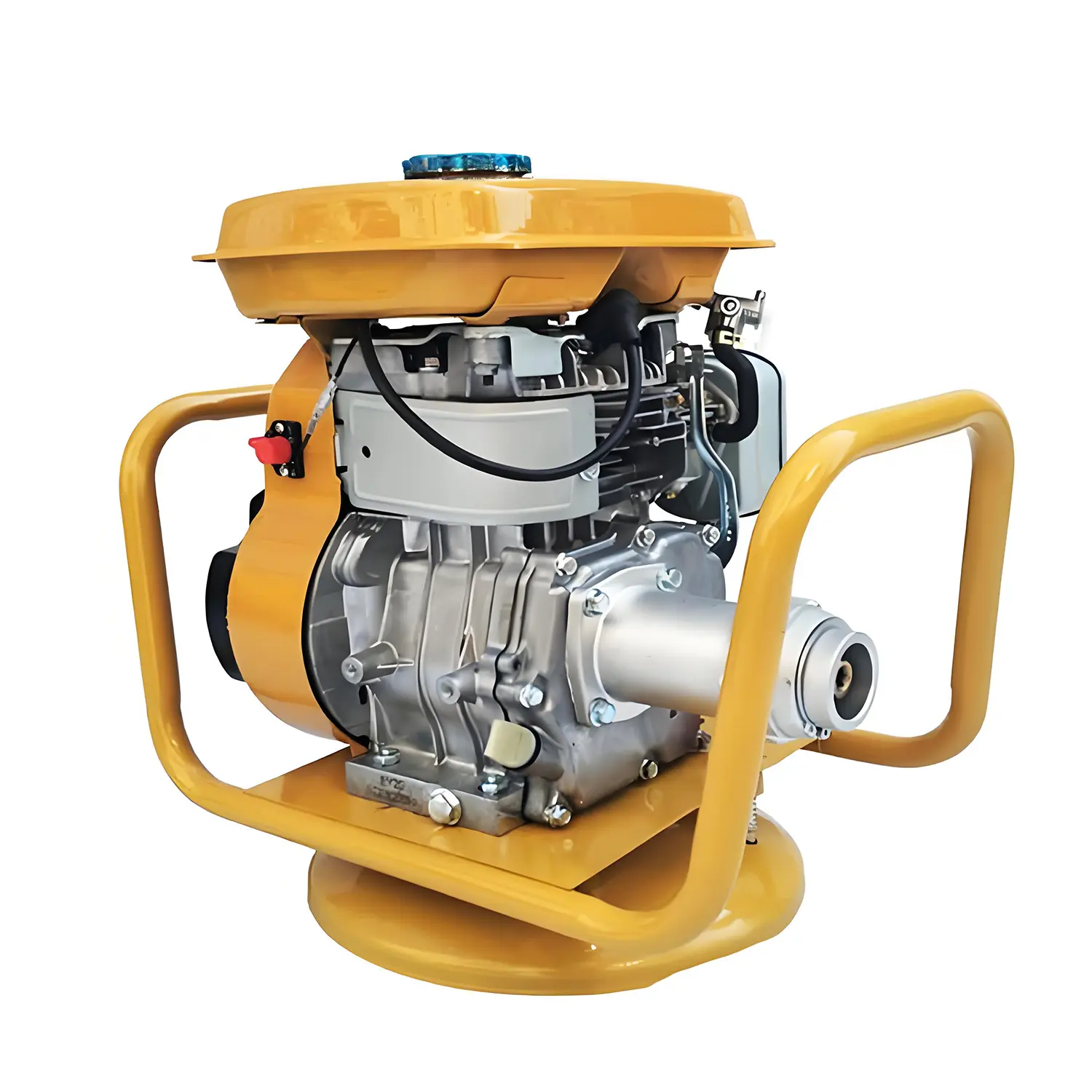
 Internal Vibrator
 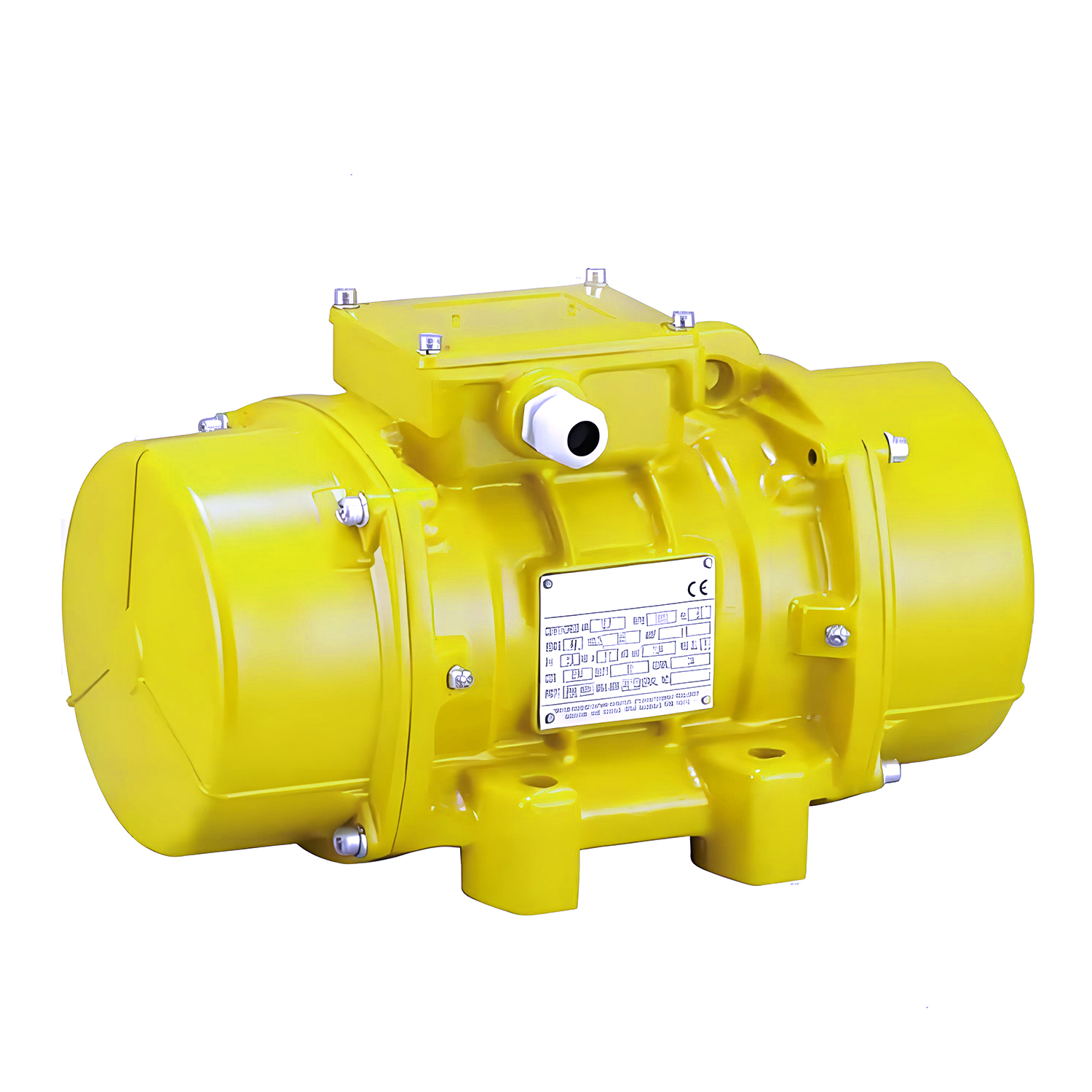 External Vibrator
 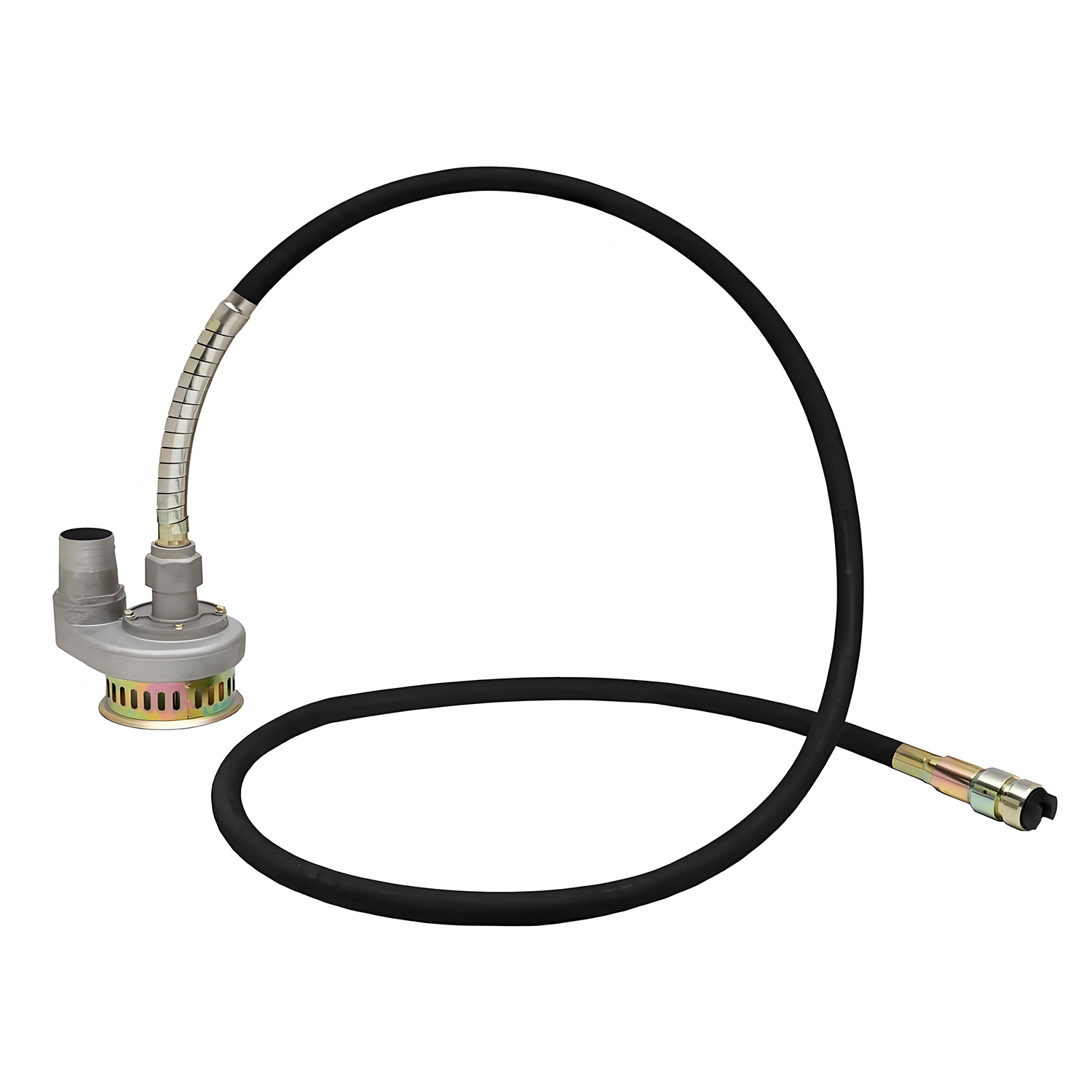 Submersible Pump
 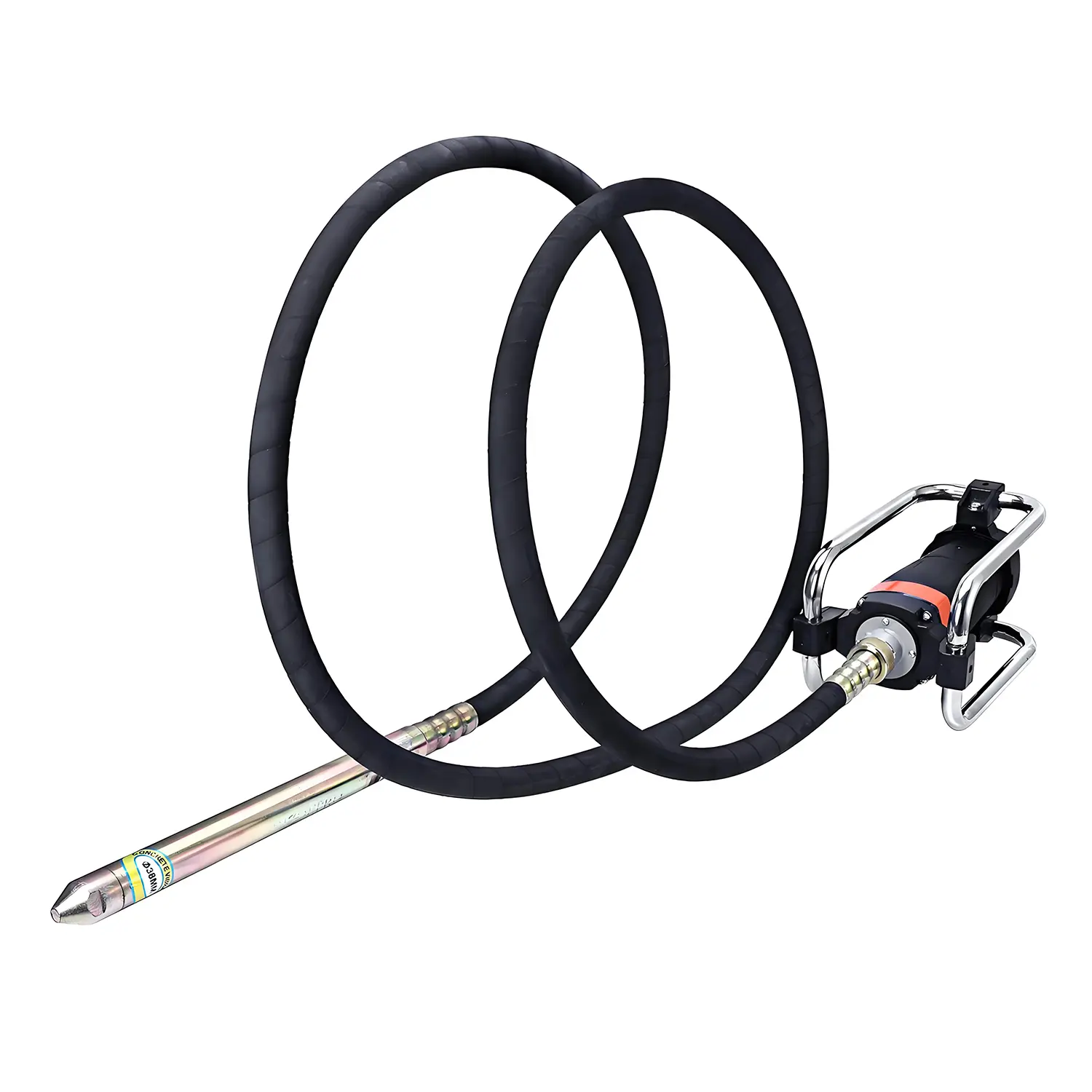 Eccentric shaft
 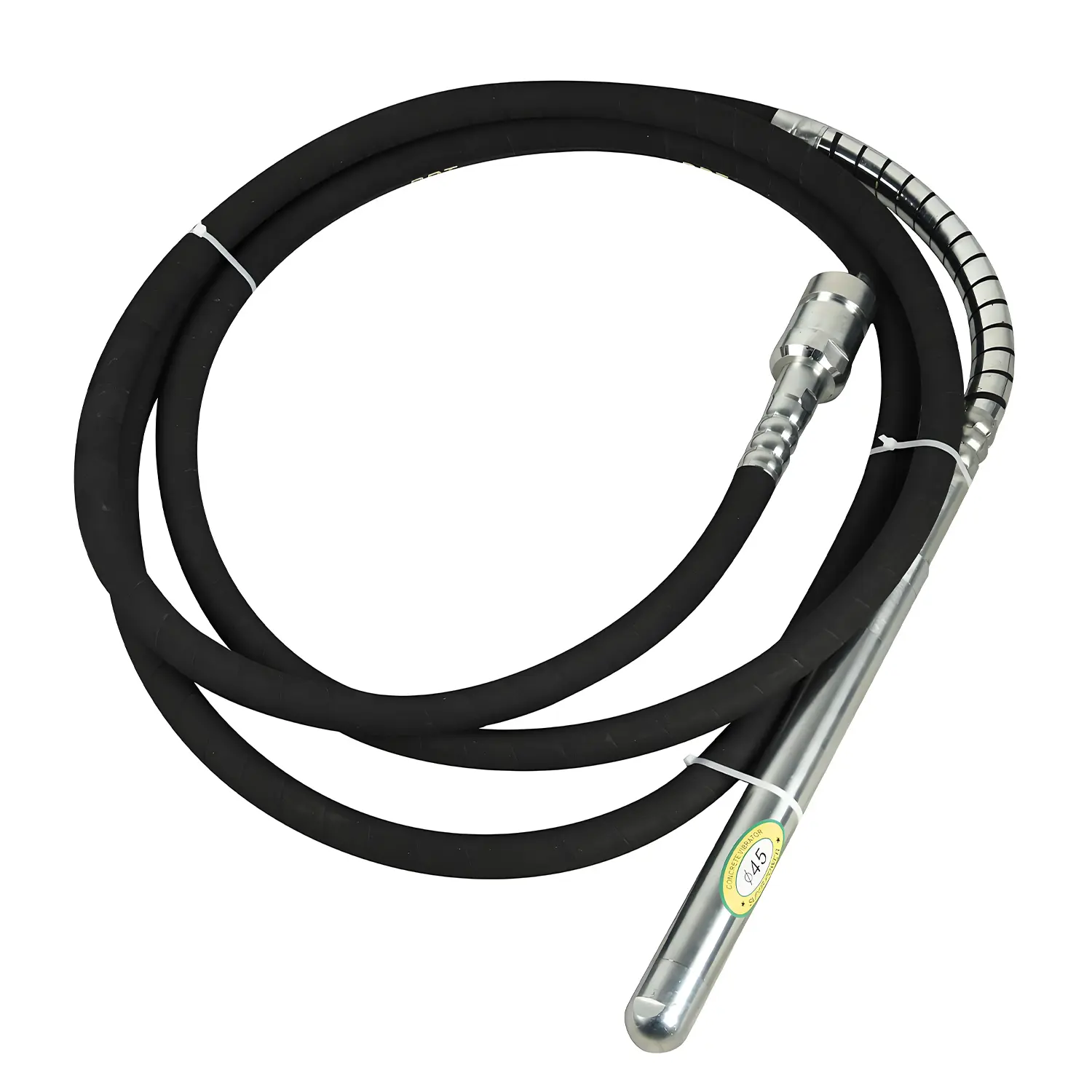 Pendulum shaft
 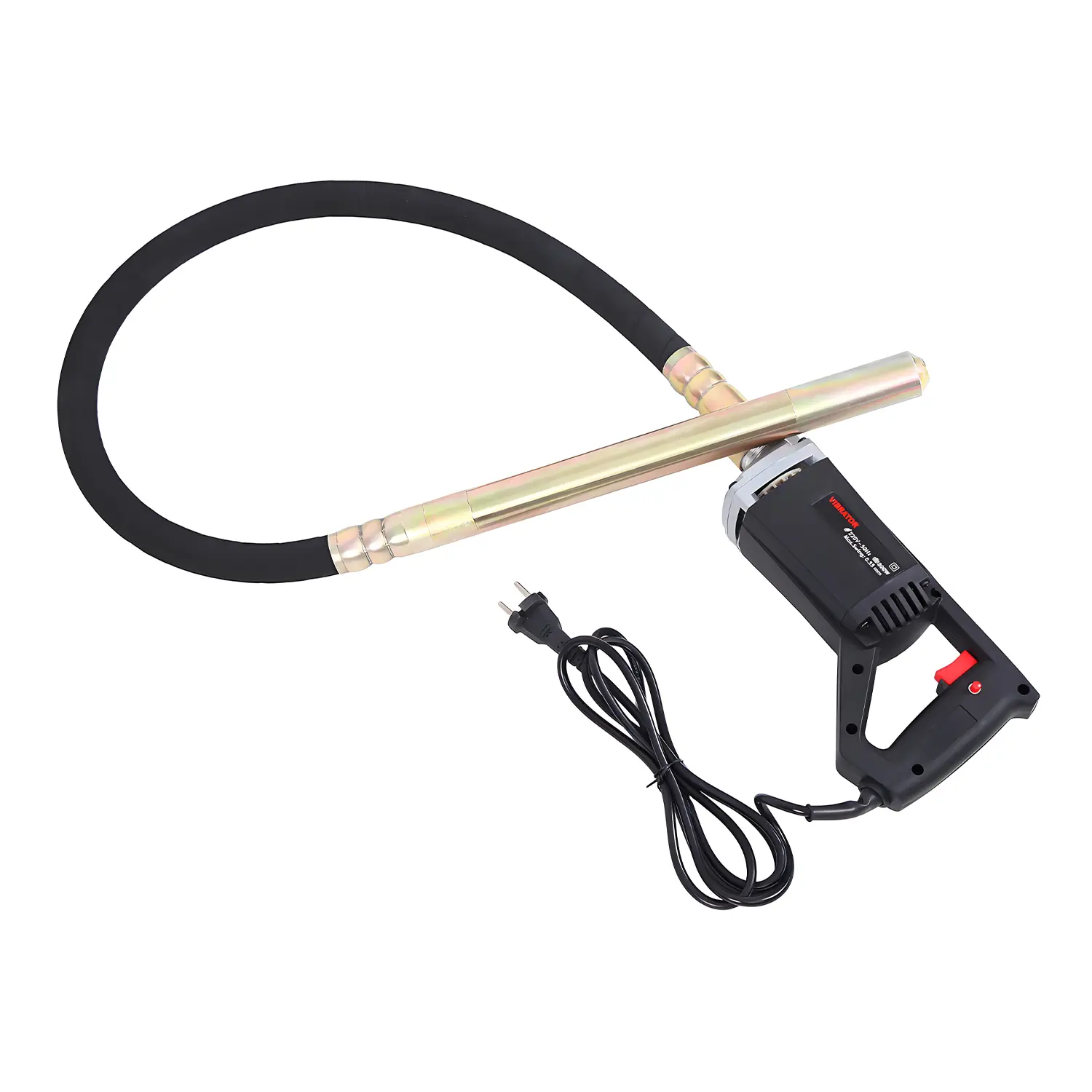 Portable vbrator shaft
 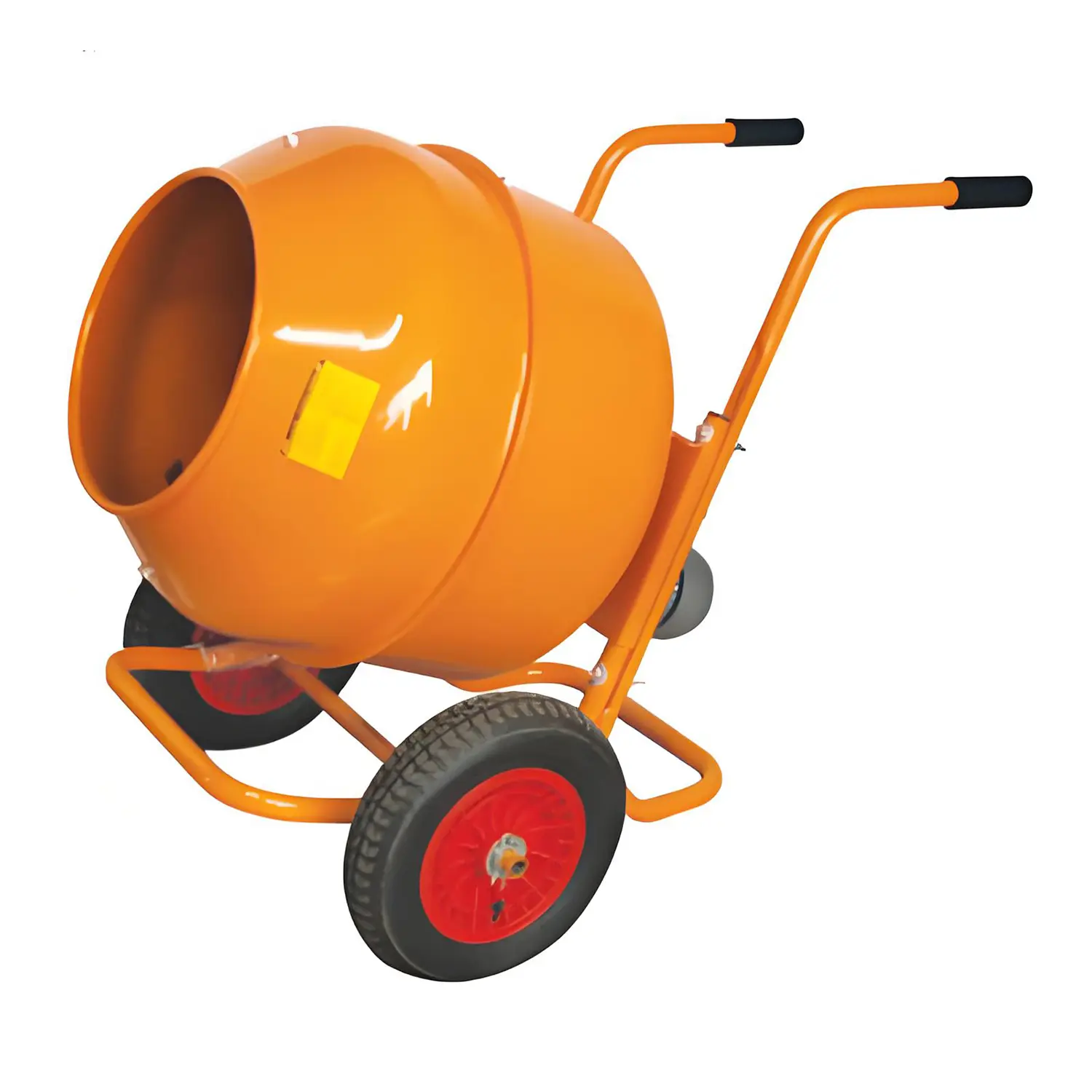 Portable concrete mixer
 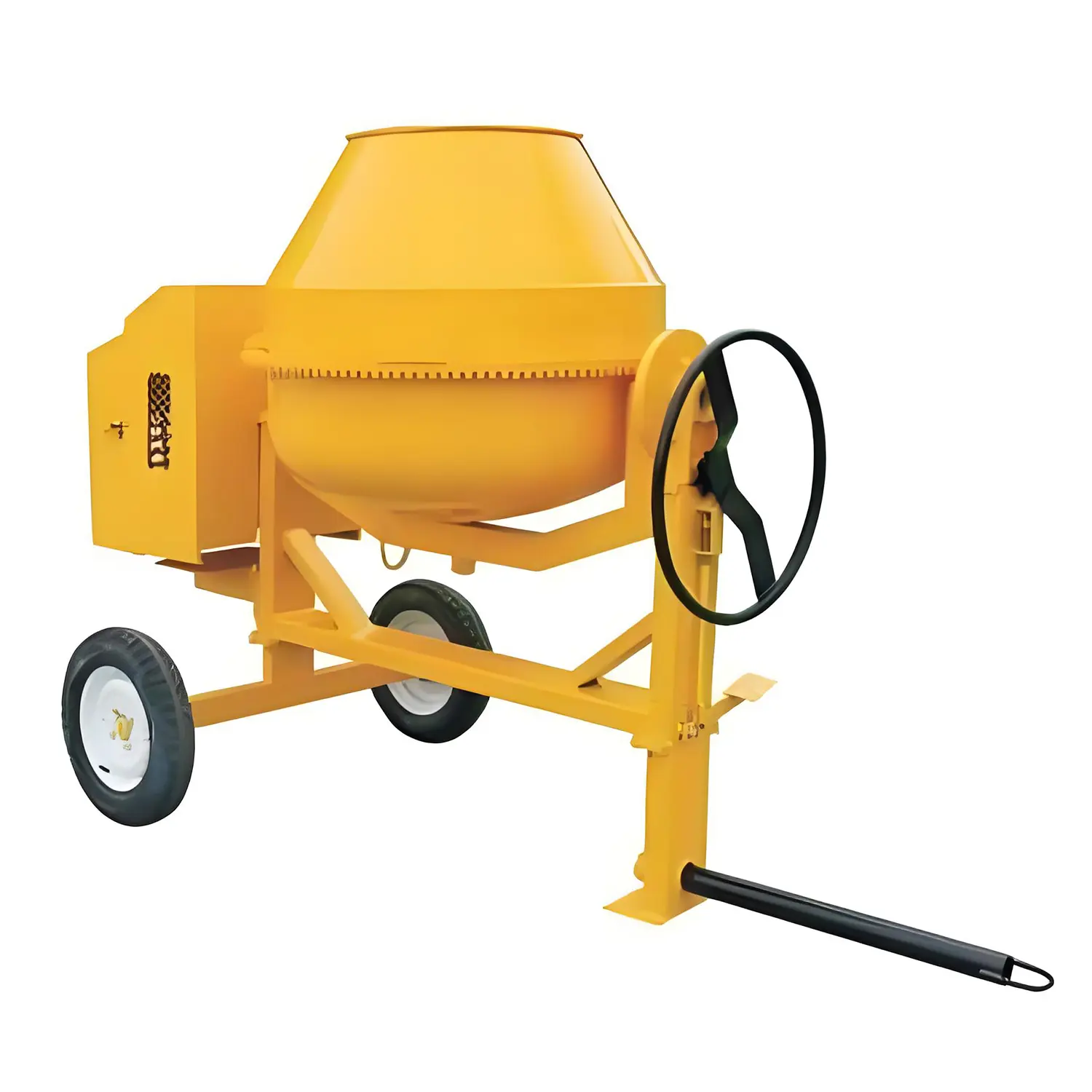 Vertical concrete mixer
 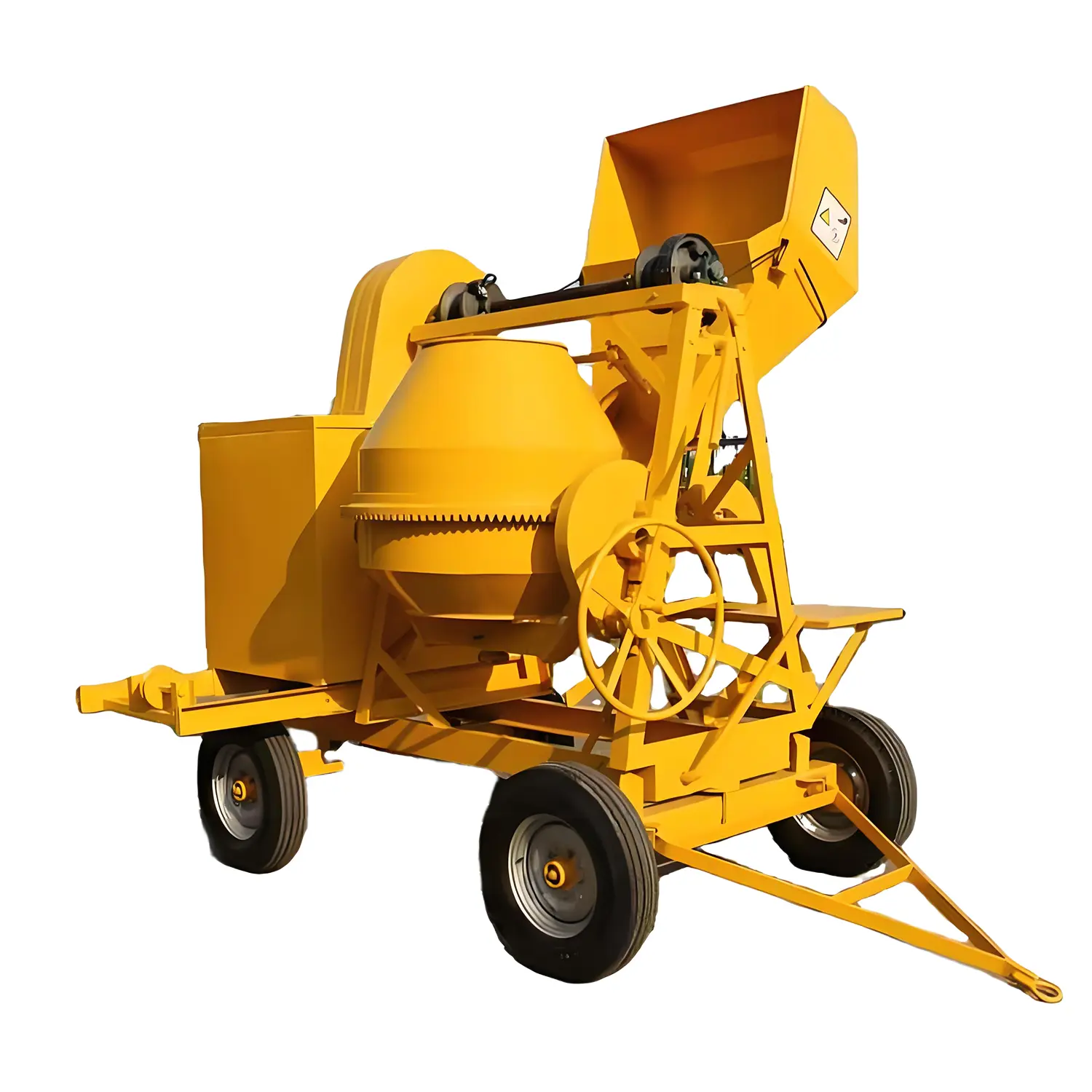 Hydraulic concrete mixer
 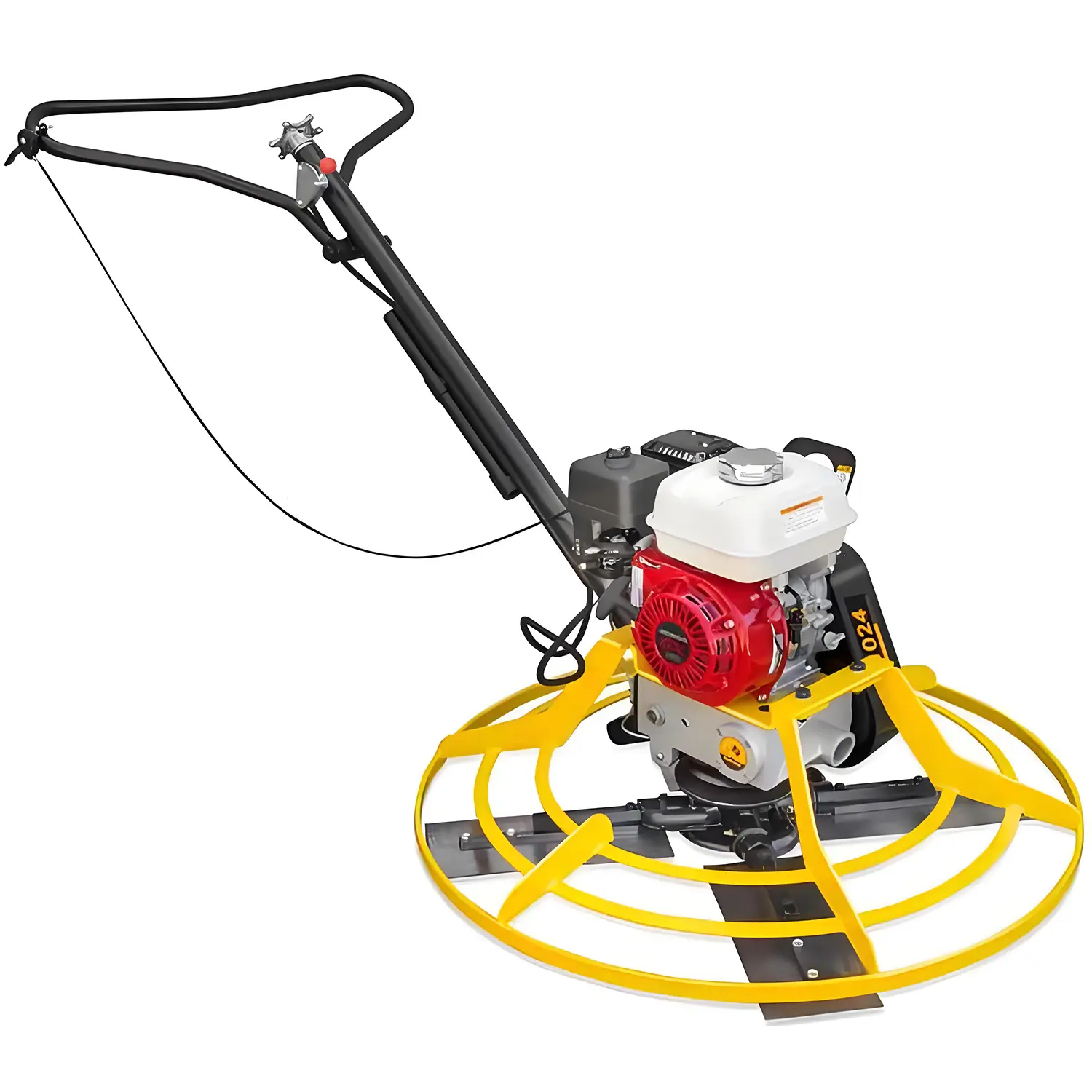 Walk behind power trowel
 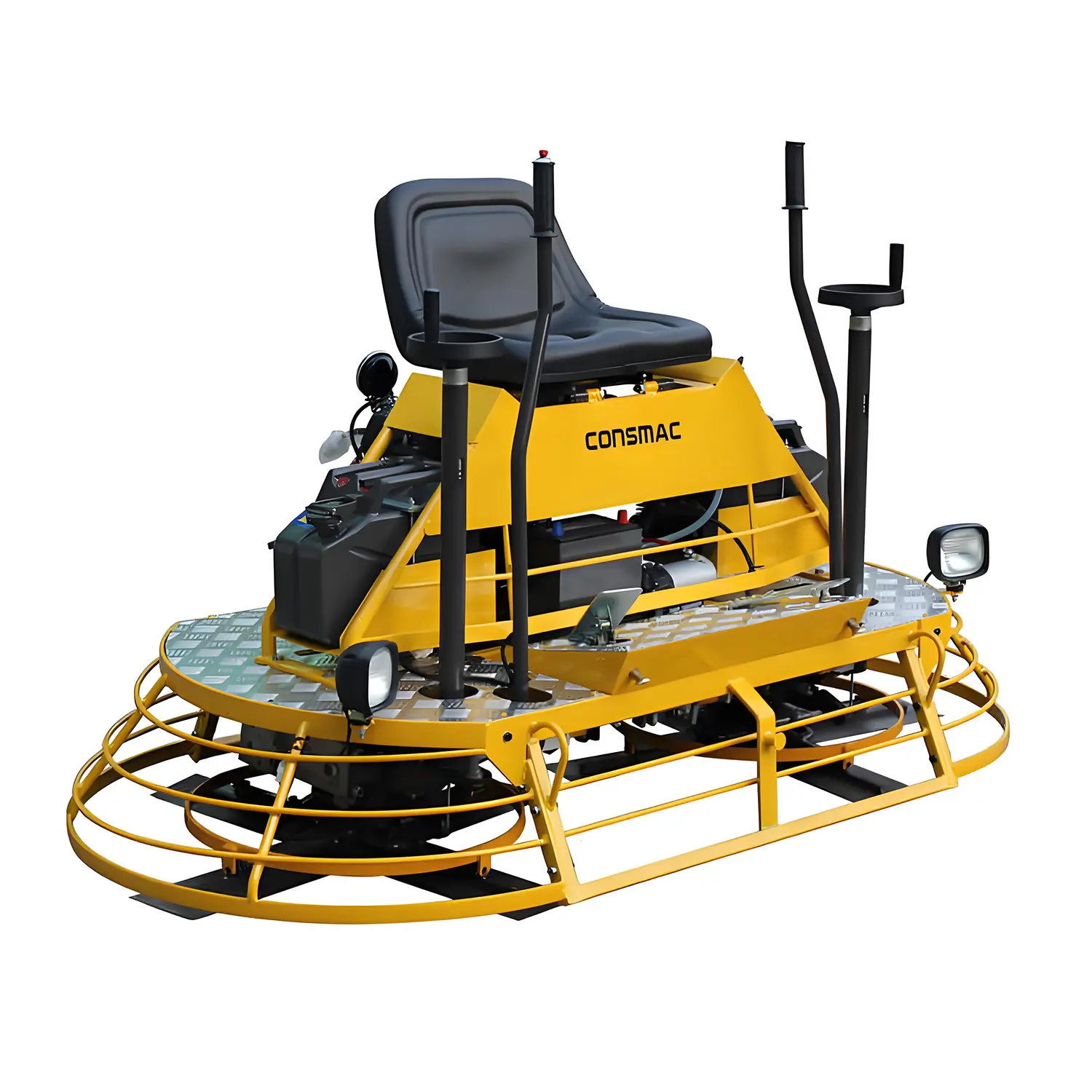 Ride on power trowel
 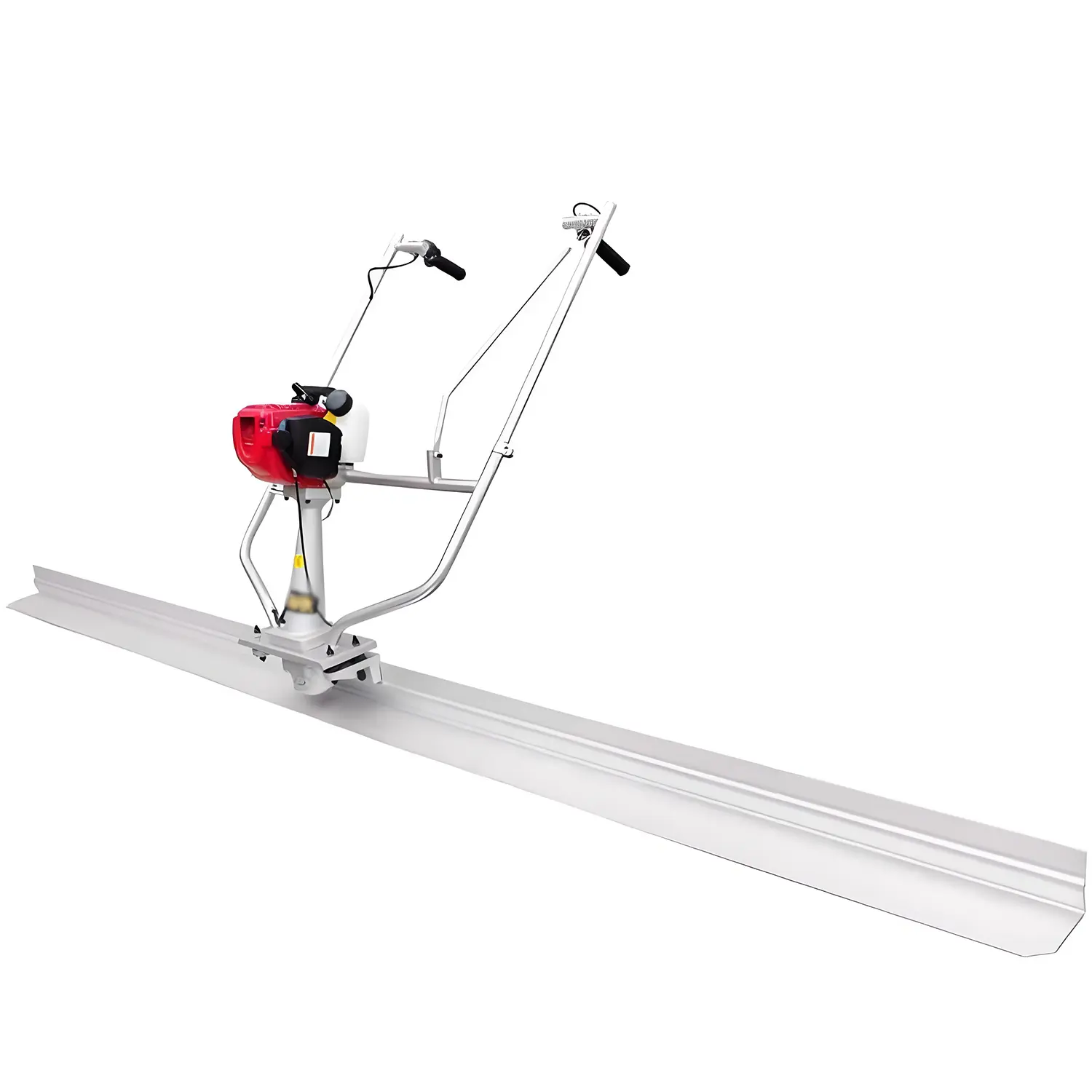 Concrete screed
 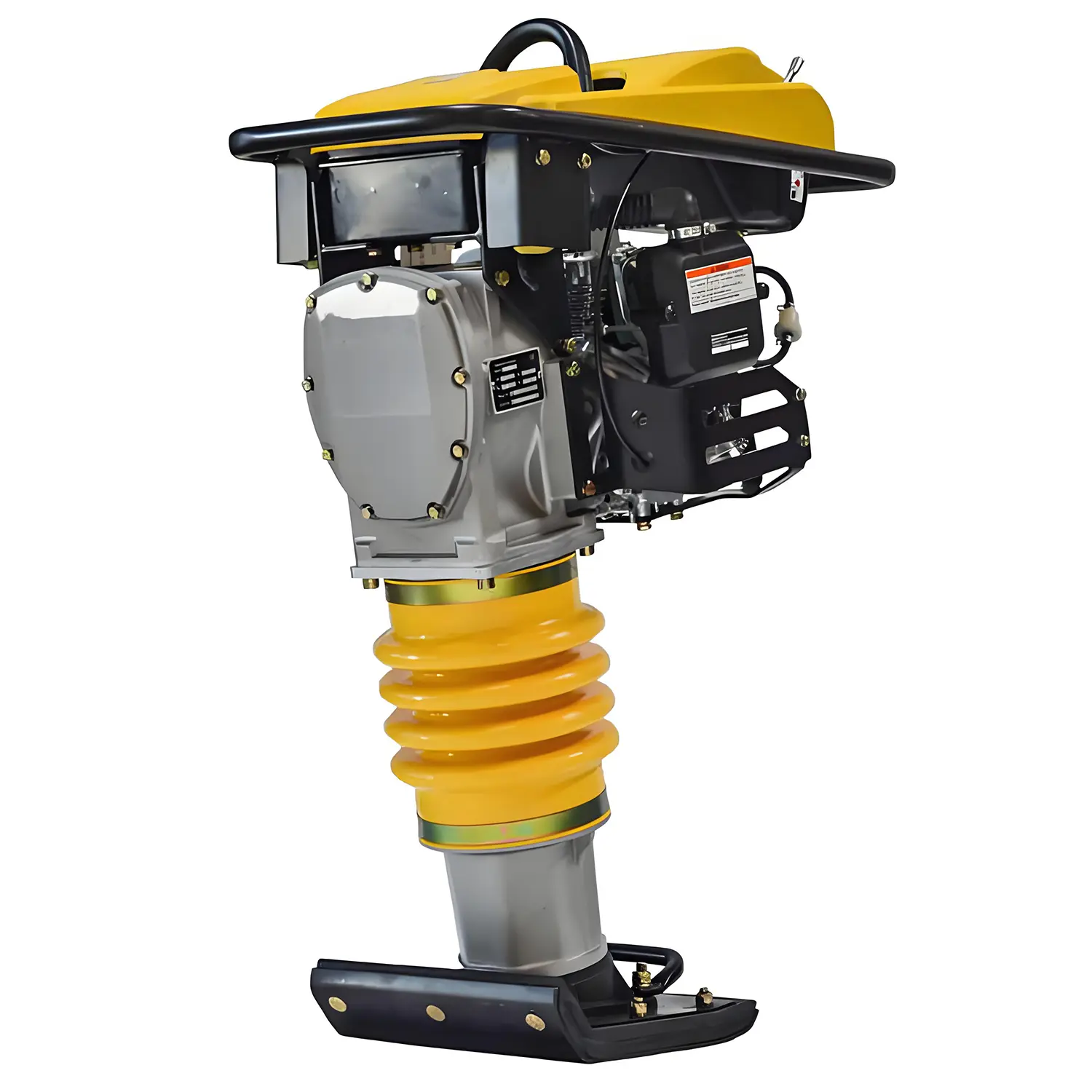 Tamping rammer
 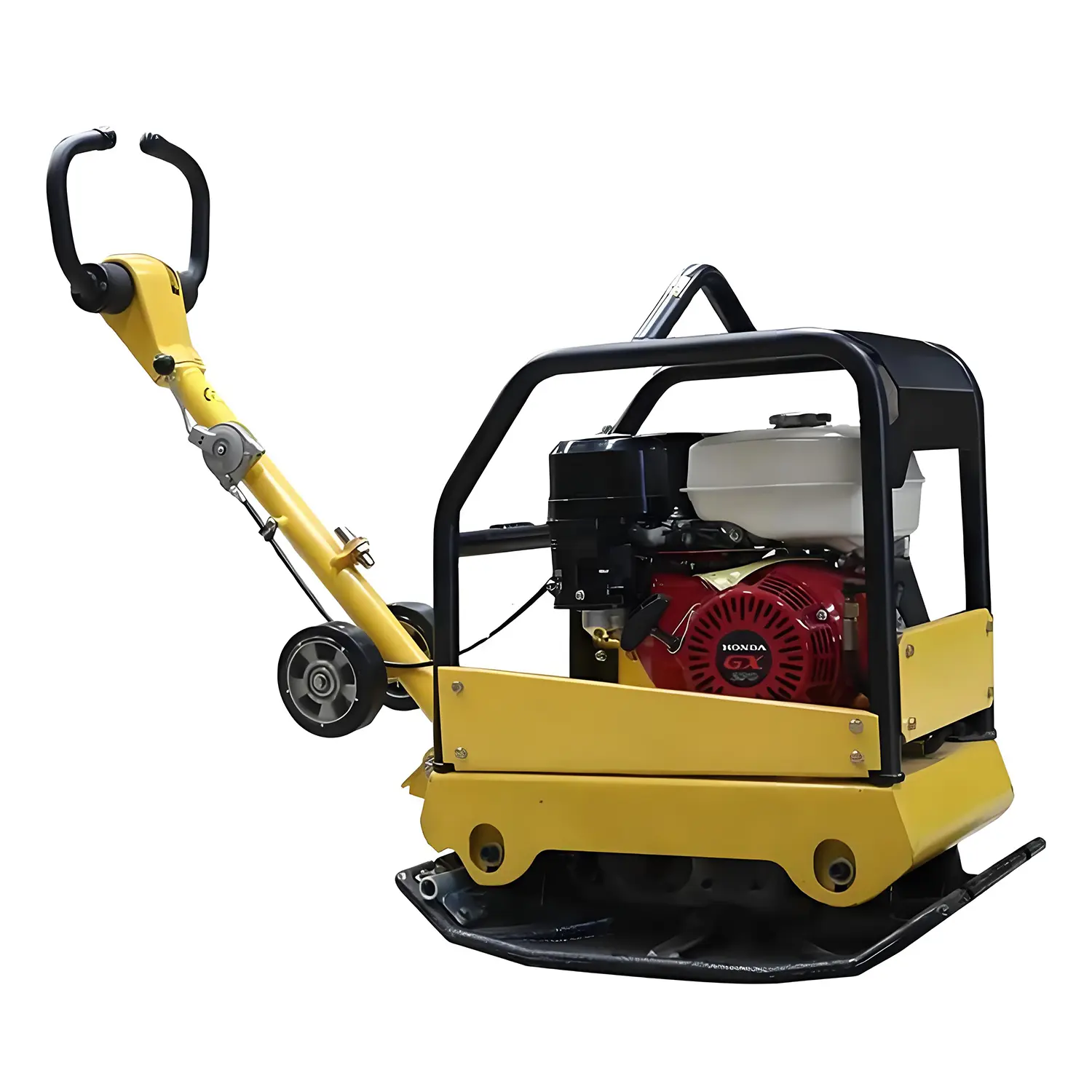 Plate compactor
 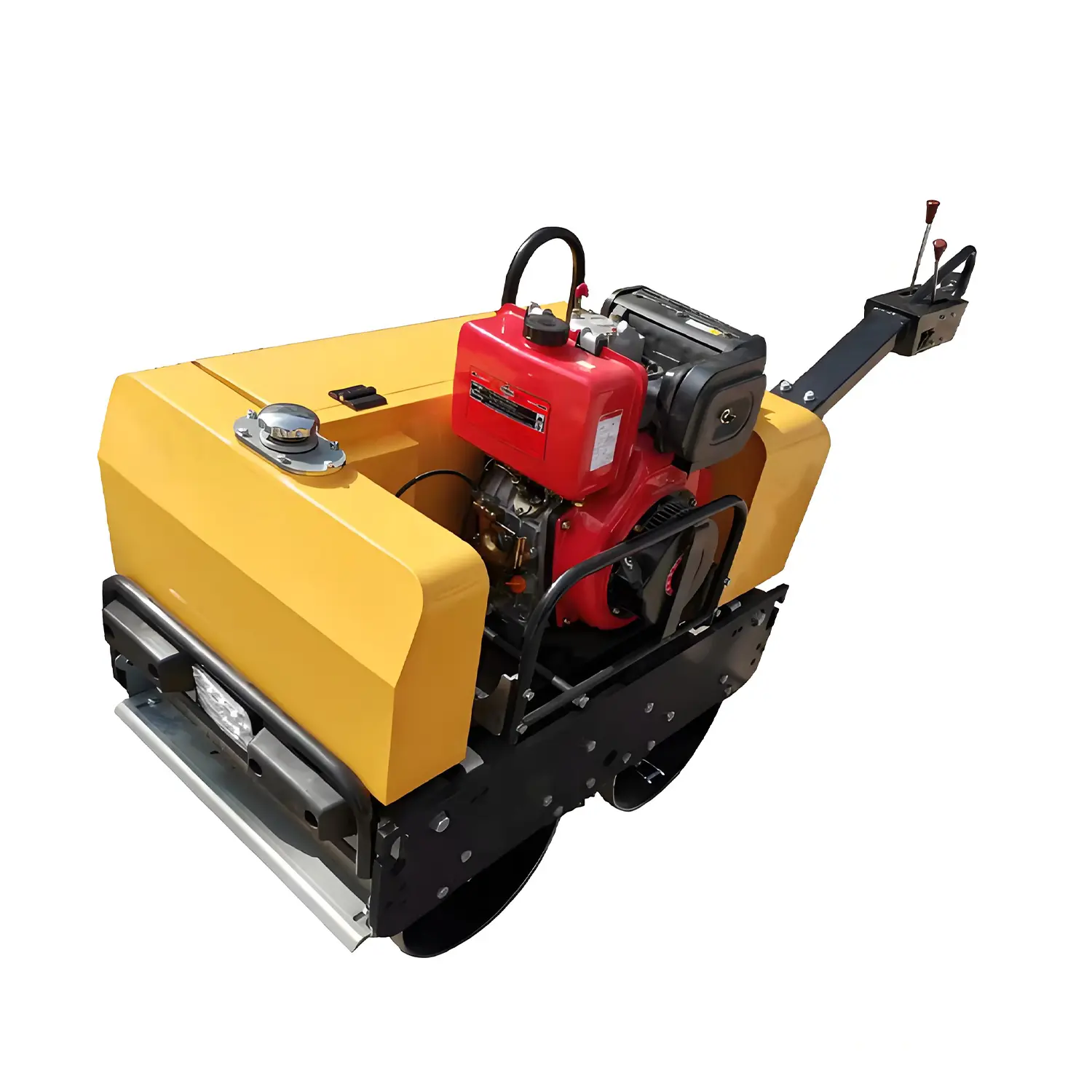 Vibratory roller

What’s the Difference Between Handheld & Walk-Behind Concrete Grinders?
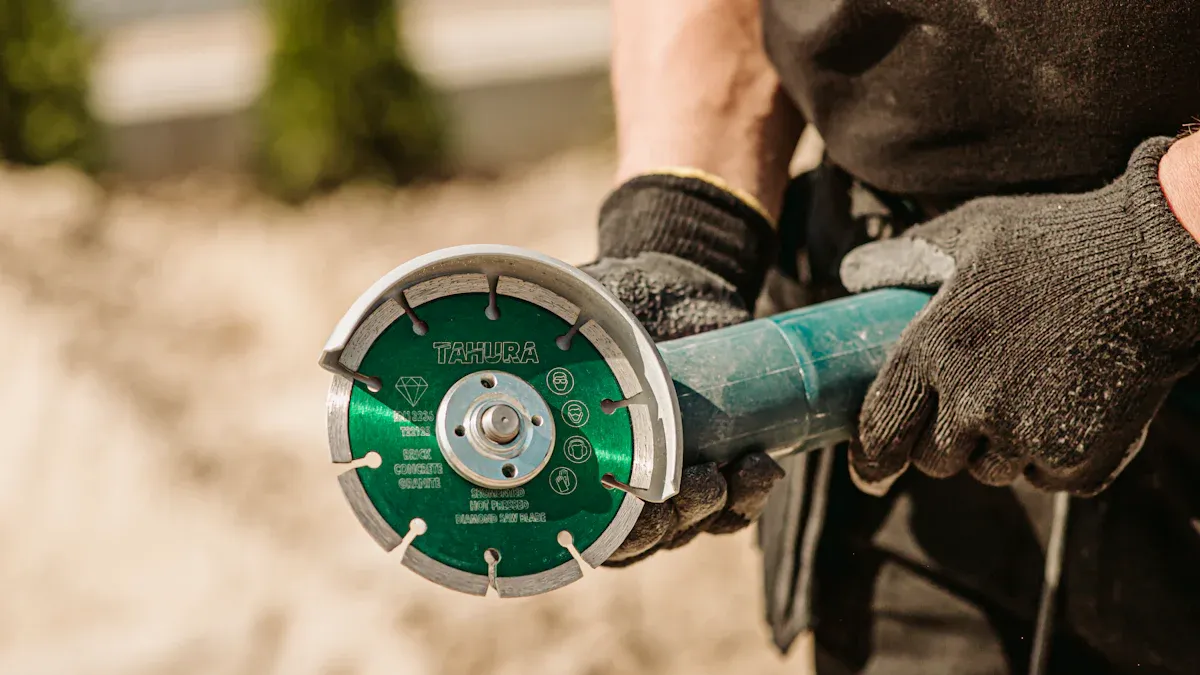
Handheld Concrete Grinders are compact tools. You use them for precision work and small areas. Walk-behind concrete grinders, such as those offered by MAXMACH, are larger machines. They provide more power. These powerful machines prepare extensive surfaces. You select the right tool based on your project's demands.
Key Takeaways
- Handheld grinders are small tools. They work best for detailed tasks. Use them for edges, corners, or small repairs.
- Walk-behind grinders are large machines. They cover big areas fast. Use them for large floors or removing thick layers.
- Choose your grinder based on your project. Consider the size of the job and your budget. This helps you work well.
Understanding Handheld Concrete Grinders
Key Characteristics of Handheld Grinders
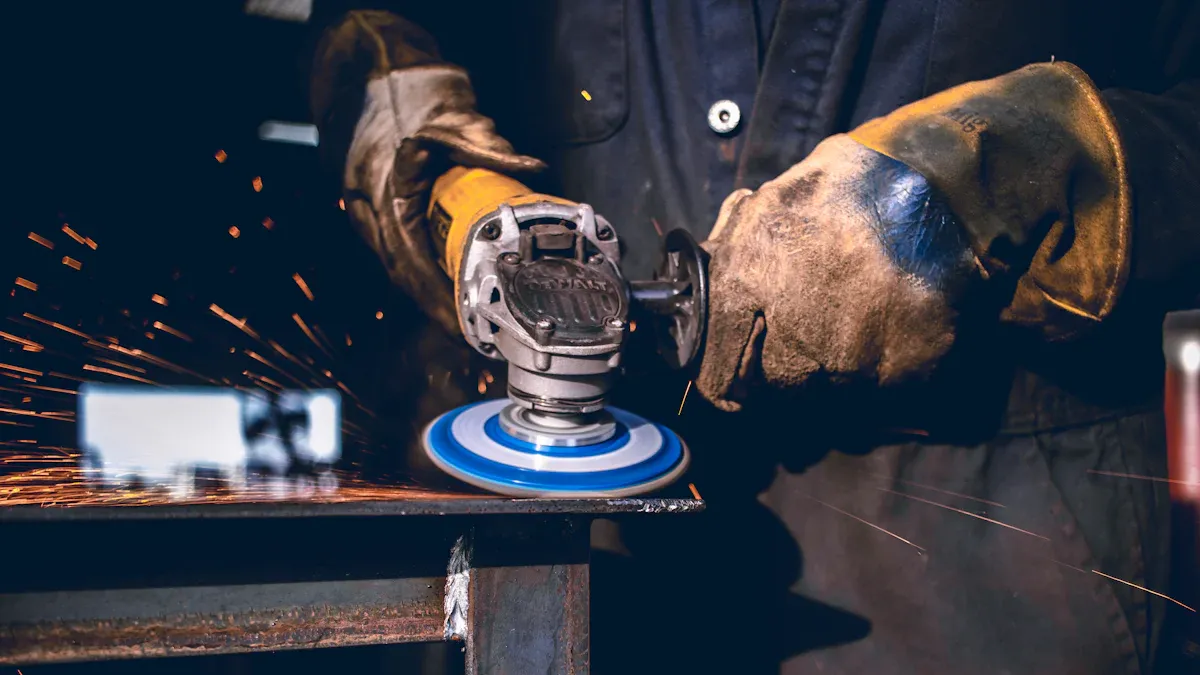
Handheld concrete grinders are compact and portable tools. You hold them directly in your hands. They are lightweight, making them easy to manage. These grinders typically feature smaller grinding discs, usually ranging from 4 to 7 inches. Most models operate on standard electrical power. You gain excellent control over the grinding process with these machines.
Ideal Applications for Handheld Grinders
You use handheld grinders for very specific tasks. They are perfect for grinding along edges and in tight corners. You can remove thin coatings, like paint or epoxy, from small patches of concrete. They excel at detail work around pipes, columns, or other obstacles. Use them for small repair jobs or preparing small areas for new finishes.
Advantages of Handheld Grinders
You get exceptional precision and control with a handheld grinder. They are highly maneuverable, allowing you to work in confined spaces where larger machines cannot go. Their initial purchase cost is generally lower, making them accessible for smaller projects or DIY enthusiasts. For example, a quality handheld grinder from a brand like MAXMACH offers great value for detailed work.
Disadvantages of Handheld Grinders
Handheld grinders are not suitable for large-scale projects. They work much slower on extensive surfaces, increasing your project time. You will likely experience more operator fatigue due to holding the tool for extended periods. They possess less power compared to walk-behind models. Dust management can also be a significant challenge without specialized shrouds and vacuum systems. Their material removal capacity is limited.
Understanding Walk-Behind Concrete Grinders
Key Characteristics of Walk-Behind Grinders
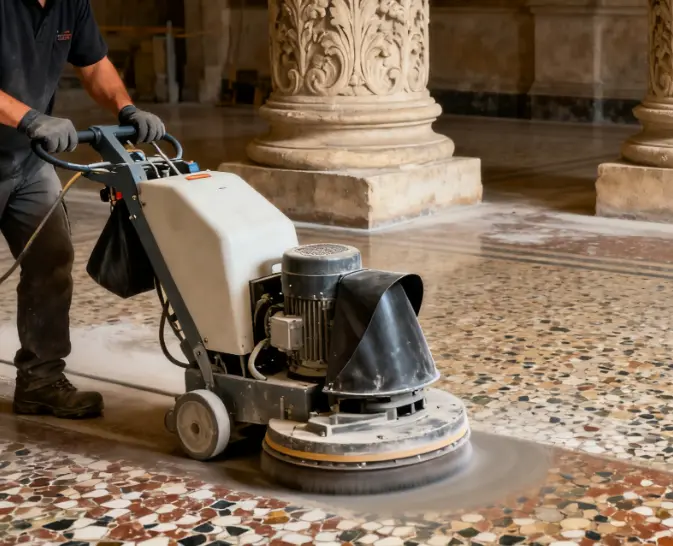
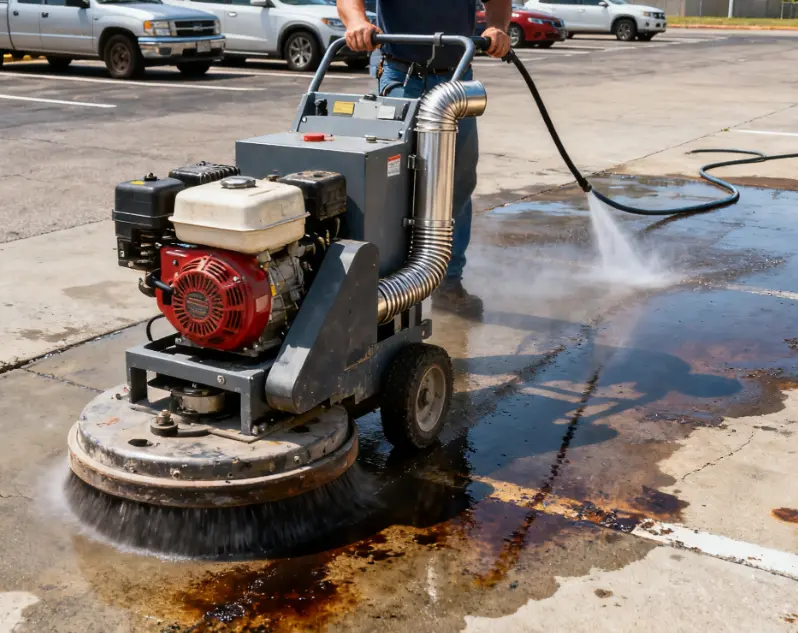
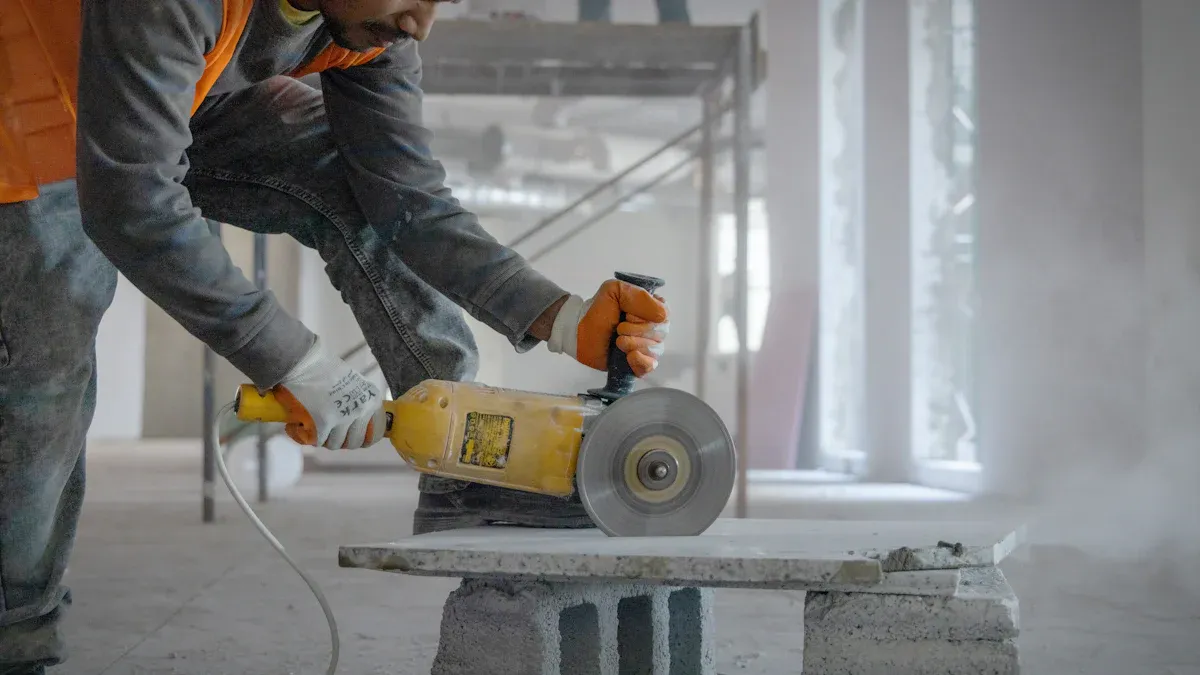
Walk-behind concrete grinders are large, robust machines. You push them across the concrete surface. They feature powerful motors, often electric or gas-powered. These grinders use multiple, larger grinding discs, typically 10 to 32 inches in diameter. Many models offer self-propelled options, reducing physical effort. They are built for heavy-duty work.
Ideal Applications for Walk-Behind Grinders
You use walk-behind grinders for extensive concrete projects. They are perfect for preparing large floor areas for new coatings or overlays. You can level uneven concrete slabs efficiently. They remove thick layers of old epoxy, glue, or mastic. Consider them for warehouses, commercial spaces, or large residential basements. For example, a MAXMACH walk-behind grinder excels at large-scale surface preparation.
Advantages of Walk-Behind Grinders
These machines offer superior speed and efficiency on large jobs. They cover vast areas quickly, saving you time. Operator fatigue is much lower because you guide the machine rather than hold it. They provide powerful material removal capabilities. Many models include integrated dust collection ports, improving air quality on your job site.
Disadvantages of Walk-Behind Grinders
Walk-behind grinders represent a significant investment. Their initial cost is higher than handheld models. They are less maneuverable in tight spaces or around obstacles. You need more storage space for these larger machines. They are not suitable for detailed edge work or small repair patches. Transporting them to job sites can also be more challenging.
MAXMACH: Side-by-Side Comparison of Grinders
You need to understand the distinct capabilities of handheld and walk-behind concrete grinders. This comparison helps you choose the right tool for your specific project. Consider these key differences.
Project Size and Scope Comparison
You use handheld grinders for small, focused tasks. They excel at detail work. Think about grinding edges, corners, or small patches. You can remove thin coatings from limited areas. Walk-behind grinders handle large-scale projects. They cover vast floor spaces quickly. You use them for entire warehouses or large commercial floors. They efficiently remove thick layers of material.
Power and Efficiency Comparison
Handheld grinders offer less power. They remove material at a slower rate. You find them efficient for light grinding or surface preparation on small areas. Walk-behind grinders provide significant power. They feature larger motors and wider grinding paths. This allows for rapid material removal. You achieve high efficiency on extensive surfaces. For example, a MAXMACH walk-behind grinder can complete large jobs much faster.
Maneuverability and Control Comparison
You get excellent maneuverability with a handheld grinder. You can easily navigate around obstacles. You maintain precise control for detailed work. This makes them ideal for tight spaces. Walk-behind grinders are less maneuverable. You need open areas to operate them effectively. Turning them in confined spaces can be challenging. They are best for straight, open runs.
Dust Management Comparison
Handheld grinders often require external dust shrouds. You connect these shrouds to a separate vacuum system. Without proper setup, they can create significant dust. Walk-behind grinders typically have integrated dust ports. You connect a powerful dust extractor directly to the machine. This provides superior dust control. You maintain a cleaner and safer work environment.
Operator Fatigue Comparison
You experience more operator fatigue with handheld grinders. You hold the tool for extended periods. The vibrations can also contribute to discomfort. This limits how long you can work continuously. Walk-behind grinders reduce operator fatigue. You guide the machine across the surface. Many models are self-propelled. This minimizes physical strain on your body.
Cost and Investment Comparison
Handheld grinders represent a lower initial investment. They are more affordable to purchase. This makes them suitable for smaller budgets or occasional use. Walk-behind grinders require a larger financial commitment. They are a significant investment. You typically purchase them for professional use or frequent large-scale projects. Consider the long-term return on investment for your business.
Choosing the Right Concrete Grinder for Your Project
You need to select the correct concrete grinder for your project. This choice impacts your efficiency and the final result. Consider your project's specific demands.
Small Residential Projects
You often work on smaller areas in residential projects. Think about your garage floor or a patio. You might remove old paint or thin coatings. A handheld concrete grinder is usually your best choice here. It offers enough power for these tasks. You also find it more cost-effective. You can easily manage it in tighter home spaces.
Commercial and Industrial Spaces
You face large, open areas in commercial or industrial settings. These include warehouses, factories, or big retail floors. You need to cover vast surfaces quickly. A walk-behind concrete grinder provides the necessary power and speed. It handles heavy-duty work. You complete large jobs much faster with this type of machine.
Edge and Detail Work
You often encounter tight spots and edges. These areas include corners, around pipes, or along walls. You need precision for this kind of work. A handheld grinder gives you excellent control. You can maneuver it easily into confined spaces. It helps you achieve a clean finish in difficult areas.
Large-Scale Surface Preparation
You might need to remove thick layers of old epoxy. You could also level an uneven concrete slab. These tasks require significant material removal over a large area. A walk-behind concrete grinder is ideal for this. It has a wider grinding path. You remove more material with each pass. This machine reduces your effort on big jobs.
Budget Considerations
You always consider your budget. Handheld grinders have a lower initial cost. They suit occasional use or smaller projects. Walk-behind grinders require a larger investment. However, they offer better long-term value for frequent, large-scale work. You might rent a walk-behind grinder for a single big project. If you do many large jobs, buying a quality machine, like one from MAXMACH, makes more sense. You get durability and performance for your investment.
You use handheld and walk-behind concrete grinders for distinct tasks. Each tool fits specific project sizes and needs. Choosing the correct grinder is crucial. It ensures efficient work and a great finish. Consider your project's size, power needs, maneuverability, and budget. These factors help you make the best choice.
FAQ
Can I use a handheld grinder for large areas?
No, you should not. Handheld grinders are for small, detailed tasks. They are too slow for large surfaces. You will experience fatigue.
Are walk-behind grinders hard to operate?
No, they are not. You guide them across the floor. Many models are self-propelled. This reduces your physical effort.
Which grinder is better for dust control?
Walk-behind grinders are better. They often have integrated dust ports. You connect a powerful vacuum directly. This keeps your work area cleaner.