
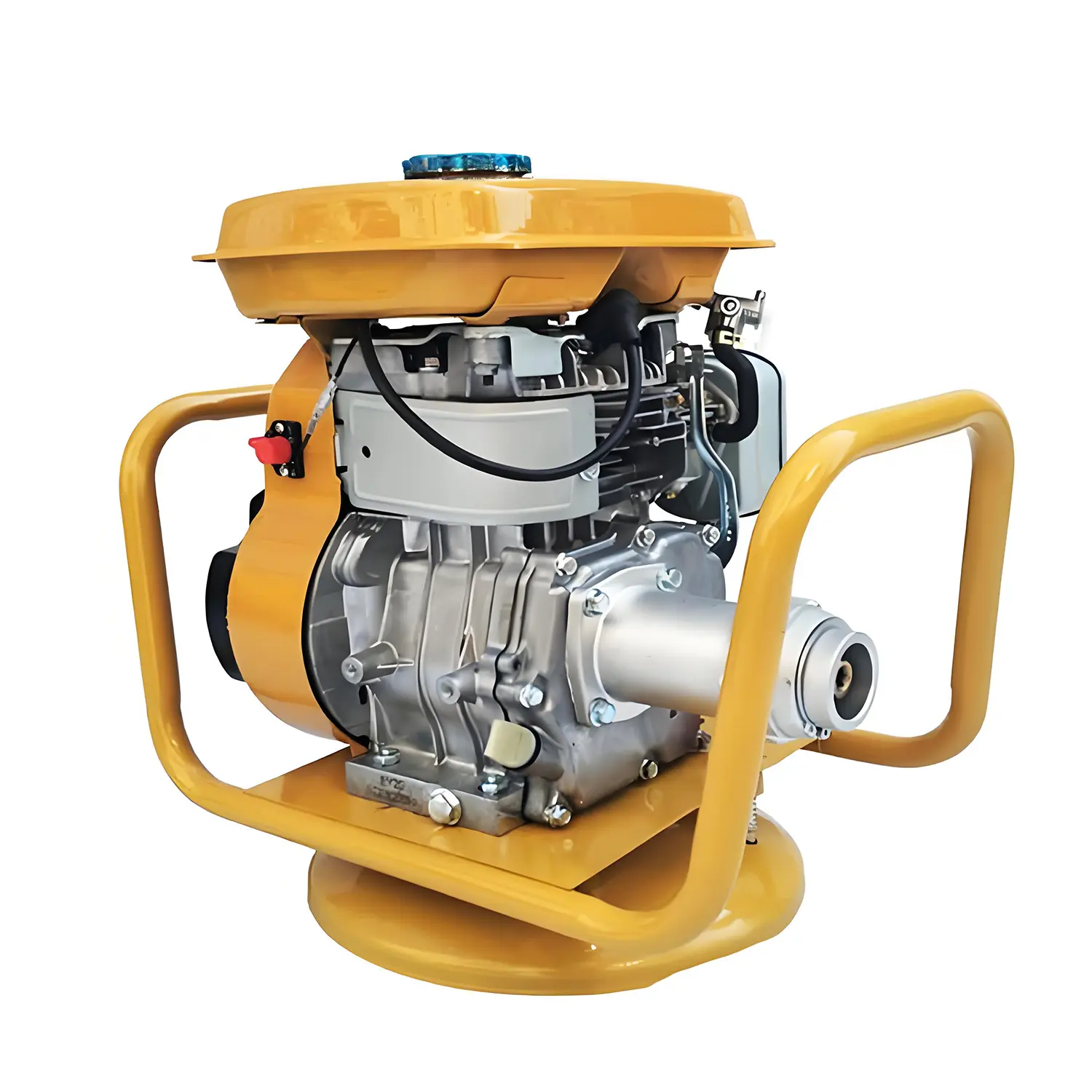
 Internal Vibrator
 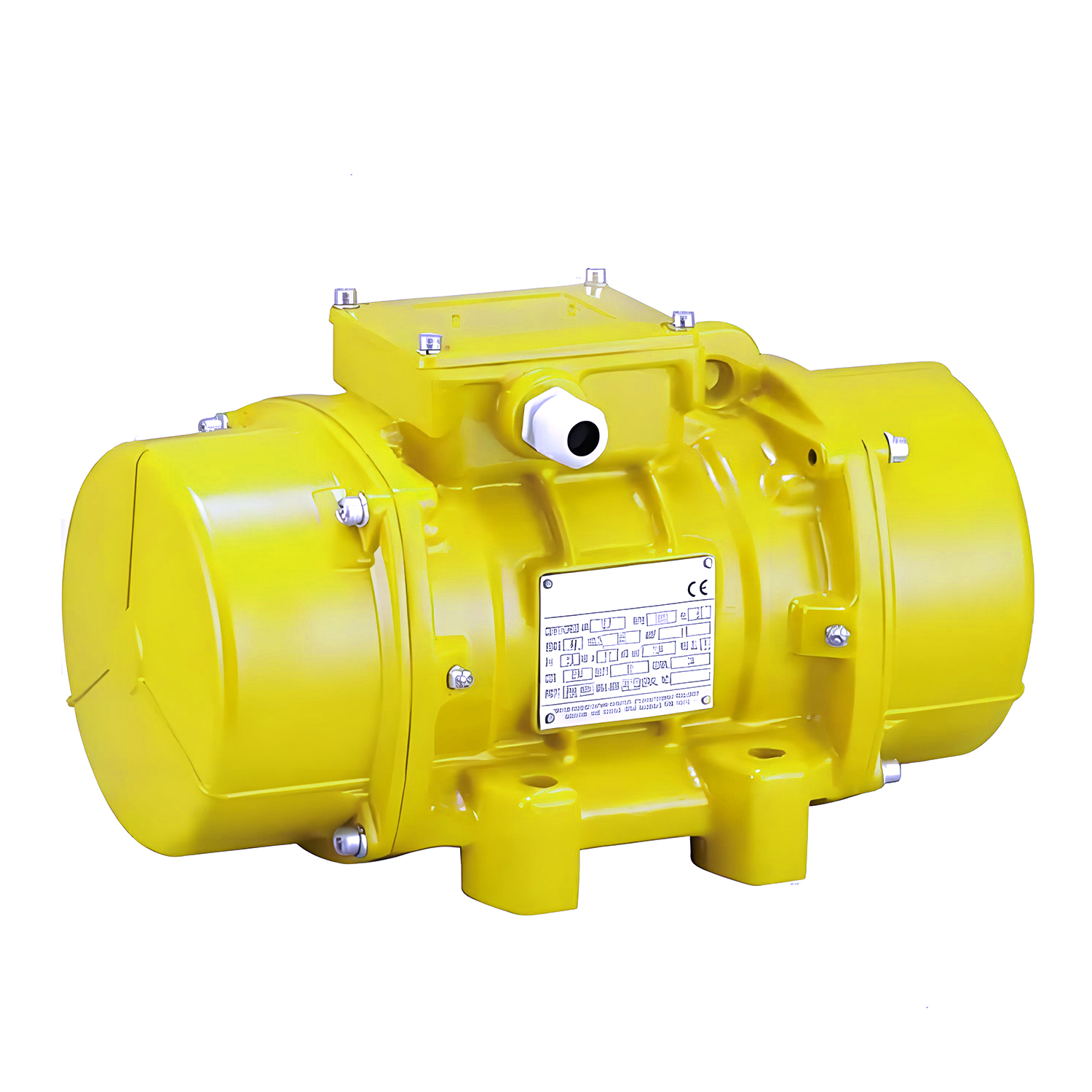 External Vibrator
  Submersible Pump
 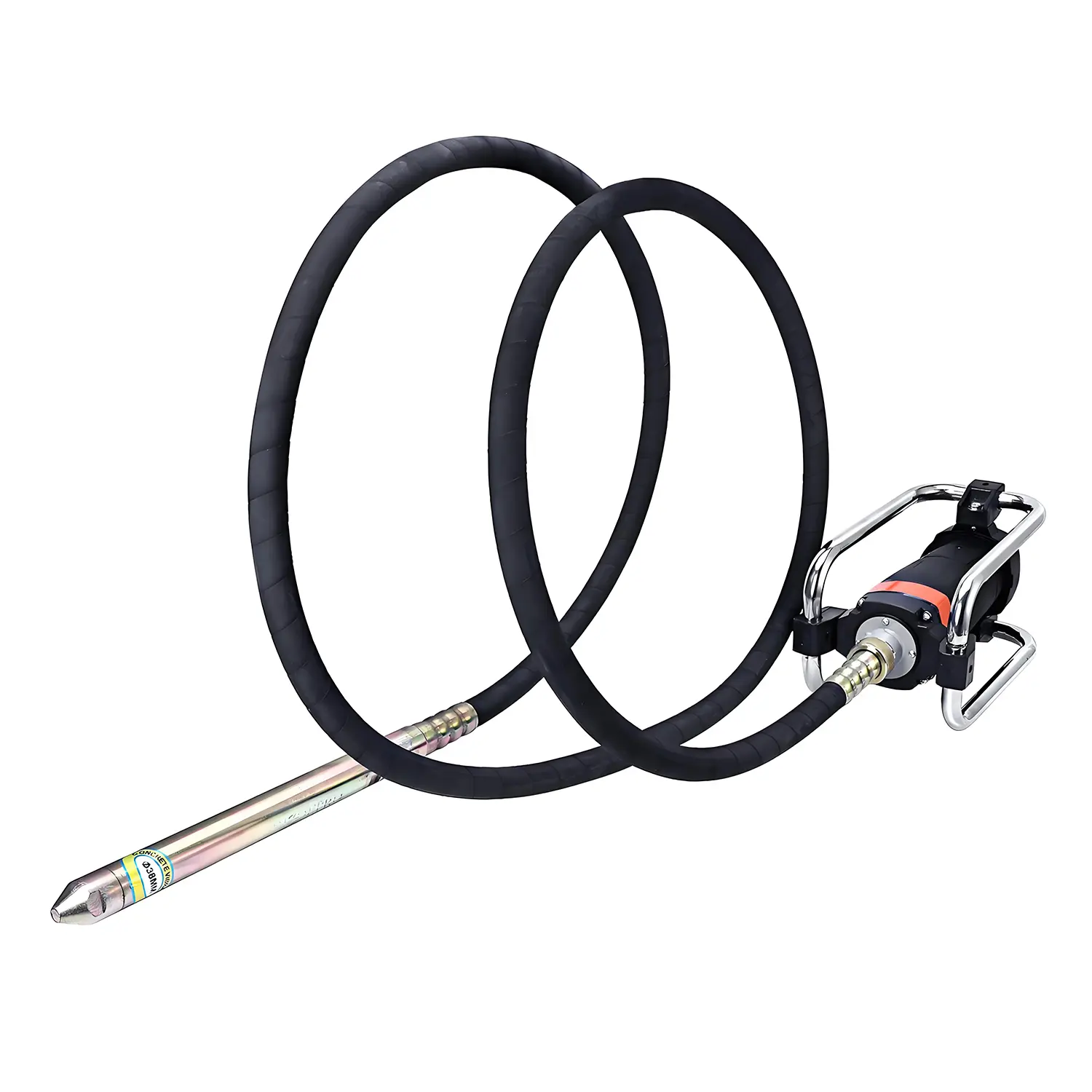 Eccentric shaft
 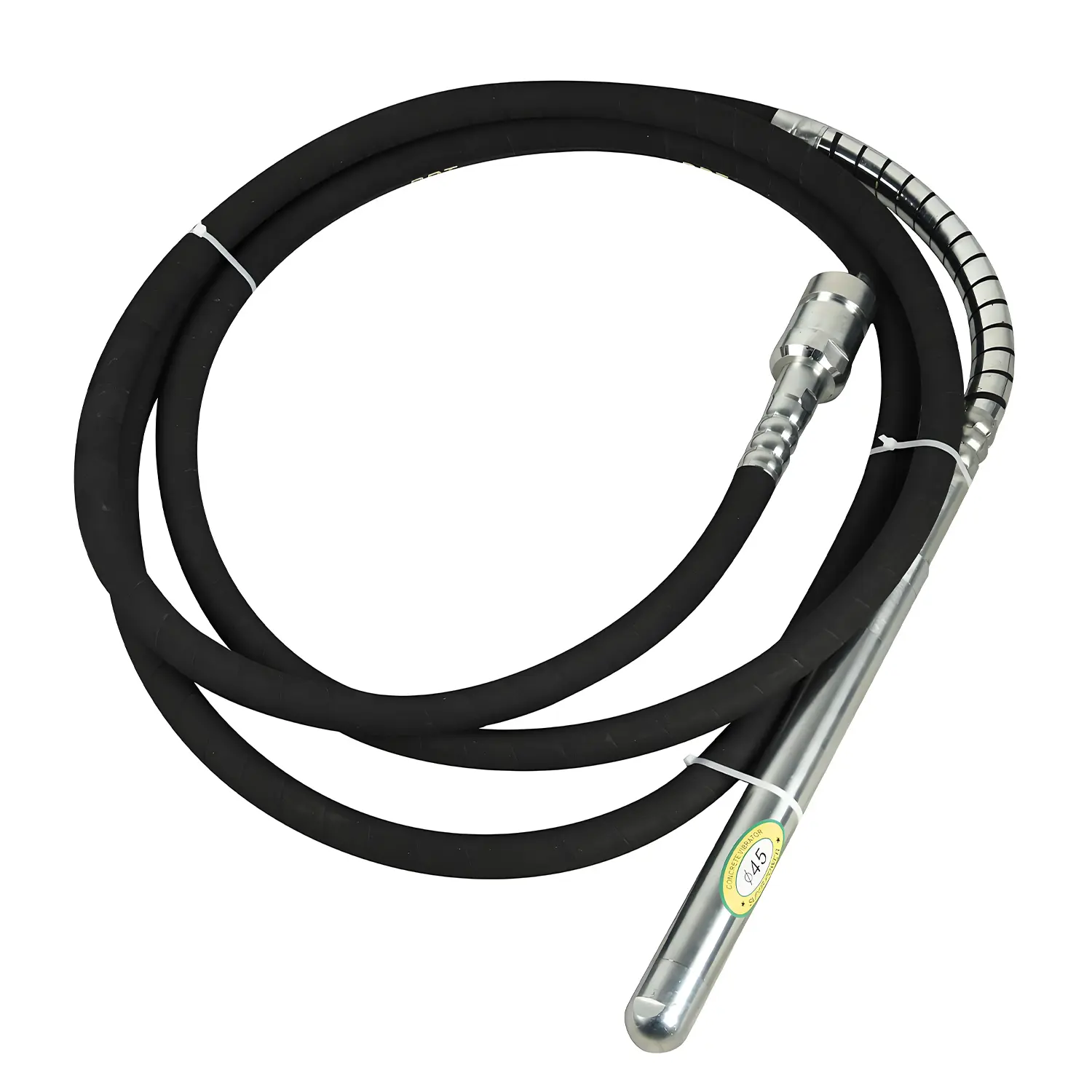 Pendulum shaft
 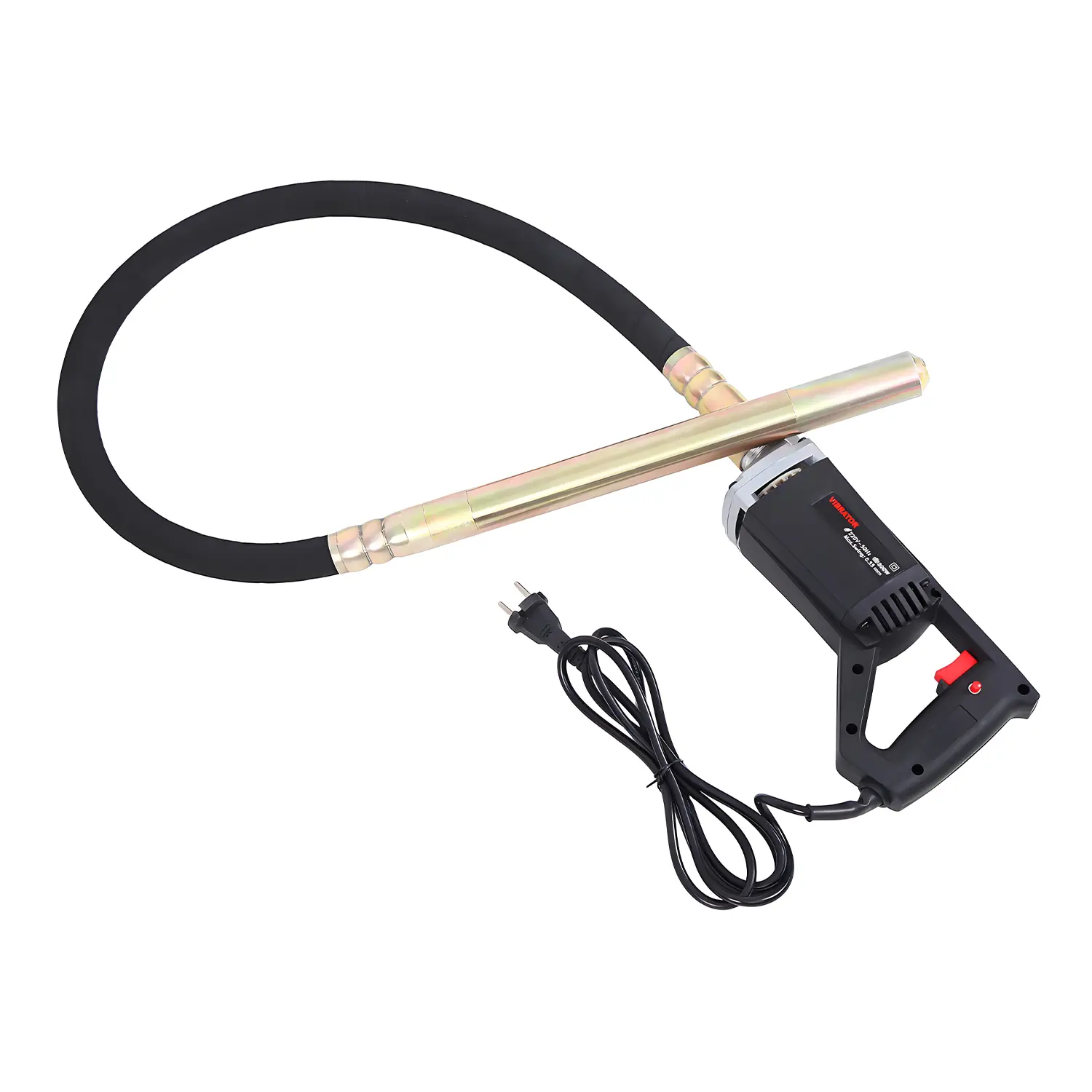 Portable vbrator shaft
 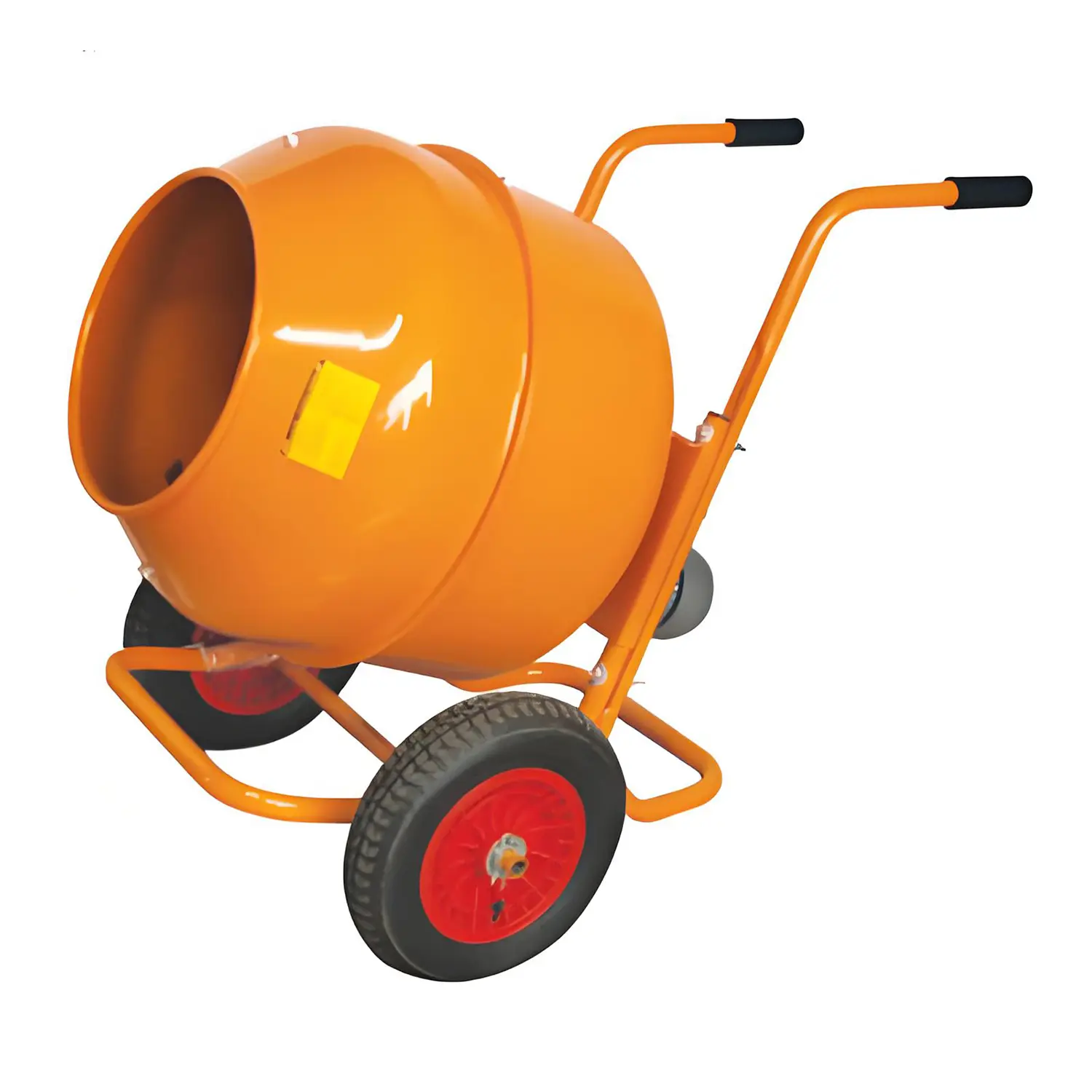 Portable concrete mixer
 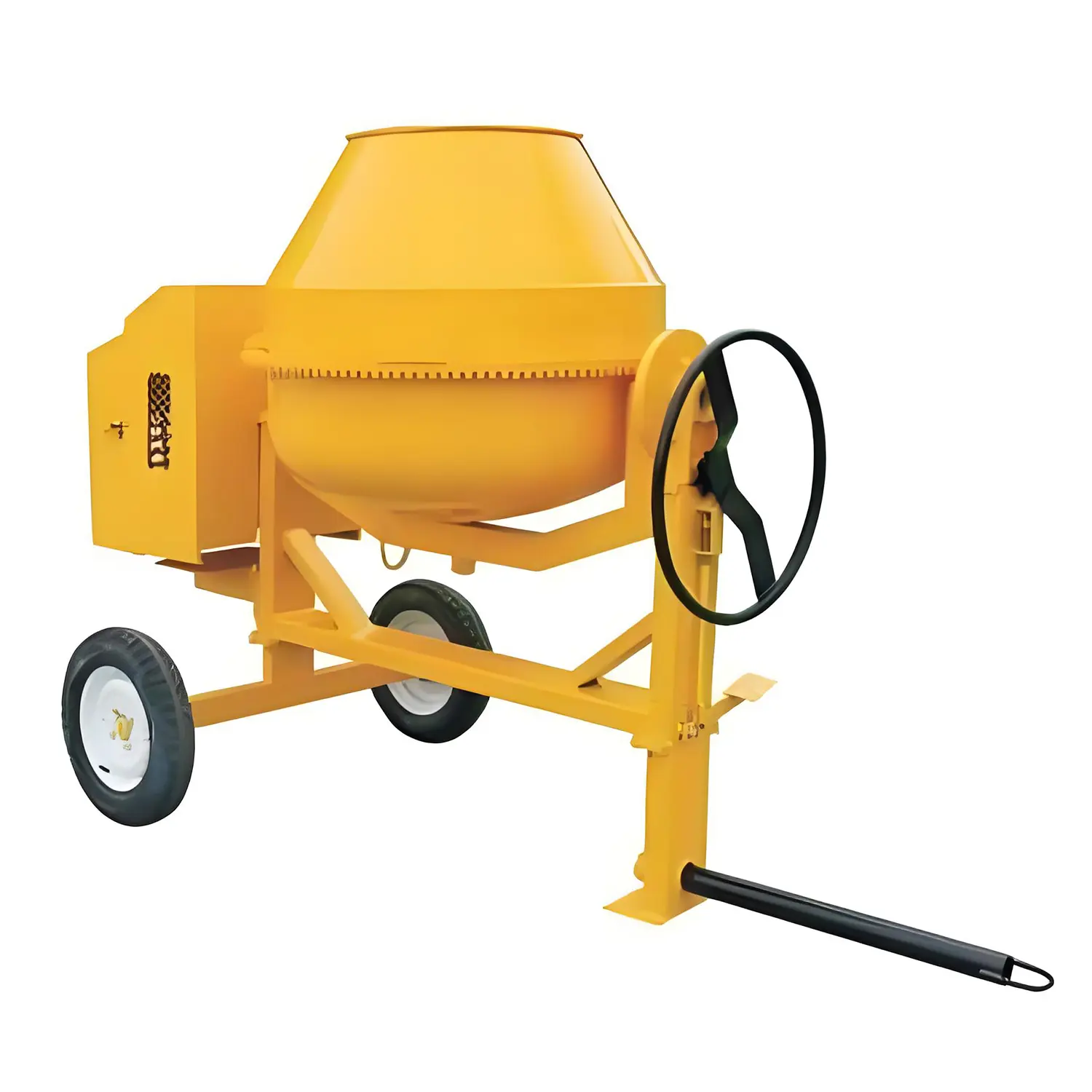 Vertical concrete mixer
 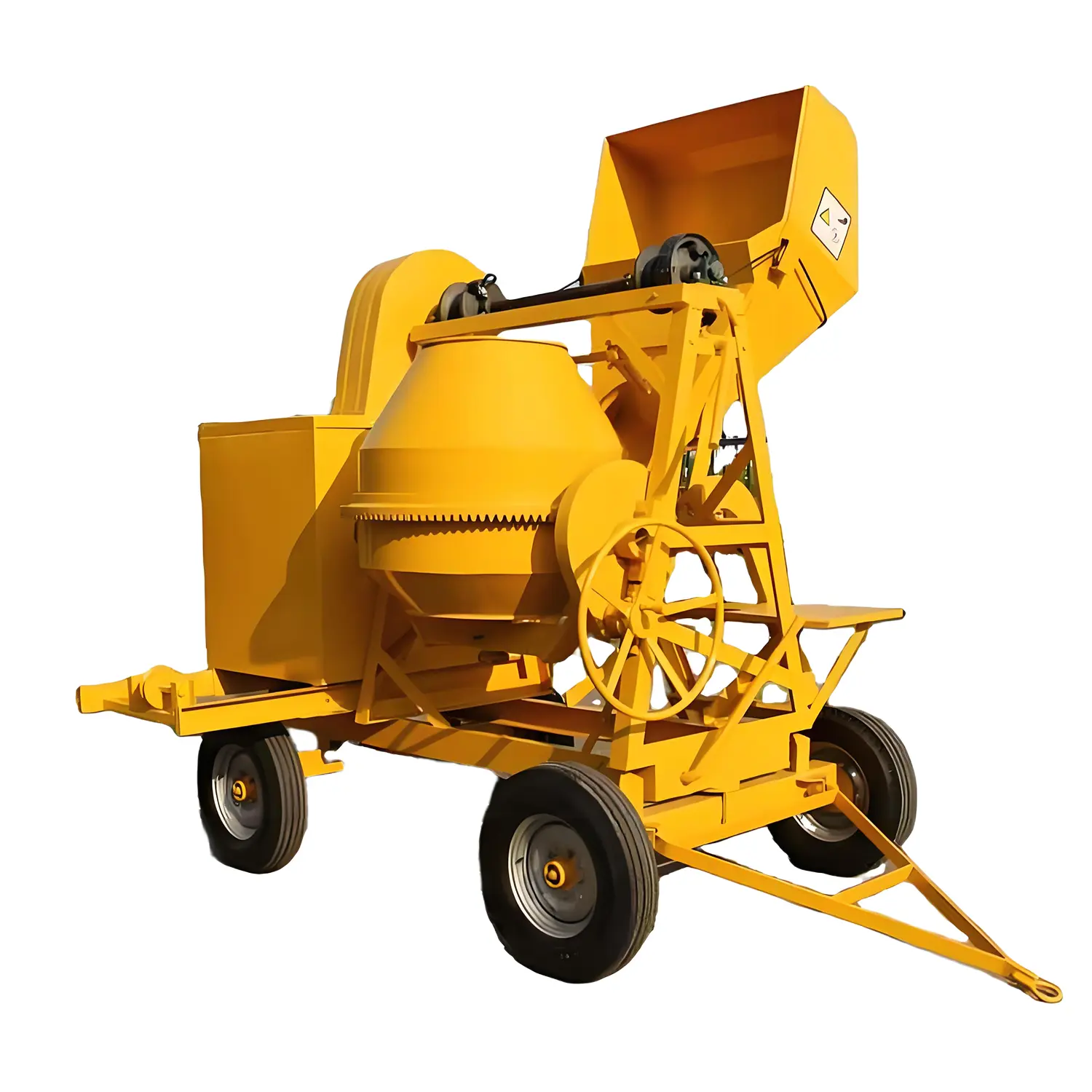 Hydraulic concrete mixer
 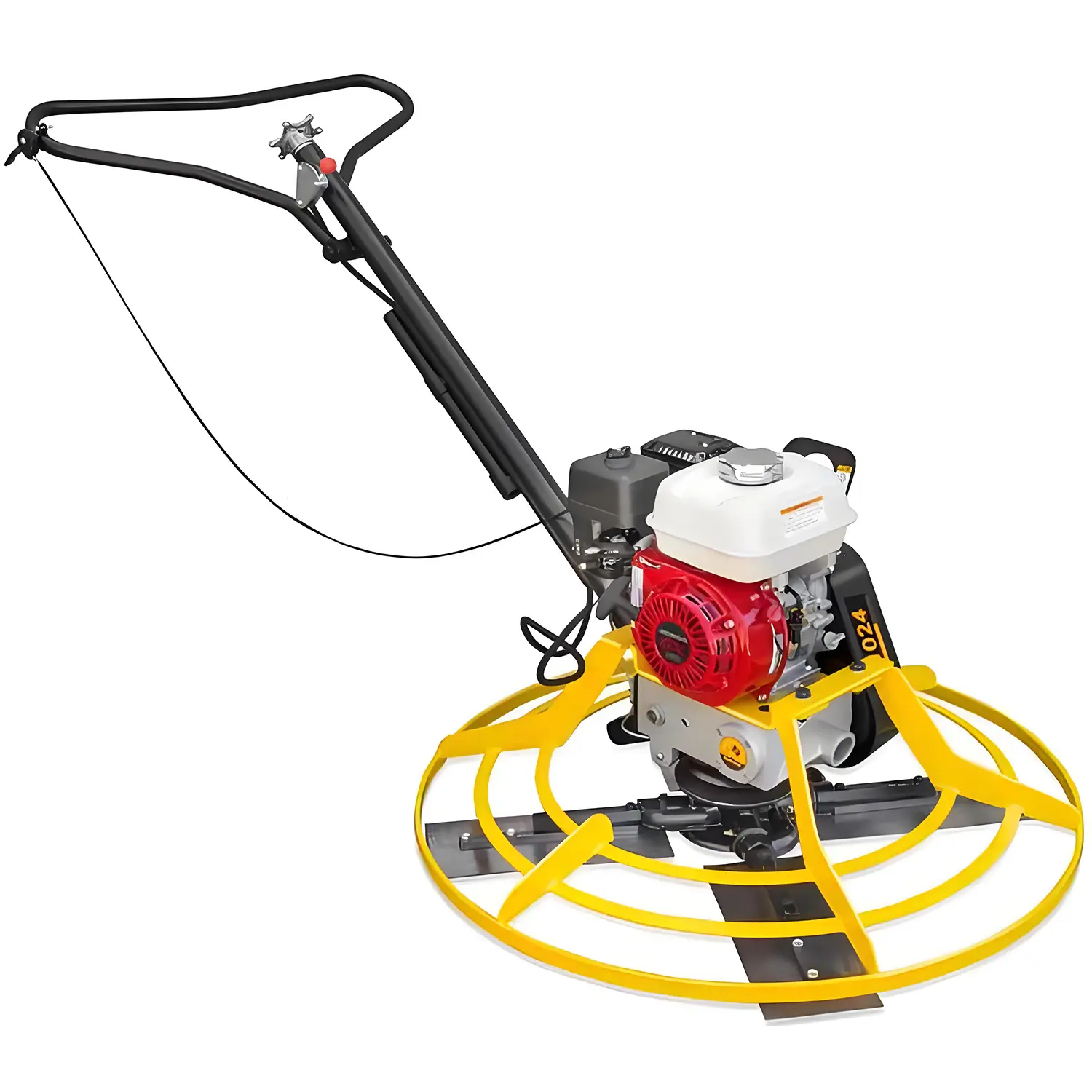 Walk behind power trowel
 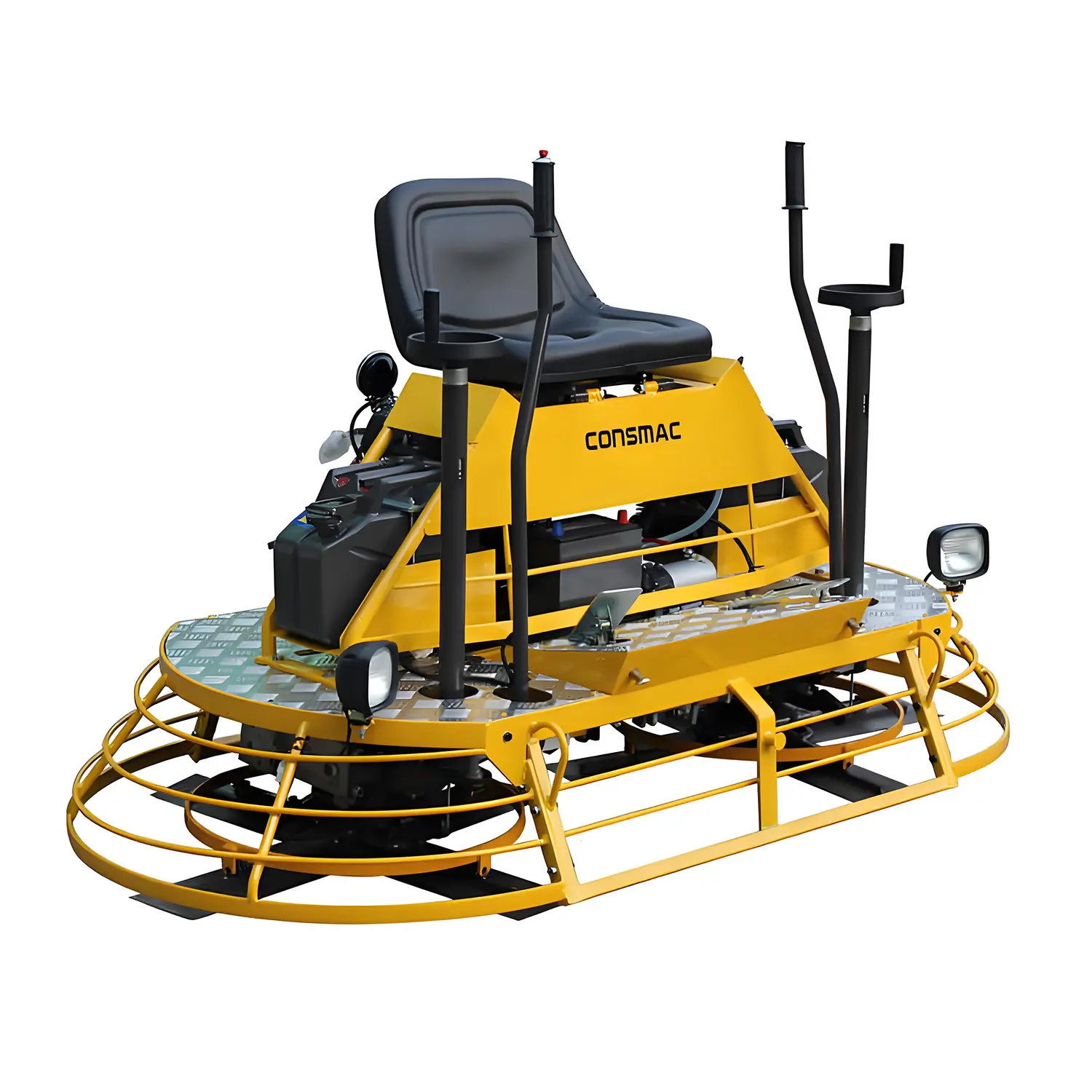 Ride on power trowel
 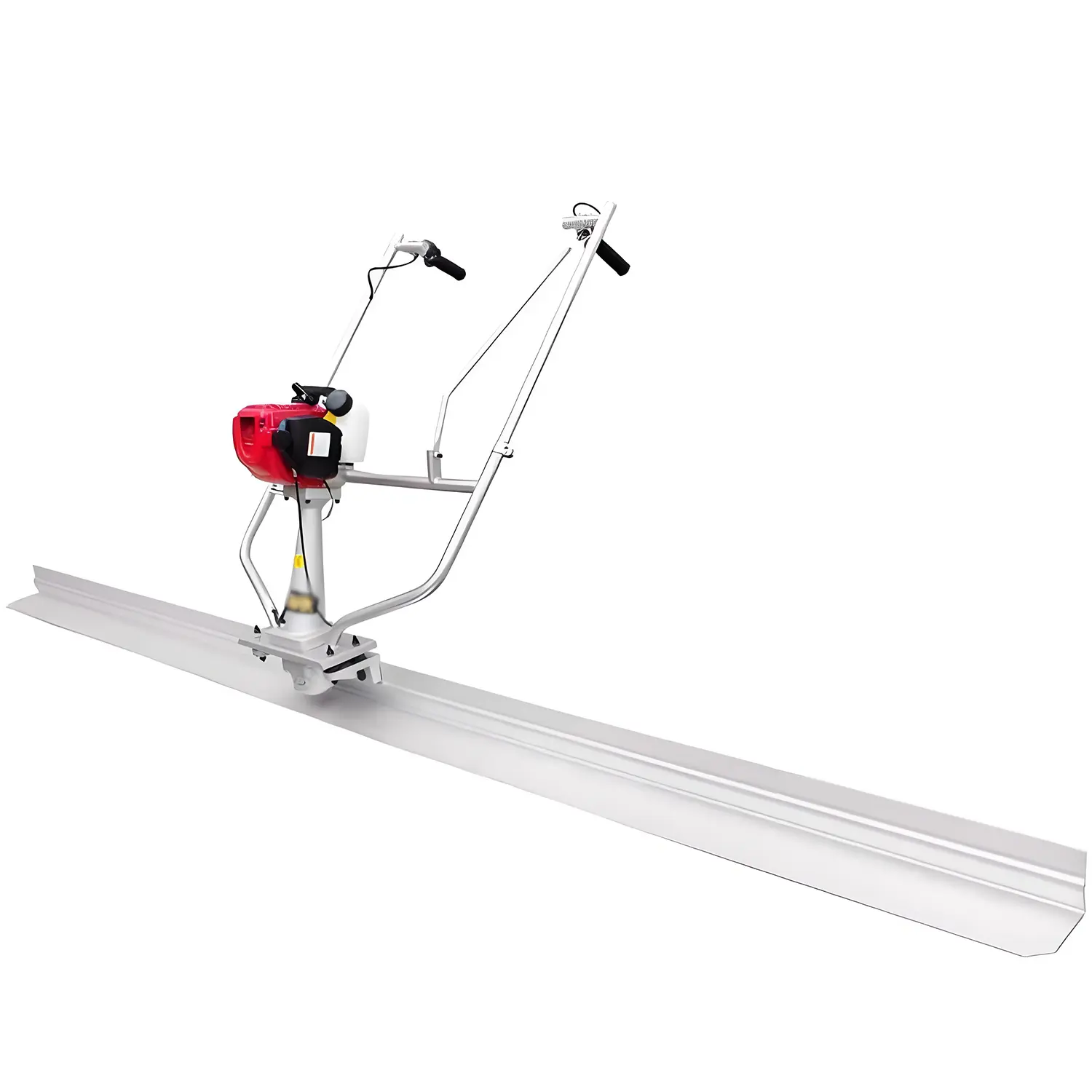 Concrete screed
 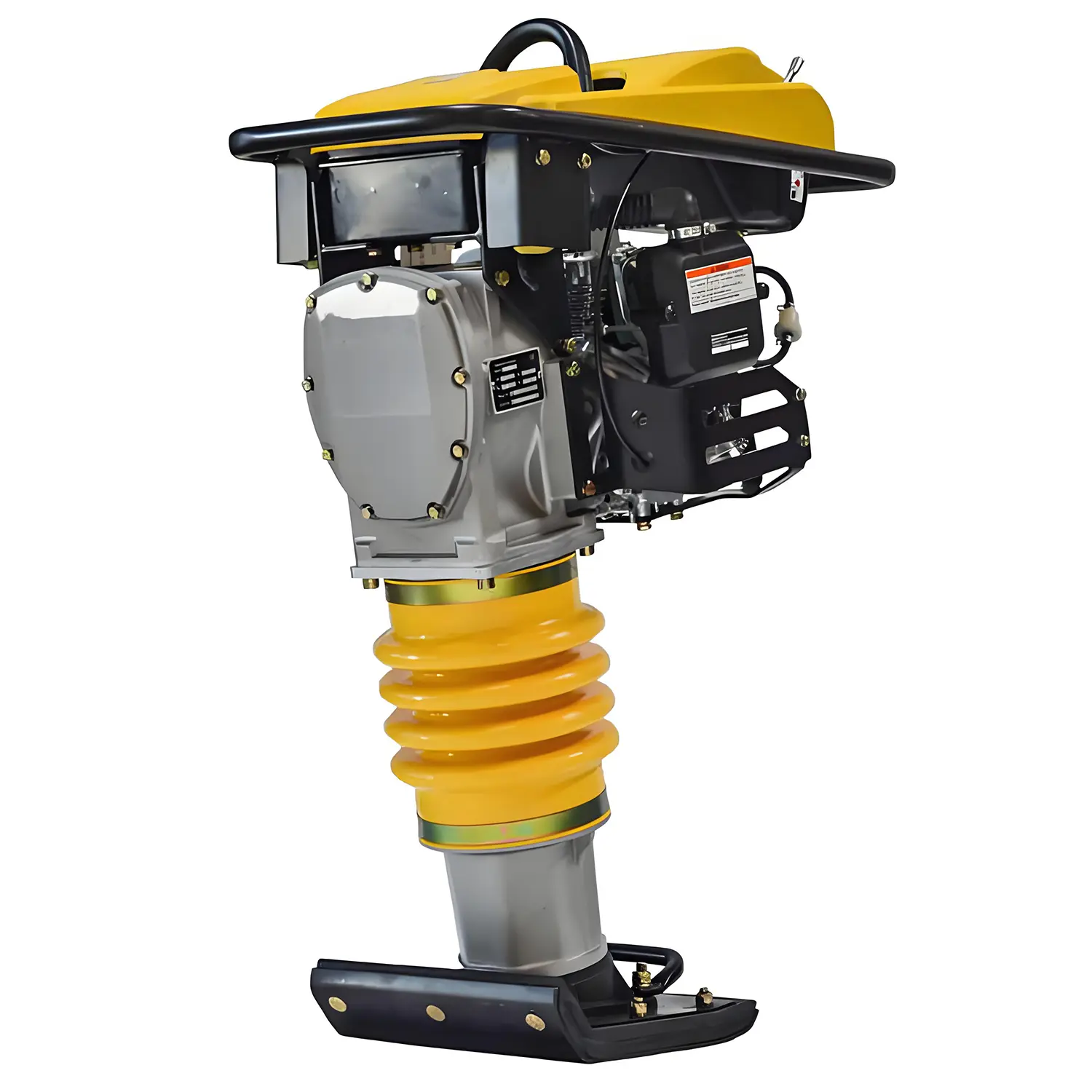 Tamping rammer
 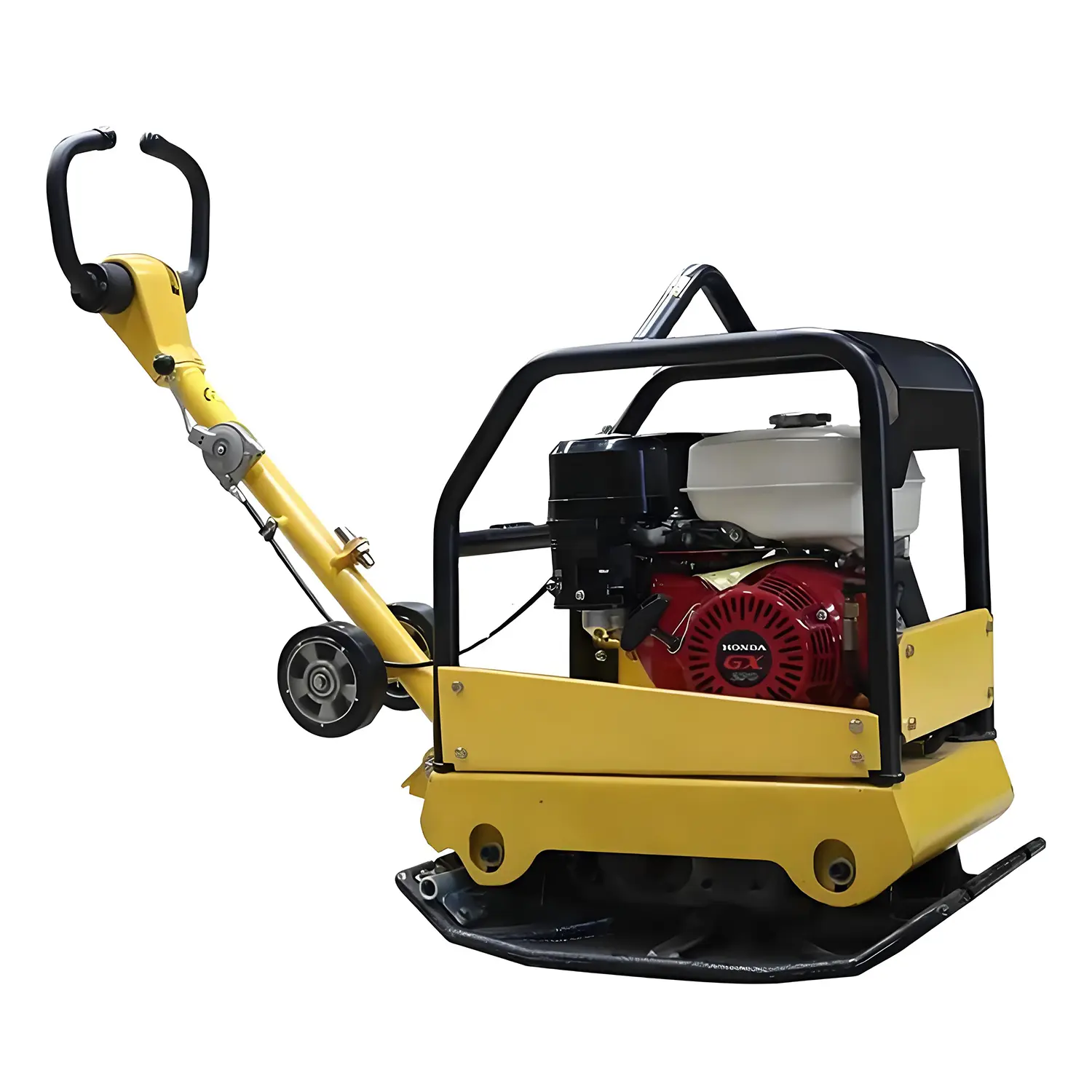 Plate compactor
 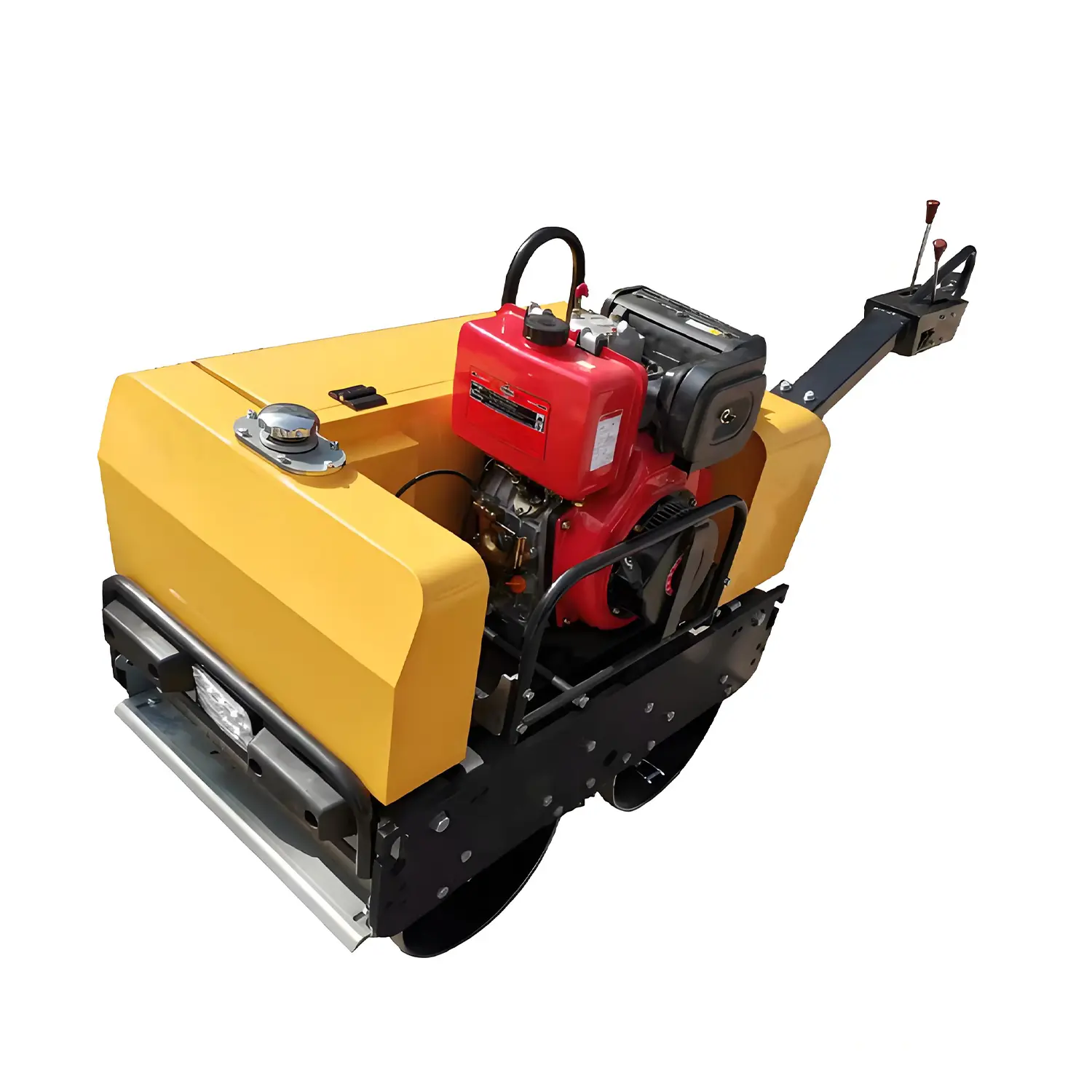 Vibratory roller



What Shaft Length Works Best for Your Cordless Concrete Vibrator?
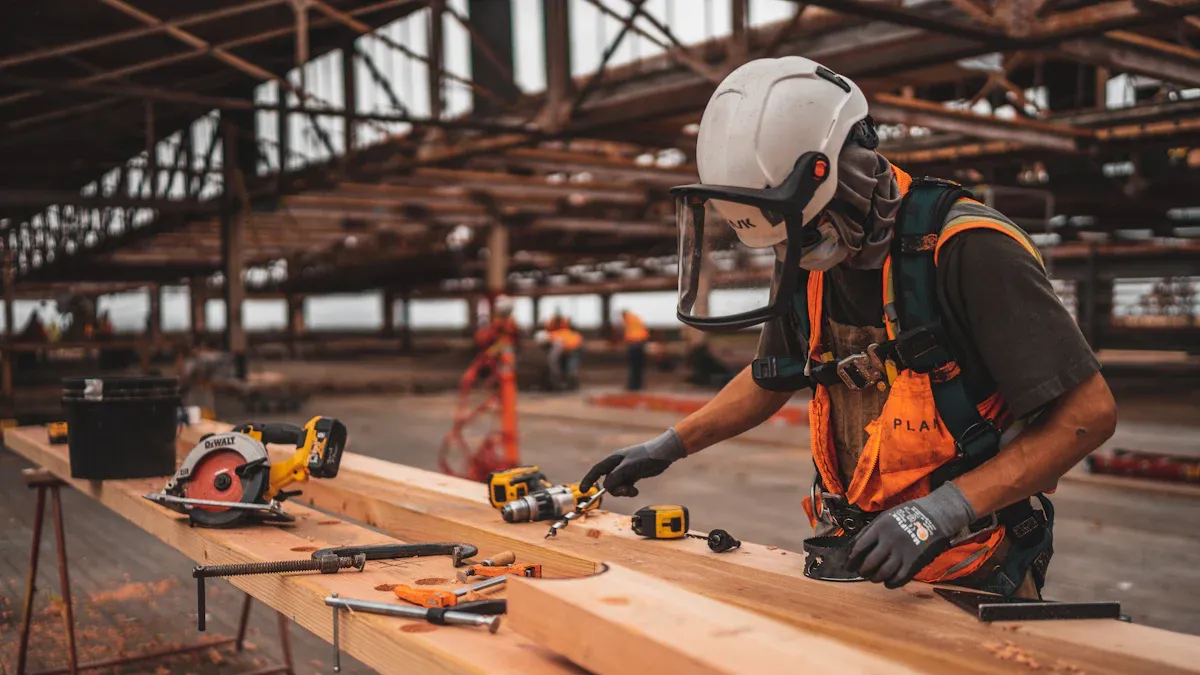
You select your Cordless Concrete Vibrator's shaft length. The concrete pour's depth and work area accessibility are key factors. Most shafts are 3 to 7 feet. A correct length consolidates concrete effectively. This prevents honeycombing and ensures strong structures. Your MAXMACH vibrator needs the right shaft.
Key Takeaways
- Match your vibrator shaft length to the concrete pour's depth. This ensures you remove all air bubbles.
- Consider your work area's space and rebar density. This helps you choose a shaft that is easy to control.
- Use interchangeable shafts for different projects. This saves money and gives you flexibility.
Understanding Vibrator Shaft Length
Defining Shaft Length
The shaft length on your concrete vibrator is the measurement from the vibrator motor to the vibrating head. This is the part you insert into wet concrete. You select different lengths for various concrete jobs. It helps you reach the correct depth of your pour.
Impact on Concrete Consolidation
A correct shaft length helps you consolidate concrete effectively. When you insert the vibrator, it creates powerful vibrations. These vibrations remove trapped air bubbles from the concrete mix. Air bubbles weaken the concrete structure. Proper consolidation makes the concrete dense and strong. It ensures your finished structure lasts a long time. You also achieve a smooth surface.
Consequences of Incorrect Length
Using the wrong shaft length causes several problems.
Tip: Always match your shaft length to the depth of your concrete pour.
If your shaft is too short, you cannot reach the bottom of deep pours. This leaves air bubbles trapped at the bottom. You will see weak spots or "honeycombing." Honeycombing looks like holes or voids in the concrete. If your shaft is too long, it can be difficult to manage. You might struggle to control the vibrator's movement. This leads to uneven vibration throughout the concrete. It also makes you tired faster. For your MAXMACH vibrator, choosing the right length is essential. It ensures you get the best possible results.
Key Factors for Optimal Shaft Length
You choose the best shaft length for your concrete vibrator. Several important factors guide your decision. These factors ensure you get strong, well-consolidated concrete every time.
Concrete Pour Depth
The depth of your concrete pour is a main factor. You need a shaft long enough to reach the bottom of the pour. This ensures you remove all trapped air. For example, if you pour concrete 2 feet deep, a 3-foot shaft works well. It lets you reach the bottom and move the head around. If you pour concrete 5 feet deep, you need a longer shaft, like a 6-foot one. This allows you to fully consolidate the concrete from top to bottom. You prevent weak spots at the base of your pour.
Work Area Accessibility
Consider how much space you have to work. Tight spaces or areas with many rebar rods affect your choice. A very long shaft can be hard to move in a crowded rebar cage. It might hit the rebar or the forms. A shorter shaft gives you more control in these tight spots. If you work in an open area, a longer shaft might be fine. You can move it freely. Think about any overhead obstructions too. These can limit how high you can lift the vibrator.
Vibrator Head Diameter Considerations
The size of the vibrator head also plays a role. A larger head consolidates a wider area with each insertion. This means you need fewer insertions. A smaller head is better for narrow forms or dense rebar. It fits into smaller spaces. When you use a larger head, you might pair it with a longer shaft for big, deep pours. This combination helps you cover large volumes efficiently. For intricate work, a smaller head on a shorter shaft gives you precision.
Operator Comfort and Ergonomics
Your comfort matters a lot. A shaft that is too long can be heavy and awkward. You might struggle to control it. This leads to quick tiredness. A shaft that is too short makes you bend over constantly. This can cause back pain. The right shaft length lets you stand upright and work comfortably. You can guide the vibrator with ease. This reduces fatigue and helps you maintain proper vibration technique. A well-balanced MAXMACH vibrator with the correct shaft length makes your job easier and more effective.
Matching Shaft Length to Project Types
You choose the right shaft length for your cordless concrete vibrator. This choice depends on the specific type of concrete project. Different projects have different depths, rebar densities, and accessibility challenges. You match the shaft to the job. This ensures you achieve the best consolidation.
Slabs and Patios
Slabs and patios are typically shallow concrete pours. Their depth often ranges from 4 to 8 inches. You need to consolidate the concrete evenly across a wide, flat area.
- Recommended Shaft Length: A shorter shaft works best for these projects. You will often use a 3-foot or 4-foot shaft.
- Why it works:
- You easily reach the bottom of the pour.
- You maintain good control over the vibrator.
- You move across the slab without bending excessively.
- A shorter shaft prevents you from hitting the sub-base.
Tip: For very large slabs, you might use a slightly longer shaft (up to 5 feet) to reduce the number of times you reposition yourself. However, prioritize control and even consolidation.
Footings and Foundations
Footings and foundations involve deeper concrete pours. These structures support buildings. They often have significant rebar cages. Depths can range from 1 foot to several feet.
- Recommended Shaft Length: You will typically need a medium to long shaft. A 4-foot to 6-foot shaft is common.
- Why it works:
- You reach the full depth of the footing or foundation.
- You ensure consolidation around all rebar.
- A longer shaft helps you work from the top without stepping into wet concrete.
- You prevent honeycombing at the base of the pour.
You must navigate around rebar. A shaft that is too long can become unwieldy. You might struggle to maneuver it.
Walls and Columns
Walls and columns are vertical concrete elements. They are often narrow. They contain dense rebar. You pour concrete into forms from the top. You need to consolidate the concrete as you fill the forms.
- Recommended Shaft Length: A medium shaft is usually ideal. You will often use a 4-foot or 5-foot shaft.
- Why it works:
- You reach deep into the forms.
- You avoid hitting the formwork or rebar with the motor.
- You consolidate concrete in layers as you pour.
- A medium length gives you good control in tight spaces.
You must ensure the vibrator head penetrates the previous layer of concrete. This creates a monolithic structure. A shaft that is too short will not reach deep enough. A shaft that is too long can be difficult to handle in a narrow form.
Precast Concrete Applications
Precast concrete involves pouring concrete into molds. You do this in a controlled factory environment. The size and shape of these molds vary greatly. They can be small blocks or large structural beams.
- Recommended Shaft Length: Your shaft length will depend entirely on the specific mold. You might use very short shafts (2-3 feet) for small molds. You might use longer shafts (5-7 feet) for large, deep precast elements.
- Why it works:
- You precisely match the shaft to the mold's depth.
- You achieve optimal consolidation for each unique precast product.
- You ensure a smooth finish and high strength.
- You often benefit from interchangeable shafts in precast operations. This allows you to adapt quickly to different mold sizes.
You select the exact length needed for each mold. This ensures thorough vibration without damaging the mold or over-vibrating the concrete.
MAXMACH Cordless Vibrator Shaft Selection
Assessing Project Depths
You must first measure the depth of your concrete pour. This measurement directly tells you the minimum shaft length you need. For example, if you pour concrete 3 feet deep, you need a shaft at least 3 feet long. This ensures the vibrator head reaches the very bottom. You prevent air pockets from forming at the base. Always choose a shaft that can fully cover your pour depth.
Benefits of Interchangeable Shafts
MAXMACH cordless vibrators often feature interchangeable shafts. This is a big advantage for you. You can use one vibrator motor with several different shaft lengths. This means you do not need to buy a separate vibrator for every job. You simply switch out the shaft to match your project's depth. This saves you money and gives you great flexibility.
Ensuring Full Reach
Your vibrator shaft must reach the bottom of the concrete pour. It also needs to penetrate into any previously vibrated layers. This ensures all air bubbles escape. If your shaft is too short, you will leave unVibrated Concrete. This creates weak spots. A MAXMACH vibrator with the correct shaft length guarantees full reach. You achieve strong, uniform concrete.
Proper Vibration Technique
The right shaft length helps you use proper vibration technique. You insert the vibrator vertically into the concrete. You then pull it out slowly. A shaft that is too long can be hard to control. A shaft that is too short makes you bend uncomfortably. The correct length allows you to stand upright. You can guide the vibrator smoothly. This ensures even consolidation throughout your concrete.
Practical Shaft Length Examples
You choose the right shaft length for your MAXMACH vibrator. This helps you consolidate concrete effectively. Here are some practical examples.
Common Shaft Lengths and Applications
You will find several standard shaft lengths available. Each length suits different project types.
| Shaft Length | Common Applications |
|---|---|
| 3-4 feet | Slabs, patios, shallow footings, small precast |
| 5-6 feet | Walls, columns, deeper footings, medium precast |
| 7 feet | Large foundations, mass concrete, deep precast |
You use a 3-foot shaft for a typical 6-inch slab. This lets you reach the bottom easily. For a 4-foot deep foundation wall, you select a 5-foot shaft. This ensures you consolidate the entire depth.
Head Diameter and Shaft Length Combinations
The vibrator head's diameter also affects your choice. You combine head size with shaft length for best results.
- Small Head (1-1.5 inches) + Medium Shaft (4-5 feet): You use this for tight rebar cages or narrow forms. The small head fits easily. The medium shaft gives you good reach.
- Medium Head (1.5-2 inches) + Long Shaft (6-7 feet): You choose this for deeper pours like large footings. The medium head consolidates a good area. The long shaft reaches the bottom.
- Large Head (2+ inches) + Shorter Shaft (3-4 feet): You might use this for wide, shallow pours like thick slabs. The large head quickly consolidates a big volume. The shorter shaft keeps it manageable.
You match the head and shaft to your specific concrete conditions.
Specialized Shafts for Unique Needs
Sometimes, you encounter unique project requirements. You might need specialized shafts for these jobs.
- Flexible Shafts: You use these for very intricate or hard-to-reach areas. They bend around obstacles.
- Pencil Vibrators: These are very thin shafts with small heads. You use them for decorative concrete or small, delicate forms.
- Heavy-Duty Shafts: You select these for continuous use in demanding industrial settings. They offer extra durability.
You assess your project's specific challenges. Then, you choose the best shaft type for the job.
The best shaft length for your vibrator is project-dependent. Concrete depth and work area accessibility are your main considerations. You must evaluate your specific project needs carefully. This helps you select the most effective shaft length. You ensure optimal concrete consolidation and efficiency for every pour.
FAQ
How do you choose the correct shaft length?
You choose the shaft length based on your concrete pour's depth. Ensure the shaft can reach the bottom. Also, consider how much space you have to work.
Can you use one shaft for all concrete jobs?
No, you need different shaft lengths for various projects. MAXMACH offers interchangeable shafts. This lets you adapt to different pour depths and work areas easily.
What happens if your vibrator shaft is too short?
If your shaft is too short, you cannot reach the bottom of deep pours. This leaves trapped air bubbles. You will see weak spots or "honeycombing" in your concrete.