
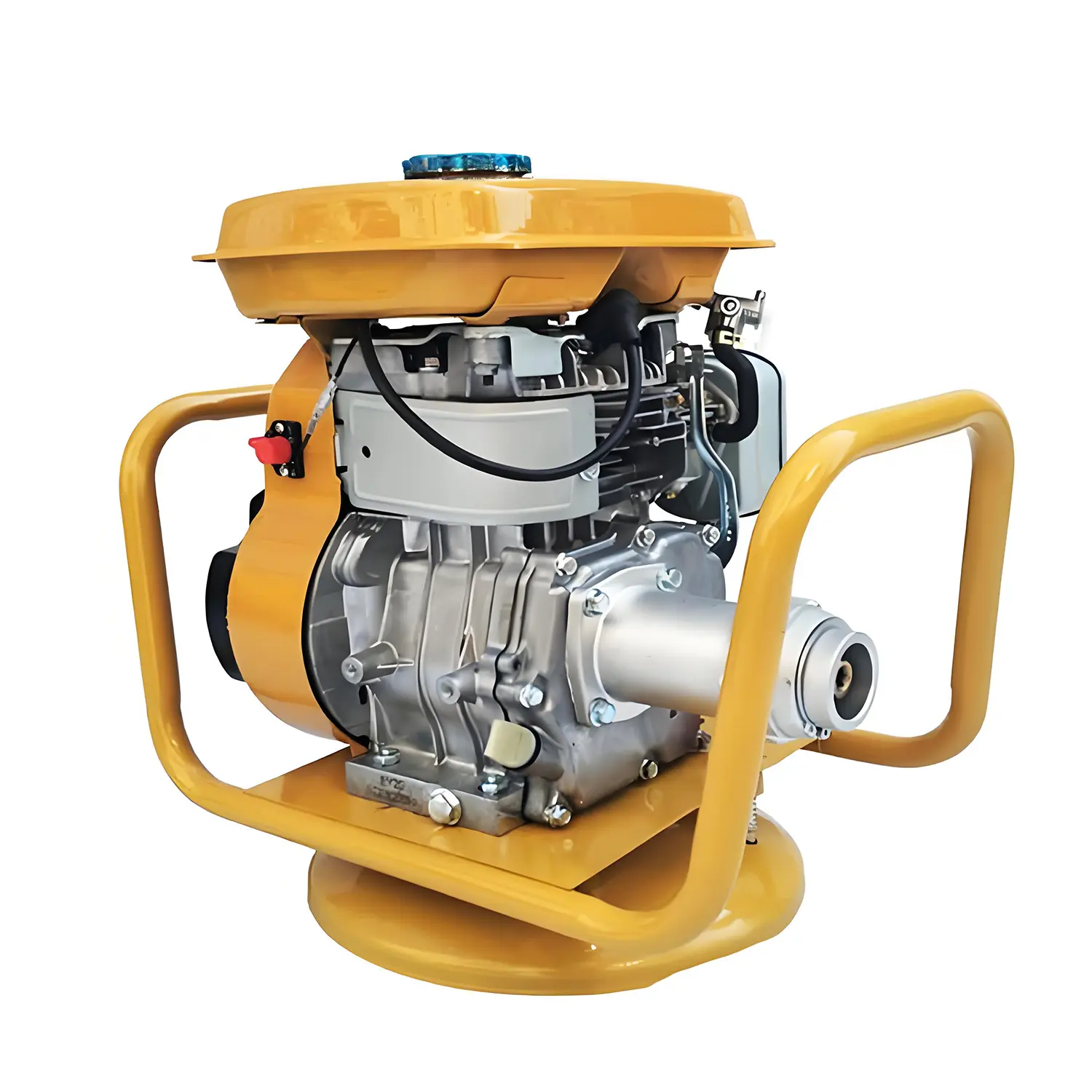
 Internal Vibrator
 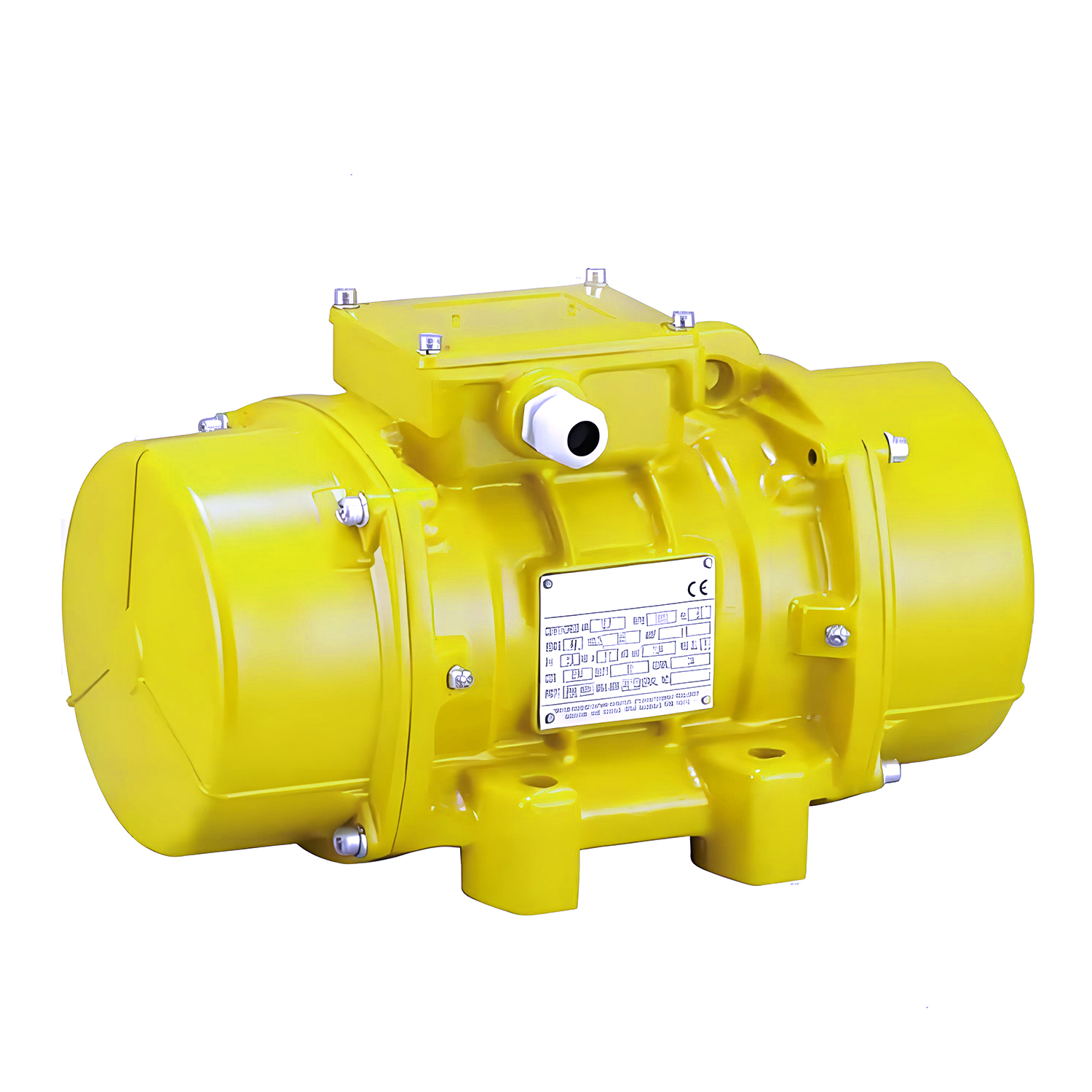 External Vibrator
 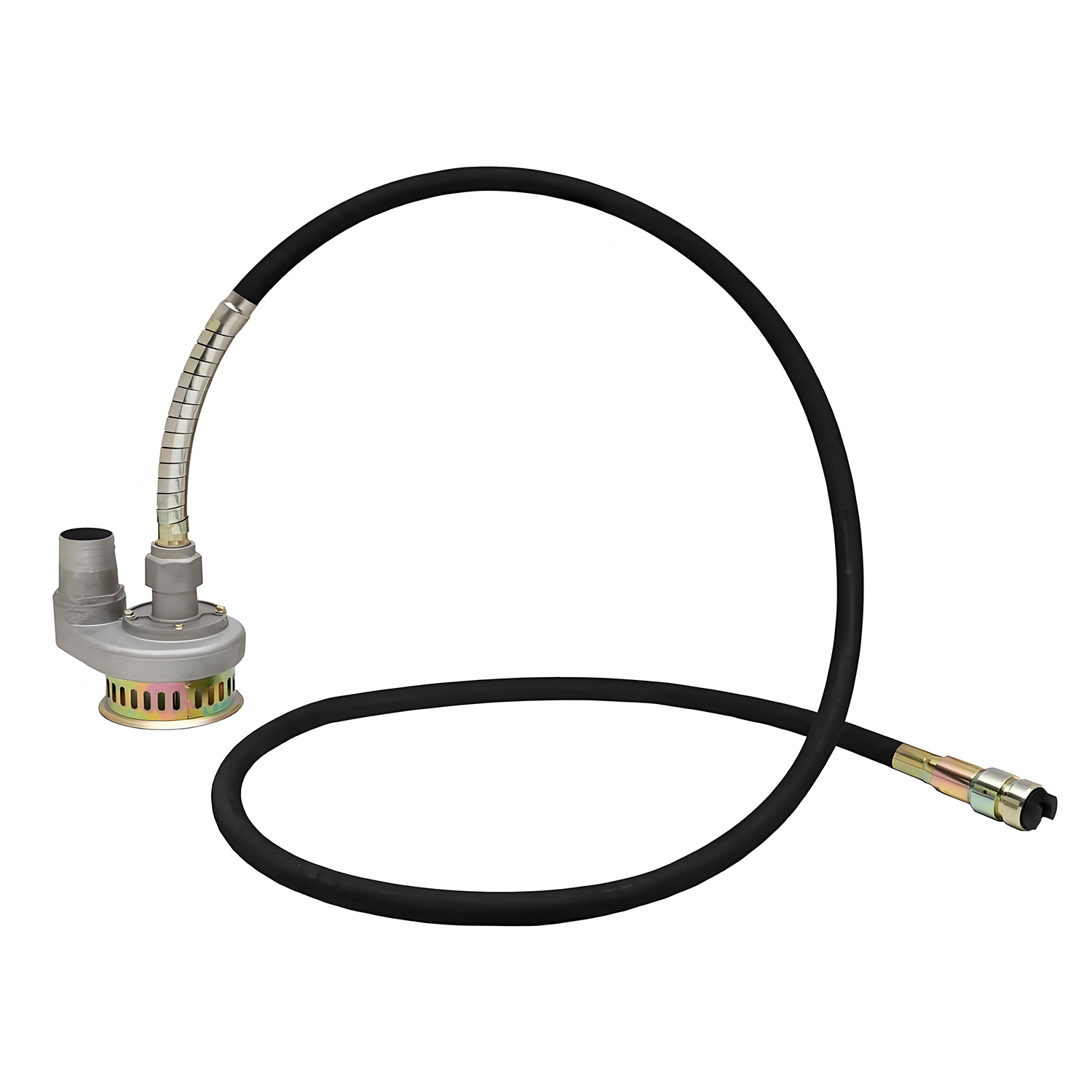 Submersible Pump
 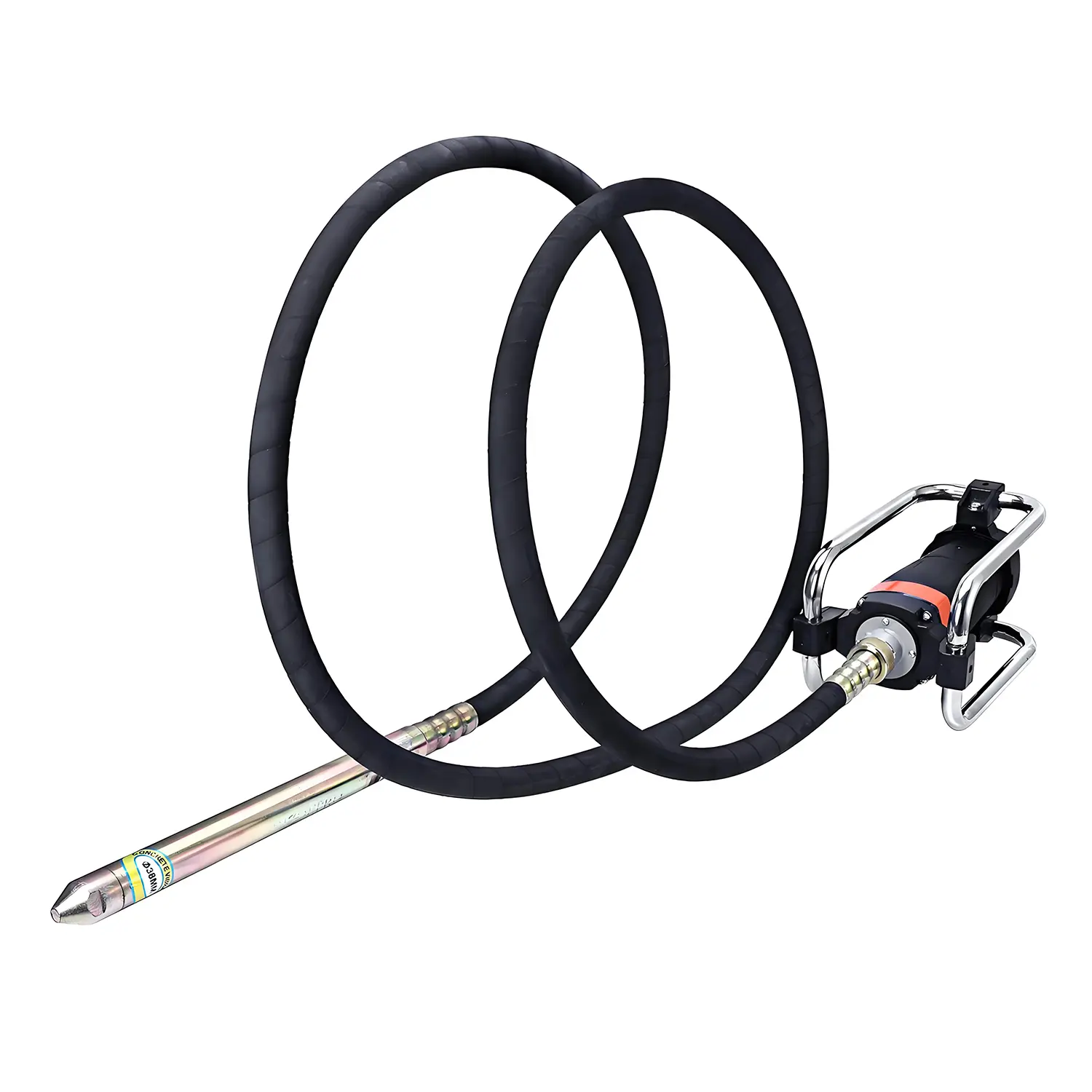 Eccentric shaft
 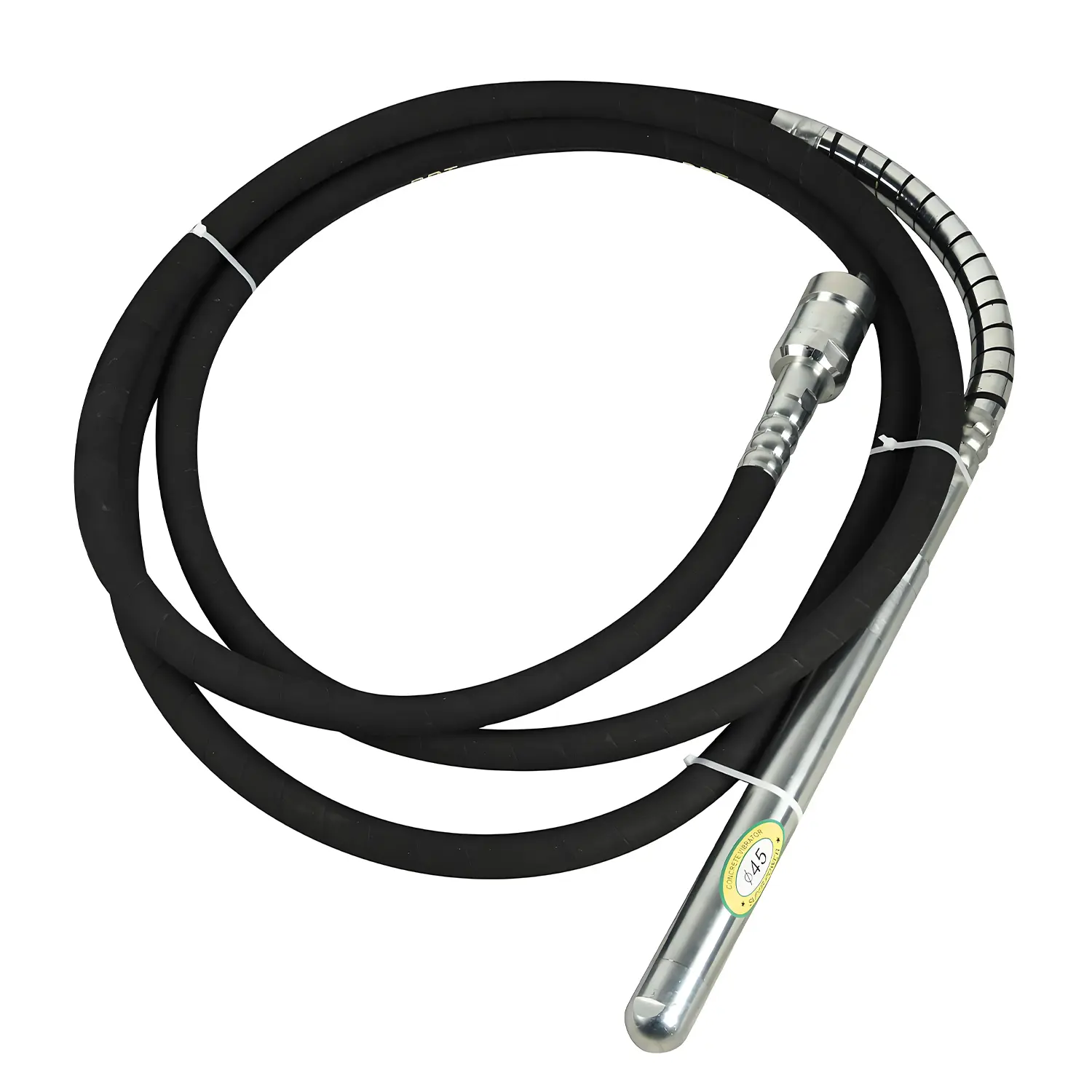 Pendulum shaft
 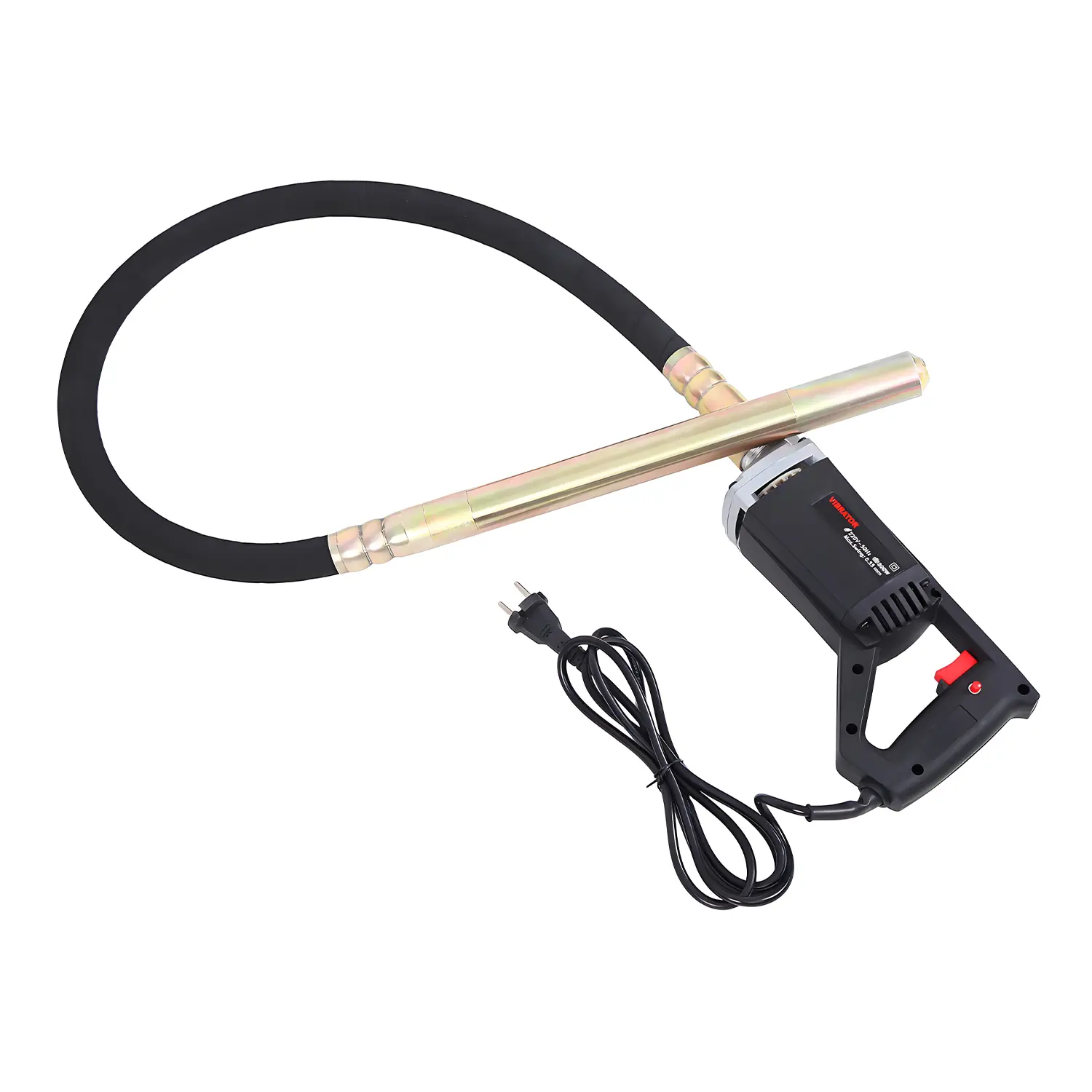 Portable vbrator shaft
 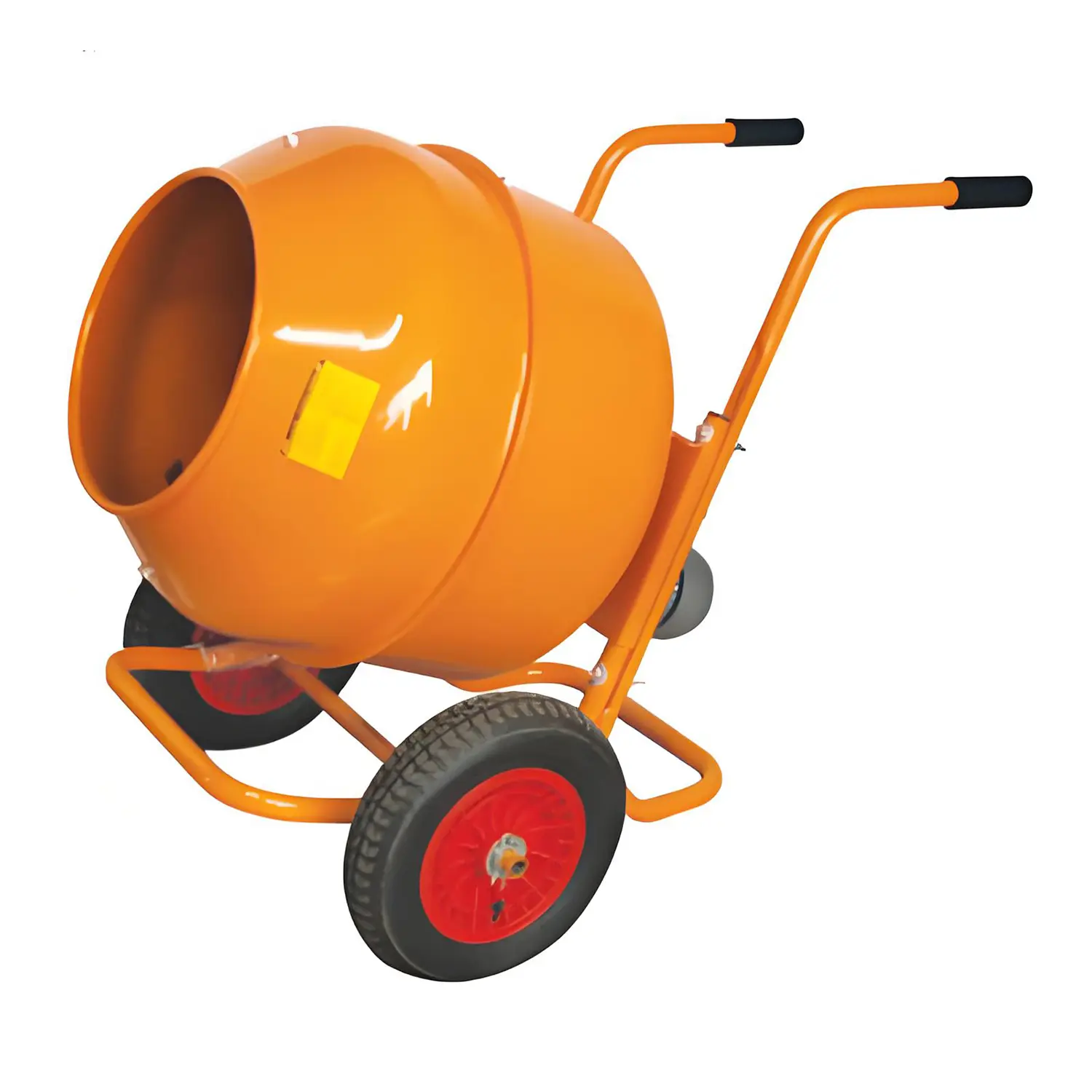 Portable concrete mixer
 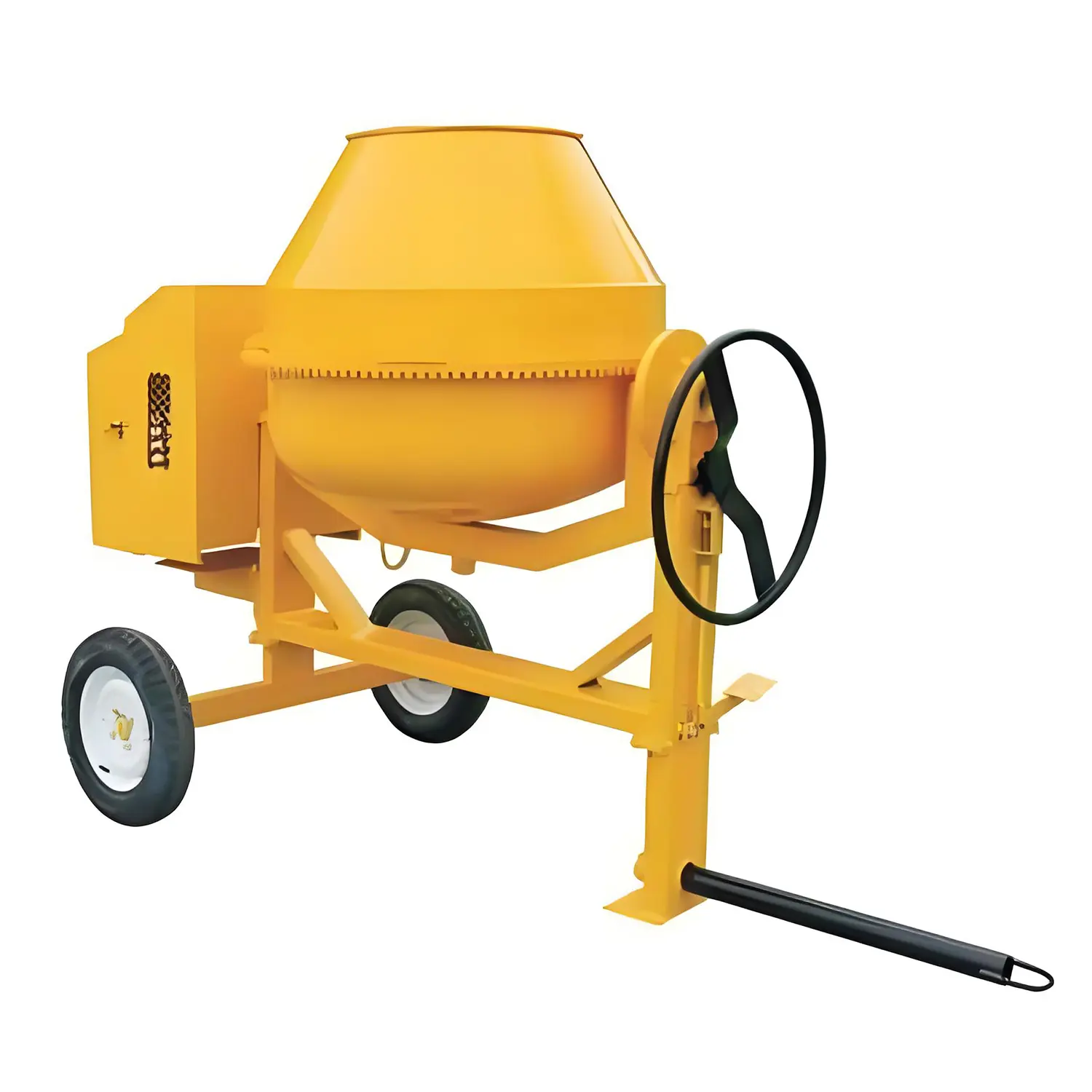 Vertical concrete mixer
 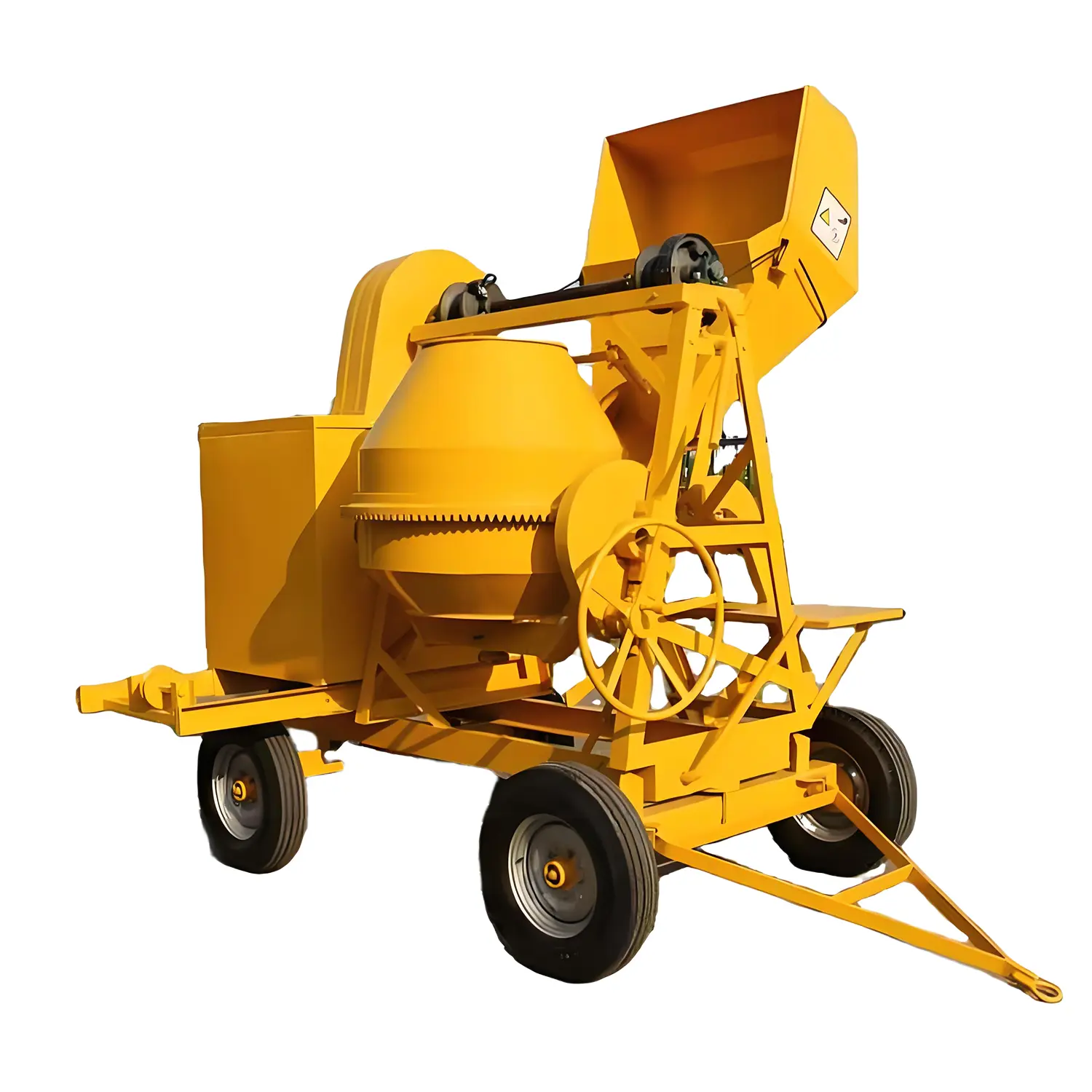 Hydraulic concrete mixer
 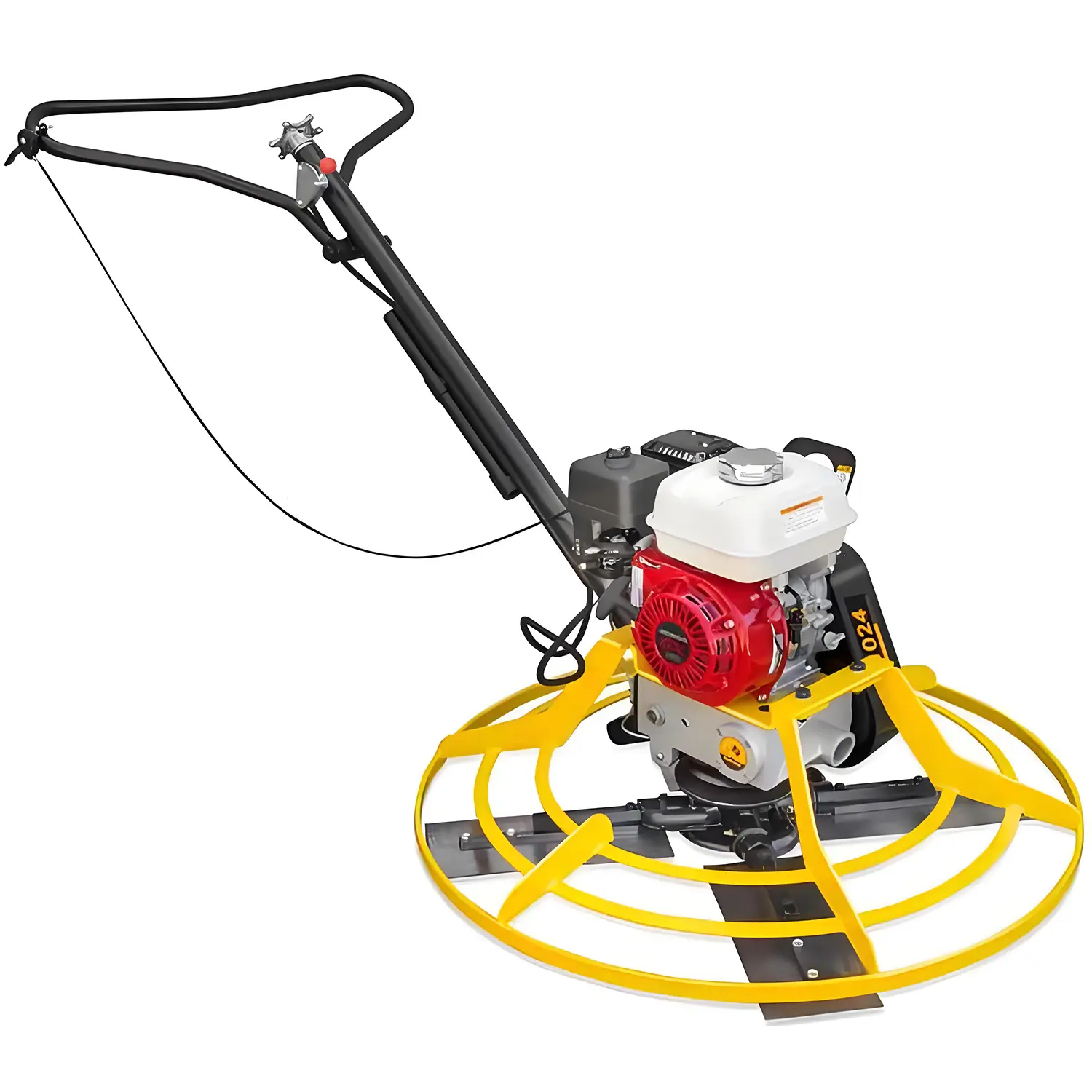 Walk behind power trowel
 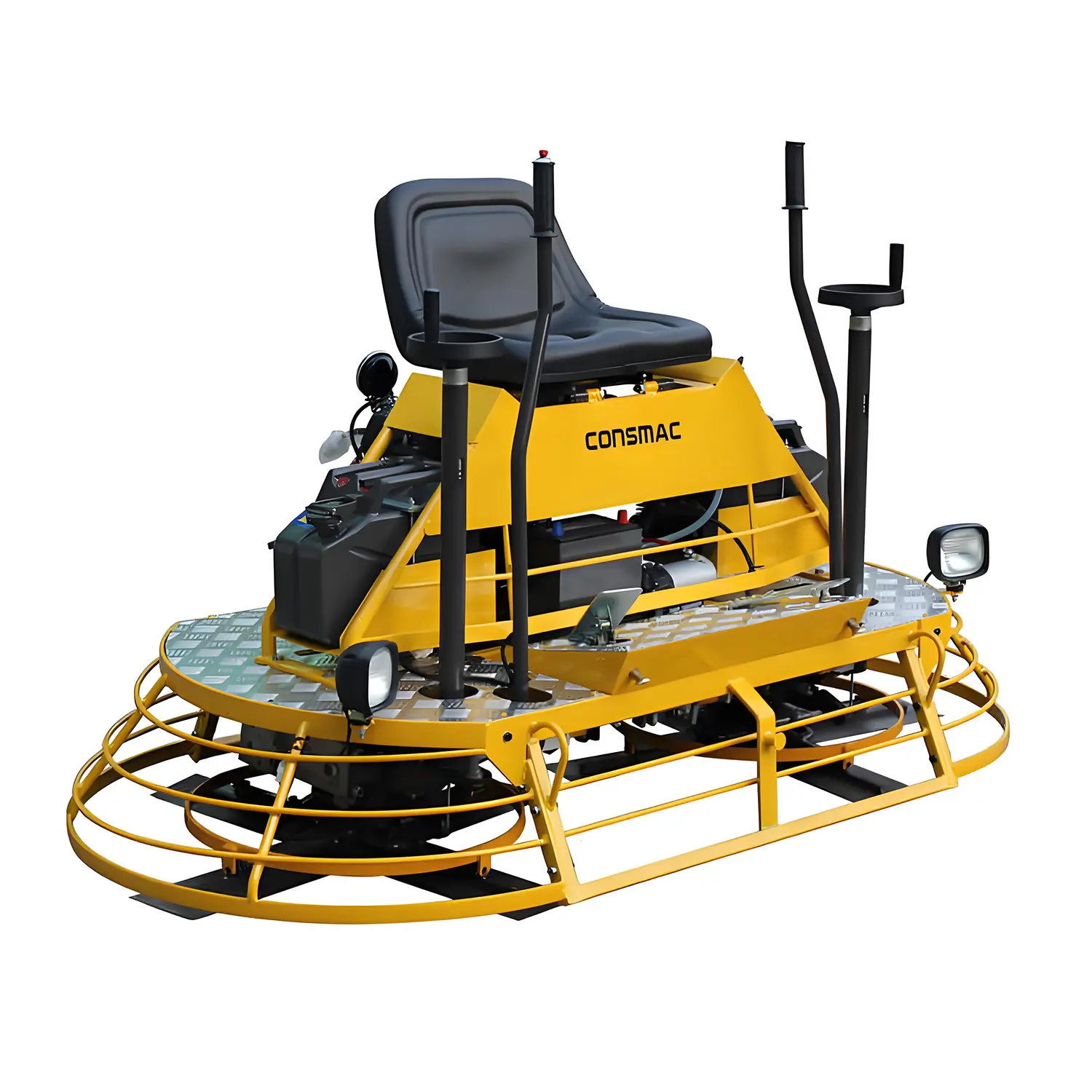 Ride on power trowel
 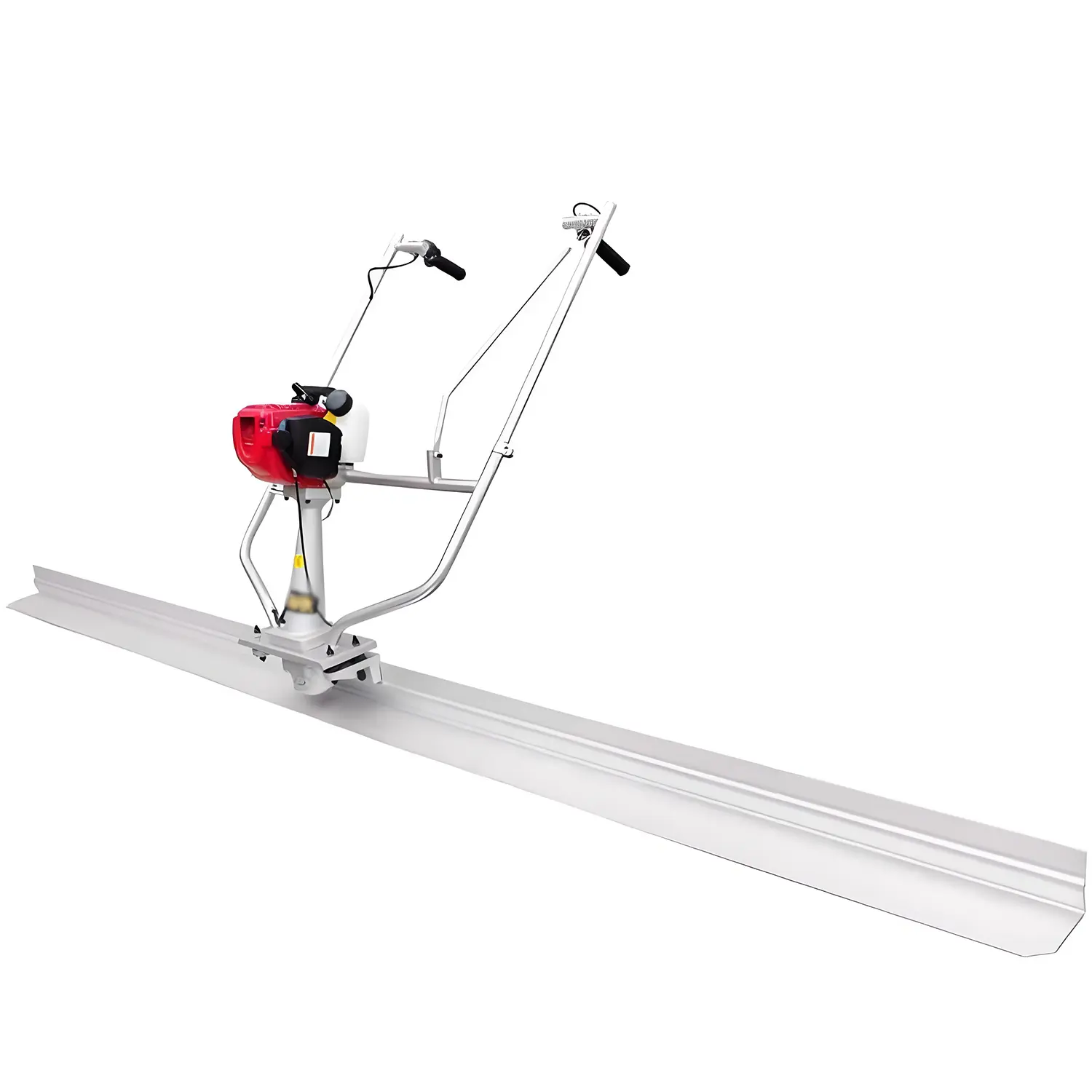 Concrete screed
 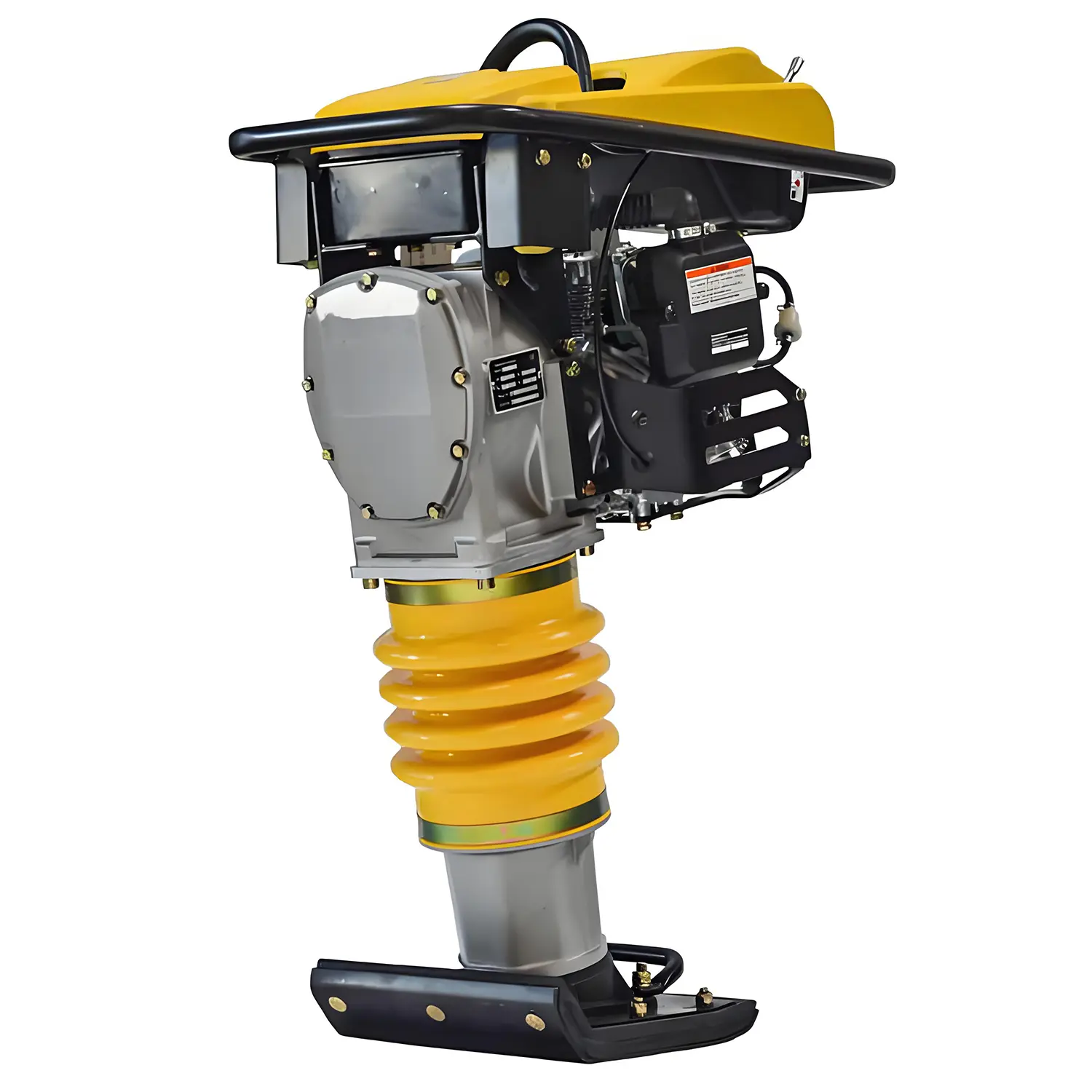 Tamping rammer
 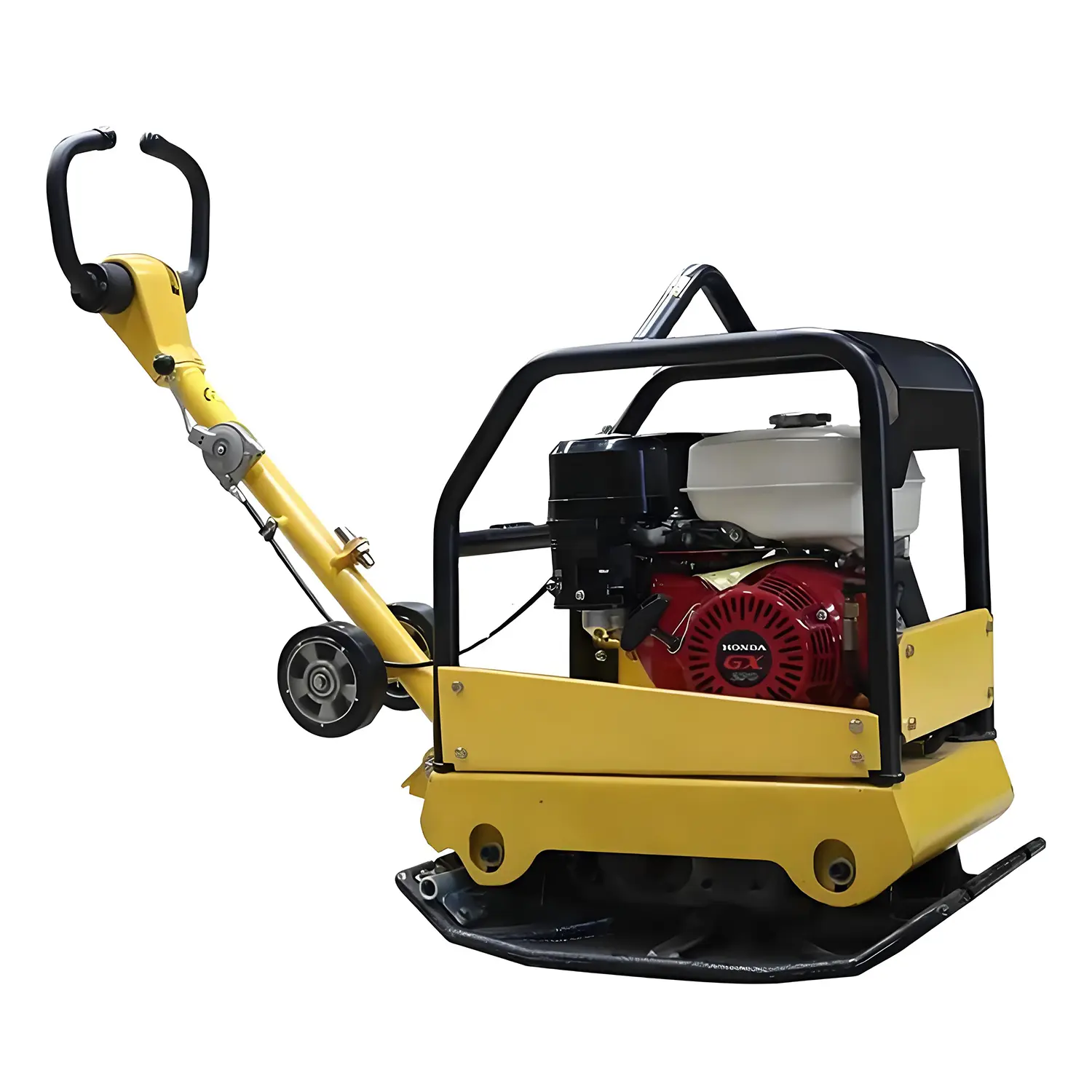 Plate compactor
 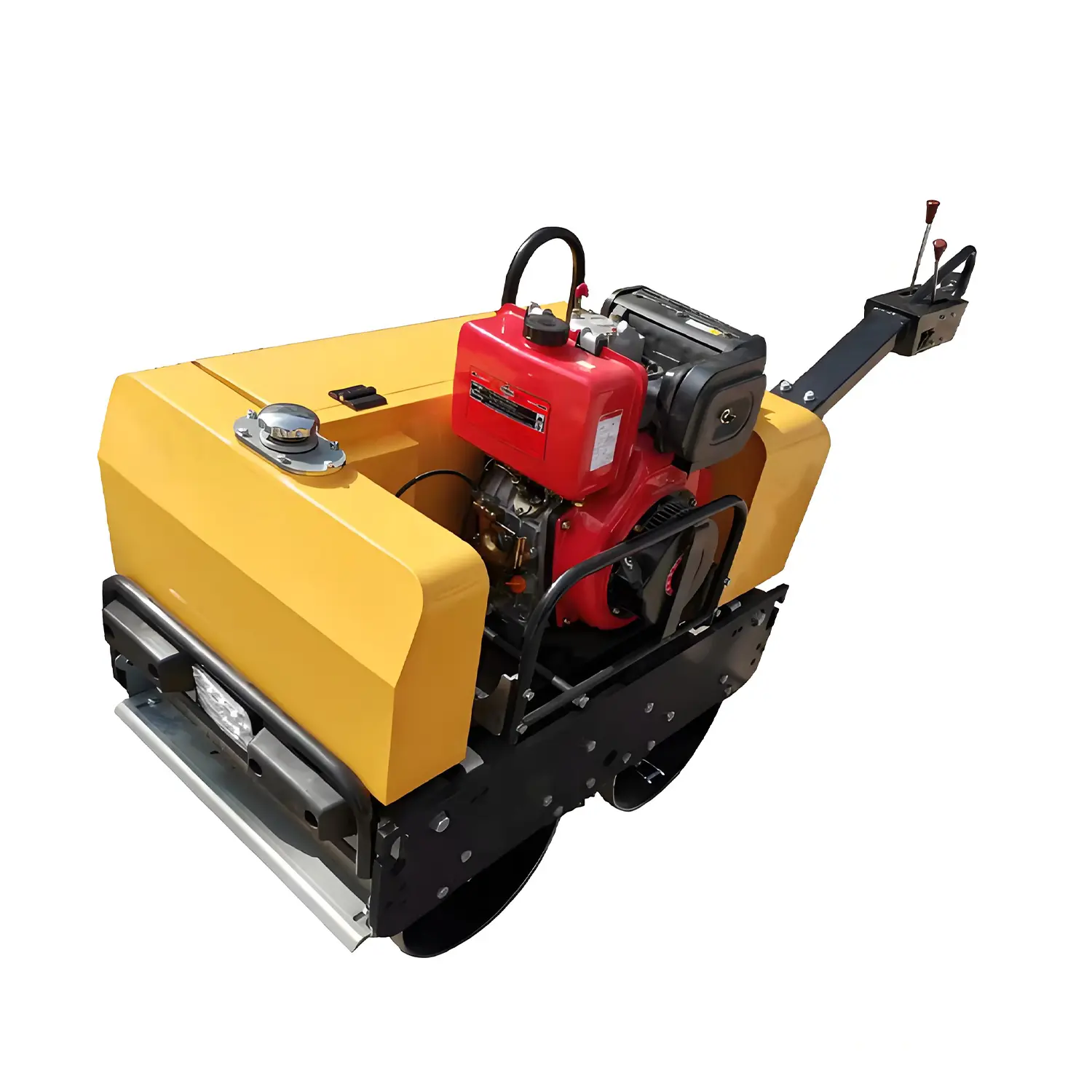 Vibratory roller
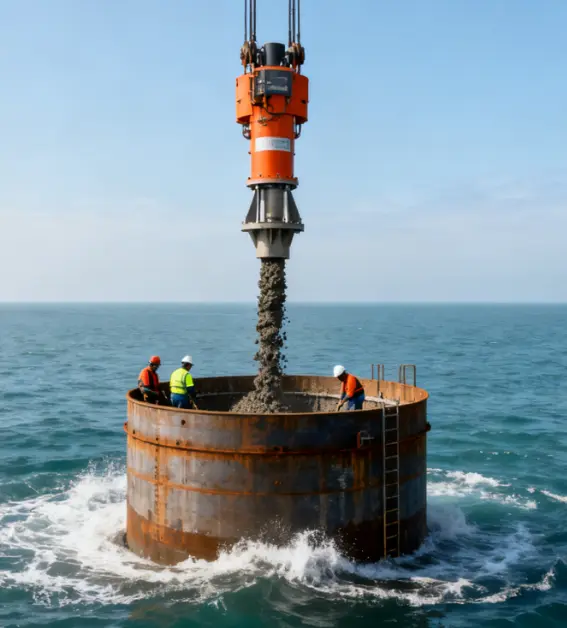
What Size Vibratory Roller Fits Your Construction Job?
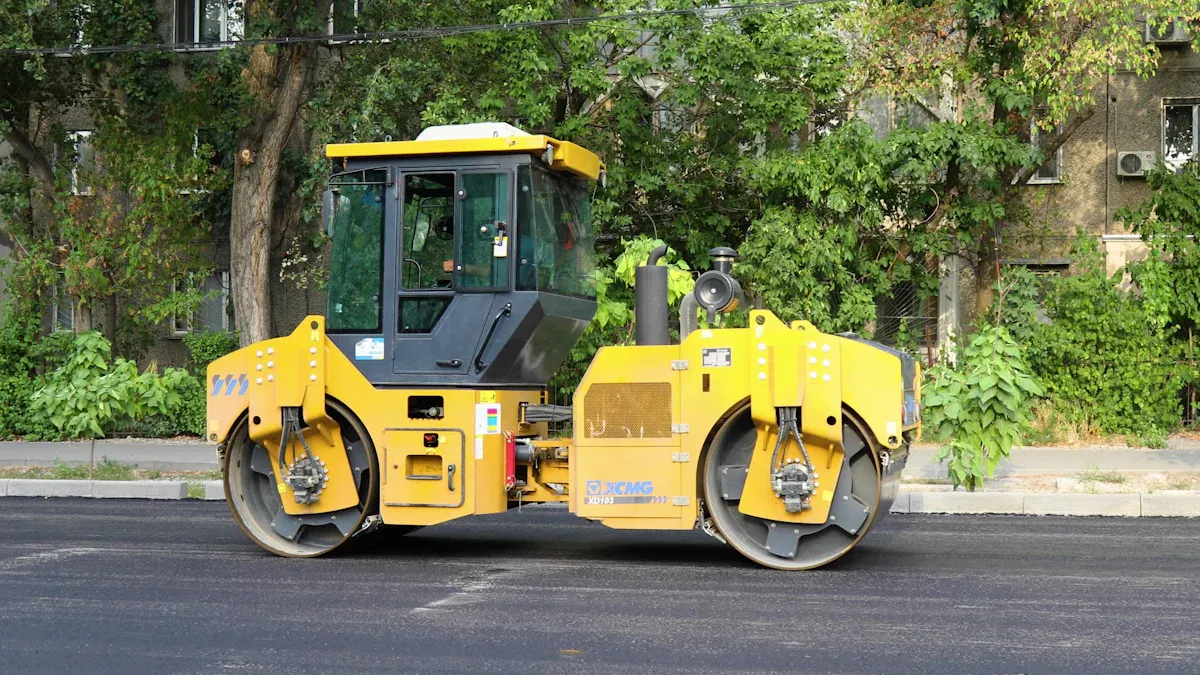
Choosing the right Vibratory Roller size, such as the MAXMACH, is essential for your construction project. You must consider the job type, soil conditions, and project scale. Each factor plays a significant role in ensuring effective compaction and achieving optimal results. Understanding these elements will help you make the best decision.
Key Takeaways
- Choose the right vibratory roller based on your job type. For road construction, opt for medium to large rollers. For landscaping, select smaller rollers for tight spaces.
- Consider soil type when selecting a roller. Larger rollers work best for clay soil, while smaller rollers suffice for sandy soil.
- Evaluate your project scale. Small projects need small rollers for easy handling, while large projects require heavy-duty rollers for deep compaction.
Factors to Consider
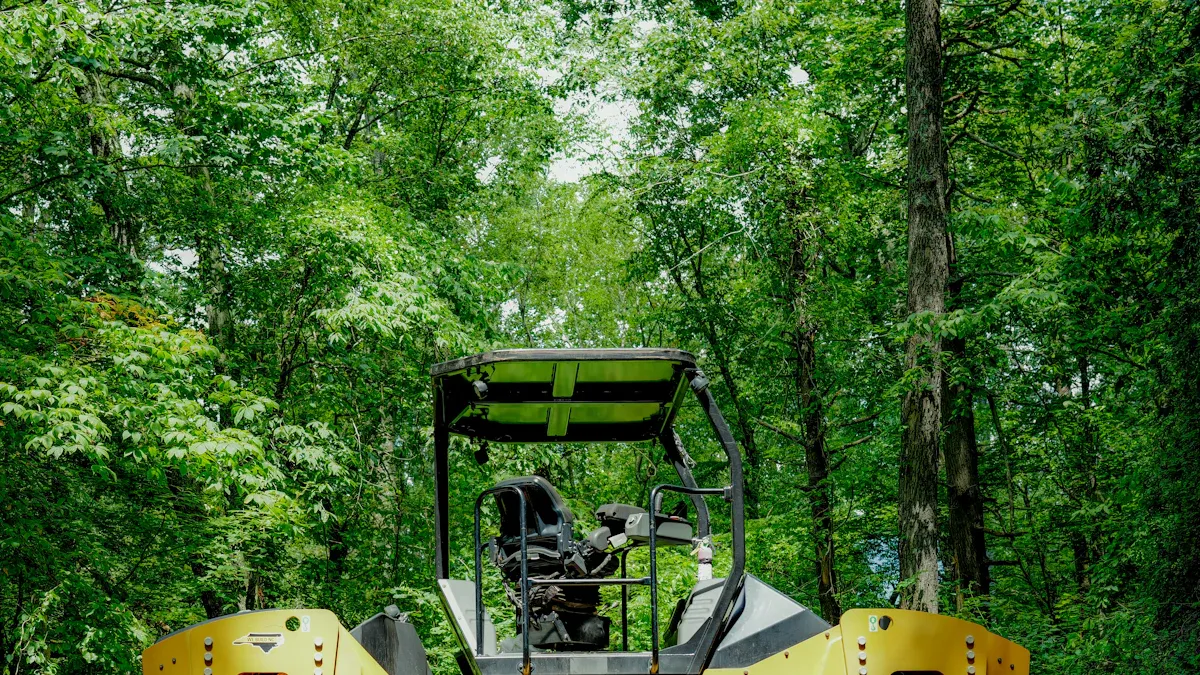
When choosing the right vibratory roller, you must consider several factors. Each factor influences the effectiveness of your compaction efforts. Here are the key elements to keep in mind:
Job Type
The type of job you are undertaking significantly impacts your choice of vibratory roller. Different jobs require different levels of compaction. Here are some common job types:
- Road Construction: For this type of work, you need a roller that can handle heavy loads and provide deep compaction. A medium to large MAXMACH roller is often ideal.
- Landscaping Projects: These projects usually require lighter rollers. A small MAXMACH roller can easily maneuver around tight spaces and provide adequate compaction for soil and gravel.
- Paving: If you are paving, you will need a roller that can achieve a smooth finish. A medium-sized roller works well for asphalt and concrete surfaces.
Soil Type
Soil type plays a crucial role in determining the right vibratory roller size. Different soils have varying compaction characteristics. Here’s a quick guide:
- Clay Soil: This type of soil requires more effort to compact. A larger roller can help achieve the necessary density.
- Sandy Soil: Sandy soil compacts easily. A smaller roller may suffice for these conditions.
- Gravel: For gravel, a medium-sized roller is often effective. It provides the right balance of weight and maneuverability.
Project Scale
The scale of your project also affects your roller choice. Larger projects typically require larger rollers for efficiency. Consider the following:
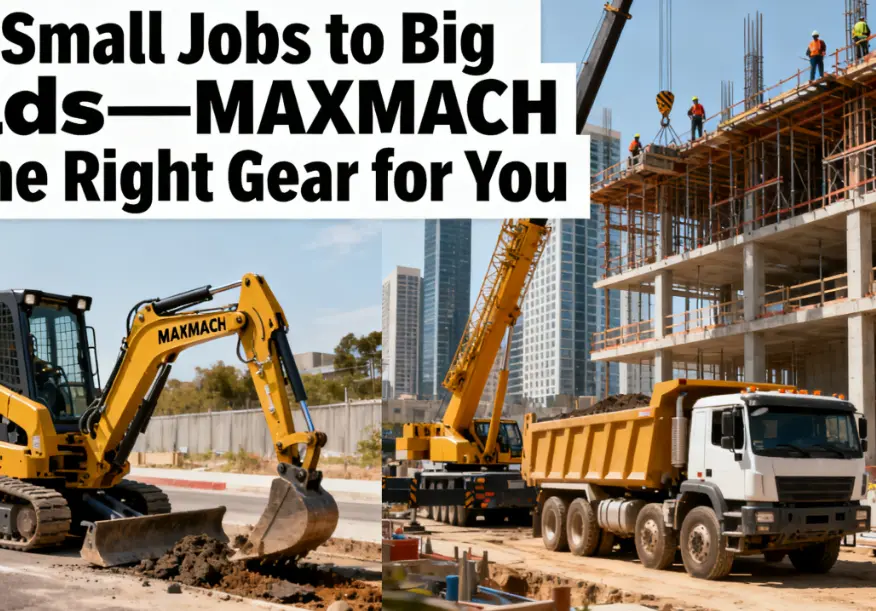
- Small Projects: For small landscaping or repair jobs, a small MAXMACH roller is sufficient. It allows for easy handling and access to tight areas.
- Medium Projects: For medium-sized jobs, such as residential road construction, a medium roller provides the necessary power without being cumbersome.
- Large Projects: Large infrastructure projects demand heavy-duty rollers. A large MAXMACH roller can handle extensive areas and provide deep compaction.
By evaluating these factors, you can select the vibratory roller that best fits your construction job.
Size Categories of MAXMACH Rollers
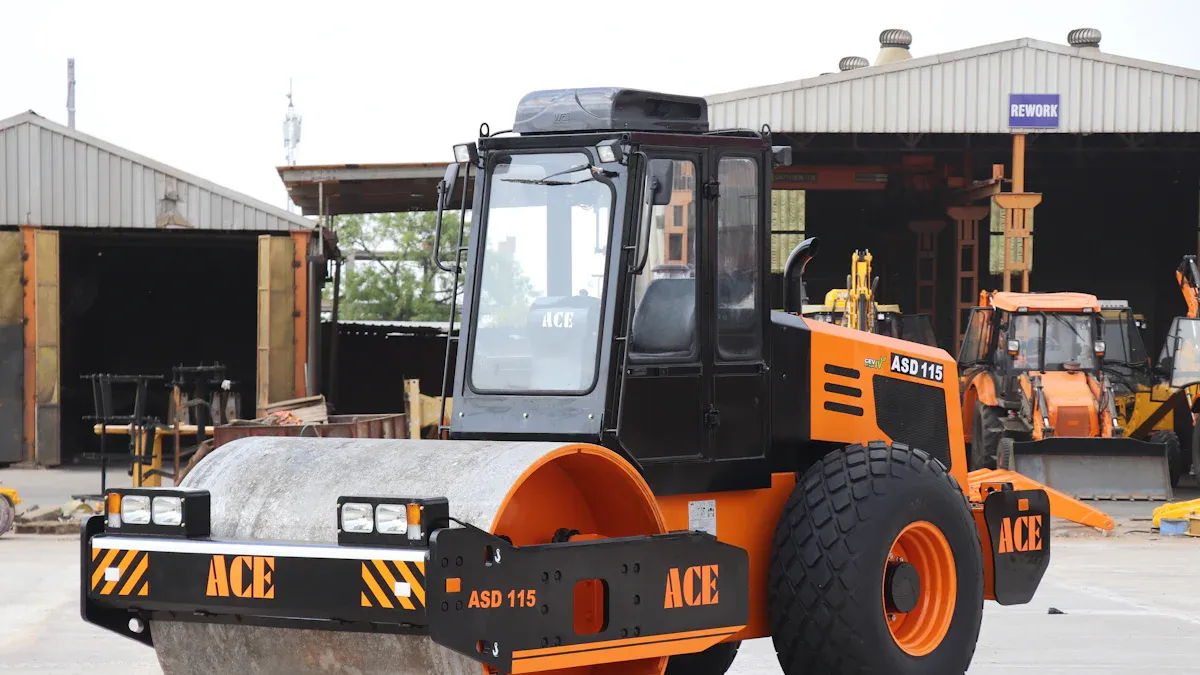
Small Rollers
Small MAXMACH rollers are perfect for tight spaces and smaller projects. They typically weigh between 1 to 3 tons. You can easily maneuver them around landscaping areas or residential sites. Their compact size allows you to achieve adequate compaction without damaging surrounding structures. These rollers are ideal for compacting soil, gravel, and asphalt in smaller applications.
Medium Rollers
Medium MAXMACH rollers weigh between 3 to 8 tons. They offer a balance between power and maneuverability. You can use them for various tasks, including road construction and commercial paving. Their size allows for effective compaction of both granular and cohesive soils. With a medium roller, you can tackle projects that require more strength than a small roller can provide, yet still need to navigate around obstacles.
Large Rollers
Large MAXMACH rollers weigh over 8 tons and are designed for heavy-duty applications. These rollers excel in large infrastructure projects, such as highways and airports. Their weight and size enable them to achieve deep compaction, which is essential for stability in extensive areas. You will find that large rollers are efficient for covering vast surfaces quickly, making them a valuable asset for any major construction job.
Matching Size to Job Scenarios
Choosing the right vibratory roller size for your specific job scenario can greatly impact the efficiency and effectiveness of your work. Here’s how to match the size of your MAXMACH roller to different construction tasks.
Road Construction
In road construction, you face unique challenges that require specific equipment. You need a roller that can handle heavy loads and provide deep compaction. A medium to large MAXMACH roller is often the best choice.
- Benefits of Using a Larger Roller:
- Achieves deeper compaction for stability.
- Covers larger areas quickly, reducing project time.
- Handles the weight of asphalt and other materials effectively.
For example, when constructing highways, a large MAXMACH roller can compact the base layers efficiently. This ensures a solid foundation for the road surface, which is crucial for longevity and safety.
Landscaping Projects
Landscaping projects often require a different approach. You typically work in tighter spaces and need to maneuver around existing structures. In these cases, a small MAXMACH roller is ideal.
- Advantages of Small Rollers:
- Easy to navigate in confined areas.
- Provides adequate compaction for soil and gravel.
- Lightweight design minimizes damage to surrounding plants and structures.
When you are leveling soil for a garden or compacting gravel for a pathway, a small roller allows you to achieve the desired results without overwhelming the area.
Large Infrastructure Projects
For large infrastructure projects, such as airports or major highways, you need heavy-duty equipment. A large MAXMACH roller is essential for these tasks.
- Key Features of Large Rollers:
- High weight capacity for deep compaction.
- Efficient for covering vast surfaces quickly.
- Designed to withstand rigorous use over extended periods.
Using a large roller in these scenarios ensures that you achieve the necessary density and stability for the extensive areas involved. This is critical for the safety and durability of the infrastructure.
By understanding the specific requirements of each job scenario, you can select the appropriate size of MAXMACH roller to meet your needs effectively.
Selecting the right size vibratory roller is vital for your project's success. Consider your specific needs, including job type, soil conditions, and project scale. By making an informed decision, you enhance efficiency and achieve optimal results. Remember, the right equipment makes all the difference! 🚧
FAQ
What is a vibratory roller used for?
A vibratory roller compacts soil, asphalt, and gravel. You use it to create stable surfaces for roads, parking lots, and other construction projects.
How do I choose the right size roller?
Consider your job type, soil conditions, and project scale. Match these factors to select the appropriate size of MAXMACH roller for your needs.
Can I rent a vibratory roller?
Yes, many equipment rental companies offer vibratory rollers. Renting allows you to access the right size without the commitment of purchasing one.