
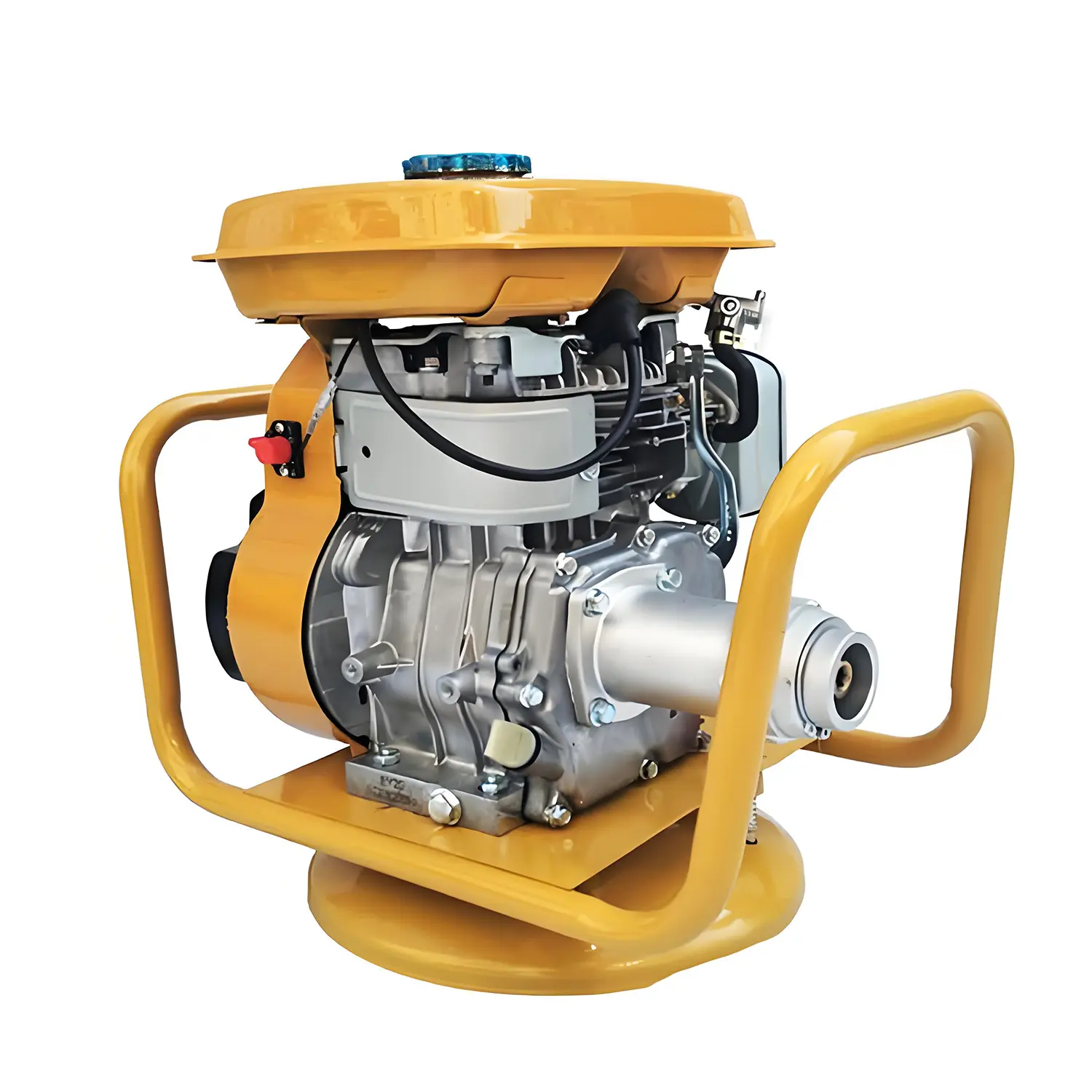
 Internal Vibrator
 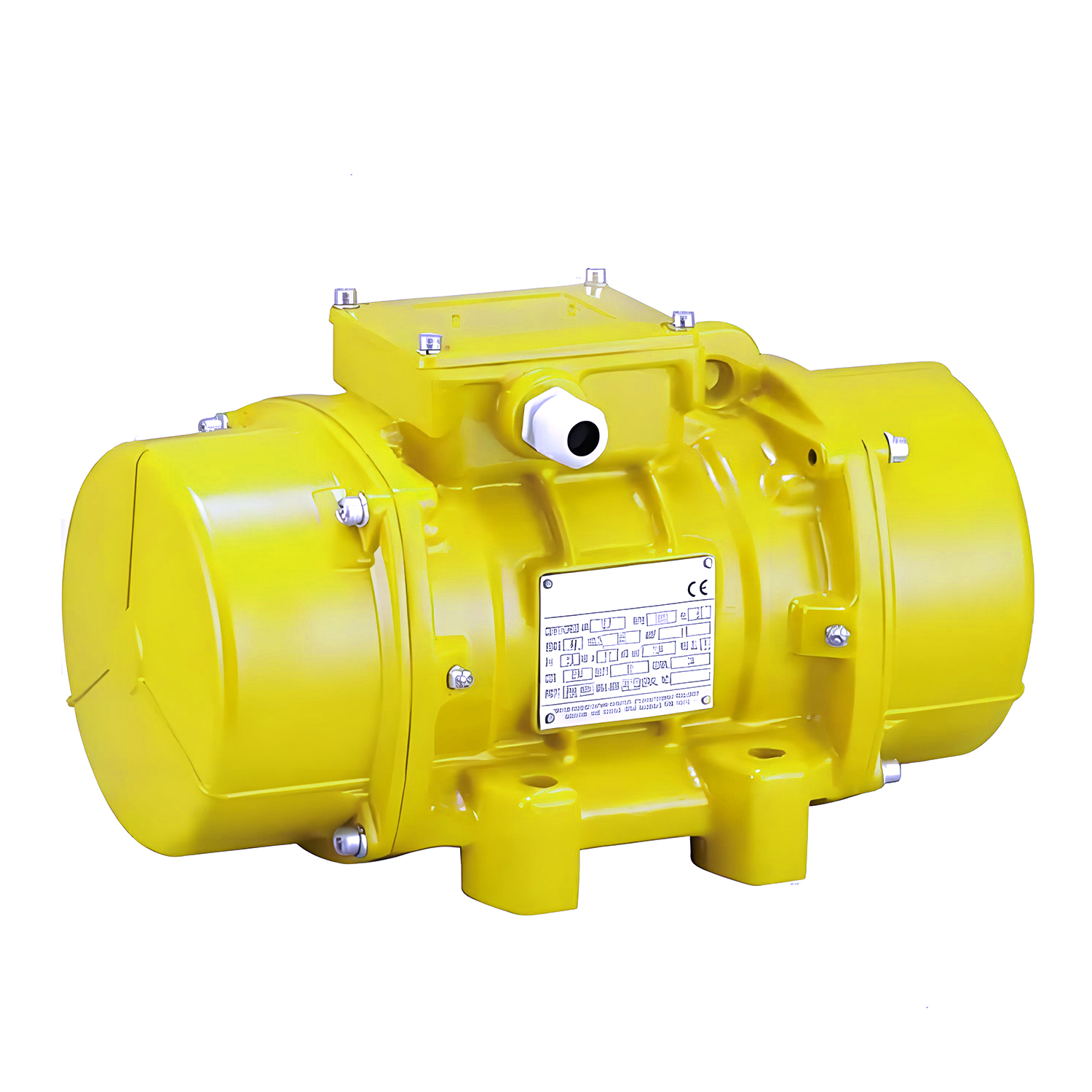 External Vibrator
 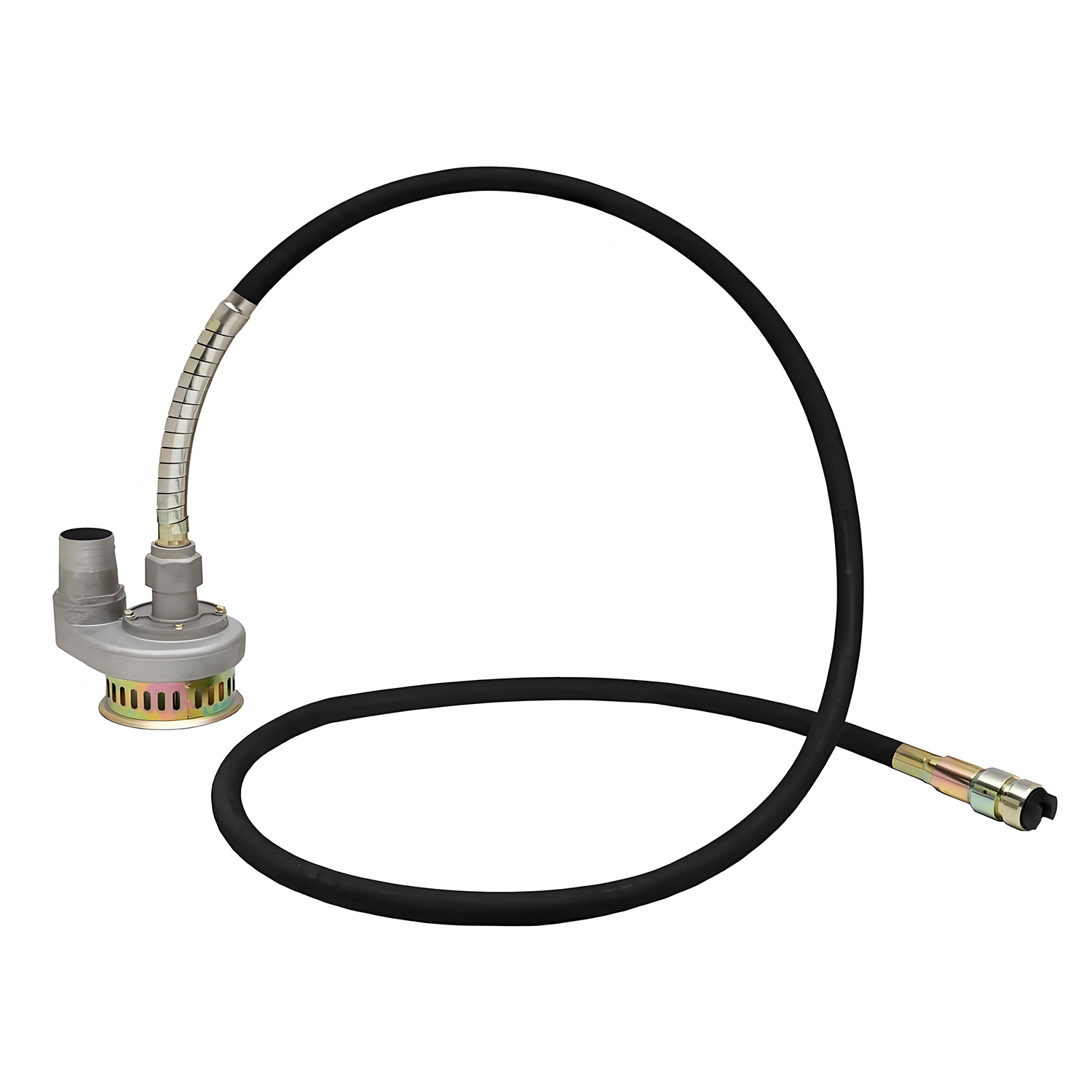 Submersible Pump
 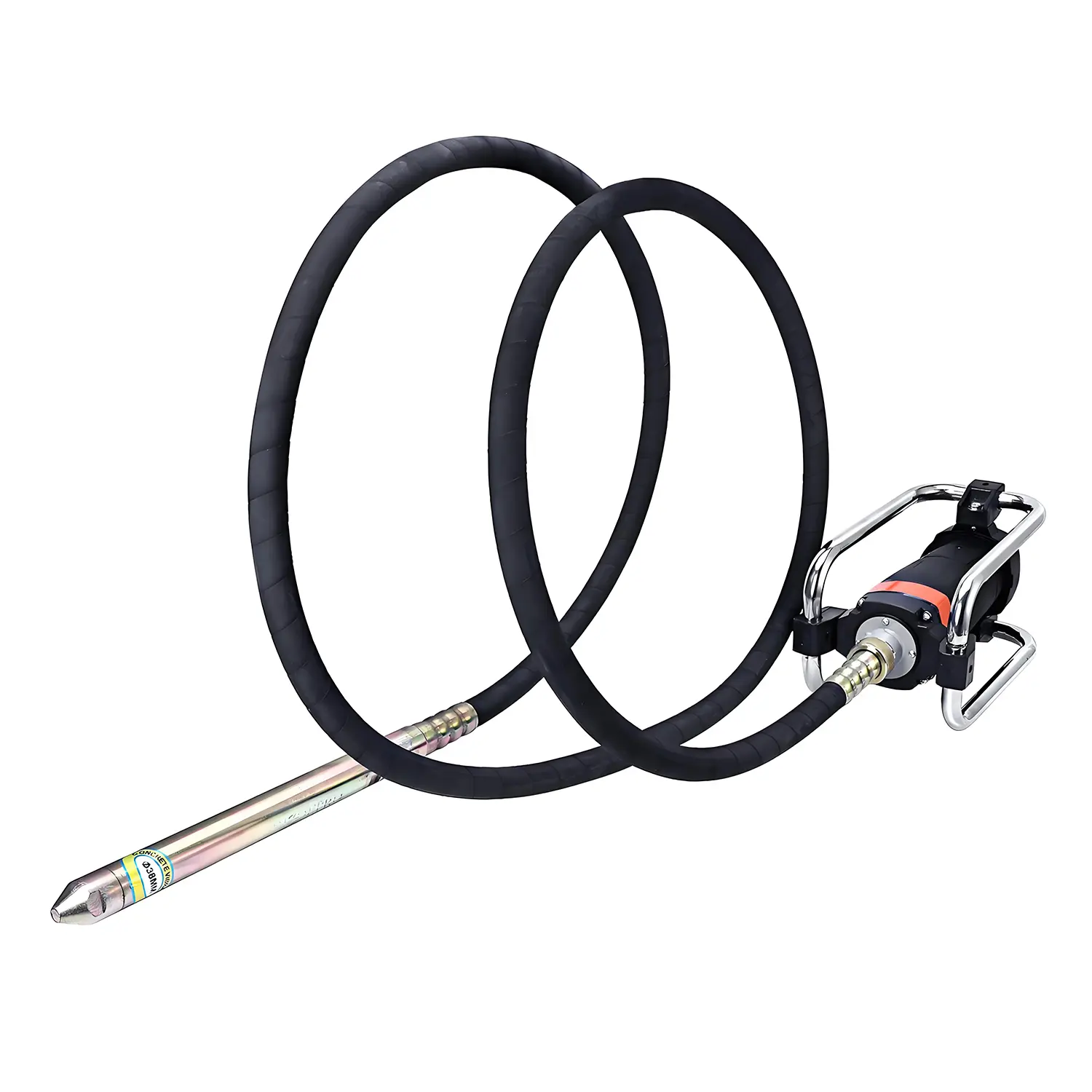 Eccentric shaft
 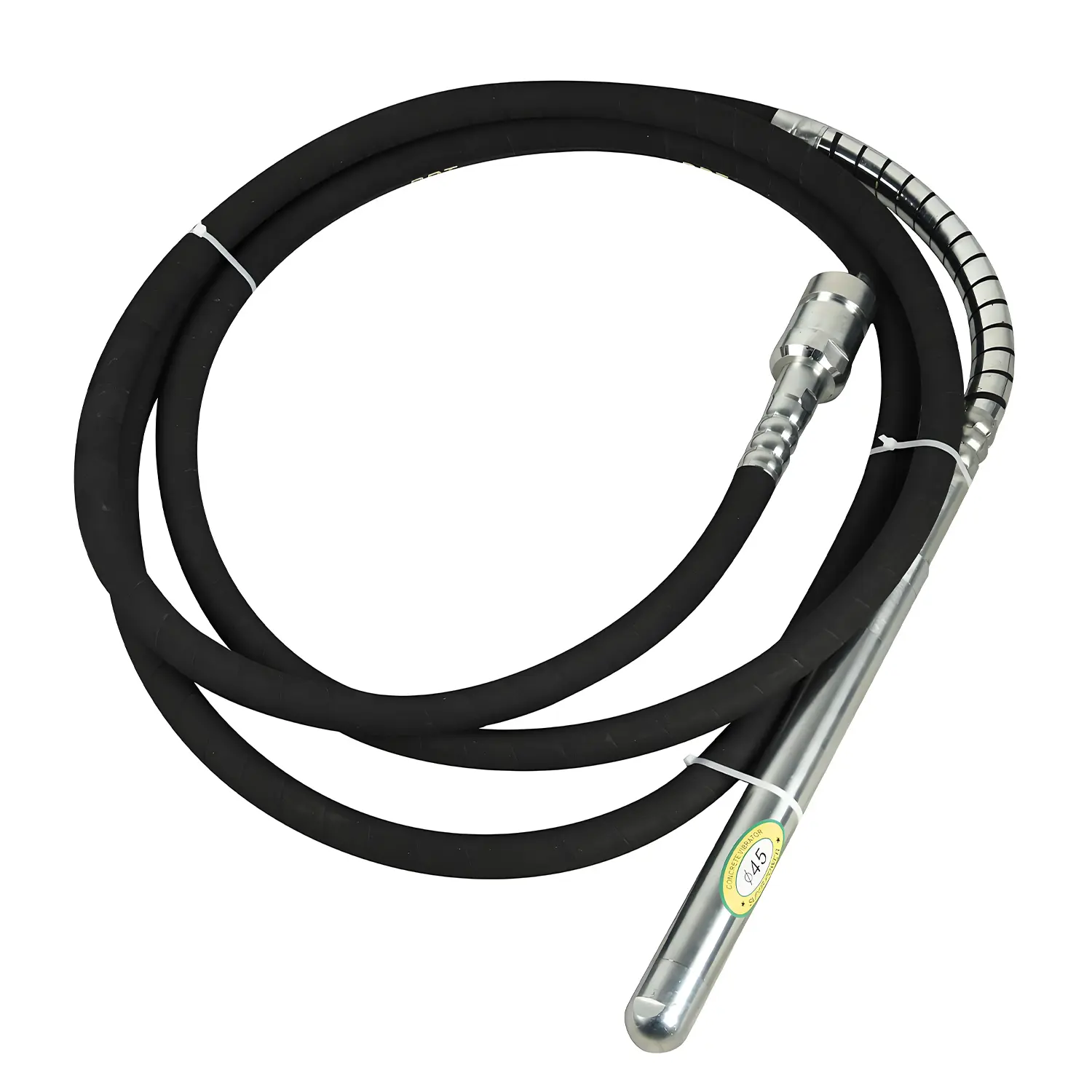 Pendulum shaft
 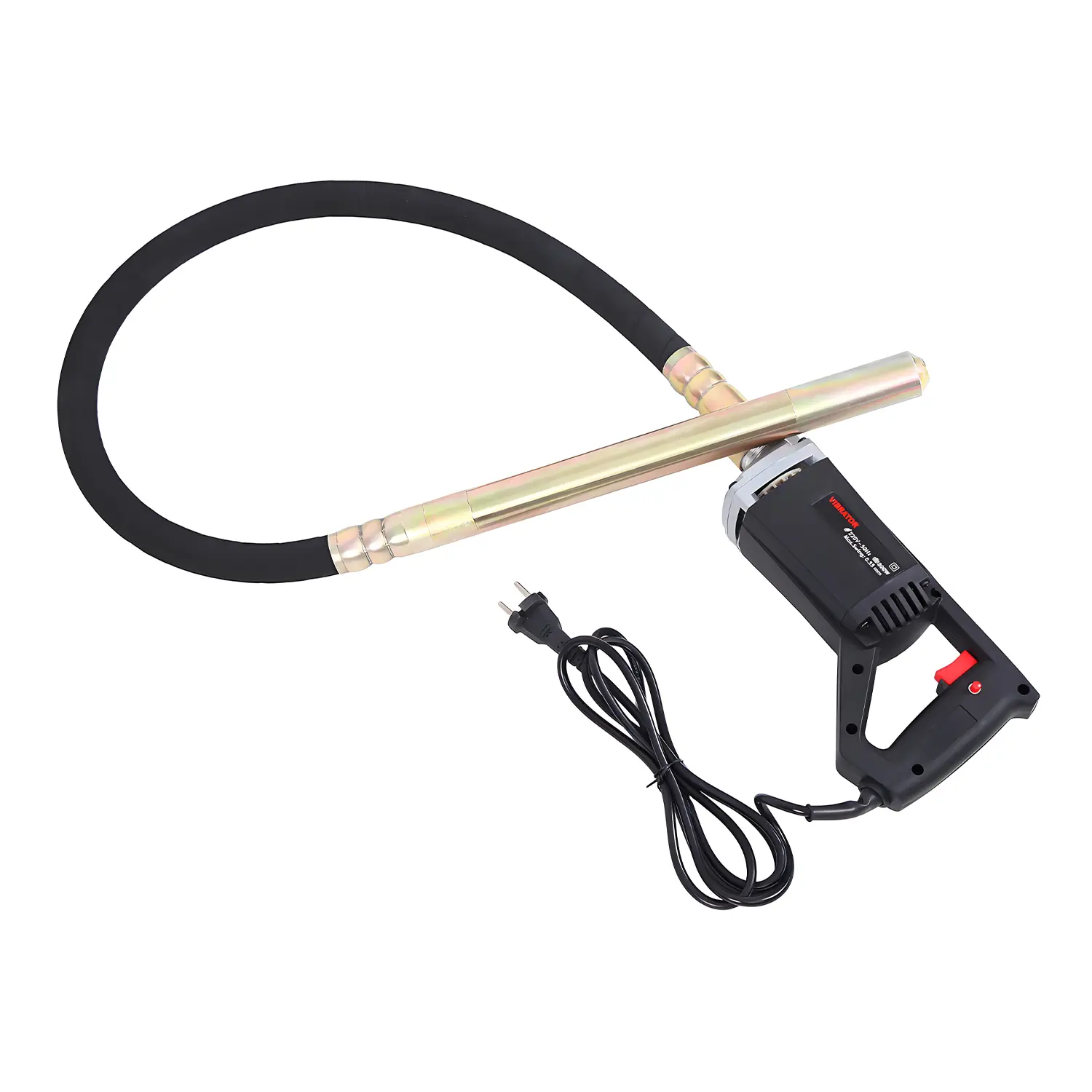 Portable vbrator shaft
 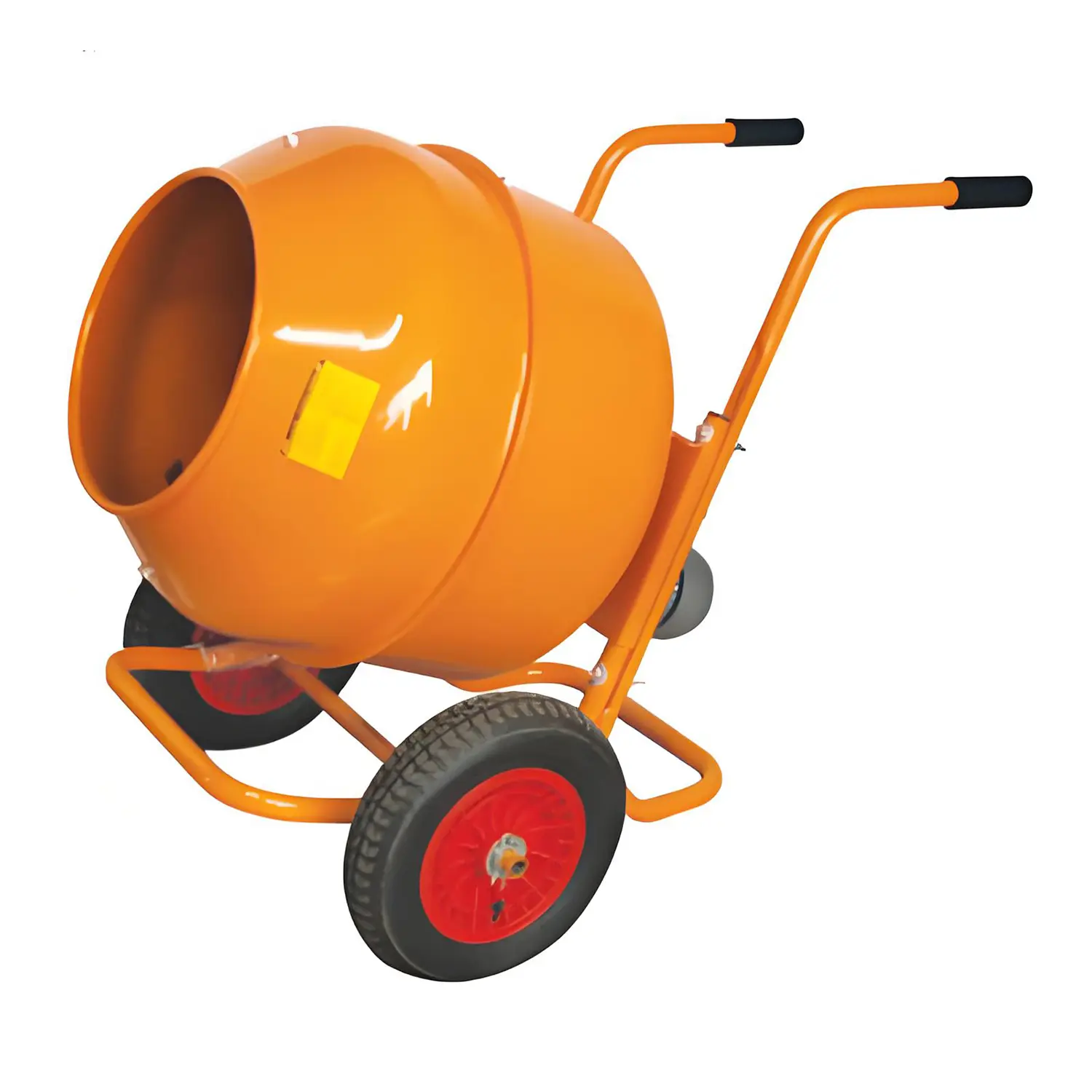 Portable concrete mixer
 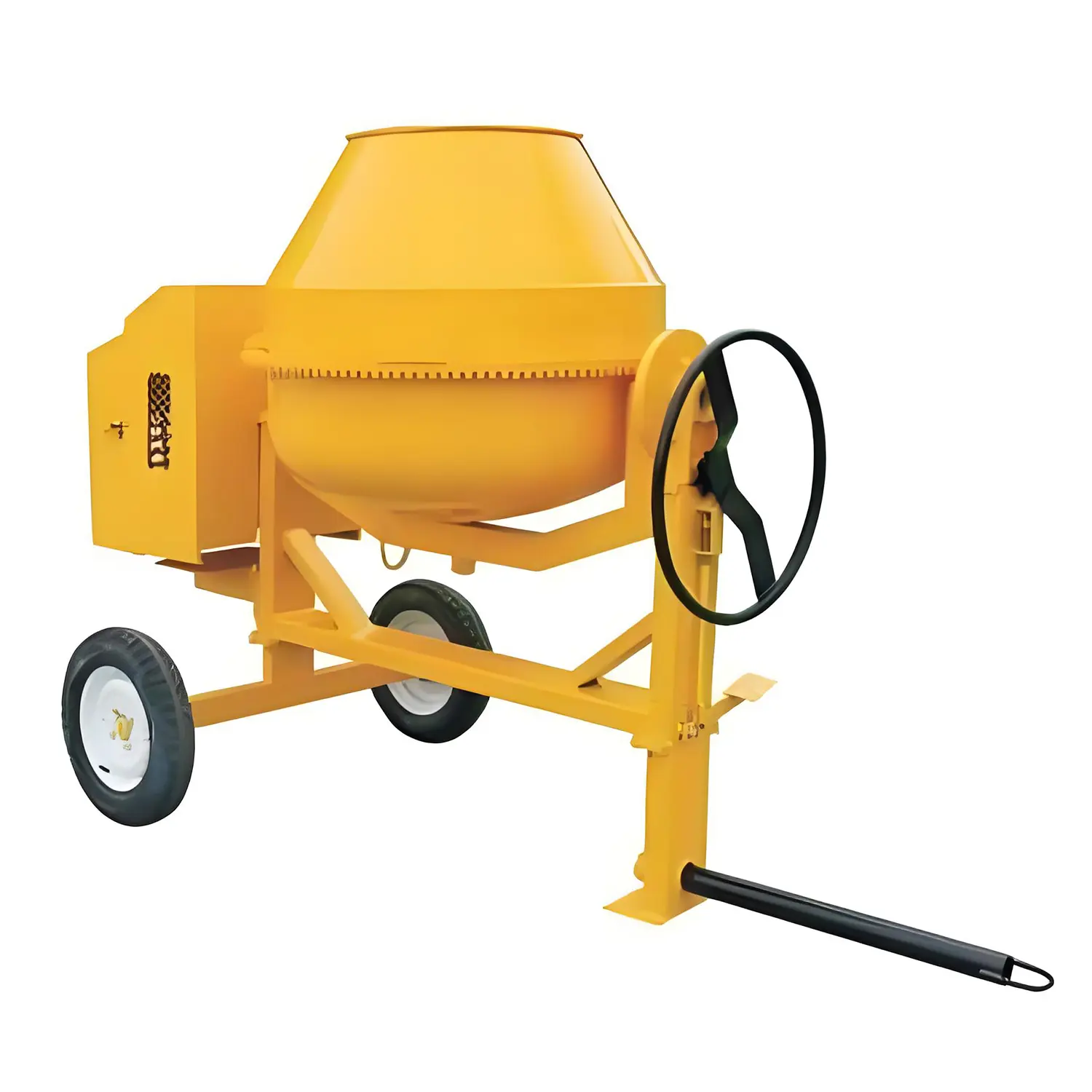 Vertical concrete mixer
 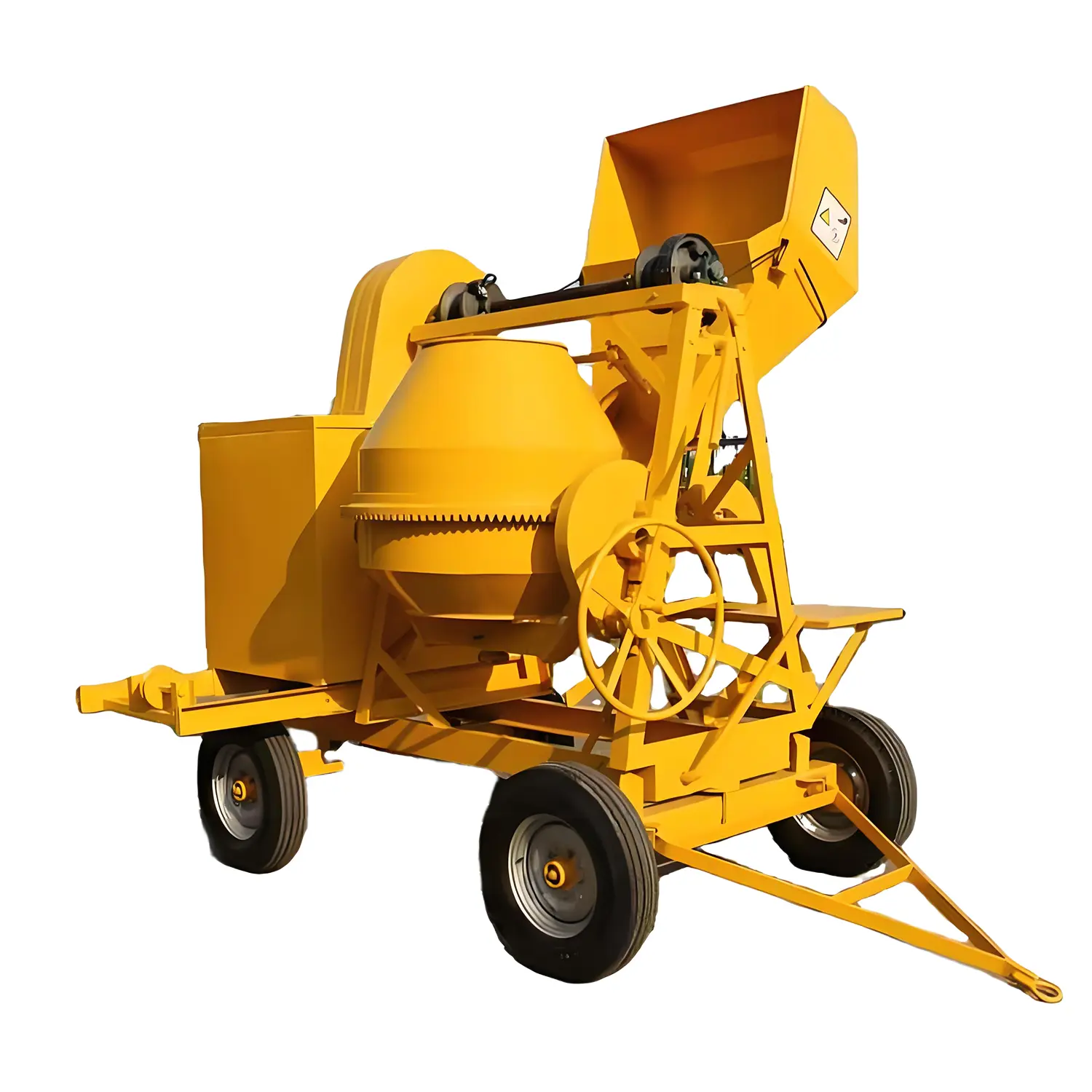 Hydraulic concrete mixer
 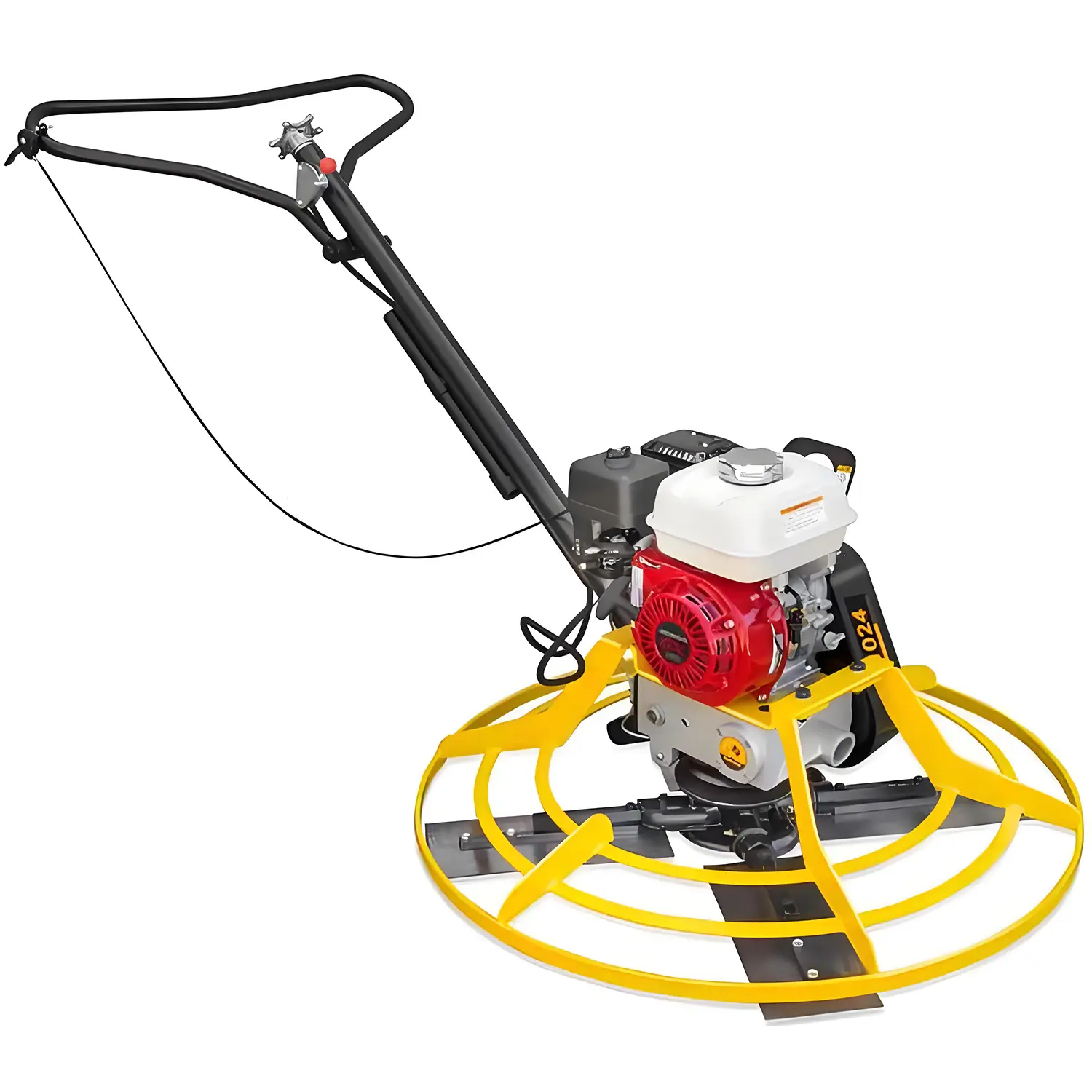 Walk behind power trowel
 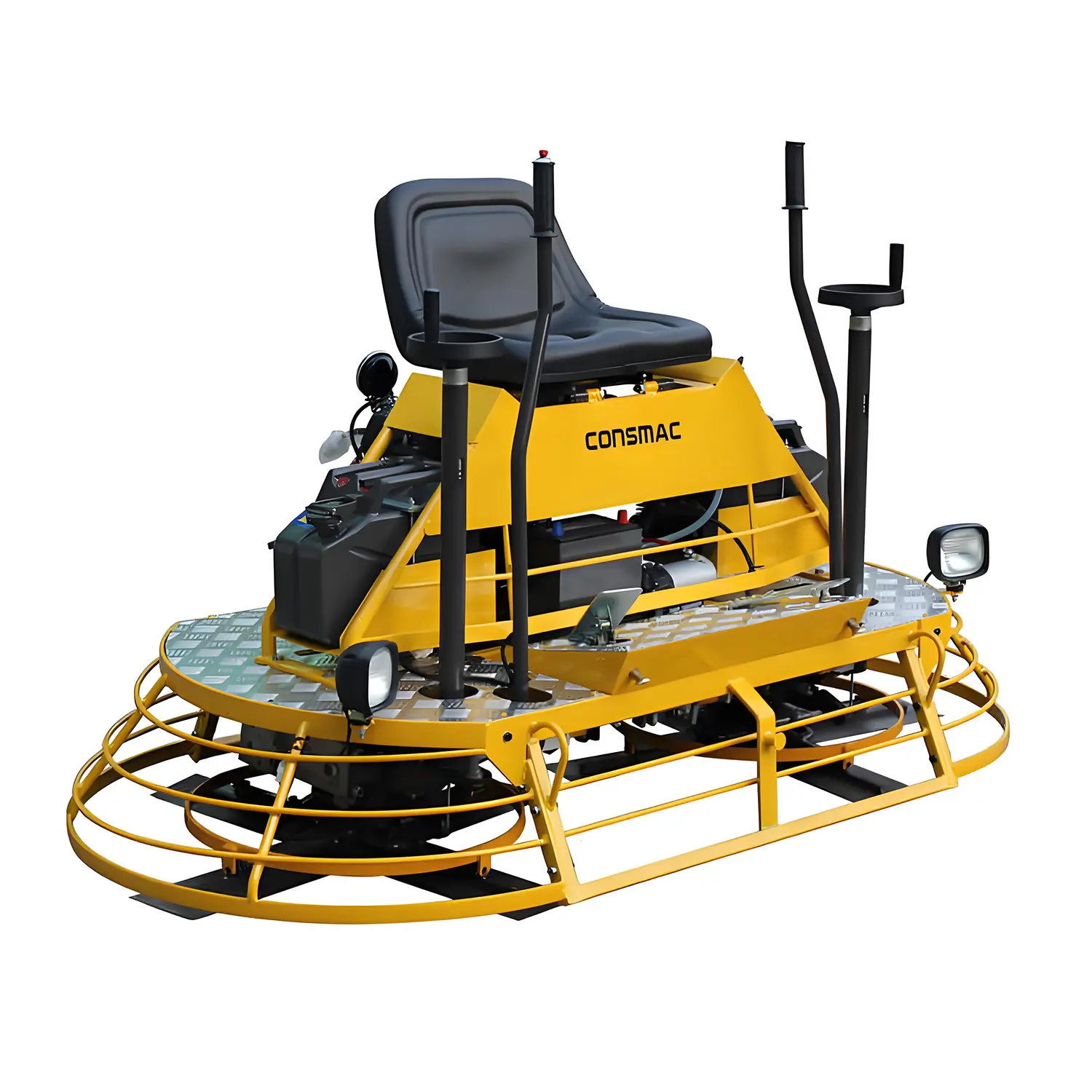 Ride on power trowel
 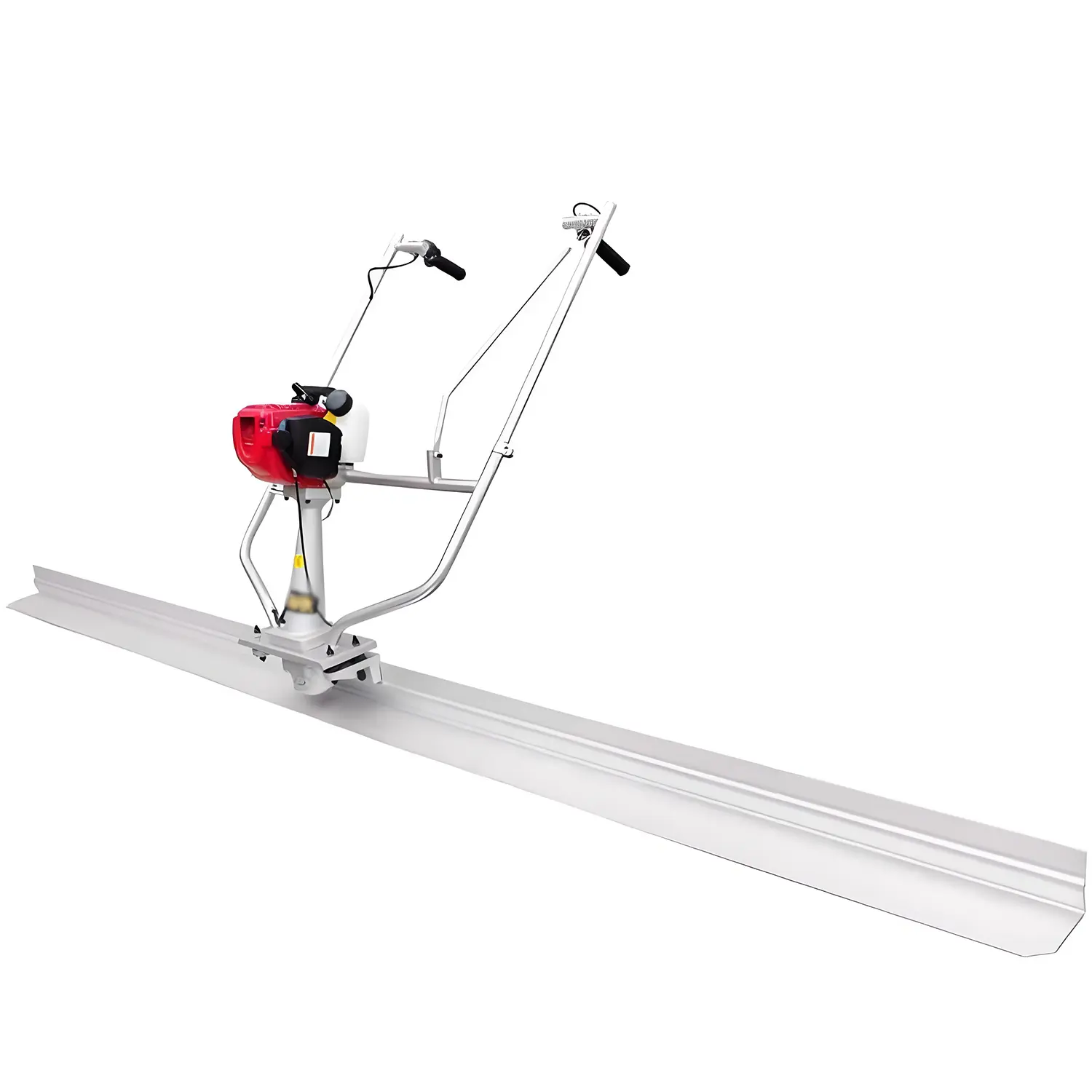 Concrete screed
 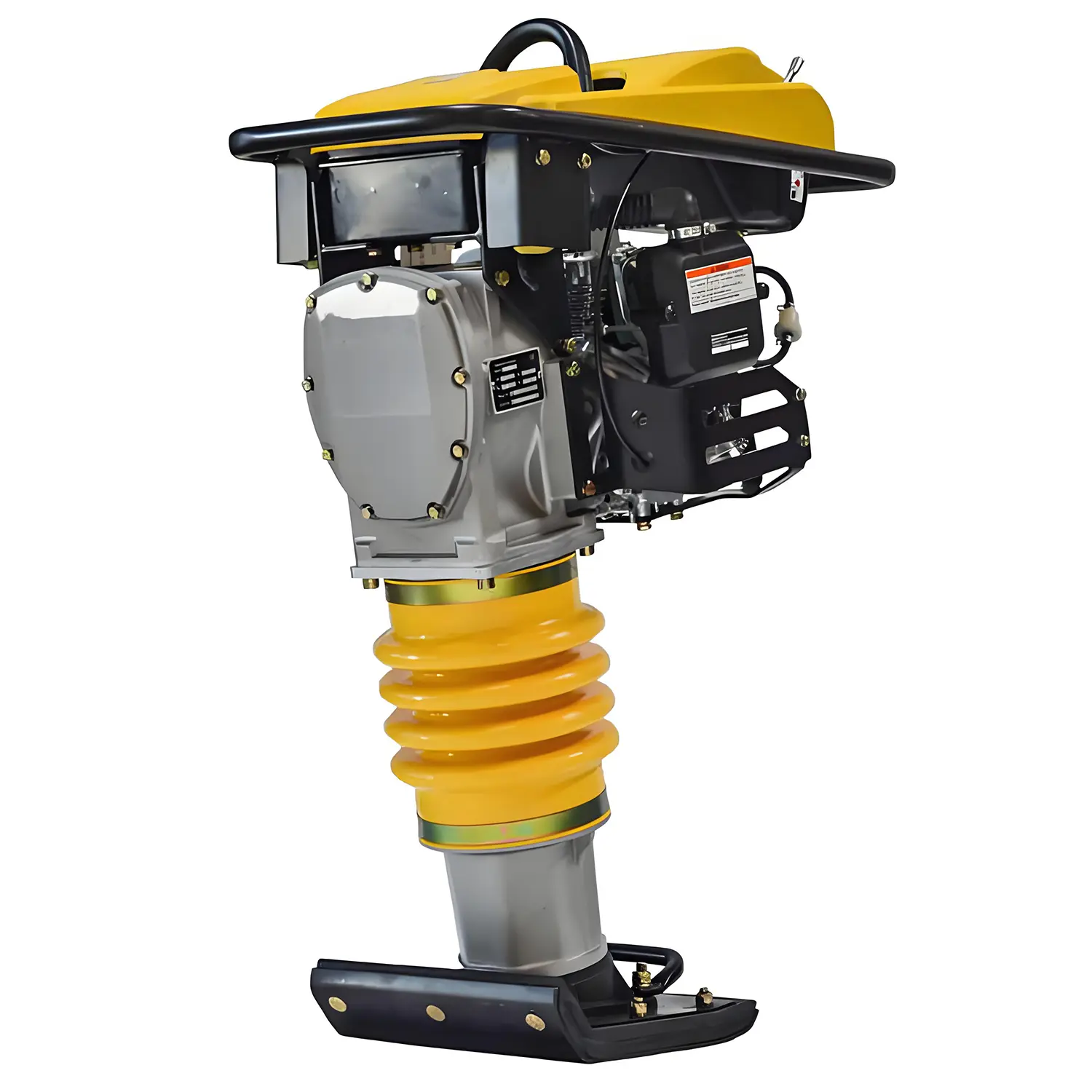 Tamping rammer
 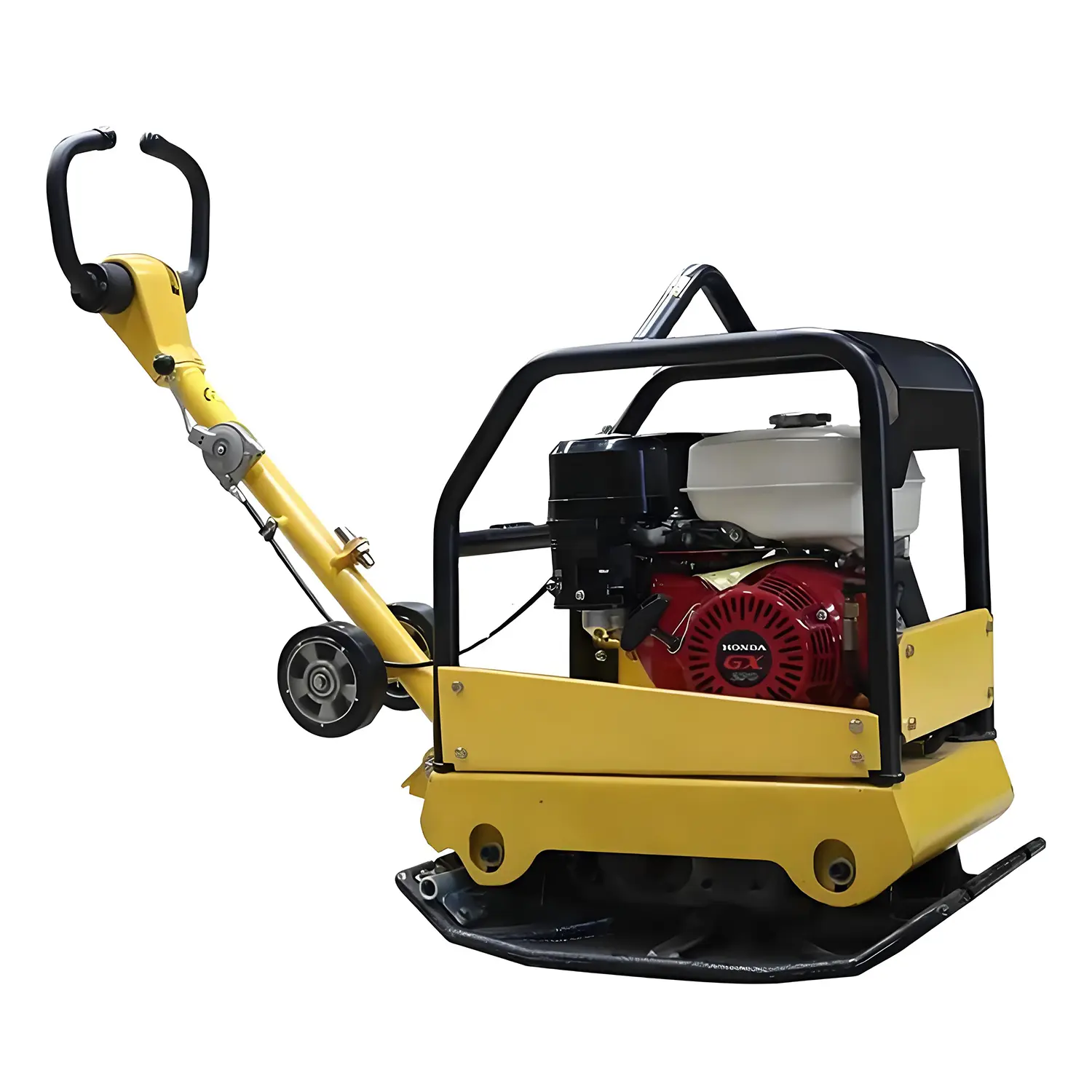 Plate compactor
 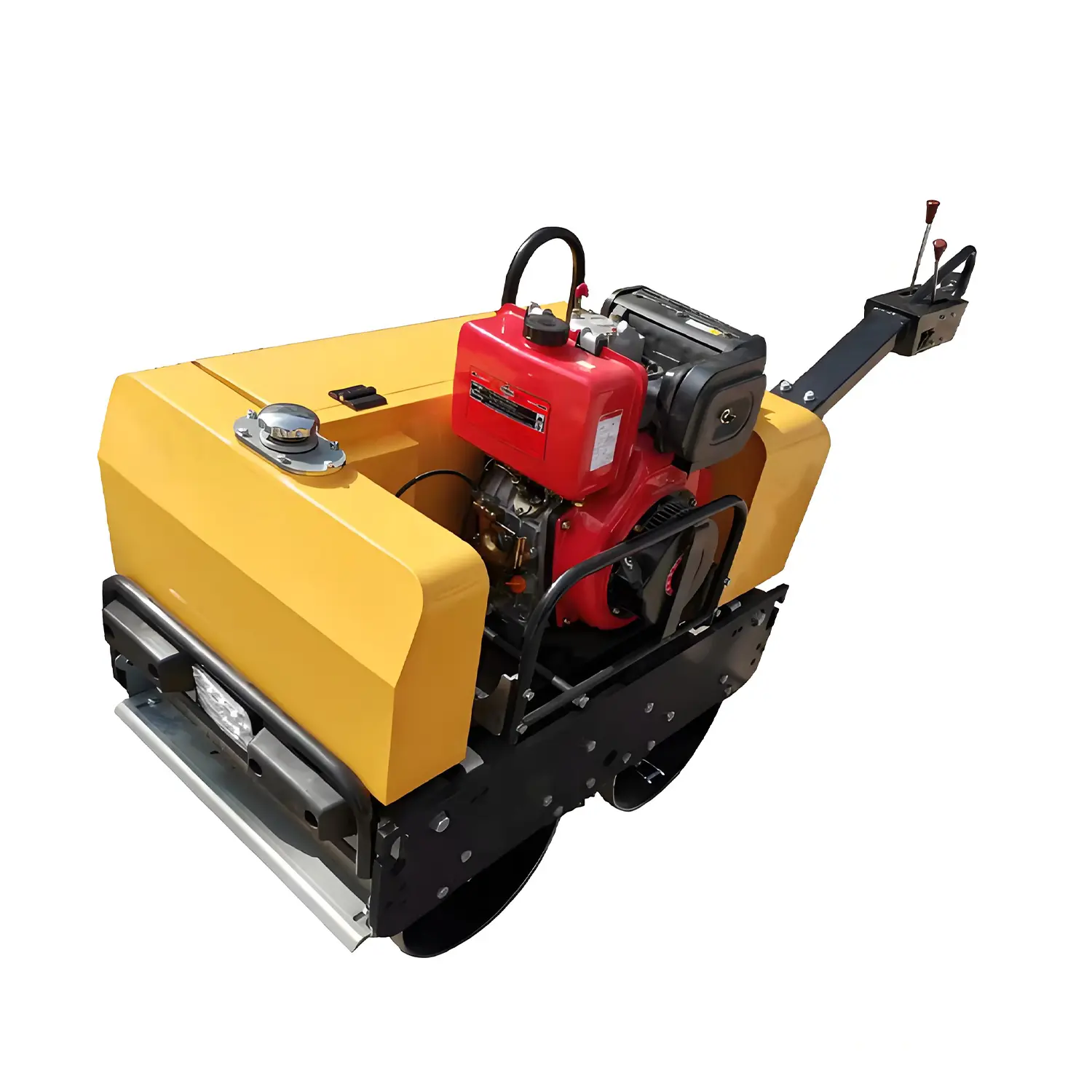 Vibratory roller
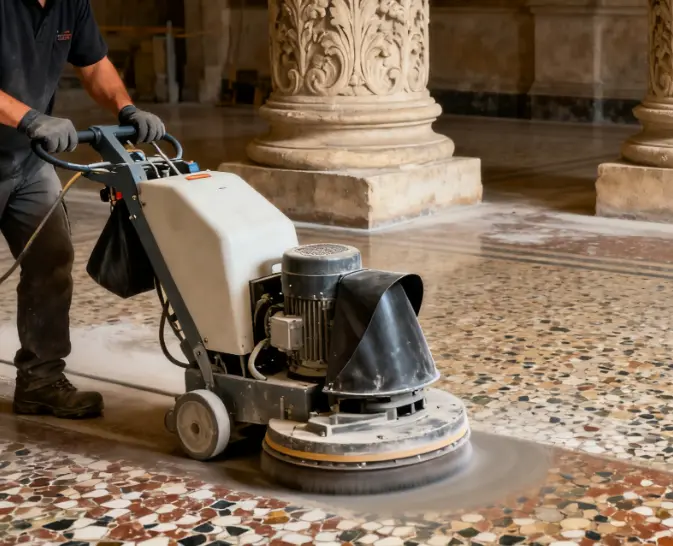
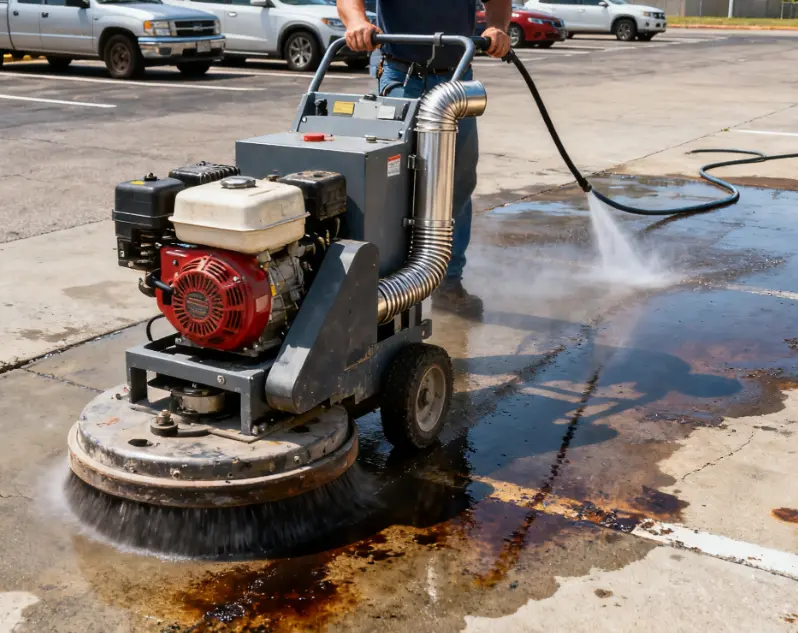

What Surfaces Need a Scarifying Machine? (Concrete, Asphalt, & More)
Scarifying machines play a vital role in improving surfaces. You can use them to enhance the performance and longevity of materials like concrete and asphalt. By using a scarifying machine, you ensure a smoother and more durable surface. The MAXMACH machine offers excellent results for your scarification needs.
Key Takeaways
- Scarifying machines improve surfaces like concrete and asphalt by removing imperfections, enhancing performance, and extending longevity.
- Using the MAXMACH machine ensures effective scarification, leading to better adhesion, safety, and aesthetic appeal on various surfaces.
- Always assess the surface condition and choose the right equipment before scarifying to achieve optimal results and maintain safety.
Concrete Surfaces
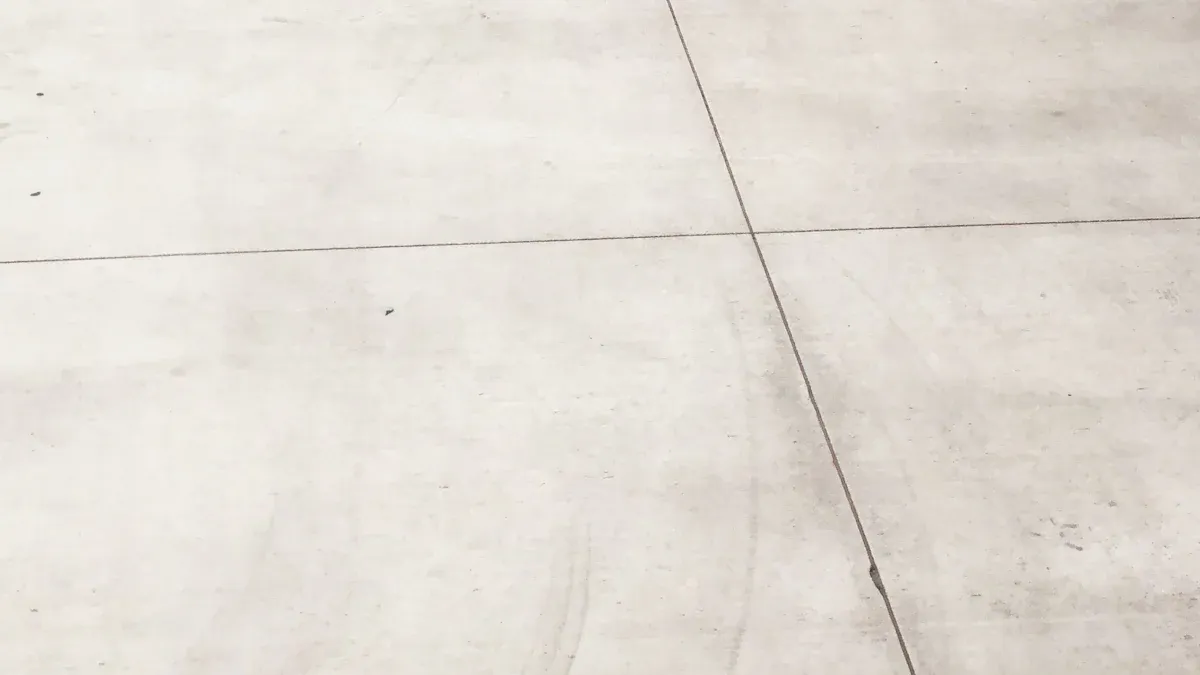
Characteristics of Concrete
Concrete is a widely used construction material. It consists of cement, water, and aggregates like sand and gravel. This mixture hardens over time, creating a strong and durable surface. You will find concrete in various applications, including driveways, sidewalks, and floors. Its characteristics include:
- Strength: Concrete can withstand heavy loads, making it ideal for structural applications.
- Durability: It resists weathering, erosion, and wear, ensuring a long lifespan.
- Versatility: You can mold concrete into various shapes and finishes, allowing for creative designs.
Benefits of Scarifying Concrete
Scarifying concrete offers several advantages. This process removes surface imperfections and prepares the concrete for further treatments. Here are some key benefits:
- Improved Adhesion: Scarifying creates a rough surface, enhancing the bond between layers. This is crucial when applying sealants or coatings.
- Enhanced Safety: A scarified surface can improve traction, reducing the risk of slips and falls.
- Aesthetic Appeal: You can achieve a more uniform appearance by removing stains and blemishes.
Considerations for Concrete Scarification
Before you start scarifying concrete, consider these important factors:
- Surface Condition: Assess the current state of the concrete. If it has deep cracks or significant damage, repair these issues first.
- Equipment Choice: Select the right scarifying machine for your project. The MAXMACH machine is an excellent option for effective scarification.
- Dust Control: Scarifying generates dust. Use appropriate dust control measures to protect yourself and the environment.
By understanding these aspects, you can effectively scarify concrete surfaces, leading to better results and longer-lasting materials.
Asphalt Surfaces
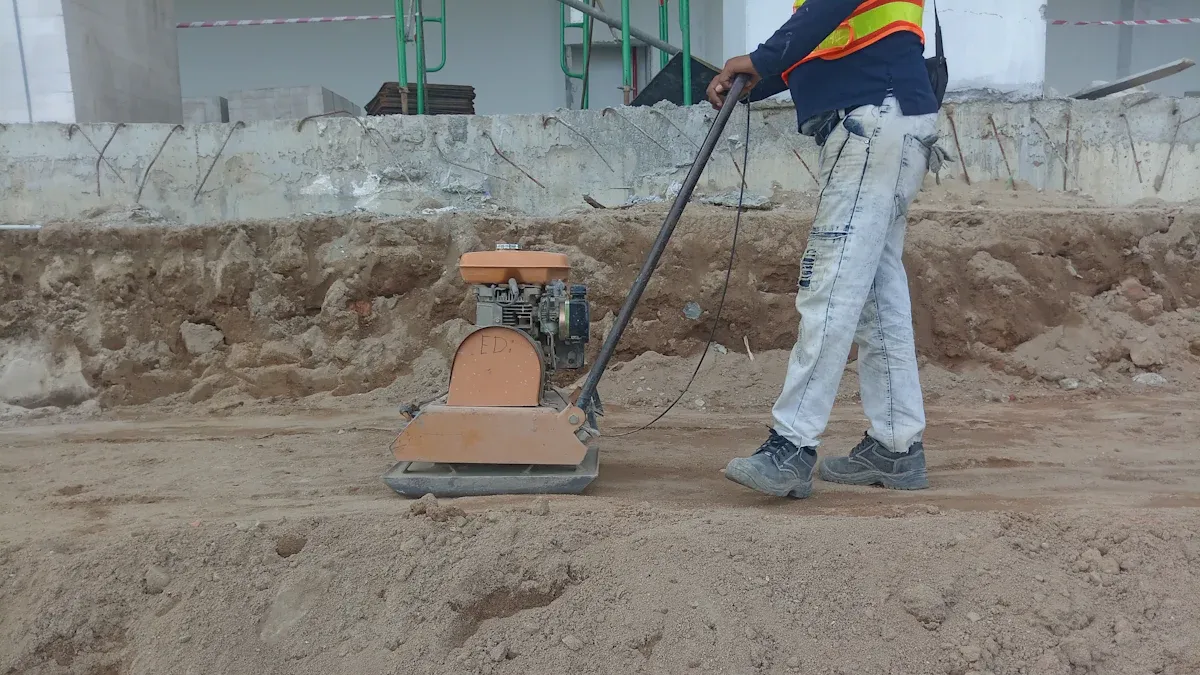
Characteristics of Asphalt
Asphalt is a common material used for paving roads, driveways, and parking lots. It consists of a mixture of aggregates and bitumen, which binds the materials together. Here are some key characteristics of asphalt:
- Flexibility: Asphalt can expand and contract with temperature changes. This flexibility helps it resist cracking.
- Cost-Effective: Compared to other paving materials, asphalt is often more affordable. Its installation and maintenance costs are generally lower.
- Smooth Finish: Asphalt provides a smooth surface, which enhances driving comfort and reduces noise.
Benefits of Scarifying Asphalt
Scarifying asphalt can significantly improve its performance and appearance. Here are some benefits you can expect:
- Surface Preparation: Scarifying removes old sealants, oils, and debris. This prepares the surface for new treatments, ensuring better adhesion.
- Improved Drainage: A scarified surface allows for better water drainage. This reduces the risk of water pooling and extends the lifespan of the asphalt.
- Enhanced Safety: By creating a rougher texture, scarifying improves traction. This can help prevent accidents, especially in wet conditions.
Considerations for Asphalt Scarification
Before you begin scarifying asphalt, keep these considerations in mind:
- Surface Condition: Inspect the asphalt for cracks or damage. Repair any significant issues before scarifying to achieve the best results.
- Equipment Selection: Choose the right scarifying machine for your project. The MAXMACH machine is a reliable option that delivers effective results.
- Timing: Weather conditions can affect the scarification process. Avoid working during extreme temperatures or heavy rain to ensure optimal results.
By understanding these aspects, you can effectively scarify asphalt surfaces, leading to improved performance and longevity.
Other Surfaces
Types of Other Surfaces
Scarifying machines can work on various surfaces beyond concrete and asphalt. Some common types include:
- Wood: Used in decks and flooring, wood surfaces can benefit from scarification to remove old finishes and prepare for refinishing.
- Pavers: Brick or stone pavers often require scarification to eliminate stains and improve surface texture.
Benefits of Scarifying Other Surfaces
Scarifying these surfaces offers unique advantages. For instance:
- Wood: Scarifying wood removes old coatings and prepares the surface for new treatments. This process enhances the wood's appearance and extends its lifespan.
- Pavers: By scarifying pavers, you can improve their grip and remove dirt or moss. This leads to safer walking surfaces and a more appealing look.
Considerations for Scarifying Other Surfaces
When scarifying other surfaces, keep these factors in mind:
- Surface Condition: Always inspect the surface before starting. Look for damage or decay, especially in wood.
- Equipment Choice: Select the right scarifying machine for the job. The MAXMACH machine is versatile and effective for various surfaces.
- Technique: Use the appropriate technique for each surface type. Different materials may require different approaches to achieve the best results.
By understanding these aspects, you can effectively scarify a range of surfaces, leading to improved performance and aesthetics.
MAXMACH Applications
Using MAXMACH on Concrete
When you use the MAXMACH on concrete, you can achieve excellent results. Start by preparing the surface. Remove any debris or loose materials. Next, adjust the machine settings based on the concrete's condition. The MAXMACH effectively removes imperfections and prepares the surface for coatings. You will notice improved adhesion and a smoother finish.
Using MAXMACH on Asphalt
Using the MAXMACH on asphalt is straightforward. Begin by inspecting the surface for cracks or damage. Repair any significant issues before scarifying. Set the machine to the appropriate depth for scarification. The MAXMACH will remove old sealants and debris, enhancing the asphalt's performance. You will also improve drainage and traction, making the surface safer for vehicles and pedestrians.
Using MAXMACH on Other Surfaces
The versatility of the MAXMACH allows you to use it on various surfaces, including wood and pavers. For wood, ensure you remove any old finishes before starting. Adjust the settings to avoid damaging the wood fibers. When working on pavers, focus on removing stains and improving texture. The MAXMACH will help you achieve a clean and safe surface, enhancing the overall appearance.
Scarifying machines play a crucial role in maintaining and enhancing surfaces. You can achieve better results by understanding the specific needs of each surface type. This knowledge leads to longer-lasting materials and improved performance. Invest in scarifying to ensure your surfaces remain safe and visually appealing.
FAQ
What is a scarifying machine used for?
A scarifying machine removes surface imperfections from materials like concrete and asphalt, enhancing their performance and longevity.
How often should I scarify my surfaces?
You should scarify surfaces based on their condition. Regular inspections help determine the right frequency for maintenance.
Can I use a scarifying machine on all surfaces?
Not all surfaces are suitable for scarifying. Always check the material type and condition before using the machine.