
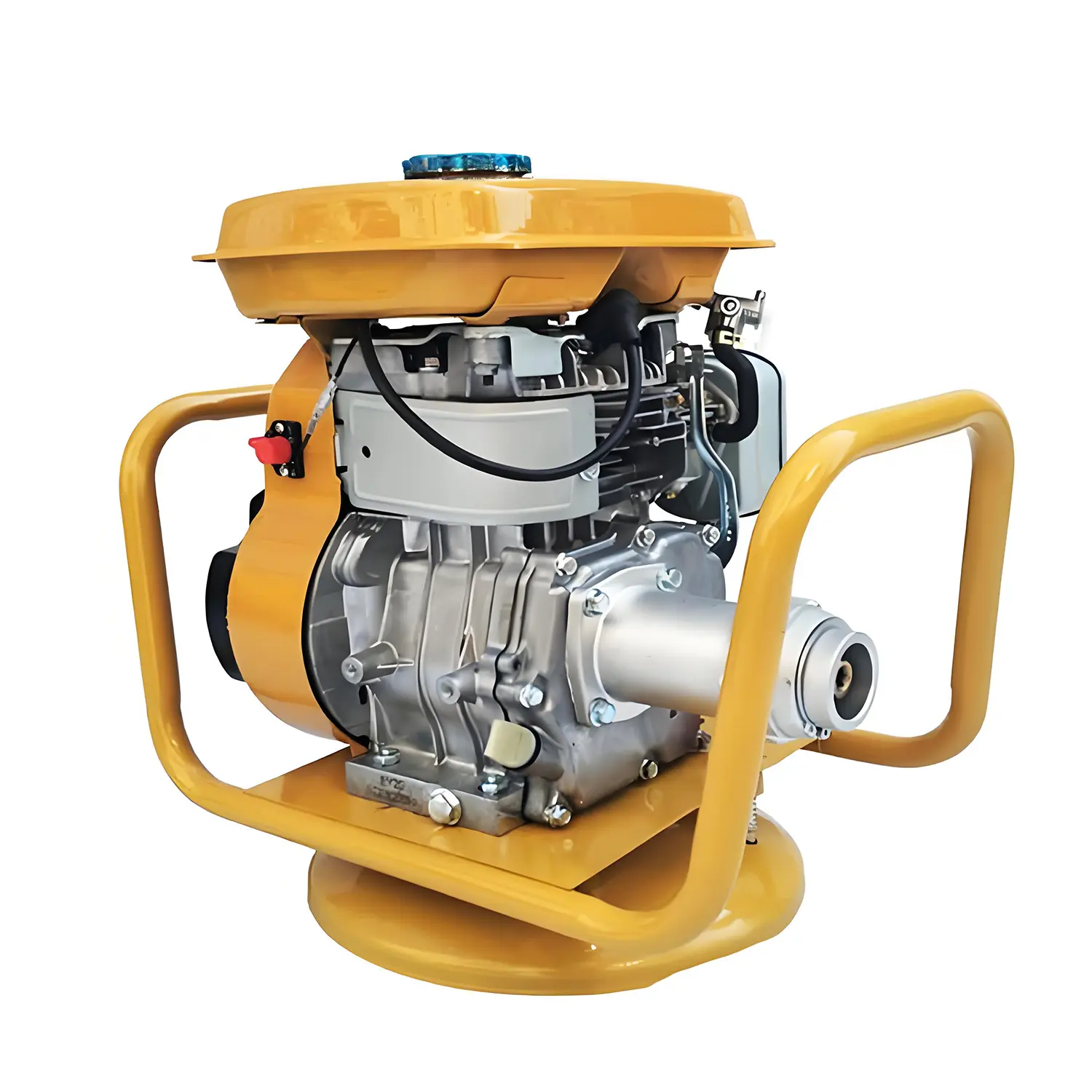
 Internal Vibrator
 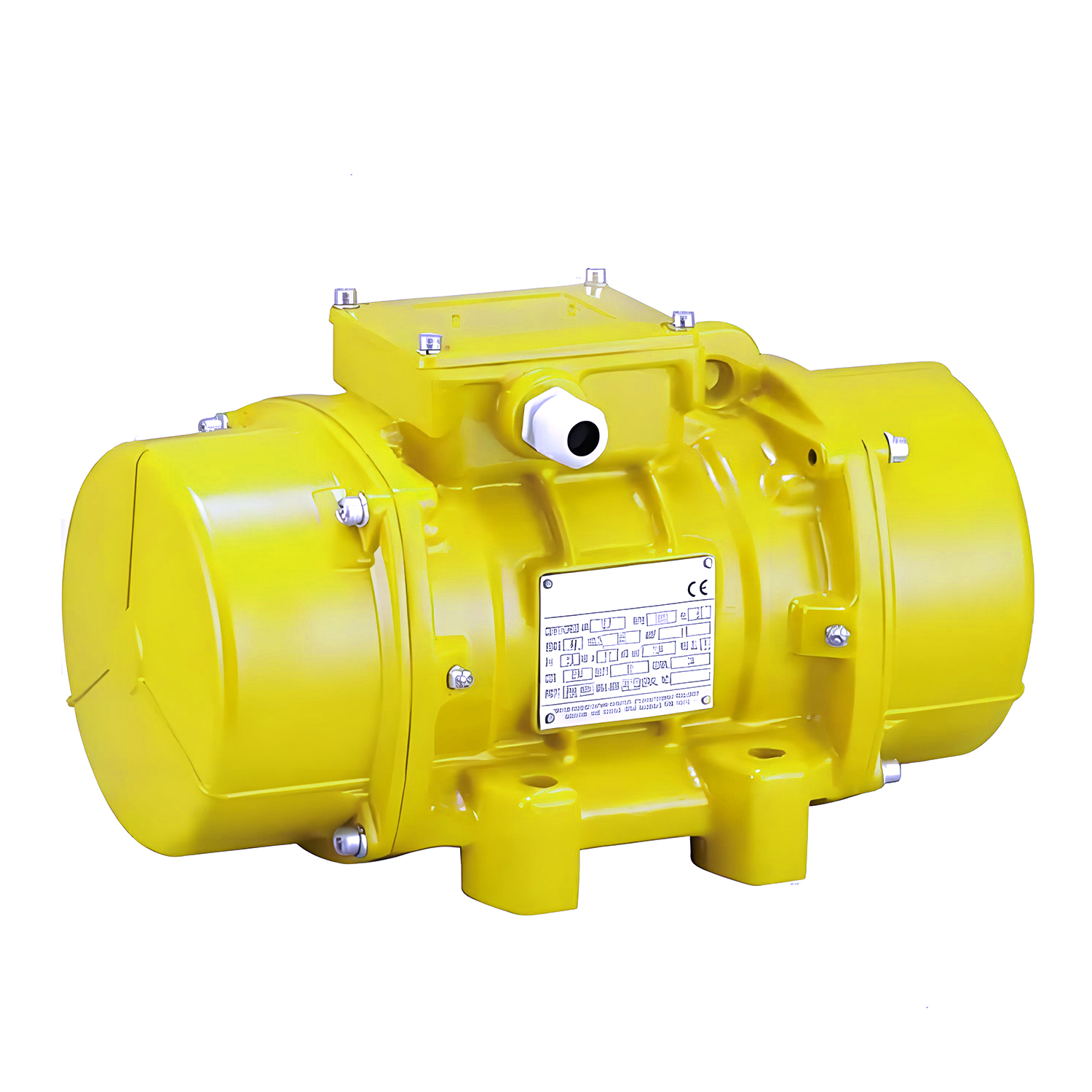 External Vibrator
 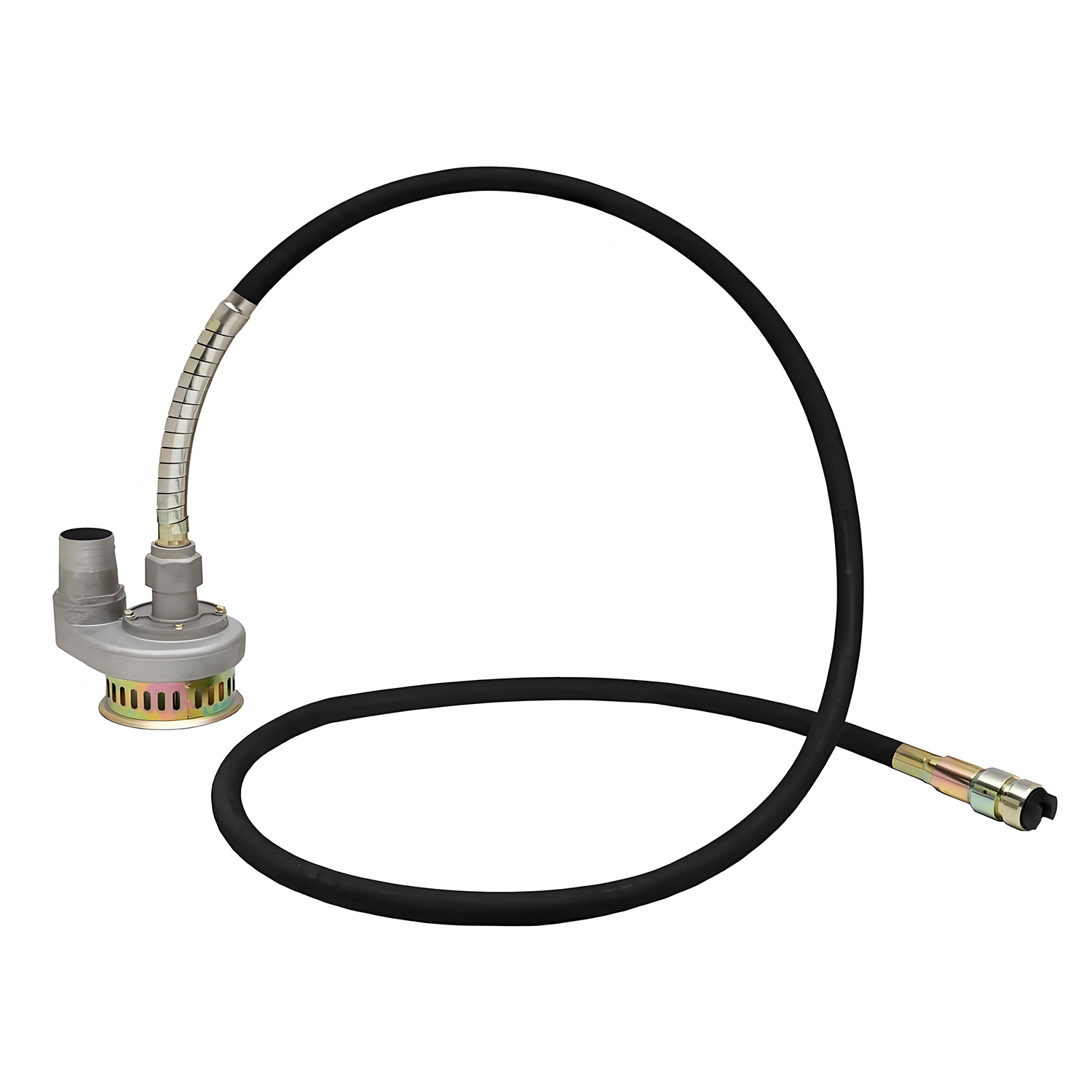 Submersible Pump
 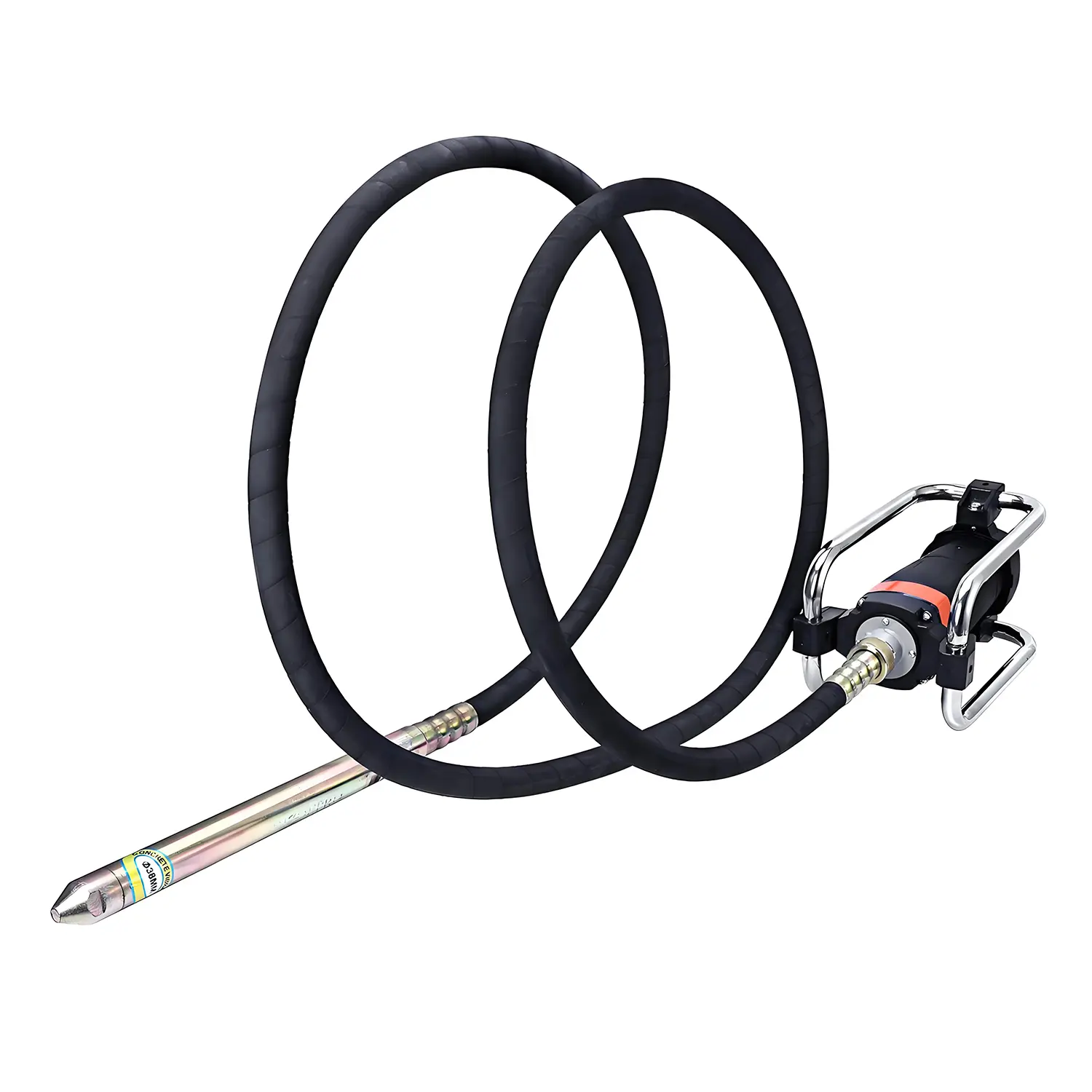 Eccentric shaft
 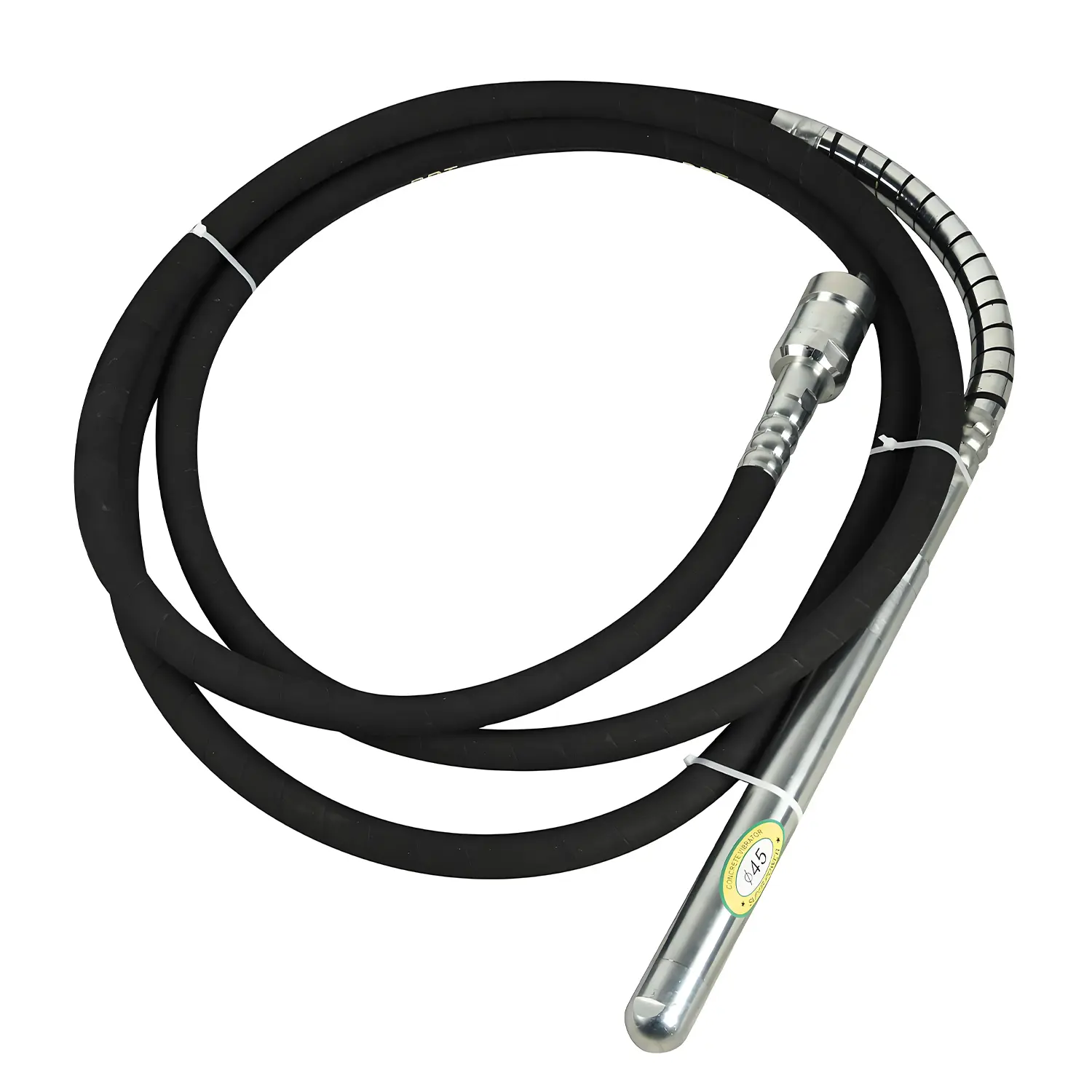 Pendulum shaft
 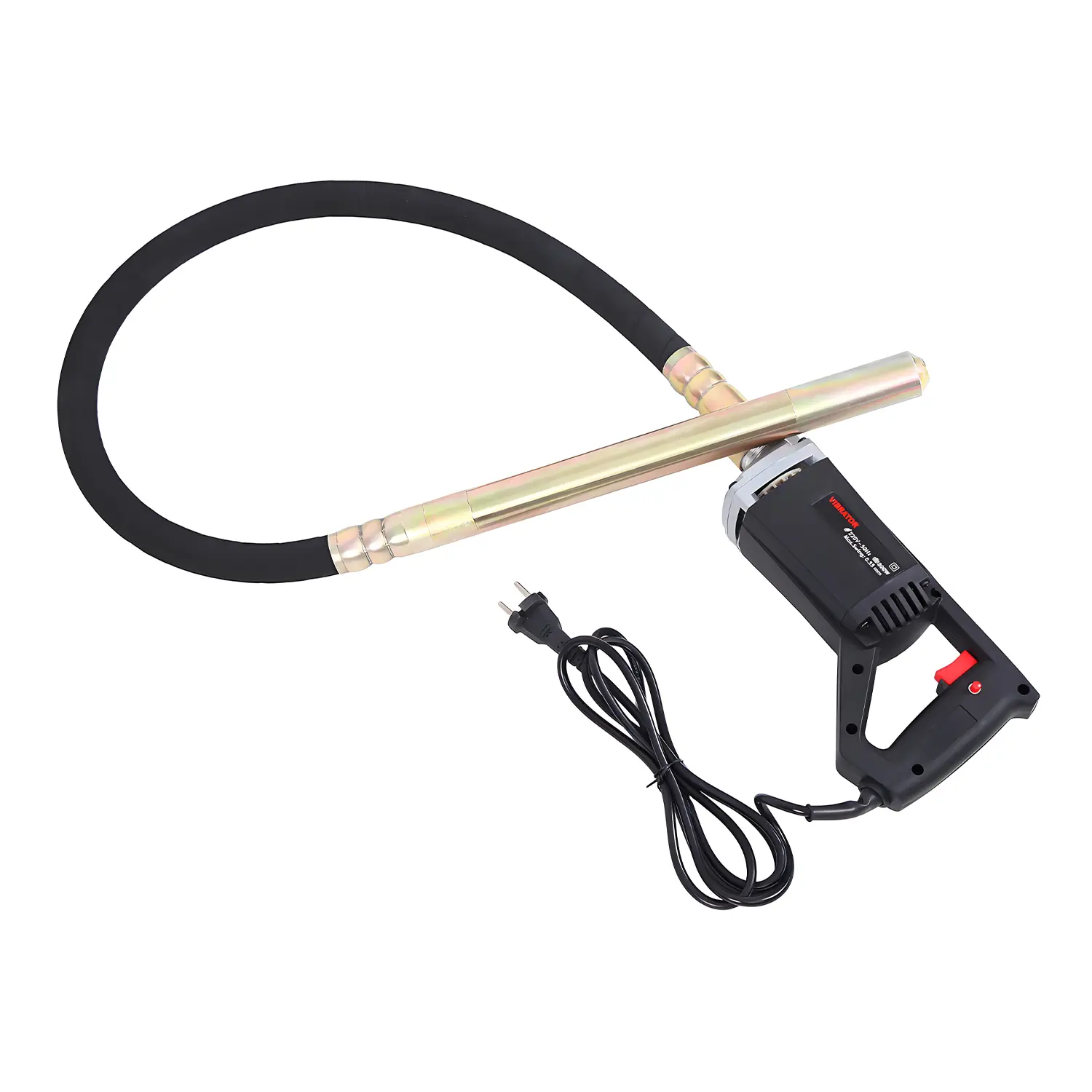 Portable vbrator shaft
 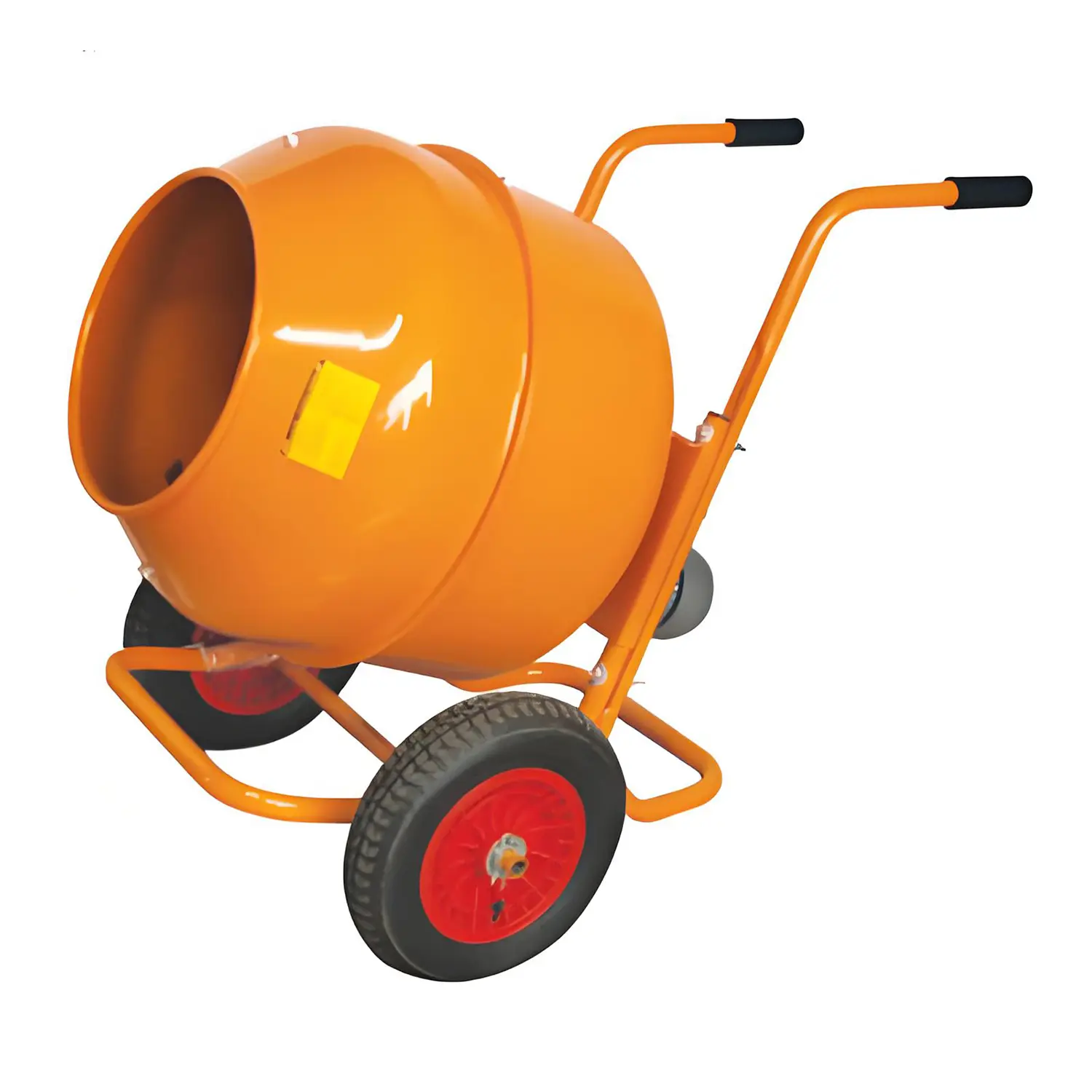 Portable concrete mixer
 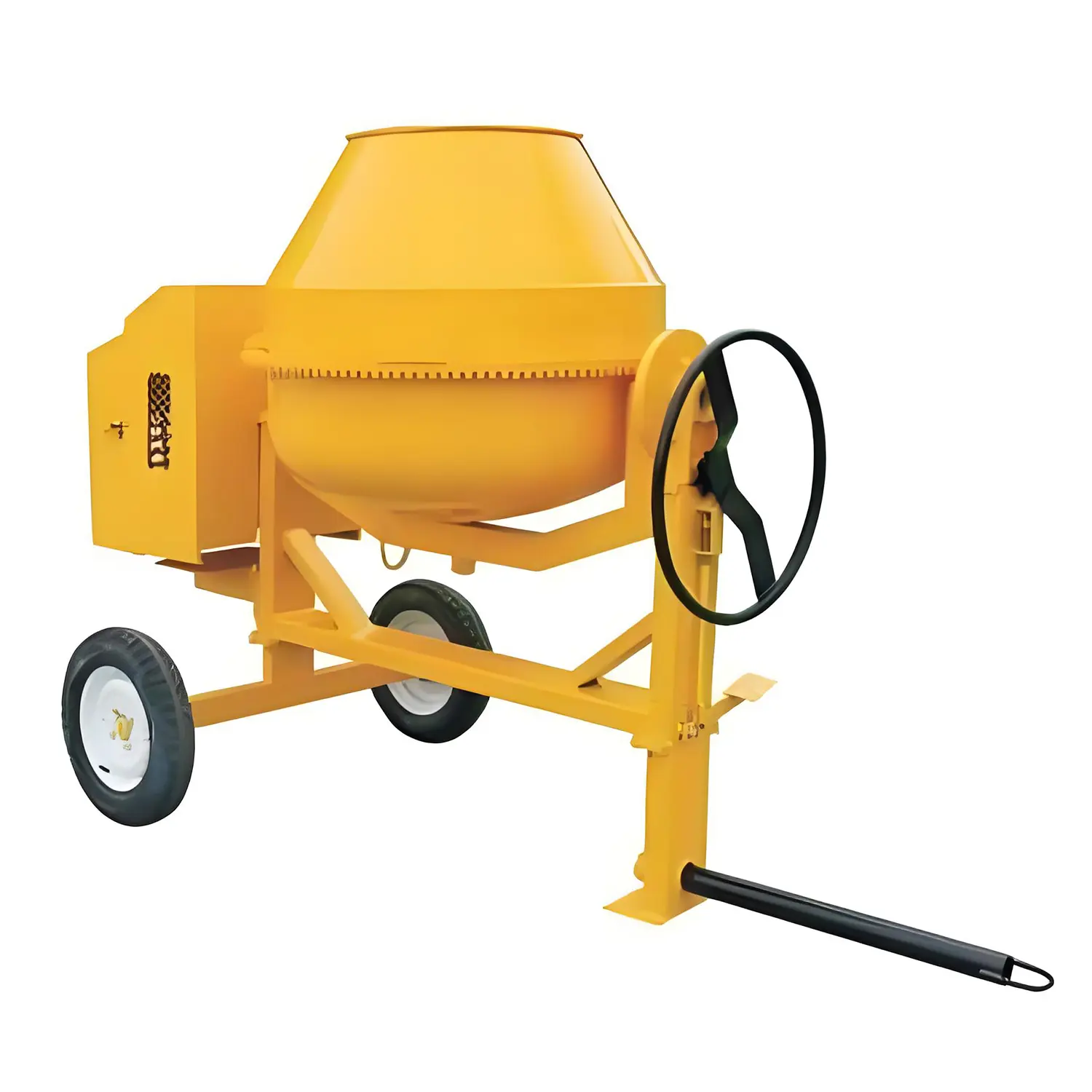 Vertical concrete mixer
 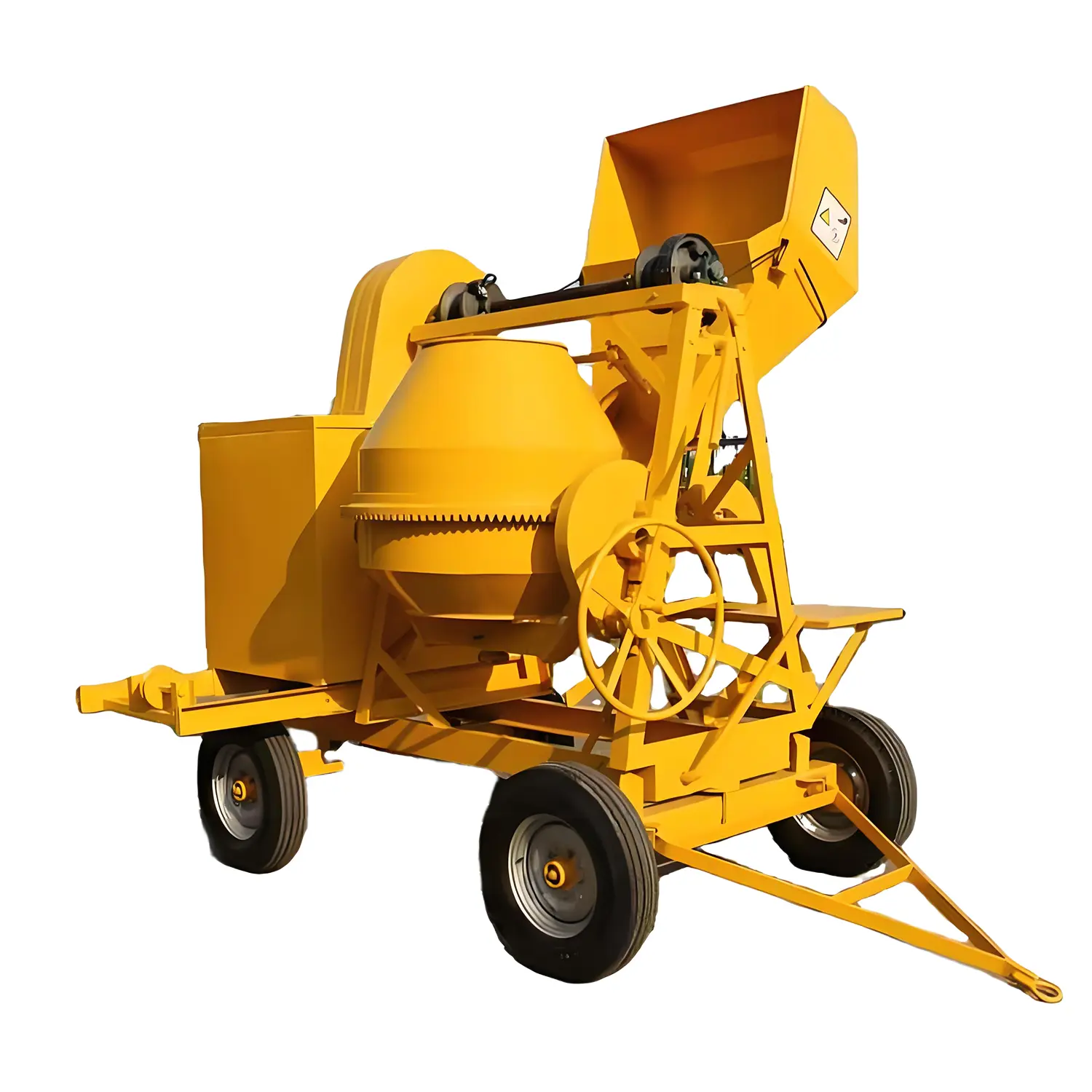 Hydraulic concrete mixer
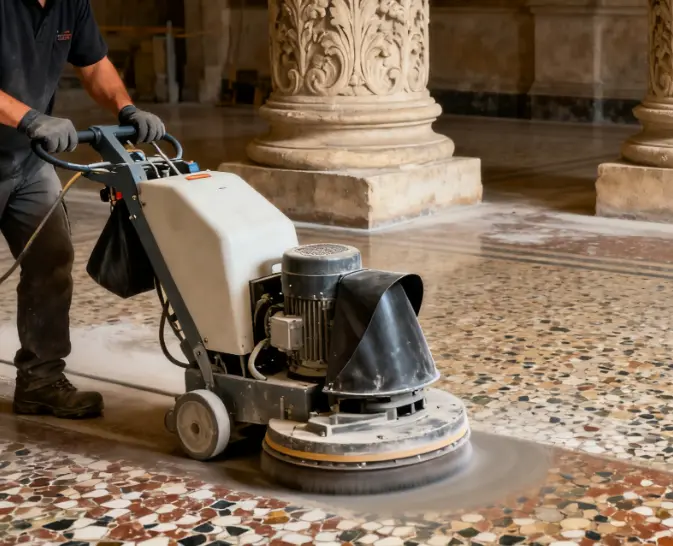
 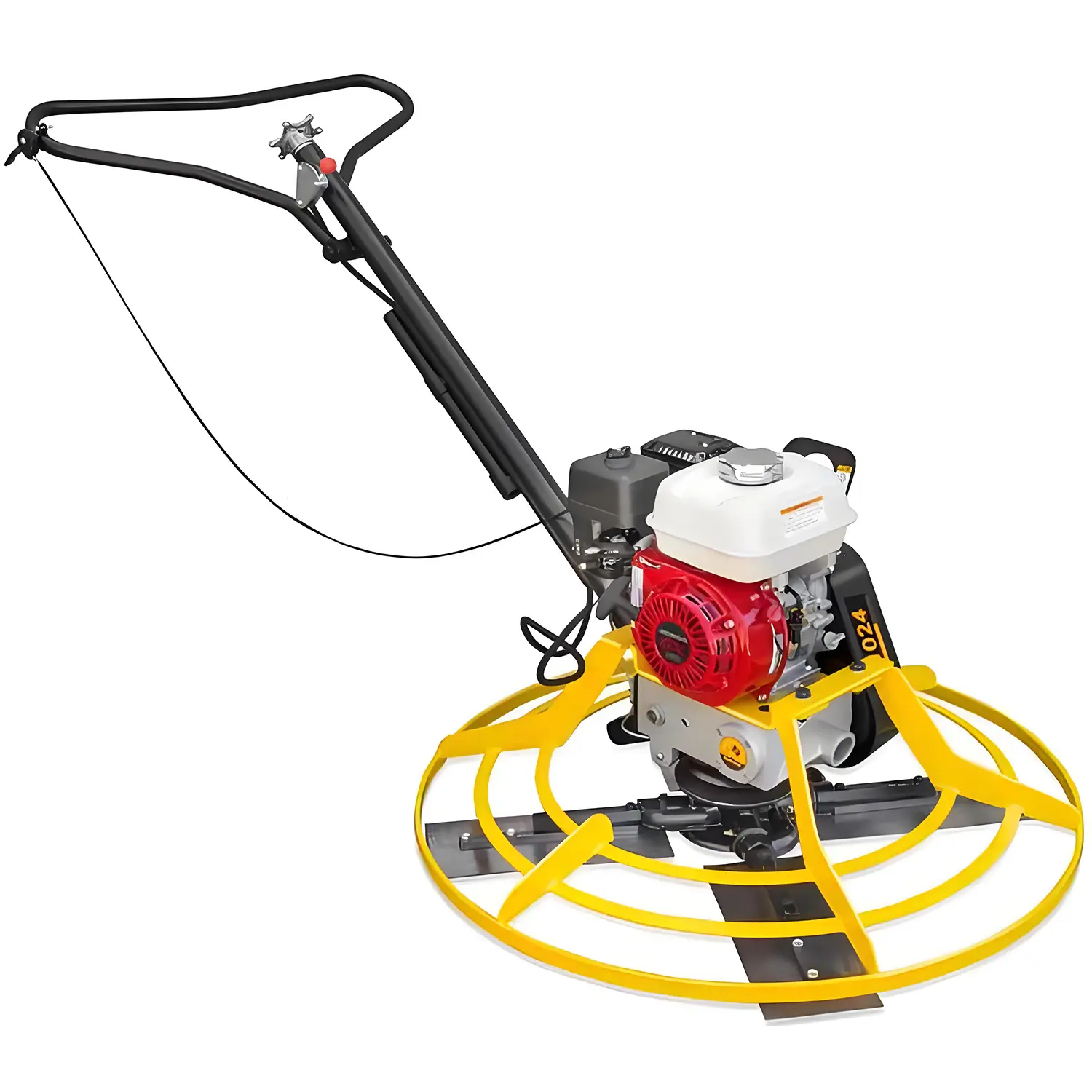 Walk behind power trowel
 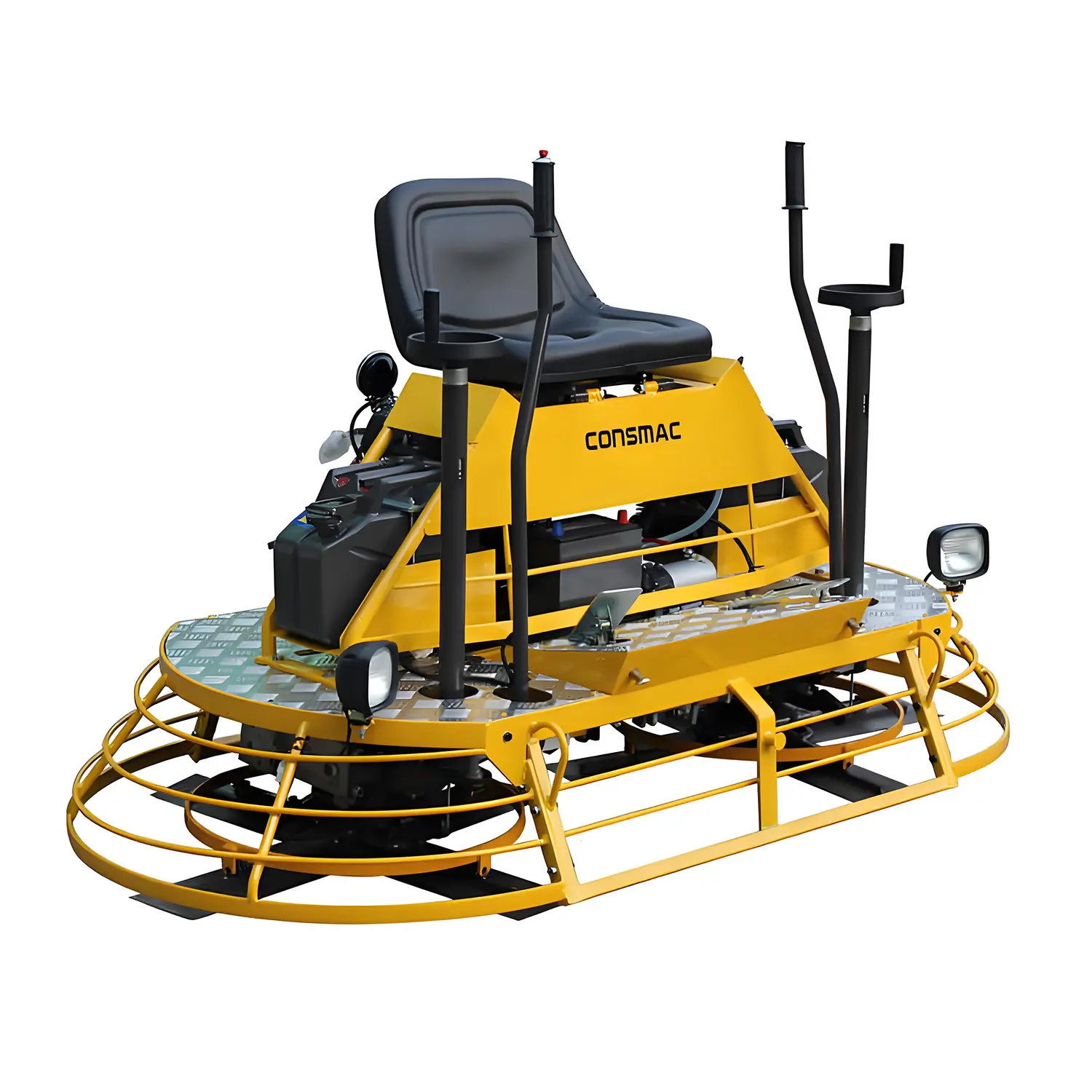 Ride on power trowel
 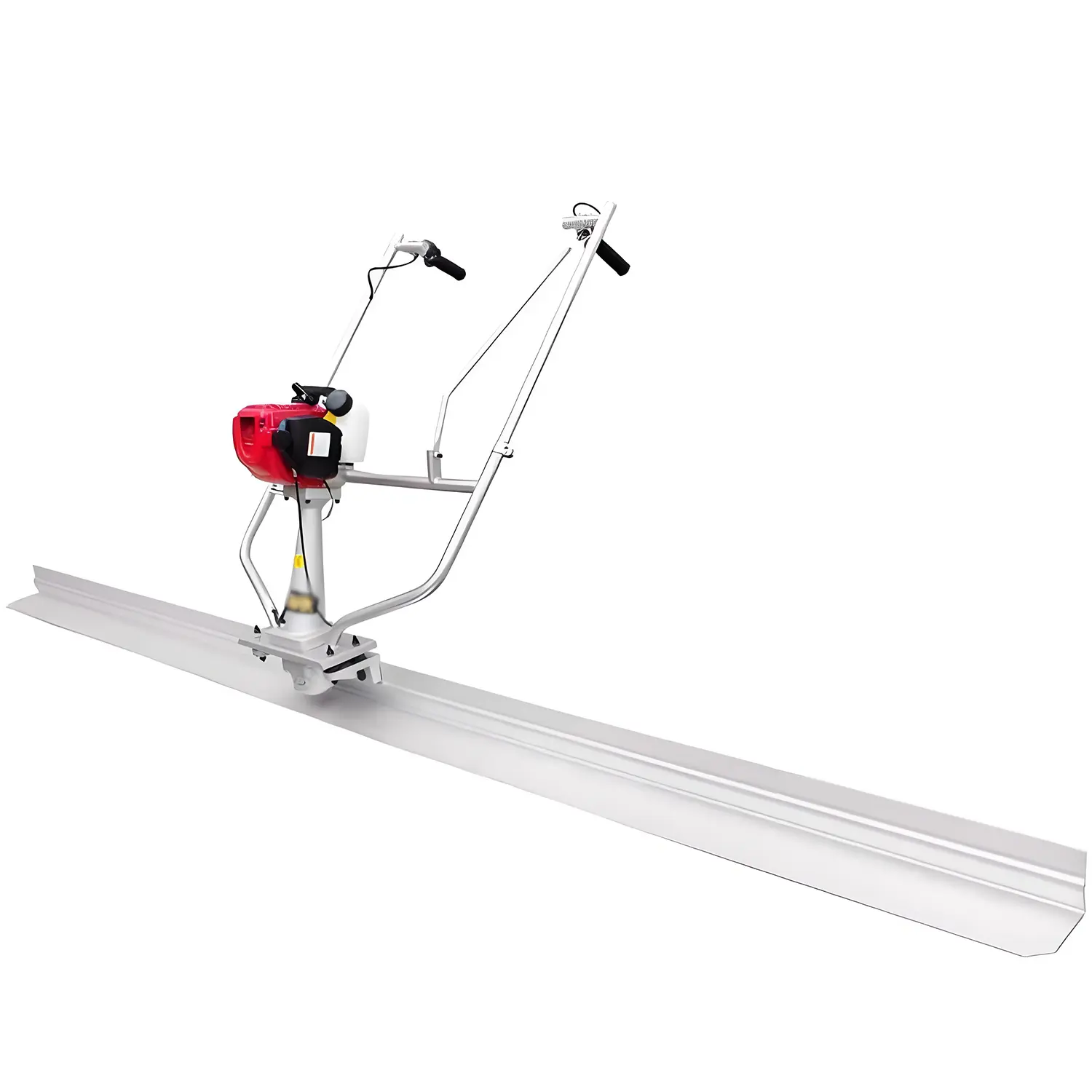 Concrete screed
 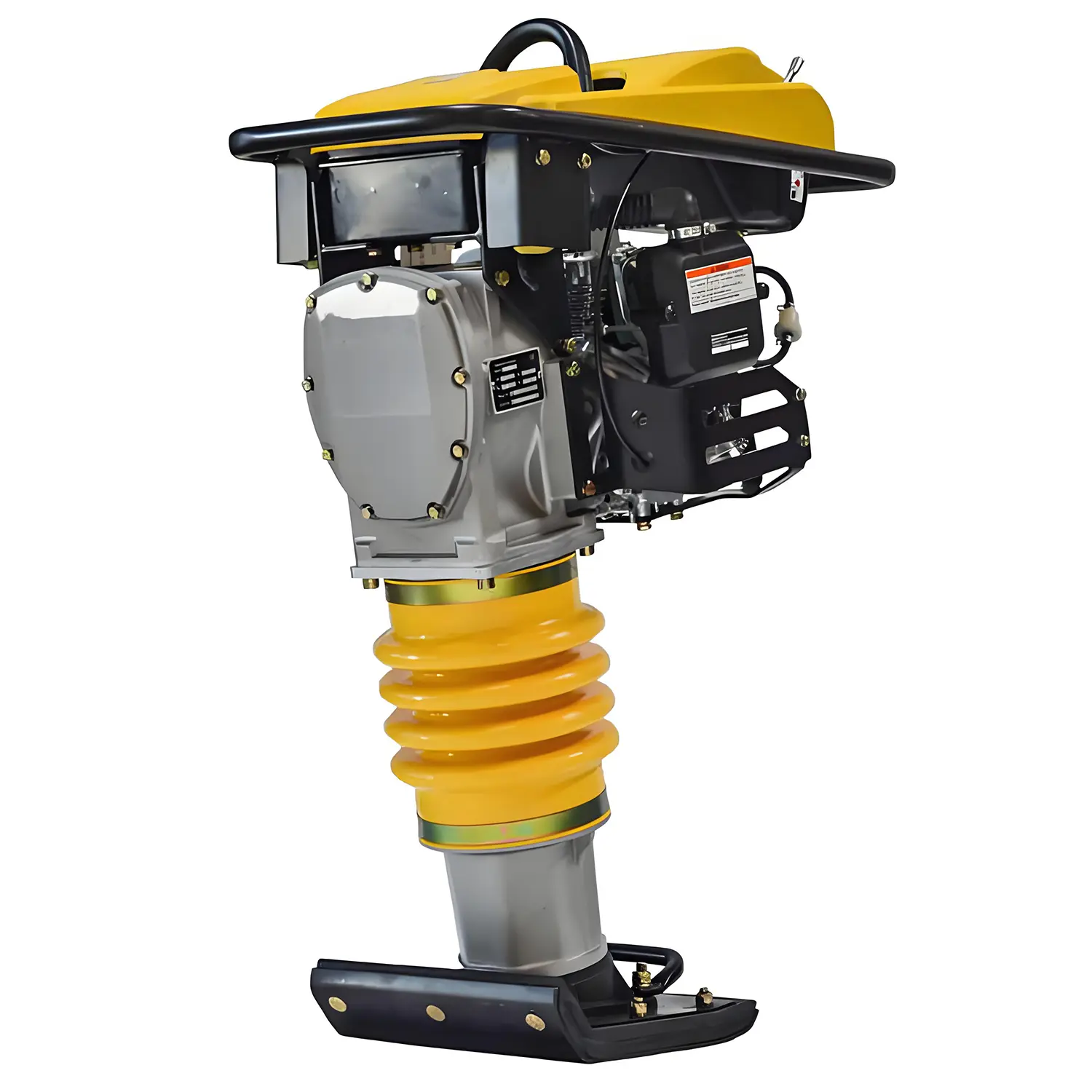 Tamping rammer
 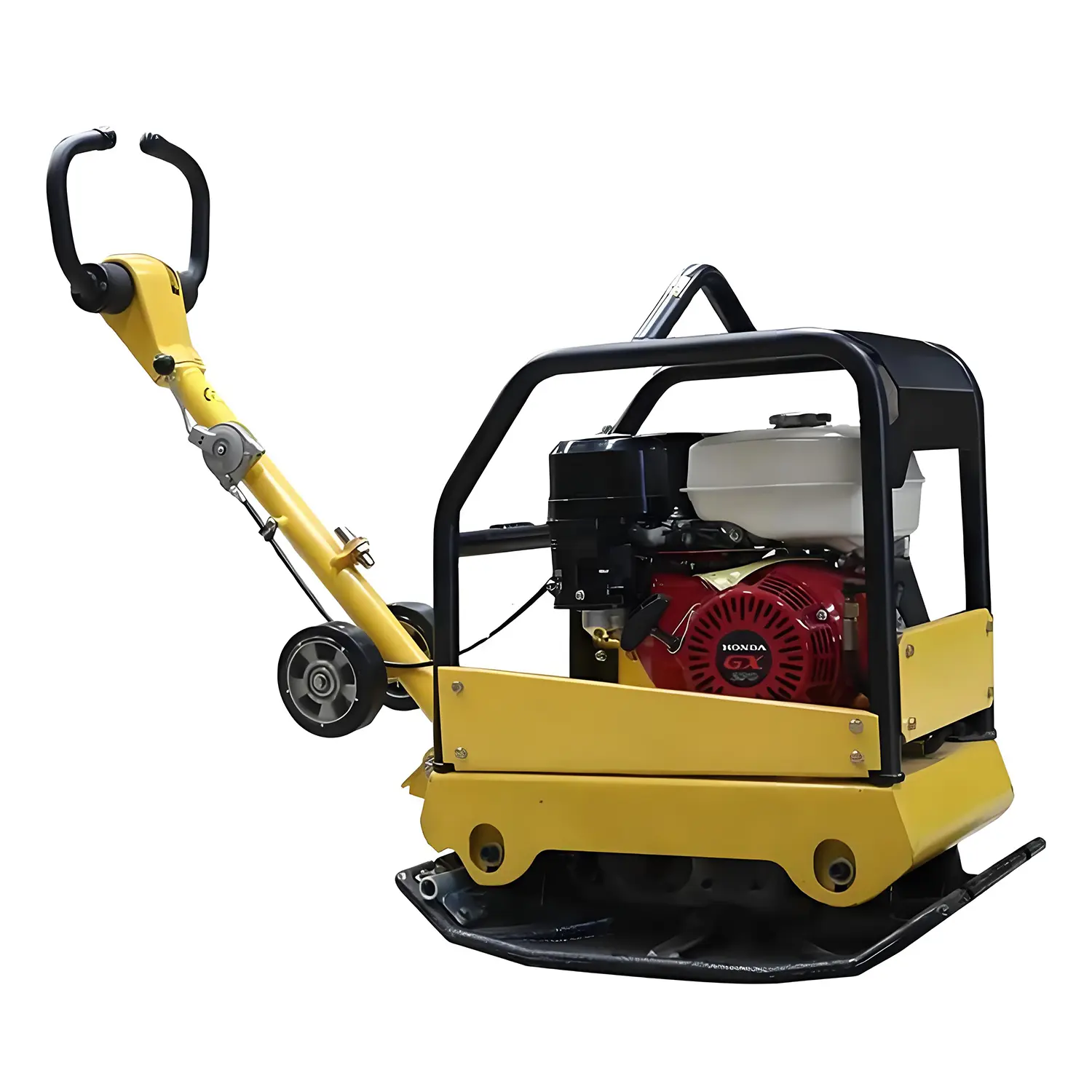 Plate compactor
 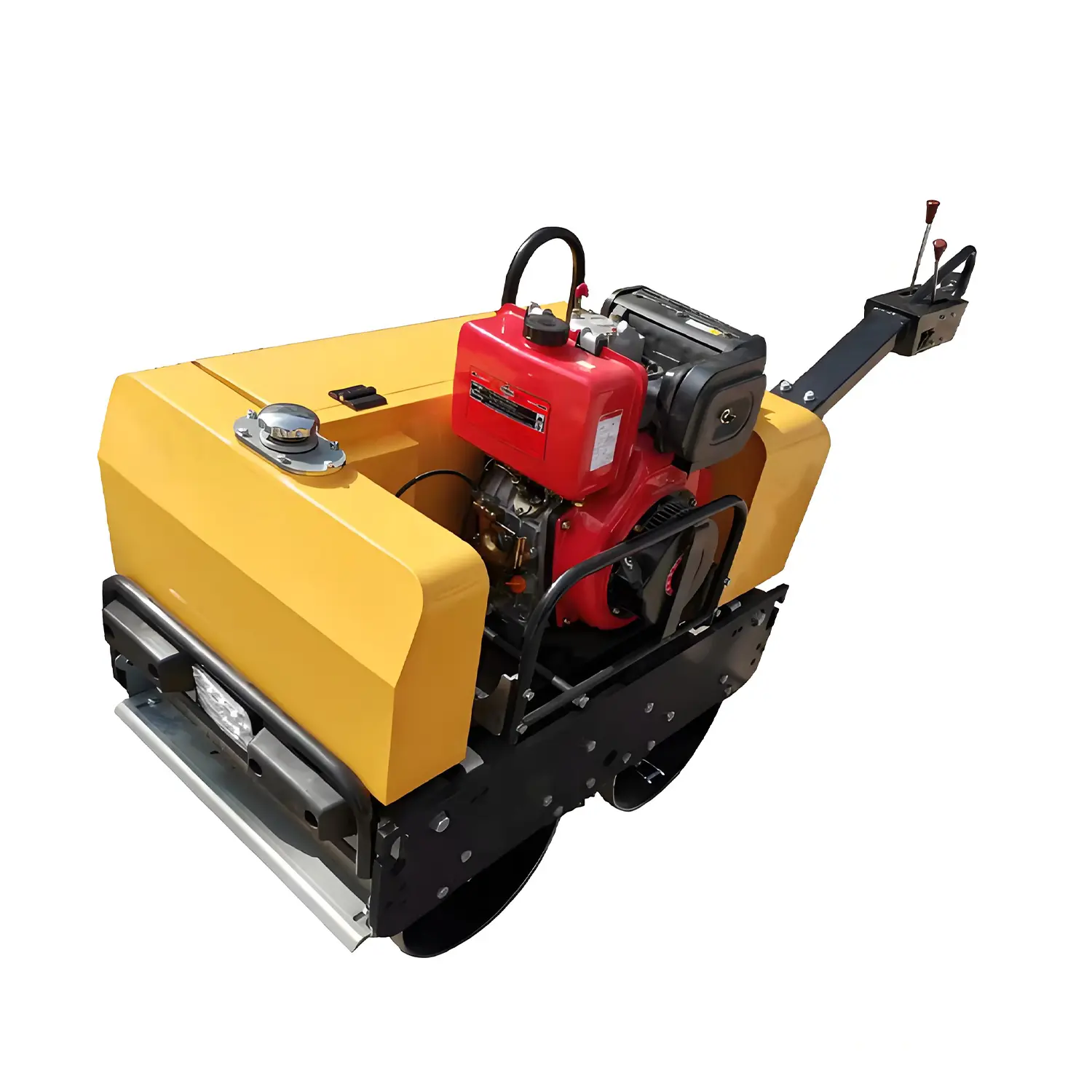 Vibratory roller
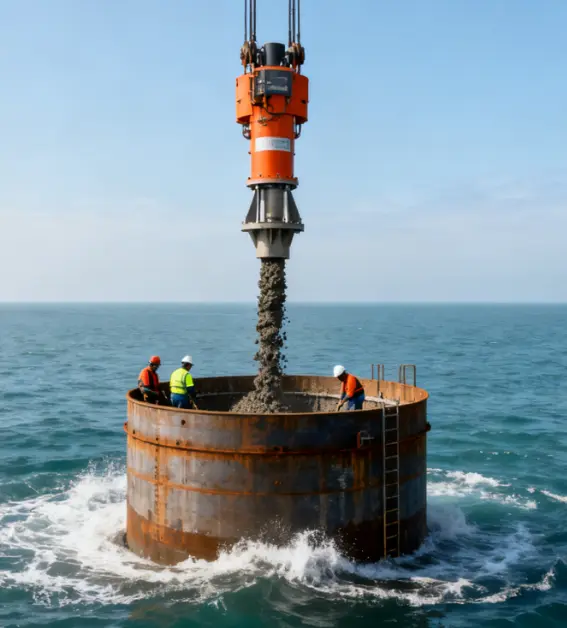
What to Look for in New Compaction Machinery: Must-Have Features
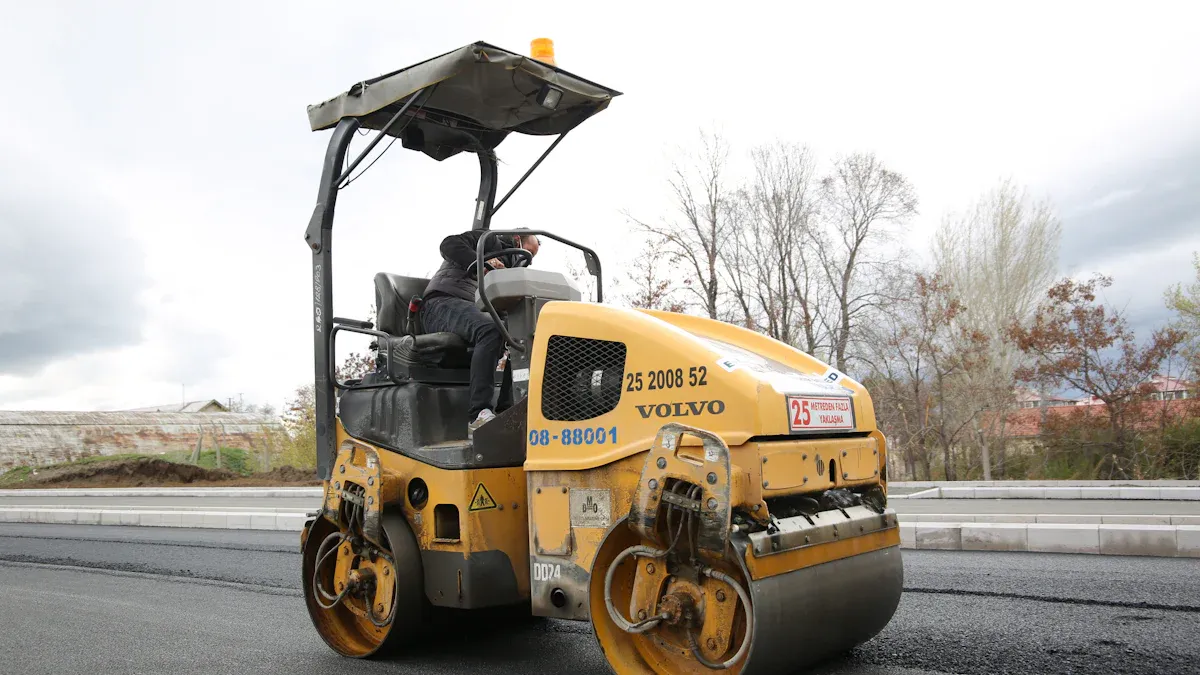
Choosing the right compaction machinery, such as MAXMACH, is crucial for your projects. The features of the MAXMACH machinery can significantly impact both performance and efficiency. You should also consider your specific job requirements to ensure you make the best choice for your needs.
Key Takeaways
- Choose the right type of compactorbased on your project size and soil type. Vibratory Plate Compactors work well for small jobs, while smooth drum rollers are ideal for large projects.
- Understand performance metrics like compaction force and engine power. Higher compaction force leads to better results, and diesel engines often provide more torque for heavy-duty tasks.
- Consider additional features such as ease of operation and safety. User-friendly controls and safety features can enhance your efficiency and keep you safe on the job.
Types of Compactors
Vibratory Plate Compactors
Vibratory plate compactors are perfect for small to medium-sized jobs. They use a flat plate that vibrates to compress soil, asphalt, or gravel. You’ll find them handy for tasks like paving and landscaping. Their lightweight design makes them easy to maneuver, even in tight spaces. Plus, they offer excellent compaction depth, ensuring a solid base for your projects.
Jumping Jack Compactors
Jumping jack compactors, also known as Rammer Compactors, are great for compacting cohesive soils. They have a unique design that allows them to jump up and down, which helps to pack the soil tightly. If you’re working on trenches or narrow areas, these compactors are your best friend. They provide high compaction force, making them effective for tough jobs.
Smooth Drum Rollers
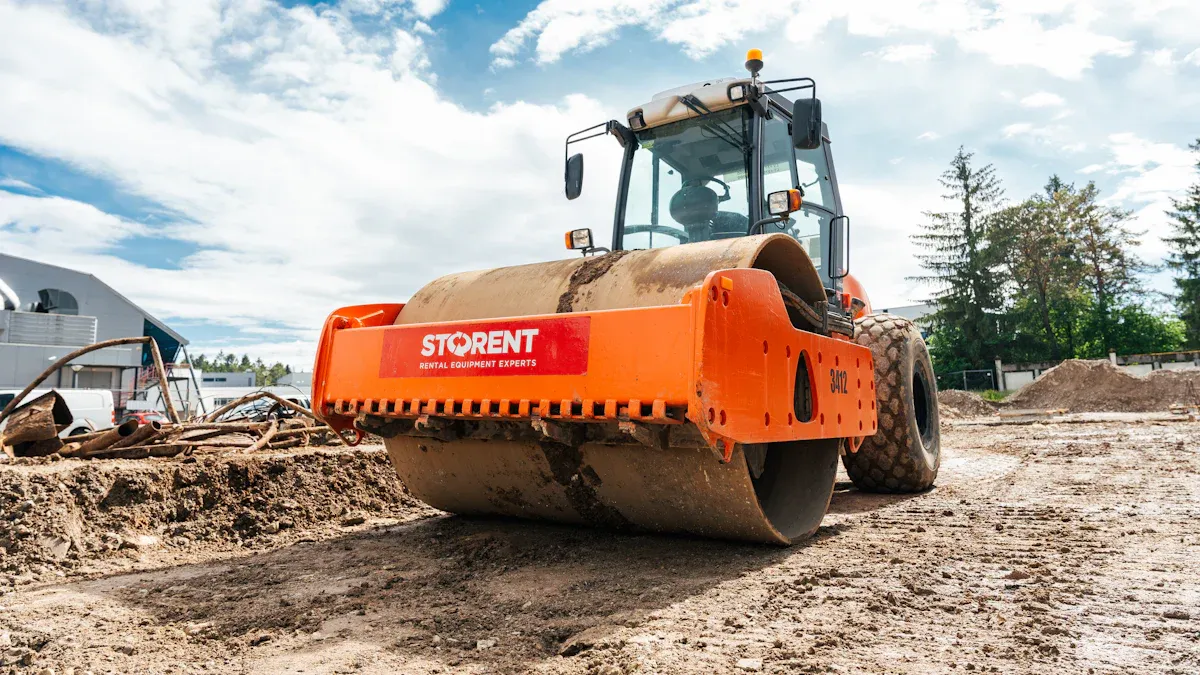
Smooth drum rollers are ideal for large-scale projects. They feature a heavy, smooth drum that rolls over the surface to compact it evenly. You’ll often see them on road construction sites or large parking lots. Their weight and size allow them to achieve a high level of compaction quickly. If you need efficiency and speed, these rollers are worth considering.
Pneumatic Rollers
Pneumatic rollers use air-filled tires to compact surfaces. They are versatile and can work on various materials, including asphalt and soil. These compactors provide a smooth finish, making them perfect for roadwork. If you want to minimize surface damage while achieving effective compaction, pneumatic rollers are a smart choice.
Performance Metrics
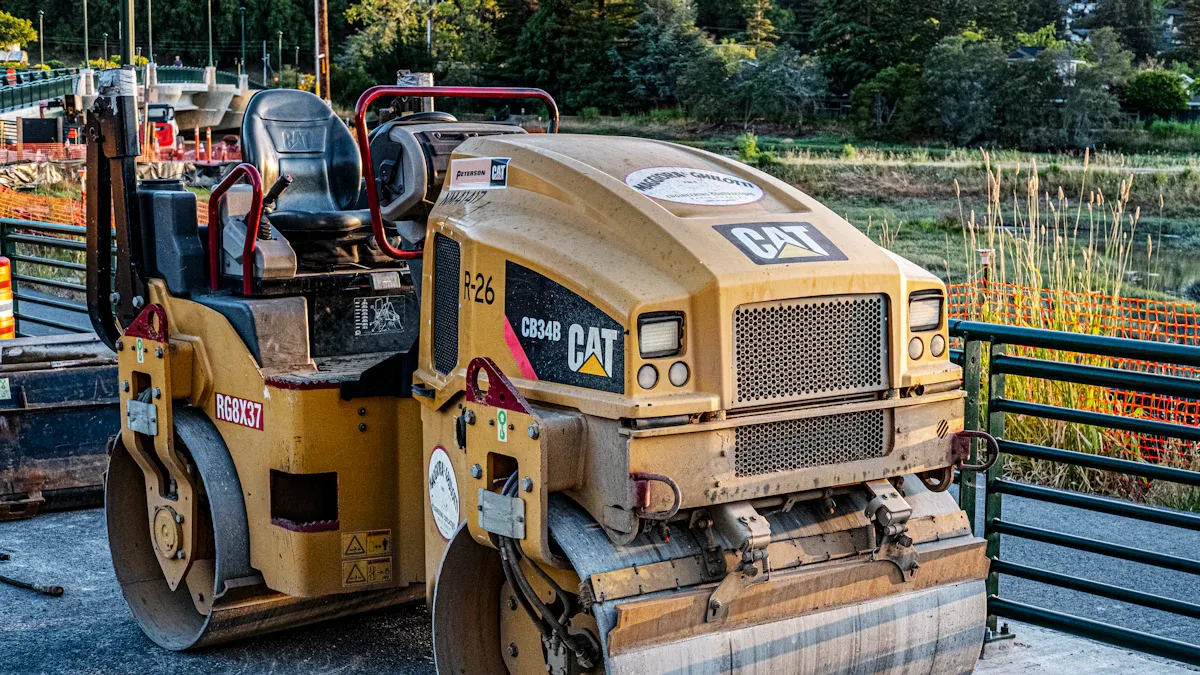
When choosing compaction machinery, understanding performance metrics is key. These metrics help you gauge how well a machine will perform on your job site. Let’s break down the essential performance metrics you should consider.
Compaction Force
Compaction force refers to the amount of pressure the machine can exert on the ground. This force is crucial for achieving the desired density in the soil or material you’re working with. Here are some points to consider:
- Higher Compaction Force: A machine with a higher compaction force can handle tougher materials and achieve better results.
- Adjustable Settings: Look for machines that allow you to adjust the compaction force based on your specific needs. This flexibility can make a big difference in performance.
Tip: Always check the manufacturer's specifications for the compaction force. It can vary significantly between models.
Engine Type and Power
The engine type and power of your compaction machinery directly affect its performance. Here’s what you need to know:
- Diesel vs. Gasoline: Diesel engines typically offer more torque and better fuel efficiency, making them ideal for heavy-duty tasks. Gasoline engines, on the other hand, are often lighter and easier to maintain.
- Horsepower: More horsepower usually means better performance, especially for larger projects. Ensure the engine power aligns with the demands of your job.
Operating Weight
Operating weight plays a vital role in how effectively a compactor can perform. Here’s why it matters:
- Heavier Machines: Generally, heavier machines provide better compaction because they exert more force on the ground. However, they may be harder to maneuver.
- Lightweight Options: If you’re working in tight spaces, a lighter machine might be more suitable. Just remember that you may sacrifice some compaction efficiency.
| Machine Type | Typical Operating Weight |
|---|---|
| Vibratory Plate | 200 - 600 lbs |
| Jumping Jack | 100 - 200 lbs |
| Smooth Drum Roller | 2,000 - 10,000 lbs |
| Pneumatic Roller | 3,000 - 15,000 lbs |
Speed and Efficiency
Speed and efficiency are crucial for keeping your project on schedule. Here’s how to evaluate these factors:
- Compaction Speed: Look for machines that can compact quickly without sacrificing quality. Faster compaction can save you time and labor costs.
- Fuel Efficiency: A machine that uses less fuel while delivering high performance can significantly reduce your operating costs.
Note: Always consider the balance between speed and the quality of compaction. Rushing can lead to poor results.
By keeping these performance metrics in mind, you can choose the right compaction machinery that meets your project needs. Understanding these features will help you make an informed decision and ensure your work is efficient and effective.
Suitability for Job Requirements
When selecting compaction machinery, you must consider how well it fits your specific job requirements. Different projects demand different features, and understanding these needs can help you make the right choice. Let’s explore some key factors to keep in mind.
Soil Type Considerations
The type of soil you’re working with plays a significant role in your machinery selection. Here are some points to consider:
- Cohesive Soils: If you’re dealing with clay or silt, jumping jack compactors are ideal. They provide the necessary force to compact these materials effectively.
- Granular Soils: For sandy or gravelly soils, vibratory plate compactors work well. Their vibration helps to settle the particles tightly together.
- Mixed Soils: If your project involves various soil types, look for versatile machines that can handle different conditions. Some models allow you to adjust settings for optimal performance.
Tip: Always test the soil before starting your project. Knowing its characteristics can save you time and effort in the long run.
Project Size and Scope
The size and scope of your project will influence your choice of compaction machinery. Consider the following:
- Small Projects: For residential jobs or small landscaping tasks, lightweight and portable machines like vibratory plate compactors are perfect. They’re easy to transport and maneuver.
- Medium Projects: If you’re working on a commercial site, you might need a combination of machines. Jumping jack compactors can handle tight spots, while smooth drum rollers can cover larger areas efficiently.
- Large Projects: For extensive road construction or large parking lots, invest in heavy-duty equipment. Smooth drum rollers and pneumatic rollers can deliver the speed and compaction needed for these tasks.
Terrain and Accessibility
The terrain of your job site can affect your machinery choice. Here’s what to keep in mind:
- Flat Terrain: On flat surfaces, most compactors will perform well. You can choose based on other factors like soil type and project size.
- Uneven or Sloped Terrain: If your site has hills or uneven ground, opt for machines with better stability and traction. Pneumatic rollers are often a good choice here, as their tires can adapt to various surfaces.
- Tight Spaces: If you’re working in confined areas, prioritize compactors that are lightweight and easy to maneuver. Jumping jack compactors excel in these situations.
Environmental Regulations
Lastly, don’t overlook environmental regulations. Many areas have strict rules regarding noise and emissions. Here’s how to navigate this:
- Noise Levels: Some compactors can be quite loud. Check local regulations to ensure your machinery complies with noise restrictions. Electric or low-noise models may be available.
- Emissions: Look for machines that meet environmental standards. Diesel engines often produce more emissions, so consider alternatives if you’re working in sensitive areas.
- Sustainability: Some manufacturers offer eco-friendly options. Investing in greener technology can benefit the environment and enhance your company’s reputation.
Note: Always stay informed about local regulations. This knowledge can help you avoid fines and ensure a smoother project.
By considering these factors, you can select compaction machinery that meets your specific job requirements. Understanding the soil type, project size, terrain, and environmental regulations will lead you to the best equipment for your needs.
Additional Features to Consider
When you’re choosing compaction machinery, don’t overlook the additional features that can make your work easier and safer. Here are some key aspects to consider:
Ease of Operation
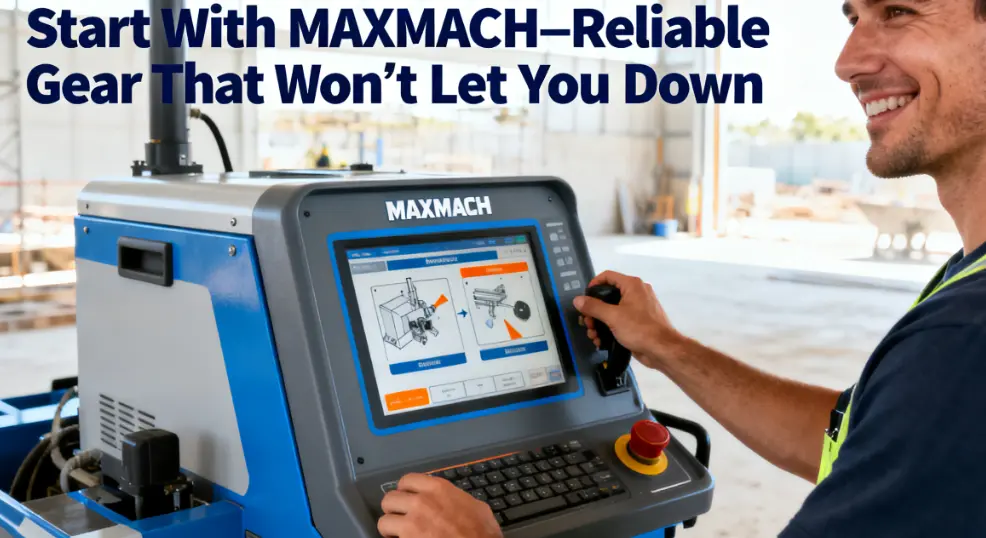
You want machinery that’s user-friendly. Look for features like intuitive controls and ergonomic designs. Machines with simple operation allow you to focus on the job rather than struggling with complicated settings. MAXMACH offers models that prioritize ease of use, making your tasks smoother.
Maintenance and Serviceability
Regular maintenance keeps your machinery running efficiently. Choose models that are easy to service. Check if the parts are accessible and if the manufacturer provides clear maintenance guidelines. MAXMACH machines often come with user-friendly service manuals, helping you keep everything in top shape.
Safety Features
Safety should always be a priority. Look for compactors equipped with features like emergency shut-off switches, protective guards, and visibility enhancements. These features help prevent accidents and keep you safe on the job site. Remember, a safe machine is a reliable machine.
Technology Integration
Modern compaction machinery often includes technology that enhances performance. Features like GPS tracking, telematics, and automated settings can improve efficiency and reduce downtime. If you’re investing in new equipment, consider how technology can benefit your projects.
MAXMACH Accessories
Finally, think about the accessories that come with your compaction machinery. MAXMACH offers a range of attachments and accessories that can enhance functionality. Whether you need additional plates or specialized tools, having the right accessories can make a big difference in your work.
By considering these additional features, you can select compaction machinery that not only meets your basic needs but also enhances your overall efficiency and safety on the job.
Choosing the right compaction machinery is essential for your projects. Remember to look for features like ease of operation, maintenance, and safety. Assess your specific needs and job requirements before making a decision. Investing in quality machinery pays off in the long run, ensuring efficiency and reliability. 🚜✨
FAQ
What is the best type of compactor for small jobs?
For small jobs, vibratory plate compactors work best. They are lightweight, easy to maneuver, and provide excellent compaction depth.
How often should I maintain my compaction machinery?
You should perform maintenance regularly, ideally after every use. This keeps your machinery running smoothly and extends its lifespan.
Can I use the same compactor for different soil types?
Yes, some compactors are versatile enough to handle various soil types. Look for models with adjustable settings for optimal performance.