
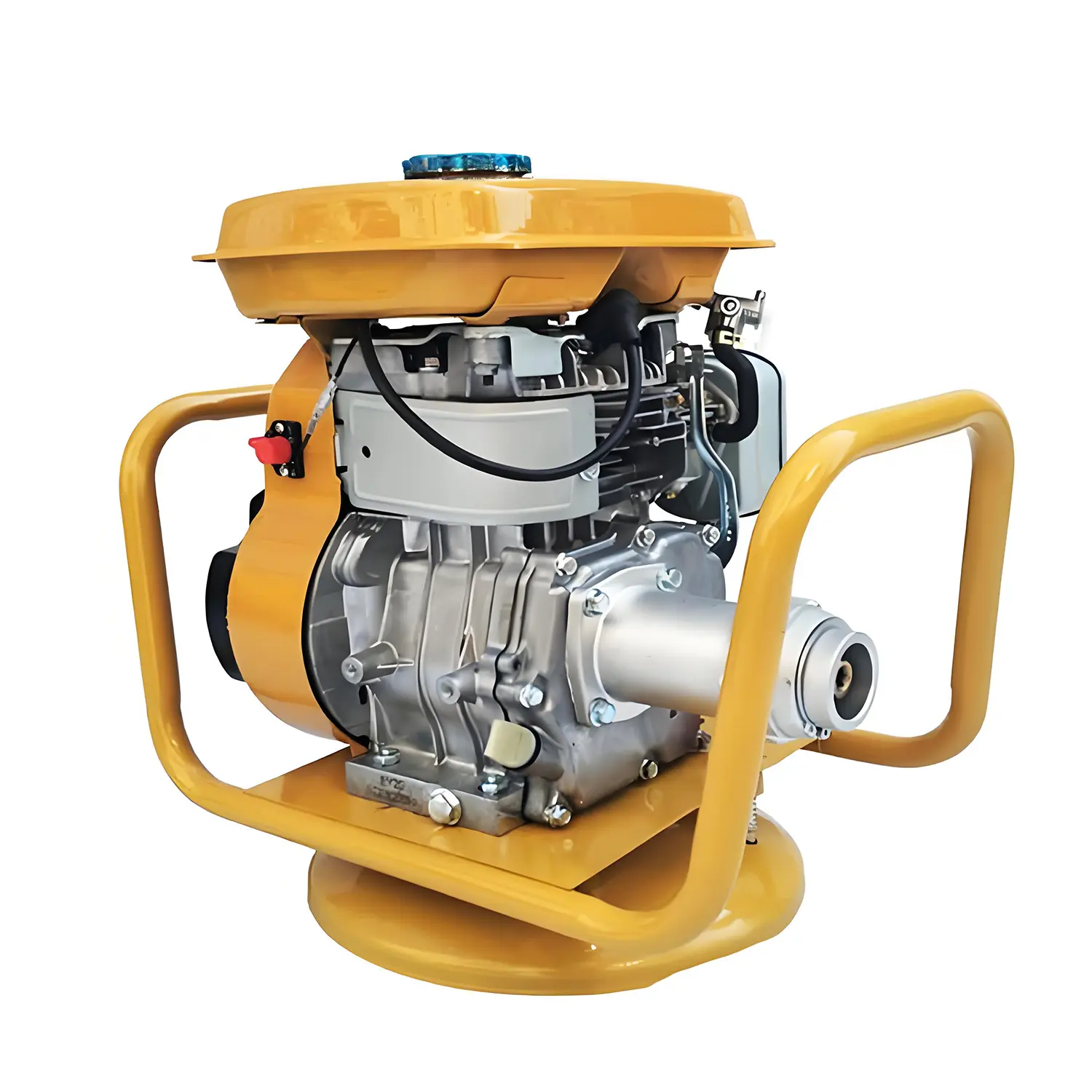
 Internal Vibrator
 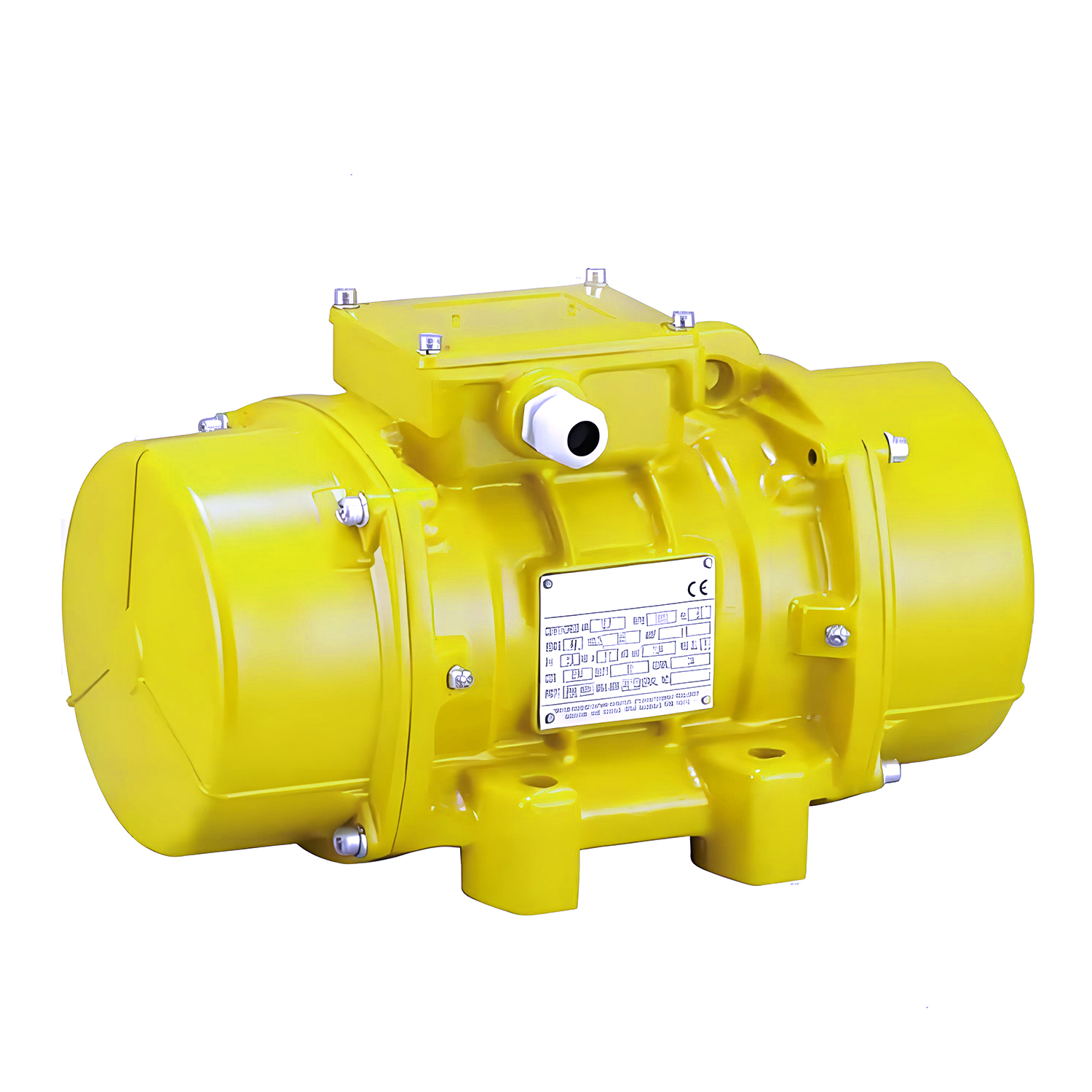 External Vibrator
 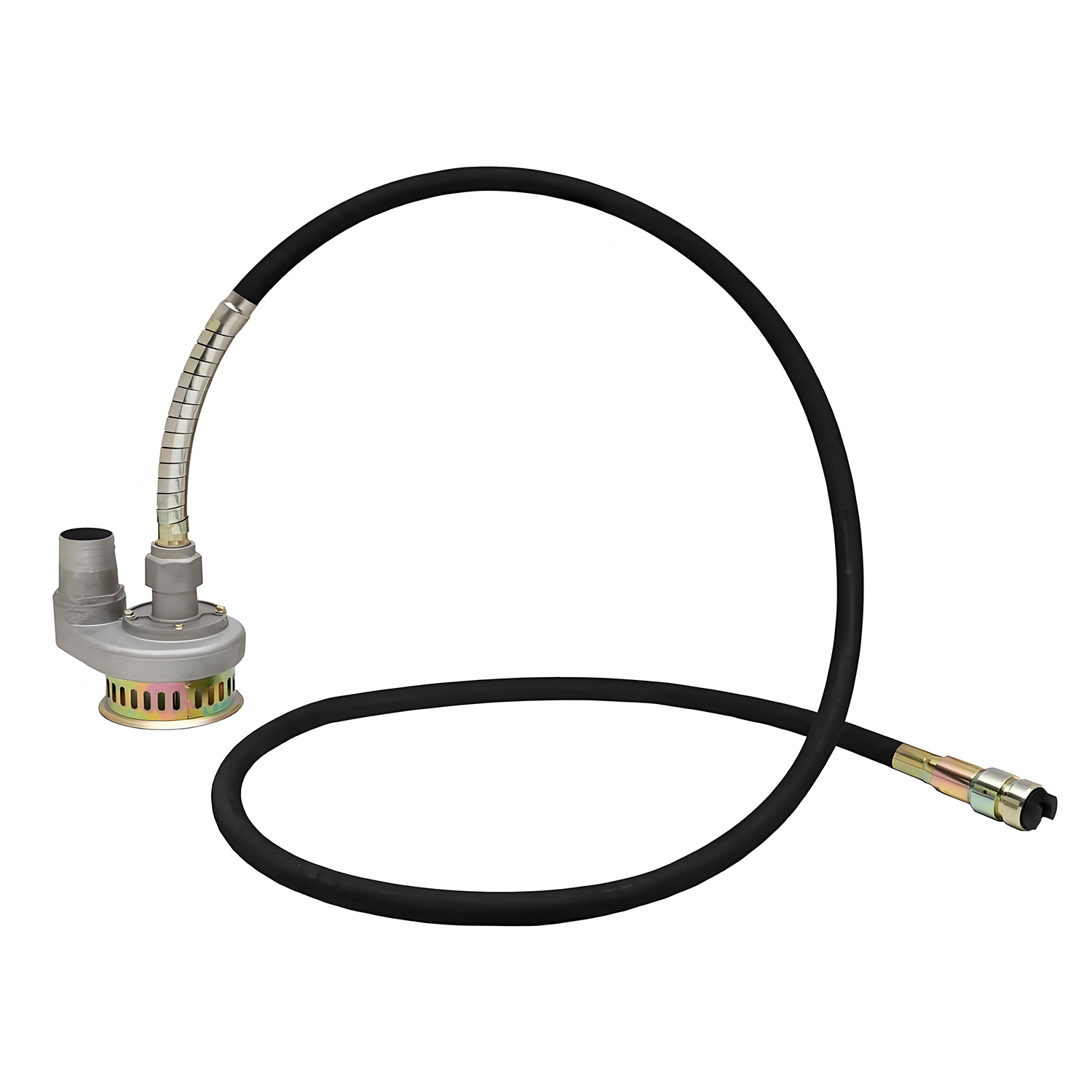 Submersible Pump
 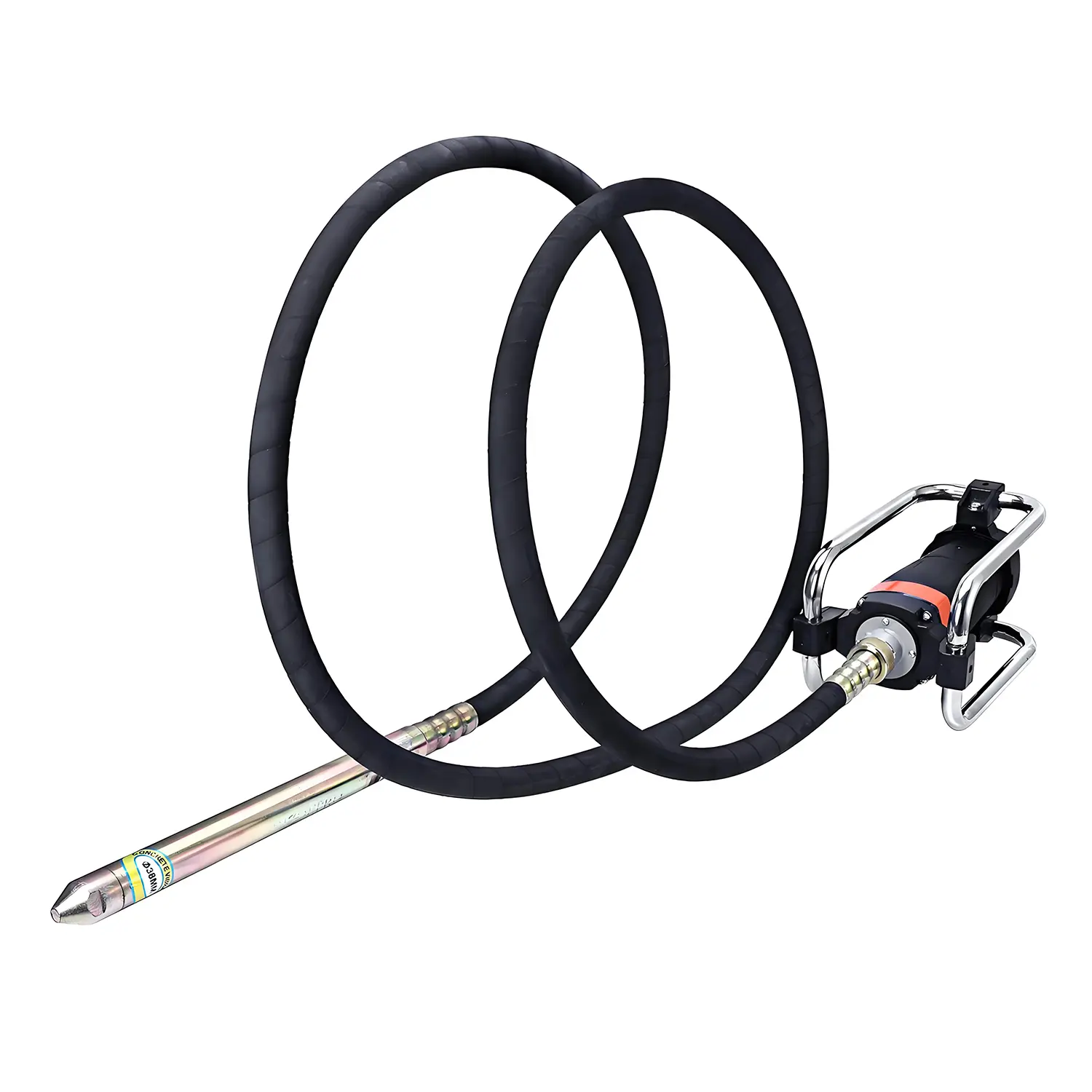 Eccentric shaft
 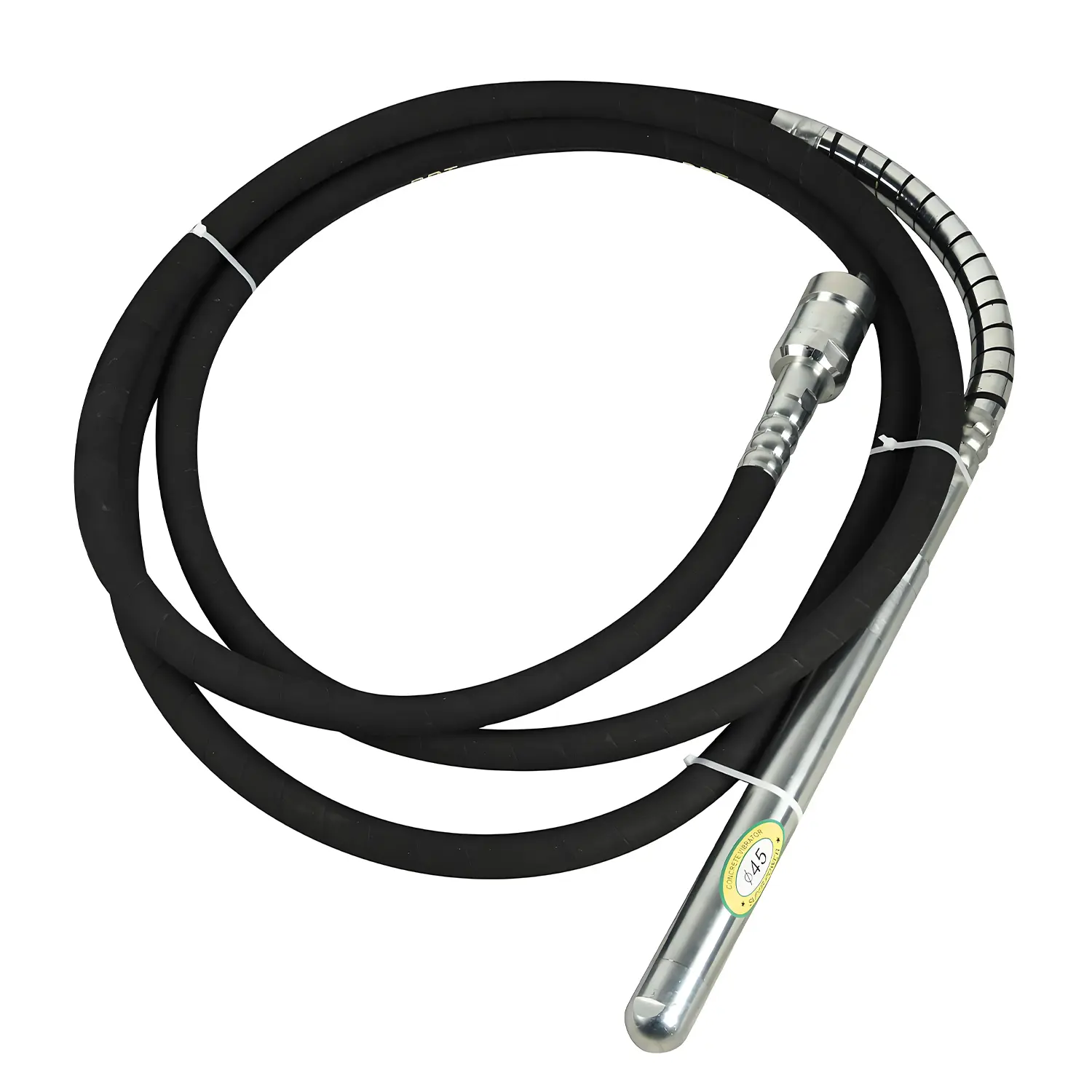 Pendulum shaft
 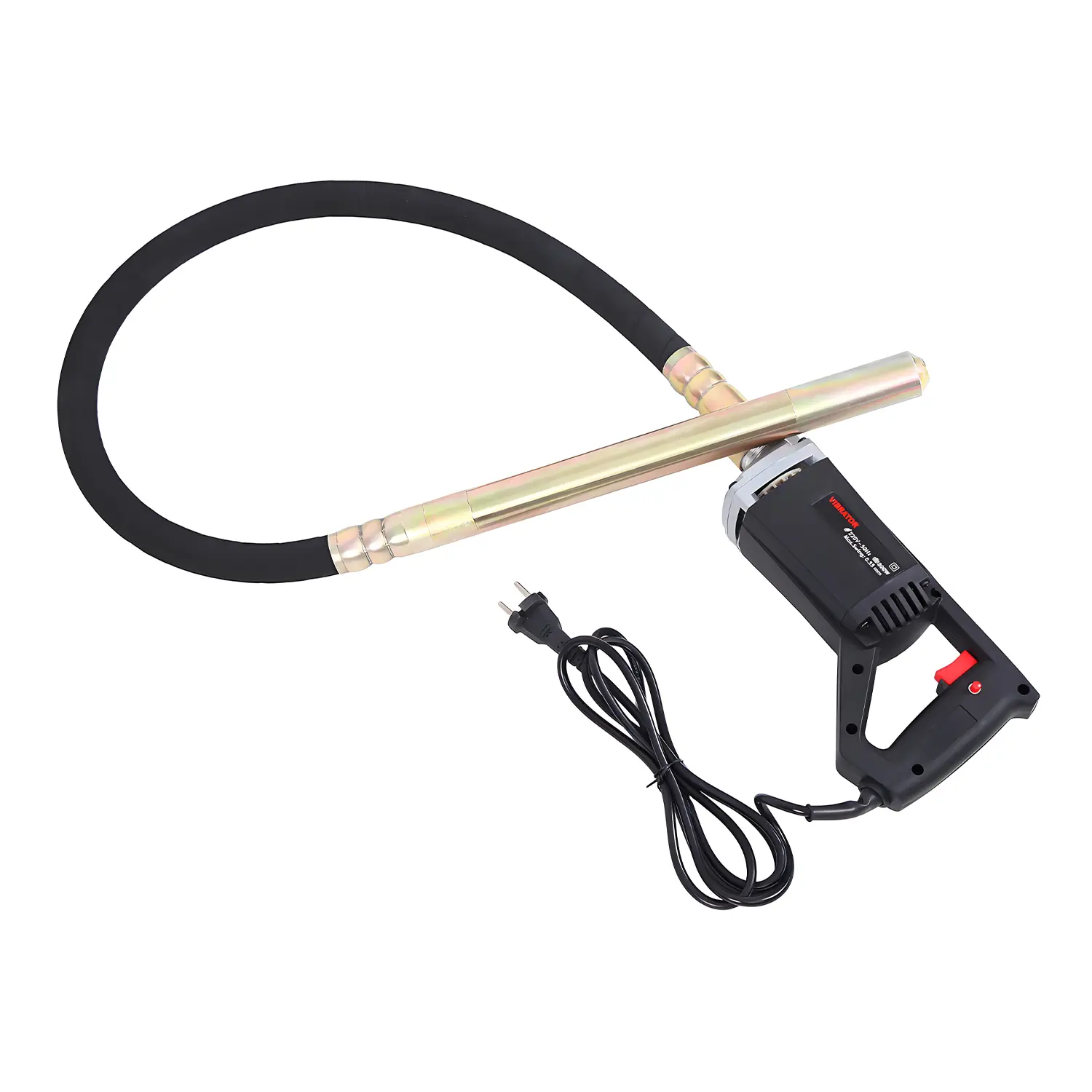 Portable vbrator shaft
 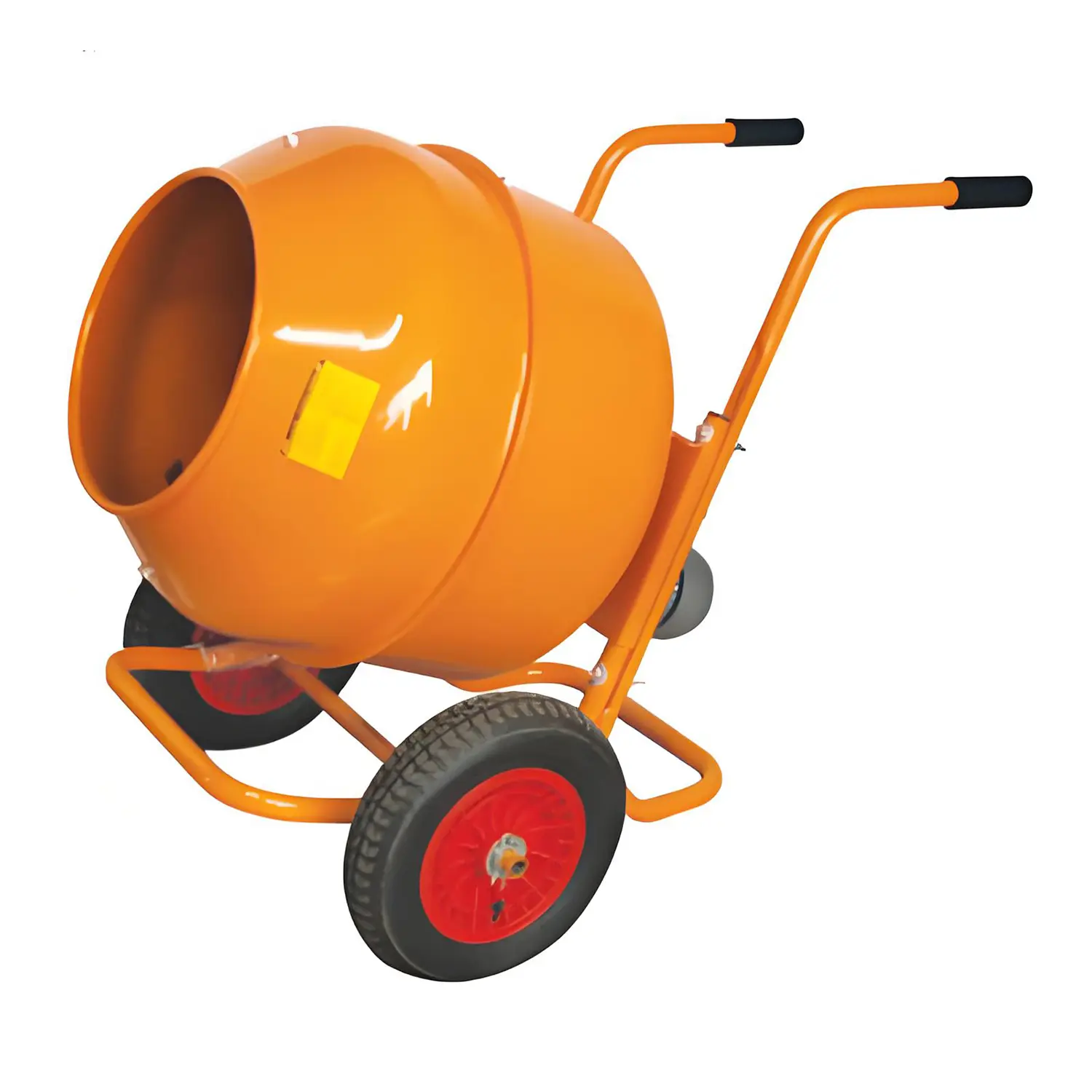 Portable concrete mixer
 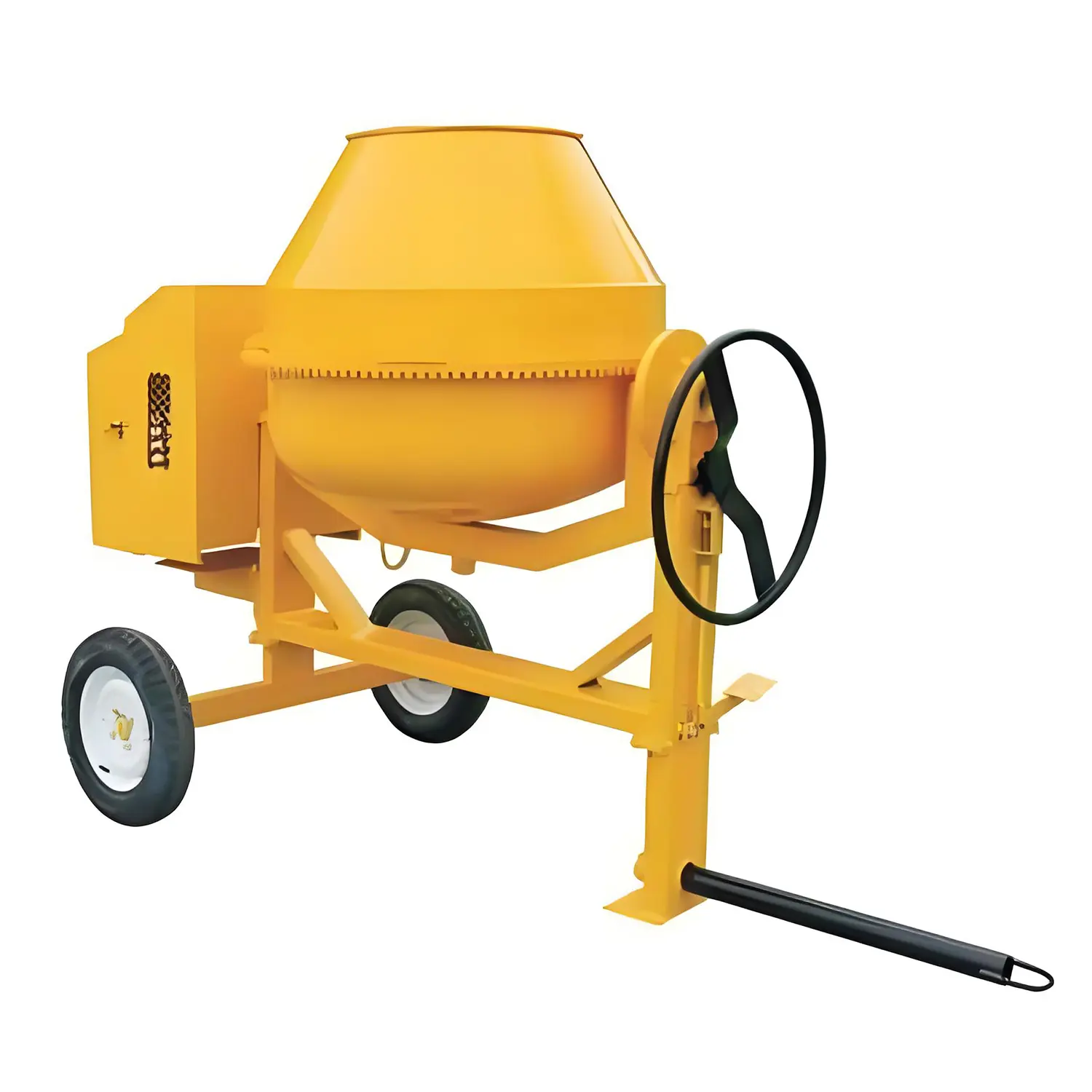 Vertical concrete mixer
 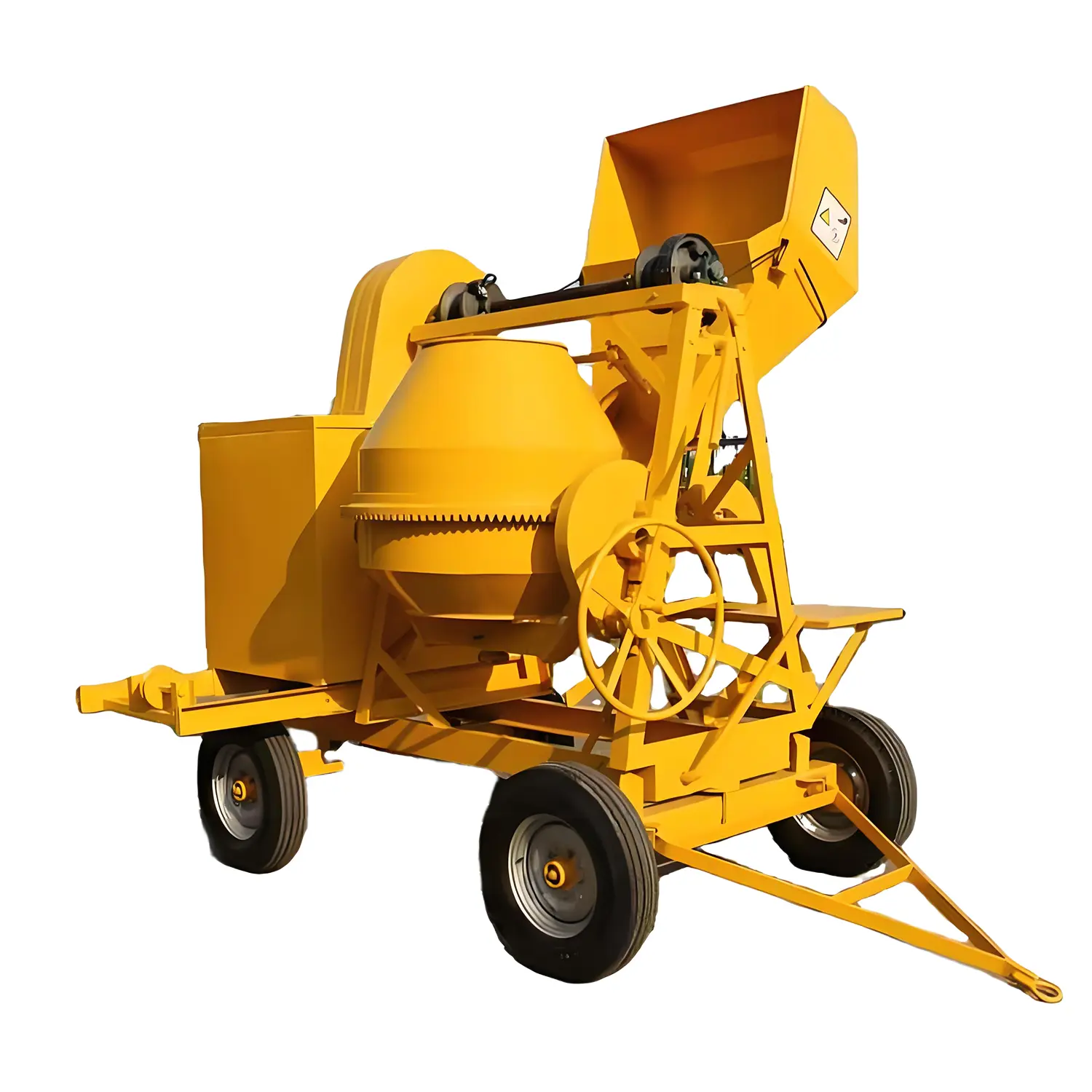 Hydraulic concrete mixer
 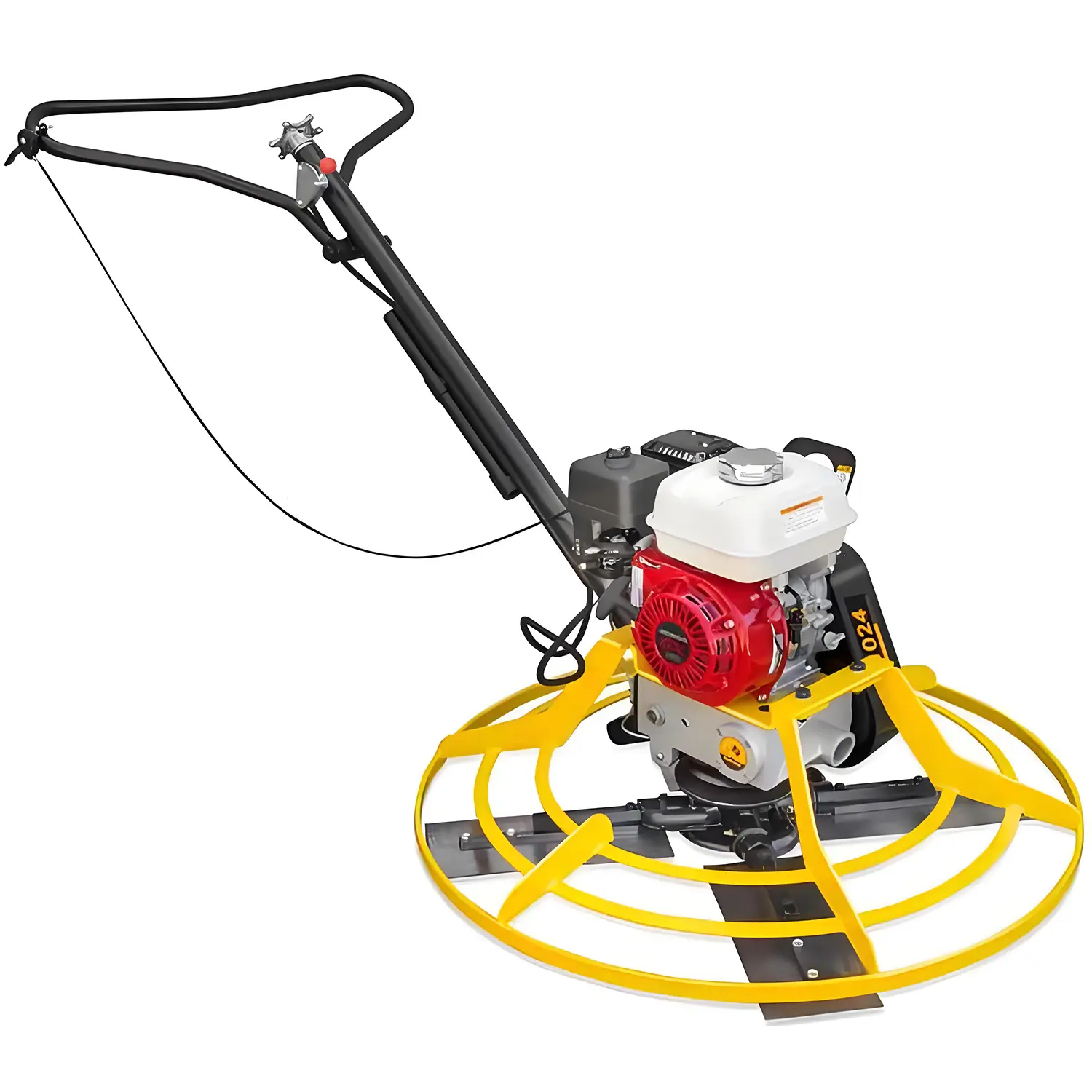 Walk behind power trowel
 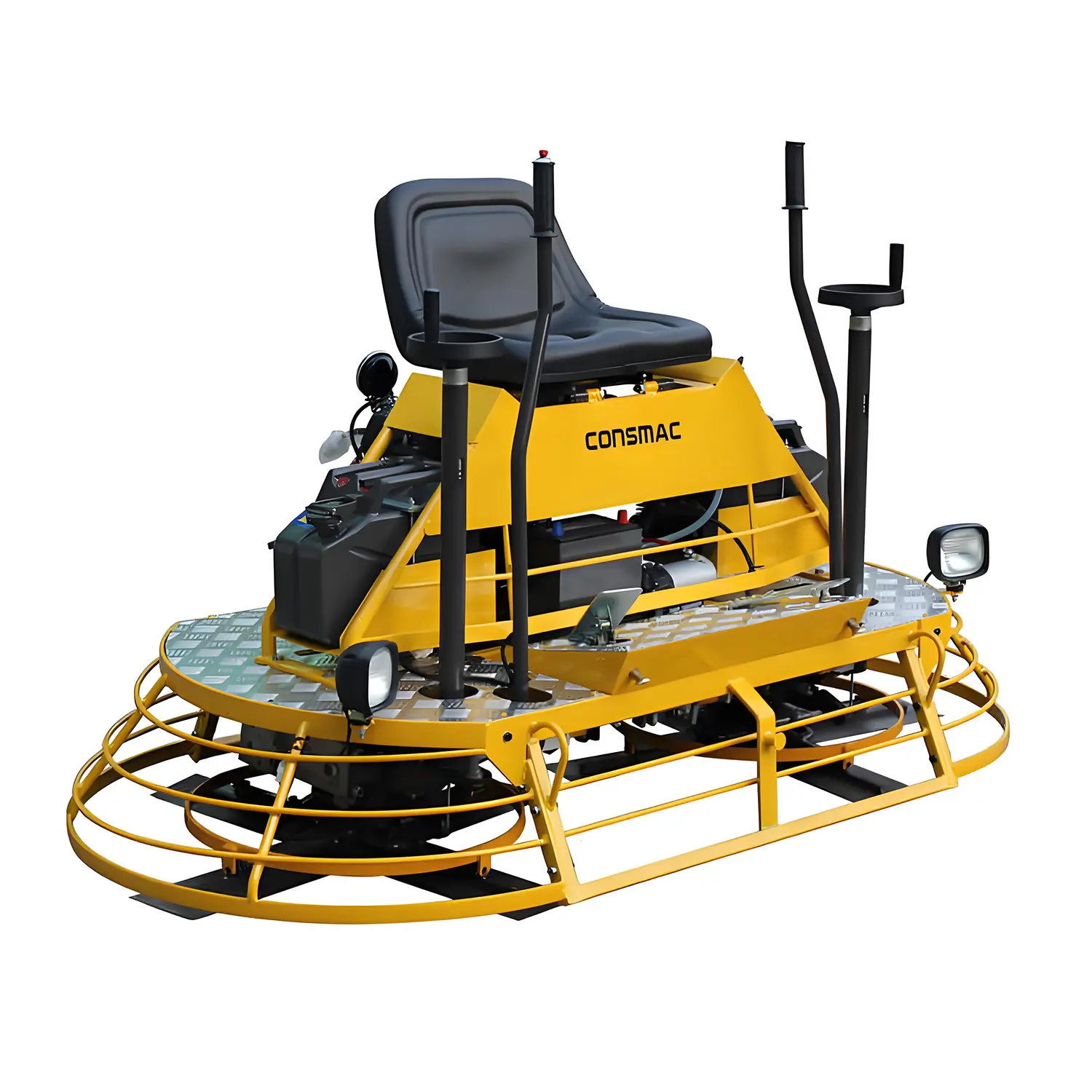 Ride on power trowel
 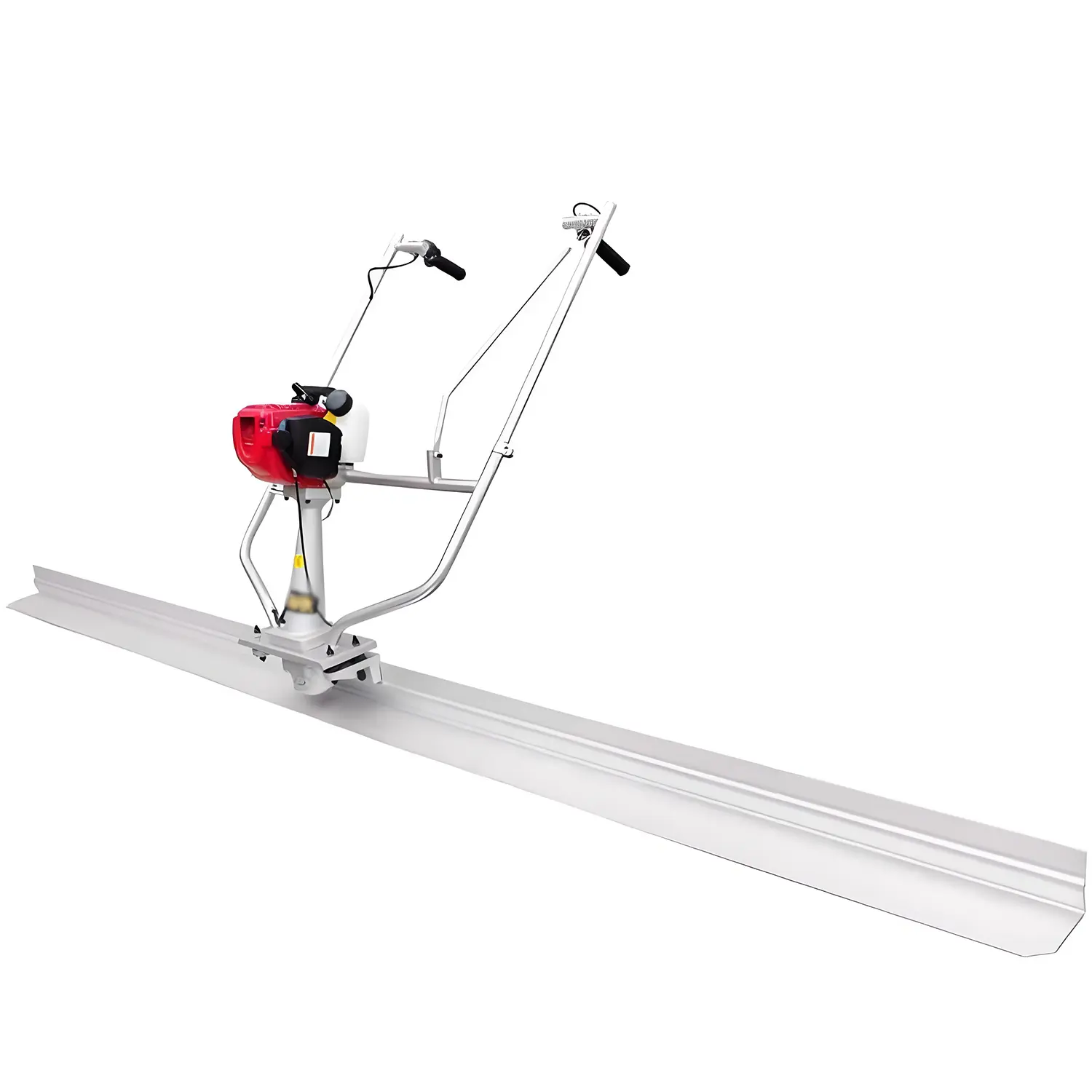 Concrete screed
 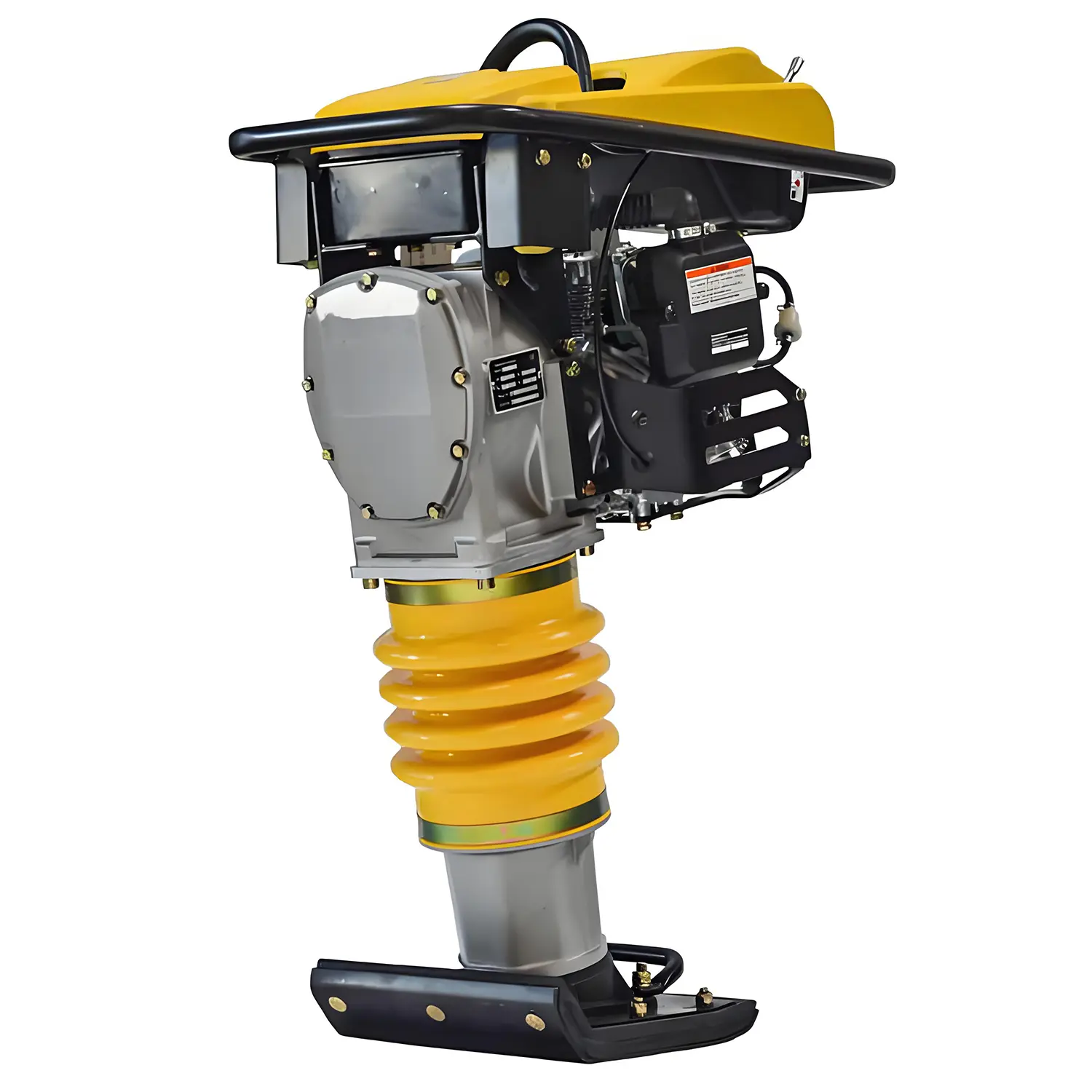 Tamping rammer
 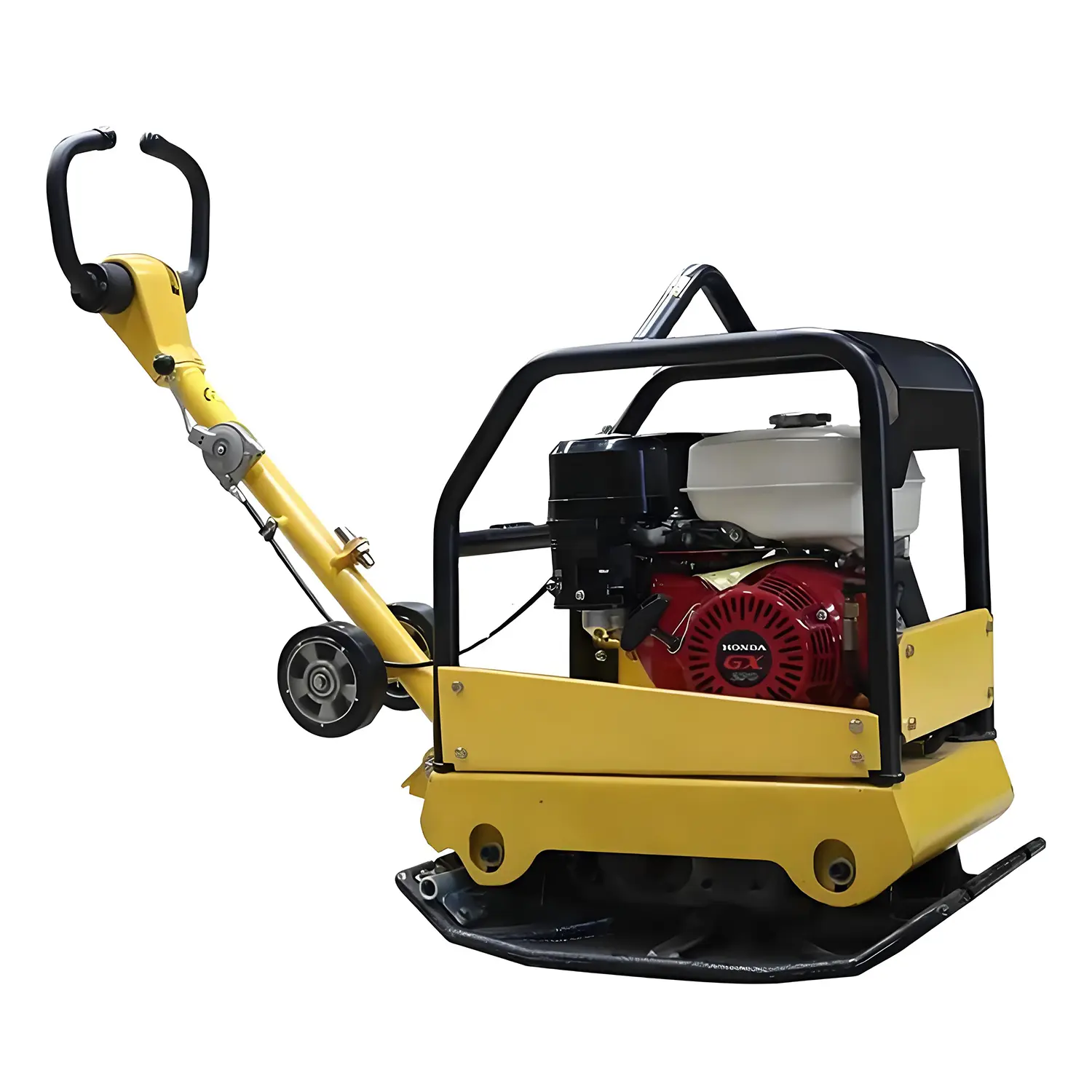 Plate compactor
 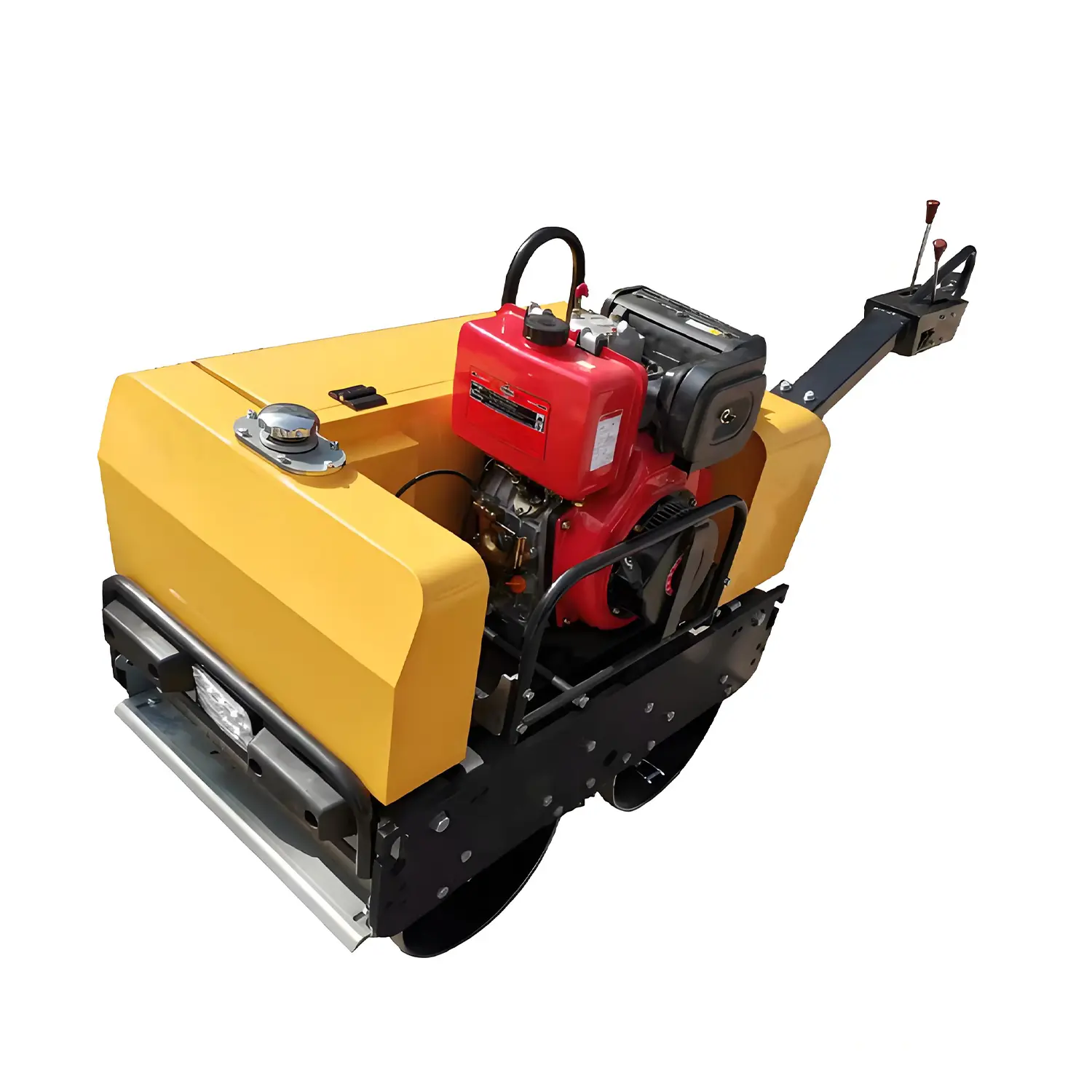 Vibratory roller
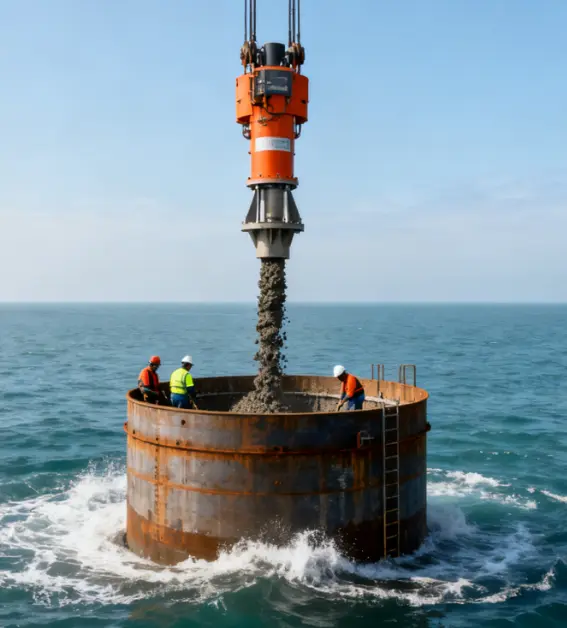

Why Concrete Vibrators Improve Concrete Strength & Durability
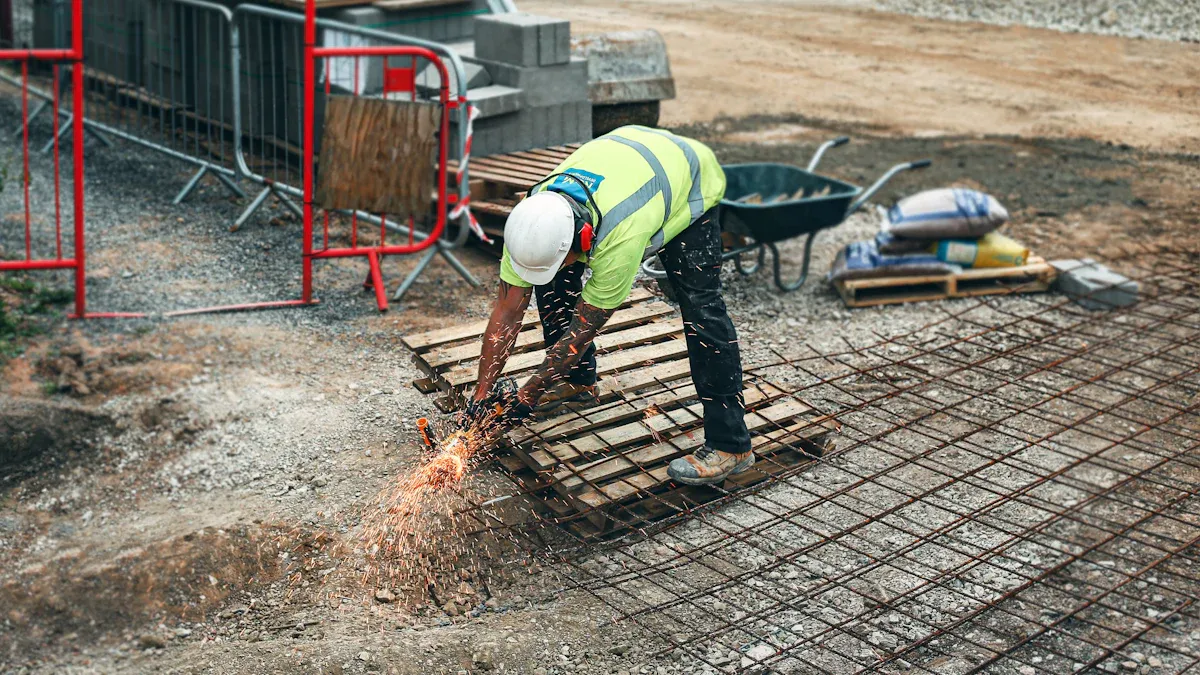
Concrete Vibrators effectively remove trapped air bubbles from freshly poured concrete. This crucial compaction process significantly enhances the concrete's inherent properties. Eliminating these air voids leads to a much stronger and more durable material. Proper vibration is essential for achieving high-quality concrete in any construction project. MAXMACH vibrators ensure excellent compaction.
Key Takeaways
- Concrete vibrators remove air bubbles from wet concrete. This makes the concrete much stronger and last longer.
- Vibrating concrete makes it dense and uniform. This helps it carry heavy loads and resist damage.
- Proper vibration improves the concrete's surface. It also stops water from getting in and prevents cracks.
The Science Behind Enhanced Concrete Properties

Compaction and Air Void Elimination
Freshly mixed concrete contains many trapped air bubbles. These air bubbles form during mixing and placement. They create voids within the concrete mass. These voids significantly reduce the concrete's strength. They also make the concrete more porous. Concrete vibrators work by introducing rapid oscillations into the wet concrete. This vibration temporarily liquefies the concrete mixture. The aggregates and cement particles move freely. This movement allows the trapped air bubbles to rise to the surface. They then escape from the concrete. Eliminating these air voids is crucial. It directly improves the concrete's structural integrity.
Increased Density and Homogeneity
Vibration compacts the concrete. It removes the empty spaces left by air bubbles. This process brings the solid particles closer together. Sand, cement, and aggregates settle into a tighter arrangement. This results in a much denser concrete. A denser concrete has greater compressive strength. It also resists external forces more effectively. Furthermore, vibration ensures homogeneity. It distributes all components evenly throughout the mix. This prevents segregation. Segregation happens when heavier aggregates settle at the bottom. Lighter materials rise to the top. A uniform mix means consistent strength everywhere. MAXMACH vibrators achieve excellent density and homogeneity.
Improved Aggregate Interlock
Aggregates are the coarse materials in concrete. They include gravel and crushed stone. These aggregates provide much of the concrete's strength. They form a strong internal skeleton. Proper vibration allows these aggregates to settle. They move into their most stable positions. They fit together tightly. This creates a strong mechanical bond between them. This bond is called aggregate interlock. Good aggregate interlock helps the concrete resist shear forces. It also improves its overall load-bearing capacity. Without sufficient vibration, aggregates remain loosely packed. This reduces the concrete's ability to transfer stress. It makes the concrete weaker.
Practical Benefits of Vibrated Concrete
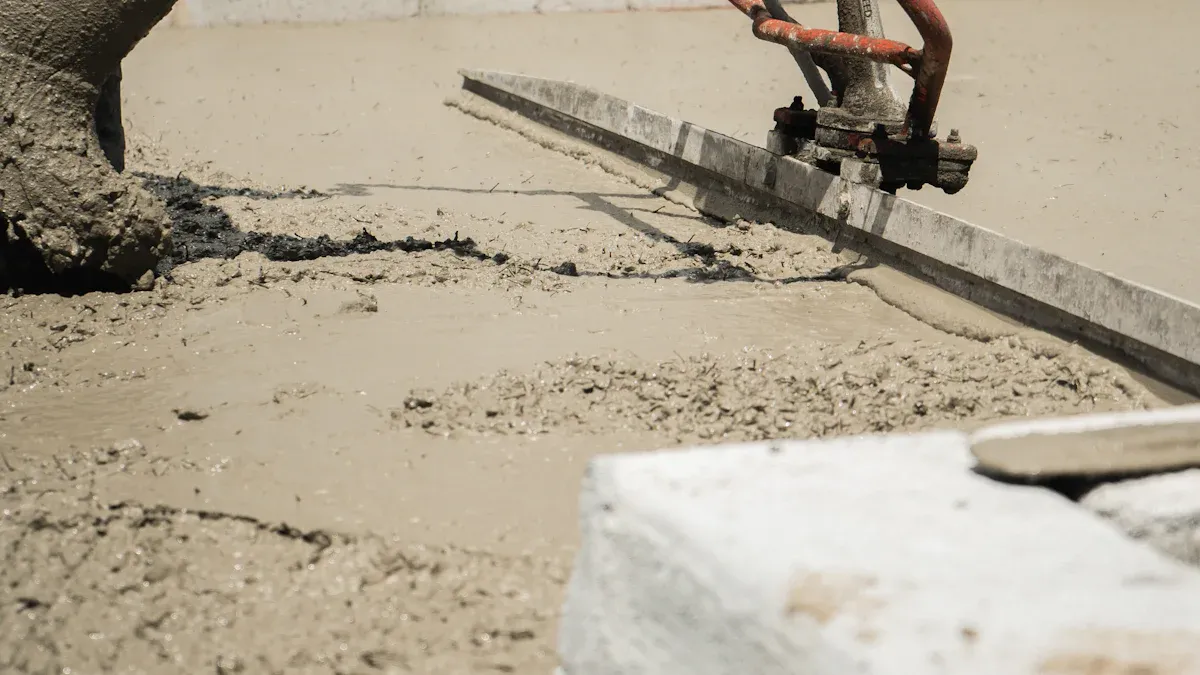
Superior Strength and Load-Bearing Capacity
Vibrated concrete shows much greater strength. It can handle heavier loads. Removing air voids makes the concrete denser. This density allows the material to resist compression better. Engineers design structures to carry specific weights. Stronger concrete ensures these structures perform safely. It prevents early failure. Buildings, bridges, and foundations all benefit from this increased capacity.
Extended Durability and Longevity
Concrete lasts longer when properly vibrated. Its dense structure resists wear and tear. Water and chemicals have difficulty penetrating it. This protection slows down deterioration. Vibrated Concrete stands up to harsh weather conditions. It also resists abrasion better. This means fewer repairs over time. Structures built with vibrated concrete offer a longer service life.
Improved Surface Finish and Aesthetics
Vibration creates a smoother, more attractive concrete surface. Air bubbles trapped near the surface leave small holes. These holes are called bug holes. Vibration brings these bubbles to the top. This process eliminates surface imperfections. A smooth finish is important for floors, walls, and decorative elements. It also makes the concrete easier to clean. MAXMACH vibrators help achieve excellent finishes.
Reduced Permeability and Cracking
Vibrated concrete has fewer internal voids. This makes it less permeable. Water cannot easily pass through it. Reduced permeability prevents moisture damage. It also protects internal steel reinforcement from rust. Denser concrete also resists cracking better. Air voids create weak points. These points can lead to cracks. Eliminating them makes the concrete more cohesive. This reduces the likelihood of cracks forming.
Achieving Optimal Results with MAXMACH Concrete Vibrators
Achieving high-quality concrete requires more than just good materials. It demands correct application of tools and techniques. Concrete vibrators are powerful instruments. Users must understand how to select and operate them effectively. This ensures the concrete reaches its full potential.
Choosing the Right Vibrator Type
Selecting the correct concrete vibrator is a critical first step. Different projects and concrete mixes require specific vibrator types. Internal vibrators, also known as poker vibrators, are common. They consist of a vibrating head attached to a shaft. Workers insert these heads directly into the wet concrete. Head diameters vary greatly. Smaller heads work well for thin sections or congested reinforcement. Larger heads compact larger volumes of concrete quickly. External vibrators attach to the outside of forms. They are suitable for precast concrete or very thin wall sections. These vibrators transmit vibrations through the formwork into the concrete. MAXMACH offers a comprehensive range of vibrators. This selection helps users find the perfect tool for any job. Consider the concrete slump, aggregate size, and volume of concrete. These factors guide the choice of vibrator size and type.
Proper Vibration Techniques
Effective vibration techniques maximize concrete strength and durability. Workers should insert the vibrator vertically into the concrete. They must do this quickly. The vibrator head should penetrate the current layer and slightly into the previous layer. This ensures a monolithic pour. Maintain consistent spacing between insertions. Overlap the zones of influence by about 1.5 times the radius of vibration. This guarantees complete compaction across the entire area. Vibrate each spot until air bubbles stop rising to the surface. A slight sheen will appear on the concrete surface. This indicates proper compaction. Then, withdraw the vibrator slowly. A withdrawal rate of about 1 inch per second prevents new air voids from forming. A systematic pattern ensures no areas are missed. This careful approach prevents both under-vibration and over-vibration.
Common Mistakes to Avoid
Several common errors can reduce the effectiveness of Concrete Vibration. One frequent mistake is under-vibration. This leaves too many air voids within the concrete. The concrete remains weak and porous. Another error is excessive vibration. Over-vibration can cause segregation. Heavier aggregates settle to the bottom. Lighter cement paste rises to the top. This creates a non-uniform mix. It weakens the concrete. Improper withdrawal of the vibrator also causes problems. Pulling the vibrator out too quickly can create new air pockets. These pockets compromise the concrete's integrity. Failing to vibrate all layers thoroughly is another mistake. This leads to "cold joints" between layers. These joints are weak points. Using a vibrator that is too small for the job is also inefficient. It takes too long to compact the concrete. Conversely, a vibrator that is too large can cause segregation in certain mixes. Proper training and the use of reliable equipment, like MAXMACH vibrators, help avoid these pitfalls.
Concrete vibrators are indispensable for achieving high-quality concrete. They effectively remove air voids, which significantly impacts the material. Proper vibration directly enhances concrete's strength and durability. Investing in correct vibration practices ensures the creation of long-lasting, robust concrete structures. This commitment leads to superior construction outcomes.
FAQ
What happens if you do not vibrate concrete?
Unvibrated concrete contains many air voids. These voids make the concrete weak and porous. It will not achieve its intended strength or durability. This leads to early failure.
How long should you vibrate concrete?
Vibrate concrete until air bubbles stop rising. A slight sheen appears on the surface. This usually takes 5 to 15 seconds per spot. Do not over-vibrate.
Can you over-vibrate concrete?
Yes, over-vibration can cause problems. It may lead to segregation. Heavier aggregates sink. Lighter cement paste rises. This weakens the concrete's uniform structure.