400-181-1680
Leave Your Message

2026 Top Vibration Compactor Types for Global Buyers?

Choosing the right Vibration Compactor in 2026 requires more than comparing engine power or drum width. Global buyers must examine soil type, moisture conditions, working space, transport limits, service support, and expected production. A machine that performs well on dry granular soil may struggle on cohesive clay. That difference can affect density, fuel use, and project timing.

Ralph R. Proctor, whose research shaped modern soil-compaction practice, stated, “The moisture content at which a soil can be compacted to its maximum dry density is called the optimum moisture content.” His principle still matters when selecting modern equipment. Vibration alone cannot correct poor material preparation. It cannot replace field testing.

Small sites need agile single-drum or walk-behind models. Road projects often require heavy tandem rollers with controlled vibration settings. Landfill, trench, and foundation work may demand specialized compactors with higher centrifugal force and stronger edge access. Buyers should also compare amplitude, frequency, drum load, operator visibility, vibration isolation, and maintenance access.

The details matter.

Real operating conditions are rarely perfect. Soil moisture changes during the day. Imported machines may face delayed parts or unfamiliar controls. These risks deserve honest attention. A lower-priced Vibration Compactor can become expensive when downtime increases. Conversely, the largest machine is not always the best choice for a narrow urban project.

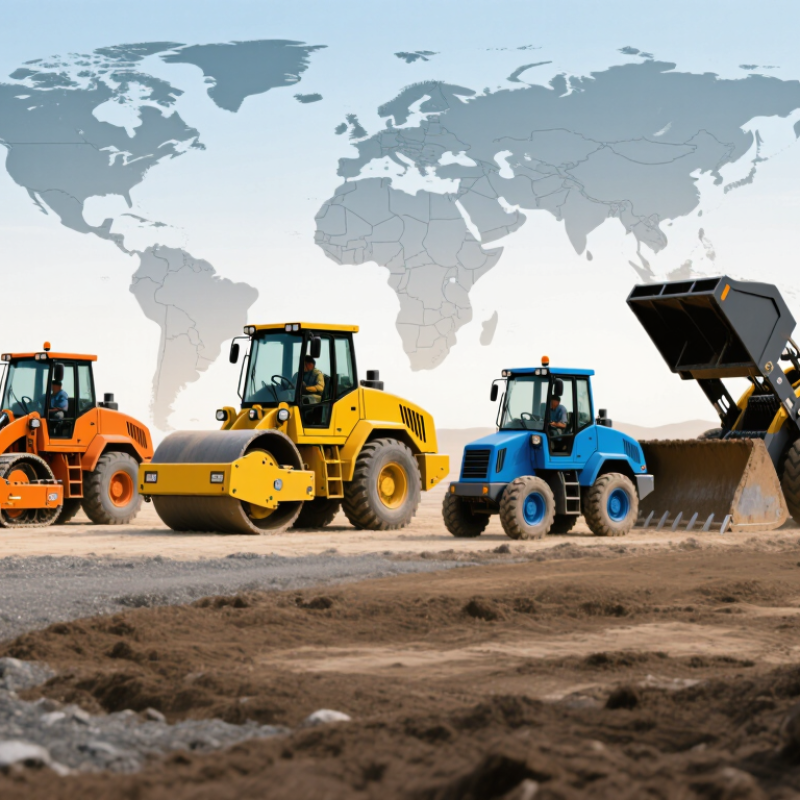
This guide reviews the leading Vibration Compactor types for global buyers in 2026. It focuses on practical applications, measurable performance, ownership concerns, and selection mistakes worth reconsidering before purchase.
2026 Top Vibration Compactor Types for Global Buyers?

What Is a Vibration Compactor and How Does It Work?

A vibration compactor is a machine that densifies soil, gravel, or asphalt through controlled vibration and downward force. It usually uses a rotating eccentric weight inside a drum or base plate. As the weight spins, it creates centrifugal force. That force moves through the machine and into the working surface.

The vibration makes soil particles shift closer together. Air pockets become smaller, while contact between particles increases. The result is a firmer, more stable layer. Smooth-drum compactors suit granular soil and asphalt. Padfoot drums work better with cohesive clay. Vibrating plates are useful around trenches, edges, and confined spaces. Actual performance depends on material moisture, layer thickness, vibration frequency, travel speed, and operator control.

Tips: Test a small area first. Check moisture before compacting. Use thin lifts instead of forcing deep layers. Keep travel speed steady, and inspect the surface after each pass. Excessive vibration can damage weak ground or create uneven settlement. It is not magic. Some surfaces need drainage correction before compaction can work properly. Buyers should also verify working width, centrifugal force, service access, transport limits, and local safety requirements. A low purchase price may hide higher fuel, maintenance, or downtime costs. Good records matter. Note the soil type, number of passes, and visible surface changes during the job.
2026 Top Vibration Compactor Types for Global Buyers

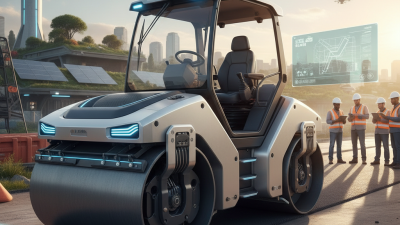
Vibration compactors use an eccentric rotating mass to generate dynamic force, helping reduce air voids and increase soil or asphalt density. The chart shows indicative industry operating-weight ranges in metric tonnes. Actual specifications vary by drum width, vibration frequency, amplitude, fuel capacity, and configuration.

Key Vibration Compactor Types Available in 2026

Key Vibration Compactor Types Available in 2026

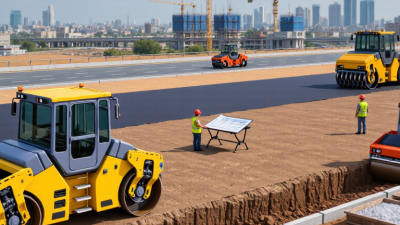
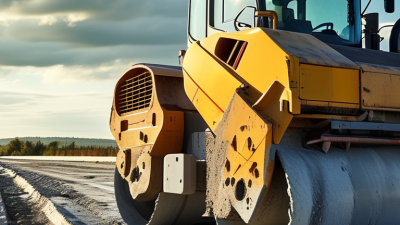
Global buyers can choose from several vibration compactor types in 2026. Each design suits different soil conditions, work areas, and production targets. Single-drum vibratory rollers are common for roads, foundations, and large earthwork sites. Their front drum applies vibration, while the rear tires improve traction and steering stability. They perform well on granular soil, crushed stone, and mixed fill.

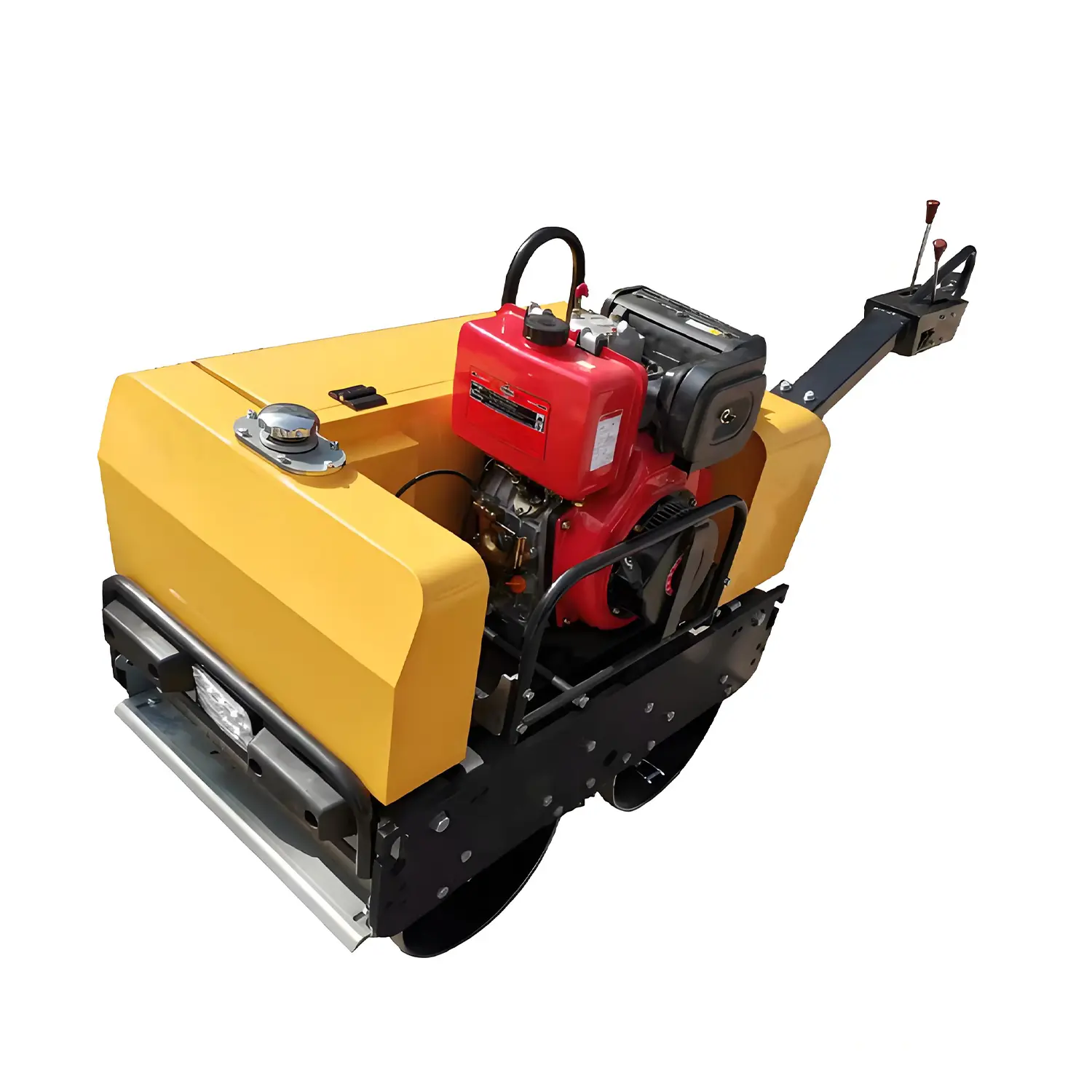
Tandem vibratory rollers use two smooth drums for asphalt and other finished surfaces. They provide even coverage and leave fewer visible marks after repeated passes. Padfoot rollers are better suited to cohesive clay and damp soil. Their raised feet press deeper layers, although excessive moisture can reduce compaction quality. Trench rollers are remotely operated and compact narrow excavations safely. They are useful around pipelines, drainage channels, and confined construction zones.

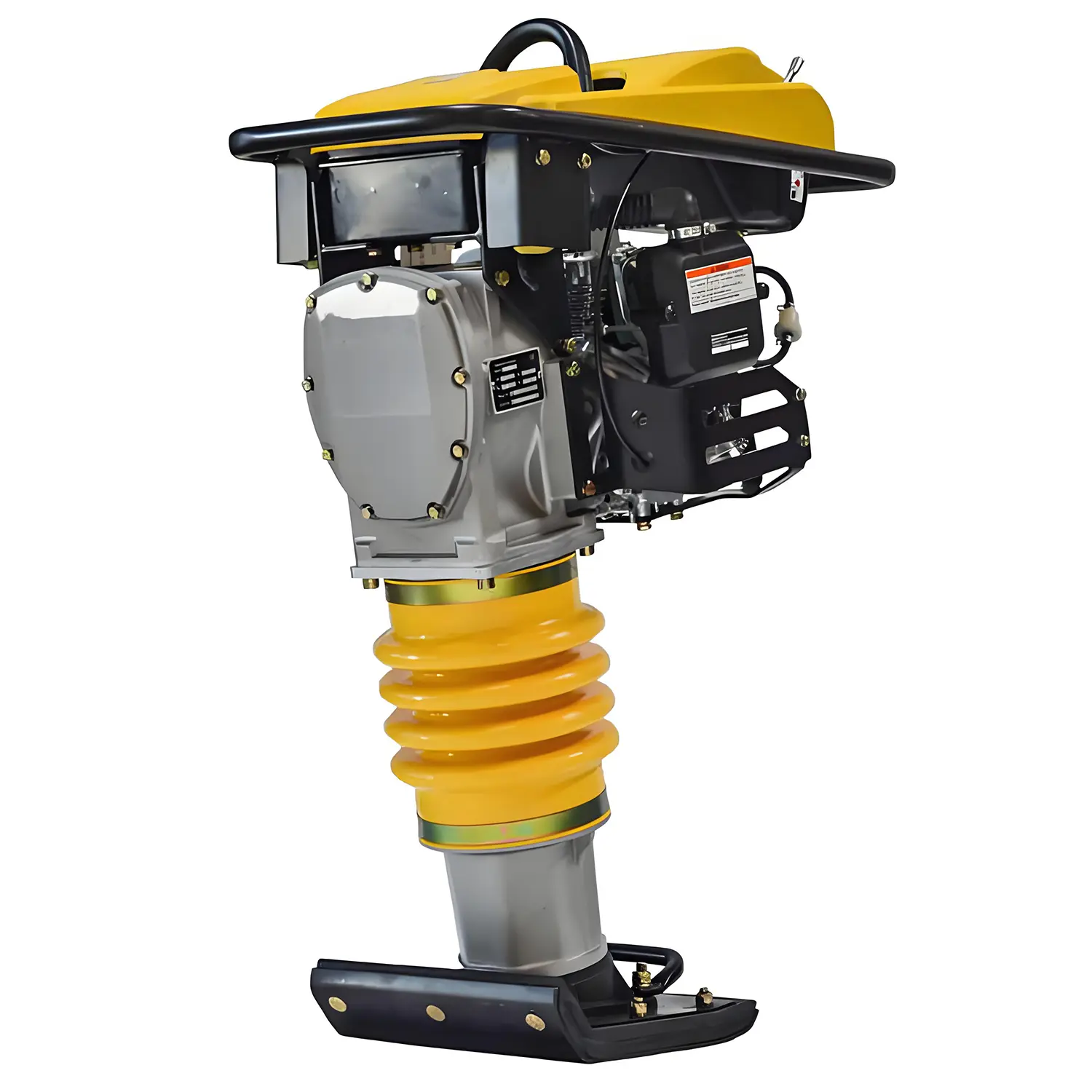
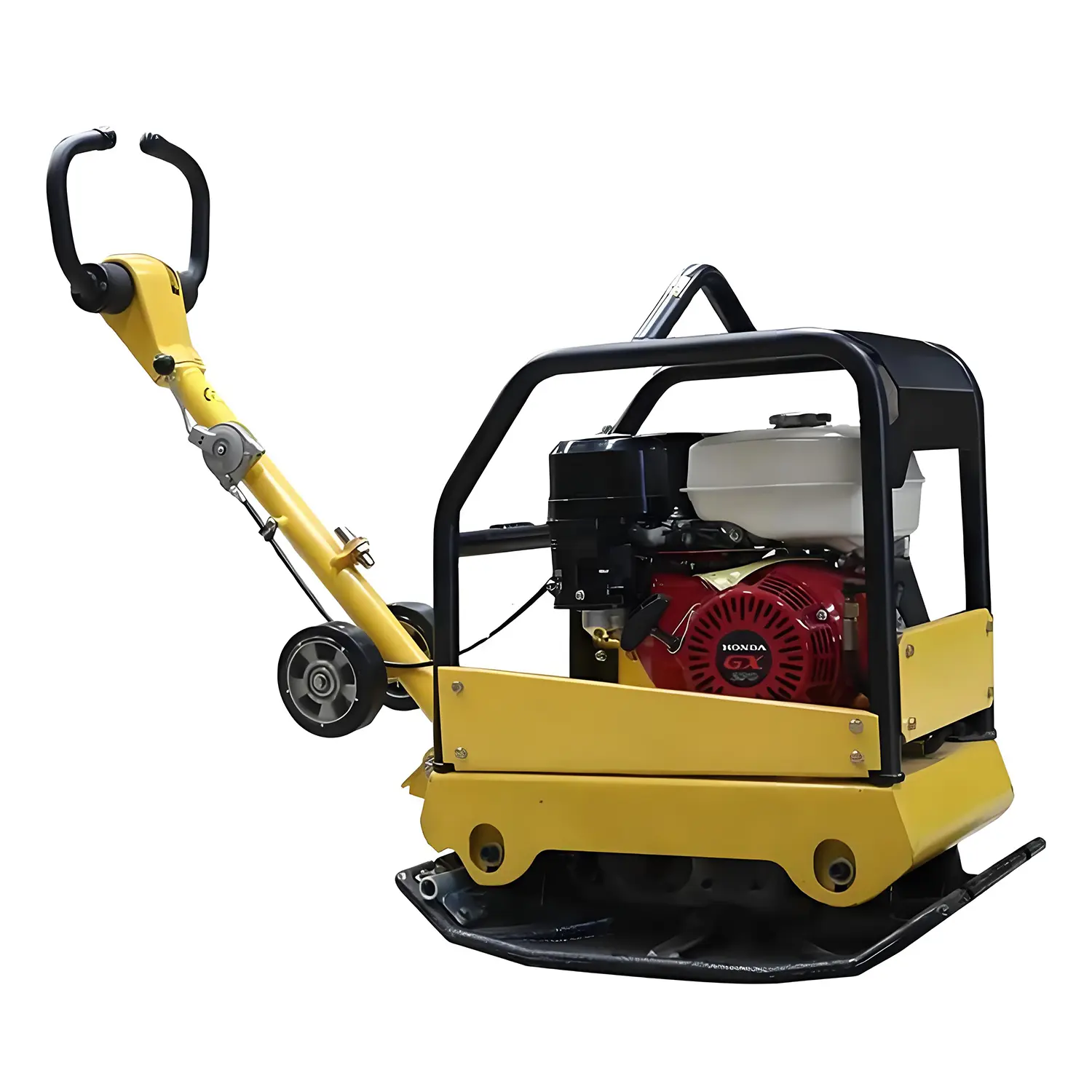
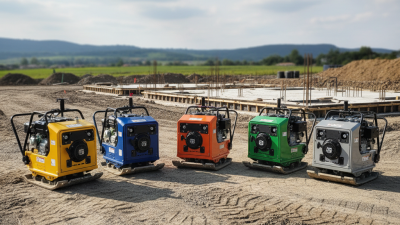
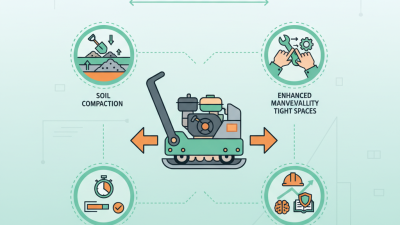
Vibratory plate compactors remain practical for sidewalks, repairs, and small foundations. Forward plates suit open areas, while reversible plates offer better control in tight spaces. Some buyers choose high-frequency settings for thin layers, but settings must match the material and lift thickness. I have seen operators increase vibration speed without checking soil response. That choice can create surface movement instead of stronger density. Machine weight, centrifugal force, drum width, and transport limits also deserve careful comparison. A larger compactor is not always better. Service access matters too, especially where local technicians and replacement parts are limited. Testing a sample area first is still wise.

How Different Compactor Types Compare in Performance

2026 Top Vibration Compactor Types for Global Buyers?

Vibration compactors differ mainly in ground contact, energy transfer, and operating speed. Single-drum soil compactors suit granular bases and mixed fills, while padfoot drums penetrate cohesive clay more effectively. Tandem vibratory rollers produce smoother asphalt finishes. Pneumatic rollers knead the surface, helping seal small voids that steel drums may leave behind.

Field performance depends on more than machine weight. FHWA intelligent compaction case studies report that optimized rolling patterns can reduce unnecessary passes by about 20–30%. That matters on long highway sections, where fuel use and temperature loss increase quickly. The U.S. Army Corps of Engineers recommends controlling moisture, lift thickness, amplitude, and travel speed together. A heavy drum cannot rescue material that is too dry.

Asphalt work needs special attention. NCHRP Report 673 identifies temperature as a critical factor in achieving uniform density before the mat cools. Tandem rollers often perform well during breakdown and intermediate rolling, but pneumatic units can improve surface sealing. In my field observations, operators sometimes chase density readings without checking edge behavior. That is a mistake. Sensor data is useful, but cores, visual inspection, and consistent pass records still matter. Soil type, climate, and local specifications can change the best choice. There is no universal winner.

Which Vibration Compactor Fits Each Soil and Project?

Choosing a vibration compactor starts with soil, not machine size. Granular soil responds well to a smooth-drum vibratory roller. Its drum creates repeated energy through sand, gravel, and crushed stone. FHWA intelligent compaction guidance recommends continuous coverage mapping for these variable layers. Point tests alone can miss soft strips between test locations. Watch the surface. If aggregate pushes forward, amplitude may be too high.

Cohesive clay needs kneading action. A padfoot or sheepsfoot drum presses deeper and breaks soil clods. USACE EM 1110-2-1911 links field control with moisture-density relationships. Many earthwork specifications use about 95% of maximum dry density, but project requirements differ. Wet clay may smear instead of compact. No machine fixes poor moisture control. Pneumatic rollers suit mixed soils and asphalt sealing, while trench rollers and vibrating plates fit narrow utility work. Near buildings, pipes, or bridges, reduce amplitude and confirm vibration limits. I have seen contractors choose the heaviest roller, then repair nearby cracks. Bigger is not always better. For small repairs, excessive vibration wastes fuel and may damage edges. A practical selection checks soil type, lift thickness, moisture, access, and required density before mobilization. The imperfect part is field judgment. Test strips still matter.

2026 Top Vibration Compactor Types for Global Buyers? - Which Vibration Compactor Fits Each Soil and Project?

Compactor Type Typical Operating Weight Typical Drum / Plate Width Typical Vibration Frequency Typical Compaction Force Best Soil or Material Recommended Project Applications Key Advantages Main Limitations
Single-Drum Smooth Vibratory Roller 3–14 tonnes 1.0–2.1 m drum 25–40 Hz 60–300 kN centrifugal force Granular soil, crushed stone, gravel and base course Road subgrades, highway bases, parking areas, embankments and large earthworks High productivity, strong depth effect and good performance on non-cohesive materials Smooth drums are less effective on cohesive clay and may cause material displacement if over-vibrated
Single-Drum Padfoot Vibratory Roller 8–25 tonnes 1.5–2.2 m drum 20–35 Hz 150–450 kN centrifugal force Clay, silty clay, wet cohesive soil and mixed fill Dam construction, landfill cells, earth embankments, airport fills and deep cohesive soil layers Tamping feet knead and rework cohesive soil while providing high static and dynamic loading Slower on clean granular materials; requires a finishing pass with a smooth drum for a level surface
Double-Drum Tandem Vibratory Roller 2–14 tonnes 0.8–2.1 m drums 30–50 Hz 30–250 kN centrifugal force Asphalt mixtures, granular base and thin aggregate layers Urban streets, road resurfacing, utility trenches, cycleways and parking lots Two vibrating drums provide uniform coverage and a smooth finished surface Limited suitability for deep cohesive soil; vibration can affect nearby sensitive structures
Vibratory Pneumatic-Tire Roller 8–30 tonnes 1.7–2.3 m rolling width 25–40 Hz, when vibration is fitted Typically specified by tire load and ballast; vibration force varies by model Asphalt, granular base and materials requiring kneading action Asphalt mixing plants, road widening, airport pavements and surface sealing Overlapping tires provide kneading, sealing and improved surface uniformity Tire performance depends on inflation pressure, temperature and ballast; not ideal for loose deep soil
Reversible Vibratory Plate Compactor 150–750 kg 0.35–0.90 m plate 50–100 Hz 15–80 kN centrifugal force Sand, gravel, crushed aggregate and granular backfill Trenches, foundations, sidewalks, driveways and confined construction areas Forward and reverse travel improves maneuverability and productivity in restricted spaces Less effective in high-plasticity clay; operating depth is limited compared with rollers
Forward Vibratory Plate Compactor 50–180 kg 0.30–0.50 m plate 70–110 Hz 10–25 kN centrifugal force Dry sand, gravel, pavers and thin granular layers Paver installation, landscaping, small repairs and light utility work Compact, easy to transport and suitable for narrow or lightly loaded work areas Forward-only travel and lower mass restrict production rate and compaction depth
Trench Vibratory Roller 1.3–2.5 tonnes 0.60–0.85 m drum width 25–40 Hz 25–80 kN centrifugal force Cohesive soil, mixed backfill and granular trench fill Pipe trenches, drainage corridors, narrow embankments and confined earthworks Remote operation improves visibility and operator safety near trench edges Narrow working width reduces output on open sites; requires careful control around buried utilities
Oscillatory Vibratory Roller 3–14 tonnes 1.0–2.1 m drum Typically 25–40 Hz equivalent operating range Model-dependent; generally lower transmitted impact than conventional vibration Asphalt, granular base and vibration-sensitive urban work zones Road rehabilitation near buildings, bridges, utilities and existing pavements Reduces vertical impact and can limit unwanted vibration transmission to nearby structures May require more passes or different settings on very dense or deep soil layers
Selection note: Specifications are representative market ranges for 2026 purchasing comparisons, not fixed standards. Actual performance depends on machine mass, drum or plate geometry, amplitude, frequency, soil moisture, layer thickness, travel speed and the number of passes. Always confirm the manufacturer’s technical data and perform a field compaction test before final selection.

What Global Buyers Should Check Before Purchasing

Choosing among single-drum, double-drum, pneumatic-tire, and trench compactors requires more than comparing purchase prices. Grand View Research valued the global construction equipment market at about USD 207.8 billion in 2022, with continued growth forecast through 2030. That expansion increases product choices, but not necessarily purchasing clarity.

Check soil conditions first. A single-drum machine suits granular soil and deeper layers, while a double-drum compactor delivers consistent asphalt finishing. Pneumatic-tire models can improve surface sealing, but tire pressure and ballast require careful adjustment. Ask for measurable results, not attractive brochures. Request compaction curves, centrifugal force, drum width, operating mass, climbing ability, and fuel or energy consumption. Field-test the machine on material similar to your project.

Verify operating safety and service support before signing. ISO 5349 addresses hand-transmitted vibration, while ISO 2631 concerns whole-body vibration exposure. These standards do not replace local workplace rules, but they provide useful technical references. Check noise data, emergency controls, lighting, visibility, spare-part lead times, and diagnostic access. Import regulations, emissions limits, and electrical standards differ between markets. A machine compliant in one country may need changes elsewhere.

Do not overlook transport dimensions. A few extra centimeters can increase freight costs or delay customs clearance. Warranty language also deserves inspection, especially for vibration motors, drums, hydraulic lines, and electronic controls. I have seen specifications look complete until actual soil conditions exposed weak assumptions. Buyers should keep a test record, although even a careful record cannot predict every jobsite variable.