Why Choose a Concrete Compactor for Your Construction Needs?
In the world of construction, choosing the right equipment can make all the difference. Concrete Compactors, essential for achieving a solid base, are often overlooked. According to Emily Carson, a noted expert in construction equipment, "A reliable Concrete Compactor is crucial for any project aiming for durability." This highlights the significance of selecting quality machinery.
Concrete Compactors serve multiple purposes. They enhance soil stability and ensure the effective compaction of concrete. Construction sites that prioritize strong foundations benefit immensely from their use. However, not all Concrete Compactors are created equal, and understanding specifications is key. Many contractors face challenges in selecting the right type, which can lead to inefficiencies.
Mistakes can occur if one does not consider site conditions or the compactor's capabilities. Investing in the right machine can save time and resources in the long run. Thus, weighing options carefully is vital for optimal performance. In a field where precision counts, the right Concrete Compactor can be the linchpin for success.
Advantages of Using Concrete Compactors in Construction Projects
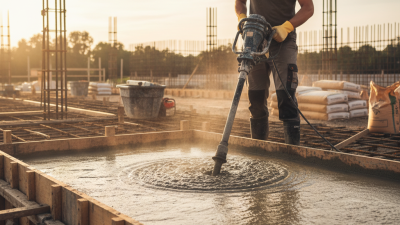
Concrete compactors are essential tools in construction. They significantly improve the quality of concrete foundations. When properly used, they ensure better durability and stability for structures. An effective compactor minimizes air voids, leading to a stronger mix. This can prevent cracking and settling issues later.
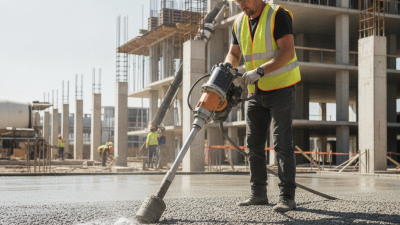
With a concrete compactor, the process becomes more efficient. Operators can achieve better results in less time. A well-compacted surface is crucial for paving and laying slabs. This tool is especially useful in places with limited access. However, improper use can lead to uneven surfaces. Finding the right balance in pressure and time is vital.
Using concrete compactors also enhances safety on job sites. A solid foundation reduces the risk of accidents related to structural failures. However, the learning curve for new users can be steep. Continuous training often proves beneficial. Employing experienced operators is critical to avoid mistakes. This investment pays off in the long run.
Key Types of Concrete Compactors and Their Applications
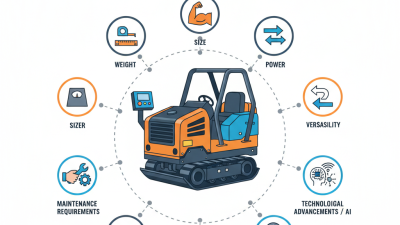
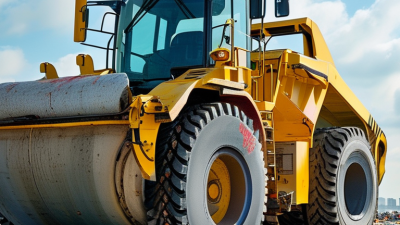
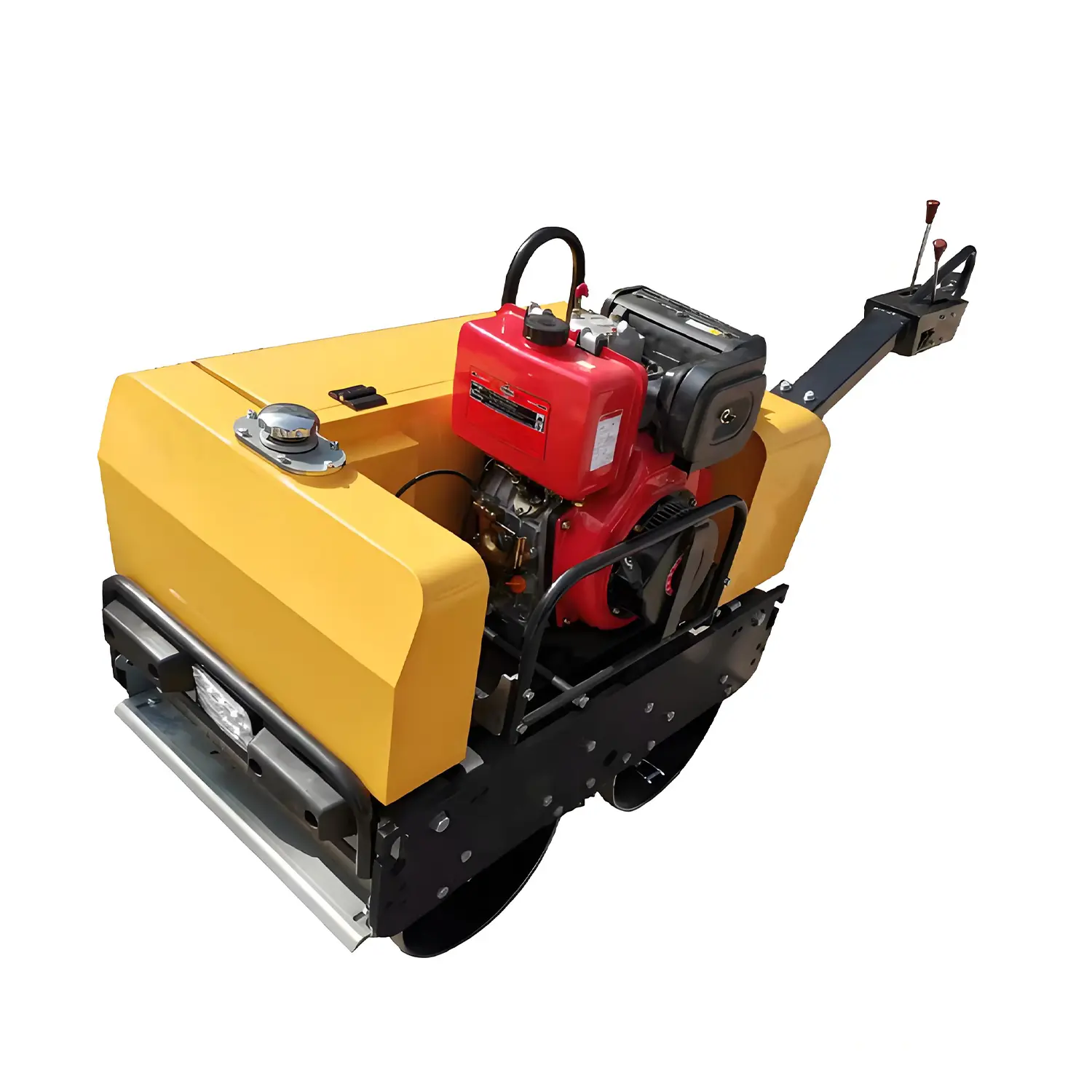
When selecting a concrete compactor, understanding the various types and their specific applications is crucial. There are three primary types: plate compactors, trench rollers, and double drum rollers. Each serves a unique purpose in the construction process, tailored to different environments and requirements.
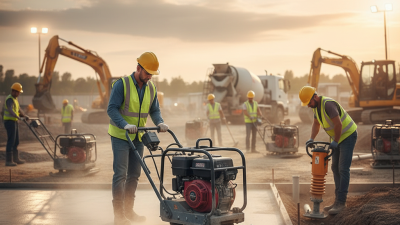
Plate compactors are ideal for small to medium jobs, such as residential projects. They effectively compact soils and asphalt surfaces. According to industry reports, they can achieve a compaction depth of 12 to 15 inches, making them highly efficient for these tasks. However, they may struggle with larger projects and tighter spaces.
Trench rollers excel in confined areas, particularly for trench work. Their design allows for optimal compaction in narrow applications. These rollers can compact materials at depths exceeding 24 inches. Yet, proper operation is essential. Improper use can lead to uneven surfaces.
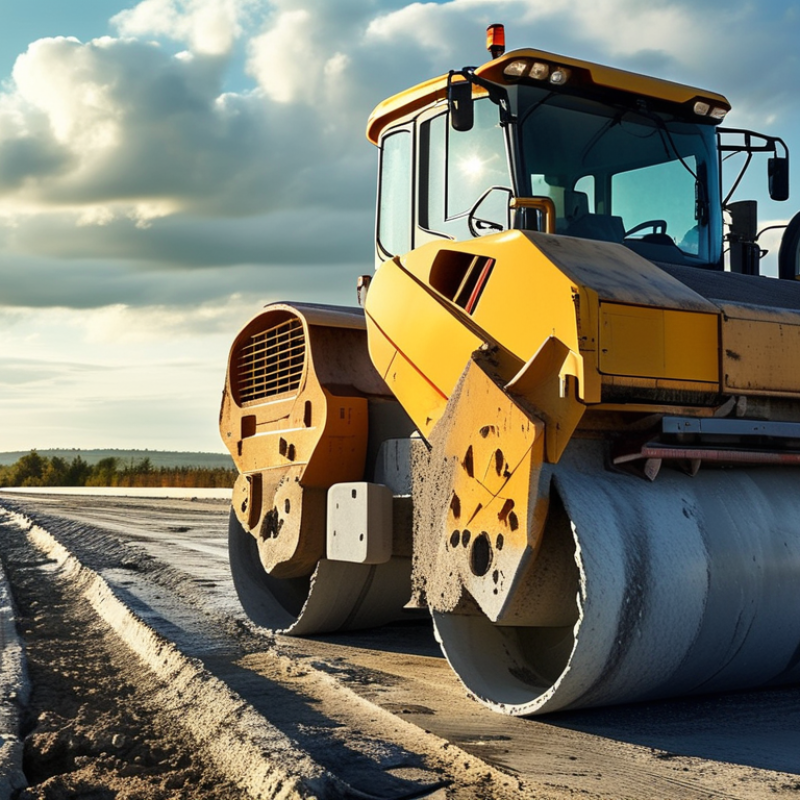
Double drum rollers are commonly utilized for road construction. They provide excellent compaction across wide surfaces. They generate high-frequency vibrations, ensuring adequate density in asphalt and soil layers. However, they can be less maneuverable in tight spaces compared to their counterparts. Understanding the specific needs of your project will guide the choice of compactor.
Why Choose a Concrete Compactor for Your Construction Needs?
| Type of Concrete Compactor |
Key Features |
Applications |
Advantages |
| Plate Compactor |
Lightweight, portable, vibratory plate |
Small to medium areas, asphalt and soil compaction |
Easy to handle, effective in confined spaces |
| Jumping Jack Compactor |
Pneumatic or mechanical, jumps while compacting |
Backfilling trenches, narrow areas, and tight spaces |
Highly effective for cohesive soils, portable |
| Road Roller |
Heavy-duty, large drum, self-propelled |
Large construction projects, road and pavement construction |
Great for large areas, high compaction efficiency |
| Hand-Held Compactor |
Manual operation, compact size |
Small projects, repair works, DIY tasks |
Easy to control, economical for small jobs |
| Vibratory Compactor |
Multiple vibration plates, adjustable frequencies |
Various soil types, asphalt layering |
Versatile, suitable for different applications |
Industry Statistics on Compaction Efficiency and Worksite Safety
Compaction efficiency plays a critical role in construction. According to industry statistics, proper compaction can reduce project time by up to 30%. Not only does this save time, but it also minimizes costs associated with delays. A well-compacted surface is crucial for load-bearing. It ensures that the foundation can support the structure above.
Worksite safety is another area where compaction should not be overlooked. Poorly compacted soil can lead to dangerous conditions. The Occupational Safety and Health Administration reports that unstable ground contributes to many construction accidents. Proper use of a concrete compactor can significantly lower incidents of injury on-site. It provides a stable base that protects workers.
However, not every project benefits equally from compaction. Different soil types present unique challenges. Contractors must assess soil conditions before selecting compaction methods. This decision can impact both efficiency and safety. Continuous evaluation and adjustment may be needed as work progresses. These considerations highlight the importance of experience and expertise in achieving optimal results.
Cost-Benefit Analysis of Investing in a Concrete Compactor
Investing in a concrete compactor can yield significant benefits for construction projects. Industry reports indicate that proper compaction can lead to reduced material costs and improved structural integrity.
A study by the National Ready Mixed Concrete Association found that optimizing compaction can enhance concrete strength by 20%. This not only improves durability but also extends the lifespan of the structure.
While the initial investment in a concrete compactor may seem steep, the long-term savings can be compelling. In many projects, poor compaction results in costly failures. According to a survey conducted by Construction Business Owner, 30% of construction delays stem from issues related to compaction. Delays can cost companies up to $20,000 a day. By investing in a reliable compaction tool, businesses can mitigate these risks and ensure timely project completion.
There are challenges in selecting the right compactor. Different projects require different compaction methods. Misuse of equipment can lead to subpar results. A thorough evaluation of equipment options and project needs is crucial. Additionally, ongoing maintenance of compactors can incur costs. It's important to strike a balance between initial costs and long-term efficiency. By carefully weighing these factors, firms can make informed decisions that align with their financial strategy.
Best Practices for Operating Concrete Compactors Effectively
Operating a concrete compactor effectively requires skill and understanding. Proper use enhances efficiency and safety on the job site. Always inspect the equipment before use. Check for any damage or wear. Look for loose parts that may affect performance. Maintenance is key. A well-maintained machine operates smoother and lasts longer.
When compacting concrete, keep the machine moving. Stopping too long in one place can lead to uneven surfaces. Try to maintain a steady pace. This helps achieve uniform compaction. If you notice any inconsistencies, adjust your technique. It’s crucial to understand the project requirements clearly. Each job may need different approaches.
Tips: Always wear appropriate safety gear. Protect yourself against potential hazards. Follow the manufacturer's guidelines for operation. Lastly, reflect on your work. If the results aren’t as expected, assess what went wrong. Learning from mistakes is part of the process. Embrace these moments for growth and improvement in future projects.

 Internal Vibrator
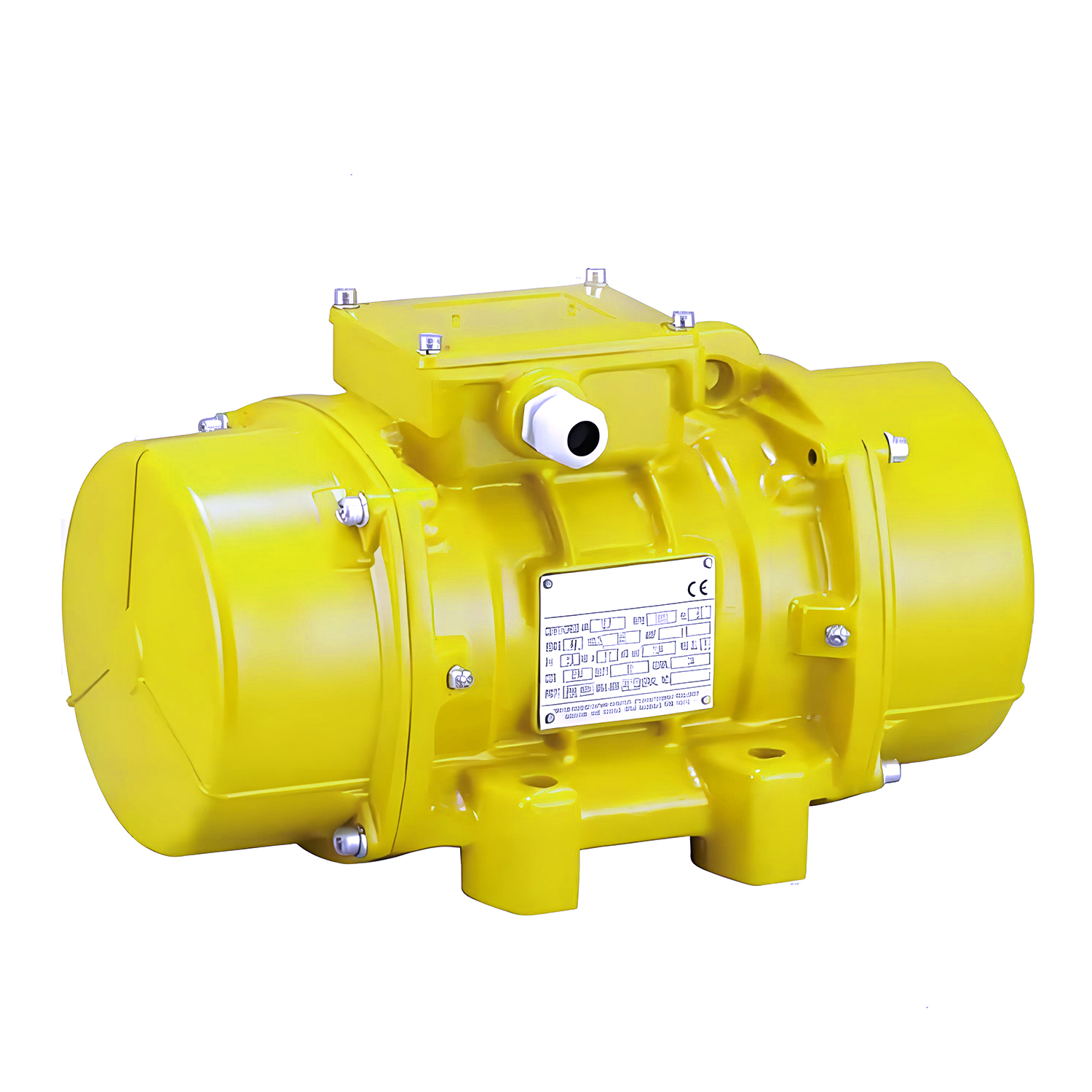 External Vibrator
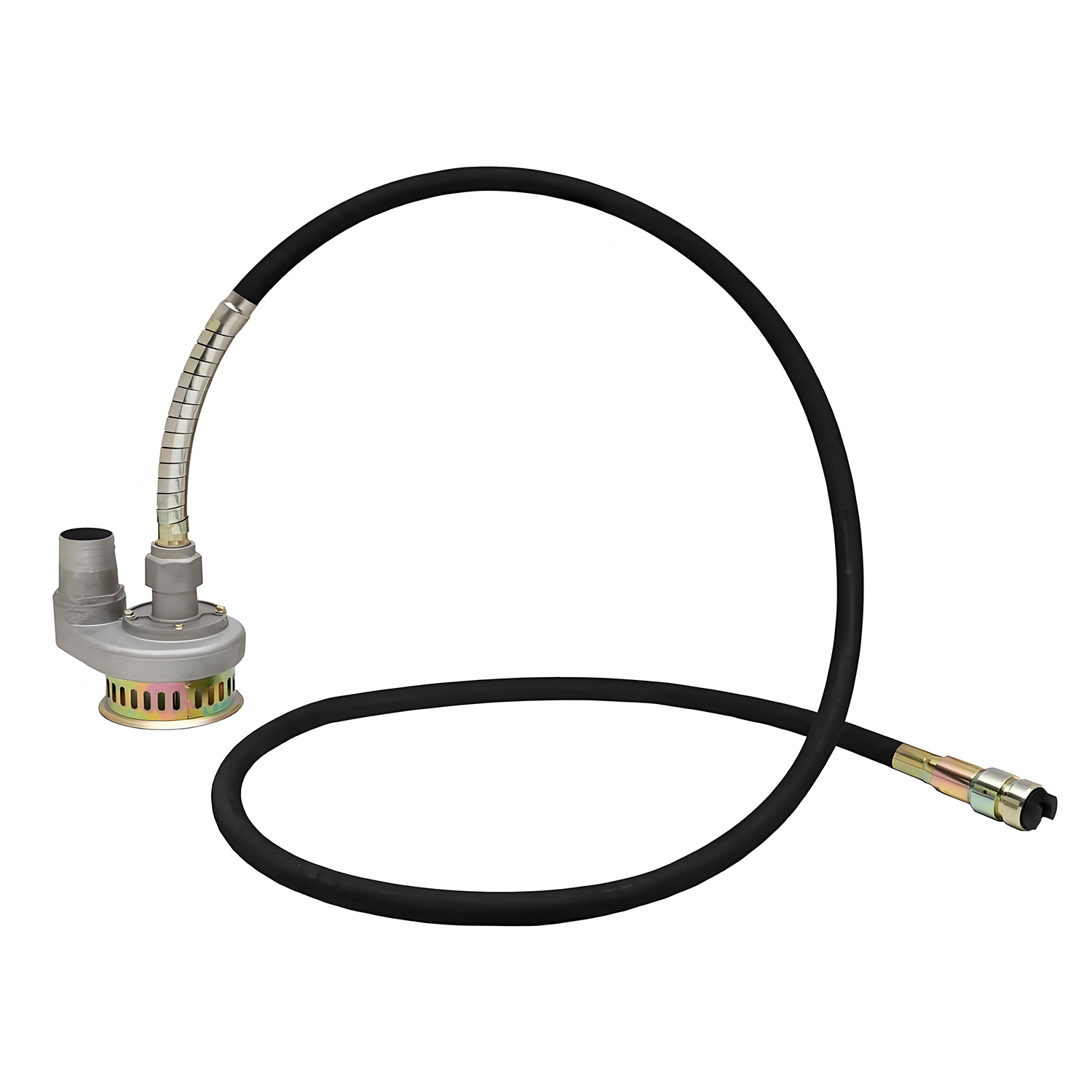 Submersible Pump
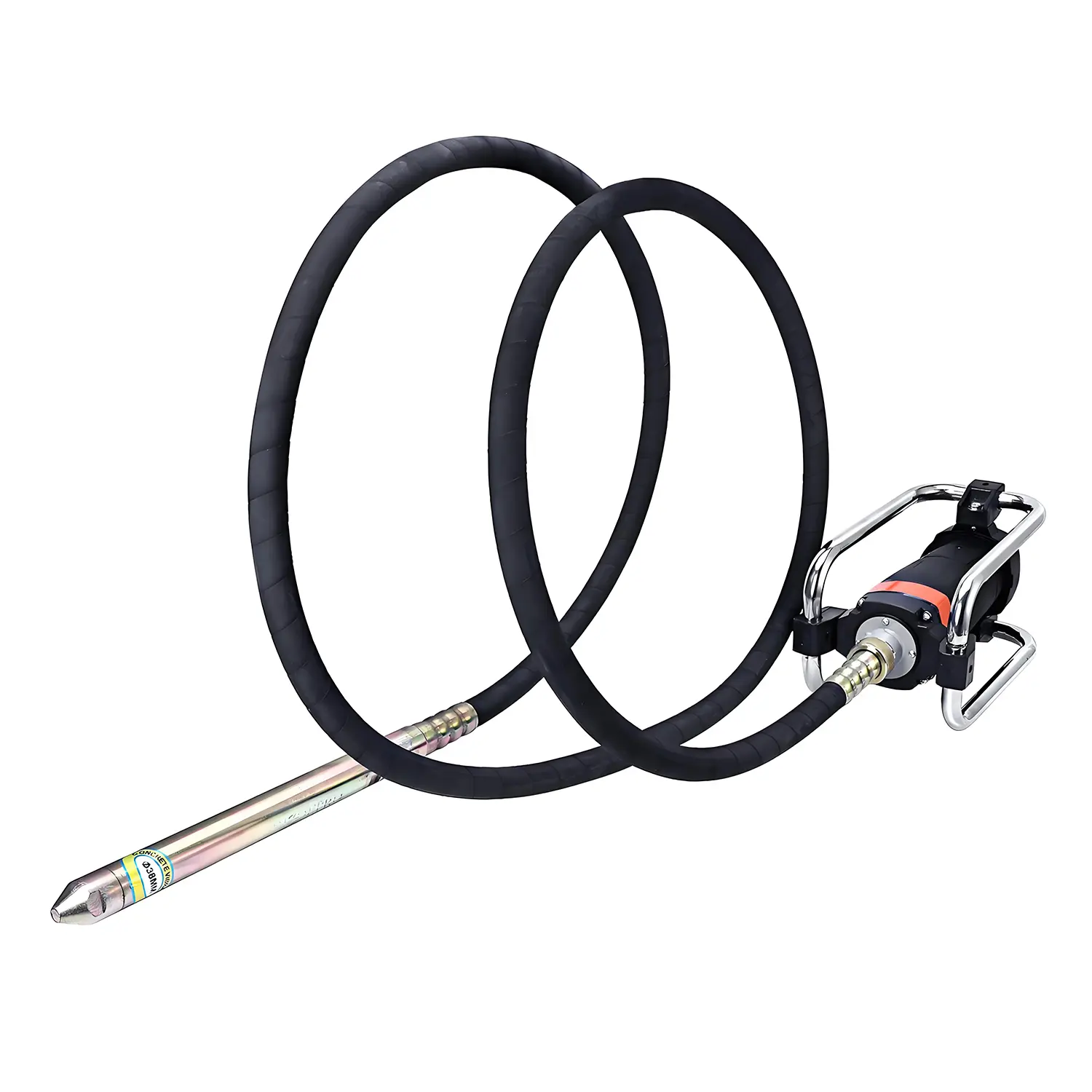 Eccentric shaft
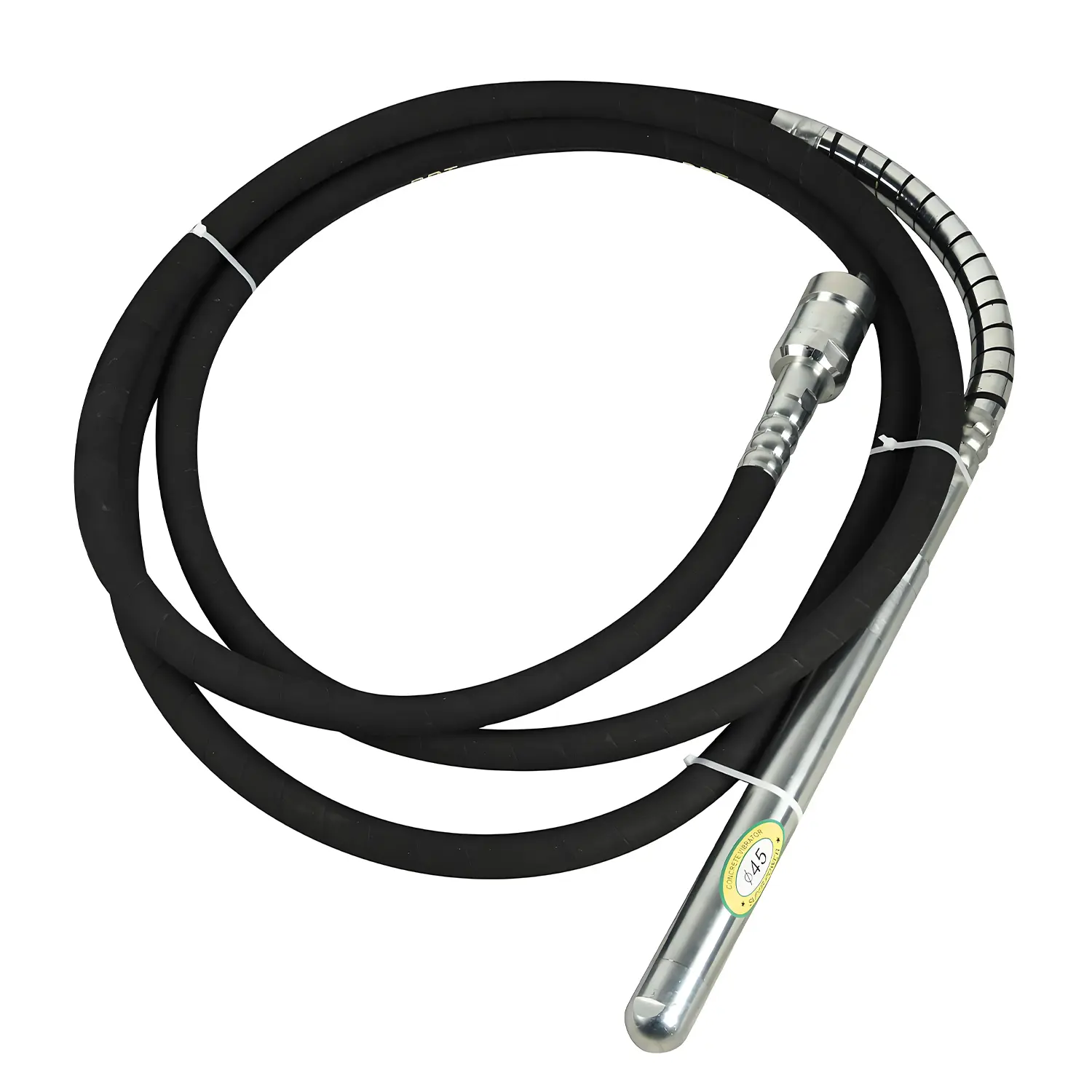 Pendulum shaft
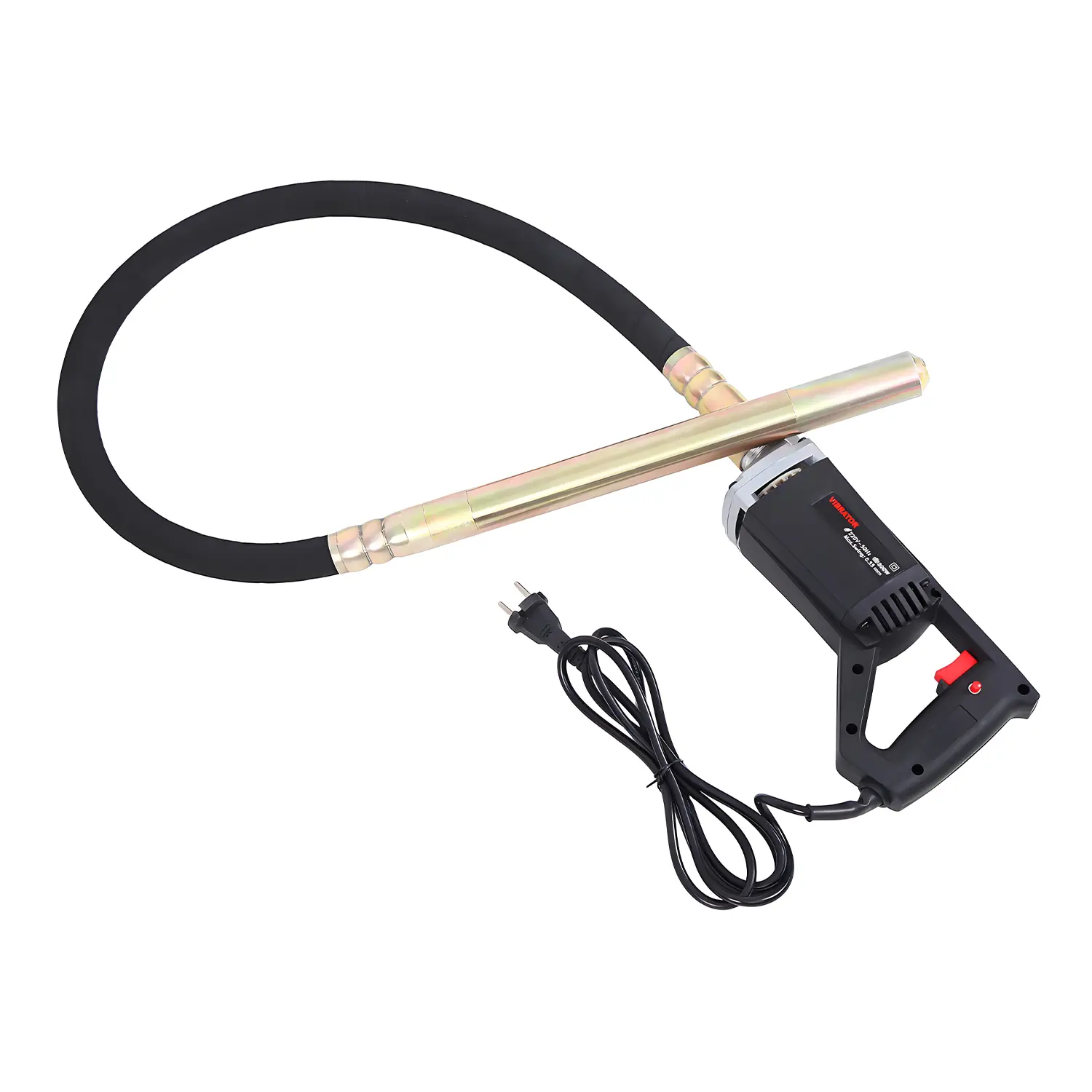 Portable vbrator shaft
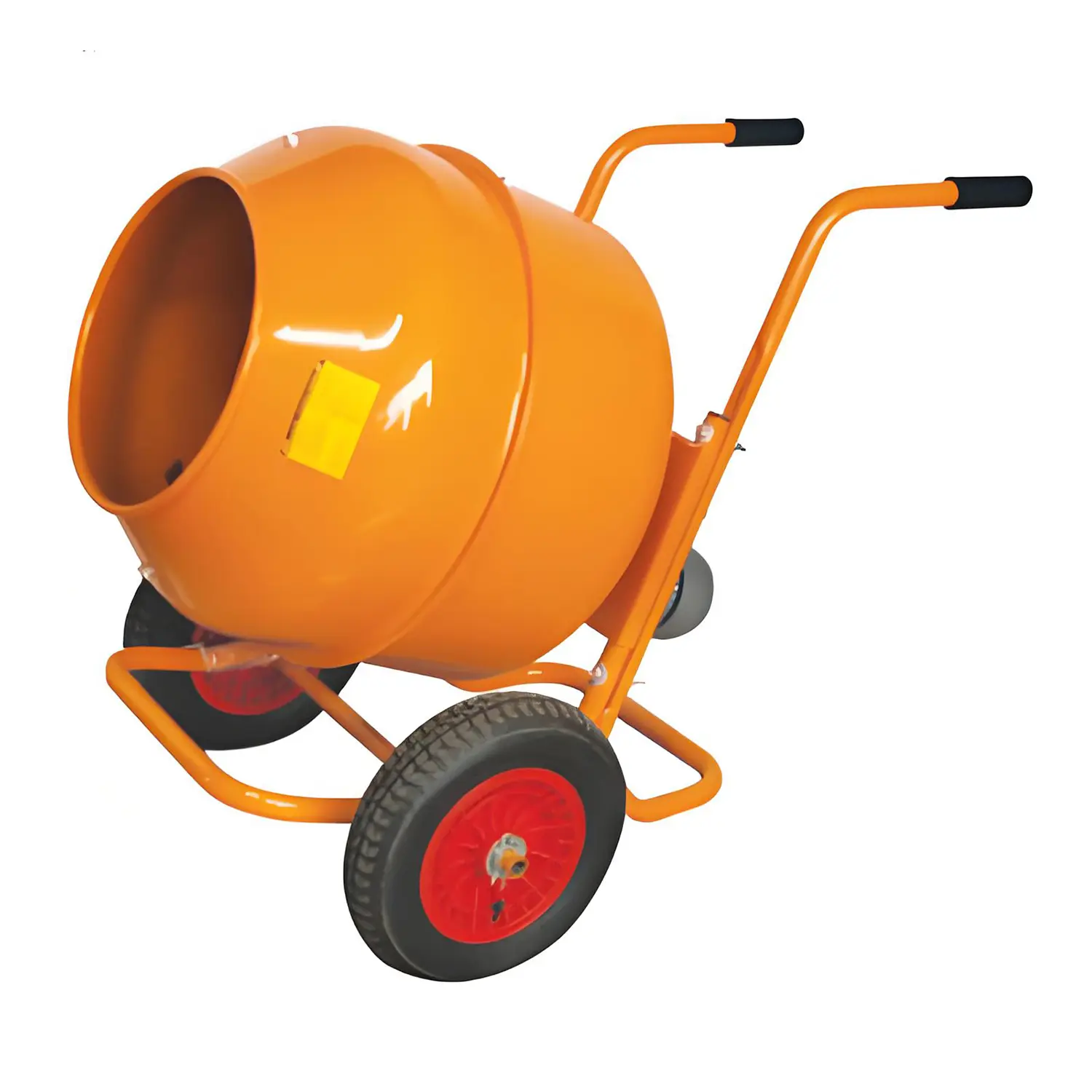 Portable concrete mixer
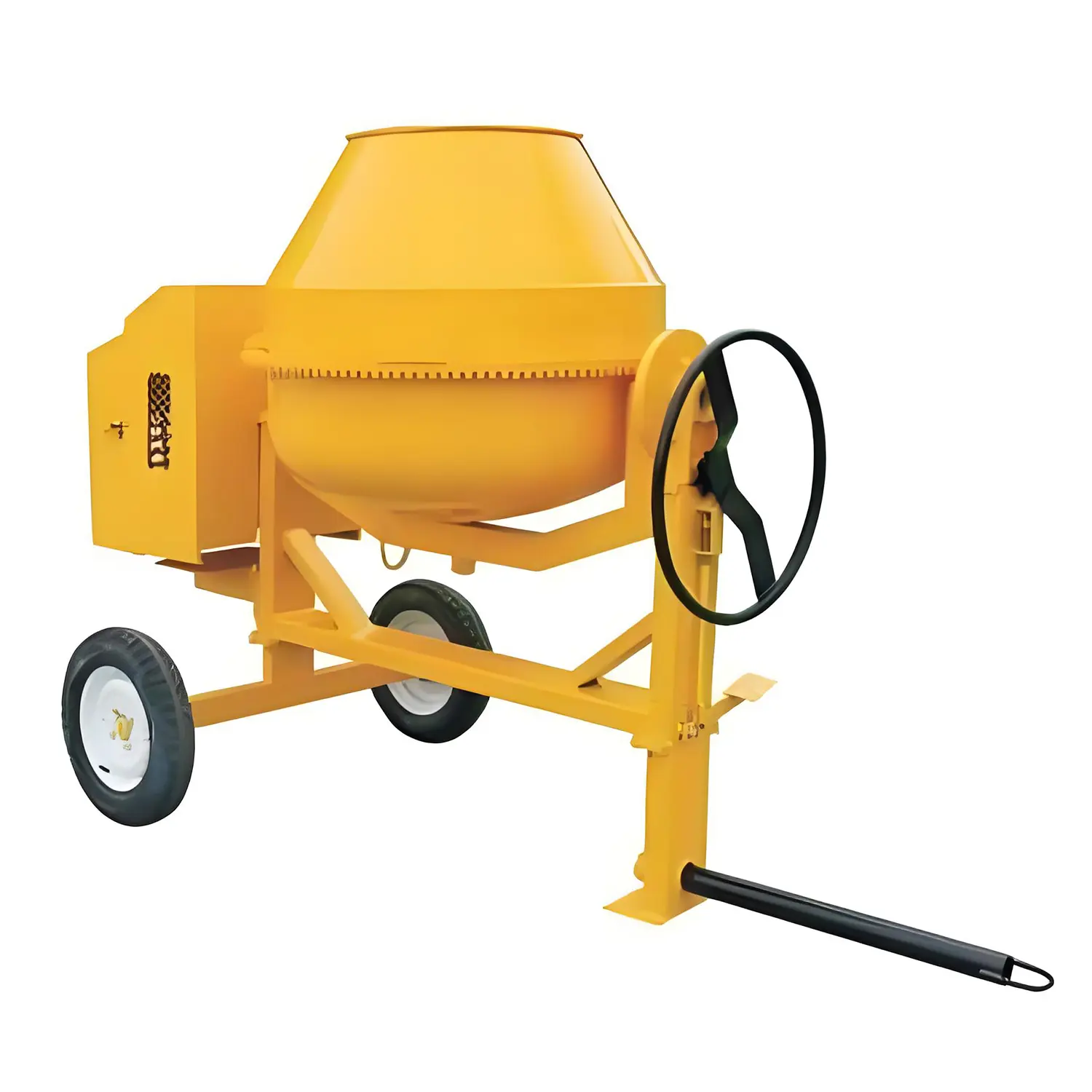 Vertical concrete mixer
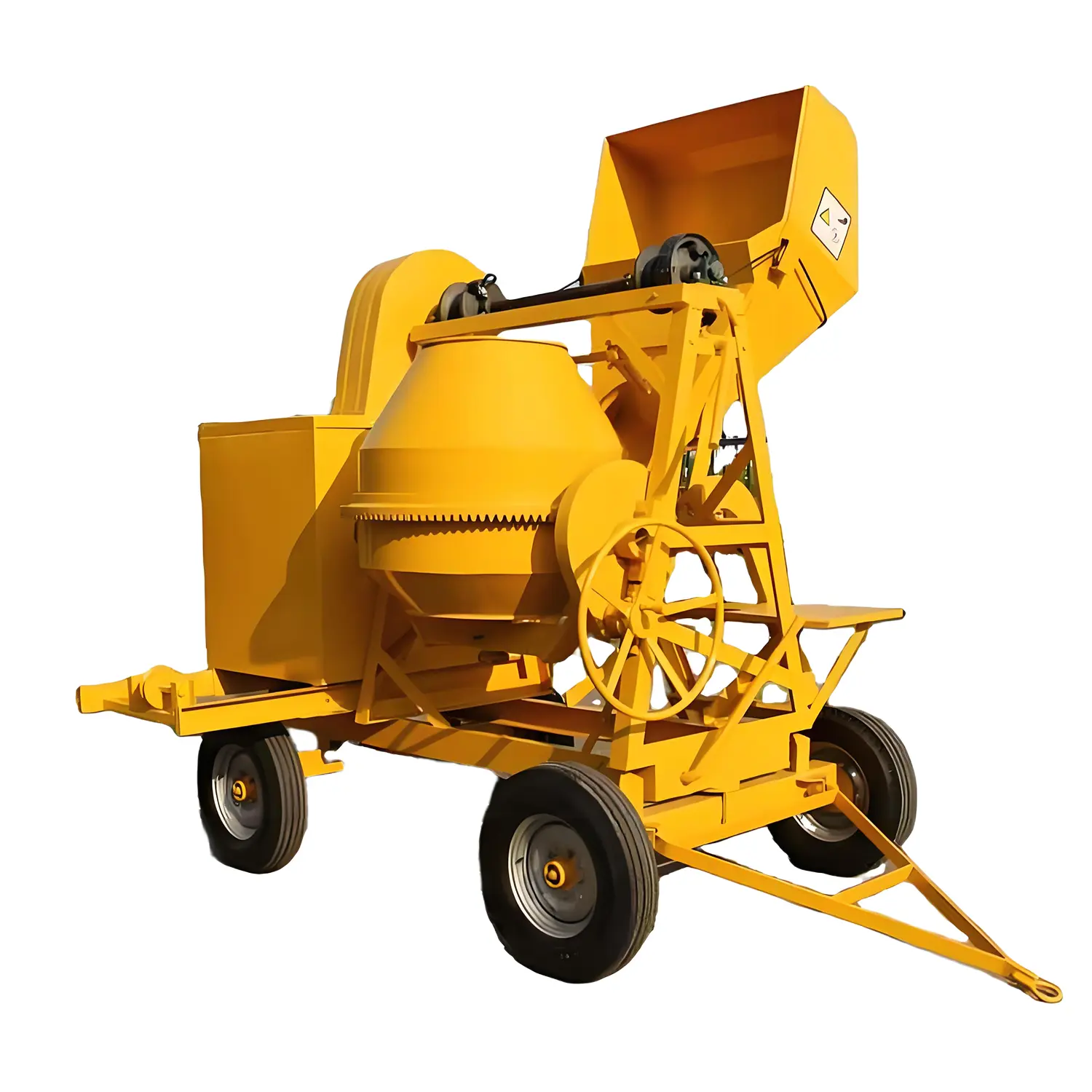 Hydraulic concrete mixer
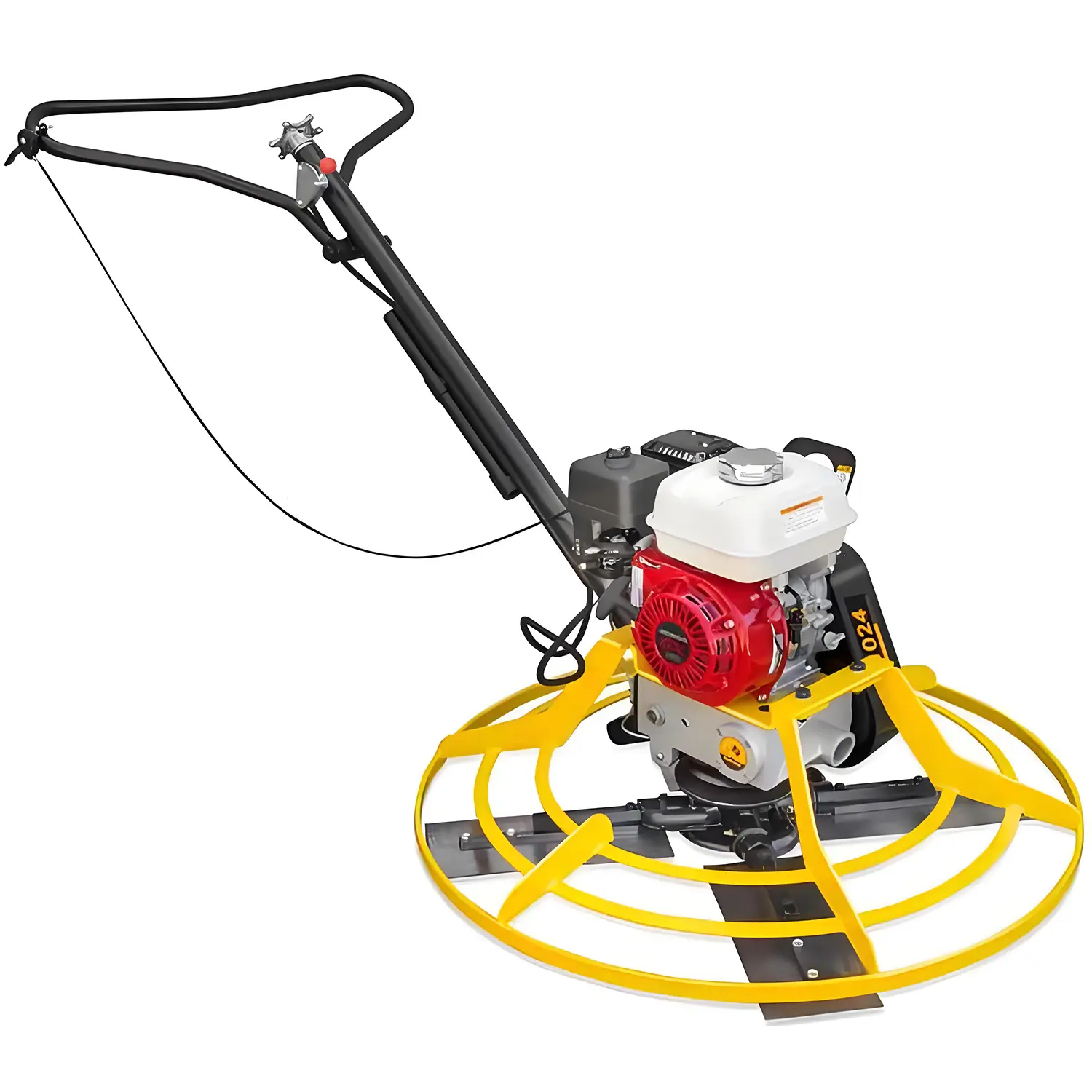 Walk behind power trowel
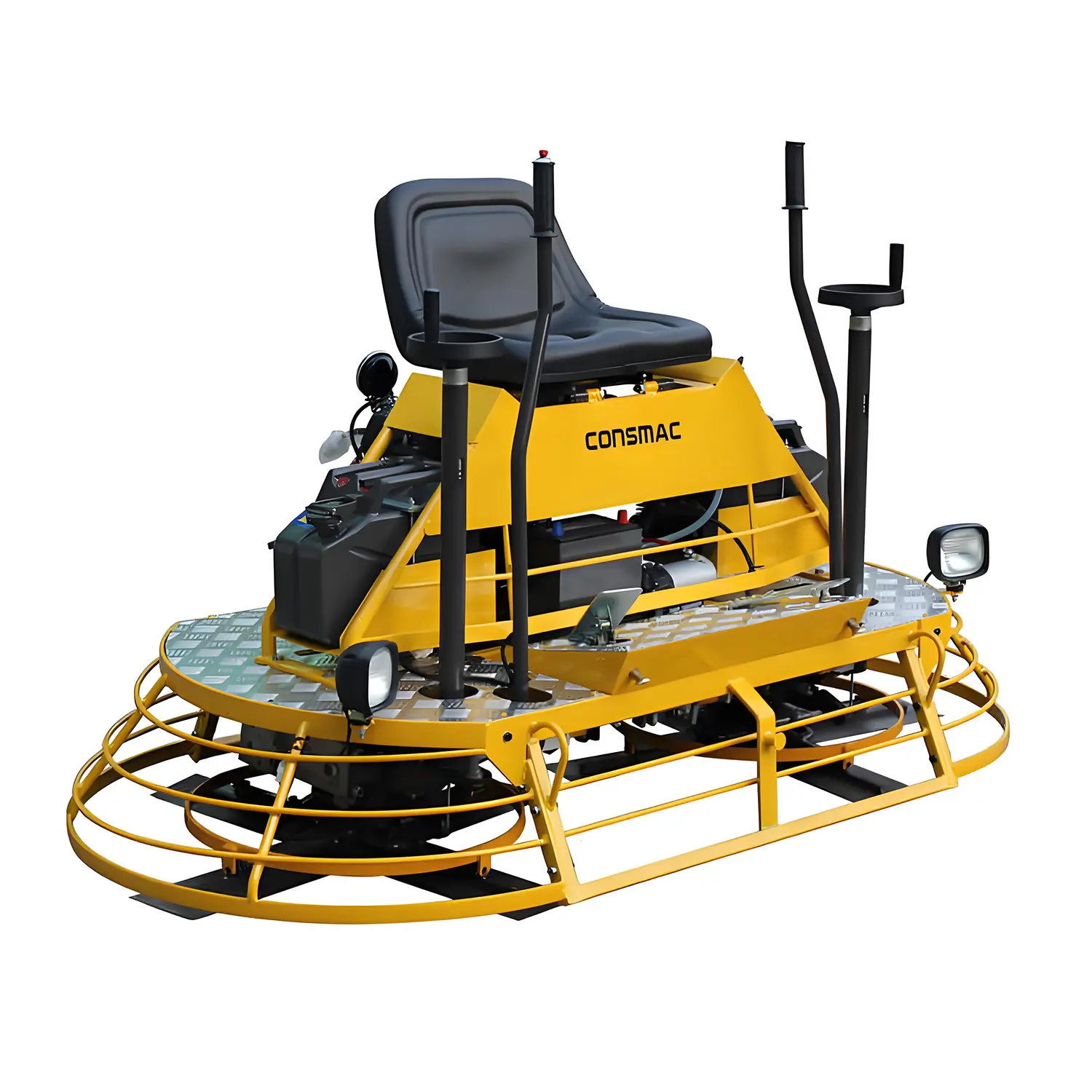 Ride on power trowel
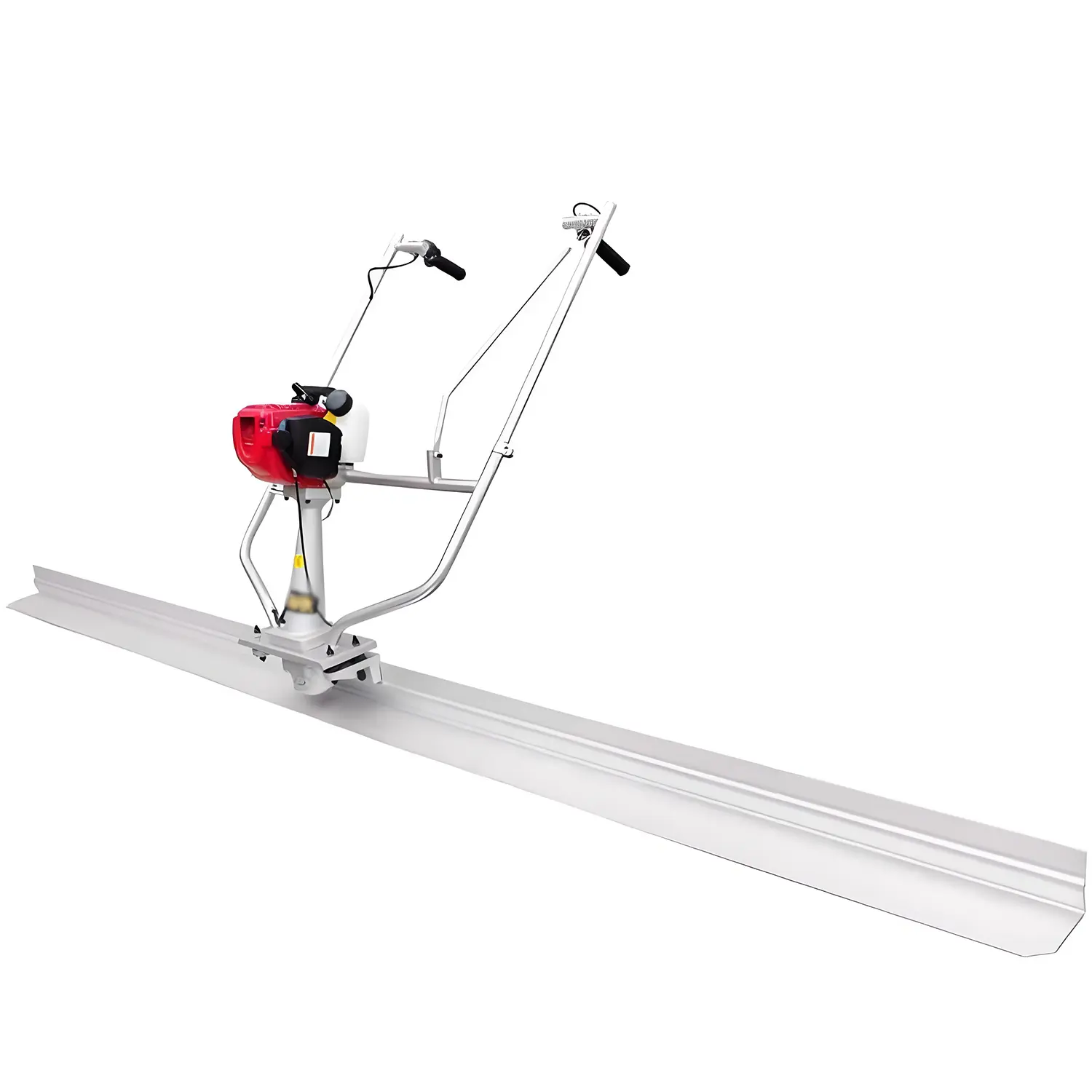 Concrete screed
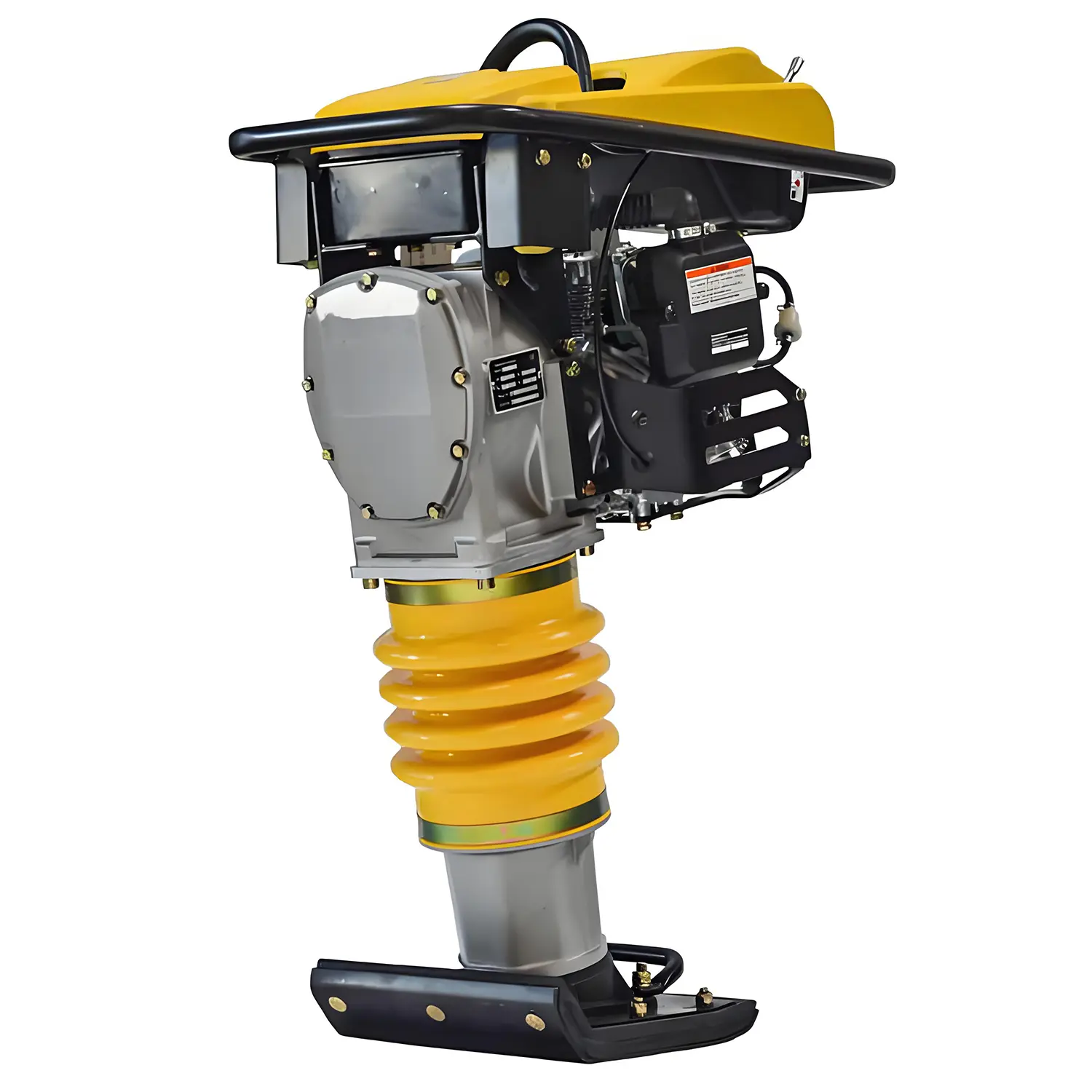 Tamping rammer
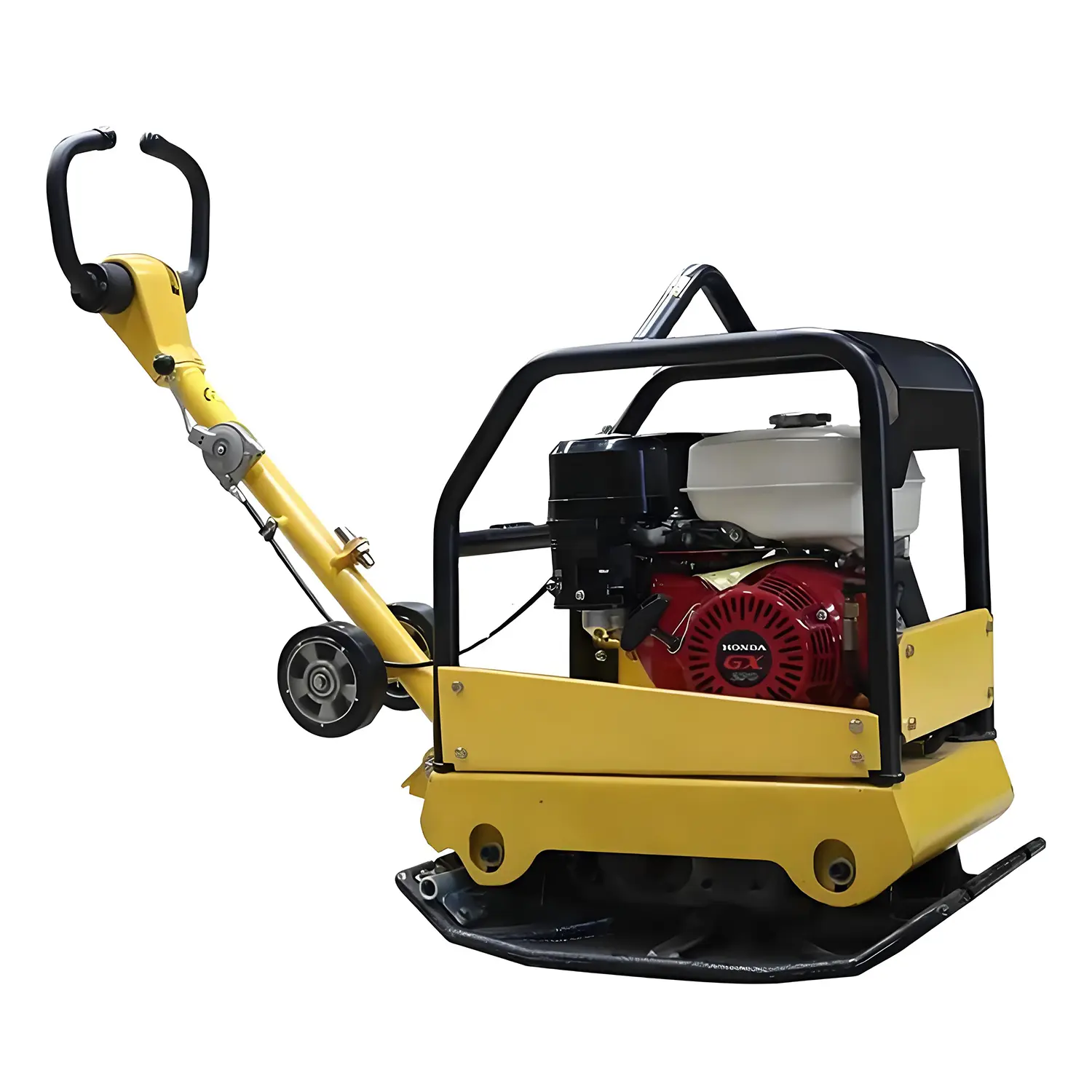 Plate compactor
 Vibratory roller