How to Choose the Best Concrete Vibrating Machine for Your Needs?
When selecting a Concrete Vibrating Machine, it's essential to consider various factors that influence performance and efficiency. Many people overlook the significance of choosing the right equipment. Your specific needs can dictate the type of machine you require. This choice impacts the quality of your concrete work significantly.
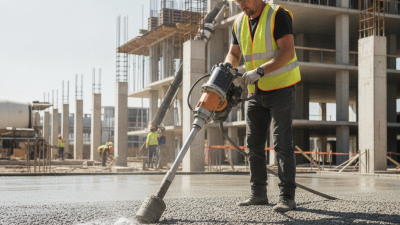
Concrete Vibrating Machines come in different sizes and types. You might find handheld, table-mounted, or surface vibrators. Each type has distinct features tailored to specific tasks. For instance, handheld models offer flexibility and ease of use for small projects. However, they may not provide the same depth of vibration as larger machines.
Understanding your project requirements is crucial. Consider factors like the volume of concrete, the type of mix, and the project's scale. A mismatch can result in improper compaction. Consequently, it could lead to weak structures. Be prepared to research, ask for recommendations, and review specifications thoroughly. Remember, the effectiveness of your concrete work begins with the right Concrete Vibrating Machine. Choose wisely.
Understanding the Basics of Concrete Vibrating Machines
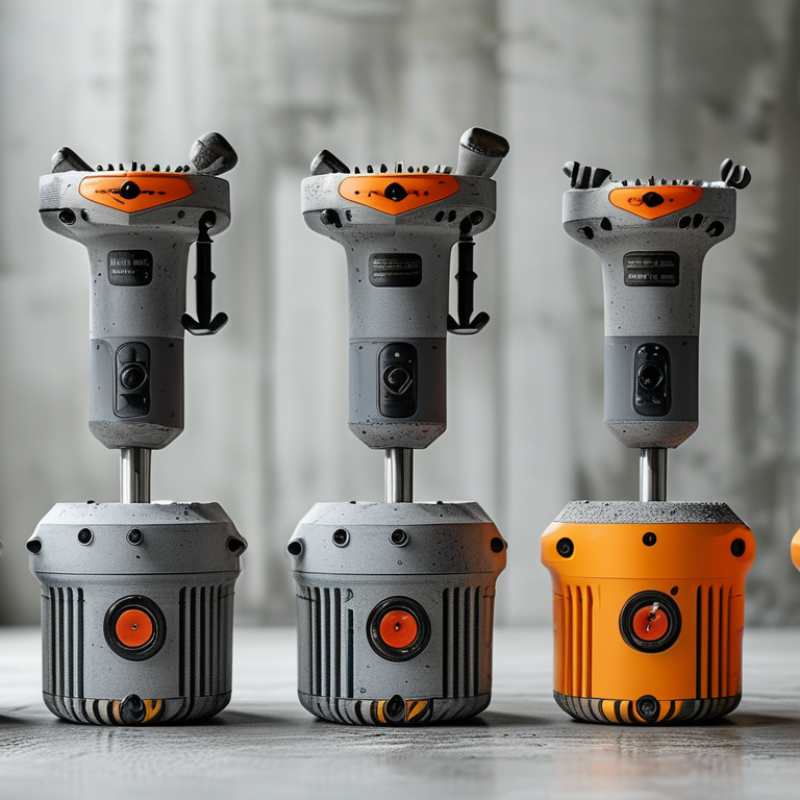
Concrete vibrating machines are essential tools in construction. They enhance the quality of concrete by ensuring uniformity and strength. Understanding the different types can help you make an informed choice.
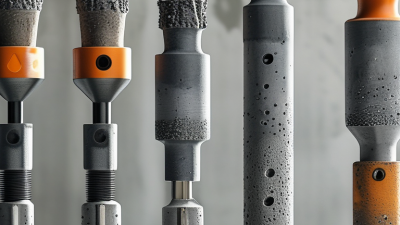
There are mainly internal and external vibrating machines. Internal vibrators operate within the concrete mix, while external vibrators are placed on forms. According to industry reports, internal vibrators are often more effective for thicker pours. They can reduce air pockets by up to 80%, leading to stronger concrete.
When selecting a machine, consider factors like frequency and amplitude. Research shows that machines with higher frequencies can compact concrete more effectively, especially in intricate forms. However, oversaturation can happen, leading to excess water. It's crucial to balance effectiveness and proper vibrational methods for optimal results. Proper training on these devices is also critical. Misuse can result in poor concrete quality. Keep these details in mind to improve your concrete projects.
Identifying Your Specific Concrete Project Requirements
Choosing the right concrete vibrating machine hinges on understanding your project needs. Assess the scale and type of your concrete job. Are you working on a small residential project or a large commercial building? This distinction influences which machine will be most effective.
Data from the American Concrete Institute indicates that proper vibration reduces voids and improves structural integrity. For smaller jobs, a handheld vibrator may suffice. Larger projects might require a more robust machine for full effectiveness. Consider factors such as power requirements and portability. A portable machine may save time and labor costs, especially on job sites with limited access.
Tips: When selecting, look for machines with adjustable frequency settings. These allow customization based on concrete mix and project specifications. Ensure the vibrator is easy to operate for extended periods. Operator comfort is crucial and often overlooked. Remember, efficiency can falter if users are not comfortable or well-trained.
Choosing wisely enhances work quality. Review equipment specifications thoroughly to reflect on their long-term performance. It might be easy to overlook details, but understanding the mechanics of vibration can lead to significant project improvements. Identify potential pitfalls and allocate adequate time for testing equipment before the main pour.
Evaluating Different Types of Concrete Vibrating Machines
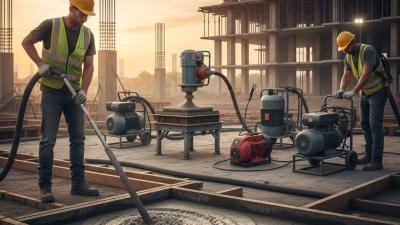
When evaluating different types of concrete vibrating machines, it’s essential to understand the key options available. Generally, there are internal, external, and surface vibrators. Internal vibrators are often preferred for their efficiency in consolidating concrete, as they penetrate deeply. External vibrators work well for precast applications and larger surfaces, while surface vibrators are ideal for finishing tasks.
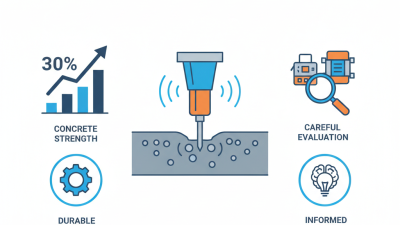
A study by the American Concrete Institute highlights that using vibrators can improve concrete strength by up to 30%. Choosing the right type can make a significant difference in both quality and efficiency. However, not all projects require the same equipment. Some jobs may benefit from lightweight models, while others might need more powerful machines for larger pours.
Tip: Assess your project's size and complexity before making a selection. The wrong machine could lead to inconsistencies in the final product.
Additionally, consider the power source. Electric vibrators are quieter and suitable for indoor work, while gas-powered machines are robust for outdoors. Industry reports indicate that each option has unique operational costs that can affect your budget. Reflect on these factors when deciding, as oversights can lead to increased expenses and delays.
Tip: Always read the manual carefully. Misuse can result in equipment damage or poor results.
How to Choose the Best Concrete Vibrating Machine for Your Needs?
| Type of Machine |
Power Source |
Frequency (Hz) |
Vibration Amplitude (mm) |
Weight (kg) |
Price Range (USD) |
| Electric Vibrator |
Electric |
50-60 |
2-4 |
15-30 |
200-500 |
| Internal Vibrator |
Gasoline |
50-60 |
1-3 |
10-25 |
150-400 |
| Table Vibrator |
Electric |
50-60 |
3-5 |
20-50 |
300-700 |
| Surface Vibrator |
Electric |
50-60 |
4-6 |
25-40 |
400-800 |
Key Features to Look for in a Concrete Vibrating Machine
When selecting a concrete vibrating machine, consider several key features that can significantly impact your project's success. One vital aspect is the vibration frequency. Studies indicate that optimal frequencies range from 4,000 to 12,000 vibrations per minute (VPM) for effective concrete consolidation. Machines that can adjust this frequency often yield better results, allowing for tailored performance based on specific mix designs.
Another crucial feature is the vibration amplitude. A higher amplitude may improve the flowability of thicker mixes, especially when working with aggregates larger than 19 mm. According to industry reports, machines with adjustable amplitude can enhance workability in diverse conditions, making them more versatile. Additionally, the weight of the machine plays a role; heavier machines often provide better stability but may be challenging to maneuver. Finding a balance between weight and portability is essential for efficiency on site.
Durability cannot be overlooked either. Concrete vibrators are exposed to harsh environments. Experts suggest looking for machines with robust construction materials to withstand wear. The performance may diminish over time if low-quality components are used. An operator should consider maintenance and service intervals as well. Reliable machines demand less downtime, directly influencing productivity on a concrete project. While these features are critical, personal experiences and specific project needs will ultimately guide the selection process.
Budget Considerations and Cost-Effectiveness Analysis
When selecting a concrete vibrating machine, budget considerations play a vital role.
Determining how much you're willing to spend is essential. A well-defined budget helps in narrowing down options.
Costs vary widely based on features, brand, and capacity. It’s not just about the initial purchase price; consider
maintenance and operational costs too.
Investing in a quality machine can lead to savings in the long run.
If you choose a cheaper model, you might face frequent repairs. These unexpected expenses can add up quickly.
A balance between quality and cost is critical.
Think about the type of projects you'll handle; larger or more complex tasks may require a more robust machine.
Tips: Always research the machine’s lifespan and warranty.
Look into user reviews for firsthand experiences. This could guide your investment decision.
Avoid making impulsive purchases; take your time. Diving into too many features can be overwhelming.
Identify your core needs and prioritize those. Evaluate how often you'll use the machine,
as this can influence your overall cost-effectiveness.

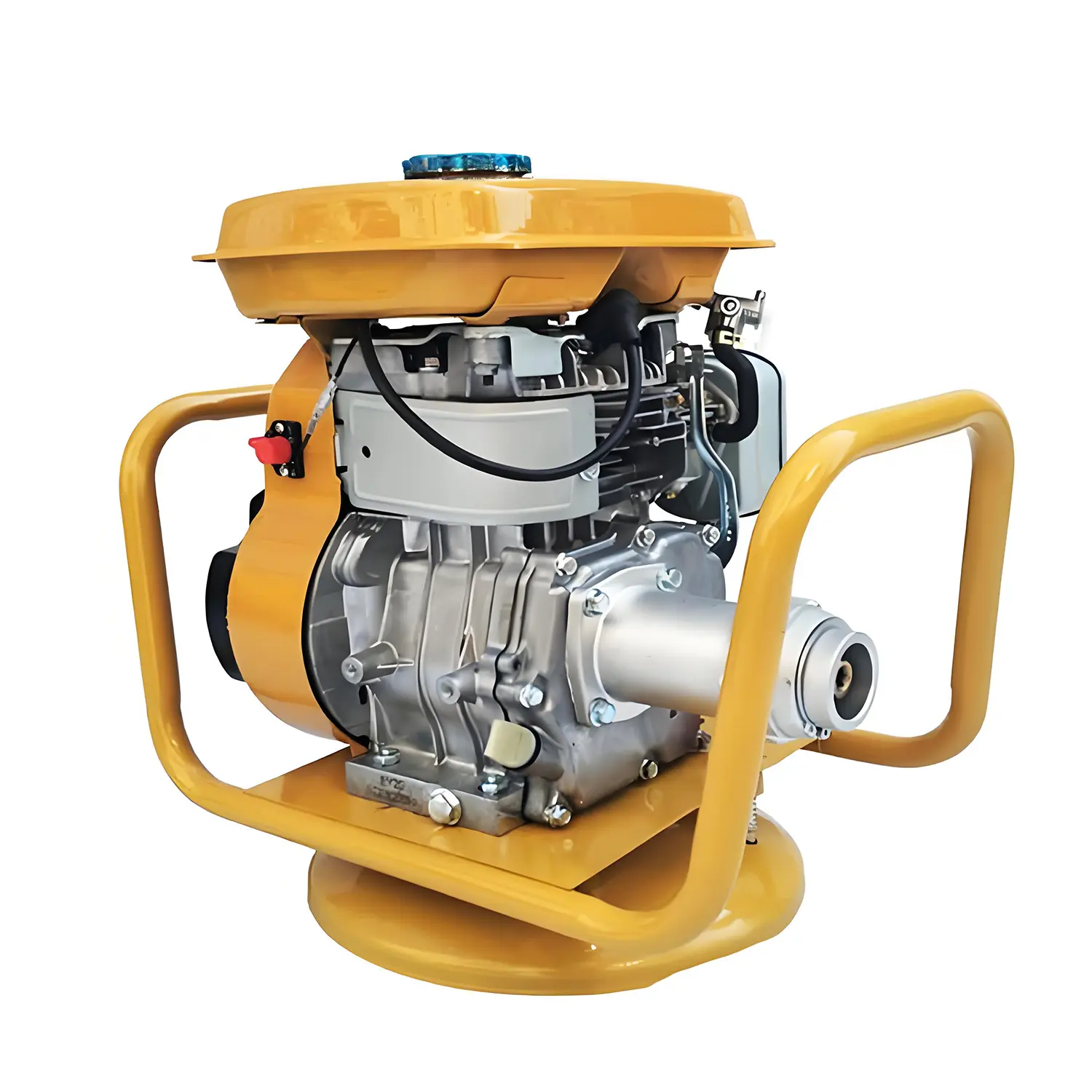 Internal Vibrator
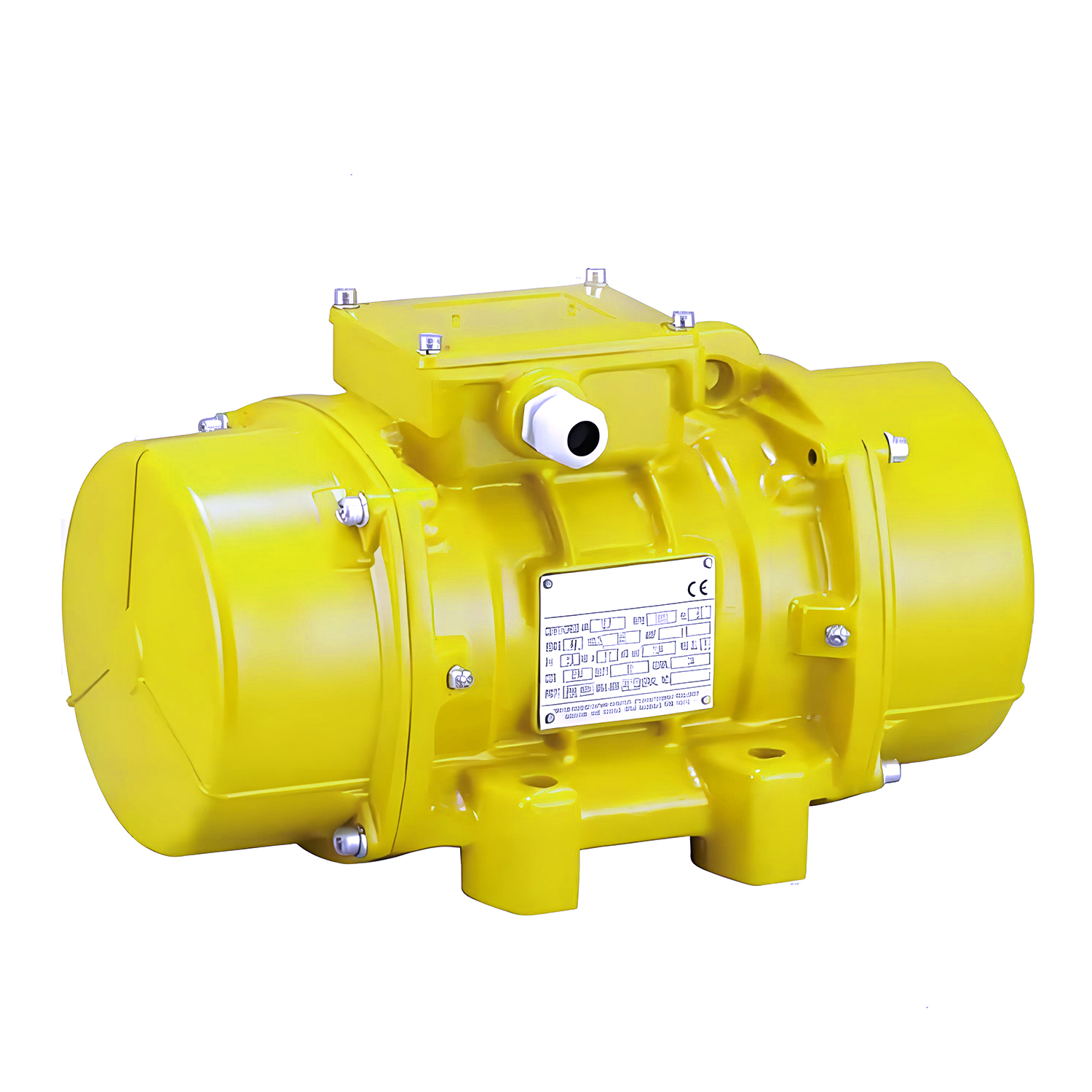 External Vibrator
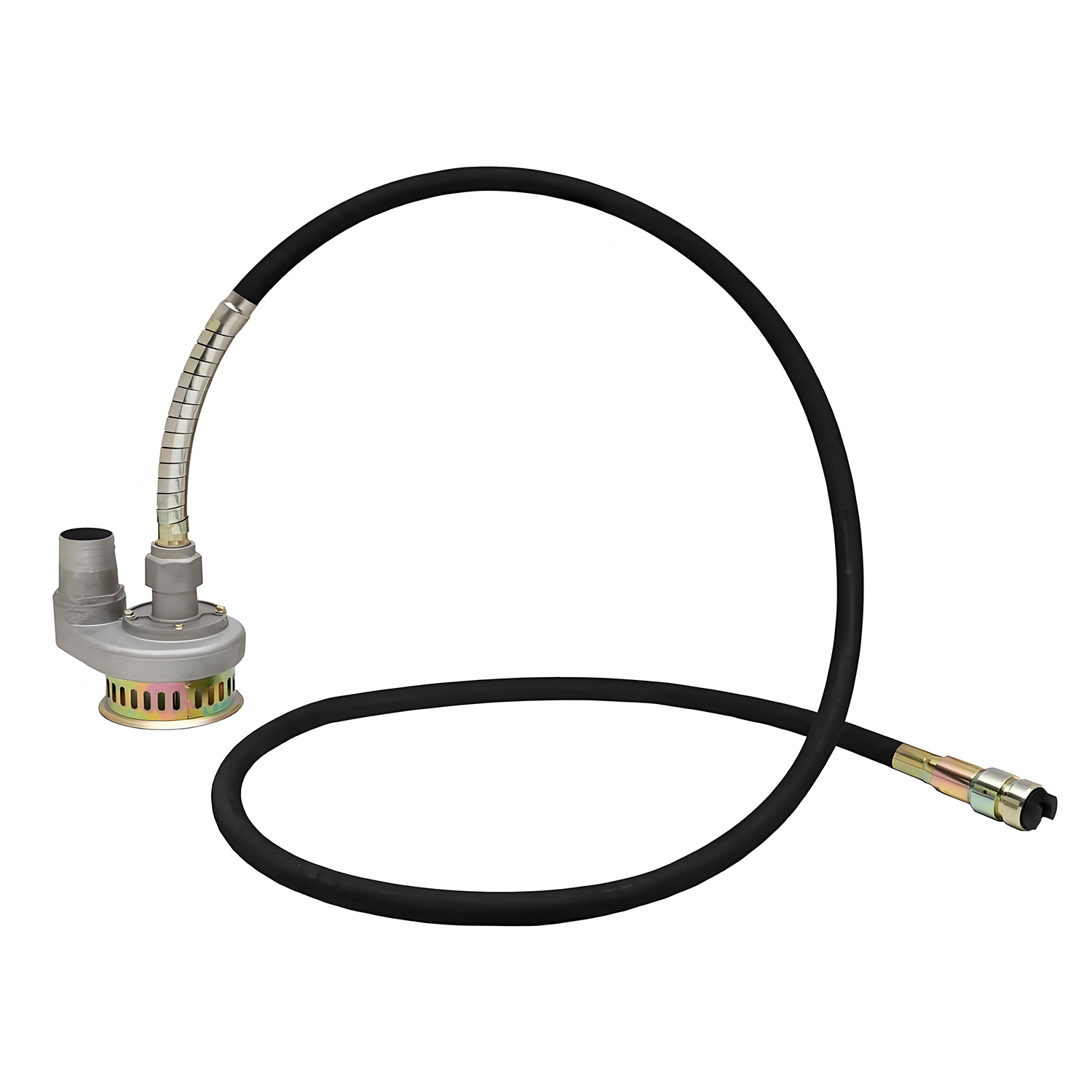 Submersible Pump
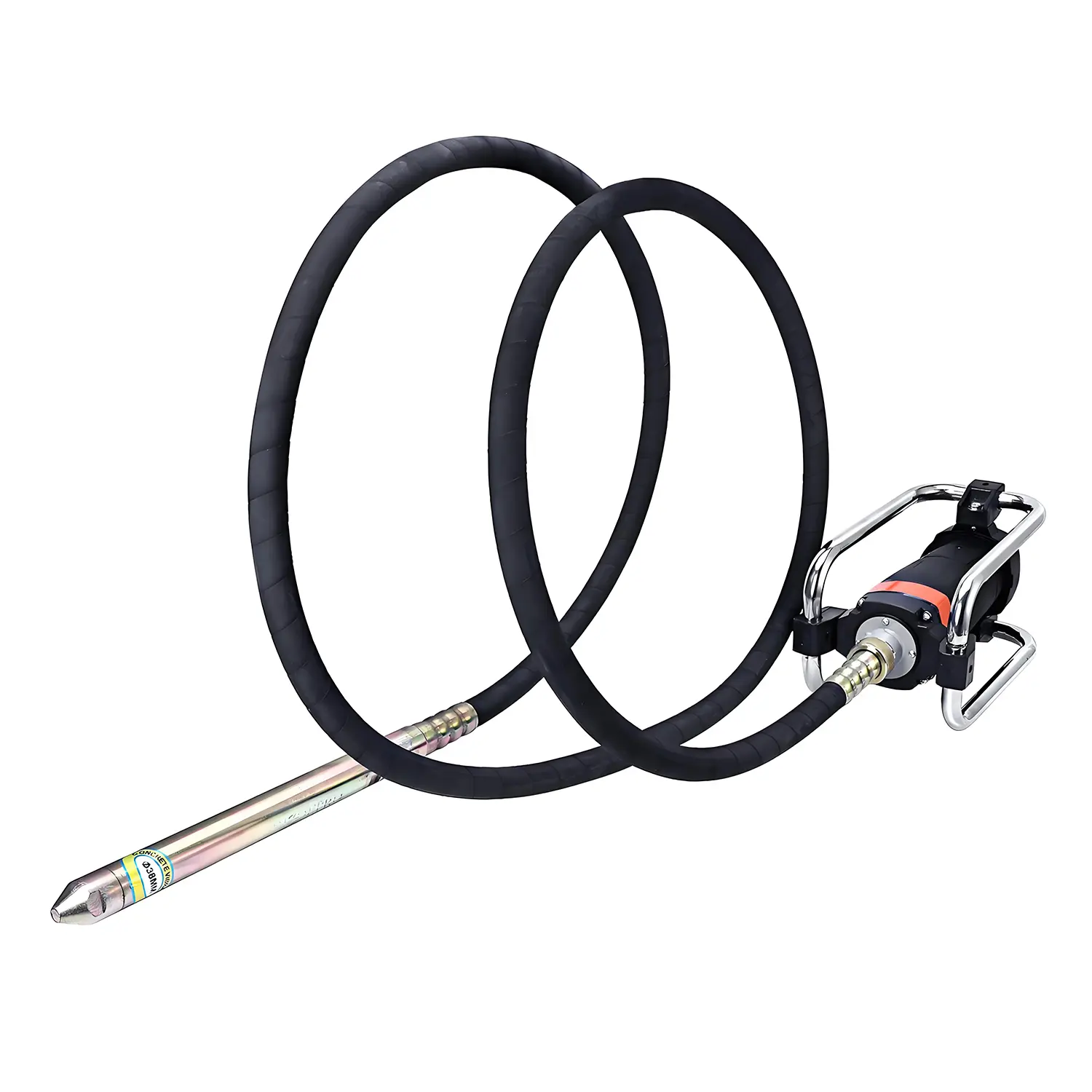 Eccentric shaft
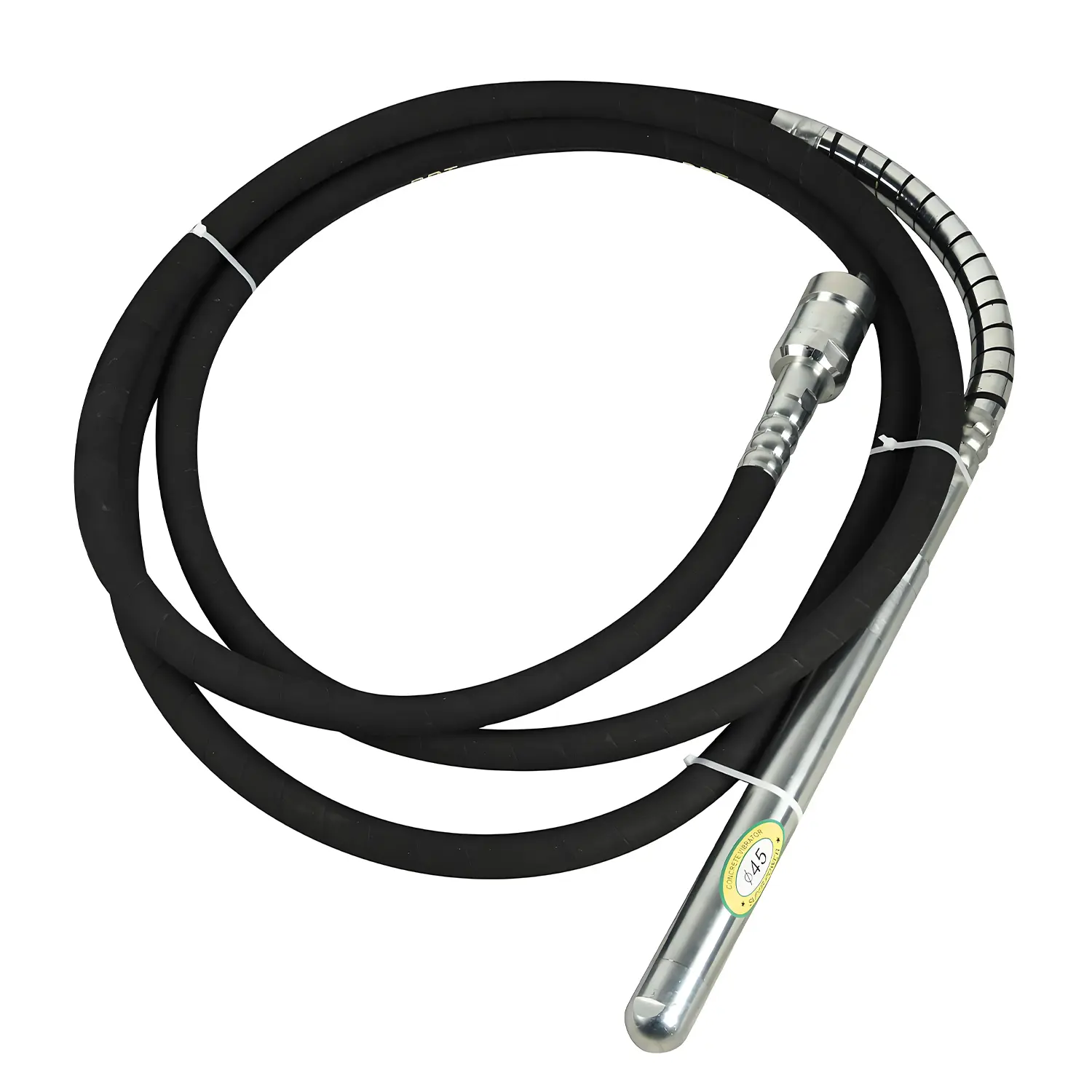 Pendulum shaft
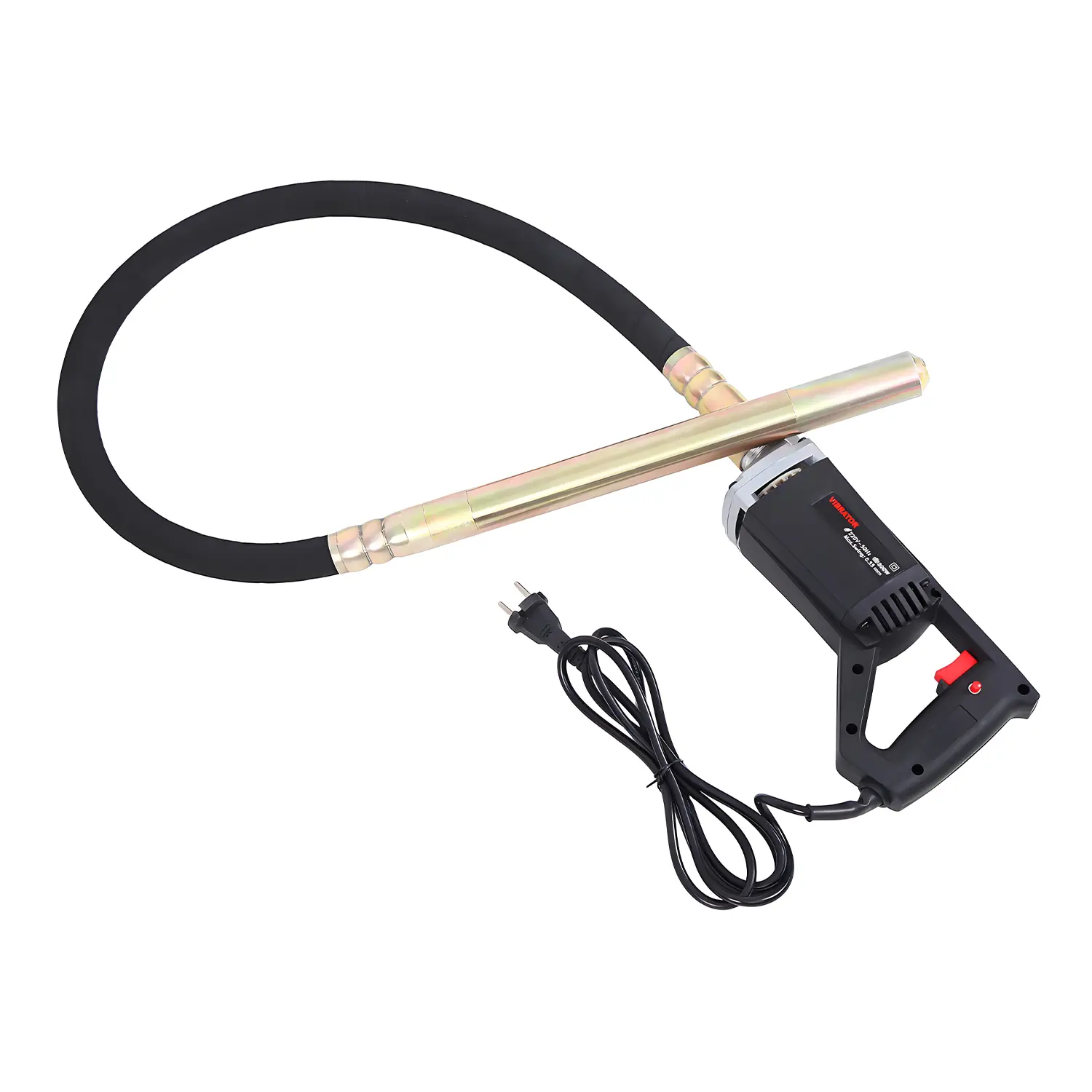 Portable vbrator shaft
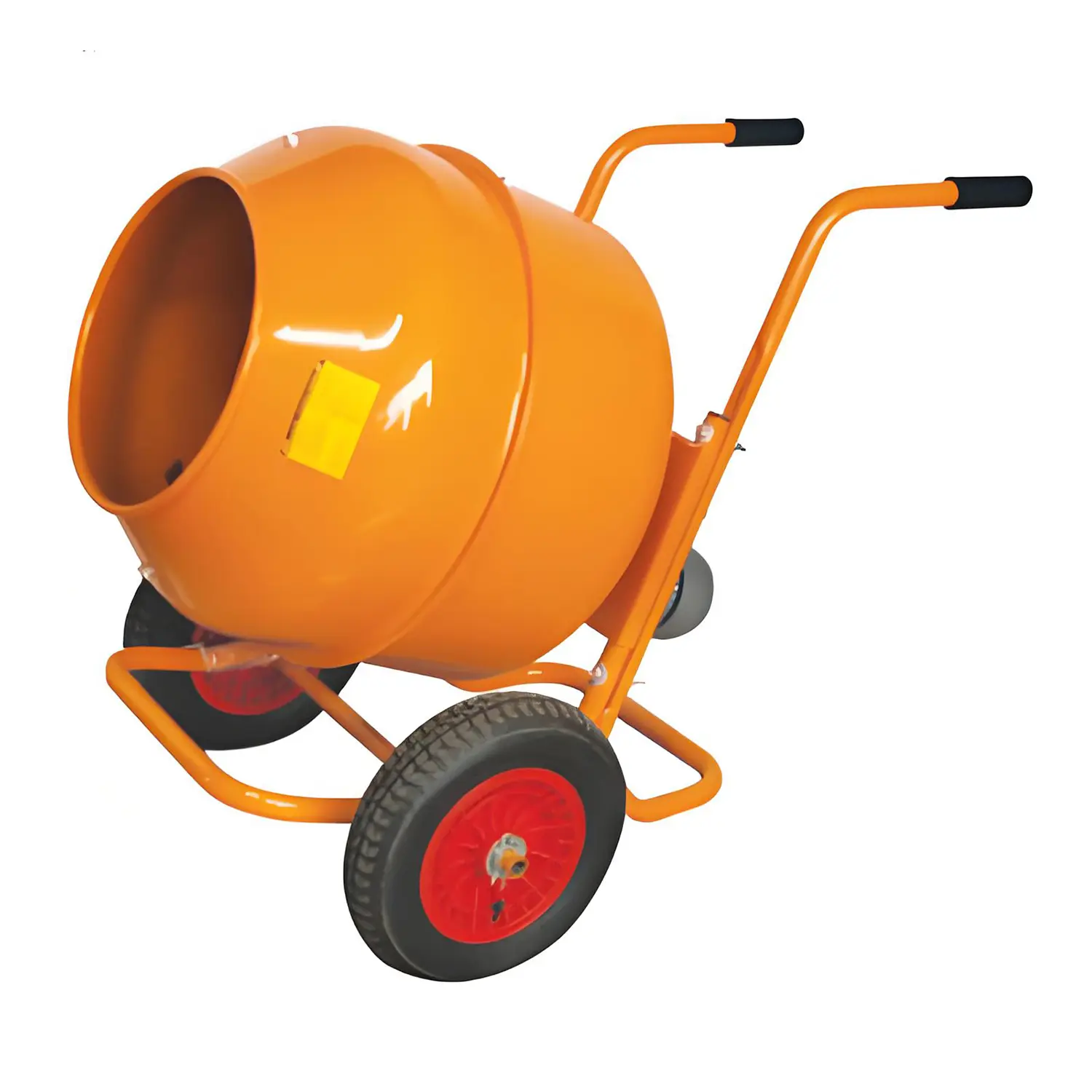 Portable concrete mixer
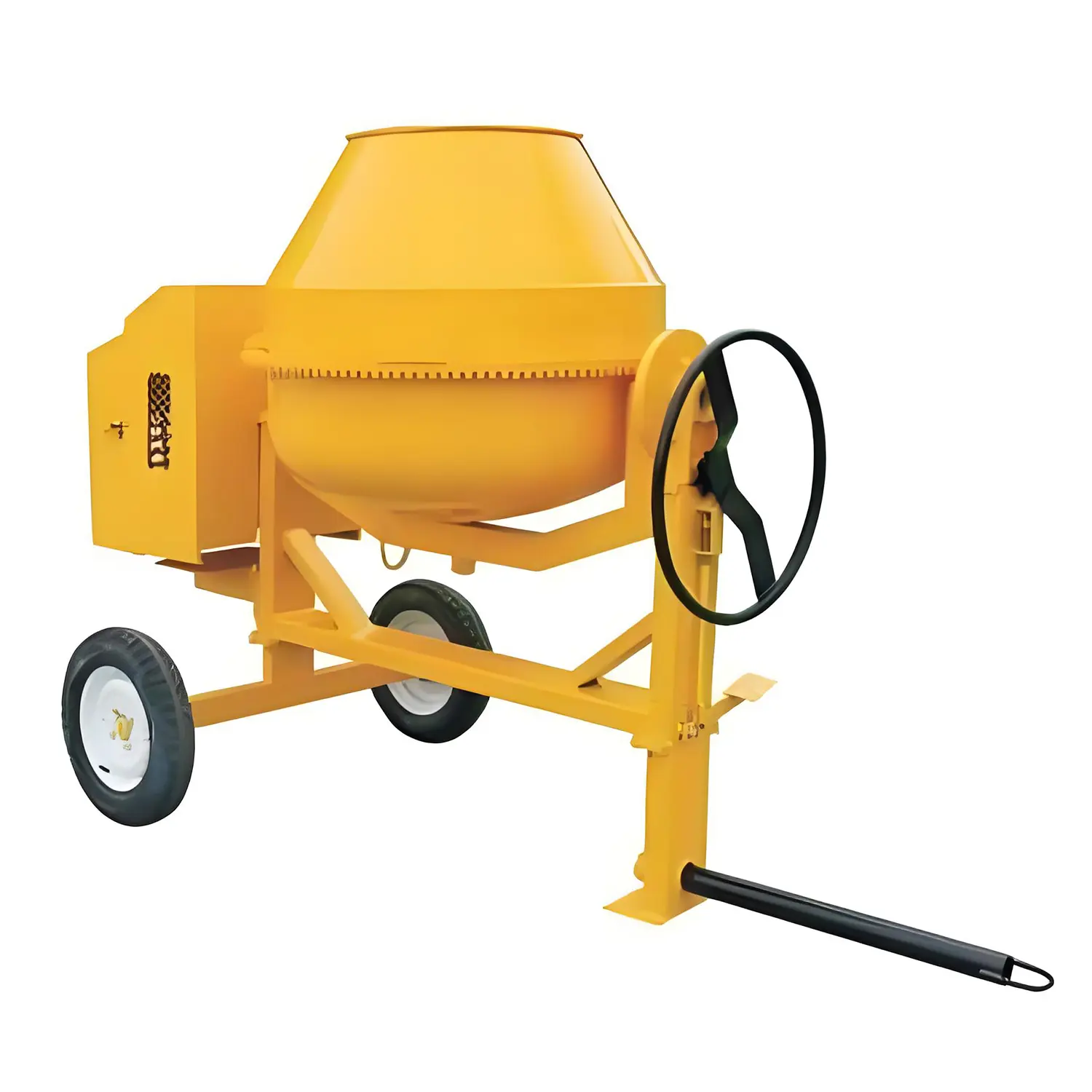 Vertical concrete mixer
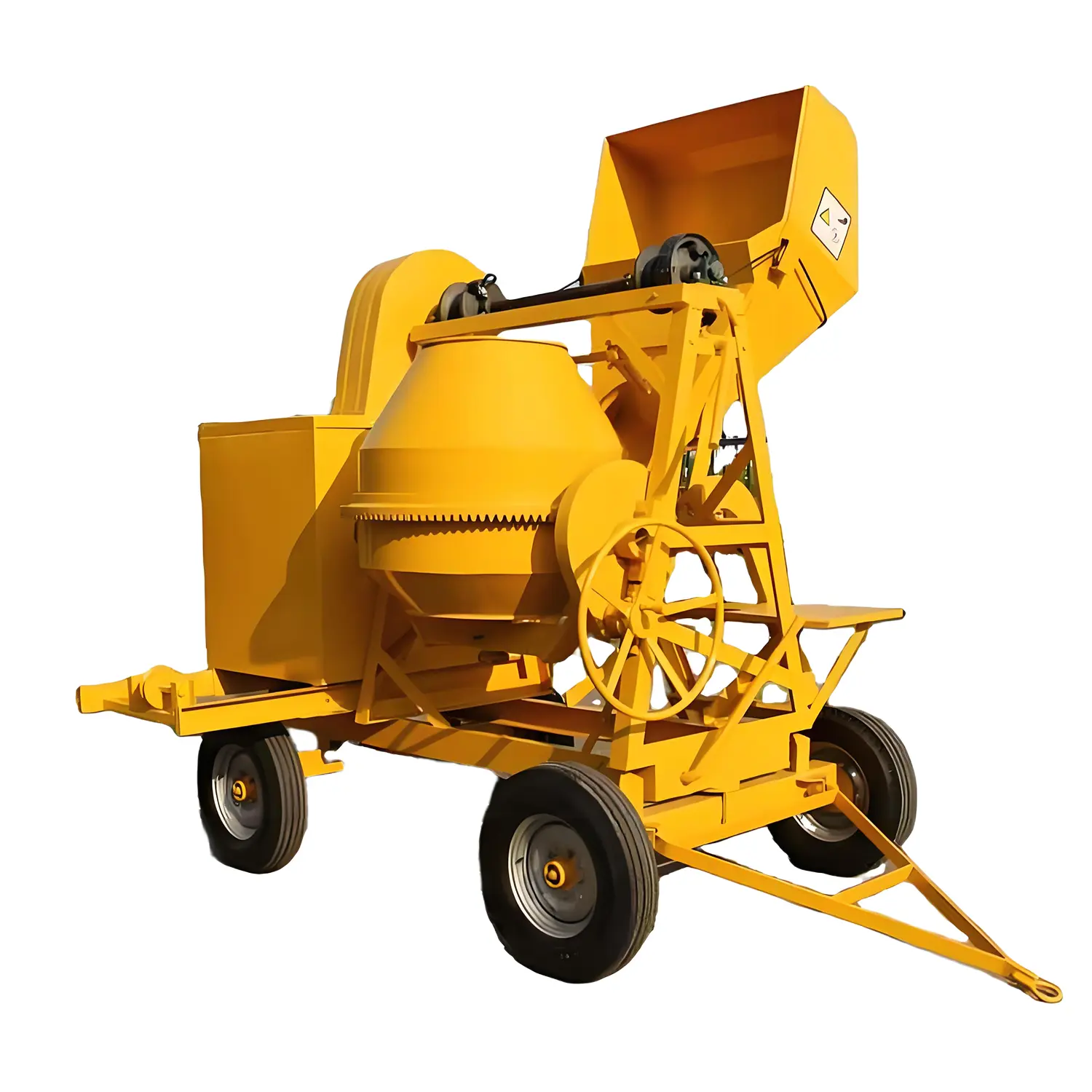 Hydraulic concrete mixer
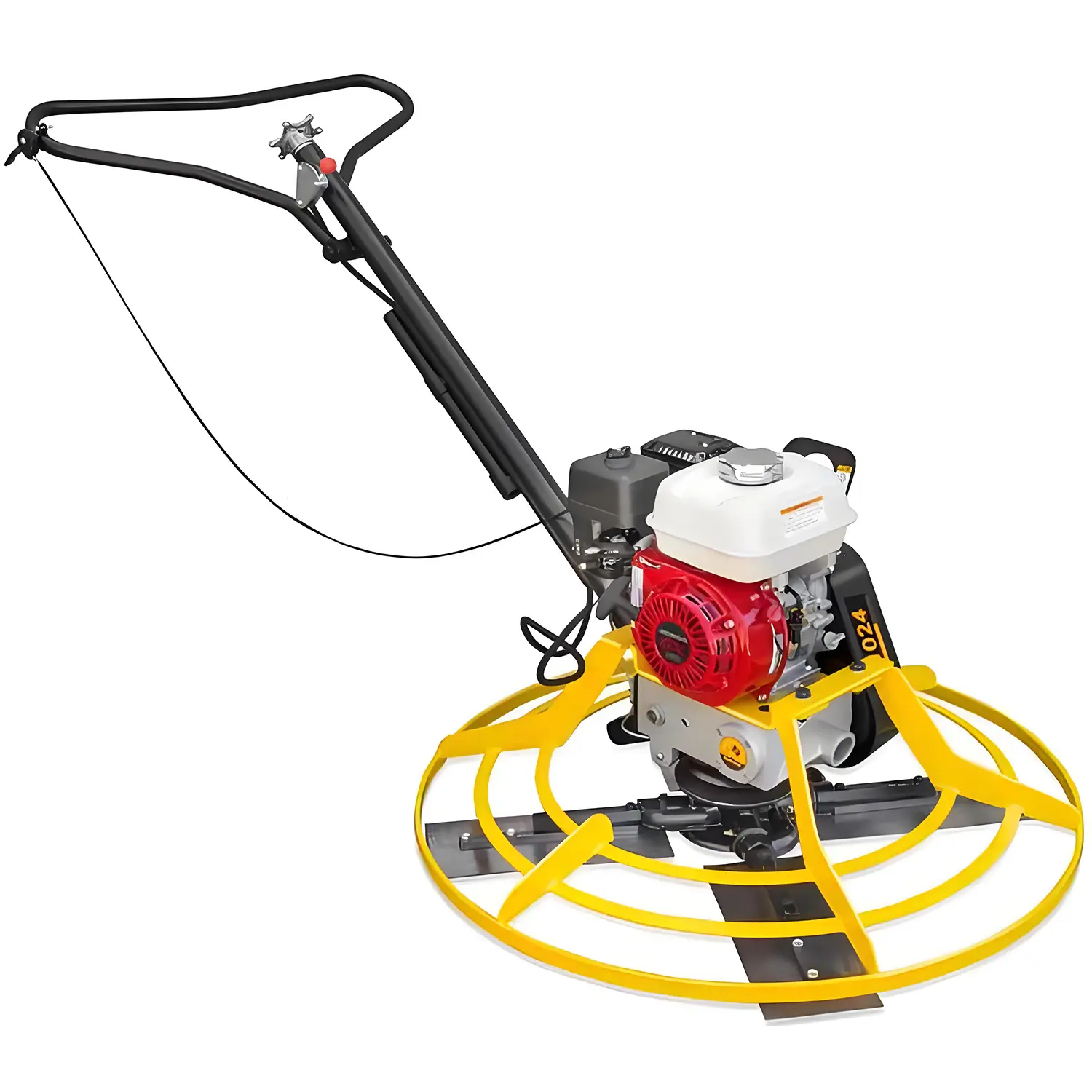 Walk behind power trowel
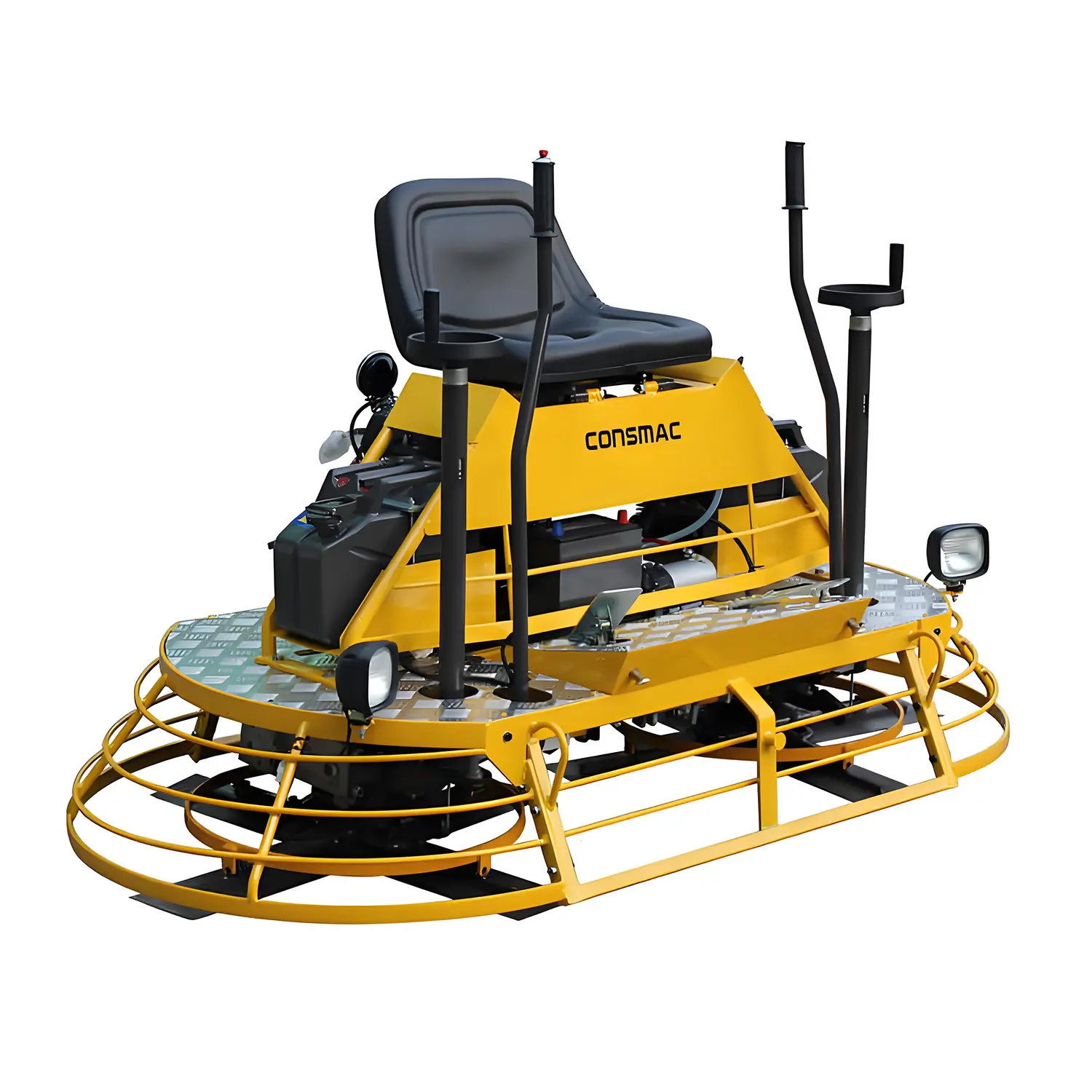 Ride on power trowel
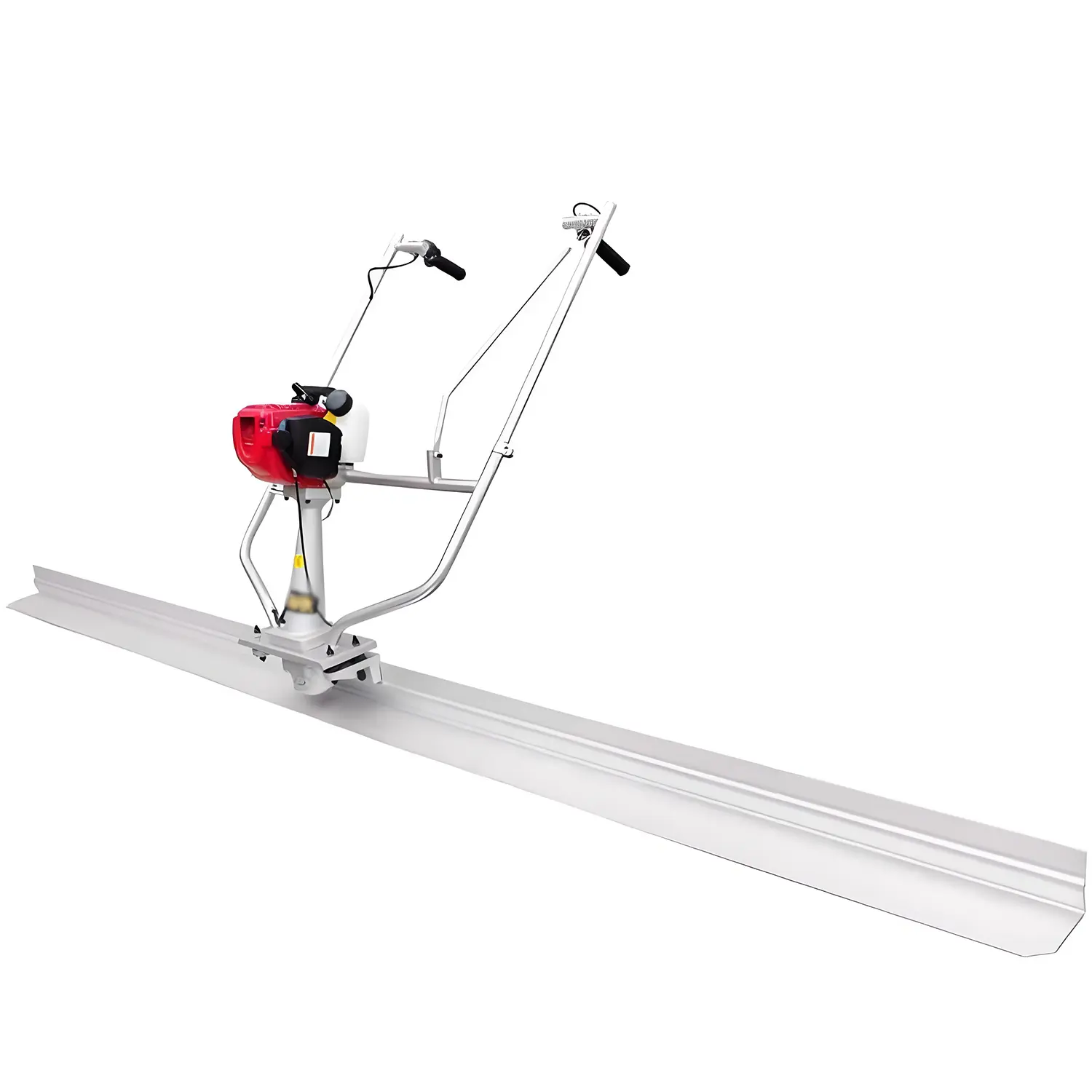 Concrete screed
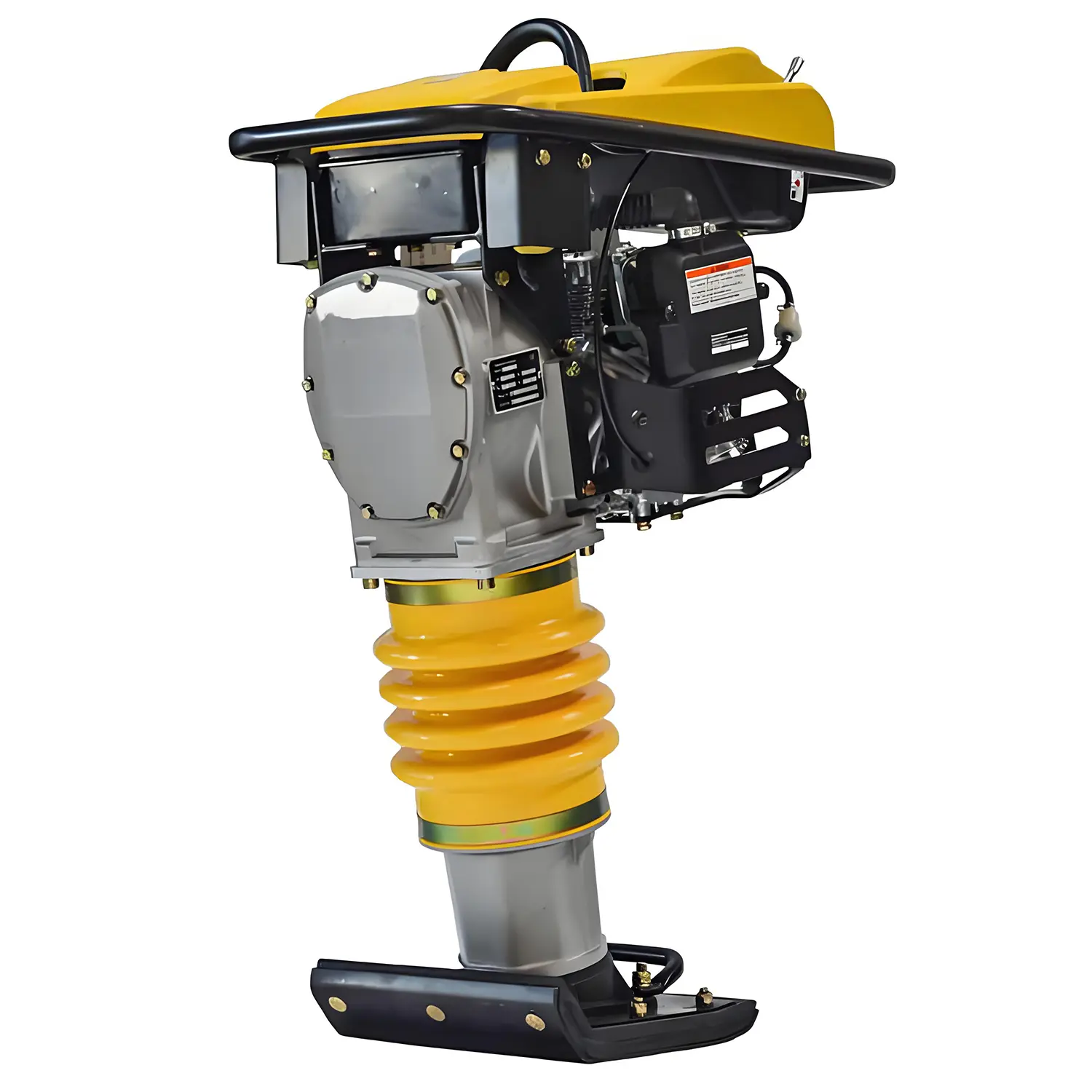 Tamping rammer
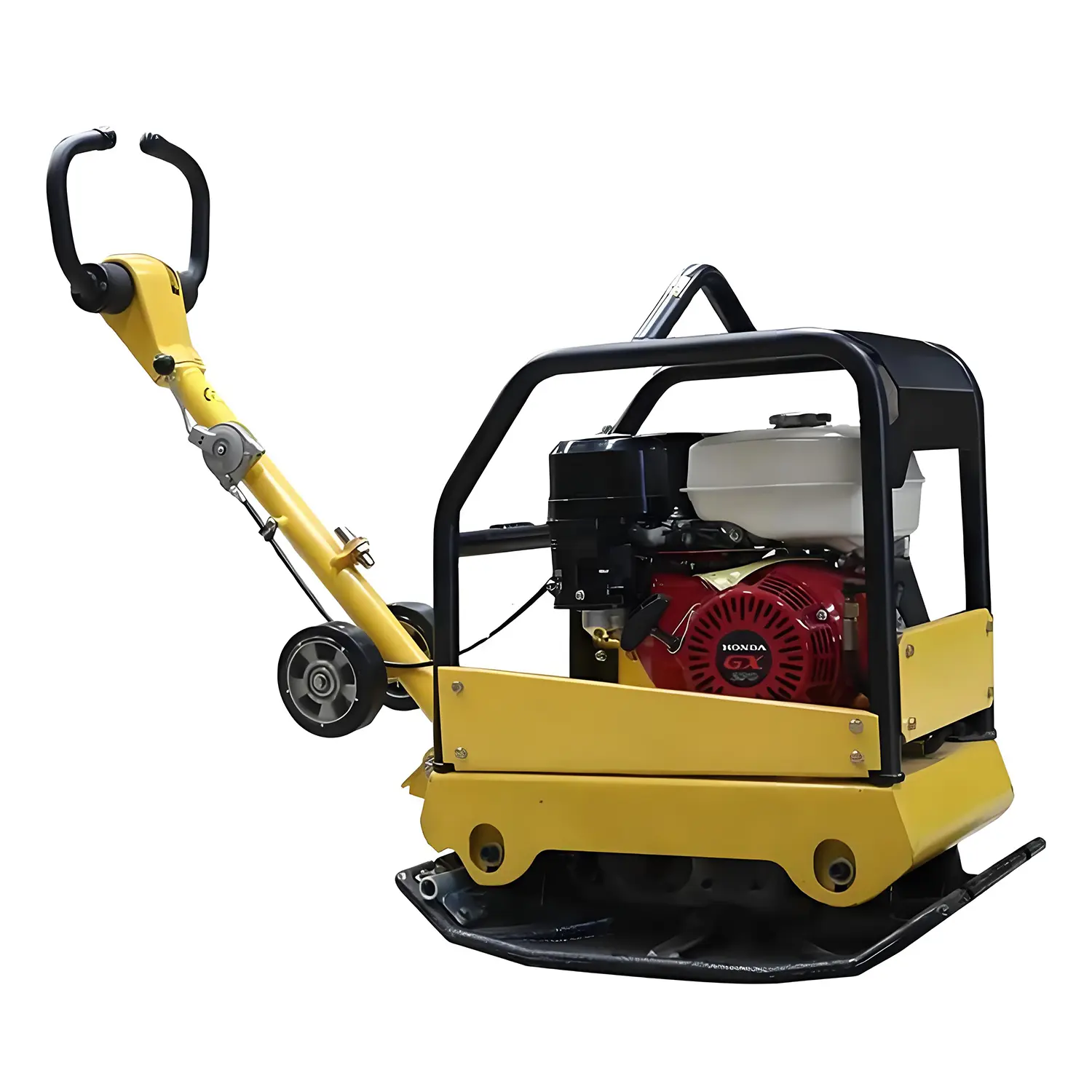 Plate compactor
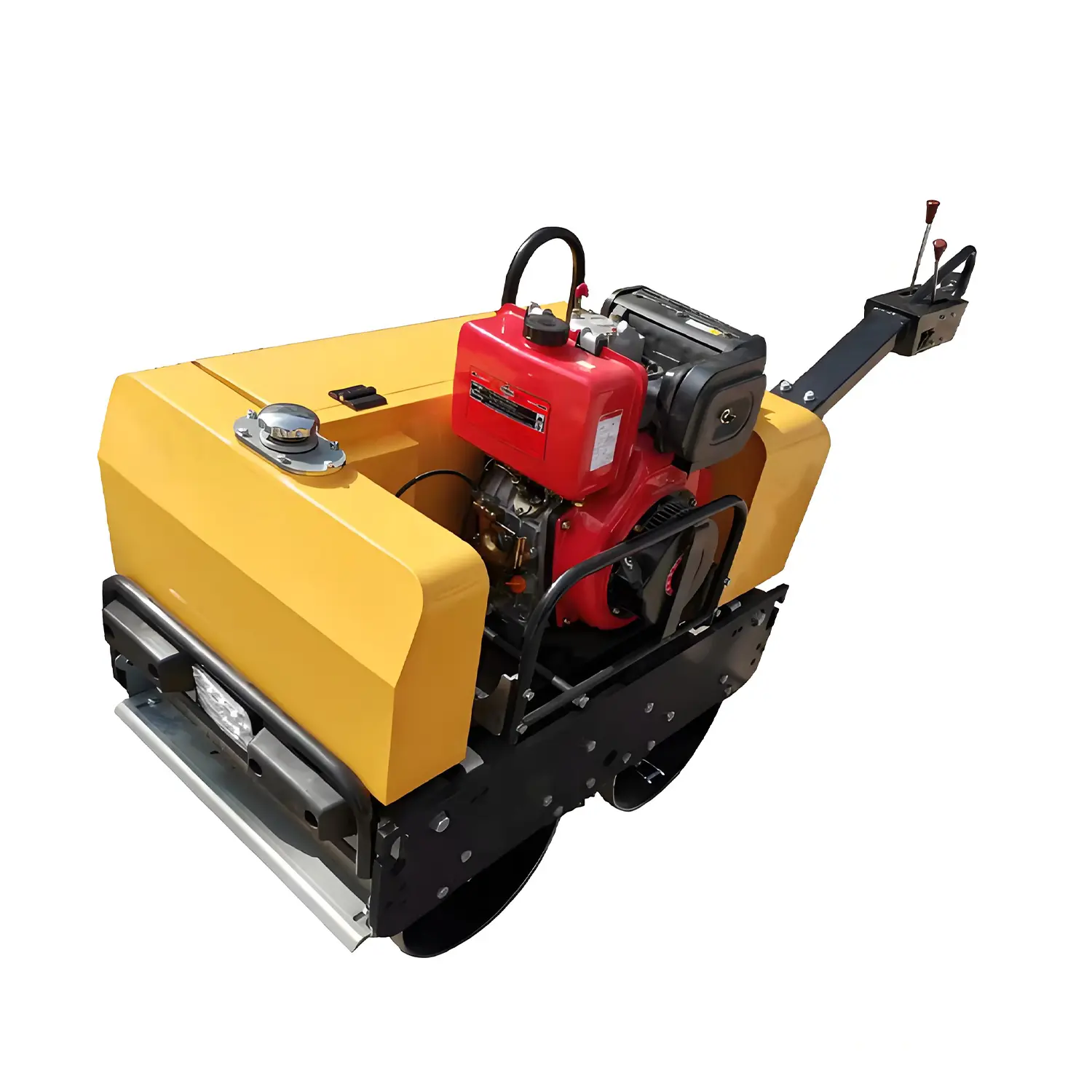 Vibratory roller