400-181-1680
Leave Your Message

How to Choose the Best Concrete Vibrators?

Choosing the best Concrete Vibrators begins with understanding the concrete, the site, and the people operating the equipment. A tool that works well on a bridge deck may perform poorly inside narrow columns. Concrete slump, aggregate size, reinforcement spacing, and pour depth all affect vibration. Ignoring one detail can leave hidden air pockets behind.

Dr. Kenneth Hover, a respected concrete technology educator and professor emeritus at Cornell University, has emphasized, “Concrete quality depends on more than the mix; placement and consolidation matter just as much.” His point is practical. A vibrator must move through fresh concrete without damaging the formwork or separating the mix. Frequency, amplitude, shaft length, power source, and head diameter deserve careful comparison. Operator control matters too.

Look closely at the working conditions. Will electricity be available beside the footing? Can a worker safely handle a heavy internal vibrator for several hours? Does the project require a flexible shaft, a high-frequency poker, or a surface screed? These questions often reveal the right choice faster than specifications alone.

There is no perfect machine.

Even experienced crews make adjustments. A vibrator may be powerful but awkward in congested reinforcement. A compact model may fit beautifully yet struggle in deep pours. This guide examines those trade-offs with evidence, field experience, and realistic limitations. It also considers maintenance, noise, durability, and total operating cost. The goal is not to promote the largest or fastest machine. It is to help you select Concrete Vibrators that produce dense, uniform concrete safely and consistently.
How to Choose the Best Concrete Vibrators?

Understand Concrete Vibrator Types and Their Applications

How to Choose the Best Concrete Vibrators?

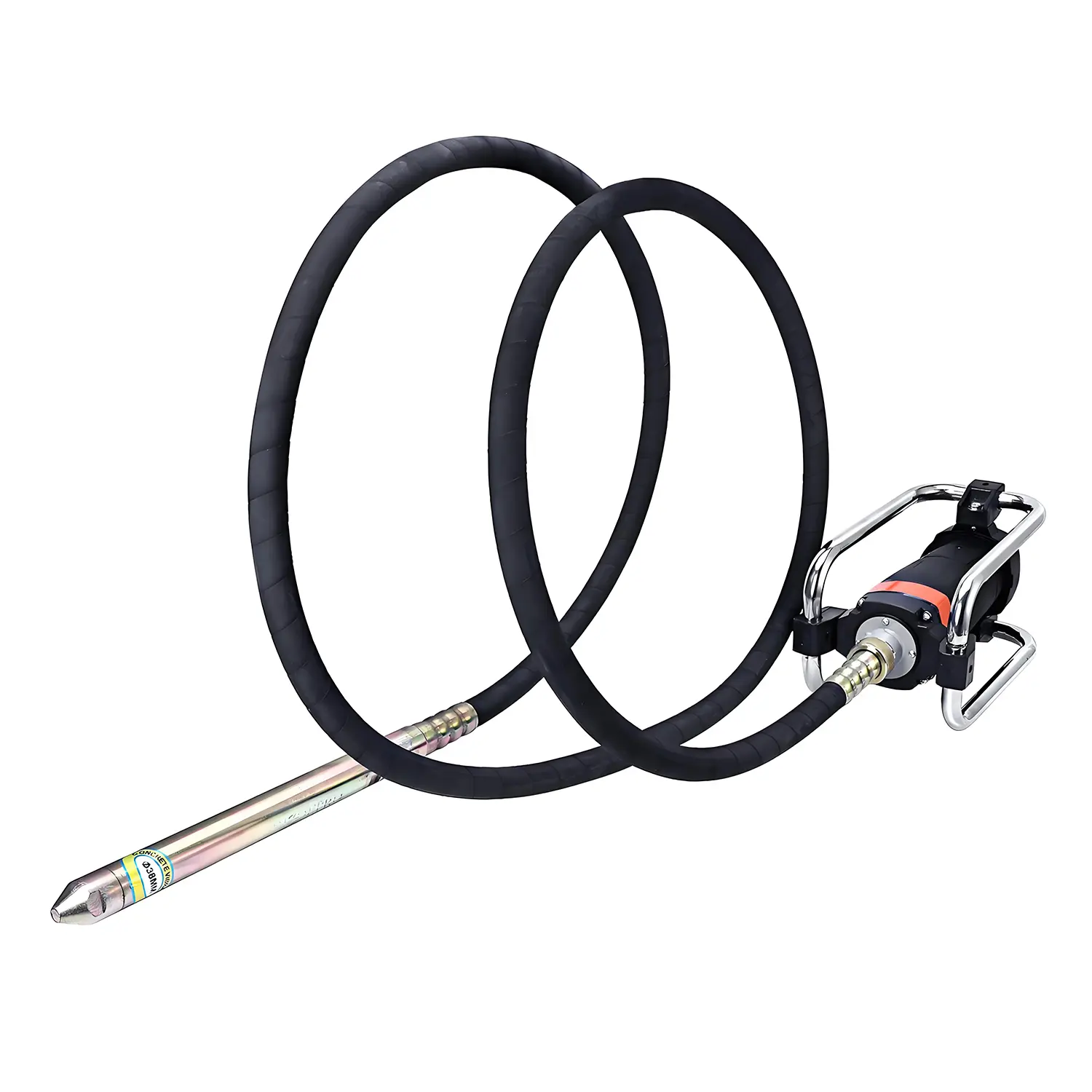
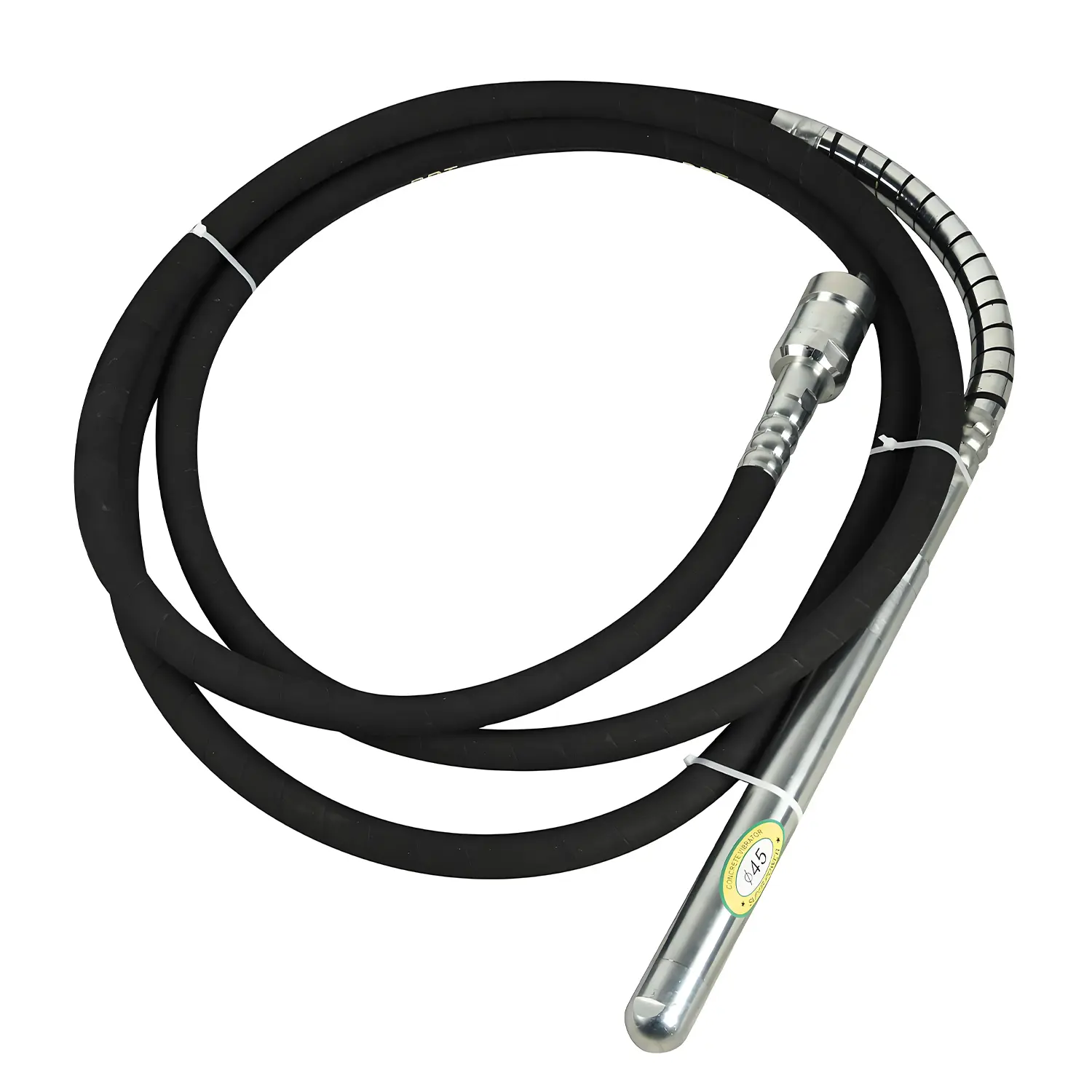
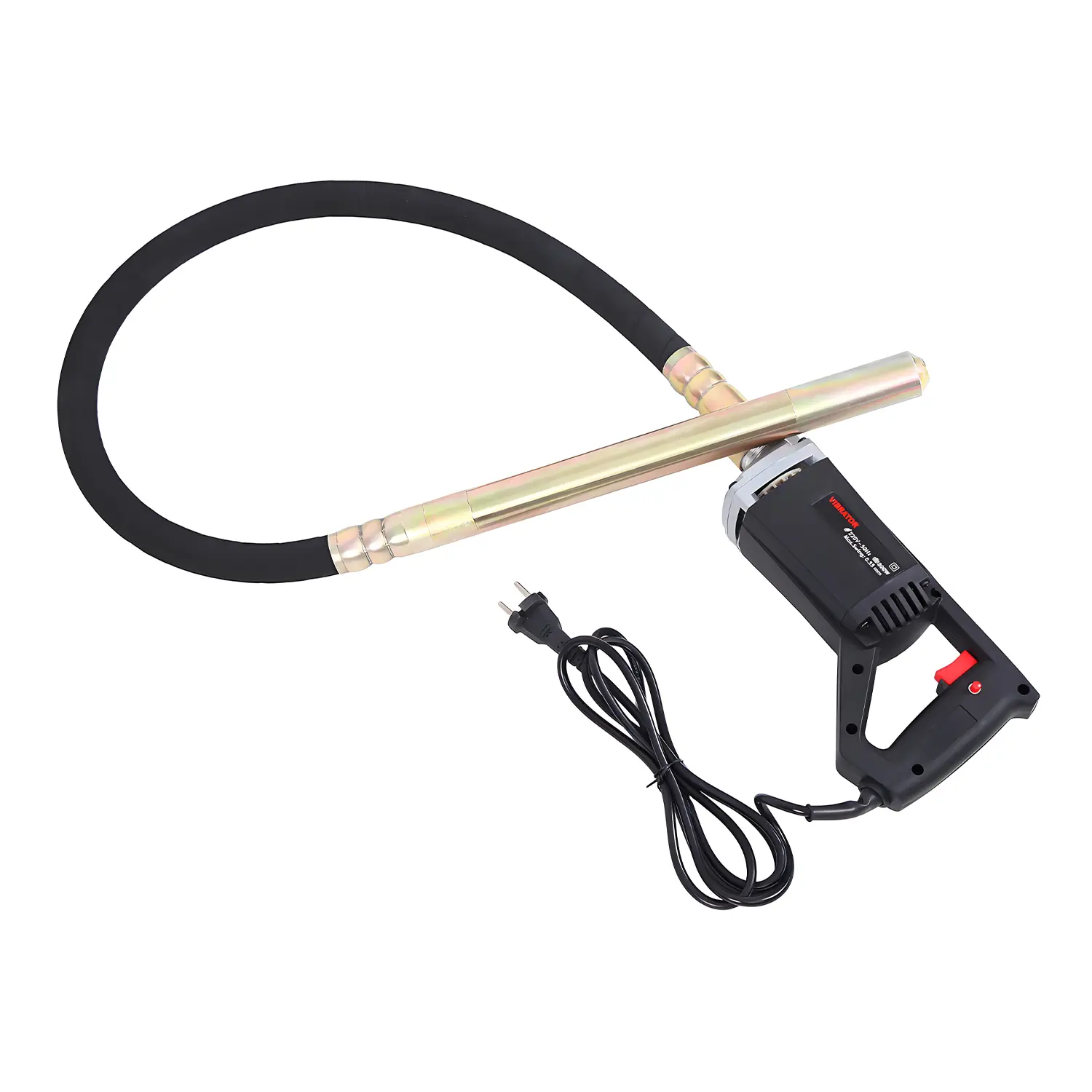
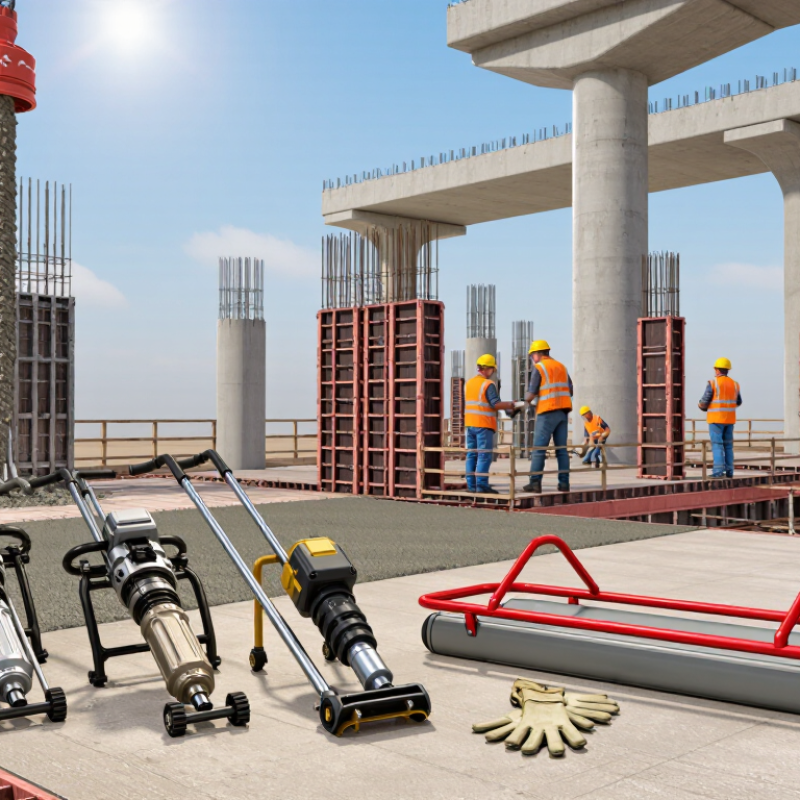
Choosing a concrete vibrator starts with the placement method, not the machine’s appearance. Internal vibrators work inside fresh concrete and remove trapped air around reinforcement. They suit columns, beams, footings, and thick slabs. The poker diameter should match the reinforcement spacing. A large head can become trapped or disturb the steel cage.

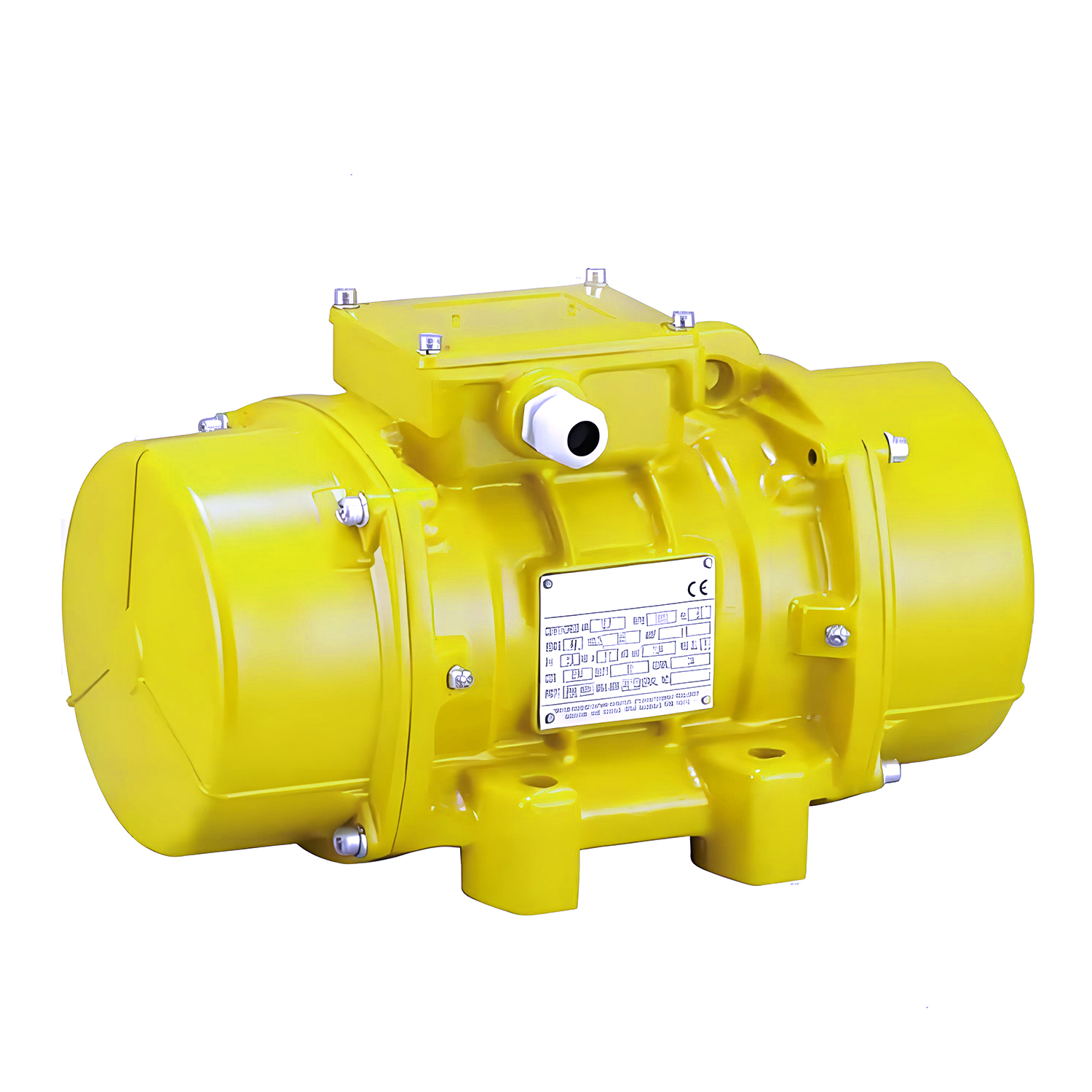
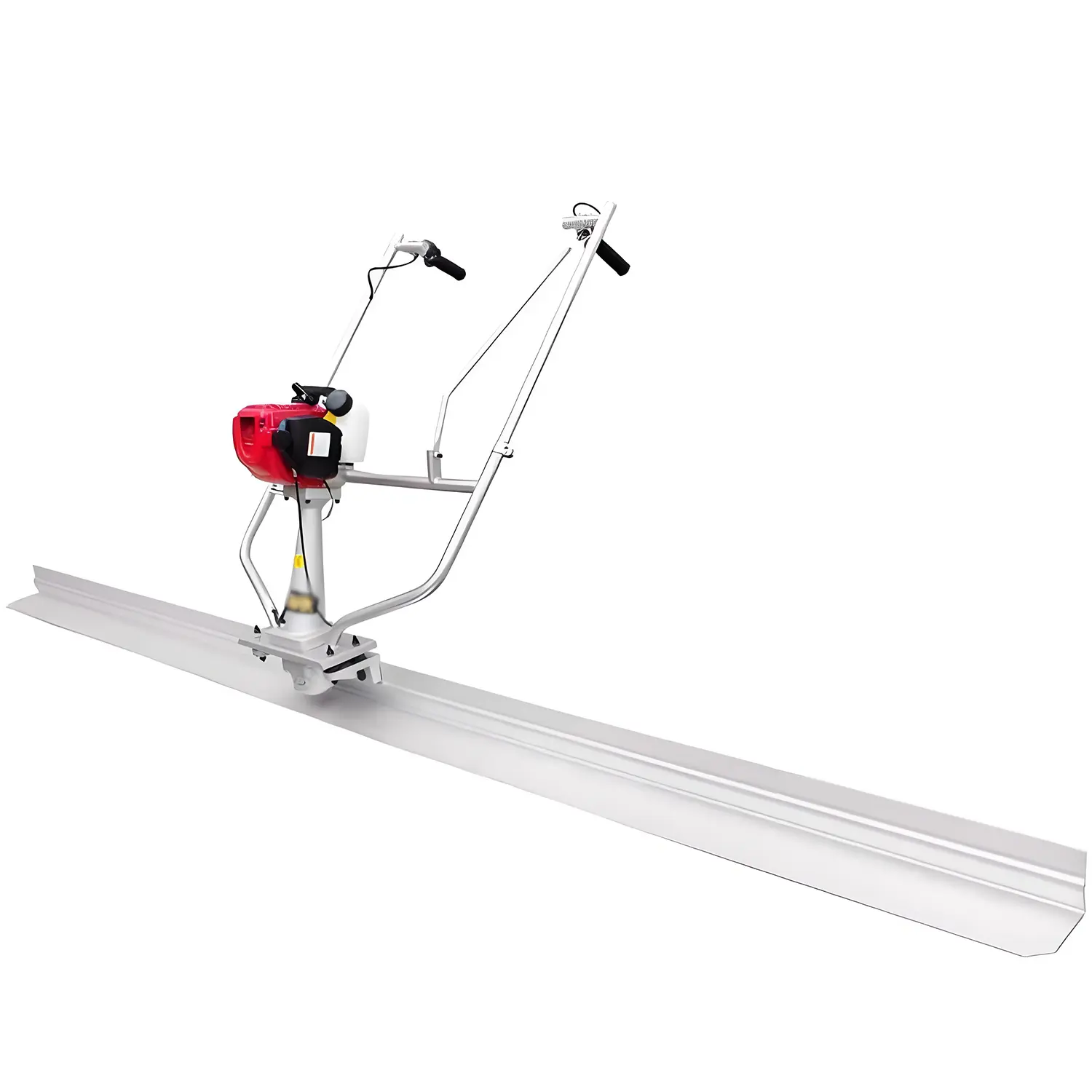
External vibrators attach to formwork and transmit movement through the mould. They are useful for thin sections, precast panels, and areas where inserting a poker is difficult. Surface vibrators, including vibrating screeds, level and compact shallow slabs. They work well on floors, paths, and broad flat surfaces. They are less suitable for deep pours.

I have seen operators hold an internal vibrator against one spot too long. That can cause segregation, especially in a wet mix. Move the head slowly through the concrete, and lift it gradually. Short intervals usually work better than random plunging. Watch for air bubbles rising and the surface becoming slightly glossy. Stop when the mix settles, but do not rely on appearance alone. I once selected a tool that was too powerful for a narrow wall section. The result was uneven concrete and extra repair work. That mistake still influences equipment choices. Check vibration frequency, head size, hose flexibility, power access, and operator control before pouring. Even a suitable vibrator performs poorly when workers rush.

Assess Concrete Mix, Formwork, and Project Requirements

How to Choose the Best Concrete Vibrators?

Assess Concrete Mix, Formwork, and Project Requirements

Concrete mix conditions should guide vibrator selection. A stiff, low-slump mix often needs stronger consolidation energy. A fluid mix may require shorter vibration periods. Excessive vibration can separate coarse aggregate from cement paste. That mistake is easy to make.

Check aggregate size and reinforcement spacing before choosing a vibrating head. A large head can struggle between closely spaced bars. A smaller head may improve access but increase placement time. On several pours, I have found that operator control matters as much as machine power. Watch for trapped air near corners, beam bottoms, and embedded sleeves.

Formwork also affects the decision. Thin panels and lightweight forms may need external vibration or gentler settings. Rigid columns can often accept internal vibration with suitable reach. Confirm the vibrator’s operating range, cable length, power supply, and waterproofing before work begins. A practical trial panel can reveal problems that specifications miss.

Tips: Match the head diameter to reinforcement spacing. Insert it vertically and withdraw it slowly. Keep the head moving between points. Do not drag fresh concrete across the form. Record timing, spacing, and visible defects after each test pour. If honeycombing appears, review placement technique before simply increasing vibration. That reflection can prevent repeated defects.

How to Choose the Best Concrete Vibrators? - Assess Concrete Mix, Formwork, and Project Requirements

Assessment Dimension Concrete or Site Condition Recommended Vibrator Type Practical Selection Guidance Main Reason
Concrete consistency Low-slump or stiff concrete Internal immersion vibrator with sufficient centrifugal force Use systematic insertions and avoid relying on surface vibration alone. Stiffer mixtures require more mechanical energy to remove entrapped air and close voids.
Concrete consistency Highly workable or flowing concrete Light internal vibration, form vibrator, or limited external consolidation where specified Reduce vibration intensity and duration; follow the approved placement method. Excessive vibration can contribute to segregation, especially when the mixture is already very fluid.
Aggregate size Large nominal maximum aggregate size Robust internal vibrator with a head diameter suited to the reinforcement spacing Confirm that the vibrator head can pass between bars without displacing reinforcement. The vibrator must consolidate around coarse particles without becoming trapped.
Aggregate size Small aggregate, mortar-rich, or fine-grained concrete Small-diameter internal vibrator Use a slender head where access is restricted, while maintaining adequate consolidation energy. A smaller head reaches narrow sections and reduces the risk of reinforcing-bar interference.
Reinforcement density Lightly reinforced sections with open access General-purpose internal vibrator Select a head diameter that provides effective coverage without contacting the formwork or reinforcement. Open access allows efficient direct consolidation from multiple insertion points.
Reinforcement density Congested reinforcement, narrow ribs, or heavily reinforced columns Small-diameter internal vibrator, supplemented by external vibration if approved Verify access at every lift and use a placement sequence that prevents unfilled pockets. Restricted access increases the risk of honeycombing and requires more precise consolidation.
Formwork geometry Wide slabs, footings, and open pours Internal vibrator, with a surface screed or vibrating beam where appropriate Use internal vibration for depth and surface equipment for final leveling and finishing. Large horizontal areas benefit from both depth consolidation and uniform surface treatment.
Formwork geometry Deep beams, walls, and columns Internal immersion vibrator Place concrete in controlled lifts and insert the vibrator vertically into each lift. An immersion head transfers energy directly into the concrete depth.
Formwork geometry Thin sections, narrow precast elements, or inaccessible cavities External form vibrator or small-diameter internal vibrator Use external vibration only with rigid, properly braced forms designed to transmit vibration. External vibration is useful when an internal head cannot reach the concrete.
Formwork material Rigid steel or well-braced modular forms Form-mounted external vibrator or internal vibrator Check the formwork design, clamps, ties, and connection points before mounting equipment. Rigid forms transmit vibration more effectively and are less likely to deform.
Formwork material Flexible, lightweight, or delicate forms Internal vibrator with controlled operation Avoid unnecessary external vibration and inspect the forms for movement during placement. External vibration may distort flexible forms or open joints.
Placement depth Concrete placed in lifts Internal vibrator with a shaft long enough for the lift depth Insert the head into the current lift and slightly penetrate the preceding lift to improve continuity. Proper overlap helps avoid horizontal cold joints and trapped air between lifts.
Surface finish Decorative, architectural, or exposed concrete Controlled internal vibration, potentially combined with carefully managed form vibration Use a consistent insertion pattern and avoid prolonged contact with the form face. Uniform consolidation reduces voids, bugholes, and visible surface defects.
Production scale Small repair, residential, or intermittent work Portable electric or petrol-powered internal vibrator, subject to site conditions Prioritize portability, simple controls, manageable weight, and access to power or fuel. Short-duration work generally benefits more from mobility than from a fixed vibration system.
Production scale Continuous casting, precast production, or large-volume placement Multiple internal vibrators, form-mounted systems, or automated vibration equipment Plan equipment quantity, operator positioning, duty cycle, and backup capacity before casting. High output requires consistent consolidation without interrupting concrete delivery.
Power and environment Indoor, enclosed, or low-ventilation area Electric vibrator with suitable site protection Protect cables and connections from water, concrete, traffic, and mechanical damage. Electric equipment avoids engine exhaust in enclosed spaces.
Power and environment Remote site or location without reliable electrical supply Petrol-powered vibrator or generator-supported electric vibrator Provide fuel management or generator capacity and keep vibration equipment available throughout the pour. The selected system must operate reliably where grid power is unavailable.
Operating control Variable concrete conditions or multiple operators Vibrator with controllable operating parameters Use a documented insertion pattern and train operators to recognize adequate consolidation. Consistent operating practice improves quality and reduces over-vibration.
Safety and durability Wet, demanding, or high-use construction environment Rugged vibrator with protected electrical components and serviceable flexible shafts Check electrical protection, grounding, guarding, shaft condition, and maintenance access. Concrete placement combines moisture, abrasion, and repetitive handling, which can accelerate equipment wear.
Selection principle: Choose the smallest vibrator head that can deliver adequate consolidation while fitting between reinforcement and within the formwork. Confirm the final operating procedure through the project specifications, concrete mix design, formwork design, and a trial placement where required.

Compare Vibration Methods, Power Sources, and Performance

How to Choose the Best Concrete Vibrators?

Choosing a concrete vibrator starts with the vibration method, not motor size. Internal vibrators transmit energy directly through fresh concrete and suit walls, columns, and footings. External vibrators work through forms, making them useful for thin sections or congested reinforcement. Surface vibrators suit slabs, but their influence is shallow. ACI 309R-05 identifies frequency, amplitude, and radius of influence as key consolidation factors. Typical internal units operate around 9,000 to 12,000 vibrations per minute. Higher frequency is not automatically better.

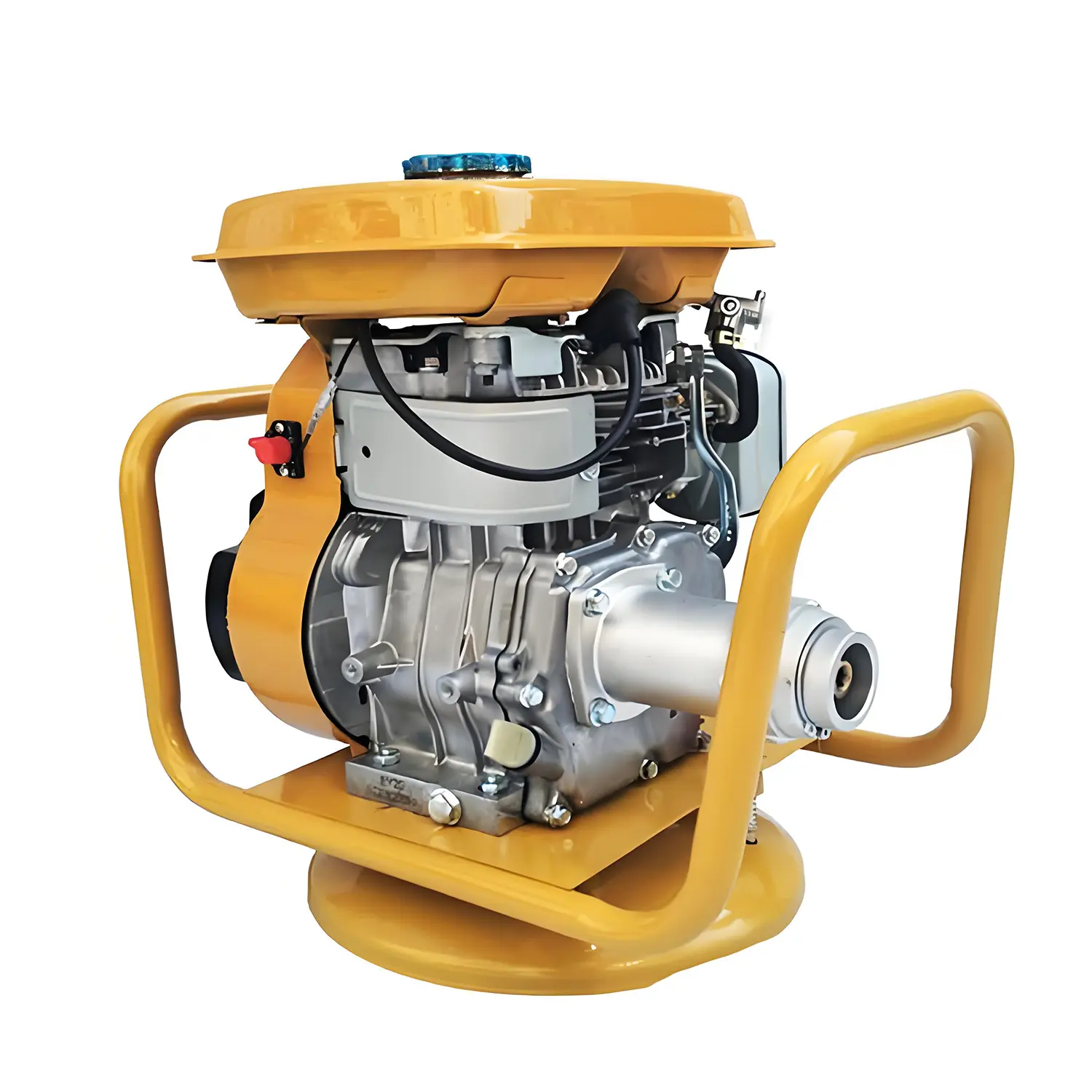
Match the power source to the working environment. Electric models provide stable output near reliable power. Pneumatic units perform well where compressed air already exists and electrical equipment is restricted. Hydraulic units offer strong control on large projects, while gasoline-powered equipment supports remote work but adds fuel, exhaust, and maintenance concerns. The U.S. Army Corps of Engineers’ EM 1110-2-2000 emphasizes thorough consolidation around reinforcement and form surfaces. Poor consolidation leaves honeycombing and weak zones. That damage is expensive.

Watch the concrete response. A properly inserted vibrator creates a temporary flow, releases bubbles, and slightly closes surface voids. ACI 309R-05 recommends systematic insertion spacing based on the vibrator’s radius of influence, not guesswork. Keep the head vertical when possible, and withdraw it slowly. Over-vibration can separate aggregate from mortar, especially in highly workable mixes. In practice, operators often trust sound and surface appearance too much. That judgment helps, but it is not a measurement. Test the method on a small placement first.

Evaluate Portability, Durability, Safety, and Maintenance Needs

Choosing the best concrete vibrator starts with the jobsite, not the catalog. Portability matters when crews move between slabs, columns, and narrow forms. A compact unit with a manageable cable reduces dragging and awkward lifting. I have found that weight feels different after four hours of placement. Too light may signal weaker components, though that is not always true.

Check reach, power source, shaft flexibility, and operator posture before purchase. A vibrator should reach the deepest form without stretching the worker.

Durability depends on sealed switches, reinforced connections, and a shaft suited to repeated bending. Inspect the head, coupling, and housing for cracks after each pour. Concrete paste hardens quickly.

Safety deserves equal attention. Use ground-fault protection, dry connections, gloves, hearing protection, and slip-resistant boots. Keep hands clear of moving parts, and disconnect power before cleaning or changing components.

Training also matters; over-vibration can separate aggregate and weaken the finished surface. I once focused too much on motor strength and overlooked cable storage. That mistake created avoidable wear.

Tips:

Compare maintenance needs before comparing output. Choose parts that can be inspected and replaced without specialized tools. Rinse concrete residue immediately, but follow the equipment’s cleaning instructions. Do not force a stiff shaft. Record service dates and unusual noise. A short test run can reveal vibration, heat, or unstable controls. Leave room for doubt. Jobsite conditions often expose weaknesses that specifications hide.

Select the Right Vibrator Based on Cost and Long-Term Value

How to Choose the Best Concrete Vibrators?

The cheapest concrete vibrator may create the highest long-term cost. Purchase price is only one line in the budget. Compare power consumption, service intervals, spare-part access, operator comfort, and expected working hours. A durable unit can reduce stoppages on a busy slab pour. That matters when ready-mix trucks are already waiting.

The McKinsey Global Institute reported in Reinventing Construction (2017) that construction productivity grew only about 1% annually over two decades. Small equipment delays can worsen that gap. ACI 309R-05, Guide for Consolidation of Concrete, stresses proper vibration for removing trapped air and achieving uniform consolidation. However, excessive vibration can cause segregation, especially in workable mixes. I have seen teams choose the strongest unit, then spend more correcting surface defects. Stronger is not always better.

Tips: Estimate total ownership cost over five years. Record energy use, repair hours, and downtime after each project. Match frequency and amplitude to the mix, reinforcement density, and placement depth. Test the vibrator on a small section first. A lower-cost model may be sensible for occasional work, but frequent pours usually justify better durability. Do not ignore handling weight. Tired operators may shorten insertion time, leaving hidden voids. That mistake is easy to miss. Recheck the decision after one season. Usage often differs from the original estimate.