7 Tips for Buying the Best Cement Vibrating Poker
Concrete is poured on an enormous scale. The Global Cement and Concrete Association reports that around 14 billion cubic metres of concrete are produced annually worldwide. Its dense mixture still needs careful consolidation. Air pockets can remain around reinforcement, corners, and formwork. A suitable Cement Vibrating Poker helps remove those voids and improve surface quality.
The choice is not simply about maximum vibration. ACI 309R-05 identifies proper consolidation as essential for durable, uniform concrete. ACI Fellow Dr. Peter Taylor puts the principle plainly: “Concrete is a performance material, not merely a commodity.” That view changes the buying process. Diameter, vibration frequency, shaft length, motor power, hose flexibility, and operating weight all matter. So does the job environment. A small repair may need a slim poker, while thick foundation pours may require stronger output.
These seven tips focus on practical decisions, not impressive specifications alone. Check the concrete slump, reinforcement spacing, power supply, and expected daily runtime. Examine the shaft near its connection point. That area often receives harsh bending and repeated handling. Ask about replacement heads, service access, and warranty support. Do not overlook operator fatigue. A heavy unit can reduce productivity before it fails.
The International Energy Agency also notes cement production remains responsible for roughly seven percent of global carbon dioxide emissions. Better consolidation cannot solve that challenge alone. It can, however, reduce repair work, rejected surfaces, and wasted material. The checklist is useful, but not perfect. Real site conditions still deserve the final judgment.
Define the Cement Vibrating Poker and Its Role in Concrete Work
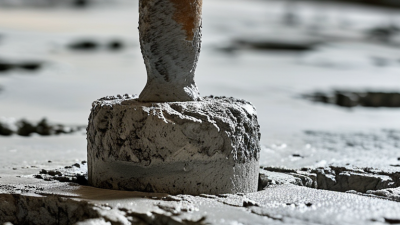
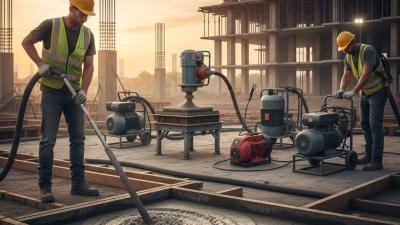
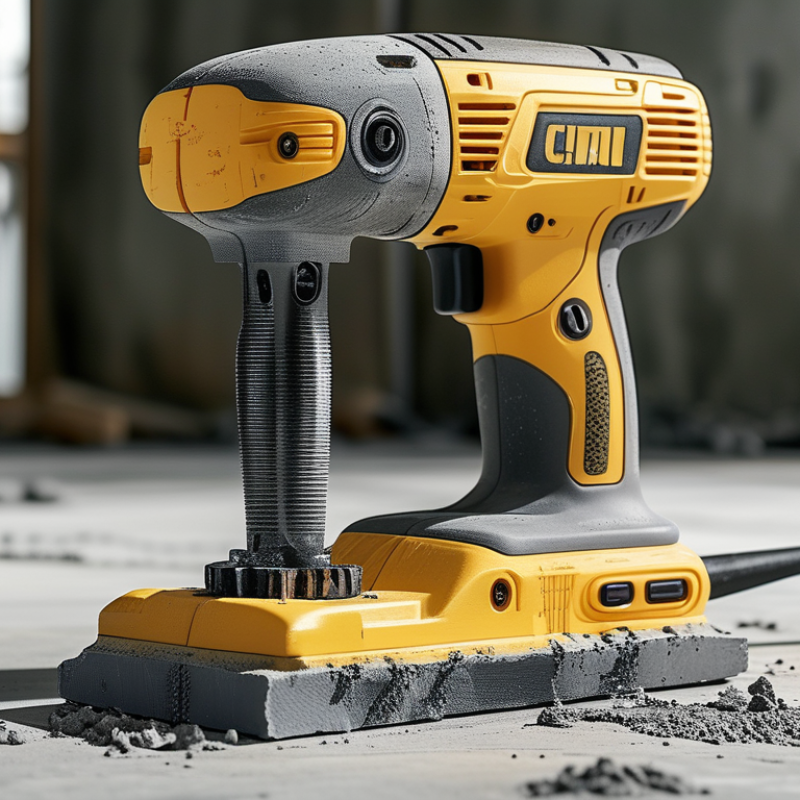
A cement vibrating poker is an internal concrete vibrator with a motor, flexible shaft, and metal poker head. Workers insert the head into freshly placed concrete to remove trapped air and improve consolidation. It does not strengthen weak mix design by itself. It only helps the concrete settle around reinforcement and inside formwork.
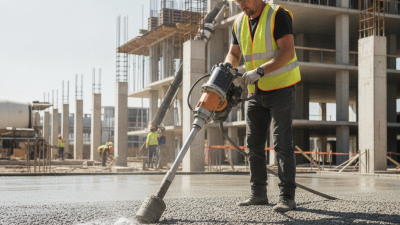
During a pour, the poker creates rapid vibration near its tip. This movement allows cement paste to flow into small gaps around steel bars, corners, and embedded fittings. The result can be a denser surface with fewer honeycombs. Keep the head vertical when possible. Insert it slowly, pause briefly, and withdraw it steadily. Do not drag it through the concrete.
Small areas may need a narrow poker head, while thick sections often require a larger diameter and greater power. Check the shaft length, operating weight, vibration frequency, and handle comfort before buying. A heavy unit can become difficult during a long pour. I have seen users choose maximum power, then struggle with control. More vibration is not always better. Over-vibration may separate aggregate from the cement paste, especially in highly workable concrete. Avoid touching reinforcement or formwork repeatedly. Inspect the cable, shaft, and head before each use. Follow the equipment manual and site safety procedures. Even experienced crews can rush this step. That is where defects begin.
7 Tips for Buying the Best Cement Vibrating Poker - Define the Cement Vibrating Poker and Its Role in Concrete Work
A cement vibrating poker, also called an internal concrete vibrator, is a handheld tool with a vibrating head that is inserted into freshly placed concrete. Its vibration helps release trapped air, improve consolidation around reinforcement, and reduce voids or honeycombing when used correctly.
Buying Guide and Practical Specification Checklist
| No. |
Buying Tip |
Recommended Data Dimension |
Practical Guidance |
Why It Matters in Concrete Work |
| 1 |
Choose the correct poker-head diameter |
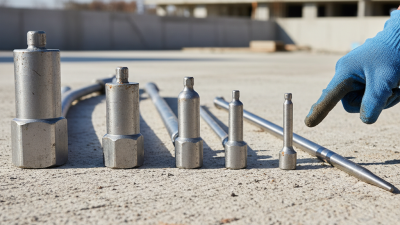
Approximately 25–50 mm for general building work |
Use a smaller head for narrow forms and closely spaced reinforcing bars. Use a larger head for open slabs and broad pours. |
The head must fit between reinforcement and reach the concrete without striking the formwork or steel. |
| 2 |
Match vibration frequency to the application |
Common internal-vibrator ranges are about 9,000–17,000 vibrations per minute |
Select a model with a stable operating speed and, where available, adjustable control for different concrete consistencies. |
Adequate vibration improves consolidation, while excessive or prolonged vibration can contribute to segregation. |
| 3 |
Check power and duty requirements |
Typical electric units: approximately 0.75–2.2 kW for light to medium work |
Confirm the available voltage, current, generator capacity, and expected daily operating time before purchase. |
Correct power selection helps maintain consistent vibration and prevents nuisance tripping or motor overheating. |
| 4 |
Select a suitable flexible-shaft length |
Common working lengths: approximately 1.5–6 m |
Choose enough reach for the form depth and pour layout, but avoid unnecessary length that increases handling effort. |
A suitable shaft improves operator control and allows the poker to reach the lower sections of the pour. |
| 5 |
Prioritize durable construction and sealing |
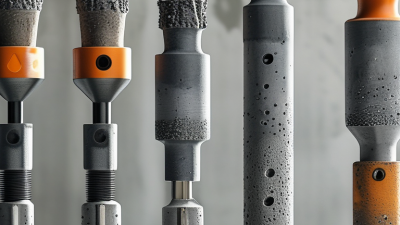
Hardened steel or robust alloy head; sealed bearings; reinforced shaft and cable |
Inspect the head housing, coupling, cable insulation, switch, and strain relief for protection against site wear and moisture. |
Concrete, water, impact, and repeated bending place substantial stress on the tool during daily use. |
| 6 |
Evaluate weight and operator ergonomics |
Prefer a balanced motor body, comfortable grip, and manageable assembly weight |
Consider work duration, access conditions, handle design, cable routing, and whether two-person handling is required. |
Lower fatigue supports more consistent insertion spacing and reduces handling errors during extended pours. |
| 7 |
Confirm serviceability and safety features |
Look for overload protection, accessible replaceable parts, grounding, and clear operating instructions |
Verify maintenance intervals, spare-part availability, electrical protection, and compatibility with site safety procedures. |
Routine inspection and proper electrical protection help reduce downtime, shock hazards, and premature component failure. |
Use note:
Insert the poker vertically and withdraw it gradually after air bubbles stop rising. Avoid using the vibrating head to move concrete horizontally, and do not leave it operating in one location for an excessive period.
Assess Concrete Type, Vibration Depth, and Required Operating Power
Choosing the best cement vibrating poker starts with the concrete itself.
Measure the mix. A stiff, low-slump mix usually needs stronger vibration than a fluid mix. Large aggregate and dense reinforcement may require a slimmer poker for better access. A wide head can work faster in open slabs, but it may bridge around steel bars. Match the poker diameter to the reinforcement spacing and formwork.
Check the required vibration depth before buying.
The poker should reach near the bottom without forcing the operator into an awkward position. Its effective radius depends on concrete consistency, aggregate size, and vibration frequency. Insert it vertically at regular intervals, with overlapping influence zones. Keep the head submerged briefly, then lift it slowly. Watch the surface. Excessive vibration can separate aggregate and cement paste, especially in workable concrete.
Power matters.
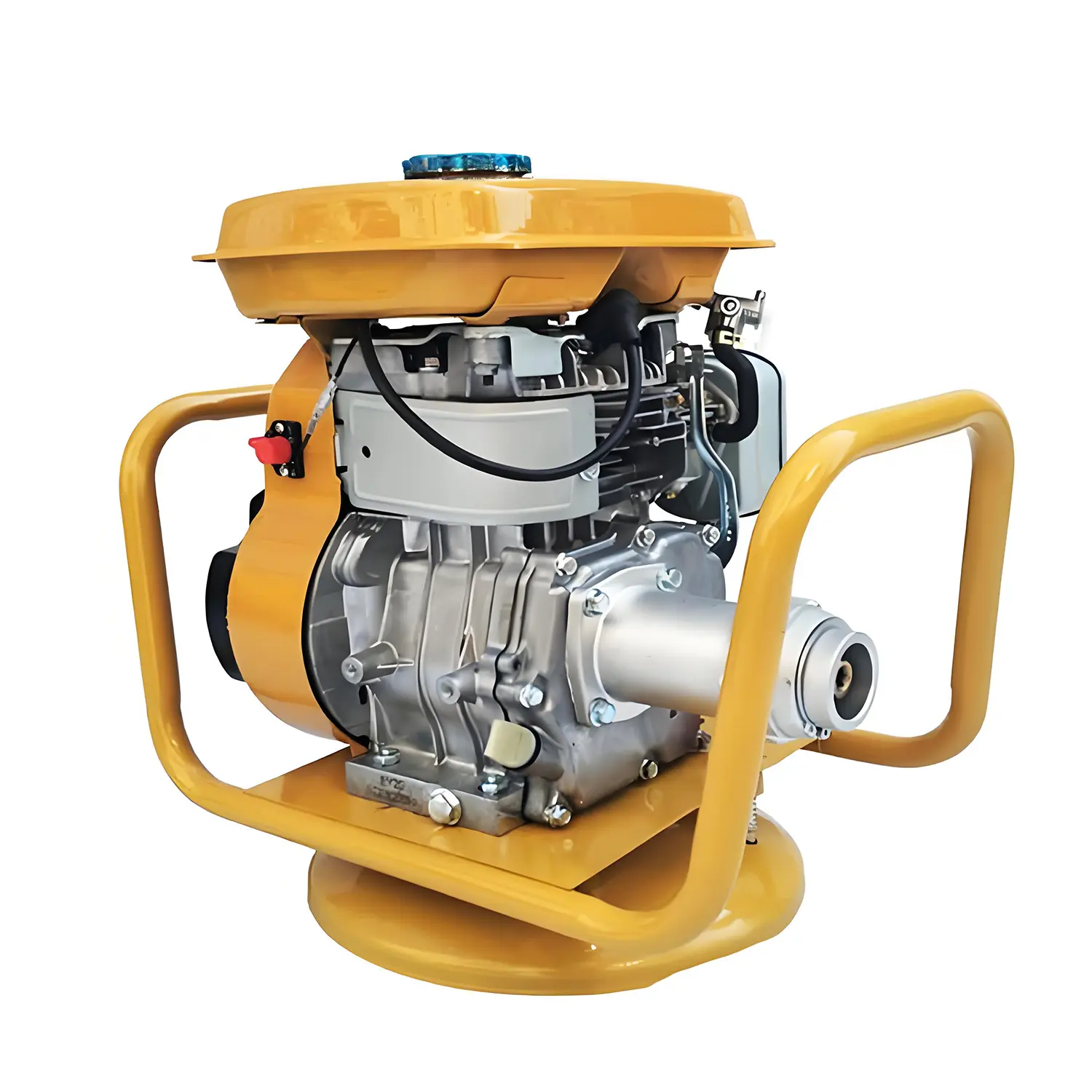
Compare the motor’s output, duty cycle, cable length, and available site supply. A small repair may need less power than a deep foundation pour, where continuous operation creates heat and wear. Pneumatic equipment can suit demanding sites, but it requires a stable air supply and careful hose management. Electric equipment may be simpler, though voltage drops can reduce performance. Test the poker in a small sample when possible. Listen for uneven noise and check whether air bubbles escape steadily. I once assumed a larger unit would finish faster; it instead tired the operator and disturbed the mix. That mistake is worth remembering. Consider grip comfort, cleaning access, service instructions, and realistic daily use, not only advertised power.
Compare Poker Head Size, Shaft Length, and Vibration Frequency
7 Tips for Buying the Best Cement Vibrating Poker
Compare Poker Head Size, Shaft Length, and Vibration Frequency
A cement vibrating poker should match the concrete, not merely the motor’s advertised power. On small slabs, a 25–35 mm head can move through reinforcement with less resistance. Larger heads compact faster in open pours, but they may catch between bars. I have found that a head that feels “powerful” can still leave honeycombing when the operator withdraws it too quickly. That was my mistake.
Shaft length affects reach, posture, and control. A short shaft suits walls, columns, and shallow forms, while a longer shaft helps with thick footings. Measure the form depth before ordering. Measure twice. Extra length sounds useful, yet it can bend awkwardly and tire the operator. Keep the head submerged, and lift it slowly until the surface just closes. Do not drag it across the concrete.
Vibration frequency needs careful comparison. Higher frequency can improve surface finishing in workable mixes, but it is not automatically better for stiff or heavily reinforced concrete. Check the stated cycles per minute, then consider the mix slump and aggregate size. In practice, moderate, steady vibration often gives more even results than aggressive pulsing. I still question my first choice when the paste rises too quickly; that usually signals over-vibration, not superior compaction. Test a small section before committing to the full pour.
Match the Tool to Your Budget, Workload, and Project Conditions
Buying the best cement vibrating poker starts with your project, not the product label. Tip one: match the poker head to the pour depth and reinforcement spacing. A slim head reaches crowded cages, while a larger head consolidates wider slabs faster. Tip two: check vibration frequency and amplitude together. More power is not automatically better. ACI 309R-16 stresses that consolidation depends on concrete mix, reinforcement, and placement conditions.
Tip three: estimate daily workload honestly. Occasional repairs may suit a lightweight electric unit, while repeated commercial pours require stronger duty ratings and serviceable components. Tip four: compare total cost, including extension leads, maintenance, transport, and downtime. I once chose by motor wattage alone. That was a poor shortcut. Tip five: consider site access. A long flexible shaft helps around columns, but it becomes tiring during small pours. Keep the work area dry and cables protected. The U.S. Bureau of Labor Statistics recorded 1,069 fatal work injuries in construction and extraction occupations in 2022, reinforcing the value of practical site controls.
Tip six: verify compatibility with your concrete mix. Stiff mixes and congested reinforcement need careful, controlled insertion rather than aggressive surface shaking. Tip seven: inspect technical data before buying. Look for operating weight, shaft length, frequency, warranty terms, and replacement-part availability. The National Ready Mixed Concrete Association identifies proper consolidation as essential for reducing voids and surface defects. Still, field conditions vary. A tool that performs well in a wide slab may disappoint inside a narrow footing. Test it briefly, listen for irregular vibration, and rethink the purchase if handling feels awkward.
7 Tips for Buying the Best Cement Vibrating Poker
Match the poker head to the member size, reinforcement spacing, workload, and access conditions. The figures below show typical planning values for internal concrete vibrators; actual performance varies with mix design, slump, reinforcement congestion, and operator technique.
How to read the chart: Smaller heads suit thin slabs and congested reinforcement, while larger heads provide greater consolidation coverage in footings and heavily reinforced columns. Choose a tool with enough duty capacity for the expected workload without using an oversized head that could damage formwork or disturb reinforcement.

 Internal Vibrator
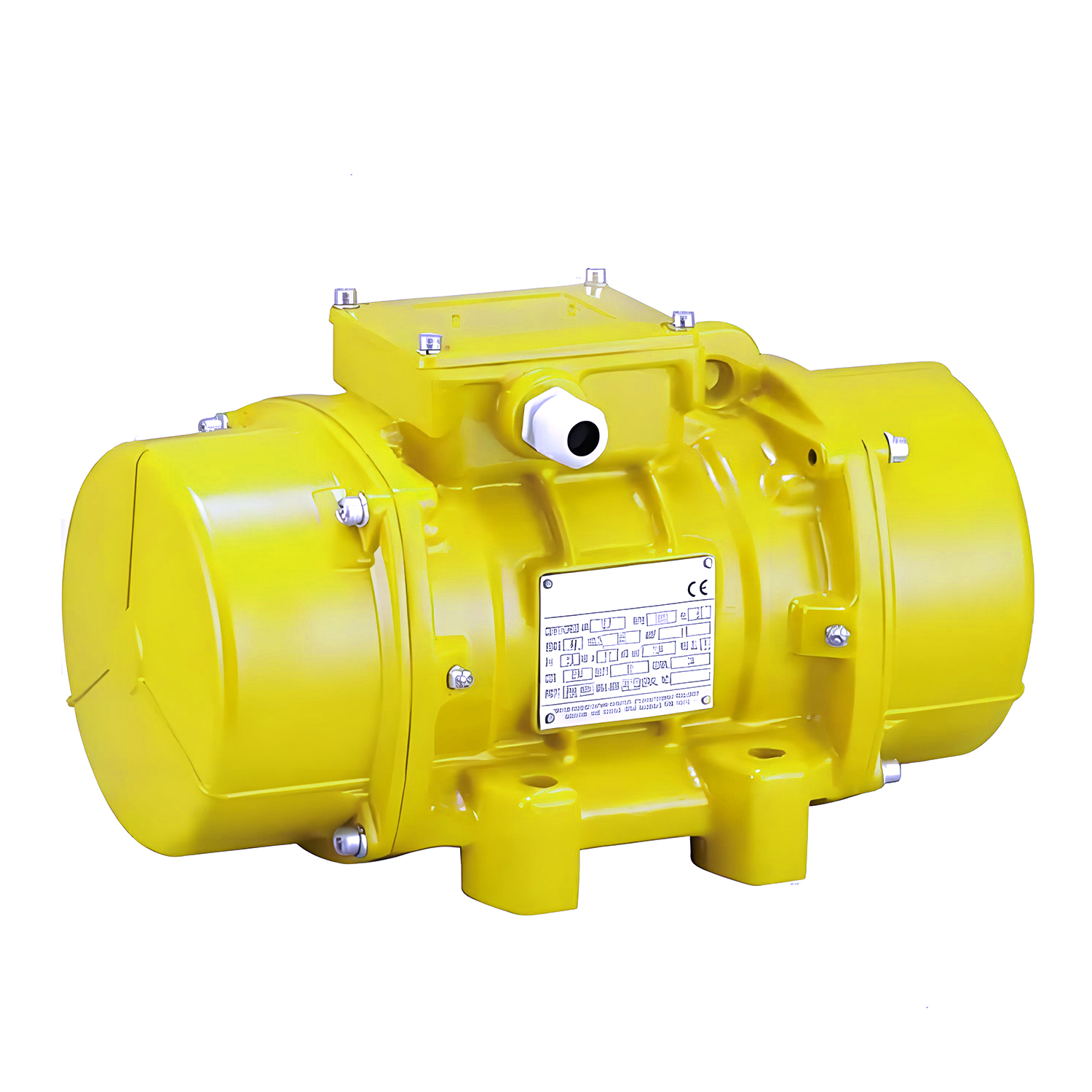 External Vibrator
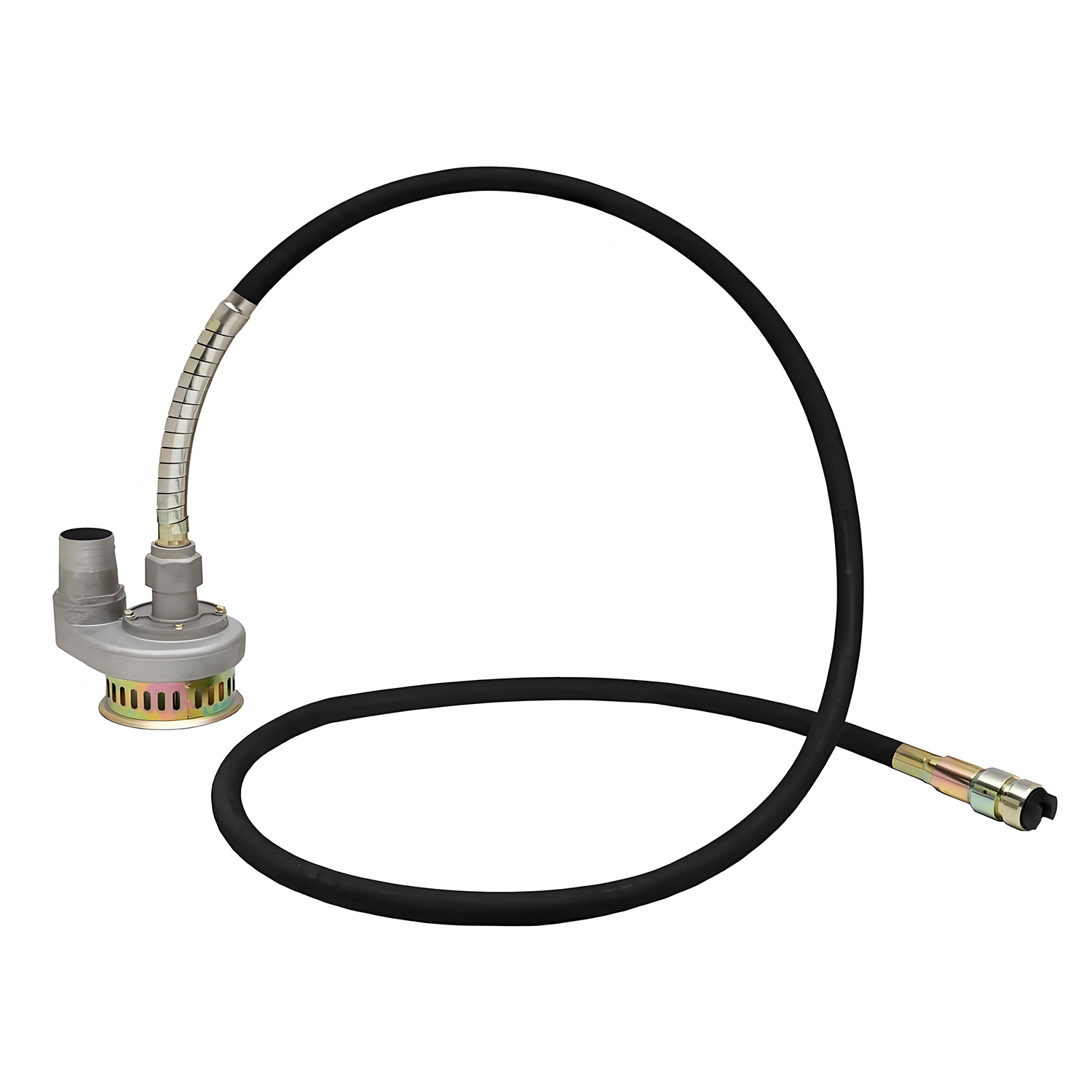 Submersible Pump
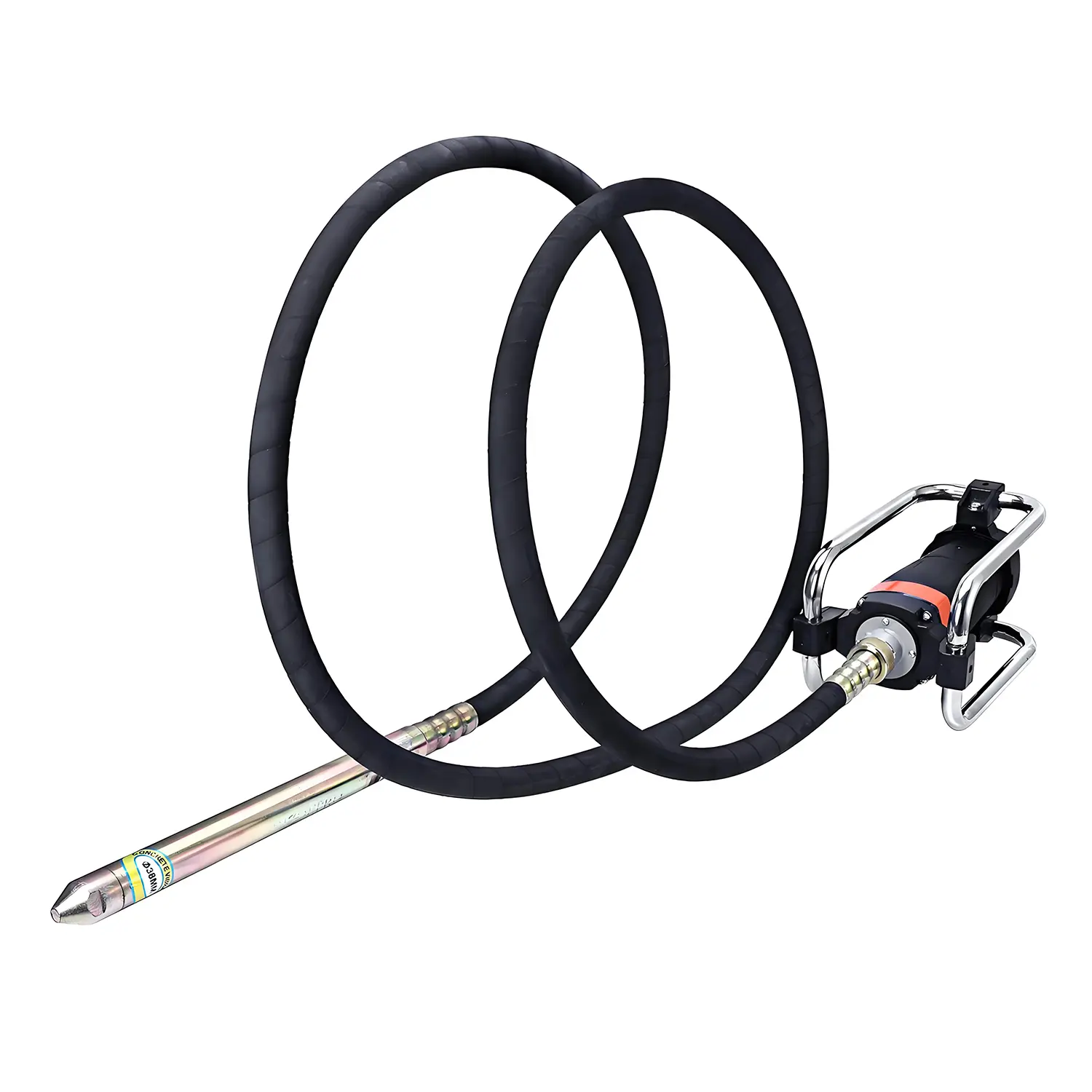 Eccentric shaft
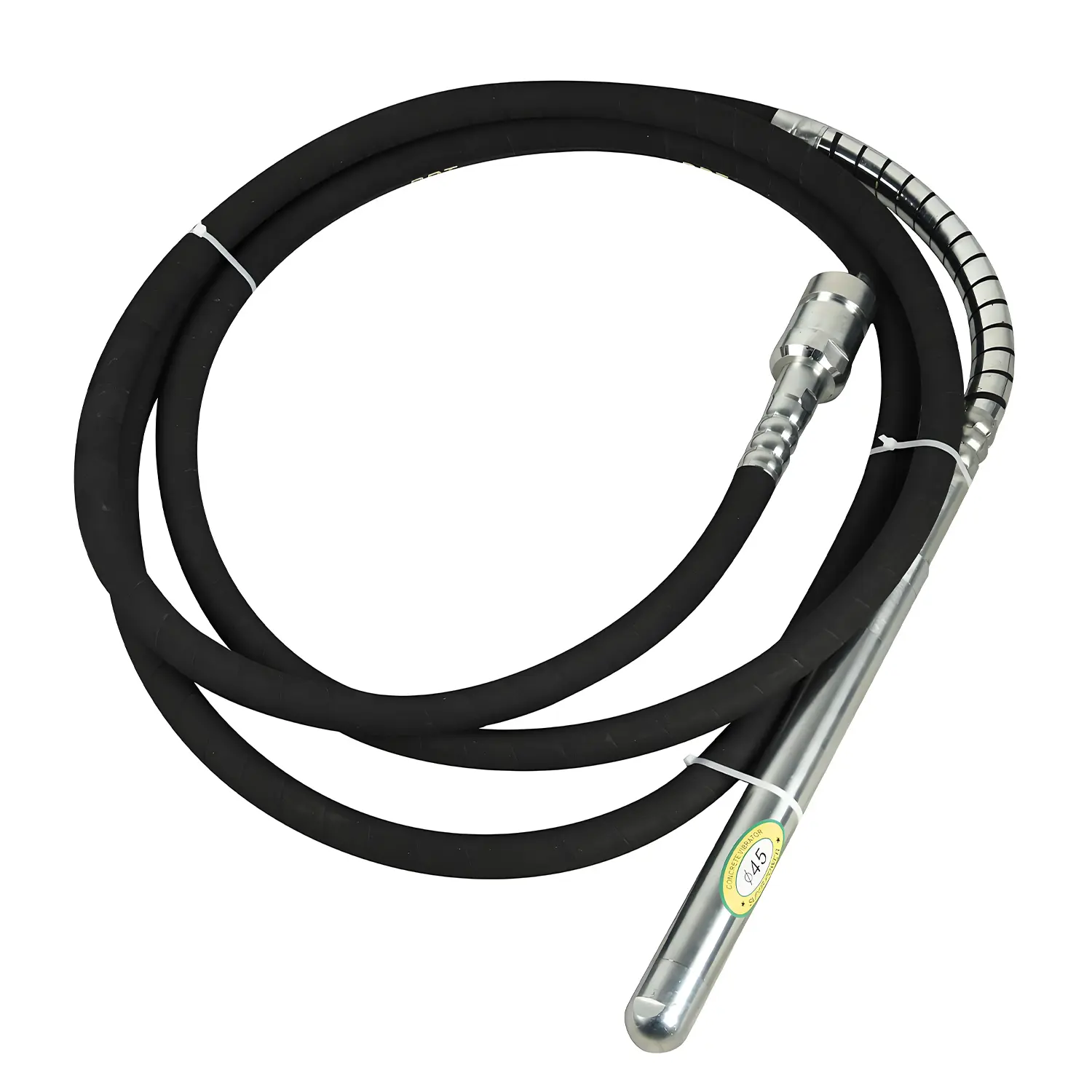 Pendulum shaft
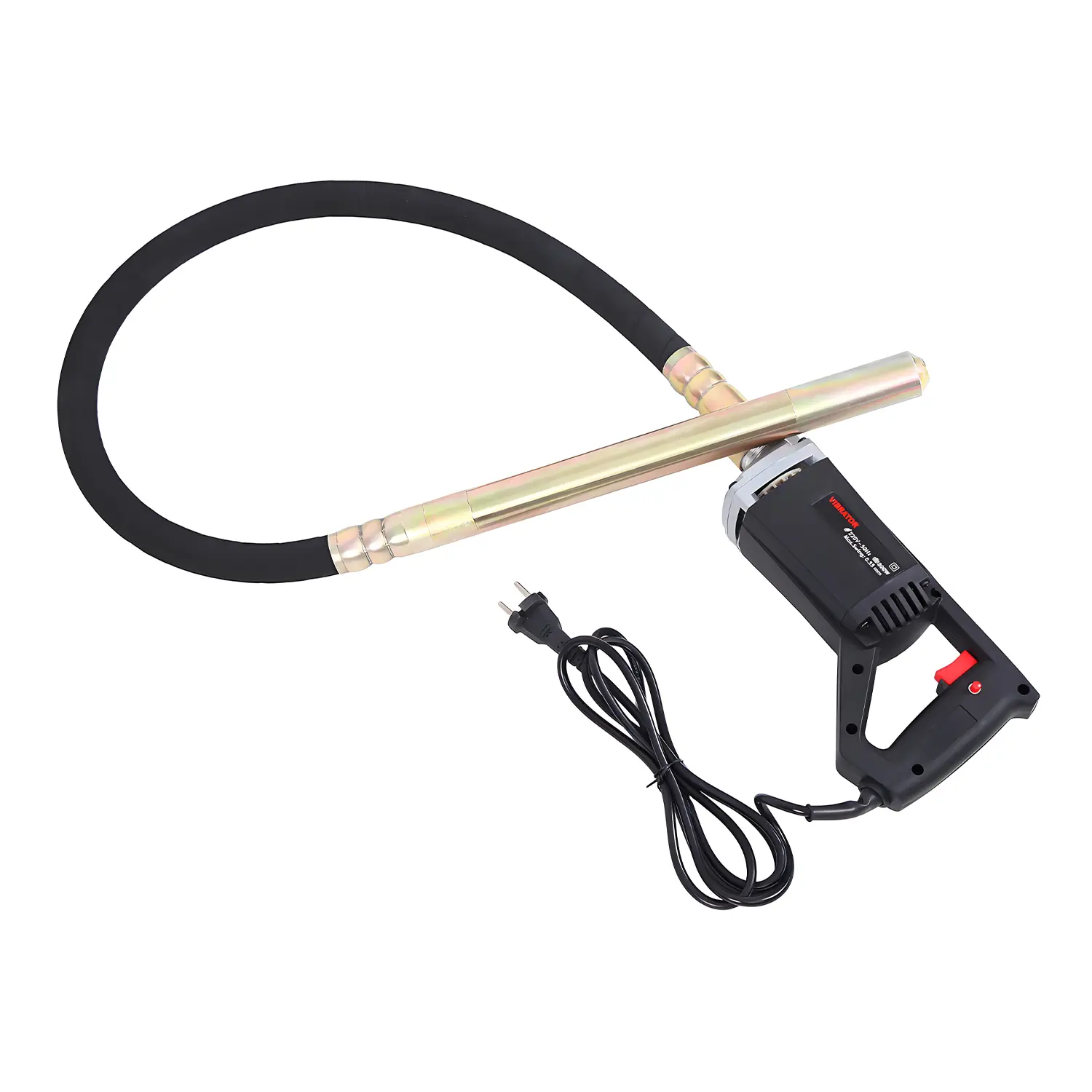 Portable vbrator shaft
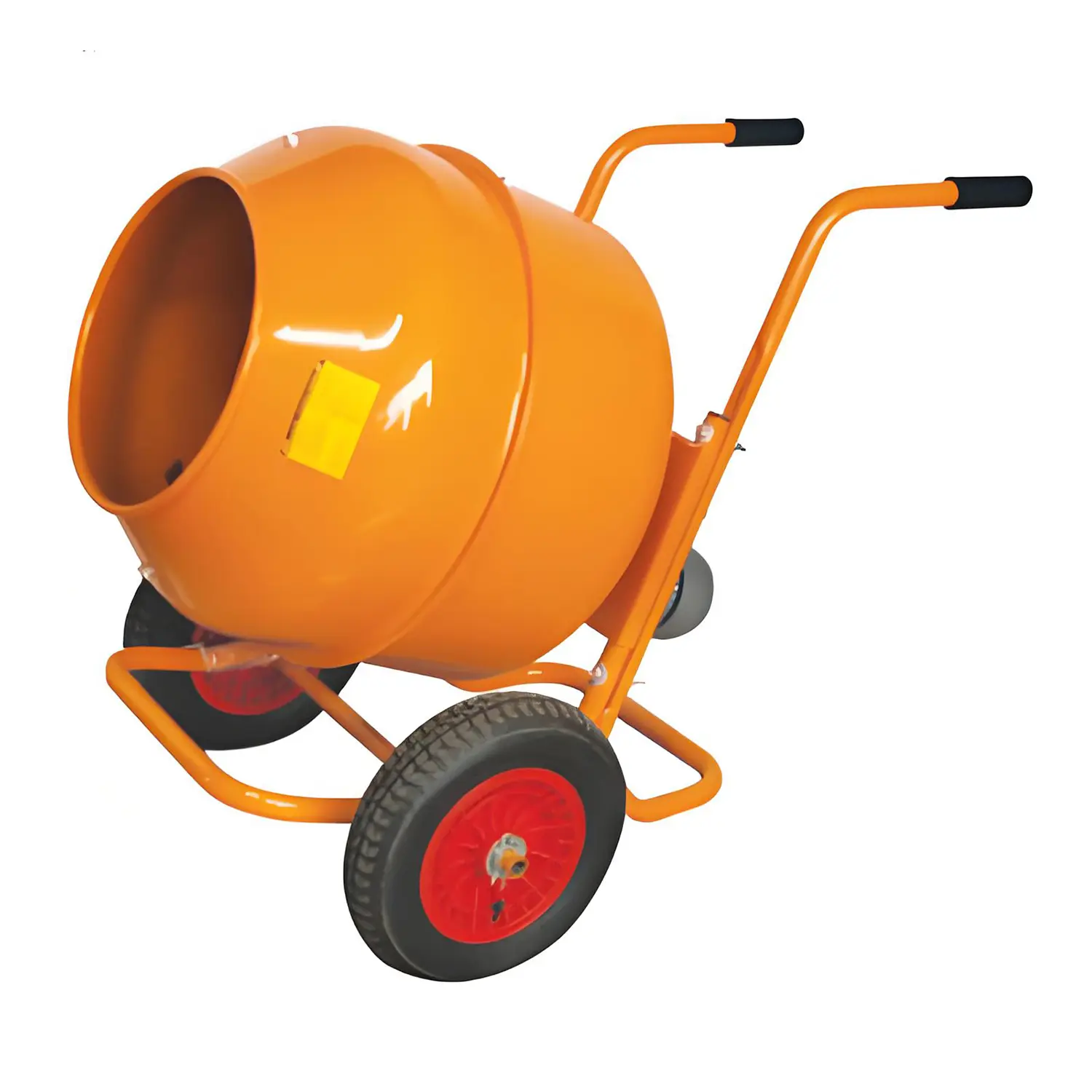 Portable concrete mixer
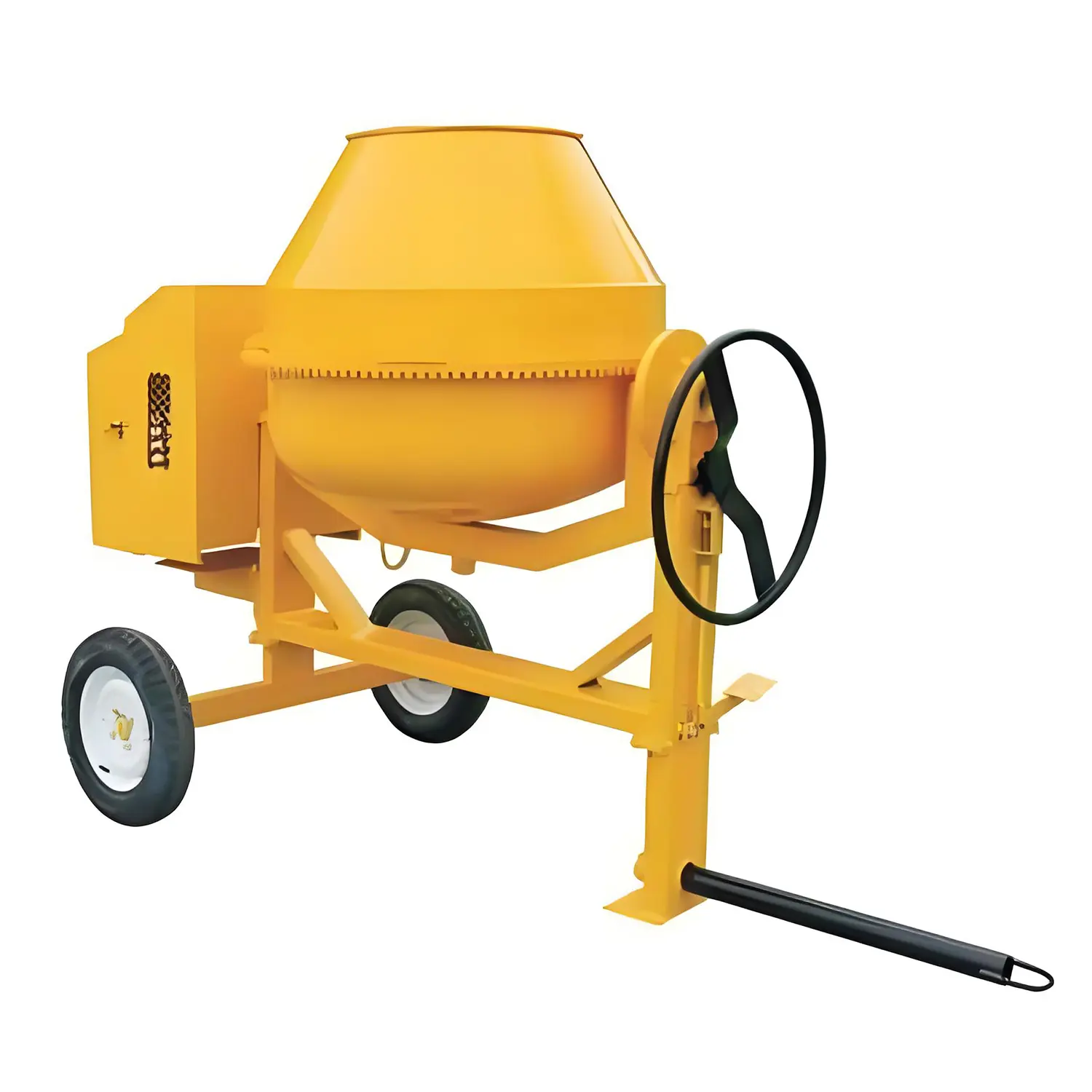 Vertical concrete mixer
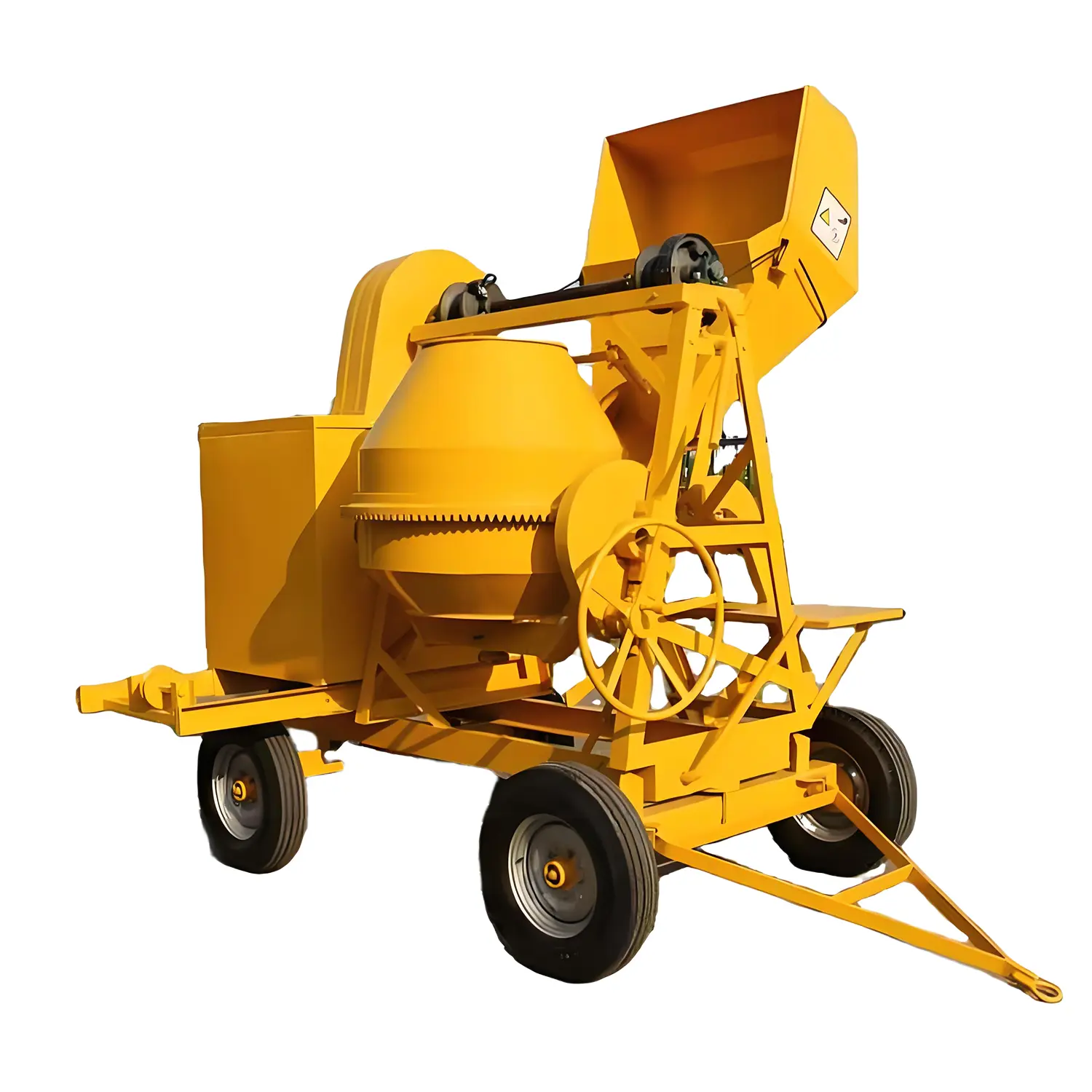 Hydraulic concrete mixer
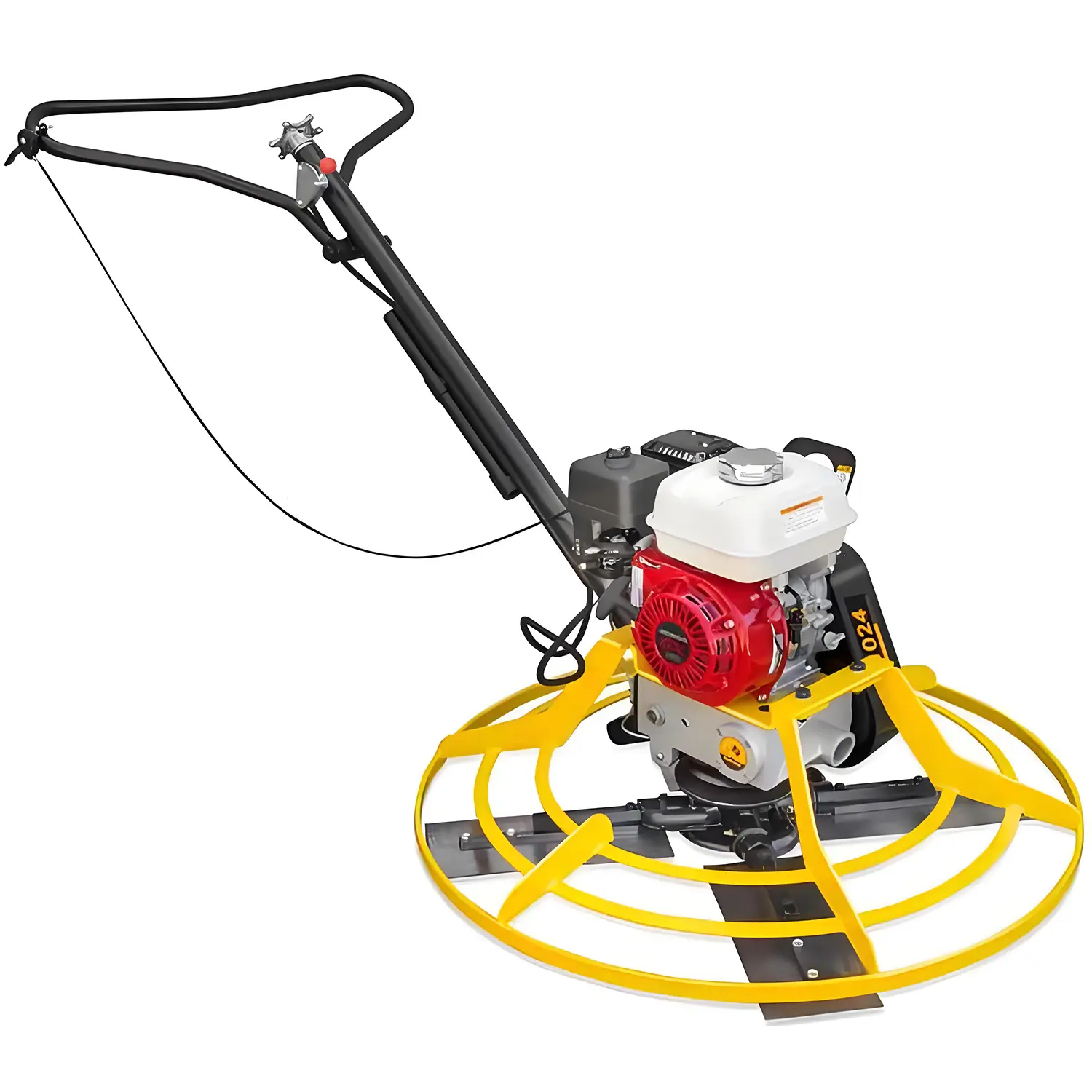 Walk behind power trowel
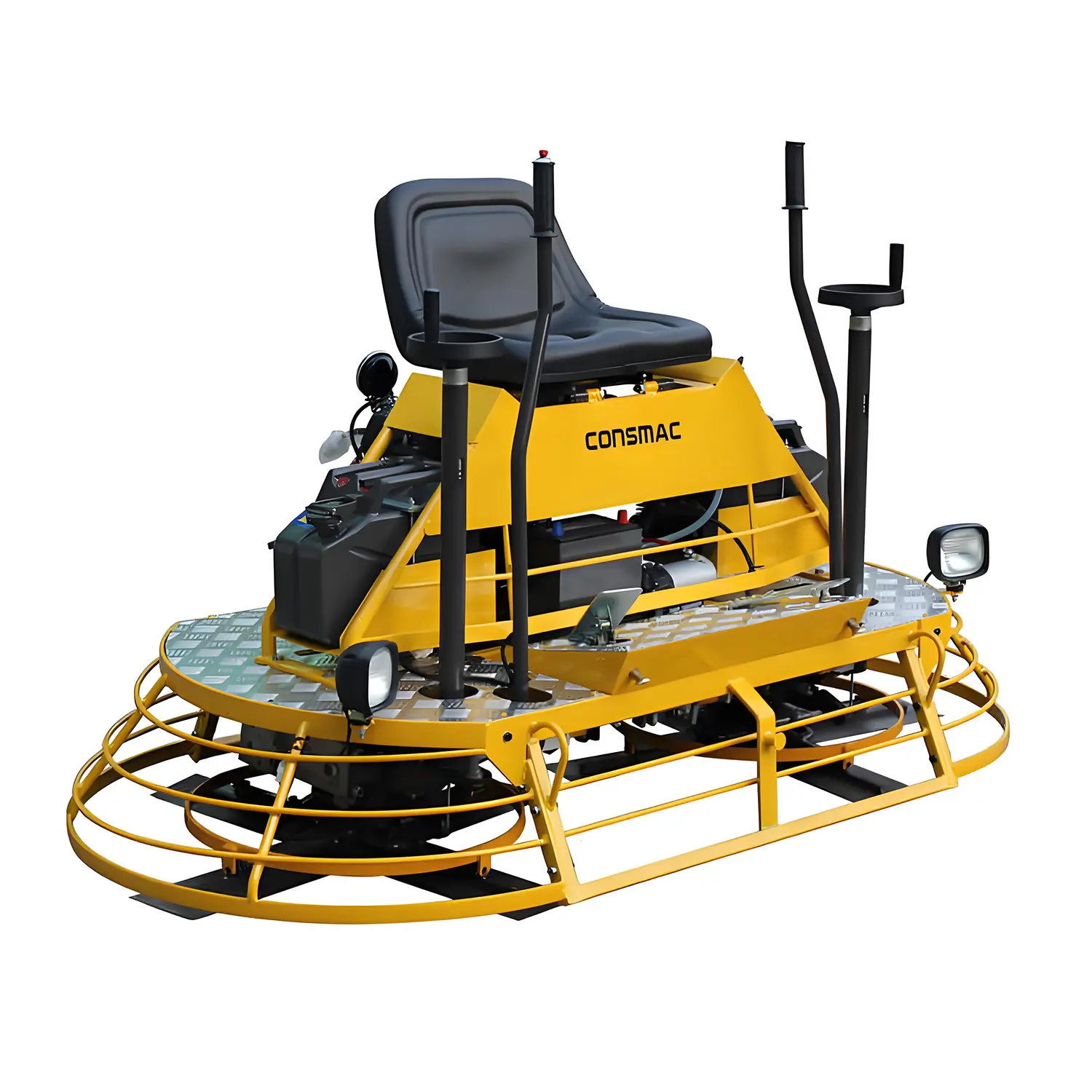 Ride on power trowel
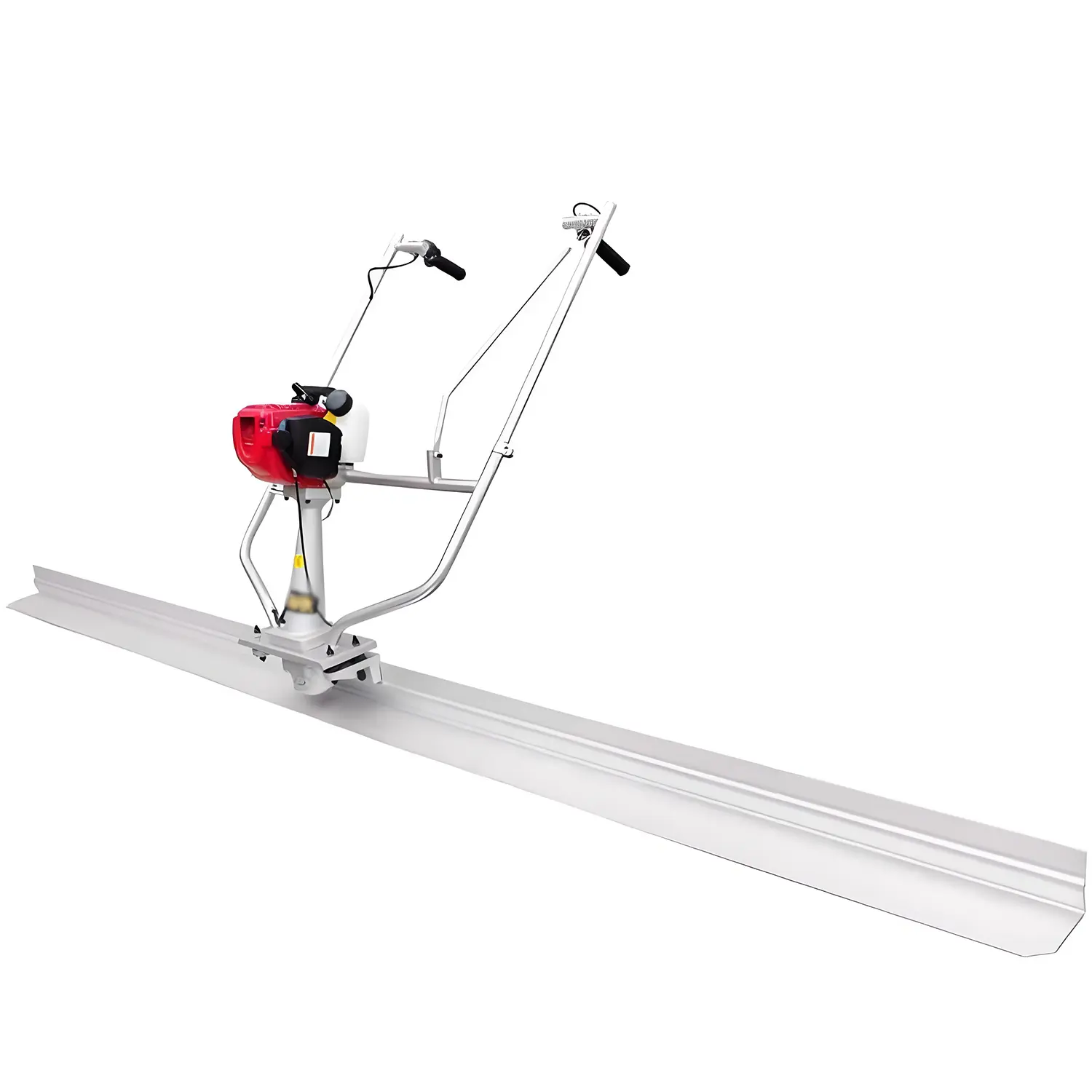 Concrete screed
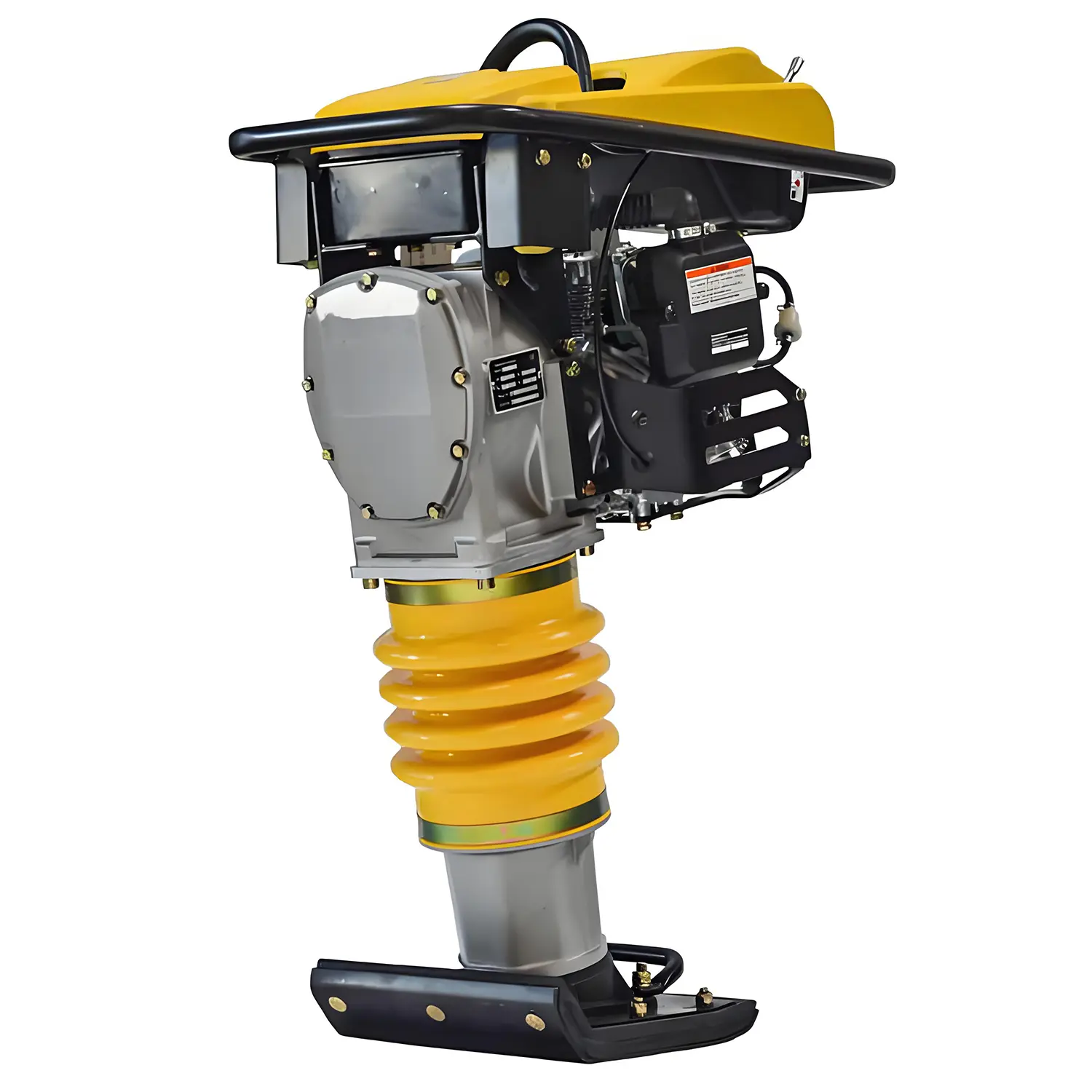 Tamping rammer
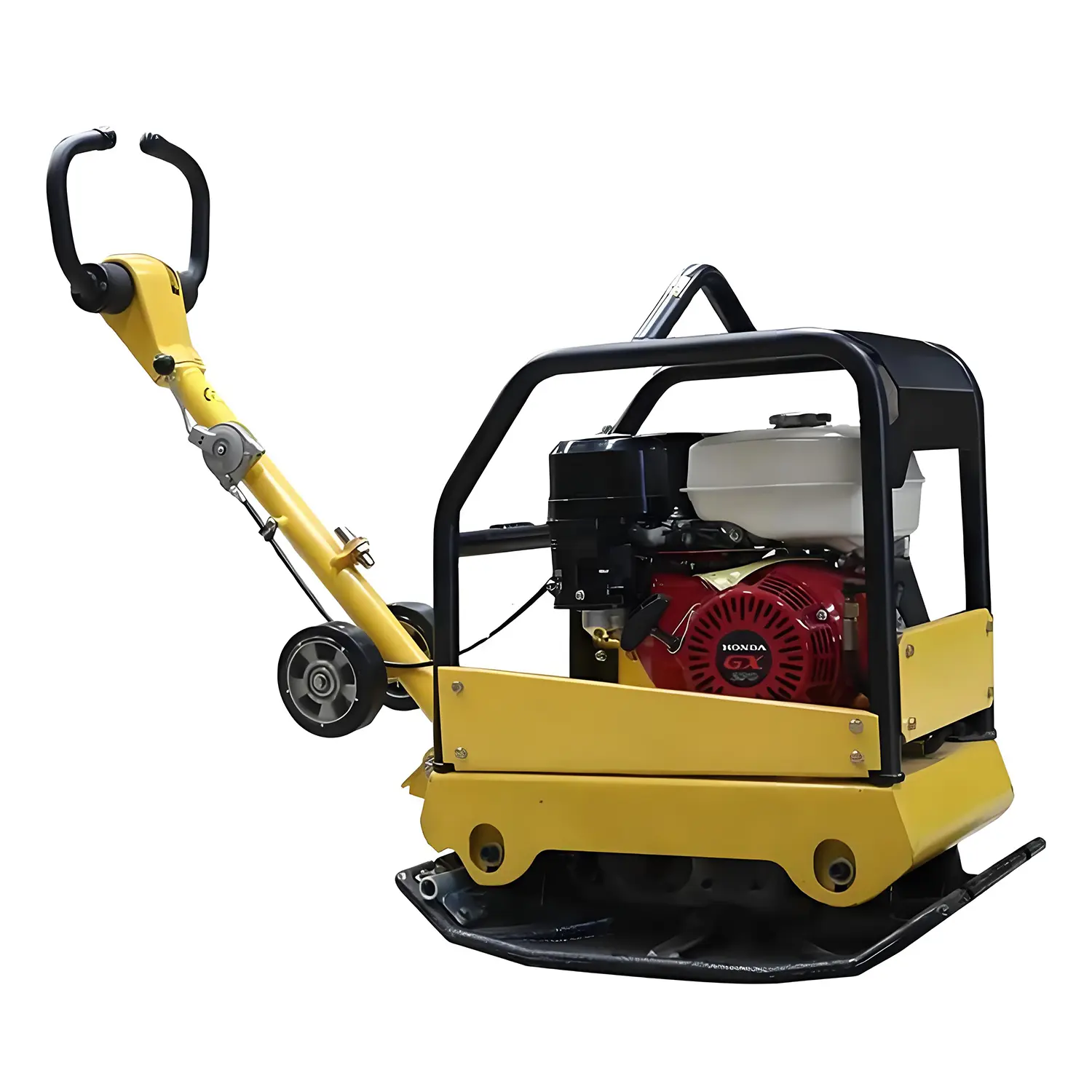 Plate compactor
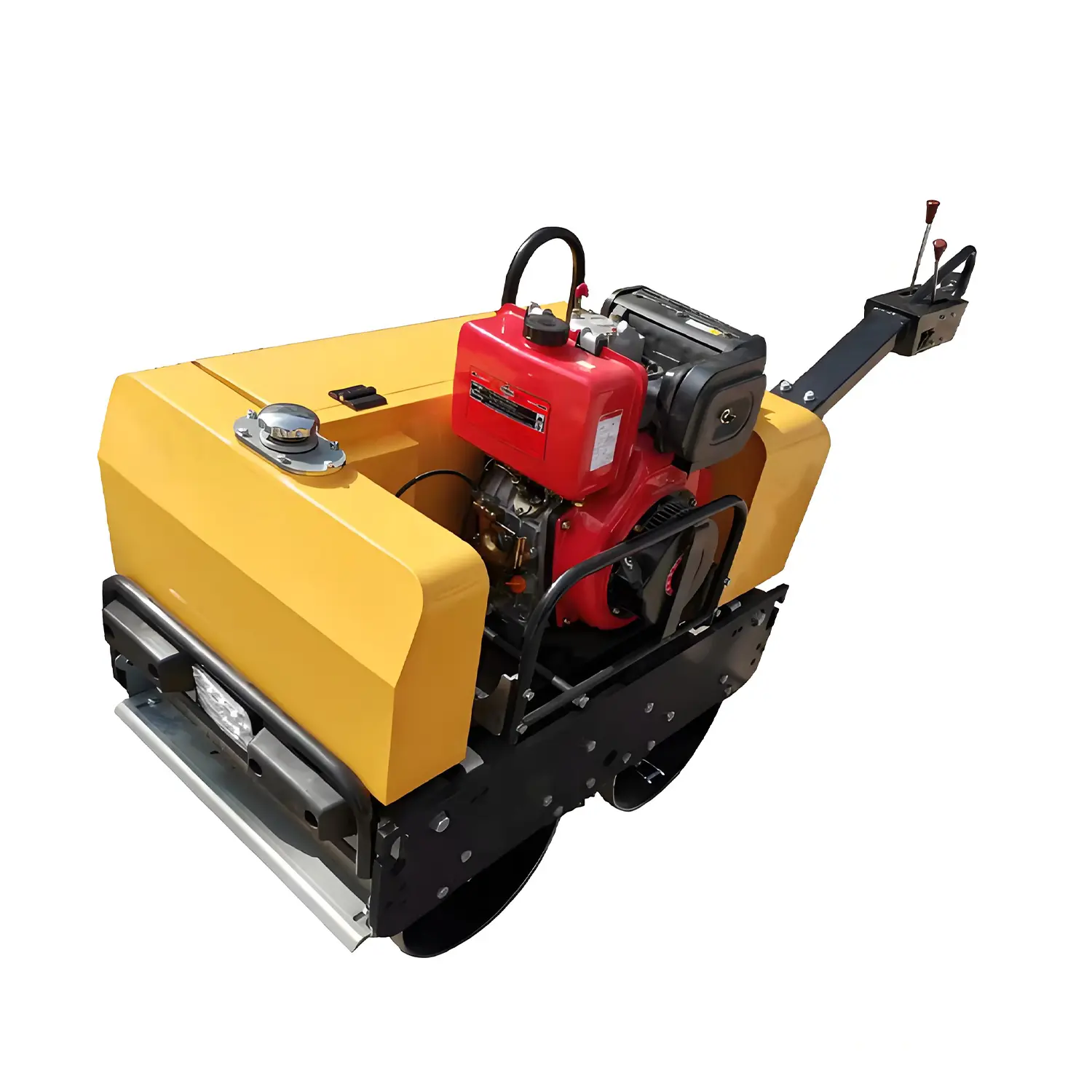 Vibratory roller