What is a Plate Compactor and How to Choose the Best One?
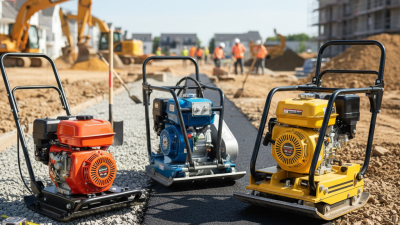
A Plate Compactor is an essential tool for various construction and landscaping projects. It is designed to compact soil, gravel, and asphalt, improving the stability of surfaces. When choosing a Plate Compactor, several factors come into play. These include weight, power source, and plate size.
Selecting the right Plate Compactor can significantly affect project outcomes. A heavier machine compacts more effectively, while smaller models offer better maneuverability in tight spaces. Many users often overlook these details and later face difficulties on site. It's crucial to consider your specific needs before making a decision.
Professional insight can guide your choice. Always review user feedback and expert opinions. The right Plate Compactor should balance efficiency and ease of use, ensuring durable results. Remember, the wrong choice can lead to wasted time and resources. Take your time to reflect on what fits your project best.
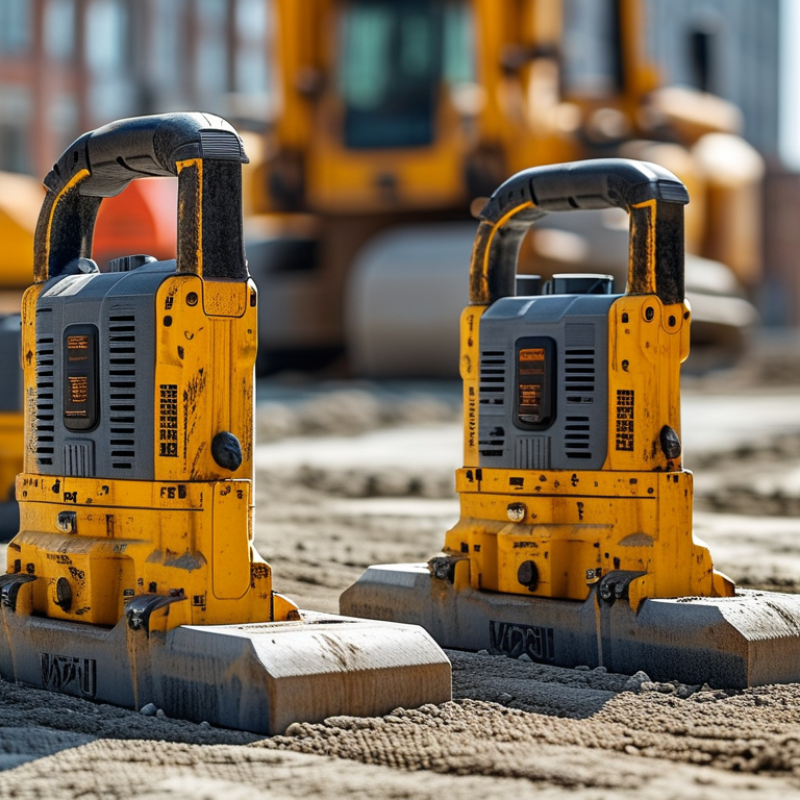
What is a Plate Compactor and Its Purpose in Construction?
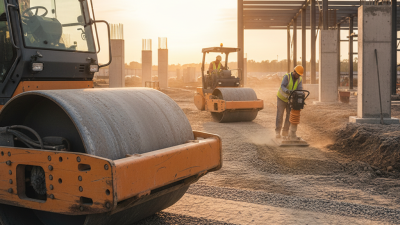
A plate compactor is essential in construction, especially for soil, gravel, and asphalt surfaces. Its primary function is to compact loose materials, ensuring stable ground for building foundations and paving. According to industry reports, well-compacted surfaces can increase load-bearing capacity by 30% to 70%. This data highlights the need for an effective compaction method.
Operating a plate compactor requires knowledge and skill. The weight and vibration frequency play crucial roles in its efficiency. Standard models weigh between 100 to 300 pounds and operate at frequencies around 3,000 to 5,000 vibrations per minute. Understanding the specific project requirements is vital. Choosing the wrong model can lead to subpar results, such as uneven surfaces or inadequate compaction. Even experienced contractors sometimes underestimate the importance of these specifications.
Maintenance also poses challenges. Proper care extends the lifespan of the equipment. Neglecting regular checks can lead to performance issues. Moreover, contractors must be aware of safety protocols when operating compactors. An accident not only affects productivity but can also result in serious injury. Taking these aspects into account can prevent future complications.
Plate Compactors: Comparing Their Effectiveness
This bar chart illustrates the compaction force of different plate compactor models. The higher the force, the more effective the compactor is likely to be for heavy-duty jobs in construction.
Key Features and Specifications of a Plate Compactor
When selecting a plate compactor, understanding its key features is essential. The weight of the machine plays a crucial role in its performance. A heavier compactor can exert more force, which is ideal for tougher materials. However, consider your own strength and comfort when operating it. A compact and lighter model might be easier for beginners, even if it may not handle the toughest jobs as effectively.
The engine power also influences the compactor's effectiveness. Typically measured in horsepower, higher power can lead to better performance in dense soil or gravel. It's important to note that more power may not always mean better results. Too much horsepower can make the machine harder to control for inexperienced users. Choose a balance that fits your skill level and the work you intend to do.
Another important factor is the size of the base plate. A larger plate covers more area and can speed up your work process. But be cautious; it might be less maneuverable in tight spaces. Additionally, vibration dampening features enhance user comfort during operation. These aspects warrant careful examination before making a choice. It’s helpful to ask questions and gather insights from others who have experience with various models. This approach allows for informed decision-making for your specific needs.
Types of Plate Compactors: Vibratory vs. Static
When choosing a plate compactor, understanding the differences between vibratory and static models is essential. Vibratory plate compactors are designed to use vibrating plates to generate dynamic force. This force helps in compacting soil, asphalt, and other materials efficiently. They are ideal for granular soils, as the vibrations help to reorganize the particles into a denser formation. The continuous vibration allows for deeper penetration into the material, making them perfect for various construction applications.
In contrast, static plate compactors rely on their weight for compaction. They may not provide the same level of penetration as vibratory models but are effective for surface-level tasks. Static compactors are suitable for smaller jobs, such as paving sidewalks or driveways. The choice between these two types largely depends on the specific job requirements.
The effectiveness of a plate compactor can be influenced by factors like soil type and moisture content. It’s important to consider these elements before making a decision. Sometimes, people overlook these details and end up with inadequate results. A misjudged selection can lead to poor compaction and higher costs later on. Understanding the nuances between vibratory and static models can significantly enhance project outcomes and efficiency.
Factors to Consider When Choosing a Plate Compactor
When choosing a plate compactor, several key factors should be evaluated to ensure optimal performance. First, consider the weight of the machine. Heavier models can achieve deeper compaction, making them suitable for larger projects. According to industry reports, a compactor weighing between
300 and 600 pounds is most effective for compacting asphalt and granular soil.
Next, look at the plate size. Larger plates cover more ground, reducing the time needed for compaction. A standard plate size of 20 inches to 30 inches works well for most applications. However, wider plates are better suited for flat, expansive areas, whereas narrow plates excel in confined spaces.
Additional features can enhance usability. Look for models with adjustable vibration levels for more control. Also, check the compactor’s fuel type. Gasoline-powered units offer mobility, while electric models provide quieter operation. Remember, maintenance is vital for longevity. Regular oil checks and keeping the compactor clean can improve its performance.
Consider the type of projects you will be tackling. Different materials may require varying compaction levels. For instance, compacting asphalt may necessitate a different approach than compacting gravel. Engaging with professionals or industry experts can provide insight tailored to your specific needs. Reflect on the machines' limitations and potential improvements, as this contributes significantly to overall efficiency.
Maintenance Tips for Ensuring Longevity of Your Plate Compactor
Plate compactors are essential for achieving solid, leveled surfaces. To ensure your plate compactor lasts, regular maintenance is key. Start by checking the oil levels frequently. Clean the air filter regularly to prevent engine issues. Neglecting these simple tasks can lead to expensive repairs.
Make it a habit to inspect the plate for wear and tear. Pay attention to any cracks or chips. A damaged plate can compromise its effectiveness. After each use, clean mud and debris from the compactor’s surface. This prevents rust and prolongs its life.
Storing your equipment properly also matters. Keep it in a dry location to avoid corrosion. Cover it during periods of non-use. Regularly scheduled maintenance checks keep your compactor running smoothly. Skipping these checks might save time now, but it can lead to bigger problems later.

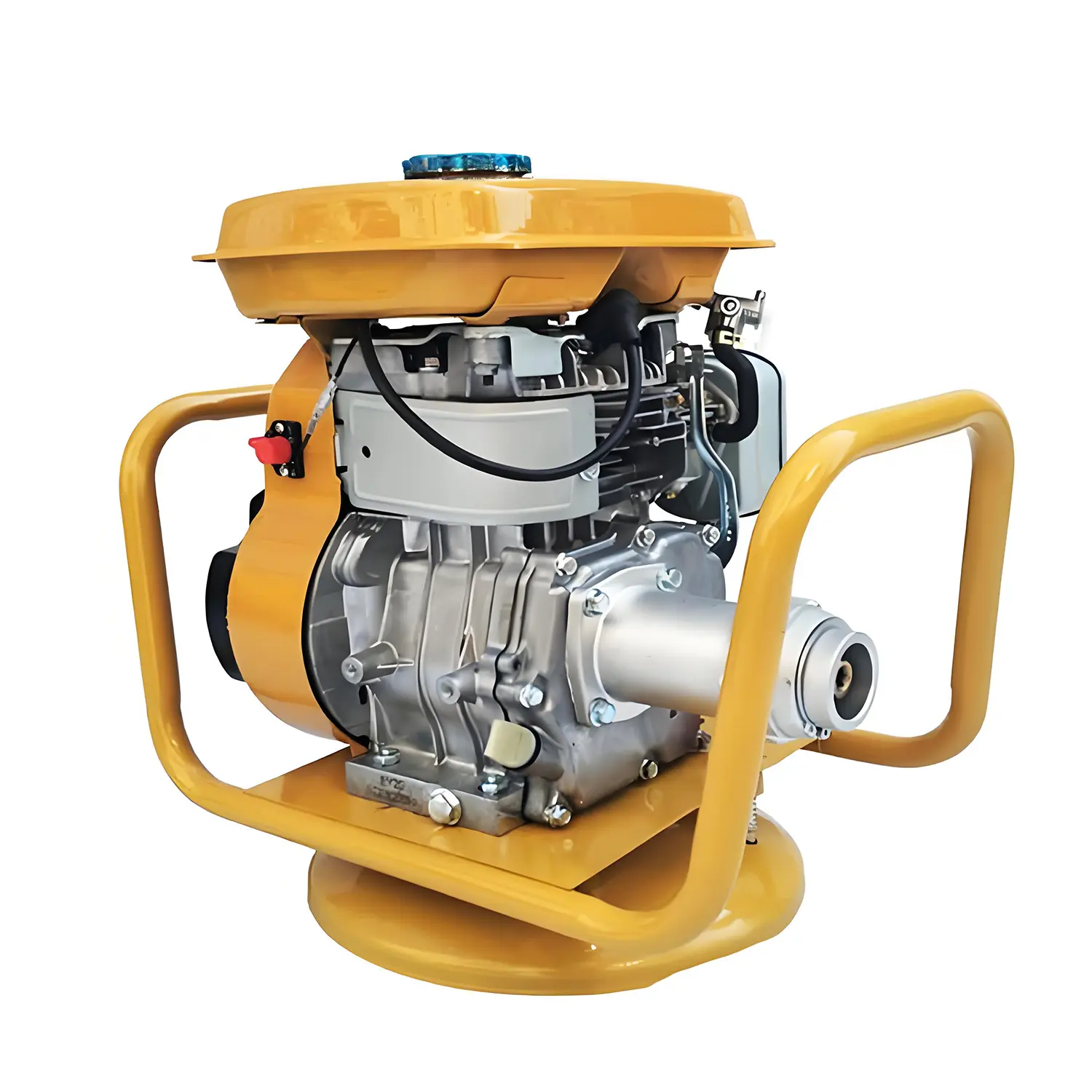 Internal Vibrator
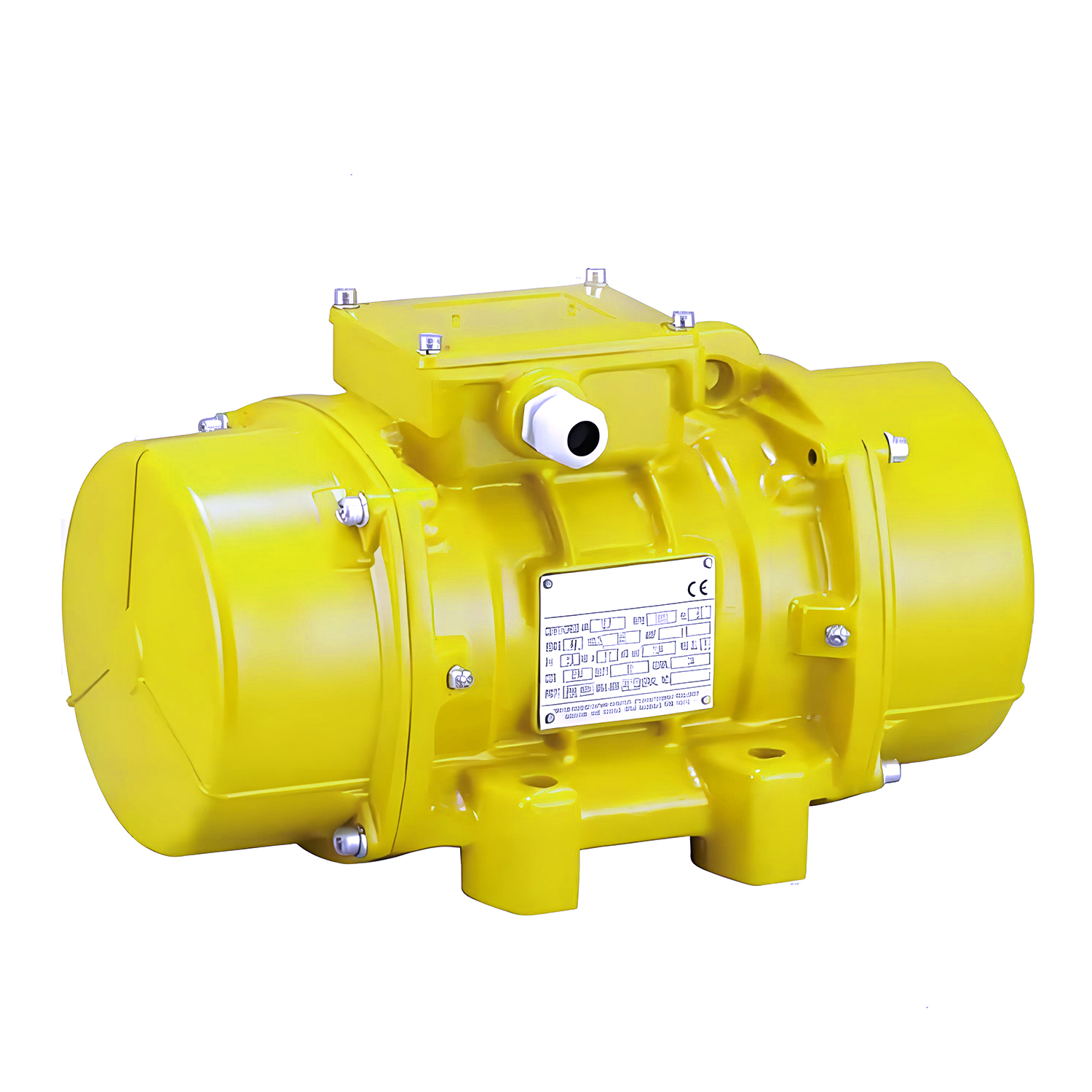 External Vibrator
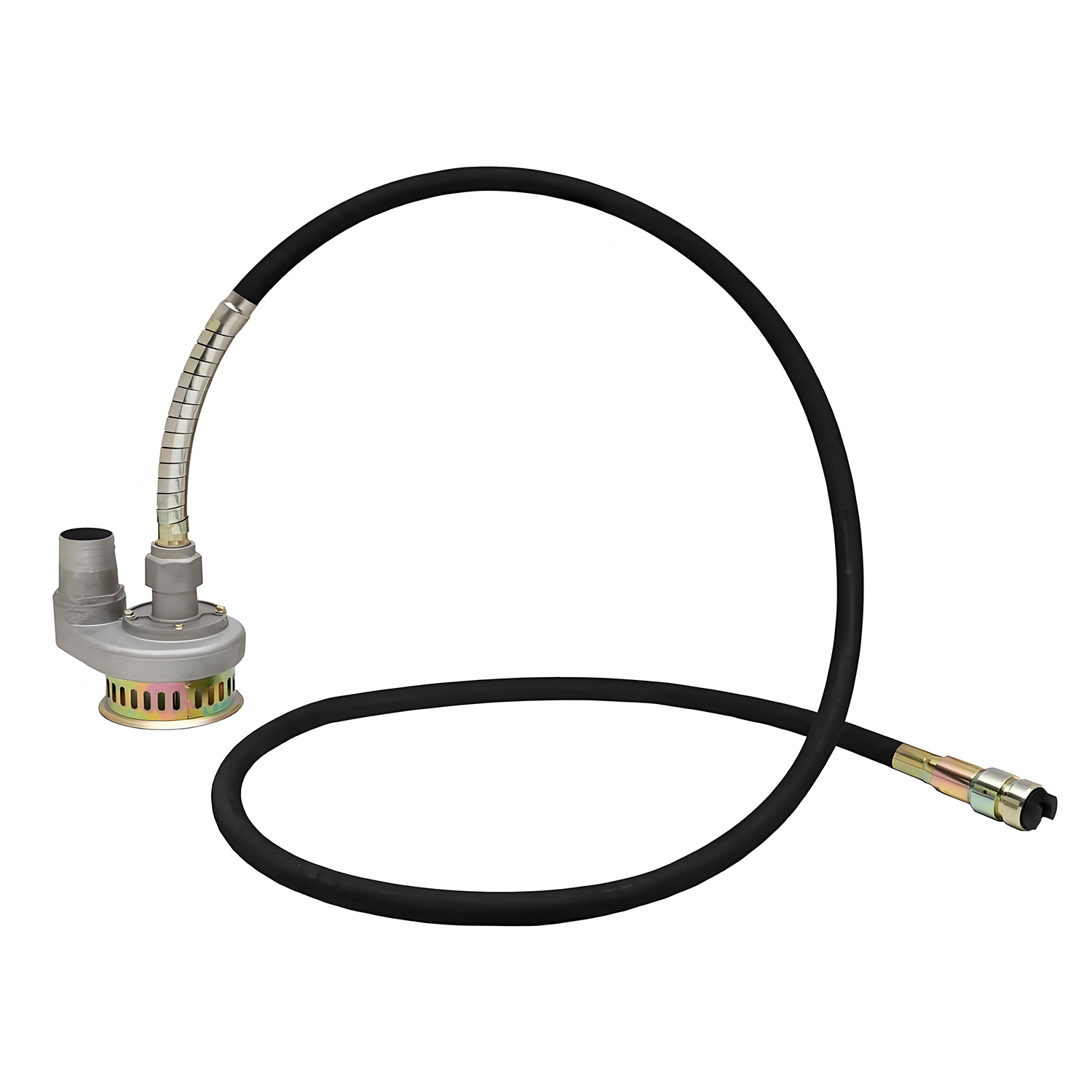 Submersible Pump
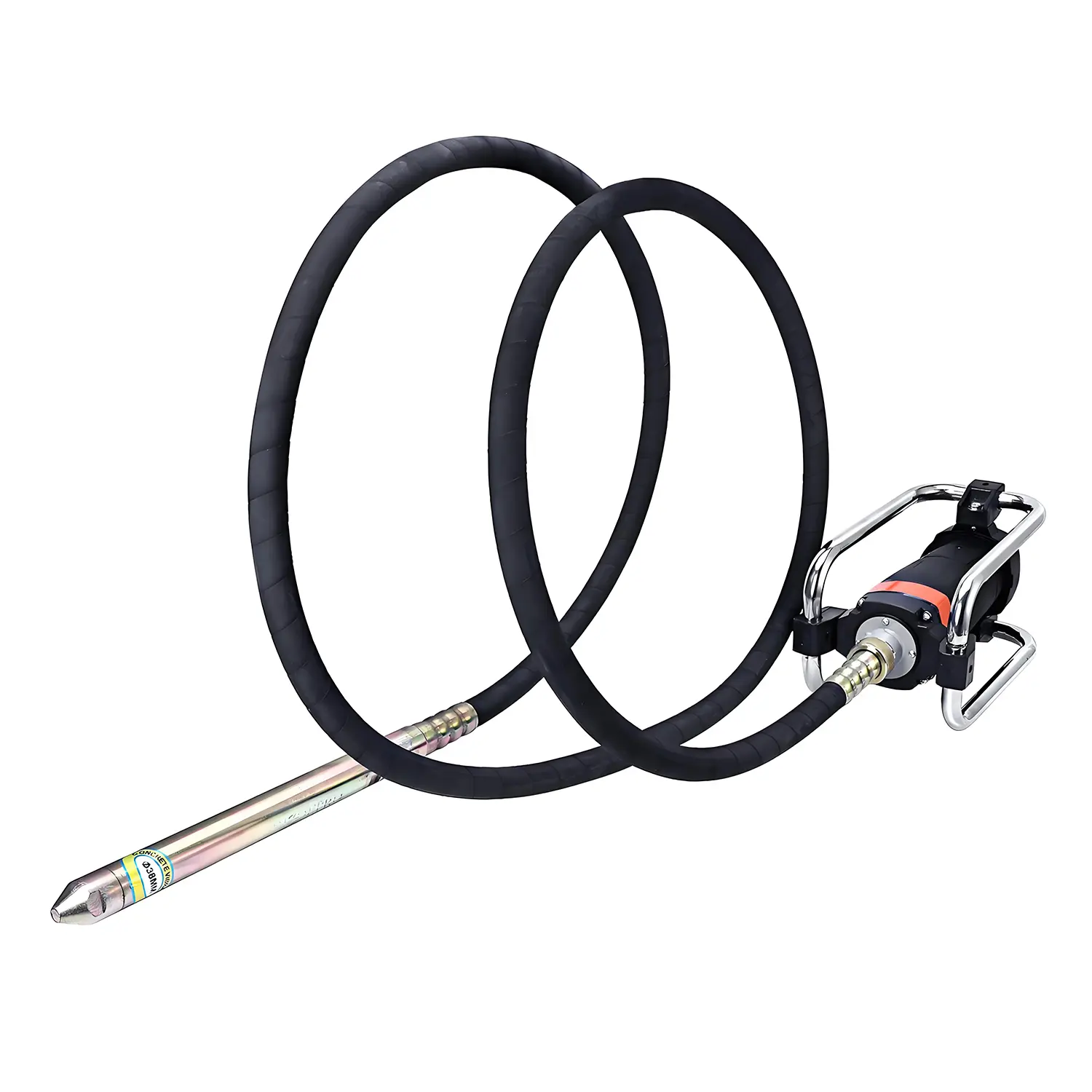 Eccentric shaft
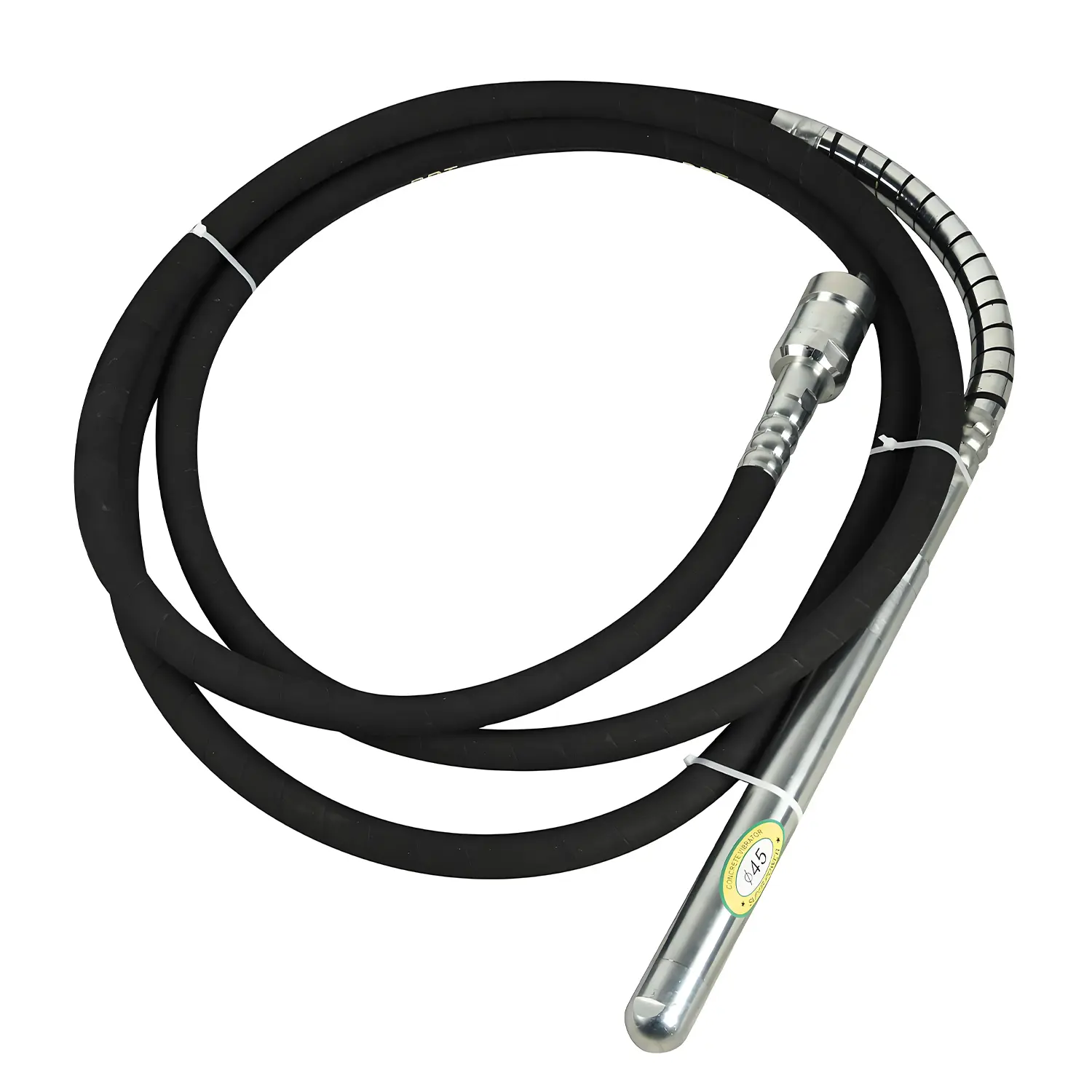 Pendulum shaft
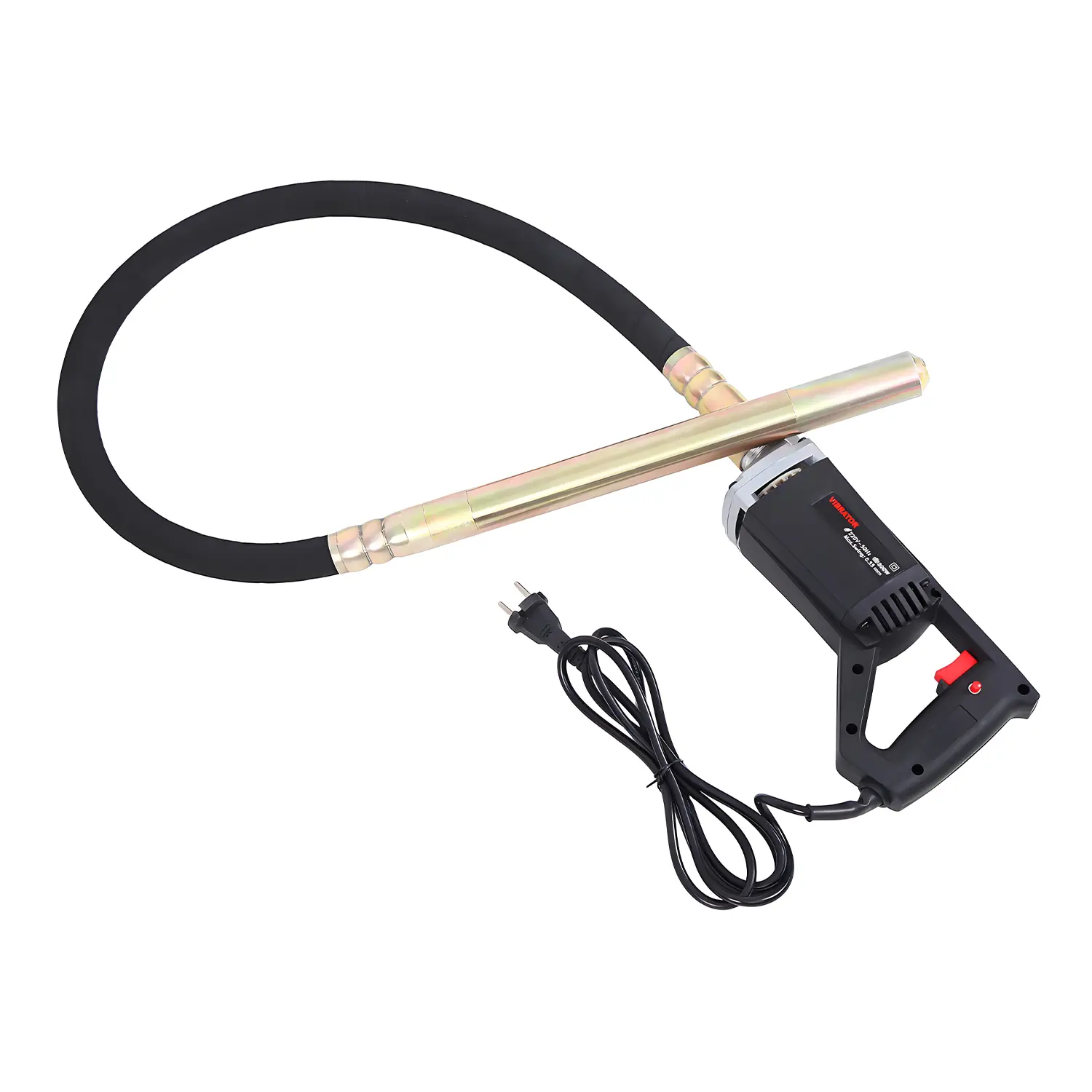 Portable vbrator shaft
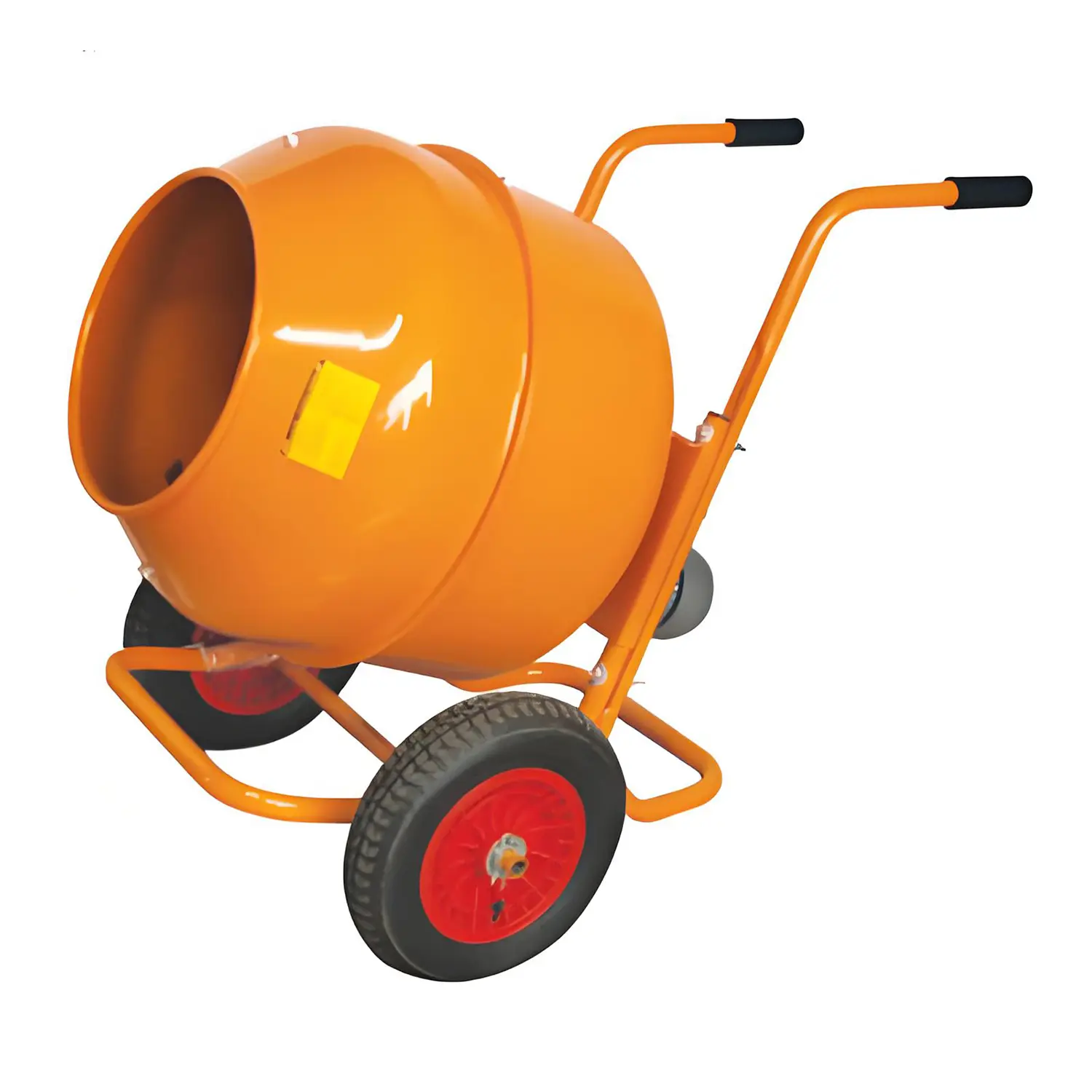 Portable concrete mixer
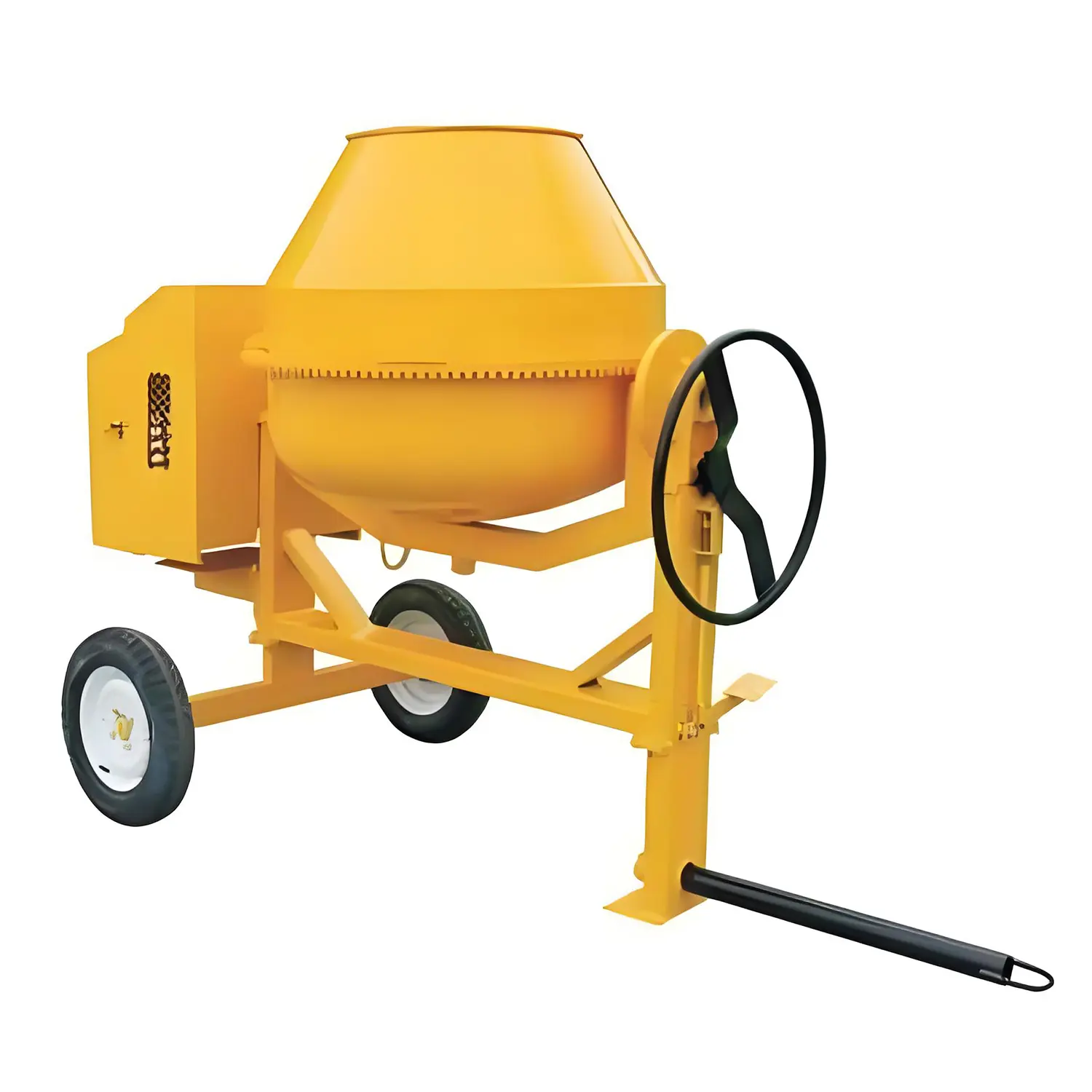 Vertical concrete mixer
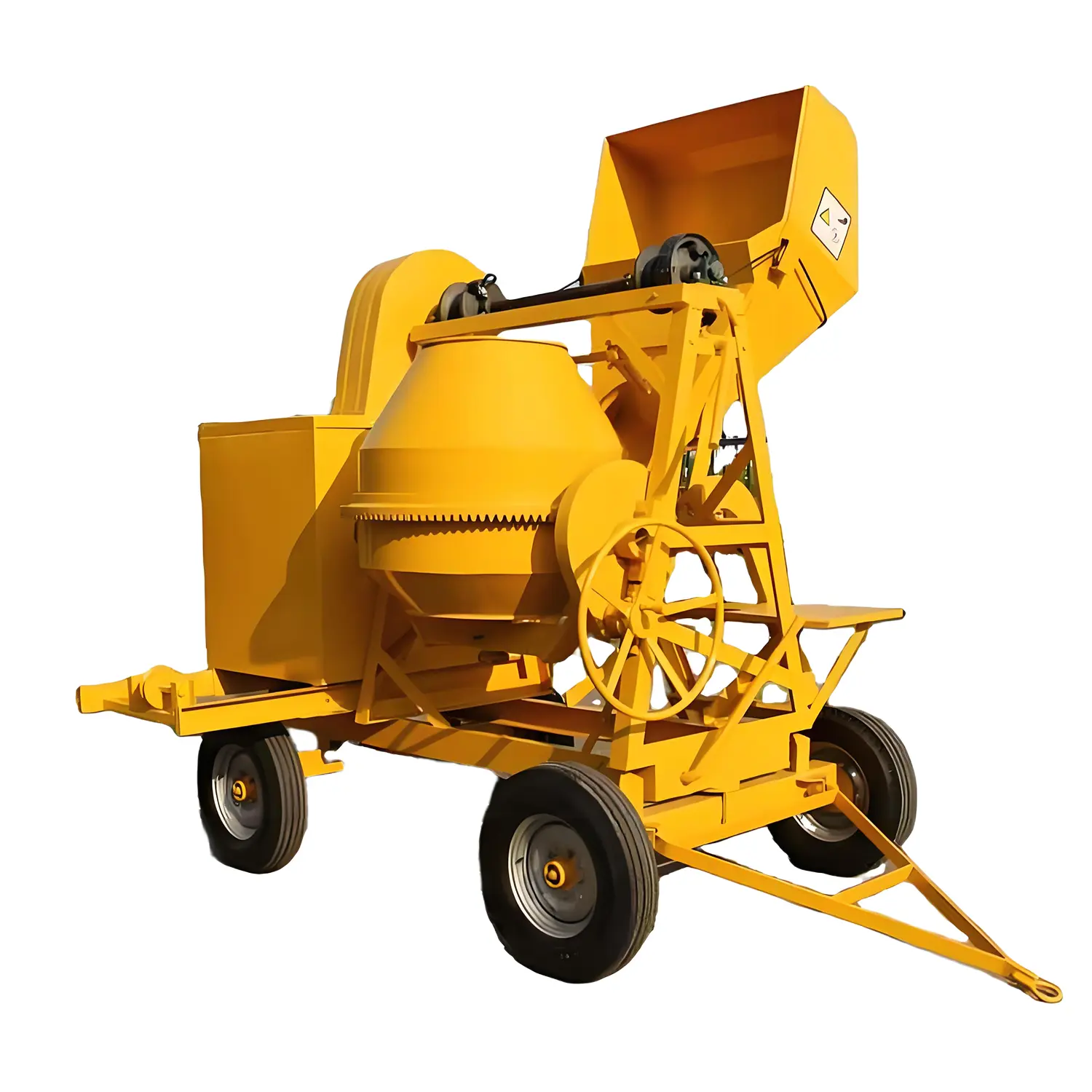 Hydraulic concrete mixer
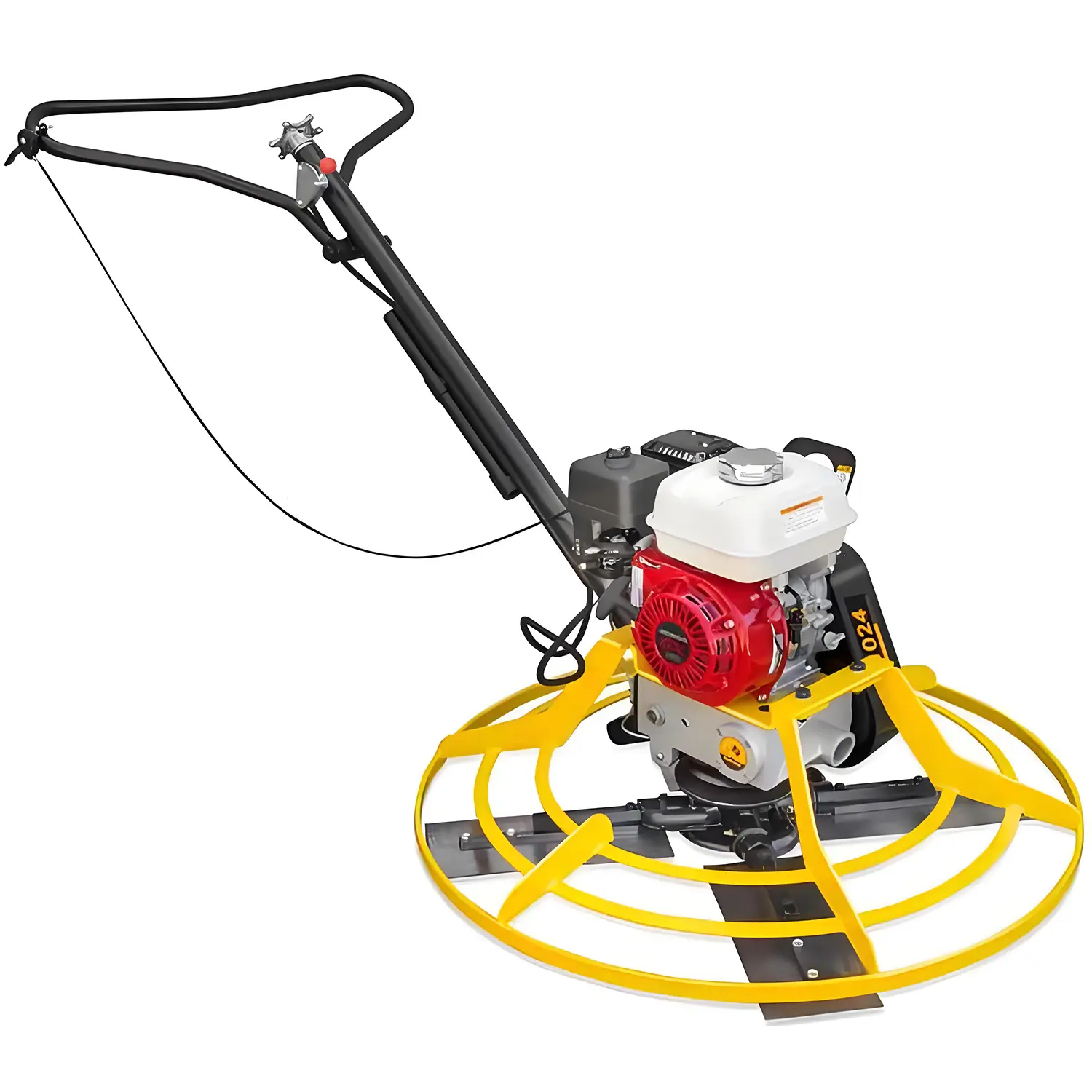 Walk behind power trowel
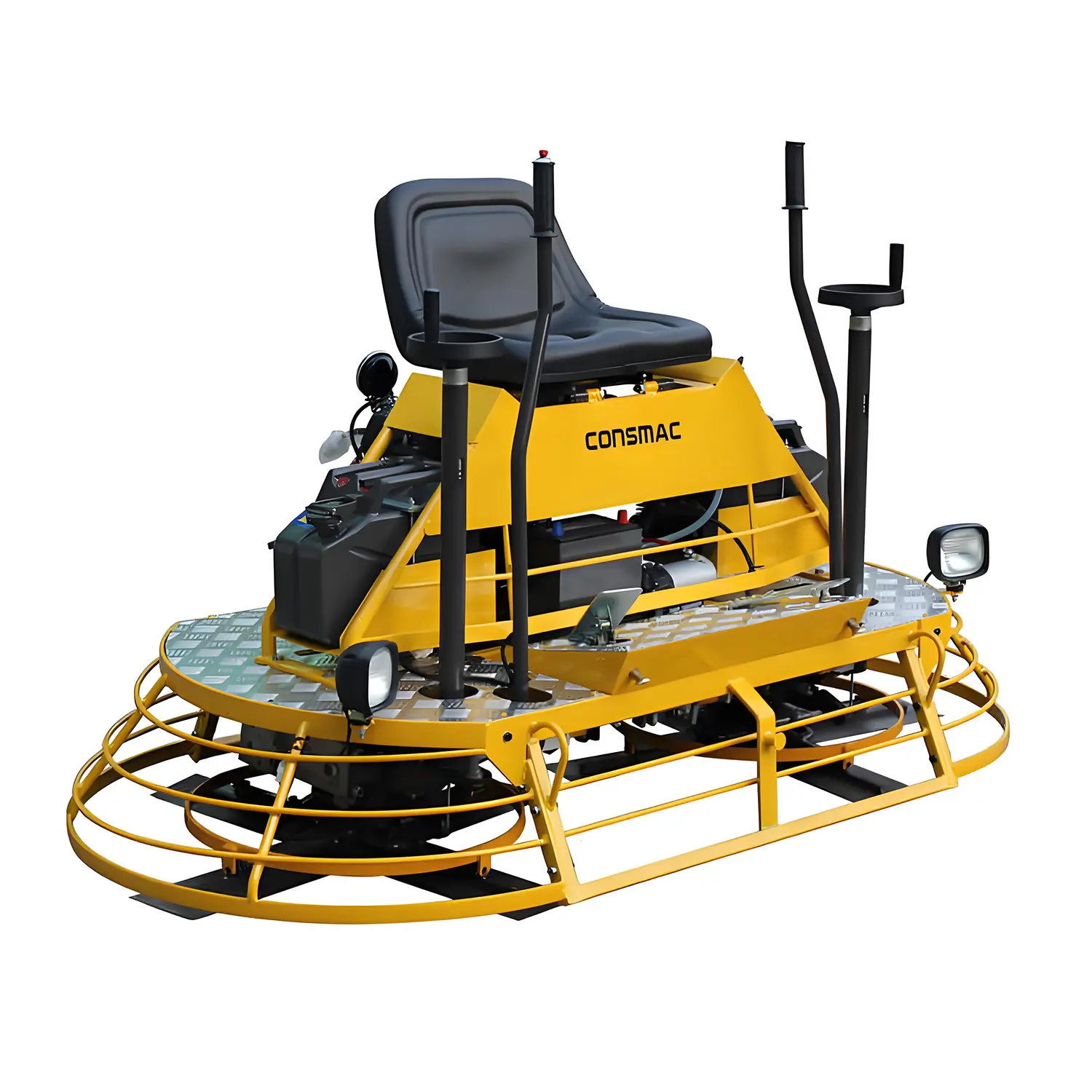 Ride on power trowel
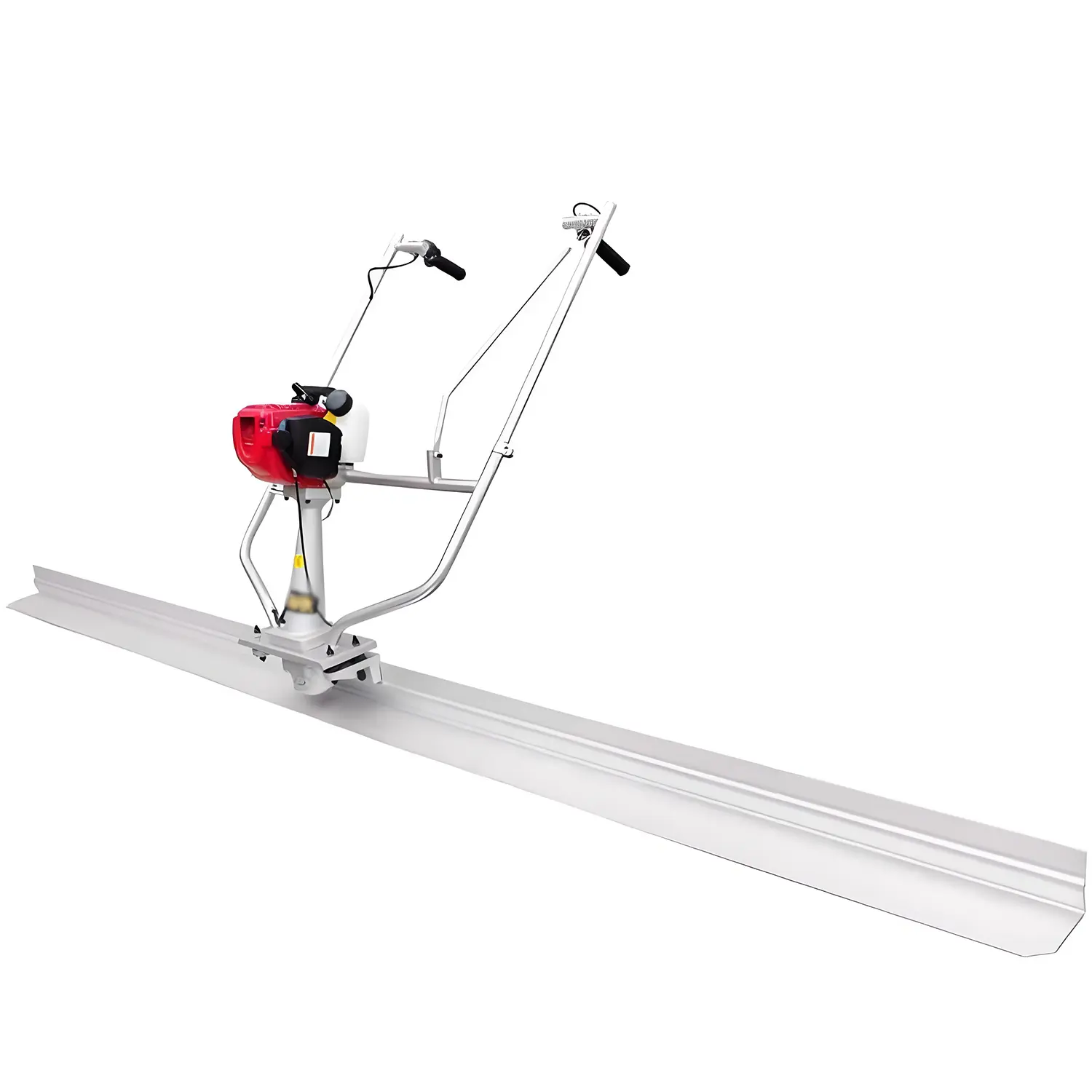 Concrete screed
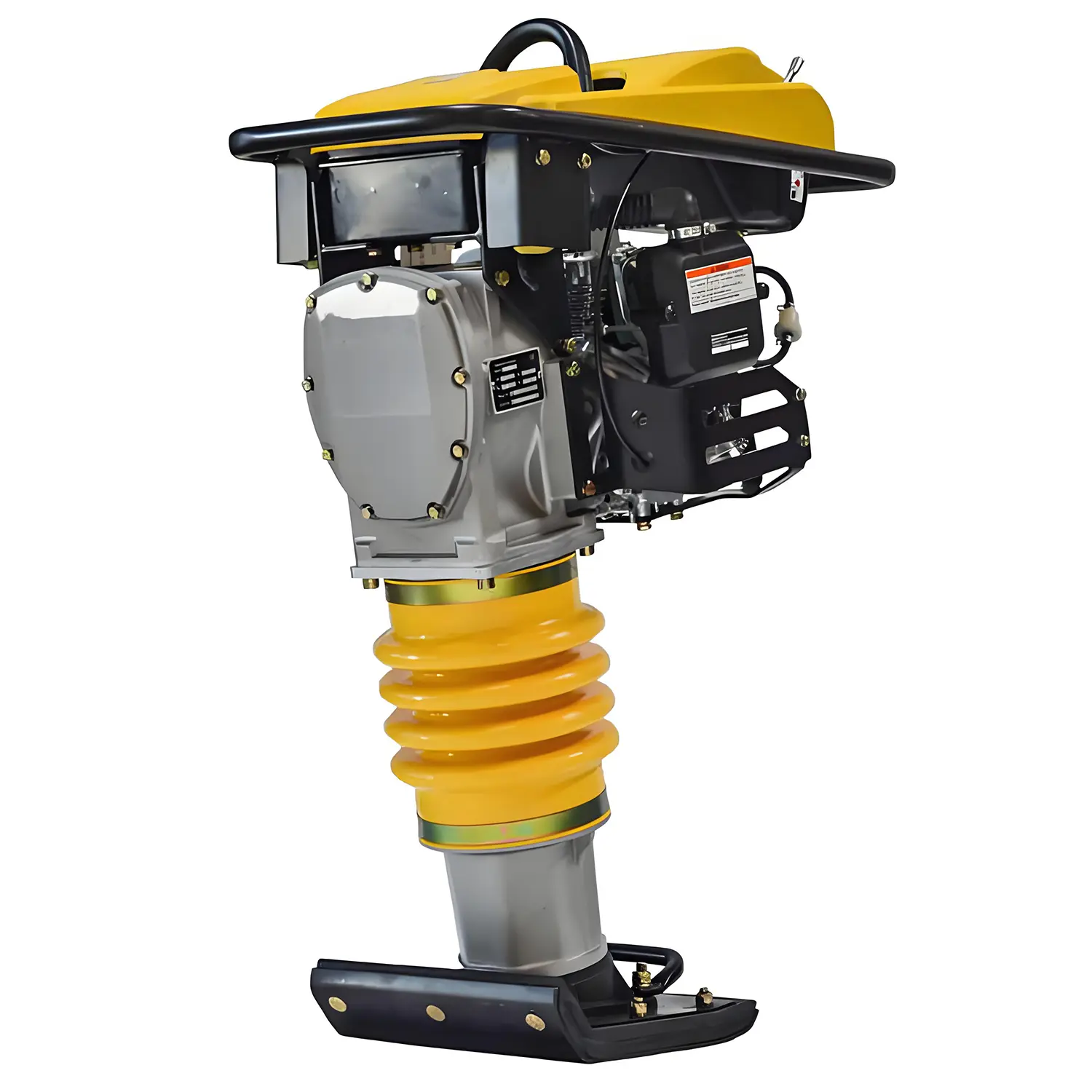 Tamping rammer
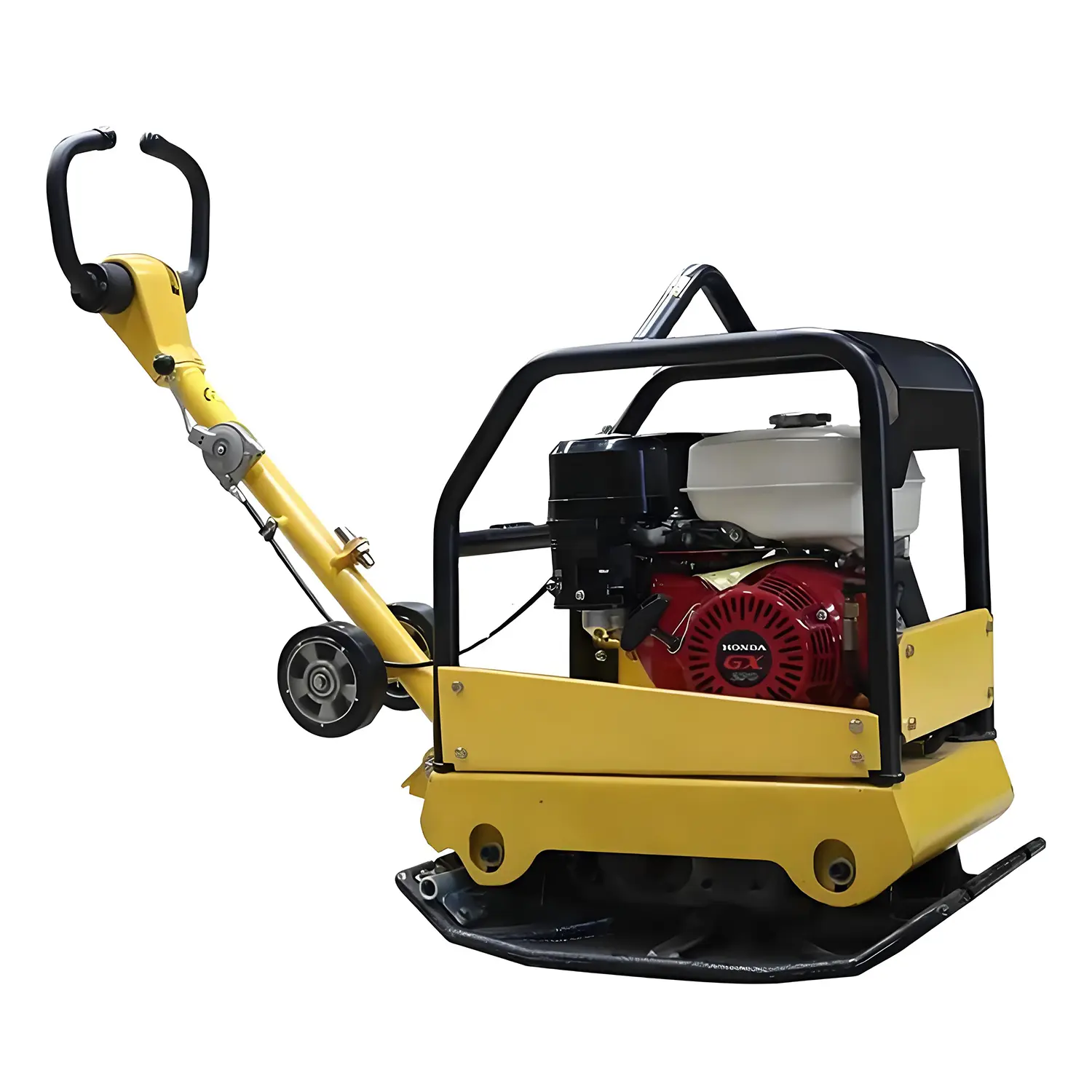 Plate compactor
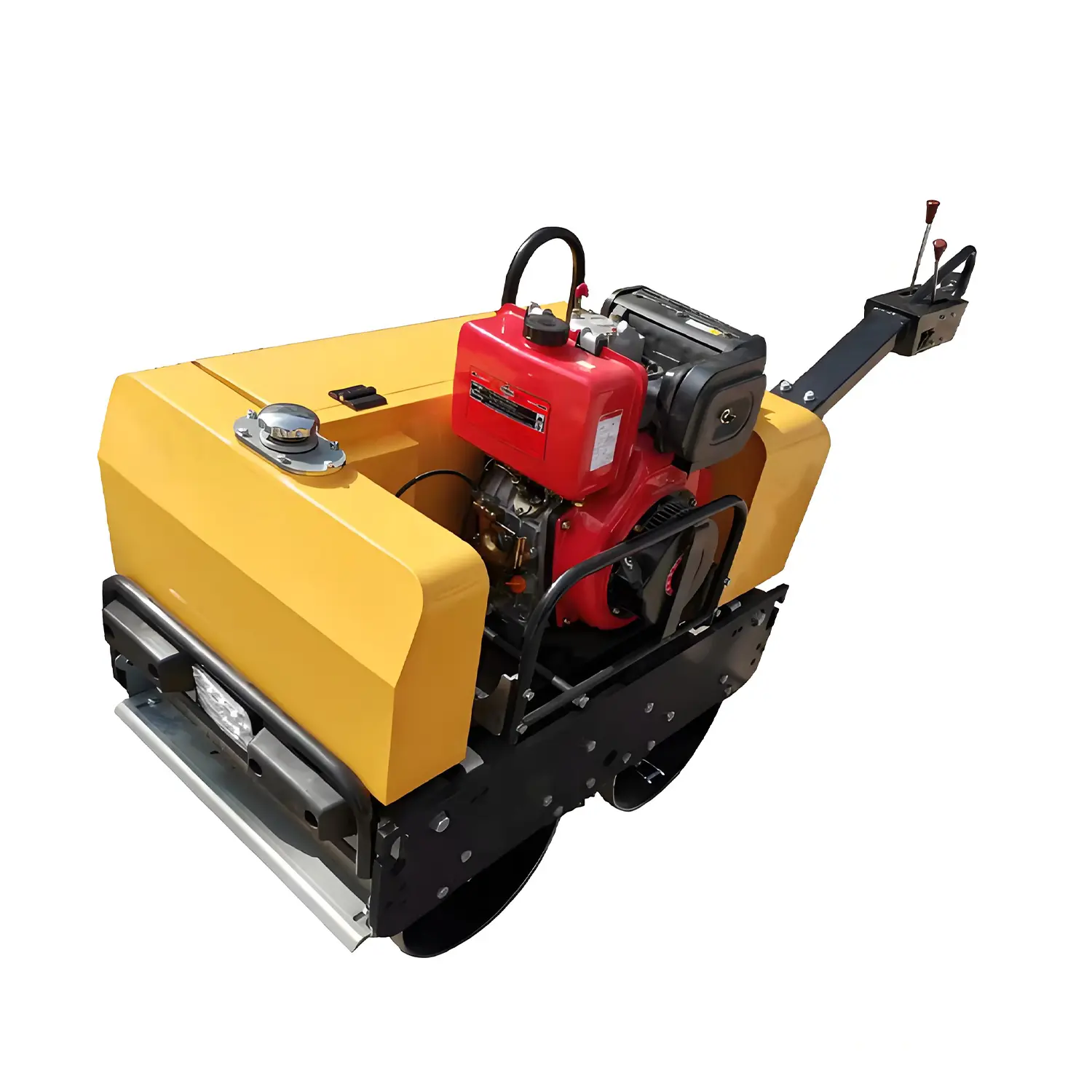 Vibratory roller