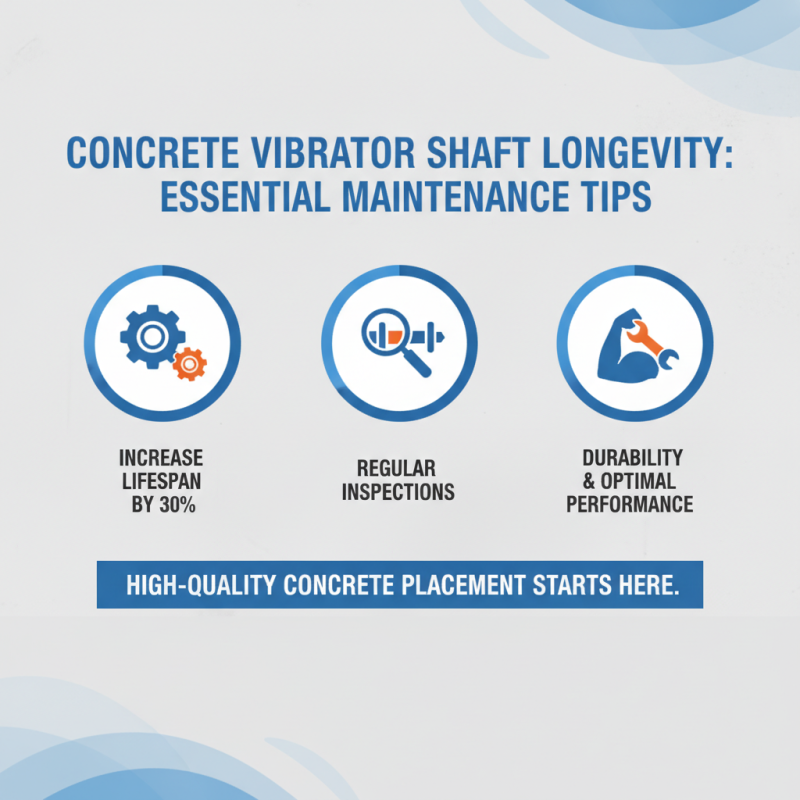
Top 10 Concrete Vibrator Shaft Options for Global Buyers?
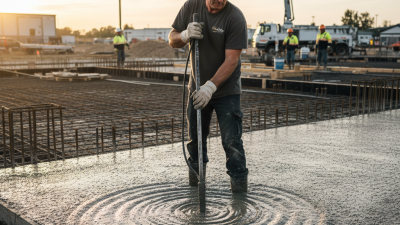
In the world of construction, the importance of a reliable Concrete Vibrator Shaft cannot be overstated. These tools play a significant role in achieving optimal consolidation of concrete mixtures. When it comes to determining which shaft to choose, buyers face a challenging landscape filled with options. This article aims to simplify that search by presenting the top 10 Concrete Vibrator Shaft options favored by global buyers.
Selecting the right shaft is crucial. A high-quality Concrete Vibrator Shaft ensures effective vibration, which can prevent issues like air pockets and weak spots in concrete. Each option highlighted in this list adheres to professional standards. They reflect a balance of performance, durability, and user feedback. Still, it's essential to consider individual project needs when making a choice.
This guide not only emphasizes the most popular options but also encourages reflection on specific project requirements. Buyers must think about shaft compatibility with their existing equipment. As construction practices evolve, the demand for quality Concrete Vibrator Shafts will continue to grow. Thus, understanding these products is key for achieving long-lasting results.
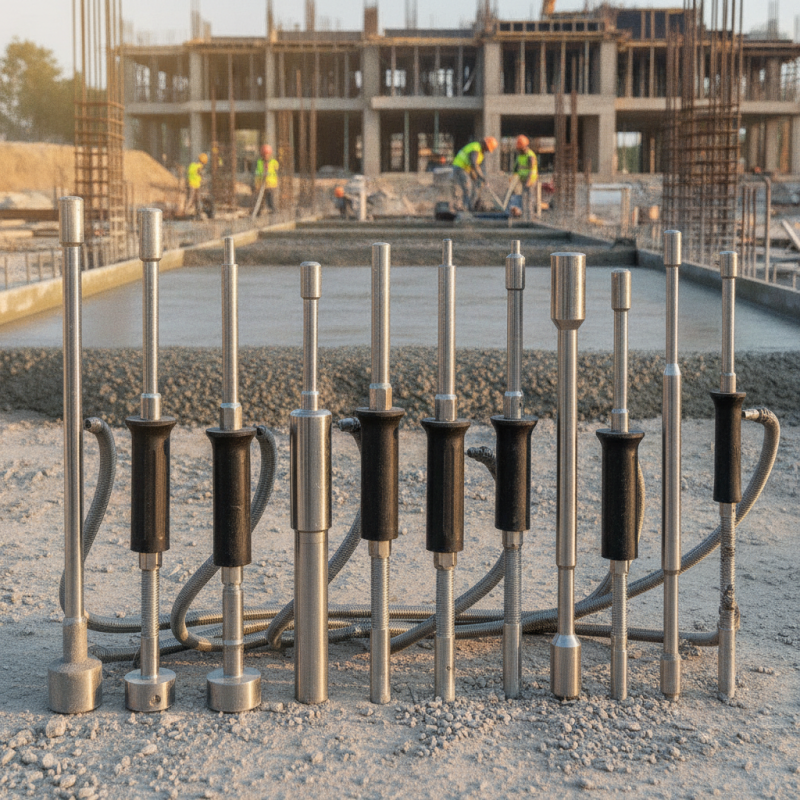
Top Features to Consider When Choosing a Concrete Vibrator Shaft
When selecting a concrete vibrator shaft, it's crucial to consider several key features that can significantly affect performance. Shaft length is essential; longer shafts provide better reach, ideal for deep pours. Additionally, consider the diameter. A thicker shaft often translates to more efficient vibration, leading to better concrete consolidation. According to industry reports, improper shaft selection can lead to up to 20% higher costs in labor and materials due to inefficiencies in concrete work.
Power is another vital factor. A vibrator shaft's energy output can influence the overall effectiveness. Look for options with optimal frequency ratings, generally between 10,000 to 15,000 vibrations per minute (VPM). This frequency range is proven to enhance the flow of concrete, ensuring an even pour. The material quality of the shaft is equally significant. Stainless steel options provide durability and corrosion resistance, extending the lifespan of the equipment.
Tip: Be sure to test the shaft with the concrete mix planned for your project. Mismatched specifications can lead to issues, including poor workability.
Another important consideration is the connector type. Different vibrators require specific fittings, so ensure compatibility with your equipment. Overlooking the shaft's flexibility can also be a mistake. While a rigid shaft offers stability, a flexible one can navigate tight spaces effectively.
Tip: Always consult professionals for guidance on your concrete project requirements. Their insights can help you avoid common pitfalls.
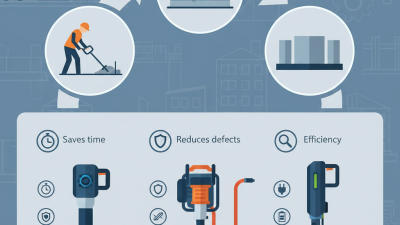
Top 10 Concrete Vibrator Shaft Features
Different Types of Concrete Vibrator Shafts Available in the Market
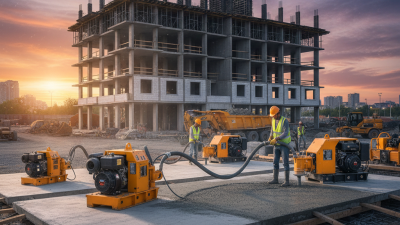
Concrete vibrators play a crucial role in construction, providing the necessary vibration to remove air pockets and ensure dense concrete placement. Various types of concrete vibrator shafts are currently available on the market to suit different project needs. Among the most common types are electric and gasoline-powered shafts. Electric vibrators are preferred for indoor projects. They tend to be quieter and more energy-efficient. In contrast, gasoline-powered options are typically used on larger outdoor jobs due to their higher power capacities.
The market also features flexible shafts and rigid shafts, each providing unique advantages. Flexible shafts can maneuver into tight spaces, making them ideal for intricate designs. Rigid shafts, however, tend to deliver more consistent vibration across larger areas. According to a recent industry report, flexible shafts have seen a 15% increase in demand over the past two years, highlighting a shift in construction techniques towards more complex structures.
Buyers must weigh factors such as project scale and specific vibration needs when selecting a shaft. Not all shafts deliver the same effectiveness. In certain cases, users report inefficiencies with improperly matched vibrators and project requirements. Thus, understanding the diverse options is essential for achieving optimal results in concrete placement.
Comparative Analysis of Popular Concrete Vibrator Shaft Brands
When selecting a concrete vibrator shaft, understanding the various options is essential. Competent brands often emphasize durability. The materials used in manufacturing shafts play a vital role. Steel and aluminum are common choices, each with advantages and disadvantages. Steel offers strength but can be heavy. Aluminum, while lighter, may lack the same durability. Buyers must weigh these factors carefully.
Another key consideration is the shaft's vibration frequency. Higher frequencies typically yield better performance. However, this isn’t always the case for specific applications. Some projects may require lower frequencies for better control. It's crucial to identify your project needs before making a choice.
Not all brands provide the same level of customer support and warranty. It’s important to evaluate post-purchase assistance as much as the product itself. Researching user reviews can offer insights into reliability. Some shafts may excel in one aspect but disappoint in others, highlighting the need for thorough analysis.
User Reviews and Feedback on Top Concrete Vibrator Shaft Options
When considering concrete vibrators, user reviews reveal patterns in performance and reliability. Many professionals emphasize the importance of shaft length and material. The right shaft size can significantly enhance efficiency. According to industry reports, users prefer shafts that are lightweight but sturdy. This combination helps reduce fatigue during prolonged use.
Feedback highlights that effective vibration transmission is crucial. Many users suggest trying different settings before settling on a final one. Adjustability appears to be a vital feature in popular models. Users have pointed out that an inflexible shaft can lead to poor outcomes. Some professionals expressed frustration with the durability of certain options. They noted the wear and tear after multiple uses.
Tips for buyers include checking user reviews before making a decision. Pay attention to feedback about flexibility and power. Users often recommend testing several options to find the best fit. Consider the material used for the shaft. A robust design can ensure longevity. User experiences can guide you toward well-performing models. Ensure you factor in both user insights and technical specifications for an informed choice.
Top 10 Concrete Vibrator Shaft Options for Global Buyers
| Model |
Length (inches) |
Diameter (inches) |
Weight (lbs) |
User Rating (out of 5) |
Feedback Summary |
| Model A |
48 |
2 |
9 |
4.5 |
Excellent performance, durable material. |
| Model B |
36 |
1.5 |
7 |
4.0 |
Compact and lightweight, suitable for small jobs. |
| Model C |
60 |
3 |
11 |
4.8 |
High power, great for larger projects. |
| Model D |
42 |
2.5 |
8 |
4.3 |
Versatile use, easy to handle. |
| Model E |
54 |
2 |
10 |
4.6 |
Strong construction, reliable performance. |
| Model F |
30 |
2.2 |
5 |
4.1 |
Great for smaller spaces, easy to control. |
| Model G |
48 |
3 |
12 |
4.7 |
Powerful for heavy-duty tasks. |
| Model H |
40 |
1.8 |
8 |
4.2 |
Flexible use, good quality material. |
| Model I |
38 |
2.2 |
6 |
4.4 |
Reliable and sturdy for various jobs. |
| Model J |
45 |
2 |
9.5 |
4.9 |
Top-rated for efficiency and durability. |

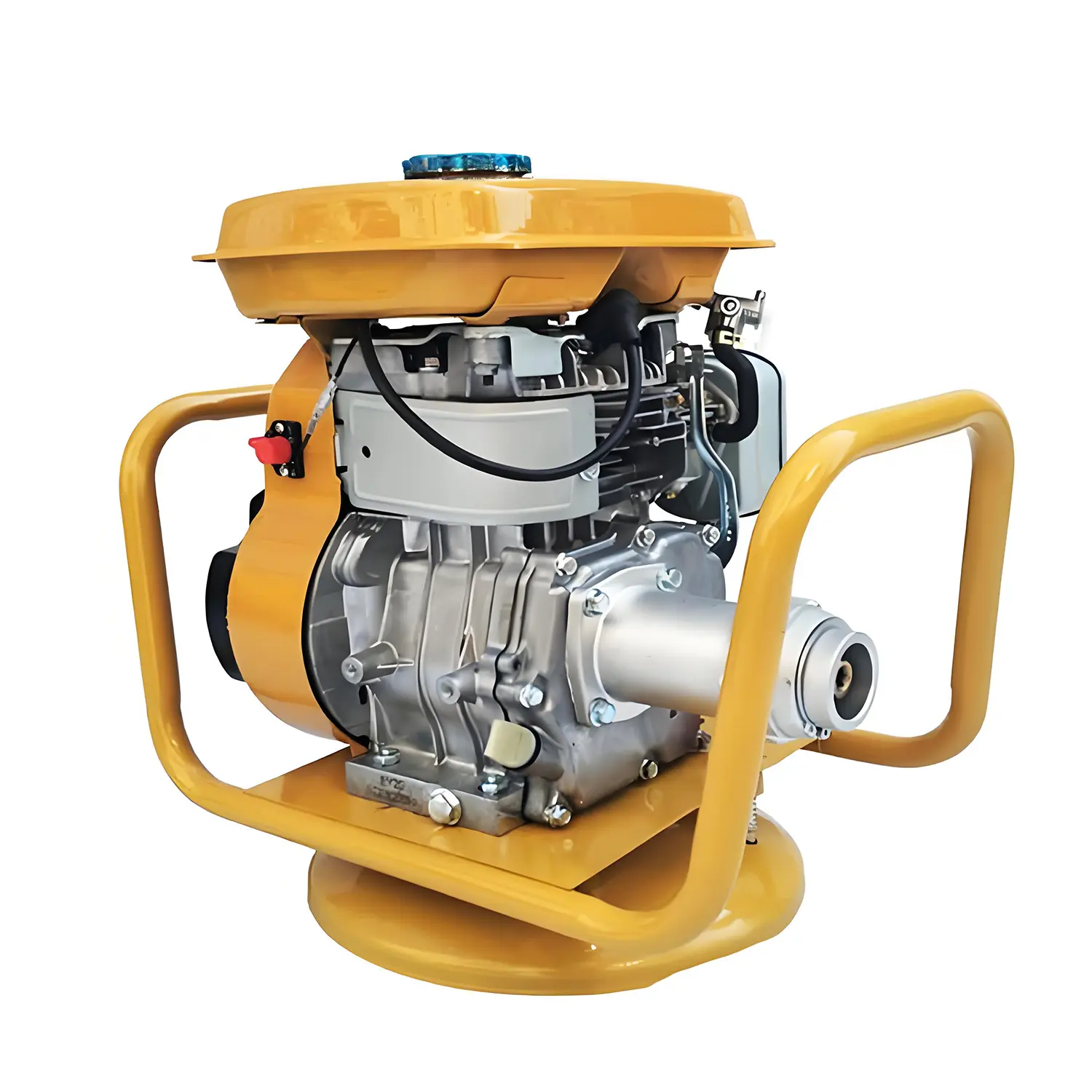 Internal Vibrator
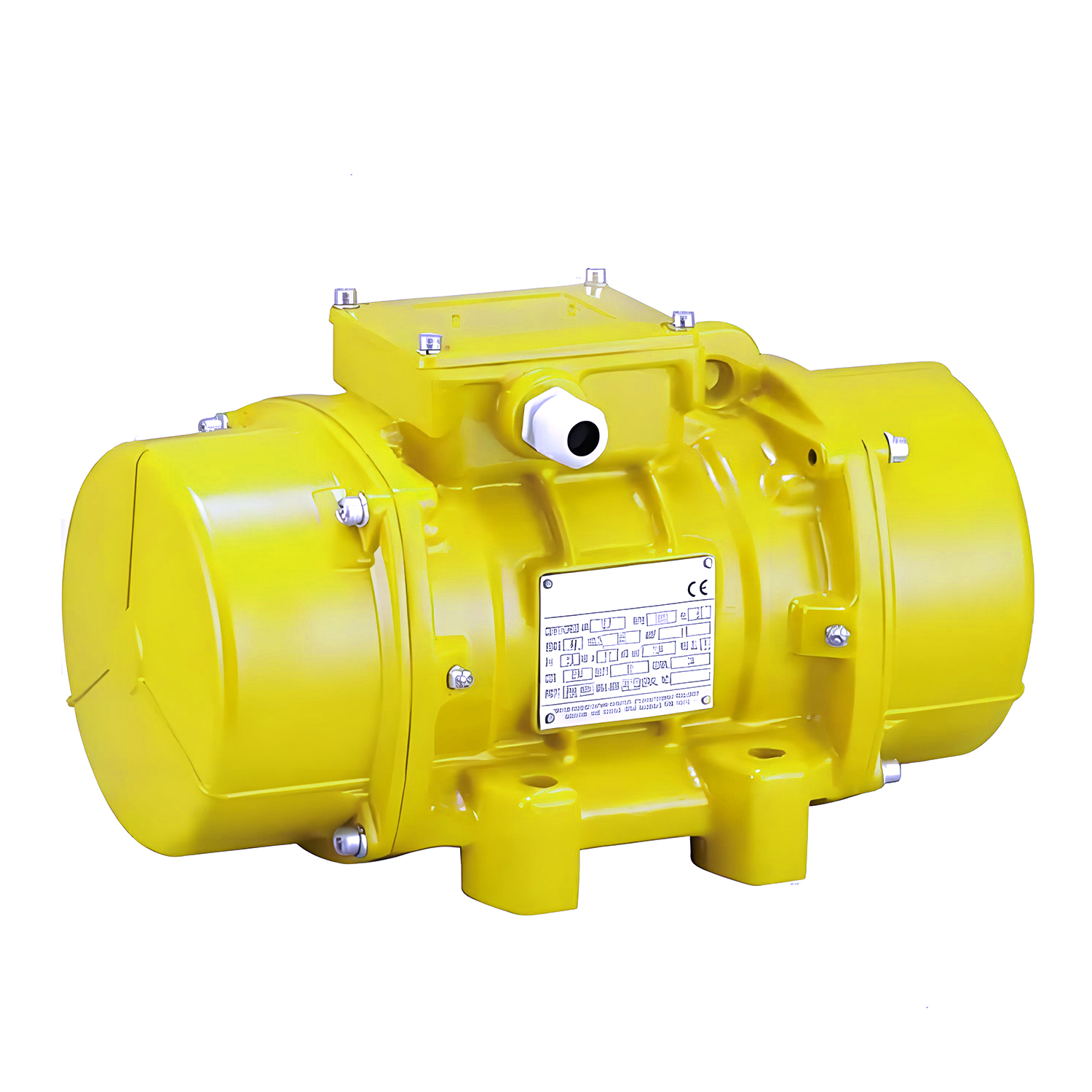 External Vibrator
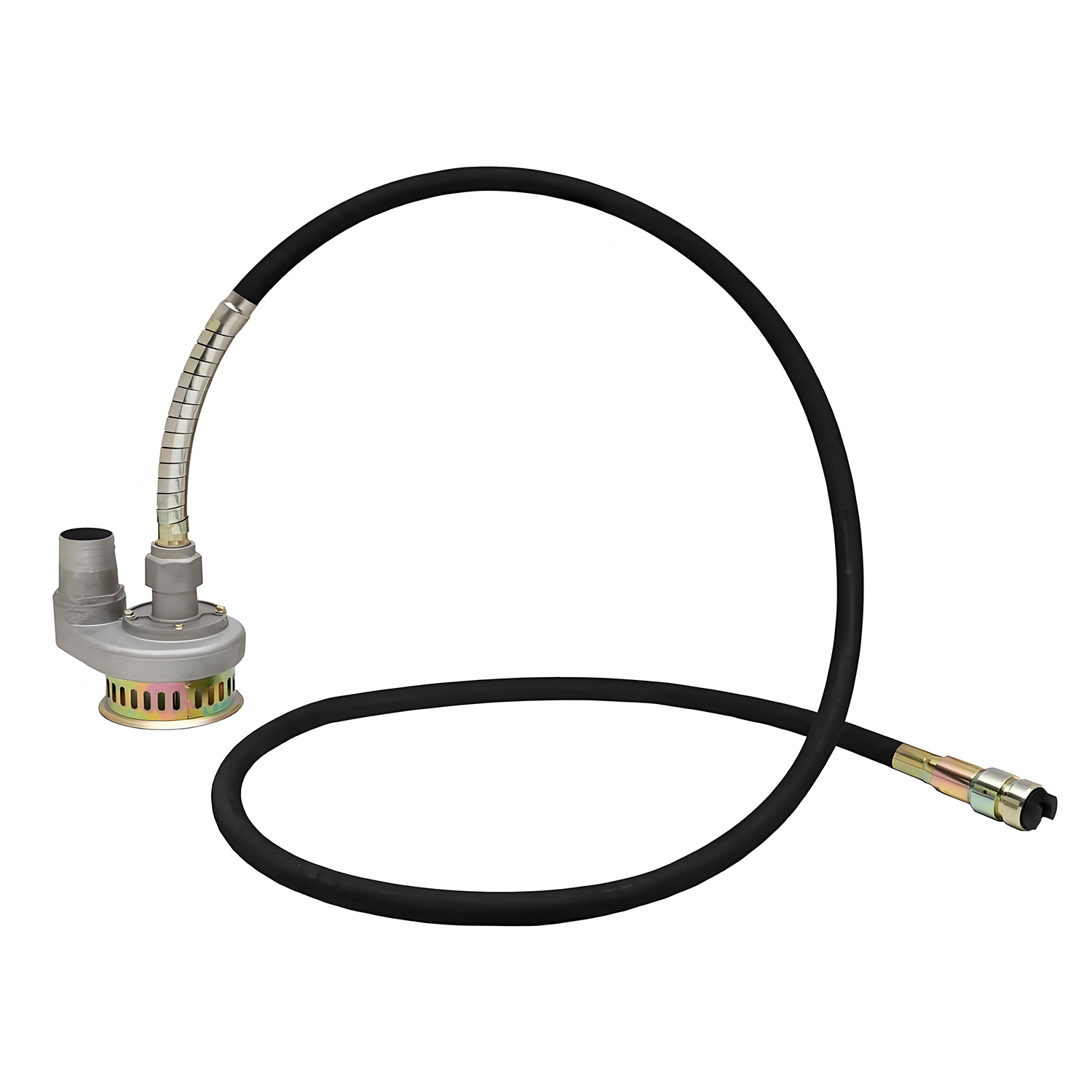 Submersible Pump
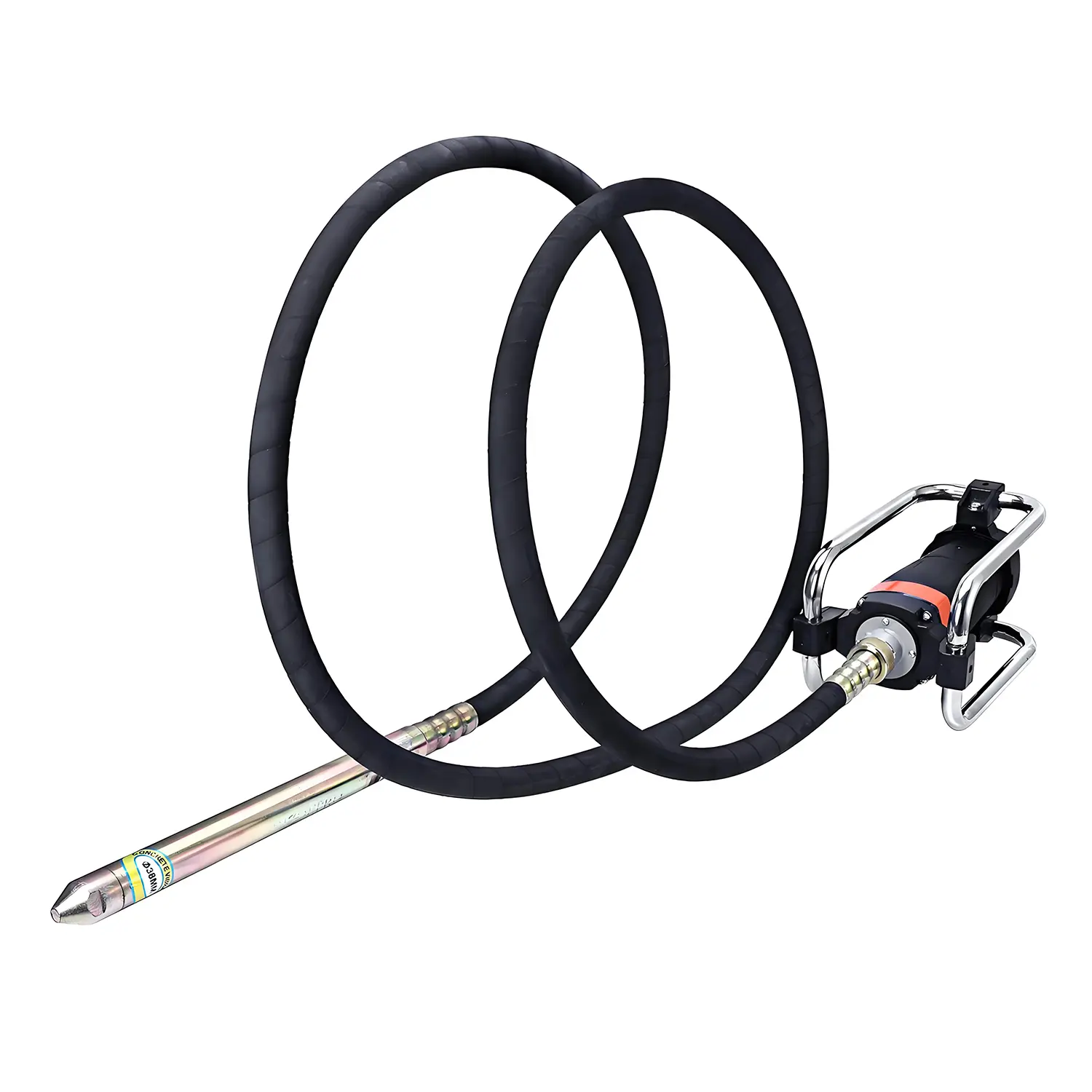 Eccentric shaft
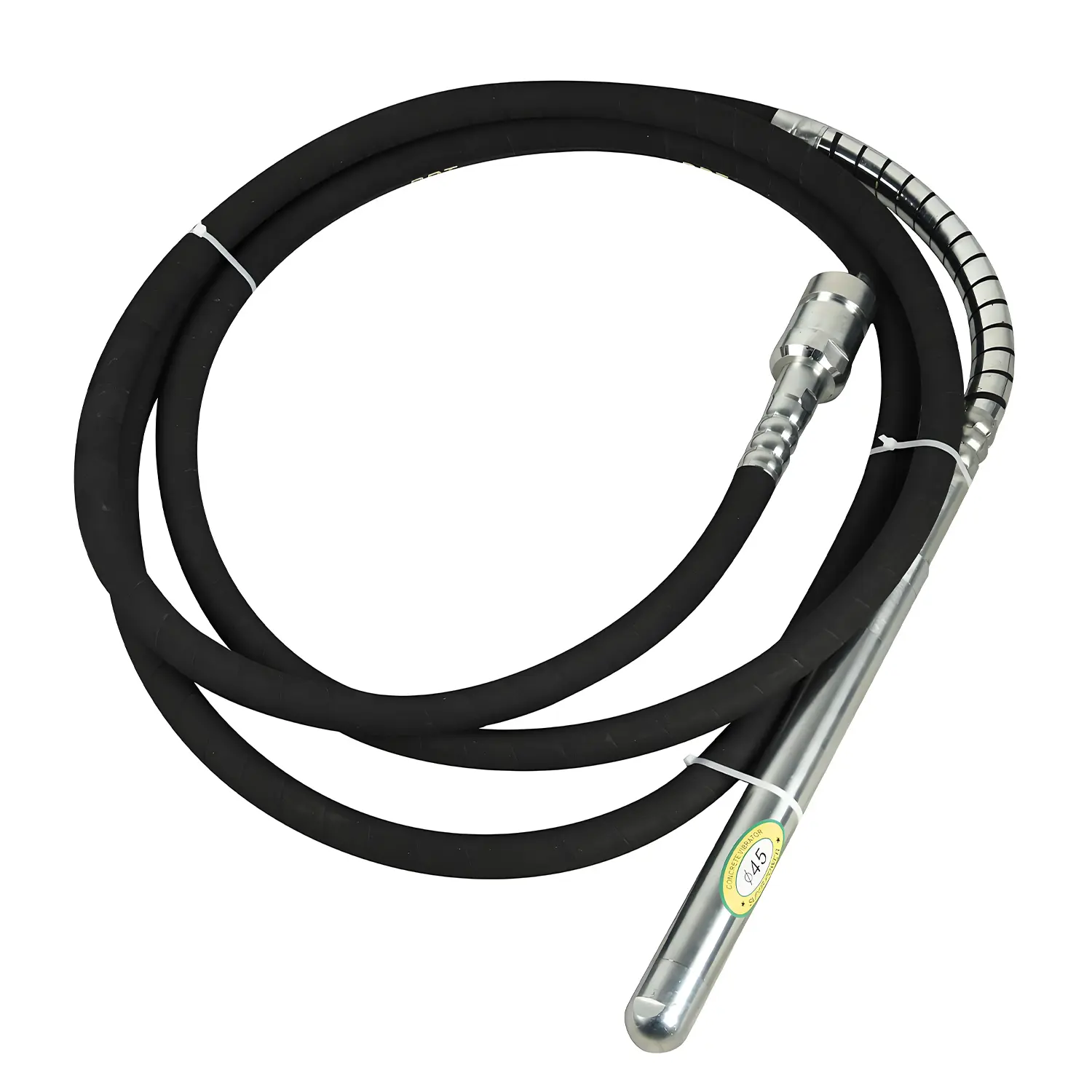 Pendulum shaft
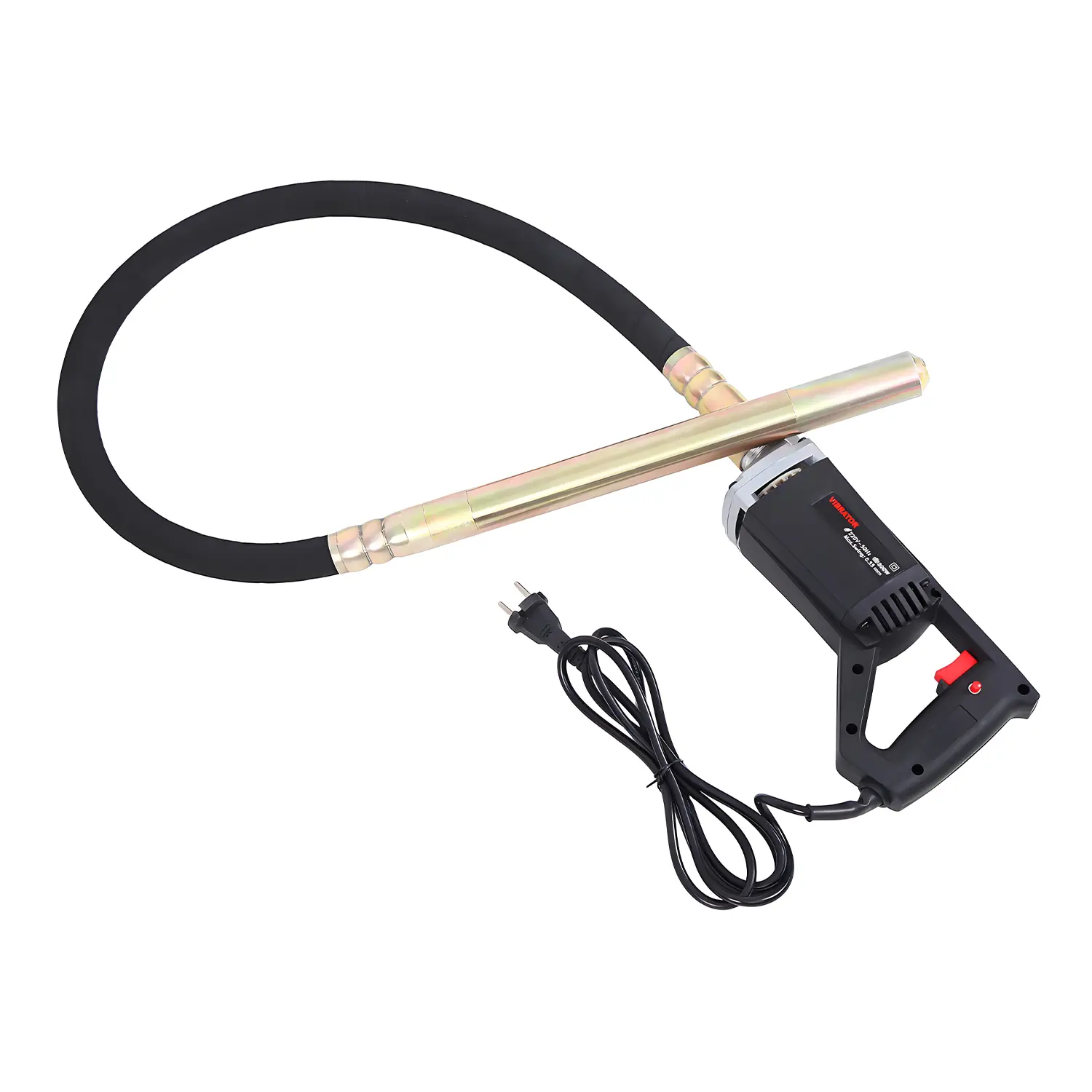 Portable vbrator shaft
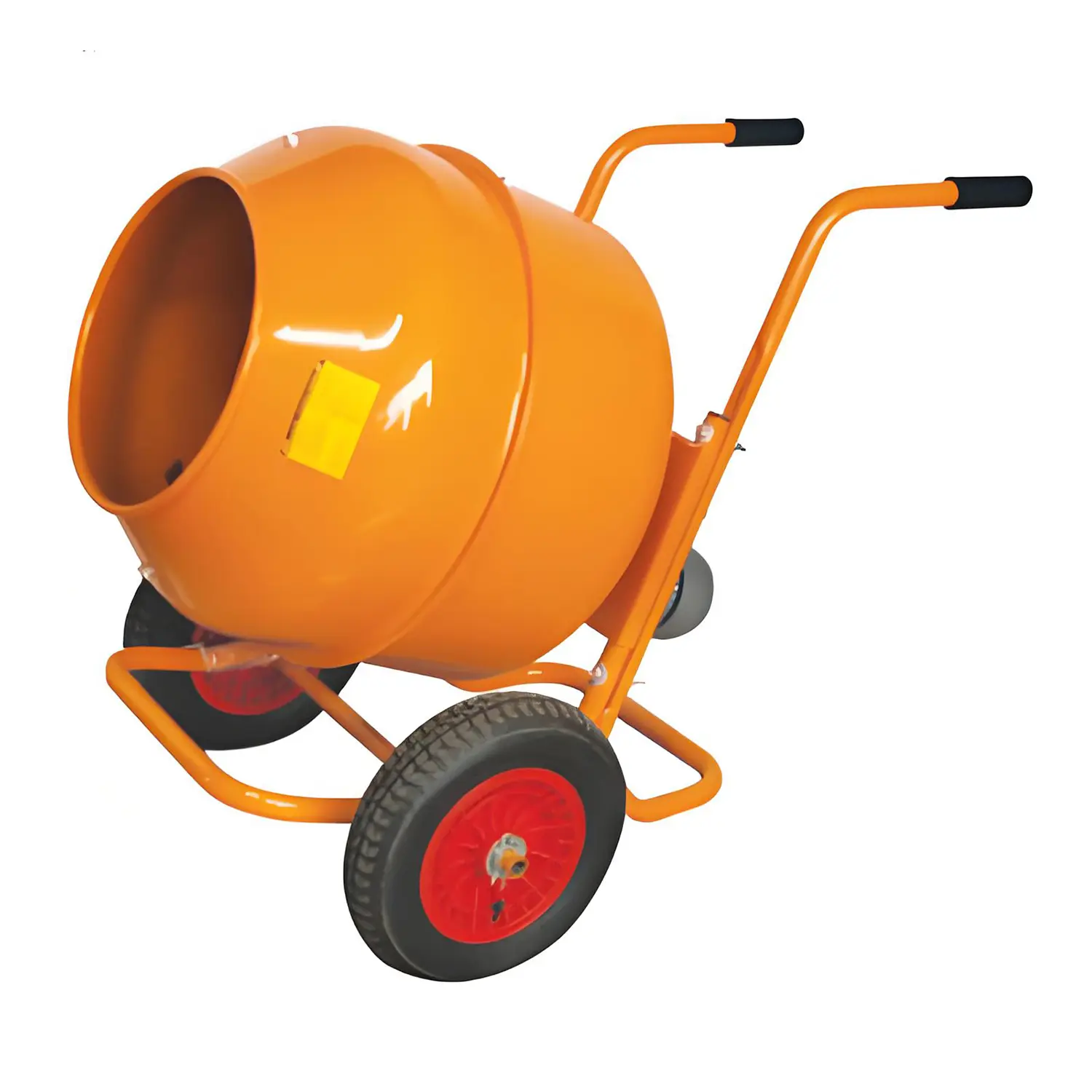 Portable concrete mixer
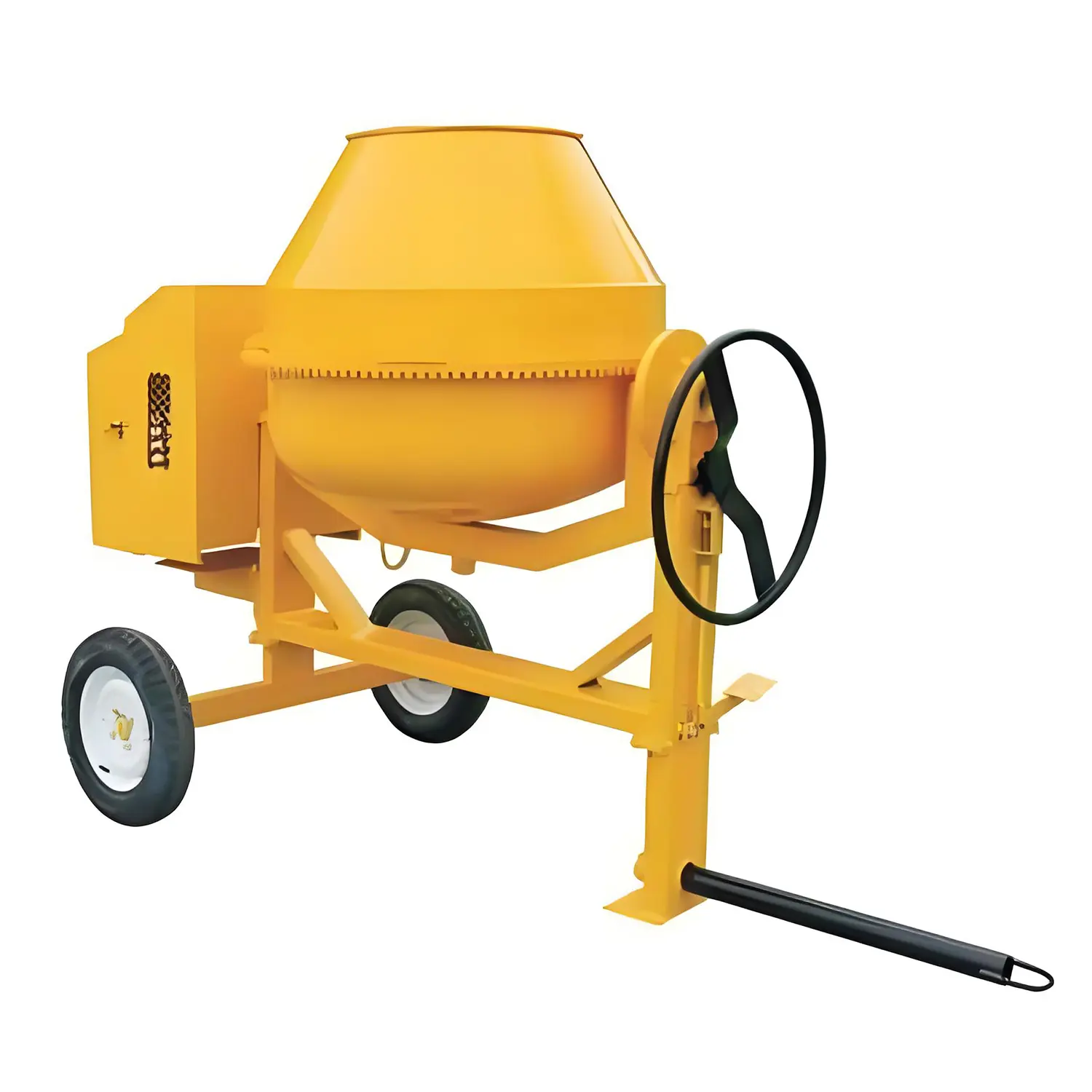 Vertical concrete mixer
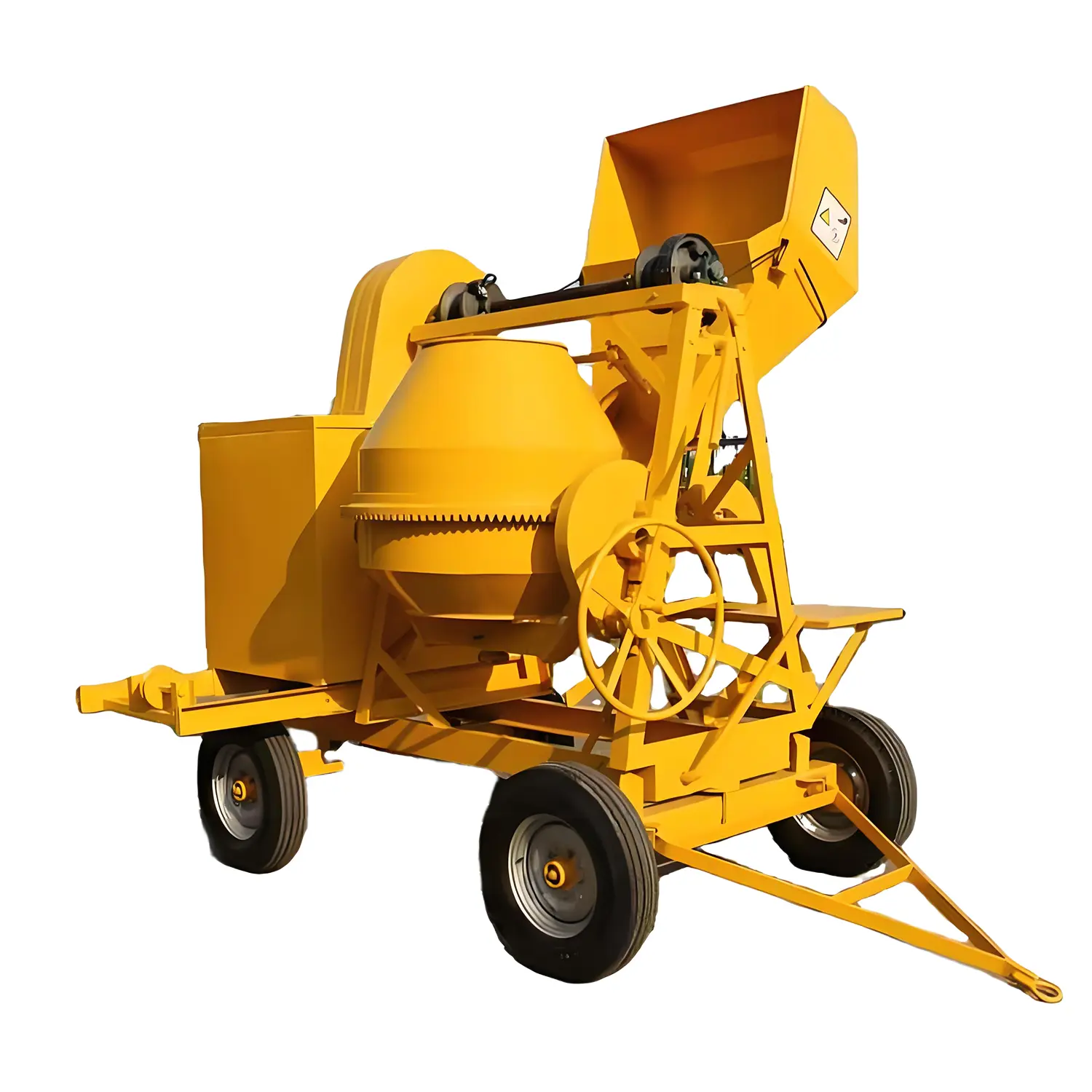 Hydraulic concrete mixer
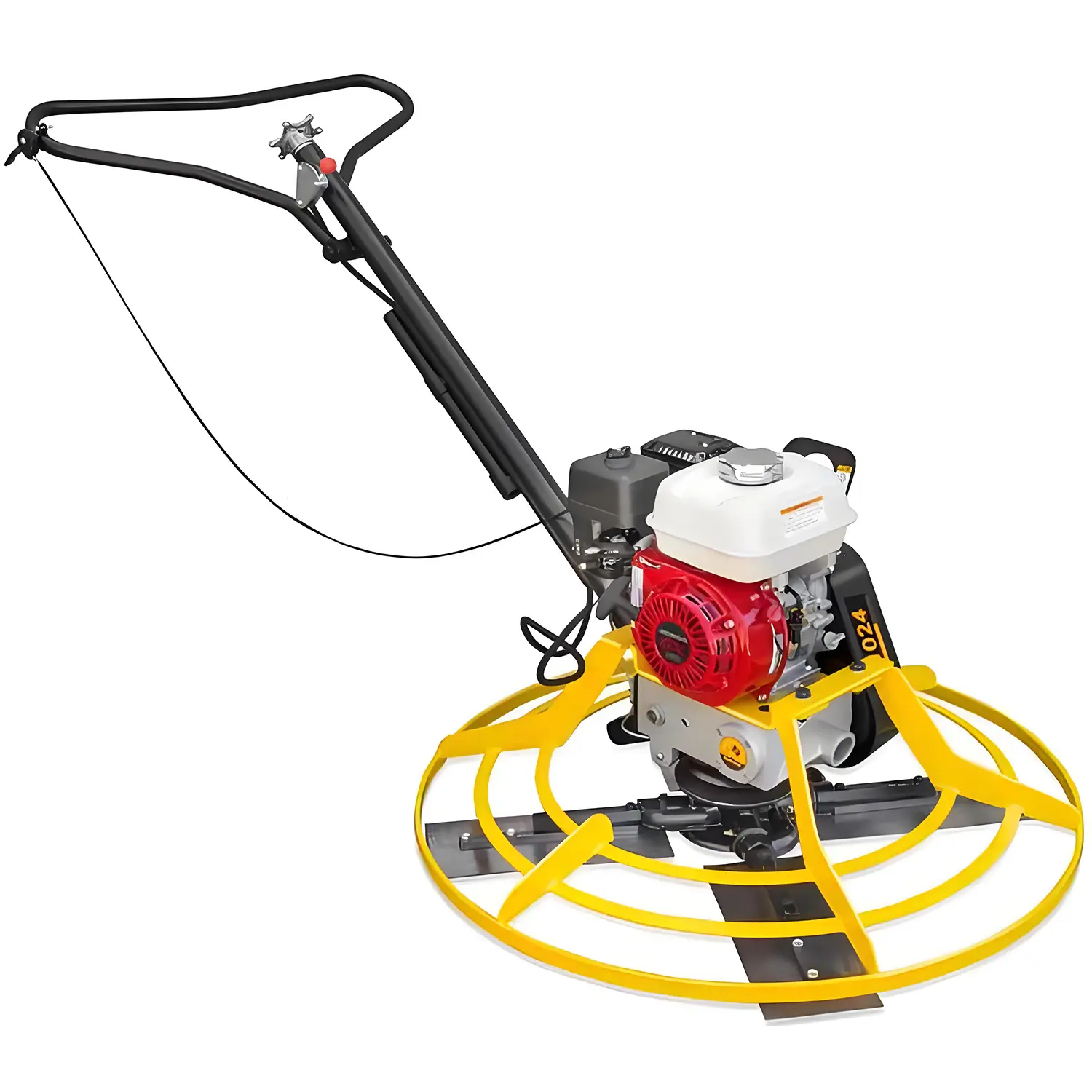 Walk behind power trowel
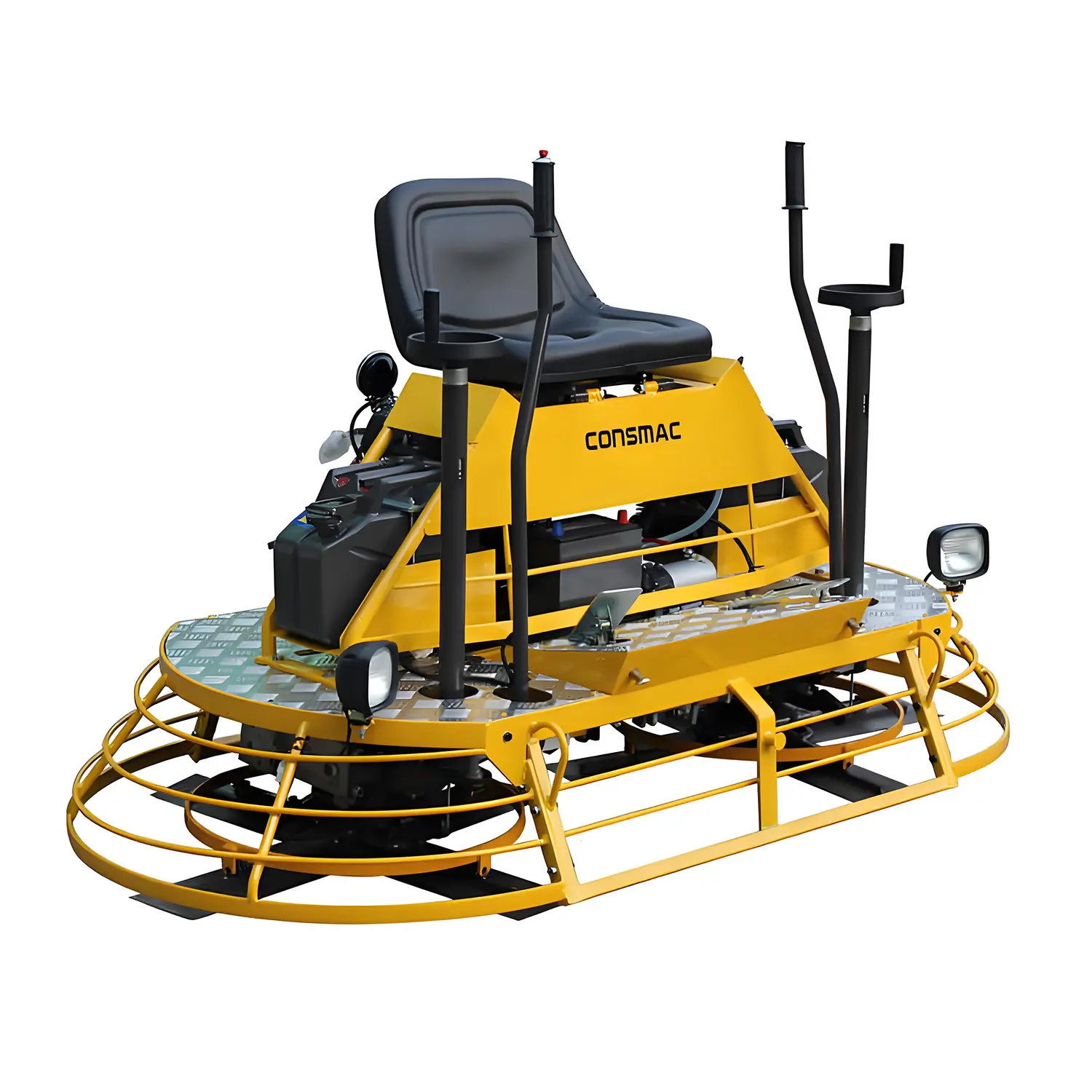 Ride on power trowel
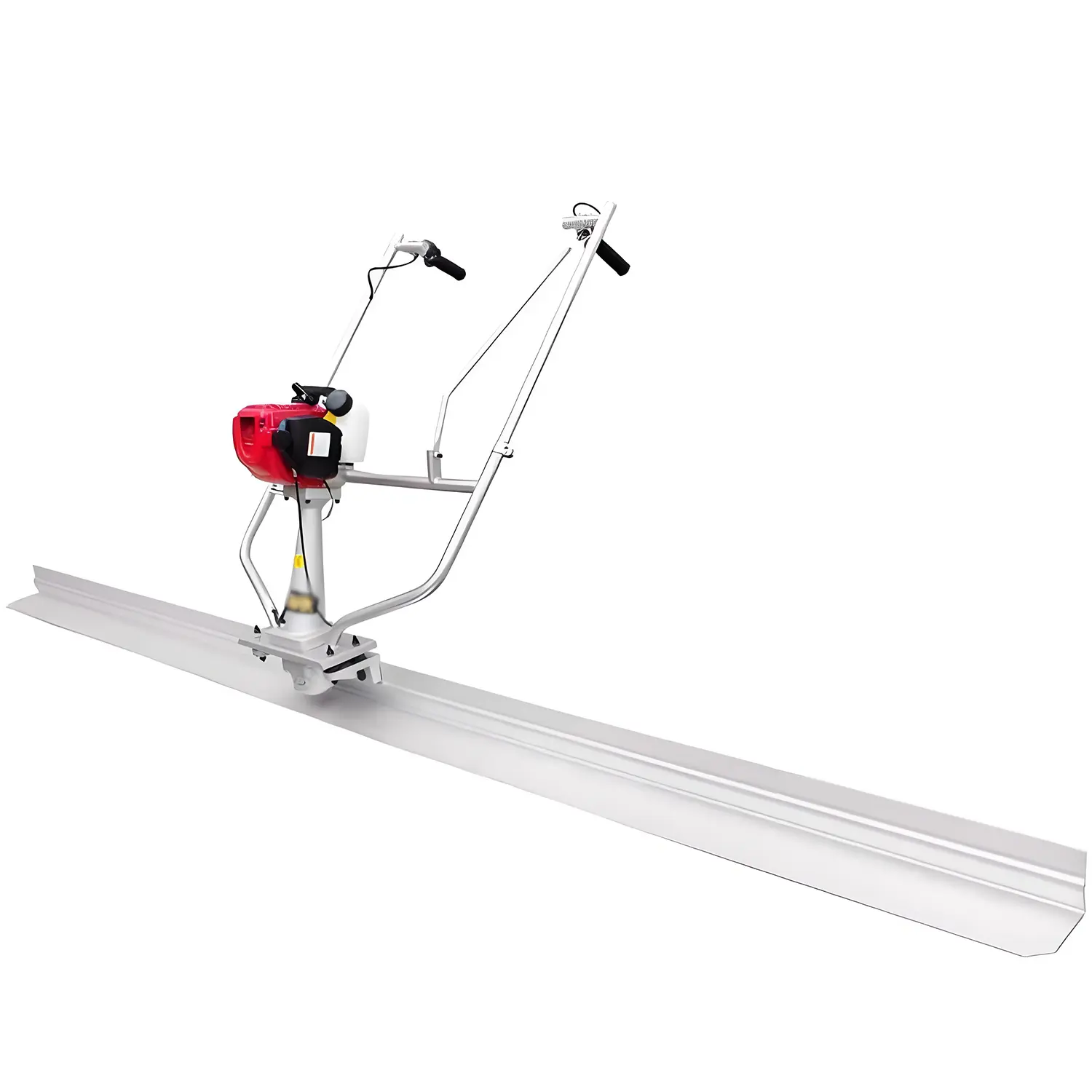 Concrete screed
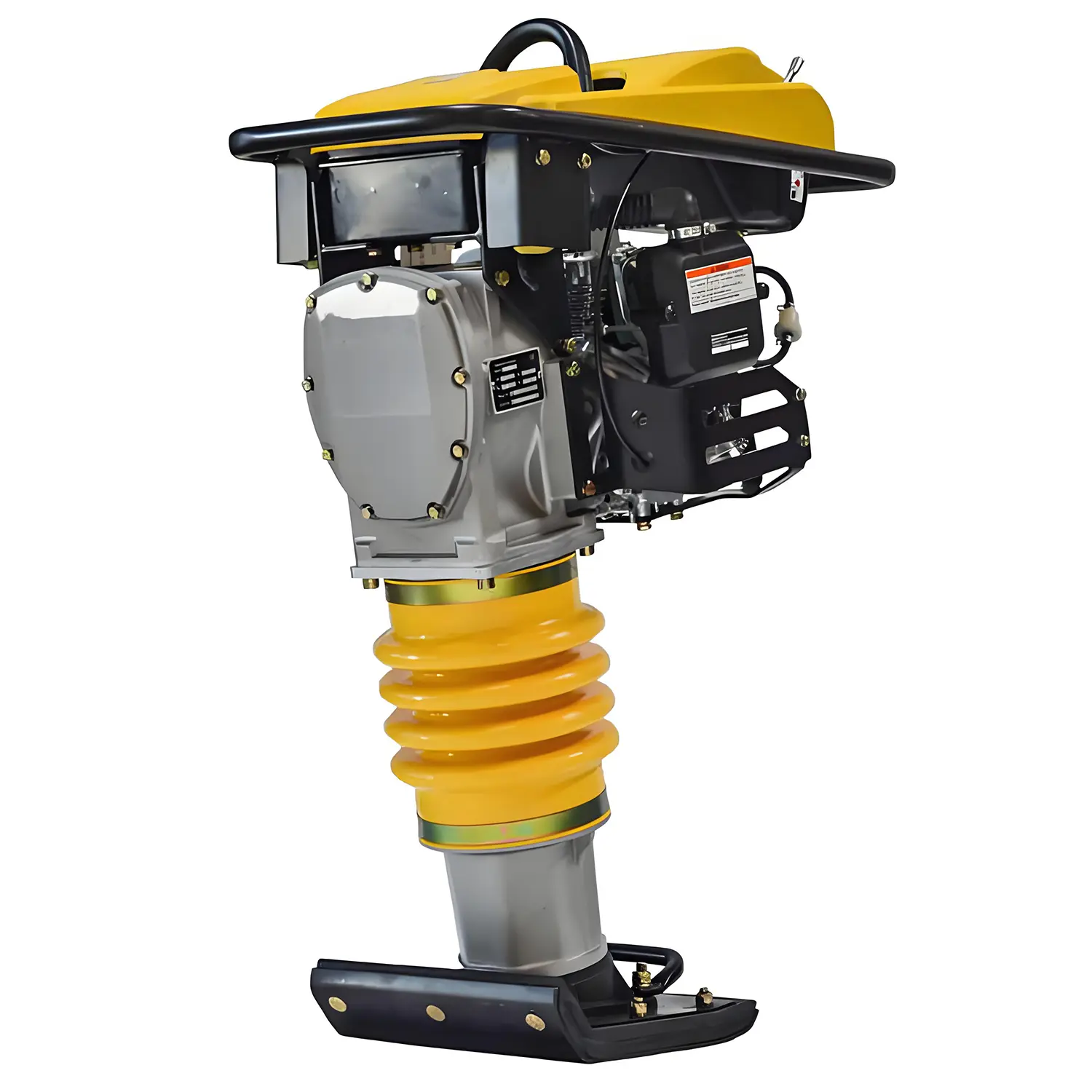 Tamping rammer
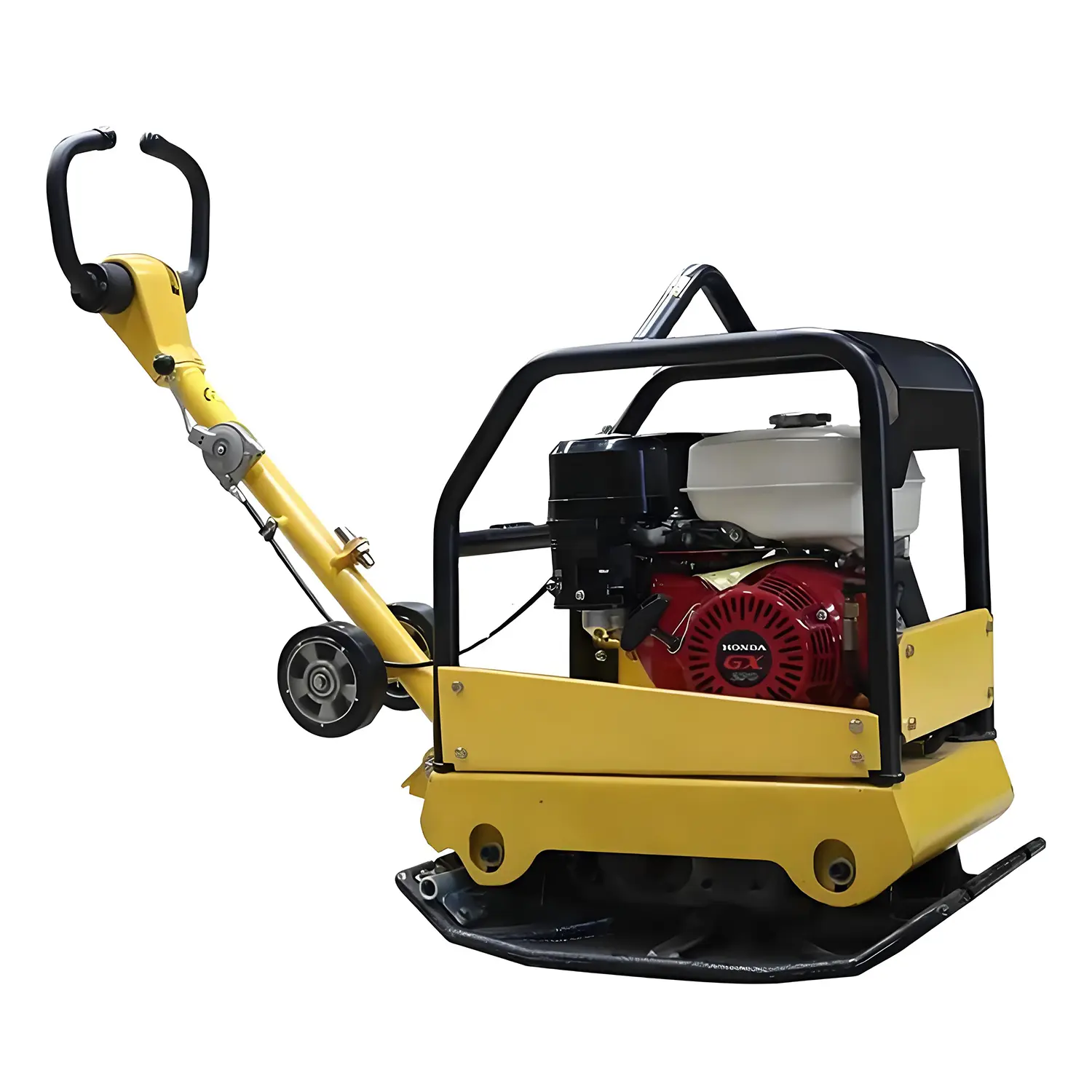 Plate compactor
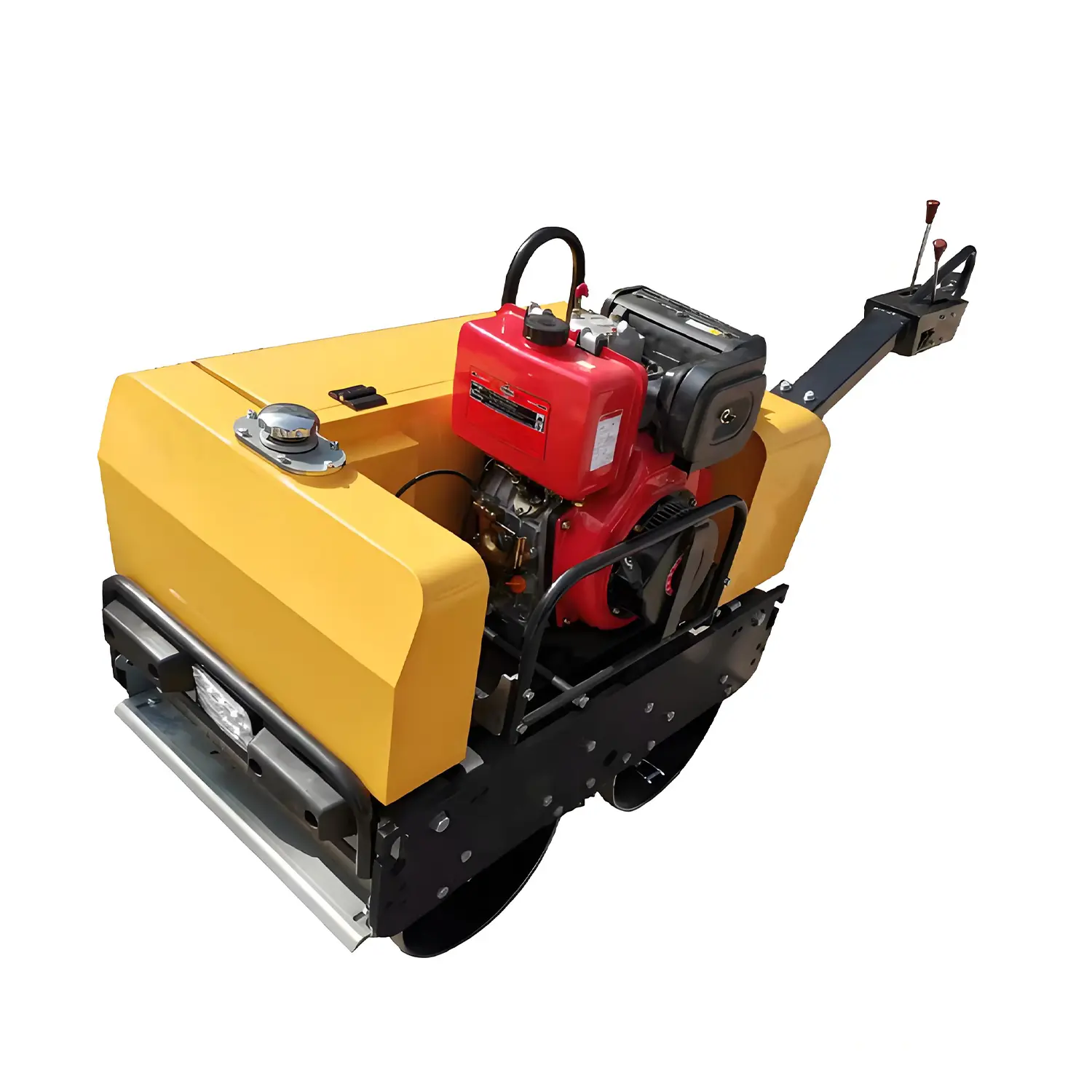 Vibratory roller