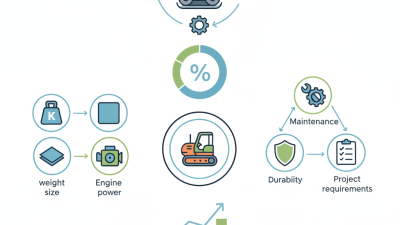
Top 10 Heavy Equipment Rollers for Global Buyers in 2026?
As the global construction industry evolves, the demand for reliable Heavy Equipment Rollers continues to rise. According to a recent industry report from Research and Markets, the heavy equipment market is projected to reach $250 billion by 2026, with rollers playing a pivotal role. These machines enhance the efficiency and productivity of construction projects, making them indispensable for contractors worldwide.
In 2022, the global roller market was valued at approximately $10 billion, with an expected compound annual growth rate (CAGR) of 5.1% over the next few years. This growth can be attributed to increased infrastructure development across urban and rural areas. Buyers should prioritize equipment with durability and advanced technology to meet varying project demands. However, not every model fits every task, leading to potential challenges for buyers unfamiliar with specifications and expected outcomes.
Investing in the right Heavy Equipment Roller can make a significant impact. Compromises on quality or versatility can lead to project delays and increased costs. Staying informed on the latest models and technologies is crucial for maximizing investment. Thus, understanding the top choices available in 2026 will guide buyers toward informed decisions.
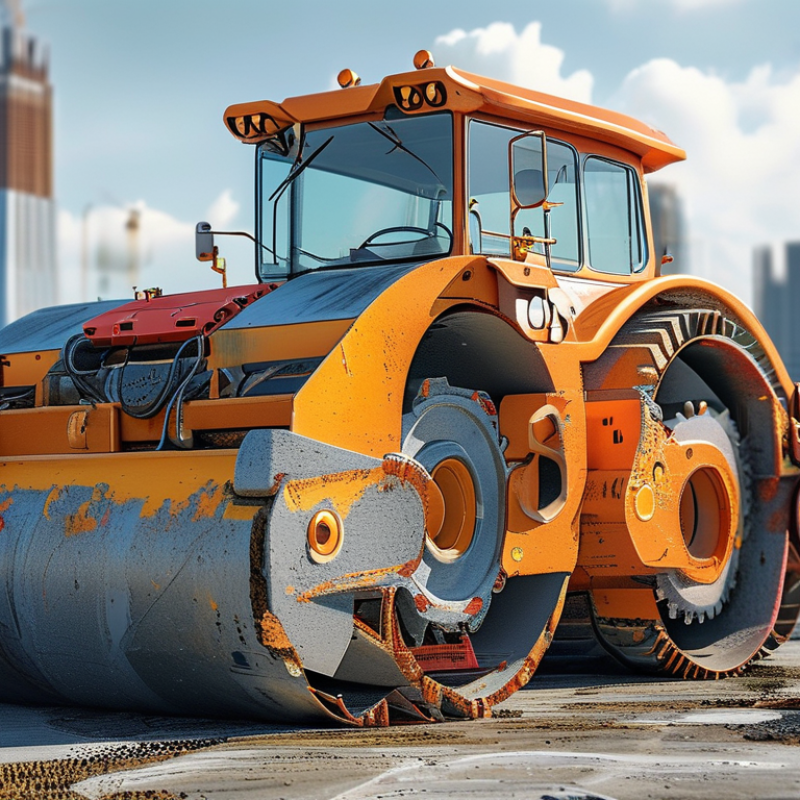
Top 10 Heavy Equipment Rollers for Global Buyers in 2026
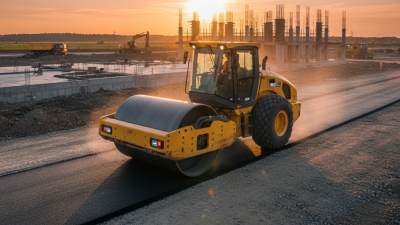
In 2026, the demand for heavy equipment rollers is expected to surge. Global buyers want reliable and efficient machines for construction and infrastructure projects. Rollers play a crucial role in soil compaction and asphalt laying. They enhance the stability and durability of surfaces.
When selecting a heavy equipment roller, it’s vital to consider the specifications. Look for machines with robust engines and advanced hydraulic systems. These features ensure better performance in various terrains. Yet, potential buyers often overlook the importance of operator comfort and machine visibility. An uncomfortable operator can affect productivity and safety on the job site.
Buyers should also reflect on maintenance practices. Regular upkeep is necessary for keeping rollers in top condition. Manufacturer support is a crucial factor, especially for parts and service. In some cases, limited local support can lead to project delays. Investing in a roller without proper backup can be a costly mistake.
Top 10 Heavy Equipment Rollers for Global Buyers in 2026
| Model |
Operating Weight (kg) |
Engine Power (kW) |
Roller Type |
Working Width (mm) |
| Model A |
15000 |
140 |
Vibratory |
2000 |
| Model B |
12000 |
130 |
Static |
1800 |
| Model C |
18000 |
160 |
Dual Drum |
2100 |
| Model D |
16000 |
175 |
Padfoot |
1900 |
| Model E |
17000 |
155 |
Vibratory |
2200 |
| Model F |
19000 |
180 |
Static |
2300 |
| Model G |
11000 |
120 |
Dual Drum |
2000 |
| Model H |
14000 |
145 |
Padfoot |
1950 |
| Model I |
13000 |
135 |
Vibratory |
1850 |
| Model J |
16000 |
165 |
Static |
2100 |
Overview of Heavy Equipment Rollers and Their Uses
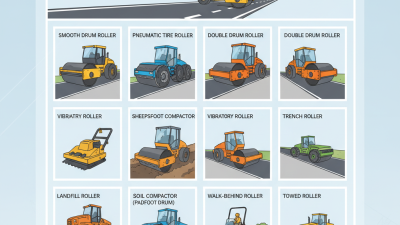
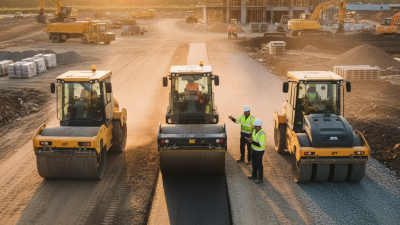
Heavy equipment rollers play a crucial role in construction and paving. These machines compact soil, asphalt, and other materials to create a strong, stable foundation. Their significance cannot be overstated, as proper compaction ensures the longevity and durability of structures. Rollers come in various types, each designed for specific tasks. Some are ideal for asphalt, while others work better on soil.
Choosing the right roller for a project can be challenging. Operators need to consider factors like terrain type and material to be compacted. It’s not uncommon for projects to face issues due to improper equipment selection. Sometimes, operators may overlook the importance of roller weight or drum width. These factors greatly influence compaction efficiency.
Beyond the mechanical aspects, safety also comes into play. The operation of heavy equipment requires precision and training. Misjudgments can lead to accidents or damage. Therefore, operators should continuously seek education and improvement in their skills. Understanding the equipment and its capabilities is essential for optimal use. Effective compaction not only saves time but also prevents costly repairs later on.
Criteria for Selecting the Best Rollers in 2026
When selecting the best heavy equipment rollers in 2026, buyers must consider several key criteria. The performance level is critical; rollers must meet specific weight and compaction requirements for varying terrains. According to a recent market analysis, reliable rollers typically range from 5 to 30 tons. Buyers should ensure the equipment's compaction efficiency aligns with project specifications.
Durability is another essential factor. Equipment must withstand harsh operating conditions. A study by the Global Construction Equipment Report indicated that well-maintained rollers can last over a decade, providing significant cost savings over time. Therefore, potential buyers should look for the latest technology in construction materials.
Inspection of user-friendliness is crucial. Modern rollers should come equipped with features that enhance operator comfort and efficiency. Control systems must be intuitive to minimize the learning curve for new operators. Furthermore, regular maintenance is necessary to keep the equipment in optimal condition.
Operators should prioritize extensive training. Understanding the equipment's capabilities ensures safer operations. Proper training minimizes the risk of accidents, which is crucial for workplace safety. Discussing experiences with experienced operators can provide additional insights into potential challenges. It's essential to solicit feedback from current users to adjust preferences based on real-world performance.
Review of the Leading Manufacturers in the Heavy Equipment Sector
The heavy equipment sector is continually evolving, driven by advancements in technology and increased demand for efficiency. As global buyers seek reliable rollers, a careful review of leading manufacturers reveals essential factors. These include durability, performance, and innovation. Not every manufacturer meets these criteria consistently. Buyers often face challenges in navigating the available options.
Research indicates that experienced operators prefer rollers with user-friendly controls and maintenance access. Some manufacturers excel in providing robust after-sales support, while others may fall short. Reliability often comes from established companies that have invested in research and development. Buyers must weigh which features are essential for their needs and budgets.
It's important to recognize that not all rollers are suited for every project. Each construction site presents unique demands. When evaluating manufacturers, consider customer reviews and industry feedback. Practical insights from operators can significantly influence purchasing decisions. Reflecting on this information can lead to more informed choices, ultimately enhancing project efficiency.
Technological Advances Shaping the Future of Roller Equipment
The future of heavy equipment rollers is being shaped by rapid technological advances. Innovations in automation and connectivity are enhancing efficiency and safety. According to the International Equipment Manufacturing Association, the market for construction equipment, including rollers, is projected to reach $250 billion by 2026. This growth underscores the need for advanced features and smarter designs.
As roller technology evolves, manufacturers are integrating telematics. This allows operators to monitor performance in real-time. Sensors provide valuable data on fuel consumption, usage patterns, and maintenance needs. These insights drive down operational costs and ensure timely interventions. However, not all companies are fully embracing these tools. A lack of understanding can lead to underutilized potential.
Maintaining equipment is vital for operational longevity. Regular check-ups and updates are necessary to harness new technologies effectively. Ensure staff is trained on digital systems. This makes a difference in performance and safety. Embracing change can be daunting, but it's critical for staying competitive. Future rollers may also incorporate sustainable practices, further pushing the industry forward.
Conclusion
The article "Top 10 Heavy Equipment Rollers for Global Buyers in 2026" provides a comprehensive overview of heavy equipment rollers, highlighting their crucial role in construction and civil engineering projects. It outlines the essential criteria for selecting the best rollers in 2026, focusing on factors such as durability, efficiency, and technological features that enhance performance.
The piece also reviews the leading manufacturers in the heavy equipment sector, discussing their contributions to the market. As technological advances continue to shape roller equipment, the article sheds light on emerging trends and evolving consumer preferences, ensuring that global buyers are well-informed for their purchasing decisions in the upcoming year. Overall, the insights provided offer valuable guidance for anyone looking to invest in heavy equipment rollers in 2026.

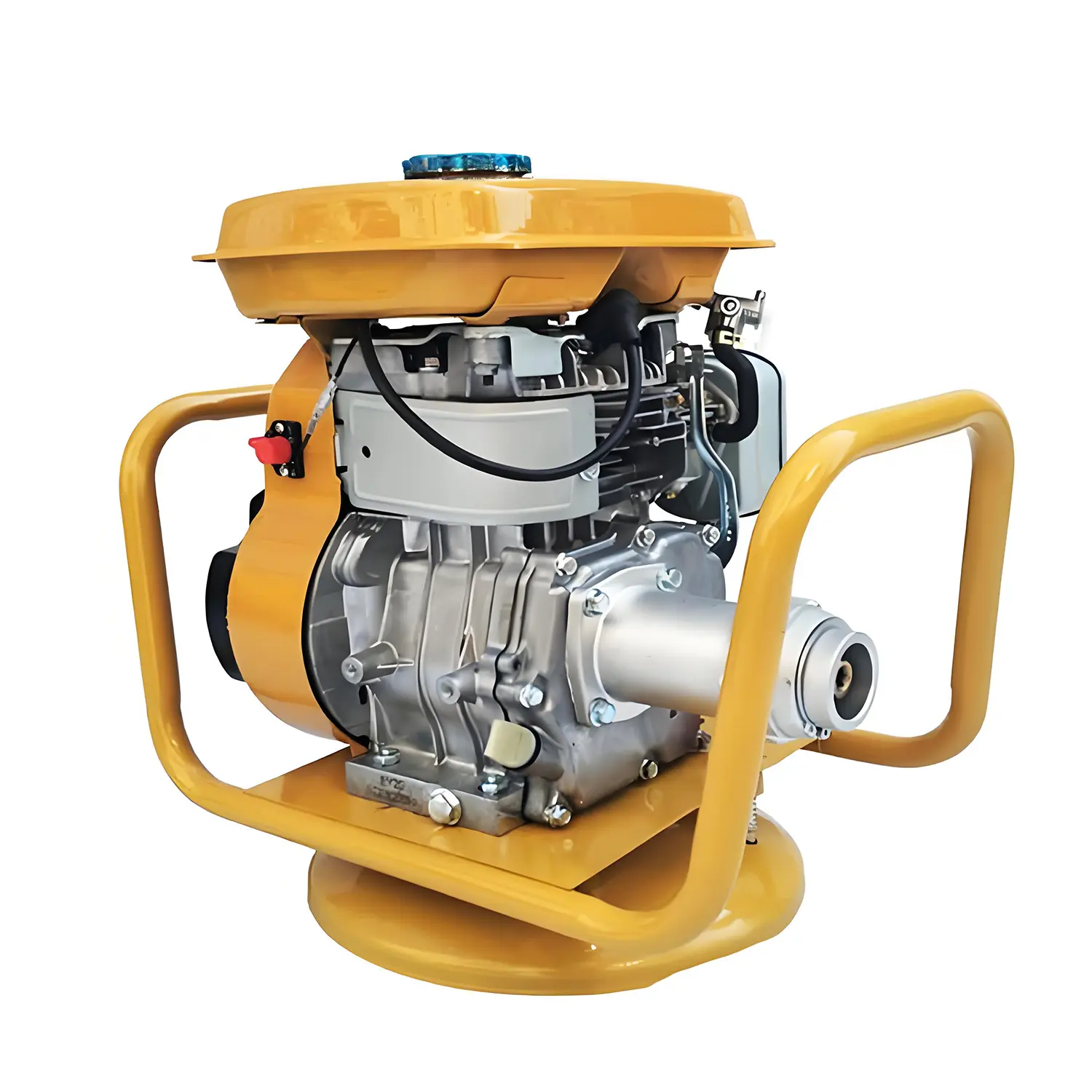 Internal Vibrator
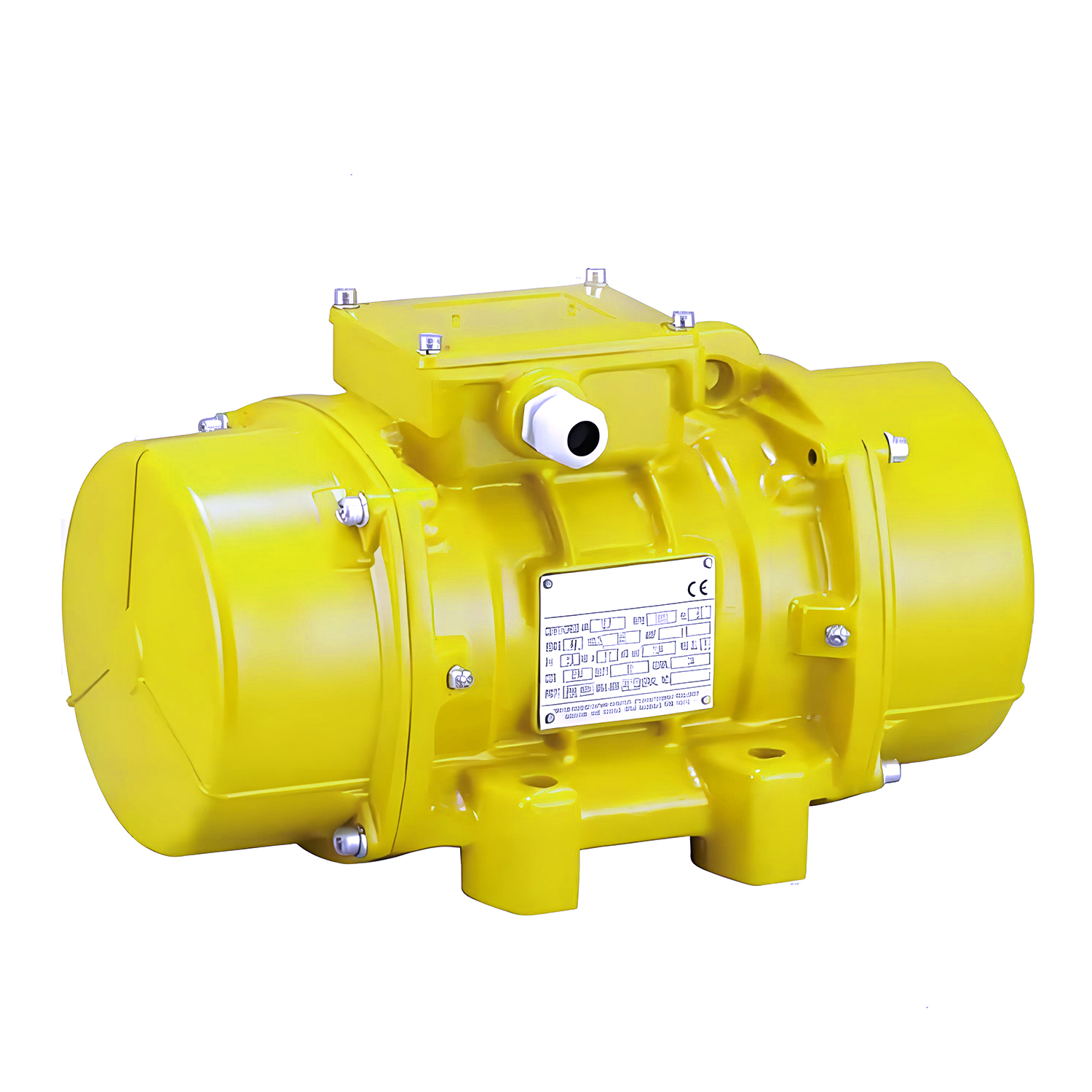 External Vibrator
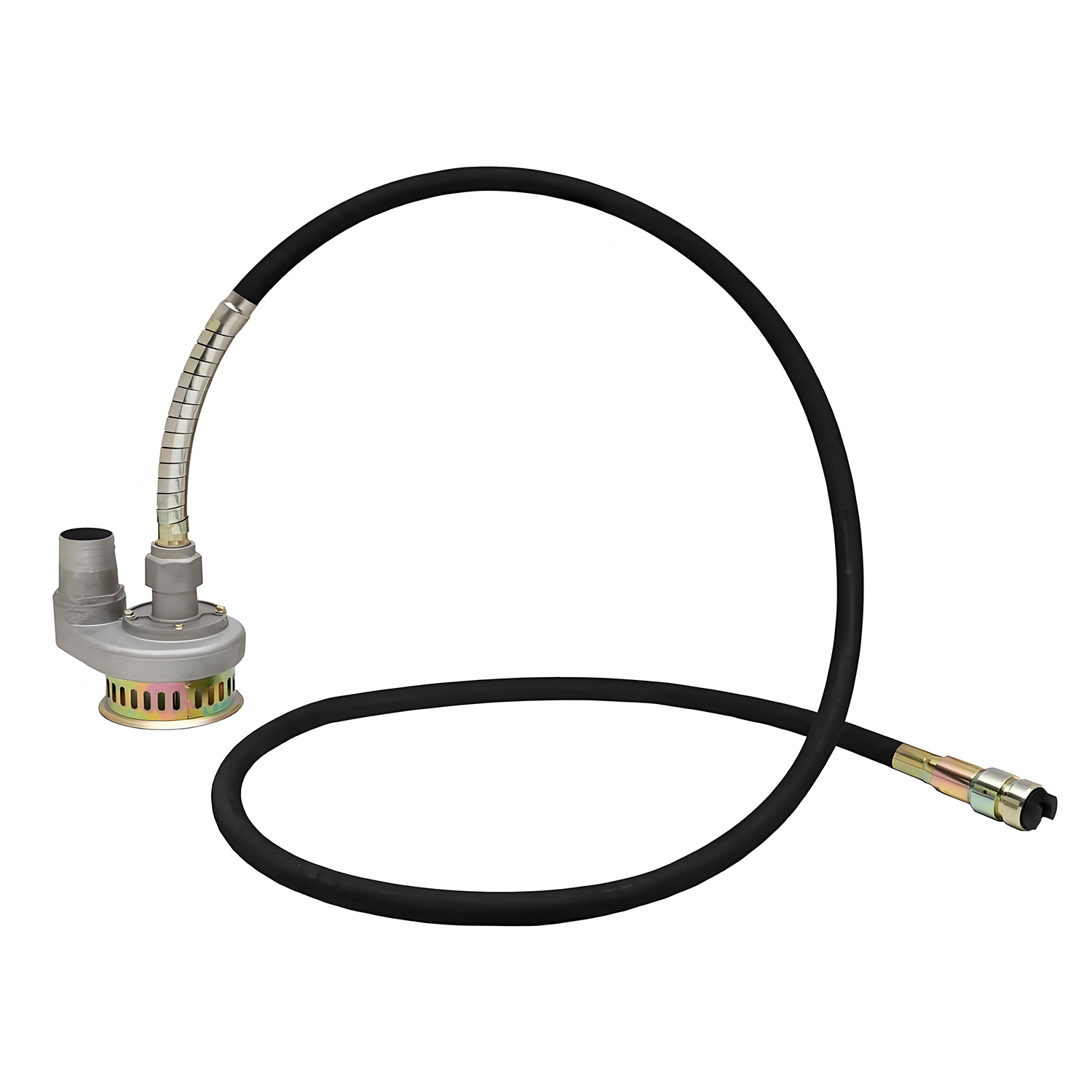 Submersible Pump
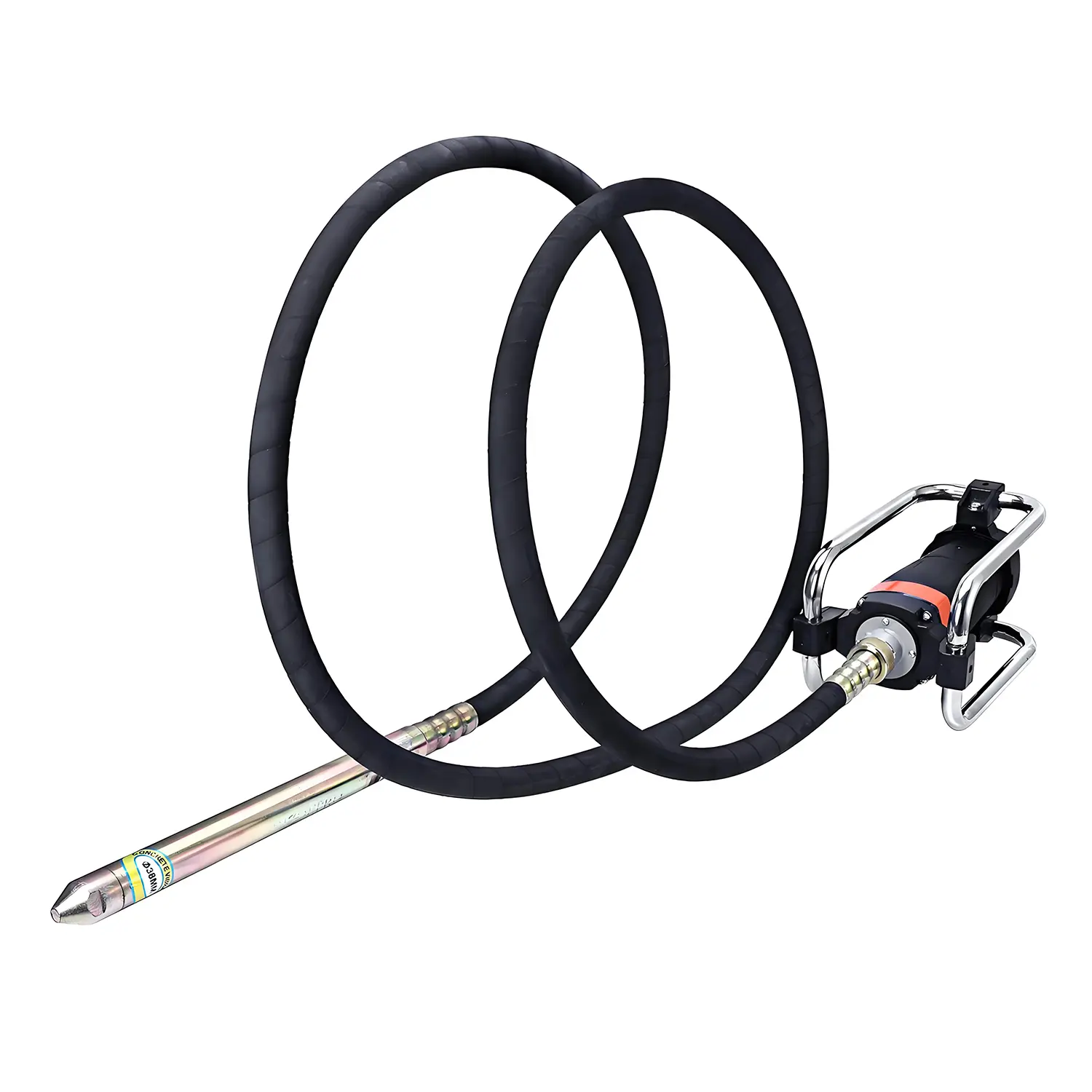 Eccentric shaft
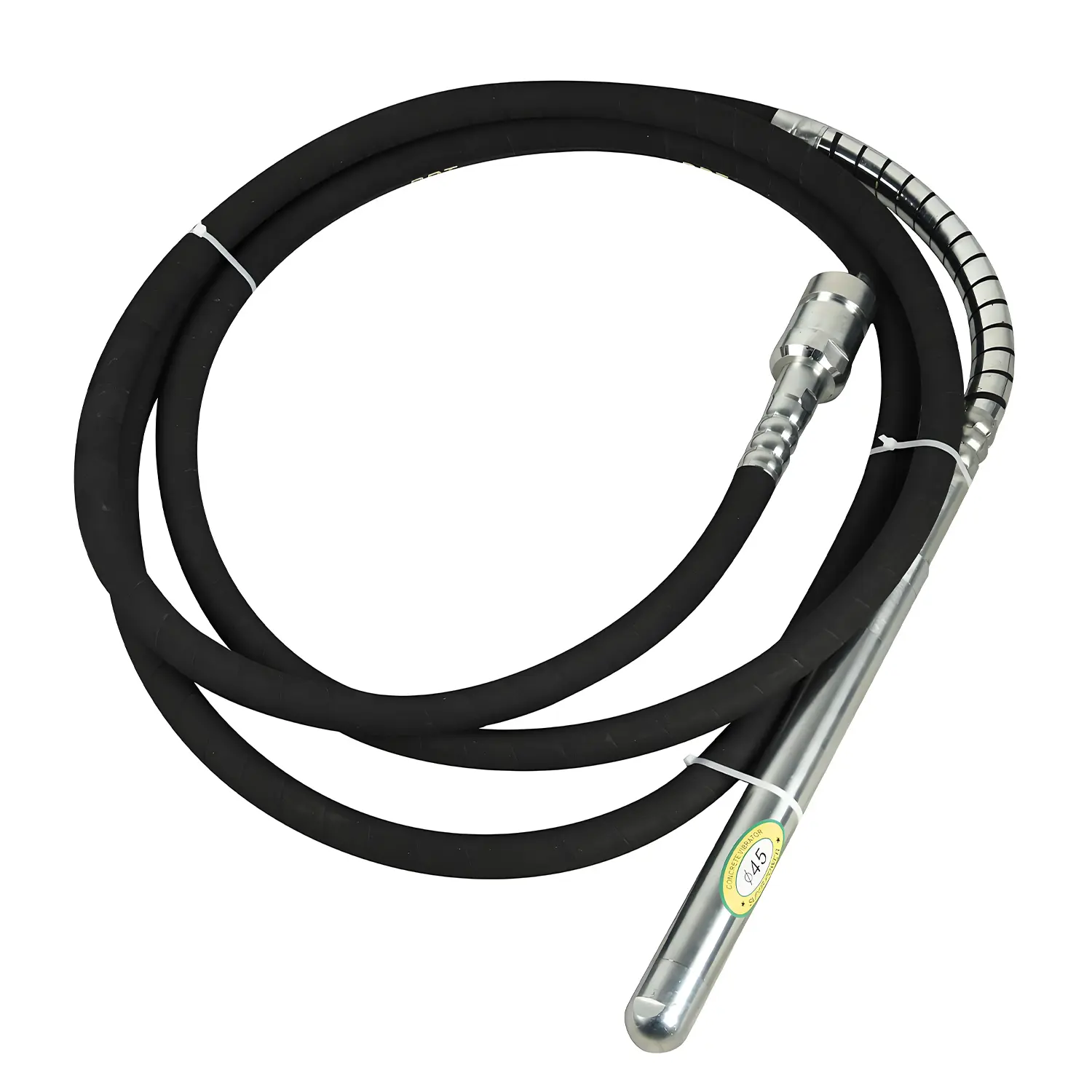 Pendulum shaft
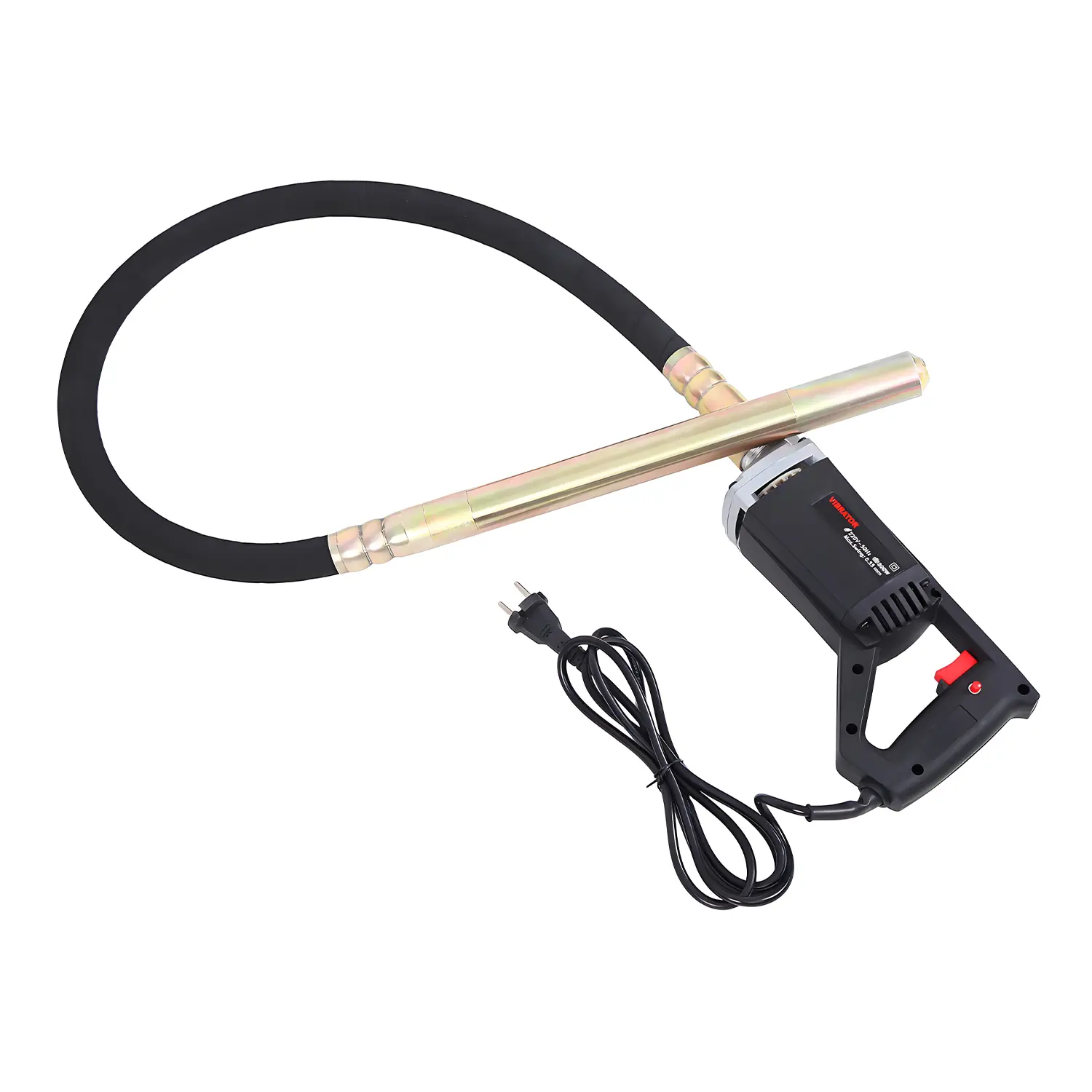 Portable vbrator shaft
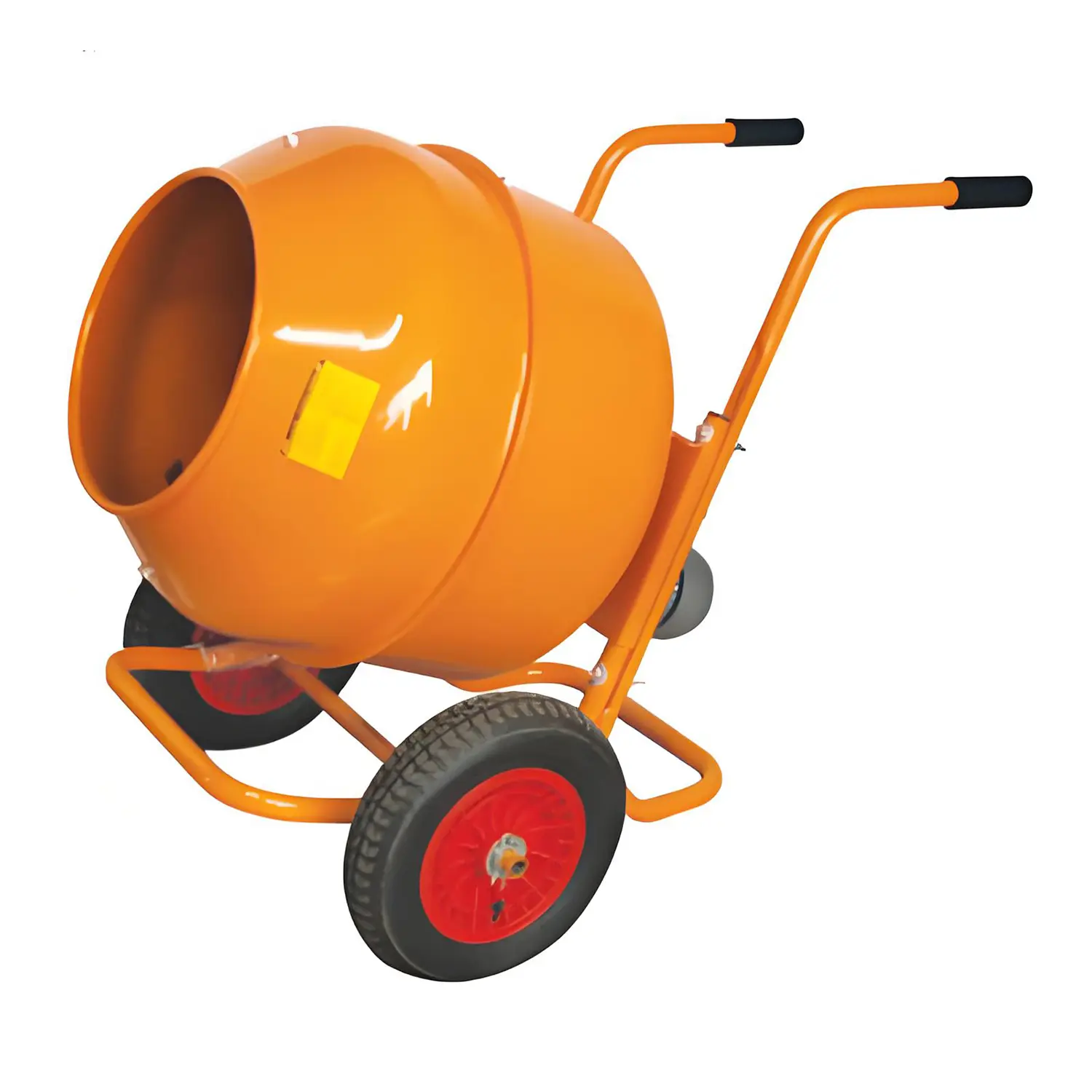 Portable concrete mixer
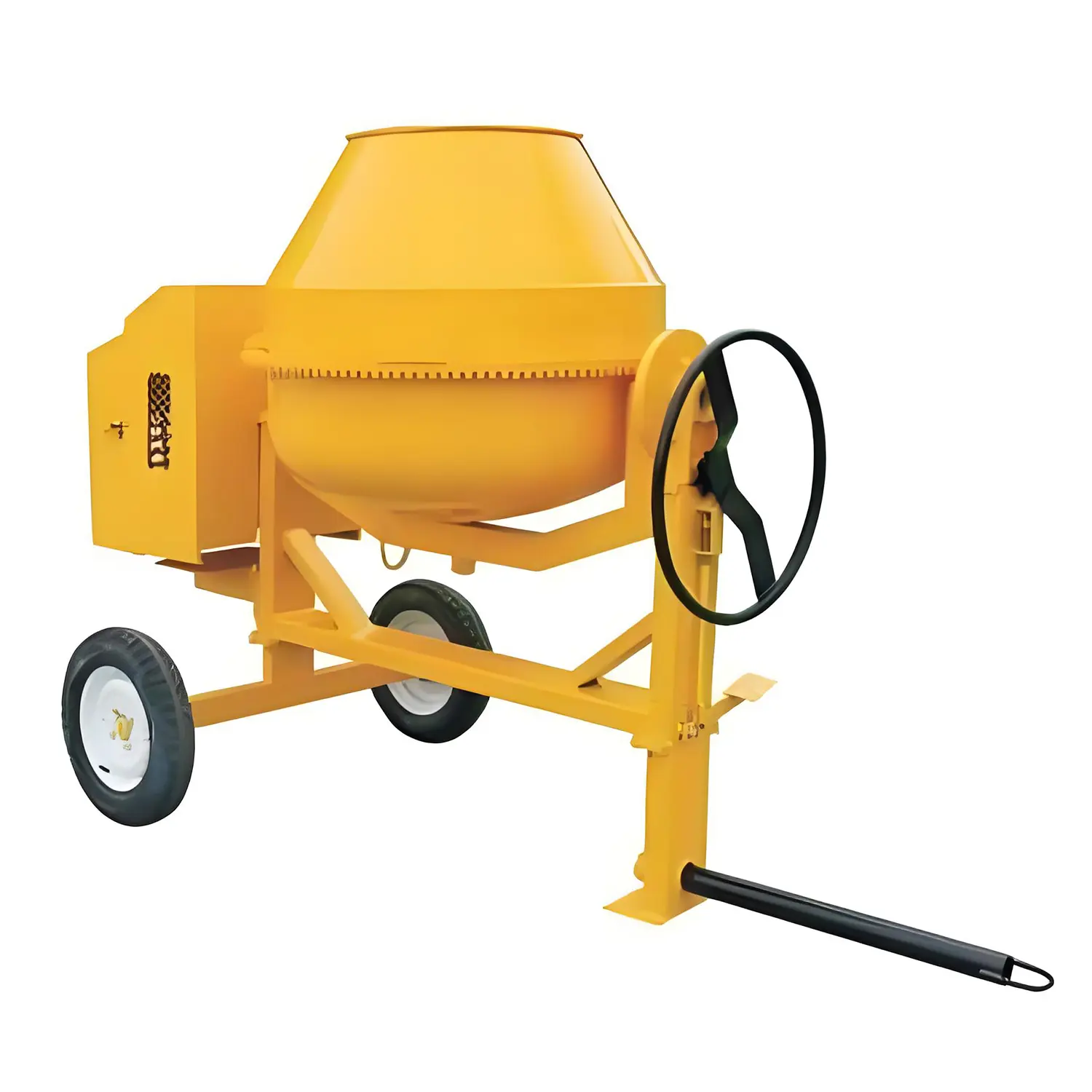 Vertical concrete mixer
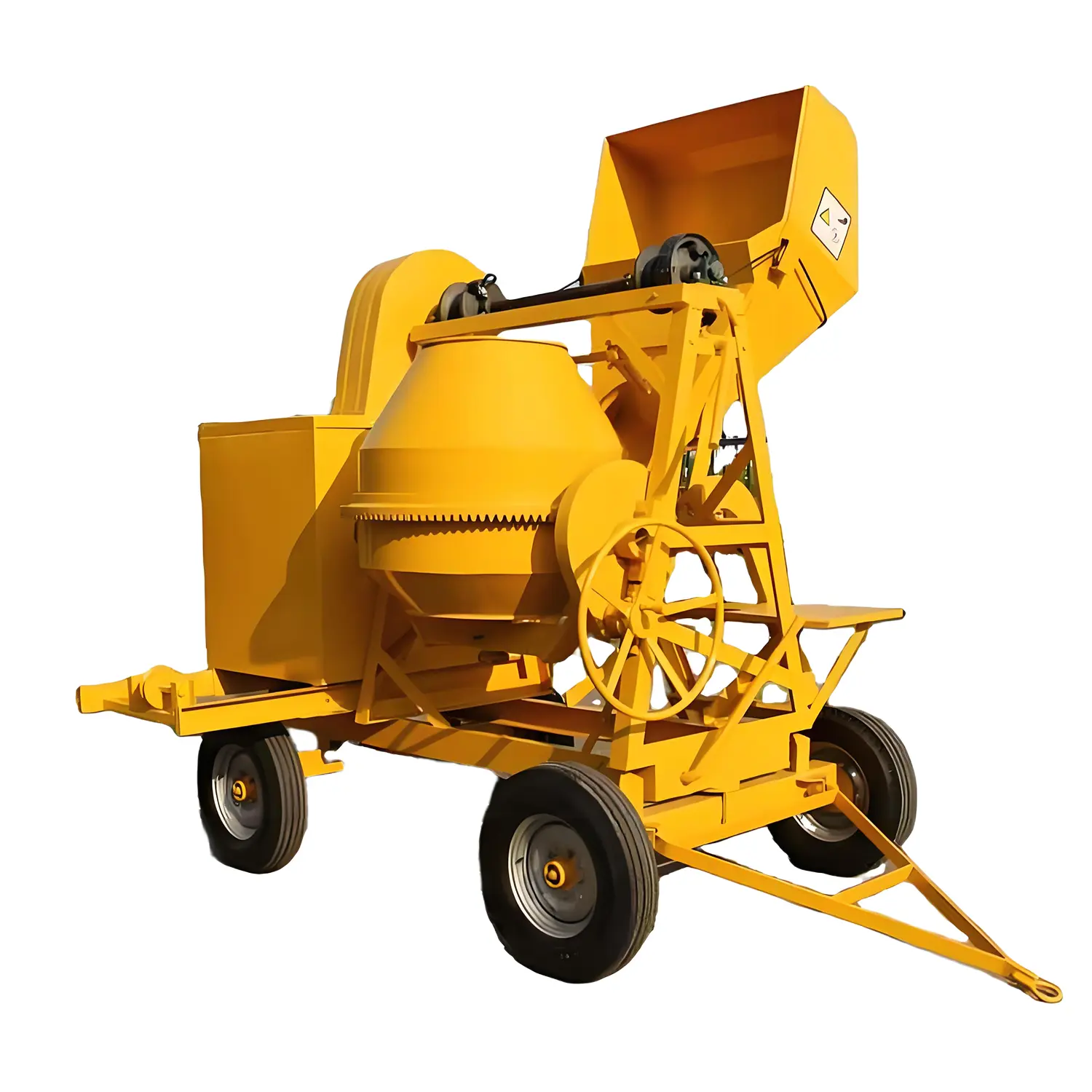 Hydraulic concrete mixer
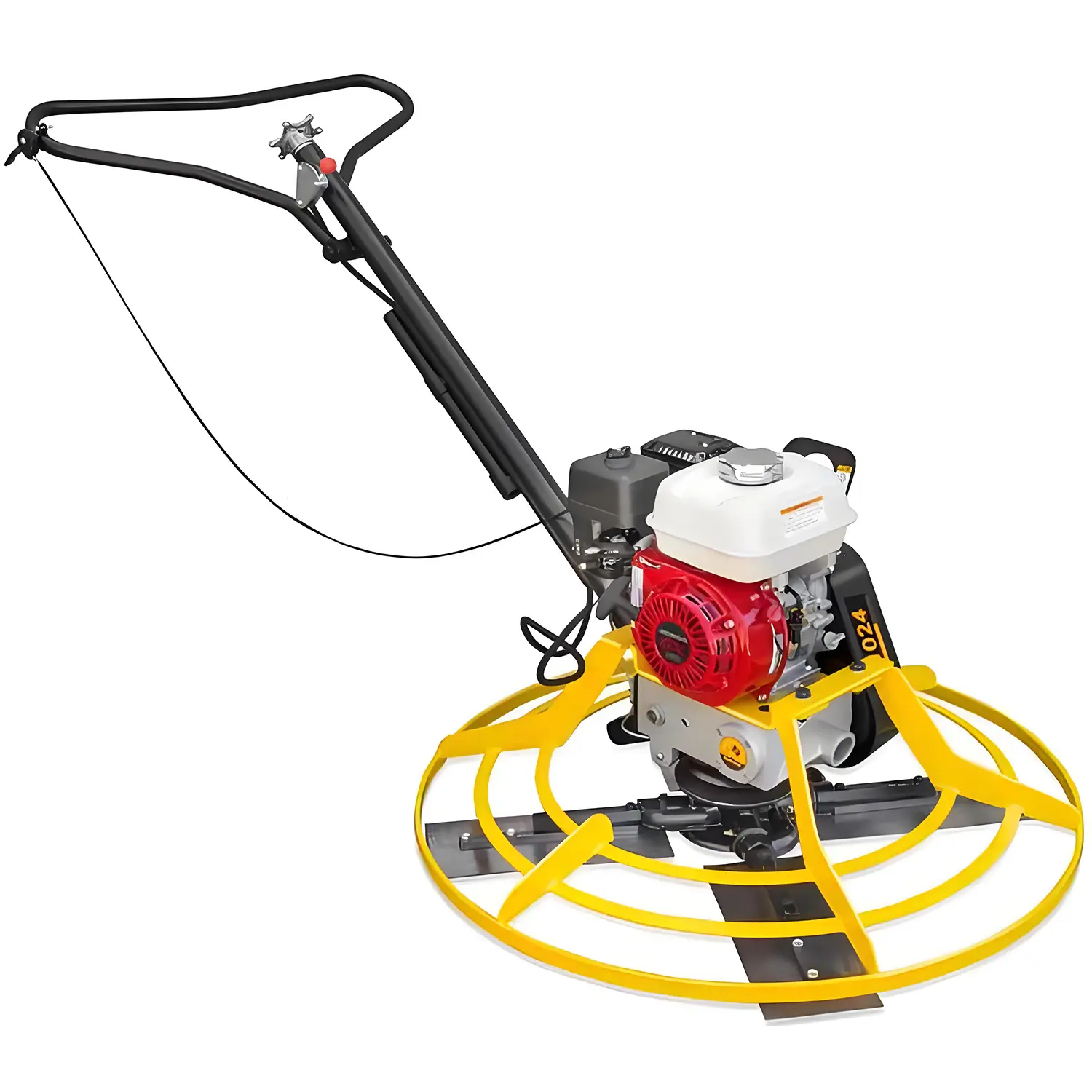 Walk behind power trowel
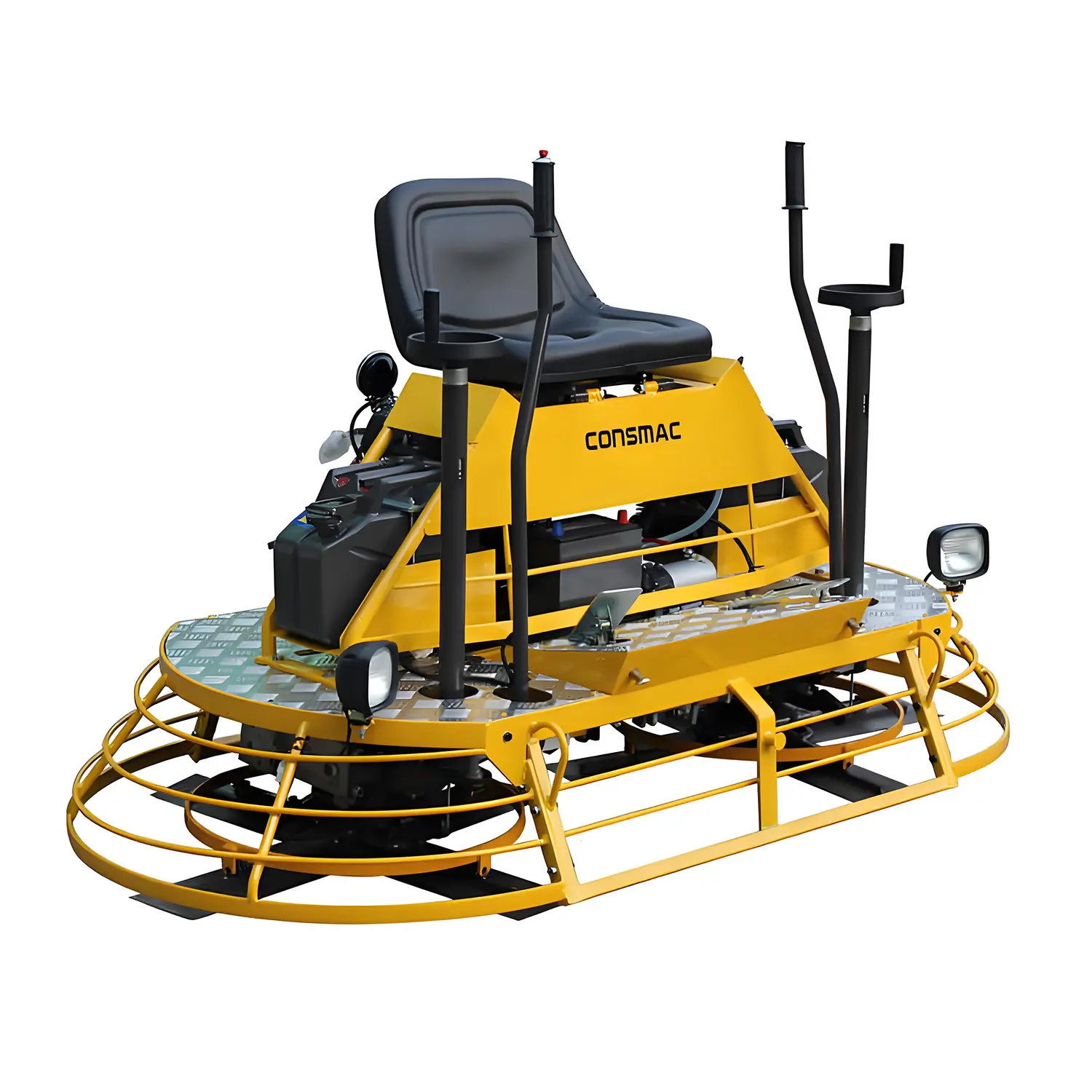 Ride on power trowel
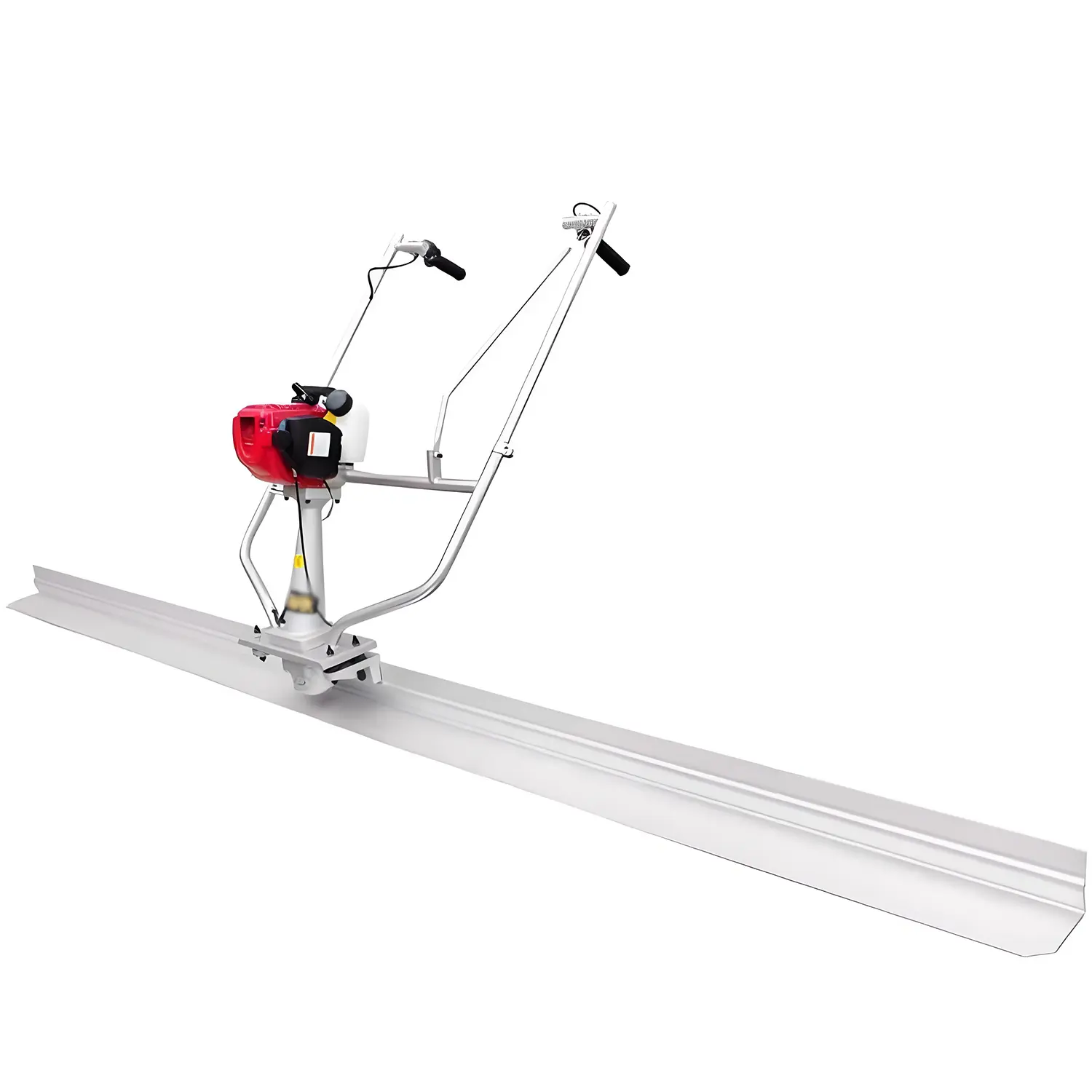 Concrete screed
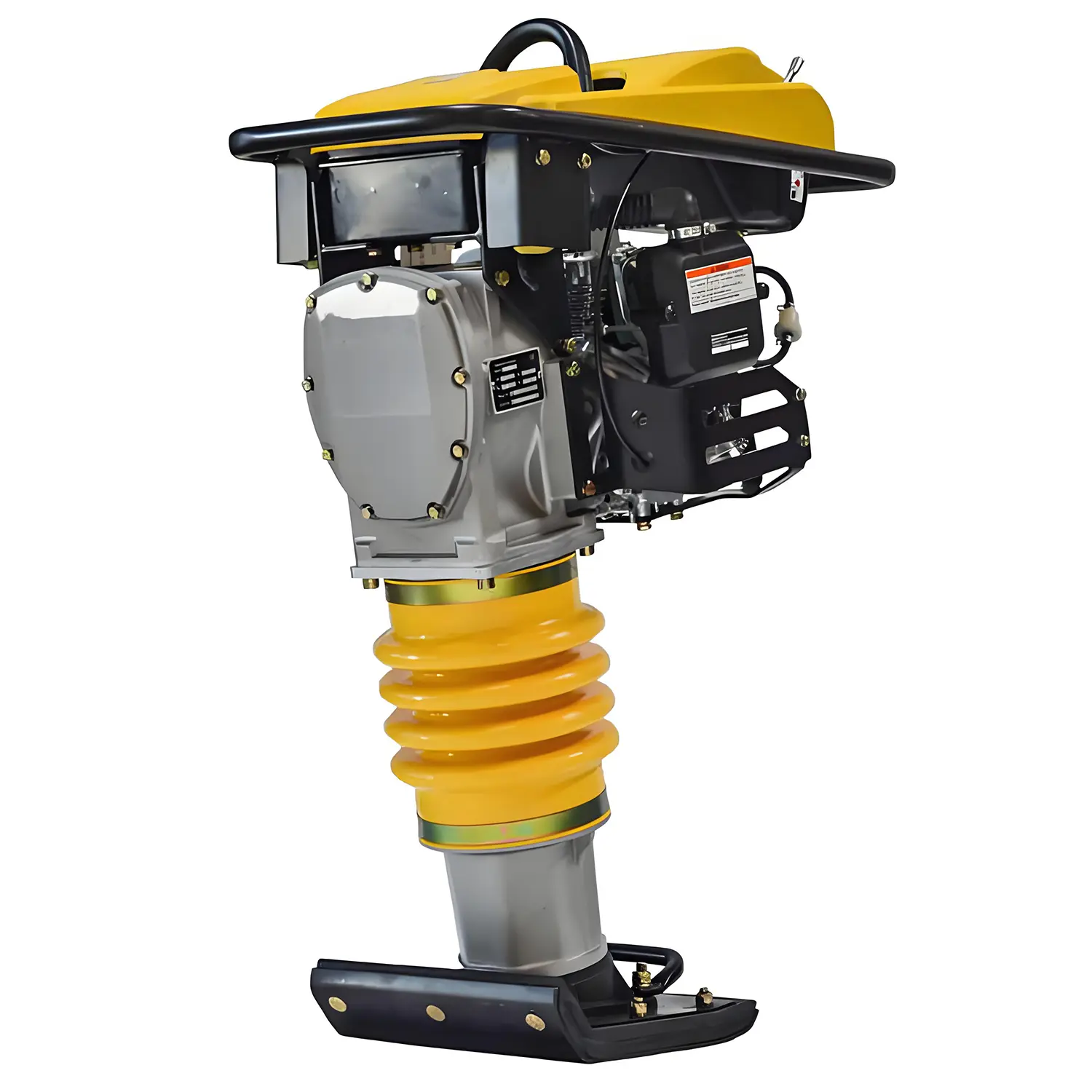 Tamping rammer
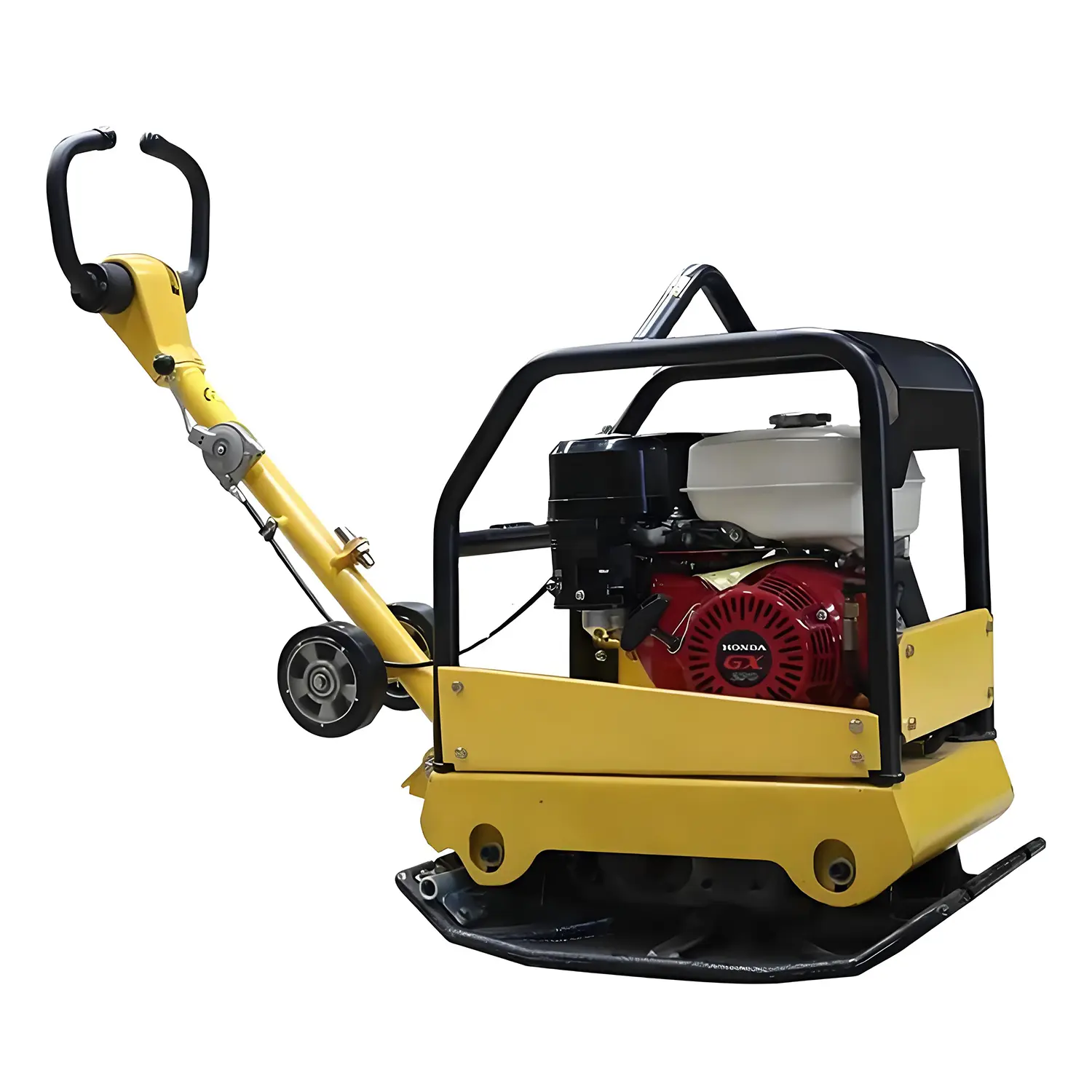 Plate compactor
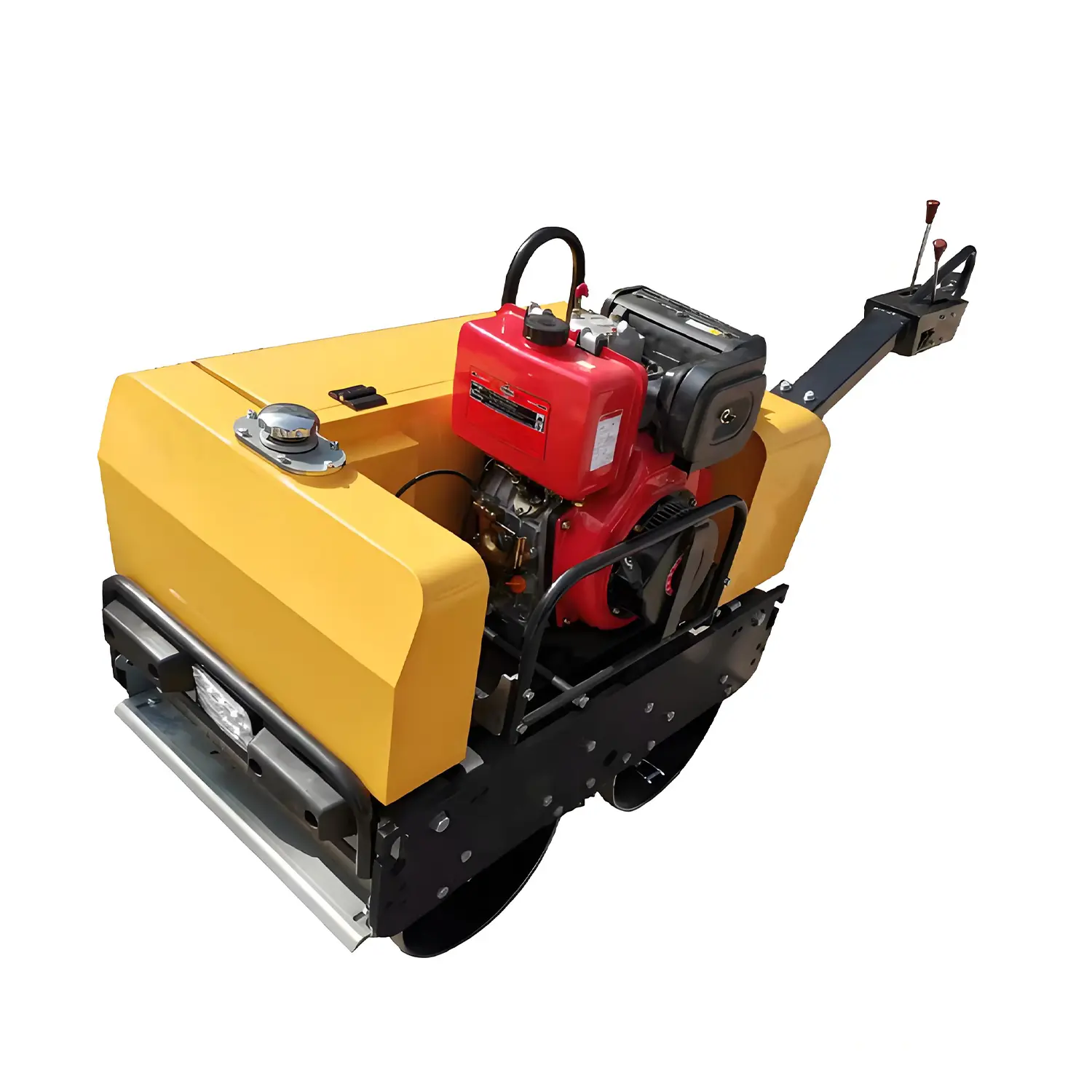 Vibratory roller